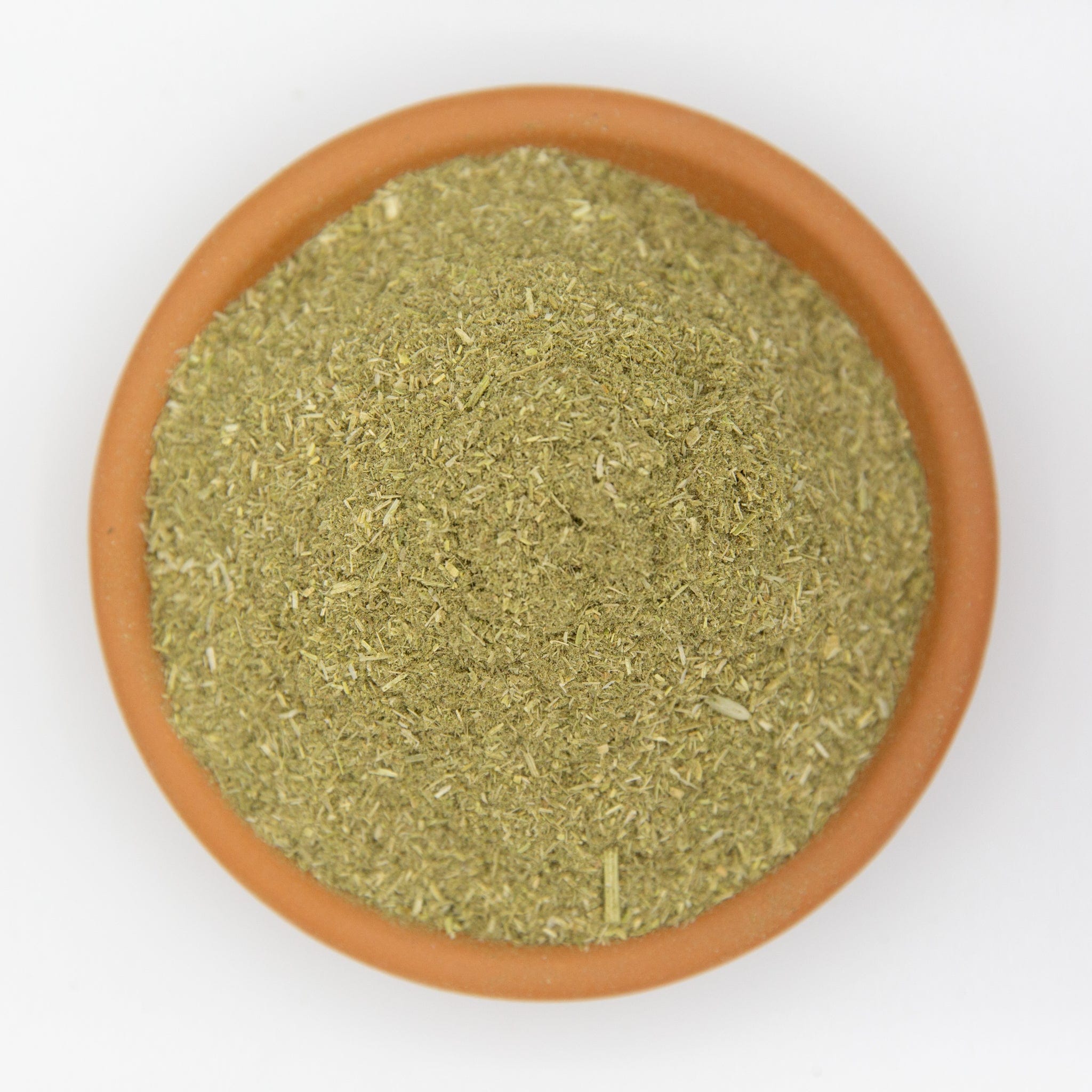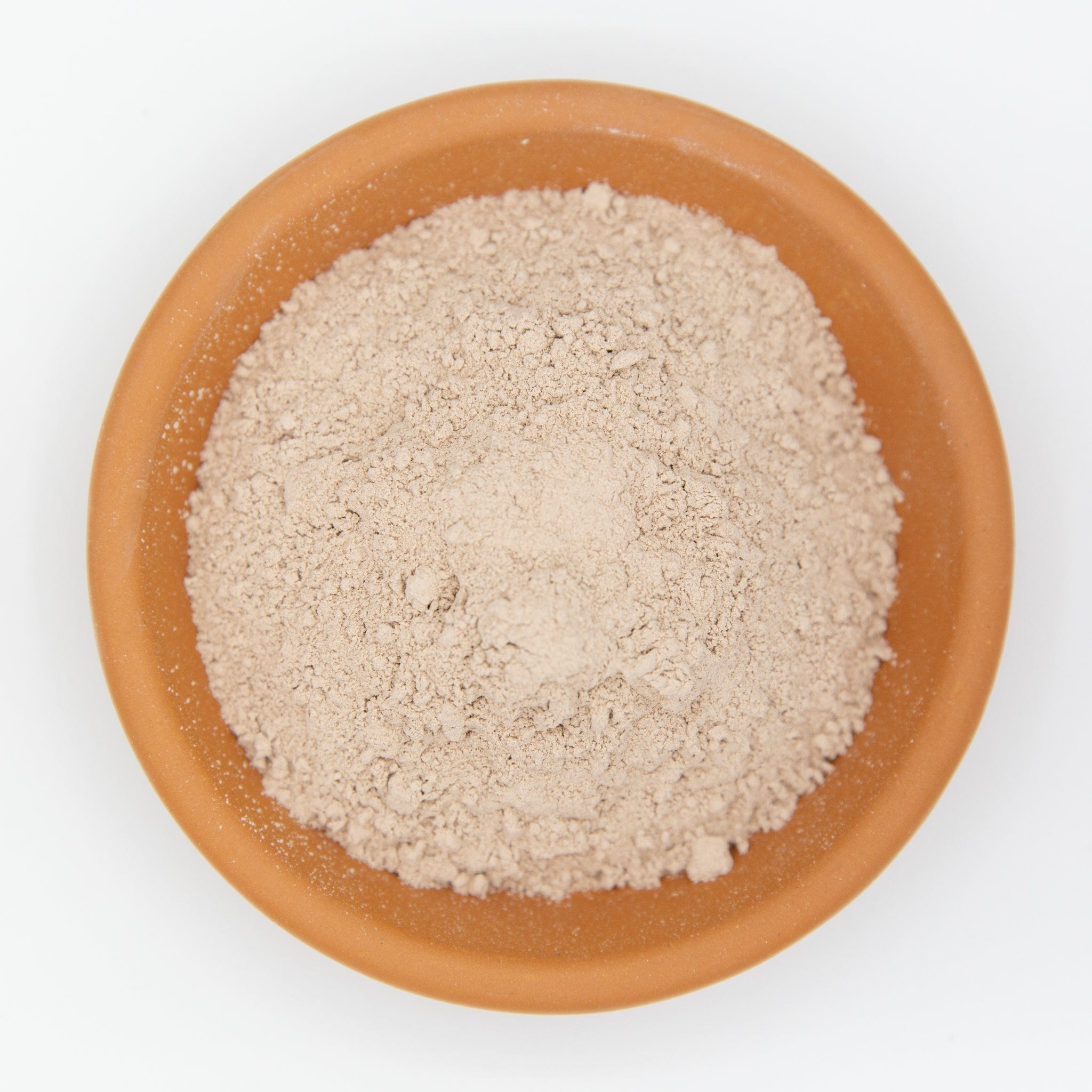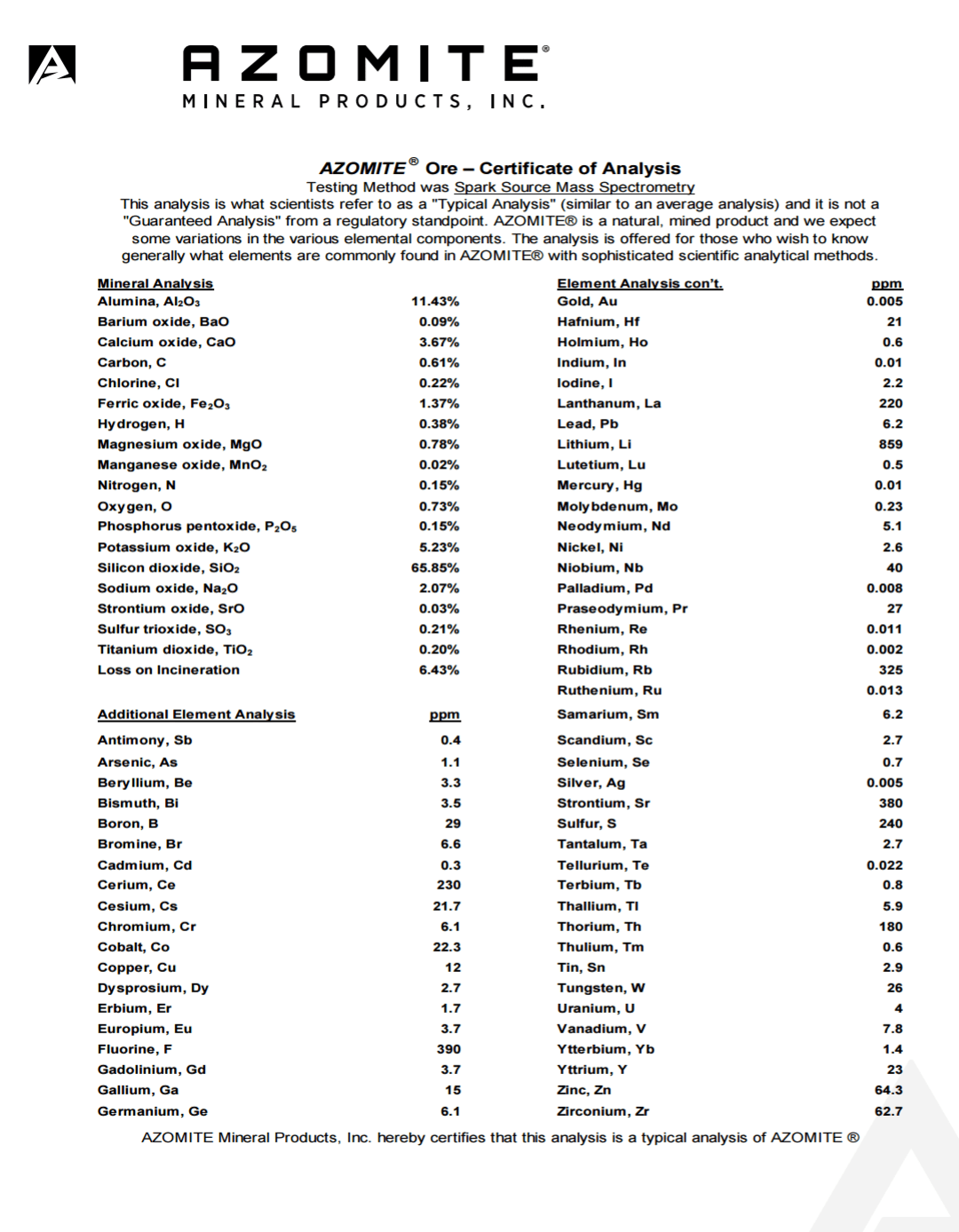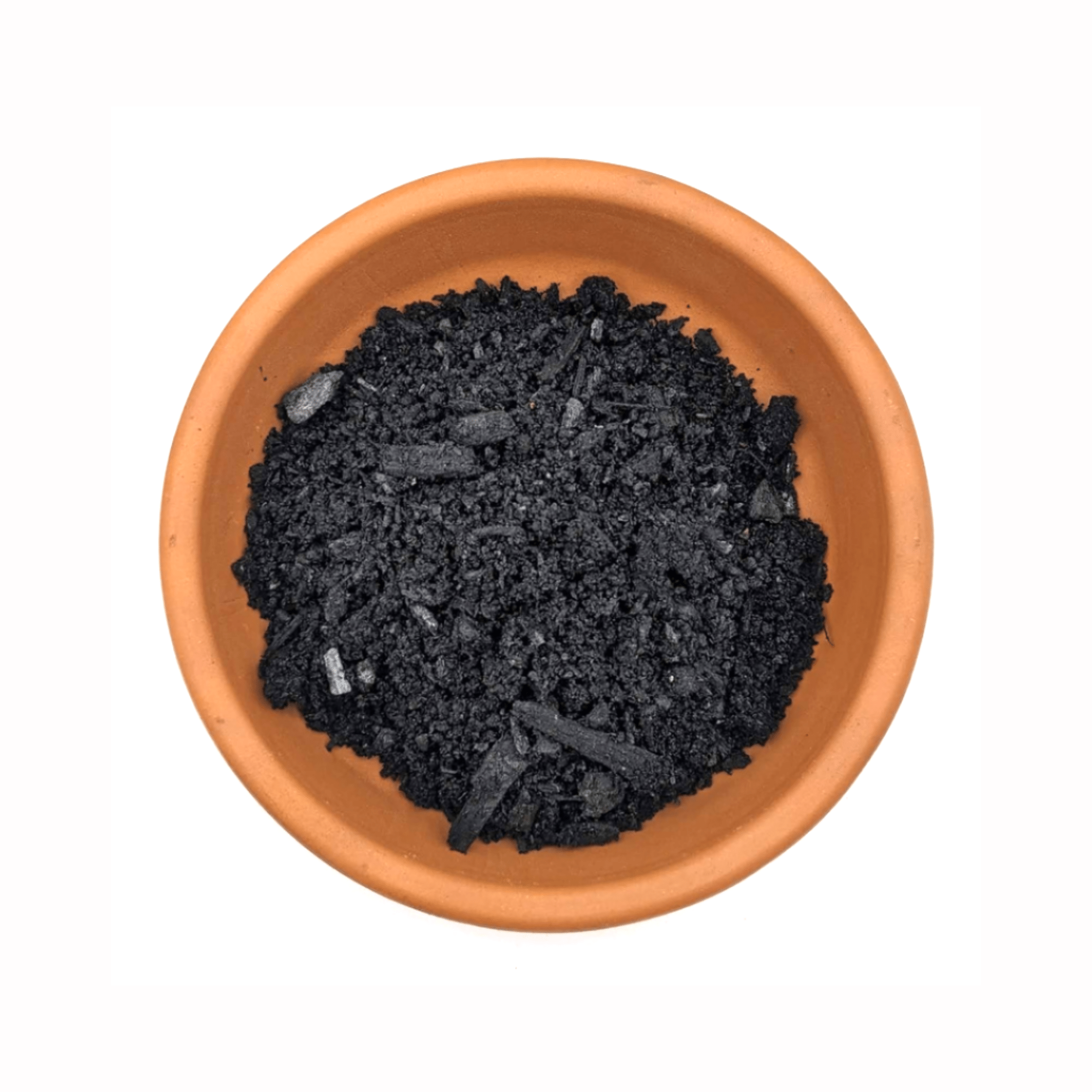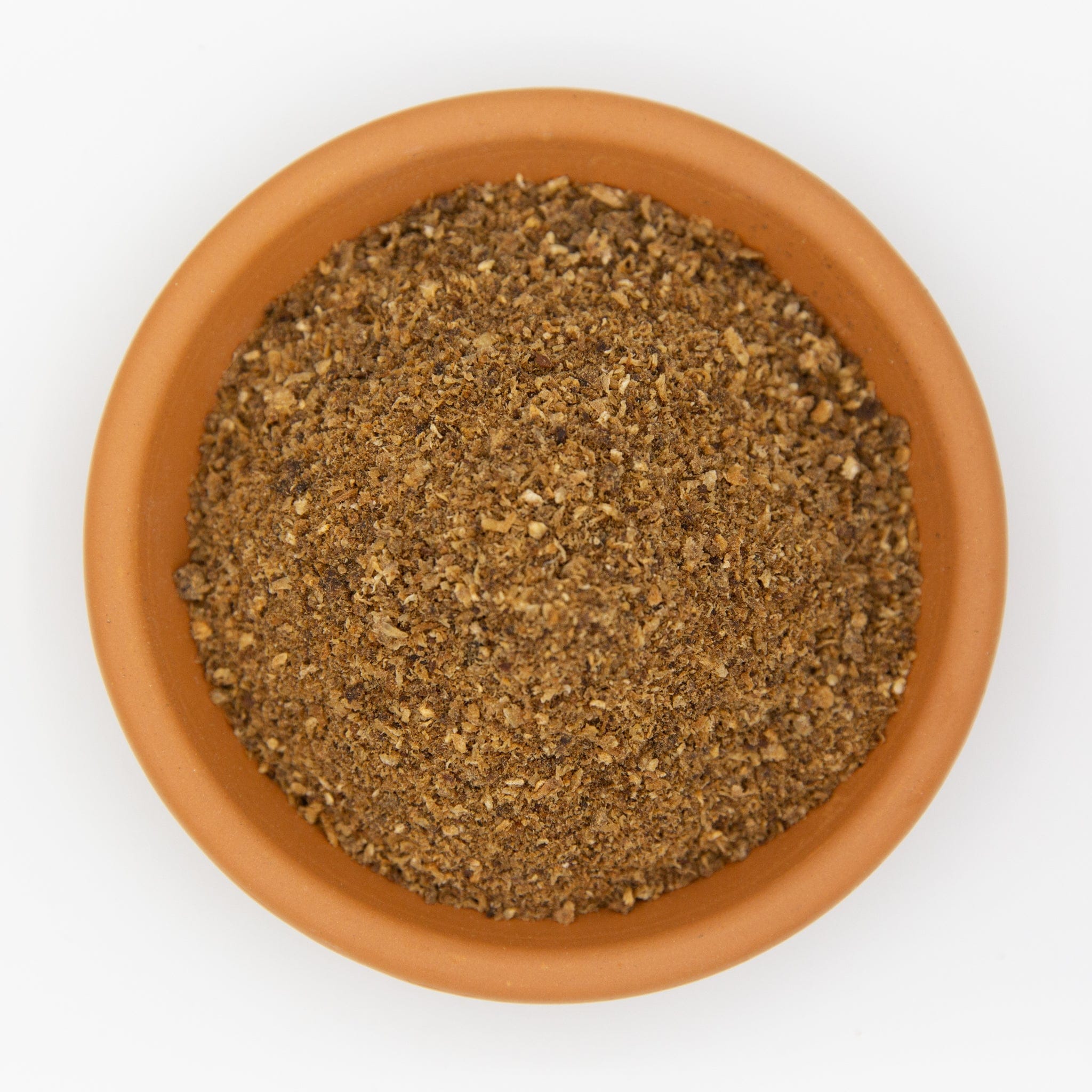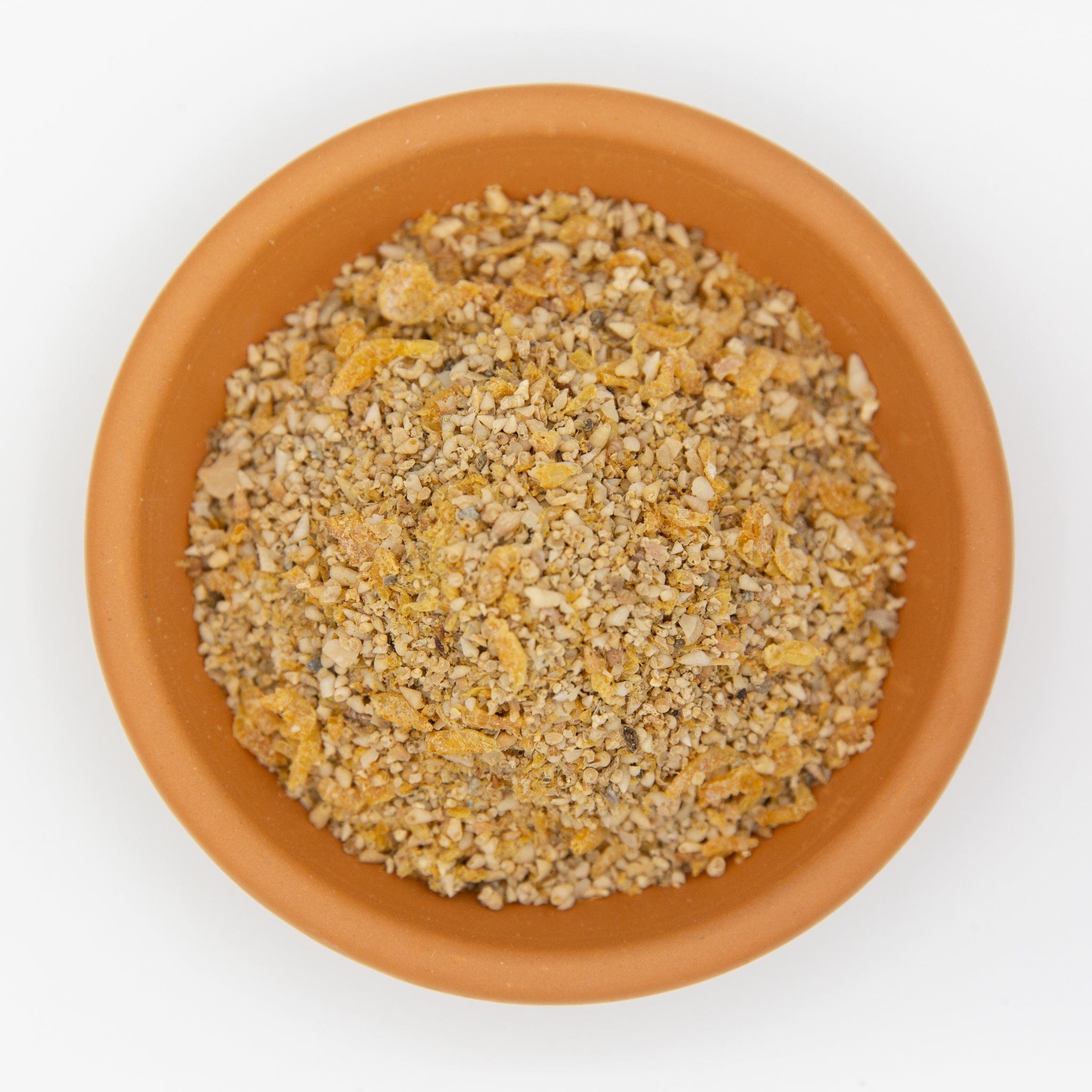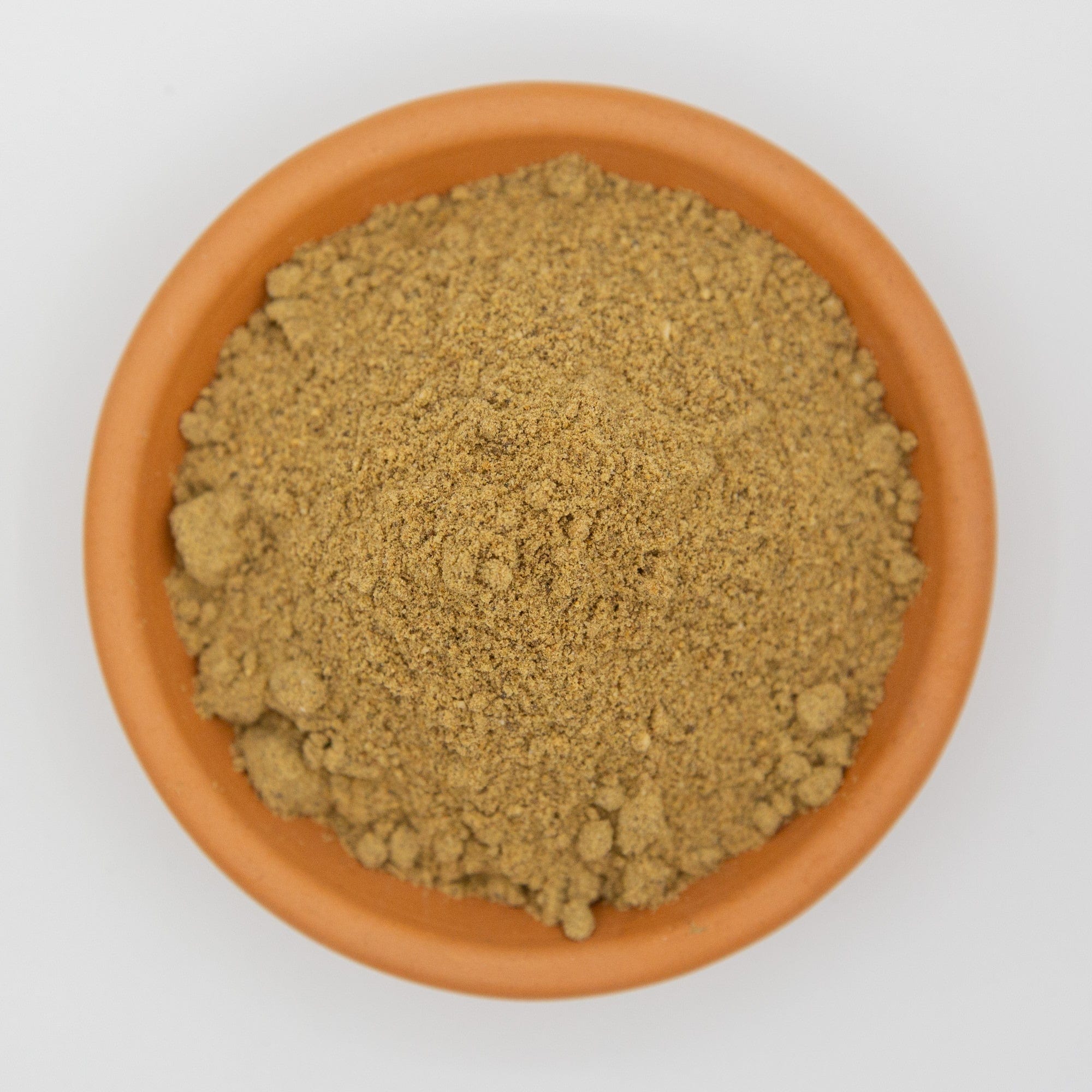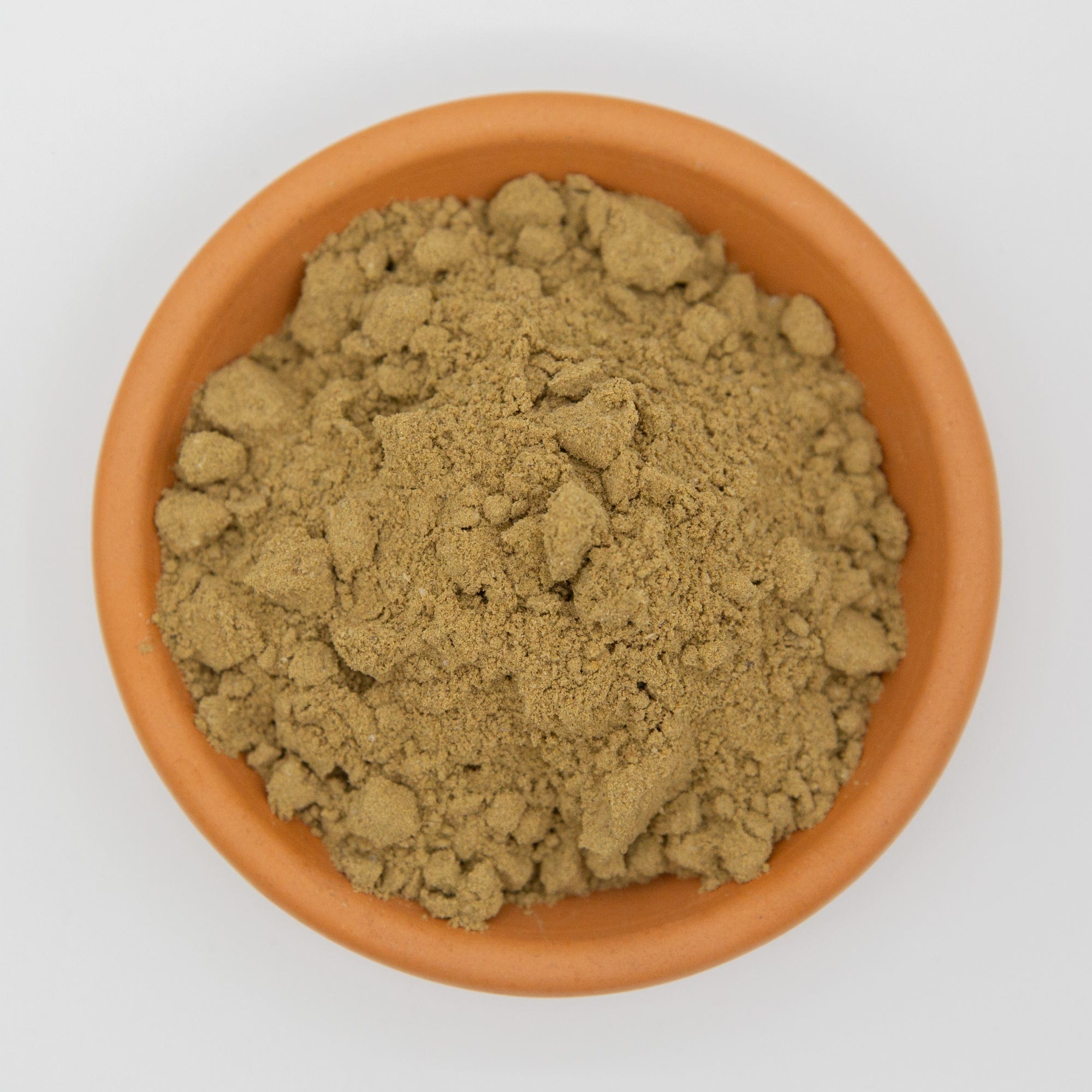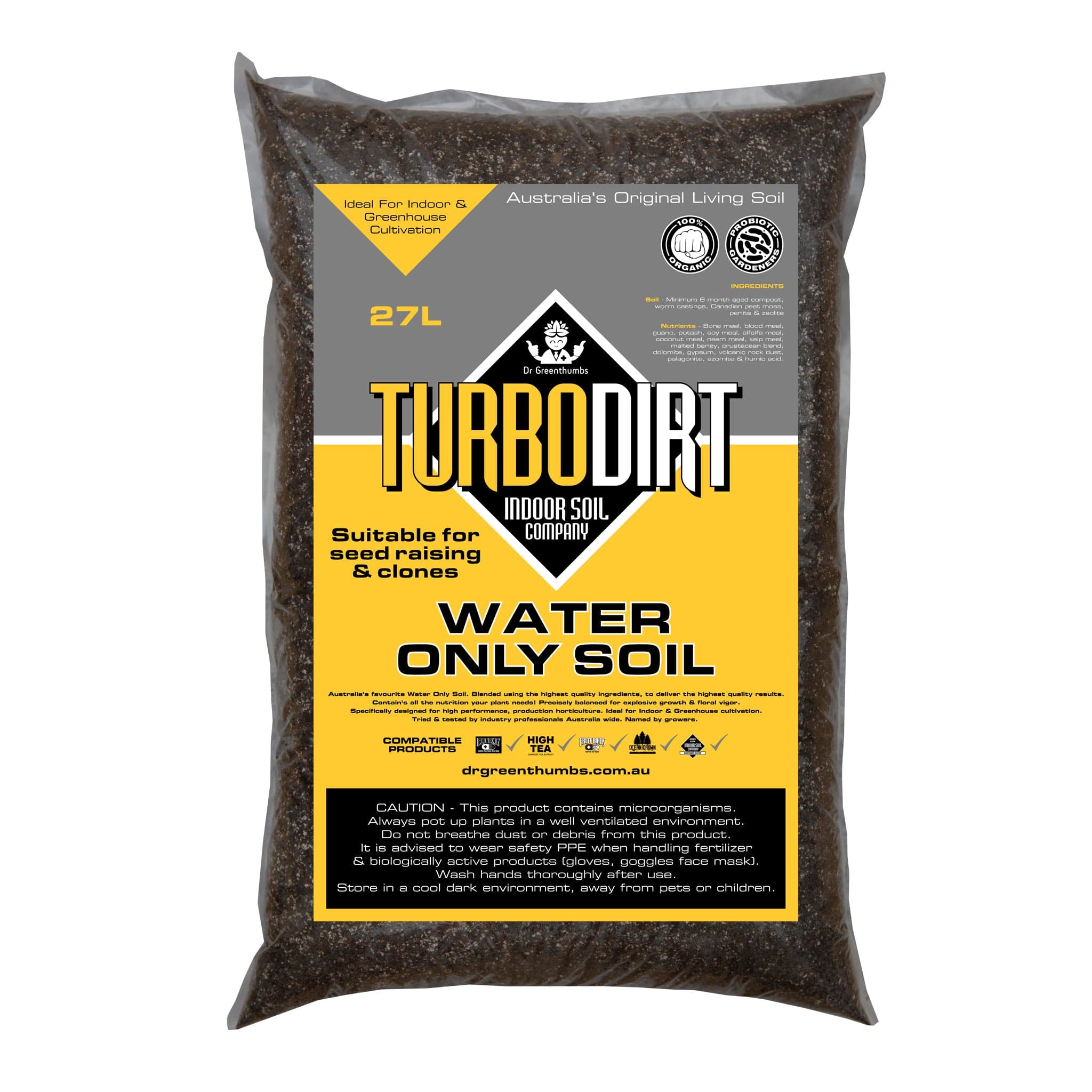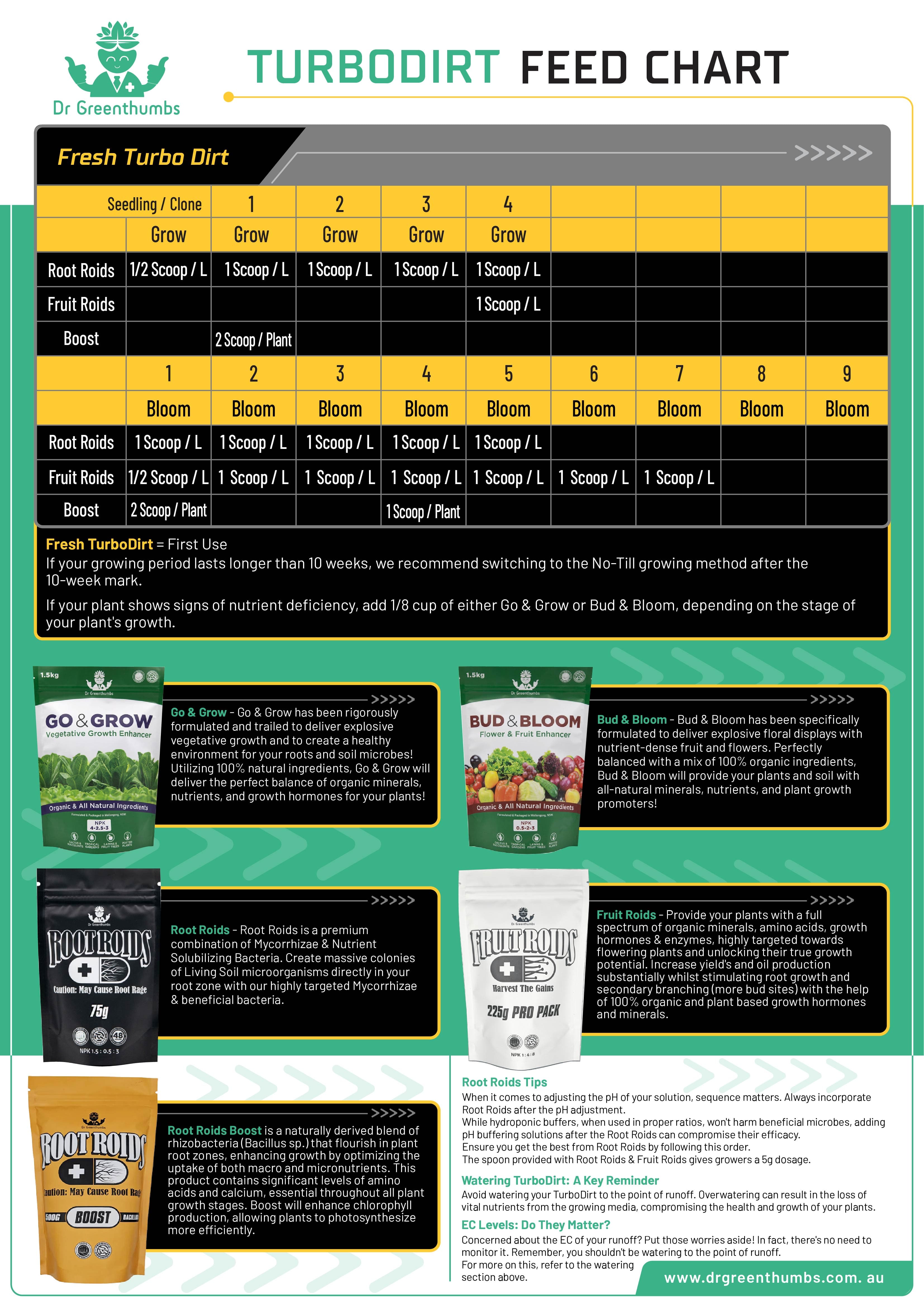

Organic dry amendments, also called dry soil amendments, are natural materials added to soil in a dry form to improve fertility, soil structure and nutrient availability. They can come from plant materials, animal-derived materials, minerals and rocks, and are available as meals, powders, pellets, granules and other dry products.
Organic dry products are one category of soil amendments. While some supply nutrients, others mainly improve soil structure, drainage, water retention or microbial activity, so the right choice depends on the problem you are trying to solve.
Many organic dry amendments release nutrients gradually as they break down. Depending on the amendment, they can supply essential nutrients and micronutrients, support beneficial soil microbes, improve soil structure and water retention, and help build healthier, more resilient soil.
This beginner's guide explains how to use organic dry amendments, how different amendments support nitrogen, phosphorus, potassium and broader soil health, recommended application methods and rates, important safety considerations, and simple DIY dry-amendment blends.
Table of Contents
- How to Use Organic Dry Amendments
- Nitrogen-Focused Dry Amendments
- Phosphorous-Focused Dry Amendments
- Potassium-Focused Dry Amendments
- Other Dry Amendments
- Organic Dry Amendments FAQ
- DIY Organic Dry-Amendment Blends
-
Next Reads for Building a Smarter Dry-Amendment Program
If you want the easiest way to start using dry amendments, these essentials make it simple:


How to Use Organic Dry Amendments
Most dry amendments are used by mixing them into soil before planting or applying them as a top dressing around established plants. Water the soil after application so the amendment can begin integrating into the growing medium.
Some amendments can also be added to compost or used to make teas, but not every material is suited to every application method. Always follow the amendment-specific directions and application rates below, because quantities and frequency can vary significantly between products.
When choosing dry amendments for soil, consider what your soil and plants actually need rather than adding every amendment at once. Soil pH, nutrient requirements, plant type and the nutrients already present in your growing medium should guide your choice.
Nitrogen-Focused Dry Amendments
Alfalfa Meal
Alfalfa meal is a dry, ground-up mixture of alfalfa plant leaves and stems that is commonly used as an organic dry amendment in gardening. The plant is a member of the legume family and is commonly grown for livestock feed. The plant is harvested and then dried and ground into a meal that is then used as an organic dry amendment in gardening.
Benefits of Alfalfa Meal
Alfalfa meal is an excellent source of nitrogen, phosphorus, and potassium, as well as many micronutrients that are essential for plant growth. It is also rich in triacontanol, a plant growth hormone that has been shown to improve root development, enhance chlorophyll production, and increase the overall health and vigor of plants.
How to Use Alfalfa Meal in Gardening
Alfalfa meal can be used in a variety of ways in gardening. It can be added directly to soil or used as a top dressing, mixed into compost, or used to make a tea. It can also be used as a mulch around plants.
Recommended Application Rates for Different Gardening Scenarios
The recommended application rate of alfalfa meal depends on the type of soil and the plants being grown. In general, 1-2 cups of alfalfa meal per 100 square feet of soil is a good starting point. It can be applied every 4-6 weeks during the growing season.

Soy Meal
Soy meal is a byproduct of soybean oil production. After the oil is extracted, the remaining soybean material is processed into a fine meal. Although commonly used as a protein ingredient in animal feed, soy meal can also be used as an organic dry amendment in gardening.
Benefits of soy meal as an organic dry amendment
Soy meal is an excellent source of nitrogen, which is essential for plant growth. It also contains smaller amounts of phosphorus and potassium, as well as trace minerals like zinc and manganese. Additionally, soy meal can help to increase soil microbial activity and improve soil structure.
How to use soy meal in gardening
Soy meal can be used in a variety of ways, including as a top dressing, in soil mixes, or as a component of compost. It is particularly useful for nitrogen-loving plants like leafy greens and brassicas.
Recommended application rates for different gardening scenarios
For general soil improvement, apply soy meal at a rate of 1-2 cups per 10 square feet. For heavy feeders like corn or tomatoes, apply 3-4 cups per 10 square feet.

Malted Barley
Definition and origin: Malted barley is barley that has been allowed to germinate and then dried in a process known as malting. This process converts the grain's starch into sugars, making it easier to digest for both humans and plants. Barley is one of the oldest cultivated crops and has been used for brewing beer for centuries.
Benefits of malted barley as an organic dry amendment
Malted barley contains enzymes that break down organic matter in the soil, making it easier for plants to absorb nutrients. It also contains amino acids and vitamins that can benefit plant growth. Malted barley is also known to stimulate soil microorganisms, which can help improve soil structure and fertility.
How to use malted barley in gardening
Malted barley can be used as a top dressing or incorporated into soil. It can also be brewed into a tea and used as a foliar spray. When used as a top dressing, it is recommended to mix the malted barley with compost or other organic matter to improve nutrient availability.
Recommended application rates for different gardening scenarios
For a top dressing, apply 1/2 to 1 cup of malted barley per square yard of soil. For incorporation into soil, mix 1/2 to 1 cup of malted barley per cubic foot of soil. For brewing into a tea, use 1/2 cup of malted barley per gallon of water and allow it to steep for at least 24 hours.

Phosphorous-Focused Dry Amendments
Bat Guano
Definition and Origin
Bat guano is a type of manure that is derived from bat colonies in caves, attics, and other places where bats roost. It is a natural byproduct of their diet and is composed of digested insects, fruit, and other organic matter. Bat guano has been used as a fertilizer for thousands of years, particularly in South America, where it was prized by the Incas for its nutrient-rich composition.
Benefits of Bat Guano as an Organic Dry Amendment
Bat guano is an excellent source of nutrients for plants, particularly nitrogen and phosphorus, which are essential for vegetative growth and flower development. It is also rich in micronutrients like calcium, magnesium, and iron, which are important for plant health and vitality.
How to Use Bat Guano in Gardening
Bat guano can be used in a variety of ways in the garden, including as a soil amendment, top dressing, or tea. As a soil amendment, it should be mixed into the soil before planting, or worked into the top layer of soil around existing plants. As a top dressing, it should be spread evenly over the soil surface and watered in. As a tea, it can be mixed with water and steeped for several hours before being used to water plants.
Recommended Application Rates for Different Gardening Scenarios
The recommended application rate of bat guano varies depending on the type of plants being grown and the soil conditions. As a general rule, a rate of 1-2 cups of bat guano per 10 square feet of soil is sufficient for most plants. For heavy feeders like tomatoes, peppers, and squash, a higher rate of 3-4 cups per 10 square feet may be required.

Seabird Guano
Definition and origin
Seabird guano is a natural fertilizer made from the droppings of seabirds that inhabit islands and coastal regions around the world. The guano is collected and dried before being sold as a dry amendment for gardening.
Benefits of seabird guano as an organic dry amendment
Seabird guano is a rich source of nitrogen, phosphorus, and potassium, as well as micronutrients such as calcium, magnesium, and zinc. It also contains beneficial bacteria and enzymes that help to improve soil health and promote plant growth.
How to use seabird guano in gardening
Seabird guano can be used as a top dressing or worked into the soil before planting. It can also be steeped in water to create a liquid fertilizer. To make a tea, add one cup of guano to one gallon of water and let it steep for 24-48 hours. The resulting tea can be used to water plants or applied as a foliar spray.
Recommended application rates for different gardening scenarios
For general garden use, apply 1-2 pounds of seabird guano per 100 square feet of soil. For container plants, use 1-2 tablespoons per gallon of soil. For heavy-feeding plants like tomatoes or peppers, use up to 4 pounds per 100 square feet of soil.

Potassium-Focused Dry Amendments
Kelp Meal
Definition and origin: Kelp meal is a dried and ground form of seaweed that is derived from a variety of large brown seaweeds. It is often harvested from the coastlines of the Atlantic Ocean, Pacific Ocean, and North Sea. The seaweed is sustainably harvested, dried, and processed to create kelp meal.
Benefits of kelp meal as an organic dry amendment
Kelp meal is an excellent source of trace minerals, including iodine, calcium, magnesium, and iron, which are essential for healthy plant growth. It is also rich in cytokinins, auxins, and gibberellins, which are natural plant growth hormones that stimulate cell division and elongation. Kelp meal can also help plants resist environmental stresses such as drought, extreme temperatures, and pests.
How to use kelp meal in gardening
Kelp meal can be added directly to the soil or mixed with compost. It can also be brewed into a tea and used as a foliar spray. To make the tea, mix 1 tablespoon of kelp meal per gallon of water and let it steep for 24-48 hours. Strain the mixture and apply it to the leaves of plants using a sprayer.
Recommended application rates for different gardening scenarios
For potted plants, add 1 tablespoon of kelp meal per gallon of soil. For vegetable gardens, apply 1-2 pounds of kelp meal per 100 square feet of garden bed. For fruit trees, apply 1-2 cups of kelp meal per inch of trunk diameter.

Potash
Potash is a potassium-rich amendment used in gardening. It can be sourced from naturally occurring mineral deposits and can also be derived from the ashes of burned plant material. The term “potash” comes from the old Dutch word “potasch”, meaning “pot ash”.
Benefits of Potash as an Organic Dry Amendment:
Potash is an excellent source of potassium, which is an essential nutrient for plant growth. Potassium helps plants to build strong roots, resist disease and stress, and produce flowers and fruit. Potash can also improve soil structure, by increasing the cation exchange capacity (CEC) of the soil.
How to Use Potash in Gardening:
Potash can be applied to the soil as a dry amendment, or dissolved in water and applied as a liquid fertilizer. It is often used in conjunction with other organic fertilizers, to provide a balanced nutrient profile for plants. When using potash as a dry amendment, it is important to mix it thoroughly into the soil, and water it in well. When using potash as a liquid fertilizer, it is important to follow the recommended dilution rates, as too much potash can damage plants.
Recommended Application Rates for Different Gardening Scenarios:
The recommended application rate for potash will vary depending on the specific needs of your plants and soil. As a general guideline, you can apply 1-2 pounds of potash per 100 square feet of garden bed, once or twice a year. For potted plants, you can mix a small amount of potash into the potting mix, or dissolve it in water and apply as a liquid fertilizer.

Other Dry Amendments
Rock Dust
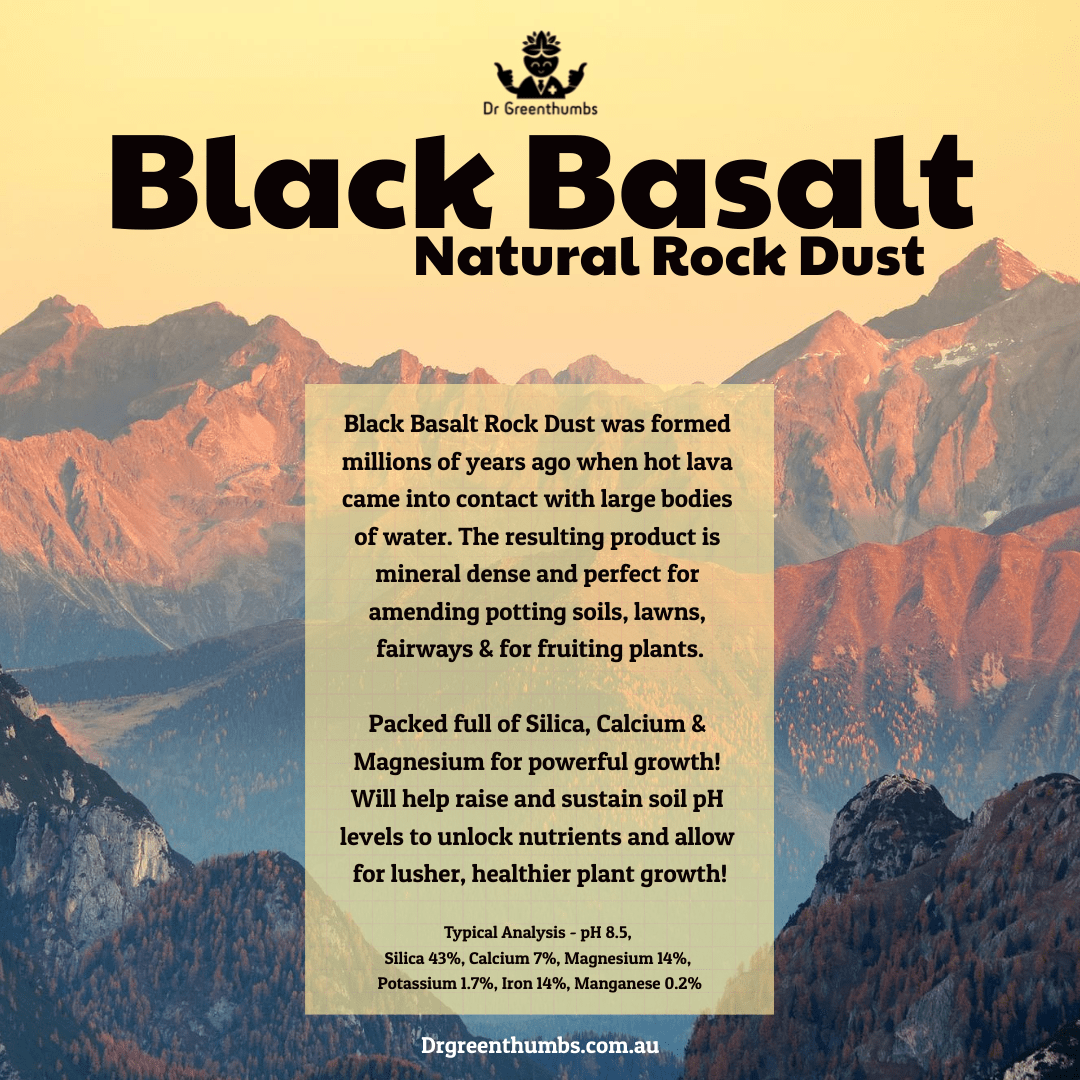
Rock dust is a broad term for finely crushed rock or mineral material used as a soil amendment. Its mineral composition varies depending on the source material. In this guide, rock dust is treated as a general mineral amendment rather than as another name for rock phosphate.
Benefits of Rock Dust as an Organic Dry Amendment
Rock dust provides a wide range of micronutrients and trace elements that are essential for plant growth and development. It also helps to improve soil structure and fertility, while increasing the nutrient-holding capacity of the soil.
Studies have shown that rock dust can enhance plant growth, increase yields, and improve the overall health of plants. In addition, it can help to restore soil pH levels and reduce the need for chemical fertilizers.
How to Use Rock Dust in Gardening
Rock dust can be applied to the soil as a dry amendment or mixed into compost or other soil blends. It is recommended to use finely ground rock dust, as this will provide the best results.
When applying rock dust, it is important to mix it well into the soil or growing medium to ensure that it is evenly distributed. In addition, it is recommended to water the soil after applying rock dust to help activate the minerals.
Recommended Application Rates for Different Gardening Scenarios
The recommended application rate for rock dust will vary depending on the type of soil and the plants being grown. As a general rule, it is recommended to apply 10-20 pounds of rock dust per 100 square feet of garden space.

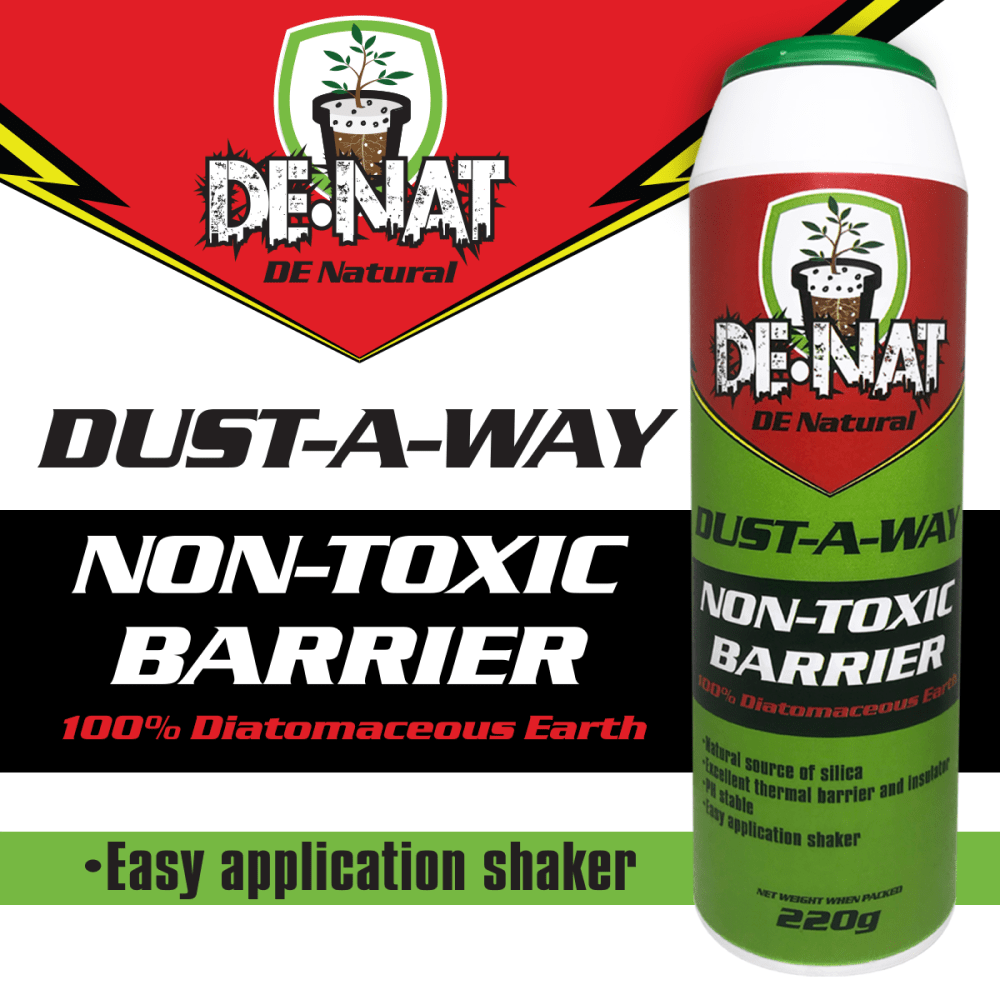
Diatomaceous Earth
Definition and origin
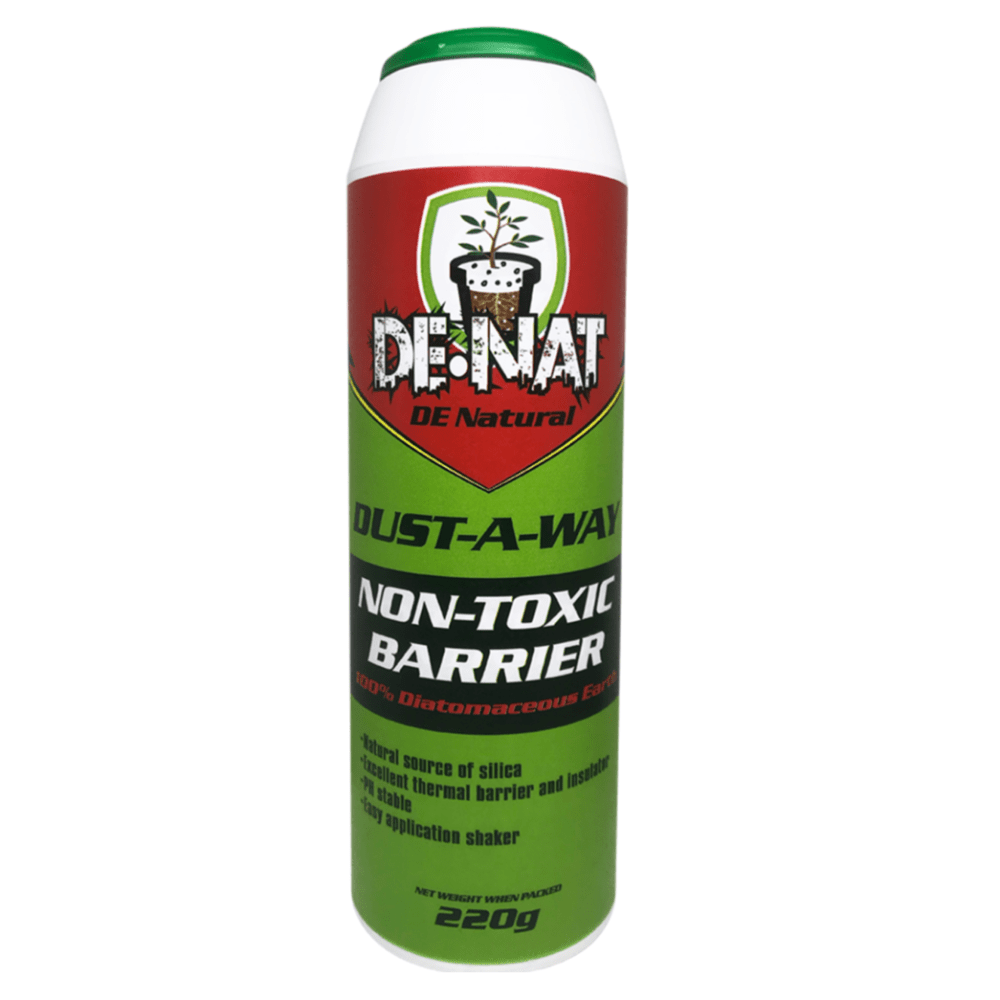
Diatomaceous earth (DE) is a soft, siliceous sedimentary rock that is composed of the remains of diatoms. These are single-celled organisms that lived millions of years ago and formed the rock through their fossilized remains.
Benefits of diatomaceous earth as an organic dry amendment
Diatomaceous earth is a highly porous material that can improve soil drainage and aeration. It is also an excellent source of silica, which is an essential nutrient for many plants. Additionally, DE can help control pests such as ants, slugs, and beetles, as it works by dehydrating their exoskeletons.
How to use diatomaceous earth in gardening
To use diatomaceous earth in gardening, it should be sprinkled on the soil surface and then lightly worked into the soil. Alternatively, it can be mixed with water to create a spray for application to plants. When using DE, it is essential to wear a mask as the fine dust can be harmful to the lungs.
Recommended application rates for different gardening scenarios
The recommended application rate of diatomaceous earth will depend on the specific use case. As a soil amendment, it is typically applied at a rate of 1-2 pounds per 100 square feet. As a pest control measure, a thin layer can be applied around plants or directly to the pests.

Insect Frass
Definition and origin
Insect frass refers to the excrement of herbivorous insects, such as caterpillars and beetles, that have been fed on plant material. This organic dry amendment is created as a result of the digestion process of these insects. Insect frass is often used as a sustainable and natural alternative to chemical fertilizers in gardening.
Benefits of insect frass as an organic dry amendment
Insect frass is a rich source of nitrogen, phosphorus, potassium, and micronutrients. Its nutrient content varies depending on the type of insects and plants consumed, but it typically has an NPK ratio of 2-2-2. Additionally, insect frass contains chitin, a naturally occurring molecule that strengthens plants' cell walls and triggers their immune systems to defend against predators and disease.
How to use insect frass in gardening
Insect frass can be used as a soil amendment, a top dressing, or a tea. As a soil amendment, mix it evenly through the growing medium. As a top dressing, distribute it around established plants and water it in. Application quantities for soil, containers and teas are provided below.
Recommended application rates for different gardening scenarios
For new seedlings, apply a small amount of insect frass (1-2 tablespoons) mixed into the soil around each plant. For established plants, apply 1-2 cups of insect frass per 10 square feet of soil every 4-6 weeks throughout the growing season. For container plants, mix 1 tablespoon of insect frass per gallon of soil.

Neem Meal
Neem meal is a byproduct of the neem tree, which is native to India and is now widely cultivated in many parts of the world. The meal is made by grinding up the leaves, seeds, and bark of the neem tree and drying them out to create a fine, powdery substance.
Benefits of Neem Meal as an Organic Dry Amendment
Neem meal is a potent fertilizer and soil conditioner that is rich in nitrogen, potassium, and phosphorus. It is also a natural pest repellent and has been shown to deter a wide variety of garden pests, including aphids, whiteflies, and spider mites. In addition, neem meal can help to suppress soil-borne diseases, such as root rot and damping-off.
How to Use Neem Meal in Gardening
Neem meal can be used in a variety of ways in the garden. It can be mixed into the soil before planting, added to compost, or used as a top dressing around established plants. Neem meal can also be brewed into a tea and used as a foliar spray to help control pests and diseases.
Recommended Application Rates for Different Gardening Scenarios
The recommended application rate for neem meal will vary depending on the type of plant and the soil conditions. As a general rule, neem meal should be applied at a rate of 1-2 cups per 100 square feet of garden bed, or 1-2 tablespoons per gallon of potting soil. When using neem meal as a foliar spray, it is recommended to mix 1 tablespoon of neem meal with 1 gallon of water.

Organic Dry Amendments FAQ
What are organic dry amendments?
Organic dry amendments are natural plant-derived, animal-derived or mineral materials added to soil in dry form to improve fertility, structure or nutrient availability.
What are the benefits of using organic dry amendments?
Depending on the amendment, they can supply nutrients gradually, support soil structure and microbial activity, and help build healthier growing media over time.
How do I choose the right organic dry amendment for my garden?
Choosing the right organic dry amendment depends on the specific needs of your soil and plants. Consider factors like soil pH, nutrient deficiencies, and plant type when selecting an amendment. Common organic dry amendments include alfalfa meal, bat guano, rock dust, and kelp meal, among others.
How do I apply organic dry amendments to my garden?
Use the general application method explained above, then follow the ingredient-specific application rate and frequency. Rates vary significantly between amendments, so do not use one universal dose for every product.
What safety precautions should I take when using organic dry amendments around people and pets?
Follow the manufacturer's instructions for each product. Wear gloves and a dust mask when handling dusty dry amendments to reduce skin and respiratory irritation, and store the products out of reach of pets and children.
Can organic dry amendments be used in hydroponic systems?
Organic dry amendments are not recommended for use in hydroponic systems as they can clog the system and cause issues with water flow. Instead, use liquid organic amendments specifically designed for hydroponics.
Can organic dry amendments be used in conjunction with chemical fertilizers?
Organic dry amendments can be used in conjunction with chemical fertilizers, but it is important to use them in moderation and follow manufacturer's instructions for application rates. Organic amendments can help reduce the need for chemical fertilizers, making them a more sustainable option.
How long do the effects of organic dry amendments last?
The effects of organic dry amendments can last anywhere from a few months to several years, depending on the specific amendment and soil conditions. In general, amendments high in organic matter will break down more slowly and have longer-lasting effects.
Can I make my own organic dry amendments at home?
Yes. You can combine compatible dry amendments to create your own fertiliser blends. Use measured recipes as a starting point, follow the individual product directions, and remember that homemade blends may not provide the same consistency as a formulated commercial product.
DIY Organic Dry-Amendments Blends
The following recipes combine dry amendments into simple blends for different gardening uses. Treat them as starting points rather than universal formulas, because soil conditions and plant requirements vary. Homemade blends may also be less precise or consistent than formulated commercial products.
Basic All- Purpose Organic Fertiliser Recipe
- 4 parts seed meal (soybean, alfalfa, or cottonseed)
- 1/4 part lime
- 1/4 part gypsum
- 1/4 part rock phosphate
- 1/2 part bone meal
- Optional: 1/2 part kelp meal
Mix all ingredients thoroughly and apply 2-3 cups per 100 square feet of garden soil. Use this as the general-purpose dry-amendment blend in this guide; kelp meal can be included where additional kelp-derived nutrients and trace minerals are wanted.
High Nitrogen Fertiliser Recipe
- 3 parts cottonseed meal
- 1 part blood meal
- 1 part kelp meal
Mix all ingredients thoroughly and apply 2-3 cups per 100 square feet of garden soil. This recipe is perfect for plants that require more nitrogen, such as leafy greens.
Rose Fertiliser
Mix together the following ingredients:
- 1 cup of alfalfa meal
- 1 cup of bone meal
- 1 cup of fish meal
- ½ cup of kelp meal
This mixture provides a balanced NPK ratio of roughly 3-5-3, along with plenty of micronutrients that roses require for optimal growth and bloom.
Compost Accelerator
Mix together the following ingredients:
- 1 cup of bone meal
- 1 cup of blood meal
- 1 cup of cottonseed meal
- 1 cup of rock phosphate
This mixture provides a high dose of nitrogen and phosphorus, which are essential for breaking down organic matter in a compost pile.
Next Reads for Building a Smarter Dry-Amendment Program
Want to go beyond the basics? These guides will help you choose better amendments, build stronger blends and get more from your living-soil setup.
- Create Your Own Organic Fertilizer Blends
- How to Build Your Own Living Soil
- Kelp Meal Guide Australia
- Alfalfa Meal: The Ultimate Plant-Based Fertilizer for Healthy Growth
About the Author