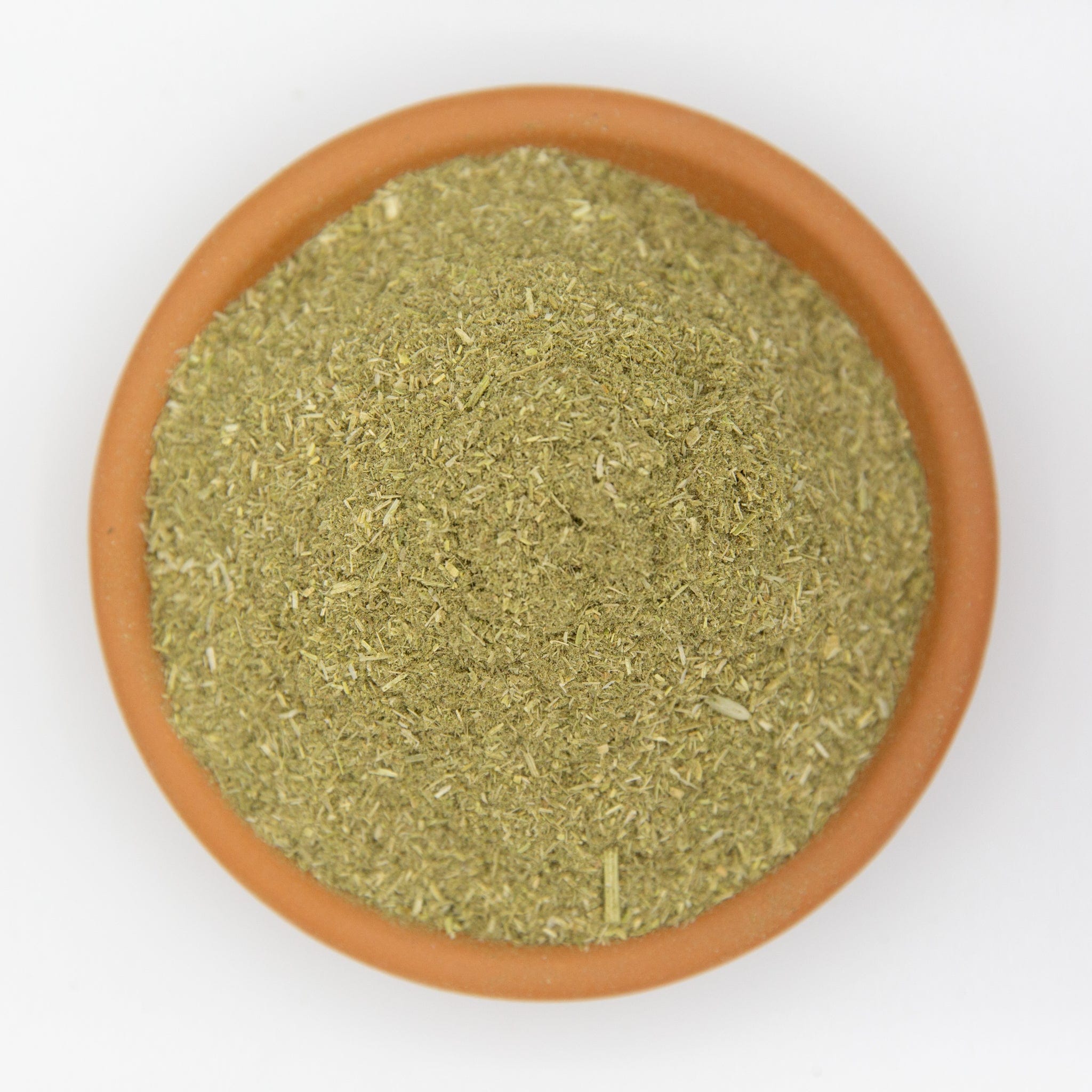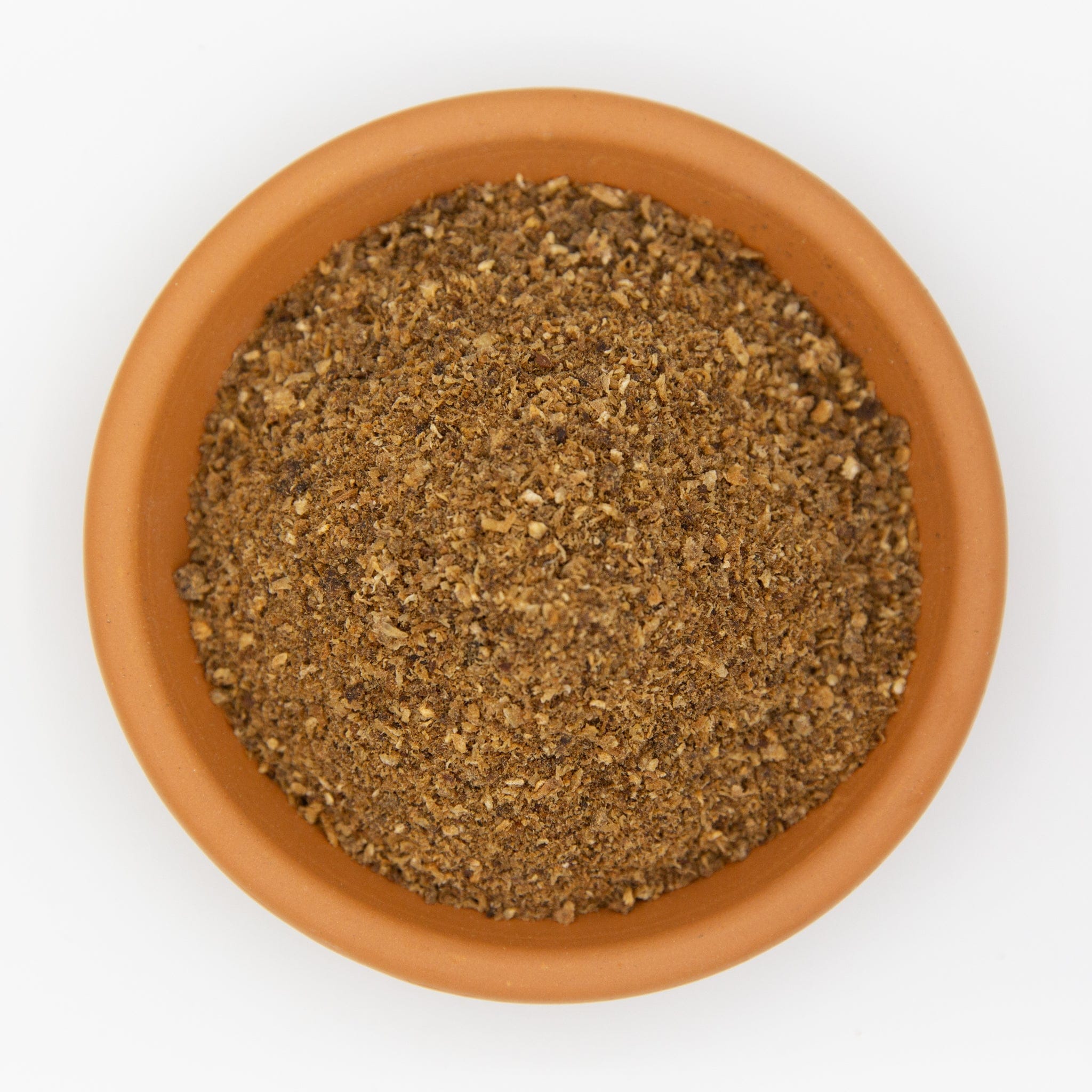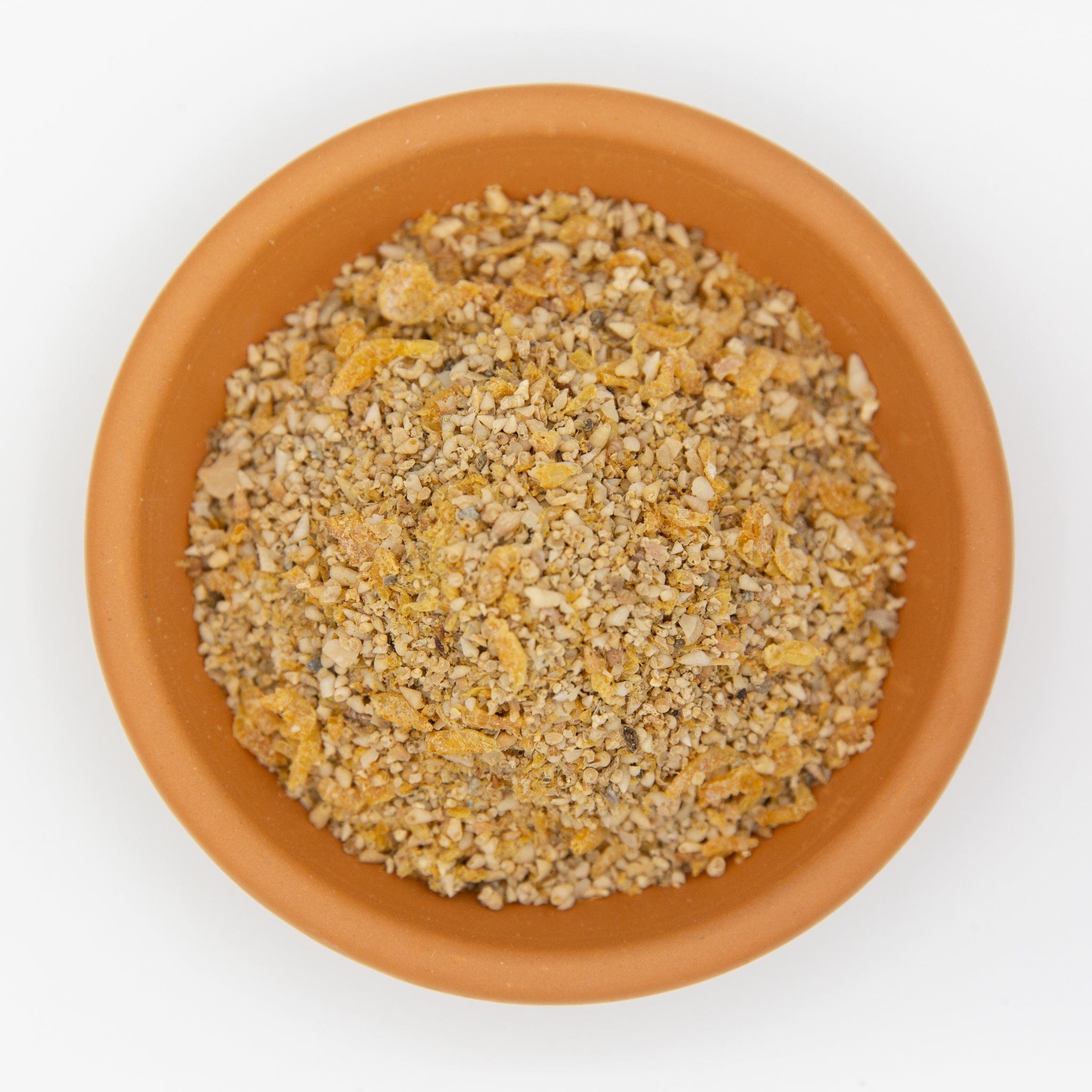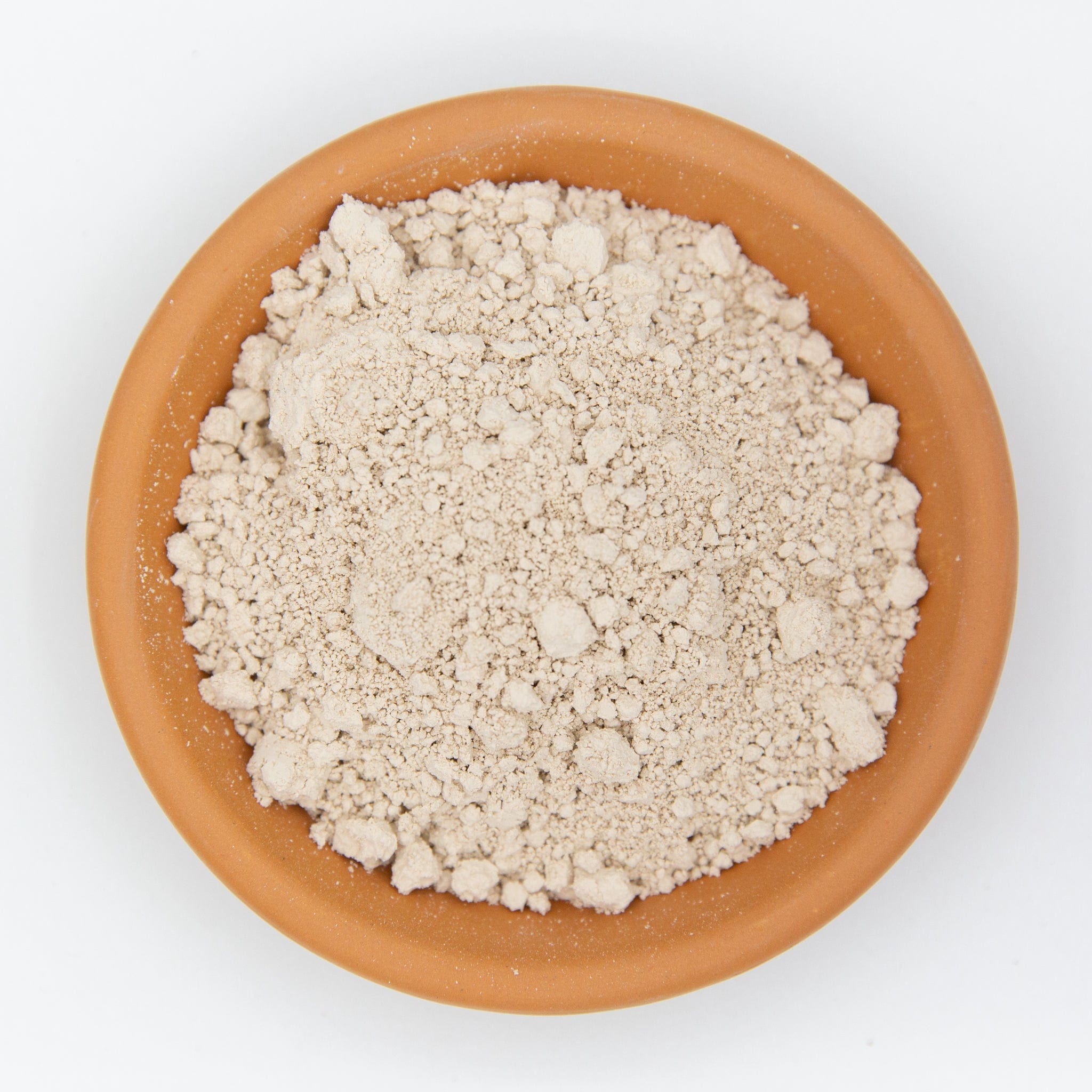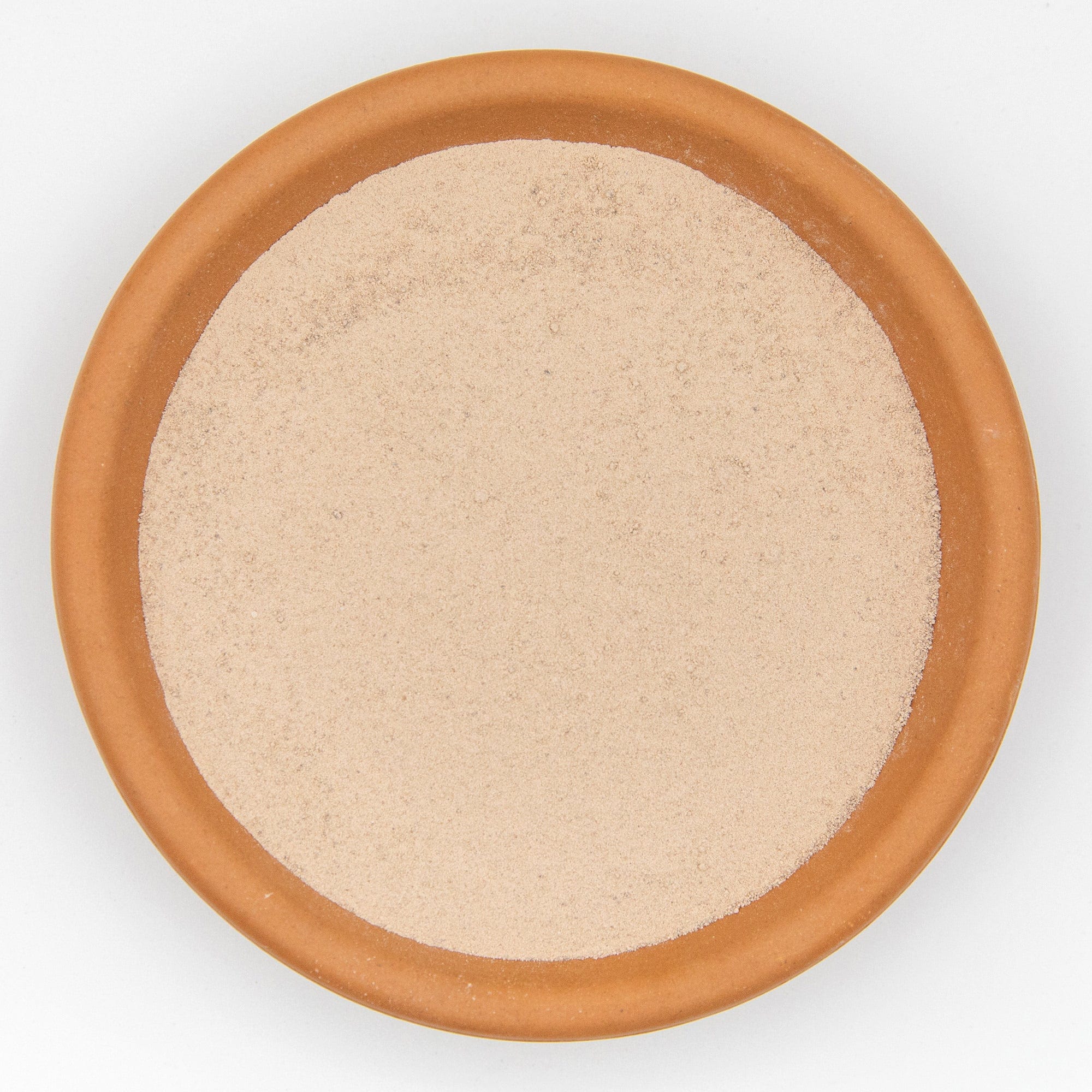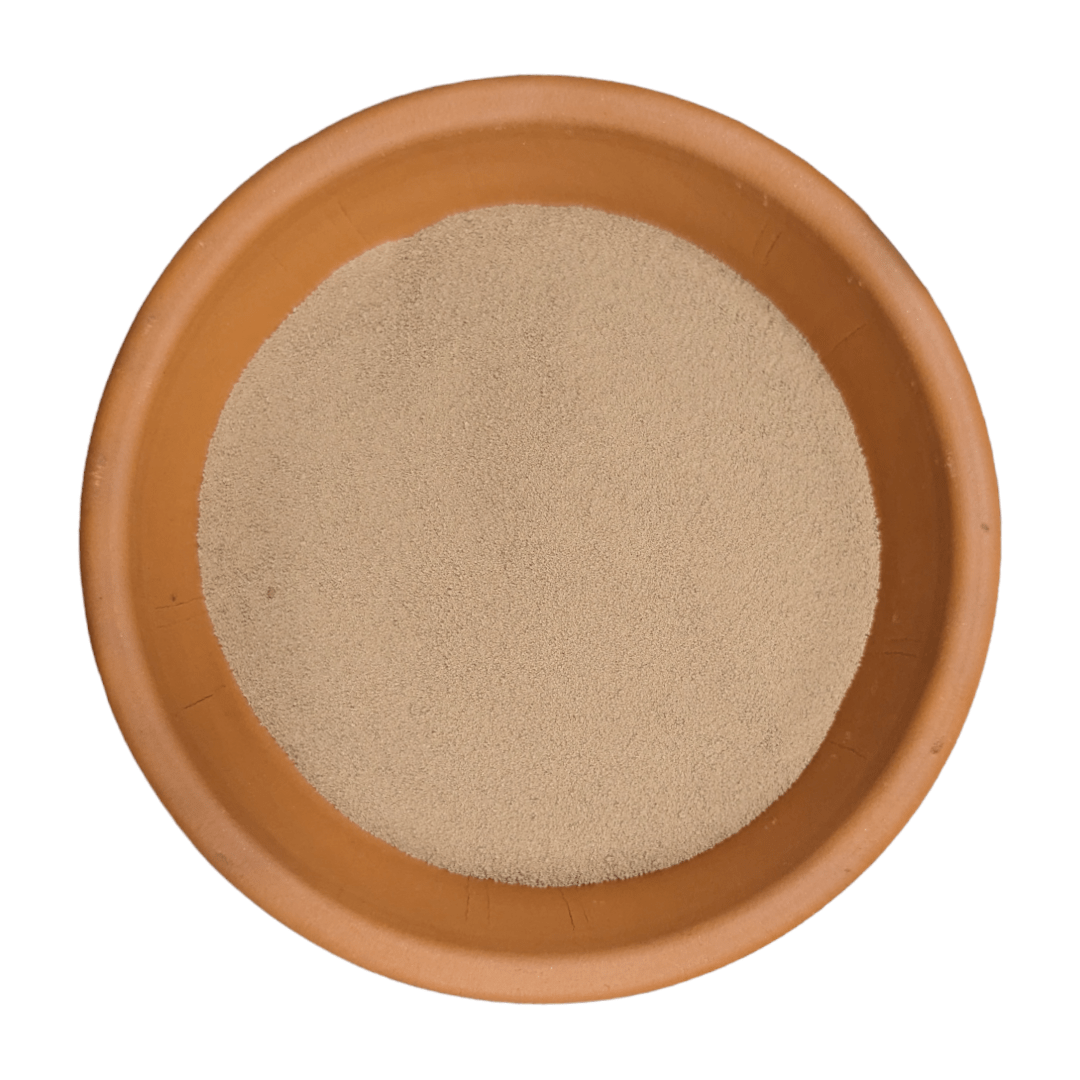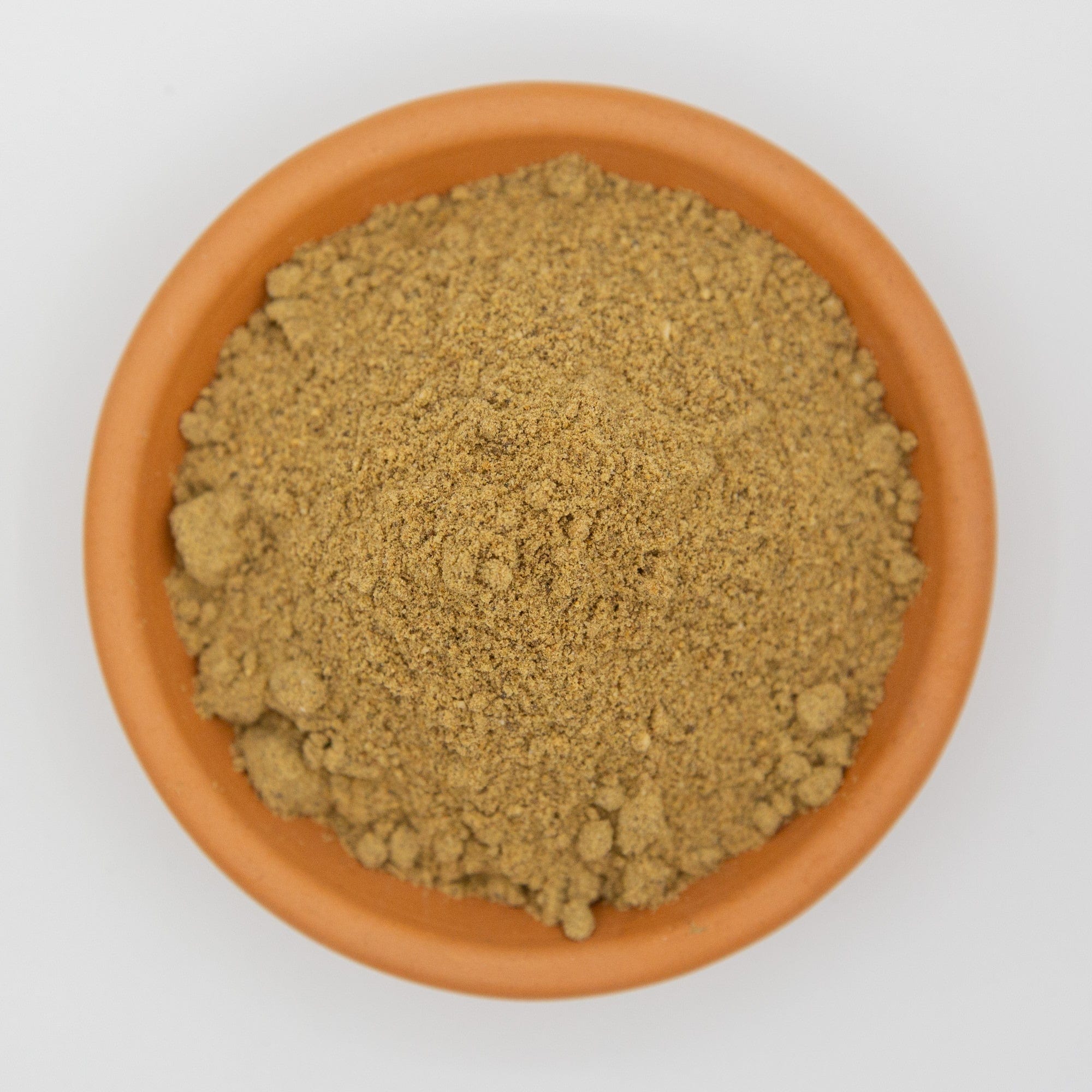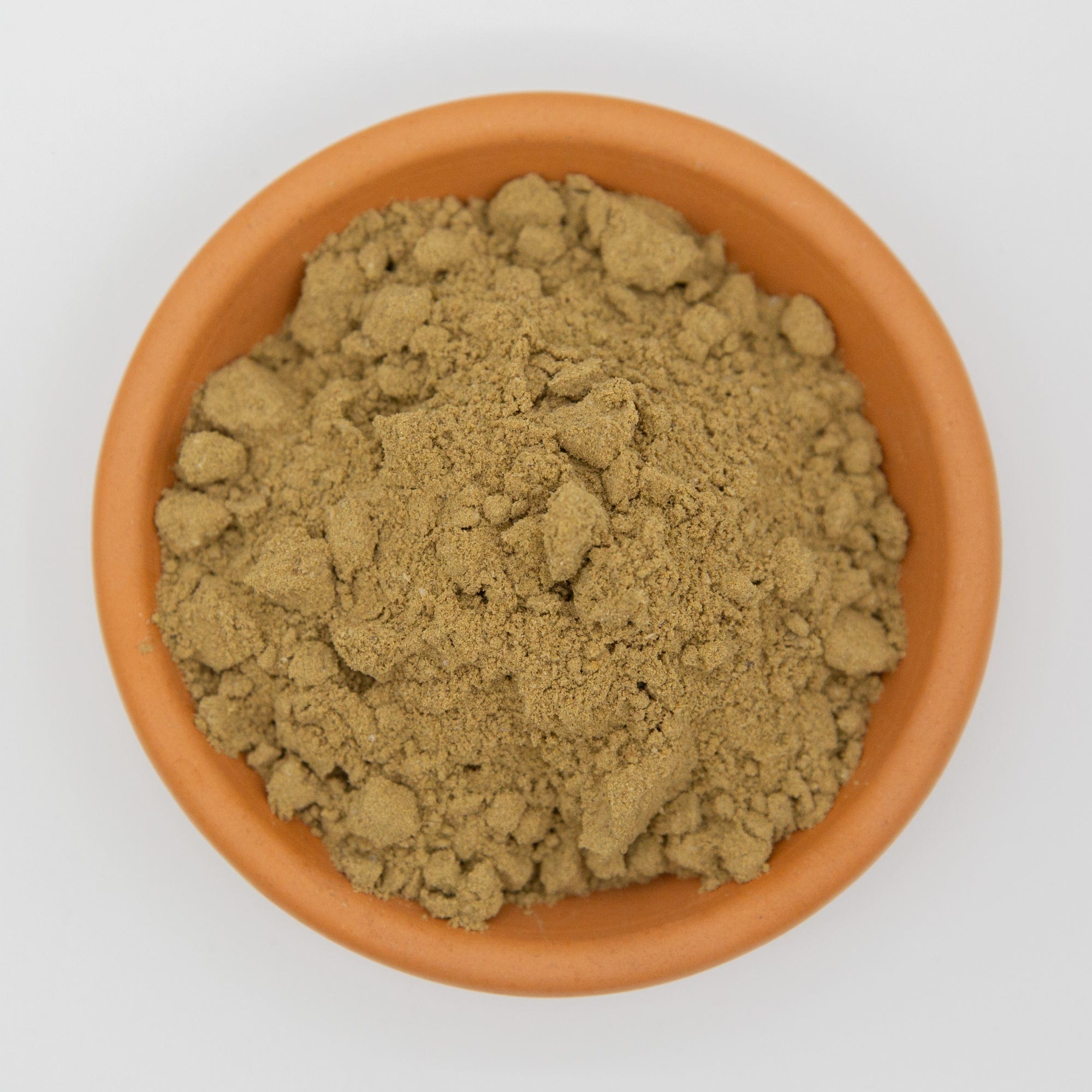

Alfalfa meal is the ultimate plant-based fertilizer for healthy growth. Alfalfa meal has been a go-to soil amendment for organic gardeners for decades, thanks to its rich nutrient content and natural growth hormone. It is made from dried and ground-up alfalfa plants and is 100% vegan!
In this guide, you’ll learn what alfalfa meal does, why gardeners use it, how lucerne pellets compare, how much to apply, and how to use it safely in soil, compost, teas and veganic gardening.

Table of Contents
- Alfalfa vs Lucerne — What’s the Deal?
- Benefits of Alfalfa Meal
- Inside the Bag — Nutrient Talk without the Jargon
- A Note on Soil pH
- Are There Any Downsides to Alfalfa Meal?
- Can Alfalfa Meal Help with Root-Knot Nematodes?
- Using Alfalfa Meal in the Garden
- Tips for Better Alfalfa Tea Results
- How Much Alfalfa Meal Should You Use?
- Can You Use Lucerne Pellets or Cubes Instead?
- Seedlings & Germination — When Less is More
- Best Mates for Alfalfa Meal
- How to Pick Great Alfalfa Meal
- How to Properly Store Alfalfa Meal
- Growing Your Own Alfalfa for the Garden
- FAQs
- Final Take-Away
- Next Reads for Getting More from Alfalfa Meal
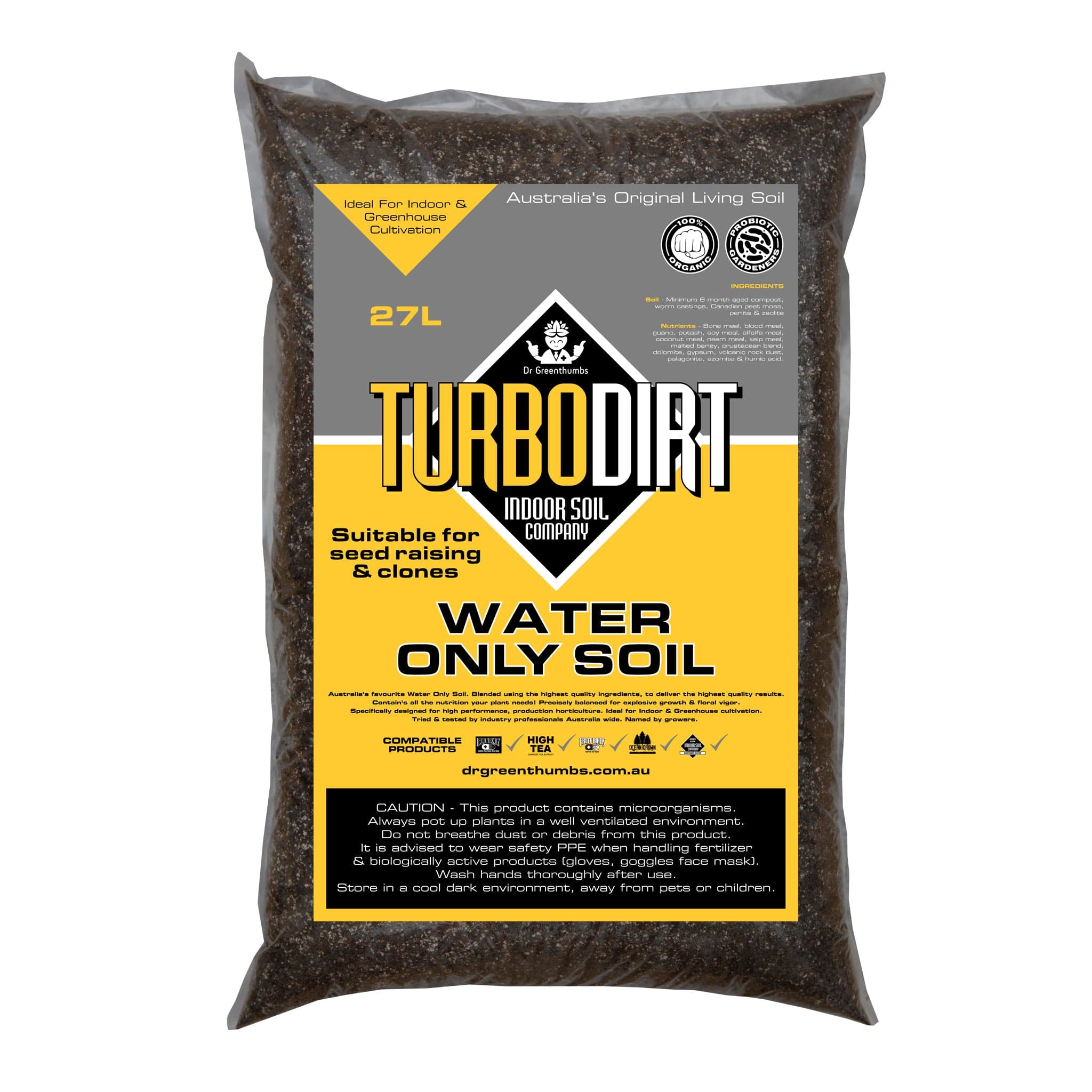
If you want a simple, proven way to boost plant growth fast, these are the easiest alfalfa meal options to start with:

Alfalfa vs Lucerne — What’s the Deal?
In Australia you might also hear alfalfa called lucerne — they’re the same hardy, deep-rooting legume (botanical name Medicago sativa) that’s been a garden staple for decades. Whether you call it alfalfa or lucerne, it’s the plant we dry and grind into that nutrient-rich meal you’re reading about here. Including both names in your garden notes or searches just makes things easier, especially when you’re tracking down quality amendments at your local nursery or online.
Benefits of Alfalfa Meal
What is alfalfa meal good for? Alfalfa meal is a powerhouse of nutrients that offers numerous benefits for your plants and soil, including gentle plant nutrition, stronger soil biology, improved soil structure and steady growth. Here are the top benefits of using alfalfa meal in your garden:
-
N-P-K value and micro-nutrients in alfalfa meal
The alfalfa meal NPK ratio is commonly around 3-1-2, providing a gentle balance of nitrogen, phosphorus and potassium alongside useful trace minerals. That makes it a steady plant-based amendment for supporting leafy growth, soil biology and general plant resilience without the sharp hit of a synthetic fertiliser.
-
Growth hormone Triacontanol and its effects on plant growth
Alfalfa contains a natural growth hormone called Triacontanol that stimulates plant growth and development. This hormone aids in the development of lateral branches, resulting in larger, healthier plants with more bud sites. It also contributes to fruit size and flavor, leading to amazing results. Using alfalfa meal in your garden can help you achieve healthier, more robust crops.
-
How alfalfa meal can improve soil health
Alfalfa meal is not only an excellent source of nutrients for your plants but also improves soil health. It contains a range of trace minerals that help to build soil health and promote a healthy soil ecosystem. Alfalfa meal acts as a natural soil conditioner that improves soil structure and water-holding capacity. It also attracts earthworms and other beneficial microbes, leading to better soil aeration and water retention.
-
Pest resistance and the repelling effects of saponins in alfalfa meal
The high level of saponins in alfalfa meal helps to repel pests, making it an effective and natural way to protect your plants. Saponins are a natural detergent-like compound that can inhibit the feeding of certain insects and pests. Using alfalfa meal in your garden can help you to reduce the use of harmful pesticides.
-
Eco-friendliness and sustainability of alfalfa as a renewable resource
Alfalfa is a renewable resource that is grown without the use of synthetic fertilizers or pesticides. Using alfalfa meal in your garden is an environmentally conscious choice that promotes sustainable agriculture. Moreover, alfalfa meal is biodegradable and safe for the environment.
Inside the Bag — Nutrient Talk without the Jargon
Alfalfa meal is more than just a 3-1-2 fertiliser — it’s a complex organic amendment with a balanced mix of plant-friendly inputs. Typical samples range around:
• Nitrogen (N): ~2–4% — gentle feeding without shocking soil life.
• Phosphorus (P): ~1–2% — supports root and bloom development.
• Potassium (K): ~1–3% — helps hardiness and water movement.
There’s also a load of trace minerals that keep soil biology humming. A useful way to think about this stuff is through:
• EC (Electrical Conductivity): a measure of soluble salts in soil — alfalfa meal generally keeps this low, meaning it’s safe for most plants when used at sensible rates.
• pH: slightly alkaline by nature, but rarely enough to move soil pH unless you’re working with very acid lovers (like blueberries).
• C:N ratio: this tells you how fast microbes break it down — alfalfa’s friendly ratio helps soil life feast and slowly release nutrients.
Knowing these basics helps you match application rates to what your plants actually need, especially in pots and raised beds.
A Note on Soil pH
Alfalfa meal is slightly alkaline in nature.
In most established garden soils, moderate applications are unlikely to dramatically change pH.
However, repeated heavy applications over time may gently nudge soil toward neutral.
If you’re growing acid-loving plants (like blueberries), apply conservatively and monitor soil conditions periodically.
For most vegetable beds and ornamental gardens, this mild buffering effect is beneficial rather than problematic.
Are There Any Downsides to Alfalfa Meal?
Alfalfa meal is generally safe and soil-friendly, but like any organic input, balance is important.
Heat Generation in Soil
When applied heavily and mixed into moist soil, microbial activity can increase rapidly. This can generate temporary warmth in the soil.
In most home gardens this isn’t an issue, but avoid very heavy applications around young seedlings or delicate roots.
Rodent Attraction
Because lucerne is also used as animal feed, large quantities stored improperly can attract rodents.
Store in sealed containers and avoid thick surface layers that remain exposed.
Added Ingredients in Feed Products
Some stock-feed pellets contain molasses or mineral additives.
Molasses can accelerate microbial activity, which may not be ideal in situations where you’re managing bacterial disease pressure.
Whenever possible, choose pure, untreated lucerne products for garden use.
Used appropriately, alfalfa meal remains one of the safest and most biologically supportive amendments available.
A few simple precautions help avoid problems:
Choose non-GMO or pure plant-only alfalfa where possible.
Avoid over-application, especially in pots, seed-starting mixes and around delicate roots.
Wear gloves and a mask when handling large quantities to avoid inhaling dust.
If you have allergies or sensitivities to alfalfa, handle it carefully and avoid breathing in the dust.
Can Alfalfa Meal Help with Root-Knot Nematodes?
Some gardeners report reduced root-knot nematode activity following heavier organic applications of alfalfa meal.
The theory is that increased microbial activity and soil biological diversity create less favourable conditions for certain pest species.
However, results vary depending on soil type, climate and infestation severity.
For persistent nematode problems, combine organic amendments with:
- Crop rotation
- Resistant plant varieties
- Beneficial nematodes
- Ongoing soil health improvement
Alfalfa meal supports soil biology — and healthy soil is your first line of defence.
Using Alfalfa Meal in the Garden
Alfalfa meal is a versatile organic soil amendment that can be used in a variety of ways to enhance plant growth and soil health.
Applying alfalfa meal as a dry soil amendment is one of the most common ways to use it in the garden. Simply broadcast the meal around the garden and let the worms and microbes take care of the rest. Alternatively, you can mix it into the soil by tilling or manually mixing it in.
Another way to use alfalfa meal is by making alfalfa tea for plants. This can be as simple as soaking the meal in water for a day or two and then using the resulting liquid to water your plants. Alfalfa tea can also be added to compost teas when brewing with air pumps to provide a food source to the microbes in the compost.
If you’re brewing actively aerated teas, follow our step-by-step 24-Hour Compost Tea Guide to maximise microbial activity and get the most out of additions like alfalfa meal.
Mulch layer magic
Alfalfa meal also works beautifully as a thin mulch layer. After you’ve applied your usual soil amendments, spread 2–3 cm of alfalfa meal over the bed surface and water in lightly. This layer crumbles into the soil over a few weeks with rainfall or irrigation and gives sustained microbial food plus weed-suppressing ground cover. Just avoid this in indoor humid setups where a thick blanket might attract fungus gnats.
Step-by-step alfalfa tea:
- Soak about 1 cup of alfalfa meal in 5–10 L of water.
- Stir daily for 2–4 days for a simple alfalfa tea, or 5–7 days in warm conditions for a stronger fermented-style extract.
- Strain the solids before using the liquid as a soil drench or a light foliar spray on robust plants.
- Use strained tea within 24 hours for best results.
Using the meal as both a mulch top layer and in brewed tea gives you slow-release soil food plus an immediate nutrient hit when plants need it.
Fermented plant extracts using alfalfa meal are also gaining popularity in natural farming practices. These extracts can be made by fermenting fresh or rehydrated dried alfalfa meal with other plants like kelp meal, comfrey, nettles, and yarrow. The resulting concentrate can be used as a plant growth tonic and applied via soil drench.
Alfalfa meal can also be used as a compost activator, providing a source of nitrogen and protein that speeds up the composting process. It can also be used to restart a stalled compost pile.
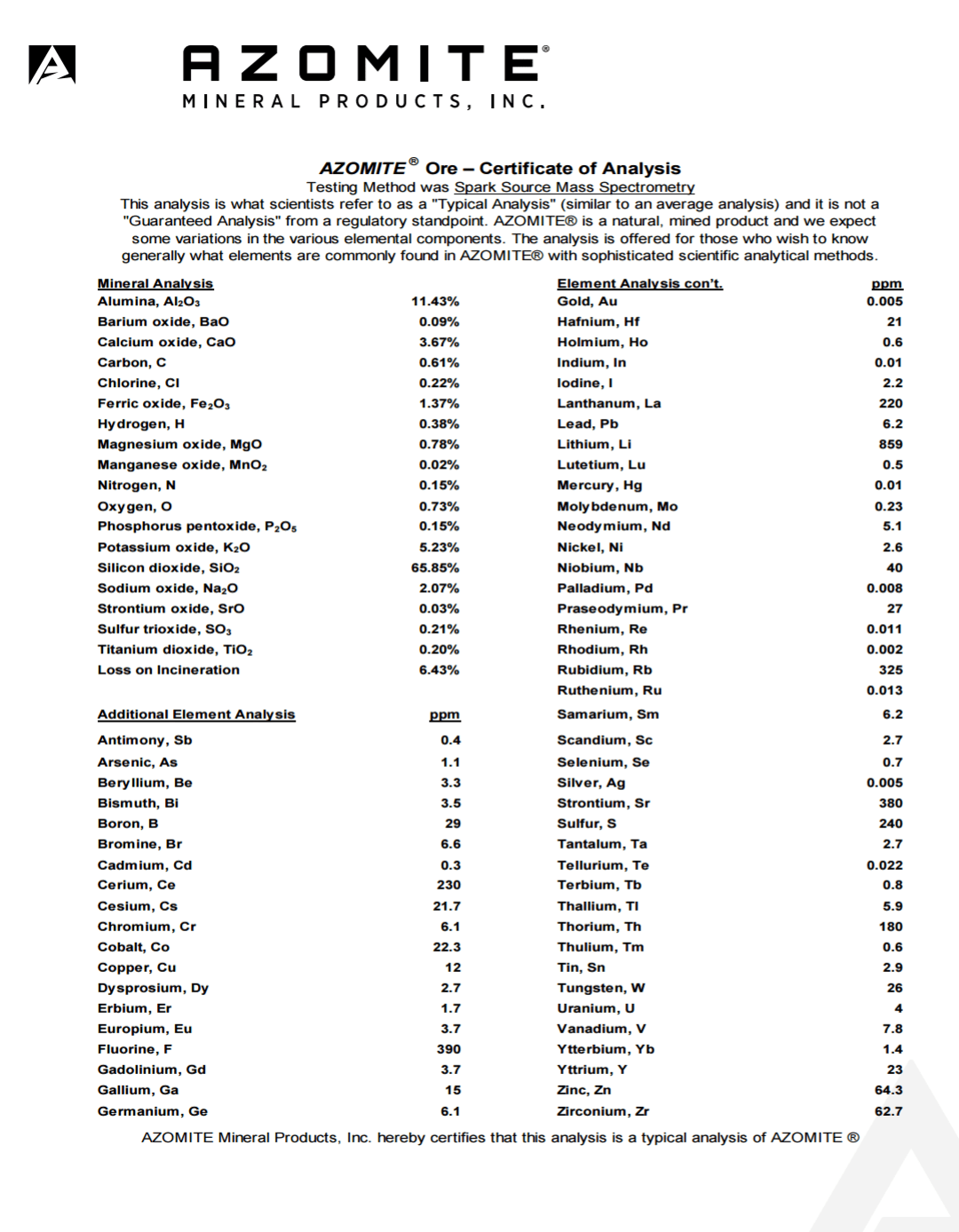
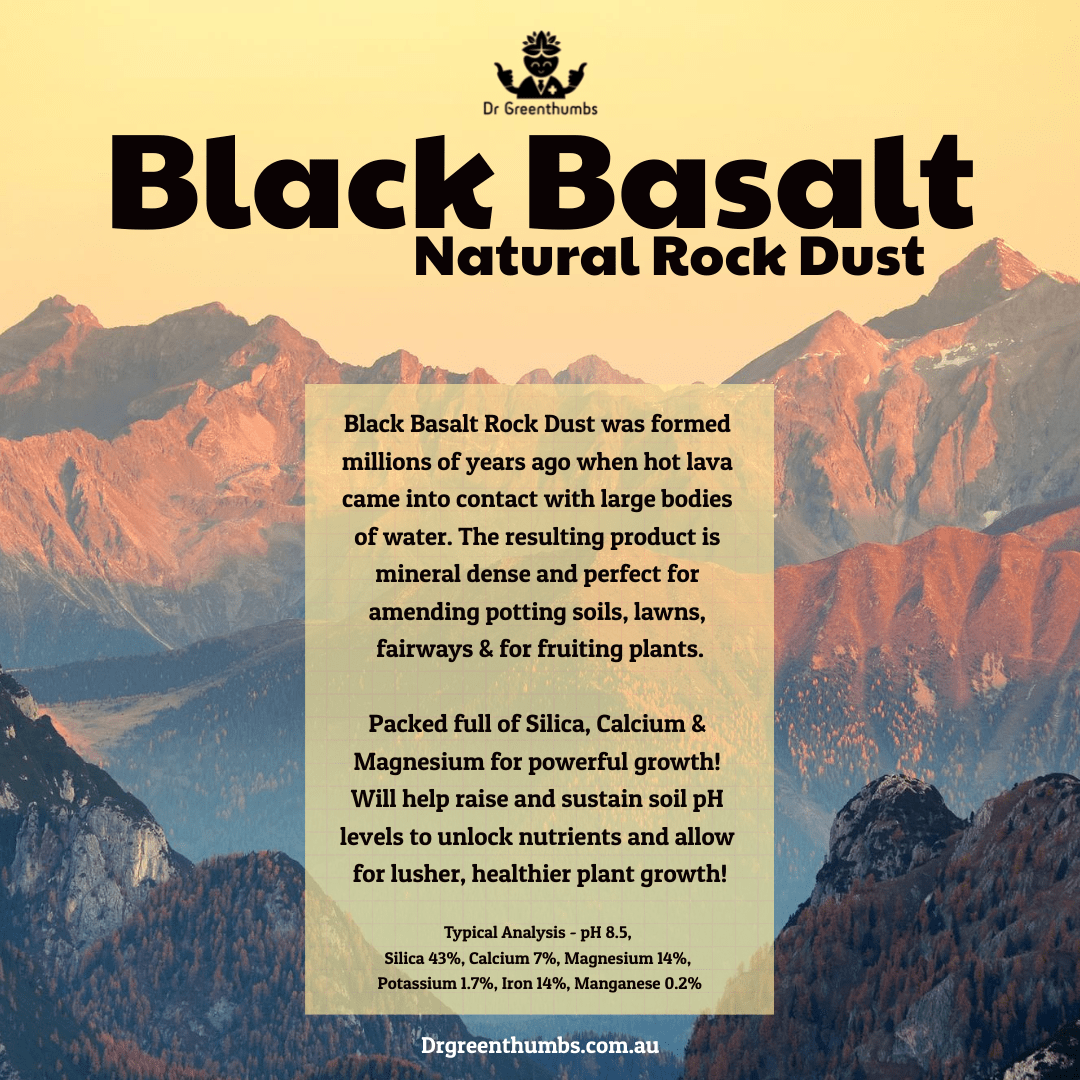
For those practicing veganic gardening, alfalfa meal is a great substitute for animal-based nitrogen sources. It can be blended with other soil amendments like gypsum, basalt, azomite, lime, rock phosphate, and kelp meal to create a complete veganic all-purpose fertilizer.
Incorporating alfalfa meal into your gardening practices is a great way to increase organic matter, provide essential nutrients, and promote healthy soil and plant growth.
Tips for Better Alfalfa Tea Results
Use these tips when you want a cleaner, stronger or more consistent alfalfa tea.
If your tea doesn’t seem to have much effect, water quality and brewing time may be the reason.
Use dechlorinated water where possible.
Chlorine can reduce microbial activity during fermentation. Let tap water sit uncovered for 24–48 hours before use, or stir vigorously to help chlorine dissipate.
Steep for 5–7 days in warm conditions.
Stir daily to introduce oxygen and prevent anaerobic odours.
Strain before applying to sprayers.
This prevents clogging and ensures even application.
Alfalfa tea works best as a gentle growth tonic rather than a high-strength fertiliser. Apply during active growth and avoid heat-stressed periods.
How Much Alfalfa Meal Should You Use?
Application rate matters. While alfalfa meal is gentle and plant-based, using the right amount ensures steady nutrient release without overwhelming soil biology.
As a general guide:
Garden beds:
Apply 100–200 grams per square metre and lightly rake into the top 5–10 cm of soil before watering in.
Established plants and shrubs:
Sprinkle ½ to 1 cup around the drip line and lightly incorporate into the soil surface.
Potted plants:
Use 1–2 tablespoons per 20 cm pot, mixed into the top layer of potting mix.
Roses and heavy feeders:
Up to 1 cup per mature plant in early spring can support vigorous growth and flowering.
These are flexible guidelines. Soil type, plant maturity and climate all influence nutrient demand.
Start conservatively. You can always reapply lightly after 4–6 weeks during active growth.
Can You Use Lucerne Pellets or Cubes Instead?
Yes — and in Australia, lucerne pellets from produce stores are often the most accessible form.
Pellets and cubes are simply compressed alfalfa. They work well in the garden but need a little preparation.
For direct soil use:
- Lightly crush or soak pellets first so they break apart more easily.
- Mix into soil rather than leaving whole pellets on the surface.
For liquid feeding:
- Soak pellets in water until fully expanded.
- Stir well and use both the softened material and the soaking water as part of your alfalfa tea.
Always check the ingredient label. Choose products that are pure lucerne without added molasses, salts or supplements intended for livestock.
Prepared properly, pellets perform just as effectively as loose meal.
Seedlings & Germination — When Less is More
Alfalfa meal is an awesome soil builder, but it’s worth a quick note for seed-starting mixes and freshly sown beds. Because it feeds microbes and gently boosts nitrogen, it can slow germination or early root emergence when concentrated right where tiny seeds sit.
Safer seed-starting tips:
- Mix alfalfa meal lightly through a starter mix at about ¼–½ the usual rate, or avoid placing it directly in seed rows.
- For tender seedlings, lean on a light-strength alfalfa tea (see below) rather than dry topdressing.
- Once roots are established and looking strong, then topdress or mix in normal rates — your seedlings will thank you with vigorous growth.
This small tweak helps you get the “best of both worlds”: gentle early life support, then the full benefit of alfalfa’s nutrient and microbial boost.
Best Mates for Alfalfa Meal
Alfalfa meal plays well with others. Mixing or alternating it with these organic helpers gives your soil even more resilience and balance:
- Kelp meal: adds micronutrients and supports stress resistance.
- Barley malt extract: feeds microbes with soluble sugars.
- Comfrey/nettle blends: fast-acting mineral boosts.
- Neem or neem meal: plant health + IPM support in pest-prone beds.
A simple combo we love around spring and early summer is alfalfa + kelp, because the blend feeds both soil life and plant physiology in complementary ways. In no-till beds, alternate light alfalfa topdressing with a kelp meal sprinkle every 6–8 weeks for steady growth without overloading nitrogen.
How to Pick Great Alfalfa Meal
When you’re browsing products online or at your local garden store, these simple checks make a real difference in performance:
✓ Freshness: It should smell earthy, not musty — stale meal loses punch.
✓ Grind size: A fine to medium grind breaks down faster and feeds microbes more quickly.
✓ Non-GMO / plant-only: Aligns with veganic and living soil principles.
✓ No clumps: Big clods mean uneven breakdown and “hot pockets” that microbes overheat.
✓ Good storage packaging: Airtight bags or tubs keep moisture and critters out.
A little savvy here means you avoid wasted product and plant stress, especially in pots and raised beds where soil life matters most.
How to Properly Store Alfalfa Meal
Store alfalfa meal in a cool, dry place away from direct sunlight. Use an airtight container to keep out moisture, air and rodents. If stored well, alfalfa meal can last for several months without losing much potency.
Growing Your Own Alfalfa for the Garden
For gardeners focused on regenerative practices, alfalfa can also be grown as a cover crop.
When planted and later cut down before flowering, it:
- Adds organic matter
- Improves soil structure
- Supports beneficial microbes
- Contributes natural nitrogen
Simply chop and drop the foliage, then lightly incorporate into the topsoil.
This creates a closed-loop system where nutrients are grown on-site and returned directly to the soil.
It’s not necessary for most home gardeners — but for living-soil systems, it’s a powerful option.
FAQs
What is the N-P-K ratio of alfalfa meal?
The N-P-K ratio of alfalfa meal can vary depending on the brand, but it is usually around 3-1-2.
Can alfalfa meal be used for all types of plants?
Alfalfa meal can be used for many vegetables, fruits, flowers and shrubs, but apply it more carefully around seedlings, acid-loving plants and sensitive potted plants.
How long does it take for alfalfa meal to break down in the soil?
Alfalfa meal will break down in the soil rather quickly, usually within a few weeks.
Can alfalfa meal be used as a fertilizer by itself?
While alfalfa meal is a good source of nitrogen and other nutrients, it is not a fully balanced fertilizer by itself. It is recommended to use it in conjunction with other soil amendments.
Can alfalfa meal attract pests to the garden?
Alfalfa meal contains saponins that may help discourage some pests, but exposed piles or poorly stored lucerne products can attract rodents because lucerne is also animal feed. Store it sealed and avoid leaving thick layers exposed.
Can alfalfa meal burn plants if applied in excess?
Yes. Heavy applications can overwhelm soil biology, create temporary heat and stress delicate roots. Follow the dosage section, start conservatively, and use lower rates around seedlings and potted plants.
Is alfalfa meal safe for pets?
Alfalfa meal is generally low-risk, but pets may be interested in it because lucerne is also used as animal feed. Keep pets away until the meal is mixed into the soil and store bags or pellets in sealed containers.

Final Take-Away
Alfalfa meal is a useful plant-based amendment when you want gentle nutrients, stronger soil biology and steady organic growth. Use it conservatively, match the dose to the plant and growing space, and choose pure alfalfa or lucerne products without unnecessary additives.
For most gardeners, the best results come from using alfalfa meal as part of a broader organic soil program — not as the only input doing all the work.
Next Reads for Getting More from Alfalfa Meal
Want to build on alfalfa meal with smarter organic inputs and better soil biology? These guides will help you turn one amendment into a stronger overall feeding strategy.
- Kelp Meal Australia: How to Use Kelp Fertilizer and Seaweed Meal
- Beginner’s Guide to Using Organic Dry Amendments in Gardening for Healthier Plants
- Create Your Own Organic Fertilizer Blends
- Natural Garden Fertilisers Australia Guide
About the Author