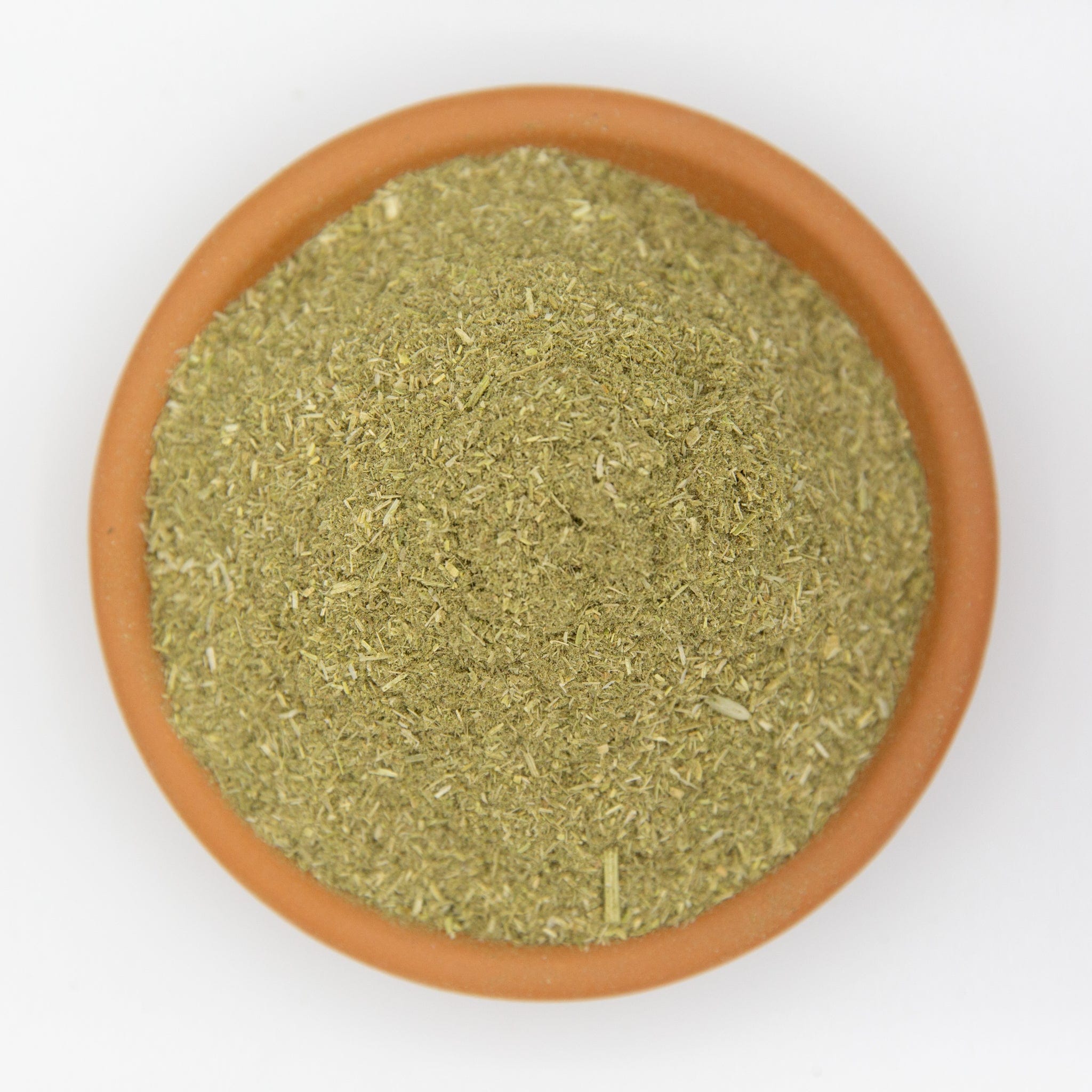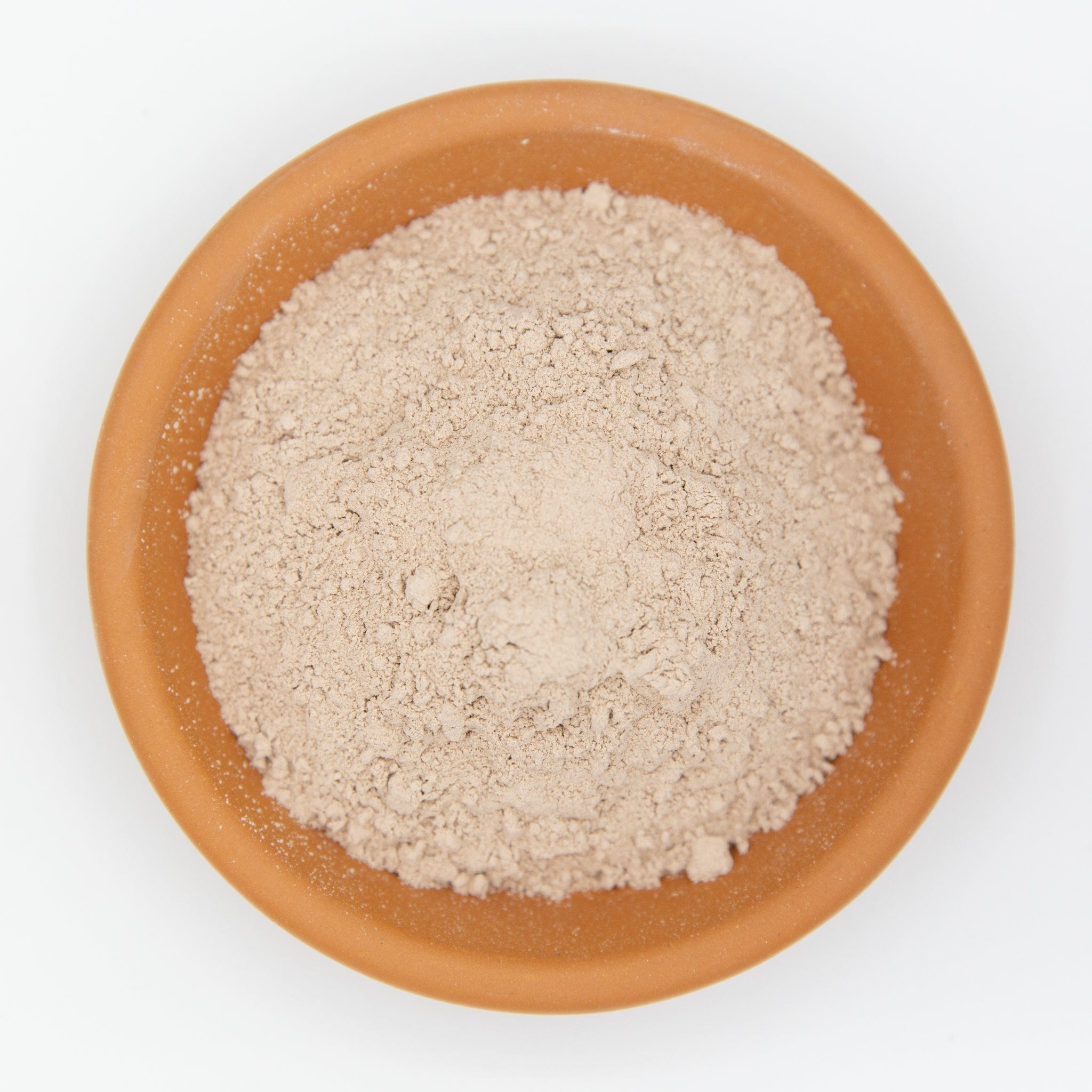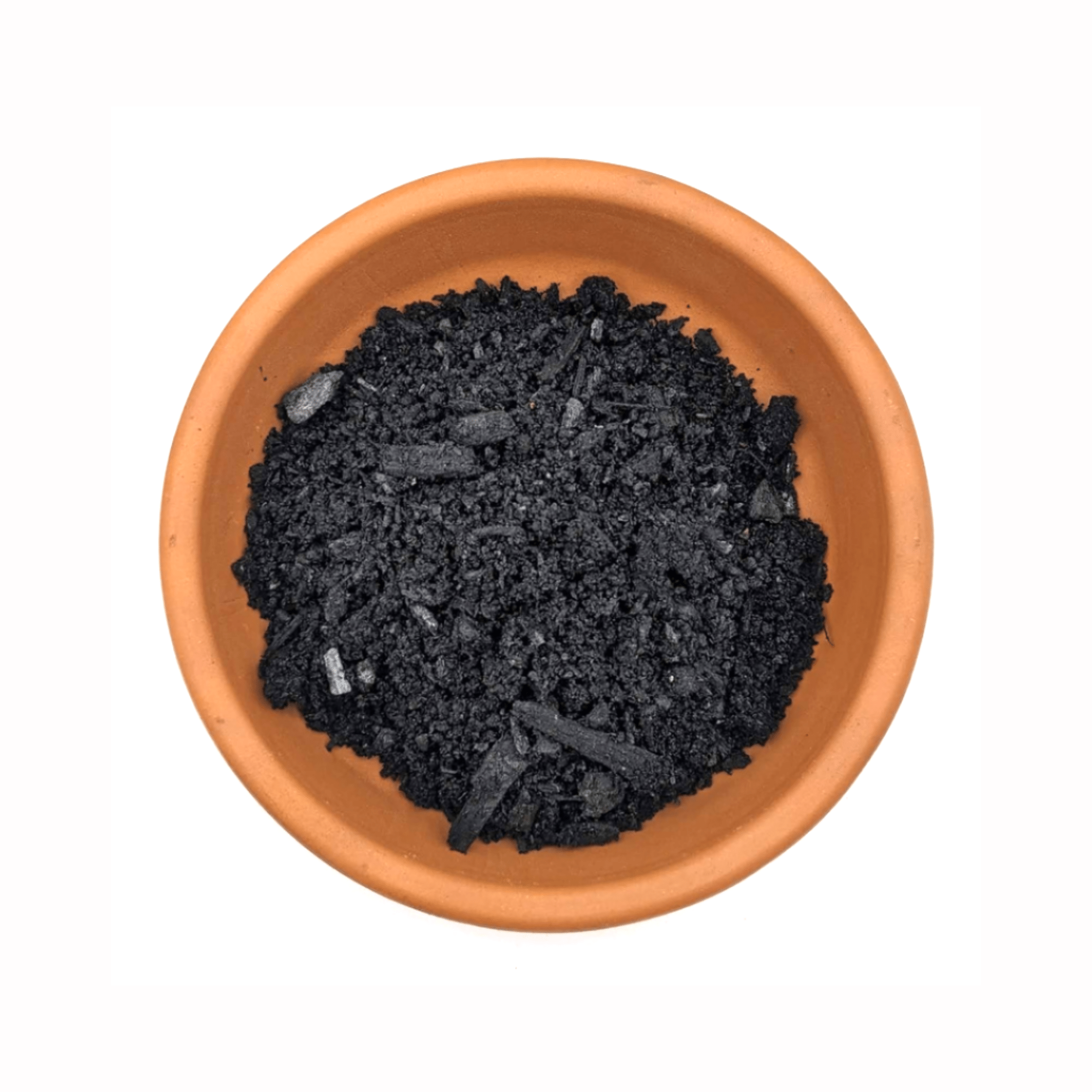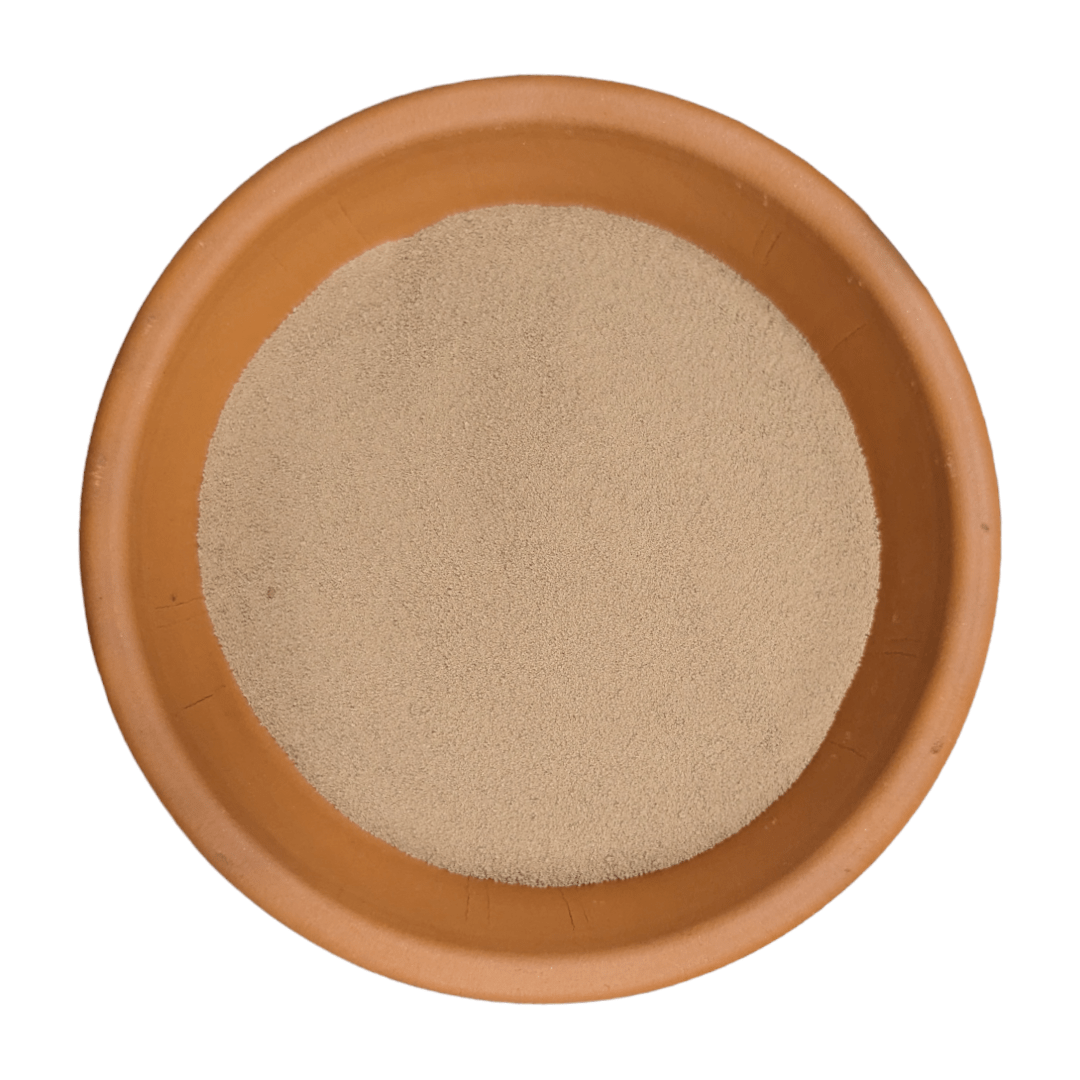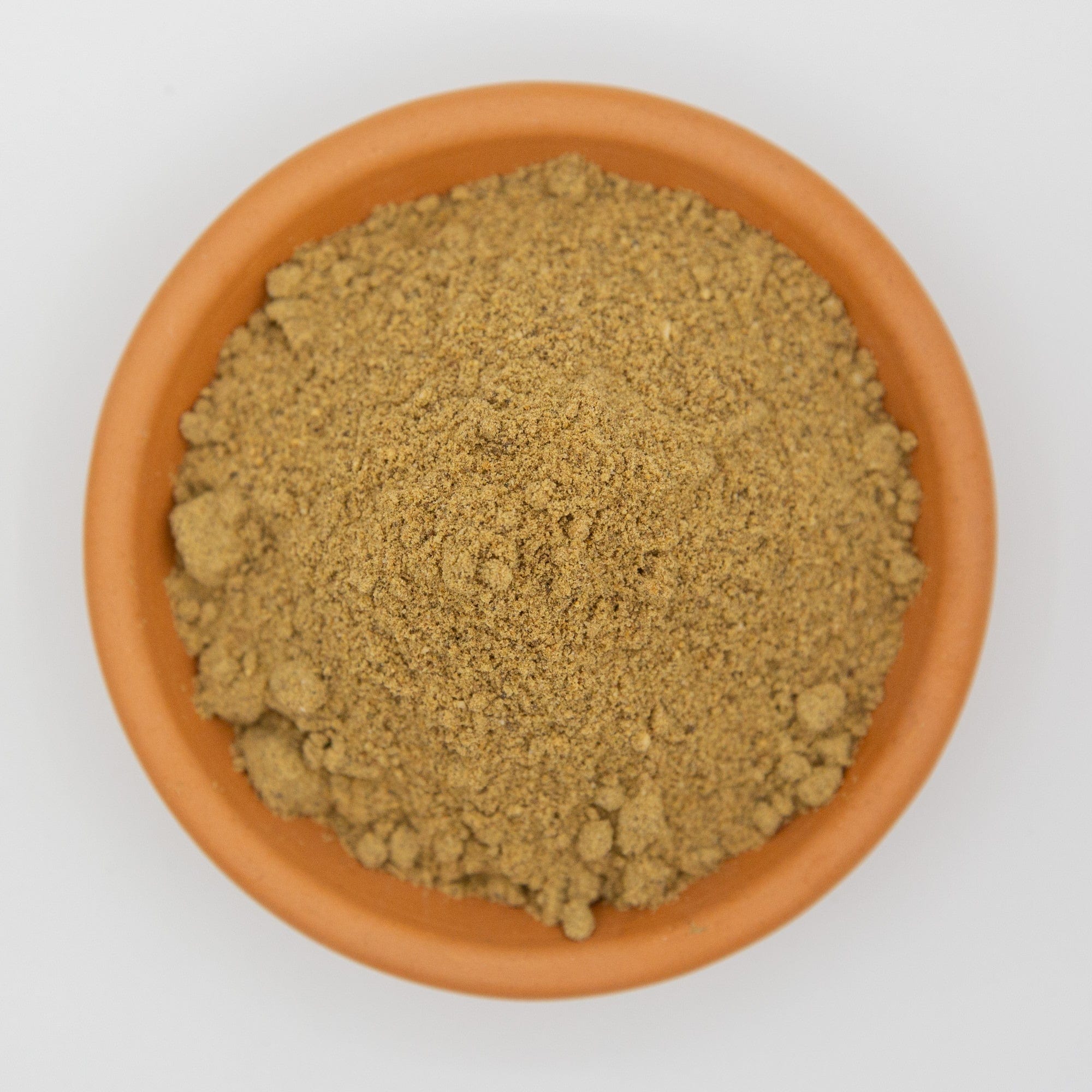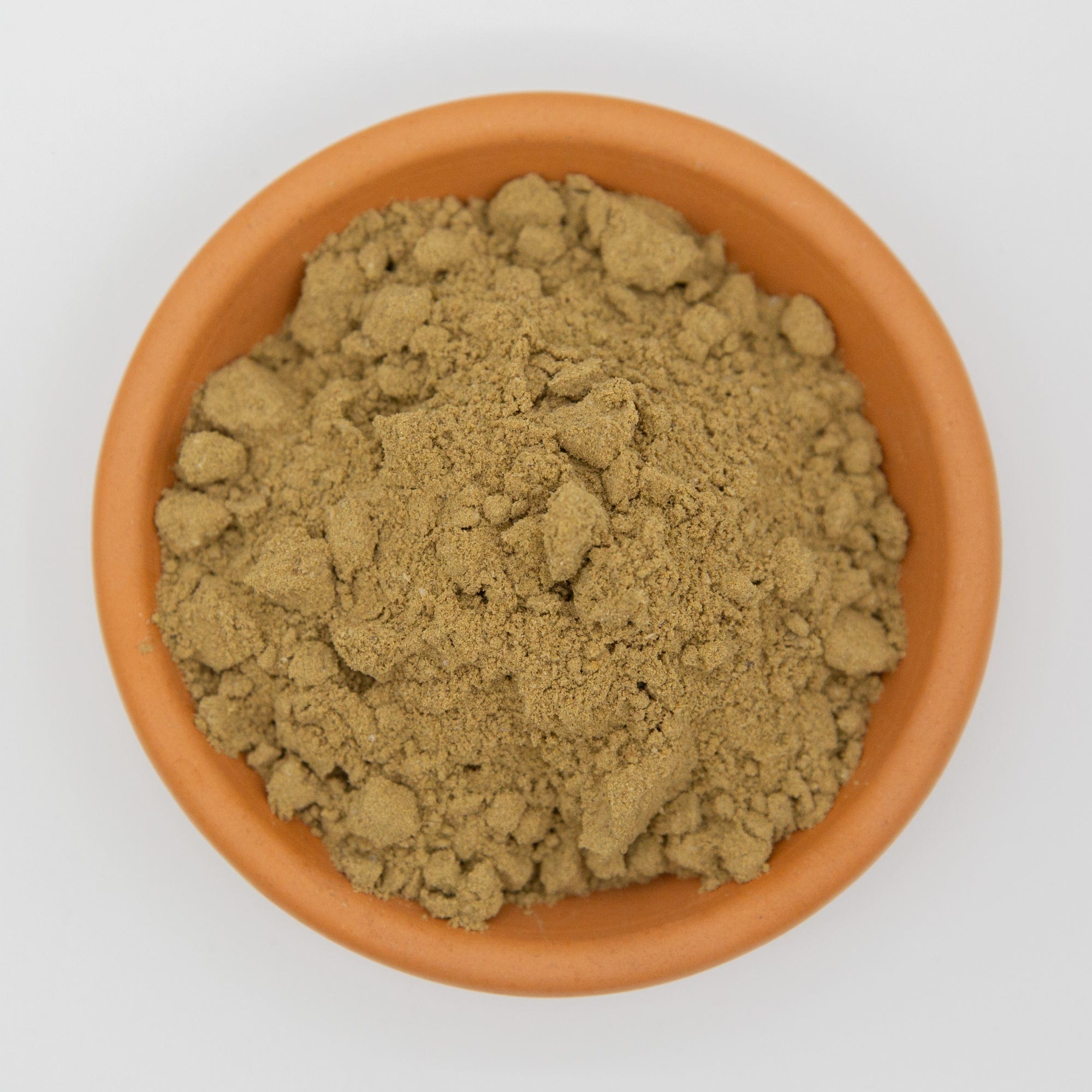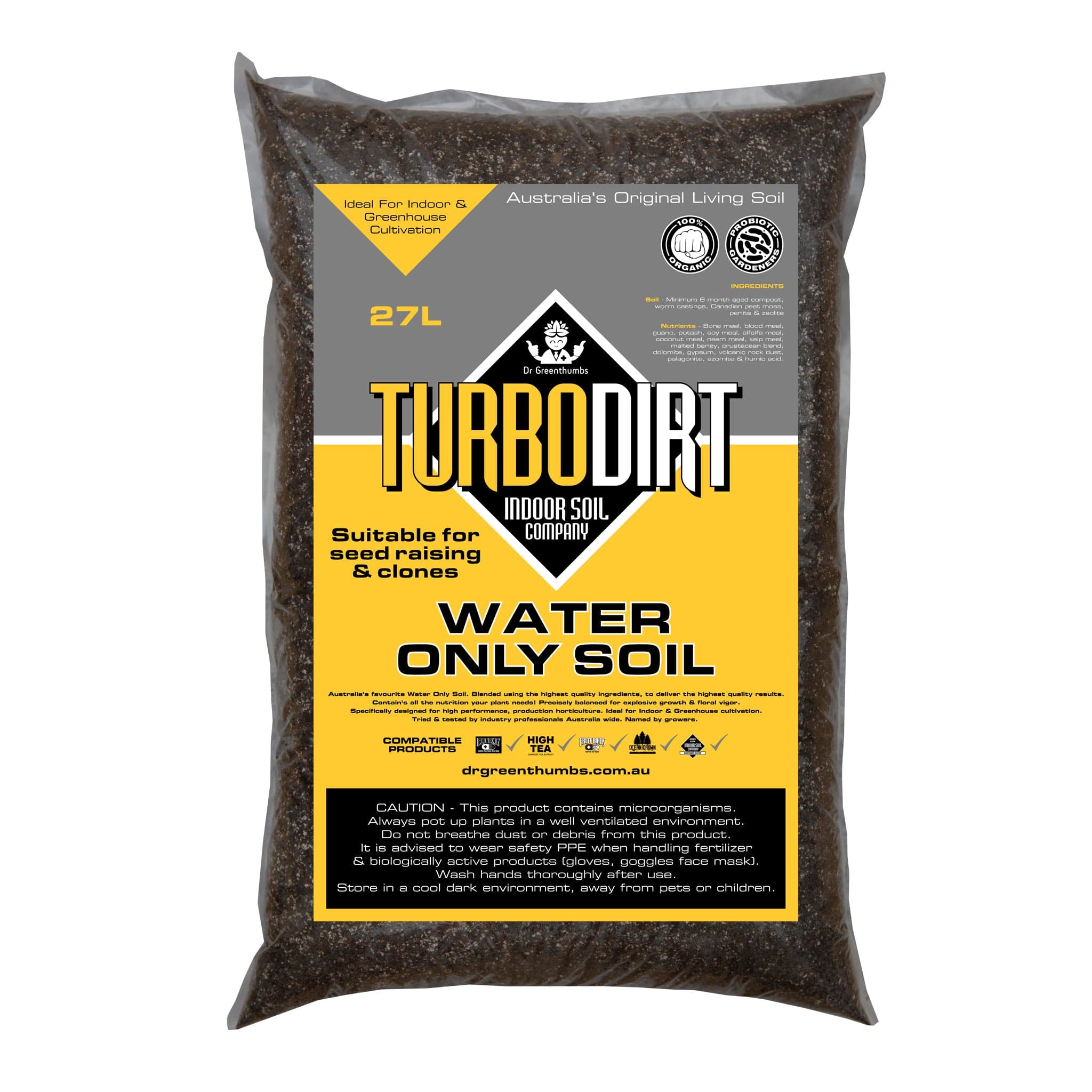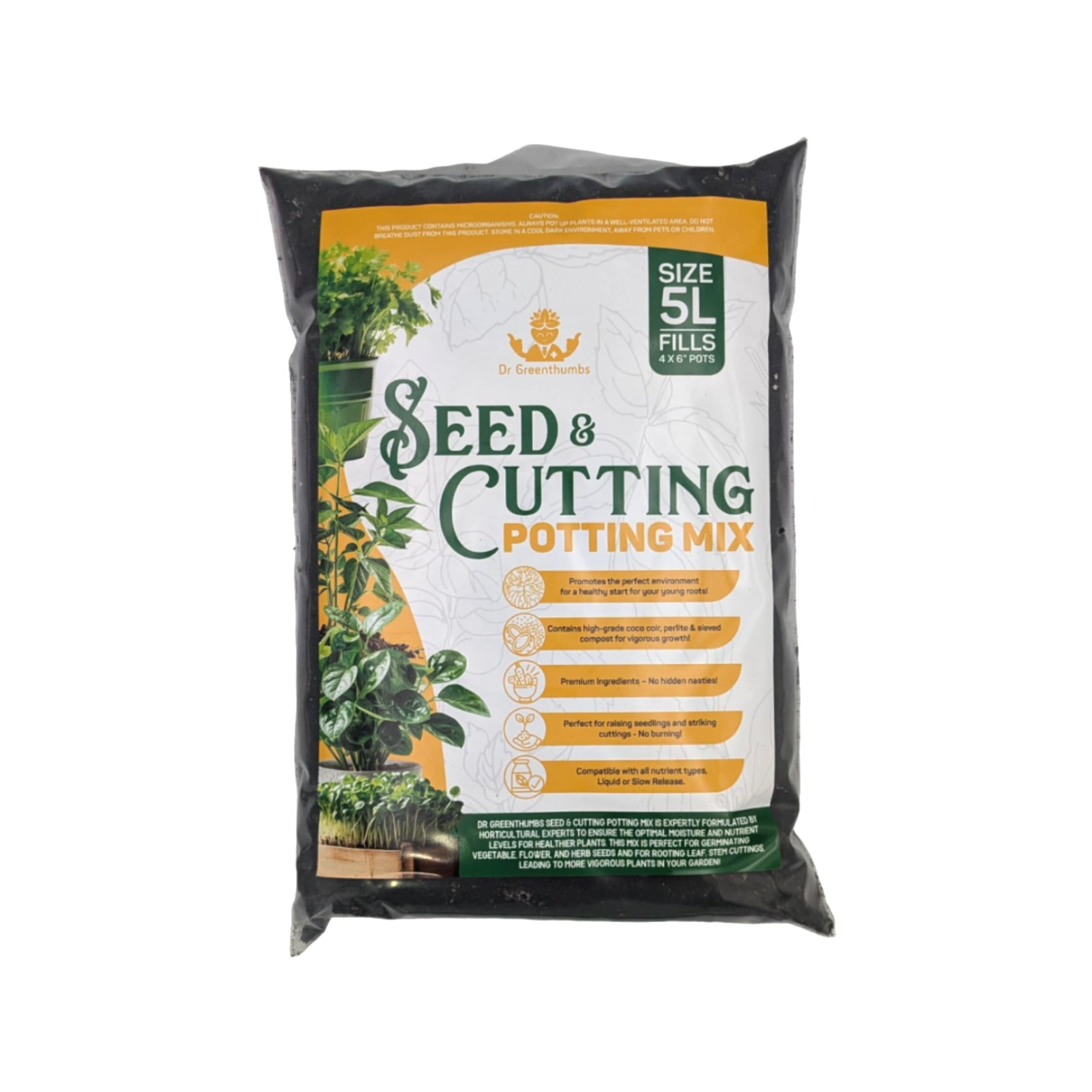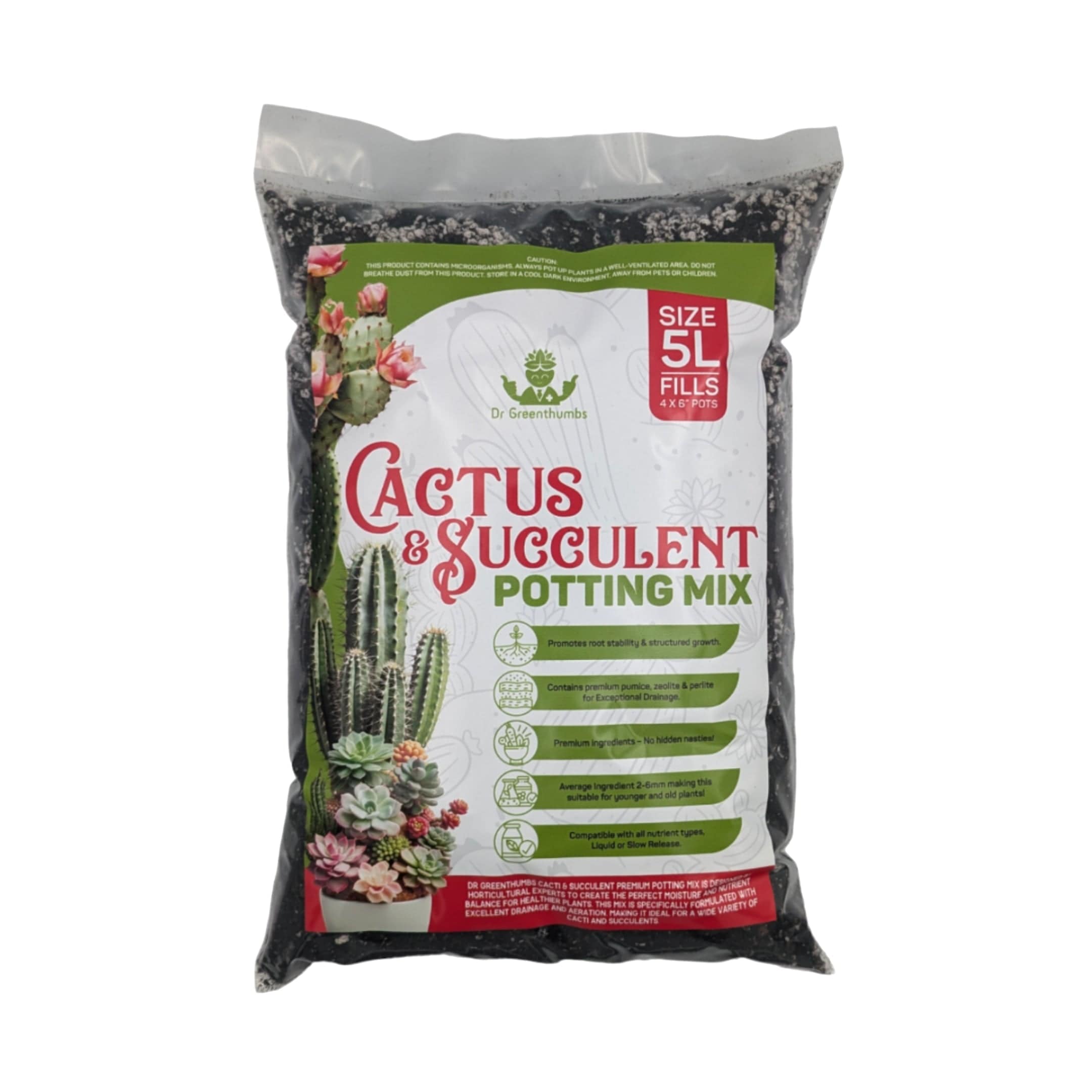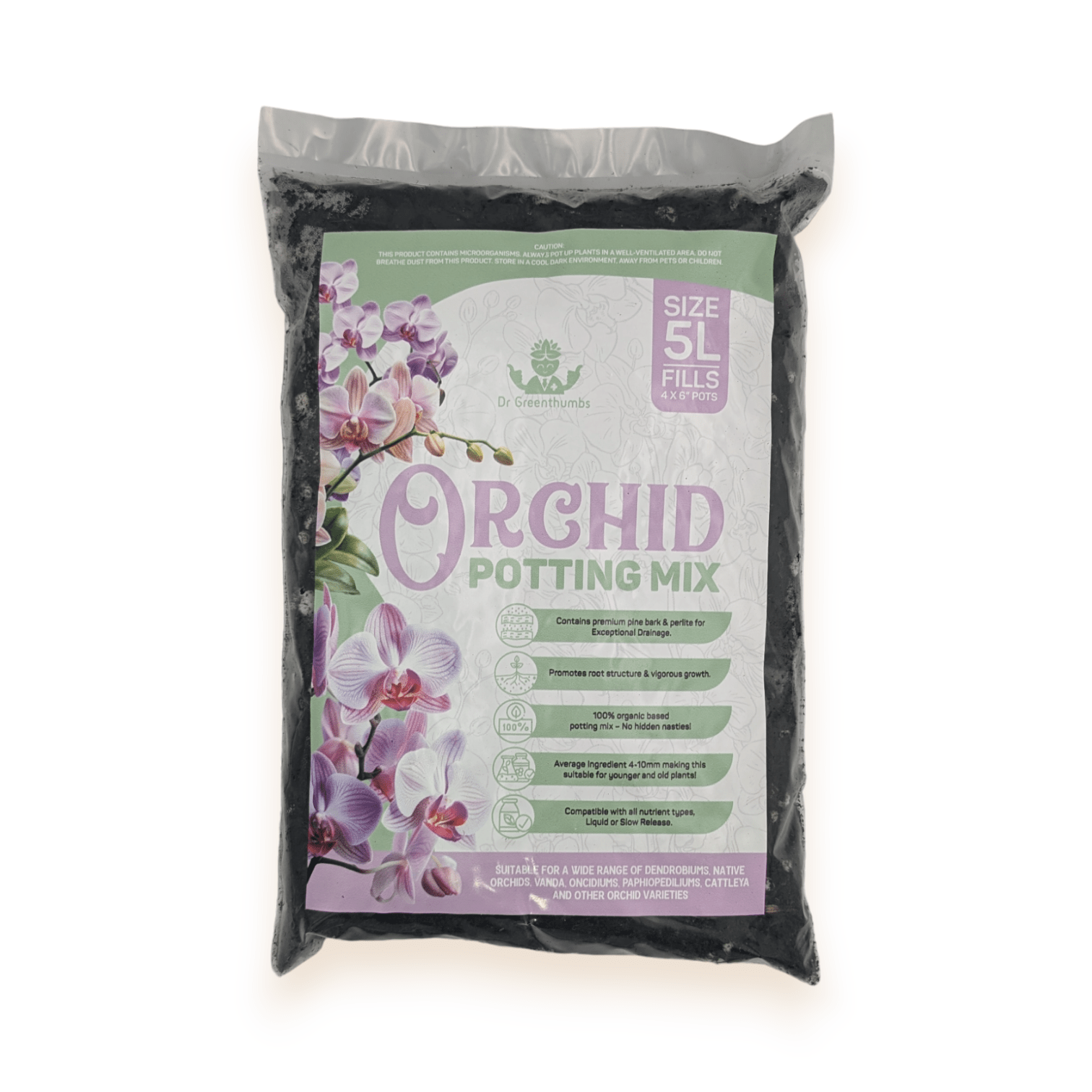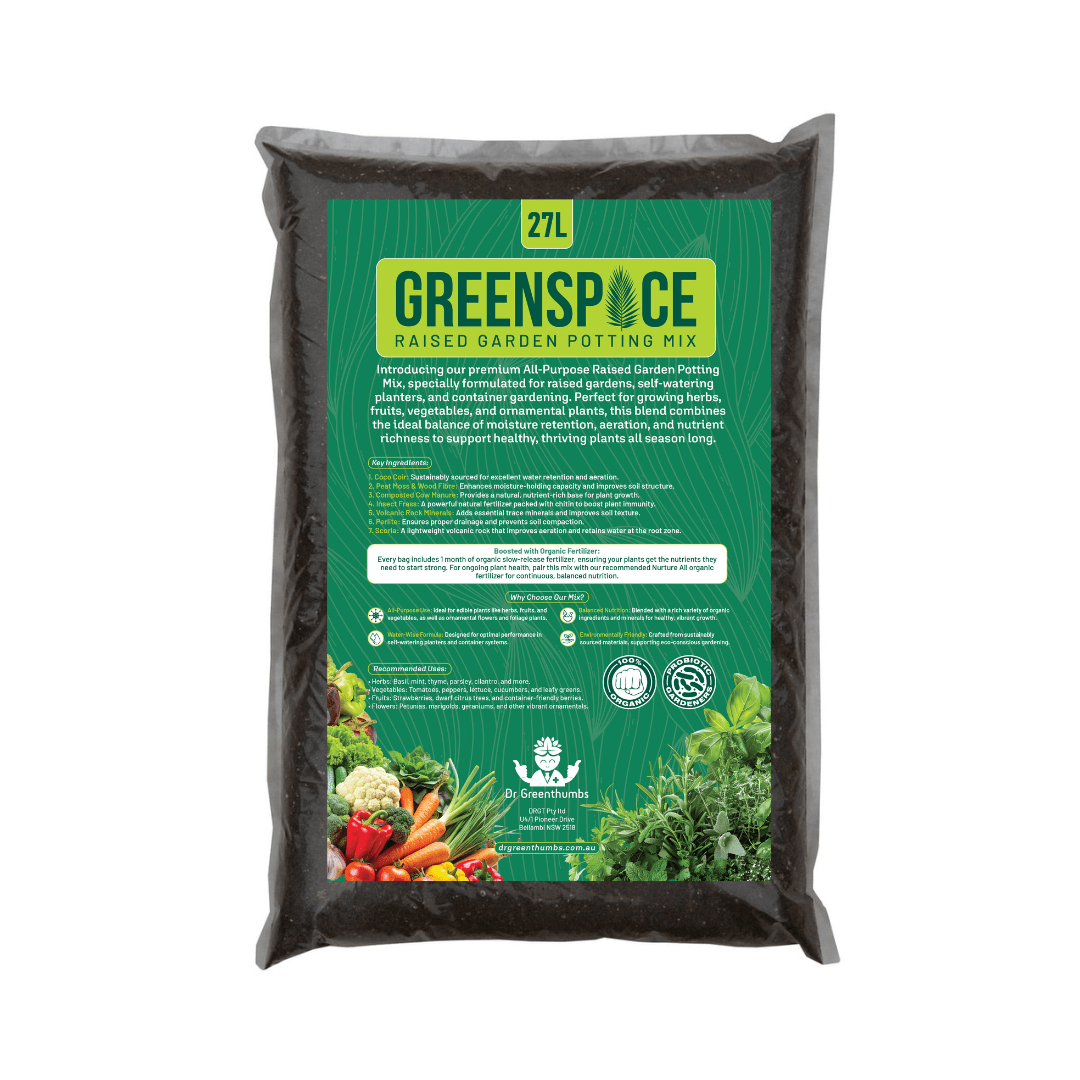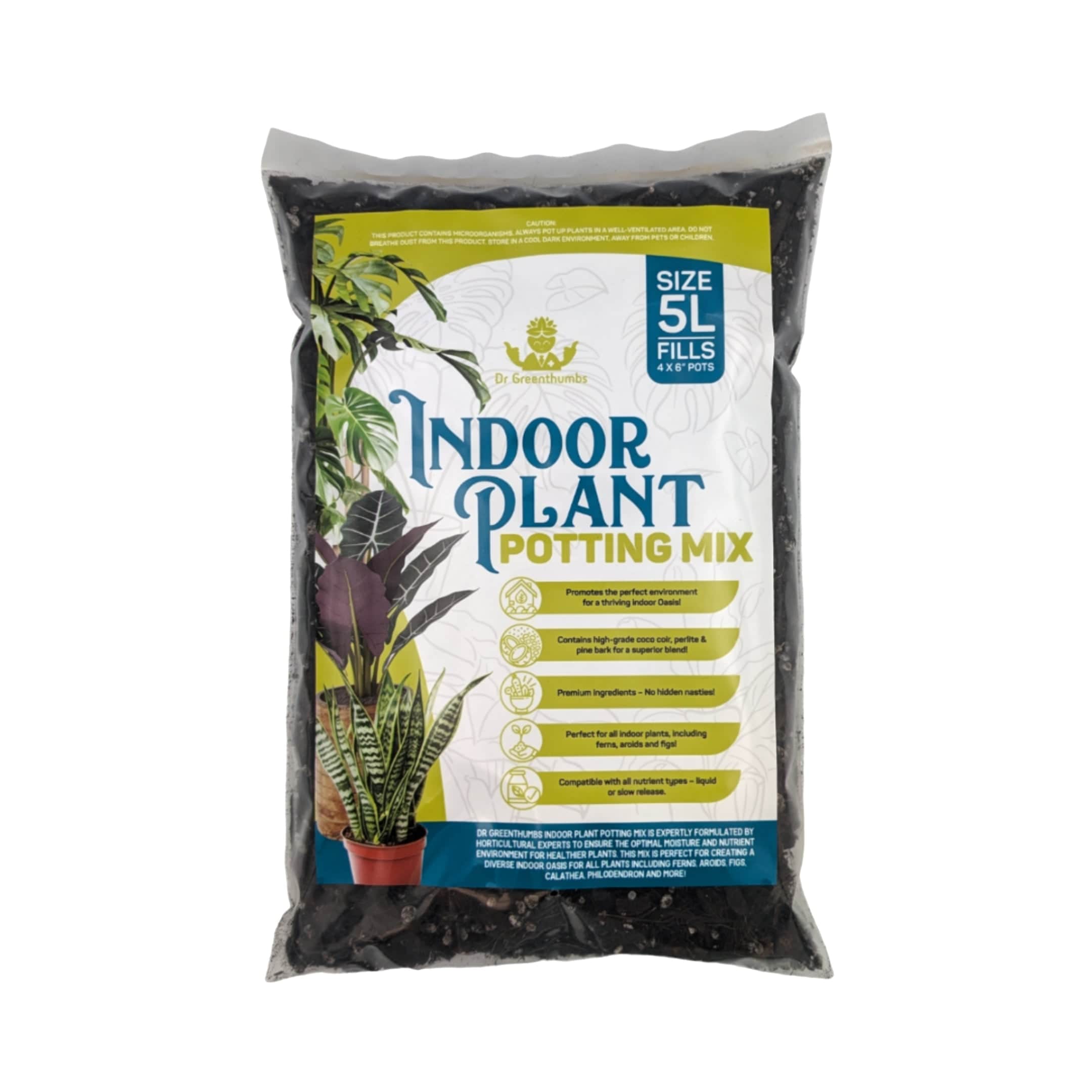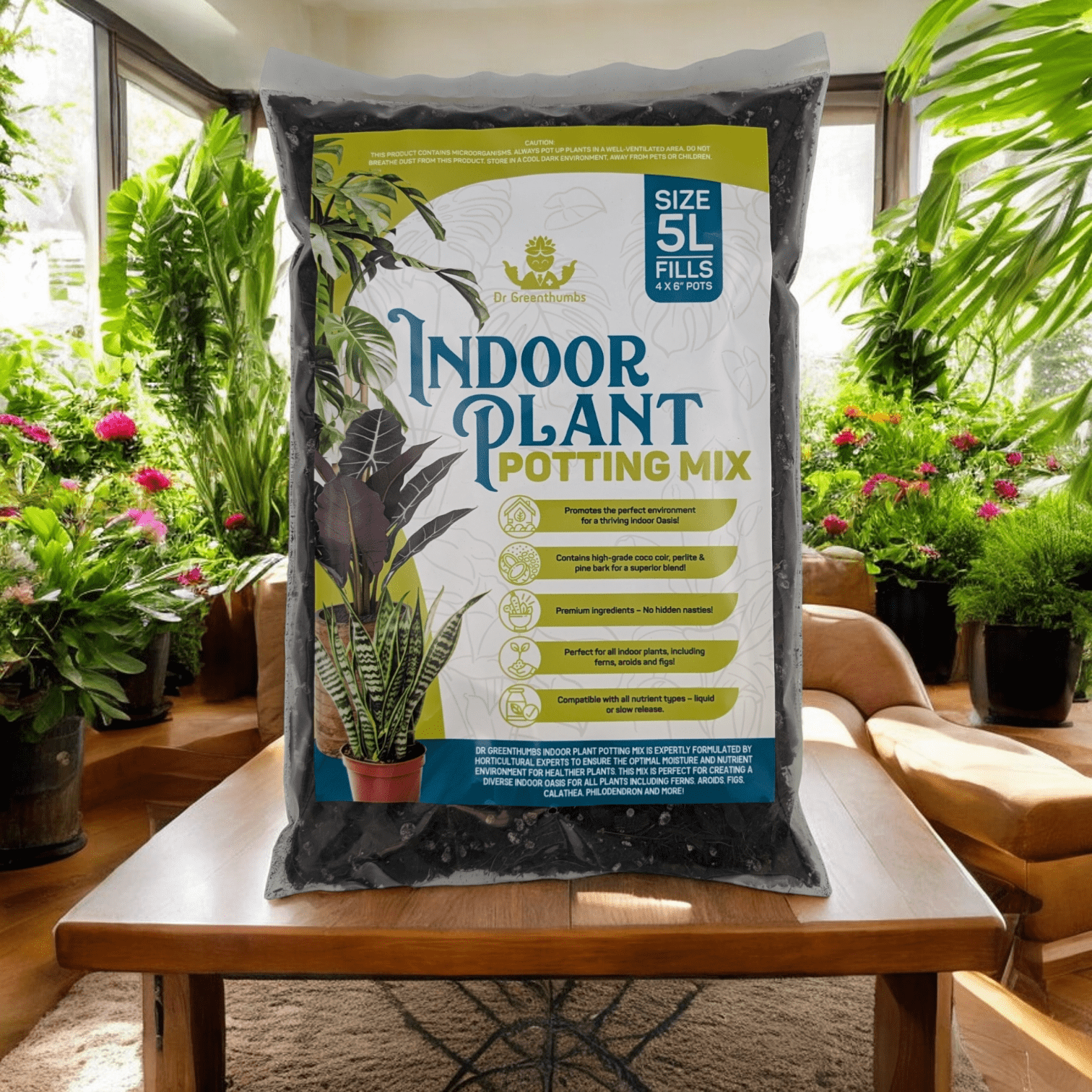

Aroids are a diverse group of plants known for their stunning foliage and ease of care. However, one of the most important factors for their success is having the right potting soil. In this article, we will provide a comprehensive guide to creating the perfect Aroid potting soil that drains freely and won't rot your plants. We will focus on key ingredients, including coco coir chips, orchid pine bark, perlite, pumice, and organic potting soil, and explain their benefits and unique properties. We will also highlight promoted products that can help your Aroids thrive.
Table of Contents
- Understanding the Key Ingredients
- Responsibly Sourced Mixes That Still Perform
- Aroid Mix: What “Chunky” Actually Means
- Aroid Soil: Why Normal Indoor Mix Usually Falls Short
- Base Aroid Mix Recipe
- Tailoring Your Mix: Ratios for Real-World Growing
- Aroid Mix Recipe: Start with the Plant, Then Adjust the Ratio
- Aroid Soil Mix for Thick Roots vs Fine Roots
- When an Aroid Mix Is Too Chunky
- Aroid Potting Mix: Match It to Your Watering Habits
- Aroid Soil Mix Recipe: When to Use Charcoal, Worm Castings and Extras
- Usage & Best Soil Practices
- Aroid Potting Mix After Buying a Nursery Plant
- Mix Tips for Your Favourite Aroids
- Aroid Mix for Moss Poles and Climbing Plants
- Aroid Soil Mix: Signs It Is Working
- Maintenance of Aroid Potting Soil
- Product Support: Root Roids and GreenSpace Liquid Fertiliser
- FAQs About Aroid Potting Soil
- Next Reads for Building a Better Aroid Mix
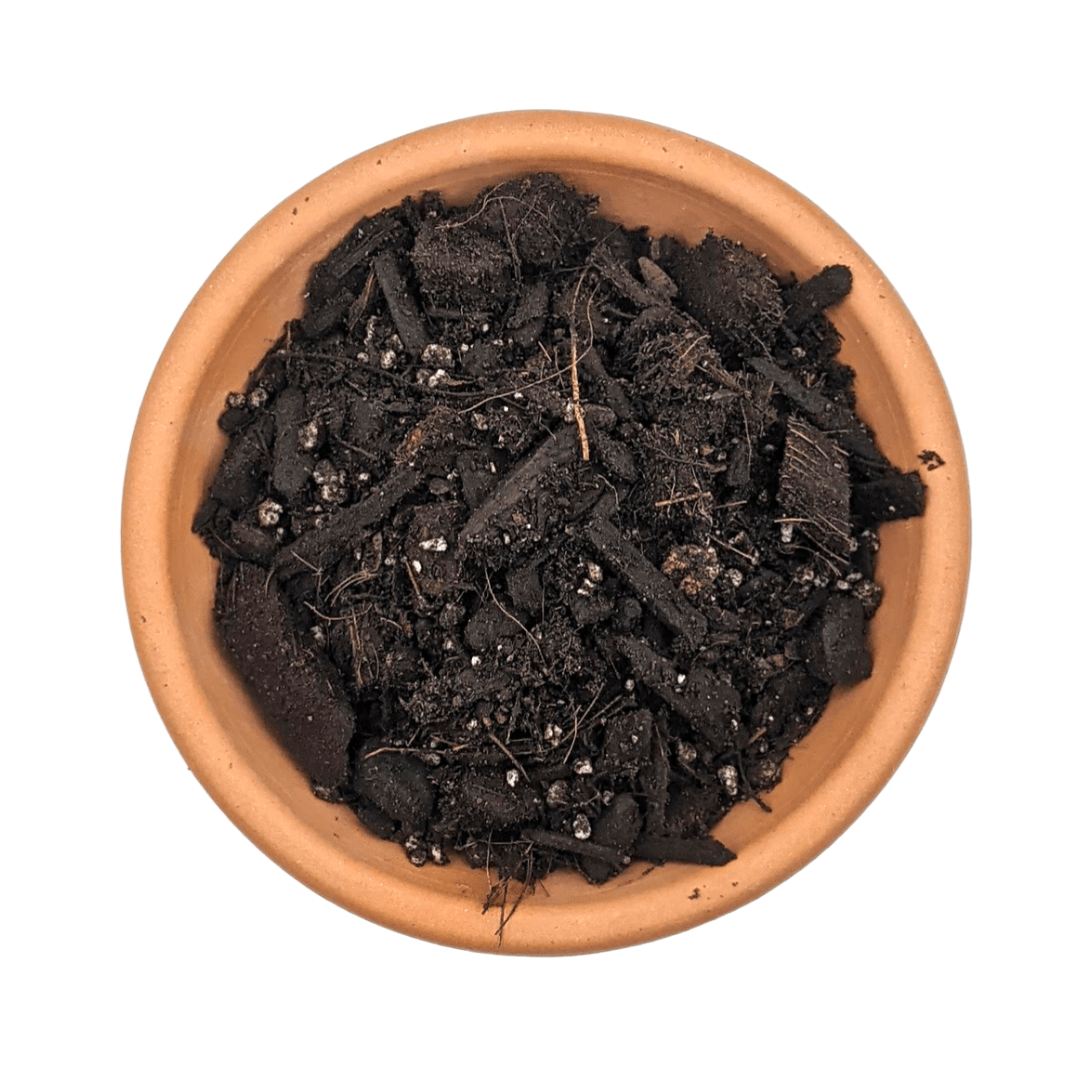
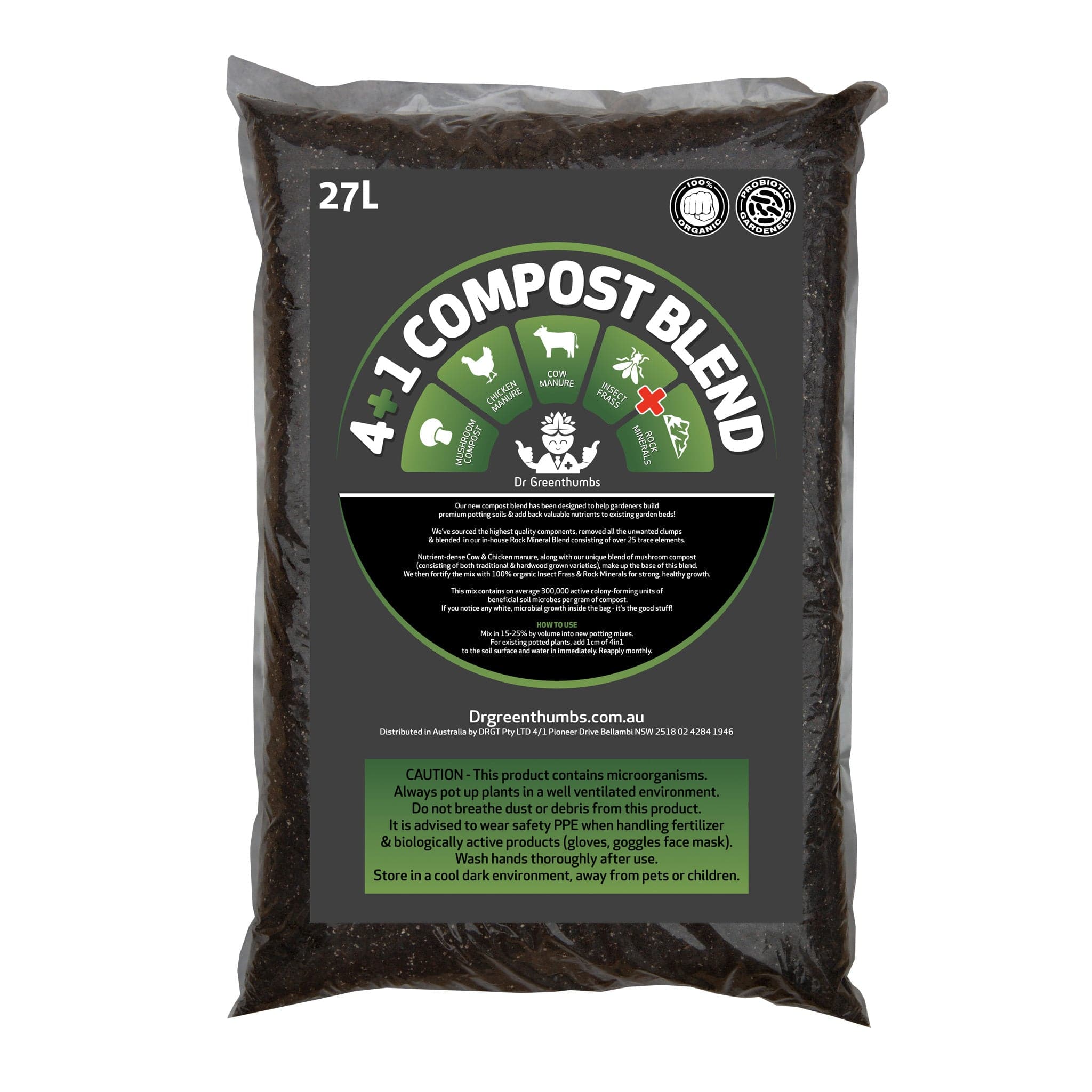
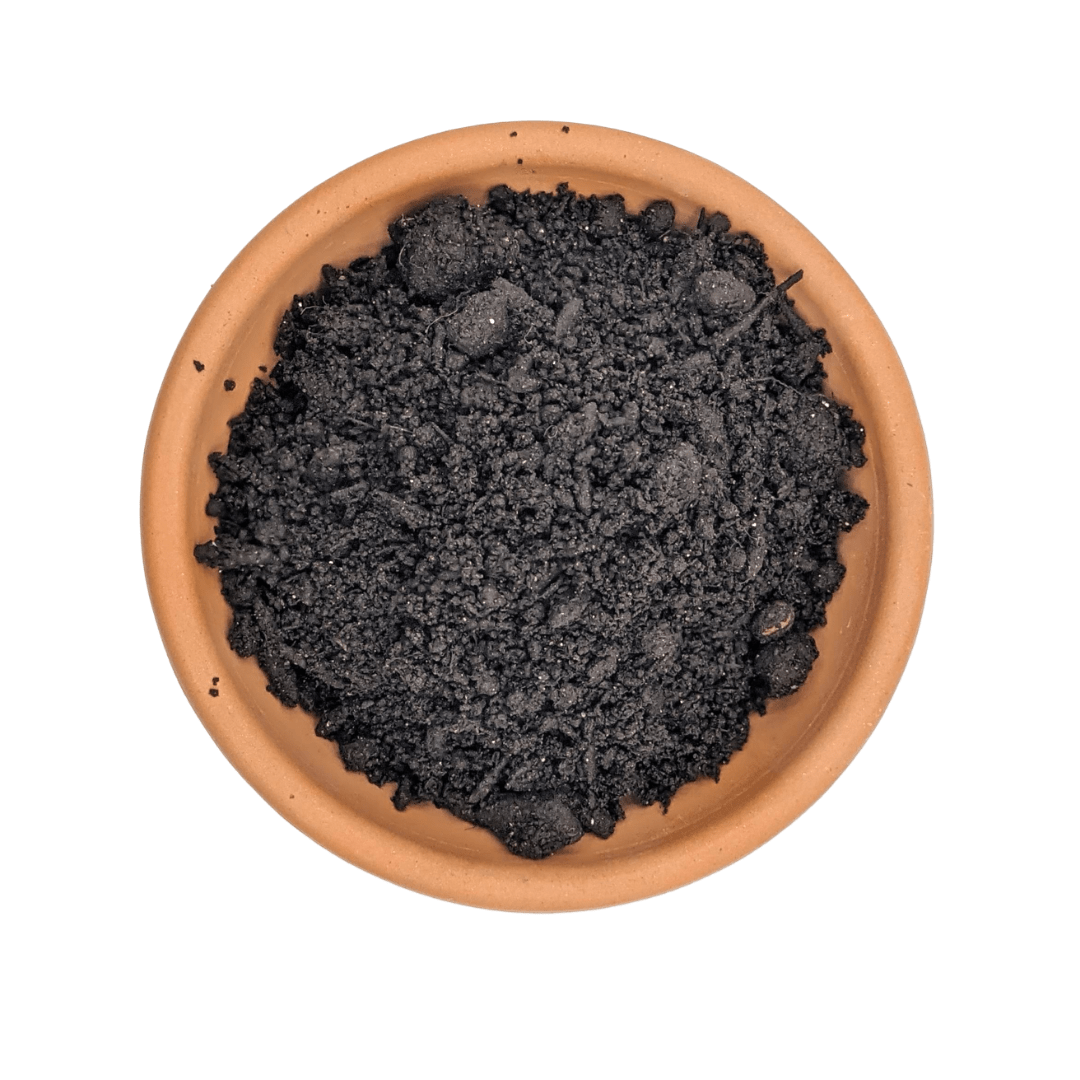
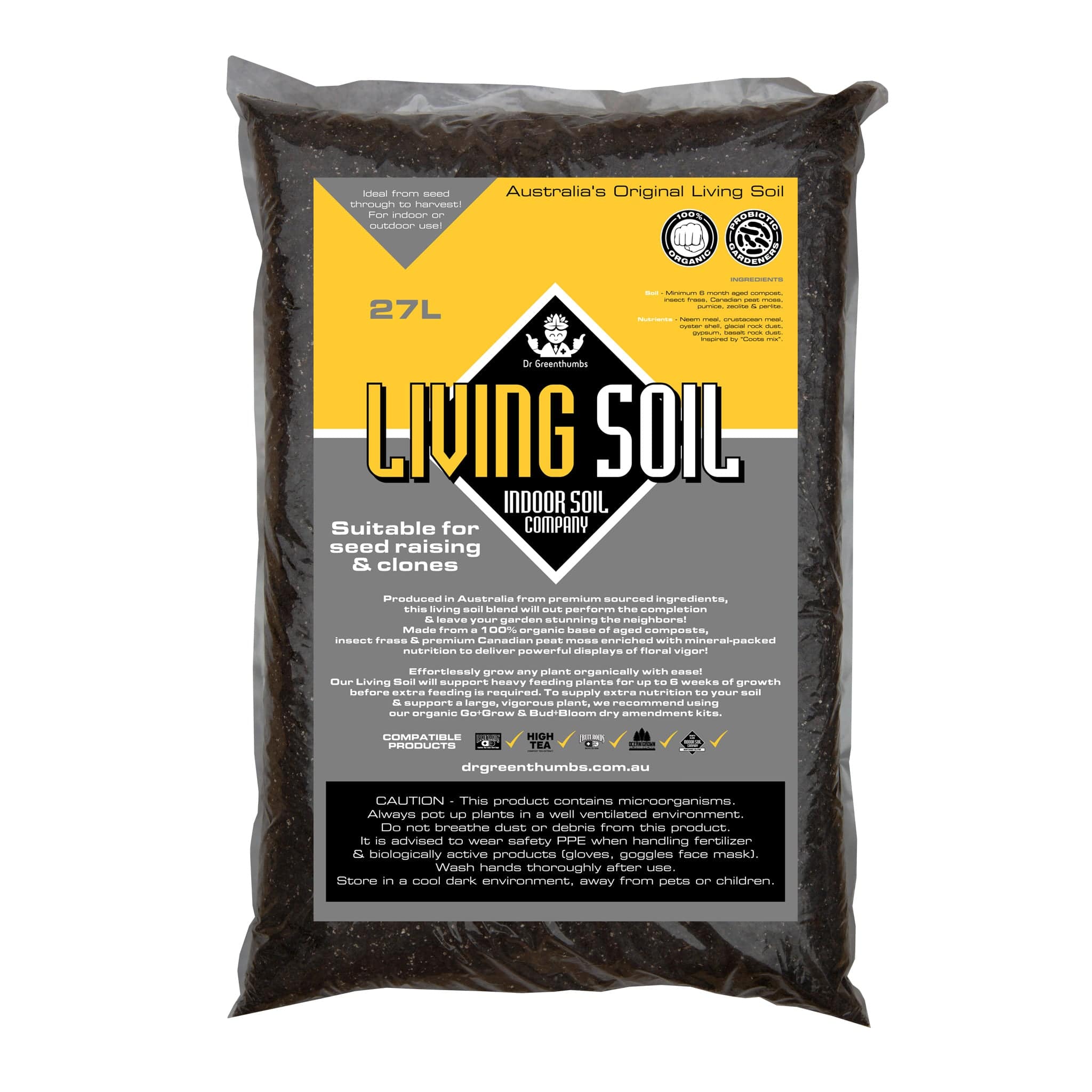
If you want a fast, reliable aroid mix without guesswork, these essentials make it easy:


Understanding the Key Ingredients
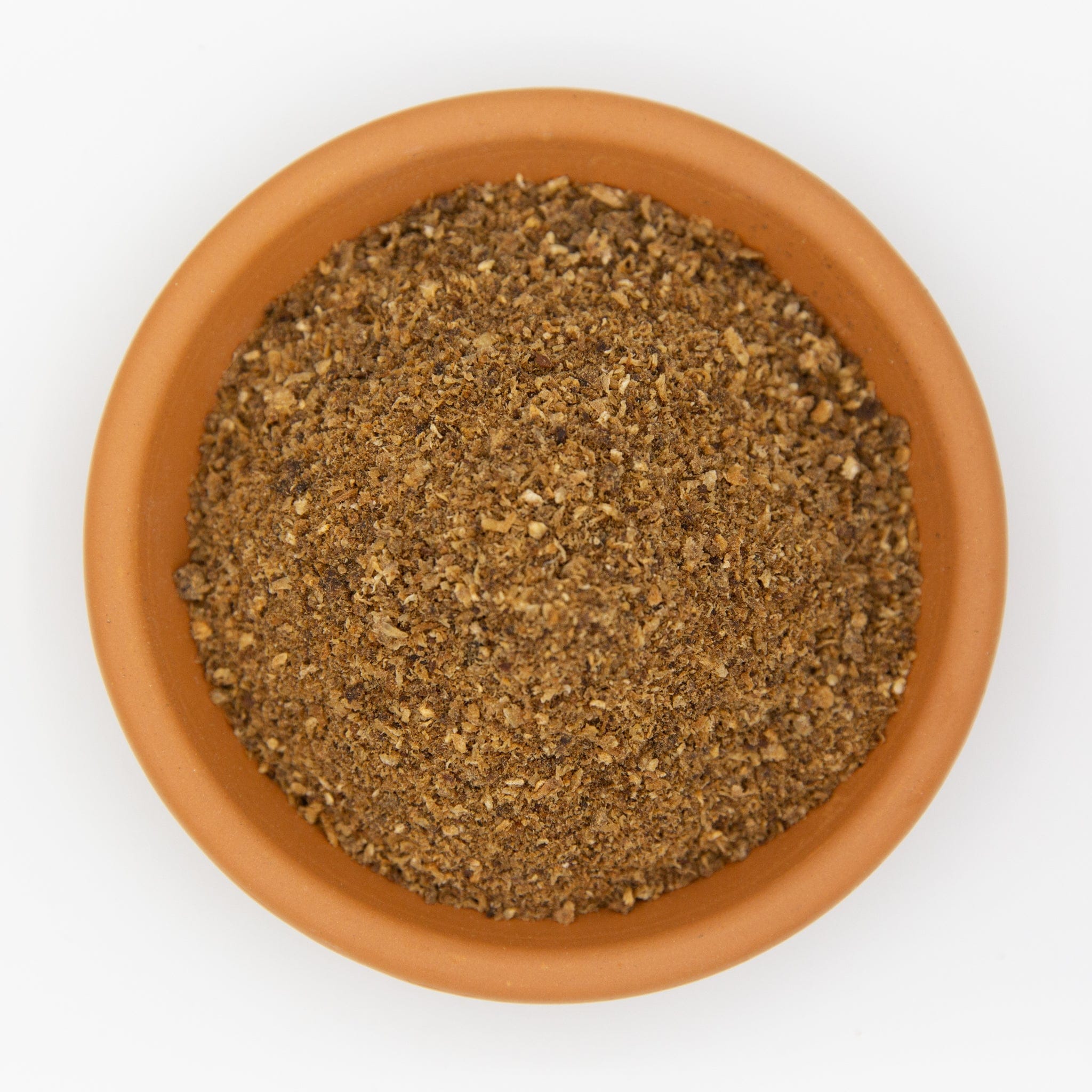
Coco Coir Chips
Coco coir chips are made from the fibrous outer shell of coconuts and are an excellent alternative to peat moss. They are highly porous, allowing air and water to flow freely through the soil, which is critical for Aroids that require well-draining soil. Coco coir chips are also pH-neutral, providing a stable environment for your plants to grow. Additionally, they are sustainable and eco-friendly, making them an excellent choice for conscientious gardeners.
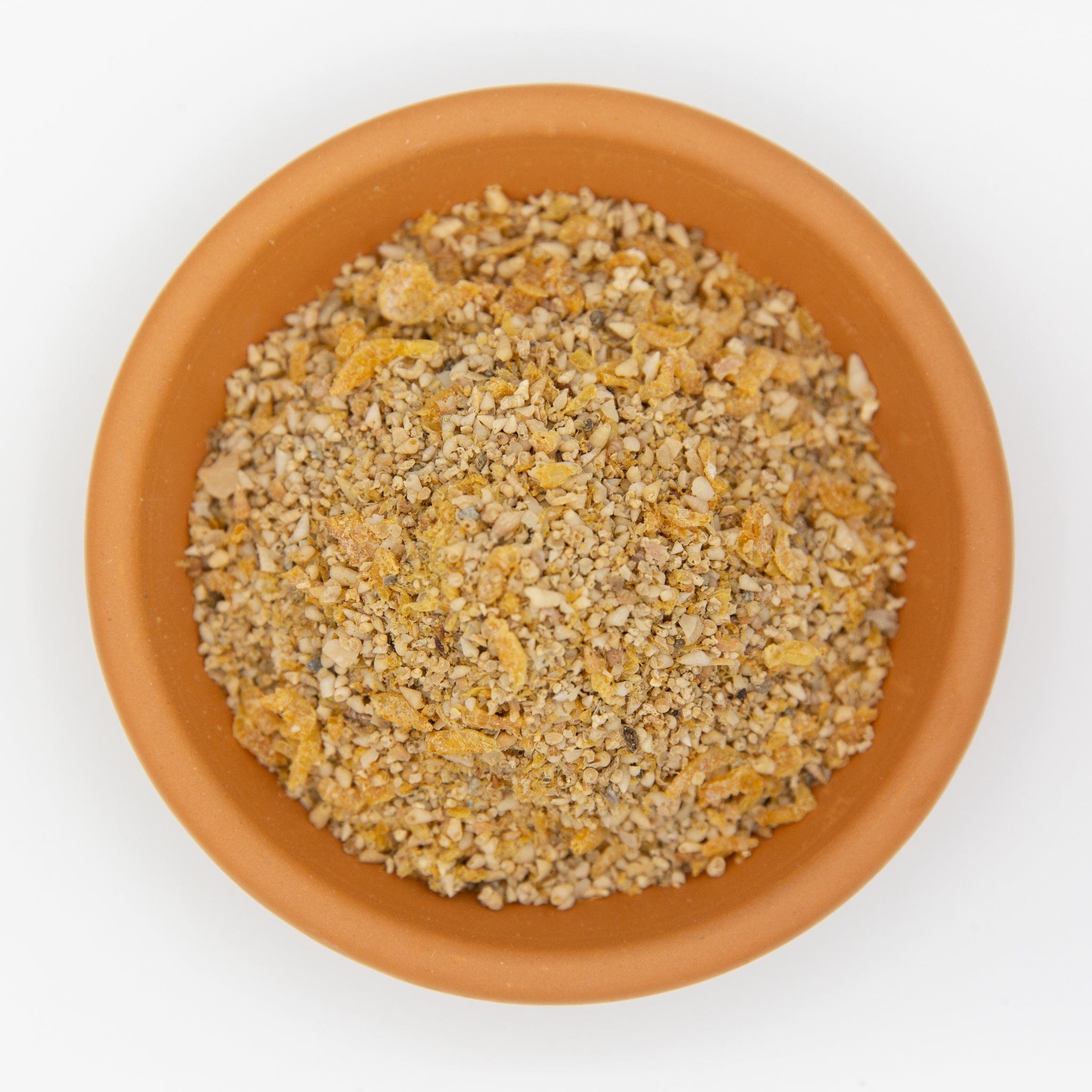
Orchid Pine Bark
Orchid pine bark, or Orchiata, is a premium-grade bark that has been stabilized to prevent it from breaking down quickly and drawing down nitrogen from the soil. This makes it an ideal ingredient for Aroid potting soil, as it allows for consistent and long-lasting drainage. It is also highly porous and retains moisture well, providing an optimal environment for Aroids to grow.
Perlite
Perlite is a type of volcanic glass that is expanded by heat, creating lightweight and porous granules. It is a popular ingredient in potting soil, as it improves soil drainage, aeration, and moisture retention. Perlite is also sterile, preventing the growth of harmful pathogens that can harm your plants.
Pumice
Pumice is a volcanic rock that is highly porous and lightweight. It is an excellent ingredient for Aroid potting soil, as it provides optimal drainage and aeration while retaining moisture. Pumice is also pH-neutral and does not decompose, making it a long-lasting ingredient that will provide consistent performance over time.
Organic Potting Soil
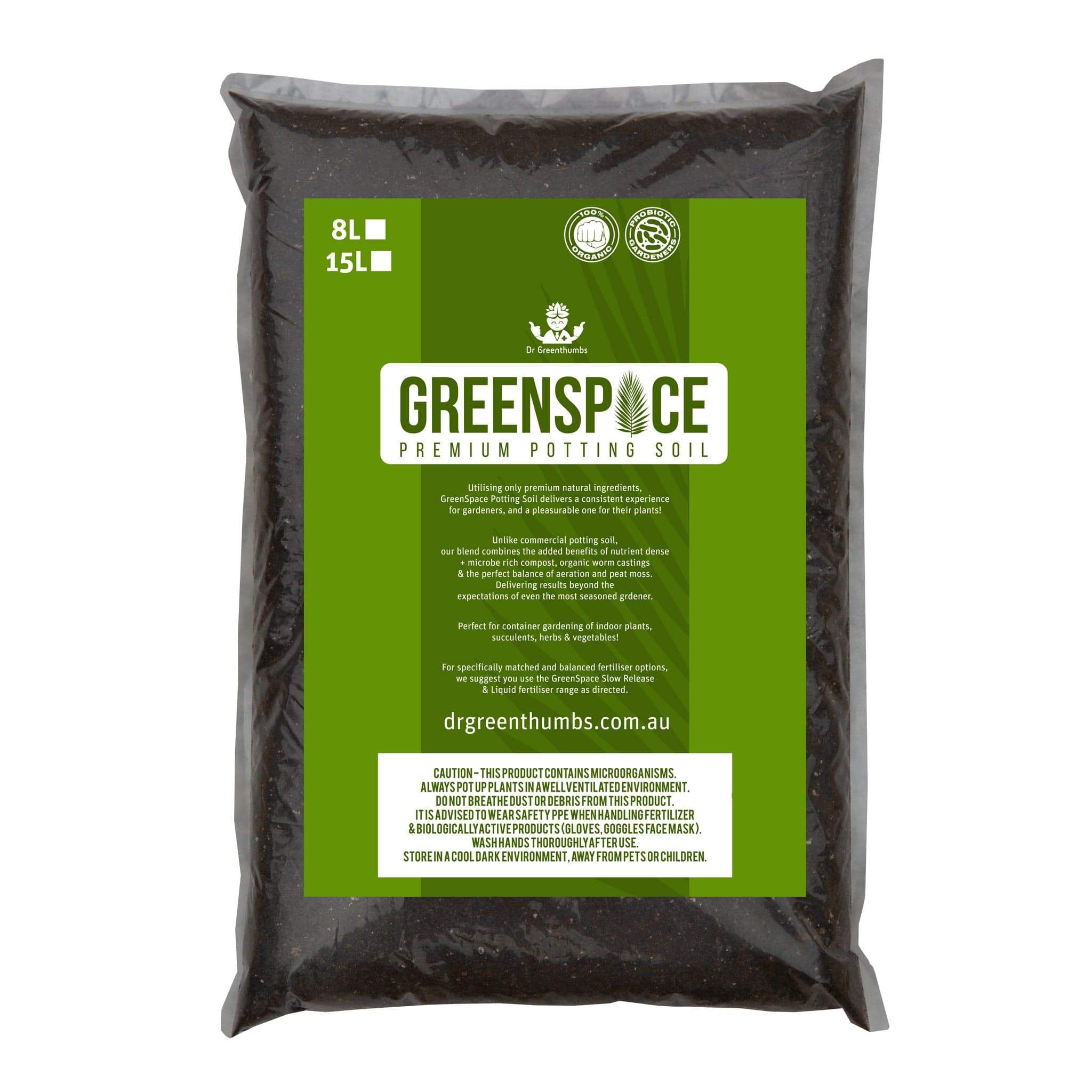
Organic potting soil is a mix of peat moss, compost, and other organic materials that provide nutrients and support for your Aroids. It is important to choose a high-quality organic potting soil that is free from harmful chemicals and additives.
Responsibly Sourced Mixes That Still Perform
Sustainability matters — especially when you’re building soil from the ground up. Wherever possible:
Choose peat-free options like coco coir over peat moss to reduce environmental impact. Coconut coir rests lightly in your mix and still holds moisture without bogging roots down.
Opt for quality bark and charcoal from reputable nurseries or growers — cheap bark often breaks down too fast, robbing soil of nitrogen and structure. A premium orchid bark or horticultural charcoal will pay dividends in drainage and longevity.
By thinking about where ingredients come from and what they actually do in the soil, you’re gardening smarter and greener.
Aroid Mix: What “Chunky” Actually Means
Aroid mix gets called chunky all the time, but chunky does not mean a pot full of bark with a few roots hanging on for dear life.
A good chunky mix still needs balance. The bigger pieces create air pockets, but the finer material holds enough moisture around the roots so the plant can actually drink. If the mix is all large bark and perlite, it may dry too fast and leave fine roots struggling. If it has too much fine potting soil, it can slump, compact and stay wet around the base.
A good aroid mix should have:
- visible chunks for airflow
- enough finer material to hold moisture
- ingredients that re-wet properly
- no sour or swampy smell
- no dense, muddy layer at the bottom of the pot
- enough stability to hold the plant upright
The hand test helps. Moisten a handful and squeeze it. It should hold lightly, then fall apart when poked. If it turns into paste, it’s too dense. If it falls apart like dry mulch and won’t hold moisture, it may be too sharp for most indoor aroids.
Chunky is the goal, but balanced chunky is the win.
Aroid Soil: Why Normal Indoor Mix Usually Falls Short
Aroid soil needs to behave differently to standard indoor potting mix.
Most indoor mixes are built to suit a broad range of houseplants. That’s fine for some plants, but aroids like monsteras, philodendrons, pothos, syngoniums and anthuriums often want more oxygen around the roots than a generic bag can provide.
In nature, many aroids grow through loose forest litter, climb trees, or push roots into airy organic material. They are not built for dense, wet, compacted soil sitting in a plastic pot indoors.
That’s why normal indoor mix can cause problems:
- it can stay wet too long
- it can compact after repeated watering
- it can suffocate thicker roots
- it can encourage root rot in low airflow rooms
- it can dry hard on top but stay wet underneath
Aroid soil should drain well, but not behave like cactus mix. These are tropical plants, not desert plants. The trick is holding gentle moisture while keeping oxygen moving through the pot.
That’s the bit generic potting mixes often miss.
Base Aroid Mix Recipe
Preparing the perfect potting soil mix for Aroids is a critical step in ensuring their success, so use this aroid potting mix recipe as a balanced starting point:
- Combine 2 parts Orchiata bark with 1 part coco coir chips, 1 part perlite, and 1 part pumice in a large container.
- Mix the ingredients together thoroughly, ensuring that they are evenly distributed.
- Add in 1 part organic potting soil and mix well.
- Use a pH meter to ensure that the soil mix has a pH between 5.5 and 6.5, which is optimal for Aroids.
- Store the potting soil mix in an airtight container until ready to use.
It is important to avoid common mistakes when preparing Aroid potting soil, such as using regular potting soil, not mixing the ingredients thoroughly, or using low-quality ingredients.
Tailoring Your Mix: Ratios for Real-World Growing
Not all homes and climates are the same, so the “perfect” mix isn’t one-size-fits-all. Here are a few go-to ratio ideas you can try — and tweak — based on your environment and plant size:
Standard Aroid Mix (great all round):
- 5 parts orchid bark
- 2 parts coco coir
- 2 parts perlite or pumice
Wetter Homes / Lower Light:
- 4 parts orchid bark
- 3 parts coco coir
- 2 parts perlite
Dry Homes / Frequent Waterers:
- 6 parts bark
- 1 part coir
- 3 parts pumice/perlite
Seedlings & Juveniles:
-
A slightly finer texture (more coir, less bark) helps delicate roots access moisture while still breathing.
These ratios aren’t strict rules — they’re starting points. If your soil feels too light and dries quickly, add a little more coir. If it slumps and sticks, up the chunky stuff.
Aroid Mix Recipe: Start with the Plant, Then Adjust the Ratio
An aroid mix recipe should never be treated like a permanent law. It’s a starting point.
A monstera in a large pot, an anthurium in a warm cabinet and a pothos on a shelf are not using water at the same rate. The plant, pot, room and watering habit all change how the mix behaves.
Use this as the practical adjustment logic:
- If the pot stays wet for days, add more bark, pumice or perlite.
- If the plant dries out too fast, add more coco coir or quality organic base.
- If roots are fine and delicate, avoid going too oversized with the chunks.
- If roots are thick and climbing, give them more structure and air.
- If the plant is top-heavy, use enough weight and stability so it doesn’t wobble.
The recipe should match the root system. Thick-rooted monsteras and philodendrons can usually handle a chunkier blend. Anthuriums and fine-rooted aroids still like air, but they often need a more even moisture profile.
Don’t copy someone else’s ratio blindly. Their humidity, pot size, watering style and plant size may be completely different to yours.
Aroid Soil Mix for Thick Roots vs Fine Roots
Not every aroid wants the same texture. That’s where a lot of “one perfect recipe” advice falls over.
Thick-rooted aroids like many Monsteras and climbing Philodendrons usually handle a chunkier, bark-heavy aroid soil mix. Their roots can push through open spaces, grip structure and cope with a mix that dries a little faster.
Fine-rooted aroids need more care. Alocasias, some Anthuriums and younger plants can struggle if the mix is all big chunks with massive air gaps. They still need oxygen, but they also need more consistent moisture around those finer roots.
Use this as a starting point:
- Thick roots: more orchid bark, pumice and coarse perlite.
- Fine roots: slightly more coir, smaller bark and a touch more moisture buffering.
- Fresh imports or rehab plants: keep it airy, but don’t go bone-dry or oversized.
- Juveniles: use a finer version of the adult mix until roots bulk up.
The goal isn’t to make the mix wetter. It’s to match particle size to root size. If roots are fine and delicate, huge gaps can dry them out. If roots are thick and chunky, dense mix can suffocate them.
When an Aroid Mix Is Too Chunky
Chunky is good. Too chunky is not.
Aroid mix needs air, but roots still need contact with moisture and nutrients. If the mix is mostly huge bark pieces and coarse minerals, water can blast through the pot without evenly wetting the root zone. The plant might look thirsty two days after watering, even though you technically watered it properly.
Signs your aroid mix is too chunky:
- The pot dries out almost immediately
- New leaves come in smaller than expected
- Roots only grow around the edge of the pot
- The plant wilts even after a deep water
- Fertiliser seems to run straight through
- The mix falls away from the roots when you repot
The fix is simple. Add more medium-sized particles. Coco chips, smaller bark, a little coir, worm castings or quality indoor potting mix can help bridge the gaps without turning the pot into mud.
Aroid Potting Mix: Match It to Your Watering Habits
Aroid potting mix should suit the grower as much as the plant.
If you water often, a more open mix gives you a buffer against overwatering. Extra bark, pumice and perlite help water move through before the root zone turns stale.
If you forget to water, don’t make the mix too sharp. A super-fast mix can dry out before the plant has had a proper drink, especially in summer or near a bright window.
If you bottom-water, make sure the mix actually wicks moisture upward. Very chunky mixes can leave dry pockets if there isn’t enough fibre or finer material to pull water through the pot.
If you use decorative cover pots, be careful. Even a great aroid mix can fail if runoff sits trapped at the bottom. Tip excess water out after watering and don’t let the nursery pot sit in a puddle.
A simple rule:
- Heavy waterer: add more airflow.
- Forgetful waterer: add more moisture buffer.
- Low-light room: keep it airier.
- Warm bright room: keep moisture more stable.
- Cover pot user: drain properly every time.
The best aroid potting mix is the one that works with your real routine, not the one that sounds best in a recipe post.
Aroid Soil Mix Recipe: When to Use Charcoal, Worm Castings and Extras
Aroid soil mix recipe posts often throw in every amendment under the sun. Some are useful. Some are optional. Some are only useful if the base mix is already right.
Horticultural charcoal can help keep the mix open and can be useful in indoor pots where airflow is limited. It’s not magic, but it’s a solid support ingredient when used in moderation.
Worm castings add gentle nutrition and microbial life, but too much can make the mix dense and wet. Keep them light. Aroids like nutrition, but they still need oxygen more than a rich, heavy mud cake.
Pumice and perlite both lighten the mix and improve drainage, but they behave slightly differently. Pumice hangs around longer and adds a little weight and mineral support. Perlite moves air quickly and dries faster. Use more pumice if you want longer-lasting structure, and more perlite if you are chasing maximum airflow.
Biochar, mineral dusts and mycorrhizae can all have a place, especially if you’re building a living-style indoor mix. Just don’t use amendments to fix a bad structure. If the mix is too dense, no fancy extra will save it.
For a low-fuss way to build or tweak your own blend, the Aroid Potting Soil Ingredients collection gives you the core pieces without needing to raid five different garden aisles.
Build the structure first. Add the extras second.
Usage & Best Soil Practices
Don’t Compress Your Mix: Aroids love air around their roots. Gently firm the mix around roots instead of packing it down like garden soil.
Check Before Watering: Rather than watering on a fixed schedule, feel the top couple of centimetres of mix first. Aroid soil should be moist, not soggy.
Read the Roots: Healthy roots should be crisp and light-coloured. Mushy, dark roots usually mean the mix is staying too wet.
Repotting Rhythm: Most aroids benefit from fresh mix and a slightly larger pot every 2–3 years, especially once the root ball fills out.
Aroid Potting Mix After Buying a Nursery Plant
Most nursery aroids come in a mix designed for production, transport and retail shelves. That doesn’t always mean it’s the best long-term aroid potting mix for your home.
A plant might arrive in straight coco peat, compacted nursery media, waterlogged composty mix or a plug hidden inside the root ball. It can look fine on the shelf, then start sulking once it moves into lower light and normal indoor airflow.
Don’t rip every new plant apart on day one. Let it settle for a few days first unless the mix is obviously sour, soaked or pest-riddled.
When you do check it:
- Slide the plant out gently and look at the root ball.
- Check whether water is moving through the mix or sitting inside it.
- Remove loose, wet or collapsed media from the outside.
- Leave healthy roots alone as much as possible.
- Repot into a chunky mix that suits your room, not the nursery bench.
- Hold off heavy feeding until it starts pushing fresh growth.
If there’s a dense propagation plug in the middle, don’t panic. Remove what comes away easily, but don’t shred the whole root system just to make it look clean. A steady transition beats a heroic repot that sets the plant back for months.
Mix Tips for Your Favourite Aroids
Not all aroids drink and breathe the same, so here’s how to tailor your substrate:
Monstera & Philodendrons – These leafy champs appreciate a mix that holds a touch of moisture but still breathes. A balance of bark and coir does just that.
Alocasias & Calatheas – With finer roots and a love of humidity, add a bit more coco coir and pumice to hold moisture without waterlogging.
Anthuriums & Rare Foliage – These tend to prefer a chunkier blend with larger bark pieces and charcoal to encourage oxygen flow deep into the mix.
Signs You Need Fresh Soil: Slowed growth, soil that smells sour, or water that sits on the surface all point to a tired mix.
Aroid Mix for Moss Poles and Climbing Plants
If you’re growing aroids up moss poles, the potting mix needs to do more than keep the plant alive. It has to support bigger roots, heavier foliage and more frequent watering.
Climbing Monsteras, Philodendrons, Epipremnums and Rhaphidophoras often push aerial roots into the pole while the base roots keep anchoring the plant in the pot. That means the lower mix can’t be too wet, too fine or too weak. Once the plant gets top-heavy, a soggy, loose mix is asking for wobble, rot and snapped stems.
For pole-grown aroids, aim for:
- More chunky bark for structure
- Pumice or coarse perlite for airflow
- A little coir to stop the pot drying out too fast
- Charcoal if the mix is staying damp between feeds
- A pot that balances the plant without being oversized
The trap is using a super chunky mix, then letting the moss pole dry out completely. The pole and pot work together. If the pole is bone dry and the pot is soaked, roots get confused fast. Keep the pole lightly moist, water the pot properly, and let the whole setup dry down evenly.
For bigger climbing plants, Aroid Potting Mix gives you the chunky base without having to build the whole thing from scratch.
Aroid Soil Mix: Signs It Is Working
A good aroid soil mix should make the plant easier to care for, not fussier.
You’ll know the mix is doing its job when watering becomes predictable. The top layer dries at a sensible pace, the pot does not stay heavy for a week, and the plant keeps pushing steady new growth without yellowing from the base.
Good signs include:
- roots reaching through the mix instead of circling only at the top
- new leaves sizing up properly
- fewer yellow lower leaves
- no sour smell from the pot
- water moving through without instantly dumping out
- the plant staying upright after watering
- no black, mushy roots when repotting
Maintenance of Aroid Potting Soil
Maintaining aroid potting soil is mostly about keeping the root zone airy, evenly moist and free from long-term compaction.
Check the mix regularly, but do not water on autopilot. If the top couple of centimetres feel dry and the pot is lighter, water until excess drains from the bottom. If the mix still feels wet or the pot is heavy, wait.
Watch for bad signs in the pot before the foliage collapses: sinking mix, sour smell, constant mould, soggy lower layers or black mushy roots. Once root rot gets moving, prevention is much easier than recovery.
Refresh or repot when:
- growth slows for no clear reason
- the mix smells sour or musty
- water sits on the surface instead of moving through
- the mix has collapsed into a dense layer
- roots are circling hard or pushing through drainage holes
- lower leaves yellow while the pot stays wet
Common mistakes to avoid:
- using too much fertiliser
- using soil that is too heavy or compacted
- leaving the nursery pot sitting in trapped runoff
- using pots without drainage holes
- packing the mix down too tightly
- ignoring sour smells or wet lower layers
- reusing old mix without refreshing structure
Avoid over-fertilising, because salt build-up can damage roots. Remove dead or yellowing leaves as they appear, and refresh the mix before root problems become a full collapse.
Product Support: Root Roids and GreenSpace Liquid Fertiliser
Once your aroid mix has the right structure, root support and gentle feeding can help plants settle in and keep growing strongly.
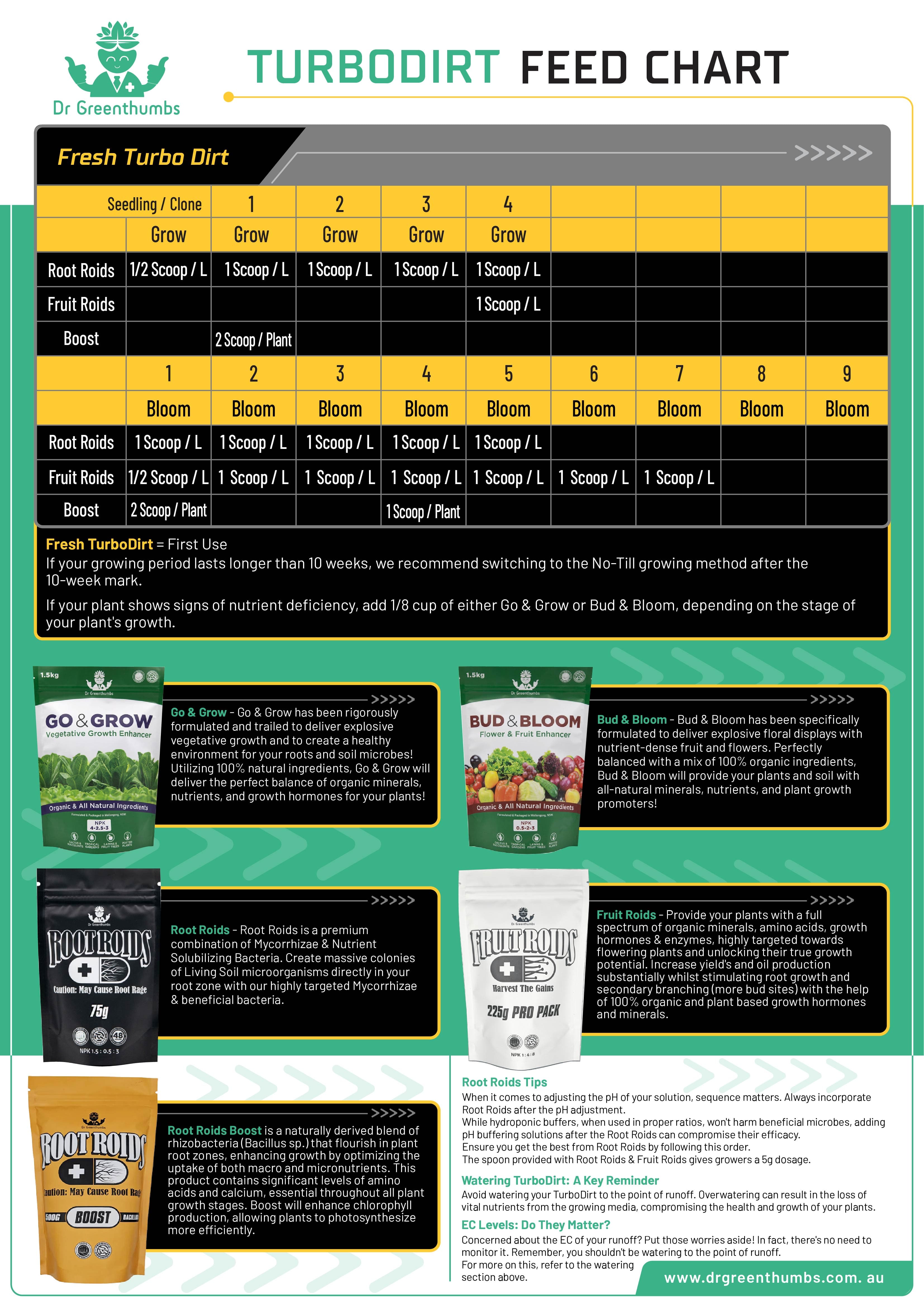
Dr. Greenthumbs Root Roids is an all-natural root stimulator designed to support healthy root growth. Its blend includes humic acid, seaweed extract and beneficial bacteria that work with the root zone after repotting.
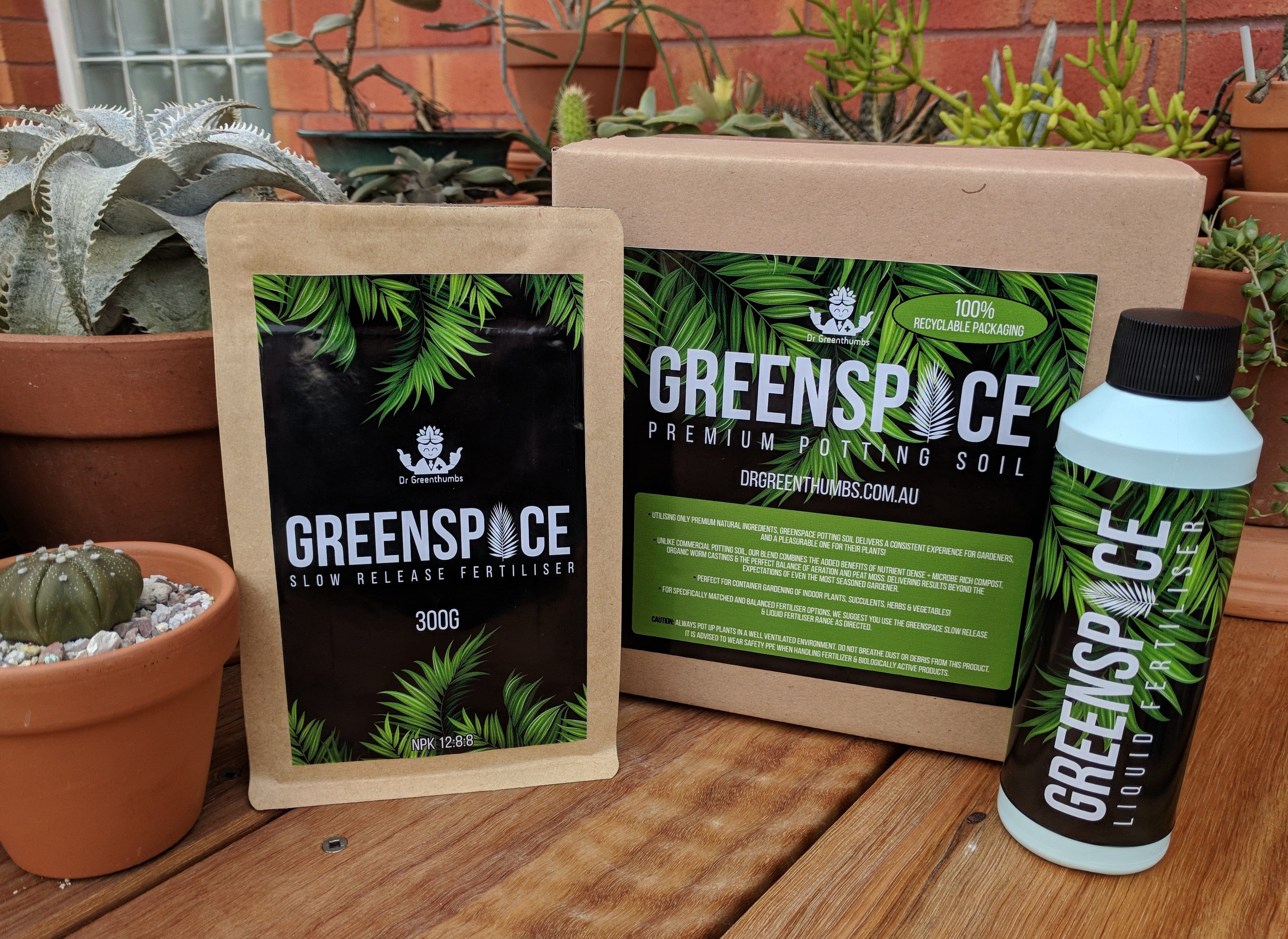
GreenSpace Liquid Fertiliser provides a balanced liquid feed for active growth. Dilute it in water and apply during the growing season according to the label rate.
These products work best alongside a well-structured aroid mix. They are not a substitute for drainage, airflow or the right particle balance.
FAQs About Aroid Potting Soil
What is the best soil mix for Aroids?
The best soil mix for aroids is chunky, airy and moisture-balanced. It should include ingredients such as orchid bark, coco coir or coco chips, perlite, pumice and a small amount of quality organic base. The exact ratio depends on the plant, pot size, light, humidity and watering habits.
Can you use regular potting soil for Aroids?
Regular potting soil is usually too dense on its own. It can stay wet too long, compact after repeated watering and reduce oxygen around the roots. If you use it, blend it with bark, pumice, perlite or coco chips to make it more suitable for aroids.
What are the signs that your Aroid potting soil needs maintenance?
Watch for slow or stunted growth, yellowing lower leaves, a sour or musty smell, water sitting on the surface, mix collapsing into a dense layer, or roots staying black and mushy.
Can you reuse Aroid potting soil?
Yes, if the previous plant was healthy and the mix still has structure. Remove old roots, break it up, then refresh it with fresh bark, pumice, perlite or organic base. If the old mix had pests, rot or disease, it is safer to discard it.
How do I sterilise old mix?
Sterilising is optional and usually only worth considering if you are reusing old mix after pest or disease issues. For normal healthy repotting, refreshing the structure is usually more practical than baking the mix.
What soil pH do aroids like?
Most aroids prefer a slightly acidic mix around pH 5.5–6.5. You can test with a simple soil pH tester and adjust carefully if needed.
Why is my mix compacting or drying too fast?
Compacting usually means there is too much fine material or the mix has broken down. Add bark, pumice or perlite. If it dries too fast, add more moisture-holding material such as coco coir or a small amount of quality organic potting soil.
How often should you repot your Aroids
Most aroids benefit from fresh mix every 2–3 years, or sooner if the mix collapses, roots fill the pot, water stops moving through properly, or the plant declines for no clear reason.

Next Reads for Building a Better Aroid Mix
Want a chunkier mix, healthier roots and easier repotting? These guides will help you fine-tune your aroid setup from ingredients to aftercare.
- 10 Essential Tips for Perfect Aroid Potting Soil: A Comprehensive Guide to Thriving Indoor Plants
- Best Monstera Soil Mix: DIY Potting Mix Recipe for Australian Homes
- Anthurium Potting Mix Recipe Australia
- Indoor Plant Care Aussie Guide
About the Author