
Build better soil, customise your nutrients and stop guessing what your plants need. This guide explains what common organic amendments do, how to mix and adjust blends for different plants, and how to avoid mistakes that can waste money or throw your soil out of balance.
Here is a collection of some of the world's most famous Super Soil & Living Soil nutrient recipes for you to make at home yourself!
I have tried to scale them down for home gardeners, and have converted the information to the easiest measurements for us Aussies!

Table of Contents
- Understanding What Each Ingredient Does in your Soil
- Start with your Soil, Not the Recipe
- A Note on Measurements
- DIY Organic Fertiliser and Soil-Building Recipes
- Adjusting Blends for Different Plant Needs
- How Much to Use and How to Apply Organic Fertiliser Blends
- Not Ready to Mix Dry Amendments? Simple Liquid Options for Beginners
- A Few Important Safety Notes
- Next Reads for Building Smarter Organic Fertiliser Blends
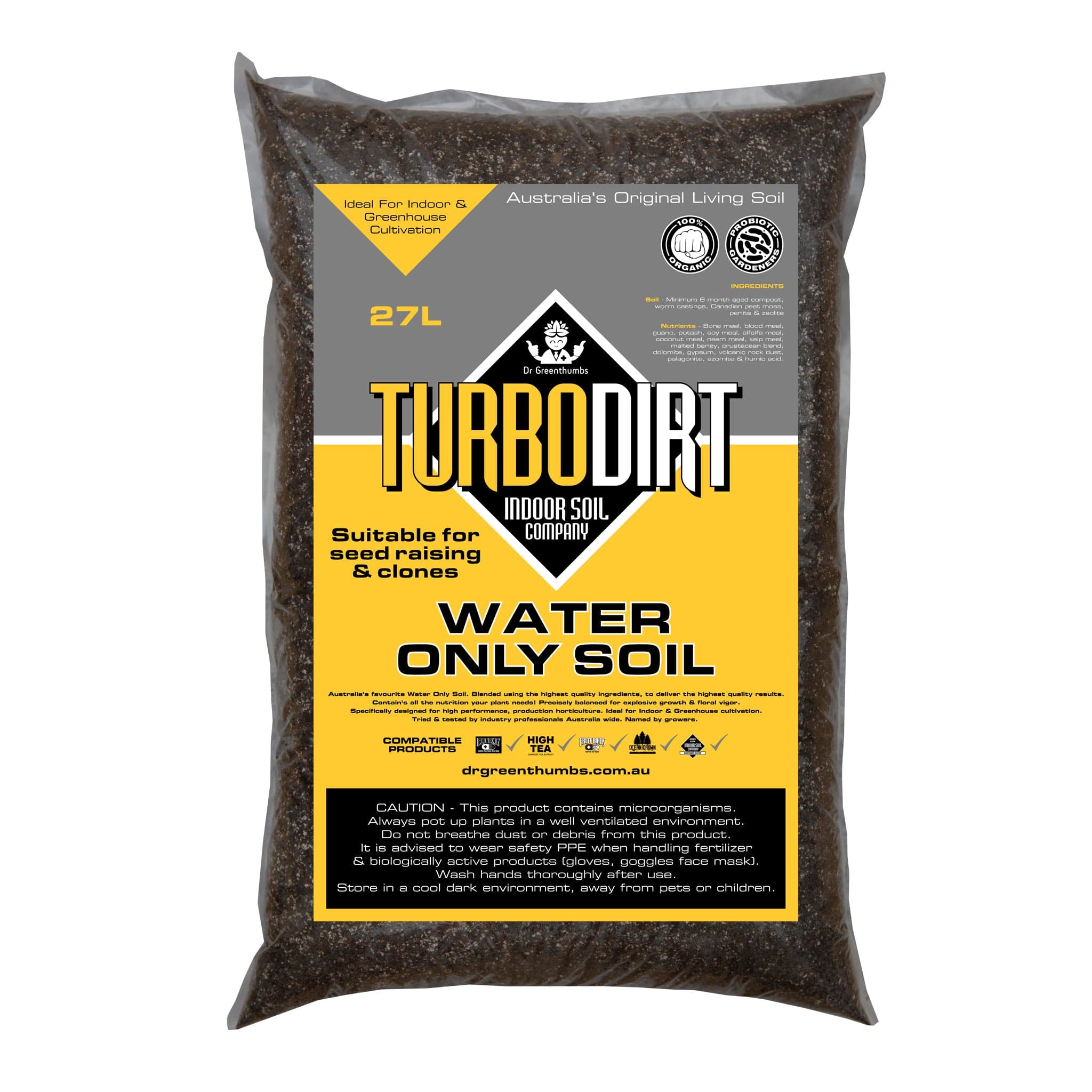
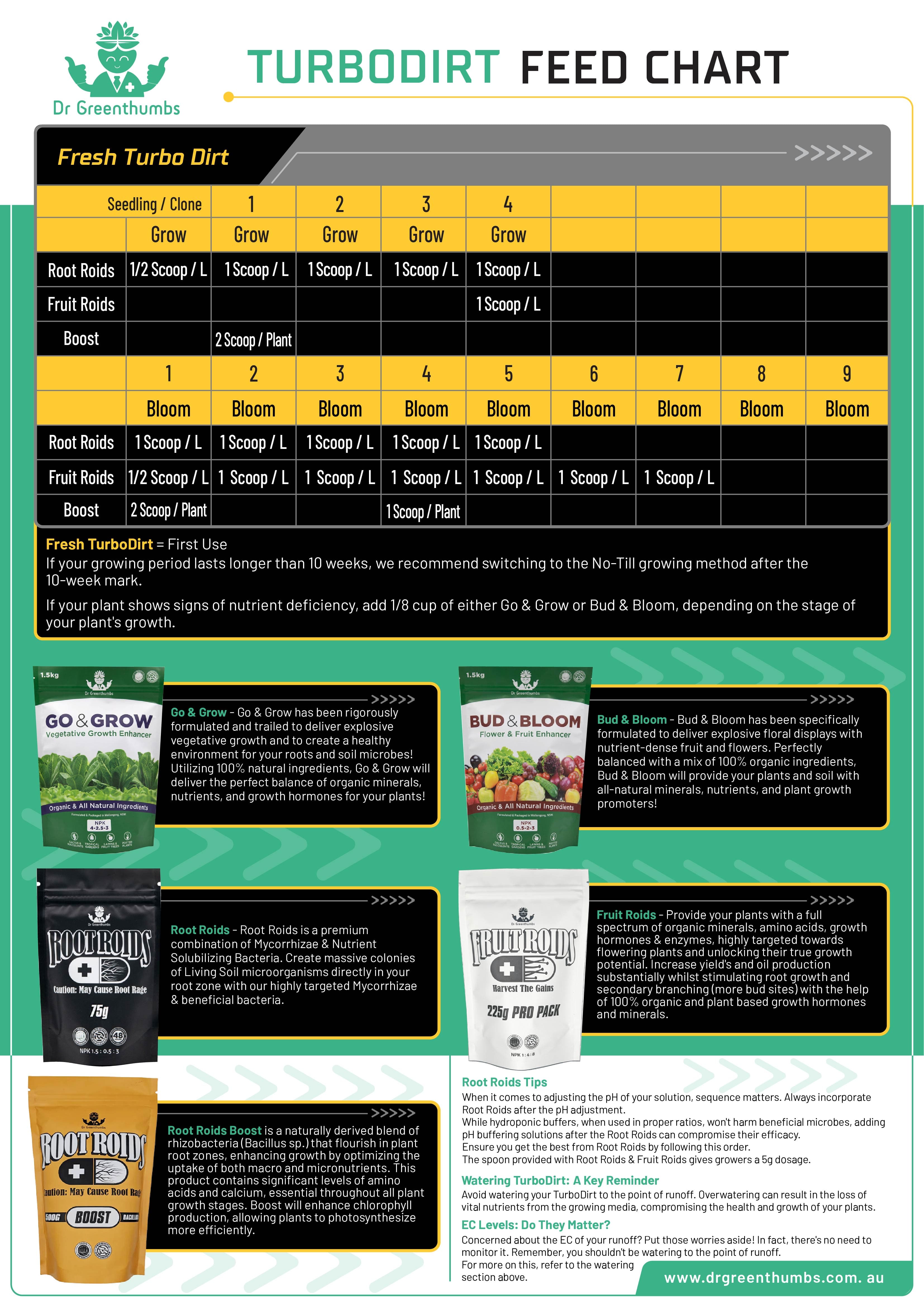
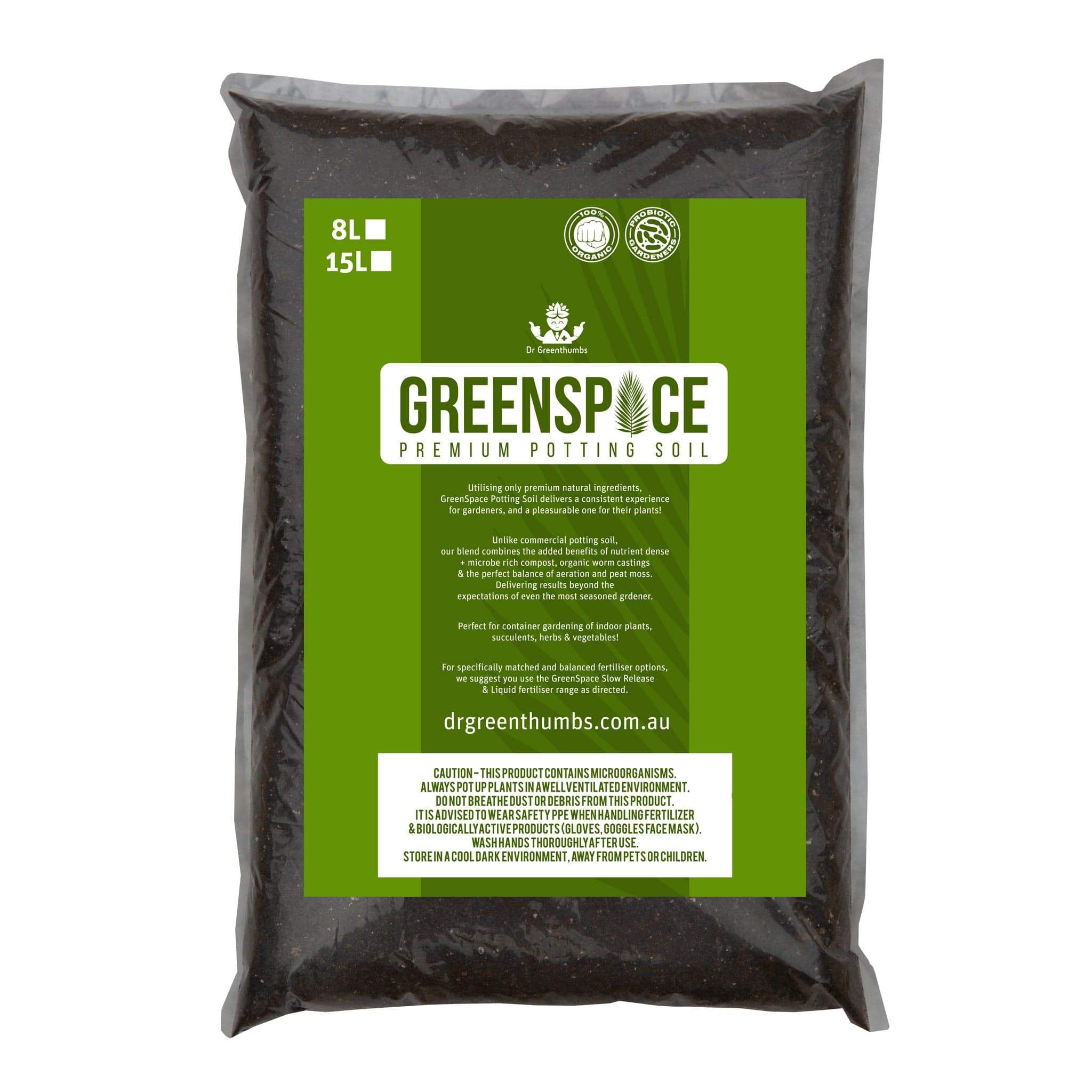
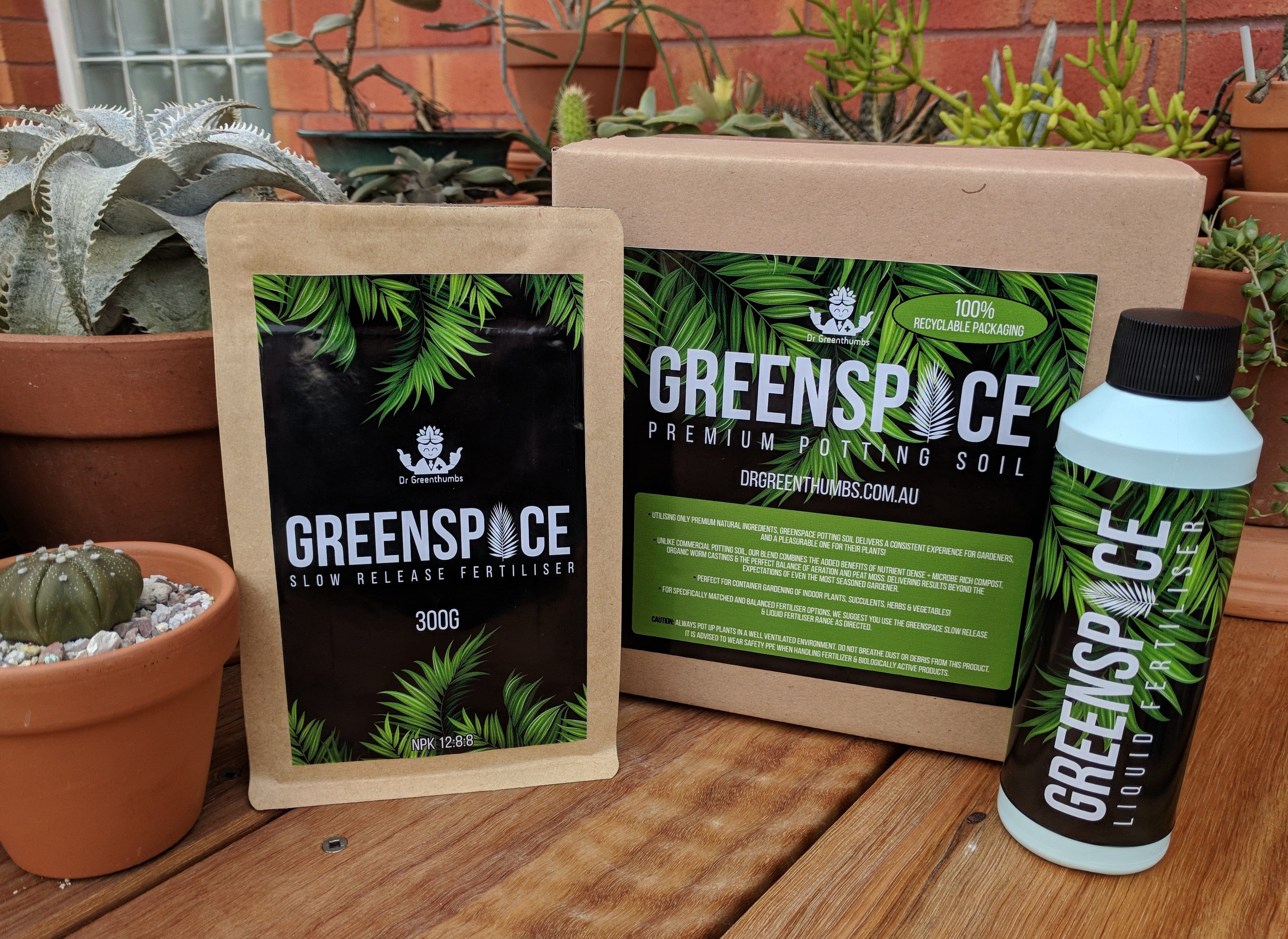
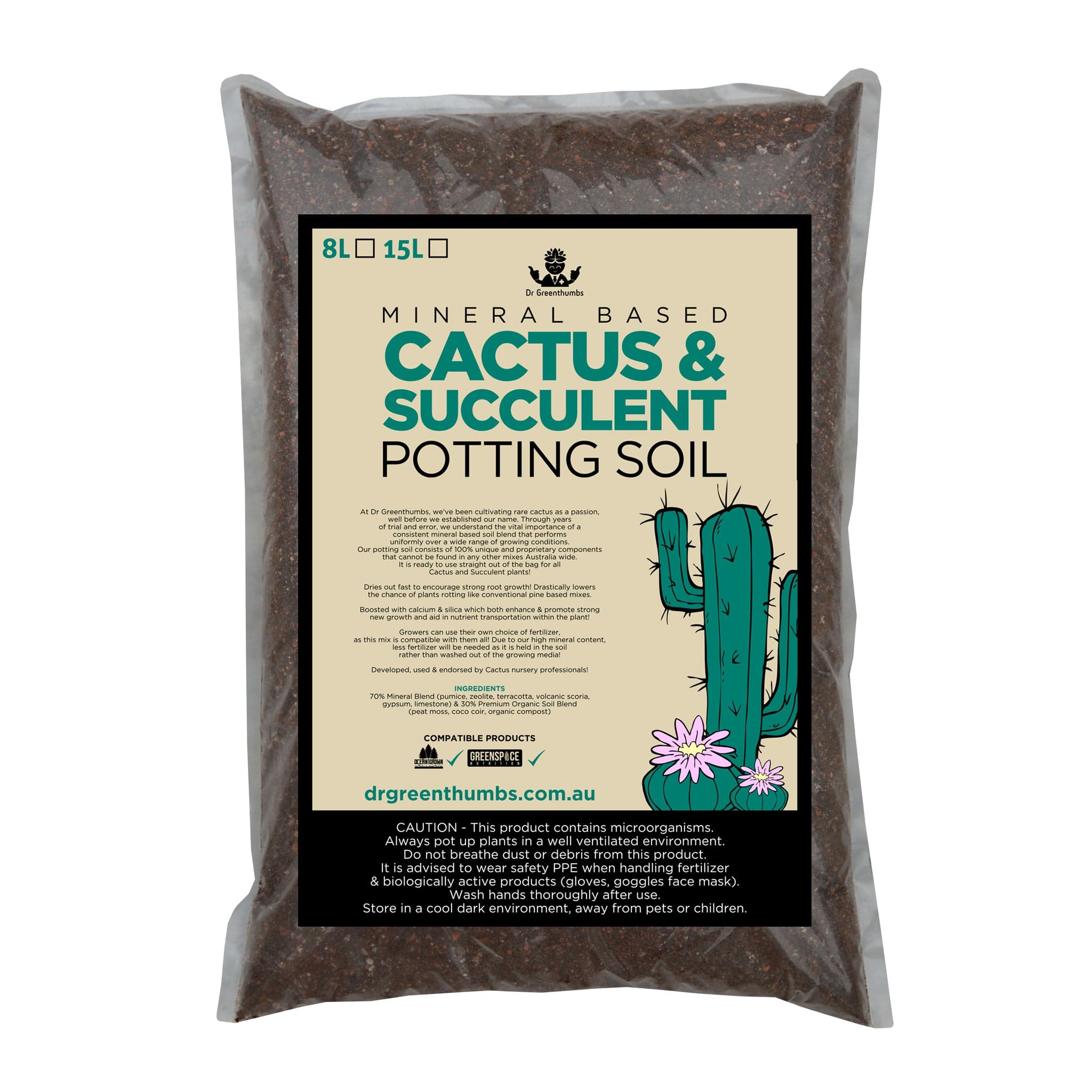
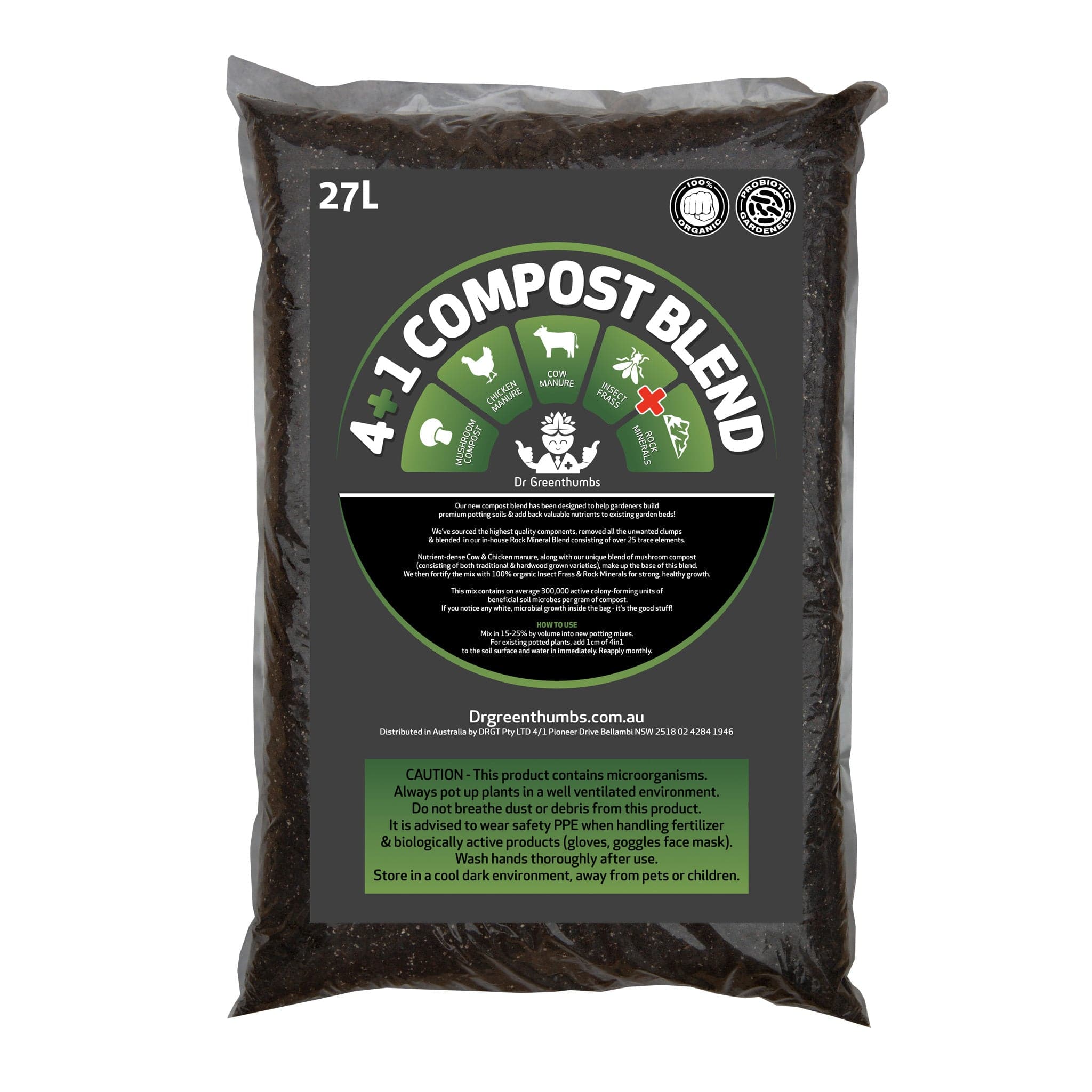
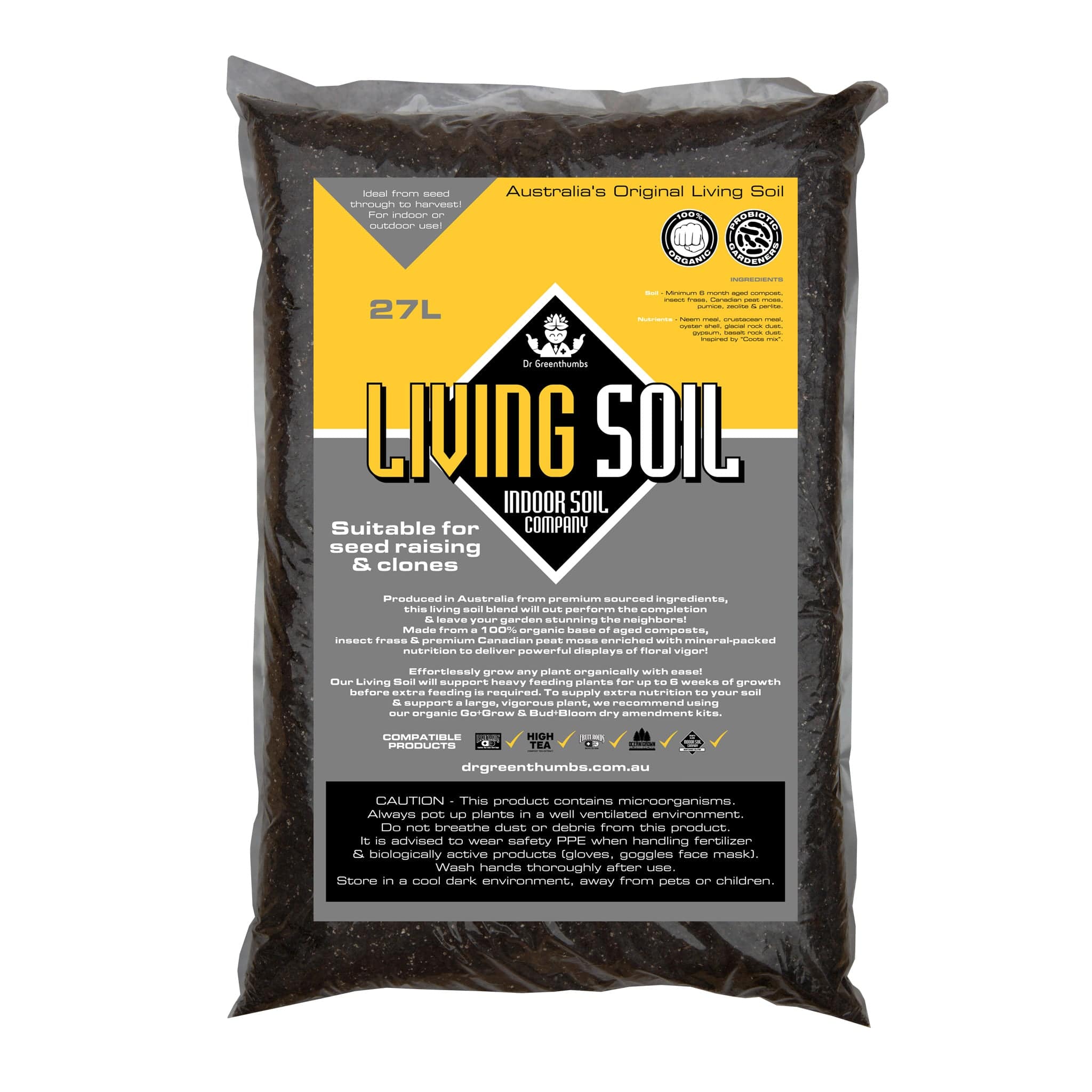
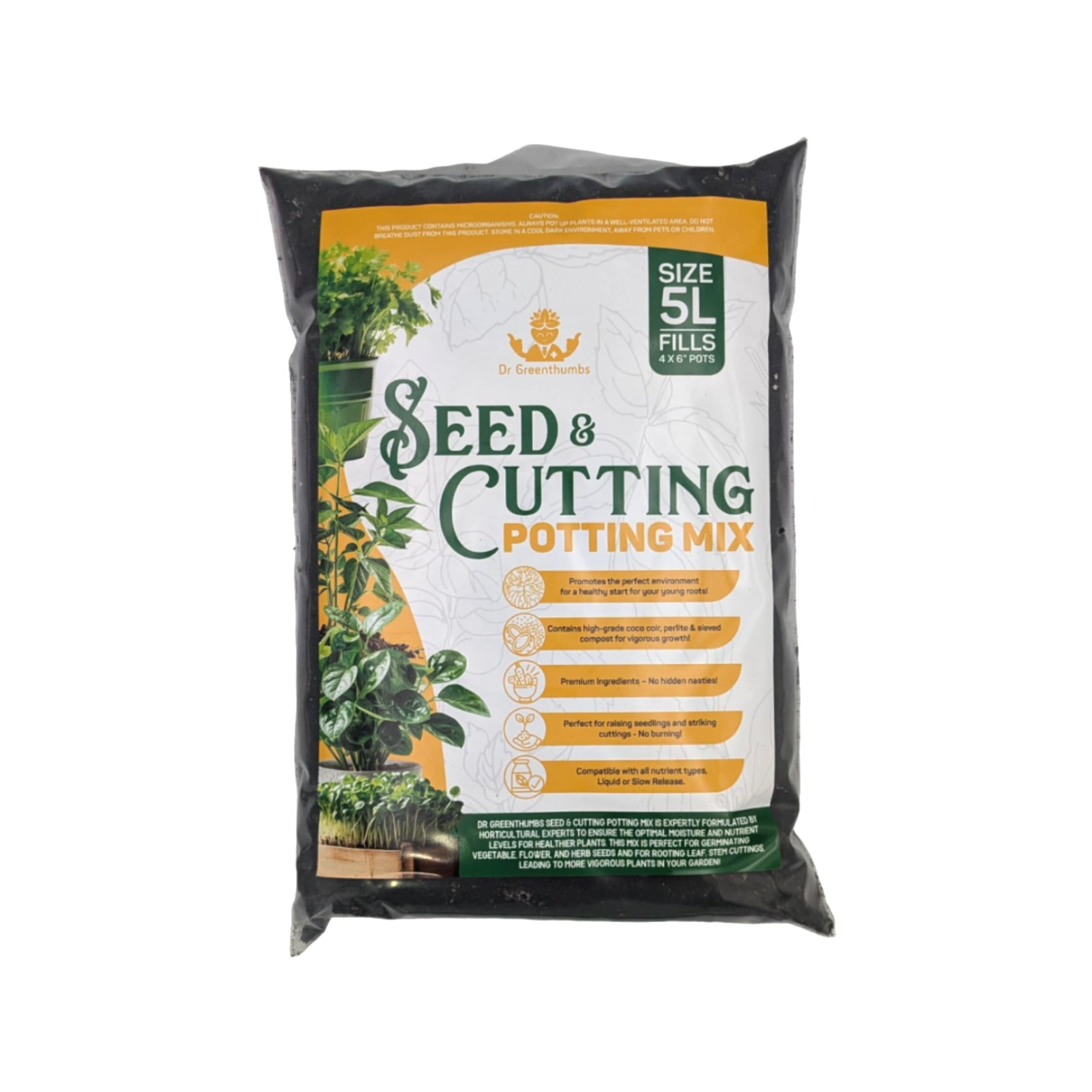
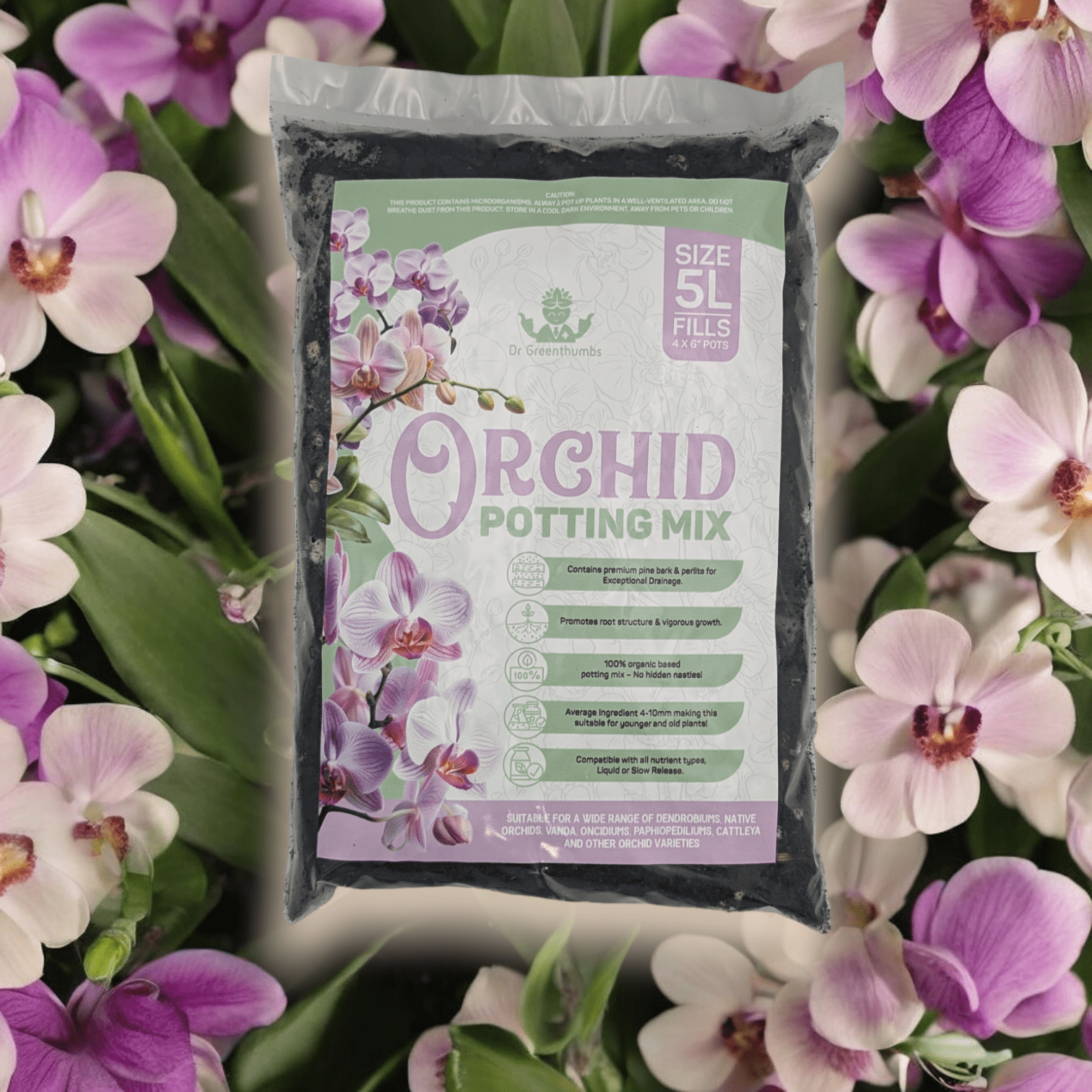
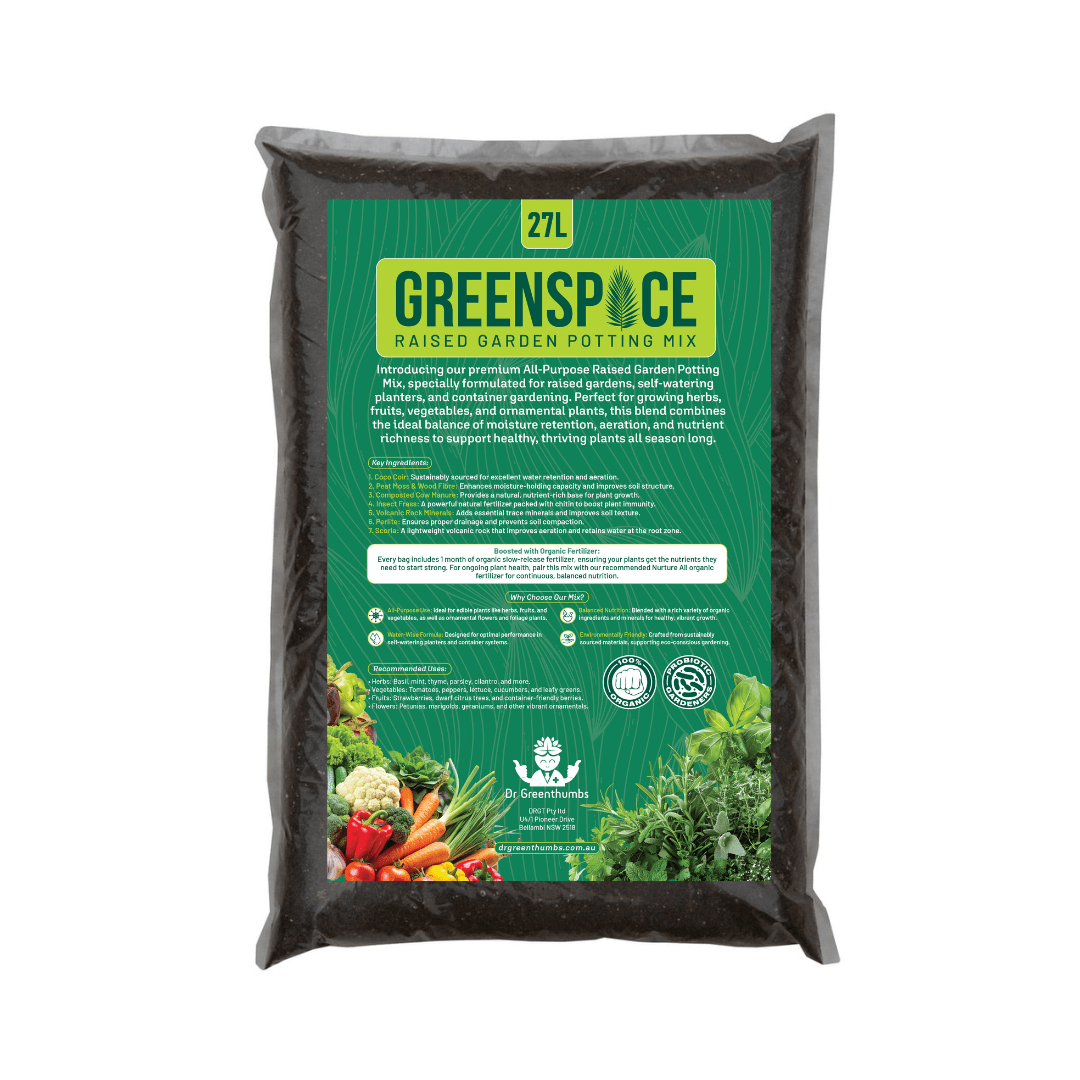
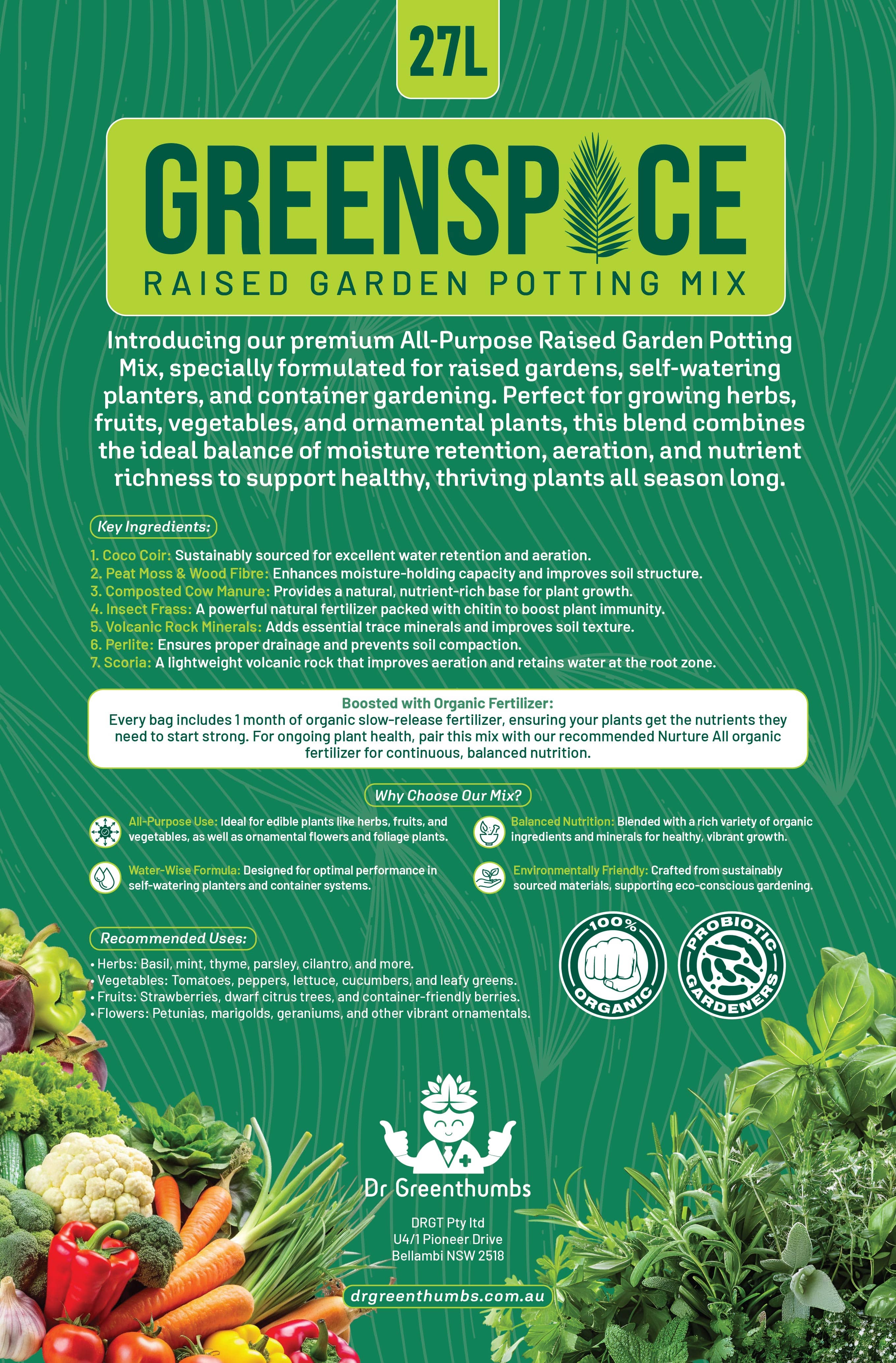
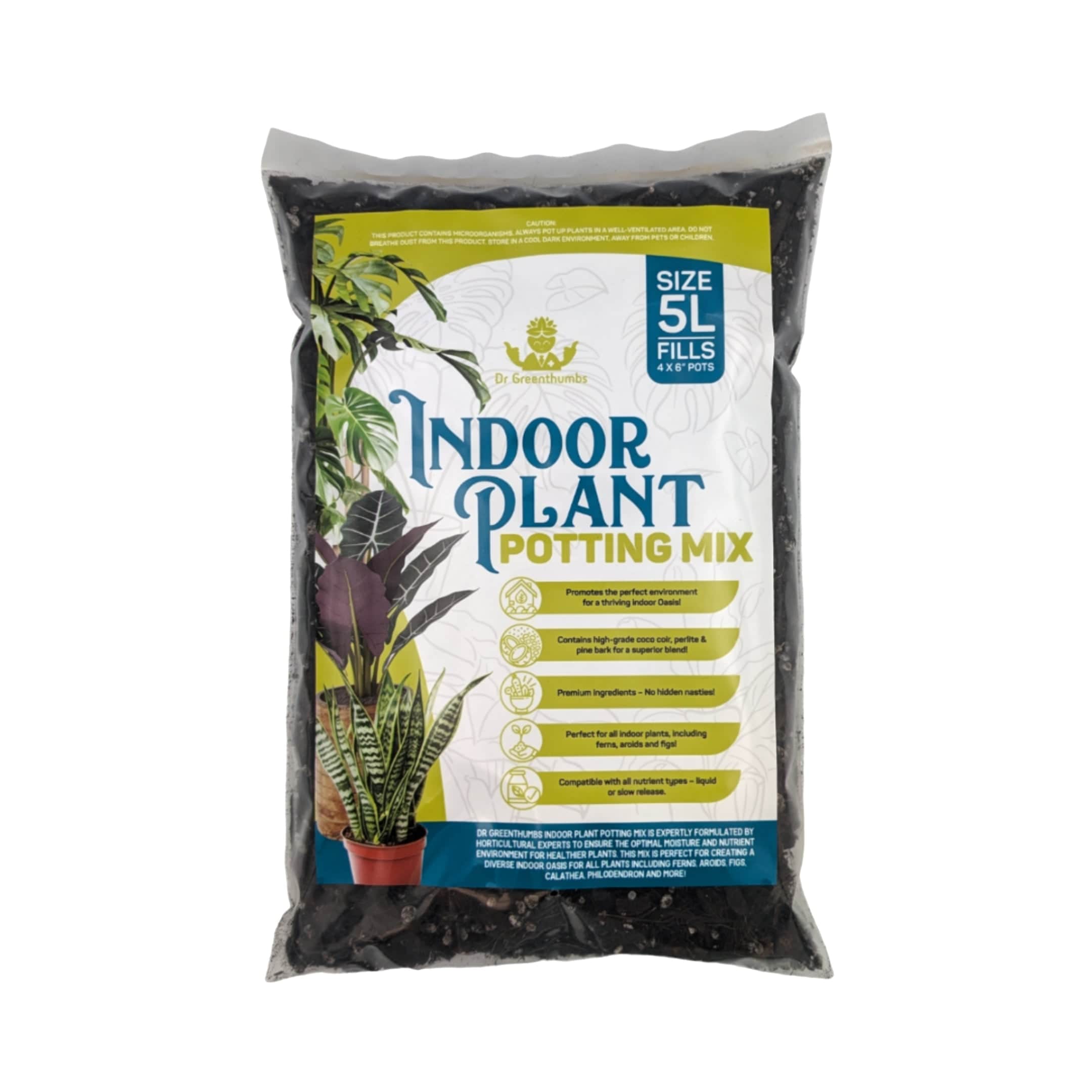
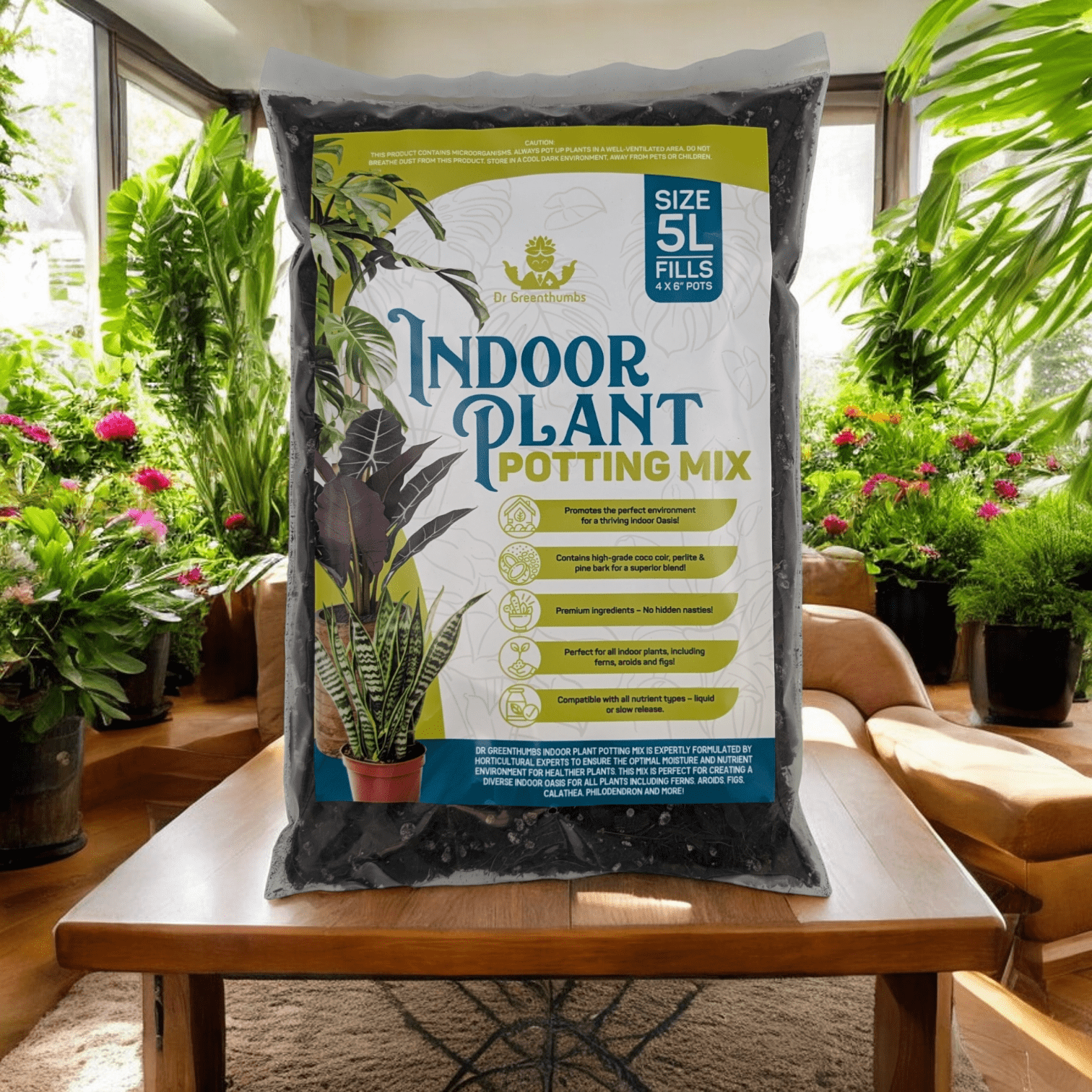
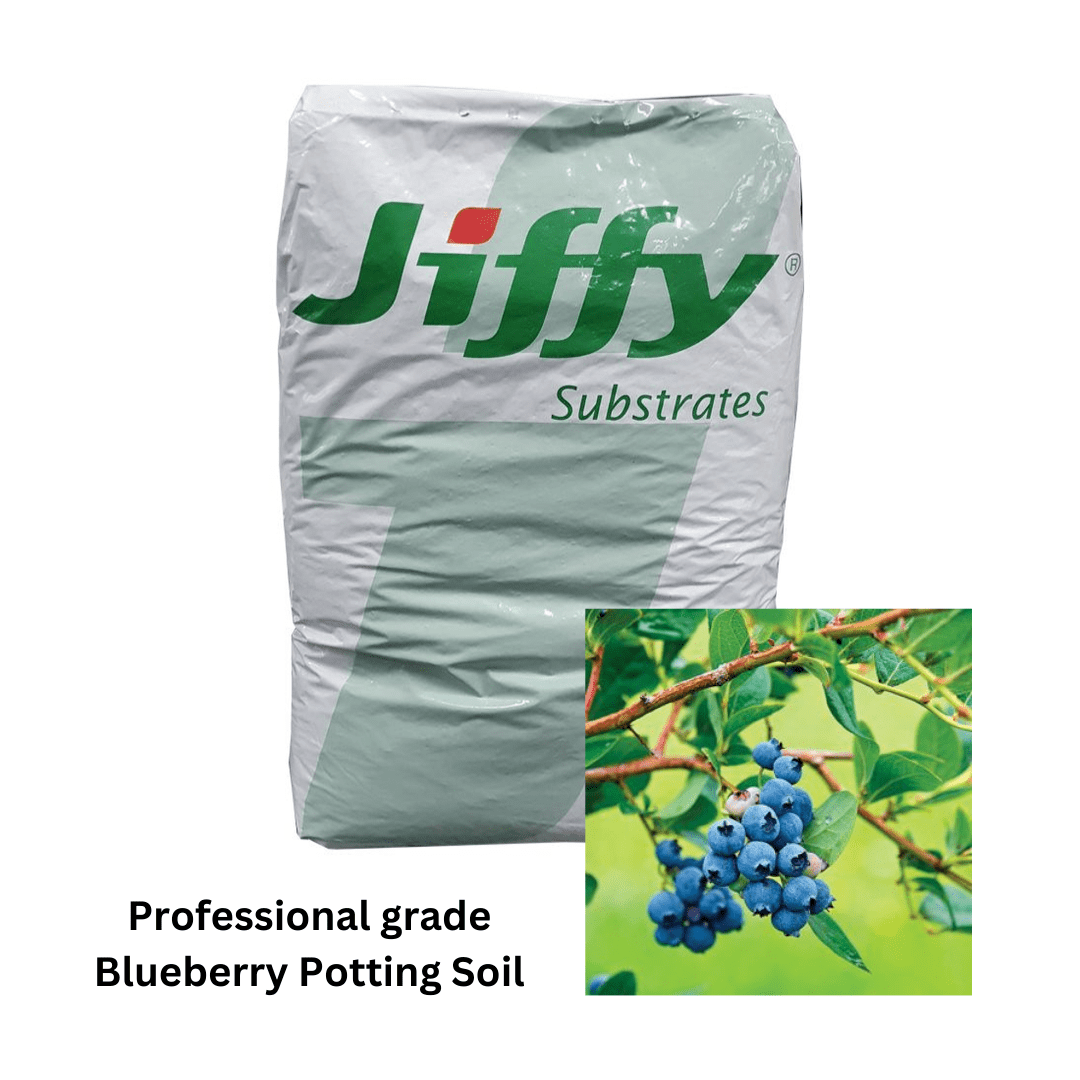
If you’d rather skip the guesswork, these are the two easiest options:


Understanding What Each Ingredient Does in your Soil
Before mixing any fertiliser blend, it helps to understand why each ingredient is included and what role it plays in the soil. Organic amendments support soil biology while also contributing nutrients, minerals and organic matter that become part of the plant-feeding system.
Here’s a simple breakdown of some common organic amendments and how they’re typically used:
-
Composted manures & animal meals
Provide slow-release nitrogen and phosphorus. These support steady leafy growth and microbial activity without the spikes you get from synthetic fertilisers. -
Rock minerals (rock dust, soft rock phosphate, gypsum)
Supply trace elements and minerals that many Australian soils are naturally low in. These don’t act quickly, but they improve soil health over time. -
Lime & dolomite
Used to adjust soil pH and supply calcium (and magnesium in the case of dolomite). These are important for root development and nutrient uptake, especially in acidic soils. -
Seaweed meals
Low in NPK but rich in trace elements and natural growth stimulants. They support root development, stress resistance, and overall plant resilience. -
Carbon-rich materials (compost, humus)
Improve soil structure, water retention, and microbial diversity. These form the foundation of any healthy organic system.
Not every soil needs every ingredient. The goal is balance — building a complete soil ecosystem rather than chasing specific nutrient numbers.
Start with your Soil, Not the Recipe
No fertiliser blend is truly “one-size-fits-all.” Australian soils vary widely, and what works brilliantly in one garden may be unnecessary in another.
A basic soil test can tell you:
-
pH level
-
Major nutrient balance
-
Calcium and magnesium ratios
This information helps you decide whether amendments like lime, dolomite, or extra minerals are actually needed. Adding nutrients blindly can do more harm than good, even in organic systems.
Think of recipes as starting points — your soil should always have the final say.
A Note on Measurements
Organic fertiliser recipes may use weight, volume, or a combination of both. In the recipes below, some ingredients are listed in grams while others are measured in cups or tablespoons.
A cup of one ingredient can weigh very differently from a cup of another, so do not assume weight and volume measurements are interchangeable.
For consistent results:
- Follow the unit shown in the recipe rather than swapping between grams and cups.
- Use a kitchen scale whenever a recipe gives a weight.
- Use the same measuring method each time when a recipe gives a cup or tablespoon measurement.
- Keep the ingredient ratios consistent when scaling a recipe up or down.
Precision helps, but the most important thing is to measure consistently and avoid casually converting between weight and volume.
DIY Organic Fertiliser and Soil-Building Recipes
The recipes below are not interchangeable versions of the same fertiliser. They are different approaches to building and supplying nutrition in soil, so read the instructions for each recipe before deciding how to use it. Keep the quantities, ratios and application method attached to each individual recipe separate.
Super Soil Recipe
This soil recipe is typically used in the bottom 1/3 of the pot, with a base potting soil placed above it in the same growing container. As the plant grow’s, its roots will grow into this nutrient dense layer, getting nutrition as its required.
Per 30L of soil
- 300g Blood & Bone
- 300g Bat Guano
- ¼ cup Oyster Shell
- ¼ cup Kelp Meal
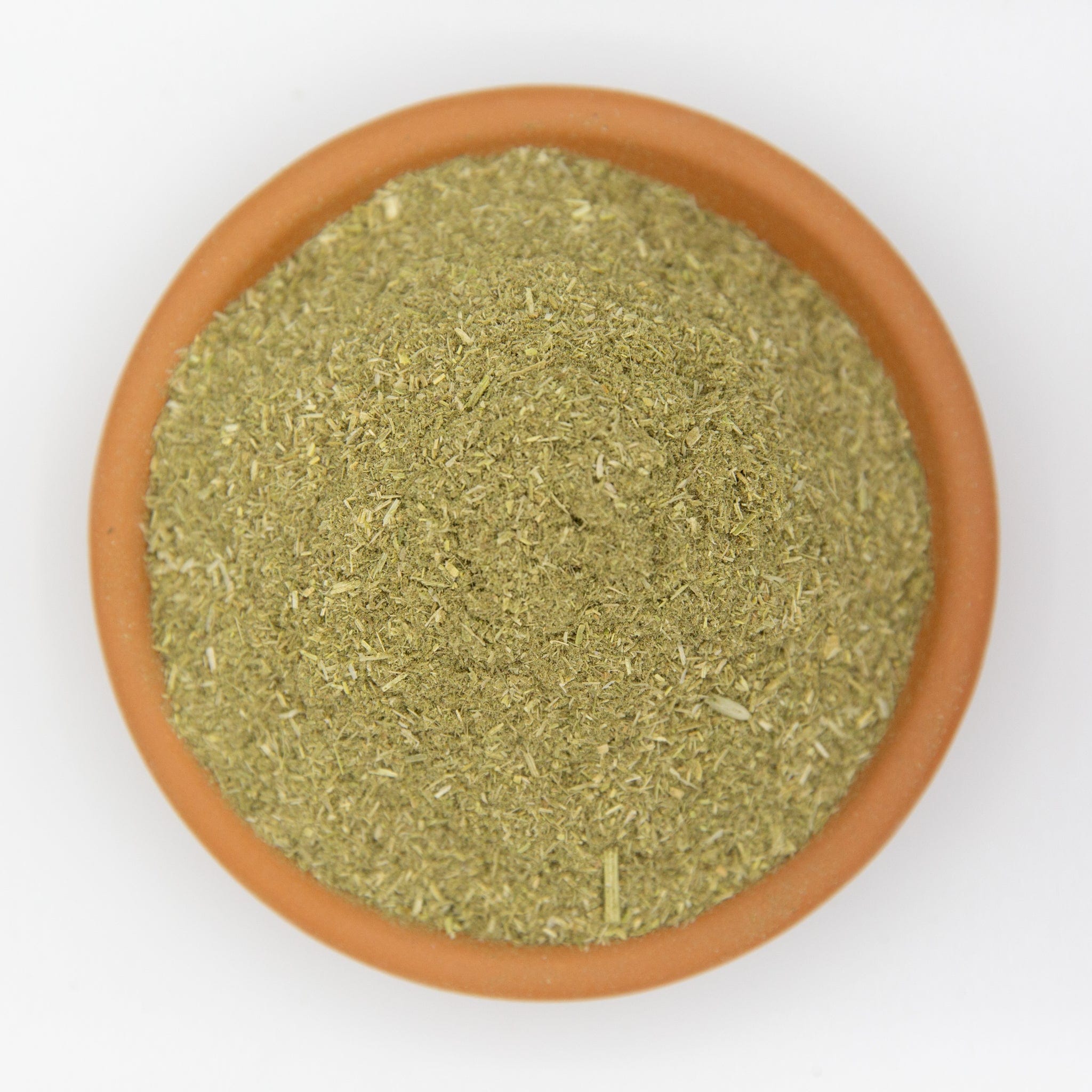
- ¼ cup Alfalfa meal
- 2 tablespoon Epsom Salts
- 50g Ag Lime
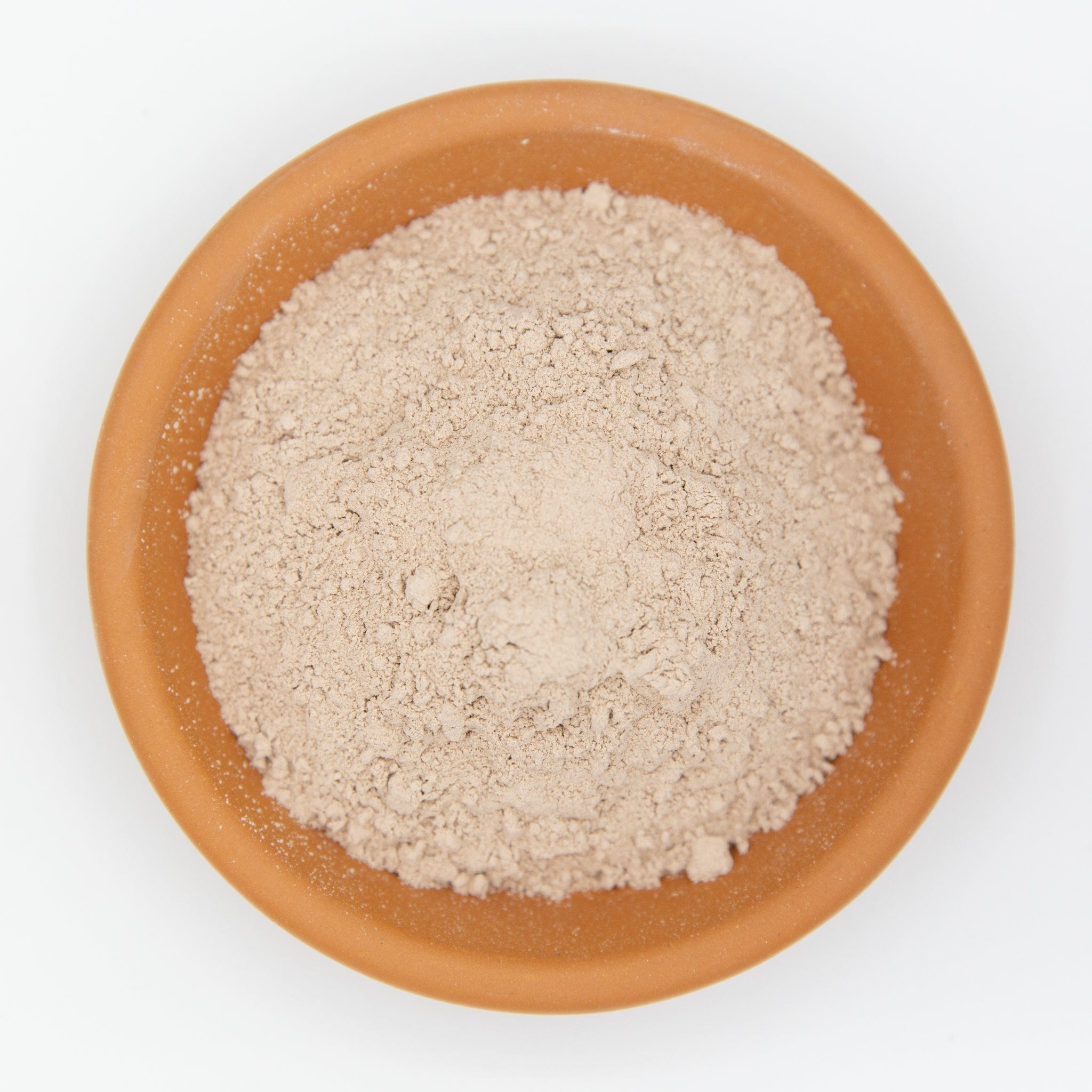
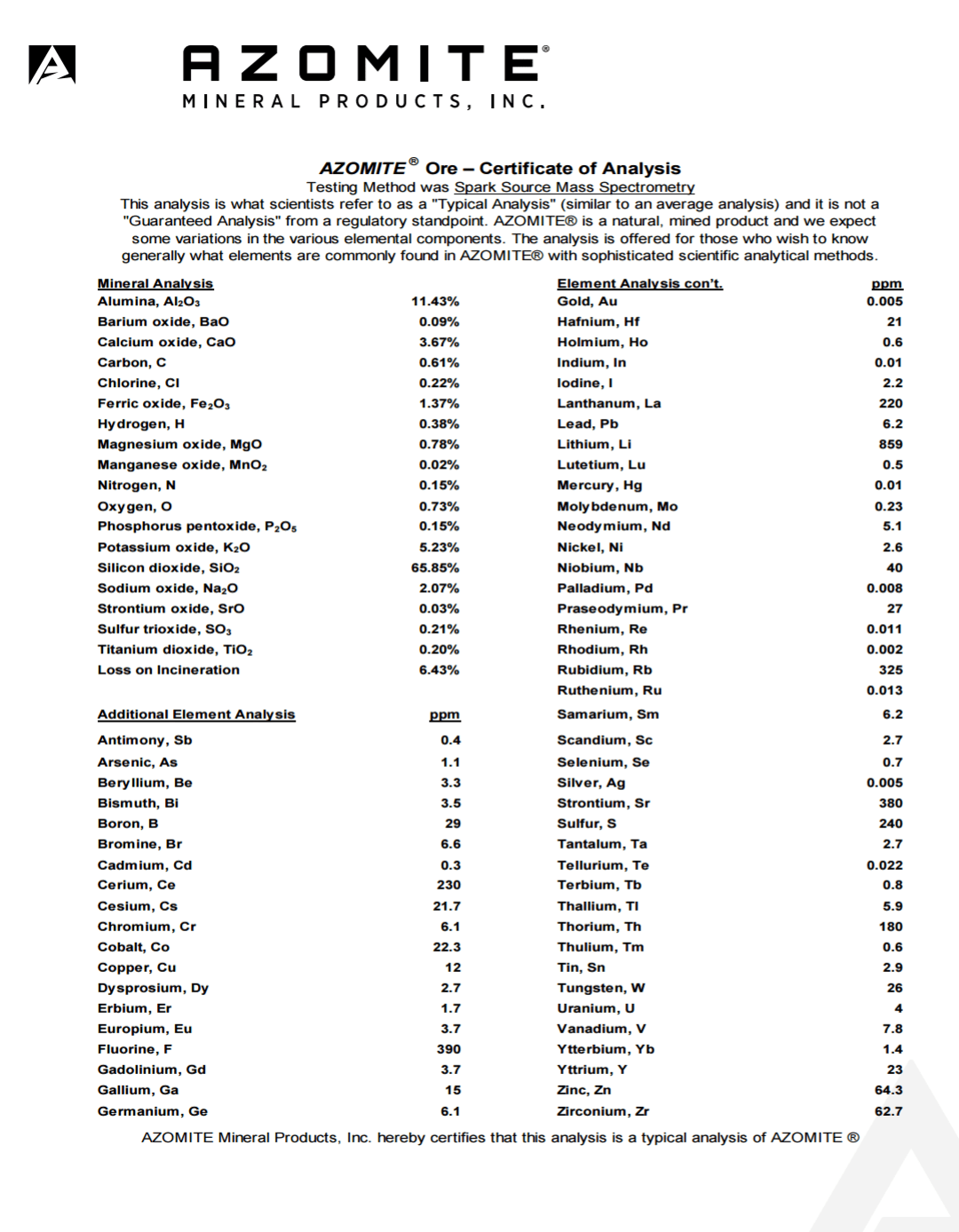
- ¼ cup Azomite
Coots Mix Recipe
This recipe can be planted into the same day that you mix your soil. To create a base soil for this recipe, simply use our Living Soil recipe guide.
Per 30L of soil
- ½ cup Neem Meal
- ½ cup Crustacean Meal
- 1 cup Palagonite Rock Dust
- 1 cup Glacial Rock Dust
- 1 cup Gypsum
- 1 cup Oyster Shell Powder
Steve Solomon’s Complete Organic Fertilizer (COF)
This complete organic fertiliser recipe is designed by Steve Solomon & is perfect for re mineralizing new potting soils, and existing garden beds.
To make 1kg
- 125g Neem Meal
- 125g Soy Meal
- 125g Kelp Meal
- 125g Alfalfa Meal
- 65g Ag Lime
- 65g Gypsum
- 120g Dolomite Lime
- 125g Soft Rock Phosphate or Bat Guano
- 125g Basalt Rock Dust / Volcanic Rock Dust
Adjusting Blends for Different Plant Needs
The blends above work as general soil builders, but plants don’t all use nutrients in the same way. You can fine-tune any organic fertiliser mix by slightly adjusting the emphasis depending on what you’re growing.
Use the ingredient roles explained earlier in this guide to decide which part of a blend you are adjusting, rather than simply adding more fertiliser overall.
-
Leafy greens and lawns
These prefer higher nitrogen availability. Blends with more composted manures or seed meals will support steady leaf growth without becoming excessive.
- Sweet corn and maize
The best fertilizer for corn after planting is usually a nitrogen-forward side-dress applied once the plants are established, although the exact product and rate should follow a soil test. In an organic garden, use a well-composted manure or seed-meal-based blend, keep it away from the stems, lightly work it into the soil and water it in. -
Root crops (carrots, potatoes, beetroot)
Too much nitrogen can cause leafy growth at the expense of roots. A more balanced blend with good mineral content tends to perform better here.
-
Flowering and fruiting plants
Once established, these benefit from slightly higher potassium and phosphorus, along with trace elements that support flowering and fruit set.
-
Perennials, shrubs, and fruit trees
These respond best to gentle, long-term feeding. Regular top-dressing with mineral-rich organic blends supports soil health year after year.
The key is moderation. Make small, deliberate adjustments to a blend rather than dramatically increasing one ingredient or applying a much heavier dose.
How Much to Use and How to Apply Organic Fertiliser Blends
The rates below are general top-dressing guidance rather than recipe-specific instructions. Do not assume the same rate or method applies to every named recipe above, because the Super Soil, Coots Mix and COF sections describe different types of soil-building or fertiliser formulas.
-
Garden beds:
Apply roughly 1–2 handfuls per square metre as a top-dress. -
Pots and containers:
Use a light sprinkle over the soil surface, scaled to pot size. -
Fruit trees and shrubs:
Apply around the dripline rather than directly against the trunk.
After application:
-
Lightly scratch the fertiliser into the top few centimetres of soil.
-
Water well.
-
Cover with mulch if possible to protect soil life and retain moisture.
Feeding frequency varies with the plant, growing conditions and fertiliser being used. Treat spring and autumn as useful times to review soil fertility rather than as a fixed schedule for every plant. Add lighter applications during active growth only where they are actually needed.
Not Ready to Mix Dry Amendments? Simple Liquid Options for Beginners
If mixing dry amendments feels like a big step, liquid organic fertilisers can be a gentle entry point.
Common beginner options include:
- Worm farm liquid or diluted worm tea
- Compost tea made from finished compost
- Diluted seaweed extracts
These liquids don’t replace proper soil building, but they can provide short-term support during periods of active growth or stress.
Always dilute according to recommendations, and avoid applying to dry soil.
A Few Important Safety Notes
-
Avoid using fresh manures, as they can burn plants and harm soil life.
-
More fertiliser does not mean better results — excess nutrients can disrupt microbial balance.
Next Reads for Building Smarter Organic Fertiliser Blends
Mixing your own organic fertilisers? These guides will help you choose better inputs, match nutrients to plant needs and build a stronger soil-first feeding program.
- Natural Garden Fertilisers Australia Guide
- How to Choose the Right NPK Fertiliser Australia
- Organic Gardening 101: Living Soil Aussie Guide
- Animal-Free Fertiliser Australia
About the Author