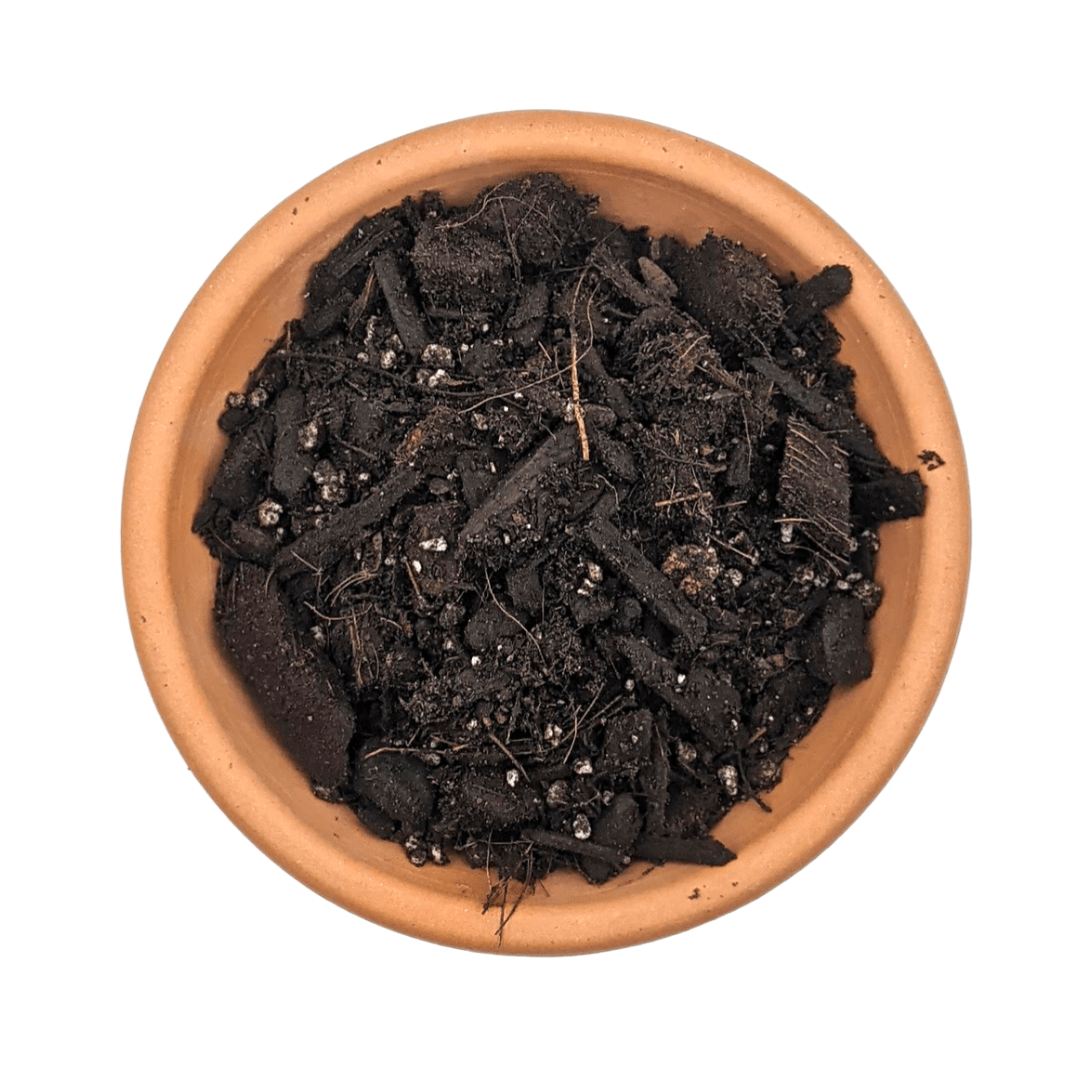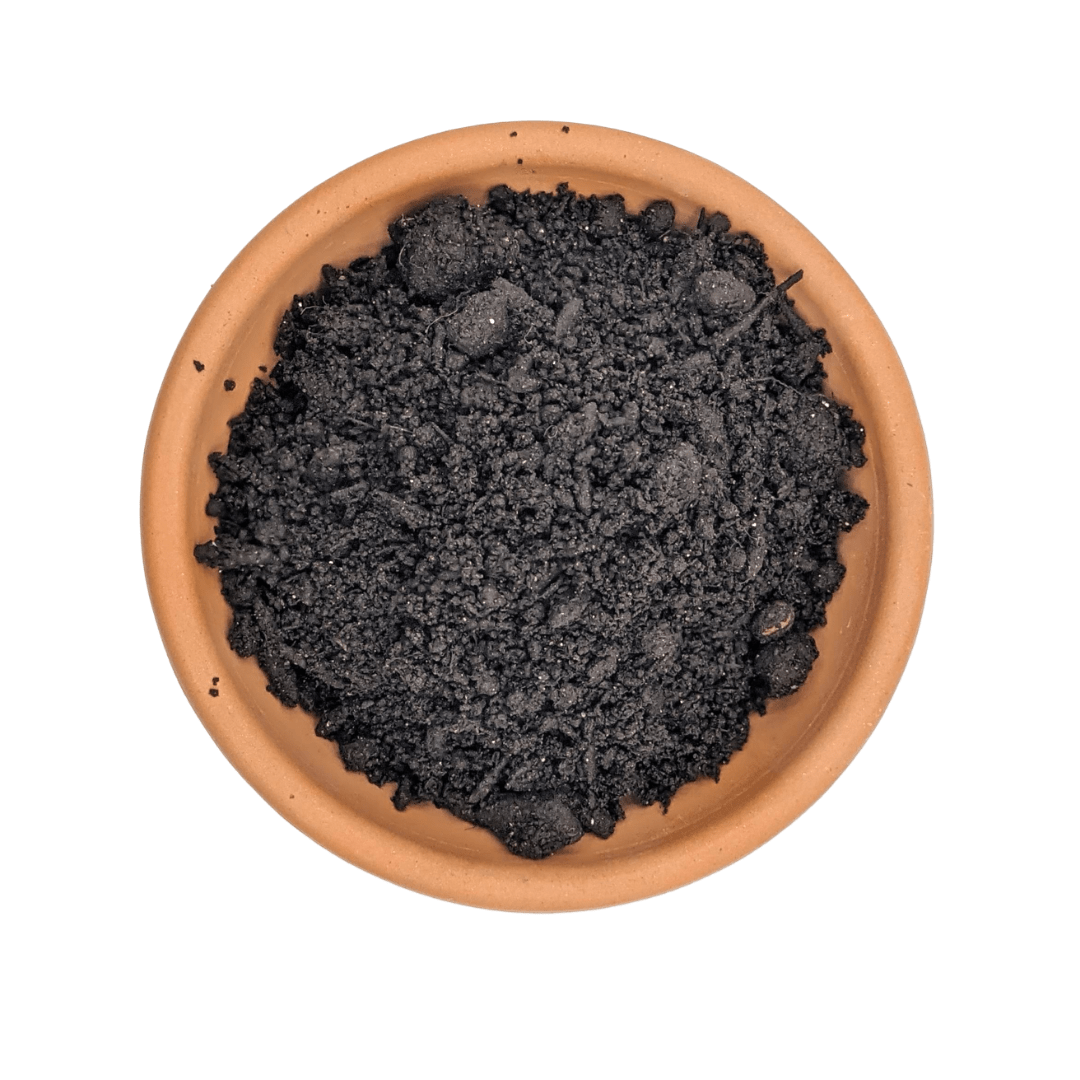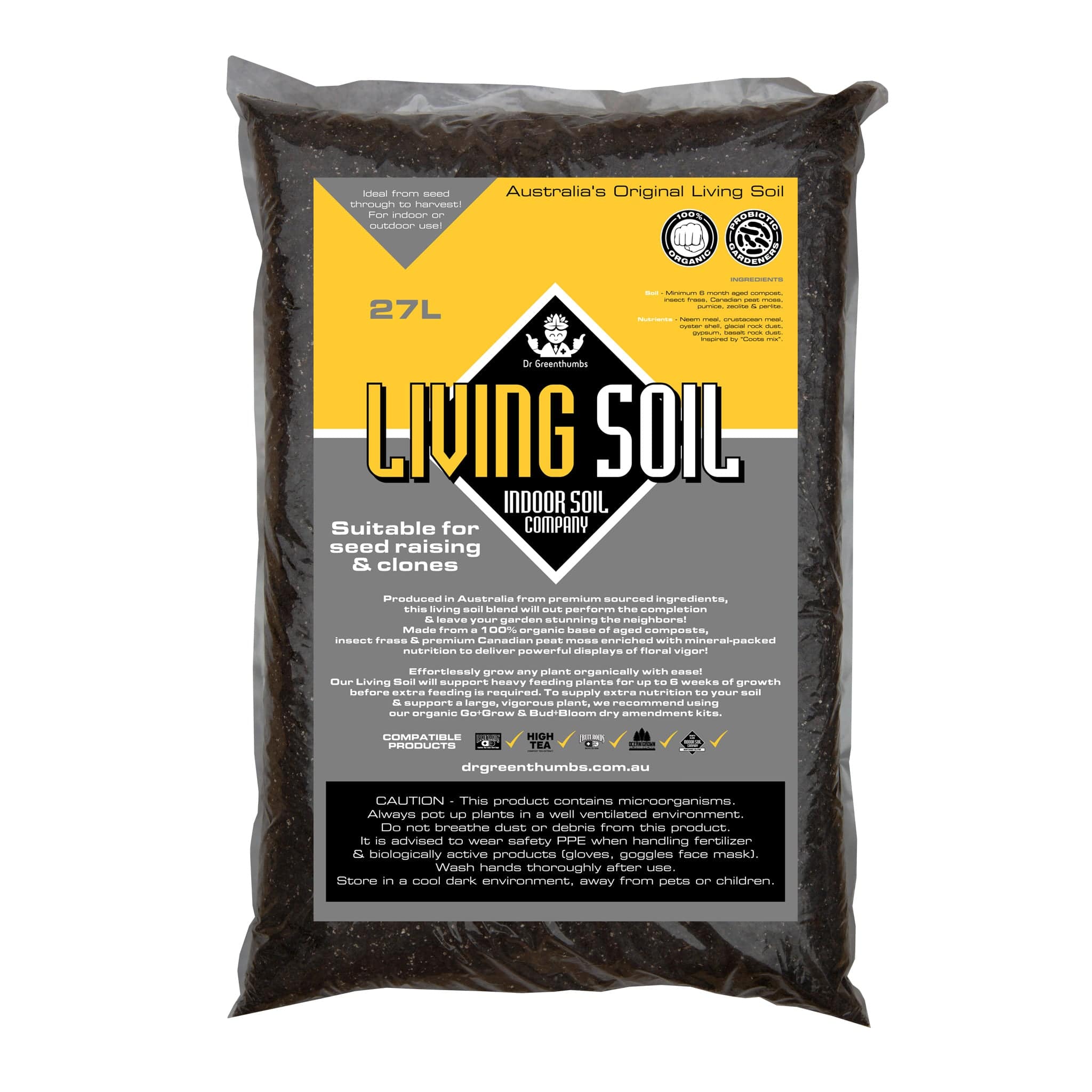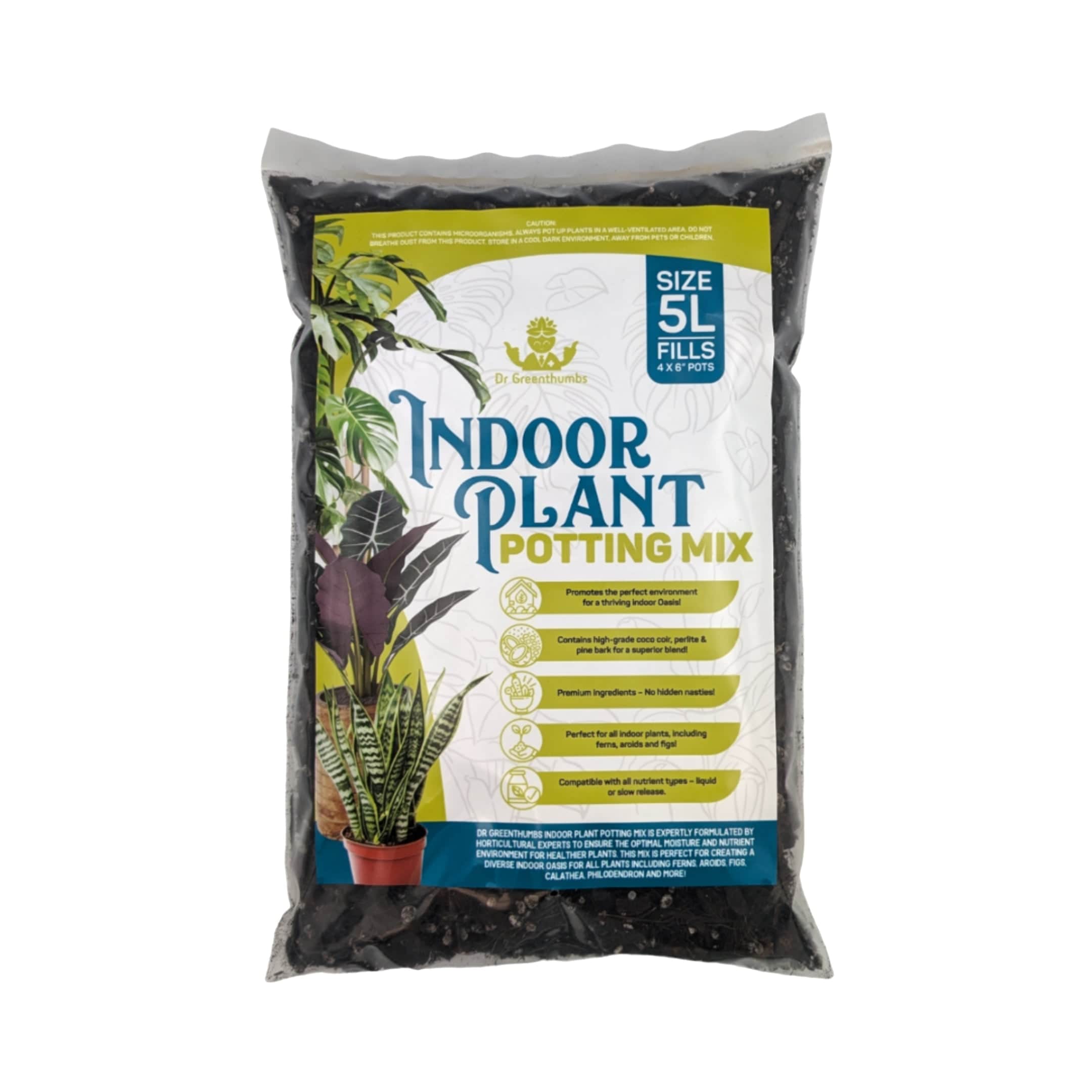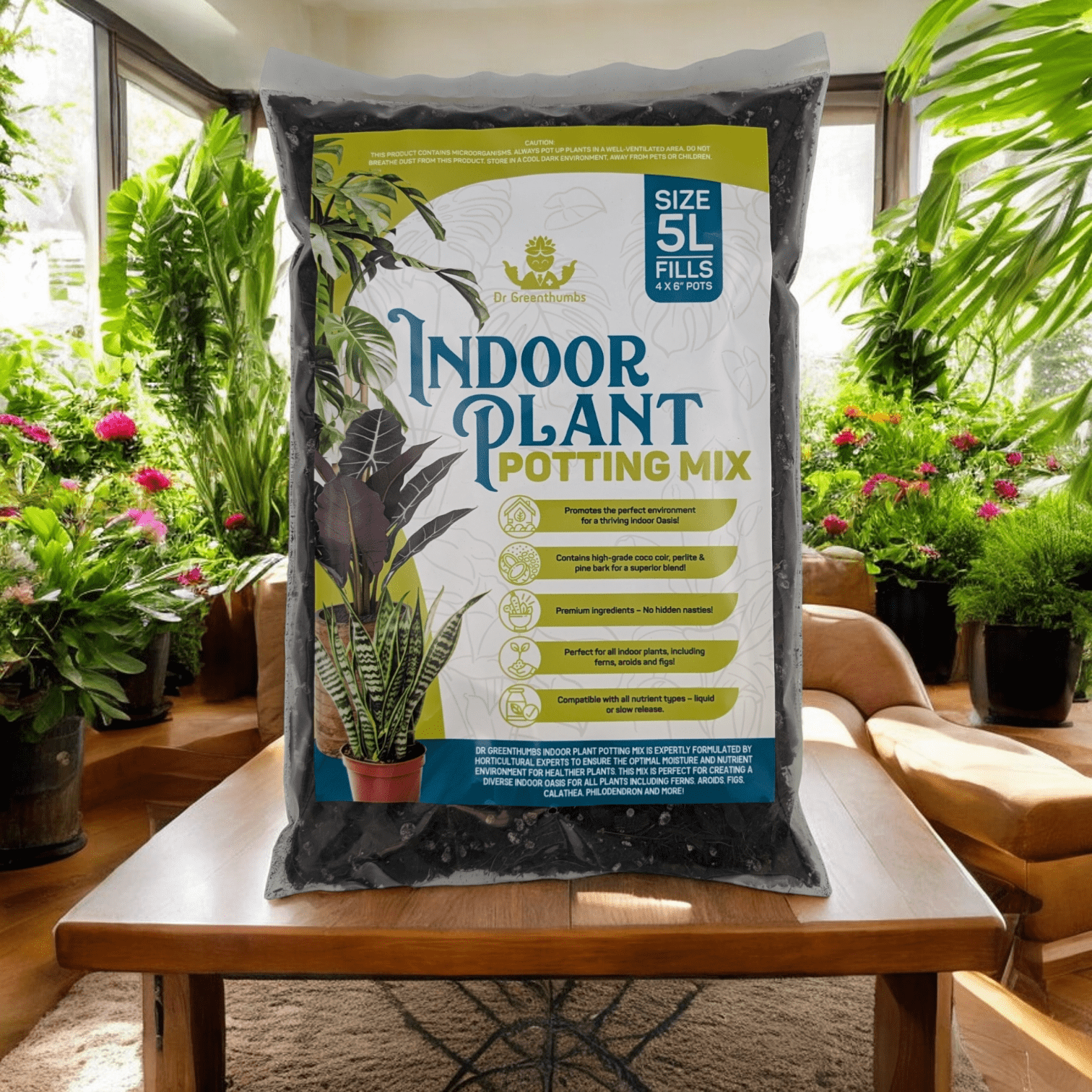

If your plants are struggling despite regular watering and feeding, the problem is often hiding in plain sight: poor potting soil.
Over time, potting mix breaks down. It compacts, loses air pockets, drains poorly, and runs out of nutrients. The good news? You don’t need to throw it out. With the right amendments, you can restore old, tired potting soil and turn it back into a living, plant-loving mix.
This guide will show you:
- How to tell if your potting soil has gone bad
- Why poor potting soil causes plant failure
- Exactly how to fix 30 L of poor potting soil using proven ingredients
- How to keep your potting mix healthy long-term
Table of Contents
- Signs Your Potting Soil Is Poor Quality
- Why Potting Soil Breaks Down Over Time
- Can You Reuse Old Potting Soil?
- The Best Way to Fix Poor Potting Soil (30 L Recipe)
- Step-by-Step: How to Revive Poor Potting Soil
- Why This Method Works (And Most Fixes Don’t)
- How Long Will Refreshed Potting Soil Last?
- Common Mistakes When Fixing Potting Soil
- FAQ
-
Next reads for rebuilding a healthier potting mix
If you want the quick fix, these are the three ingredients that make old potting mix easier to rebuild:


Signs Your Potting Soil Is Poor Quality
Poor potting soil usually shows itself through your plants first. Look out for:
- Water pooling on the surface or running straight through
- Soil that feels hard, crusty, or compacted
- Weak growth, yellowing leaves, or poor flowering
- Pots that dry out too fast or stay wet for too long
- A lifeless mix with little organic matter
If any of these sound familiar, your soil structure and biology need attention.
Why Potting Soil Breaks Down Over Time
Even the best potting mix doesn’t last forever. Common reasons it becomes poor quality include:
- Organic matter decomposes, leaving dense, airless soil
- Repeated watering washes nutrients away
- Roots and microbes consume available food
- Lack of aeration materials leads to compaction
- Salt buildup from fertilisers stresses roots
Healthy plants depend on air, water, nutrients, and biology all working together. When one fails, everything suffers.
Can You Reuse Old Potting Soil?
Yes - as long as you rebuild it properly.
Old potting soil still contains a base structure. What it lacks is:
- Fresh organic matter
- Beneficial microbes
- Balanced nutrition
- Adequate aeration
Restoring these elements is far more effective (and sustainable) than starting again.
The Best Way to Fix Poor Potting Soil (30 L Recipe)
This simple recipe restores structure, drainage, biology, and nutrients — everything plants need to thrive.
Ingredients (for 30 L of old potting soil)
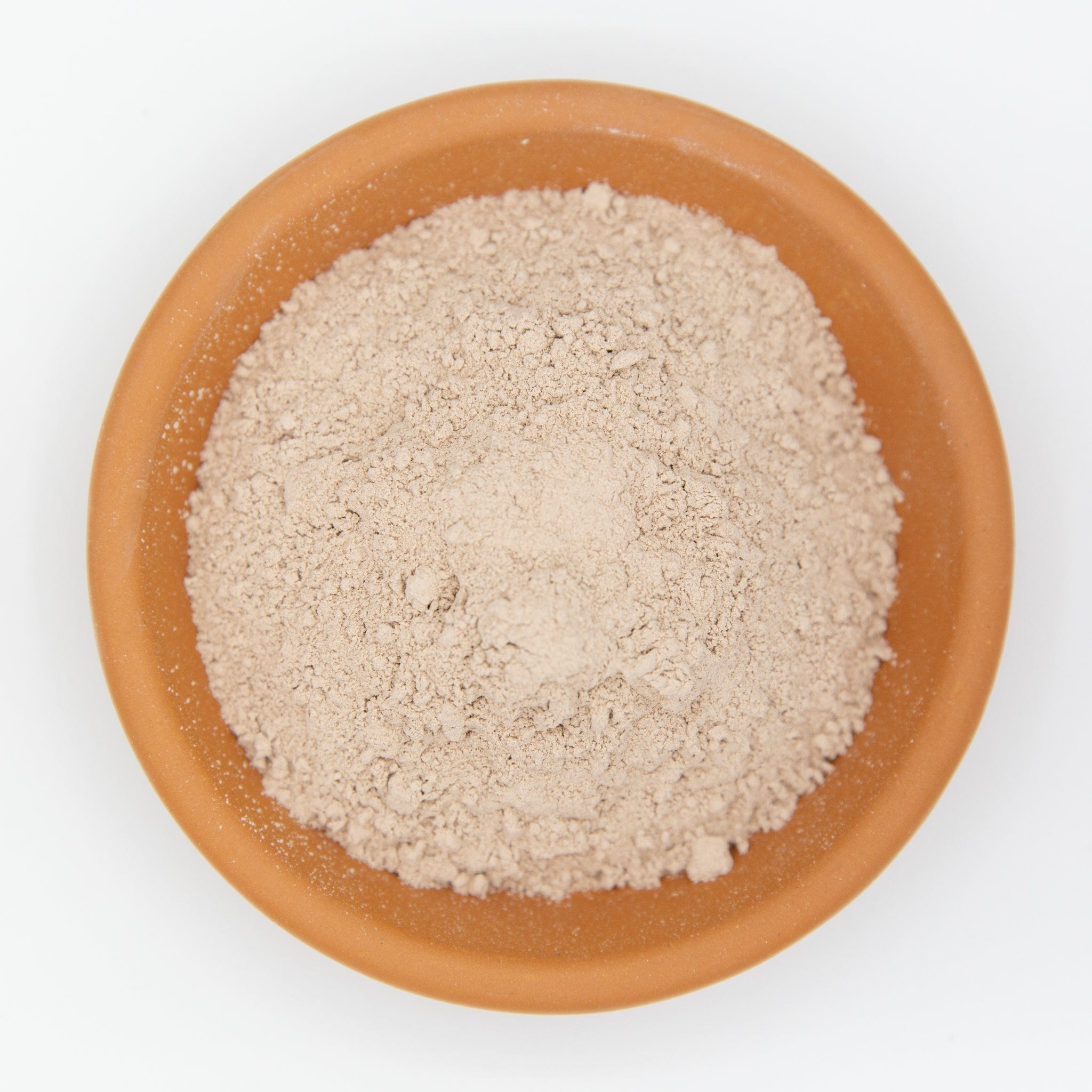
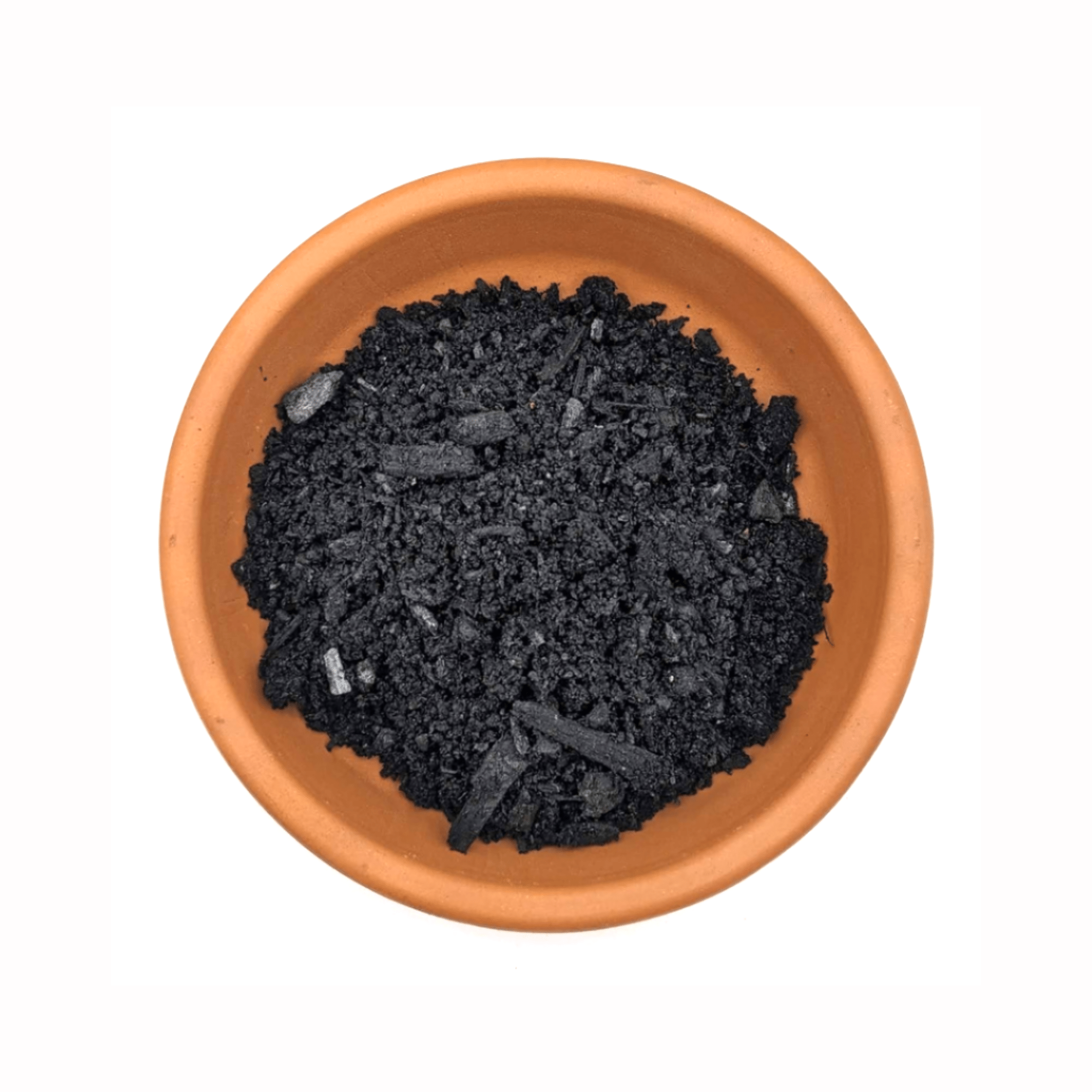
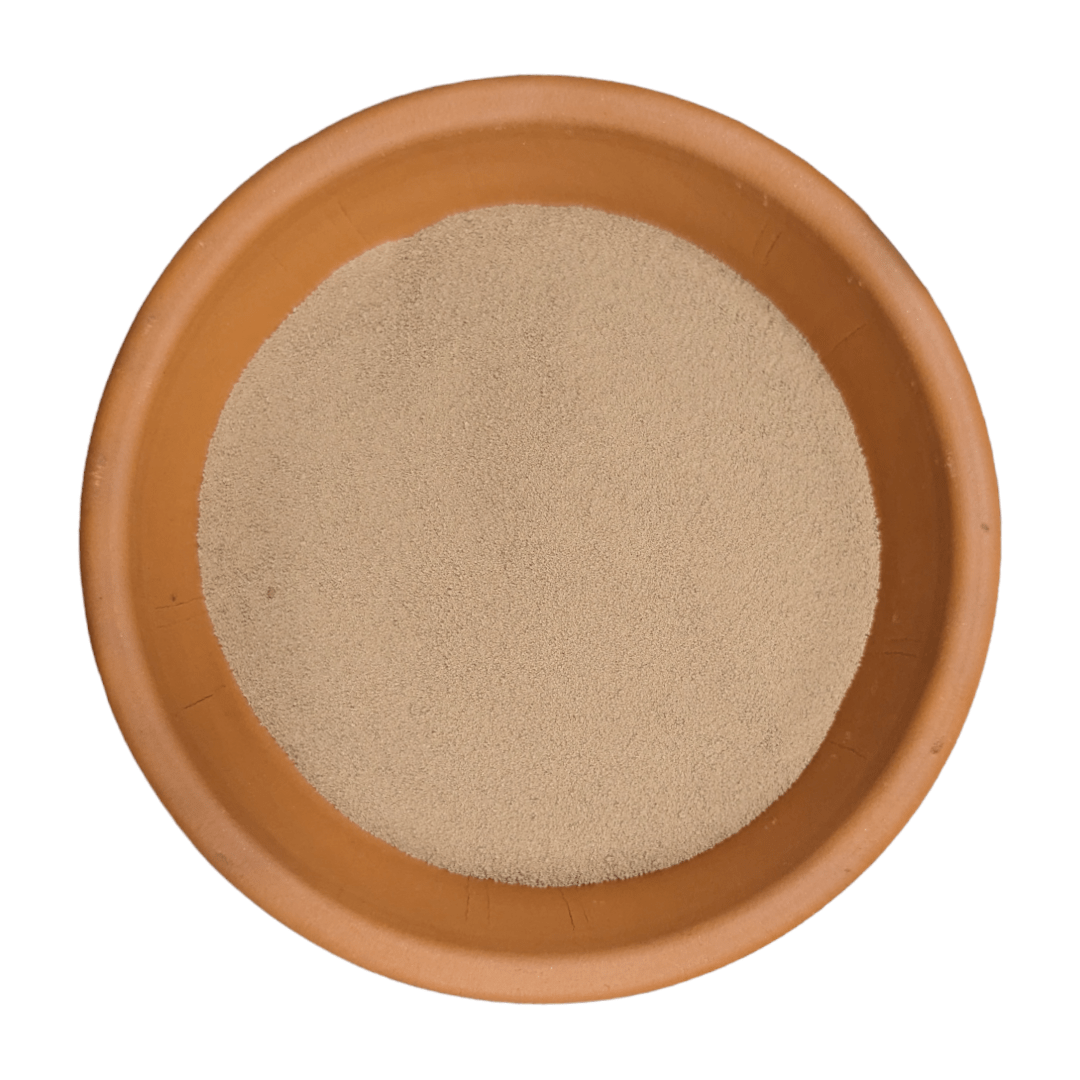
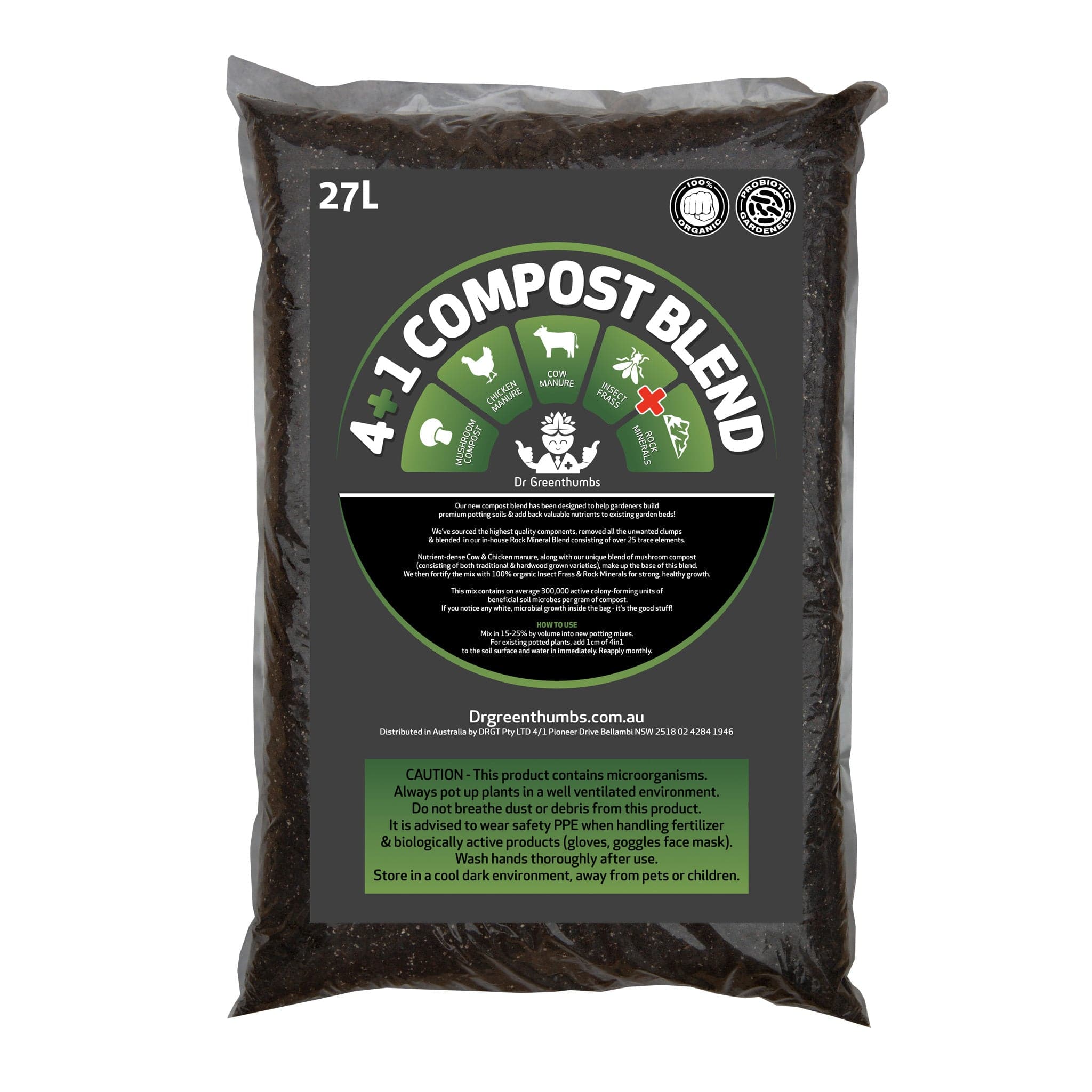
1. Quality Compost – 3 to 6 L
Adds organic matter, microbial life, and trace minerals.
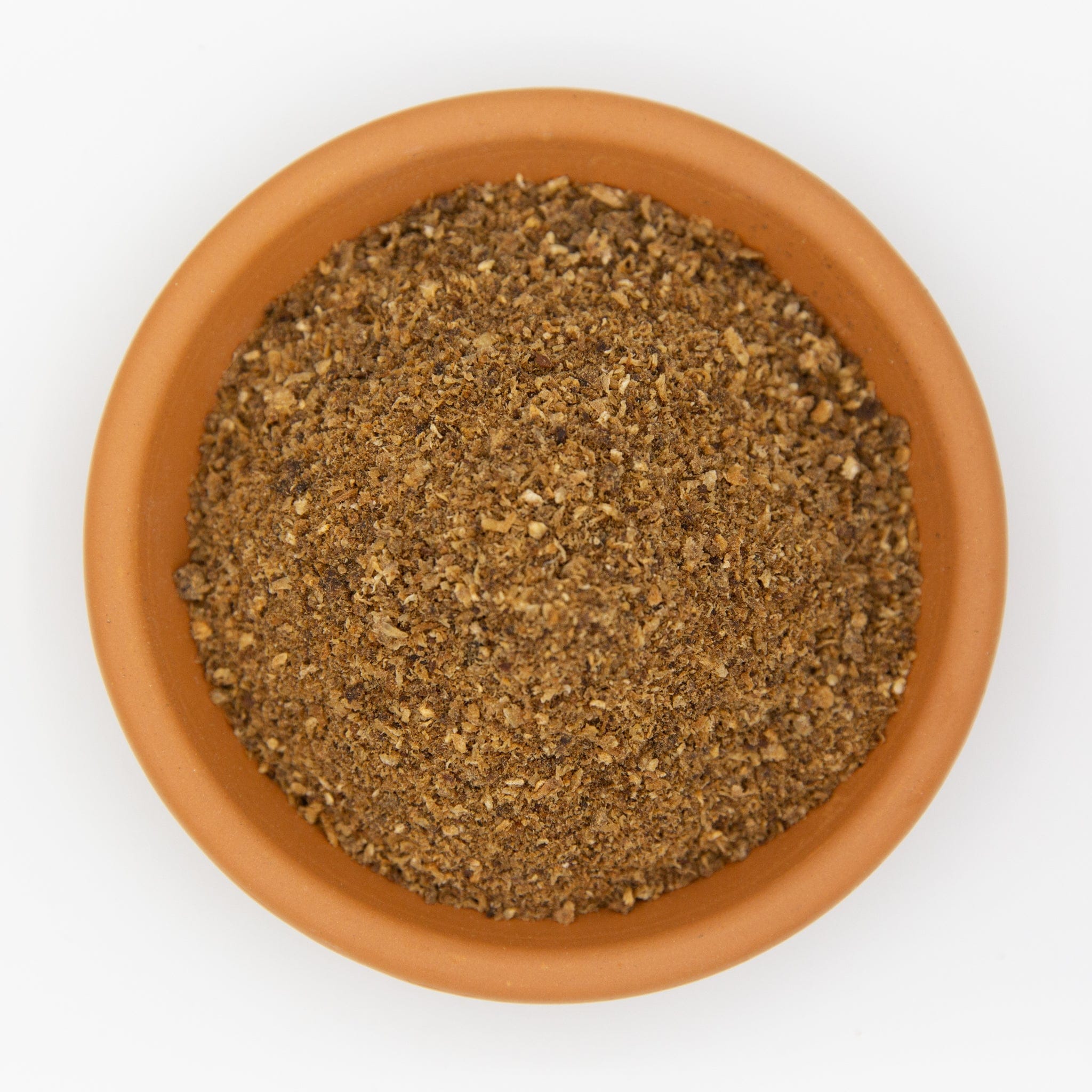
Use Dr Greenthumbs 4-1 Compost Blend (Frass + Rockdust)
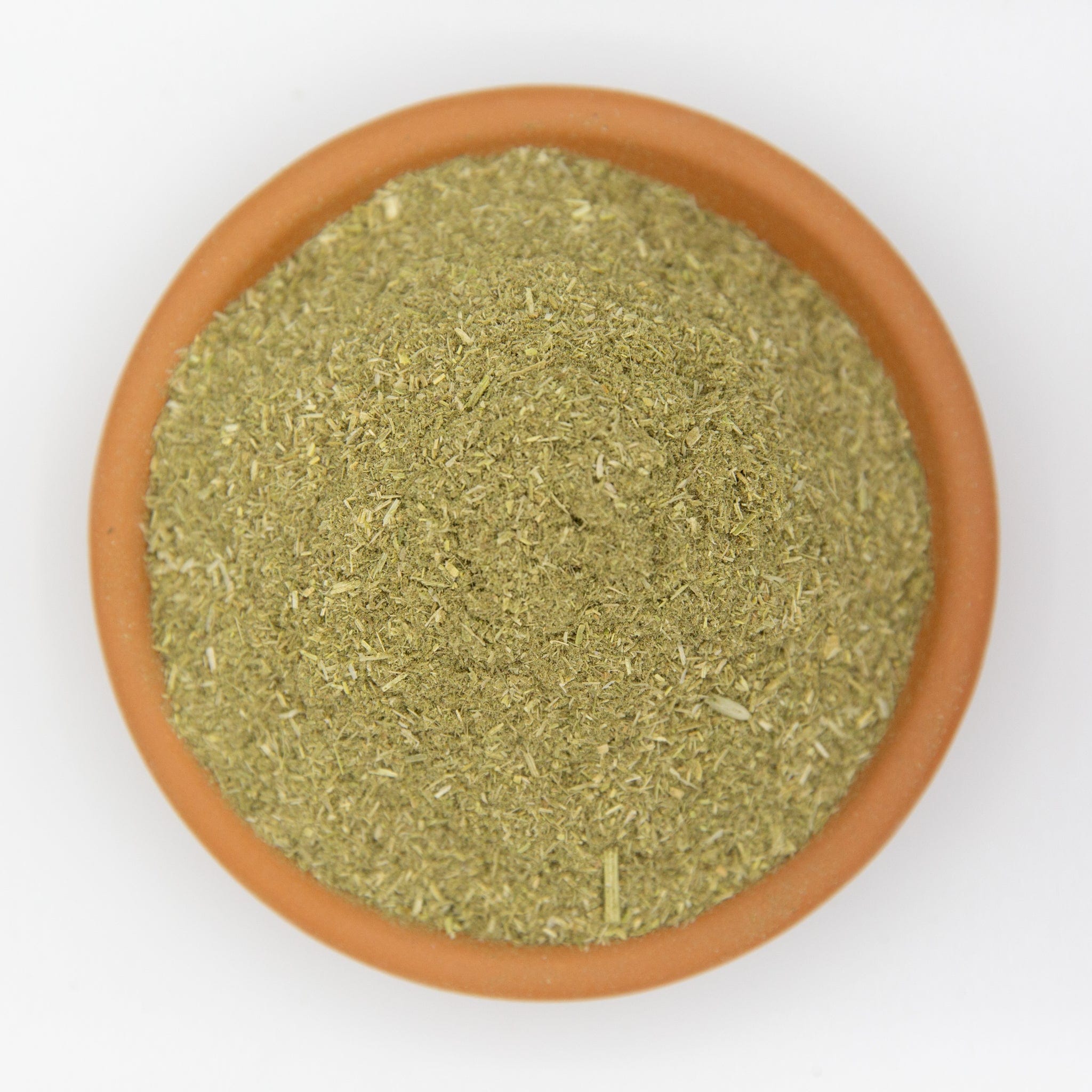
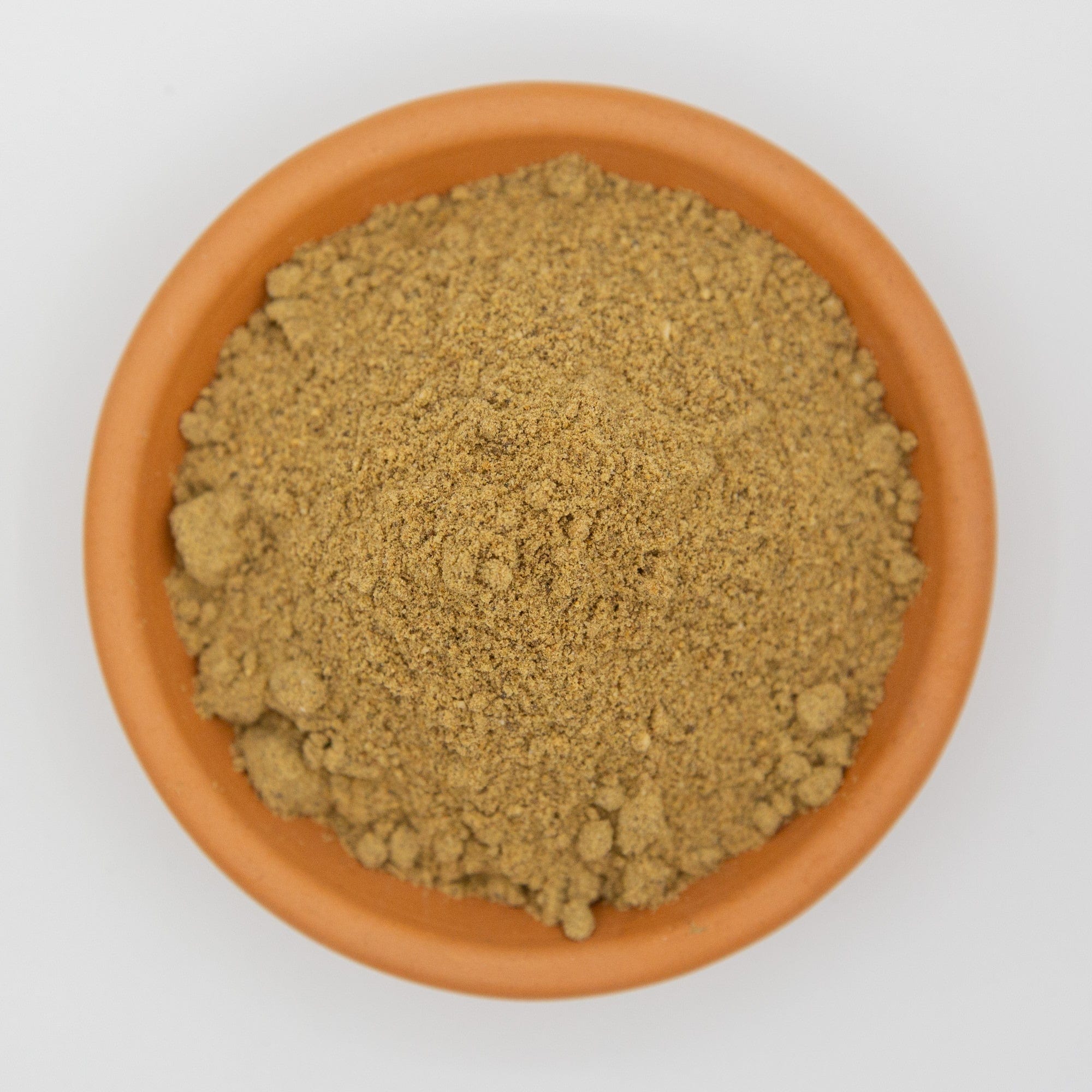
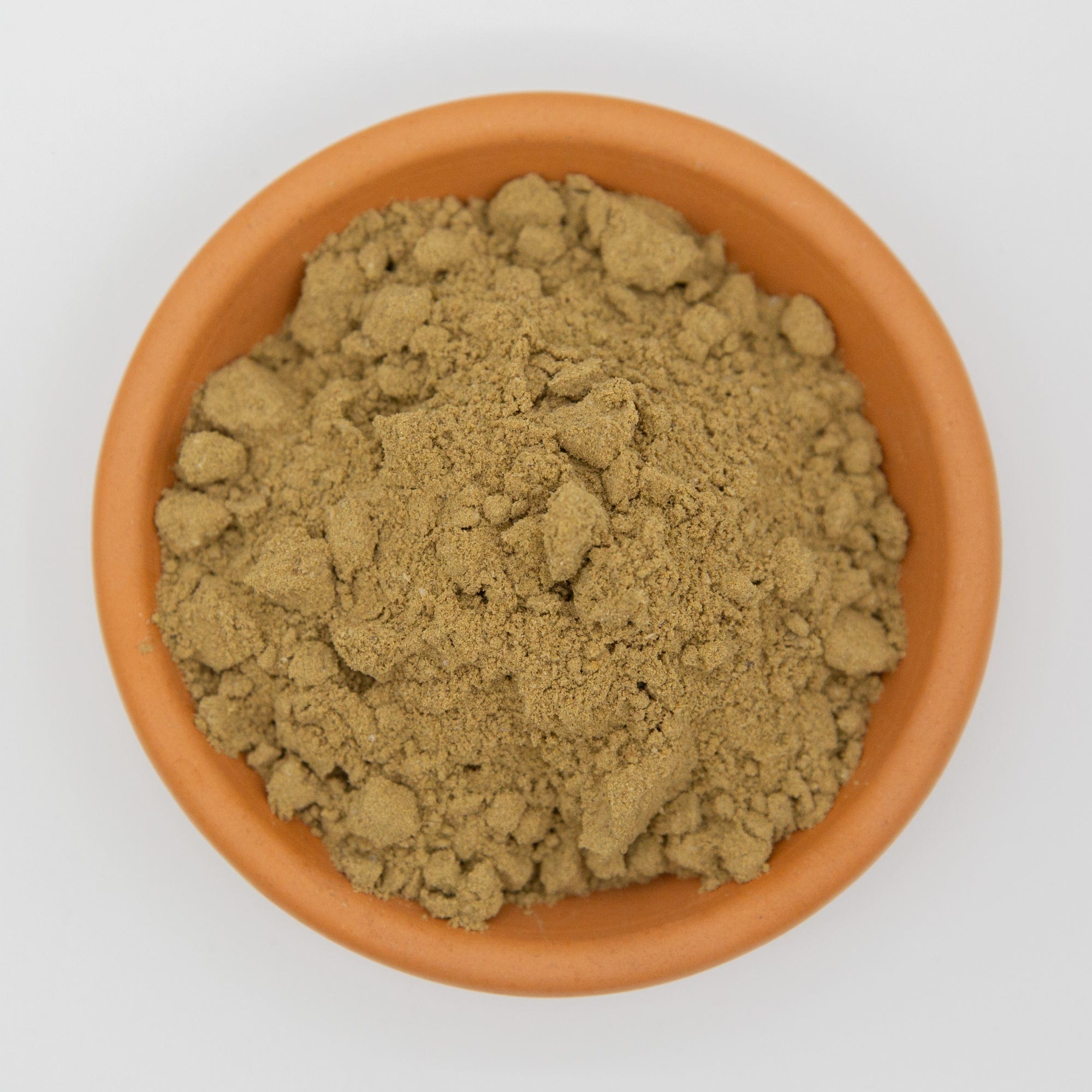
2. All-Purpose Soil Enhancer – ¼ to ½ cup
Replenishes nutrients and supports long-term soil health.
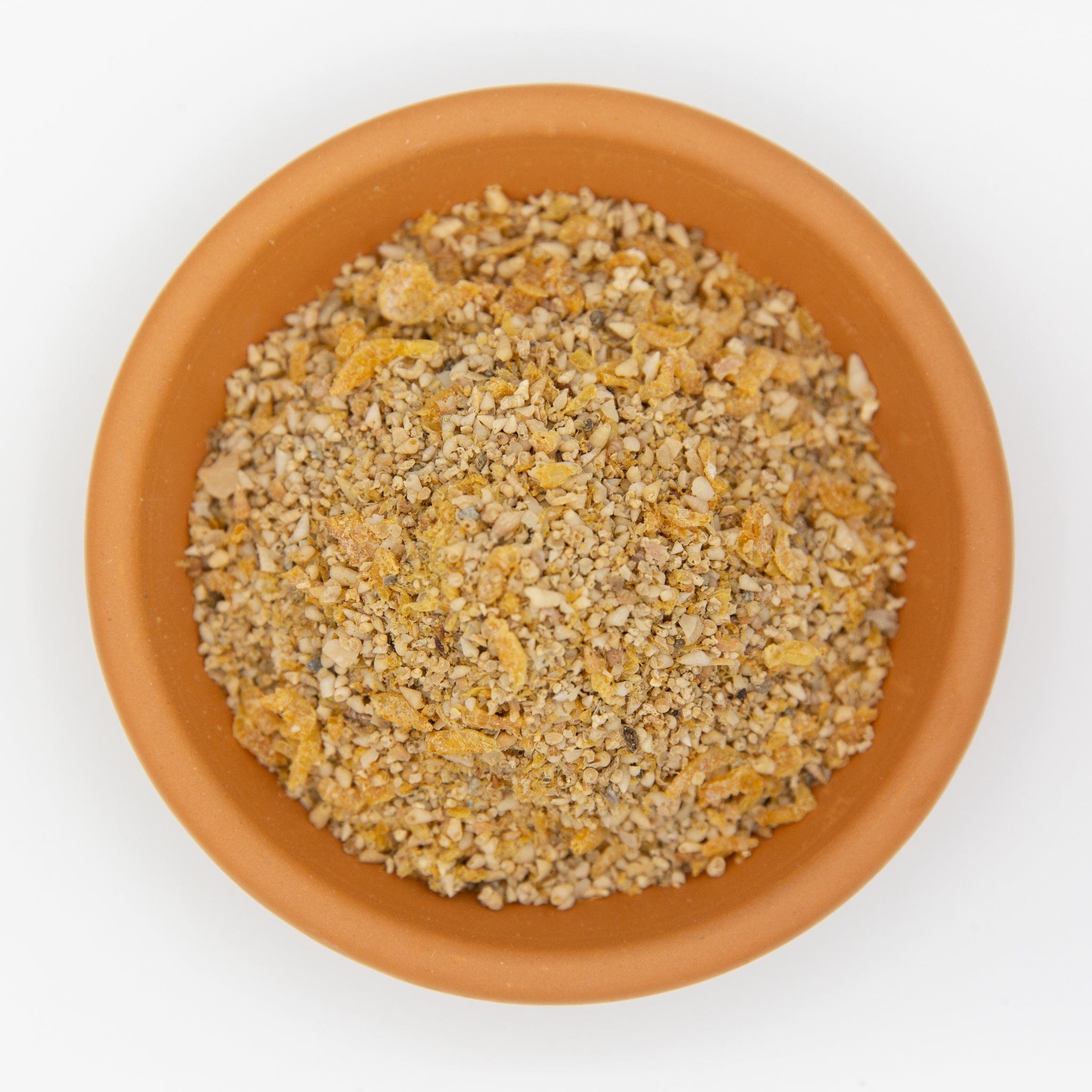
Use Nurture All Soil Enhancer
3. Aeration Material – 5 to 10 L
Improves drainage and oxygen flow to roots.
Use Coarse Perlite
Step-by-Step: How to Revive Poor Potting Soil
Step 1: Break Up the Old Soil
Tip the soil out and crumble it with your hands. Remove old roots and debris.
Step 2: Add Compost
Mix in 3–6 L of compost to restore organic matter and beneficial microbes.
Step 3: Add Soil Enhancer
Sprinkle in ¼–½ cup of Nurture All and distribute evenly through the mix.
Step 4: Improve Aeration
Add 5–10 L of coarse perlite to loosen the soil and prevent compaction.
Step 5: Mix Thoroughly
Blend everything until the texture is even. You want light, crumbly soil.
Step 6: Lightly Moisten
Add water until the soil feels like a wrung-out sponge — moist, not wet.
Your potting soil is now revived, breathable, and biologically active.
Why This Method Works (And Most Fixes Don’t)
Many gardeners only add fertiliser — which feeds plants temporarily but ignores soil structure.
This method works because it:
- Rebuilds living soil, not just nutrients
- Restores air pockets for healthy roots
- Supports microbial life that feeds plants naturally
- Prevents future compaction and drainage issues
Healthy soil grows healthy plants — every time.
How Long Will Refreshed Potting Soil Last?
With proper care, refreshed potting soil can last 6–12 months in containers.
To extend its life:
- Top-dress with compost every few months
- Avoid over-watering
- Use gentle, soil-friendly inputs
- Refresh aeration materials annually
Common Mistakes When Fixing Potting Soil
- Adding fertiliser without fixing compaction
- Skipping aeration materials
- Using low-quality compost
- Over-watering newly refreshed soil
- Expecting instant results without soil biology
Soil improvement is about balance, not shortcuts.
FAQ
Can I reuse potting soil from dead plants?
Yes — remove old roots and refresh the soil using the method above.
Do I need to sterilise old potting mix?
Not usually. Healthy compost and microbes outcompete harmful organisms.
Is perlite better than sand for pots?
Yes. Perlite keeps soil light and airy without compacting.
How often should potting soil be refreshed?
Every growing season or when plants show signs of stress.
Final Thoughts: Fix the Soil, Fix the Plant
Poor potting soil is one of the most common — and most fixable — gardening problems.
By restoring structure, biology, and nutrients, you give your plants what they actually need: healthy, living soil.
If your plants aren’t thriving, don’t blame the plant — fix the soil first.
Next reads for rebuilding a healthier potting mix
Want better drainage, stronger roots and a potting mix that lasts longer? These guides will help you compare media, improve structure and build a better-performing soil blend.
- Potting Mix vs Garden Soil
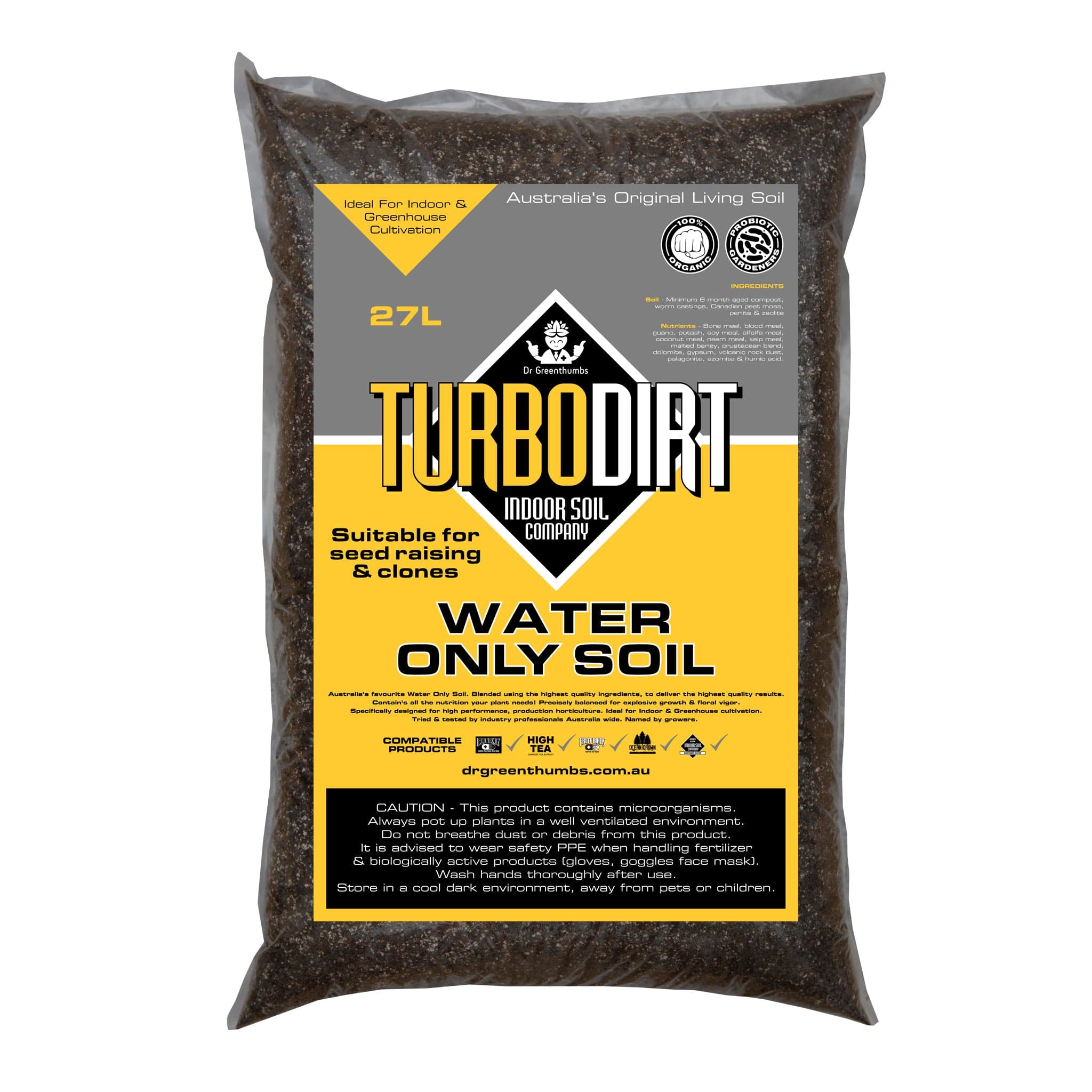
- Building the Best Soil for Your Potted Plants (Recipe Included)
- Premium Potting Soil Australia
- Pumice Stone for Plants Australia
About the Author