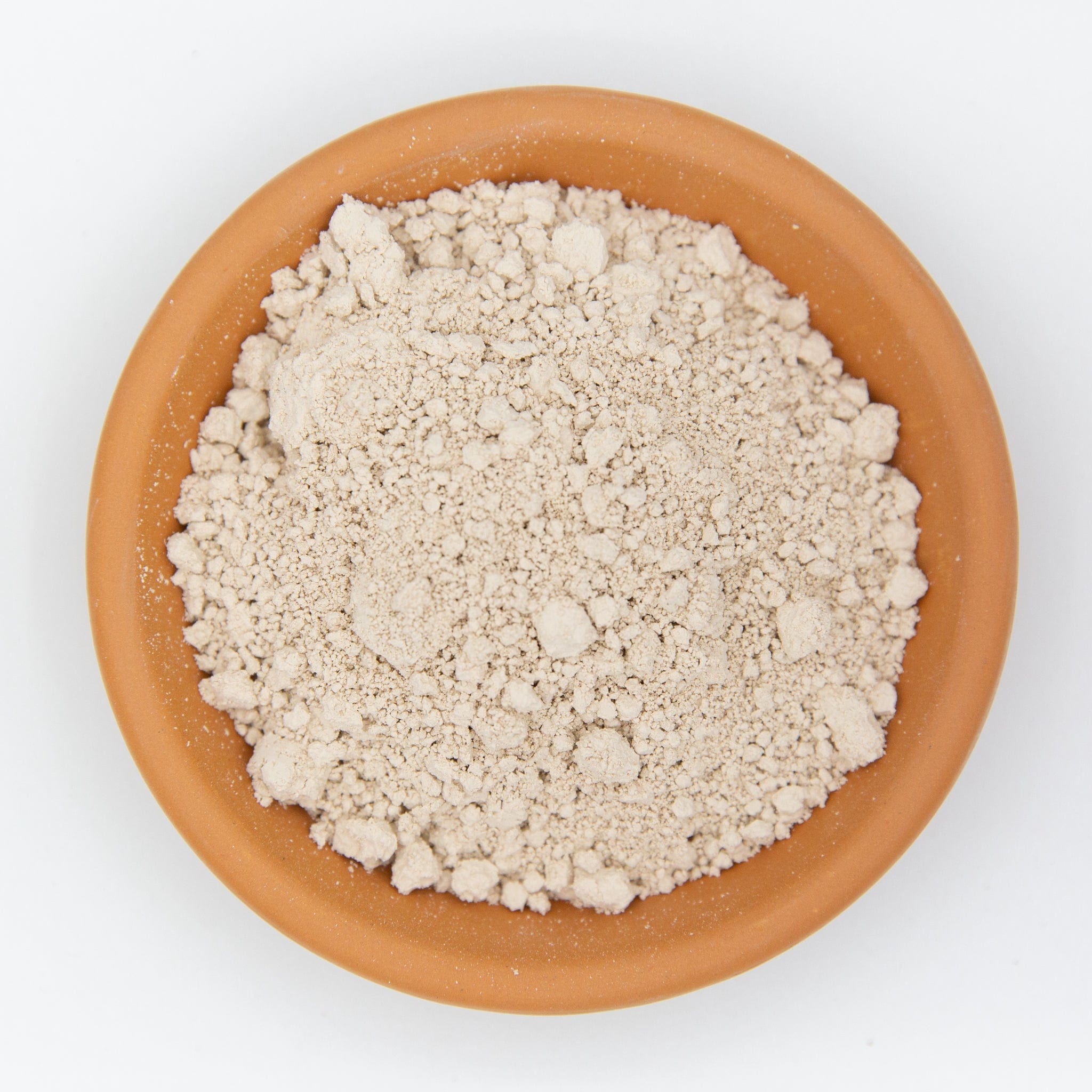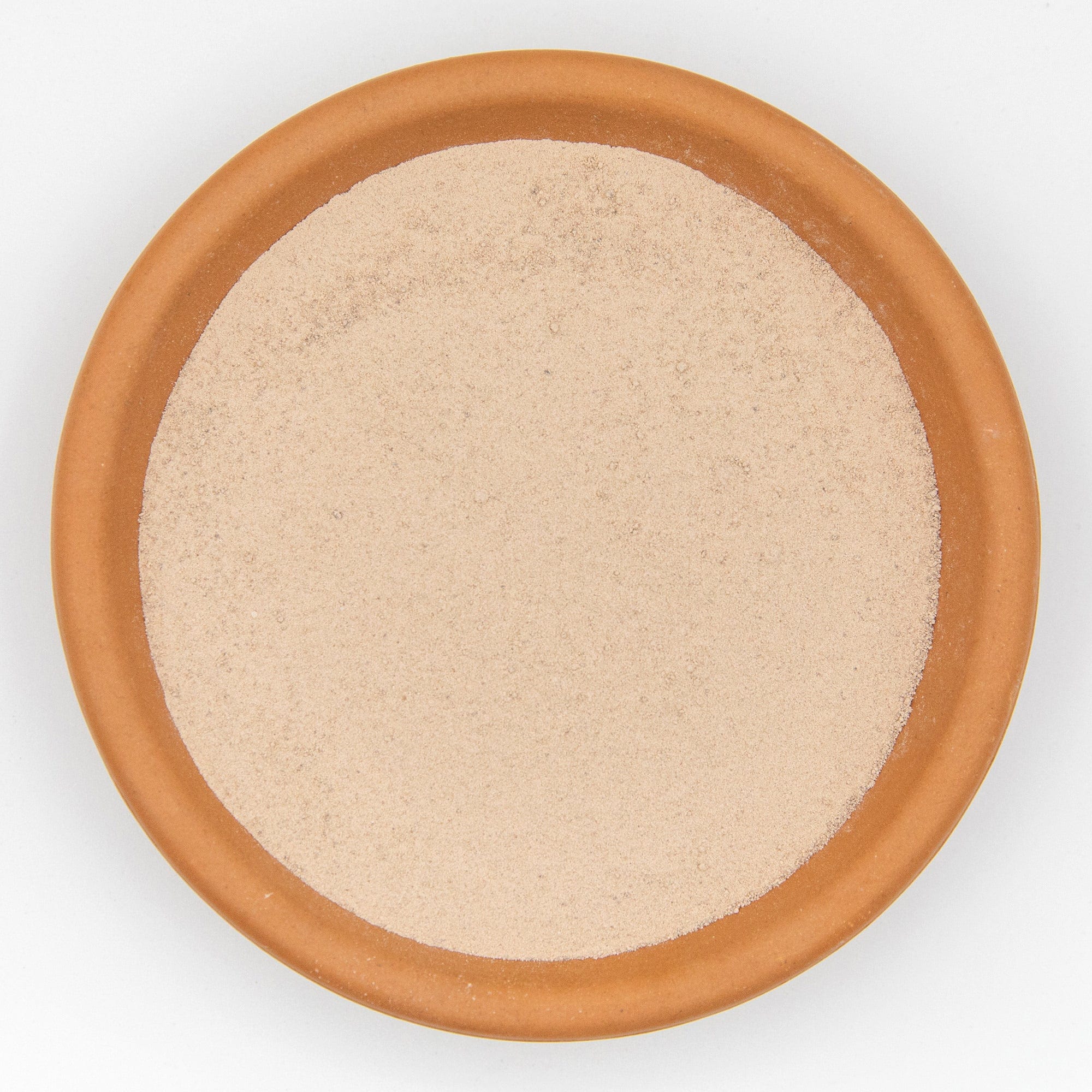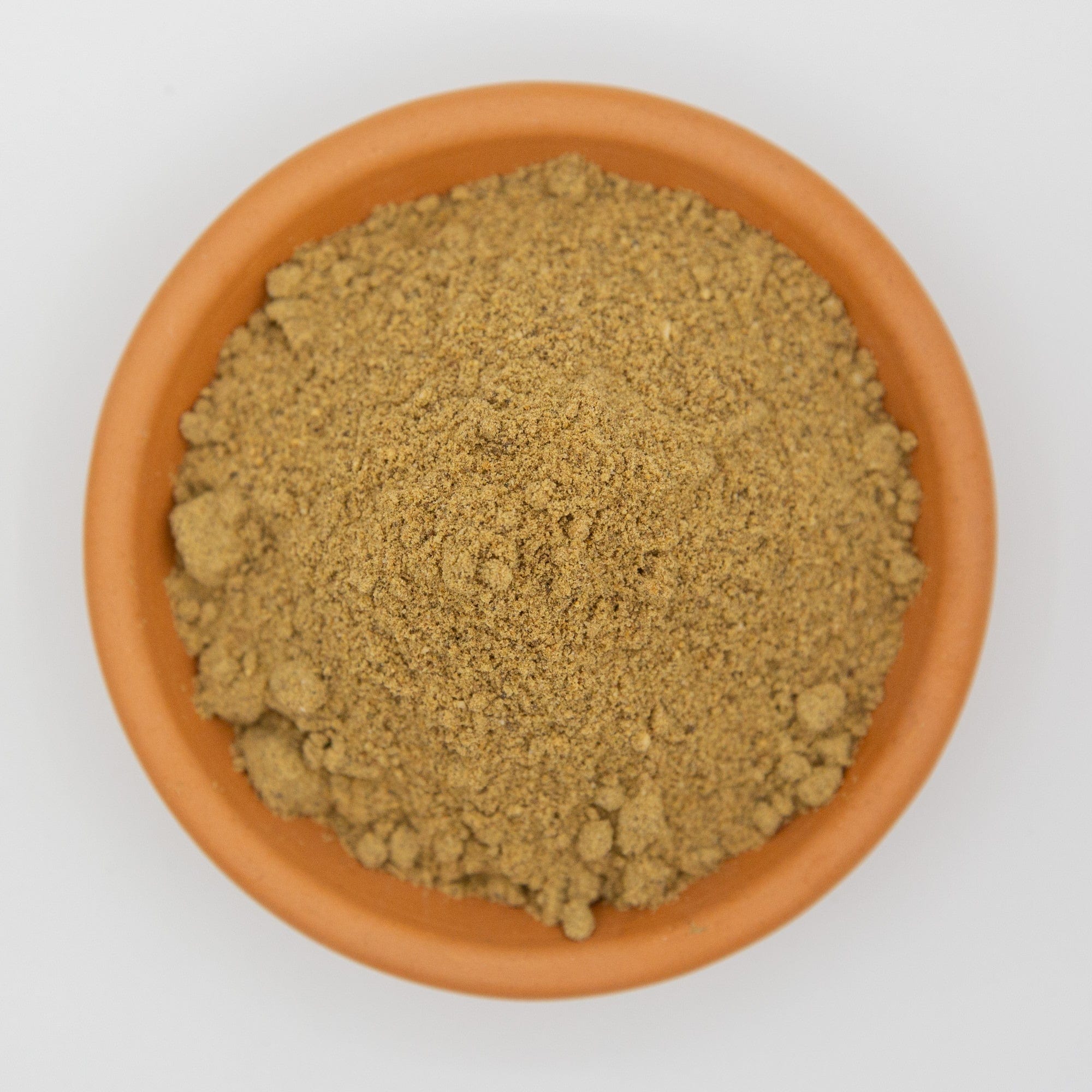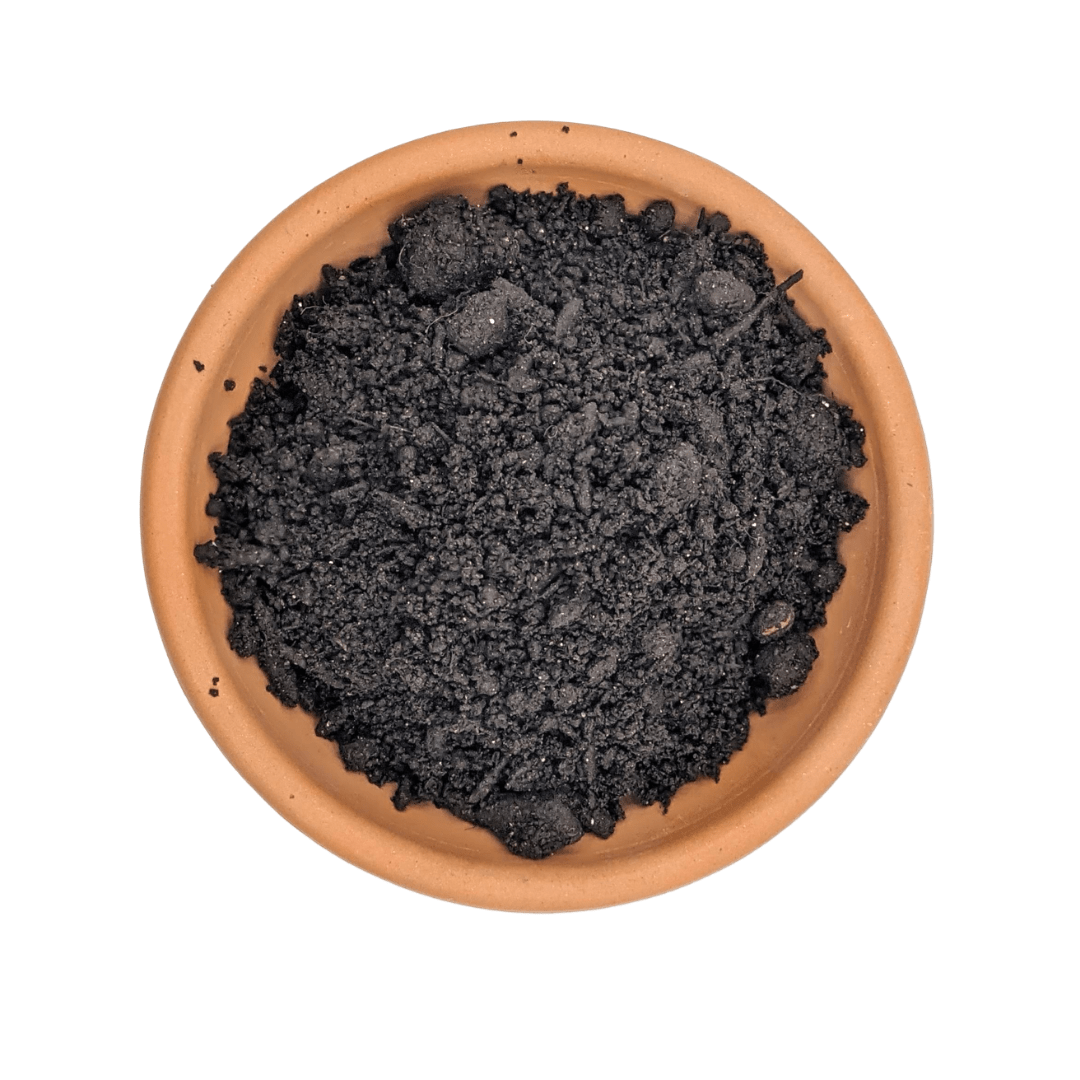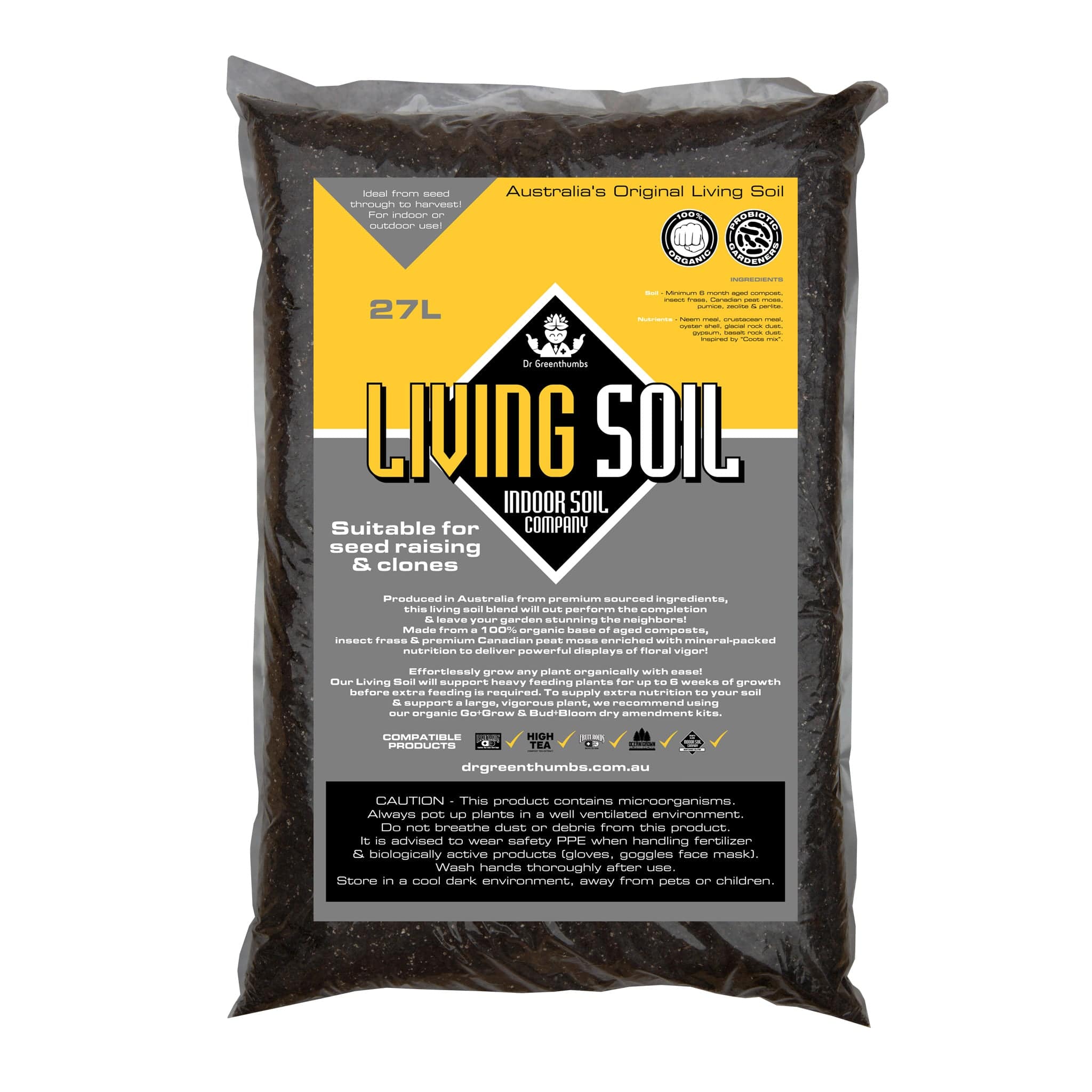

Are you tired of constantly purchasing new soil and fertilizer for your indoor garden? Look no further than Dr Greenthumb TurboDirt. Not only does it provide the optimal environment for your plants’ precious roots, but it can also be reused for multiple growing cycles, making it a cost-effective and sustainable choice for your indoor gardening needs.
In this post, we'll explore the benefits of reusing TurboDirt and provide our customers with tips for successfully doing so!
Table of Contents
- What is TurboDirt?
- Benefits of Reusing TurboDirt
- How to Reuse TurboDirt
- Maintaining Reused TurboDirt Between Grows
- Potential Risks and Drawbacks
-
Next Reads for Reusing and Recharging Your Living Soil
If you want the fastest, simplest way to reuse your soil successfully:


What is TurboDirt?
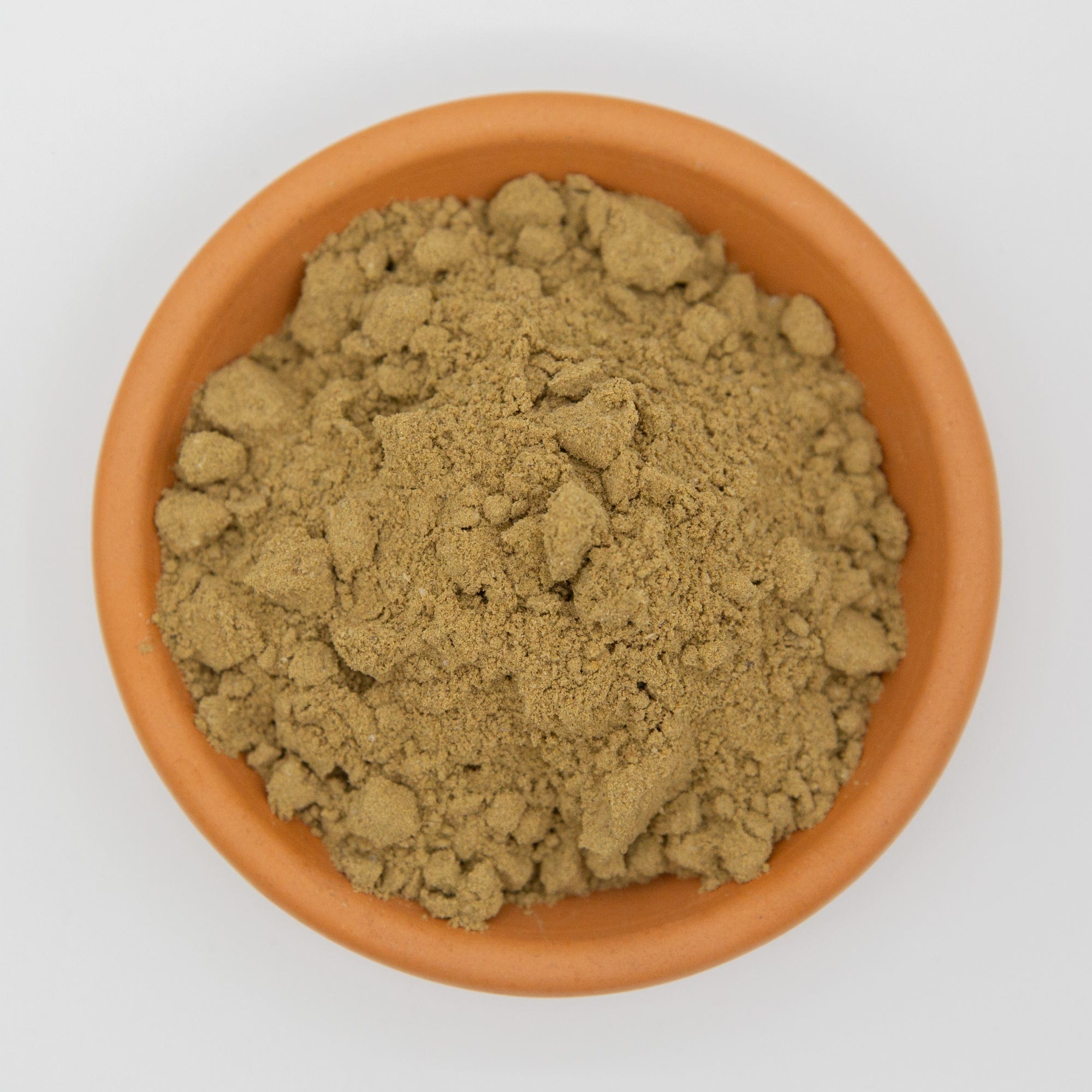
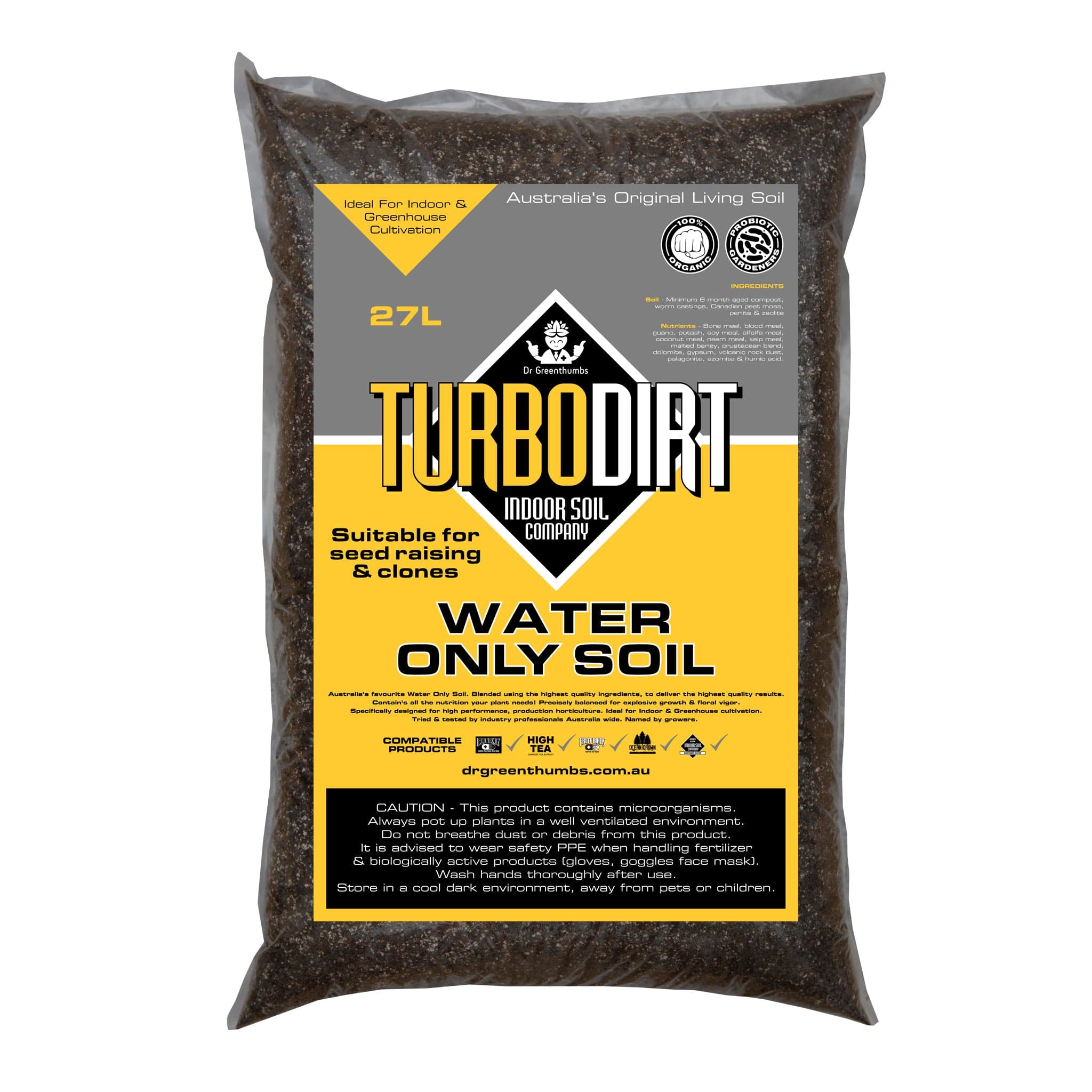
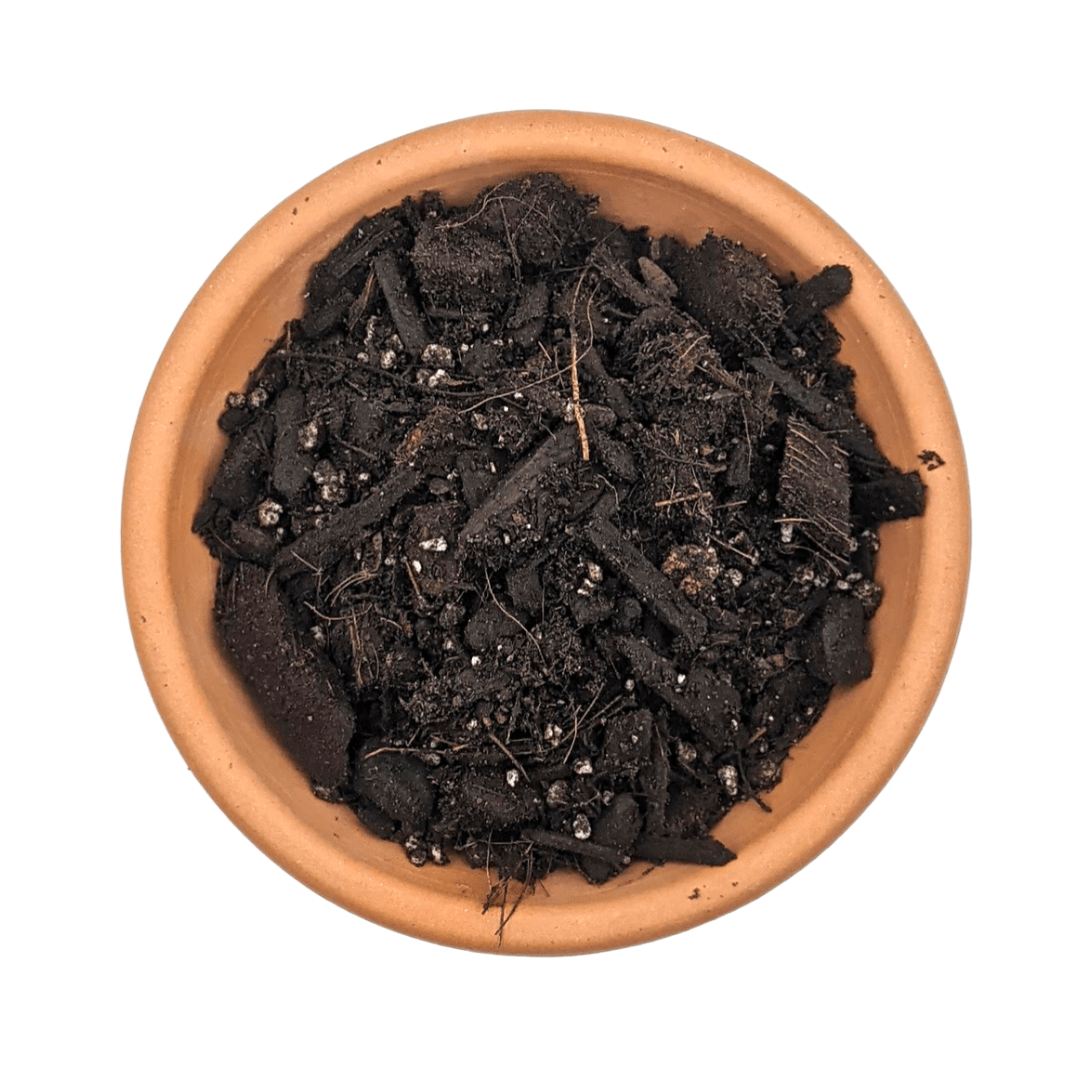
Dr Greenthumbs TurboDirt is a premium soil mix that contains a blend of organic ingredients and nutrients to promote healthy and vigorous plant growth. Unlike traditional indoor growing media like coco coir or rockwool, TurboDirt does not need to be thrown out after each growing cycle. Its unique blend of organic ingredients, such as bat guano, worm castings, peat moss and kelp meal (to name just a small few!) makes it an ideal choice for long-term gardening. Our full ingredients list for this product can be found on the product listing!
Benefits of Reusing TurboDirt
Reusing TurboDirt means you can keep the existing soil base instead of replacing the entire growing medium after every harvest. You may still need to replenish nutrients and organic matter between cycles, but recharging the soil can reduce the amount of new soil and fertiliser required compared with starting again from scratch.
Reuse also reduces the amount of spent growing media, packaging and shipping associated with replacing soil after every cycle. And, of course, getting more than one grow from the same soil base can reduce your ongoing growing costs.
How to Reuse TurboDirt
There are two main ways to reuse TurboDirt after harvest: remove and remix the soil before the next cycle, or leave the soil largely intact and manage it using a No-Till approach. Both methods involve replacing nutrition removed by the previous crop, but they differ in how much the soil and root zone are disturbed.
Option 1: Remix and Re-Amend Used TurboDirt
After harvest, remove the used TurboDirt from the pot and assess the remaining root material. Large old roots can be removed where appropriate before the soil is replenished with organic matter and nutrients and mixed again for the next cycle.
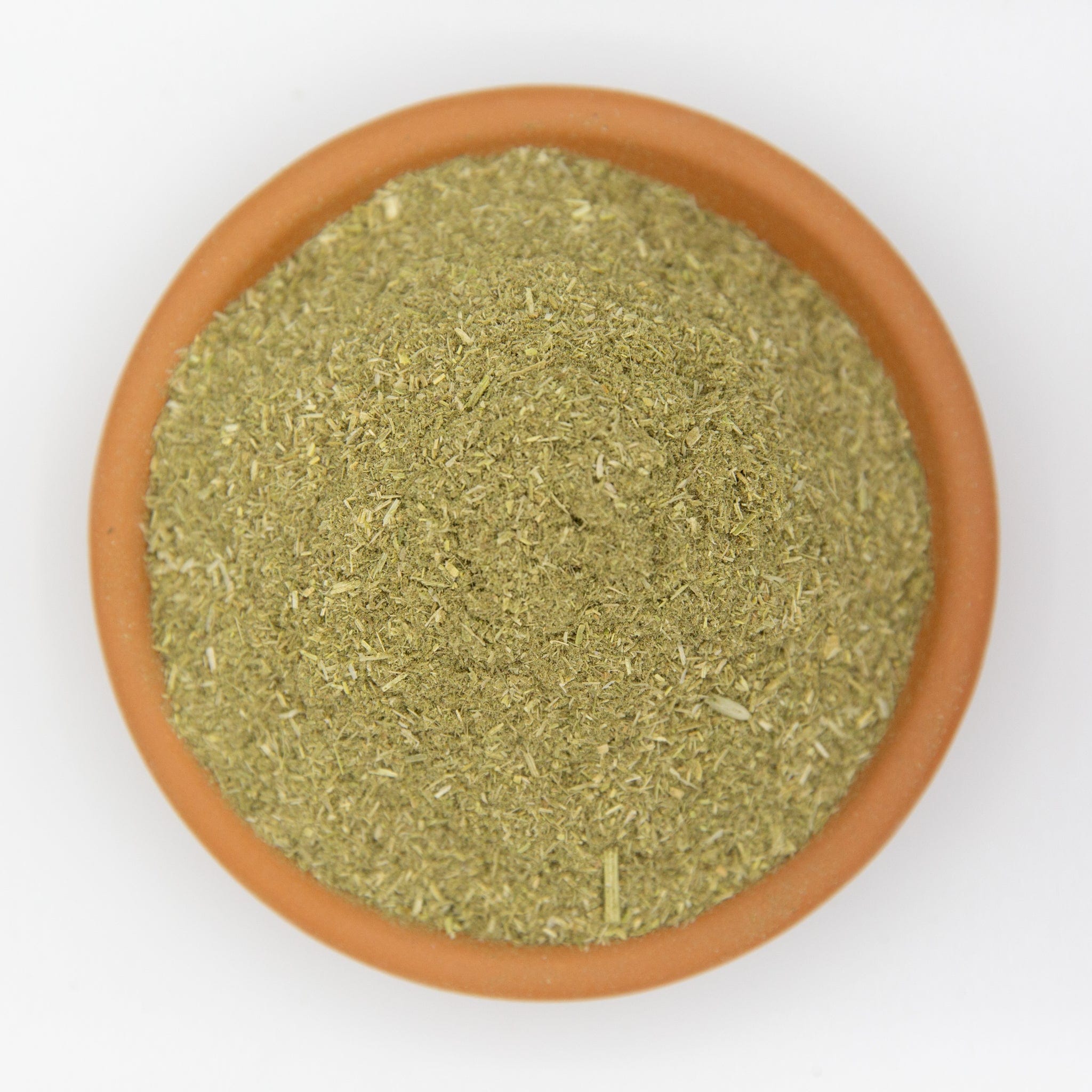
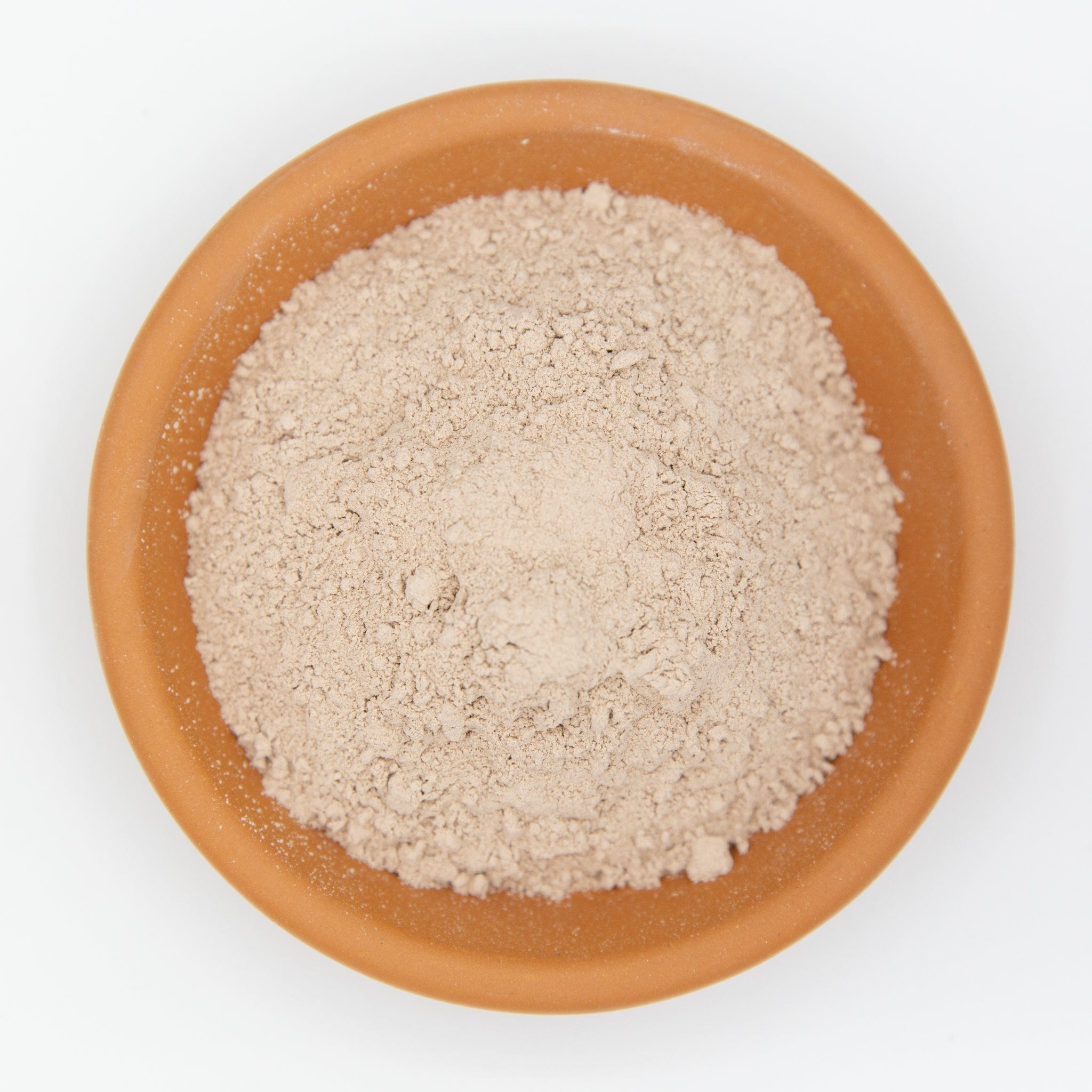
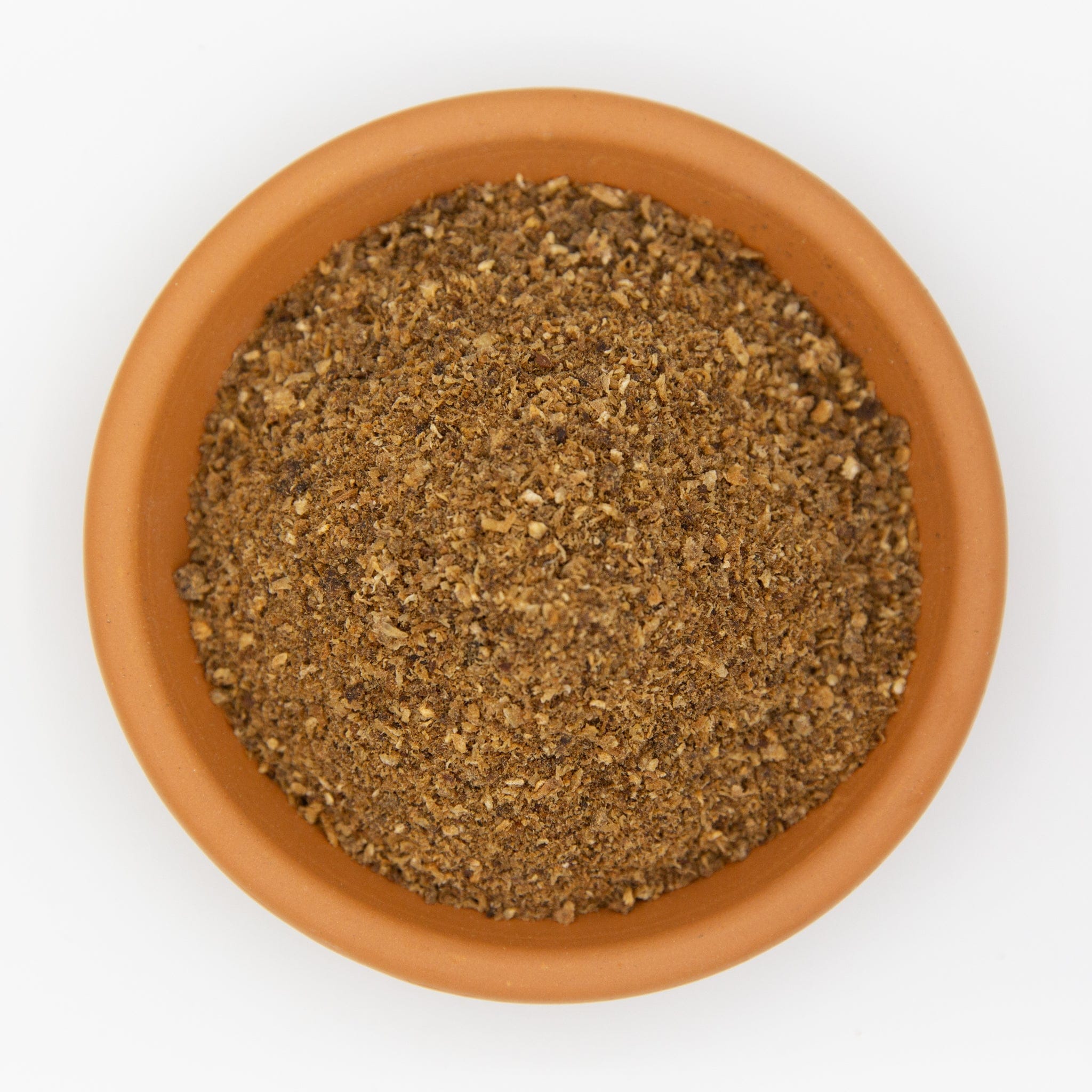
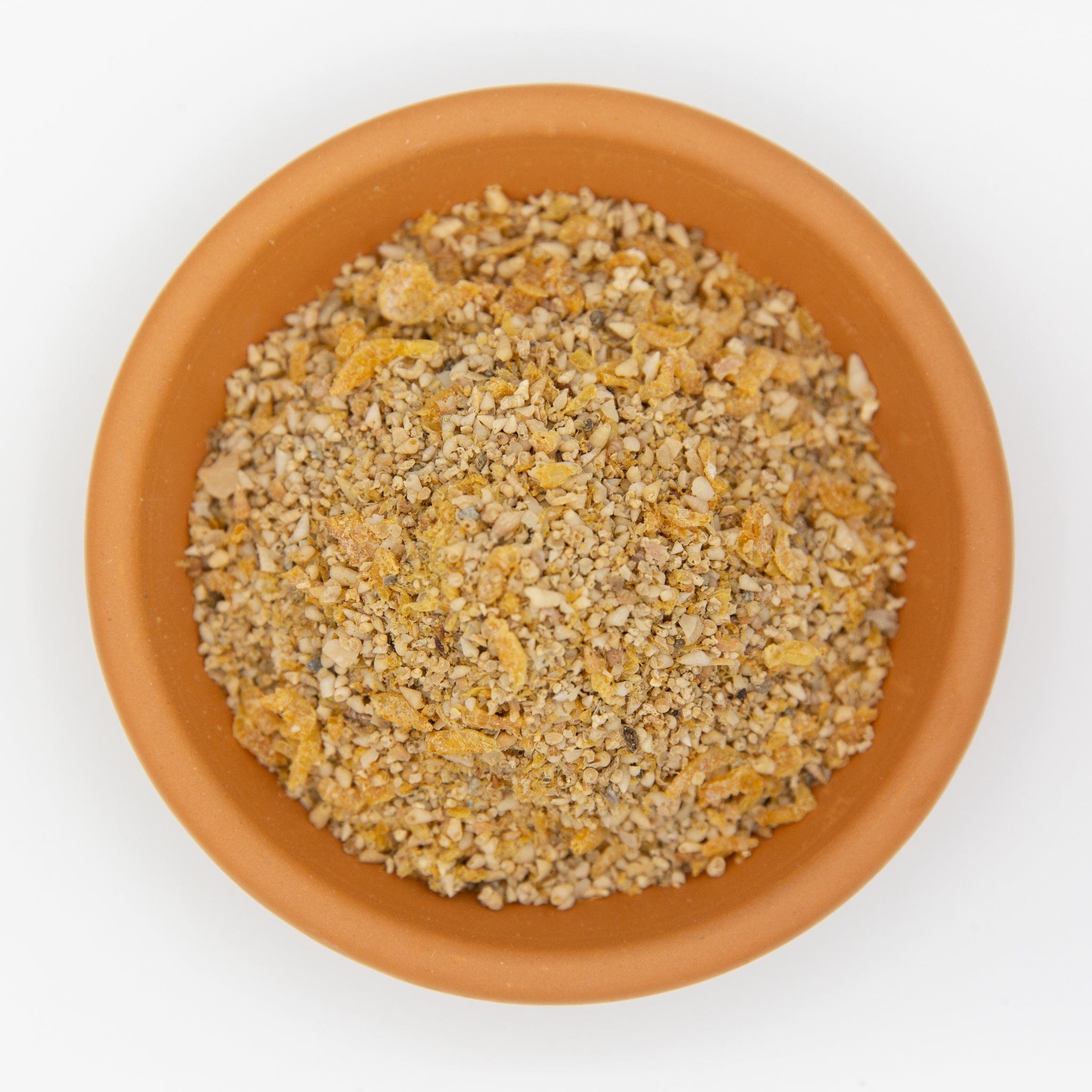
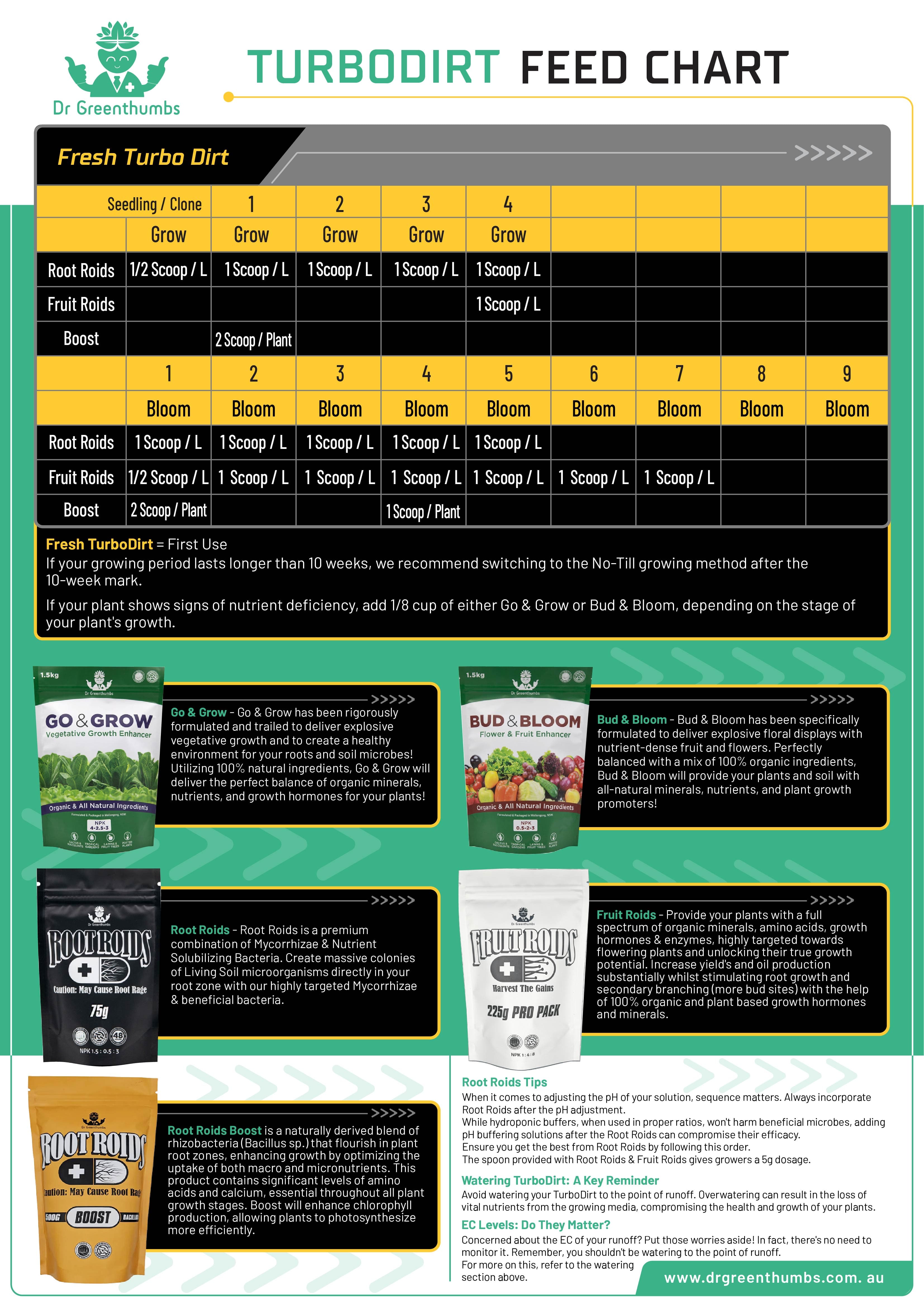
For the existing TurboDirt recharge method in this guide, add ¼ cup of Go & Grow and ¼ cup of Bud & Bloom to 30 L of used TurboDirt, then mix thoroughly. Used together in equal amounts, Go & Grow and Bud & Bloom create the all-purpose dry amendment combination recommended here for recharging the mix.
Organic amendments take time to break down and release nutrients, so the best time to address nutrient depletion is between growing cycles rather than waiting until a deficiency is already visible in the next crop.
Option 2: Reuse TurboDirt No-Till
For a No-Till approach, leave the soil largely in place rather than removing and remixing the entire pot after harvest. Most of the existing root and organic material can remain in the soil while nutrition and organic matter are replenished from the surface.
Top-dress with the appropriate amendments and compost rather than turning over the whole root zone. This approach reduces disturbance and allows the soil to continue developing from one cycle to the next.
When to Top-Dress During the Next Grow
If plants require additional nutrition during the next growing cycle, top-dressing can be used rather than waiting until the following harvest. Use the appropriate product for the plant stage and follow the full usage instructions supplied with the product.
Go & Grow is used for vegetative support, while Bud & Bloom can be used through the flowering cycle. The main priority when reusing TurboDirt is to replenish the soil proactively between cycles wherever possible, because organic amendments need time to break down and become available.
Maintaining Reused TurboDirt Between Grows
Keep Moisture Consistent
Consistent moisture is an important part of maintaining reused TurboDirt. Large wet-to-dry fluctuations can affect root health and nutrient uptake, so the goal is to water the soil evenly rather than repeatedly allowing sections of the pot to become excessively wet or dry.
A low-pressure pump sprayer can make it easier to distribute water evenly across the soil surface by moving the stream back and forth during watering.
For larger gardens, automatic gravity-fed systems such as Blumats can help maintain more consistent moisture. TurboDirt Water Only Soil can also be used in Self Irrigated Planters and Earth Boxes where that watering style suits the garden.
Use Cover Crops to Support Soil Health
Cover crops can support reused TurboDirt by improving soil structure, contributing organic matter, cycling nutrients and suppressing weeds.
- Soil structure: Cover crops can help reduce compaction, support aeration and drainage, and protect the soil surface.
- Nutrient cycling: Cover crops take up nutrients while growing and return organic material to the soil as that plant material breaks down.
- Organic matter: Cover crops add material that can support water-holding capacity, beneficial microorganisms and soil structure.
- Weed suppression: A healthy cover crop can compete with unwanted weeds for space, light and other resources.
Monitor pH and Soil Conditions
Monitoring pH in TurboDirt is important because soil pH influences nutrient availability. If the pH moves too high or too low, nutrients can become less available to the plant even when they are present in the soil.
If the soil becomes too acidic, nutrients such as phosphorus, calcium and magnesium may become less available. If conditions become too alkaline, micronutrients such as iron, zinc and copper may become less available.
Monitoring pH gives growers another way to identify changing soil conditions and investigate nutrient-availability problems before making unnecessary amendments.
Store TurboDirt Between Grows
If TurboDirt is being stored out of use between growing cycles, label it so you can keep track of its age, previous use and whether it has already been re-amended.
Potential Risks and Drawbacks
Nutrient Depletion
Reused soil can become depleted if nutrients removed by previous crops are not replenished. This can eventually contribute to nutrient deficiencies and weaker plant performance.
Rather than repeating the full recharge process here, use the How to Reuse TurboDirt method above to replenish the soil between growing cycles. If additional calcium and magnesium support is specifically required, the existing recommendation in this guide is Ocean Grown Cal Mag.
Soil-Borne Pests
Reusing soil also means paying attention to pests that may already be present in the root zone. Fungus gnats and unwanted arthropods such as slaters or earwigs can persist in or around the soil and may cause problems if populations increase.
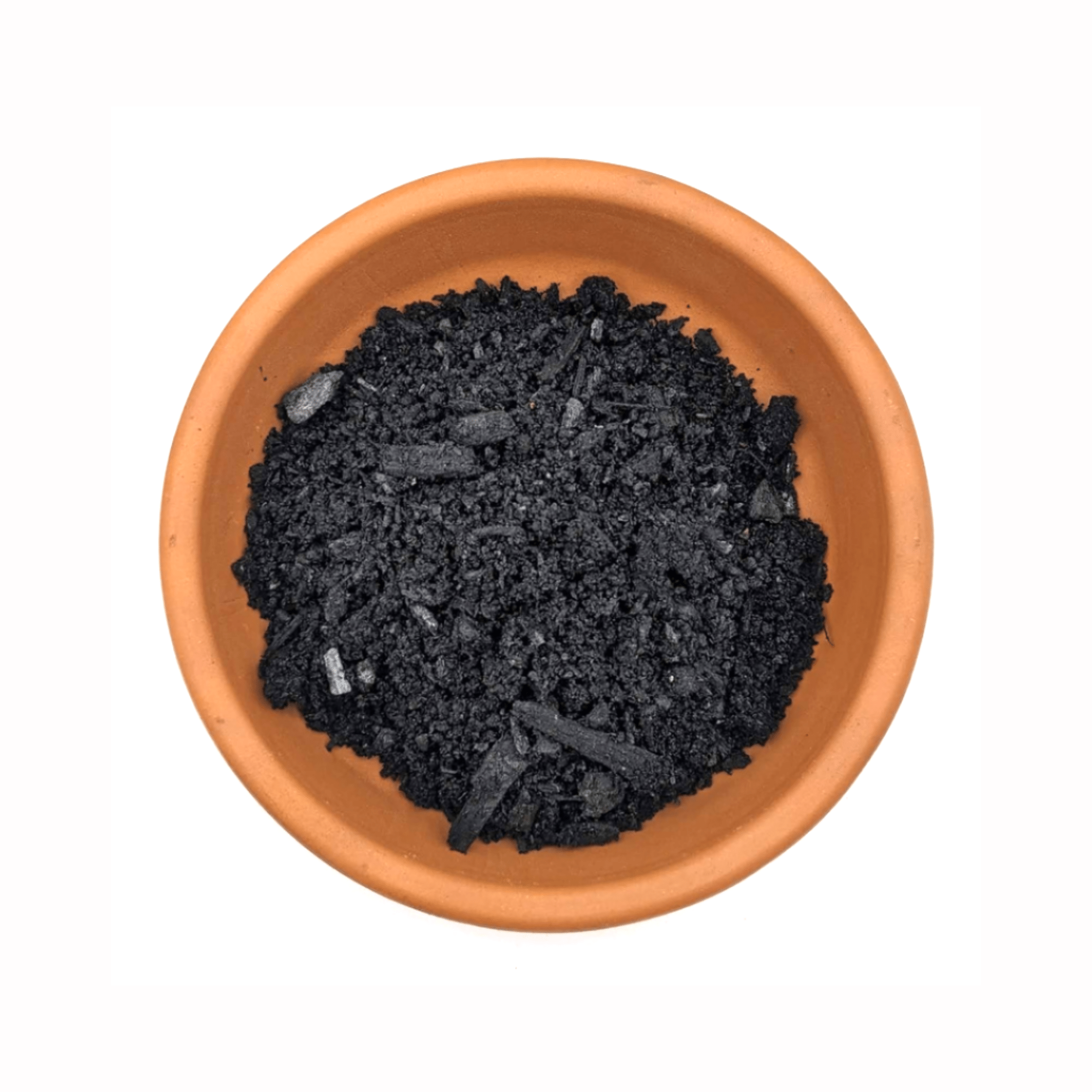
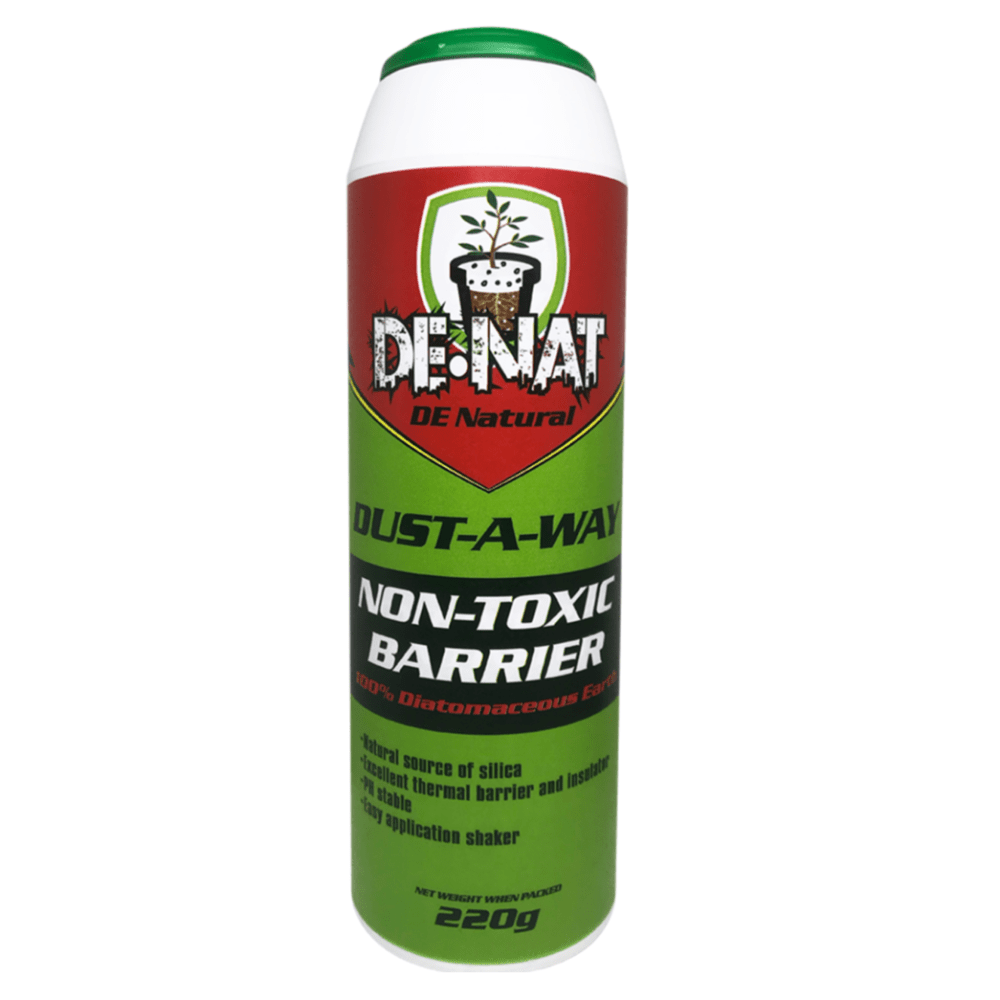
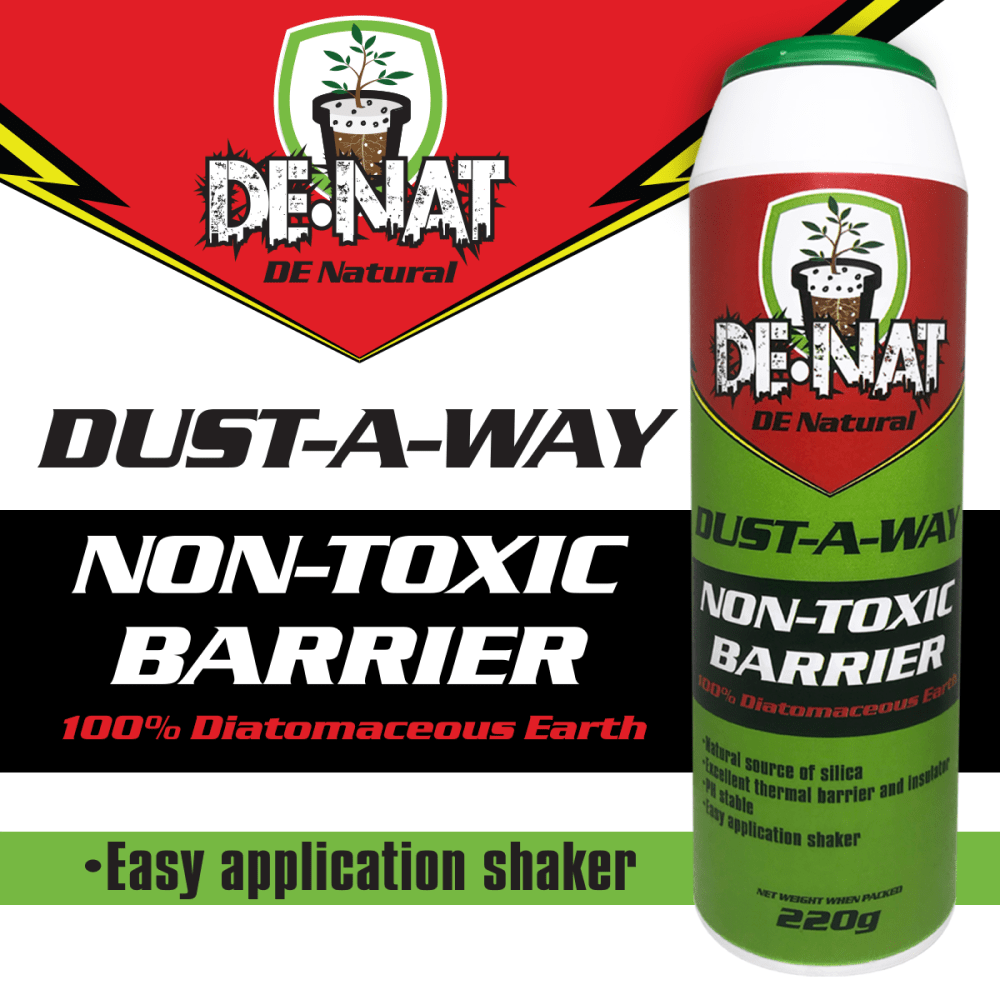
Inspect reused soil and plants regularly and deal with pest pressure early using an appropriate pest-management method. The existing article recommends natural pest-control options and Diatomaceous Earth for suppressing soil-dwelling pests such as fungus gnats and other problematic arthropods.
Reusing TurboDirt is ultimately about maintaining the soil rather than replacing it after every harvest. Choose the reuse method that suits your setup, replenish what the previous crop has removed, maintain consistent soil conditions and deal with deficiencies or pest pressure early. With that approach, the same TurboDirt base can continue into multiple growing cycles.

Next Reads for Reusing and Recharging Your Living Soil
Want to get more life from each batch of soil? These guides will help you recycle nutrients, rebuild biology and keep your mix performing from one run to the next.
- From Waste to Nutrient-Rich Soil: The Art of Nutrient Recycling
- How to Build Your Own Living Soil
- Beginner’s Guide to Using Organic Dry Amendments in Gardening for Healthier Plants
- 5 Secrets to Sustainable Soil Health
About the Author