
Your garden looks like a sun-baked billabong, but your neighbors are prancing around the fence line trying to get your attention like they've won the local show with their tomatoes.
Cobber, please don't chuck in the trowel just yet. The difference between your patch of dusty cat grass and your neighbors’ tomatoes isn't luck, expensive equipment, or a green thumb gene from your great, great Aunt Beryl. Nup, it's understanding what's happening underground, and letting nature do its thing.
In every garden that actually produces organic, healthy, lush growth, lies an invisible underground colony of microbes, fungi, and wriggly critters quite literally "making the world go round". The ripper news? Building that living soil ecosystem is easier (and cheaper) than most frustrated gardeners reckon.
Here are five field-tested secrets that transform inert dirt into a self-sustaining nutrient factory – all while shrinking your eco-footprint, super-charging crop flavour, and finally giving your family the chemical-free vegetables they deserve.
Table of Contents
- Secret #1: Feed Your Underground Workforce, Not Just Your Plants
- Secret #2: Recruit Mycorrhizal Fungi for 400× More Root Reach
- Secret #3: Keep Soil Covered Like a Slip-Slop-Slap Hat
- Secret #4: Aerate Gently, Don't Pulverise
- Secret #5: Water the Way Nature Intended (Deep & Infrequent)
- The Game-Changing Result: Your Garden Finally Works
- FAQ
- Next reads for building healthier, self-feeding soil
If you want the easiest way to begin using sustainable products in your garden, start here:


Secret #1: Feed Your Underground Workforce, Not Just Your Plants
The mistake that keeps 90% of gardeners trapped in the fertiliser hamster wheel:
Synthetic fertilisers give veggies a quick sugar-hit, but they leave microbial life hungrier than a galah at breakfast. You're essentially bypassing the soil's natural feeding system, creating dependency instead of independence.
The living soil approach that slashes fertiliser costs by 70%:
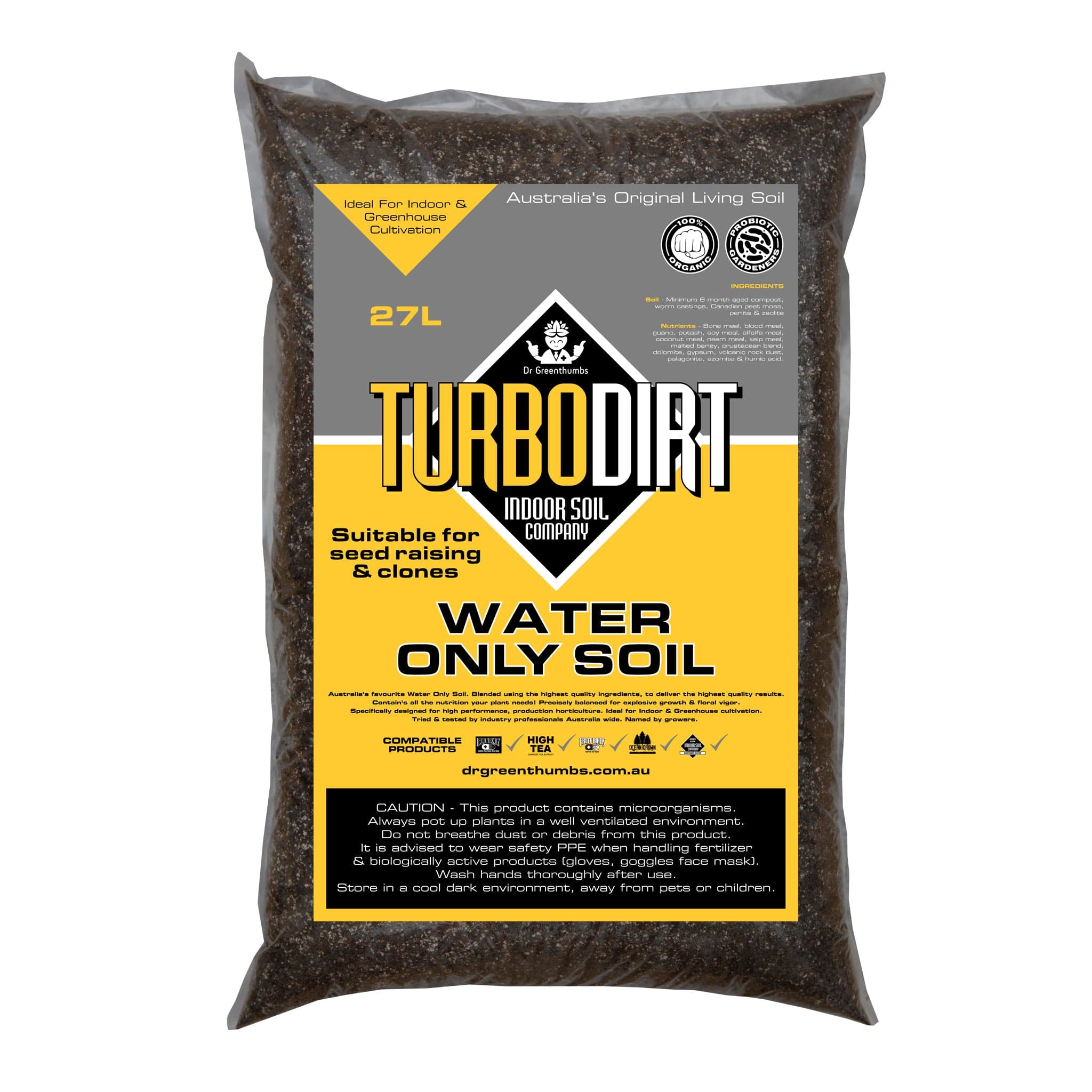
Swap chemical salts for carbon-rich tucker – think premium compost blends, aged manures, and aerated compost teas. Every tablespoon adds billions of bacteria and fungi that mine locked-up minerals and drip-feed your roots exactly what they need, when they need it.
Why this matters for your family:
Researchers have shown that soils loaded with active microbes can slash fertiliser needs by up to 70 percent – saving you coin and protecting the Great Barrier Reef from chemical runoff.
Quick Win:
Top-dress beds quarterly with 1cm of mature compost, then water in with a fish-based microbe brew. Your plants will thank you, and so will your wallet.
Before you add anything to your soil, it helps to know what’s already going on underground.
A simple soil test can save you months (or years) of trial and error.
DIY soil tests are great for a quick snapshot — things like moisture, basic pH, and texture. They’re handy for home gardeners who want fast feedback.
If you’re seeing ongoing problems (yellowing leaves, poor growth, stubborn nutrient issues), a lab soil test is worth it. It shows pH, nutrient balance, and sometimes salinity — all things microbes care deeply about.
Why pH matters more than most people realise
Soil life doesn’t thrive at extremes.
-
Too acidic, and key nutrients like calcium, magnesium, and phosphorus become harder for plants to access.
-
Too alkaline, and iron, manganese, and zinc start locking up — even if they’re technically present.
Healthy microbes prefer a slightly acidic to neutral zone. Get the pH right, and suddenly fertilisers “work better” — because biology is doing the heavy lifting.
Rule of thumb:
Don’t chase nutrients until pH is in a healthy range. Biology comes first.
Plants need nutrients — but soil needs balance.
Most gardeners know about NPK (nitrogen, phosphorus, potassium), but long-term soil health also depends on secondary and trace minerals.
The basics:
Nitrogen (N): leafy growth
Phosphorus (P): roots, flowers, fruit
Potassium (K): resilience, water regulation
Also important:
Calcium, magnesium, sulphur
Trace elements like iron, zinc, manganese, boron
Here’s the catch — dumping nutrients into dead soil rarely works long-term.
Without organic matter and microbes, nutrients leach, lock up, or burn plants. Build soil life first, and nutrients cycle naturally, slowly, and safely.
Secret #2: Recruit Mycorrhizal Fungi for 400× More Root Reach
Here's what most gardeners don't know:
Plant roots alone are like shortwave radios trying to pick up distant signals. Bolt on mycorrhizal fungi and they turn into the NBN of plant nutrition.
The underground network that changes everything:
These symbiotic fungal threads extend root surface area up to 400 times, ferrying hard-to-grab phosphorus and trace elements straight into plant cells. It's like giving your vegetables a personal nutrient delivery service that works 24/7.
Real results from Australian trials:
Melbourne Uni found tomato yields jumped 25% when inoculated at sowing. That's the difference between a disappointing harvest and finally having enough tomatoes for the whole family.
Your action step:
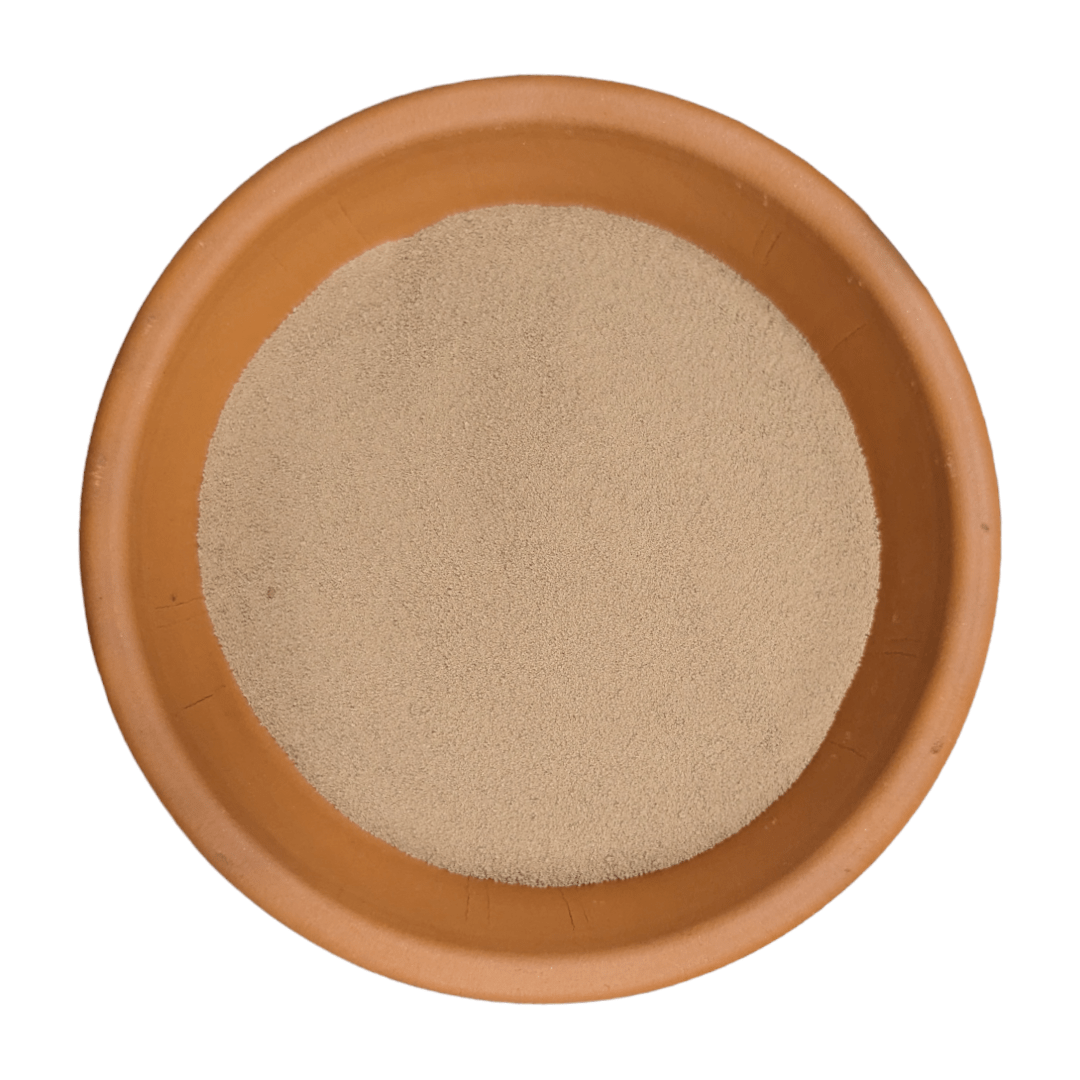
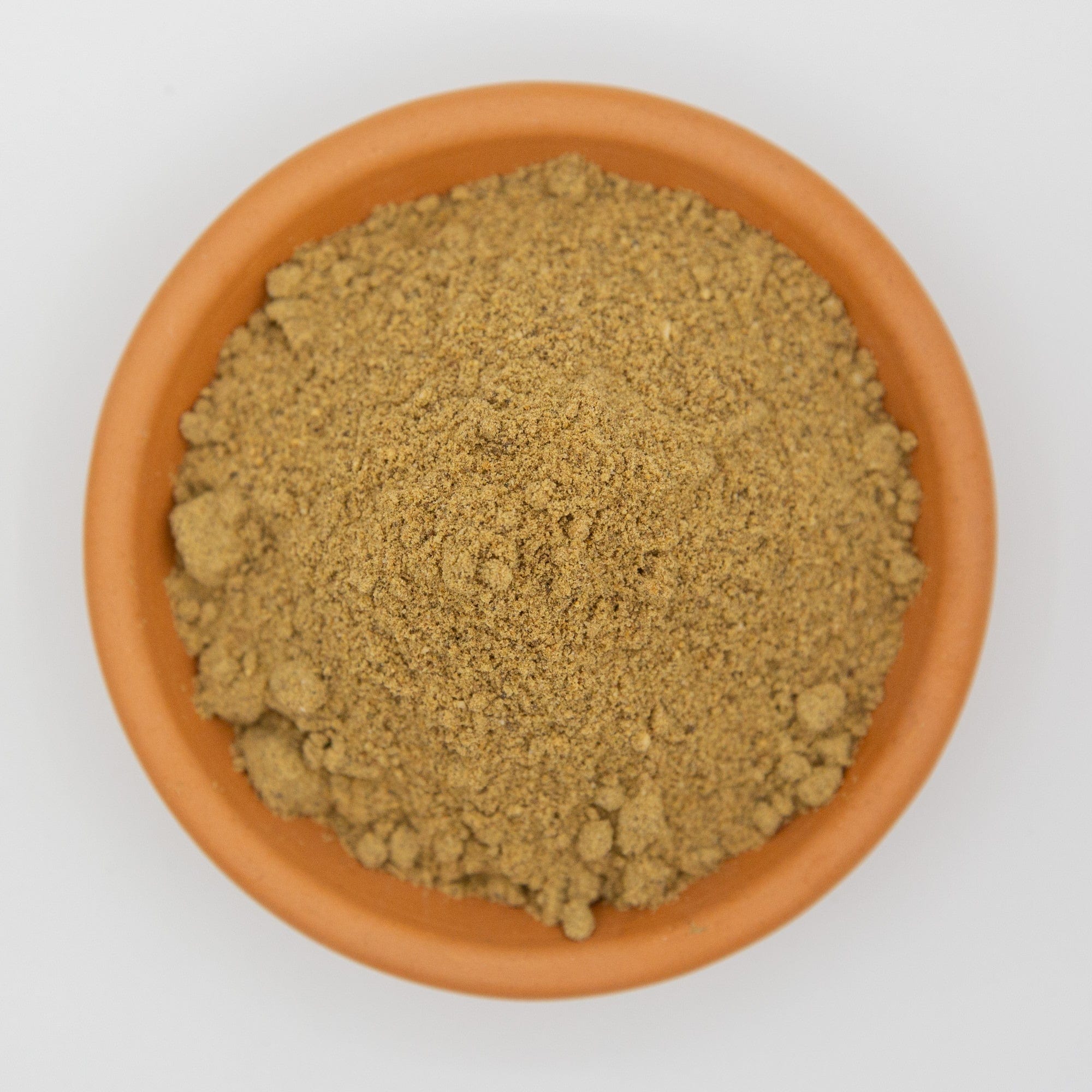
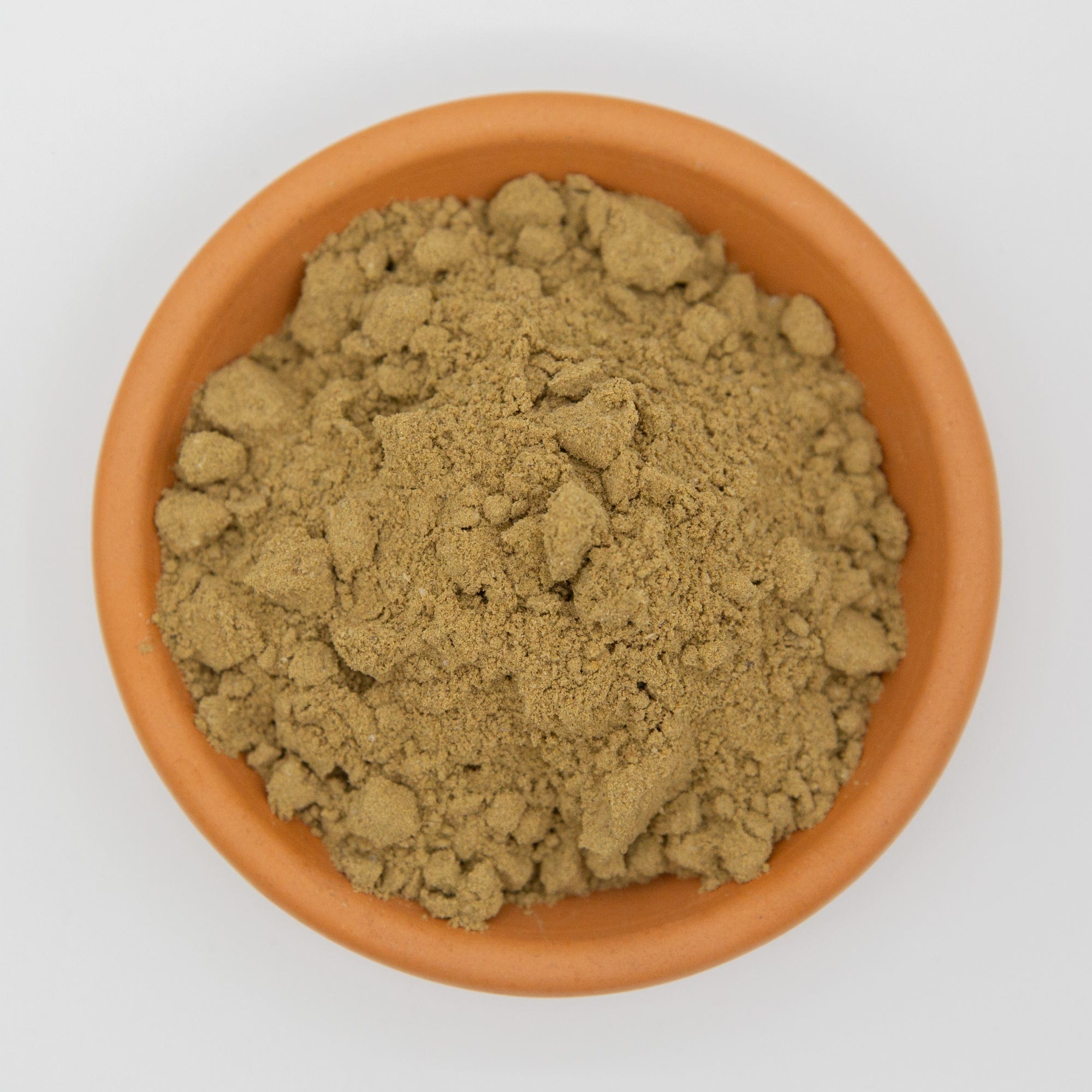
Mix a quality inoculant into seedling holes. We use – and heartily recommend – our Mycorrhizal Inoculant: a potent blend of endo- and ecto-species that kicks off colonisation within days. Grab a packet, sprinkle lightly, and watch your roots sprint ahead of the competition.
Secret #3: Keep Soil Covered Like a Slip-Slop-Slap Hat
The brutal truth about bare soil:
It bakes, erodes, and oxidises organic matter faster than you can say "strewth." Every day of exposure is destroying the microbial life you're trying to build.
The protective strategy that locks in moisture and feeds microbes:
A living mulch of cover crops or a layer of straw keeps temps steady, moisture locked in, and microbe condos shaded from harsh Australian sun.
Bonus benefit: Legumes like cowpea and clover "fix" free nitrogen from the air – nature's own slow-release fertiliser that costs you nothing.
Fast fix for immediate results:
After harvest, oversow beds with a quick cover-crop cocktail (oats + vetch). Slash and drop before flowering to feed the soil in-place. Your soil biology will explode with activity.
And if pests are your next headache, here’s how to keep them in check without harming pollinators: Ban Bugs, Not Bees: 10 Organic Pest Busters Every Aussie Backyard Should Stack
Secret #4: Aerate Gently, Don't Pulverise
The common mistake that destroys soil biology:
Violent rotary hoeing shreds the fungal highways and bacterial colonies you’re trying to build. Not only that, it collapses the pore structure of the soil, removing the oxygenated tunnels and environment your local worm mates have provided. You're literally undoing the hard work you've been allowing to build up in your garden beds.
So what’s the gentle approach to protect your soil:
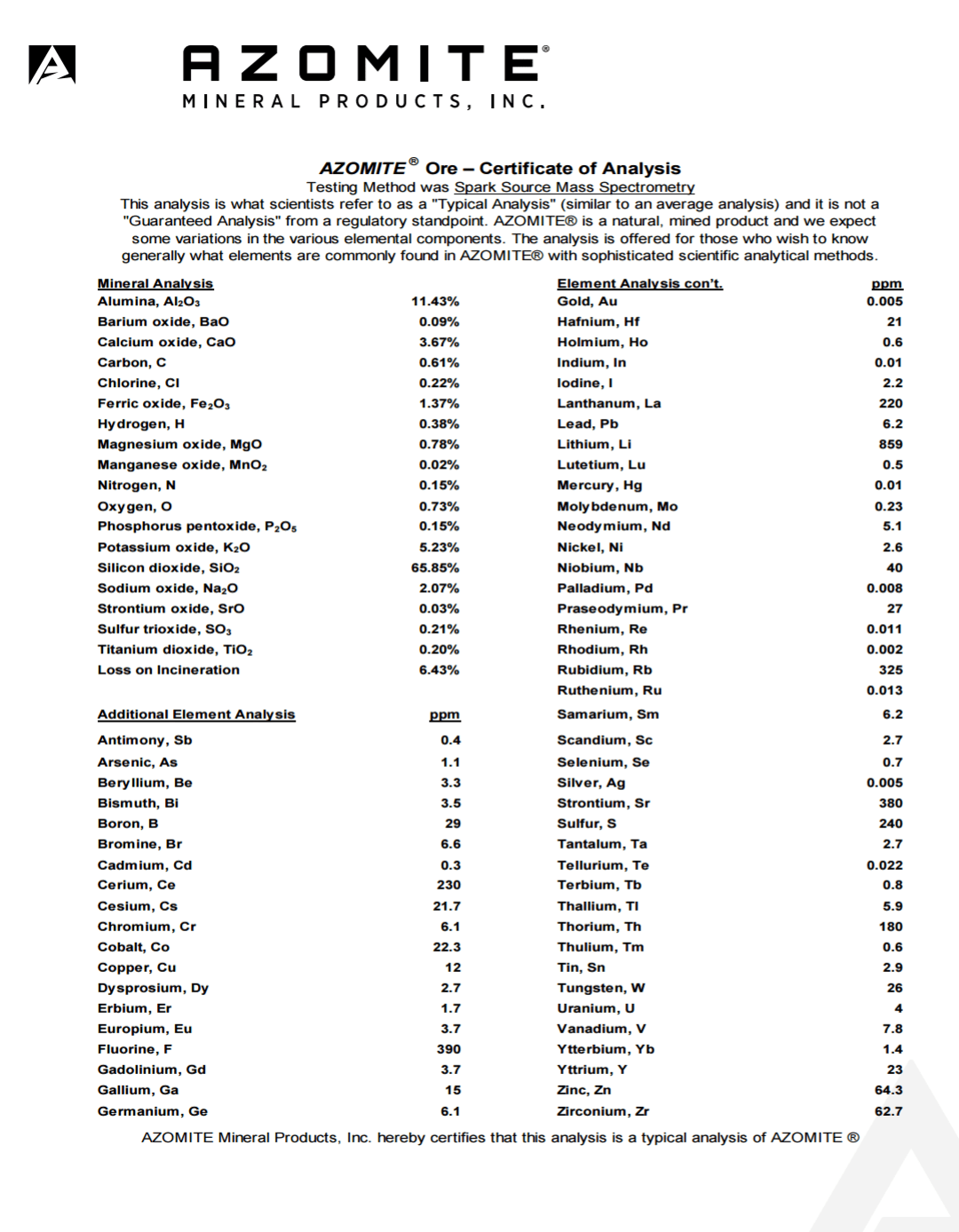
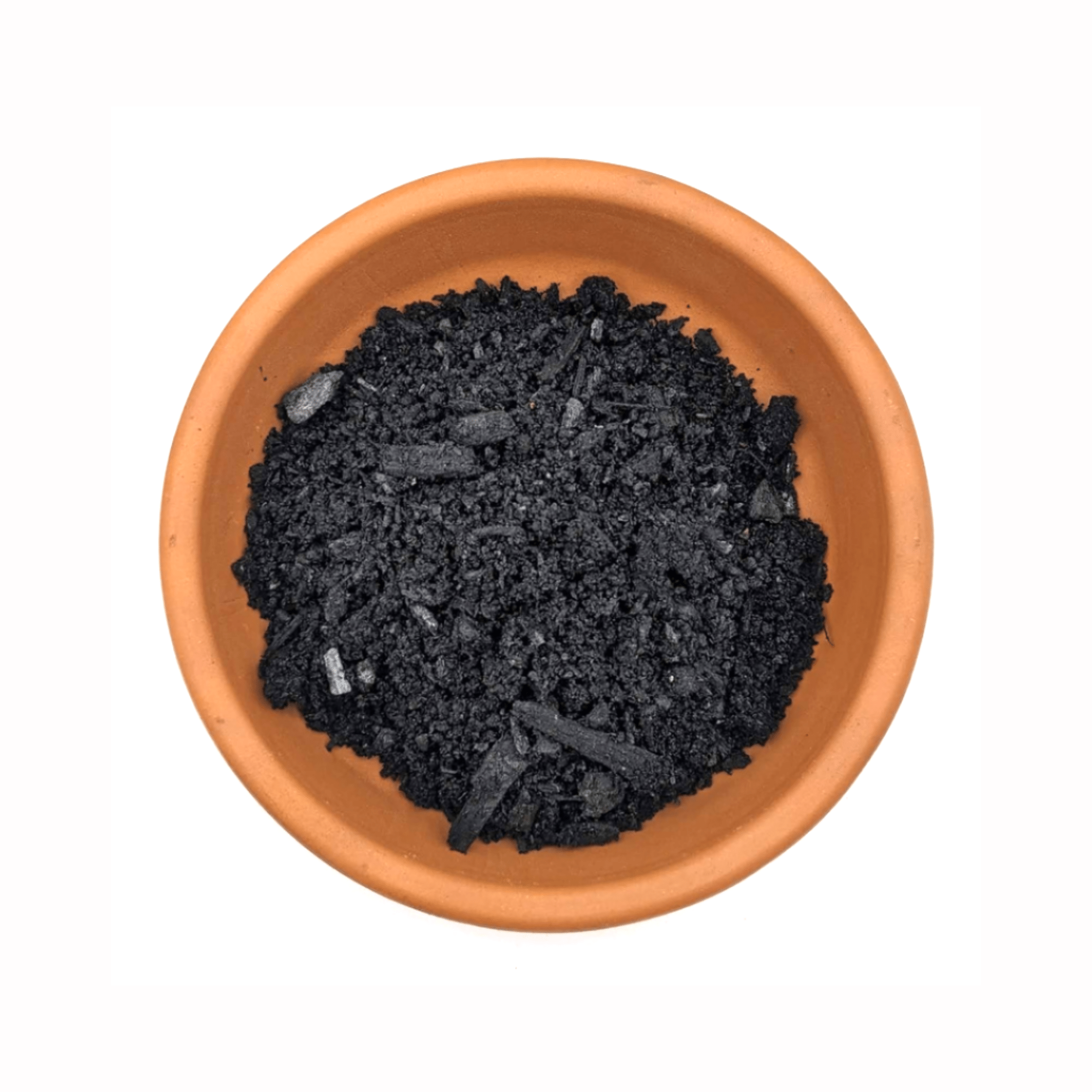
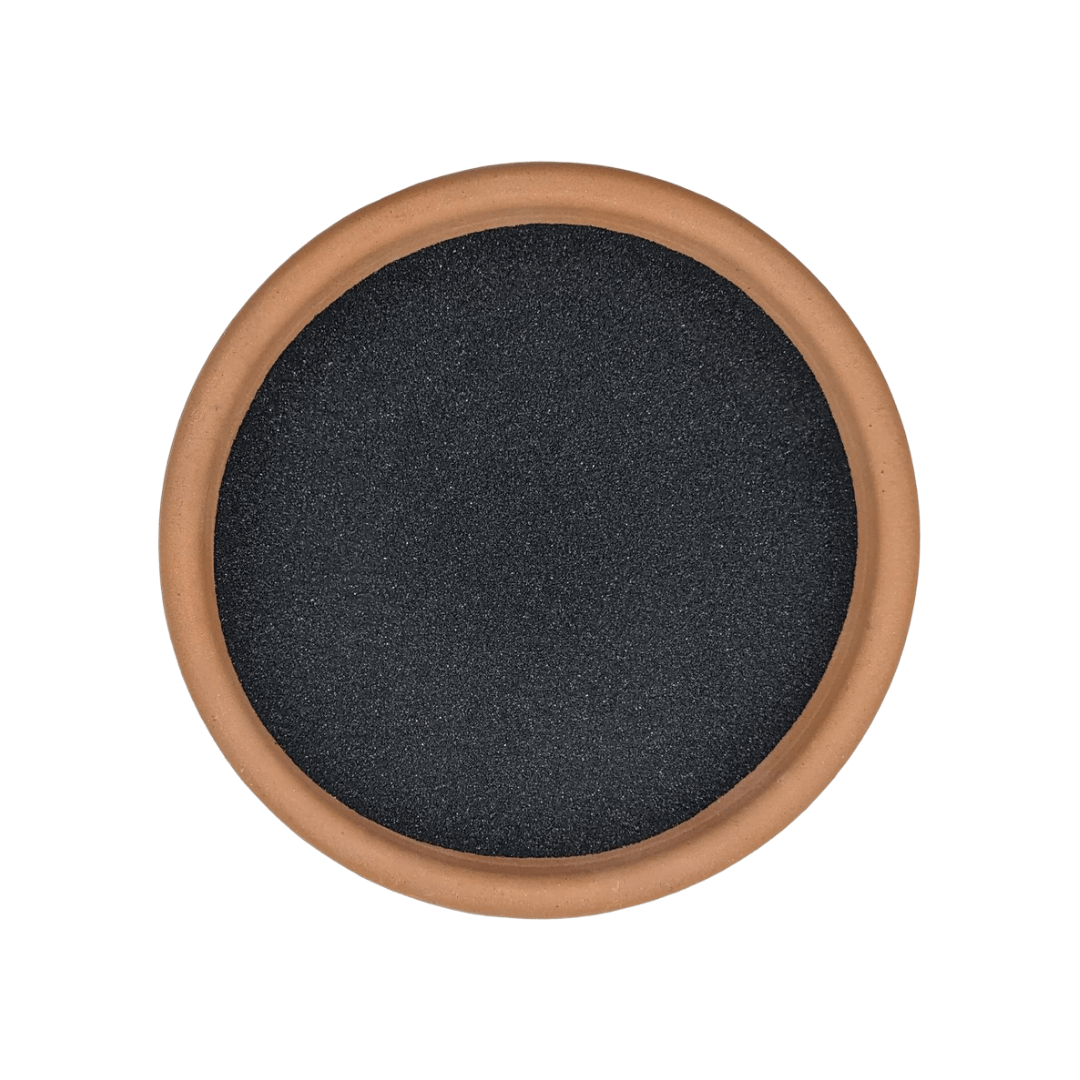
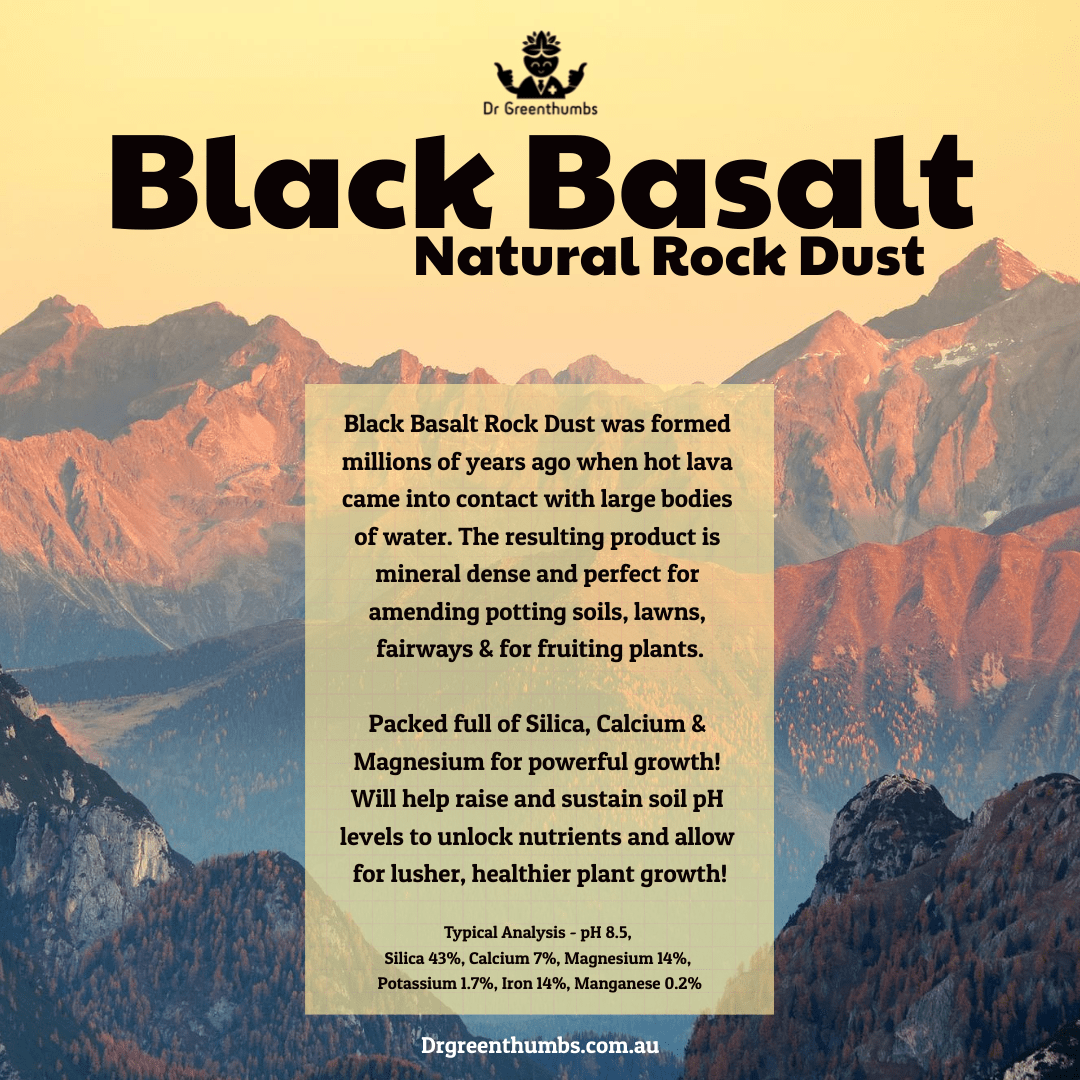
Use a broadfork or simple garden fork to loosen the top 2-3 inches but don’t actually invert the soil on itself. While you're gently loosening the soil is a good time to top-dress any bio-char or volcanic rock dust to create long-term air pockets that microbes love. By constantly inverting the soil on itself, you're actually losing valuable nutrients and carbon from the soil in massive amounts. Exposing the soil to all the extra oxygen rapidly degrades your garden, and could be the reason you're stuck in a loop each season.
CSIRO-proven results:
Well-aerated living soils support 60% higher earthworm counts, translating to richer castings and better drainage. More worms = more free fertiliser for your family's vegetables.
Not all soil amendments do the same job. Picking the right one depends on your soil type and how you garden.
Here’s a simple guide:
-
Biochar:
Best for tired or sandy soils. Improves carbon levels, microbial habitat, and long-term nutrient holding. -
Rock dust:
Ideal when soils lack trace minerals. Slow, steady nutrition that feeds biology, not just plants. -
Worm castings:
Excellent for containers and raised beds. Adds gentle nutrients, enzymes, and beneficial microbes. -
Gypsum:
Useful for heavy clay soils where drainage is poor — without shifting pH. -
Compost (quality matters):
The backbone of living soil. Look for dark, crumbly, earthy-smelling compost. -
Mulch (varied is best):
Straw, leaves, bark, wood chips — diversity above ground feeds diversity below.
Match the amendment to the problem. More isn’t better — smarter is.
Secret #5: Water the Way Nature Intended (Deep & Infrequent)
The watering mistake that creates weak, drought-prone plants:
Frequent sprinkles keep the surface damp yet starve deeper soil layers, coaxing roots to loiter near the top – right where summer scorch waits to kill your harvest.
The drought-proofing strategy that saves water and time:
Give beds a slow, thorough soak every 3-5 days instead. Microbes ride along with that moisture, transporting nutrients downward and encouraging robust, drought-tough root systems that can handle whatever the Australian climate throws at them.
Handy hack:
Install a drip system on a battery timer to deliver 20mm per cycle – saves water, time, and guesswork. A simple soil-moisture probe (or the old "knuckle test") stops over-watering in its tracks.
Even good gardeners hit soil issues. Here are some of the most common ones — and what usually fixes them.
-
Water runs off and won’t soak in:
Likely hydrophobic soil. Add organic matter, wet slowly, mulch heavily. -
Hard, compacted soil:
Avoid walking on beds. Use compost, gentle aeration, and time. -
Waterlogged soil:
Improve structure with organic matter. Raised beds may help. -
Yellow leaves despite feeding:
Often pH or nutrient lock-up, not deficiency. -
Lots of fungus gnats:
Soil staying too wet. Improve drainage and airflow. -
White crust on soil surface:
Salt build-up. Flush deeply with clean water and boost biology.
Healthy soil fixes problems gradually — not overnight.
The Game-Changing Result: Your Garden Finally Works
By feeding microbes, fostering fungi, shielding the surface, loosening soils with love, and watering wisely, you create a self-balancing ecosystem that pumps out nutrient-dense produce year after year.
What this means for your family:
- No harsh chemicals leaching into groundwater
- No landfill-bound plastic fertiliser bags
- No weekend slavery mixing fertiliser cocktails
- Finally, vegetables that actually taste like vegetables
Your kids will see food growing instead of dying. Your weekends become yours again. And your grocery bill drops as you harvest real food from your own backyard.
FAQ
How long does it take to improve soil health?
You’ll see changes in weeks, but real transformation takes seasons.
Is no-dig always better?
For most home gardens, yes — but gentle intervention has its place.
Can I fix poor soil without chemicals?
Absolutely. Biology, organic matter, and patience go a long way.
Should I rotate crops in a backyard garden?
Yes — even small rotations reduce disease pressure.
Is compost enough on its own?
It’s essential, but diversity (mulch, minerals, microbes) makes it powerful.
Can soil recover after years of neglect?
Yes. Soil is incredibly resilient when given the right conditions.
Why Healthy Soil?
Australian gardens are facing tougher conditions — hotter summers, heavier downpours, and longer dry spells.
Healthy soil is your best insurance.
Living soils:
-
Hold more water during heatwaves
-
Drain better during intense rain
-
Buffer plants against stress
-
Reduce reliance on constant watering and inputs
In uncertain climates, soil health isn’t just about better harvests — it’s about resilience.
Build the soil now, and it’ll look after your garden for years to come.
Ready to Super-Charge Your Soil This Season?
Spring planting season is approaching fast. Every week you delay is another week your family goes without the fresh, chemical-free vegetables they deserve.
Start with the fastest win:
If you're itching to kick-start fungal networks today, grab a sachet of our Mycorrhizal Inoculant – it's Aussie-tested, completely organic, and comes with a no-worries growth guarantee.
Pop some in your next planting hole and watch Mother Nature turn the dial to eleven. Your soil will transform from dead dirt to living ecosystem in weeks, not years.
Get your Mycorrhizal Inoculant here →
Browse our complete Living Soil Collection for everything you need to transform your garden into a self-sustaining food factory.
Next reads for building healthier, self-feeding soil
Want to keep improving your soil naturally? These guides will help you build living soil, recycle nutrients better and choose inputs that support long-term soil health.
- Organic Gardening 101: Living Soil Aussie Guide
- From Waste to Nutrient-Rich Soil: The Art of Nutrient Recycling
- Natural Garden Fertilisers Australia Guide
- Insect Frass Guide Australia
About the Author