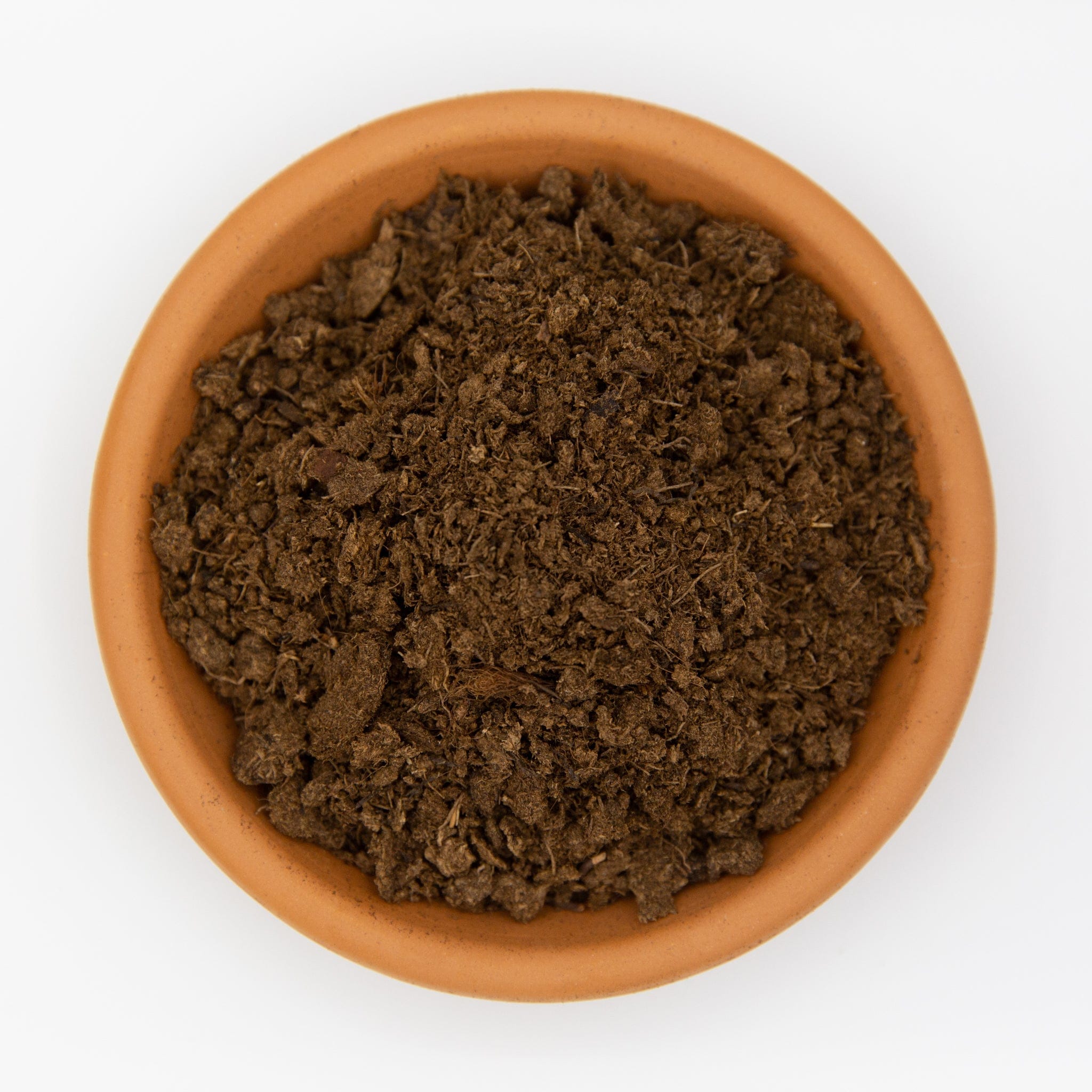
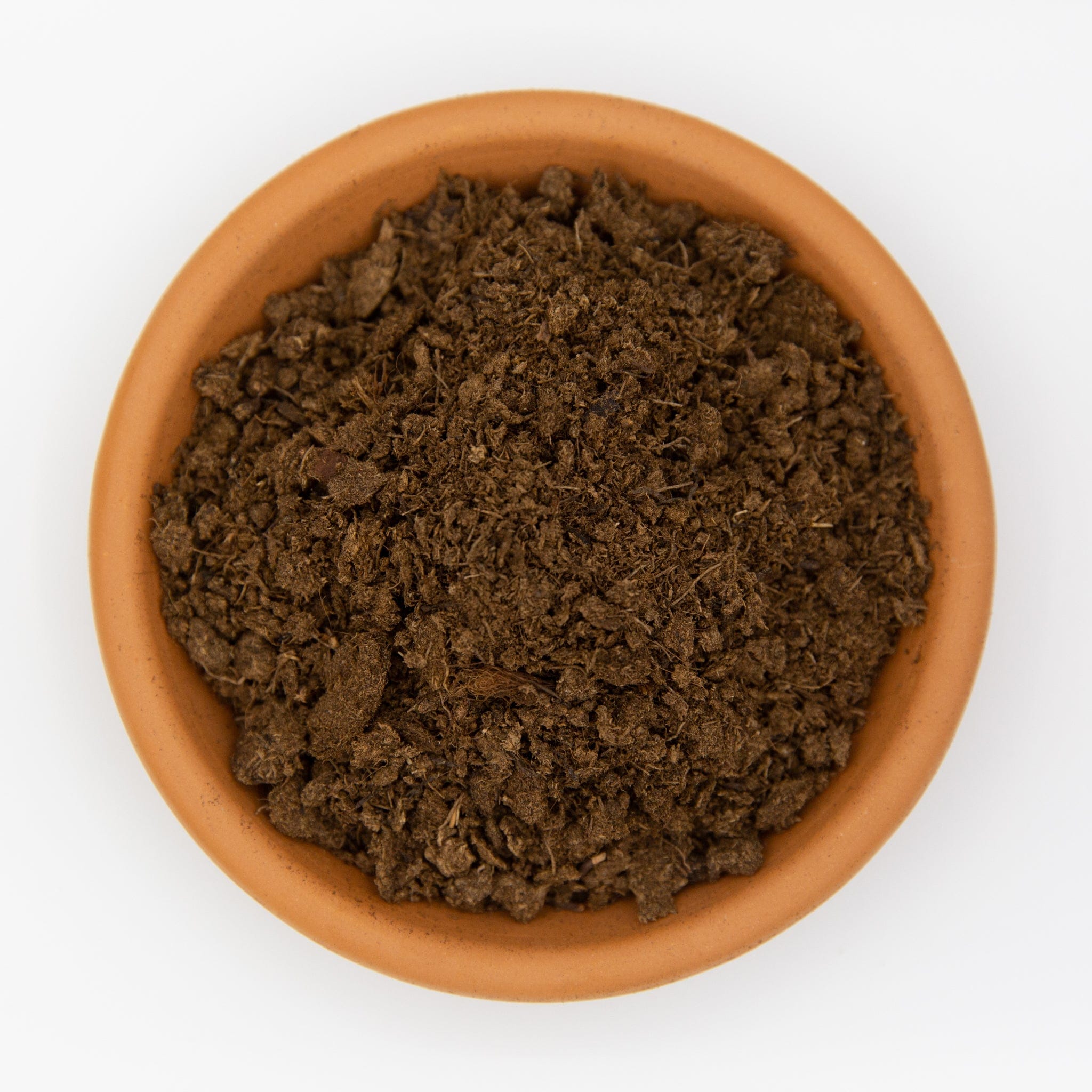
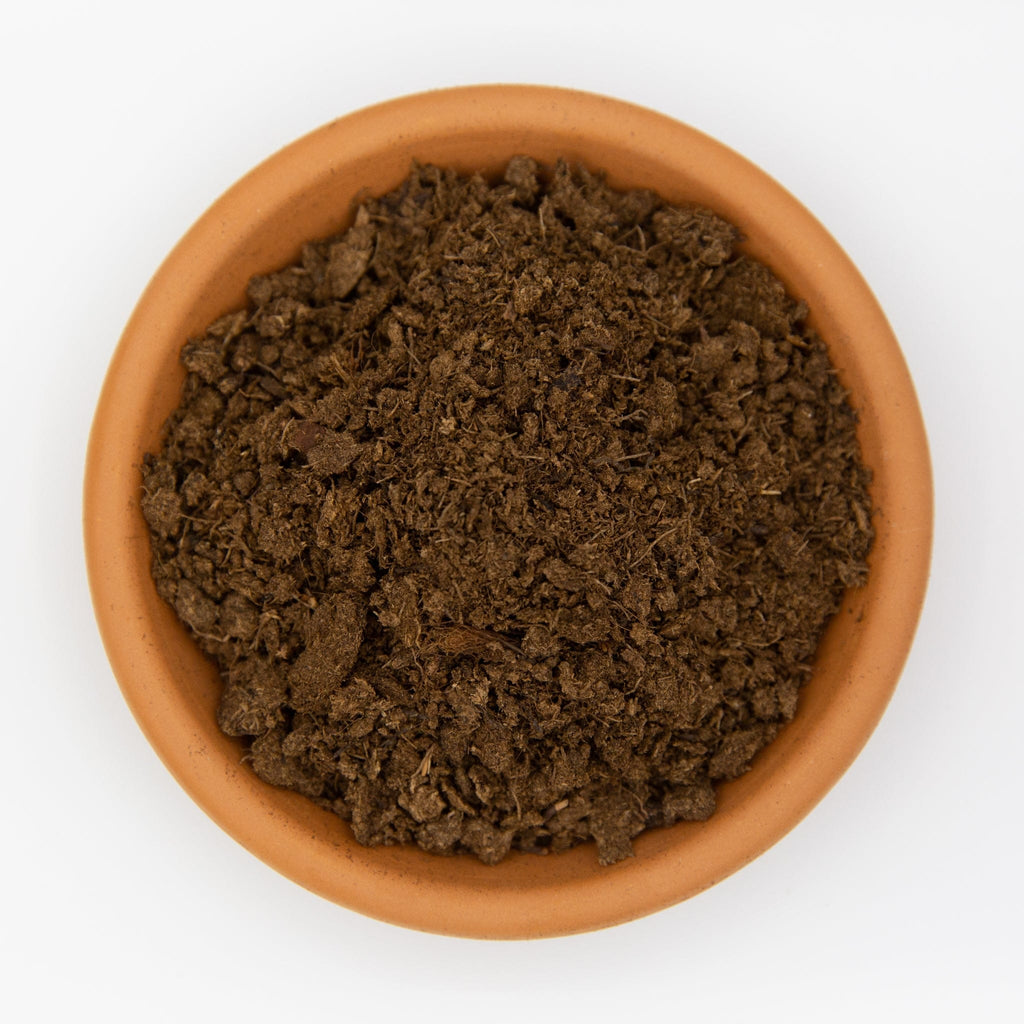
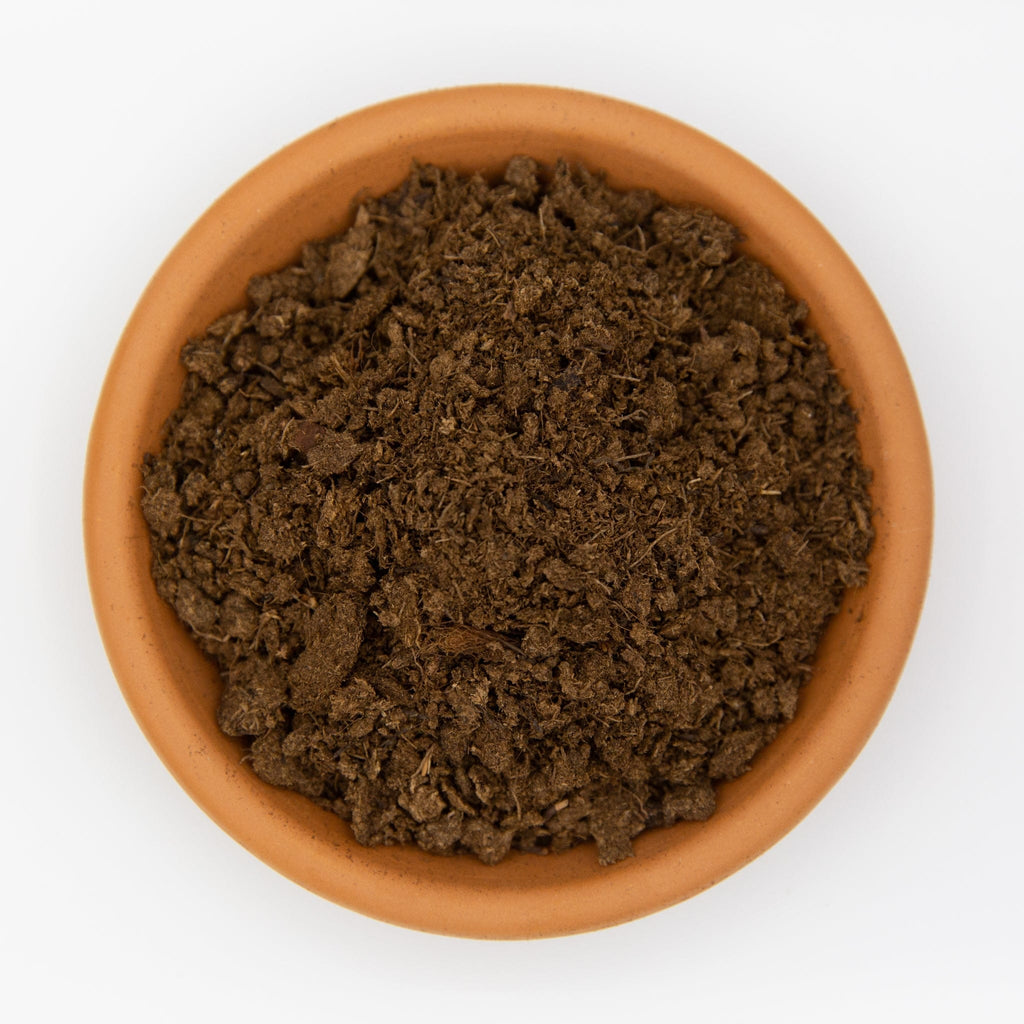
What is this peat moss, exactly?
A natural, fibrous organic material from peat bogs (mostly decomposed sphagnum moss) that’s light, airy, great at holding water, and naturally acidic (roughly pH ~3.5–4.0). It improves drainage/aeration and has decent CEC so it holds nutrients for gradual release.
What sizes do you stock?
Two SKUs: 25 L and 50 L. Click & Collect is available from Bellambi, NSW.
How do I use peat moss in a living soil or potting mix?
Blend it through your existing soil at about 1:1 to 1:2 (peat:soil) to boost water retention and airflow. Add structure (perlite/vermiculite/pumice) plus your chosen organic amendments or compost to supply nutrients (peat itself is low in NPK).
Can I use peat moss straight, on its own?
Not ideal. Pure peat moss lacks nutrients and is very acidic; most plants will do better when peat is one component of a mix, not the whole medium.
Do I need to add lime (buffer) when I use peat moss?
Usually, yes—especially for crops that prefer near-neutral pH. Horticulture guidance for peat-based mixes commonly lands around ~5–10 lb dolomitic lime per cubic yard (≈2.9–5.9 kg per m³) with higher rates used depending on your target pH and ingredients. Always test pH and adjust to your plant’s range.
What’s a simple rule of thumb for lime?
As a rough starting point, many growers use ~5 lb dolomitic lime per cu yd of peat-heavy seedling mix, then re-test. If you need to raise pH by a full point, some guides suggest ~4 lb per cu yd as a ballpark. Soil tests beat rules-of-thumb every time.
It went bone-dry and now water beads off — help!
Dry peat can be hydrophobic. Pre-moisten before potting, and if it’s already dry, bottom-soak the pot or mix with water plus a horticultural wetting agent/surfactant to “wet it up” thoroughly.
Is peat moss good for acid-loving plants?
Yes. Its acidity makes it handy for blueberries, azaleas, rhodos, etc. (You’ll still want a complete, acid-appropriate feeding program.) Note: only Canadian sphagnum peat reliably has a very low pH that meaningfully acidifies mixes; always verify the source and test.
Will peat moss help heavy clay/over-watering issues?
Blending peat into clay loam can open the structure and improve drainage/aeration; in very sandy mixes it improves water-holding. Pair with perlite/pumice for best structure, and don’t rely on peat alone for either extreme.
Can I start seeds in peat moss?
Yes—as a component of a seed-starting mix (commonly 50–75% peat with vermiculite/perlite), buffered with a little lime. Keep it evenly moist (not soggy) and ensure airflow to reduce damping-off risks.
I heard peat moss brings fungus gnats. True?
Any consistently moist organic medium can host gnats. Good hygiene, avoiding overwatering, bottom-watering, sticky traps, and letting the top layer dry between waterings all help. For seed-starting, use fresh, clean mix and good airflow.
Is peat moss suitable for hydroponics?
Not directly. Peat is generally used in soil/soilless potting mixes. Hydroponics leans on inert media (e.g., clay pebbles/rockwool) that don’t acidify the solution and are easier to flush/manage. (If you do experiment, buffer pH aggressively and monitor EC/pH closely.)
Peat vs coco coir — which should I choose?
Both add water-holding and structure. Peat is more acidic (often needs lime), while coco is near-neutral to slightly salty unless rinsed/Buffered. Sustainability arguments exist on both sides; pick based on plant needs, availability, your stance on environmental impact, and how your overall mix is built.
Is peat moss sustainable?
It’s debated. Some horticulture bodies say responsibly managed bogs and restoration make it a renewable resource; others urge peat-free where possible due to carbon/habitat impacts. We’re transparent so you can choose what fits your values.
Can I lower my garden soil pH just by digging in peat?
It can nudge pH down (especially Canadian sphagnum peat), but for lasting pH shifts in beds, elemental sulfur is usually more effective; peat is best as part of a mix or raised beds for acid-lovers. Test first, amend second.
How much will 25 L or 50 L cover?
Volume math only: 25 L = 0.025 m³; 50 L = 0.05 m³. Actual coverage depends on your blend ratio and compaction. Use the on-site Soil Volume Calculator for precise pot/bed numbers.
Any tips before mixing?
Pre-moisten the peat so it’s evenly damp (not dripping). Blend thoroughly with your aeration component and compost/amendments. If your water is very alkaline, be conservative with lime and re-test after a week.
Will peat moss compact over time?
Less than straight compost or garden soil, but all organics settle. Pair with perlite/pumice/bark fines to maintain structure and top up mixes each season if needed.
Does peat moss come pre-charged with nutrients or a wetting agent?
No—our peat moss is a base ingredient (low in nutrients) for you to build a custom mix. Add nutrition (e.g., compost/organic amendments) and consider a wetting agent when hydrating large volumes.
Is peat moss safe for carnivorous plants and orchids?
Carnivorous plants often like unlimed, low-nutrient, acidic peat (often mixed with sand/perlite). Many orchids prefer long-fiber sphagnum moss (different to peat) or bark-based media—choose per species.
Will peat moss attract pests or disease?
Peat itself isn’t “dirty,” but like any moist organic medium, poor hygiene/overwatering can invite gnats, molds, and damping-off. Use fresh mix, clean pots, airflow, and proper watering.
Peat moss storage & shelf life?
Keep sealed, dry, and out of direct sun. If it dries hard, it’ll repel water—rehydrate thoroughly before use as noted above.
Anything else I should pair with peat moss from Dr Greenthumbs?
For a living soil: add aeration (perlite/pumice), quality compost, and your preferred organic amendments; consider inoculants and a wetting agent. If you’d rather keep it simple, our pre-built potting soils do the heavy lifting.