
Found a heap of tiny bugs jumping around your potting mix, compost or garden soil?
There’s a good chance you’ve found springtails.
And before you reach for the pest spray, here’s the important bit: springtails are usually harmless to people and plants, and outdoors they can actually be useful members of a healthy soil ecosystem.
Large numbers can, however, tell you something useful about the conditions around your plants—particularly moisture.
So, should you leave springtails alone, reduce their numbers or get rid of them altogether?
Let’s work it out.
Table of Contents:
- Springtails at a Glance
- What Are Springtails?
- Where Do Springtails Live in Australia?
- Are Springtails Harmful to Plants?
- Are Springtails Good for Soil?
- Why Are There So Many Springtails in My Soil?
- Do Springtails Mean I'm Overwatering?
- Springtails in Pot Plants and Potting Mix
- Springtails vs Fungus Gnats: Don't Treat the Wrong Thing
- Springtails vs Mites
- Springtails vs Fleas
- When Should You Get Rid of Springtails?
- How to Get Rid of Springtails Naturally
- Should You Spray Springtails?
- What About Springtails in Terrariums?
- Are Springtails a Sign of Healthy Soil?
- Frequently Asked Questions About Springtails
- The Bottom Line: Don't Declare War on Springtails Too Quickly
- Next Reads for Diagnosing Bugs in Potting Mix
Want an easier way to check before watering?

Springtails at a Glance
|
Question |
Quick Answer |
|---|---|
|
What are springtails? |
Tiny soil-dwelling hexapods known as Collembola |
|
Are springtails insects? |
No. They’re six-legged hexapods, but not true insects |
|
Are springtails harmful to people? |
Generally no |
|
Do springtails bite? |
No |
|
Do springtails damage plants? |
Usually not |
|
Why are they in my soil? |
Moisture, fungi and decaying organic material create ideal conditions |
|
Why do they jump? |
Most use a forked appendage called a furcula to spring away from danger |
|
Are springtails good for soil? |
Often, yes—they help break down organic material |
|
Should I get rid of them? |
Usually only when numbers become excessive indoors or indicate a moisture problem |
What Are Springtails?
Springtails are tiny soil-dwelling creatures belonging to a group called Collembola.
They’re commonly called “springtail bugs”, but technically they aren’t true insects.
Most are only a few millimetres long, which means you may not notice them until a large population appears at once.
Depending on the species, springtails can be:
- White
- Cream
- Grey
- Brown
- Black
- Bluish
- Elongated
- Rounded or almost globular
Their most famous feature is the one that gives them their name.
Many springtails have a specialised forked structure underneath the abdomen called a furcula. When disturbed, it releases against the surface below and launches the springtail into the air.
So if the tiny specks crawling around your pot suddenly seem to vanish by jumping, that’s a very useful identification clue.
Where Do Springtails Live in Australia?
Springtails thrive anywhere that provides moisture, organic material and microscopic food sources.
In Australian gardens, you may find them in:
- Garden soil
- Potting mix
- Compost
- Leaf litter
- Mulch
- Under logs
- Damp garden beds
- Around decaying plant material
- Greenhouses
- Propagation areas
- Indoor plant pots
- Terrariums
- Other consistently humid areas
You’ll often notice more of them after wet weather, frequent watering or prolonged humid conditions.
That doesn’t necessarily mean anything is wrong.
A handful of springtails moving through moist garden soil is very different from thousands suddenly appearing around an indoor pot, bathroom or constantly wet growing area.
The location matters.
Are Springtails Harmful to Plants?
In most cases, no.
This is the first thing to understand before deciding whether you need to control them.
Most springtails feed mainly on things such as:
- Fungi
- Algae
- Bacteria
- Decaying plant material
- Microscopic organisms associated with decomposition
That makes many springtails part of the clean-up crew working through organic matter in your soil.
They help recycle material rather than attacking healthy plants.
A large springtail population can look alarming—especially when watering sends dozens of tiny white or grey creatures bouncing across the soil surface—but seeing them does not automatically mean your plant is being eaten.
Before blaming springtails for damaged growth, look closely for actual evidence.
Are leaves being chewed?
Are roots visibly damaged?
Are there larvae in the potting mix?
Are tiny flies lifting off when you disturb the pot?
Is the plant simply sitting too wet?
Often, another issue is responsible.
Are Springtails Good for Soil?
Springtails can play a useful role in living soil.
Think of healthy soil as an ecosystem rather than just dirt holding up a plant.
Organic material is constantly being broken down by fungi, bacteria and other organisms. Springtails participate in that process by feeding on fungi, microbes and decaying matter.
That activity contributes to nutrient cycling and decomposition.
So finding springtails in compost, mulch or biologically active soil isn't automatically a pest-management emergency.
In fact, trying to sterilise every pot or garden bed because you spotted a few springtails can work against the diverse soil biology many gardeners are trying to encourage.
The goal isn't always:
“How do I kill this bug?”
Sometimes the better question is:
“Why is it here, and is it actually causing a problem?”
That distinction can save you a lot of unnecessary spraying.
Why Are There So Many Springtails in My Soil?
This is where springtails become a useful clue.
If their numbers suddenly explode, look at the growing environment.
Springtail populations generally do well when three things come together:
moisture + food + shelter
Wet soil provides moisture.
Fungi, algae and decomposing organic material provide food.
Mulch, dense potting mix and protected areas provide habitat.
Give them all three consistently and numbers can build quickly.
That means an unusually large population may indicate that your growing medium is staying damp for longer than expected.
It doesn't automatically mean you're overwatering—but it is worth checking.
Do Springtails Mean I'm Overwatering?
Not necessarily, but they can be a hint.
Springtails naturally live in moist environments, so their presence alone does not prove that a plant is being overwatered.
However, if you're seeing enormous numbers in an indoor pot and the mix remains wet for days at a time, it's worth taking a closer look at your watering routine.
Ask yourself:
- Is the plant using the water you're giving it?
- Does the pot have proper drainage?
- Is water sitting in the saucer?
- Has the potting mix become compacted?
- Is the pot much larger than the root system?
- Is the surface permanently damp?
- Is airflow poor around the plant?
- Are dead leaves or algae accumulating on the soil?
If several of those boxes are ticked, fixing the growing conditions is more useful than simply attacking the springtails.
Springtails in Pot Plants and Potting Mix
Indoor plant growers tend to notice springtails more than outdoor gardeners because the bugs are concentrated into a small container.
Water the pot and you might suddenly see dozens racing across the surface.
Again, don't panic.
First check the health of the plant.
If it's growing well and the media is draining properly, a modest springtail population may require no treatment at all.
If the soil stays saturated, smells sour or the plant is struggling, address the root-zone conditions first.
Try these steps:
-
Check the moisture before watering
Don't automatically water because it's watering day. Check whether the plant actually needs it.
-
Empty standing water
Don't leave pots permanently sitting in full saucers unless the plant or watering method specifically requires it.
-
Improve airflow
Better airflow can help wet surfaces dry more predictably.
-
Remove decaying debris
Old leaves, dead roots and algae can provide food for organisms living around the soil surface.
-
Check drainage
A pot that drains badly can remain waterlogged even when your watering frequency seems reasonable.
-
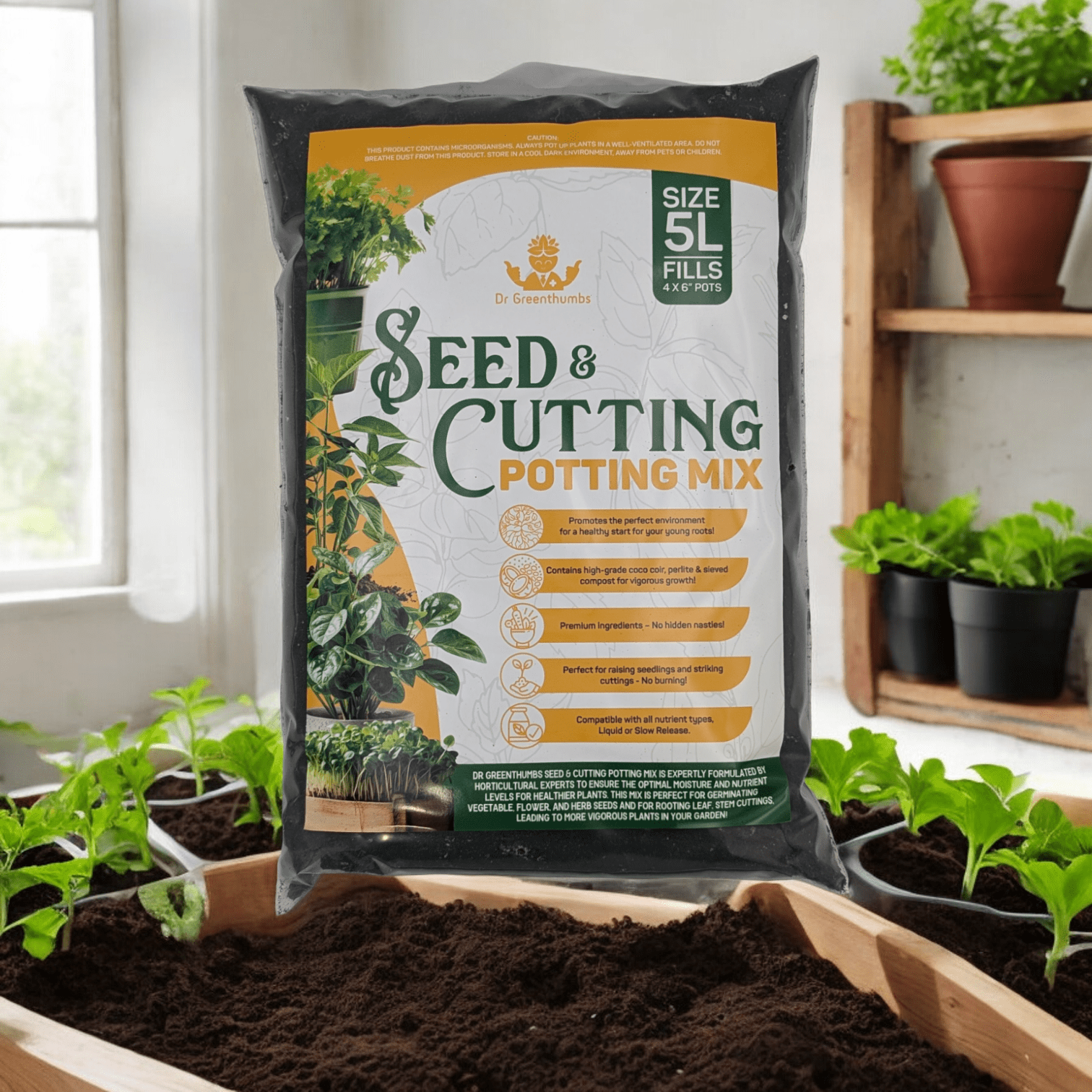
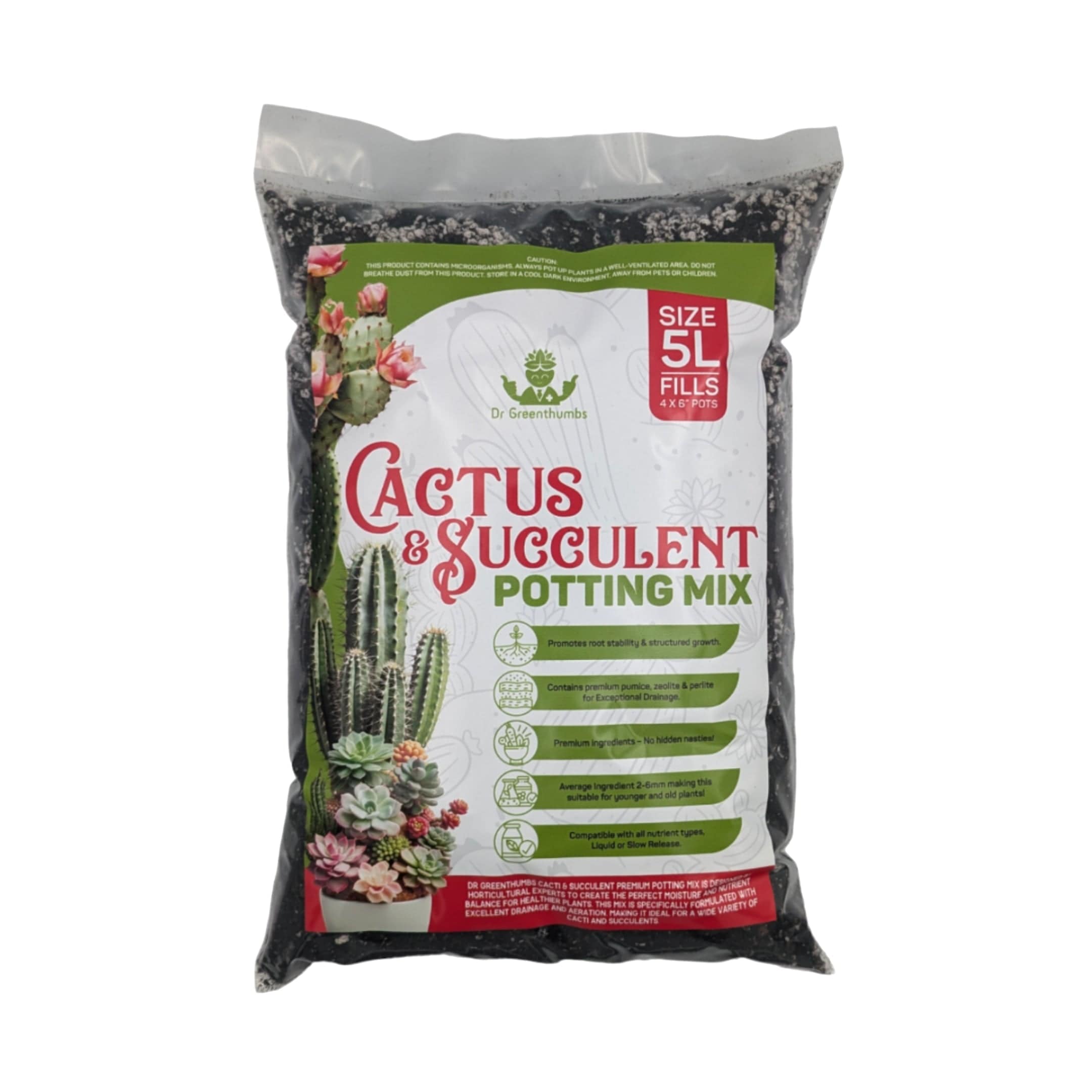
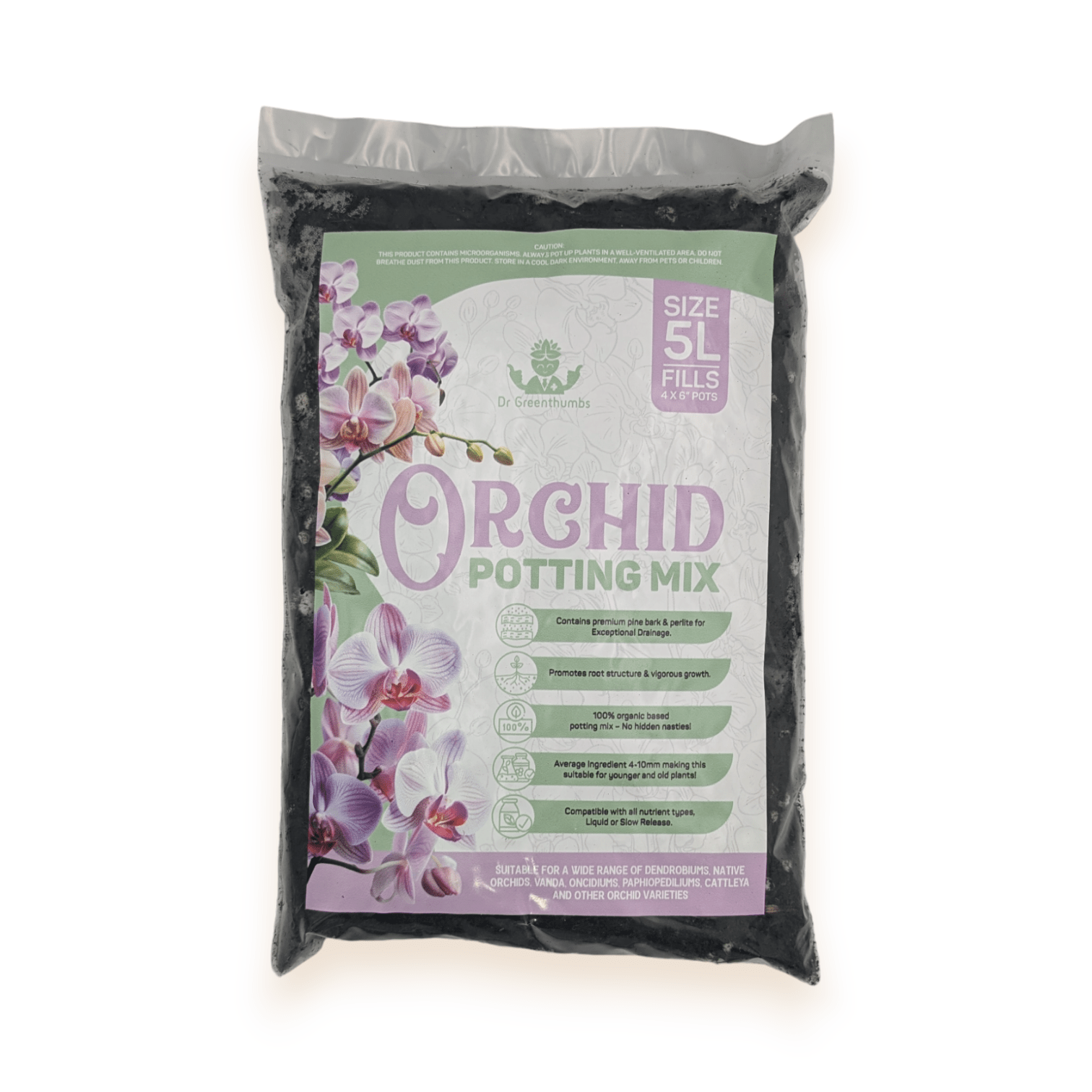
Use the right media
Different plants have very different requirements. A chunky aroid mix and a moisture-loving tropical mix shouldn't behave the same way.
Springtails vs Fungus Gnats: Don't Treat the Wrong Thing
This is one of the easiest mistakes to make.
Both springtails and fungus gnats commonly appear around moist potting mix, but they are very different creatures.
Springtails
- Crawl across soil surfaces
- Many jump when disturbed
- Don't fly
- Usually feed on fungi and decaying material
- Usually cause little or no plant damage
Fungus gnats
- Adult gnats are small, dark flies
- Adults hover or fly around pots
- Their larvae live in moist growing media
- Persistent infestations can become a genuine plant-health problem, particularly around seedlings and sensitive roots
An easy test is to disturb the soil.
If the tiny creatures jump, springtails are a strong possibility.
If little mosquito-like flies take off and hover around the pot, you're more likely dealing with fungus gnats.
If you're unsure, read our Australian guide: How to Get Rid of Fungus Gnats in Australia.
For confirmed fungus gnat problems, a physical surface barrier such as Gnat Bat can form part of a broader fungus gnat management program.
The important part is identifying the pest before selecting the treatment.
Springtails vs Mites
Tiny mites are another common source of confusion.
Both can appear as moving dots on or around soil.
The biggest clue is behaviour.
Springtails commonly jump when disturbed.
Mites crawl.
Some soil mites are also harmless or beneficial decomposers, while others may have different feeding habits. So again, spotting a tiny creature doesn't automatically mean something needs to be killed.
If possible, use a magnifier and observe:
- Body shape
- Movement
- Where they're congregating
- Whether they jump
- Whether there is visible plant damage
Good identification beats guesswork every time.
Springtails vs Fleas
The jumping behaviour can make people think they've found fleas.
But there are some major differences.
Fleas are parasites associated with animals and blood feeding.
Springtails are moisture-loving organisms generally associated with soil, decaying organic material, fungi and damp environments.
If hundreds of tiny jumping specks are concentrated around moist potting mix, compost or a damp surface, springtails are far more plausible than fleas.
When Should You Get Rid of Springtails?
Outdoors, the answer is often:
You don't need to.
If springtails are living in soil, mulch or compost without damaging plants, they can generally be left alone.
Control becomes more reasonable when:
- Huge numbers are appearing indoors
- They're continually moving out of plant pots
- Their presence points to a persistent moisture issue
- They're gathering around wet building materials
- They're becoming a significant nuisance
- You've positively identified springtails associated with an unusual plant-damage situation
Even then, correcting the conditions that support the population usually makes more sense than immediately reaching for a broad-spectrum pesticide.
How to Get Rid of Springtails Naturally
If the population is becoming a nuisance, focus first on making the area less favourable.
1. Reduce unnecessary moisture
This is the biggest lever.
Allow appropriate drying between waterings based on the plant you're growing.
Don't deliberately dry out moisture-loving plants just to chase springtails away—but don't keep ordinary potting media permanently soaked either.
2. Fix drainage problems
Check:
- Drainage holes
- Blocked saucers
- Compacted media
- Poorly draining garden areas
- Irrigation leaks
- Water pooling around containers
Persistent dampness gives springtails exactly what they need.
3. Remove excess decaying material
Clean up wet leaves, dead plant debris and decomposing material where it isn't serving a useful purpose.
That reduces both food and shelter.
4. Increase airflow where appropriate
This is particularly useful in indoor growing areas, propagation spaces and greenhouses.
Better airflow can help damp surfaces dry more evenly.
5. Fix indoor moisture sources
If springtails are repeatedly appearing well away from plant pots, don't assume the pot plant is the only source.
Check for:
- Leaking pipes
- Damp timber
- Condensation
- Constantly wet bathroom areas
- Drainage issues
- Moisture beneath sinks
- Water intrusion around windows
The springtails may be the messenger rather than the real problem.
Should You Spray Springtails?
Usually, that shouldn't be your first move.
Spraying without identifying the organism and understanding why it's there can create more problems than it solves.
You may kill organisms that were doing no damage while leaving the underlying moisture conditions completely unchanged.
Then the habitat remains suitable and the problem can return.
A better integrated pest-management approach is:
Identify → inspect → correct conditions → monitor → treat only when justified.
That's the same approach we recommend throughout our Pest Control collection work out what you're dealing with before choosing a product, and always use products according to their approved directions.
If you aren't sure whether you've found springtails or a genuine plant pest, our seasonal guide to Australian garden pests is another useful place to start.
What About Springtails in Terrariums?
Here's where the story flips completely.
In bioactive terrariums, springtails are often deliberately introduced.
Why?
Because the very things that make them common in garden soil—feeding on fungi and decomposing material—can make them useful as part of a terrarium clean-up crew.
They can help process organic waste and occupy a useful ecological niche in humid enclosures.
So somebody searching for springtails in Australia may actually be trying to buy or culture them rather than remove them.
Context matters.
A springtail in a terrarium can be welcome.
A springtail in garden soil is usually harmless.
Thousands of springtails appearing from a damp area inside the house may be telling you to investigate moisture.
Same organism. Very different situation.
Are Springtails a Sign of Healthy Soil?
They can be part of a healthy soil ecosystem, but don't use springtail numbers alone as a soil-health score.
Healthy soil contains a huge range of organisms interacting with one another.
Seeing springtails tells you the environment provides at least some combination of moisture, habitat and food.
That's useful information.
But an enormous population in constantly saturated potting media can also tell you that conditions are wetter than your plant prefers.
As usual in gardening, balance matters more than chasing a single number.
Frequently Asked Questions About Springtails
Do springtails bite humans?
No. Springtails are not blood-feeding parasites and aren't known for biting people.
Can springtails fly?
No. Springtails don't have wings. Their characteristic sudden movement usually comes from jumping rather than flying.
Why do springtails jump?
Many springtails have a forked appendage called a furcula underneath their body. It can snap against the surface and propel them away from danger.
Are springtails insects?
Not technically. Springtails are hexapods belonging to the group Collembola, but they are separate from true insects.
Are springtails harmful to plants?
Most springtails are not significant plant pests. They generally feed on fungi, microbes and decomposing organic material.
Do springtails eat roots?
Springtail diets vary, but the springtails commonly encountered in garden soil and potting mixes are usually associated with fungi and decaying organic material rather than serious root damage. If a plant is declining, investigate other possible causes before assuming springtails are responsible.
Why are springtails in my potting mix?
Potting mix can provide exactly what springtails like: moisture, shelter and organic material. Their presence is particularly common when media remains damp.
Are springtails good for compost?
They can be useful decomposers within compost ecosystems, helping process fungi and decaying organic material.
Do springtails mean I have mould?
Not necessarily. Springtails commonly eat fungi, but seeing them doesn't prove you have a serious mould problem. It does suggest the area provides moisture and biological food sources worth investigating if they're indoors.
Do springtails mean I'm overwatering?
Not by themselves. However, extremely high numbers in potting mix can be a clue that conditions are staying consistently moist.
Will springtails go away on their own?
Populations often reduce when conditions become less favourable. Reducing excess moisture and correcting persistent dampness can make a big difference.
How do I get rid of springtails in houseplants?
Start with watering and drainage rather than pesticides. Let the growing medium dry appropriately for the plant, empty standing water, improve airflow and remove excess decaying debris.
Why are springtails in my bathroom?
Bathrooms provide humidity and moisture. If springtails repeatedly appear indoors, check for condensation, leaks and other persistent damp areas.
Are springtails the same as fungus gnats?
No. Springtails don't fly and many jump when disturbed. Adult fungus gnats are small flying insects. If you're seeing little flies around pots, use our fungus gnat identification and control guide.
The Bottom Line: Don't Declare War on Springtails Too Quickly
Finding hundreds of tiny jumping bugs in your soil can make it feel like something has gone horribly wrong.
Most of the time, it hasn't.
Springtails are common moisture-loving decomposers, and in Australian gardens they're usually far more nuisance than threat.
If they're outside in healthy soil, mulch or compost and your plants look good, there may be nothing to fix.
If they're exploding in numbers around indoor plants, use them as a clue.
Check your watering.
Check drainage.
Check airflow.
Check for decaying material and persistent dampness.
And if the bugs you're seeing are flying rather than jumping, stop before treating anything—you may actually have fungus gnats.
The best pest control starts with knowing exactly what you're looking at.
Next Reads for Diagnosing Bugs in Potting Mix
Still seeing tiny bugs around damp soil or houseplants? These guides will help you tell harmless soil life from genuine pests and fix the conditions that encourage them.
- How to Get Rid of Fungus Gnats in Australia
- Mastering Watering: The Moisture Meter Hack
- Indoor Potting Mix Australia Guide
- Which Pest When? Seasonal Guide to Australian Garden Pests
About the Author