
Here's the thing most gardeners don't realise: overwatering and underwatering are the root causes of most plant problems. When your plants are stressed from poor watering, they become vulnerable to pests and diseases. That's when most people reach for the chemical sprays, creating a toxic cycle in the very spaces where their families spend time.
Australian conditions make this even trickier. Our harsh summers, unpredictable rainfall, and diverse soil types from Perth's sand to Melbourne's clay mean that "watering every few days" advice falls flat. Your garden isn't a textbook – it's a living ecosystem that needs precision, not guesswork.
Table of Contents
- The Hidden Costs of Getting It Wrong
- The Moisture Meter Hack: Your New Secret Weapon
- Pin vs pinless moisture meters (and which is best for houseplants)
- What a moisture meter is really measuring
- Do moisture meters need calibrating?
- Beyond the Meter: Reading Your Garden's Other Signals
- Troubleshooting real-world moisture meter problems
- FAQs
- Next reads for getting watering, growth and indoor care working together
If you want the simplest way to get results fast, start here:


The Hidden Costs of Getting It Wrong
When your plants are drowning or parched, you're not just losing money on replacements. You're:
- Wasting precious water in drought-prone Australia
- Creating breeding grounds for fungal diseases in soggy soil
- Weakening your plants' natural defences against pests
- Forcing yourself to rely on chemical solutions to fix preventable problems
The Moisture Meter Hack: Your New Secret Weapon
Here's where everything changes. The Soil Moisture Meter isn't just another garden gadget – it's your direct line to what your plants actually need.
The hack is dead simple:
- Push the probe gently into your soil near the plant's root zone
- Read the moisture level on the clear dial (no batteries needed!)
- Water only when the reading shows dry – usually between 3-4 on the scale
That's it. No more guessing. No more dead plants. No more frustration.
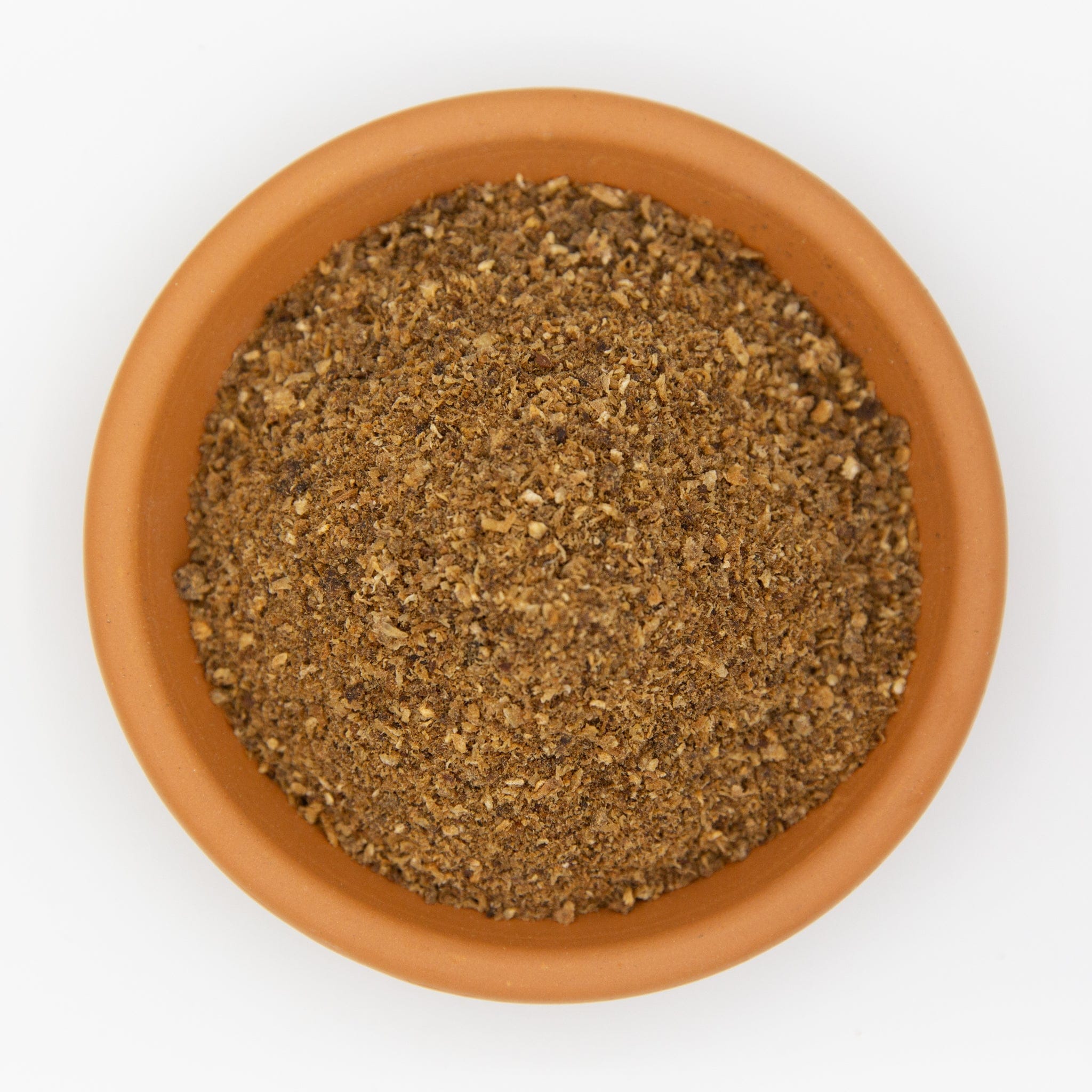
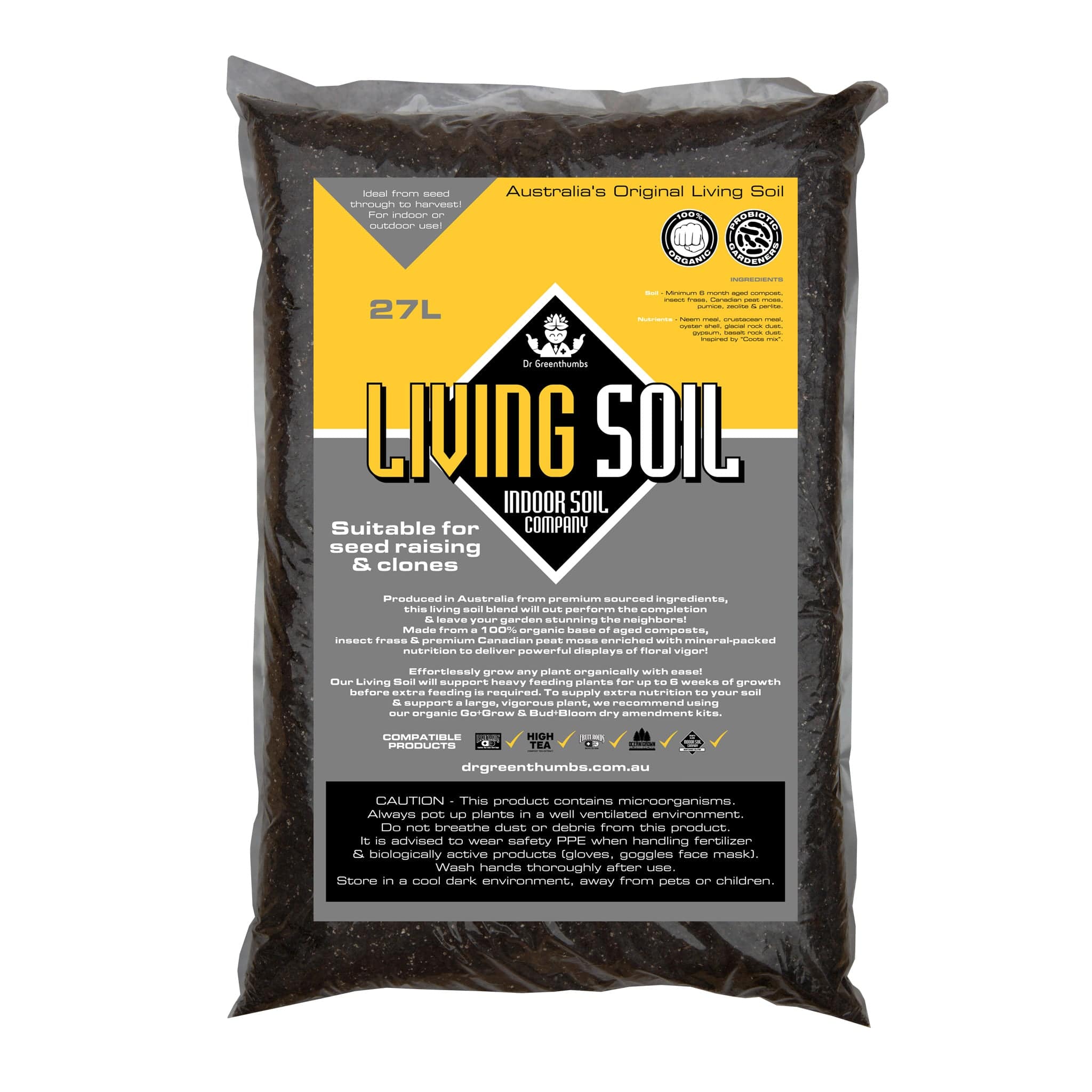
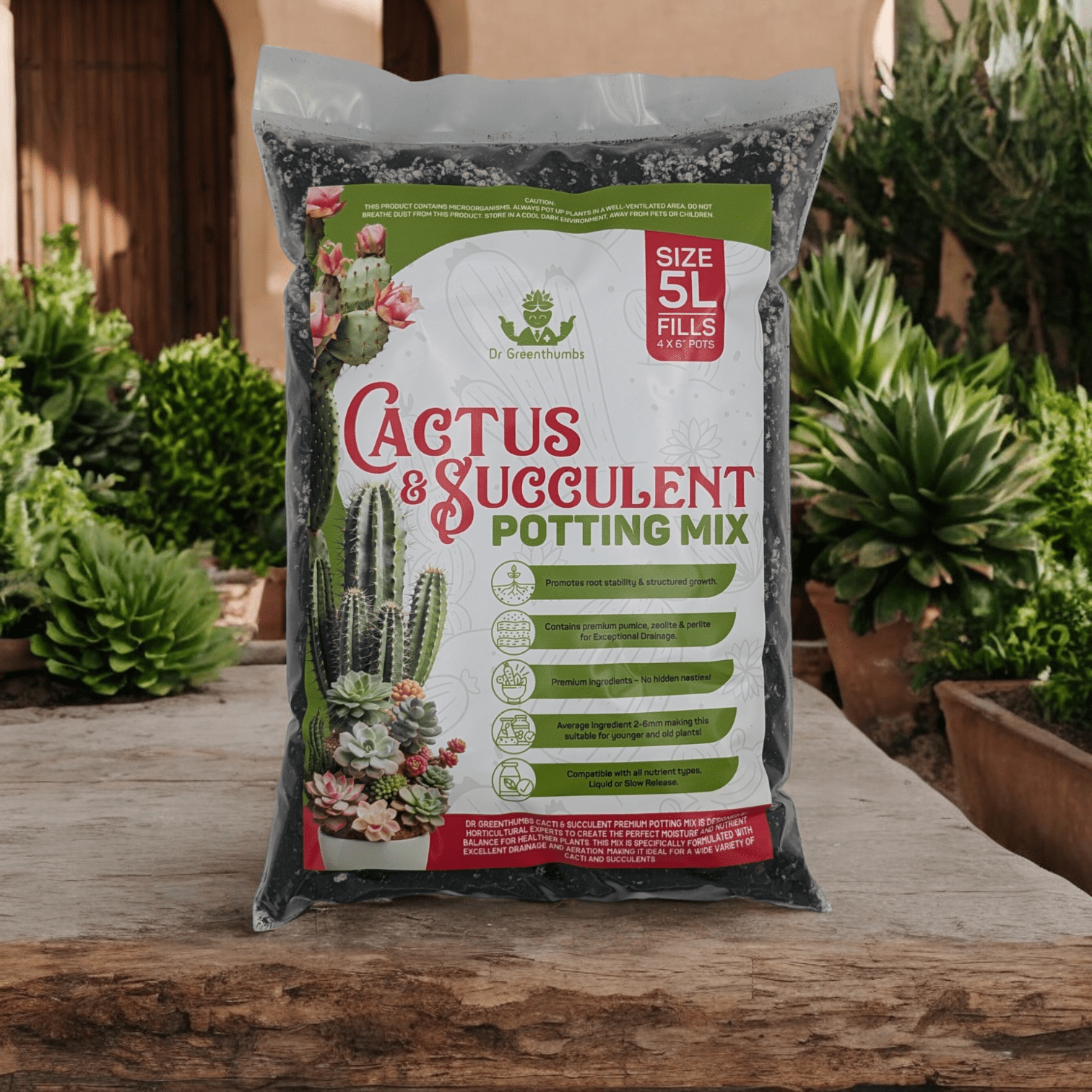
Once you've mastered moisture monitoring, you can supercharge your results with the right growing medium. Coco Coir is a game-changer for Australian gardens – it holds moisture when you need it but drains excess water to prevent root rot.
This organic alternative to peat moss works beautifully with your moisture meter strategy. The coir's natural properties mean your readings will be more consistent, and your plants will have that "goldilocks" moisture level they crave.
Your plants don't just need water – they need the right amount at the right time. Here's what happens when you get it right:
Of course, water is only half the story. Once you’ve nailed watering, the next big question is feeding—check out Feeding Houseplants: Liquid vs Slow-Release, Explained to make sure your plants get the nutrients they need without overdoing it.
Proper moisture levels create:
- Stronger root systems that can better absorb nutrients
- Improved plant immunity against common Australian pests
- Better drought resistance during our harsh summer months
- Enhanced nutrient uptake from organic fertilisers
Pin vs pinless moisture meters (and which is best for houseplants)
For indoor plants, you’ll mostly come across pin-style moisture meters — the type you push into the soil. These are perfect for pots and planters because they read moisture down in the root zone, where it actually matters.
Pinless meters are more commonly used for timber and building materials, not potting mix, so they’re not ideal for houseplants.
How to choose the right moisture meter for your plants
You don’t need anything fancy. Look for a meter that:
-
Has a long enough probe to reach the middle of the pot
-
Is simple to read (dial or clear digital display)
-
Doesn’t rely on apps or Wi-Fi (more things to go wrong)
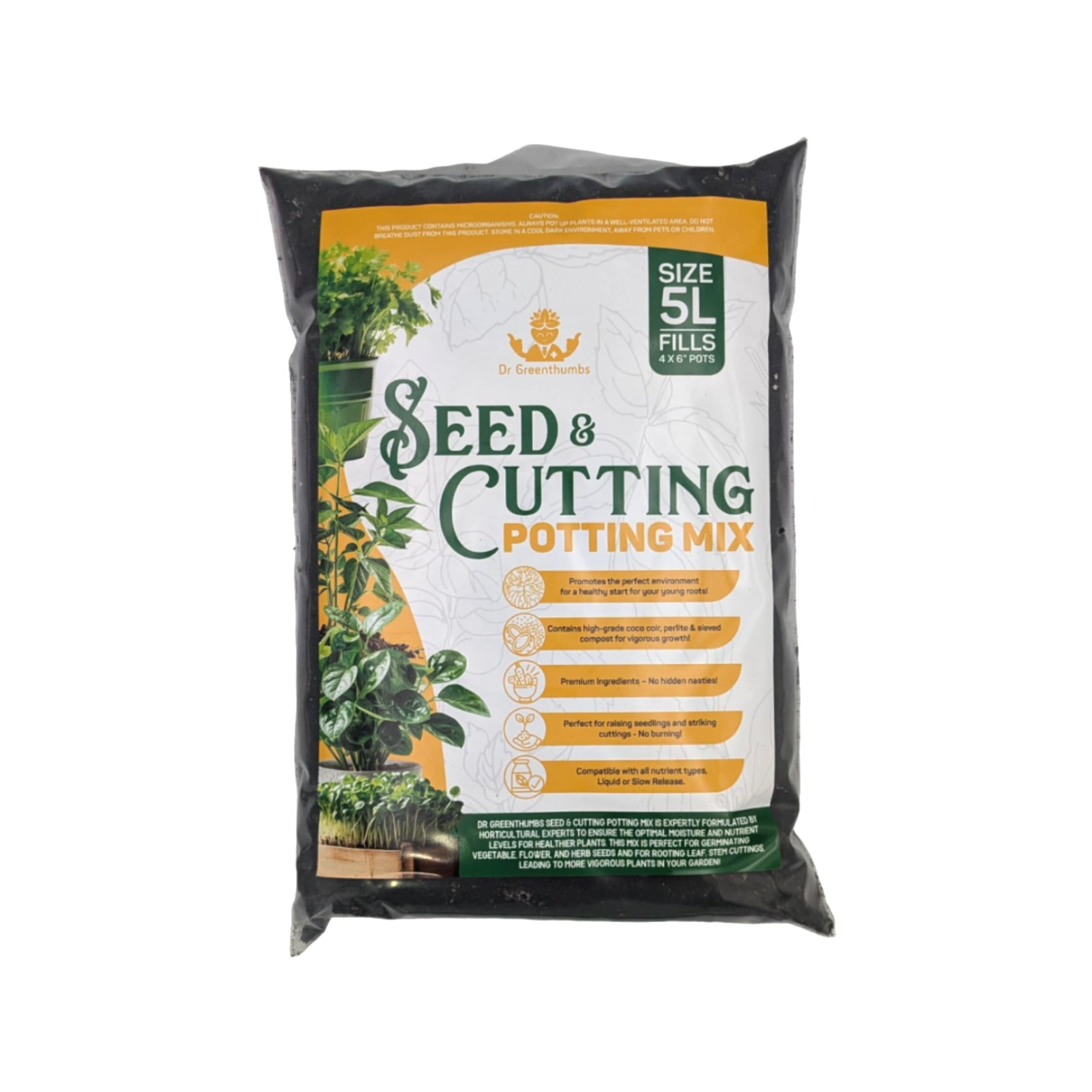
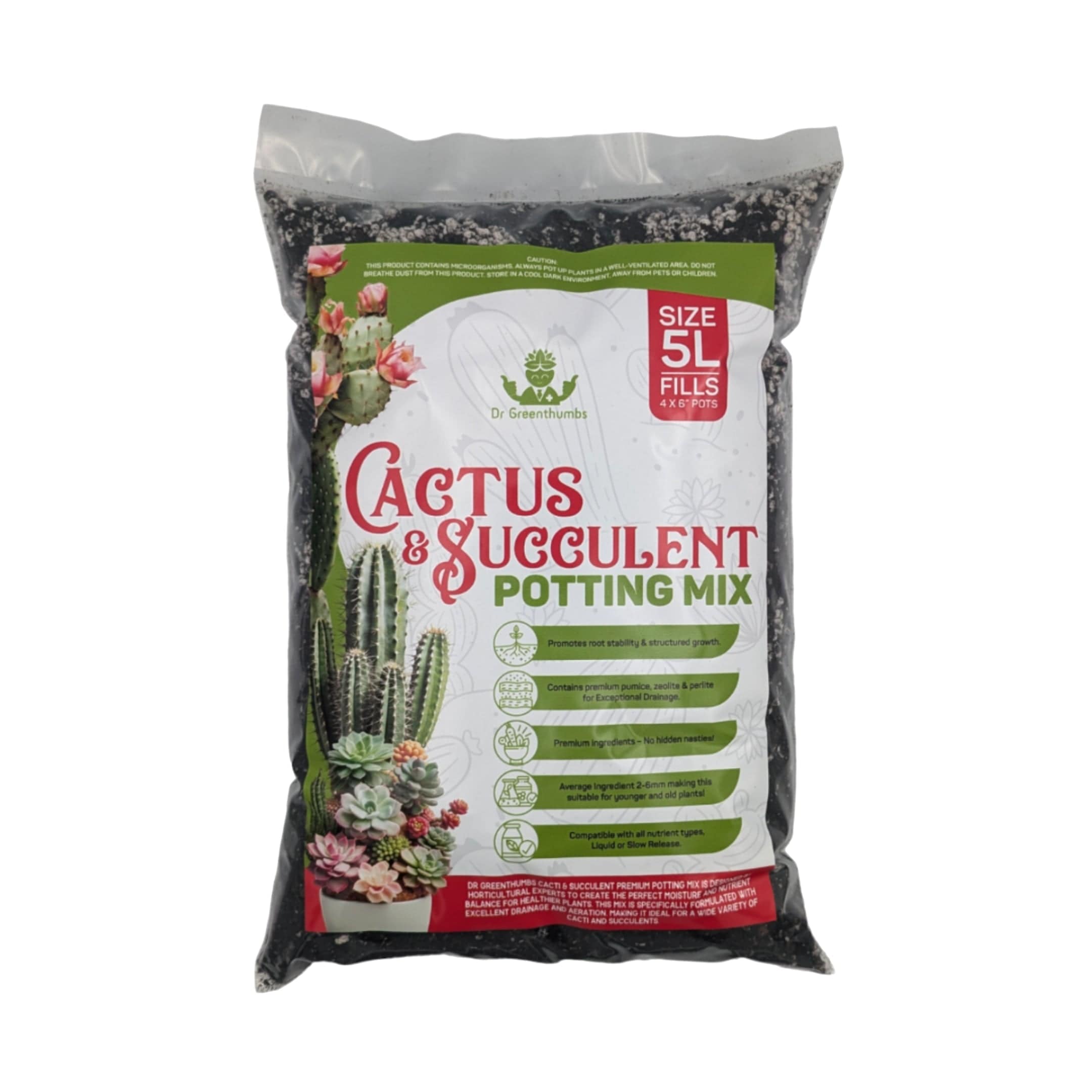
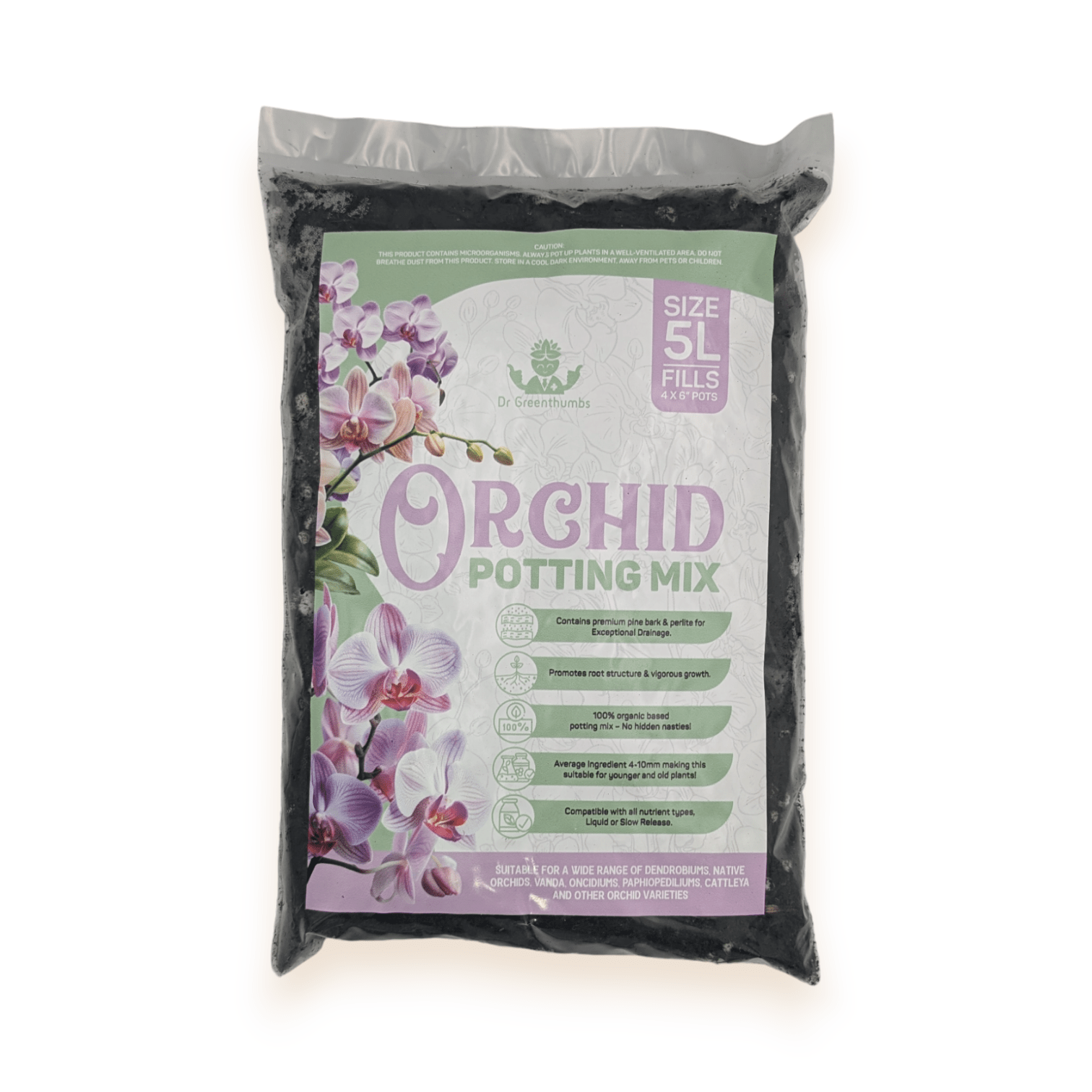
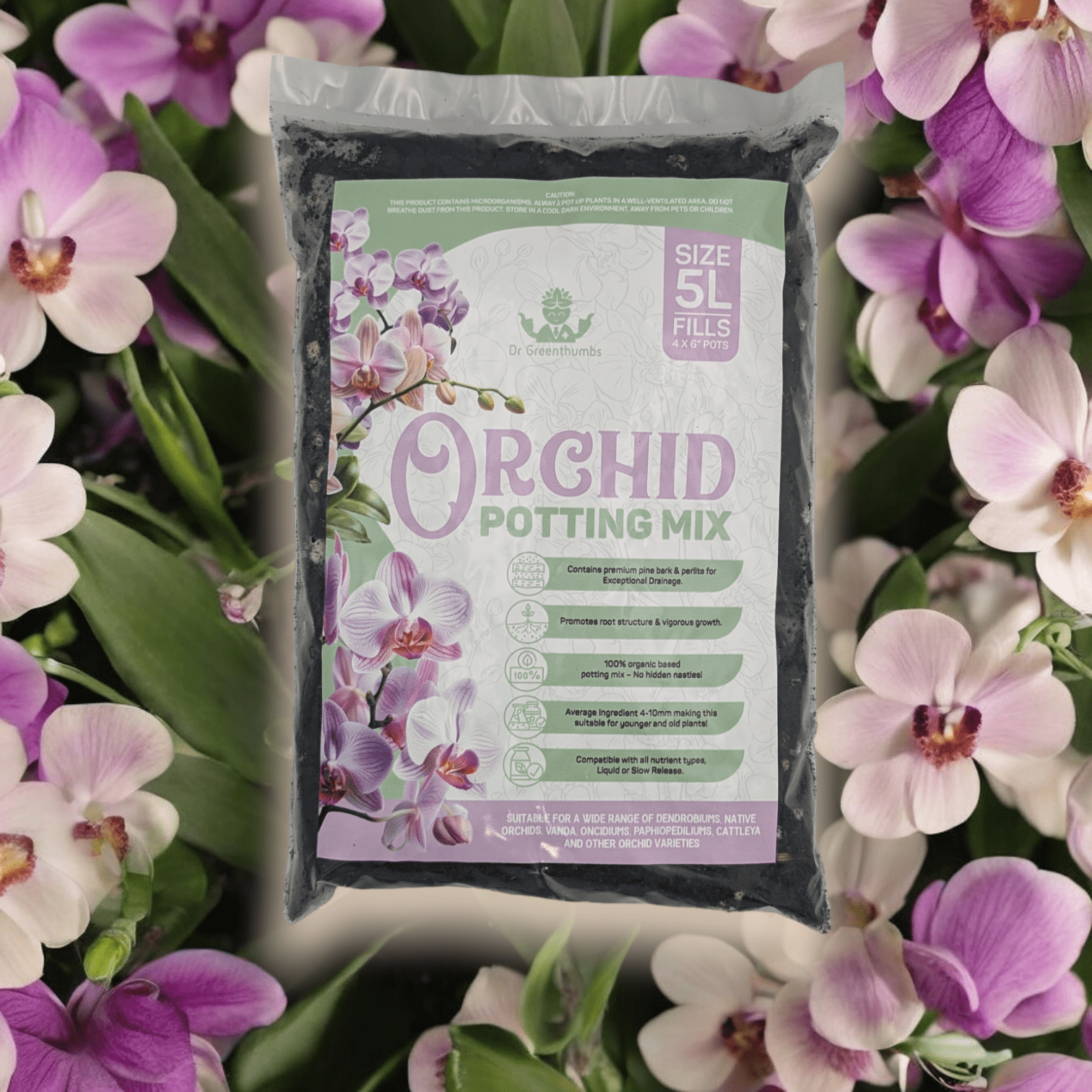
If you grow plants in chunky mixes (monsteras, philodendrons, orchids), expect slightly lower readings — that’s normal. For denser potting mixes, readings will climb faster and stay higher.
What a moisture meter is really measuring
Here’s something most people don’t realise: moisture meters aren’t actually “seeing” water.
Most basic moisture meters measure electrical conductivity in the soil. Wet soil conducts electricity better than dry soil, so the meter converts that into a number on the dial.
That’s why:
-
Different soil mixes can give different readings
-
Chunky mixes (orchid bark, perlite, aroid mixes) often read drier
-
Dense, organic-heavy soils can read wetter for longer
So if your plant is happy but the number isn’t exactly what you expected — don’t panic. The meter is a guide, not a verdict.
Why your meter’s numbers won’t match someone else’s
Not all moisture meters use the same scale.
Some show:
-
A simple 1–10 dial (most common)
-
A dry / moist / wet zone
-
A percentage reading on digital models
Even percentage meters aren’t universal, because different soils hold and conduct moisture differently. That’s why we always recommend learning what your plants like, using the meter as backup — not gospel.
Do moisture meters need calibrating?
Most affordable moisture meters can’t be calibrated in a technical sense — but you can sanity-check them.
A simple test:
-
Stick the probe into completely dry soil → it should read dry
-
Stick it into very wet soil → it should read high
If it does that, you’re good to go.
Let the reading settle
Another common mistake is pulling the meter out too fast.
After inserting the probe:
-
Wait 5–10 seconds
-
Let the needle or screen stabilise
-
Then read the result
This gives a much more reliable reading, especially in thicker potting mixes.
Beyond the Meter: Reading Your Garden's Other Signals
Your moisture meter gives you the facts, but combine it with these visual cues for next-level plant care:
Soil pulling away from pot edges? Time to water, regardless of the season.
Soil surface looks crusty? Your moisture meter will confirm it's time for a drink.
Leaves slightly drooping at midday? Check that meter – but remember, some drooping is normal in our hot Australian sun.
For precision monitoring in sensitive areas like seedling trays or propagation setups, consider upgrading to a Cultiv8 Temp + Humidity Reader to track both moisture and environmental conditions.
And if you’re struggling with fussy indoor plants like Calatheas, don’t miss Why Your Calathea's Leaves Curl—And How to Fix It (Plus Keep Your Family Safe from Chemicals). Sometimes it’s not just water, but humidity and soil health at play.
Troubleshooting real-world moisture meter problems
“The top is dry but the bottom is wet” — what’s going on?
This is incredibly common, especially in deeper pots.
It usually means:
-
Water isn’t draining efficiently
-
The pot is too large for the root system
-
The soil is holding moisture at the bottom
What to do:
-
Water more slowly, allowing it to soak evenly
-
Check drainage holes
-
Consider repotting into a better-draining mix if it keeps happening
“My moisture meter always says wet”
If your meter never drops, even days after watering, check:
-
Are you inserting it right into the root zone, not just the surface?
-
Is the plant root-bound, trapping moisture?
-
Is the soil mix too dense or broken down?
Meters don’t fail often — soil structure usually does.
What “wet too long” actually means
Plants don’t just need water — roots also need oxygen.
When soil stays wet too long:
-
Oxygen gets pushed out
-
Roots can’t breathe
-
Root rot becomes more likely
Low light makes this worse, because plants use water more slowly. In winter or low-light rooms, expect your meter to stay higher for longer — and water less often.
Look after your moisture meter
A little care goes a long way.
After each use:
-
Wipe the probe clean
-
Don’t leave it sitting in wet soil
-
Clean it between different plants
This keeps readings accurate and helps prevent spreading pests or diseases from pot to pot.
FAQs
Do moisture meters work in all soil types?
Yes — but readings vary. Chunky, free-draining mixes usually read drier than dense soils. Always judge readings in context.
Do moisture meters need batteries?
Many basic models don’t. Some digital meters do — check before buying.
How often should I check my plants with a moisture meter?
Once a week is usually enough. In hot weather or bright rooms, you may check more often.
Can I leave the moisture meter in the soil?
It’s better not to. Remove it after reading, wipe it clean, and store it dry to keep it accurate.
Ready to Correctly Water Your Garden?
The moisture meter hack isn't just about saving plants – it's about creating a healthy, thriving space all your deserves. When you eliminate the guesswork from watering, you eliminate the stress, the waste, and the need for chemical quick-fixes.
Get Your Soil Moisture Meter Here and start your journey to a healthier garden today.
Have questions about getting started? Our team of Australian gardening experts is here to help you succeed. Because when Australian families grow better, we all win.
Next reads for getting watering, growth and indoor care working together
Using a moisture meter already? These guides will help you match watering to potting mix, feeding, light and everyday indoor care so your plants stay healthier for longer.
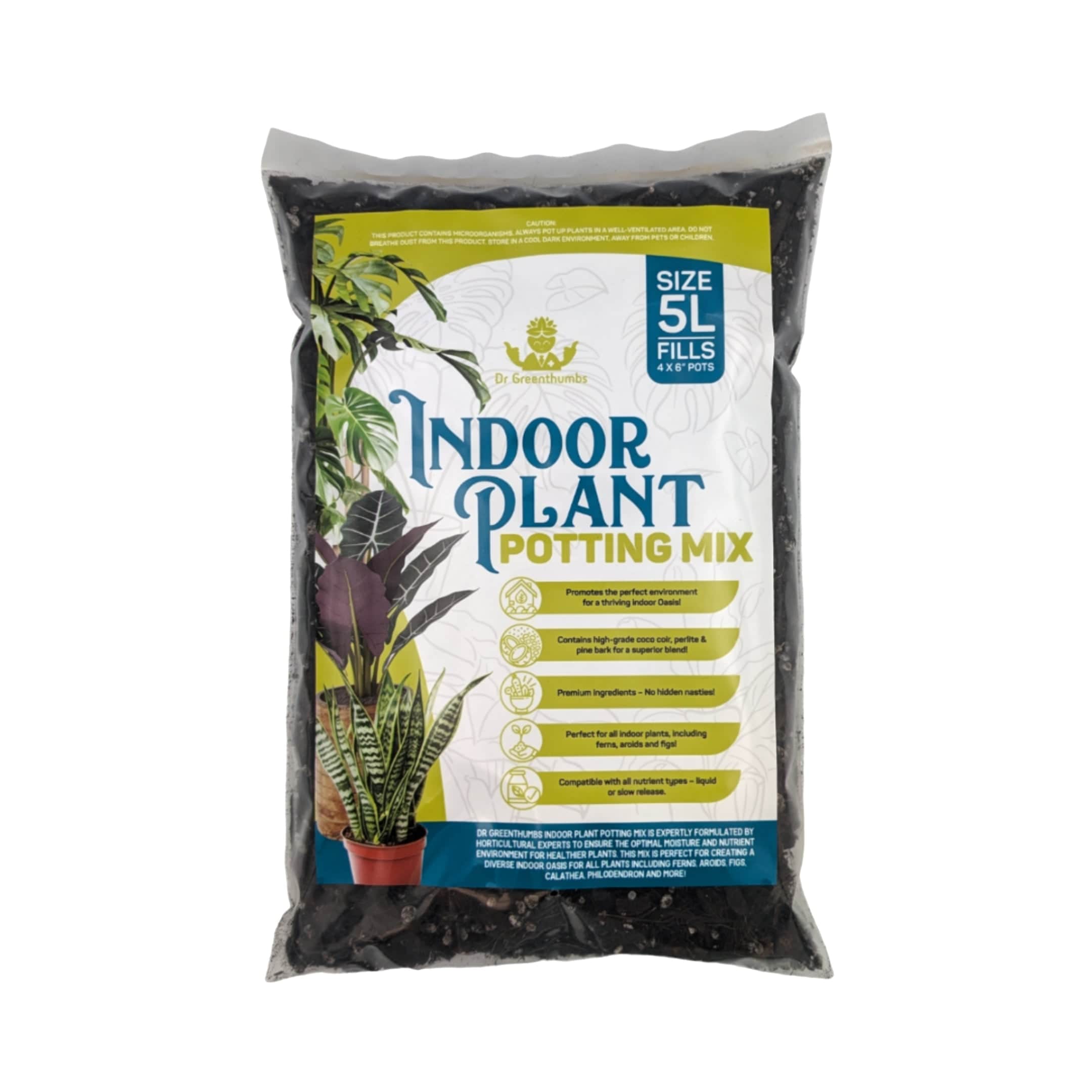
- Indoor Potting Mix Australia
- Indoor Plant Care Aussie Guide
- Indoor Plant Fertiliser Guide Australia
- Grow Lights Positioning Guide
About the Author