
Indoor plants are booming across Aussie homes and apartments—but if your soil isn’t right, even the trendiest Monstera will throw in the towel. Below you’ll learn exactly what goes into a winning indoor potting mix, why “one-bag-fits-all” soils often fail, and how to repot like a pro. Wherever you are—from humid Darwin to the crisp Tassie coast—this guide will show you how to keep your leafy mates lush year-round.
Table of Contents
- Why Indoor Potting Mix Matters
- Key Ingredients & What They Do
- Optional Ingredients in Premium Indoor Mixes
- Indoor Plant Potting Mix vs Indoor Plant Soil
- How to Judge an Indoor Potting Mix Before Using It
- Potting Mix for Indoor Plants: Match It to How You Water
- Indoor Potting Mix for Low-Light Rooms
- Potting Mix for Indoor Plants by Plant Type
- Best Potting Mix Australia: What to Look for Before Buying
- What the Australian Standards Tick Does and Doesn’t Tell You
- When Indoor Potting Mix Needs Changing, Not Just Feeding
- Simple Indoor Potting Mix Ratios You Can Use at Home
- DIY vs Ready-Made: Which Makes Sense?
- Step-by-Step Repotting Guide
- Why Pot Size Matters
- Do You Need Gravel or Stones at the Bottom of Pots?
- Common Indoor Potting Mix Problems and Fixes
- Bought the Wrong Potting Mix? Here’s How to Fix It
- FAQs
- Ready to Grow?
- Next Reads for Building Better Indoor Mixes and Healthier Roots
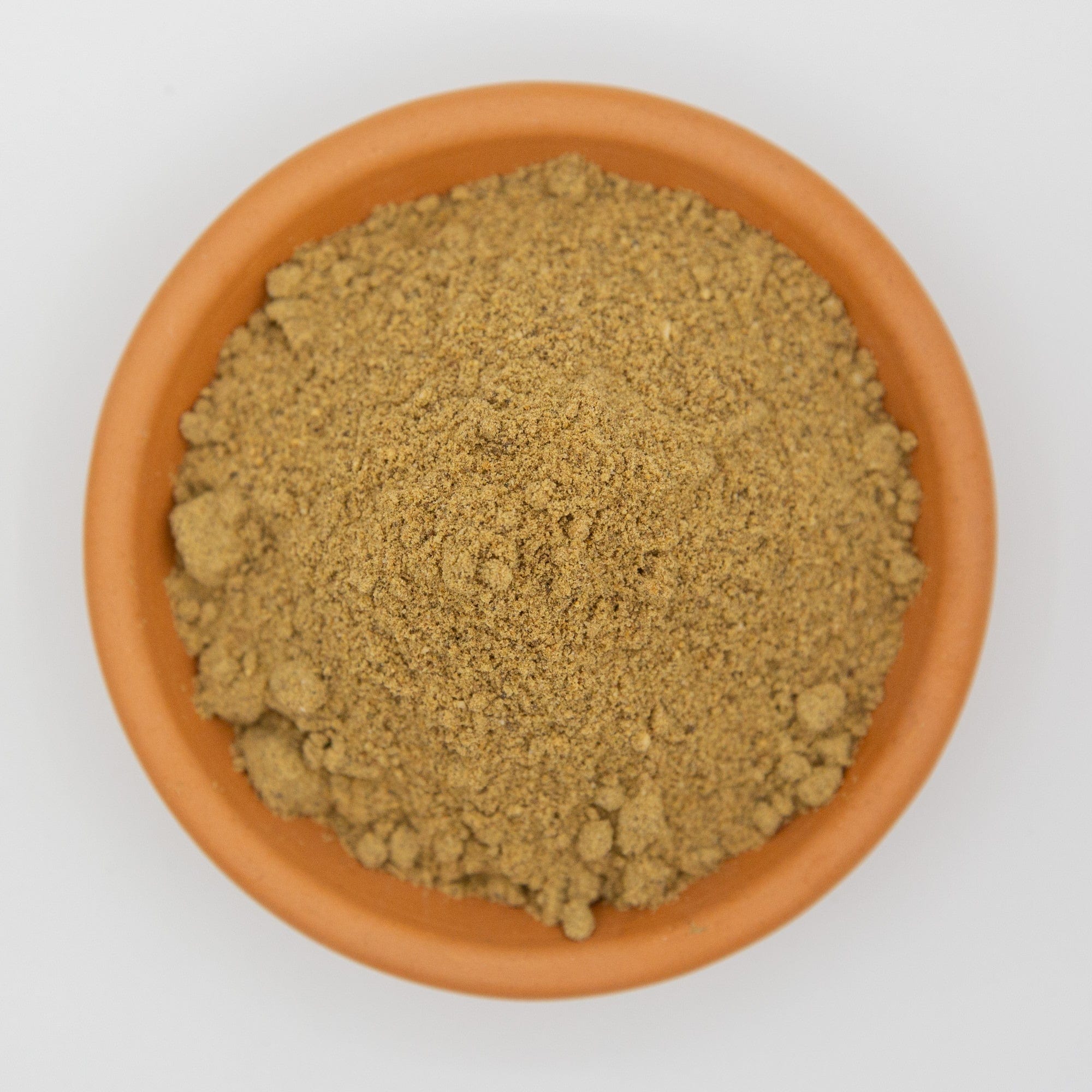
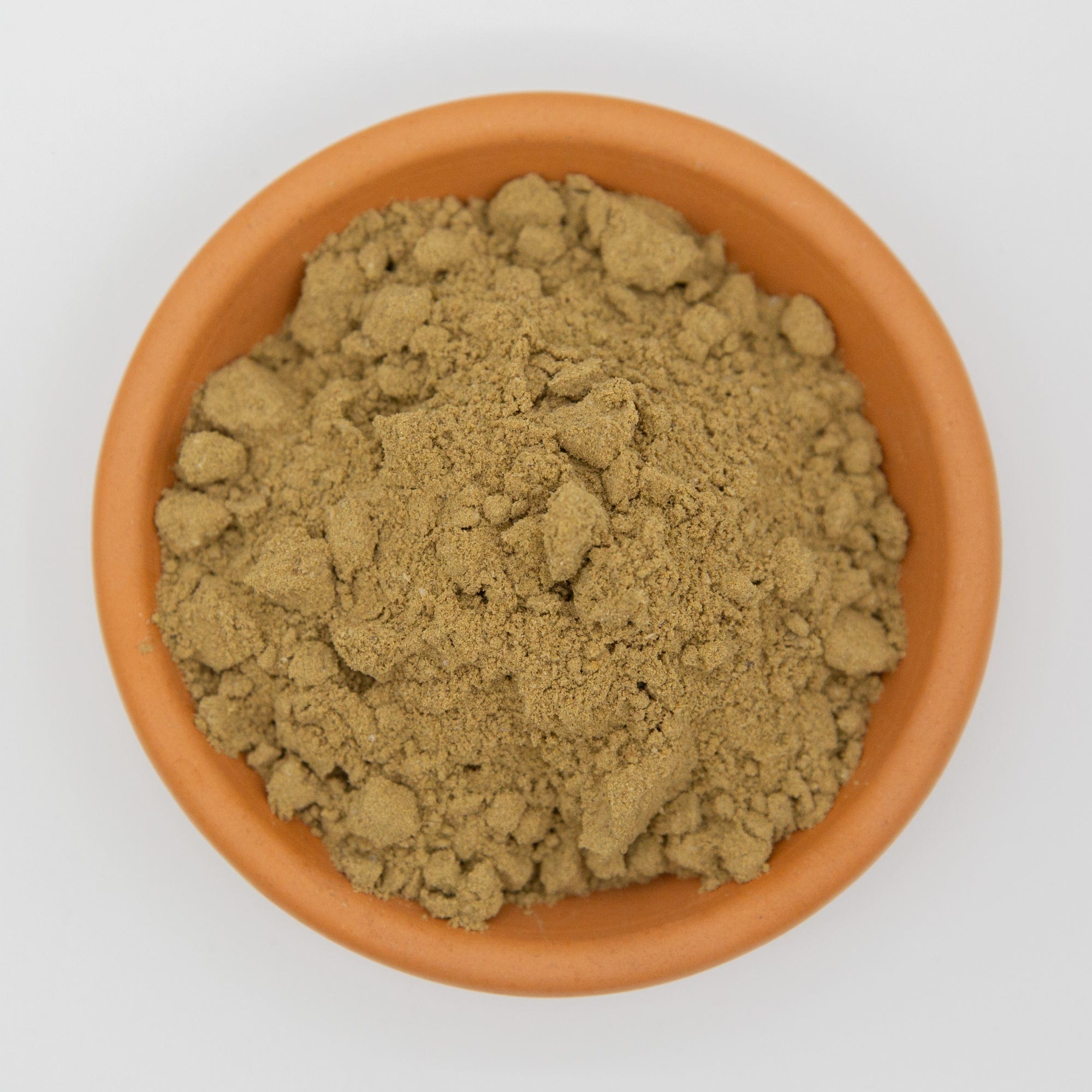
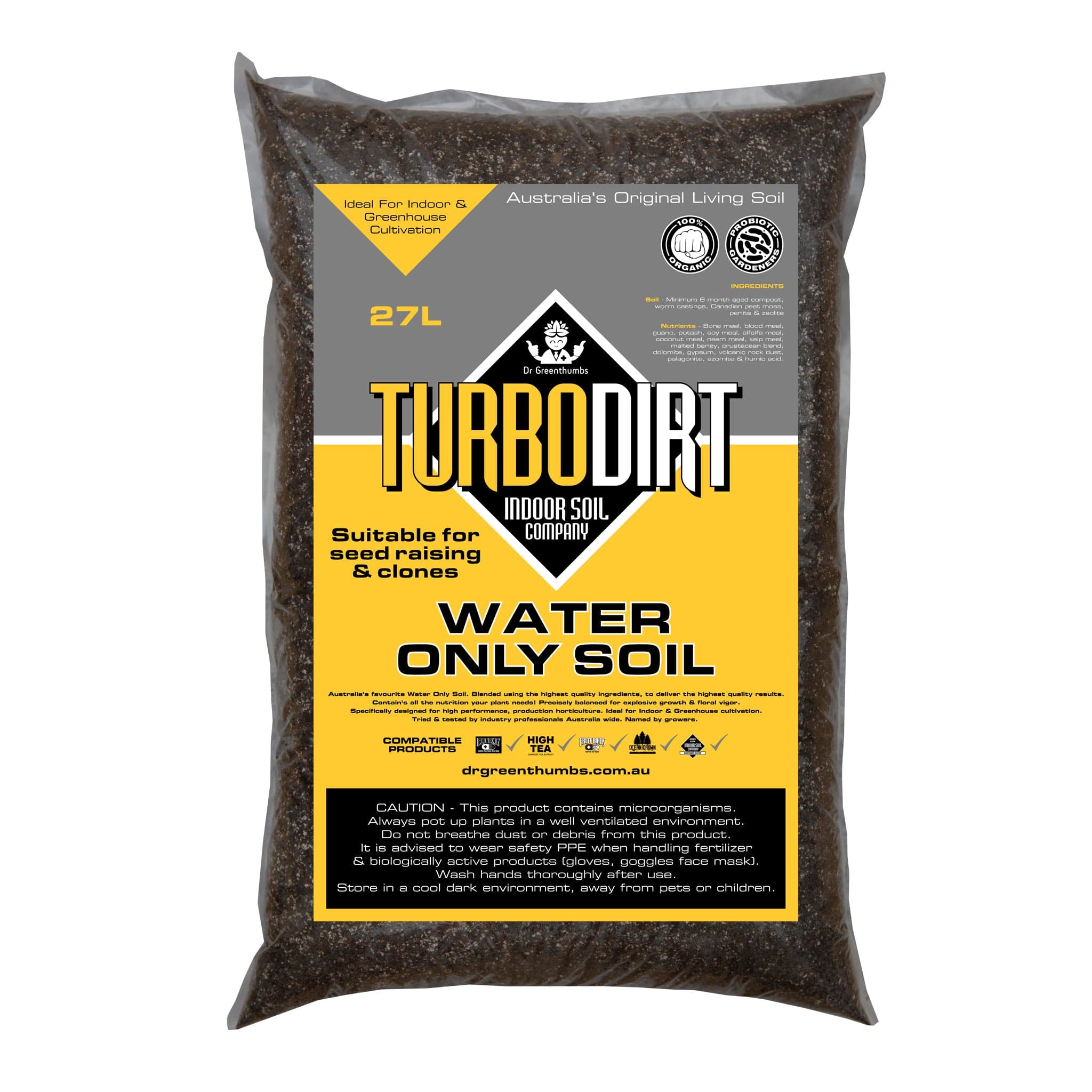
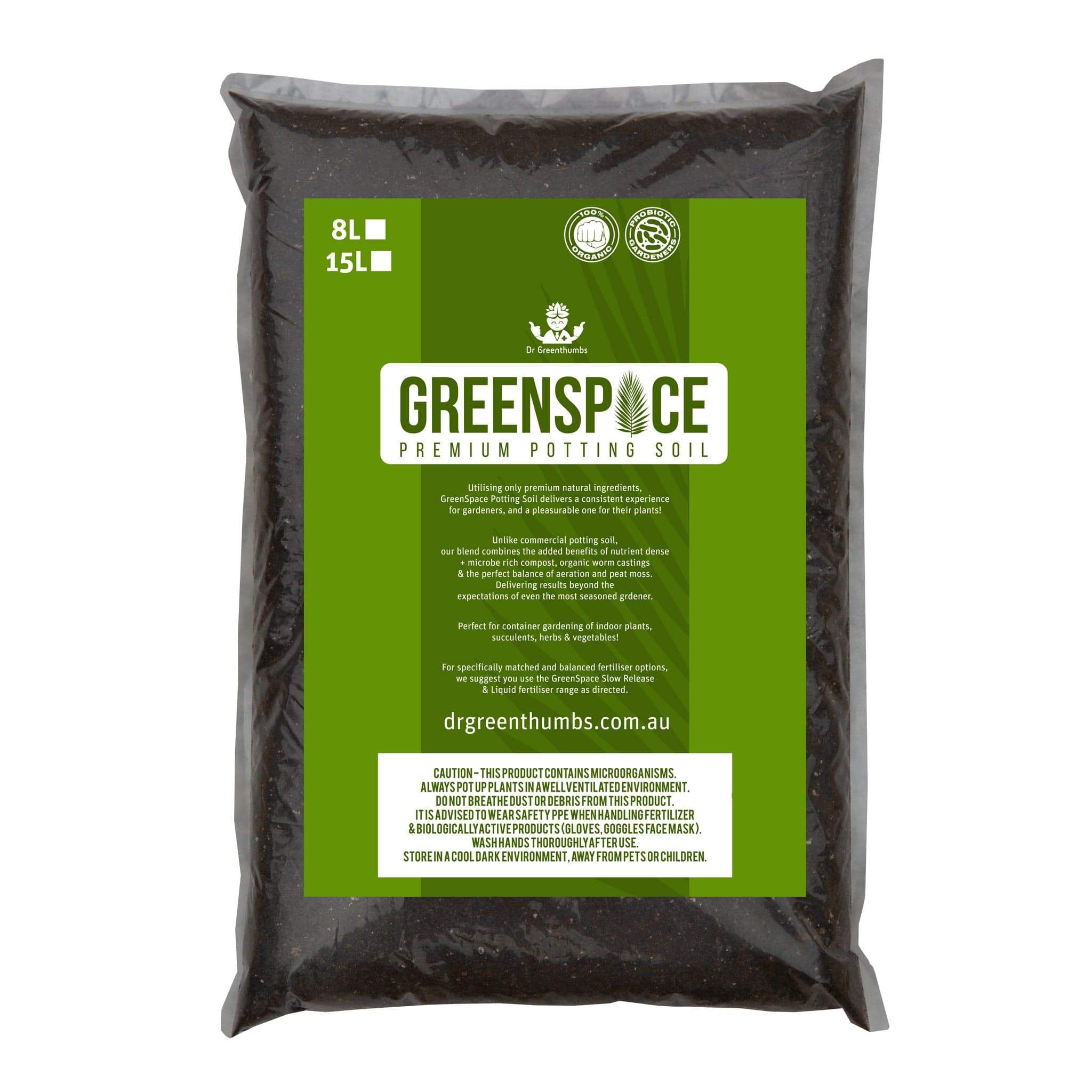
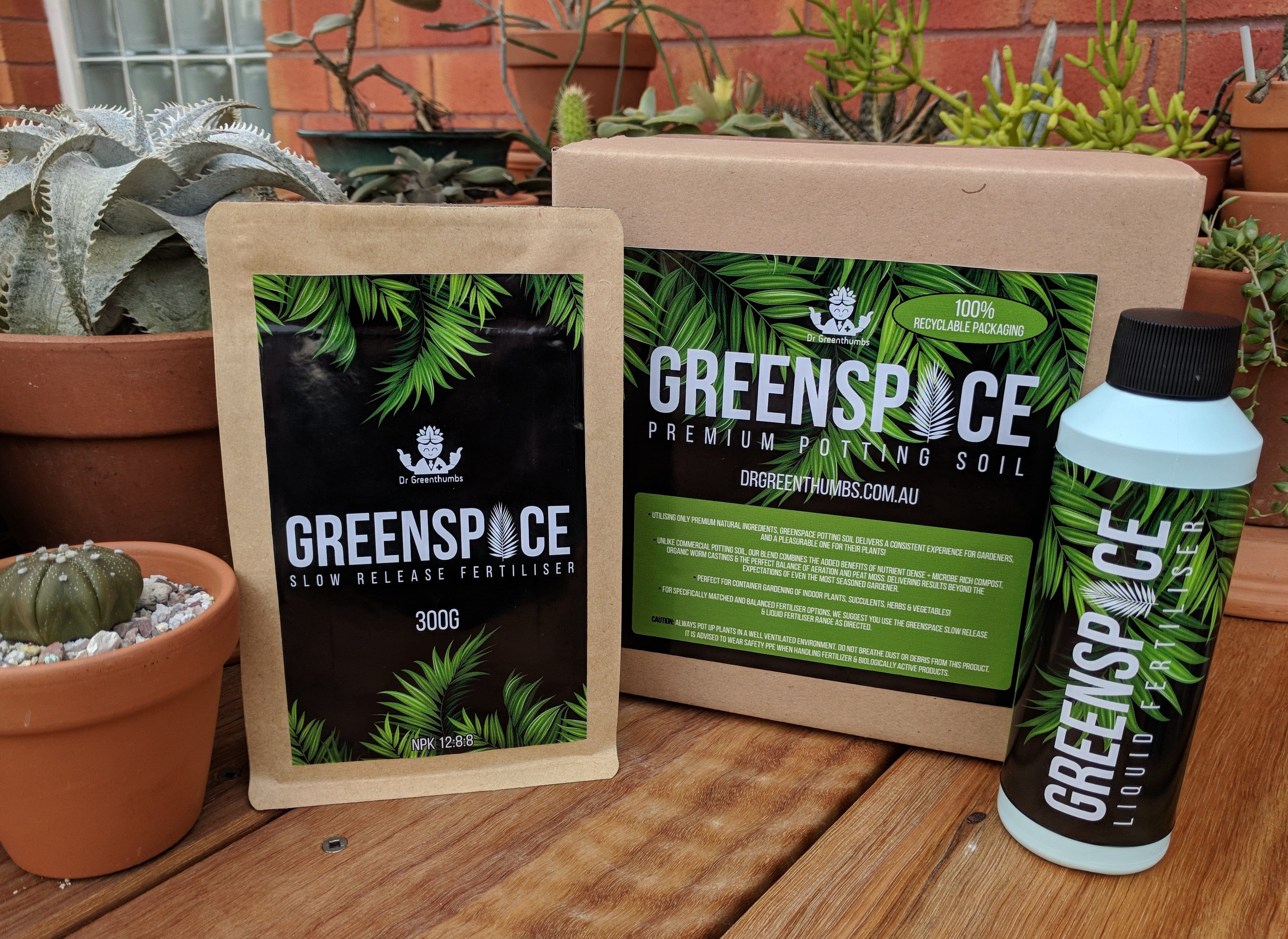
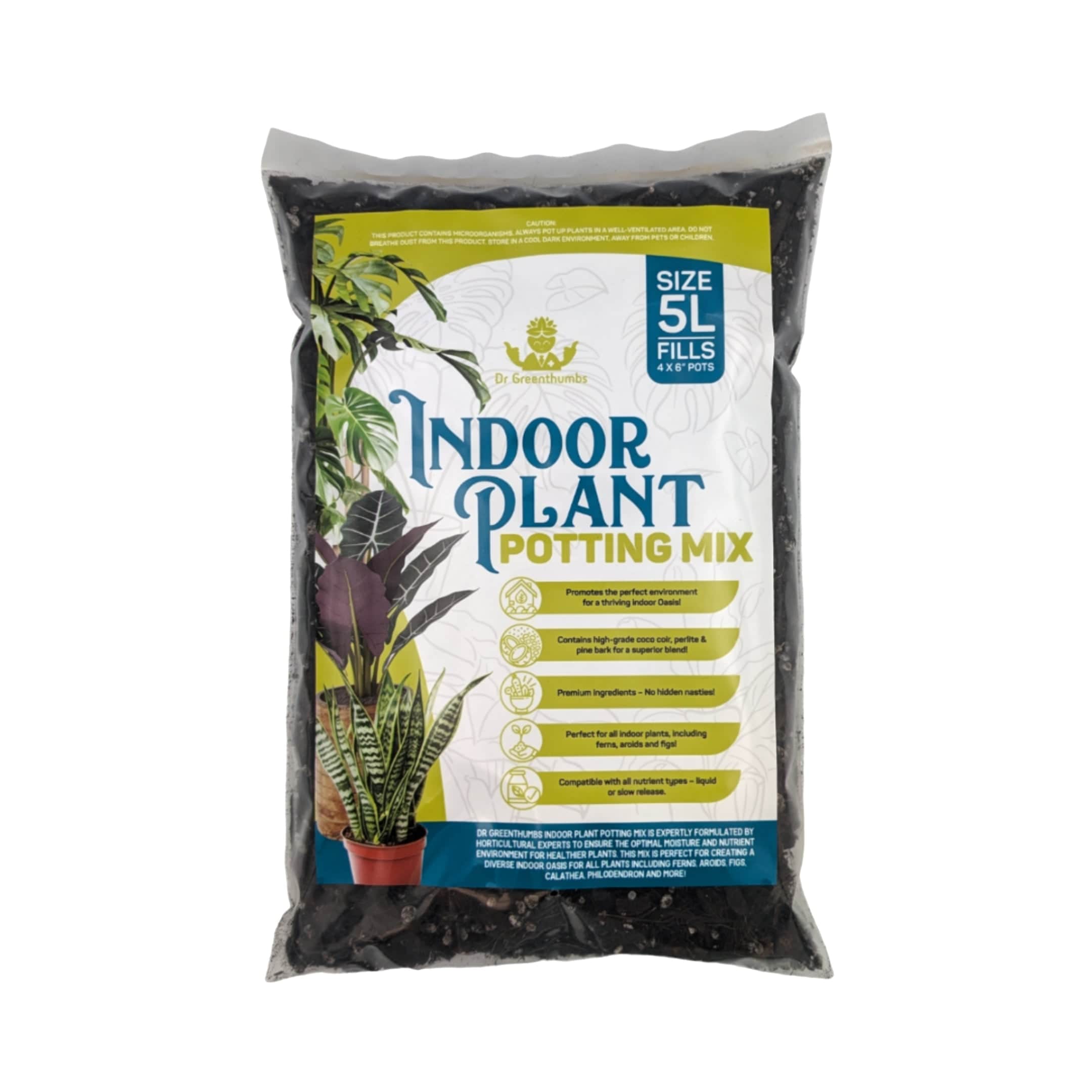
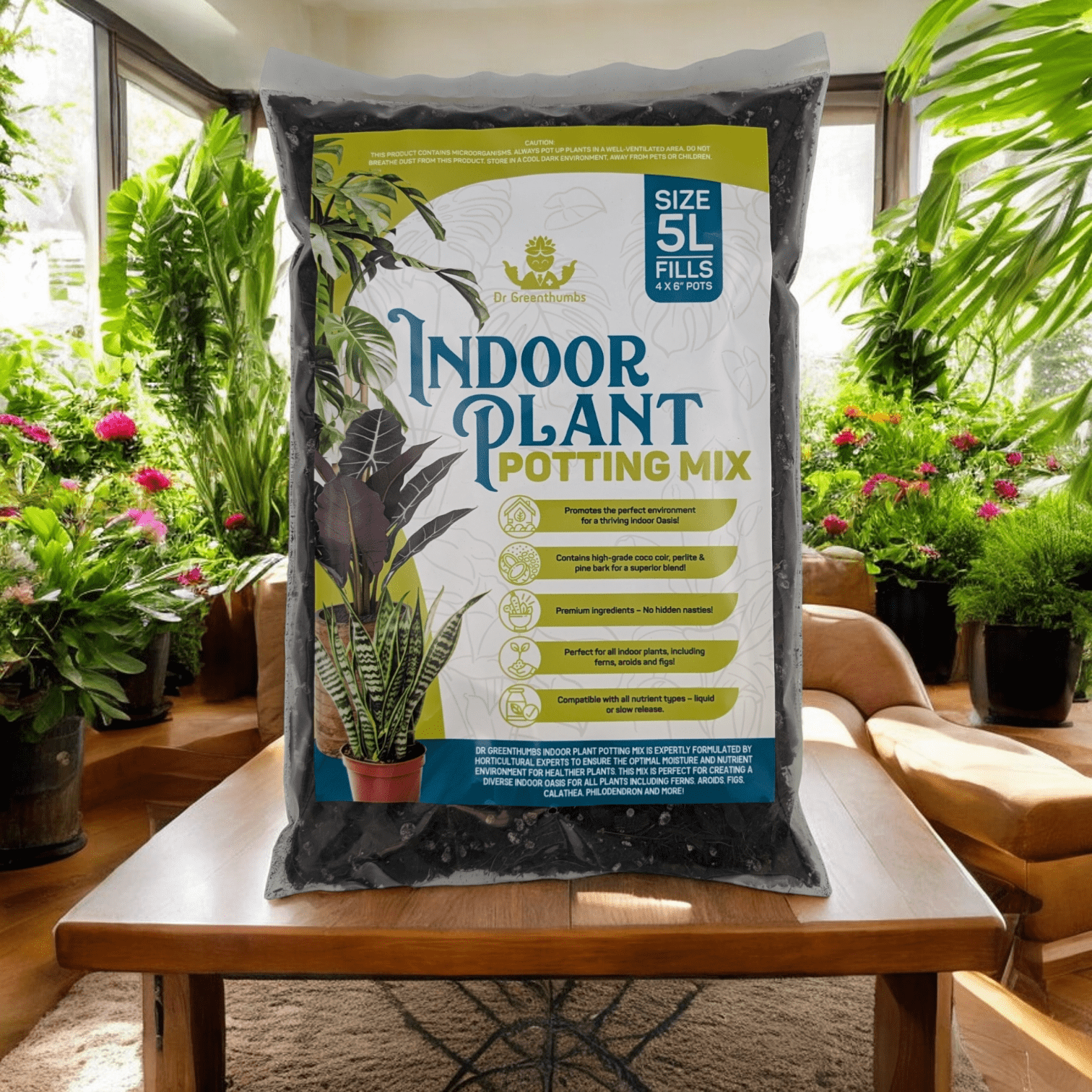
If you want the quickest low-fuss option, this ready-to-use indoor mix gives most houseplants the airflow and moisture balance they need without DIY blending:


Why Indoor Potting Mix Matters
Your plant’s “home” isn’t the ceramic pot—it’s the rhizosphere (root zone) inside that pot. A good indoor mix must:
- Drain fast enough to prevent root rot.
- Hold moisture so you’re not watering daily in summer.
- Deliver oxygen—yes, roots breathe!
- Feed for at least a few months or play nicely with liquid fertilisers.
Skimp here and everything else you do—lighting, watering, fertilising—turns into damage control.
Key Ingredients & What They Do
Below are the building blocks of a science-backed mix and how our own formulation ticks each box.
|
Ingredient |
Role in the Mix |
In Dr Greenthumbs Indoor Plant Potting Soil? |
|---|---|---|
|
Coco Coir |
Lightweight water reservoir; resists compaction. |
✔ |
|
Fine Pine Bark |
Adds chunky structure and long-life aeration. |
✔ |
|
Perlite |
Glass-popped stone that keeps channels open for oxygen. |
✔ |
|
Microbial Food |
Organic matter that feeds beneficial microbes. |
✔ |
|
Calcium & Traces |
Buffers pH swings and supplies micronutrients. |
✔ |
Each bag of Dr Greenthumbs Indoor Plant Potting Mix is blended by horticultural experts to hit the sweet-spot moisture curve for Ferns, Aroids, Figs, Calatheas, Philodendrons and more. No hidden nasties; just high-grade inputs that won’t break down into sludge.
If you want to boost microbial life beyond what an indoor mix can supply alone, Mycorrhizal Fungi in Australian Gardens: The 2025 Ultimate Guide covers the exact fungal species that thrive in bark- and coco-based indoor blends.
For a deeper look at how chunky, airy mixes perform specifically for aroids, our Anthurium Potting Mix Recipe for Australian Growers breaks down the 4-2-2-1 bark–perlite–coco–pumice structure that many indoor plants absolutely thrive in.
Optional Ingredients in Premium Indoor Mixes
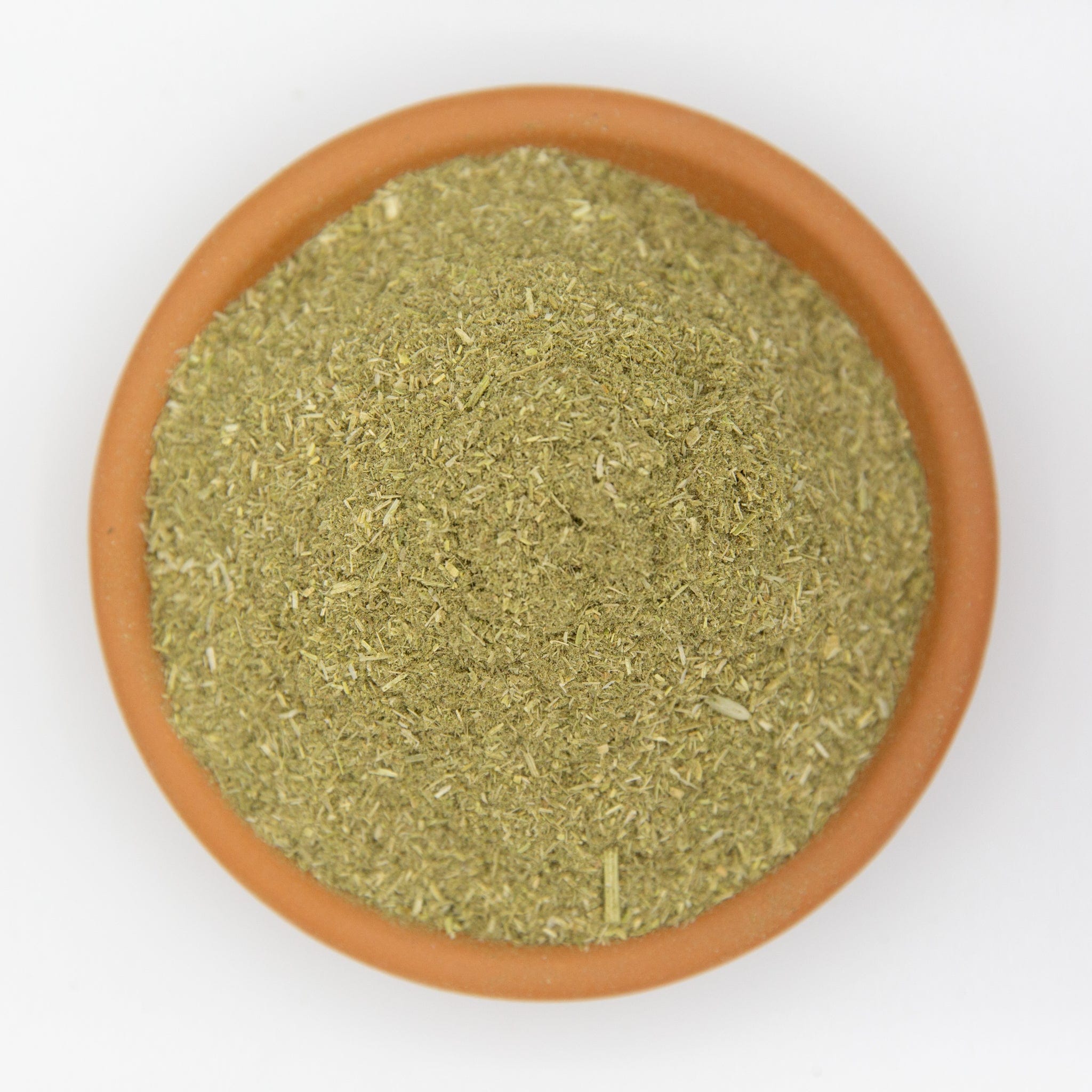
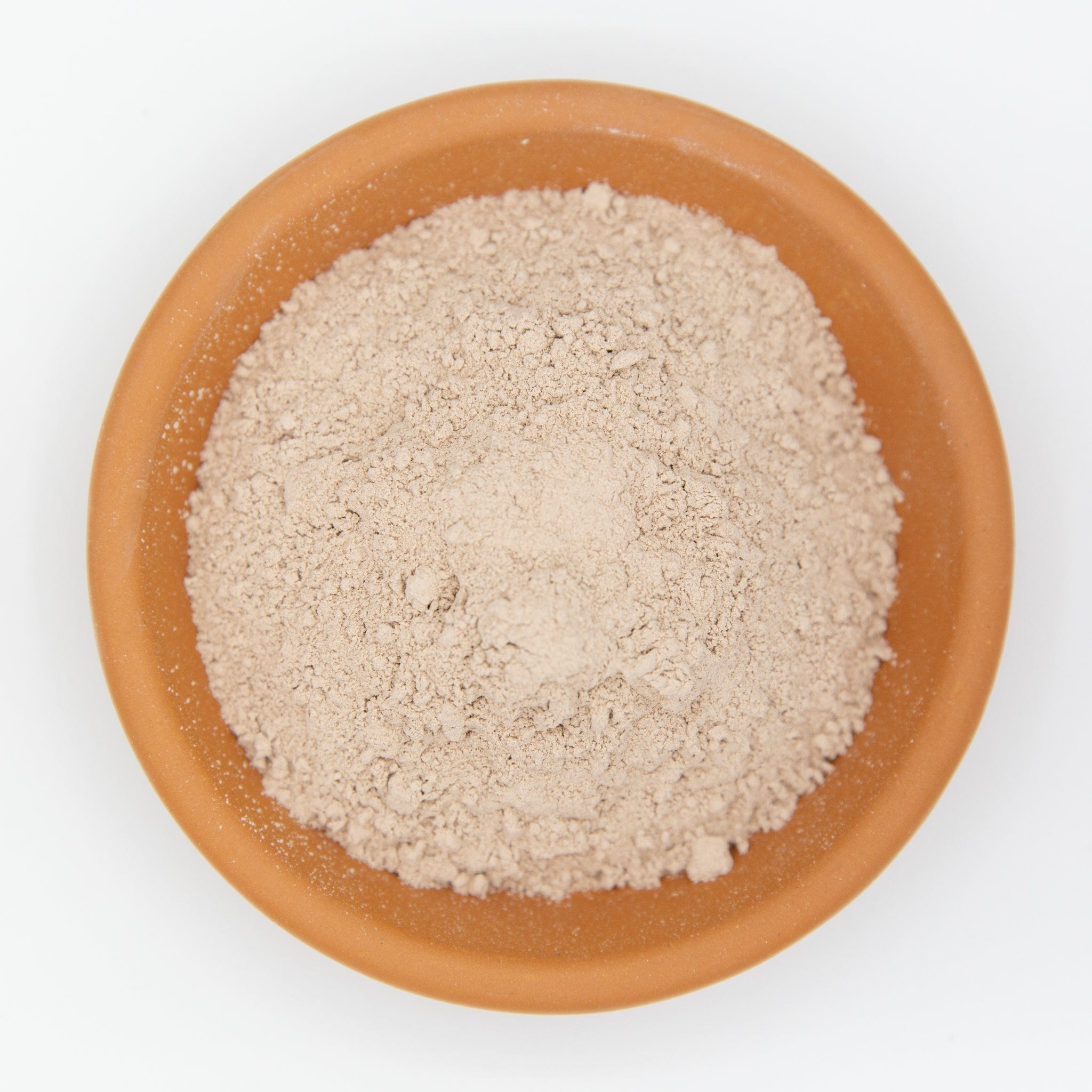
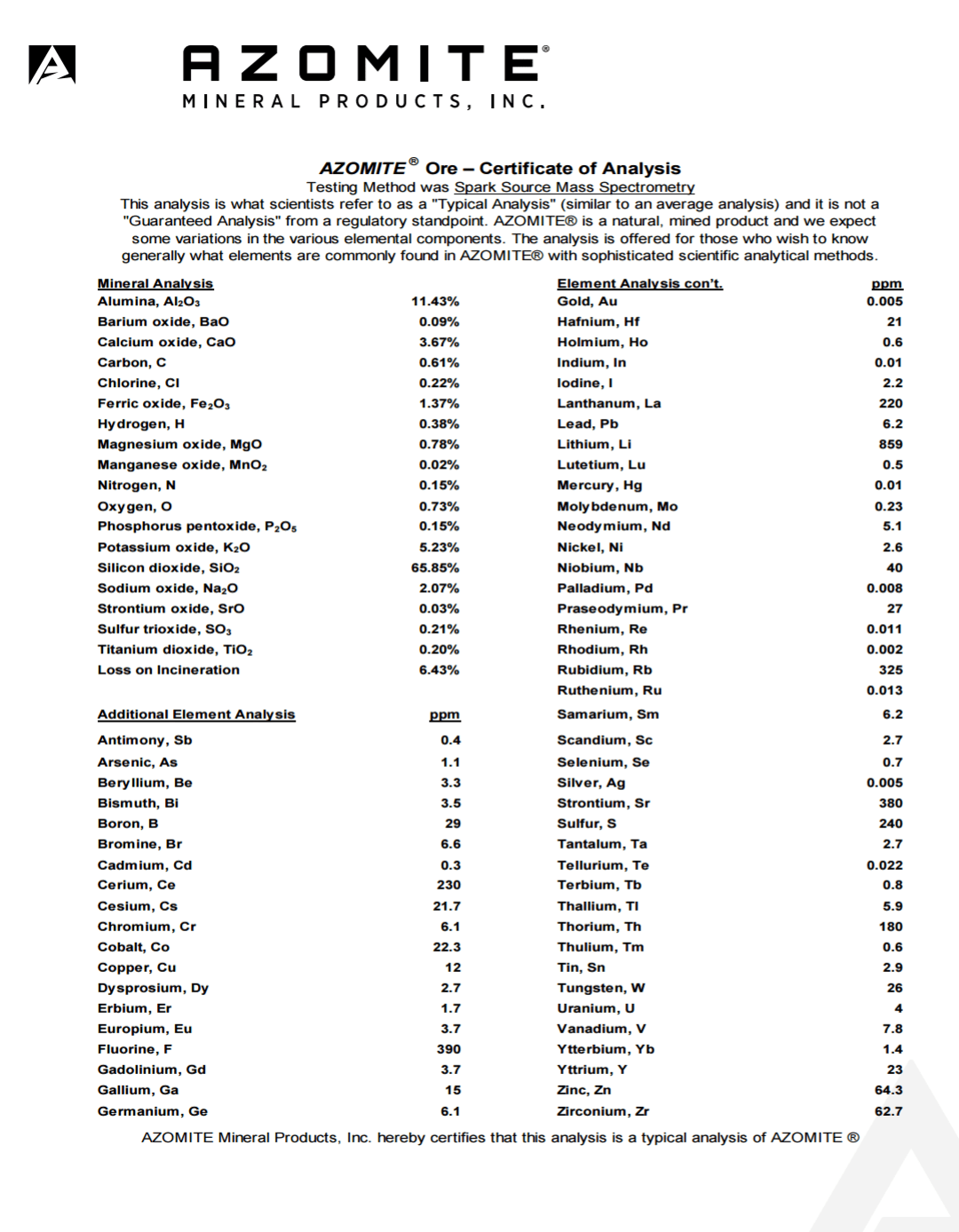
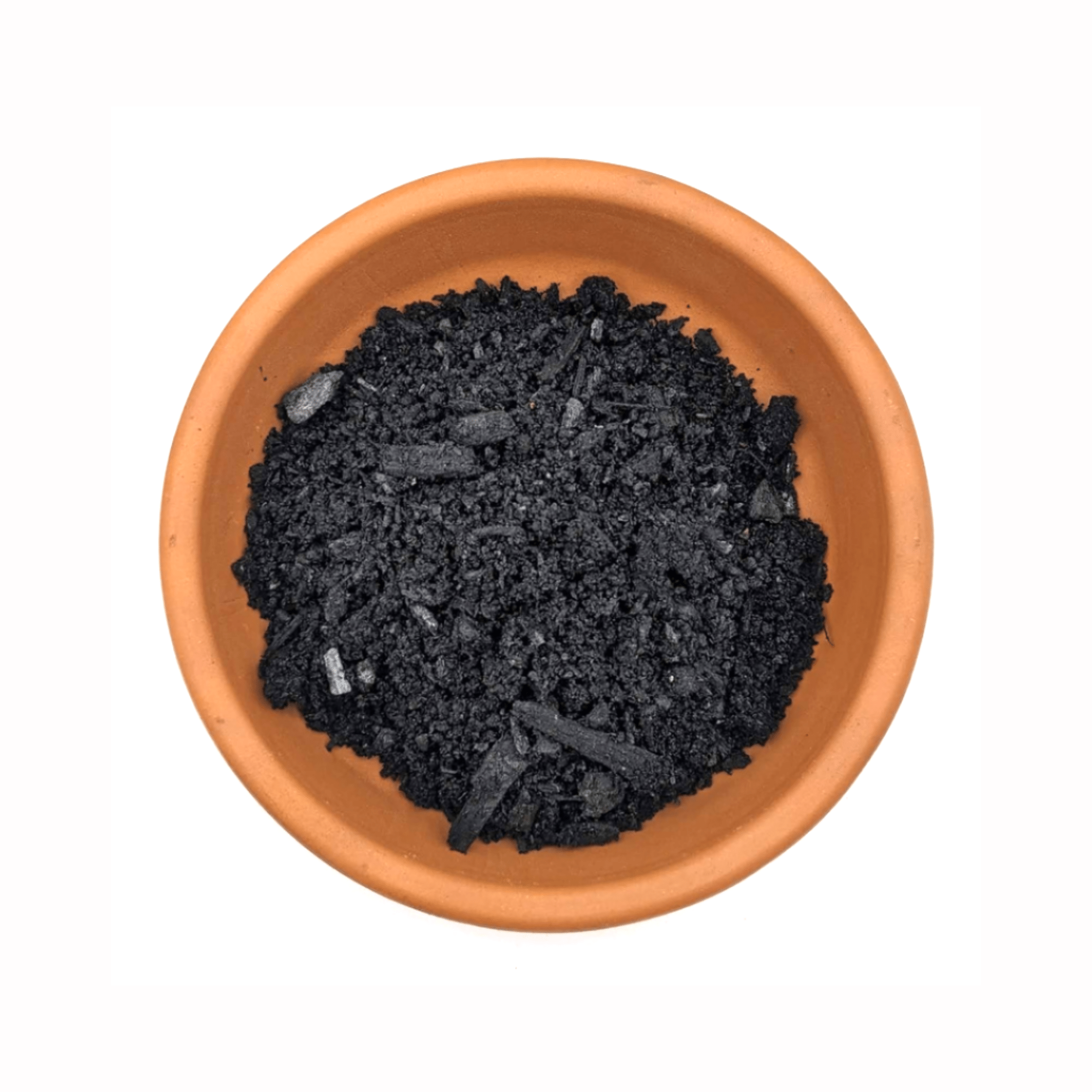
Some higher-end indoor potting mixes include extra ingredients designed to improve long-term performance:
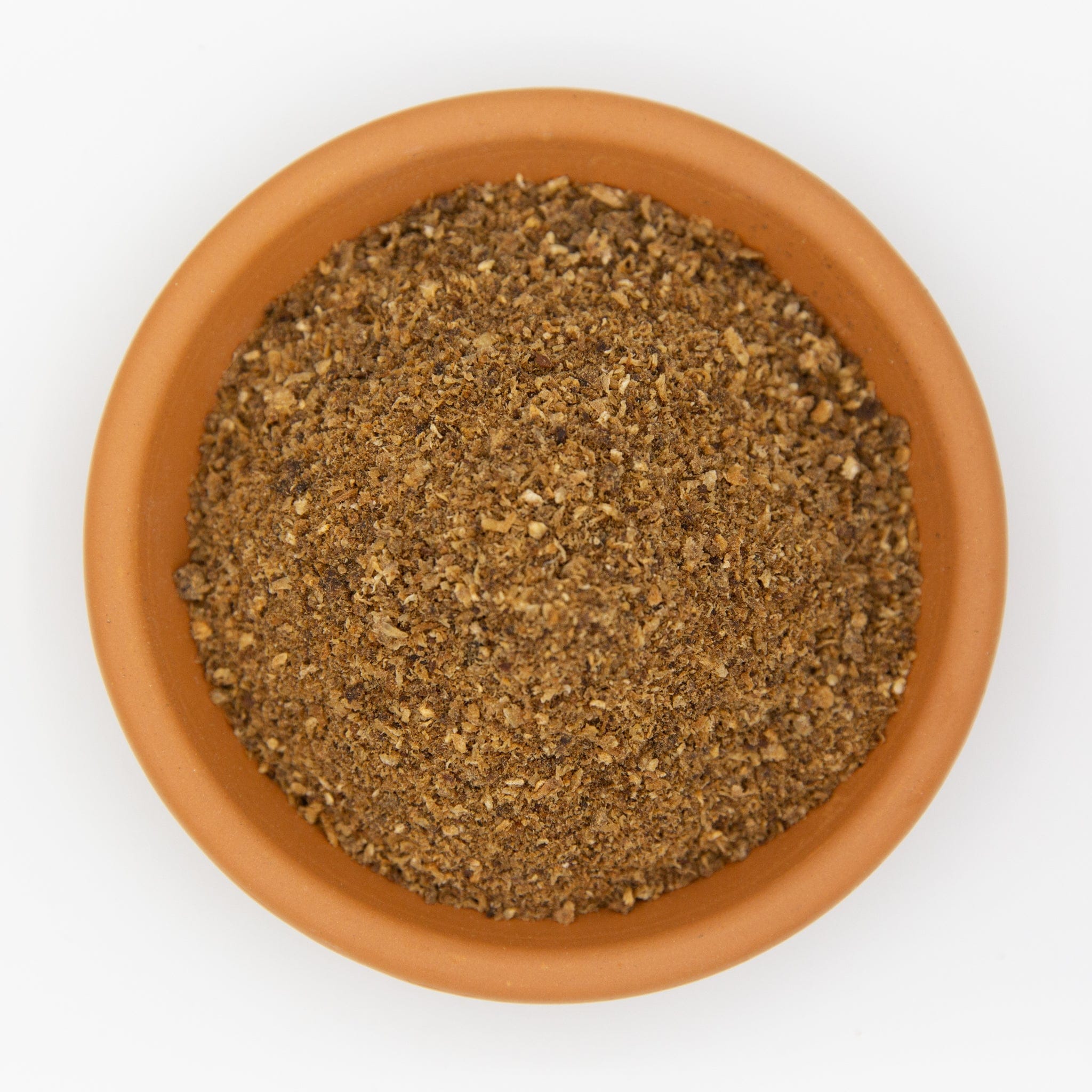
- Zeolite – helps hold nutrients and release them slowly, reducing fertiliser loss
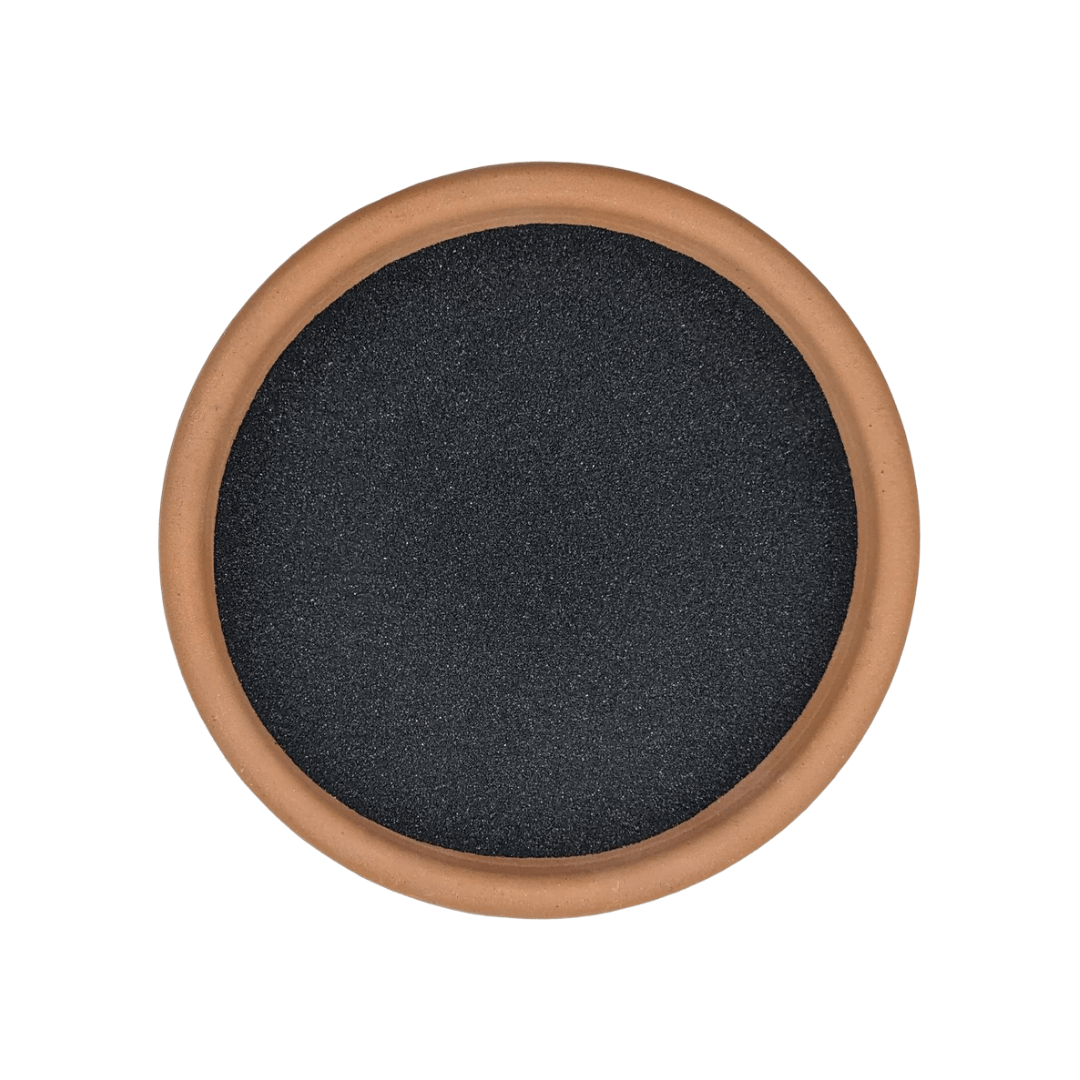
- Horticultural charcoal – can improve airflow and help manage odours in enclosed pots
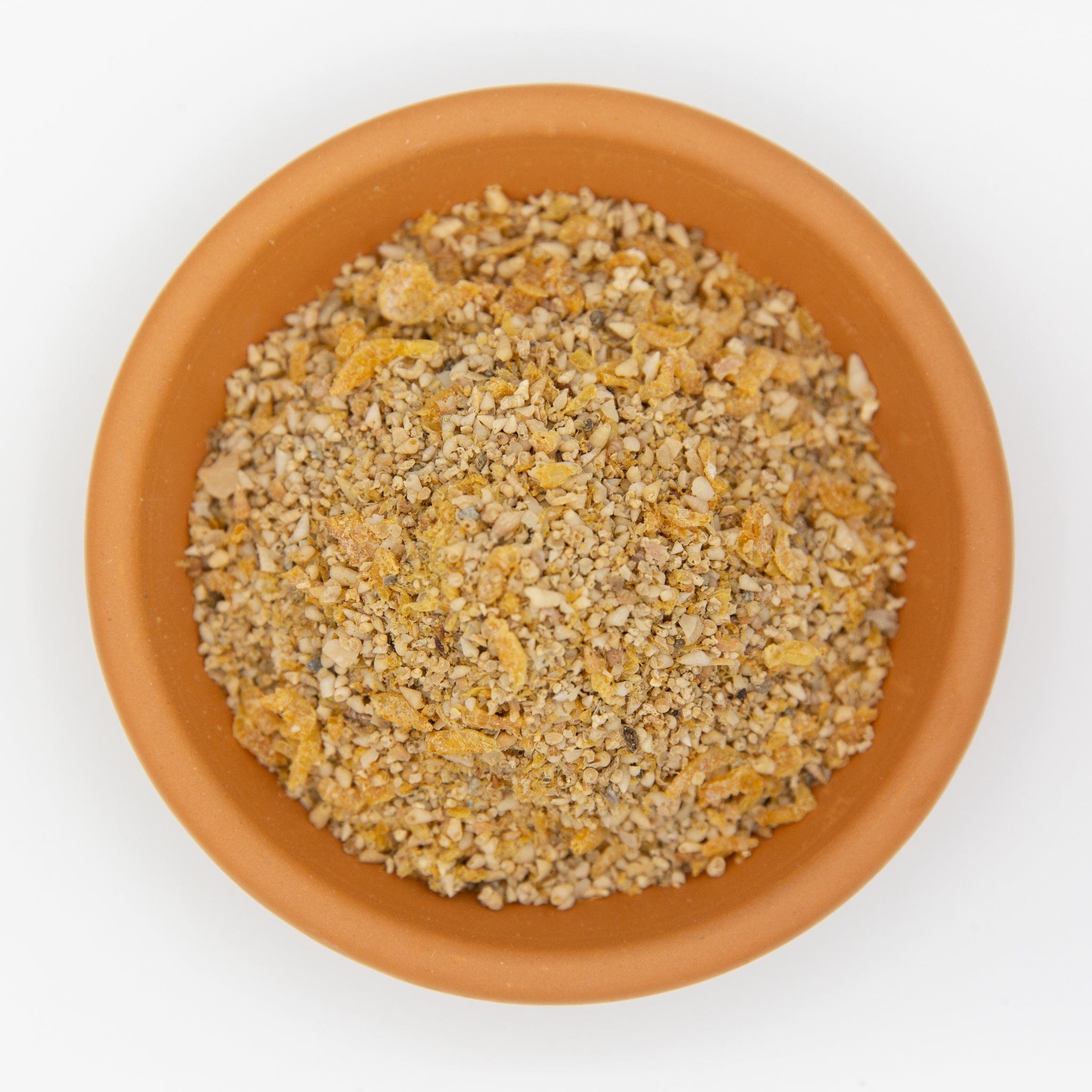
- Propagation or coarse sand – adds weight and drainage for plants that dislike soggy roots
These aren’t essential for every plant, but they can be useful additions for collectors, larger specimens, or plants that stay indoors year-round.
Indoor Plant Potting Mix vs Indoor Plant Soil: What’s the Difference?
People say “indoor plant soil” all the time, but technically, most houseplants shouldn’t be grown in actual soil from the ground. Backyard soil is too dense for pots, can carry pests or pathogens, and usually drains badly once it’s trapped inside a container.
Indoor plant potting mix is different. It’s a growing media, not garden dirt. It’s usually made from ingredients like coco coir, bark, perlite, composted organics, minerals and fertiliser inputs.
That matters because indoor roots are stuck with whatever environment you give them. In the ground, excess water can move away. In a pot, it can only drain through the mix, the holes and the saucer. So when someone asks for the best indoor plant soil, what they usually need is a proper indoor plant potting mix — not soil at all.
Use this section to understand the wording: when we say “indoor plant soil”, we are talking about indoor potting mix, not soil dug from the garden.
How to Judge an Indoor Potting Mix Before Using It
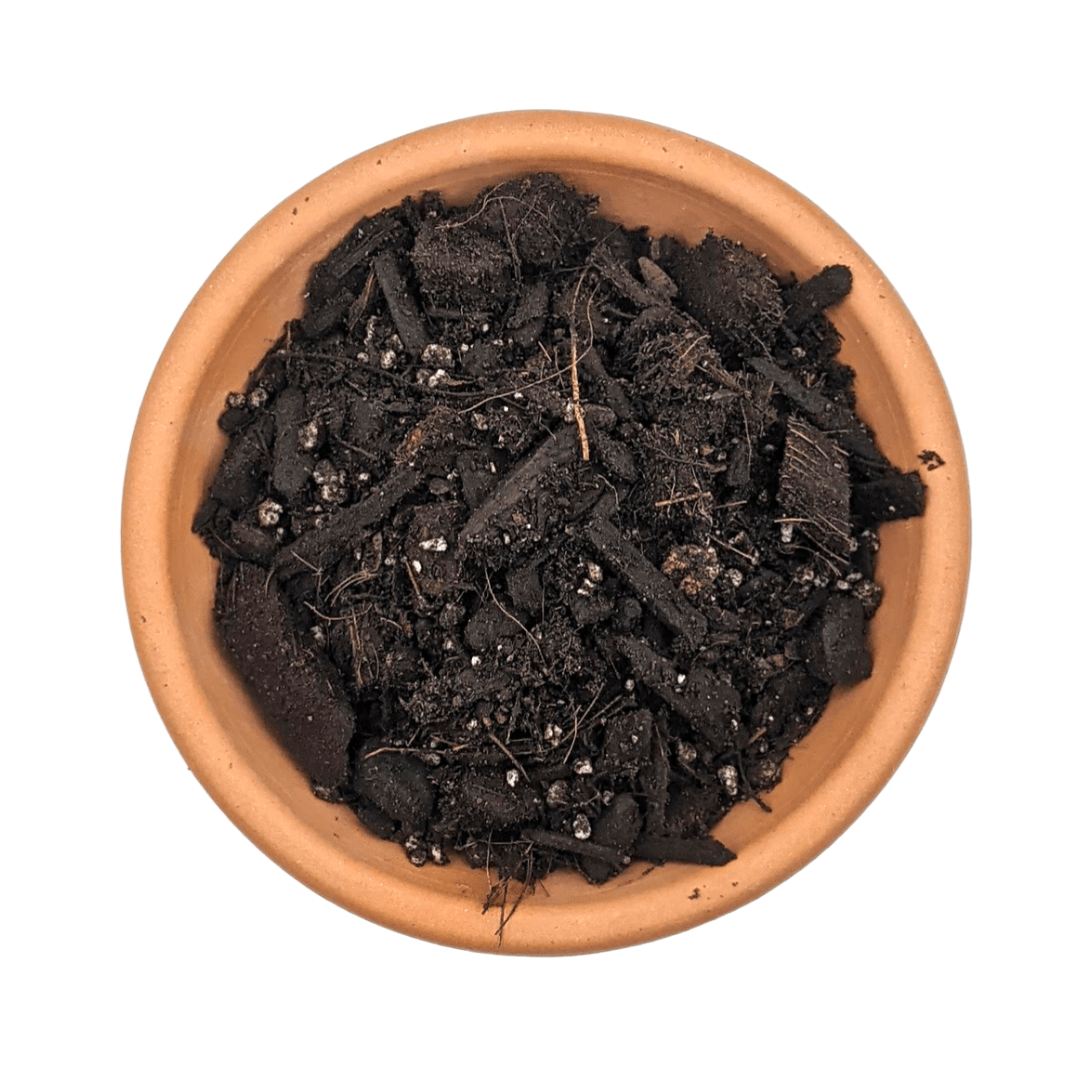
A decent indoor potting mix should look and feel different to heavy garden soil. It should have visible structure — not just fine brown dust. You want a blend that feels springy, slightly chunky and easy to re-wet, with enough mineral or barky material to stop it packing down like mud after a few waterings.
Before using a new bag, tip a handful into a tray and check it properly:
- If it clumps into a dense ball and stays there, it’s probably too heavy for most indoor plants.
- If it’s mostly fine dust, it may slump quickly and suffocate roots.
- If water beads on the surface and refuses to soak in, it may need pre-moistening before use.
- If it smells sour, swampy or rotten, don’t use it around healthy roots.
For a low-fuss option, Dr Greenthumbs Indoor Plant Potting Mix is designed for indoor pots, with moisture retention and structure balanced for common houseplants.
Potting Mix for Indoor Plants: Match It to How You Water
The best potting mix for indoor plants also depends on the grower. Two people can use the same plant, pot and room, but get totally different results because one waters lightly every few days and the other gives a deep soak once a fortnight.
If you’re a heavy waterer, lean towards a more open mix. Extra bark, perlite or pumice helps protect the roots from sitting in wet, stale media. This is especially useful for monsteras, philodendrons, pothos, hoyas and larger floor plants.
If you forget to water, don’t go too sharp or gritty. A super-fast mix may dry before the plant gets a proper drink. In that case, a balanced indoor mix with coir and some moisture-holding ingredients will be more forgiving.
A simple way to think about it:
- Water often? Choose more airflow.
- Water lightly? Water more thoroughly instead.
- Forget often? Avoid mixes that are too bark-heavy or gritty.
- Use cover pots? Be extra careful, because trapped runoff can undo even a good mix.
The mix should suit your habits, not just the plant tag. A lot of indoor plant problems start when the root zone does not match the way the plant is being watered.
Indoor Potting Mix for Low-Light Rooms
Low light changes everything.
When a plant is tucked away from bright windows, it uses less water, grows slower and dries out much more gradually. That means a heavy potting mix that works fine on a balcony can turn into a soggy mess indoors.
For darker rooms, the best indoor potting mix is usually lighter and chunkier than people expect. You want enough structure to keep oxygen around the roots, but not so much moisture-holding material that the pot stays wet for a week.
A few smart tweaks:
- Add extra perlite or pumice if the room is cool or shaded.
- Use chunky bark for aroids, monsteras, philodendrons and other tropicals that hate stale roots.
- Avoid compact, compost-heavy mixes in decorative pots.
- Let the top layer dry before watering again.
- Don’t upsize the pot unless the plant has actually filled the current one.
For a ready-made option, Dr Greenthumbs Indoor Plant Potting Mix is suitable for many indoor plants kept in typical home conditions.
Potting Mix for Indoor Plants by Plant Type
There’s no single perfect potting mix for indoor plants because not all indoor plants grow the same way. A fern, a ficus and a monstera might all live in the lounge room, but their roots want different things.
Here’s the simple way to match the mix:
- Monsteras, philodendrons and pothos — use a chunky, airy mix with bark and perlite so roots can breathe.
- Ferns and calatheas — use a mix that holds more even moisture but still drains cleanly.
- Ficus, rubber plants and fiddle leaf figs — use a balanced indoor mix that won’t slump or stay wet too long.
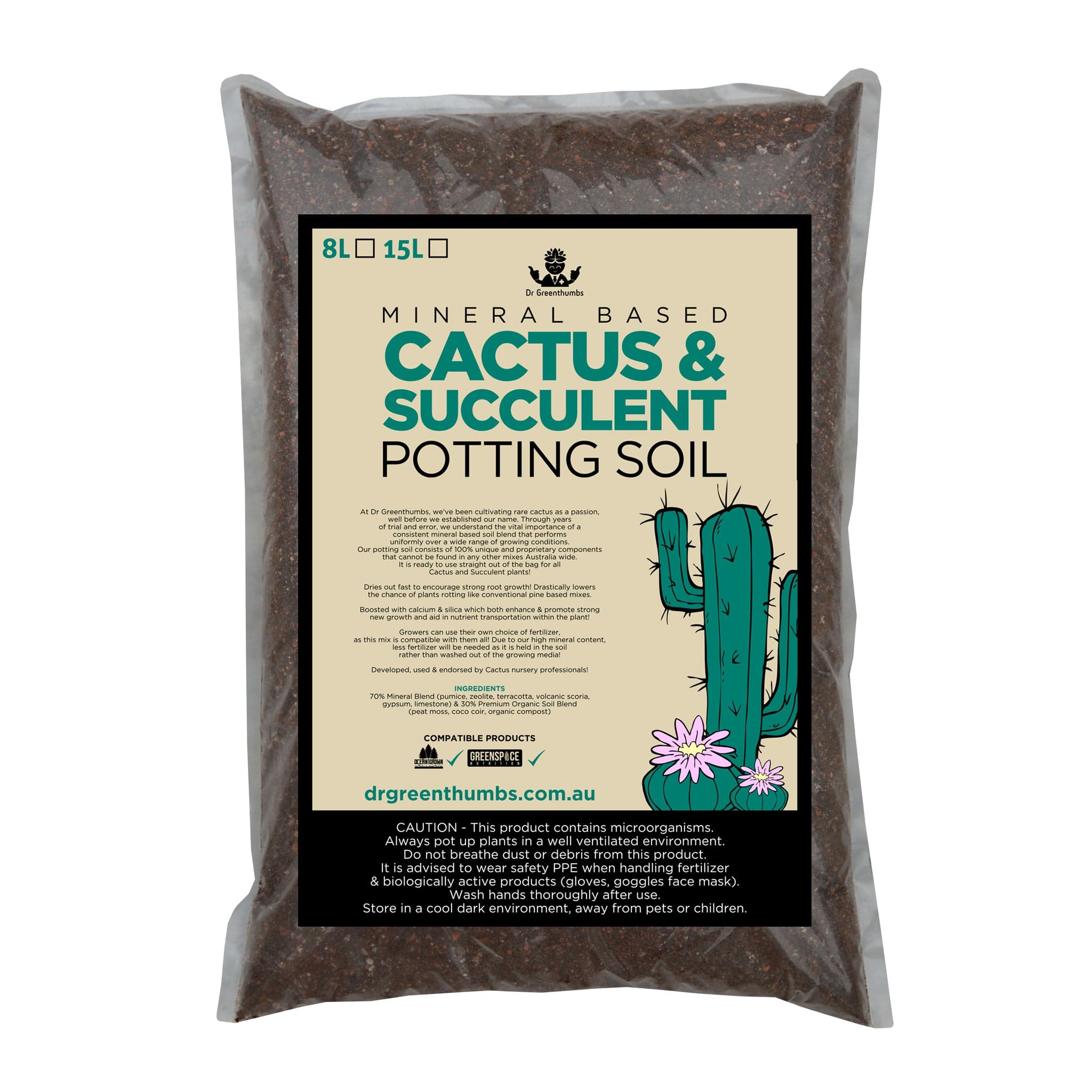
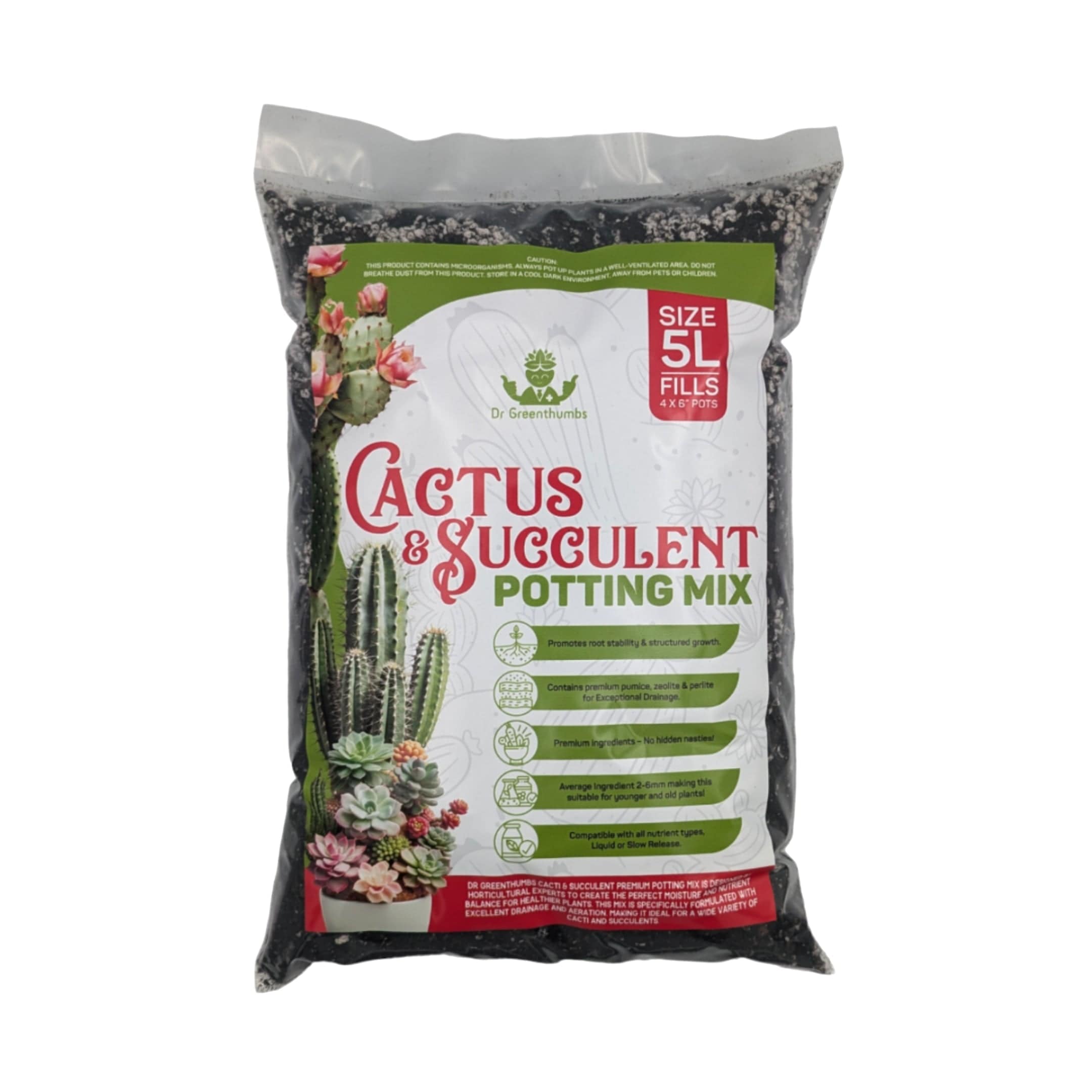
- Succulents and cacti — skip rich indoor mixes and go for something sharper, grittier and faster drying.
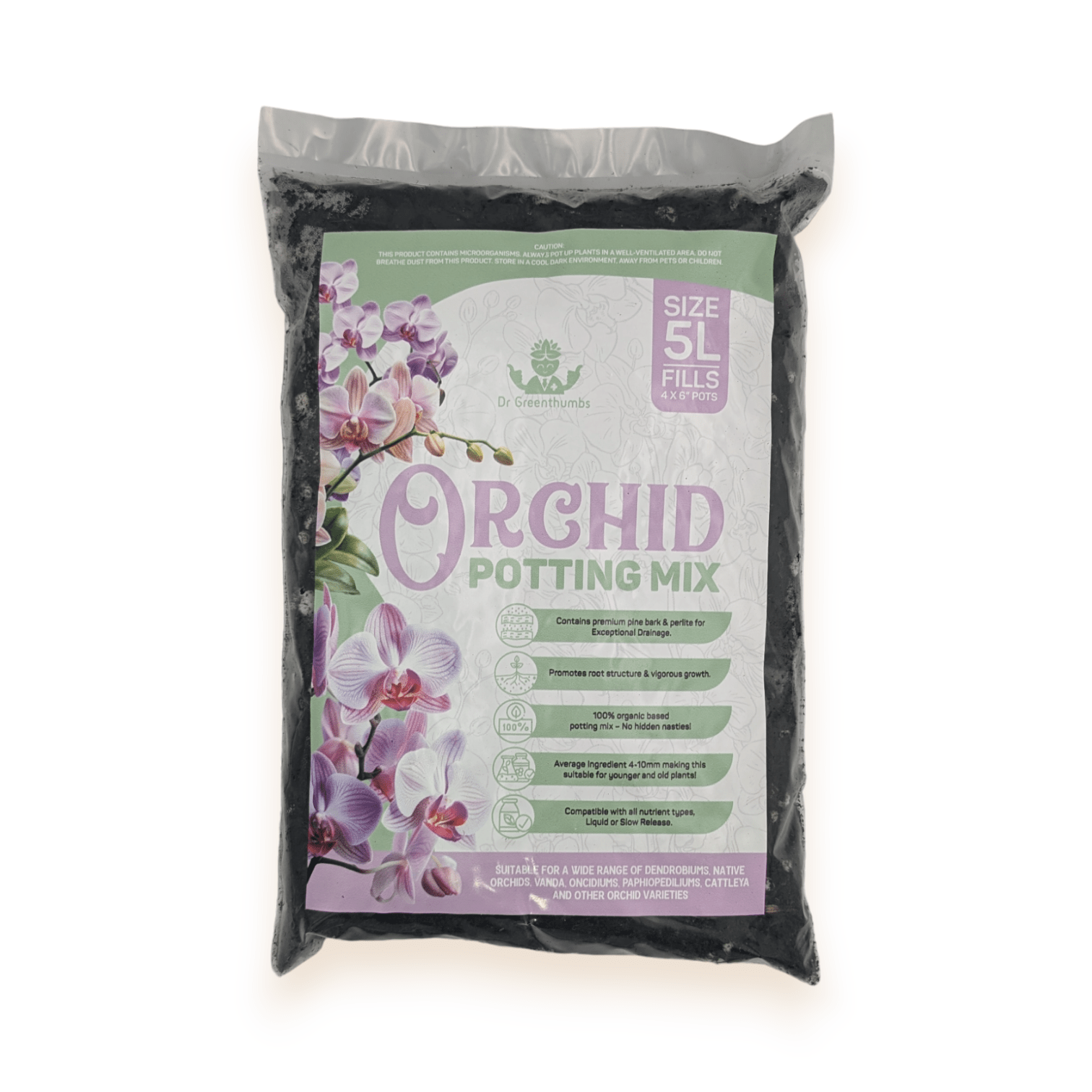
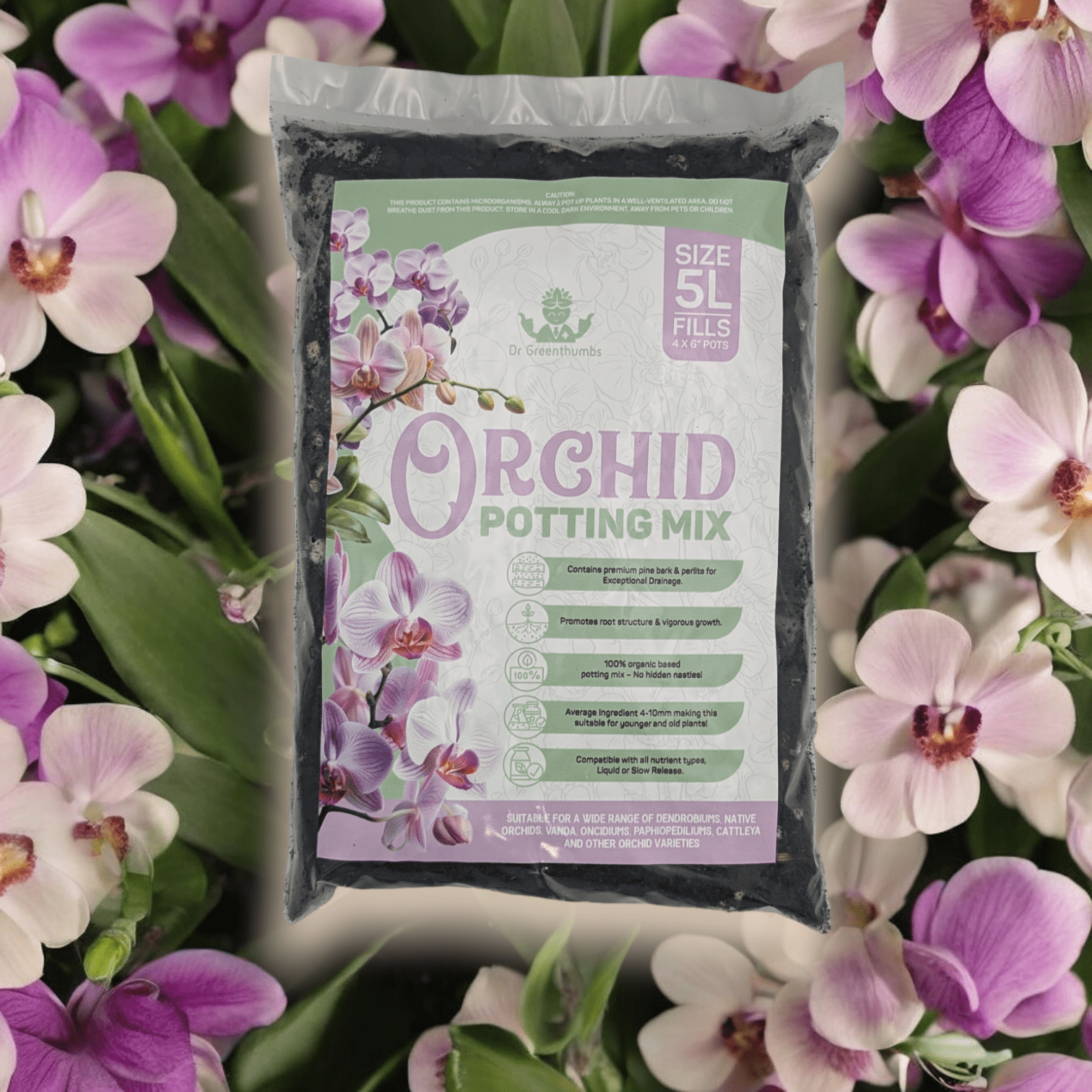
- Orchids — don’t use standard indoor potting mix. They need a proper orchid-style bark blend.
- Large floor plants — use a structured mix with enough chunk to stop the lower half of the pot turning stale.
A good indoor mix should suit most leafy houseplants, but “most” doesn’t mean “all”. The more unusual the plant’s natural root system, the more specific the mix needs to be.
If you want to adjust a base mix yourself, use the simple ratios below after choosing the right direction for your plant type.
Best Potting Mix Australia: What to Look for Before Buying
The best potting mix in Australia isn’t just the one with the fanciest bag. It’s the one that suits the plant, the pot, the room and the way you water.
Do not choose a potting mix based on fertiliser claims alone. Slow-release fertiliser, trace elements and wetting agents can be useful, but they do not fix a poor base mix. For indoor plants, structure comes first: the mix must stay open, drain cleanly and hold moisture without turning boggy.
Before buying, check for these things:
- Good structure — look for bark, coir, perlite, pumice or other ingredients that keep air moving.
- Clean drainage — water should pass through without the mix turning muddy.
- Balanced nutrition — enough starter feed to support new growth, but not so much that sensitive roots get hammered.
- Low slump — cheap mixes can collapse quickly, which reduces oxygen and invites root problems.
- Indoor suitability — outdoor mixes can be too heavy, too compost-rich or too wet for indoor pots.
Cheap potting mix often looks like a bargain until you factor in fungus gnats, slow growth, failed repots and plant loss. For a veggie bed, you can often fix a rough mix with compost and time. Indoors, you don’t have that luxury. The pot is the whole root zone.
Buy for structure first. Nutrients can be adjusted later, but a collapsed, waterlogged mix is harder to rescue.
What the Australian Standards Tick Does and Doesn’t Tell You
In Australia, you’ll often see potting mixes labelled with Australian Standards ticks. That can be helpful, especially when you’re comparing cheap bags against premium mixes. A Standards mark gives you some confidence that the product has met a recognised baseline for potted plant performance.
But it doesn’t automatically mean that mix is the best choice for every indoor plant.
A premium outdoor mix can still be too heavy for a low-light lounge room, and a general-purpose mix may still need extra aeration for some indoor plants.
For Aussie homes, use the Standards tick as a quality filter, not the final decision. The final decision should still come down to indoor suitability, plant type, pot setup and watering habits.
When Indoor Potting Mix Needs Changing, Not Just Feeding
Sometimes the plant doesn’t need more fertiliser. It needs a better root environment.
Old indoor potting mix can break down, compact and stop draining the way it used to. Once that happens, adding liquid feed won’t fix the real issue. You’re just feeding a plant sitting in tired, airless media.
Signs the mix needs replacing:
- Water sits on top before soaking in.
- The pot feels wet for days after watering.
- Roots smell sour or look brown and mushy.
- The plant wilts even though the mix is damp.
- Fungus gnats keep coming back.
- New growth is weak, small or pale.
- The mix has shrunk away from the side of the pot.
If the plant is otherwise healthy, a normal repot is fine. If it’s struggling, go gentler: remove the worst of the old mix, trim only dead roots and repot into fresh, airy media. Then give it time. Don’t fertilise heavily straight away and don’t keep pulling it out to check progress.
Fresh mix won’t magically fix rotten roots overnight, but it gives the plant the one thing it can’t recover without: oxygen around the root zone.
Simple Indoor Potting Mix Ratios You Can Use at Home
Use these ratios when you already have a base potting mix and want to adjust it for better drainage, airflow or moisture retention.
If you’re customising a store-bought mix or making your own blend, a simple ratio can make a big difference — especially indoors where airflow and evaporation are limited.
Here are two easy mixes that suit most indoor plants:
For the majority of houseplants (monstera, philodendron, ficus):
- About 80% quality potting mix
- About 20% perlite
This creates a balance between moisture retention and drainage, which helps prevent soggy roots without drying plants out too quickly.
For plants that prefer extra airflow (aroids, larger-leaf tropicals):
- Roughly 1/3 potting mix
- 1/3 perlite
- 1/3 orchid bark or chunky bark
The added bark increases air pockets around the roots, which is especially helpful for plants kept in decorative pots or lower-light rooms.
You don’t need to be exact — consistency matters more than precision.
DIY vs Ready-Made: Which Makes Sense?
|
Aspect |
DIY Blend |
Dr Greenthumbs Indoor Plant Potting Soil |
|---|---|---|
|
Cost per 5 L |
$30++ (after buying five separate bags) |
$12.99 standard price! |
|
Time |
15-30 min per batch |
0 min |
|
Consistency |
Varies with each blend |
Factory-controlled every batch |
|
Storage Space |
Multiple half-used bags |
One tidy bag |
Unless you’ve got a shed and love getting dusty, a premium ready-made blend wins on convenience and consistency.
Step-by-Step Repotting Guide
- Water 24 h before—eases root ball removal.
- Choose a pot 2–3 cm wider than the current one with drainage holes.
- Layer 1 cm of fresh mix at the base.
- Gently tease roots; snip any black or mushy sections.
- Set plant in centre and back-fill with Dr Greenthumbs Indoor Plant Potting Mix, tapping sides to settle.
- Water through until liquid drains clear.
- Top-dress with decorative bark or pebbles to discourage gnats.
- Skip fertiliser for 4 weeks—our mix carries initial nutrition.
Top Tip
Use our free Soil Volume Calculator to work out exactly how much mix you’ll need—no more half-open bags languishing in the laundry.
Why Pot Size Matters
Even the best indoor potting mix can struggle if the pot is too large for the plant.
When a pot is oversized, there’s a lot of unused soil sitting around the root ball. That soil stays wet for longer, which reduces oxygen around the roots and increases the risk of rot.
For indoor plants, it’s usually best to:
- Move up one pot size at a time
- Repot when roots are starting to fill the current container, not long before
- Make sure the pot has drainage holes whenever possible
A slightly snug pot with a well-structured mix will almost always outperform a large pot filled with wet soil.
Do You Need Gravel or Stones at the Bottom of Pots?
It’s a common belief that adding gravel, stones or broken pots to the bottom of a container improves drainage — but for indoor plants, this usually does the opposite.
Instead of helping water escape, a drainage layer can cause moisture to sit higher in the pot, keeping the root zone wetter for longer.
A better approach is:
- Use a well-structured potting mix throughout
- Choose pots with drainage holes
- Let excess water drain freely after watering
Good soil structure beats drainage layers every time.
Common Indoor Potting Mix Problems and Fixes
Use this section to match common indoor plant symptoms with likely potting mix problems. Some symptoms can have more than one cause, but these are the first mix-related issues to check.
|
Symptom or Problem |
Likely Cause |
What to Do |
|---|---|---|
|
Fungus Gnats |
Mix staying too wet |
Let the top layer dry between waterings, avoid standing water in saucers, and use a freer-draining mix if the problem keeps returning. |
|
Yellowing Leaves |
Rootbound plant, tired mix or low nutrition |
Check the roots first. If the plant is rootbound or the mix has collapsed, repot into fresh indoor potting mix. If the roots are healthy, resume gentle liquid feeding. |
|
Root Rot or mushy stems |
Compact, stale or waterlogged mix |
Remove dead roots, repot into fresh airy mix, and avoid pooling water in saucers. |
|
Slow Growth |
Old, compacted or low-nutrient mix |
Refresh the mix if it has slumped or stopped draining. If the mix is still sound, use a suitable indoor plant fertiliser.. |
|
Crispy leaf edges |
Possible salt build-up, underwatering or environmental stress |
Flush the pot with clean water and review watering consistency before adding more fertiliser. |
|
Soil pulling away from the pot |
Hydrophobic mix that has dried out too far |
Soak the pot briefly to rehydrate the mix, then water more thoroughly in future. |
For growers constantly fighting moisture swings or hydrophobic soil, Premium Potting Soil in Australia: The 2025 Guide to Bigger, Healthier Roots breaks down which mixes hold structure longest and avoid gnat-prone compaction.
Once your mix is dialled in, indoor plants still need consistent nutrition. The Ultimate Aussie Guide to Indoor-Plant Fertiliser (2025) shows exactly how often to feed and which formulas pair best with free-draining indoor blends.
Bought the Wrong Potting Mix? Here’s How to Fix It
This section is for fixing a mix that has already been used, not for choosing a new bag.
If you’ve already potted a plant and the mix doesn’t seem right, all is not lost.
If the soil stays wet for days:
- Gently mix in extra perlite or coarse bark to improve airflow
- Check that the pot has proper drainage
If the mix dries out too quickly:
- Blend in a small amount of coco coir or quality compost
- Water more thoroughly, allowing excess to drain
If the plant continues to struggle:
Sometimes the best option is a full repot into a better-suited mix. Indoor plants generally recover well when the underlying soil issue is corrected early.
FAQs
How often should I repot?
Fast growers every 12 months; slow growers every 18–24. If roots circle the base or water rushes straight through, it’s time.
Is the mix OK for orchids?
No—those legends crave very low nutrients. Grab our speciality blend instead.
Can I use this outdoors?
It’ll work, but sun and wind dry pots faster. Check moisture daily or mulch thickly.
Do I need extra fertiliser?
After the first month, yes. Pair with our GreenSpace Liquid Grow every second watering for peak performance.
Ready to Grow?
Skip messy mixing and treat your indoor jungle to the blend it deserves. Grab a bag (or three) of Dr Greenthumbs Indoor Plant Potting Mix today and watch your houseplants kick off their shoes and thrive.
Happy growing! 🌱
Next Reads for Building Better Indoor Mixes and Healthier Roots
Sorting out your indoor potting mix? These guides will help you fine-tune watering, feeding and plant-specific mix choices so your houseplants grow stronger with fewer issues.
- Mastering Watering: Moisture Meter Hack
- Indoor Plant Fertiliser Guide Australia
- Best Monstera Soil Mix: DIY Potting Mix Recipe for Australian Homes
- Indoor Plant Care Aussie Guide
About the Author