
If you want an indoor plant that looks sharp, survives a bit of neglect, and does not chuck a tantrum every time you forget to water it, the snake plant is one of the best options going.
Also known as Sansevieria or mother-in-law’s tongue, the snake plant is famous for its upright leaves, clean architectural shape, and ridiculously forgiving nature. It is one of the easiest indoor plants to keep alive in Aussie homes.
But here is the catch.
Most snake plants do not die from neglect. They die from too much love.
Too much water, heavy potting mix, poor drainage, dark soggy corners, and random care are what usually send them downhill. If you get those basics right, snake plants are absolute workhorses.
This guide covers exactly how to care for a snake plant in Australia, including the best light, how often to water, what soil works best, when to repot, how to propagate, and what to do if your plant is mushy, wrinkled, yellowing, or just plain unhappy.
Table of Contents
- Snake Plant Care at a Glance
- Why Snake Plants are So Popular Indoors
- The Best Light for a Snake Plant
- How Often to Water a Snake Plant
- The Best Potting Mix for Snake Plants
- Why Drainage Matters So Much
- Do Snake Plants Like Being Root-Bound?
- How to Repot a Snake Plant
- The Best Fertiliser for Snake Plants
- Snake Plant Care in Australian Homes
- Common Snake Plant Problems and How to Fix Them
- How to Propagate a Snake Plant
- Snake Plant Pests
- Is Snake Plant Safe for Pets?
- Best Snake Plant Varieties to Know
- Snake Plant Care FAQs
- Final Word: What a Healthy Snake Plant Actually Wants
- Next Reads for Keeping Your Snake Plant Healthy and Low-Maintenance
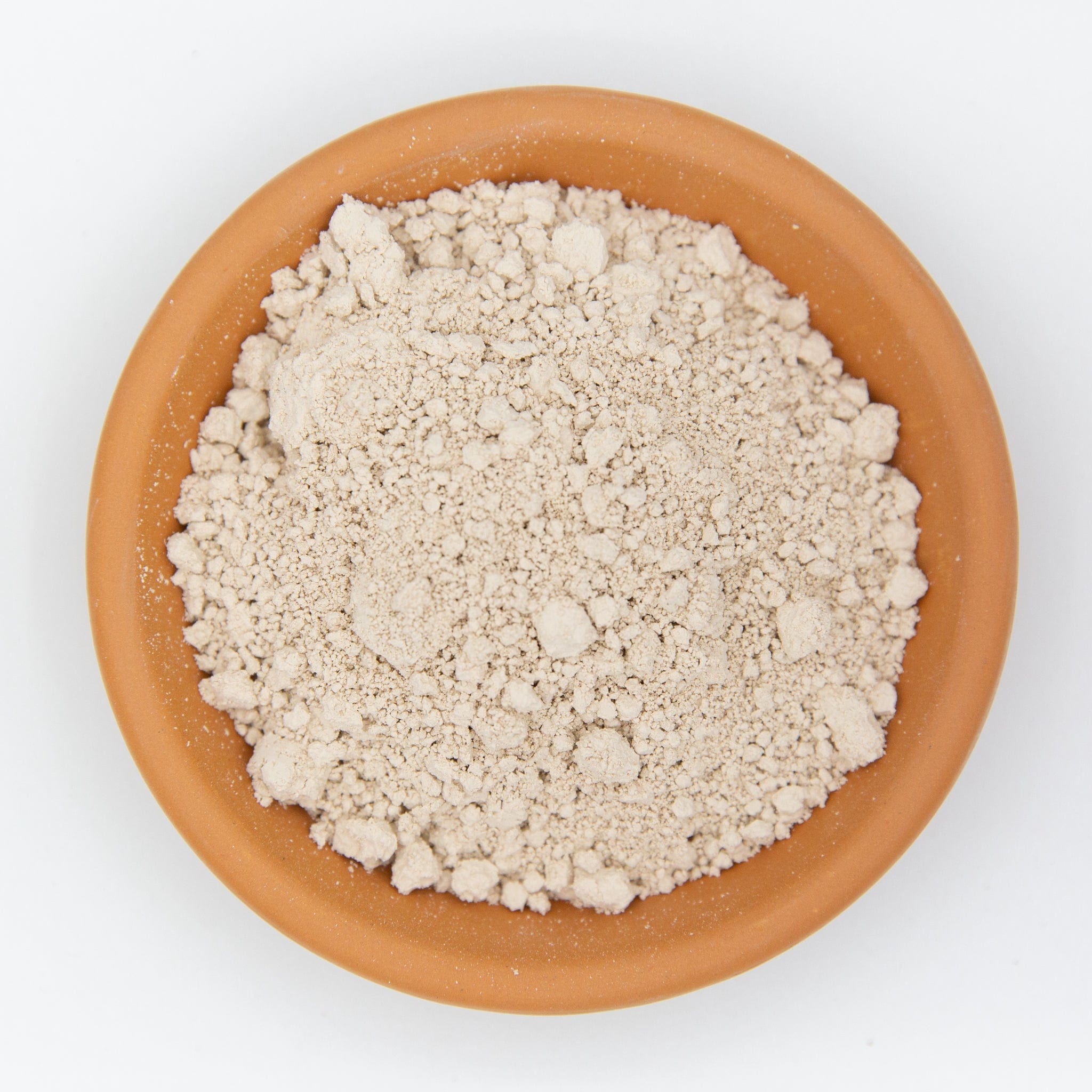
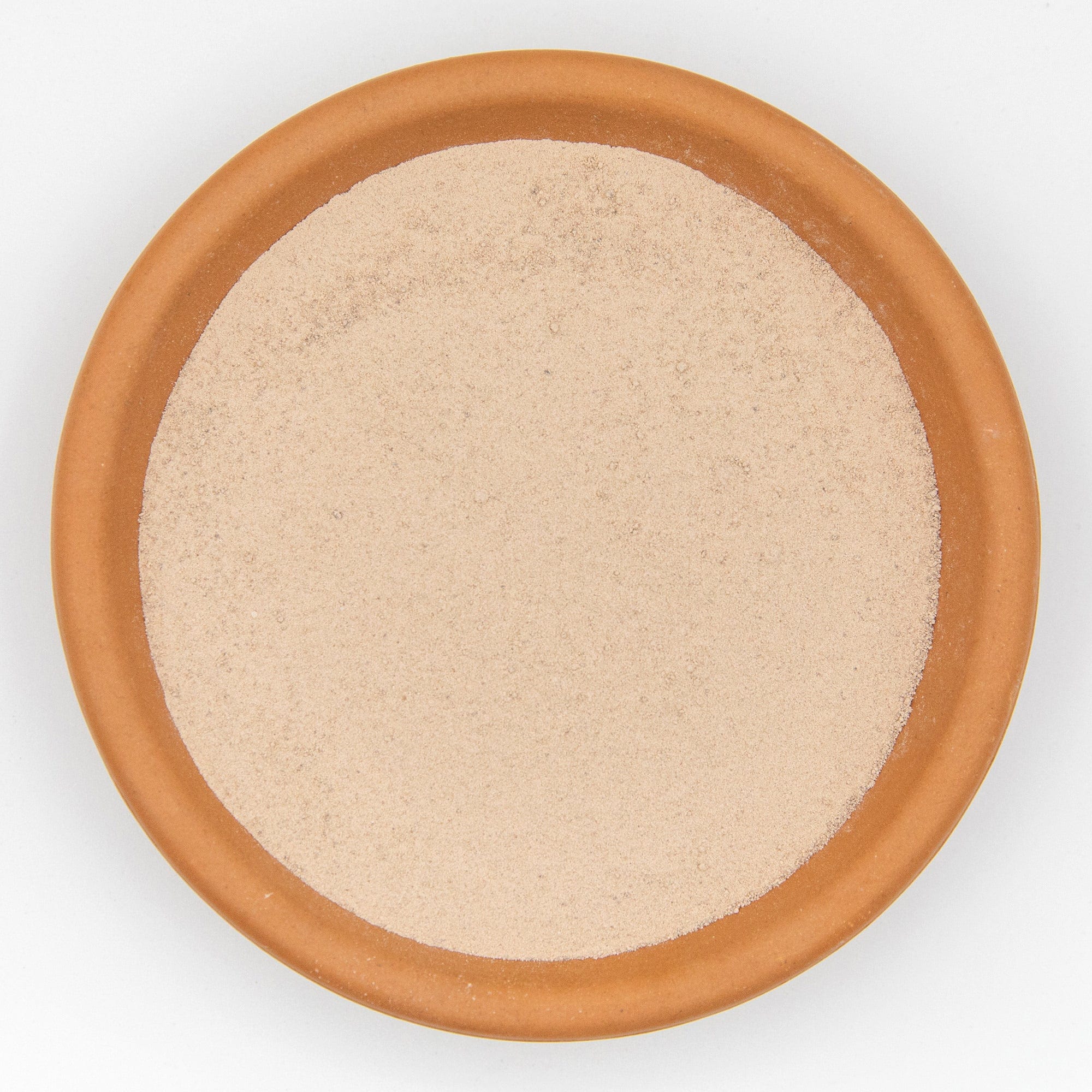
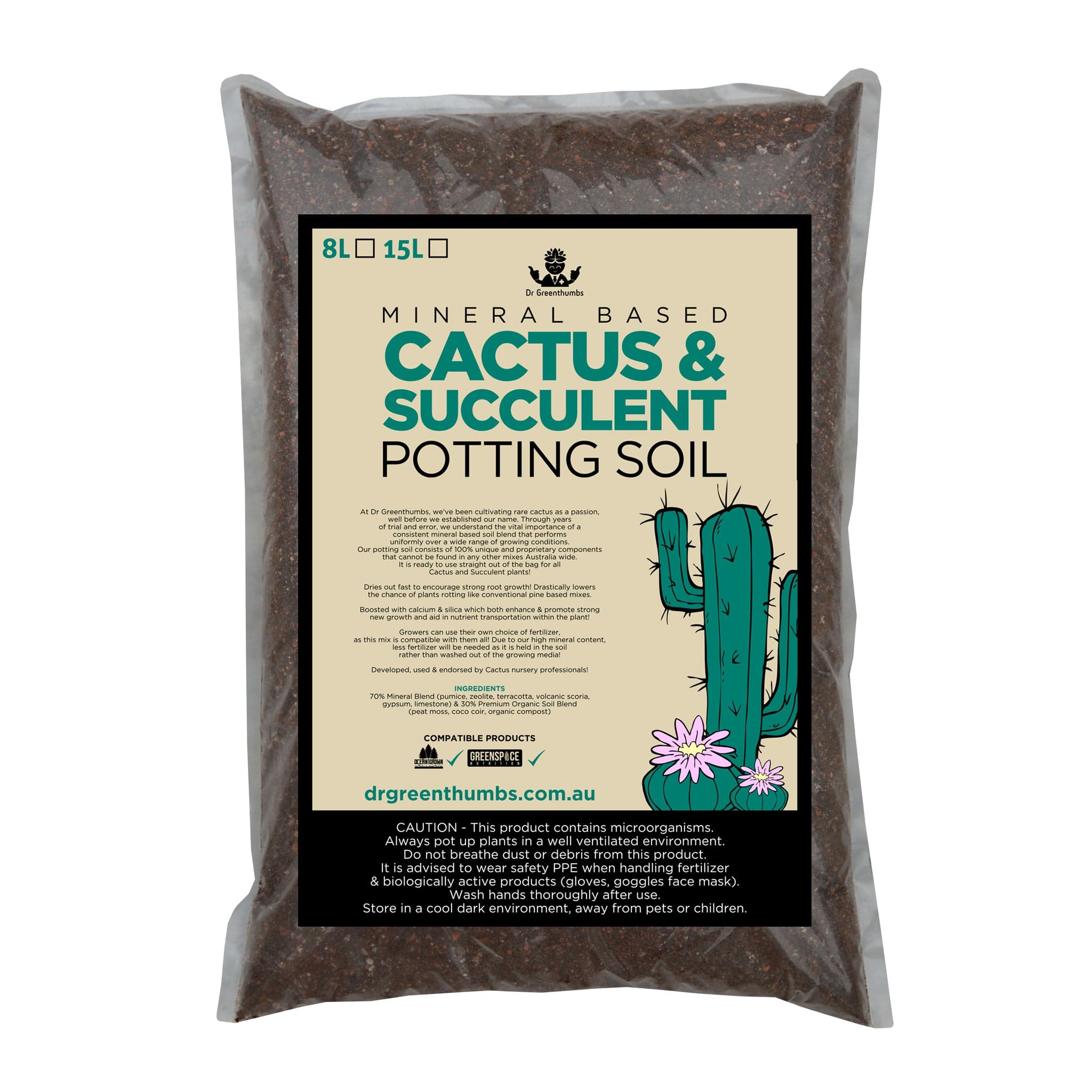
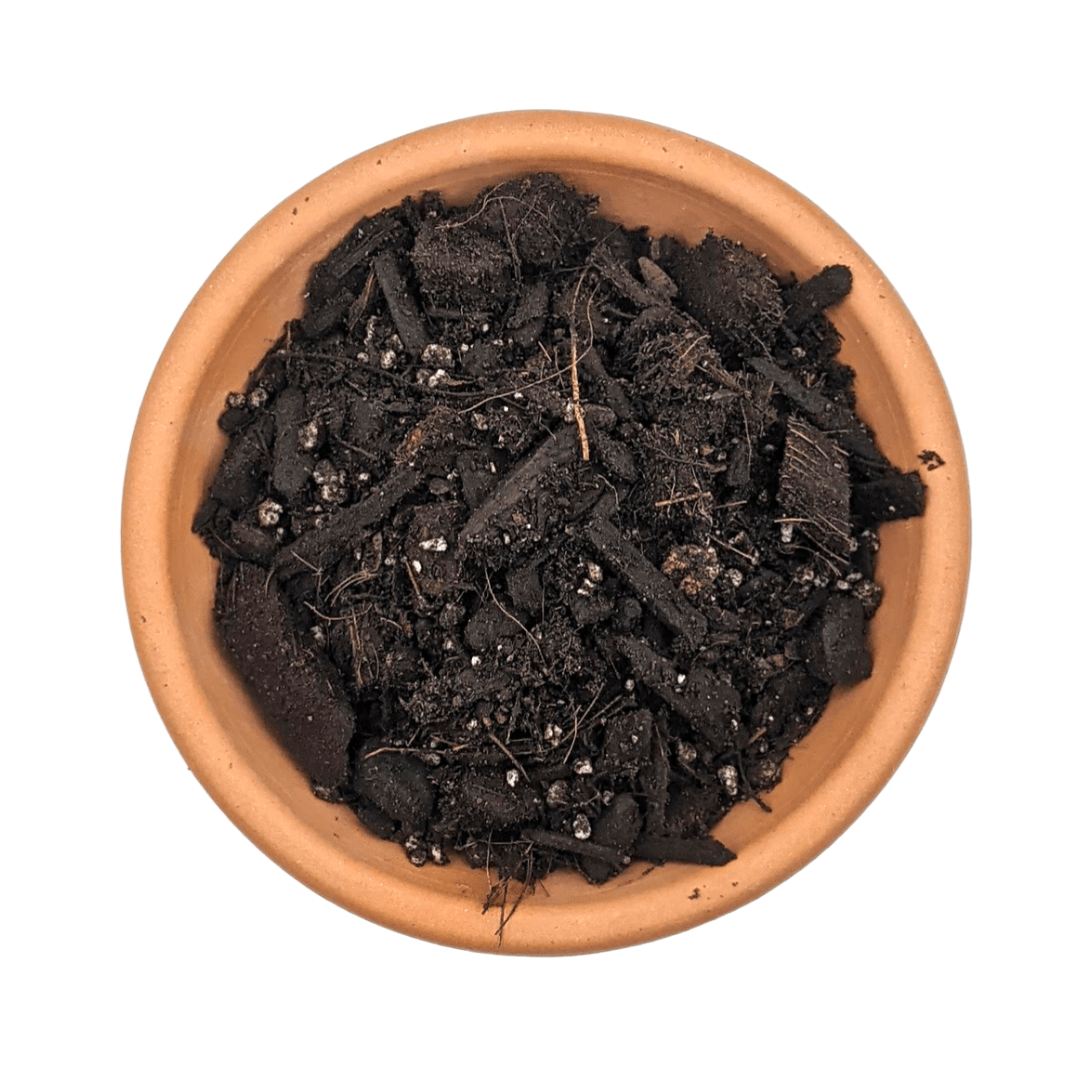
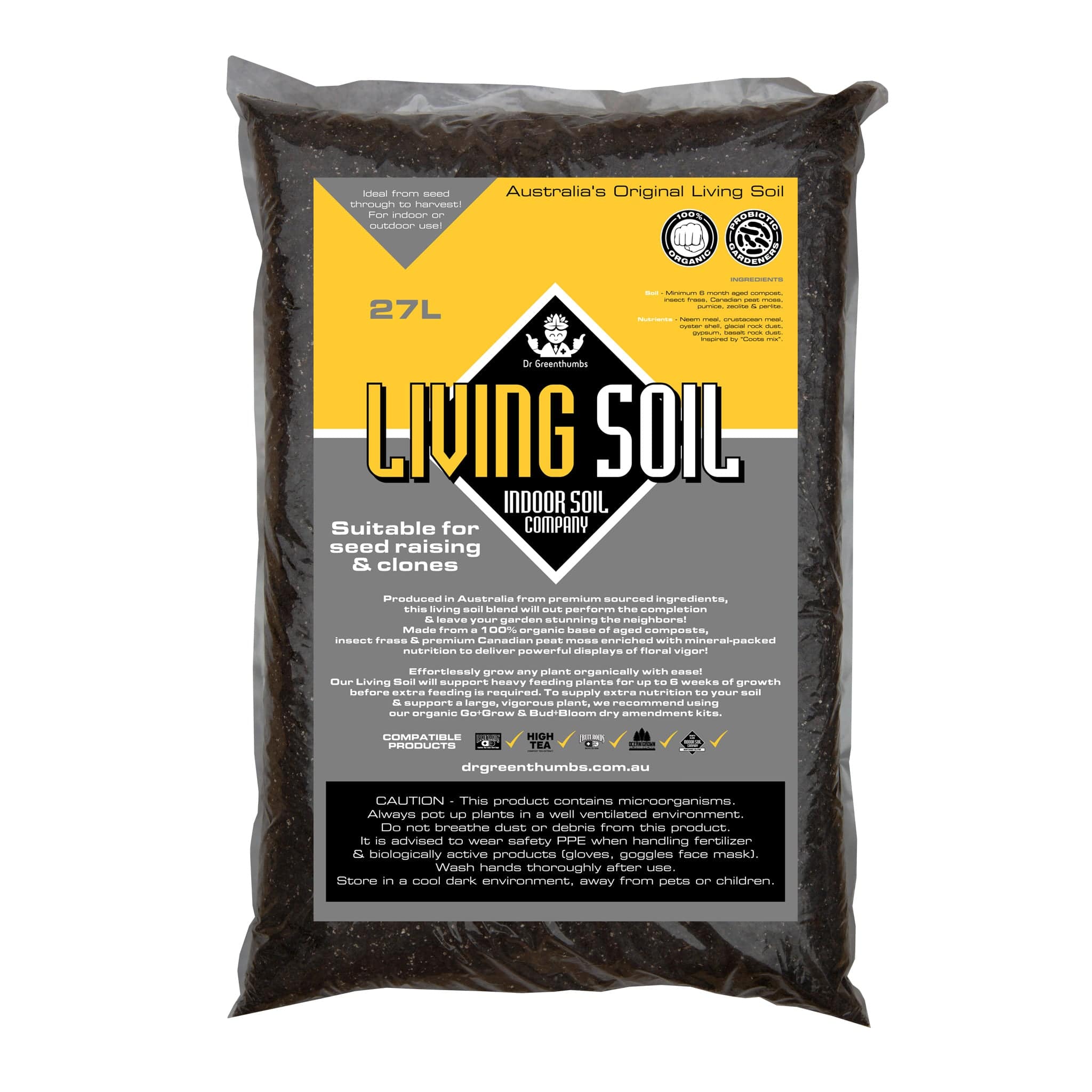
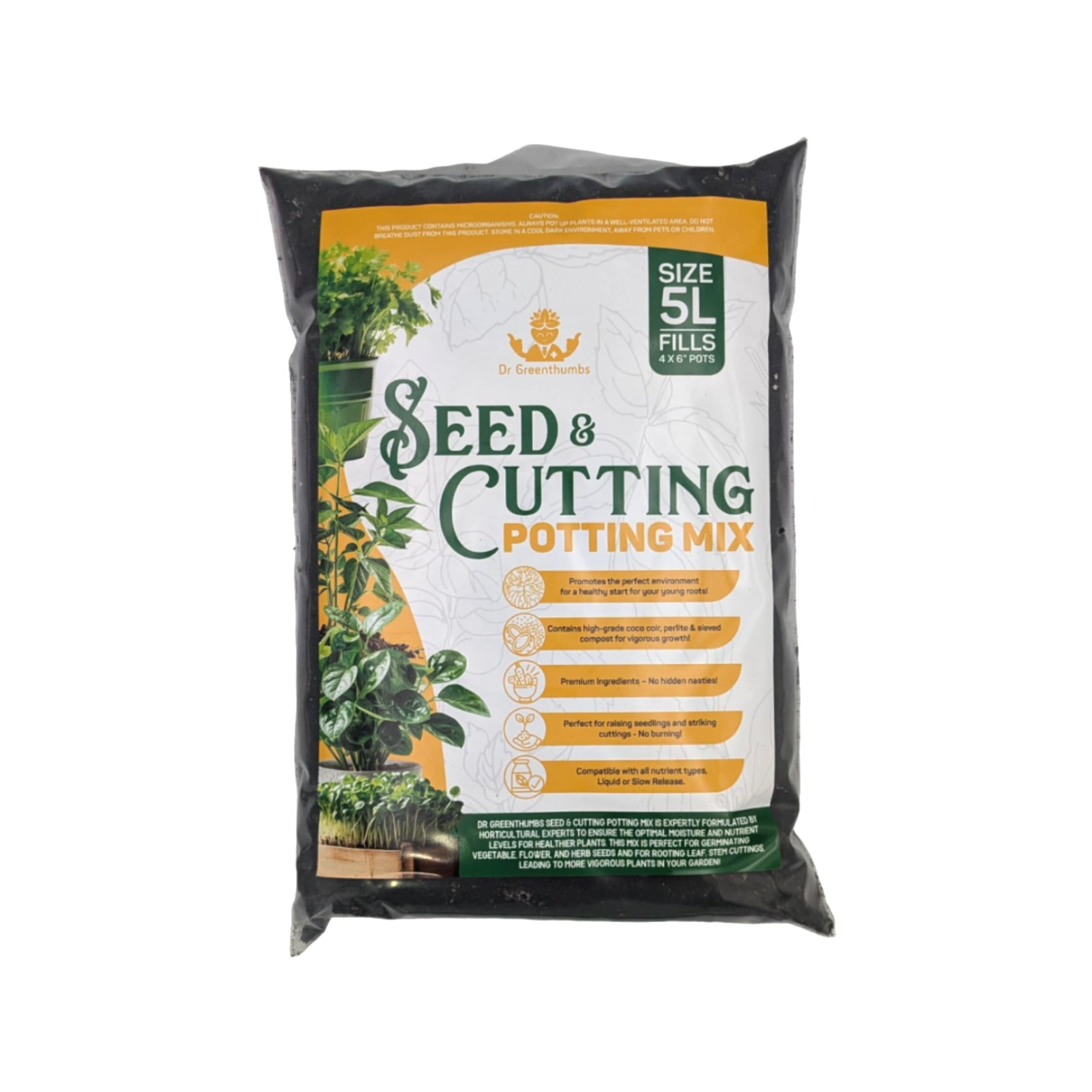
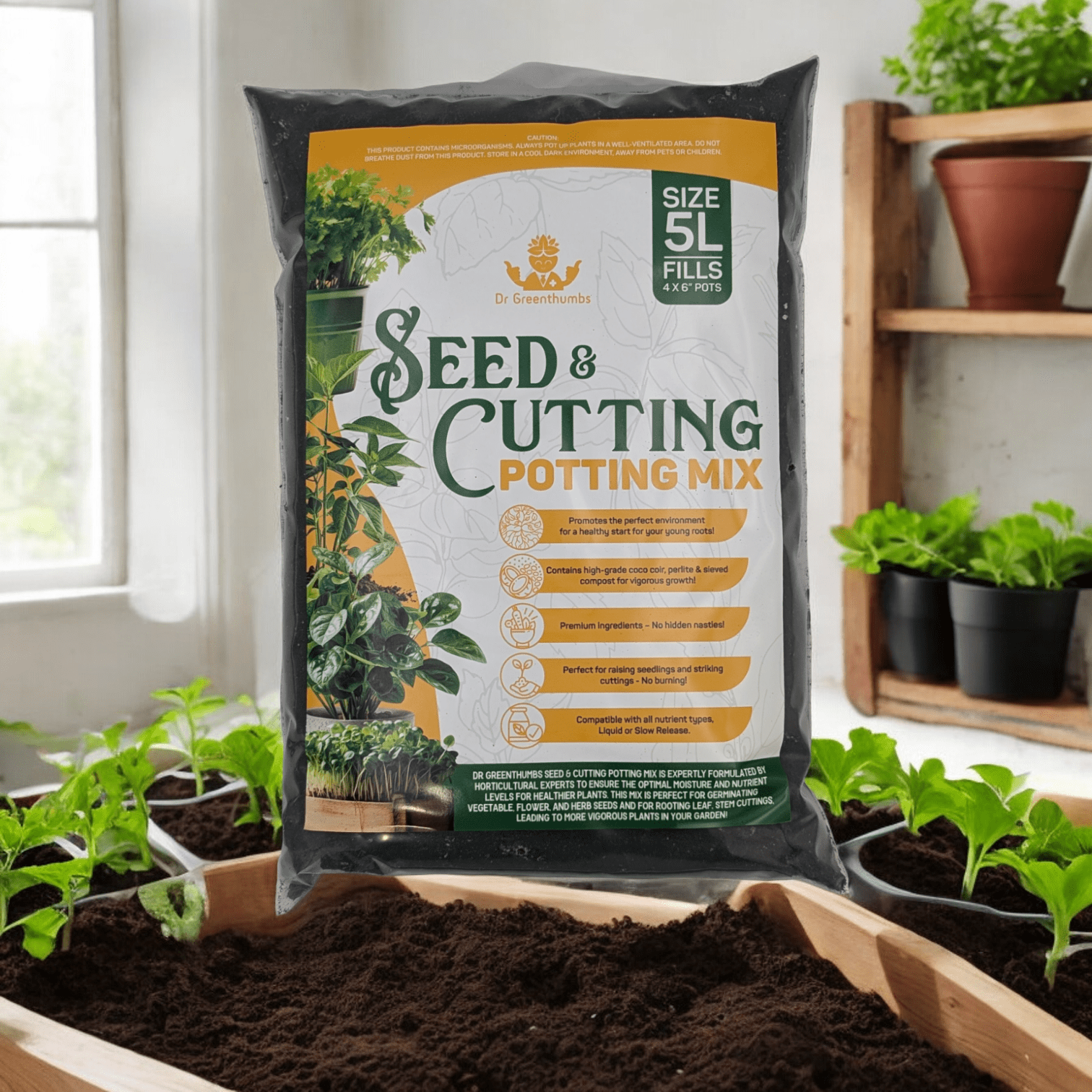
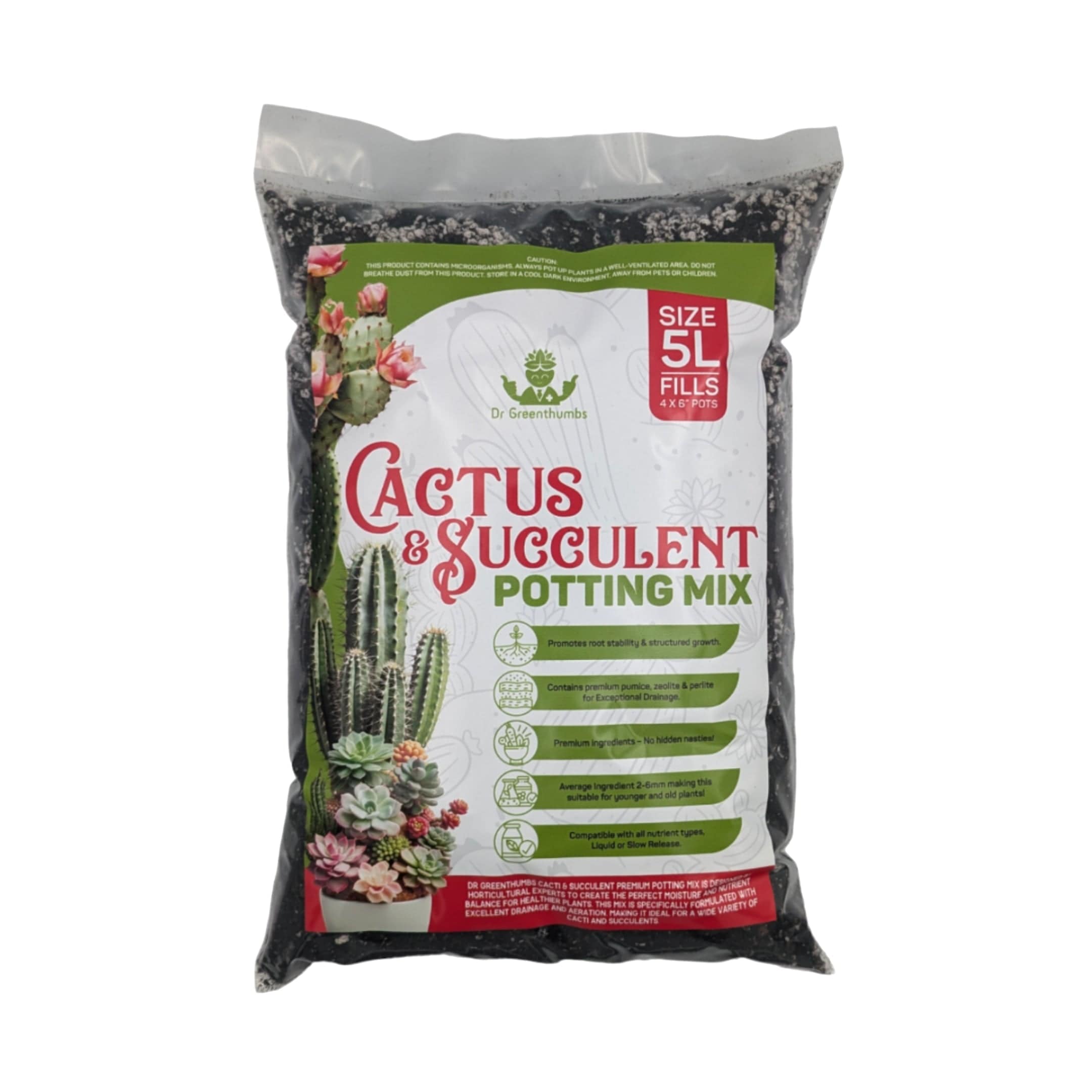
Want the simplest reliable setup? Start with an airy potting mix and a container that lets excess water escape:


Snake Plant Care at a Glance
If you only remember a few things, make it these:
- Light: Bright, indirect light is ideal, but snake plants tolerate lower light better than many indoor plants.
- Water: Let the potting mix dry out properly before watering again.
- Soil: Use a fast-draining indoor mix that does not stay soggy.
- Drainage: Always use a pot with drainage holes.
- Feeding: Feed lightly through active growth, not constantly.
- Repotting: Snake plants like being a little snug, but badly root-bound plants still need fresh mix.
- Biggest risk: Overwatering and poor drainage.
- Best mindset: Less fuss, more consistency.
If your current mix feels dense, compacted or wet for too long, the potting mix and drainage sections below explain what to fix. Feeding is covered in the fertiliser section.
Why Snake Plants are So Popular Indoors
Snake plants are popular because they make indoor plant care feel easier.
They are:
- beginner-friendly
- drought-tolerant
- happy in a wide range of indoor spots
- slow enough to manage, but strong enough to look impressive
- suited to shelves, corners, bedrooms, offices, and entryways
- great for people who do not want a needy plant
They are also one of the best “confidence-building” plants for people who have killed a few houseplants before and want a fresh start.
The Best Light for a Snake Plant
Snake plants can survive in low light, but they usually grow better in bright, indirect light.
That difference matters.
A snake plant tucked into a dim corner might stay alive for ages, but it will often grow slowly, lose some punch in its colouring, and become much less vigorous than one placed in a brighter spot.
Good places for a snake plant
- near a bright window with filtered light
- a few steps back from a sunny window
- in a well-lit room without hot afternoon sun hitting the leaves
- a covered verandah in bright shade
Signs your snake plant wants more light
- very slow or no growth through warmer months
- weaker colour or variegation
- leaves leaning more strongly toward one direction
- soil staying wet for too long because the plant is not actively using much water
Signs it is getting too much harsh sun
- bleached patches
- scorched leaf sections
- stress in very hot window spots during summer
In a lot of Aussie homes, snake plants do best where they get plenty of light without being cooked by glass and harsh afternoon heat.
How Often to Water a Snake Plant
This is the part most people get wrong.
Snake plants do not want frequent watering.
They want you to water thoroughly, then leave them alone until the mix has dried out properly.
Because they store moisture in their thick leaves and root system, they cope much better with slight dryness than with constant dampness.
As a general guide
- Spring and summer: water a bit more often if the plant is actively growing
- Autumn and winter: water much less often, especially in cooler rooms or lower light
The real rule is simple: check the mix, not the calendar.
Stick a finger into the potting mix, lift the pot to judge the weight, or use a moisture meter if that is your thing. If the mix is still damp down in the root zone, leave it alone.
Signs of overwatering
- mushy or soft leaves
- yellowing leaves
- leaves collapsing at the base
- wet mix that stays wet for ages
- a sour smell from the pot
- black or rotten roots
Signs of underwatering
- slightly wrinkled or softer leaves
- very dry, shrinking mix
- stalled growth over a long stretch
- leaves looking thinner than usual
With snake plants, overwatering is far more dangerous than slightly underdoing it.
The Best Potting Mix for Snake Plants
Snake plants hate sitting in a dense, soggy root zone.
That is why the potting mix matters so much.
A good snake plant mix should:
- drain quickly
- stay airy around the roots
- hold some moisture without turning swampy
- dry at a sensible rate between waterings
If your plant is in a heavy all-purpose mix with poor airflow, every watering becomes riskier than it needs to be.
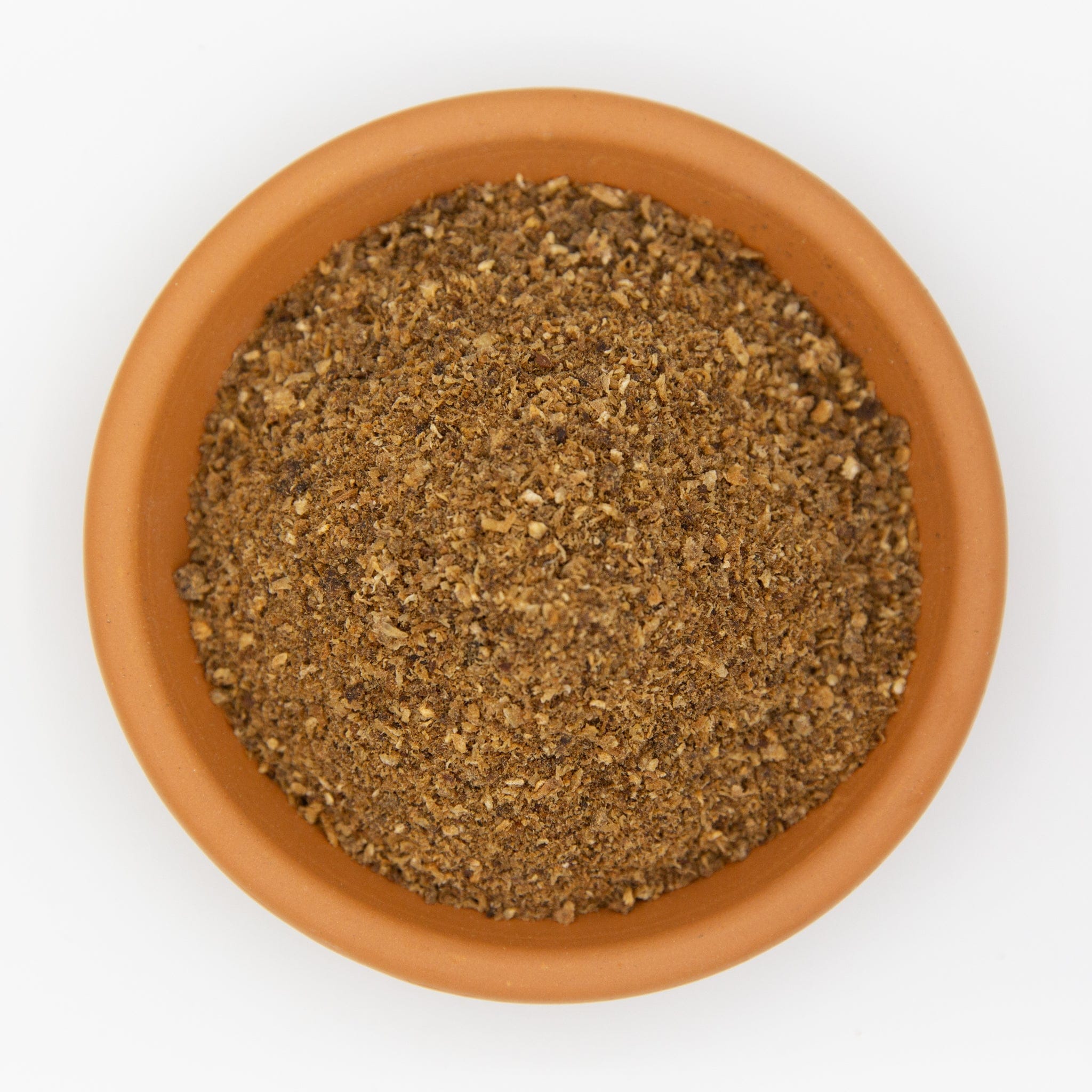
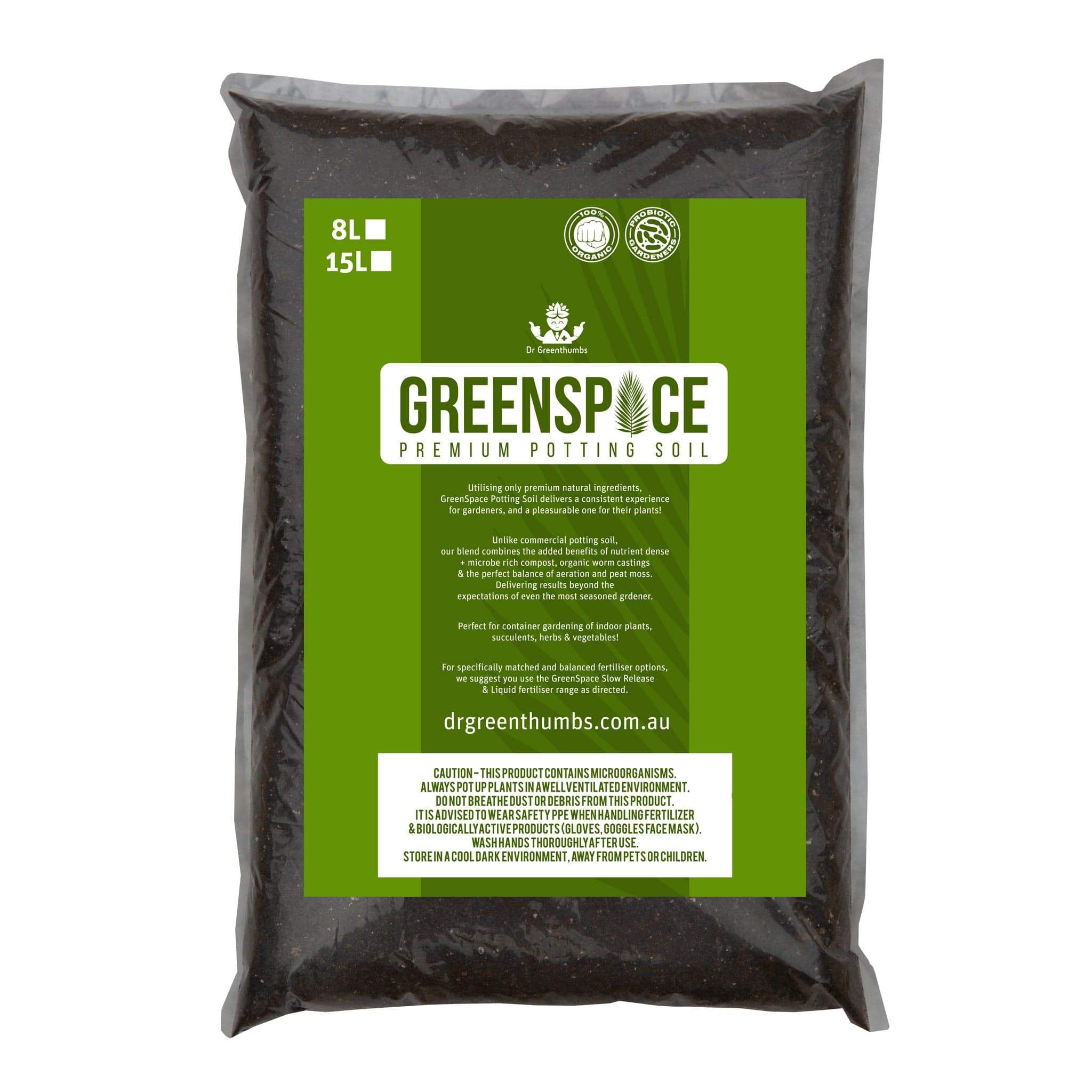
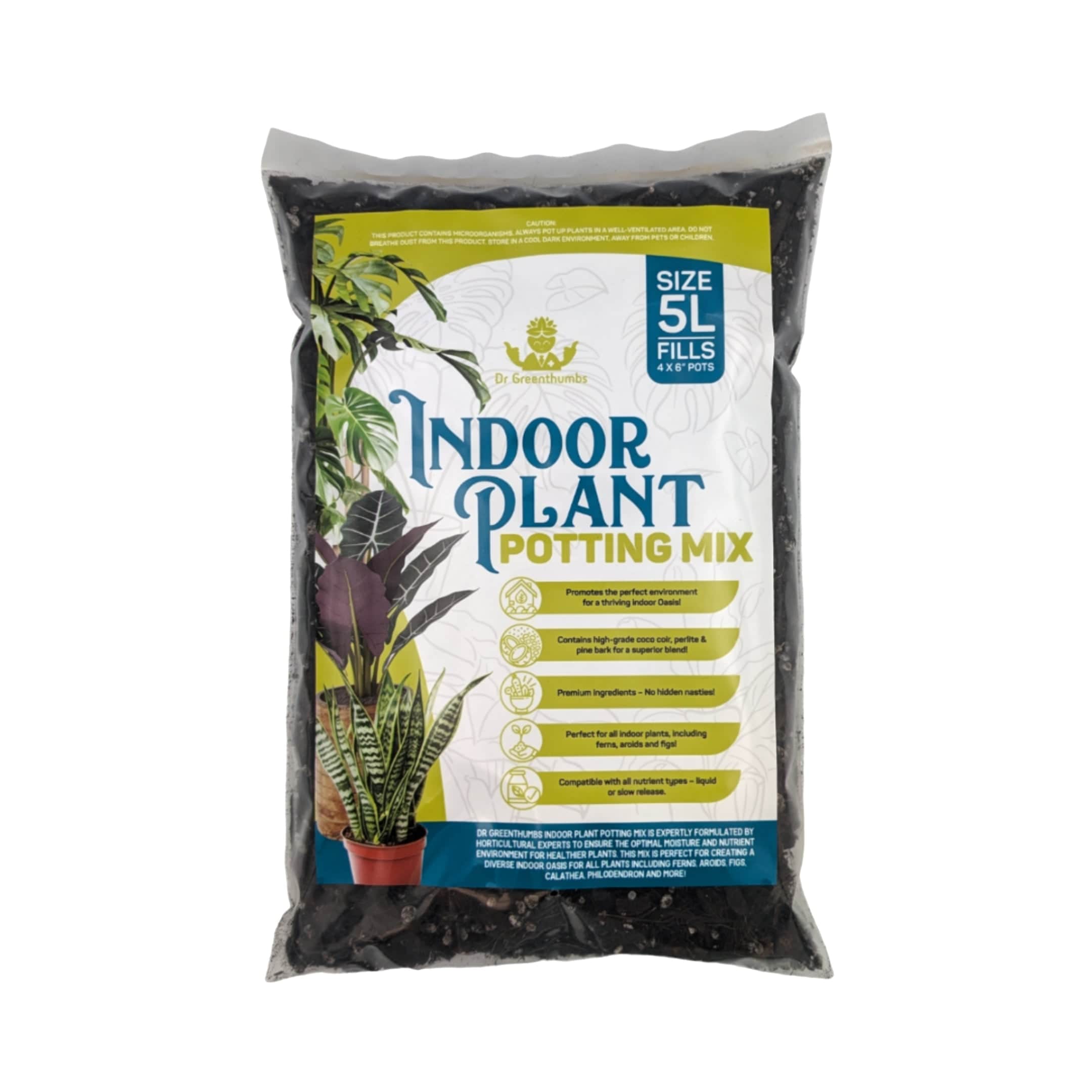
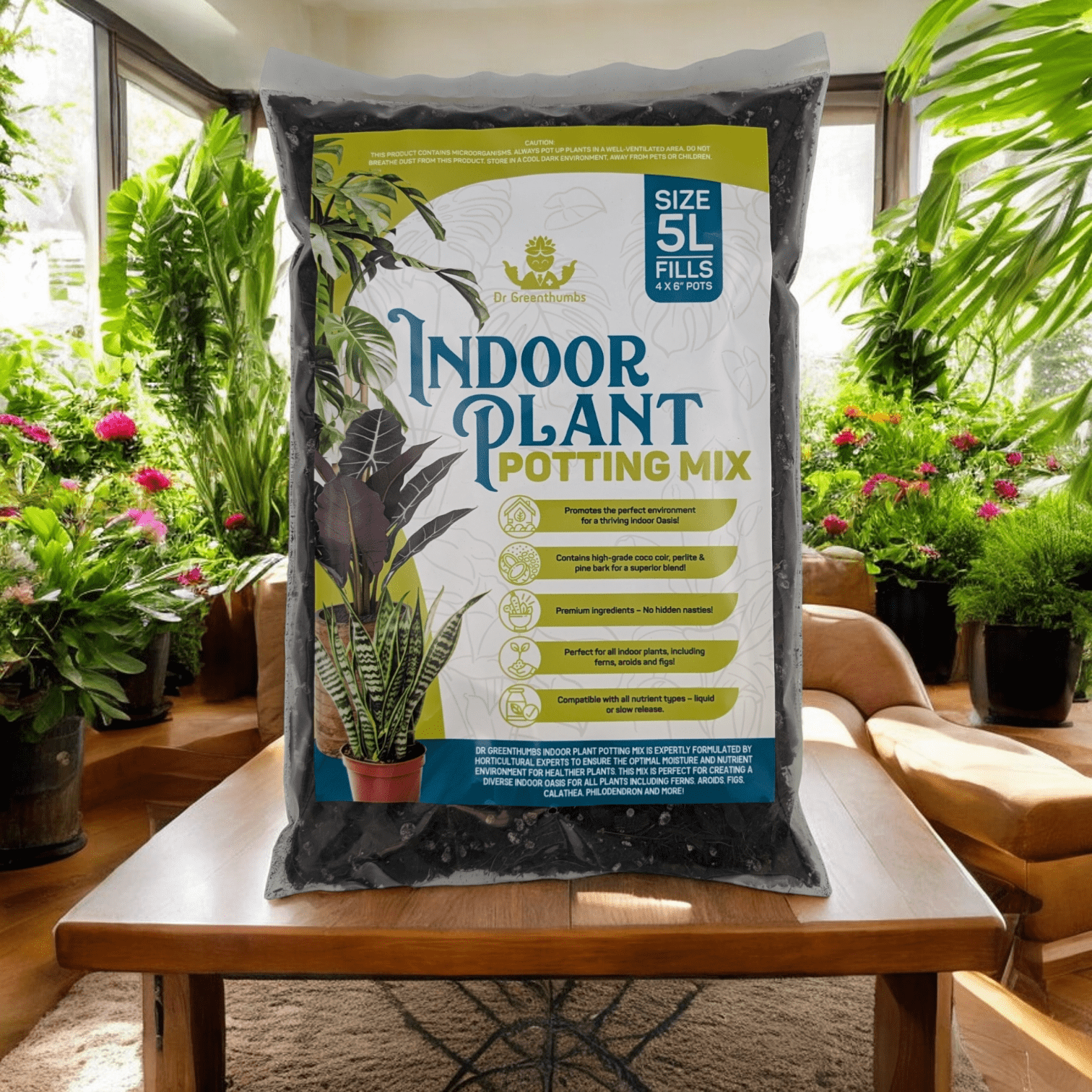
That is why a free-draining indoor mix is such a good upgrade. Dr Greenthumbs Indoor Plant Potting Mix is built with coco coir, perlite and pine bark to improve airflow, drainage and moisture balance, which suits plants that hate soggy feet.
Why Drainage Matters So Much
You can have the best watering intentions in the world, but if your pot has no drainage hole, the whole setup gets much harder.
Snake plants do best when excess water can move out of the pot instead of collecting around the roots.
Best setup for a snake plant
- a pot with drainage holes
- airy potting mix
- no standing water left in saucers or cache pots
- a container size that fits the plant rather than swallowing it whole
Terracotta can also be a nice option if you tend to overwater, because it helps the mix dry out faster than plastic.
Do Snake Plants Like Being Root-Bound?
A bit, yes.
Snake plants often grow happily when slightly snug in the pot. They do not need constant upsizing, and jumping them into a much bigger pot can actually make overwatering easier.
That said, “a bit snug” is not the same as “badly root-bound and exhausted.”
Signs it is time to repot
- roots circling heavily through the pot
- roots pushing from drainage holes
- the mix drying extremely fast because roots have taken over
- the plant becoming unstable or top-heavy
- growth slowing despite decent light and sensible feeding
- old mix breaking down and losing structure
The best time to repot in most Aussie homes is early spring, when the plant is coming into its growing season.
How to Repot a Snake Plant
- Choose a pot just one size up.
- Remove the plant gently and inspect the roots.
- Trim off any rotten or mushy roots.
- Repot into fresh, free-draining mix.
- Settle it in at the same depth as before.
- Wait a little before heavy watering if the roots were damaged, then water carefully going forward.
If the plant is stressed or crowded, Root Roids can be used as optional root-zone support after repotting.
The Best Fertiliser for Snake Plants
Snake plants are not heavy feeders, but they still appreciate some nutrition during active growth.
If you want stronger foliage, steadier growth, and better performance through spring and summer, a light feeding routine helps. The key is restraint, not blasting the plant with food every week.
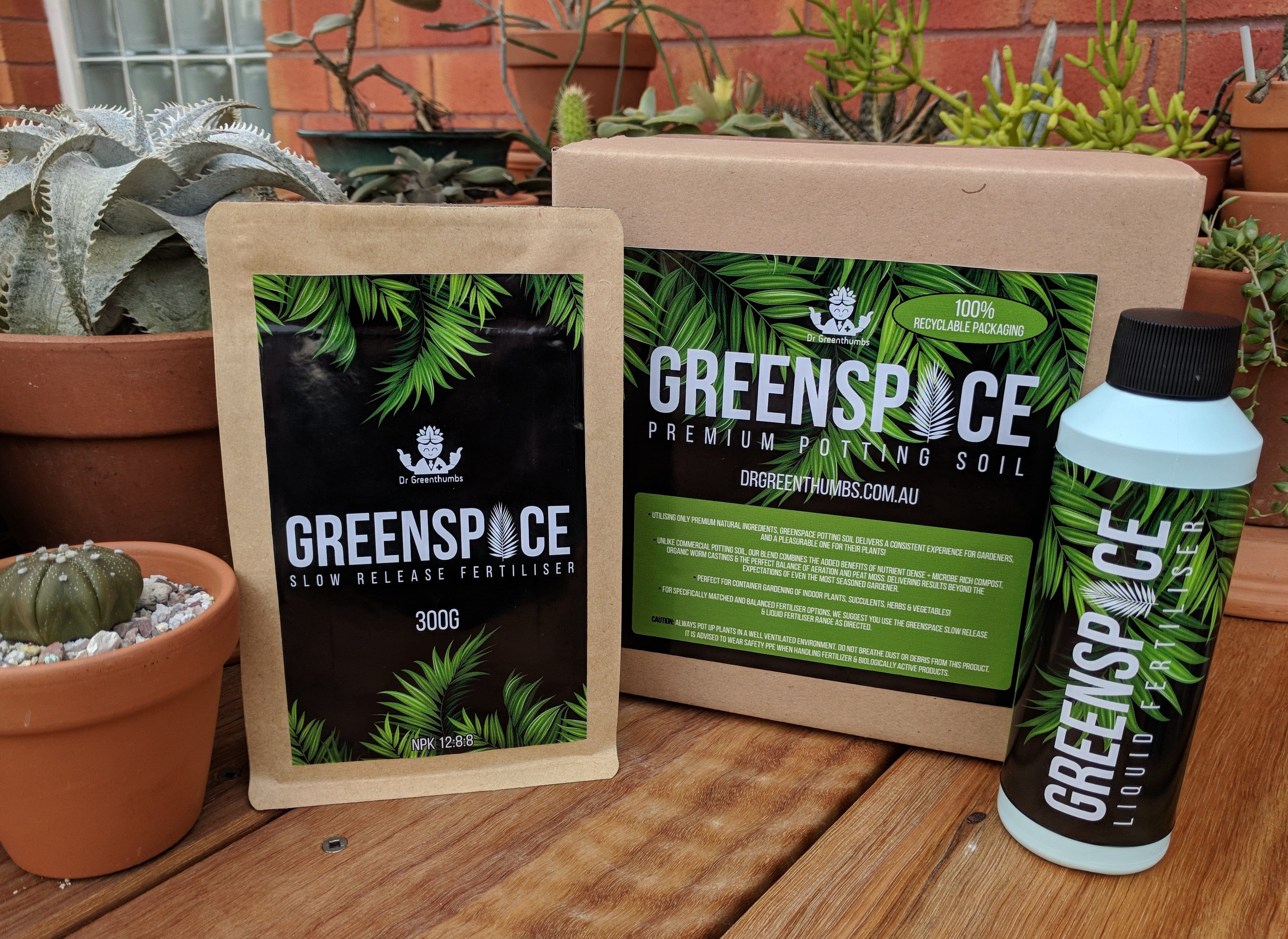
A foliage-focused liquid fertiliser is usually the easiest option because you can apply it lightly and adjust with the seasons. GreenSpace Liquid Fertilizer is designed for foliage plants and uses seaweed, worm castings, compost and beneficial bacteria in a balanced liquid feed.
If your plant is growing slowly, remember that more fertiliser is not always the answer. Low light, compacted mix, cold conditions, or root stress are often the real bottlenecks.
Snake Plant Care in Australian Homes
This is where generic guides often fall short.
Snake plants are easy, but Australian homes still throw up a few challenges:
Summer
- hot windows can scorch leaves
- pots dry faster in bright rooms
- air conditioning can change drying speed more than expected
Autumn
- growth begins to ease off
- watering usually needs to slow down a bit
- feeding can be reduced
Winter
- snake plants often need much less water
- colder rooms and lower light slow everything down
- heaters can create odd dry-warm conditions while the mix still stays wet at the bottom
Spring
- best time for repotting
- best time to restart a gentle feeding routine
- ideal time to divide crowded plants or refresh tired mix
If you want the broader setup advice for local homes, our Indoor Plant Care Aussie Guide is a good companion read.
Common Snake Plant Problems and How to Fix Them
Mushy leaves
This is one of the most common and most serious snake plant issues.
It usually means overwatering, rot, or cold wet conditions.
What to do:
- stop watering immediately
- inspect the roots
- cut away rotten roots or soft rhizomes
- repot into fresh, airy mix
- place the plant in brighter light
- water much more carefully from here on
Wrinkled leaves
This usually points to the plant being too dry for too long, root damage, or the roots being so compromised that they cannot take up water properly.
What to do:
- check whether the mix is bone dry or whether the roots are rotten
- if dry, water thoroughly and let excess drain
- if roots are damaged, trim back rot and repot
Yellow leaves
Usually caused by overwatering, old compacted mix, or drainage issues.
What to do:
- let the mix dry properly
- improve drainage
- check for root rot
- repot if the mix is dense and stale
Drooping or collapsing leaves
This can happen when the base of the leaves is rotting, when the plant has suffered root damage, or when a tall plant has become unstable in an overcrowded pot.
What to do:
- inspect the base for softness
- check the root system
- trim damaged growth
- repot if the plant is unstable or the mix is failing
Brown tips
Usually not catastrophic. They can come from dry stress, salt build-up, mechanical damage, or inconsistent care.
What to do:
- keep watering more even
- avoid overfeeding
- flush the pot occasionally
- trim off the dead brown section if you want a neater look
No growth
Snake plants are naturally not the fastest growers, but if yours never seems to move, the issue is usually one of these:
- too little light
- cold conditions
- exhausted potting mix
- root-bound plant needing a refresh
How to Propagate a Snake Plant
Snake plants are easy to propagate, and you have a few options.
1. Division
This is the quickest and most reliable method.
If your plant has multiple growth points or pups, you can separate them when repotting and plant them into their own pots.
2. Leaf cuttings
You can root sections of healthy leaves in water or potting mix.
This is simple, but it is slower than division. Also, with variegated snake plants, leaf propagation may not always preserve the variegation the same way as division.
3. Offsets or pups
If your snake plant produces baby plants from the base, these can be separated once they have their own roots.
When potting up divisions or pups, use a fresh, free-draining indoor mix. Root Roids can be used as optional support once new roots are settling in.
Snake Plant Pests
Snake plants are pretty tough, but they can still get the usual indoor plant pests:
- mealybugs
- spider mites
- scale
Check along the leaves, near the base, and around crowded sections where pests can hide.
If you want an oil-based option, Neem + Karanj Oil is available through Dr Greenthumbs. Follow the label, test a small area first, and avoid spraying in direct sun or during heat.
If the leaves are dusty or grubby, they can look worse than they are. A regular wipe-down helps the plant photosynthesise properly and keeps the foliage looking sharp.
Is Snake Plant Safe for Pets?
Snake plants are generally considered not pet-safe, so keep them out of reach of cats and dogs that like chewing leaves.
If your pet is the kind that samples every plant in the house, placement matters.
Best Snake Plant Varieties to Know
If you want to broaden the look of your indoor setup, there are a few popular snake plant types worth knowing:
- Laurentii – classic upright leaves with yellow margins
- Moonshine – silvery green foliage with a softer look
- Hahnii – bird’s nest style, shorter and more compact
- Cylindrica – spear-like cylindrical leaves
- Zeylanica – strong banding and a classic tougher look
You do not need a rare variety to succeed, but knowing the type can help you judge size, growth habit, and styling options in the home.
Care is broadly similar across most common snake plant varieties, but size, growth habit and variegation can change where they fit best indoors.
Snake Plant Care FAQs
How often should I water a snake plant indoors?
Water only when the potting mix has dried out properly. In warmer, brighter conditions that may be a bit more often, while in winter it can be much less frequent.
Can a snake plant live in low light?
Yes, snake plants tolerate low light well, but they usually grow better and look stronger in bright, indirect light.
What is the best soil for a snake plant?
A fast-draining indoor mix is best. Avoid dense, heavy mixes that stay wet around the roots for too long.
Why is my snake plant getting mushy?
Usually from overwatering, poor drainage, or root rot. Stop watering, inspect the roots, and repot if needed.
Why are my snake plant leaves wrinkled?
Usually from prolonged dryness or root problems. Check whether the plant is dry or whether the roots are damaged and unable to take up water.
Do snake plants like being root-bound?
They do not mind being a little snug, but heavily crowded roots and tired old mix still need attention.
Can I use neem oil on a snake plant?
Yes, with care. Patch test first, avoid spraying in heat or direct sun, and always follow the label.
Final Word: What a Healthy Snake Plant Actually Wants
Snake plants are easy because they do not ask for much, but they do need the basics done properly.
If yours is struggling, do not assume it needs more water. Check the roots, check the mix, check the light, and make sure excess water can actually drain away.
For the core setup, focus on a fast-draining indoor mix, a pot with drainage holes, light feeding during active growth, optional root support when repotting, and careful pest control if mealybugs, mites or scale appear.
Get that setup right and a snake plant rewards you with clean lines, strong upright growth and low-maintenance indoor greenery that actually lives up to its reputation.
Next Reads for Keeping Your Snake Plant Healthy and Low-Maintenance
Want fewer care mistakes and stronger long-term growth? These guides will help you fine-tune watering, light, feeding and potting mix so your snake plant stays healthy with minimal fuss.
- Mastering Watering: Moisture Meter Hack
- Grow Lights Positioning Guide
- Indoor Potting Mix Australia
- Indoor Plant Fertiliser Guide Australia
About the Author