
Learn exactly when, what, and how to fertilise your indoor plants in Australia so they grow faster, stay healthier, and avoid common mistakes.
Stop the guess-work and watch your lounge-room jungle explode with colour and new leaves. This no-fluff guide gives you a clear feeding roadmap plus two hero solutions tested in real Aussie homes.
Table of Contents
- Why Nutrition Matters Indoors
- Comparing Fertiliser Types
- Indoor Plant Food: Is It Different from Fertiliser?
- Best Fertiliser for Indoor Plants: What to Look For
- Best Fertiliser for Indoor Plants: Liquid, Slow-Release or Both?
- Liquid Fertiliser for Indoor Plants: How to Use It Without Overfeeding
- Indoor Fertilising Considerations
- Does Fresh Potting Mix Already Contain Fertiliser?
- What Does NPK Actually Mean for Indoor Plants?
- Feed for Lush Growth with GreenSpace Liquid Fertiliser
- Set-and-Forget Nutrition for Busy Plant Parents
- Seasonal Feeding Calendar
- Different Indoor Plants Have Different Feeding Needs
- How to Know Your Indoor Fertiliser Routine Is Working
- How to Tell If Your Indoor Plant Needs Feeding
- Common Indoor Plant Fertilising Mistakes and Fixes
- FAQ
- Ready to Grow a Living Room Jungle?
- Key Takeaways
- Next Reads for Healthier, Better-fed Indoor Plants
If you want the simplest way to get consistent growth without guessing, these are the easiest options to start with:


Why Nutrition Matters Indoors
Potted plants rely entirely on you for food. Without a steady trickle of nitrogen (leaf colour), phosphorus (root strength) and potassium (overall resilience) they stall, yellow or drop foliage. Unlike garden beds, potting mixes leach nutrients fast with every watering—so topping up is non-negotiable.
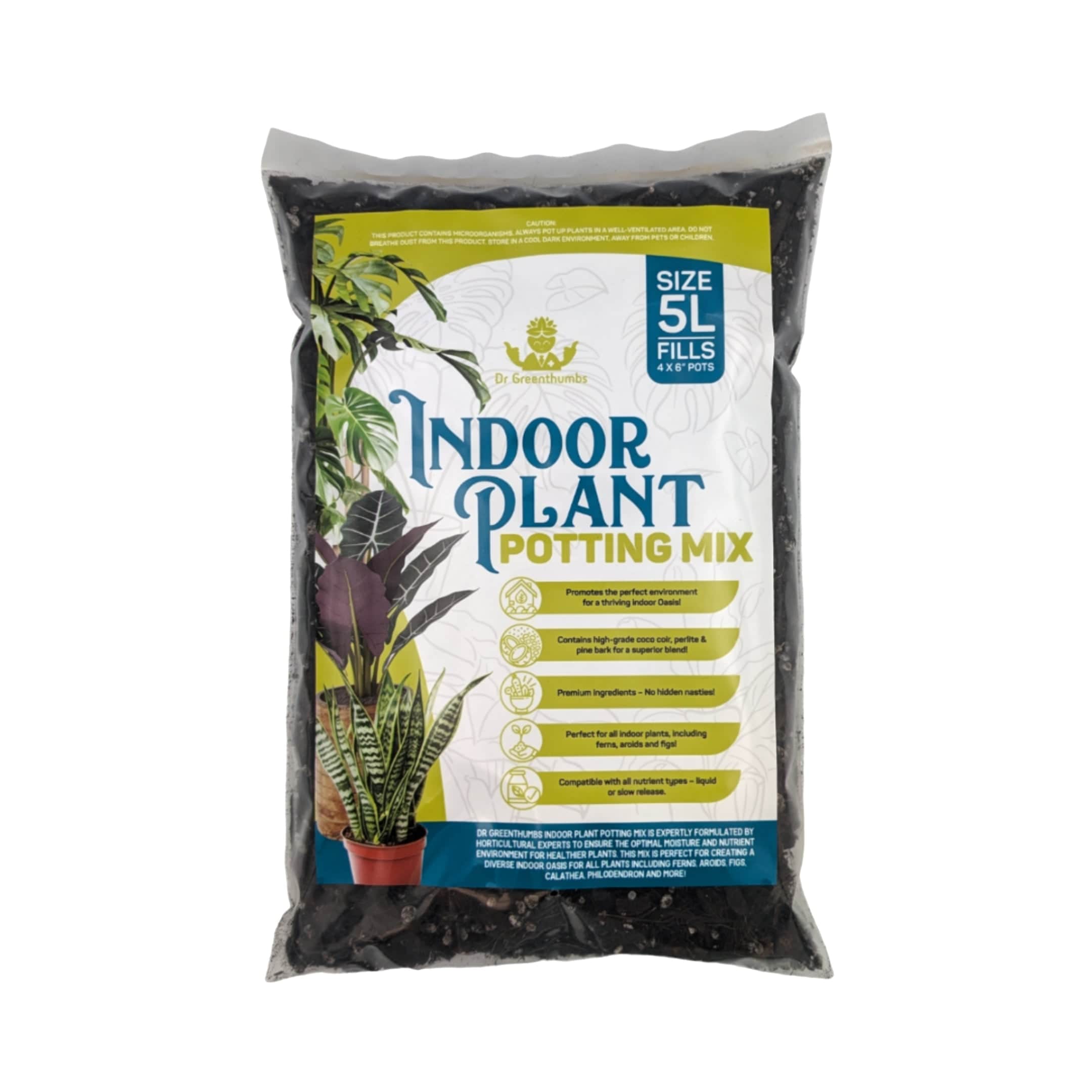
If you’re feeding plants that are stagnating despite good fertiliser, your potting mix may be holding them back. Our Indoor Potting Mix in Australia guide shows how to fix drainage, aeration and compaction so nutrients can actually be absorbed.
Comparing Fertiliser Types
|
Type |
Pros |
Watch-outs |
|---|---|---|
|
Liquid concentrates |
Fast uptake; easy to adjust dose; great for foliage revives |
Needs mixing each week |
|
Slow-release pellets |
Set-and-forget for 2–3 months; perfect for busy folks or holiday periods |
Can’t tweak mid-cycle |
|
DIY teas/compost |
Cheap, eco-friendly |
Inconsistent N-P-K, messy smell |
Indoor Plant Food: Is It Different from Fertiliser?
Indoor plant food and indoor plant fertiliser are basically talking about the same job: supplying nutrients your plant can’t keep pulling from old potting mix forever.
The difference is mostly marketing language. “Plant food” sounds softer and easier for beginners. “Fertiliser” sounds more technical. What matters is what’s inside the bottle or granule.
Plants don’t eat fertiliser like we eat food. They use light, water and carbon dioxide to make their own sugars. Fertiliser supplies the mineral nutrients they need to build leaves, roots, stems, flowers and stronger cells.
That’s why feeding won’t fix everything. If your plant is in a dark corner, sitting wet, or growing in compacted mix, indoor plant food won’t magically turn it around. It works best when the basics are already decent: enough light, healthy roots and a potting mix that drains properly.
A simple way to look at it:
- Light drives growth
- Water moves nutrients
- Potting mix supports roots
- Fertiliser tops up the nutrient supply
Get those working together and feeding becomes much easier.
Best Fertiliser for Indoor Plants: What to Look For
The best fertiliser for indoor plants is not always the strongest one. Indoor plants usually need a steady, gentle feed that suits lower light, smaller pots and slower evaporation.
If you are comparing indoor plant fertilizer bottles, check the label for:
- The NPK ratio, so you know whether it is balanced, nitrogen-heavy or bloom-focused
- The dilution rate, so you are not guessing at the kitchen sink
- How often to apply it during active growth
- Whether it is suitable for foliage plants, orchids, herbs, hydro, semi-hydro or sensitive plants
- Whether it contains extras like seaweed, trace elements, microbes or organic inputs
Match the fertiliser to the growth you want. For leafy indoor plants such as monsteras, philodendrons, pothos, ficus, peace lilies and ferns, look for a balanced feed with enough nitrogen to support green growth.
For flowering indoor plants, do not rely only on nitrogen. They still need it, but potassium and phosphorus become more important when the plant is actively forming buds and blooms.
For sensitive plants, seedlings, orchids or anything recently stressed, start weaker than the label says. Half-strength feeding is safer indoors because stressed roots are easier to burn.
If the label is vague, that is a red flag. You want clear mixing instructions, indoor-safe use rates and enough information to adjust the dose without overfeeding.
Best Fertiliser for Indoor Plants: Liquid, Slow-Release or Both?
Liquid and slow-release fertilisers both work, but they suit different habits.
Liquid fertiliser is best when you want control. You can feed lightly, back off quickly, or increase the dose when plants are actively growing. That makes it useful for indoor plants because conditions change a lot between a bright summer window and a cold winter corner.
Slow-release fertiliser is best when you want consistency with less effort. It slowly feeds in the background, which is handy if you forget feeding days or have a large plant collection. The downside is that you can’t easily remove it once it’s mixed through the pot.
Using both can work well, but don’t treat that as permission to double-dose. Think of slow-release as the baseline and liquid feed as the top-up.
A safe approach:
- Use slow-release lightly in the mix or top layer.
- Use liquid fertiliser at a reduced rate during active growth.
- Watch new leaves, colour and root health.
- Back off if tips brown, salts appear or growth looks forced.
The right format is the one you can use consistently without overdoing it.
Liquid Fertiliser for Indoor Plants: How to Use It Without Overfeeding
Liquid fertiliser is easy to use, but it’s also easy to overuse because it feels harmless once it’s mixed into water.
The safest method is to feed damp roots, not bone-dry roots. If the potting mix is completely dry and pulling away from the pot, water lightly first, let it rehydrate, then feed next time. Dry roots are more likely to react badly to a nutrient hit.
For normal feeding:
- Shake the bottle if the label says to.
- Measure the dose properly — don’t free-pour.
- Mix it into water before applying.
- Water evenly across the potting mix.
- Let excess runoff drain away.
- Don’t leave the pot sitting in fertiliser water.
Liquid fertiliser also suits small adjustments. If plants are in low light, feed weaker. If they’re growing hard in spring and summer, feed more regularly. If you’ve just repotted into fresh mix, go easy until the plant settles.
The biggest mistake is using fertiliser like medicine. It isn’t. It’s more like meal prep for plants. Useful when the plant is ready to grow, risky when the roots are already stressed.
Indoor Fertilising Considerations
Indoor spaces come with their own challenges.
- Some organic fertilisers (like fish-based products) can be smelly indoors
- Always store fertilisers out of reach of pets
- Avoid splashing fertiliser on floors, furniture or leaves
- Ventilation matters — open windows when feeding where possible
Choosing a fertiliser designed for indoor use makes feeding easier, cleaner and more enjoyable.
Does Fresh Potting Mix Already Contain Fertiliser?
Most quality indoor potting mixes in Australia already contain a starter charge of fertiliser. This is usually a slow-release blend designed to feed your plant for the first 3–6 months after repotting.
That means if you’ve recently repotted, your plant may not need additional fertiliser straight away.
Once that built-in nutrition is used up, growth can slow, leaves may lose colour, and that’s when regular feeding becomes important again.
A good rule of thumb:
- Repotted within the last 3 months? → Go easy on extra fertiliser
- Repotted 3–6 months ago? → Start light feeding
- Over 6 months? → Resume a regular feeding routine
This is one of the most common reasons indoor plants get over-fertilised — feeding too soon, rather than too late.
What Does NPK Actually Mean for Indoor Plants?
You’ll often see fertilisers labelled with three numbers — N-P-K — which represent:
- N (Nitrogen): leafy growth and green colour
- P (Phosphorus): roots, flowers and buds
- K (Potassium): overall plant health and resilience
For most indoor plants, you don’t need anything complicated.
As a general guide:
- Leafy houseplants (monsteras, pothos, ficus): slightly higher nitrogen
- Flowering plants (peace lilies, hoyas): balanced nutrients
- All-round indoor care: a balanced fertiliser works perfectly well
What matters more than chasing exact ratios is using the right strength and feeding consistently during active growth.
Feed for Lush Growth with GreenSpace Liquid Fertiliser
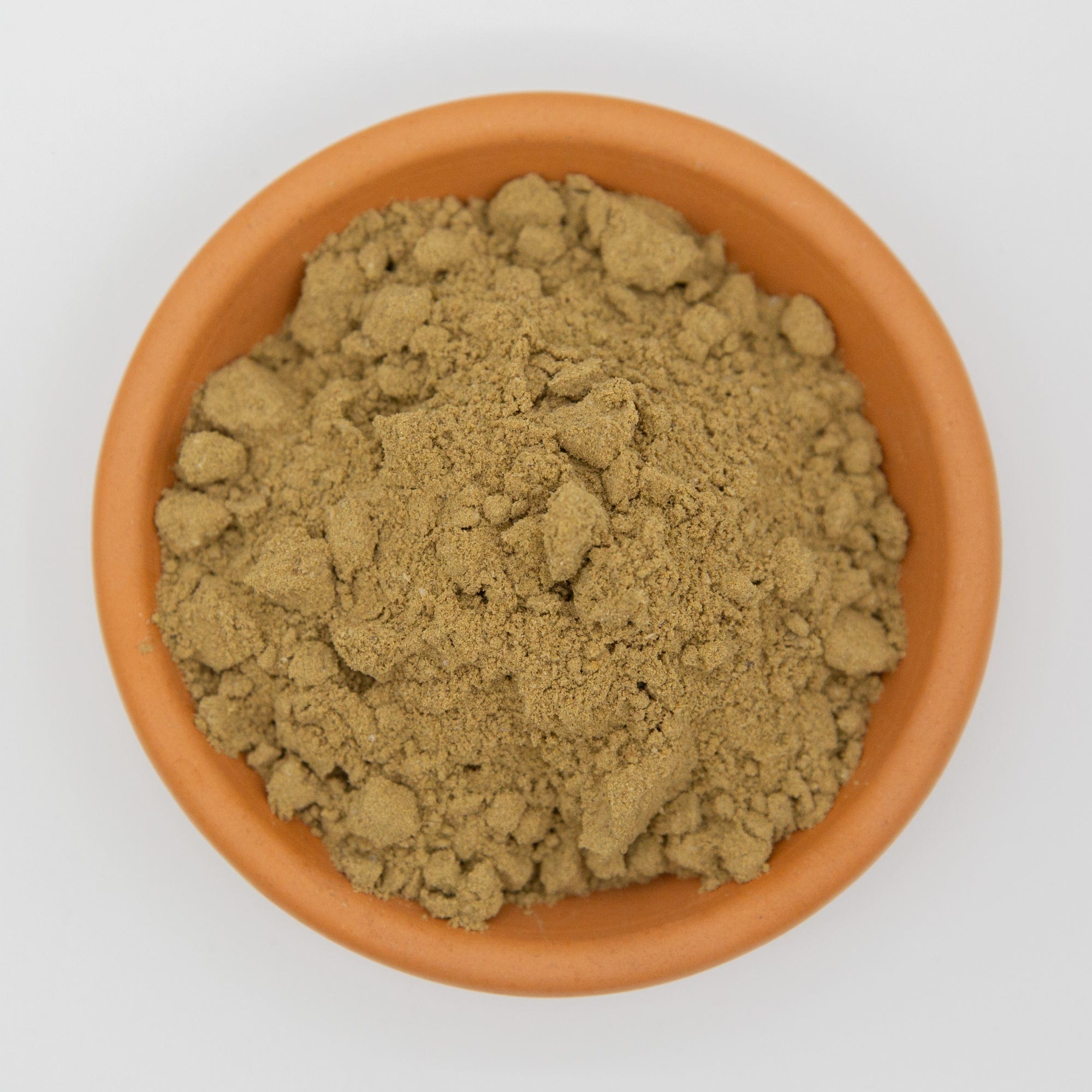
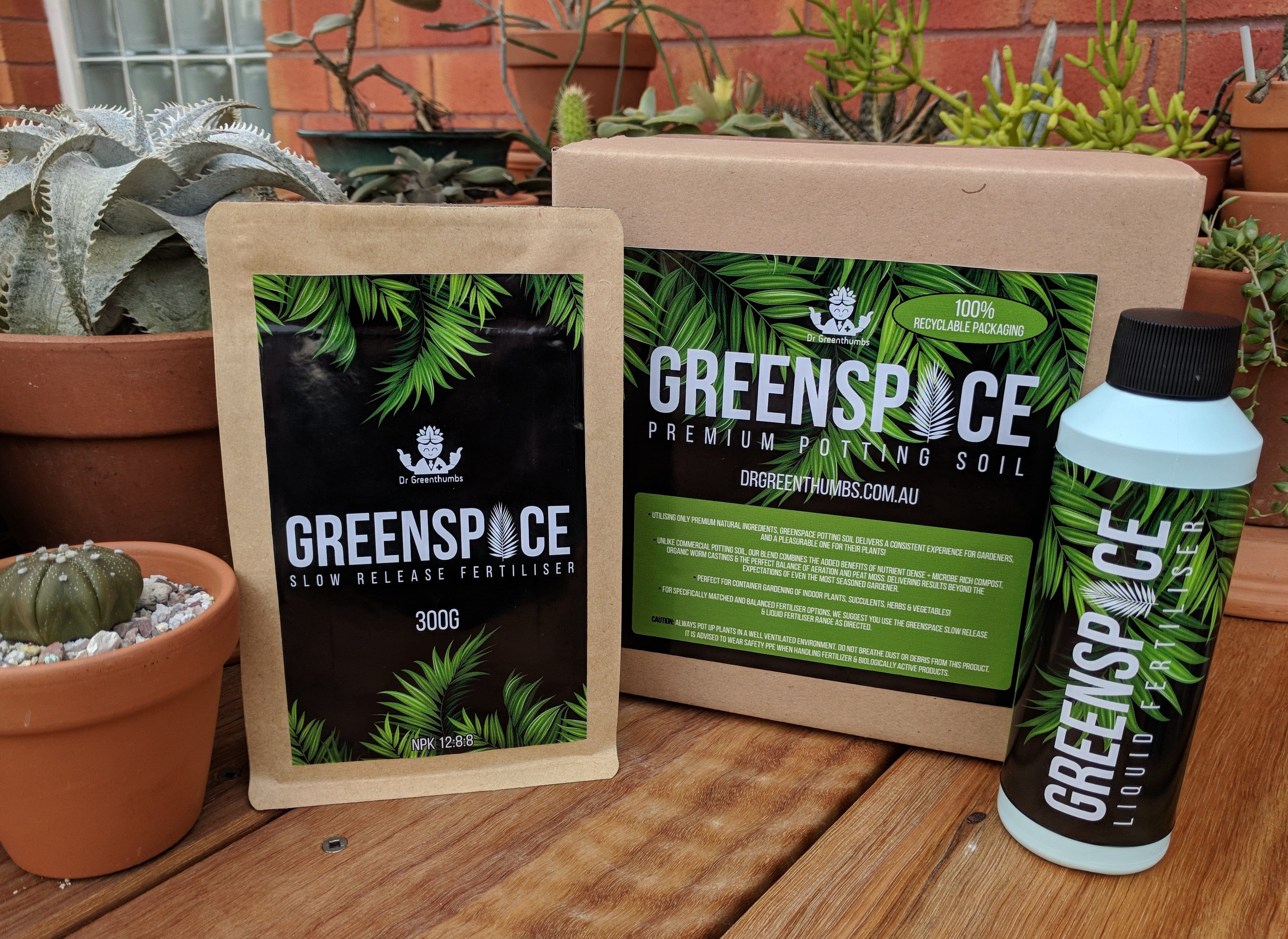
GreenSpace Liquid Fertiliser is our #1 pick for rapid, eye-popping foliage. It delivers a balanced 4-3-3 NPK profile blended from seaweed, worm castings and plant-based nutrients, then super-charges uptake with beneficial microbes. A single 1 L bottle makes up to 500 L of feed—enough for an entire apartment jungle for months.
How to use
- Shake well.
- Mix 2 ml per litre of water for healthy plants (dial up to 4 ml if they look tired).
- Water weekly during active growth; fortnightly in winter.
- Bonus: Foliar-spray at 1–2 ml /L for an instant green-up.
Why it shines
- Visible greening in as little as seven days.
- Gentle enough for orchids and delicate aroids.
- Safe for kids, pets and the planet thanks to natural inputs.
For heavy-rooted aroids like Anthuriums or Philodendrons, pairing this fertiliser with the 4-2-2-1 blend in the Anthurium Potting Mix Recipe ensures nutrients hit an oxygen-rich, fast-draining root zone.
Set-and-Forget Nutrition for Busy Plant Parents
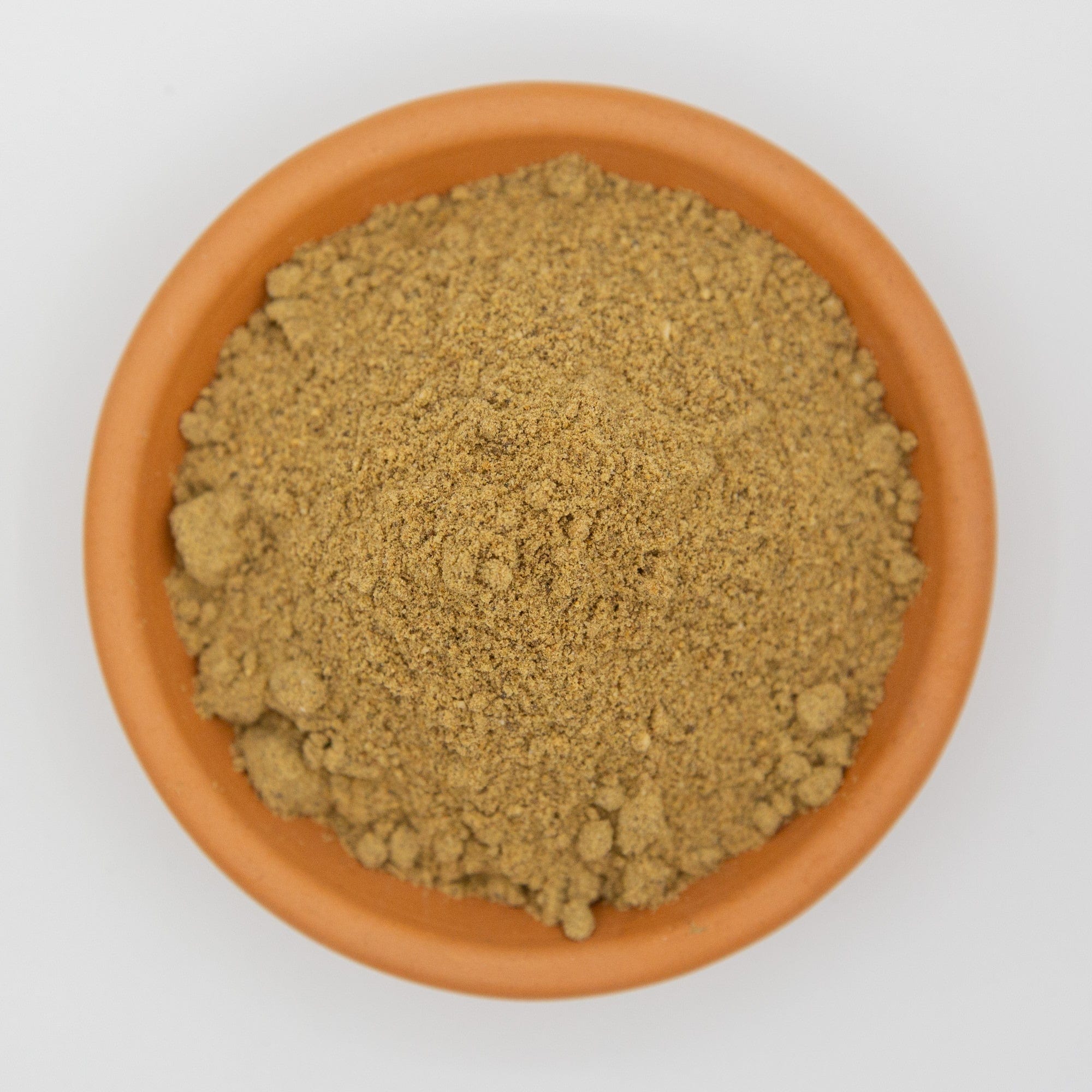
Running flat-out? Bury a scoop of GreenSpace Slow Release Fertiliser and let it drip-feed for up to three months. Its 12-8-8 NPK prill is loaded with 60+ trace elements and microbes that reduce leaching and keep mixes biologically active.
Application guide
- Potted plants: 2–4 g per litre of potting mix—scratch into the top 2 cm.
-
Lawns & ornamentals: 30 g per m².
Pro tip: If using both slow-release and liquid fertiliser, reduce the liquid rate so you do not overfeed.
Seasonal Feeding Calendar
|
Season |
GreenSpace Liquid |
GreenSpace Slow Release |
|---|---|---|
|
Summer |
Weekly @ 2 ml /L |
Top-dress start of Dec |
|
Autumn |
Fortnightly @ 2 ml /L |
– |
|
Winter |
Monthly @ 1 ml /L |
– |
|
Spring |
Weekly @ 2 ml /L |
Top-dress start of Sep |
Increase liquid dose to 4 ml /L if new leaves look pale or growth slows despite good light.
If you’ve just repotted into a fresh chunky blend, the Best Peace Lily Potting Mix for Aussie Homes guide explains how watering frequency changes—helpful when balancing liquid feed strength during summer.
Different Indoor Plants Have Different Feeding Needs
Not all houseplants eat the same way.
As a simple guide:
- Foliage plants grow steadily and enjoy regular, light feeding
- Flowering plants use more energy and benefit from consistent nutrition during bloom periods
- Succulents and cacti need very little fertiliser — less is definitely more
- Indoor herbs or edible plants may need more frequent feeding due to faster growth
When in doubt, it’s safer to under-feed rather than over-feed, especially in lower light or cooler months.
How to Know Your Indoor Fertiliser Routine Is Working
A good indoor plant fertiliser should improve growth without making the plant look pushed, weak or crispy.
You’re on the right track if you notice:
- New leaves sizing up properly
- Better colour without dark, floppy growth
- Stronger stems and petioles
- Faster recovery after repotting stress
- Steadier growth through spring and summer
- Less pale, tired-looking foliage
Give any new fertiliser a fair test. One feed won’t tell you much. Watch the next two to four weeks of growth, especially the newest leaf. That’s where the plant tells you whether the routine is working.
And don’t compare every plant in the house. A pothos may respond fast. A fiddle leaf fig may take its sweet time. Same fertiliser, different plant, different pace.
How to Tell If Your Indoor Plant Needs Feeding
Indoor plants don’t always shout — they hint.
Common signs your plant may need fertiliser:
- Pale or yellowing leaves (especially older ones)
- Slow or stalled growth during spring or summer
- Smaller new leaves than usual
- Poor flowering or no flowers at all
Before feeding more, check that the plant has enough light, healthy roots and a potting mix that is not staying wet for too long.
Common Indoor Plant Fertilising Mistakes and Fixes
Even experienced plant parents make fertilising mistakes. The safest fix is usually to check the basics first, then adjust feeding once the plant is stable.
|
Mistake or Symptom |
Likely Cause |
What to Do |
|---|---|---|
|
Yellow leaves |
Could be low nutrients, poor light, overwatering, old mix or root stress |
Check light, watering and root health before increasing fertiliser. If the plant is otherwise healthy and actively growing, feed lightly. |
|
Burnt tips |
Often caused by overfeeding, salt build-up or fertiliser applied too strong |
Flush the potting mix with plain water, pause feeding, then resume at a lower rate. |
|
White crust on the soil surface |
Salt build-up from fertiliser or hard water |
Flush the mix with plain water and use plain water for one watering each month. |
|
Feeding too often |
More fertiliser does not mean faster growth |
Follow the label rate and reduce feeding in low light, winter or after stress. |
|
Feeding heavily in winter |
Most indoor plants slow down in cooler months |
Feed less often in winter unless the plant is still actively growing in good light. |
|
Using full-strength fertiliser on sensitive plants |
Sensitive roots can burn easily |
Start at half-strength for orchids, seedlings, stressed plants or recently repotted plants. |
|
Trying to fix poor light or watering with fertiliser |
Fertiliser cannot compensate for weak light, waterlogged roots or compacted mix |
Fix light, watering and potting mix first. Use fertiliser as support, not medicine. |
|
Struggling plant after feeding |
Roots may already be stressed |
Pause fertiliser for 2–3 weeks, review light and watering, then resume gently with diluted liquid fertiliser. |
If the plant looks worse after feeding, stop adding products and simplify the routine before trying again.
FAQ
How long before I see results?
Most users report deeper greens within a week of switching to GreenSpace Liquid.
Is it safe for edible herbs?
Yes. The inputs are natural and garden-safe; just rinse foliage before eating.
Can I combine pellets and liquid?
Yes, but use a reduced liquid rate if pellets are already feeding in the background. Combining both can work well, but double-dosing increases the risk of overfeeding.
What about native house-plants?
Use half-strength liquid and avoid overdoing phosphorus-heavy feeds.
Ready to grow a living room jungle?
- Grab the Liquid: Shop GreenSpace Liquid Fertiliser →
- Lock in the pellets: Shop GreenSpace Slow Release Fertiliser →
Key takeaways
Indoor plants need steady nutrition because nutrients leach from potting mix over time.
Liquid fertiliser gives the most control, especially when indoor conditions change between seasons.
Slow-release fertiliser is useful for busy plant parents, but it should not be treated as permission to overfeed.
The best fertiliser routine depends on light, plant type, potting mix condition and growth stage.
Feed gently, watch the newest growth, and reduce the dose if you see burnt tips or salt build-up.
Next Reads for Healthier, Better-fed Indoor Plants
Got your feeding routine started? These guides will help you choose the right fertiliser, spot nutrient issues early and make sure your potting mix supports healthy growth.
About the Author