
Right, let's address the elephant in the room. That beautiful fiddle leaf fig you brought home with such high hopes? The snake plant that was supposed to be "impossible to kill"? Yeah, we've all been there, mate.
But here's the thing - it's not your fault. Most indoor plant failures happen because we treat our green friends like outdoor plants when they need entirely different care inside your home.
Whether you're dealing with Brisbane's humidity, Melbourne's unpredictable weather, or Perth's dry heat, your indoor plants are battling challenges that most generic plant care guides simply don't address—so this indoor plant guide focuses specifically on what works in Australian homes.
Table of Contents
- The Real Problem: Australia's Indoor Plant Killers
- Your Quick Indoor Plant Care Checklist
- The Indoor Plant Success Formula
- When to Repot (and How to Pick the Right Pot)
- The Plants That Actually Thrive in Homes
- Best Picks for Different Light Levels
- Common Indoor Plant Problems (and how to fix them)
- Indoor Plant Pests & Diseases in Aussie Homes
- Real Talk: What We've Learned from 1000+ Plant Parents
- Your 7-Day Quick-Start Action Plan
- The Bottom Line for Aussie Plant Parents
- Next reads for getting indoor plant care dialed in
If you want the easiest way to stop killing indoor plants, start here:


The Real Problem: Australia's Indoor Plant Killers
Inside our homes, plants face:
- Extreme temperature swings from air conditioning and heating
- Bone-dry air that would make the Outback jealous
- Intense UV streaming through our windows
- Inconsistent watering
- Poor quality potting mix that turns to concrete or drains like a sieve
No wonder the majority indoor plants don't make it past their first year.
Your Quick Indoor Plant Care Checklist
Before we dive deeper into this indoor plant care guide, here’s your go-to cheat sheet for thriving indoor greenery:
- 🌞 Light: Bright, indirect light is the sweet spot.
- 💧 Water: Only when the top few cm of soil is dry.
- 🪴 Soil: Free-draining, airy mix suited to Aussie conditions.
- 🐛 Watch for bugs: Early detection beats plant drama.
- 🔁 Repot when roots poke out: Just a smidge bigger is perfect.
The Indoor Plant Success Formula
After helping thousands of families across Australia create healthy, chemical-free indoor spaces, we've cracked the code. It comes down to four fundamental elements that work specifically in our climate:
1. Master the Watering Game
The biggest killer? Overwatering. In our dry climate, we think our plants are constantly thirsty. Wrong move.
The finger test: Stick your finger 4-6cm into the soil. If it's dry, it's time to water. If it's still moist, hold off. During our hot summers, this might be twice a week. In winter? Maybe once every 10 days. It’s also a good idea to check that the bottom of the pot isn’t soaking wet even though the top is dry. Poor quality potting soils often have this…
Pro tip: Get yourself a soil moisture meter to take the guesswork out completely. It's like having a plant whisperer in your pocket.
2. Choose Soil That Actually Works in Australia
Here's what most people don't realise—cheap potting mix is plant poison in our climate. It either turns to concrete in our dry conditions or creates boggy conditions that rot roots faster than you can say "G'day."
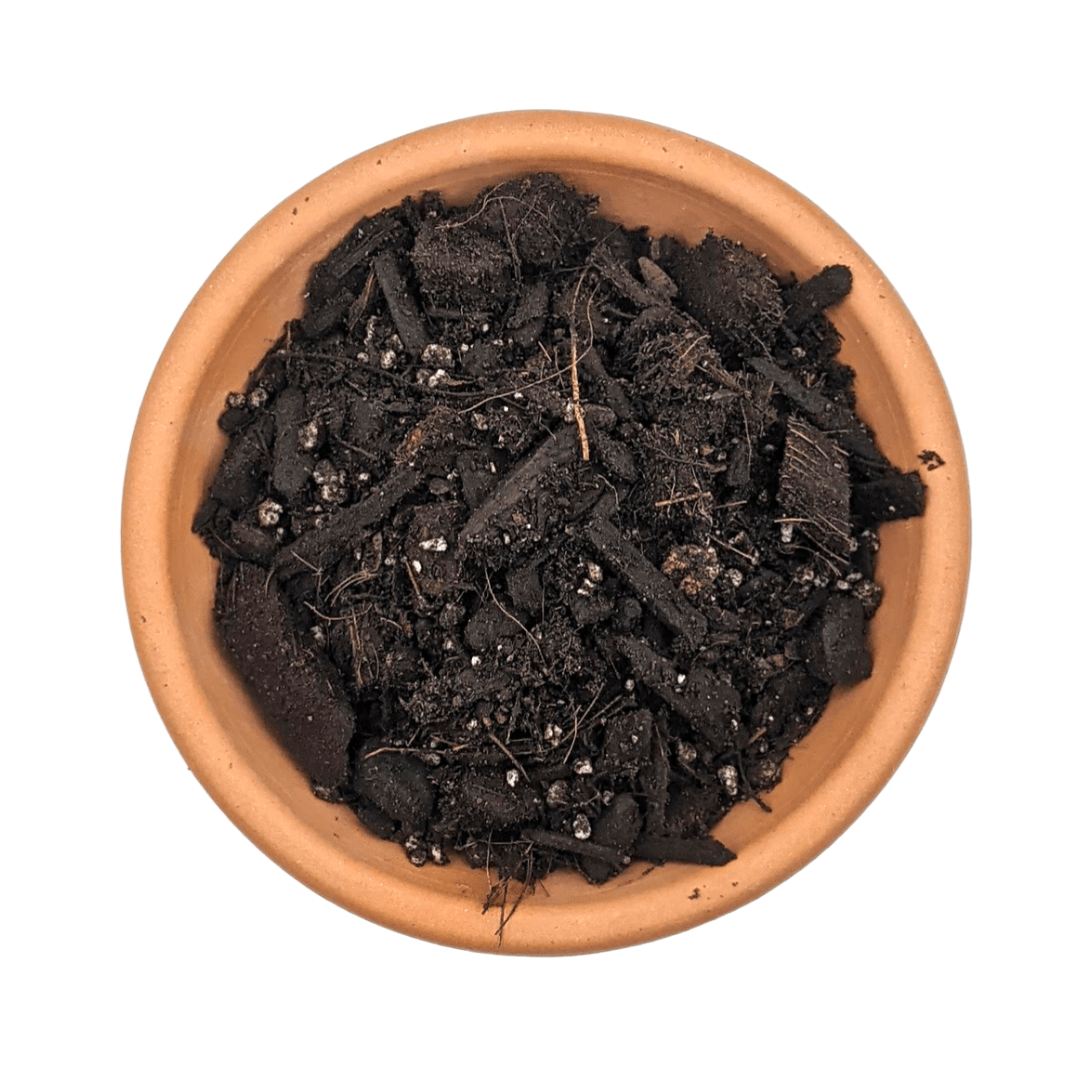
Your plants need a premium, well-draining mix that can handle our temperature extremes while retaining just enough moisture. We're talking about soil that breathes, drains properly, but doesn't leave your plants gasping for water every day.
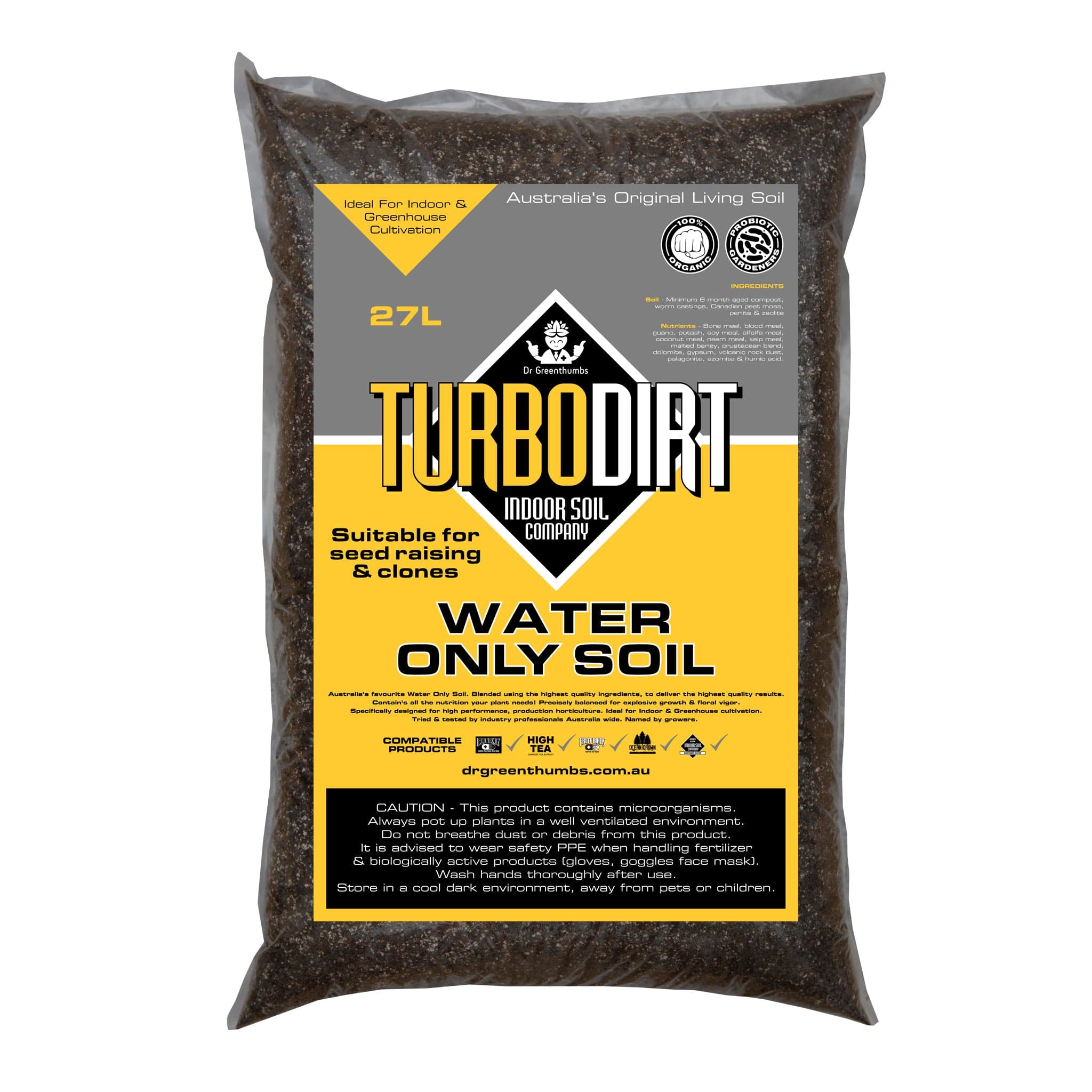
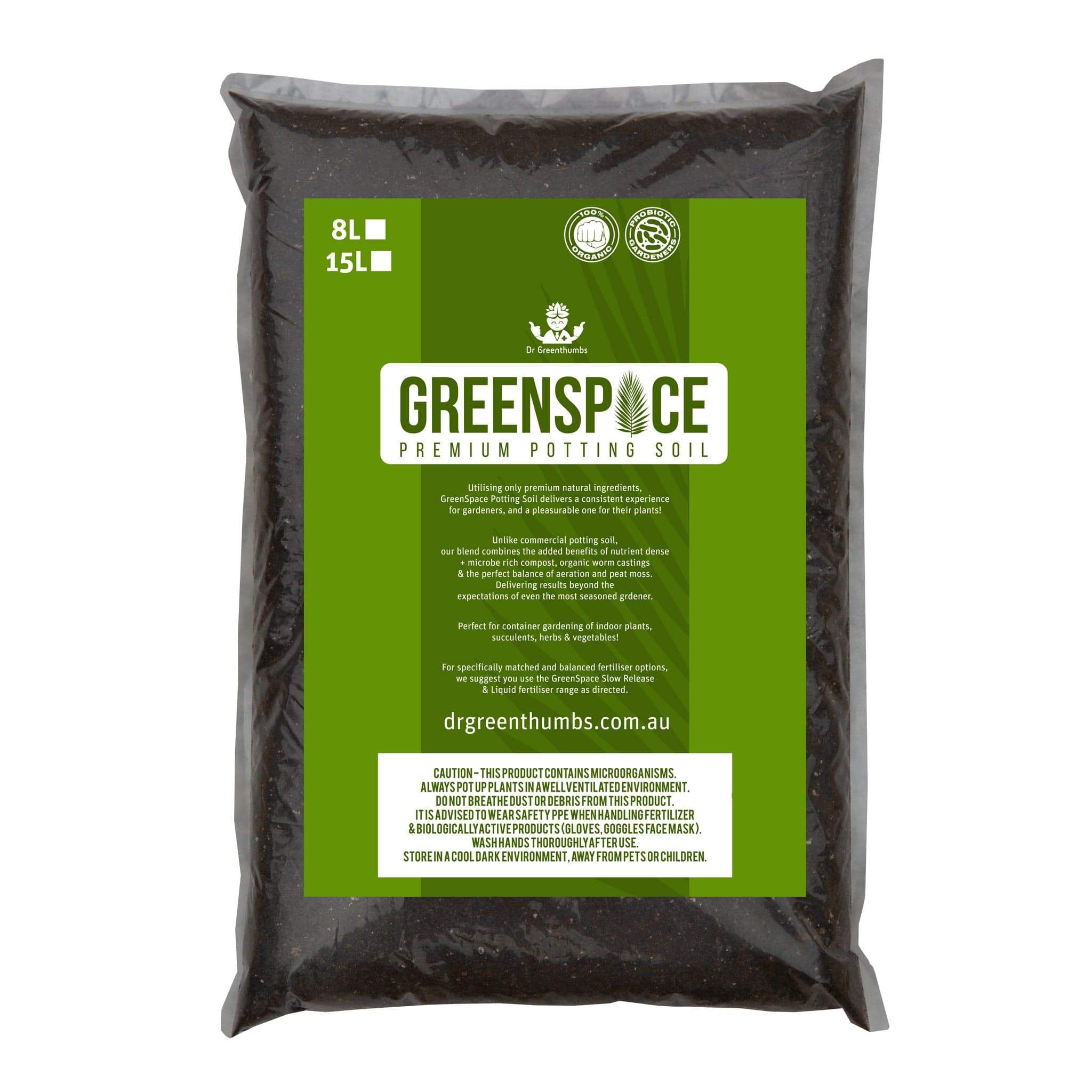
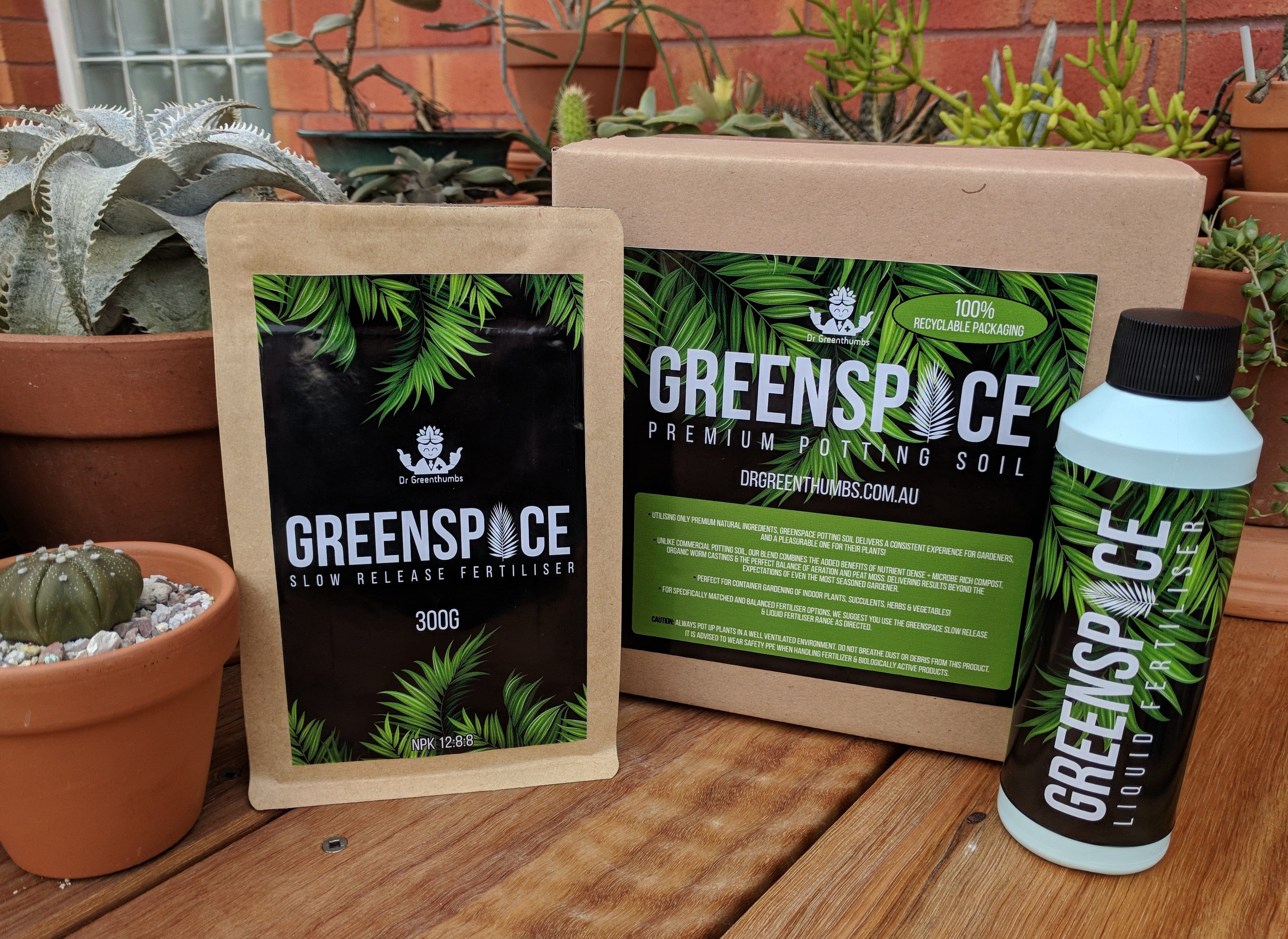
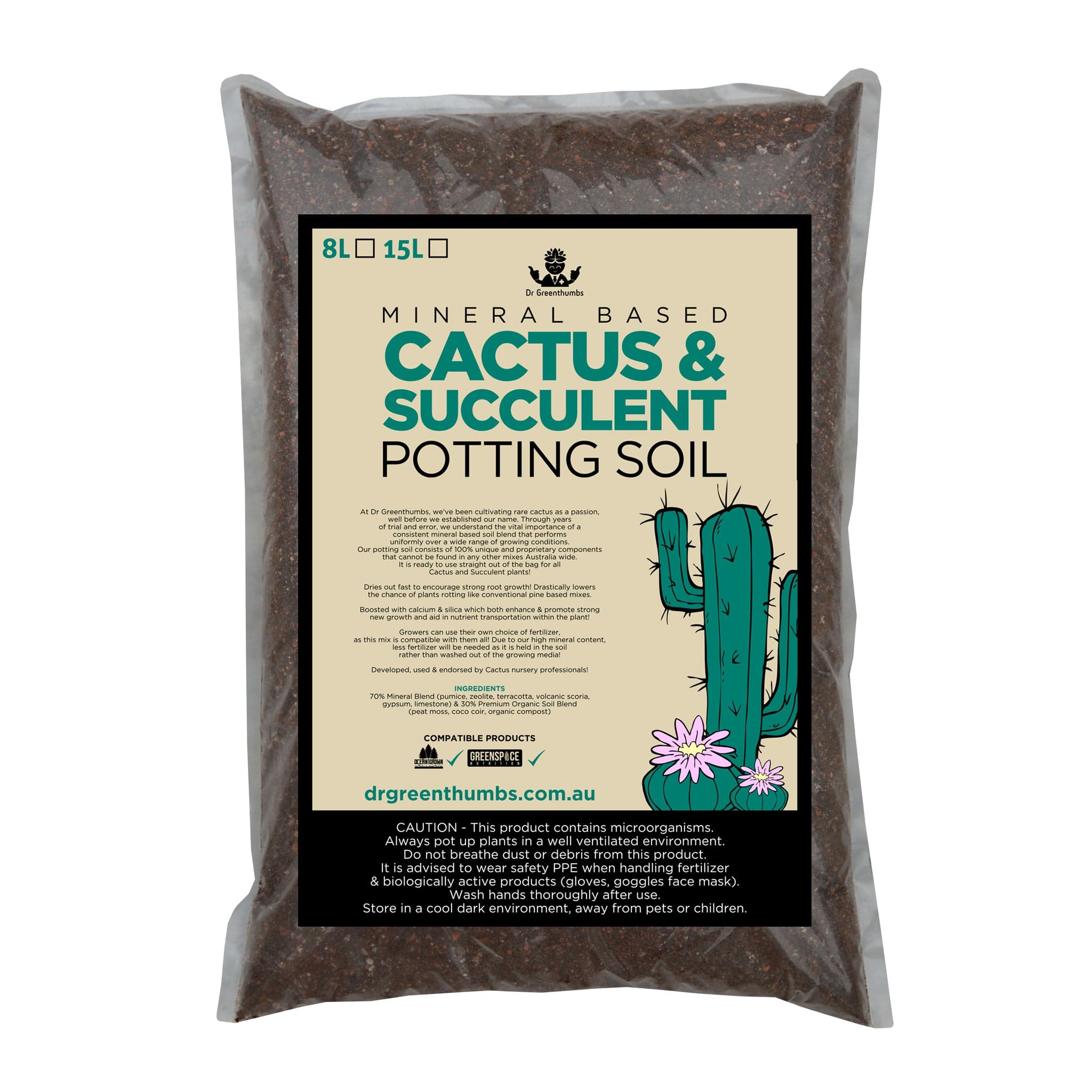
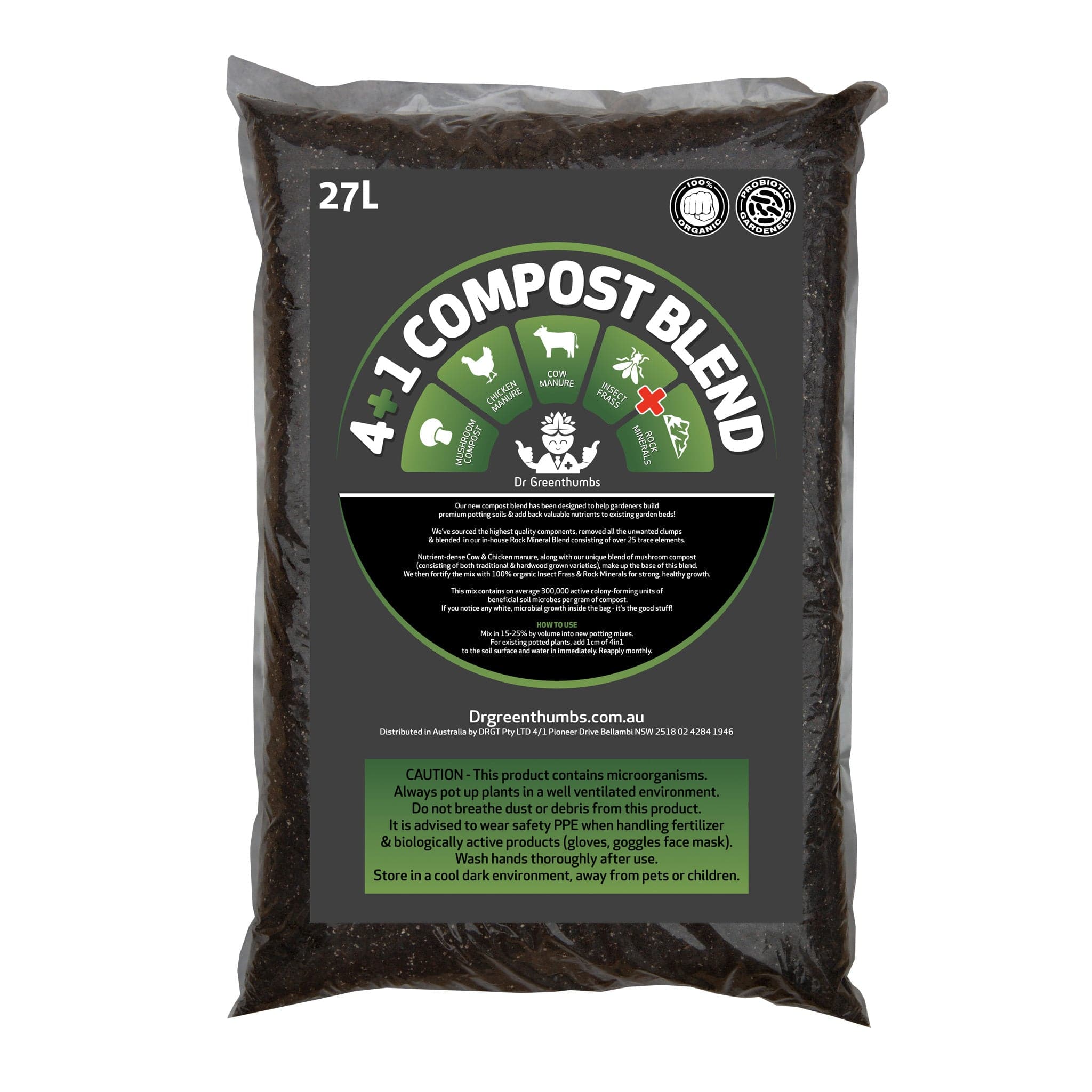
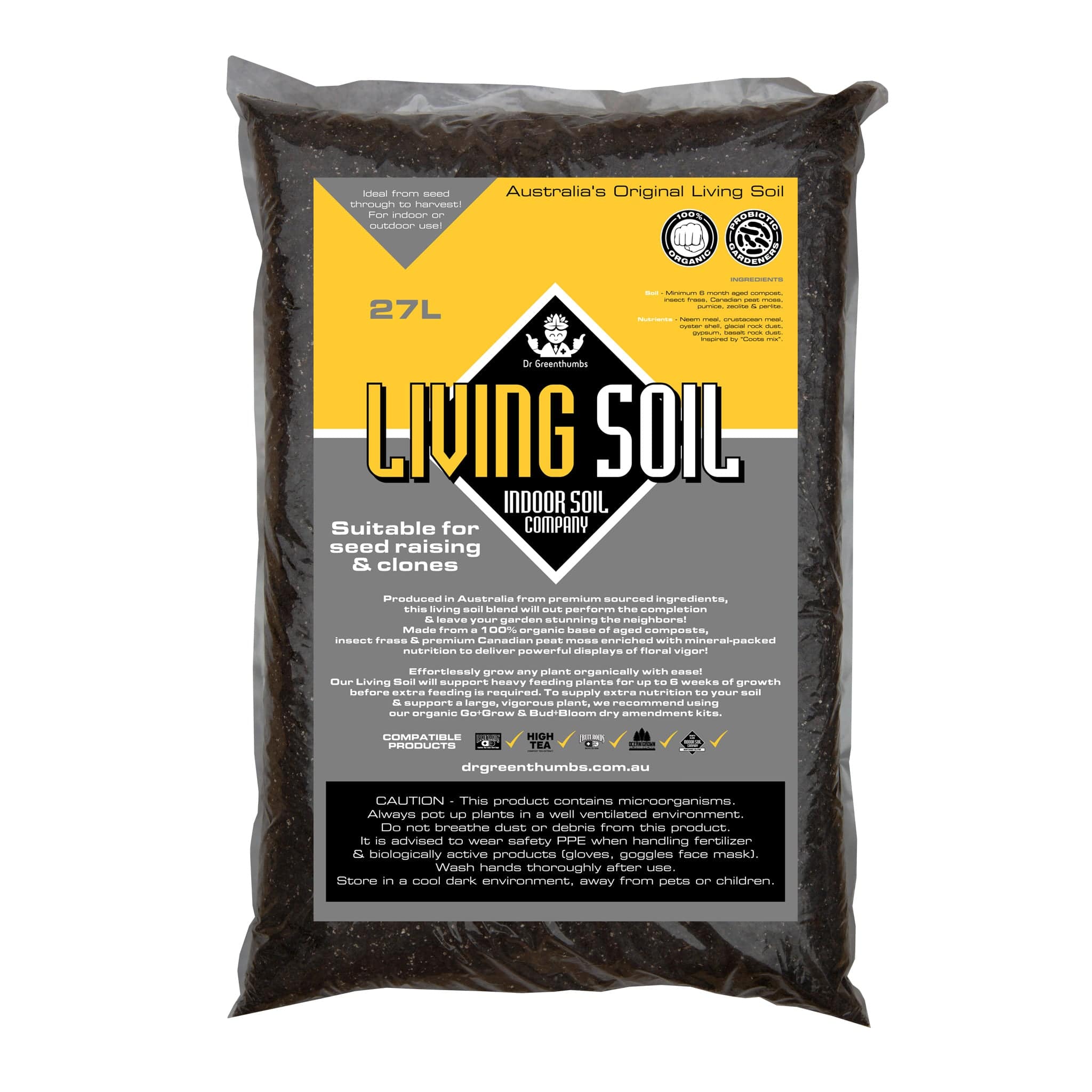
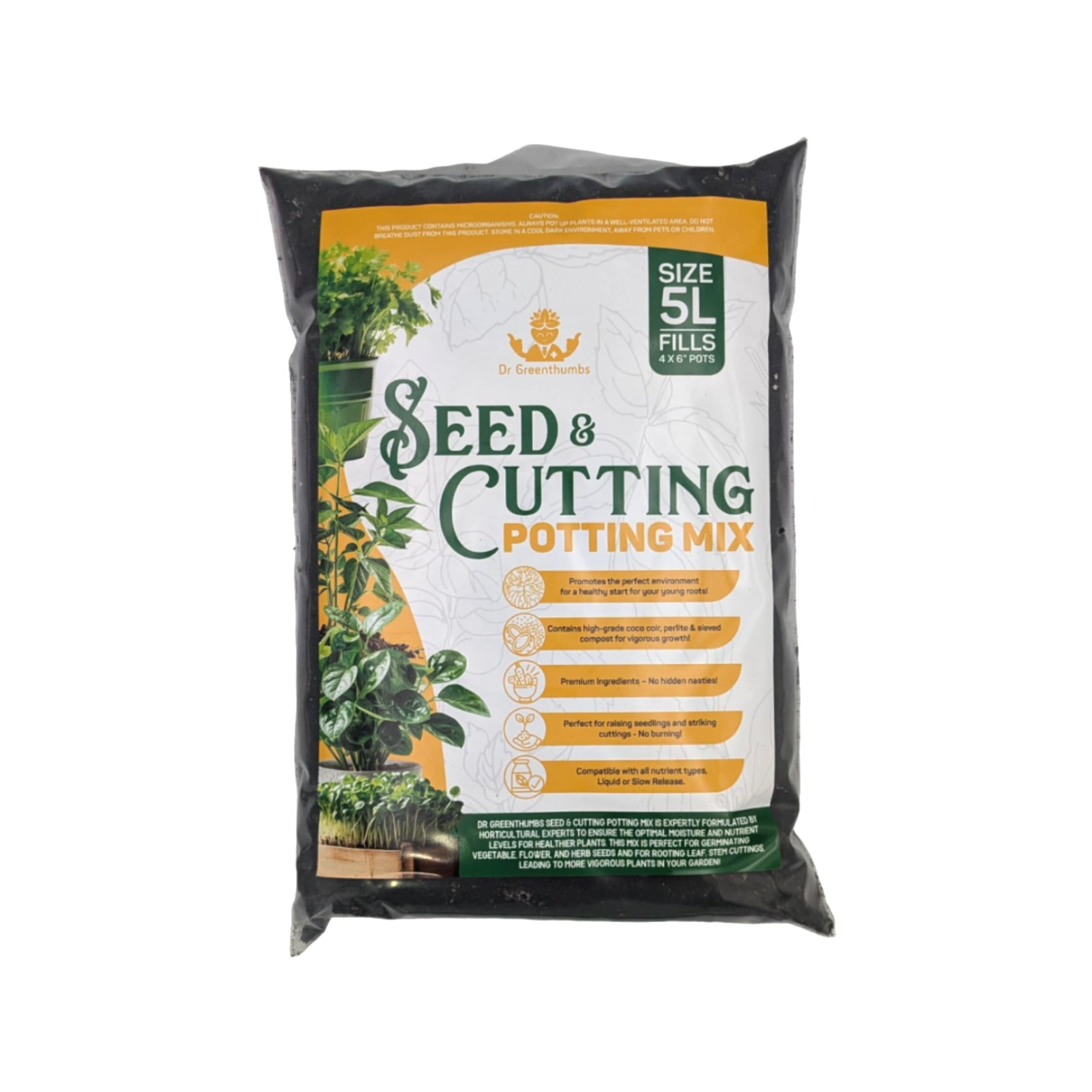
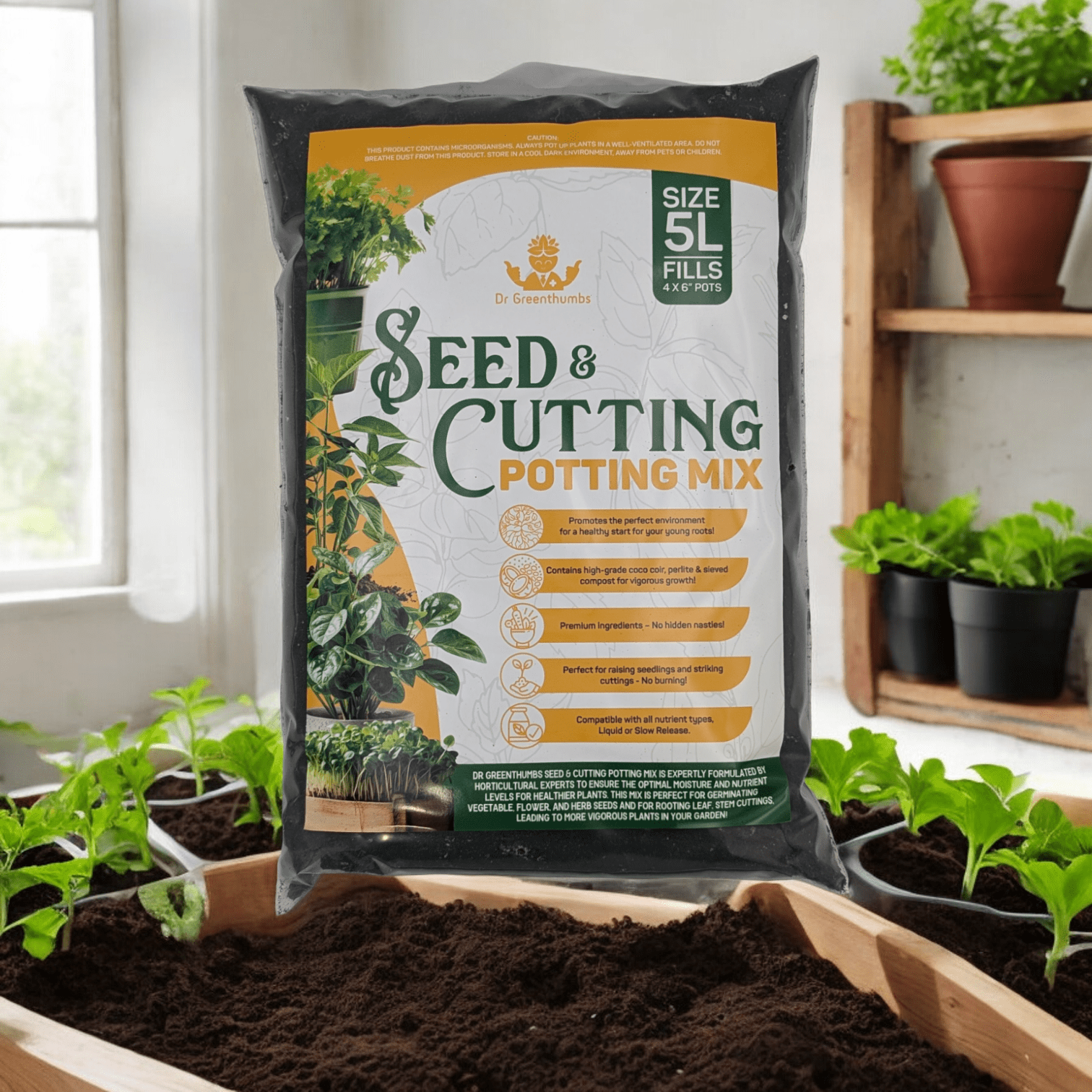
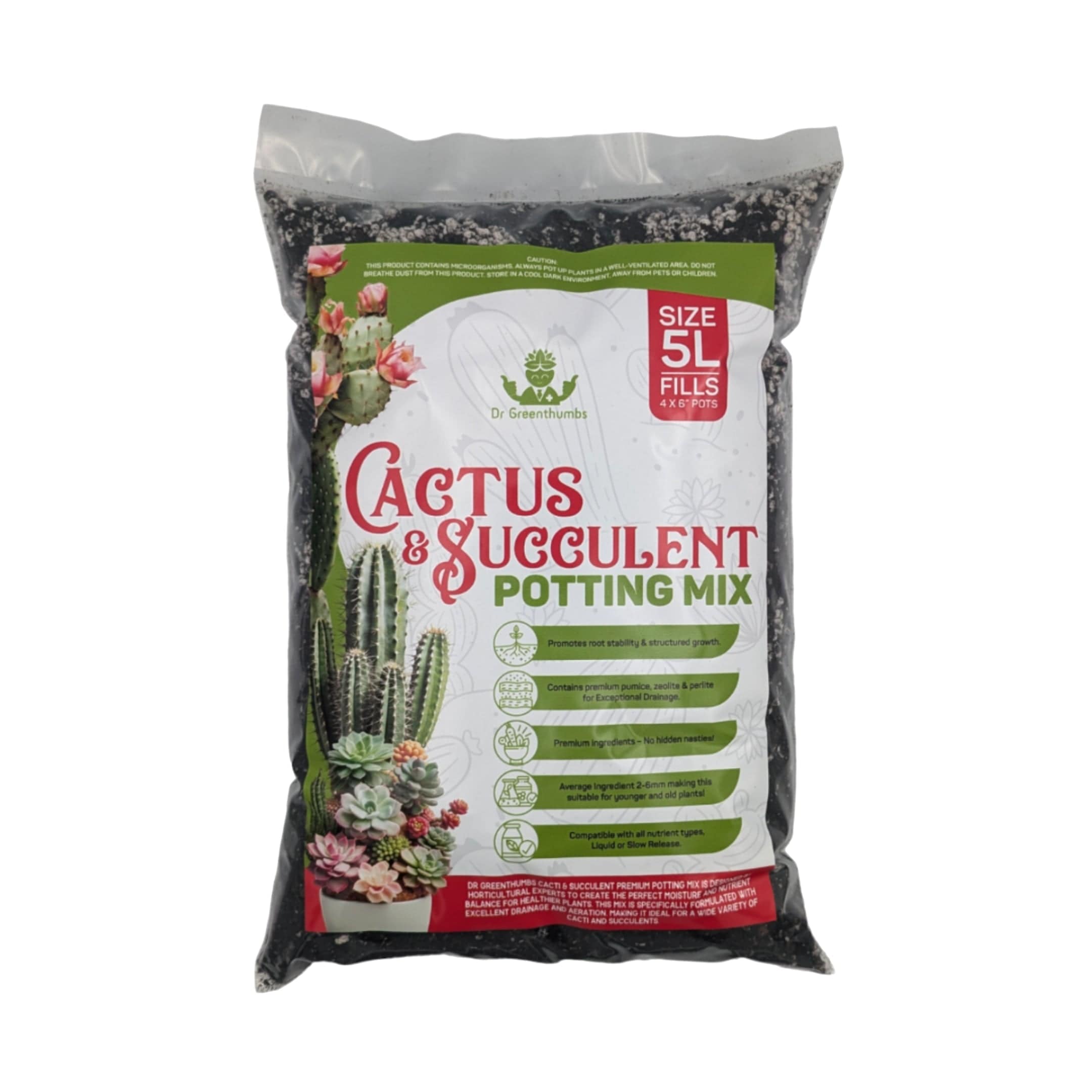
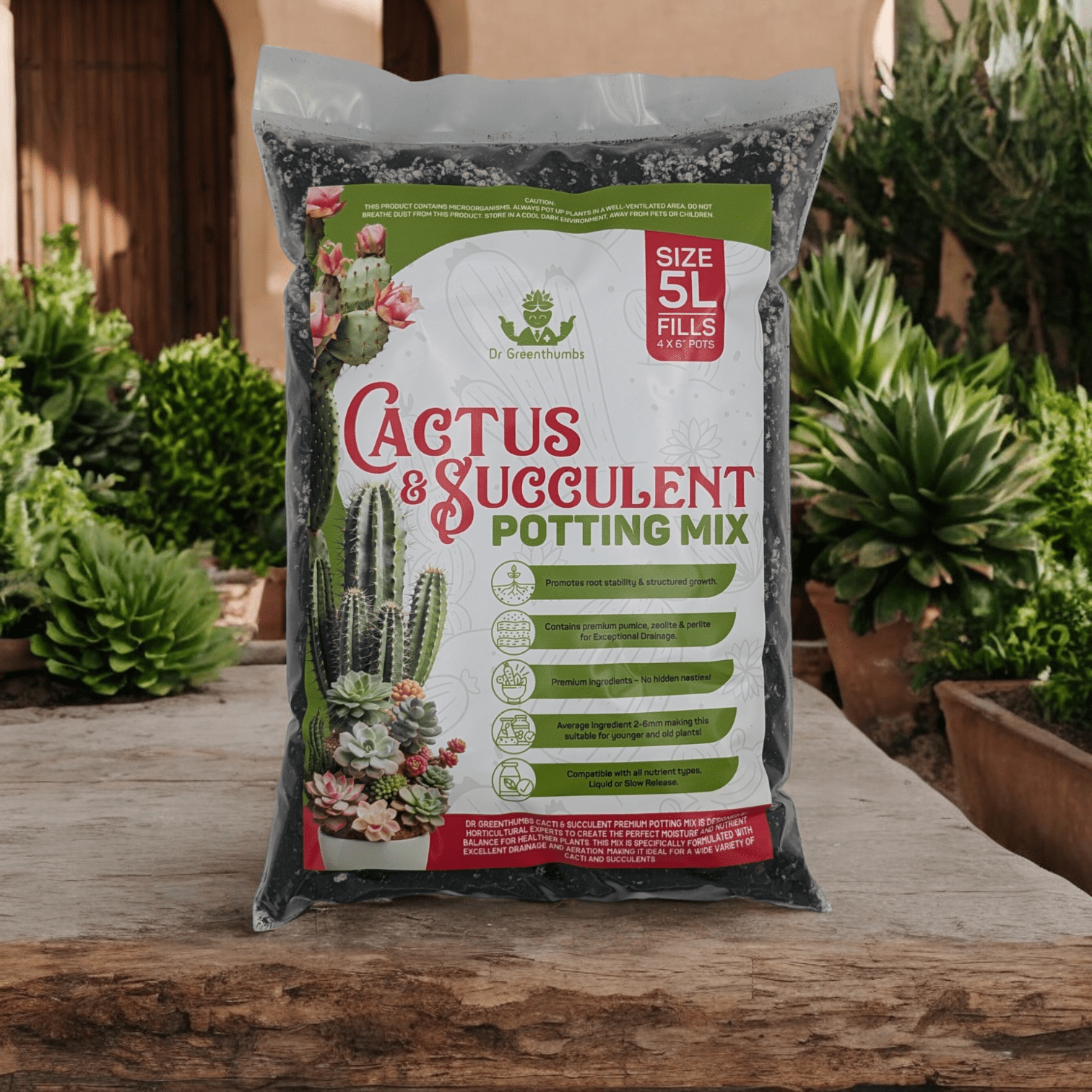
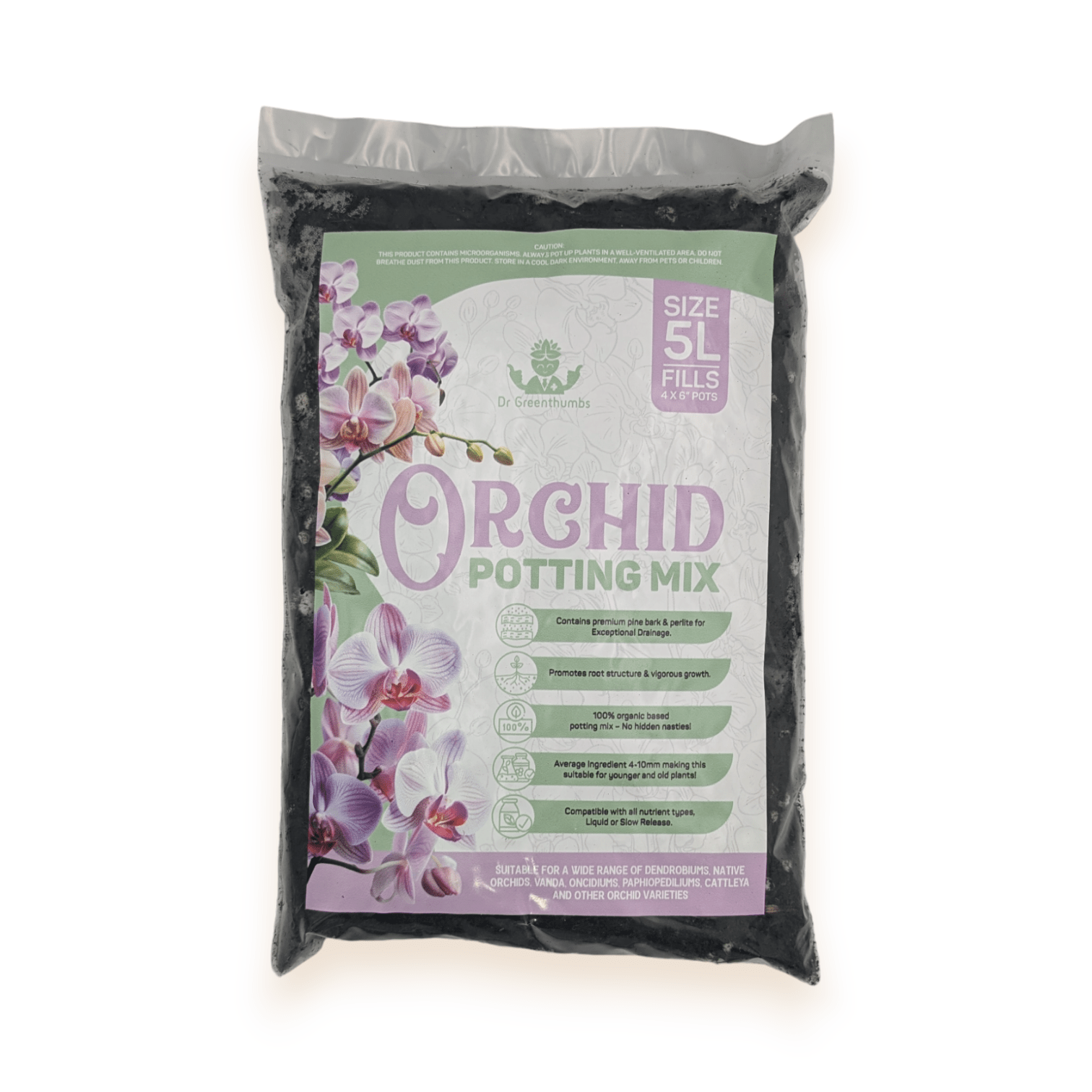
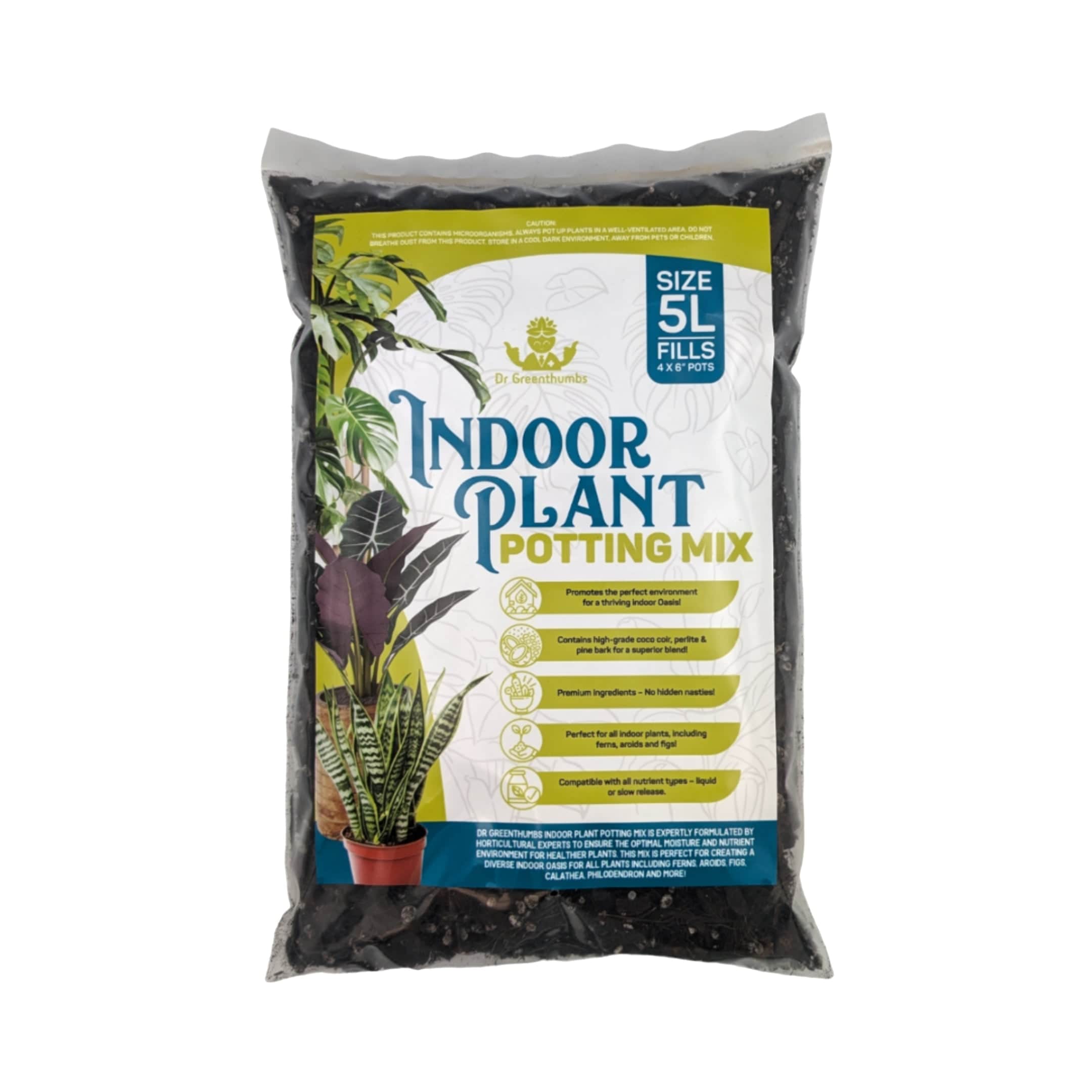
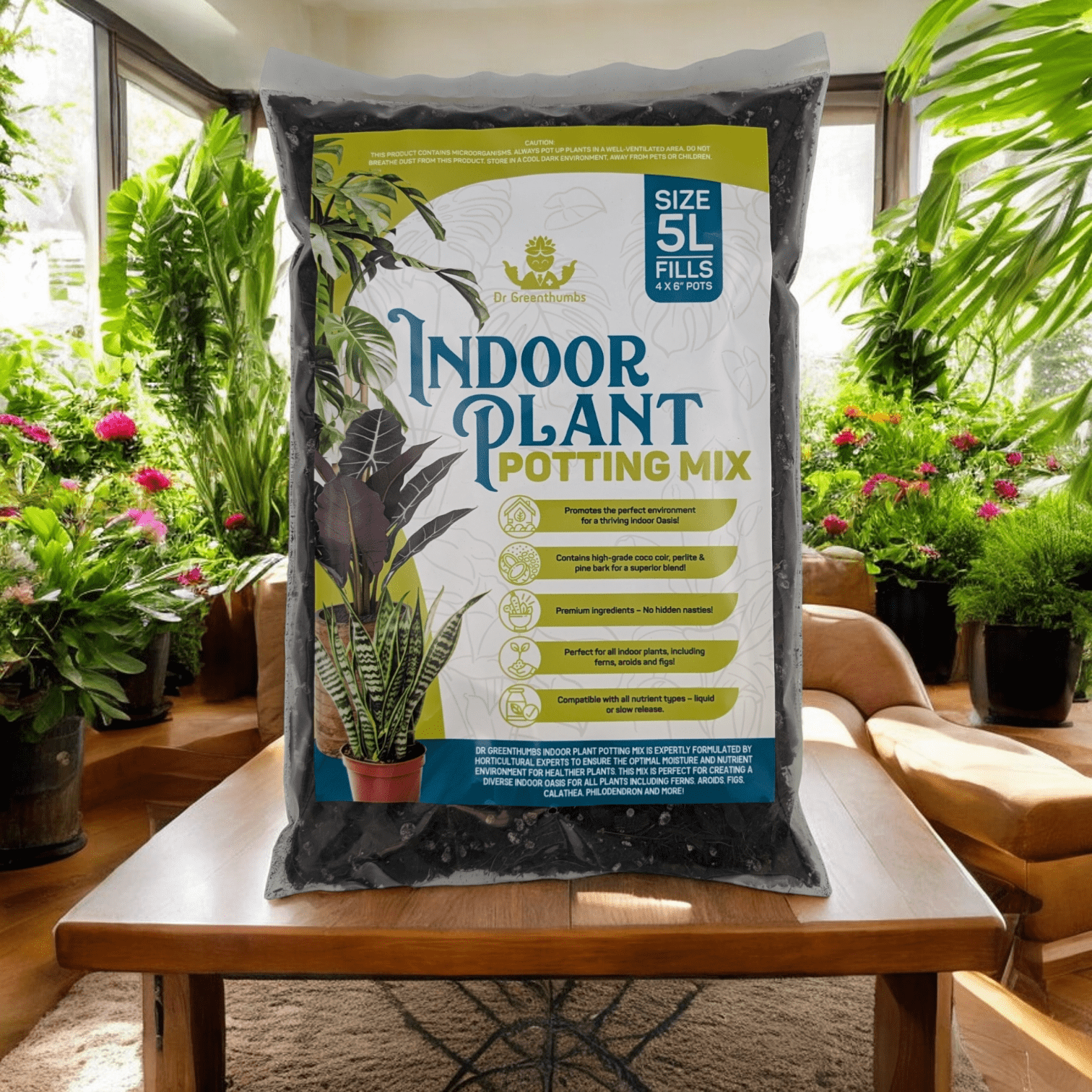
The game-changer: Our Quality, extra airy organic potting mix designed for our conditions. It's the difference between surviving and thriving—and honestly, it's the one investment that pays for itself in saved plants.
3. Navigate Australia's Intense Indoor Light
That gorgeous afternoon sun streaming through your windows? It's basically a magnifying glass for your plants. Australian sunlight is intense, and through glass, it can literally cook your green mates. Hot afternoon sun will also zap the humidity out of your grow space, so make sure to account for this!
The sweet spot: Bright, indirect light. Think morning sun or post-3pm filtered afternoon light. If your windows face west or north, you'll need to create some distance or use sheer curtains.
Winter reality check: During our shorter days, especially in the southern states, your plants might need a bit more direct light to compensate. Watch for stretched, leggy growth—that's your plant telling you it needs more light.
If cloudy days keep tripping you up, here’s how to give your plants sunshine on demand: Tired of Watching Your Indoor Plants Struggle Through Another Cloudy Australian Winter.
4. Feed Them Right for Our Climate
Indoor plants can't exactly pop outside for a soil snack, and in our controlled indoor environments, they're completely dependent on us for nutrition.
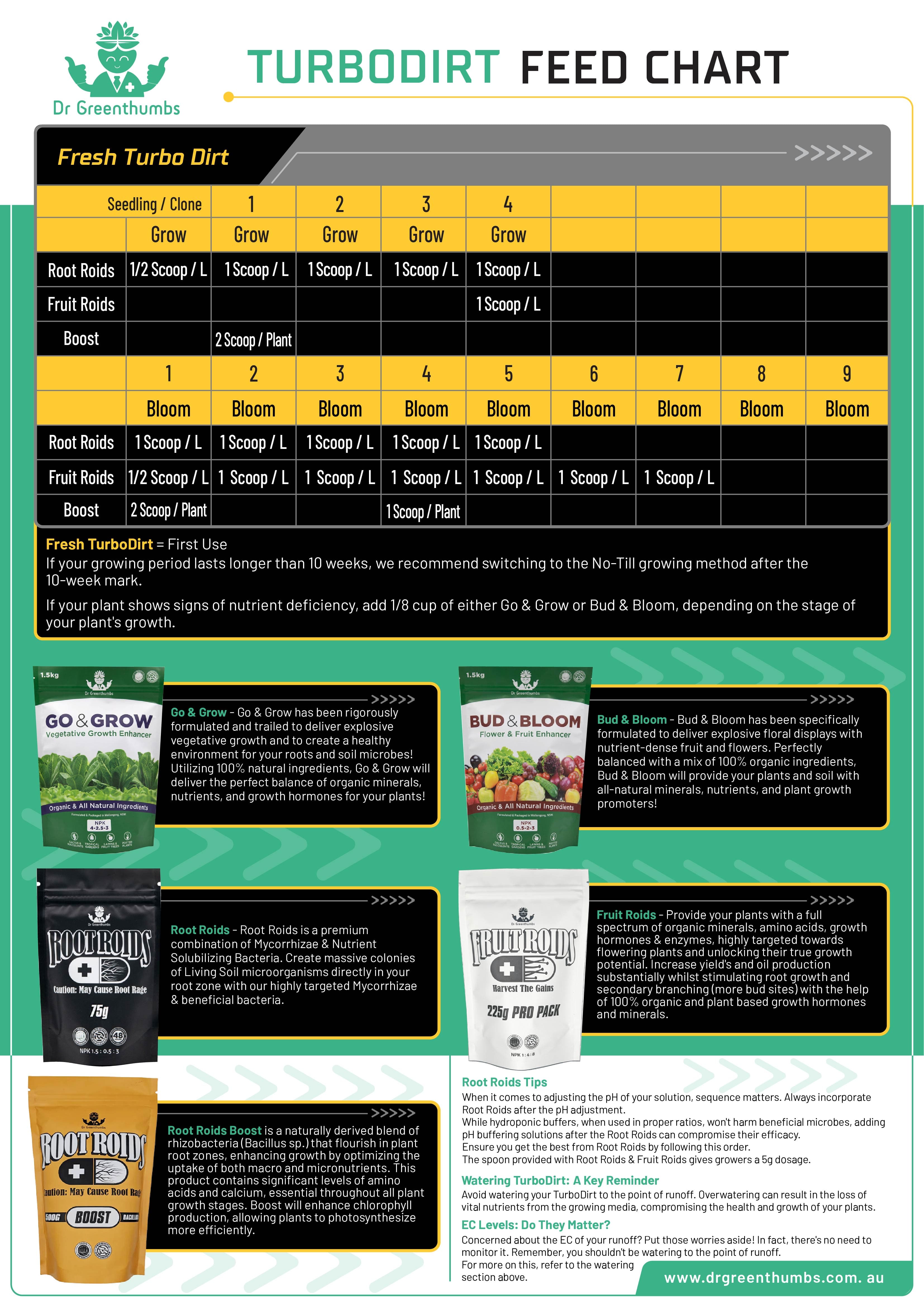
The solution: Regular feeding with a balanced, organic liquid fertiliser that won't burn roots in our dry conditions. Think of it as a multivitamin for your plants—little and often beats big doses.
When to Repot (and How to Pick the Right Pot)
Good pot plant care means watching the root zone too—indoor plants can grow quietly until you suddenly have roots bursting out of drainage holes like they’re trying to escape. That’s a sure sign they’d appreciate a bigger home.
When to Repot
- Roots circling inside the pot or poking out the bottom.
- Slow growth even in the right light and feed.
- Soil that dries out crazy fast or never seems to dry at all—either can mean it’s time to refresh the home base.
A general rule with Aussie homes: repot in early spring so your plant can settle into its new environment as it wakes up for the growing season.
Pot & Drainage Checklist
- Always choose a pot with good drainage holes.
- Use a saucer but empty it after watering so the roots aren’t sitting in wet feet.
- If you’re going up in pot size, go just a bit bigger (about 2–5 cm wider) to avoid too much moisture holding.
- Match pot material to your watering routine—terracotta wicks moisture faster (great in humid spots), plastic holds it a bit longer.
The Plants That Actually Thrive in Homes
Not all plants are created equal when it comes to our unique indoor conditions. Here are the absolute legends that can handle what Australian homes throw at them:
The Indestructible Crew:
- Pothos (Devil's Ivy) - Handles our dry air like a champ
- Snake Plants - Perfect for our temperature swings
- ZZ Plants - Drought-tolerant superstars
- Monstera Deliciosa - Loves our humidity (where we have it), and can tolerate dry periods.
The Air-Purifying Heroes:
- Peace Lilies - Tell you exactly when they need water
- Rubber Trees - Handle low light and dry conditions
- Spider Plants - Multiply faster than rabbits and clean the air
For the Advanced Green Thumbs:
- Fiddle Leaf Figs - Dramatic but doable with the right care
- Bird of Paradise - Stunning statement pieces for bright rooms
Want to play it even safer—especially if you’ve got curious kids or pets at home? Check out - Your Family's Safe Haven: 12 Low-Light Indoor Plants That Love Australian Homes (And Won't Harm Your Pets).
Best Picks for Different Light Levels
Not all plants like the same light, and Aussie homes throw a fair bit of variation depending on window direction and neighbourhood shadows. Here’s a quick breakdown:
- Low Light (north/south facing rooms): Snake plant, ZZ plant, peace lily – tough as.
- Medium/Filtered Light: Pothos, spider plant, rubber plant – happy in most living rooms.
- Bright, Indirect Light: Fiddle leaf fig, bird of paradise – love light but not scorched leaves.
Common Indoor Plant Problems (and how to fix them)
We Aussies often knock indoor plant care on the head once we grasp watering and light—but there’s a handful of things that trip up even seasoned plant parents. Here’s how to read what your plant is trying to tell you, and what to do about it.
Yellowing Leaves
Yellow leaves usually mean your plant is stressed—often from too much water, or sometimes from a hankering for nutrients. If the bottom leaves turn yellow first and the soil feels soggy, back right off the watering and let that top few centimetres dry out first. If yellowing comes with stunted growth or pale new leaves, it’s often a nutrient gap—our quick nutrient deficiency guide can help you diagnose it fast.
Brown Leaf Tips
Brown tips are a dead giveaway for dry air or inconsistent watering. Aussie indoor air can be bone dry when heaters or air-con are running, so try grouping plants together or use a humidity tray. Also check you aren’t letting thirsty tips fool you into overwatering at the base—those tips burn long before the roots do.
Wilting or Drooping
This can mean under- or over-watering. The quickest test? Give your pot a lift—if it’s light and the topsoil feels dry, give a good drink; if it’s heavy and damp, hold water and consider a more free-draining soil blend.
Leggy Growth (Not Growing Upright)
Leggy, stretched stems usually mean light levels are too low. Move your plant closer to bright, indirect sun, or consider a grow light to give them that “just right” intensity without baking the leaves.
Not Flowering
Some indoor bloomers just need more consistent light or a tailored feed routine to trigger their show. Ensure they’re getting bright indirect light and a balanced liquid feed throughout their growing season.
Indoor Plant Pests & Diseases in Aussie Homes
Most indoor plant problems aren’t doom and gloom—they’re just little critters or fungal dramas messing with your greenery. Let’s look at the usual suspects and what to do first.
Common Guests You Don’t Want
- Fungus gnats: Little black flies that hang around damp soil. Drying out the top layer and using a free-draining mix helps keep them at bay.
- Mealybugs & scale: Those cottony or crusty bits on stems? Wipe them off and isolate the plant.
- Spider mites & aphids: Tiny but destructive—quick wipe downs with a gentle soap or neem spray usually does the trick.
Quick First-Aid for Bugs
- Isolate the affected plant straight away.
- Wipe foliage and stems with a soft cloth and mild soap solution.
- Treat soil and leaves with neem or an organic spray if critters persist.
- Check neighbours—bugs love to leap-frog between pots.
Keeping an eye on humidity and avoiding overly wet soil goes a long way toward prevention too.
Real Talk: What We've Learned from 1000+ Plant Parents
The 80/20 Rule: 80% of your success comes from getting soil and watering right. Master these two, and you're golden.
Seasonal Adjustments: Your plants need different care in summer vs. winter. Summer means more water, winter means backing off significantly.
The Humidity Factor: If you're running heating or cooling, your plants are dealing with Sahara-level dryness. Group them together or use humidity trays.
Start Small: Don't try to turn your lounge into a jungle overnight. Start with 2-3 bulletproof plants and build your confidence.
Your 7-Day Quick-Start Action Plan
Ready to become the plant parent your living space deserve? Here's your week-by-week transformation:
Day 1-2: The Foundation
- Check your current plants' soil moisture
- Assess your lighting conditions throughout the day
- Make a list of what's working and what's not
Day 3-4: The Upgrade
- Invest in quality organic potting mix for any struggling plants
- Get a soil moisture meter to eliminate guesswork
- Consider relocating plants to better light positions
Day 5-7: The Routine
- Establish a weekly plant check routine
- Start a simple feeding schedule
- Remove any dead or dying plants (be brutal—they're affecting the others)
The Bottom Line for Aussie Plant Parents
The truth is you don't need a green thumb to create a thriving indoor garden. You need the right knowledge, quality products, and an understanding of what actually works in Australian homes.
The investment? Less than what you'd spend on a weekend away—but the benefits last for years.
The result? A home full of thriving, air-purifying plants that actually enhance your family's wellbeing instead of becoming another chore.
Don't let another plant become a casualty of trial and error. Whether you're starting fresh or rescuing your current green mates, we've got everything you need to succeed.
Browse our complete Indoor Plant Care Collection →
Questions? Shoot us a message—we're here to help you succeed, not just sell you stuff.
Next reads for getting indoor plant care dialed in
Want healthier houseplants with fewer setbacks? These guides will help you fine-tune watering, feeding, light and potting mix so your indoor plants keep thriving.
- Mastering Watering: Moisture Meter Hack
- Indoor Plant Fertiliser Guide Australia
- Grow Lights Positioning Guide
- Indoor Potting Mix Australia
About the Author