
There are few things more annoying than growing a beautiful tomato, peach, nectarine or citrus crop for months, only to cut into the fruit and find maggots inside.
If that sounds familiar, Queensland fruit fly may be the culprit.
Queensland fruit fly (Bactrocera tryoni), often shortened to QFF, is one of Australia's most troublesome fruit pests. The adults might not look particularly intimidating, but females can lay eggs inside developing fruit. The larvae then feed inside your crop, where they're nicely protected from many things you might try spraying on the outside.
That's why successful Queensland fruit fly control isn't about finding one magic spray or hanging one trap and hoping for the best.
The better approach is what we call the 4-Layer Fruit Fly Defence:
Monitor → Exclude → Clean Up → Control
Get those four layers working together and you've got a much better chance of eating your fruit yourself instead of donating it to a bunch of tiny freeloaders.
Table of Contents:
- Quick Answer: How Do You Control Queensland Fruit Fly?
- What Is Queensland Fruit Fly?
- How to Identify Queensland Fruit Fly
- Queensland Fruit Fly vs Kitchen Fruit Flies
- The Queensland Fruit Fly Life Cycle
- When Is Fruit Fly Season in Australia?
- What Fruit Does Queensland Fruit Fly Attack?
- The 4-Layer Fruit Fly Defence
- Do Fruit Fly Traps Actually Work?
- What Should You Do With Fruit Already Infested With Fruit Fly?
- 7 Fruit Fly Control Mistakes Aussie Gardeners Make
- What About Yellow Sticky Traps?
- A Simple Queensland Fruit Fly Action Plan
- Frequently Asked Questions About Queensland Fruit Fly
- The Bottom Line: Stop Fruit Fly Before It Gets Inside
- Next Reads for Protecting Fruit Crops from Garden Pests
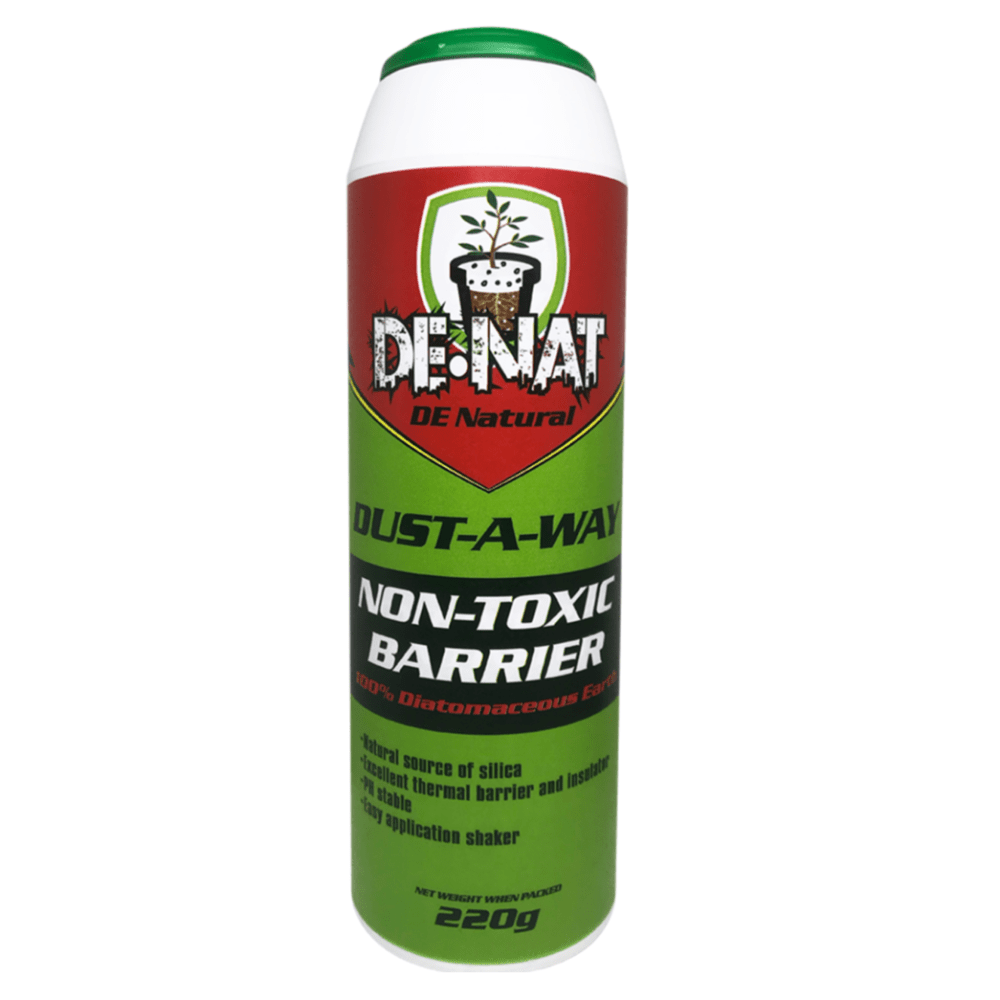
Want the quick physical barrier?

Quick Answer: How Do You Control Queensland Fruit Fly?
For home gardeners, the best approach to Queensland fruit fly is prevention and integrated control.
Start monitoring before fruit begins ripening, protect susceptible crops with correctly fitted fruit fly netting, pick fruit promptly, remove fallen or infested fruit, and use appropriate fruit fly traps or control products as part of a broader strategy.
Don't rely on traps alone.
A fruit fly trap can be useful for monitoring activity and, depending on the type of lure, contributing to control. But once Queensland fruit fly pressure builds, exclusion, garden hygiene and correctly targeted controls become much more important.
If you're dealing with other garden pests at the same time, have a squiz at our Pest Control collection and our seasonal guide to Australian garden pests.
What Is Queensland Fruit Fly?
Queensland fruit fly is an Australian pest species capable of attacking a wide range of fruiting plants.
Unlike the tiny flies you might see hovering around an old banana or fruit bowl indoors, Queensland fruit fly is a garden and horticultural pest that attacks developing fruit.
That's an important distinction.
People often search for "fruit fly" when they're actually dealing with completely different insects. A kitchen fruit fly problem and a Queensland fruit fly infestation in your tomatoes require very different solutions.
If you've got larvae appearing inside otherwise healthy-looking garden fruit, QFF should be high on your suspect list.
How to Identify Queensland Fruit Fly
Adult Queensland fruit flies are roughly housefly-sized rather than the tiny specks commonly seen around overripe kitchen fruit.
They are generally reddish-brown with distinctive yellow markings.
But here's the problem: many gardeners never notice the adult fly.
The first obvious warning is often damaged fruit.
Signs of Queensland fruit fly damage
Keep an eye out for:
- Small puncture or "sting" marks on fruit
- Soft or sunken patches
- Fruit ripening or rotting unusually quickly
- Fruit dropping prematurely
- Internal breakdown when fruit is cut open
- Creamy-white larvae or maggots inside the fruit
A piece of fruit can look surprisingly good from the outside while larvae are already feeding within it.
So if you've had fruit fly before, don't wait until you see maggots to begin control.
By then, you're playing catch-up.
Queensland Fruit Fly vs Kitchen Fruit Flies
This causes plenty of confusion, so here's the simple version.
Tiny flies hovering around a fruit bowl, compost caddy or drain? You're probably dealing with a small household fruit fly or similar nuisance fly.
Maggots developing inside tomatoes, peaches, nectarines or other fruit still growing in the garden? Queensland fruit fly becomes a much more likely suspect.
This matters when choosing a fruit fly trap.
Not every product marketed for "fruit flies" is designed for Queensland fruit fly.
Likewise, yellow sticky cards are useful monitoring tools for several flying garden pests, but they shouldn't be confused with a dedicated Queensland fruit fly lure.
Match the trap to the pest.
The Queensland Fruit Fly Life Cycle
Understanding the life cycle makes fruit fly control much easier.
The female finds suitable fruit and lays eggs beneath the skin.
Those eggs hatch into larvae, which feed inside the fruit.
Damaged fruit may soften, rot or fall. Mature larvae eventually leave the fruit and pupate, generally in the soil, before emerging as adult flies.
Those adults can then find new fruit and repeat the cycle.
That's why simply throwing infested fruit underneath the tree is a shocker of an idea.
You've potentially left the next generation exactly where it wants to be.
Instead, think about breaking the cycle at several points:
Stop females reaching fruit.
Detect adult activity early.
Remove breeding material.
Reduce the adult population where appropriate.
That's the logic behind our 4-Layer Fruit Fly Defence.
When Is Fruit Fly Season in Australia?
Queensland fruit fly activity generally increases as conditions warm and susceptible fruit becomes available.
For many Australian gardeners, spring is the time to start thinking about fruit fly—not the time to forget about it until damaged fruit appears in summer.
Fruit fly pressure can vary enormously depending on your climate, local conditions and what is fruiting nearby.
A neglected fruit tree over the fence can matter just as much as what's growing in your own backyard.
As a general garden routine:
|
Season |
Fruit Fly Job |
|---|---|
|
Late Winter |
Clean up old fruit and prepare traps/netting |
|
Spring |
Begin monitoring as conditions warm |
|
Early Summer |
Protect developing fruit before it becomes vulnerable |
|
Summer |
Monitor closely, harvest promptly and maintain hygiene |
|
Autumn |
Keep protecting later crops and remove fallen fruit |
|
Winter |
Clean up hosts and prepare for the next season |
Want the bigger picture? Our Australian seasonal pest guide shows which common garden pests tend to appear through the year and how to get ahead of them.
What Fruit Does Queensland Fruit Fly Attack?
Queensland fruit fly can attack a very broad range of fruit and vegetables.
Common backyard targets can include:
- Tomatoes
- Peaches
- Nectarines
- Apricots
- Plums
- Citrus
- Figs
- Guavas
- Mangoes
- Capsicums
- Chillies
- Apples
- Pears
The exact risk varies with location, season, fruit variety and what else is available nearby.
The practical rule is simple:
If you're growing fleshy fruit in a Queensland fruit fly area, don't wait until harvest week to think about protection.
The 4-Layer Fruit Fly Defence
Here's where fruit fly control becomes much simpler.
Instead of searching for a single miracle treatment, build several barriers between the fly and your harvest.
Layer 1: Monitor With the Right Fruit Fly Trap
A fruit fly trap can tell you when adults are active and help you respond before damage becomes obvious.
But there are different types of traps and lures.
Some are primarily designed for monitoring. Some attract male Queensland fruit flies. Other systems may target a broader section of the population.
That means catching flies doesn't automatically mean you've controlled the infestation.
Use monitoring to answer:
Are Queensland fruit flies active?
Is pressure increasing?
Do I need to step up protection?
Start early. Hanging a trap after you've opened three infested peaches is monitoring yesterday's problem.
Do DIY Fruit Fly Traps Work?
This depends heavily on what species you're trying to catch.
The familiar vinegar or fermenting-fruit trap can catch small household fruit flies, but Queensland fruit fly is a different pest.
For QFF monitoring, use a trap and lure specifically intended for Queensland fruit fly rather than assuming any homemade "fruit fly trap" will do the same job.
That's one of the easiest mistakes to avoid.
Layer 2: Use Fruit Fly Netting
If you can physically stop the female reaching your fruit, you can prevent her laying eggs in it.
That's why fruit fly netting is one of the most valuable tools available to backyard growers.
You can protect an entire tree, a branch or individual clusters of fruit depending on the crop and garden setup.
But there's a catch:
The netting actually has to exclude the fly.
Throwing loose mesh over a tree with gaps everywhere isn't exclusion. It's garden decoration.
How to use fruit fly netting properly
Use fine insect-exclusion netting suitable for the job and:
- Install it before fruit becomes vulnerable.
- Allow pollination to occur where necessary before fully excluding pollinators.
- Cover the crop completely.
- Seal gaps around the bottom and sides.
- Check regularly for holes or openings.
- Avoid leaving fruit pressed tightly against the mesh where possible.
- Make sure flies haven't already been trapped inside.
For smaller gardens, bagging individual fruit or fruit clusters can sometimes be easier than covering a whole tree.
Netting takes a little effort, but you're preventing the problem rather than trying to rescue fruit after eggs have already been laid.
Layer 3: Clean Up the Garden
This is the least exciting fruit fly control method and one of the most important.
Don't leave fruit fly breeding material lying around.
Pick ripe fruit promptly.
Collect fallen fruit.
Remove damaged fruit.
Check forgotten fruit hiding inside dense foliage.
Pay attention to unwanted or neglected host plants around the garden.
If infested fruit simply falls beneath the tree and sits there, larvae can continue developing.
And don't assume chucking obviously infested fruit straight into an open compost heap automatically solves the problem.
Contain and dispose of affected fruit appropriately for your area so you're not maintaining the life cycle in your own backyard.
Good fruit fly control isn't just about what you put on the tree.
It's also about what you remove from underneath it.
Layer 4: Add Targeted Control When Needed
When fruit fly pressure is high, exclusion, monitoring and sanitation may be combined with an appropriate registered control method.
The key word is appropriate.
Don't start randomly spraying everything because you've seen one fly.
Identify the pest first, choose a product specifically labelled for the intended pest and crop, and follow the label directions carefully.
This is particularly important around edible crops, flowers and beneficial insects.
For broader garden pest problems, you can explore the Dr Greenthumbs Pest Control collection.
The aim isn't to turn your backyard into a chemical war zone.
It's to use the lightest effective intervention while breaking the pest's life cycle.
Do Fruit Fly Traps Actually Work?
Yes—but "works" needs some context.
A trap that catches Queensland fruit fly can be excellent for monitoring. Certain trapping systems can also form part of an overall control program.
What a trap generally shouldn't be treated as is permission to ignore everything else.
Imagine you've got fallen infested fruit underneath the tree, ripe hosts everywhere and unprotected peaches hanging within easy reach.
One trap has a pretty big job ahead of it.
Think of trapping as one layer rather than the whole defence.
Trap + exclusion + hygiene + targeted control when required is a much stronger strategy.
What Should You Do With Fruit Already Infested With Fruit Fly?
Once larvae are developing inside a piece of fruit, that fruit isn't something you're going to magically restore with a spray.
Remove it.
Then check the rest of the crop carefully.
If you're finding repeated damage:
- Pick up fallen fruit.
- Remove obviously affected fruit from the plant.
- Check nearby host plants.
- Review your trap activity.
- Check netting for gaps.
- Harvest sound ripe fruit promptly.
- Step up your integrated control program.
The goal has changed.
You're no longer saving that damaged piece of fruit.
You're trying to stop it becoming the source of another generation.
7 Fruit Fly Control Mistakes Aussie Gardeners Make
1. Starting too late
Fruit fly prevention begins before you start cutting maggots out of tomatoes.
Monitor early and protect fruit before the main attack.
2. Buying the wrong "fruit fly trap"
"Fruit fly" can describe very different insects.
A kitchen trap isn't automatically a Queensland fruit fly trap.
3. Relying on traps alone
Catching adults is useful, but it doesn't replace exclusion and garden hygiene.
4. Leaving fallen fruit underneath trees
Every rotten peach you ignore deserves a second look if fruit fly is active.
Keep the area beneath host plants clean.
5. Poorly fitted fruit fly netting
One opening can undermine all that work.
Think exclusion, not merely coverage.
6. Letting infested fruit pile up
Remove affected produce promptly instead of allowing larvae to continue developing around the crop.
7. Waiting until fruit is ripe to think about protection
This is the big one.
The best time to protect the crop is before Queensland fruit fly gets inside it.
What About Yellow Sticky Traps?
Yellow sticky traps are brilliant little tools for monitoring several common flying garden pests, including fungus gnats, aphids and whiteflies.
But we wouldn't sell you a yellow sticky card and pretend it's a complete Queensland fruit fly solution.
If you've got a mixture of flying pests around vegetables, indoor plants or a greenhouse, our Yellow Pest Trap can be handy for general monitoring.
For Queensland fruit fly specifically, use a purpose-designed QFF trap/lure alongside the other control layers described in this guide.
Knowing what a product doesn't do is just as useful as knowing what it does.
A Simple Queensland Fruit Fly Action Plan
If all this sounds like a lot, here's the whole strategy stripped back.
Before fruit develops
Clean up the garden and work out which plants are likely hosts.
Get exclusion materials and appropriate monitoring traps ready.
As fruit begins developing
Start monitoring.
Plan your netting or fruit bags.
Don't wait for obvious damage.
As susceptible fruit approaches ripening
Keep exclusion secure.
Check traps.
Inspect fruit regularly.
Remove damaged and fallen produce.
If Queensland fruit fly is detected
Increase monitoring and hygiene.
Check every exclusion barrier.
Use an appropriate targeted control if required.
After harvest
Remove leftover fruit and clean up underneath trees.
Don't give the next generation a free feed.
Then make a note of when fruit fly appeared.
Next season, start earlier.
Frequently Asked Questions About Queensland Fruit Fly
What is the best way to control Queensland fruit fly?
Use several methods together. Monitoring, fruit fly netting or other exclusion, prompt harvesting, removing infested/fallen fruit and appropriate targeted controls provide a much stronger strategy than relying on a single trap or spray.
What is the best fruit fly trap for Queensland fruit fly?
Choose a trap specifically designed for Queensland fruit fly and check what its lure attracts. Some traps are primarily monitoring tools, so don't assume catching flies means the population is controlled.
Does fruit fly netting work?
Correctly installed exclusion netting can be extremely useful because it creates a physical barrier between adult flies and developing fruit. It needs to be fine enough, properly sealed and installed at the right stage.
When should I put fruit fly traps out?
Before your fruit becomes highly susceptible and before you've got an obvious infestation. Monitoring is most valuable when it gives you an early warning.
Can Queensland fruit fly attack tomatoes?
Yes. Tomatoes can be attacked by Queensland fruit fly and should be included in your fruit fly management plan where QFF occurs.
Can Queensland fruit fly attack citrus?
Yes. Citrus can be a host, so fruit fly management isn't only something stone-fruit growers need to think about.
Do vinegar fruit fly traps kill Queensland fruit fly?
Don't assume a trap designed for tiny kitchen fruit flies will effectively monitor or control Queensland fruit fly. Use a lure specifically intended for the pest you're targeting.
Should I spray fruit fly?
Don't spray indiscriminately. Correctly identify the pest first and only use products registered and labelled for the relevant pest/crop situation, following the label.
Can I compost fruit containing fruit fly larvae?
Don't put untreated infested fruit into an open composting system where larvae may survive and continue their life cycle. Use an appropriate containment or disposal method for your location.
Why am I still getting fruit fly when I've got traps?
Because traps are only one part of fruit fly management. Nearby host fruit, fallen produce, gaps in exclusion netting and neighbouring host plants can all maintain pressure.
The Bottom Line: Stop Fruit Fly Before It Gets Inside
The biggest change you can make to your Queensland fruit fly strategy is surprisingly simple:
Stop thinking about fruit fly control as something you do after finding maggots.
By then, the fly has already won that round.
Start earlier.
Monitor so you know when pressure is building.
Exclude flies from valuable fruit.
Clean up fallen and infested produce so you're not helping the next generation.
Control remaining pressure appropriately when required.
That's the 4-Layer Fruit Fly Defence.
No miracle bottle. No single magic trap. Just several sensible controls working together to make your garden a much harder place for Queensland fruit fly to reproduce.
If you're working on your wider pest-management plan, explore our Pest Control collection or bookmark our Which Pest, When? Seasonal Guide to Australian Garden Pests so you know what's likely to turn up next.
Because you've put enough work into growing the bloody fruit.
You should get to eat it.
Next Reads for Protecting Fruit Crops from Garden Pests
Want to stay ahead of the next pest before it reaches your harvest? These guides will help you time control better and build a broader defence around your fruiting plants.
- Which Pest When? Seasonal Guide to Australian Garden Pests
- Citrus Gall Wasp Treatment & Control Australia
- Stink Bugs Australia: Identification & Control
- Pest Control IPM Stack: Top 10 Organic Solutions
About the Author