What is the Yellow Pest Trap and how does it work?
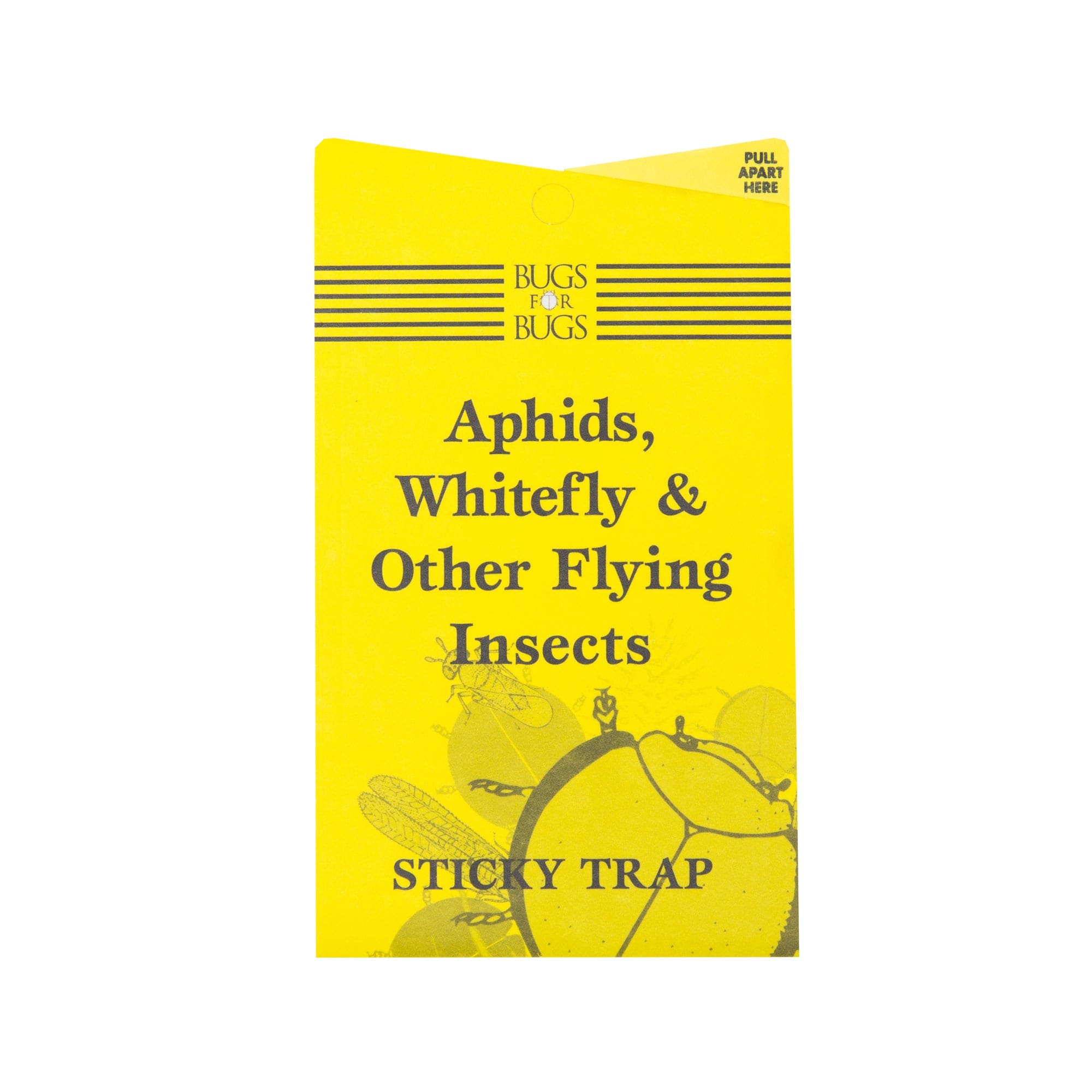
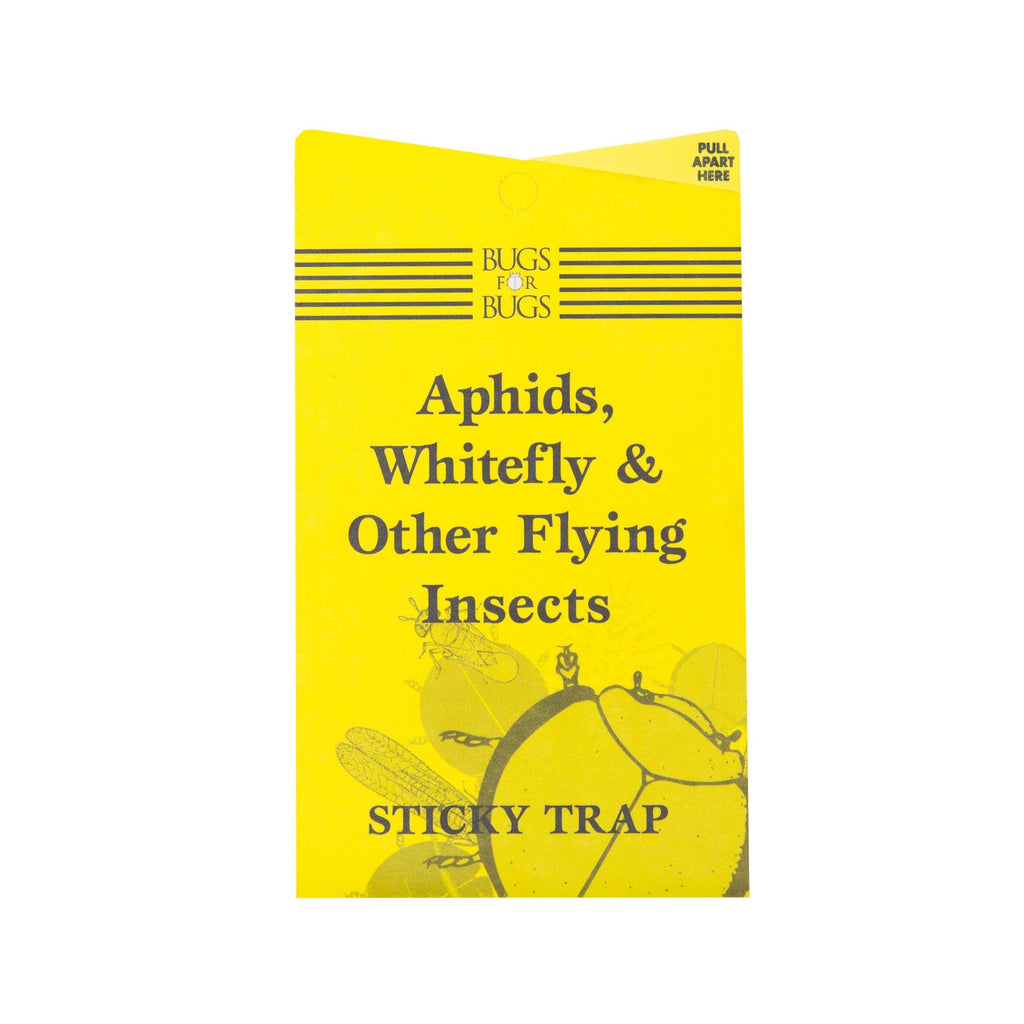
It’s a double-sided, bright yellow sticky card that attracts flying pests like fungus gnats and traps them on contact. No chemicals, no fumes—just visual attraction plus strong adhesive. It’s odourless and pesticide-free, perfect for indoor plant care and pest monitoring.
What pests does Yellow Pest Trap catch?
It targets fungus gnats, whiteflies, winged aphids, thrips, and other flying plant pests. It’s less effective for non-flyers like spider mites or mealybugs, which require different control methods.
For guidance on using sticky traps alongside inspection, treatment and prevention, see our whitefly control guide for Australia.
Does it kill fungus gnat larvae too?
No—it traps the flying adults. To fully control fungus gnats, pair it with larva-targeting products and adjust your watering routine to keep the top soil drier.
Where should I place the trap for best results?
Position it near the plant canopy or just above the soil where pests fly. Use the built-in hole to hang or mount it. Both vertical and horizontal placements can be effective, especially for gnats.
How many traps do I need, and how often should I replace them?
Start with 1–2 per small space or pot. Replace every 2–3 weeks, or sooner if it’s full or loses stickiness. If it’s dusty or in high heat, adhesive may degrade faster.
To help work out when monitoring traps are most useful across the year, see our seasonal guide to Australian garden pests.
Can I use Yellow Pest Trap indoors, outdoors, or around herbs?
Yes—it’s safe for indoor use, grow tents, greenhouses, and around edible plants. Outdoors, be cautious—it may catch beneficial insects. For best results, use in controlled environments.
Is Yellow Pest Trap safe around pets and kids?
It’s non-toxic, but the adhesive is messy. Hang it out of reach. If it sticks to fur or skin, use cooking oil to loosen the adhesive before washing with mild soap.
Will Yellow Pest Trap attract more pests to my plants?
No—it only affects pests already in your space. It doesn’t lure insects from long distances or create infestations. Proper placement ensures it helps reduce the pests you already have.
Can I reuse the trap or cut it smaller?
Traps aren’t reusable. Once full or dull, replace it. You can cut it into smaller pieces for tight spots, but you’ll lose the hanging hole and coverage area.
What’s the grid for, and how do I know when the infestation is gone?
The printed grid helps you count and monitor pest numbers. When catches drop to near zero for a couple of weeks and no new signs appear on your plants, the problem is likely under control.
For a broader look at using traps alongside sprays and other controls, see our organic pest control guide.
Why isn’t the trap catching anything even though I see pests?
Common issues: old or dusty adhesive, poor placement, airflow moving pests away, or pests not flying. Some pests like mites or mealybugs won’t be caught on traps.
Can I use sticky traps with other pest control methods?
Yes—combine traps with sprays, neem, or biological controls as part of an integrated pest management (IPM) plan. Just keep traps away from zones with beneficial insects.
For another organic pest-management strategy, see our guide to companion planting and natural pest control.
Should I put one trap per pot?
For small pots, yes. For large pots or dense groups, you may need more. Cutting traps is an option, but be mindful of reduced surface area and handling.
What do I get with each Yellow Pest Trap?
Each pack includes a single, peel-apart, double-sided yellow sticky trap with a hanging hole. It’s designed for indoor plant pests and may catch a few kitchen fruit flies, but bait traps work better for that.
What should I do next if I’m catching lots of pests?
High catch rates mean a heavy infestation. Add more traps, check plant undersides (especially for whiteflies), reduce overwatering, and start treating larvae if dealing with gnats. Don’t just rely on traps alone.