
Found a big smelly bug crawling over your lemon tree? Or a bunch of green, orange or black bugs sucking the life out of your citrus?
You’ve probably called them stink bugs, and you’re certainly not alone.
The tricky part is that “stink bug” can describe several different bugs in Australian gardens. The pest chewing through your citrus may be a Bronze Orange Bug, while the shield-shaped insect on your tomatoes or beans could be a Green Vegetable Bug. You might also come across colourful Harlequin Bugs.
Then there’s the Brown Marmorated Stink Bug, an exotic pest that is a biosecurity concern in Australia and should not be treated like an ordinary backyard bug.
So before reaching for a spray, work out exactly what you’re dealing with.
In this guide we'll show you how to identify the common stink bugs found around Australian gardens, what they do to citrus and vegetables, when they're easiest to control, and the practical options for getting numbers back under control.
Table of Contents
- Quick Guide: Which Stink Bug Have You Found?
- What Is a Stink Bug?
- Types of Stink Bugs in Australia
- Stink Bug Nymphs vs Adults: Why Timing Matters
- What Damage Do Stink Bugs Cause?
- How to Get Rid of Stink Bugs
- How to Get Rid of Stink Bugs on Citrus Trees
- What Is the Best Stink Bug Spray?
- Protect Beneficial Insects While Controlling Stink Bugs
- Garden Hygiene Can Reduce Future Problems
- Are Stink Bugs Dangerous?
- Brown Marmorated Stink Bug: Australia's Biosecurity Concern
- Bronze Orange Bug vs Brown Marmorated Stink Bug
- Frequently Asked Questions About Stink Bugs
- The Bottom Line
- Keep building your garden pest-control plan
Want the quick setup? These are the tools that make safe removal or targeted treatment easier once you’ve identified the pest:


Quick Guide: Which Stink Bug Have You Found?
|
Bug |
What it looks like |
Where you'll often find it |
What to do |
|---|---|---|---|
|
Bronze Orange Bug |
Large, shield-shaped; green when young, then orange, bronze or almost black |
Lemons, oranges, mandarins, limes and other citrus |
Control early and handle with care |
|
Green Vegetable Bug |
Bright green, shield-shaped adult around 13–15 mm long |
Tomatoes, beans, legumes, vegetables and fruit |
Monitor plants and control damaging populations |
|
Harlequin Bug |
Black and reddish-orange adult, around 12 mm long |
Vegetables, fruit, ornamentals, weeds, fences and garden structures |
Reduce weeds and hiding places; remove populations where practical |
|
Brown Marmorated Stink Bug |
Mottled brown, shield-shaped, with distinctive pale banding on antennae and abdomen |
Exotic pest — may arrive on imported goods |
Secure the insect and report a suspected detection |
The most important lesson? Don't assume every smelly, shield-shaped insect needs exactly the same treatment.
Identification comes first.
What Is a Stink Bug?
Stink bugs are sap-feeding insects that use piercing mouthparts to suck fluids from plants.
When disturbed, many species release a strong-smelling defensive chemical — hence the very appropriate nickname.
Their feeding can damage tender shoots, flowers, developing fruit, pods and vegetables. The exact symptoms depend on the species, crop and size of the infestation, which we'll cover in more detail below.
One or two bugs generally won't spell disaster for a large healthy garden. A growing infestation on young plants, fruiting crops or citrus, however, can cause plenty of frustration.
And because young stink bug nymphs often look completely different from the adults, gardeners can easily overlook the problem until the population is much larger.
Types of Stink Bugs in Australia
Australia has a huge diversity of true bugs, and not every shield-shaped insect you see is a pest.
For backyard gardeners, however, there are several important bugs worth learning to recognise.
Bronze Orange Bug
Scientific name: Musgraveia sulciventris
If you're searching for stink bugs on citrus, stink bugs on a lemon tree or a large black smelly bug on an orange tree, the Bronze Orange Bug should be high on your suspect list.
Bronze Orange Bugs are native Australian insects associated with plants in the citrus family. They are particularly familiar to gardeners along the east coast.
Adults are large — roughly 25 mm long — with a broad, shield-like body.
But here's where identification gets interesting:
Bronze Orange Bugs change colour dramatically as they develop.
Young nymphs begin green. As they move through later growth stages they become more colourful, eventually turning orange before developing the dark bronze-brown to almost black colouring of the adult.
That means the pale green bugs underneath your citrus leaves in one season can be the same pest as the big dark stink bugs you notice later.
What do Bronze Orange Bug eggs look like?
Eggs are laid together in neat groups, usually on leaves.
Regularly checking underneath citrus foliage can give you a valuable head start because controlling a population before it becomes a tree full of large adults is far easier than waiting until the damage is obvious.
What plants do Bronze Orange Bugs attack?
They are primarily associated with citrus and citrus relatives, including:
- lemon trees
- orange trees
- mandarin trees
- lime trees
- grapefruit
- native citrus
They concentrate their feeding around tender plant tissue, flowers, young fruit and new shoots.
Green Vegetable Bug
Scientific name: Nezara viridula
Green Vegetable Bugs are another common garden pest often described as a stink bug or green stink bug.
Adults are typically bright green and shield-shaped, measuring roughly 13–15 mm long. Their colour can vary, and overwintering individuals may become much darker.
Young Green Vegetable Bugs look surprisingly different from adults. Different nymph stages may show combinations of black, green, white, orange or red markings.
That is one reason gardeners sometimes think several unrelated pests have invaded at once.
What do Green Vegetable Bugs attack?
They're particularly important around vegetables, legumes and fruiting crops.
Plants that may be attacked include:
- tomatoes
- beans
- peas and other legumes
- capsicum
- corn
- potatoes
- cucurbits
- leafy vegetables
- soybeans
- some fruit crops
Instead of chewing holes like a caterpillar, they pierce plant tissue and feed on sap and developing seeds.
On beans and other podded crops, feeding can damage the developing seed inside. On fruit, piercing damage may leave blemishes, depressions or poor development.
Harlequin Bug
Scientific name: Dindymus versicolor
The Australian Harlequin Bug is easy to notice once you know what you're looking for.
Adults are about 12 mm long and have striking reddish-orange and black markings.
They can occur on a wide range of plants, including:
- vegetables
- apples and other pome fruit
- stone fruit
- figs
- grapes
- strawberries
- ornamentals
- various weeds
Large populations may cause growing tips to wilt and can damage fruit.
Harlequin Bugs are also known for congregating together. You may find clusters around tree trunks, fences, timber, garden structures or sheltered areas rather than neatly confined to one crop.
Weed management can play a particularly useful role here because several common weeds can act as hosts.
Don't confuse the Australian Harlequin Bug with every other colourful insect carrying the word “harlequin” in its common name. Colour alone isn't enough for identification.
Stink Bug Nymphs vs Adults: Why Timing Matters
One of the biggest mistakes gardeners make is waiting until stink bugs become large and obvious.
By then you've often missed the easiest control window.
A stink bug develops through several immature stages known as instars before becoming an adult.
Nymphs:
- do not yet have fully developed wings
- may be dramatically different in colour from adults
- can gather together after hatching
- become progressively larger with each moult
With Bronze Orange Bugs in particular, younger nymphs can be far easier to manage than the large adults that appear later in the season.
Learning to recognise the different stages makes it easier to identify a developing infestation before the large adults become obvious. The practical inspection and removal steps are covered in the control sections below.
What Damage Do Stink Bugs Cause?
The symptoms vary depending on the plant, the bug and the stage of growth.
Stink Bugs on Citrus
Bronze Orange Bugs feed by piercing tender citrus tissue and withdrawing plant fluids.
Heavy feeding can lead to:
- wilted young shoots
- dying new growth
- flower loss
- young fruit dropping
- blackened or damaged young fruit
- reduced vigour in badly affected growth
Lemon, orange, lime and mandarin trees can all be affected.
If your citrus suddenly has wilting shoots despite adequate water, take a closer look before assuming the problem is drought or nutrient related.
Stink Bugs on Tomatoes
Green Vegetable Bugs and related sap-feeding bugs can attack developing tomatoes.
Feeding punctures may interfere with normal fruit development and leave damaged or discoloured areas.
Check around fruit as well as foliage because the bug may be feeding directly from the crop you're trying to harvest.
Stink Bugs on Beans
Beans and other legumes can be particularly vulnerable because stink bugs feed on pods and developing seed.
Damage may result in:
- shrivelled seed
- malformed seed
- damaged pods
- reduced crop quality
If your beans look healthy from a distance but pods are developing poorly, inspect closely for shield-shaped bugs.
Stink Bugs on Fruit
Different bug species can feed on a range of fruit.
Piercing and sucking damage may cause:
- depressions
- blemishes
- damaged flesh beneath the skin
- premature fruit drop
- poor development
The key is to identify the insect rather than assuming every mark on fruit was caused by a stink bug.
How to Get Rid of Stink Bugs
The best approach is not automatically “spray everything”.
A smarter stink bug control plan combines:
- correct identification
- regular monitoring
- early intervention
- physical removal where practical
- garden hygiene
- carefully selected treatments only when required
Here's how we'd approach it.
1. Check Plants Regularly
This is particularly important on citrus.
Inspect:
- undersides of leaves
- new shoots
- flowers
- young fruit
- stems
- tree trunks
Look for both bugs and egg clusters.
If you only start searching after dozens of adult Bronze Orange Bugs appear, the job becomes harder.
2. Remove Egg Clusters and Young Bugs Early
When you're confident you've identified pest eggs or nymphs correctly, physical removal can prevent a much larger population later.
This is particularly useful on smaller backyard trees where inspecting most of the canopy is realistic.
Avoid automatically destroying every insect egg you find. Gardens contain plenty of beneficial insects too.
Identification first, destruction second.
3. Remove Adult Bugs Manually Where Practical
On smaller trees, manual removal can work extremely well.
One common approach is to use long tongs to remove bugs and drop them into a container of soapy water.
This avoids turning every minor infestation into a whole-tree spraying exercise.
Important: Protect Your Eyes and Skin
Bronze Orange Bugs can eject an irritating defensive liquid when threatened. Wear eye protection, gloves, long sleeves and closed footwear, keep your face away from the insect, and use long tongs rather than handling the bugs directly.
How to Get Rid of Stink Bugs on Citrus Trees
On lemon, orange, mandarin and lime trees, the stink bug is often a Bronze Orange Bug. Use the general control process above, but pay particular attention to the citrus-specific behaviour below.
Start Before the Bugs Become Large Adults
Begin checking citrus through the cooler months and into spring. Look for egg clusters and green or orange nymphs rather than waiting until large, dark adults dominate the tree.
Once late-stage nymphs and adults are spread through a large canopy, physical removal takes longer and contact treatments become harder to apply thoroughly.
Pay Attention to Hot Days
Large Bronze Orange Bugs can sometimes congregate around the cooler lower trunk during hot weather instead of remaining spread through the canopy. This can provide an opportunity for careful manual removal using the protective equipment described above.
Repeat Your Inspections
Removing the visible bugs does not mean there are no eggs or immature stages elsewhere on the tree. Inspect the foliage, young shoots, fruit and trunk again over the following days rather than treating control as a one-off job.
Treatment Timing: When Should You Control Stink Bugs?
With Bronze Orange Bugs on citrus, earlier is usually easier.
Late Winter
Start looking closely at leaves and sheltered areas. The aim is to find the problem before it becomes obvious.
Spring
Increase monitoring as citrus pushes fresh growth, flowers and young fruit. Look for developing nymphs and remove pest populations before large adults dominate the tree.
Summer
Continue inspecting shoots, fruit, foliage and trunks. Large Bronze Orange Bugs become easier to see, but they can also be harder to control by this stage. Hot weather may cause groups to move lower onto the trunk.
Autumn
Keep an eye on remaining populations and tidy up obvious pest harbourage around the garden. Use what you observed this year to begin next year's monitoring earlier.
Exact timing varies with climate. A gardener in tropical Queensland will not necessarily see the same activity at the same time as someone growing citrus in southern New South Wales. Watch your plants, not just the calendar.
What Is the Best Stink Bug Spray?
There isn't one universal spray we recommend for every bug, every plant and every situation.
The better question is:
What is the least disruptive treatment that will work for the pest I've identified at its current life stage?
For small populations, that answer may simply be manual removal.
For larger infestations, a treatment may be useful.
Whatever you choose, read the product label and confirm that the target pest, plant and intended use are covered.
Do Contact Sprays Work on Stink Bugs?
They can, depending on the active ingredient, pest and label directions.
The key word is contact.
A contact treatment generally needs good coverage and direct contact with the pest. Spraying a couple of leaves while the insects are sitting elsewhere in the canopy won't achieve much.
For gardeners who prefer a mix-as-needed concentrate, our Pyrethrum Concentrate is designed for targeted contact insecticide applications where the product label confirms the pest and plant are suitable.
Follow the label for:
- dilution rate
- approved plants
- target insects
- application directions
- withholding periods
- safety requirements
- repeat treatment intervals
Pyrethrum is broad acting, so avoid treating open flowers or spraying beneficial insects unnecessarily.
A living garden contains far more insects than the handful you're trying to remove.
What About Pyrethrum Dust?
Dust formulations can be handy for certain labelled garden pests and situations where gardeners prefer a dry application.
Our Pyrethrum Insect Dust is a botanical pyrethrum-based product designed for use against a range of garden insects.
However, don't assume a pyrethrum dust automatically covers the particular stink bug you're looking at.
Check the label first.
For big, exposed Bronze Orange Bugs sitting on citrus, we'd rather see gardeners identify the pest and select a treatment specifically suited to that situation than throw several pest products at the tree and hope for the best.
Does Horticultural Oil Work on Stink Bugs?
Oils are much more interesting when you think about the life cycle rather than simply asking whether they kill a big adult bug.
Horticultural oils work through physical contact and can be useful against a range of soft-bodied garden pests, eggs and immature insects.
Gardeners have also observed lower Bronze Orange Bug pressure where citrus oil treatments are used earlier in the season for other pests.
The important limitation is that a large, mature Bronze Orange Bug is a very different target from an egg or tiny young nymph.
Don't wait for large adults and then assume an oil treatment that is excellent for small sap-sucking insects will automatically knock them down.
Timing matters.
Also avoid applying horticultural oils in conditions likely to stress or burn plants. Follow the specific product label rather than using a generic internet recipe.
Does Neem Oil Work on Stink Bugs?
Neem is frequently suggested online for stink bugs, but this needs a bit of perspective.
Neem-based products can act as repellents, feeding disruptors or insect growth modifiers against certain insects, depending on the formulation and use.
There are anecdotal reports of neem helping discourage Bronze Orange Bugs, particularly where plants are being treated for other pests.
That is not the same as saying neem is a guaranteed knockdown treatment for a tree already covered in large adults.
If you choose a neem product, check that it is legally suitable for the plant and pest you're treating and follow its label.
For an established adult Bronze Orange Bug infestation, don't rely on a vague “neem fixes everything” recommendation from social media.
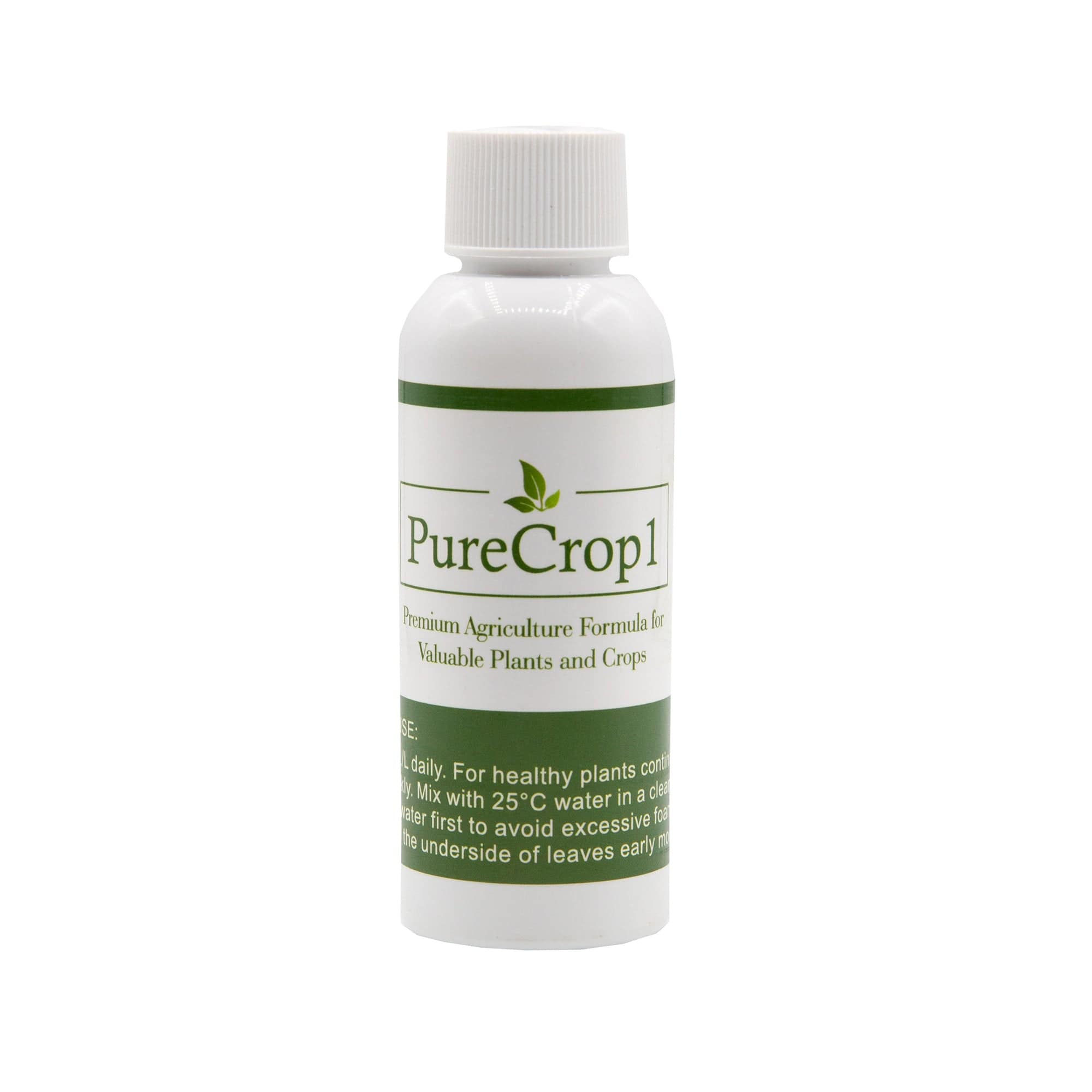
Can PureCrop1 Be Used as Part of a Sap-Sucking Pest Program?
PureCrop1 Plant Protectant is a plant-based product formulated for a range of sap-sucking pests and fungal issues.
Its formulation uses plant-derived oils and microscopic colloidal micelles designed to act through contact.
That makes it relevant to gardeners building a broader integrated pest-management routine around sap-feeding insects.
As always, use it according to the label and confirmed target use rather than assuming that every sap-sucking insect responds identically.
The wider principle is more important than the bottle:
identify → monitor → treat appropriately → inspect again.
Does Diatomaceous Earth Work on Stink Bugs?
Diatomaceous Earth is a fine mineral powder used by gardeners as part of physical pest-management programs.
It can be useful around plants, pots, garden beds and growing media for suitable crawling pests.
But we wouldn't make micronised diatomaceous earth our first recommendation for a citrus canopy full of large Bronze Orange Bugs.
Why?
Because stink bugs are mobile sap feeders living on foliage, shoots and fruit. An intervention that depends on an insect making sufficient contact with dry powder is not necessarily the most practical tool for a large bug moving throughout a tree.
Use each pest product for the job it is best suited to rather than assuming every “natural” pest treatment is interchangeable.
Protect Beneficial Insects While Controlling Stink Bugs
Not every insect in your garden needs killing.
Predators and parasitoids can help suppress garden pests, including some bug eggs and nymphs.
Broad-spectrum insecticides don't always distinguish between the insect damaging your crop and the insect helping you.
Where possible:
- inspect plants before treating
- manually remove isolated pests
- avoid spraying open flowers
- avoid spraying bees and other beneficial insects
- target treatments rather than covering the entire garden
- don't exceed label rates
- recheck plants before automatically treating again
A good pest-control program leaves as much of the useful garden ecosystem intact as possible.
Garden Hygiene Can Reduce Future Problems
Chemical treatments aren't the whole story.
Good garden management can make your patch less welcoming to certain pest populations.
Consider:
- removing heavily infested plant debris
- controlling problematic weeds around crops
- pruning where appropriate to improve visibility and access
- cleaning up unnecessary timber and rubbish that may provide shelter for aggregating bugs
- keeping plants healthy so they can better tolerate minor feeding pressure
- inspecting newly introduced plants before bringing them into the garden
Harlequin Bugs in particular can use weeds and sheltered garden structures as part of their habitat.
Sometimes fixing the environment around the crop is more useful than repeatedly treating the crop itself.
Are Stink Bugs Dangerous?
For most garden stink bugs, the main concern is plant damage rather than bites or attacks on people.
Bronze Orange Bugs deserve an extra warning because of their defensive spray.
Their foul-smelling liquid can irritate and burn skin and can be particularly unpleasant if it reaches your eyes.
So don't grab adults bare-handed.
Use gloves, long sleeves, tongs where appropriate and eye protection.
That small bit of preparation makes manual control much safer.
Brown Marmorated Stink Bug: Australia's Biosecurity Concern
Now for the really important distinction.
The Brown Marmorated Stink Bug (Halyomorpha halys) is not an ordinary established Australian garden pest.
It is an exotic pest of major biosecurity concern.
Overseas, Brown Marmorated Stink Bugs attack an enormous range of crops and ornamental plants and can also gather in buildings in large numbers.
Adults are smaller than Bronze Orange Bugs, generally around 12–17 mm long, with a mottled or marbled brown body.
Important identification clues include:
- shield-shaped body
- mottled brown colouring
- distinct pale bands on the antennae
- alternating light and dark markings around the outer edge of the abdomen.
Young nymphs can show orange-red and black colouring before becoming darker as they develop.
What Should I Do If I Think I've Found a Brown Marmorated Stink Bug?
Don't simply spray it and forget about it.
If you find a suspicious stink bug — particularly associated with imported goods, luggage, machinery, packaging, vehicles or shipping materials — contain it if you can do so safely.
Take clear photographs and report the suspected pest through the appropriate Australian biosecurity reporting channel.
Even if you're unsure, reporting a genuinely suspicious exotic insect is better than assuming it's just another Bronze Orange Bug.
That's one situation where identification matters well beyond your backyard.
Bronze Orange Bug vs Brown Marmorated Stink Bug
These insects should not be treated as interchangeable.
|
Feature |
Bronze Orange Bug |
Brown Marmorated Stink Bug |
|---|---|---|
|
Scientific name |
Musgraveia sulciventris |
Halyomorpha halys |
|
Size |
Around 25 mm |
Roughly 12–17 mm |
|
Adult colour |
Bronze-brown to almost black |
Mottled/marbled brown |
|
Main backyard association |
Citrus |
Extremely broad host range overseas |
|
Status in Australia |
Native/established |
Exotic biosecurity threat |
|
What should you do? |
Manage damaging garden populations |
Contain and report suspected detections |
If the bug is huge, dark and sitting on a lemon tree alongside green/orange nymphs, Bronze Orange Bug is a much more logical starting point for identification.
If it's an unfamiliar mottled-brown bug with pale antenna banding and a possible connection to imported goods, take the identification much more seriously.
Frequently Asked Questions About Stink Bugs
Are stink bugs common in Australia?
Australia has many native and established species of true bugs that can be described as stink bugs or shield bugs. Common garden pests include Bronze Orange Bugs on citrus and Green Vegetable Bugs on vegetable and fruit crops.
The exotic Brown Marmorated Stink Bug is a different matter and is a biosecurity concern rather than an established backyard pest.
Are Bronze Orange Bugs the same as stink bugs?
Bronze Orange Bugs are one of several bugs commonly called stink bugs because they release a strong-smelling defensive secretion.
In Australian gardens, people searching for “stink bugs on citrus” are very often dealing with Bronze Orange Bugs.
Why are there stink bugs on my lemon tree?
Bronze Orange Bugs feed on citrus, including lemons.
They pierce tender shoots, flowers and fruit and suck plant fluids. Heavy populations may cause wilting new growth and premature flower or fruit drop.
How do I get rid of stink bugs on a lemon tree?
First confirm whether the insects are Bronze Orange Bugs. Act early against eggs and nymphs, use protected manual removal where practical, and only use a contact treatment when its label covers the pest, plant and intended application. Inspect the lemon tree again after treatment because more eggs or immature bugs may remain.
What kills Bronze Orange Bugs?
Protected manual removal can control manageable numbers, while a suitable labelled contact insecticide may be needed for larger populations. Bronze Orange Bug control is generally easier when eggs and young nymphs are found before large adults spread through the citrus canopy.
What are the green stink bugs on my vegetables?
Bright green shield-shaped insects around 13–15 mm long may be Green Vegetable Bugs (Nezara viridula).
They can attack tomatoes, beans, legumes and various vegetable and fruit crops.
What are the orange stink bugs on my citrus?
They may be developing Bronze Orange Bug nymphs.
Bronze Orange Bugs change considerably during development, progressing through green and orange stages before reaching their dark bronze-brown adult form.
Should I kill every stink bug I see?
No.
First identify what you've found and assess whether it is causing meaningful damage.
Some related bugs are harmless or beneficial predators, while a suspicious exotic species may need to be reported rather than simply killed and discarded.
The Bottom Line
The right stink bug control starts with identifying the insect, crop and life stage. Established garden pests such as Bronze Orange Bugs and Green Vegetable Bugs can often be managed more easily when eggs or young nymphs are found early.
Use physical removal where practical, protect your eyes and skin around Bronze Orange Bugs, and only apply pest-control products when the label covers the pest, plant and intended use. After any treatment, inspect the plant again rather than assuming one pass solved the problem.
If you find an unfamiliar mottled-brown bug with pale antenna bands, particularly around imported goods or packaging, contain it safely and report it as a possible Brown Marmorated Stink Bug instead of treating it like an ordinary garden pest.
Keep building your garden pest-control plan
Dealing with more than stink bugs? These guides will help you identify garden pests, time treatments better and choose practical control options.
- Pest Control IPM Stack: Top 10 Organic Solutions
- Which Pest When? Australian Garden Pest Timing Guide
- Cold-Pressed Neem Oil vs Azadirachtin in Australia
- Organic Pesticide Recipes for Australian Gardens
About the Author