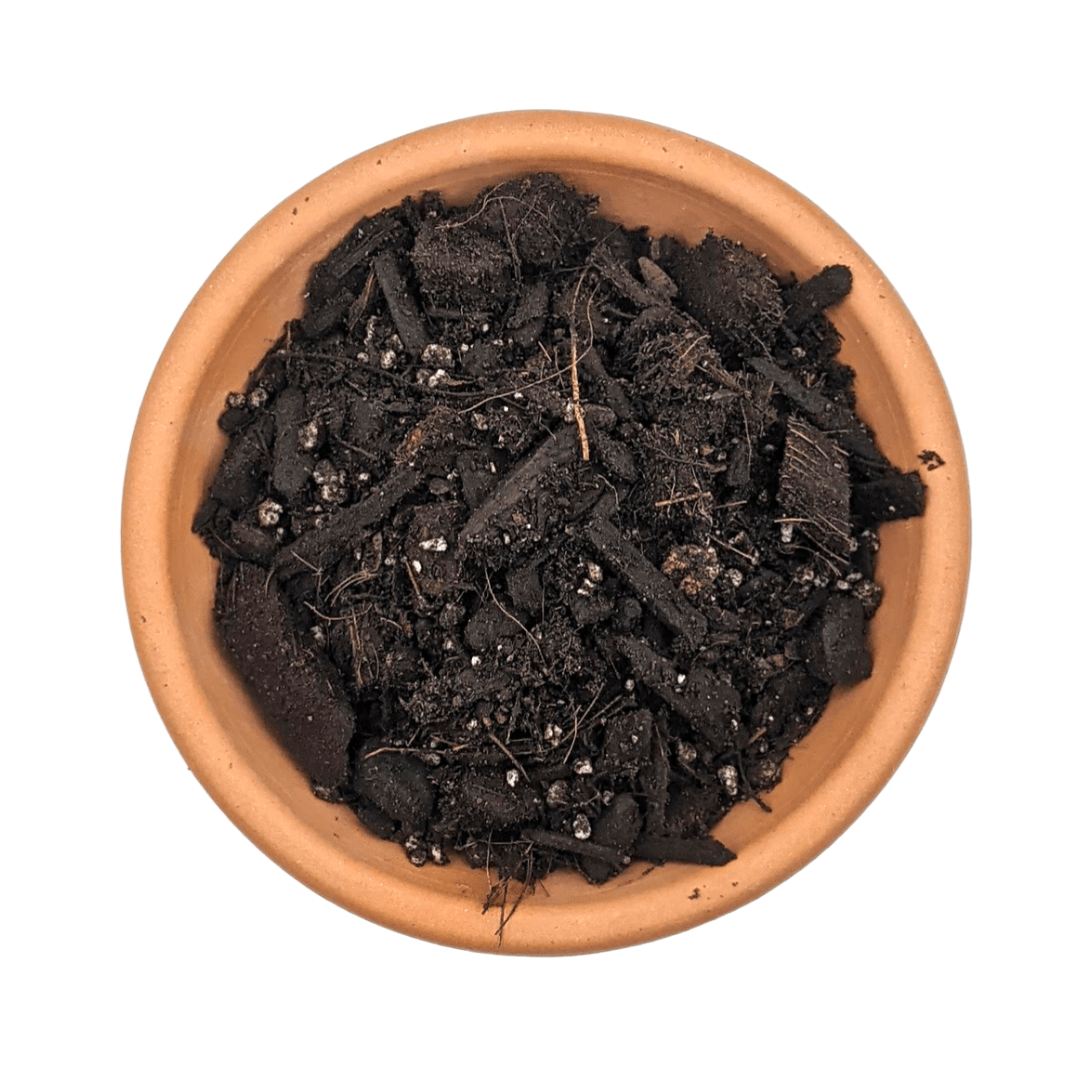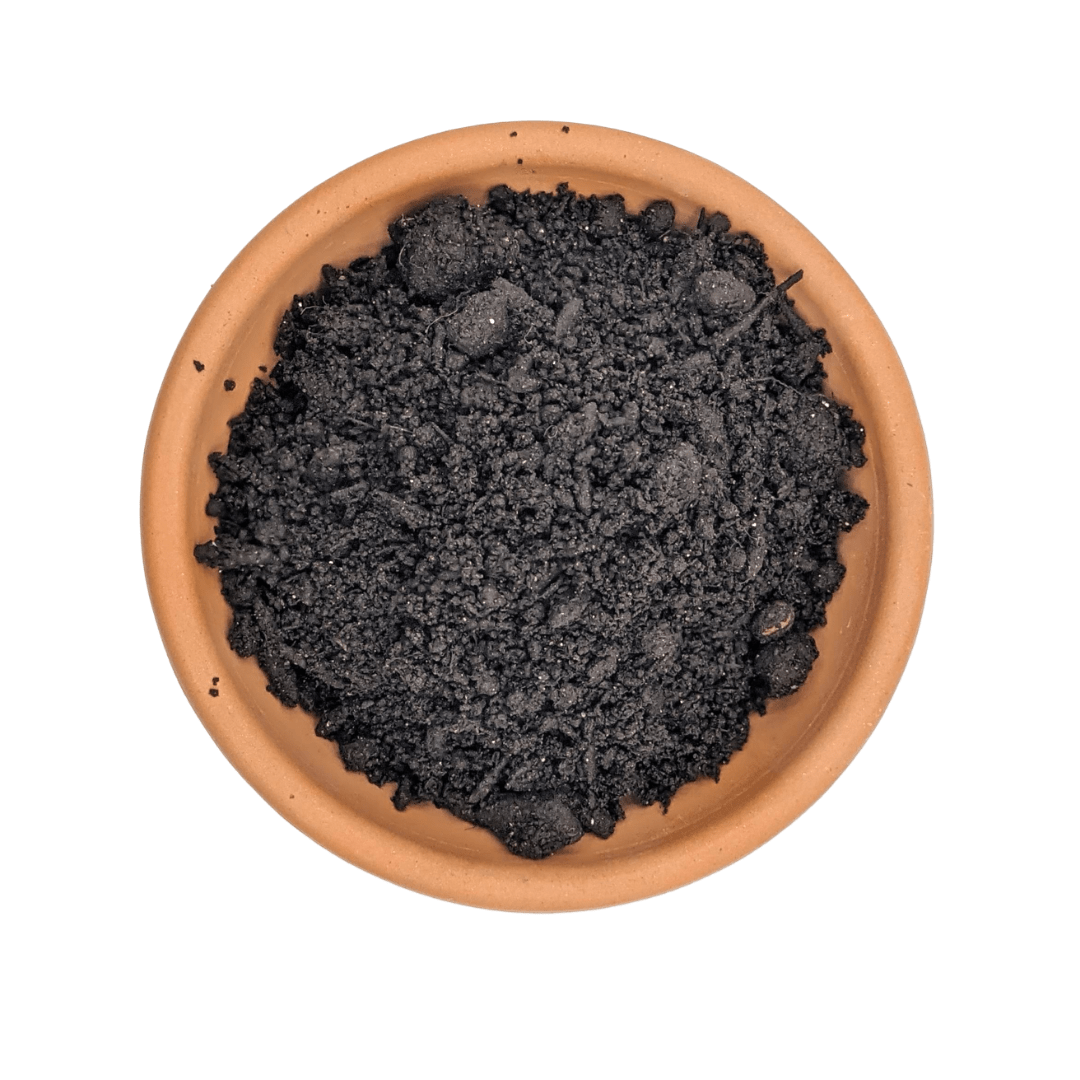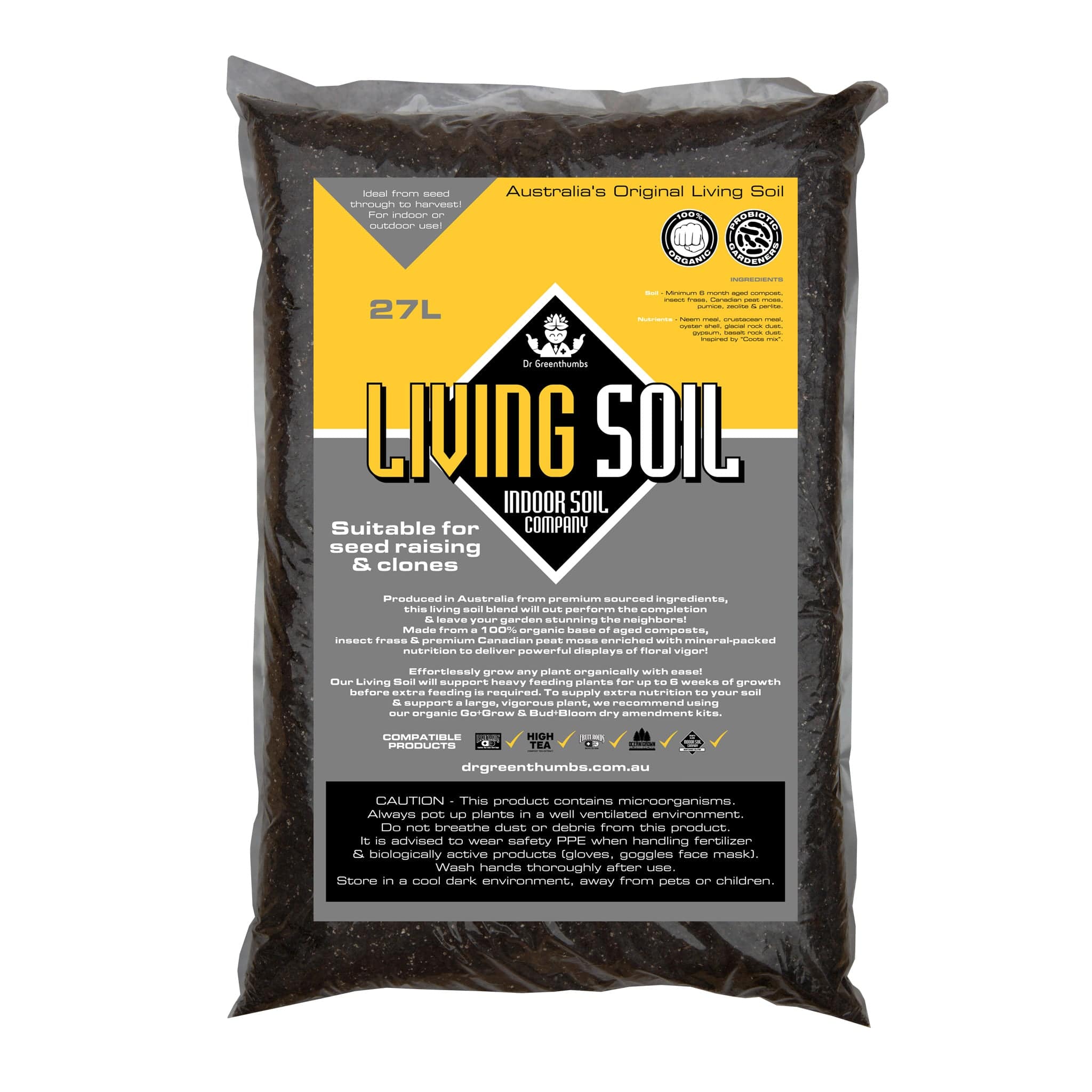

Building living soil means creating a nutrient-rich, biologically active growing medium that can support plants over time. Dry amendments are one way to supply nutrients and support that soil system gradually.
This guide explains what dry amendments are, how to choose and apply them, how they interact with soil biology, and how to use them when building and maintaining living soil.
Table of Contents
- What Are Dry Amendments?
- Choosing Dry Amendments for Living Soil
- How to Apply Dry Amendments to Your Soil
- Why Dry Amendments Work in Living Soil
- Soil Biology: How Dry Amendments Support Living Soil
- How to Build Living Soil with Dry Amendments
- Maintaining Living Soil After Adding Dry Amendments
- Frequently Asked Questions
-
Next Reads for Building a Better Living Soil Mix
If you want the quickest, no-guesswork picks, check these out:


What Are Dry Amendments?
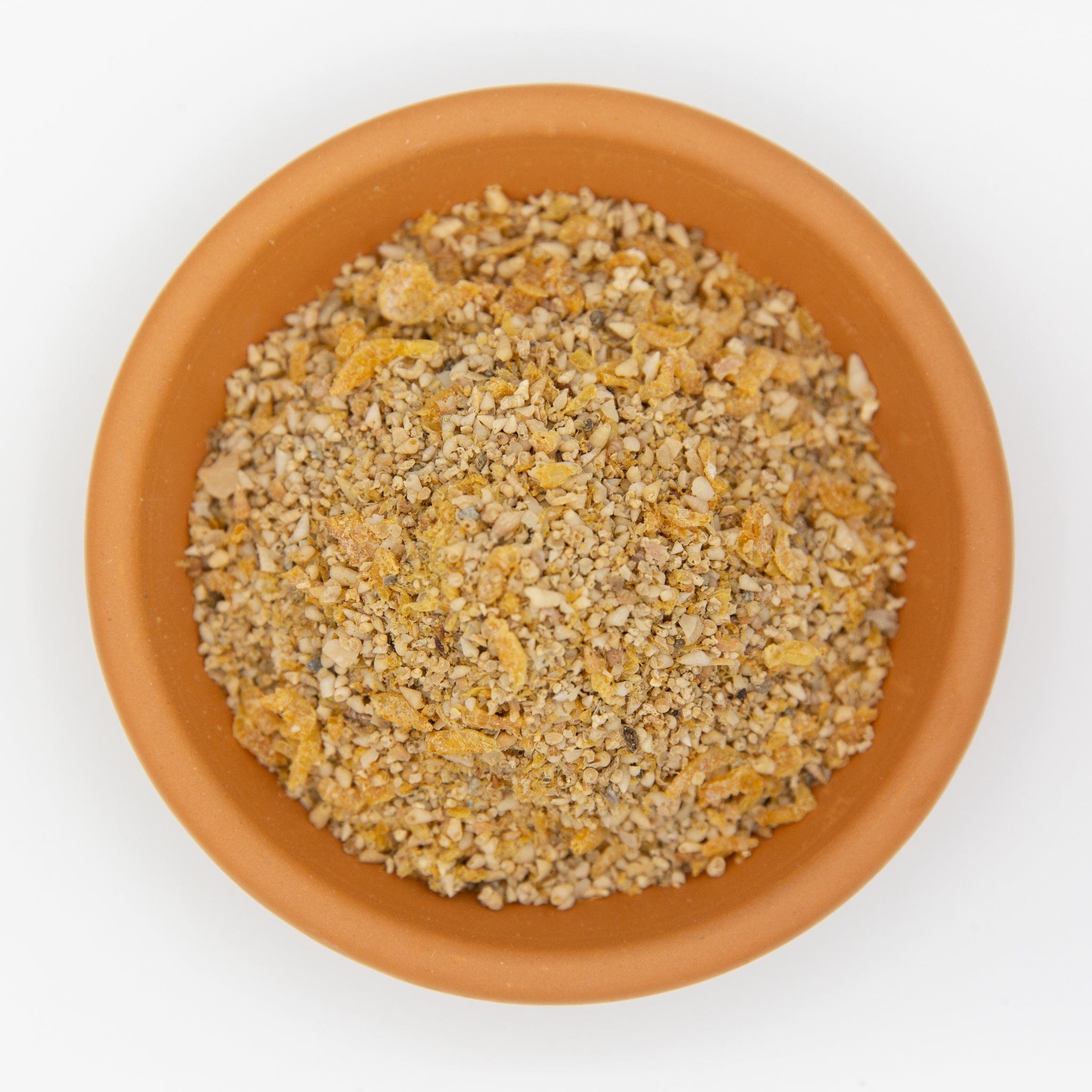
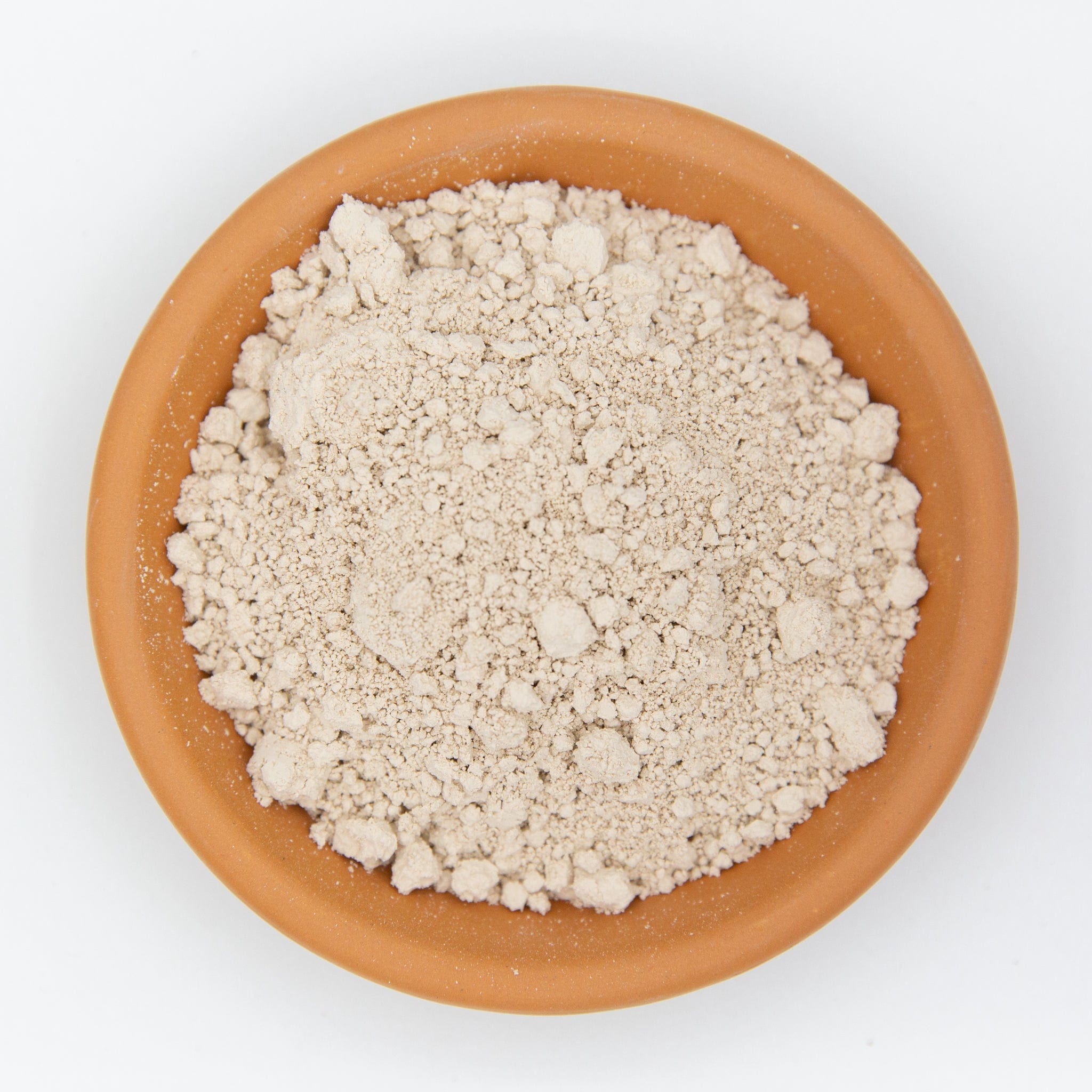
Dry amendments are organic materials that are added to soil to improve its overall health and fertility. They are derived from natural sources such as plants, rocks, and minerals. Unlike synthetic fertilizers, which are made from chemicals, dry amendments contain a range of essential nutrients in their natural form that are slowly released into the soil over time.
Choosing Dry Amendments for Living Soil
Different Types of Dry Amendments
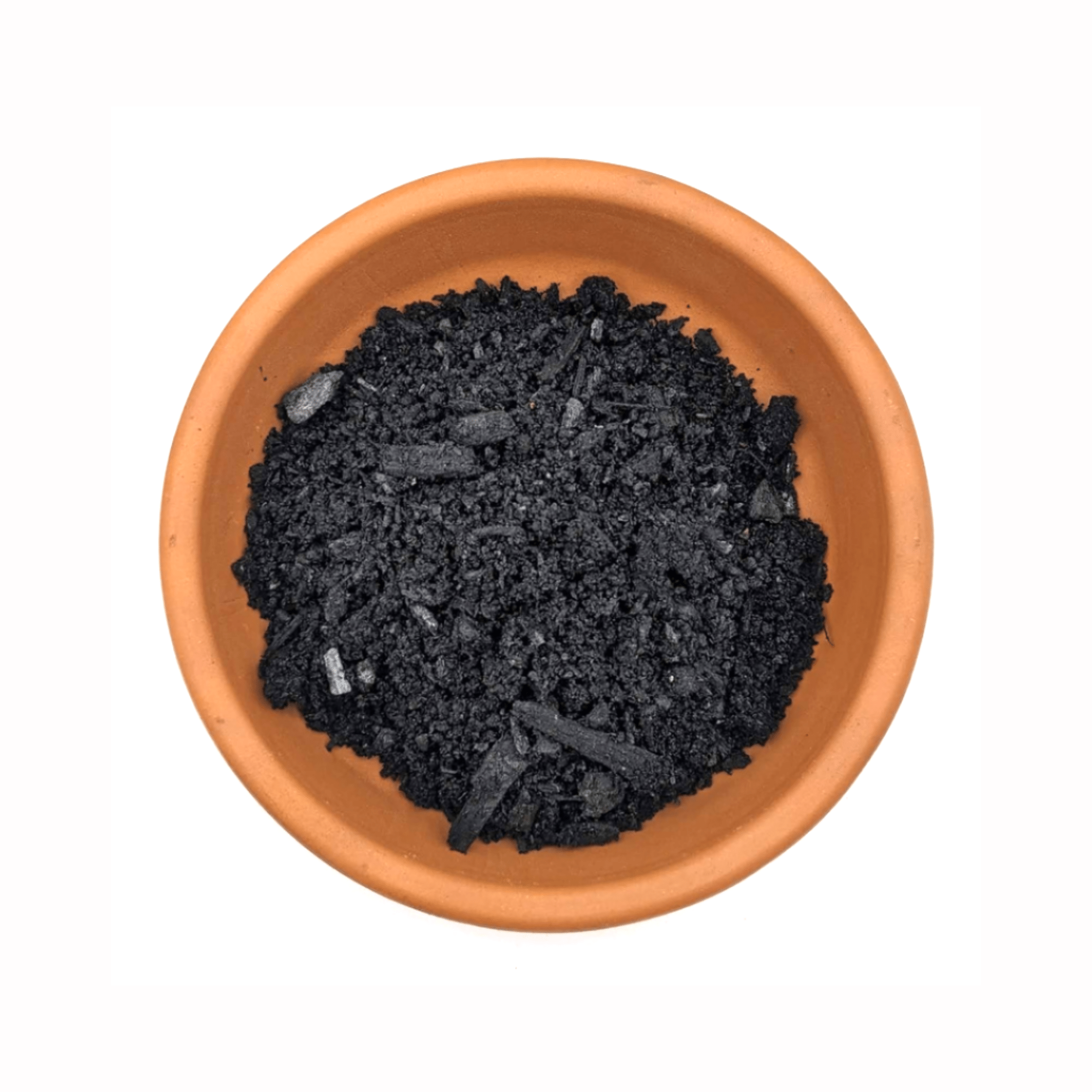
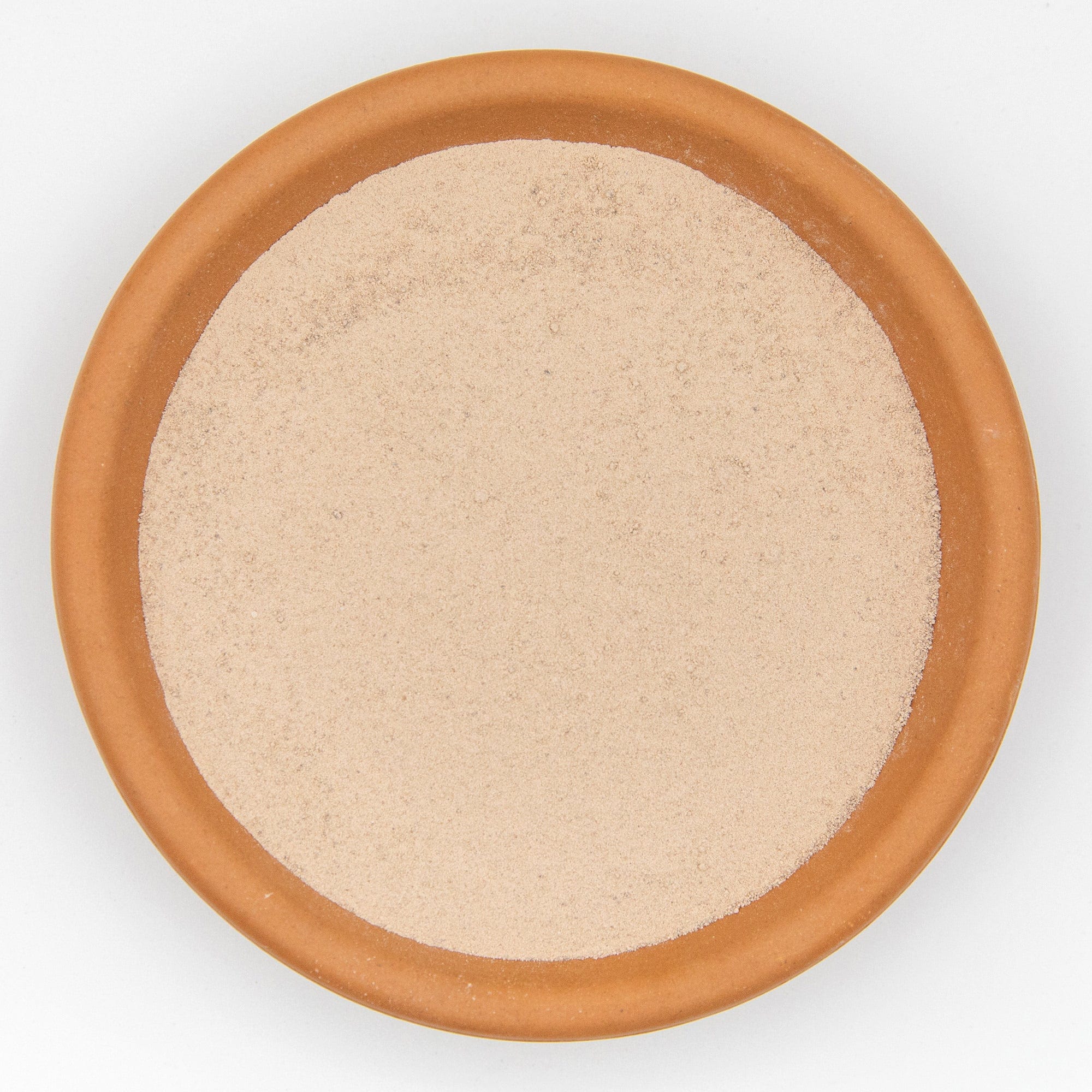
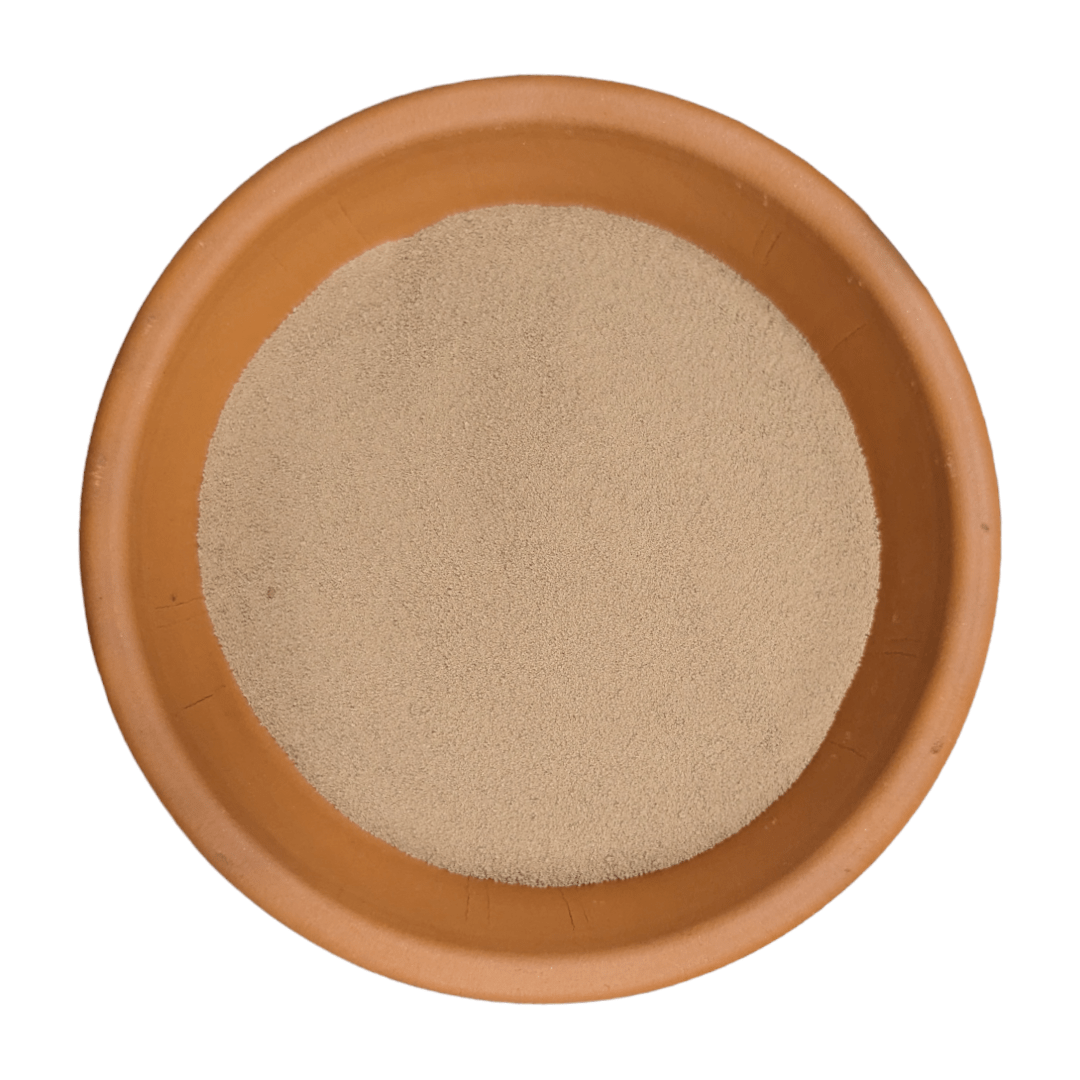
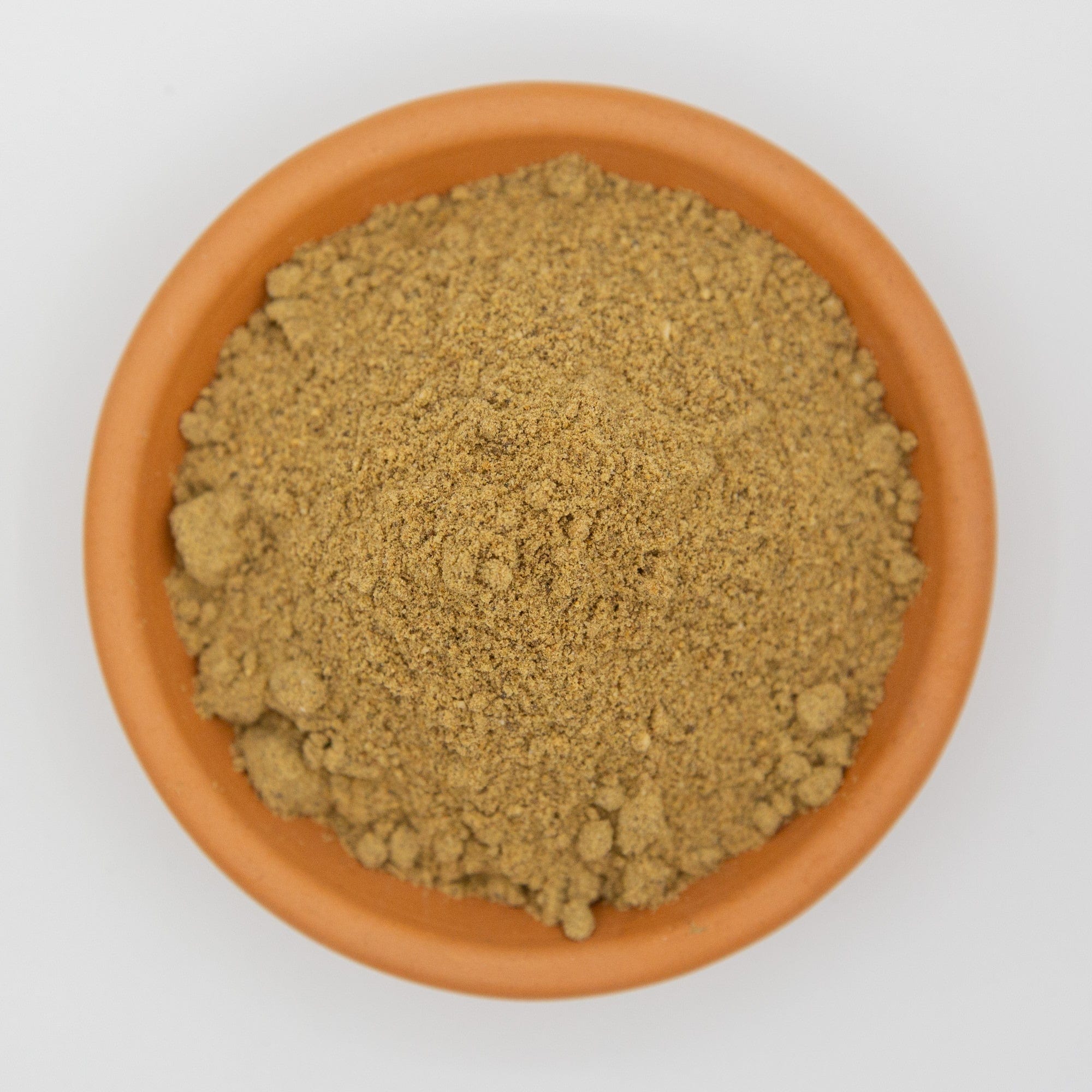
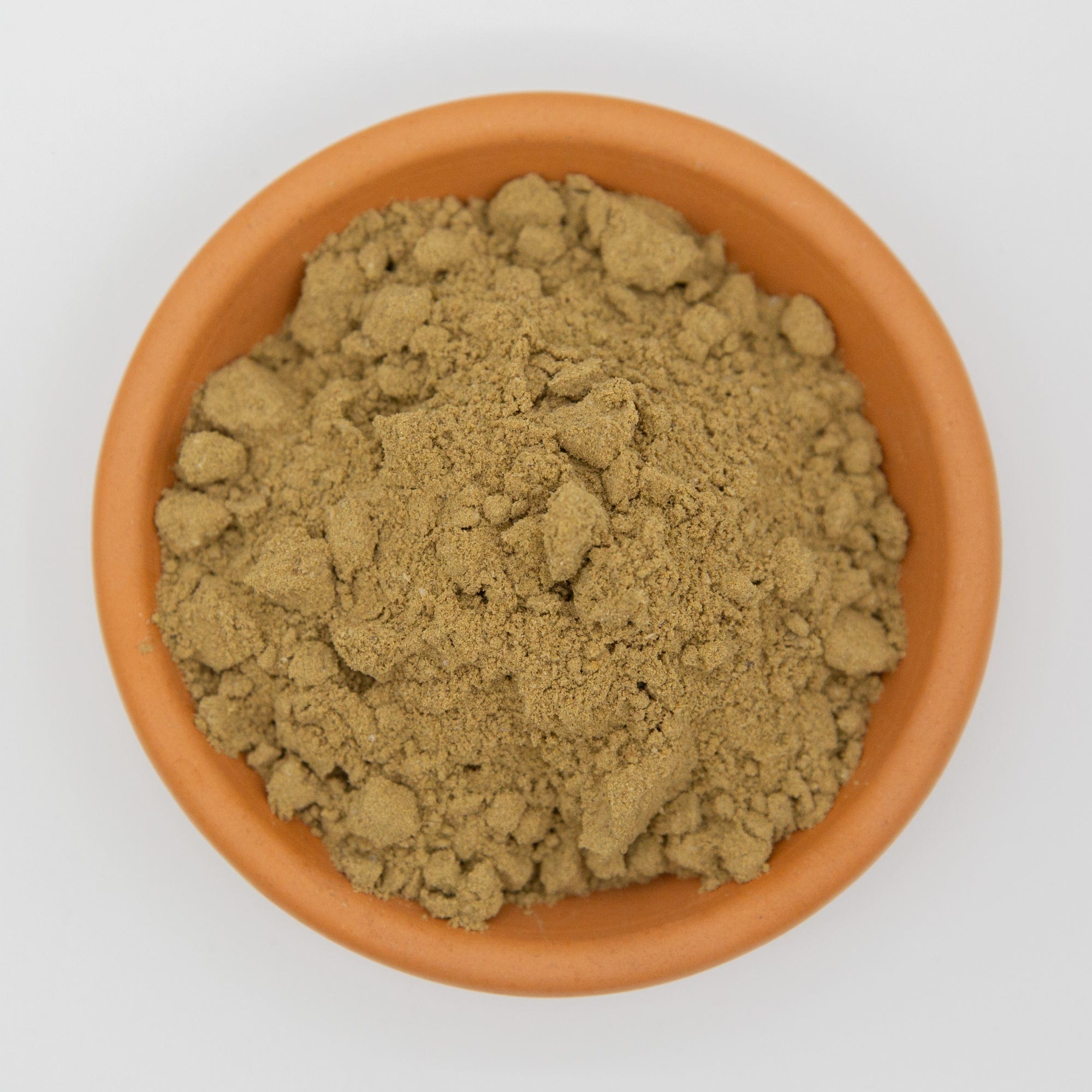
There are many different types of dry amendments, each with their own unique set of benefits. Here are some of the most popular types we offer:
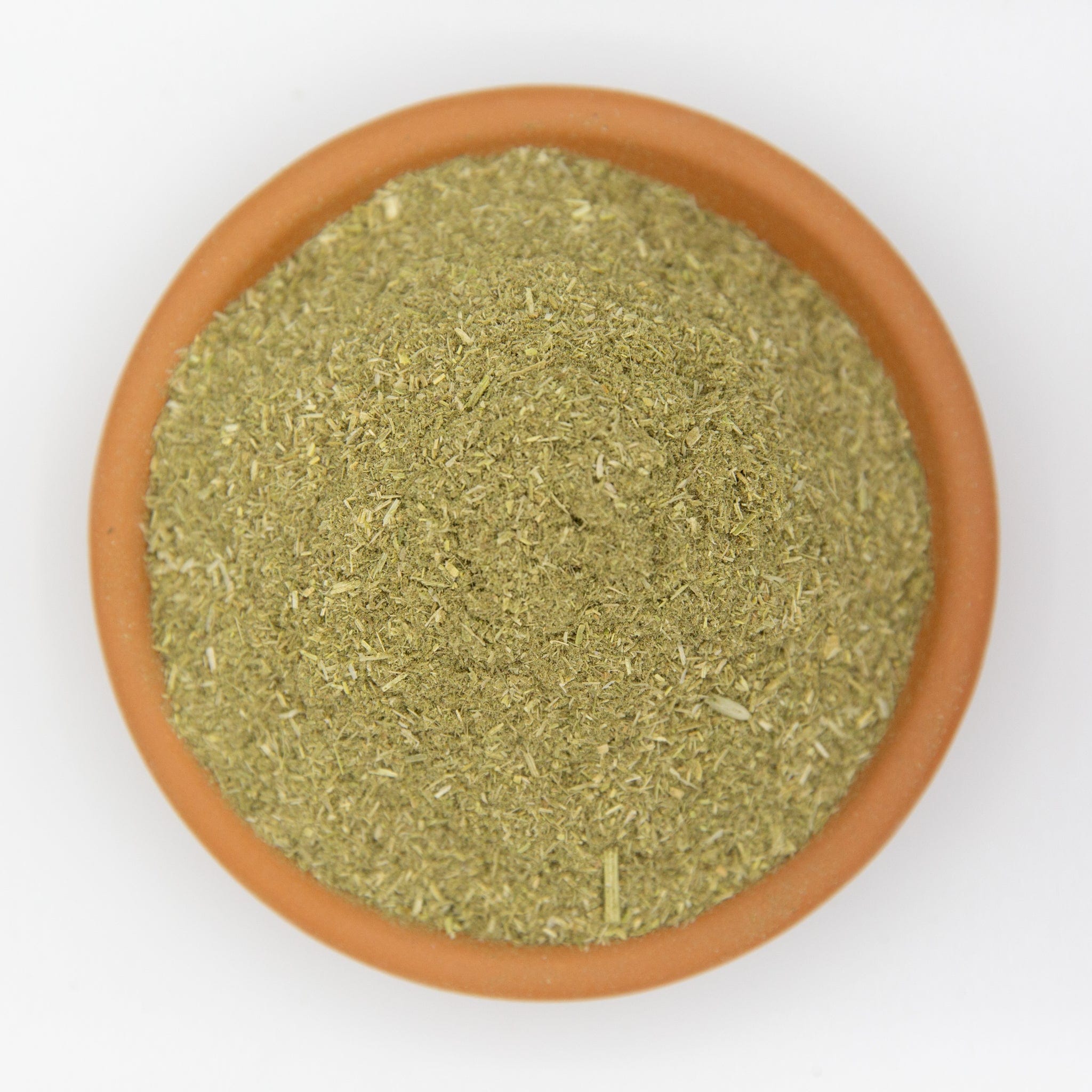
- Alfalfa Meal: A great source of nitrogen & triacontanol, alfalfa meal also contains trace minerals and growth hormones that can help stimulate plant growth.
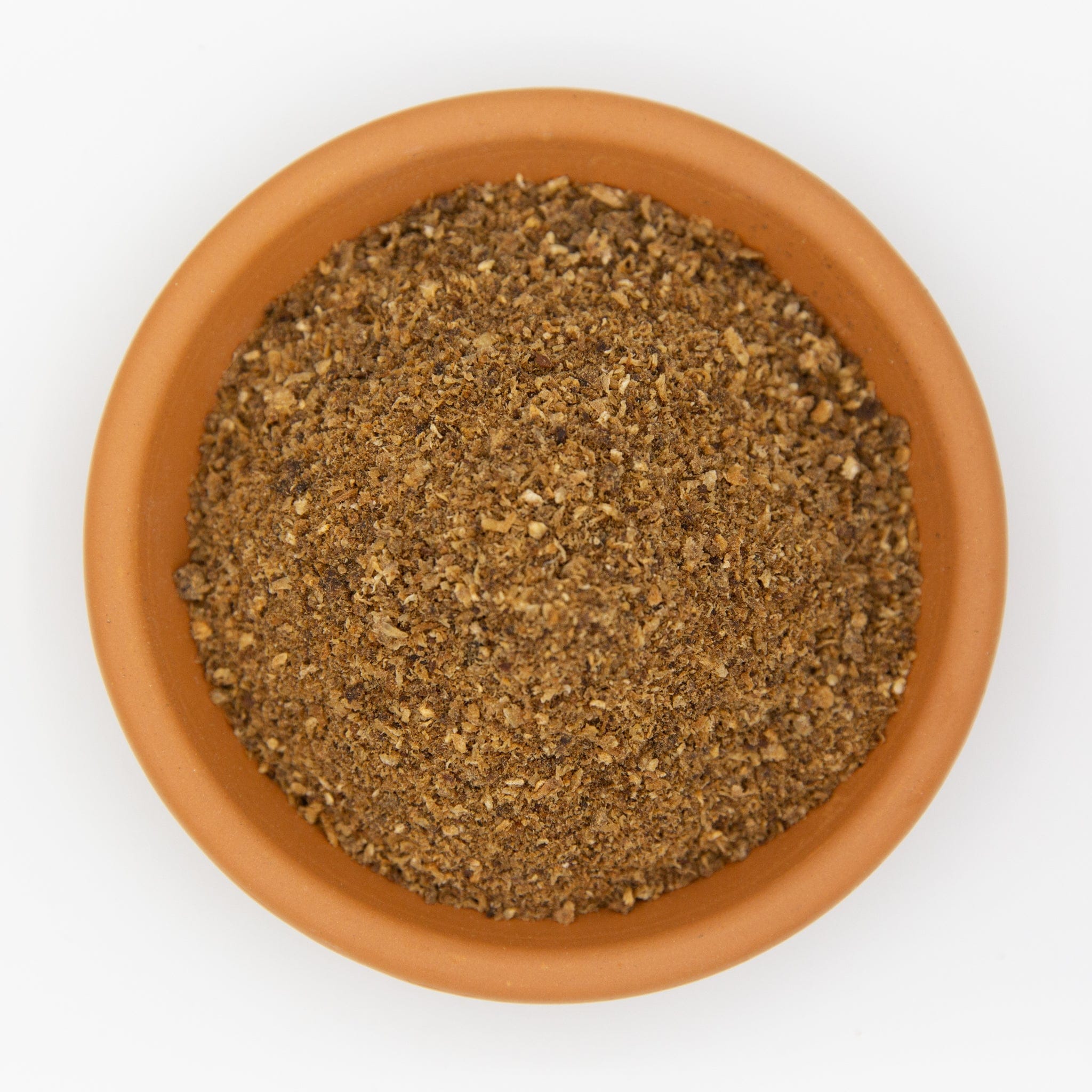
- Neem Meal: Made from the seeds of the neem tree, neem meal is a potent pest repellent that can also help improve soil structure and fertility.
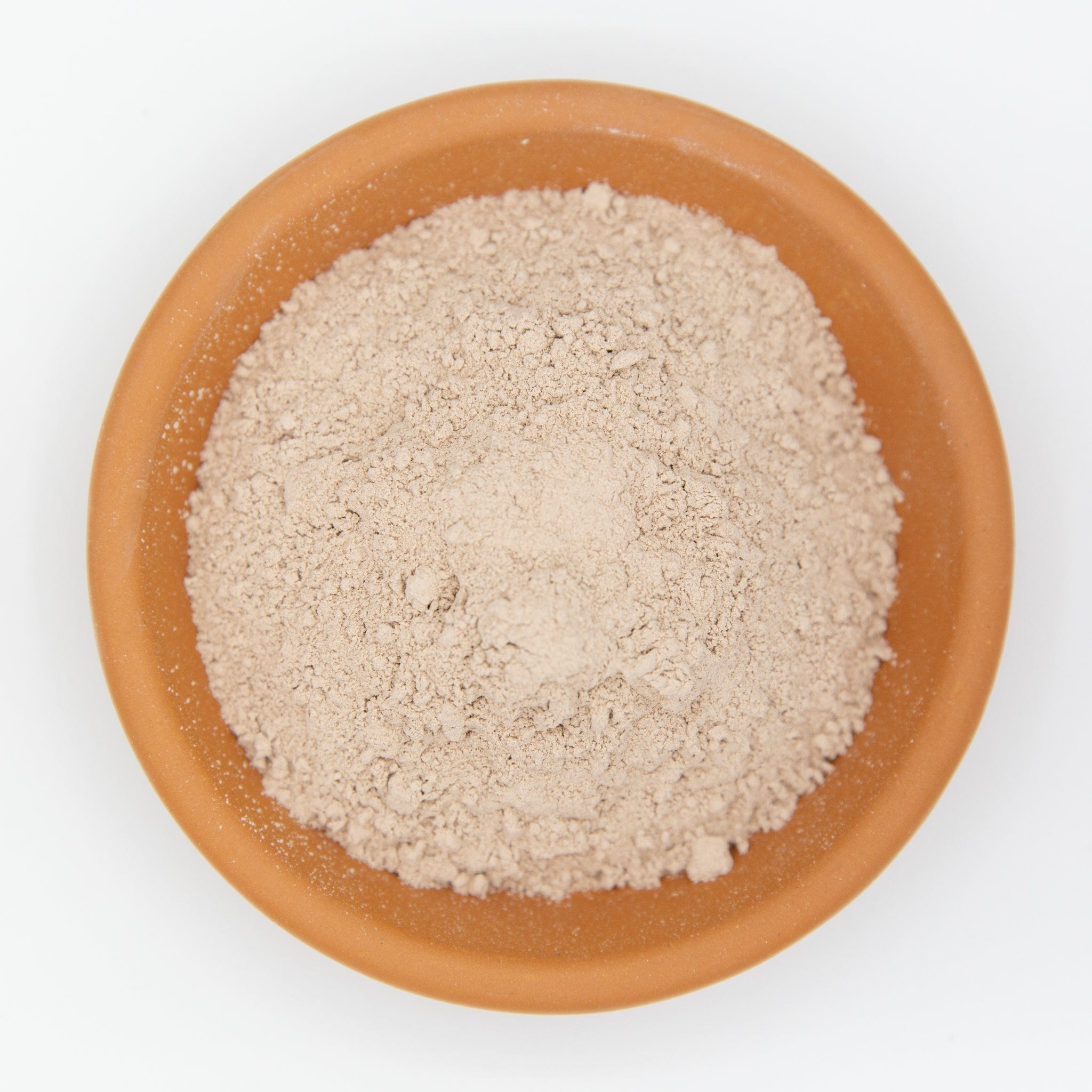
- Basalt Rock Dust: Rich in minerals like calcium, iron, and magnesium, basalt rock dust can help balance soil pH and improve soil structure.
- Kelp Meal: A great source of trace minerals, kelp meal can help promote healthy root development and improve overall plant health.
- Bat Guano: An excellent source of nitrogen, phosphorus, and potassium, bat guano can help promote healthy growth and improve soil structure.
Choosing the Right Dry Amendment
Choose amendments according to the needs of your soil and plants rather than adding products simply because they are commonly used in living-soil mixes. Consider your soil condition, nutrient requirements, plant type, amendment nutrient profile and release rate.
Use soil or nutrient information where available, and always check the individual product directions before deciding how much to apply. The amendment examples above show the different roles common dry amendments can play.

How to Apply Dry Amendments to Your Soil
There are two main ways to apply dry amendments to your soil: top dressing and building the amendments into new potting soils.
To top dress, simply sprinkle the dry amendment on top of your existing potting soil, and water it in. This method is great for adding nutrients to established plants.
To build the amendments into new potting soils, simply mix them into the soil before planting. This method is great for creating a nutrient-rich soil for new plants to grow in.
Why Dry Amendments Work in Living Soil
Dry amendments are a powerful tool in building healthy, living soil. When used correctly, they can help create an environment that is rich in nutrients and beneficial microorganisms.
Dry amendments work by slowly releasing nutrients into the soil, which are then absorbed by plants. This slow-release process ensures that the nutrients are available over a longer period, reducing the risk of nutrient runoff and leaching.
Soil Biology: How Dry Amendments Support Living Soil
The Role of Microorganisms in Living Soil
Living soil is home to a diverse community of microorganisms, including bacteria, fungi, and protozoa. These microorganisms help break down organic matter, create humus and release nutrients into the soil. They also support nutrient uptake, soil fertility and healthy plant growth while helping to improve soil structure, increase water-holding capacity and suppress soil-borne diseases.
Healthy soil microorganisms can also help break down unwanted compounds in the soil, contributing to overall soil quality.
How Dry Amendments Support Soil Microorganisms
Dry amendments help to promote healthy microorganisms in several ways. For example, amendments like kelp meal and bat guano contain high levels of beneficial bacteria and fungi. When added to soil, these amendments help to increase the population of beneficial microorganisms, which in turn helps to improve soil health.
How to Build Living Soil with Dry Amendments
Use the following process as an overview. The detailed sections above and below explain how to choose amendments, apply them and monitor the soil without repeating the same instructions at every stage.
Step-by-Step Guide
- Establish a baseline. Check your soil pH and available nutrient information before adding amendments.
- Choose amendments for an identified need. Select products according to the soil, plant requirements and nutrient profile rather than adding every amendment automatically.
- Determine the application rate. Use your soil information together with the amendment's individual directions to decide how much to apply.
- Apply the amendments evenly. Use the top-dressing or soil-mixing method explained in the application section above.
- Water and monitor the soil. Water after application where appropriate and observe how the soil and plants respond before making further changes.
How to Determine Dry Amendment Rates and Ratios
There is no single dry-amendment ratio that suits every living-soil mix. The amount required depends on the condition of the soil, the plants being grown, the nutrient profile of each amendment and the application directions for the individual product.
Use soil information and identified nutrient needs to guide the blend rather than trying to force every soil into one universal nitrogen, phosphorus and potassium ratio.
Monitoring pH in Living Soil
After establishing your initial soil baseline, monitor pH as the amended soil develops. Different amendments can influence soil conditions, and pH that becomes too acidic or alkaline can affect nutrient uptake by plants.
Use periodic pH testing to watch how the soil is changing over time rather than making repeated adjustments without first checking the soil.
Maintaining Living Soil After Adding Dry Amendments
Once the amendments have been applied, maintain the soil with good soil-management practices such as crop rotation, adding organic matter and avoiding unnecessary tilling that can disturb soil structure and the microorganism community.
Re-test the soil periodically when plant performance changes or before making further amendment decisions rather than automatically adding another dose.
Frequently Asked Questions
As with any gardening technique, using dry amendments to build living soil can raise some questions. Here are some of the most common questions we hear:
Are Dry Amendments Less Effective Than Liquid Fertilisers?
Not necessarily. Dry amendments and liquid fertilisers work differently and can suit different gardening situations. Dry amendments are commonly used where gradual nutrient availability and longer-term soil building are priorities, while liquid products may be used when a different feeding approach is required.
How Do I Know Which Type of Dry Amendment to Use?
Start with the selection process explained above: identify what the soil or plant needs, then match that need to the nutrient profile, release characteristics and application directions of the amendment.
Can I Use Dry Amendments in Conjunction with Liquid Fertilizers?
Yes, you can use dry amendments in conjunction with liquid fertilizers. In fact, many organic gardeners use a combination of both to ensure that their plants are receiving a balanced source of nutrients.
How Often Should I Apply Dry Amendments to My Soil?
There is no single application frequency that suits every dry amendment. Reapplication depends on the amendment being used, its release rate, the individual product directions, the needs of the plants and the existing nutrient condition of the soil. Check those factors before adding another dose rather than applying amendments automatically on a fixed schedule.
Next Reads for Building a Better Living Soil Mix
Want to go beyond the basics? These guides will help you choose better amendments, build stronger blends and get more from your living-soil setup.
- How to Build Your Own Living Soil
- Beginner’s Guide to Using Organic Dry Amendments in Gardening for Healthier Plants
- Create Your Own Organic Fertilizer Blends
- Best Living Soil for Organic Gardening
About the Author