
Coco coir is a popular growing medium because it is easy to work with and has excellent water retention properties, making it useful across a range of growing systems.
However, coco coir lacks essential nutrients needed for healthy plant growth, and synthetic nutrients can have negative impacts on the environment and soil microorganisms. This is where organic dry amendments come in, providing natural minerals and nutrients that promote plant growth and help prevent common plant problems.
Table of Contents
- Dry Amendments and Synthetic Nutrients in Coco
- Benefits of Using Organic Dry Amendments in Coco
- Can You Run Coco With Dry Amendments Using Only Water?
- Choosing the Right Organic Dry Amendments for Coco
- Top 6 Organic Dry Amendments for Coco Coir
- Why Microbial Life Matters When Using Dry Amendments in Coco
- Pre-Amending Coco and Allowing It to Rest
- Calcium, Magnesium and Coco’s Cation Exchange Capacity (CEC)
- Container Choice and Root Zone Oxygenation
- Matching Your Irrigation Style to Dry Amendments in Coco
- FAQ
- Is Coco With Dry Amendments the Right Choice for You?
-
Next Reads for Getting More from Dry Amendments in Coco
If you want the quickest, no-guesswork picks, check these out:


Dry Amendments and Synthetic Nutrients in Coco
Coco is commonly paired with nutrient inputs because the medium itself does not provide the complete nutrition plants require. Dry amendments offer another way to supply nutrition and can also be used as part of a hybrid approach alongside synthetic nutrients.
The important difference is how the plant receives that nutrition. Dry amendments depend on the growing medium and its biological activity to make nutrients available over time, so they need to be managed differently from a conventional liquid-feeding coco system.

Benefits of Using Organic Dry Amendments in Coco
Organic dry amendments supply natural mineral and nutrient inputs that can be incorporated directly into coco rather than relying entirely on regular liquid feeding. When the root zone contains enough biological activity to process those amendments, they can provide a slower, more sustained source of nutrition while supporting a biologically active growing medium.
The main advantage is not simply that dry amendments are "organic" — it is that they allow growers to build more nutrition into the medium itself. The trade-off is that nutrient availability is less immediate, so moisture, biology, amendment rates and preparation become much more important.
Can You Run Coco With Dry Amendments Using Only Water?
Many growers are drawn to dry amendments in coco because they’re aiming for a more “water-only” approach. While this can work, it’s important to set realistic expectations.
Coco coir itself contains no nutrition, so nutrients from dry amendments must become available before plants can use them. That process is slower than supplying immediately available liquid nutrition and depends on the condition of the root zone.
In practice, this means coco with dry amendments behaves more like a hybrid system than a true water-only soil. Growth can be excellent once the system is established, but it’s not uncommon for plants to need additional support during early growth or heavy flowering.
Growers who run into trouble usually expect coco to behave like living soil from day one. Instead, success comes from understanding that coco amended with dry inputs needs careful management, patience, and consistent conditions to perform well.
Choosing the Right Organic Dry Amendments for Coco
Not every dry amendment serves the same purpose, so choose inputs according to what your coco system actually needs rather than adding products by default.
Consider the plant's nutrient requirements, the function of each amendment, how quickly it becomes available and the conditions in the root zone. Coco also requires particular attention to biology, calcium and magnesium availability, moisture and aeration, which are covered later in this guide.
The six amendments below are commonly used to add nutrition, minerals or biological support to coco-based growing systems.
Top 6 Organic Dry Amendments for Coco Coir
Below are six organic dry amendments commonly used in coco-based growing systems, along with the role each one can play and the application guidance currently used in this guide.
1. Insect Frass
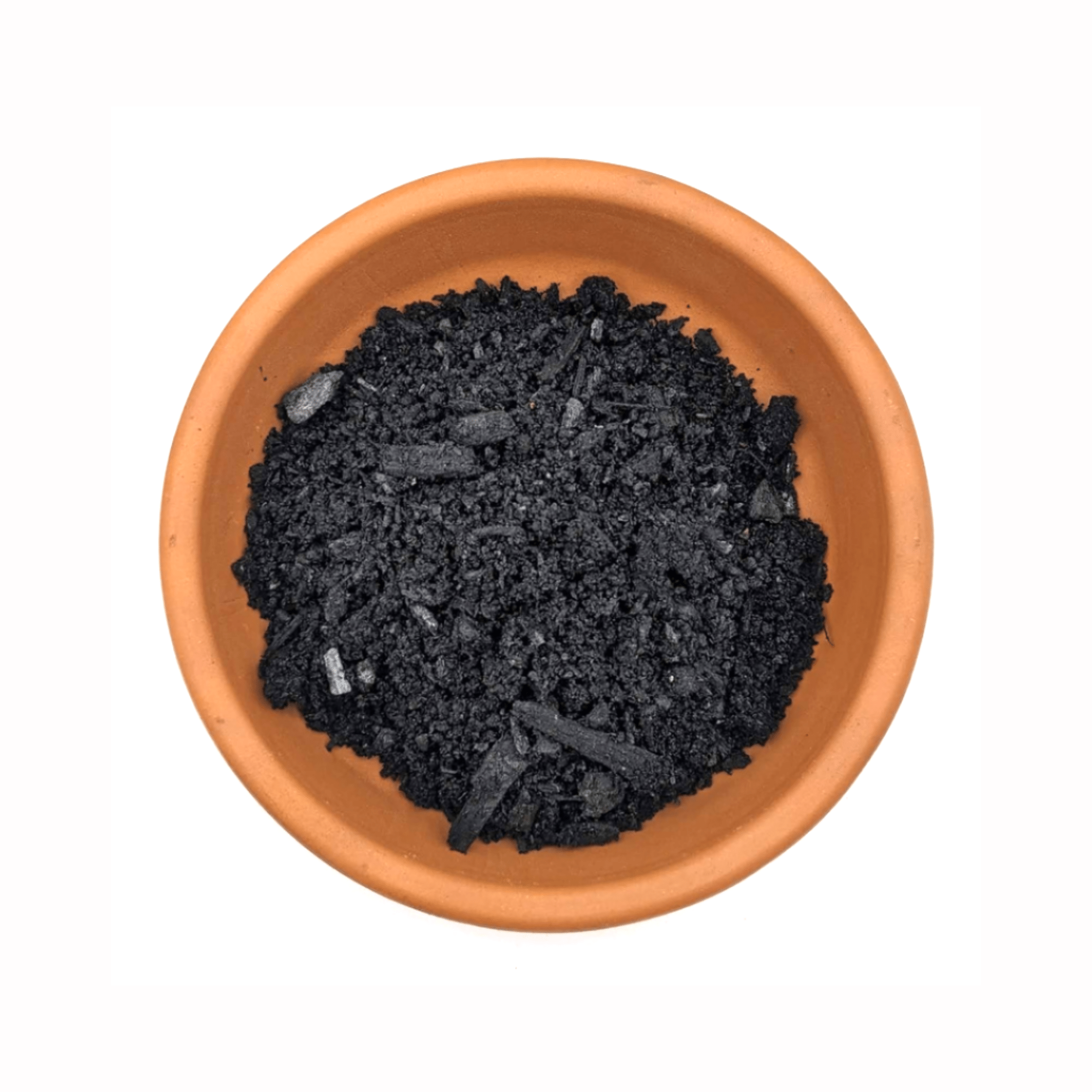
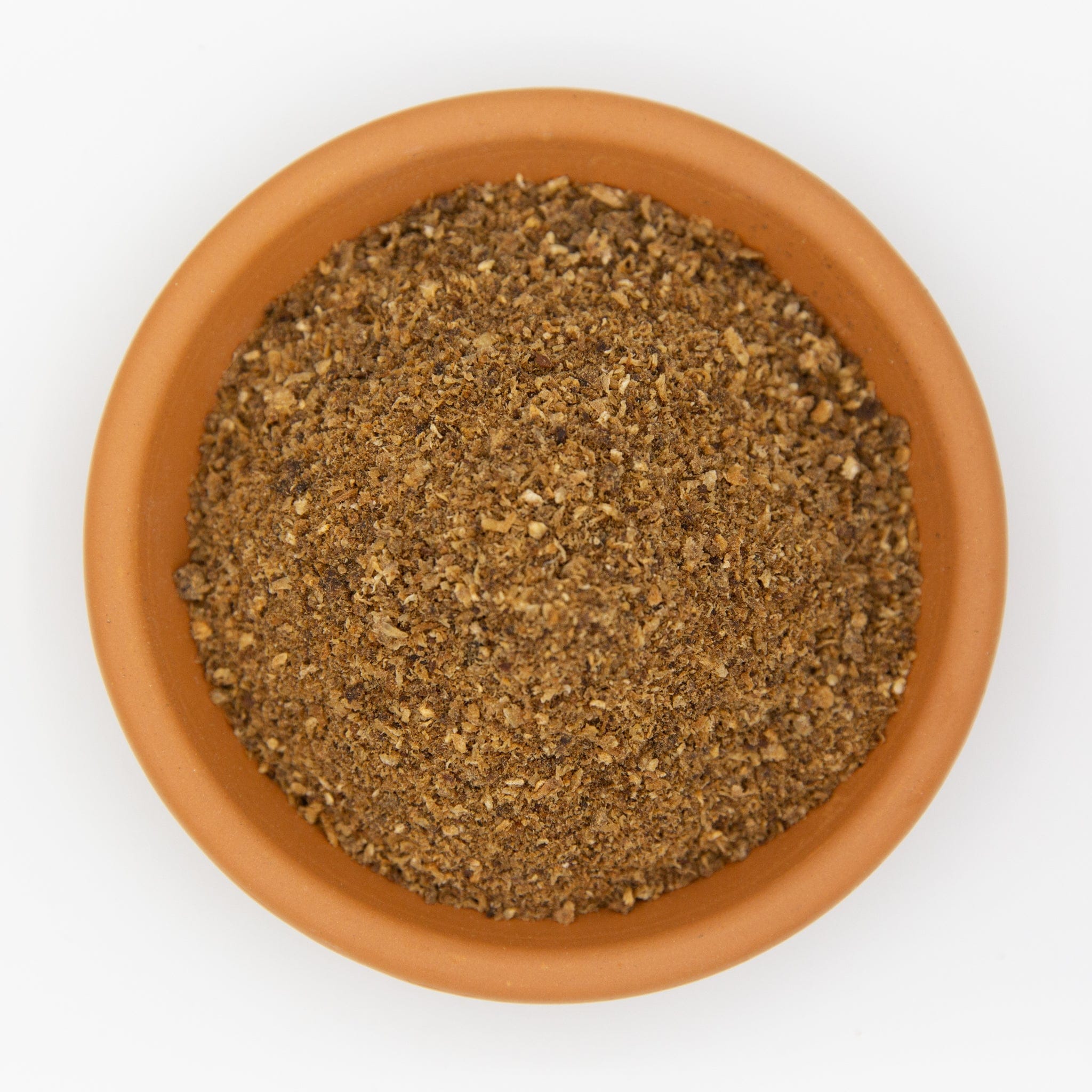
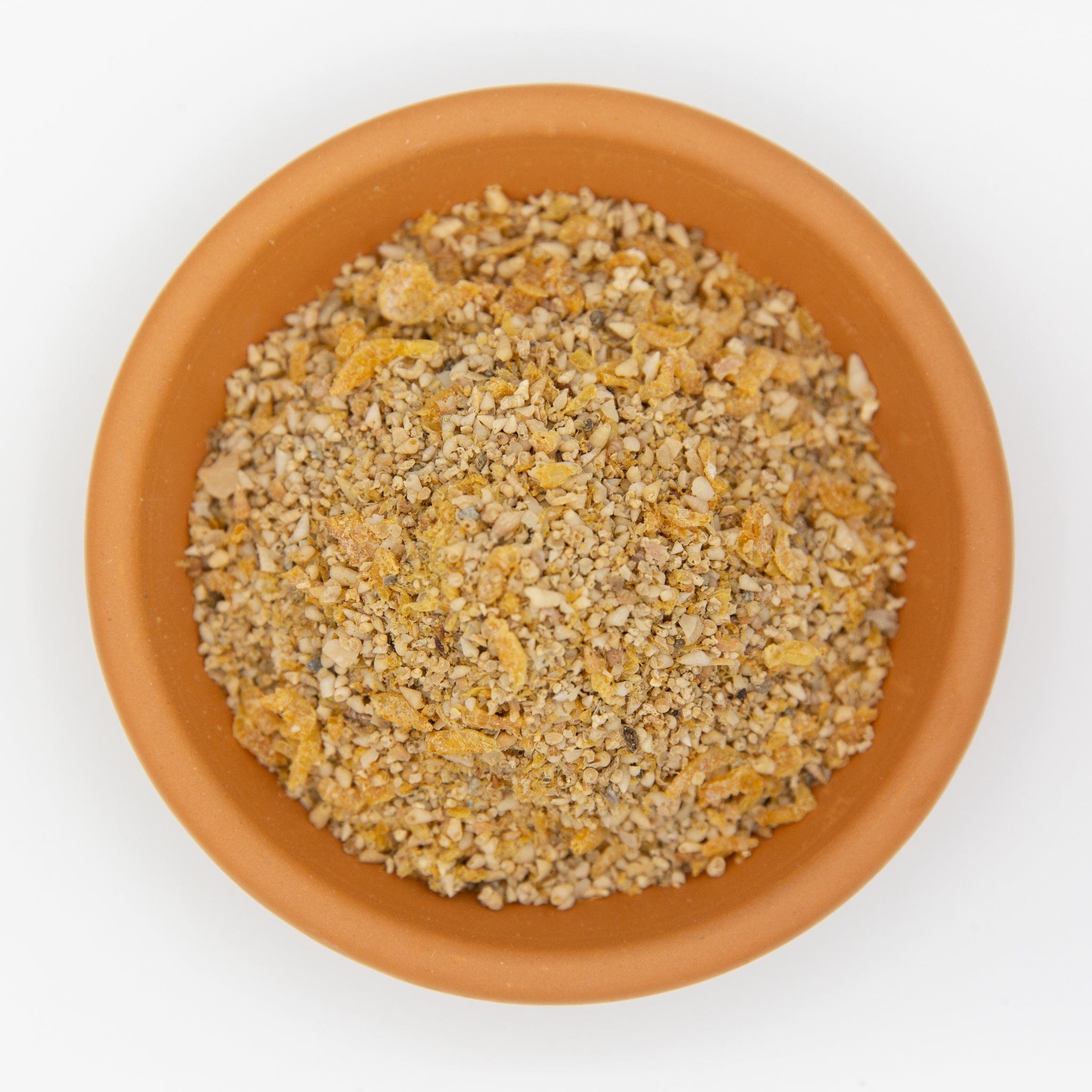
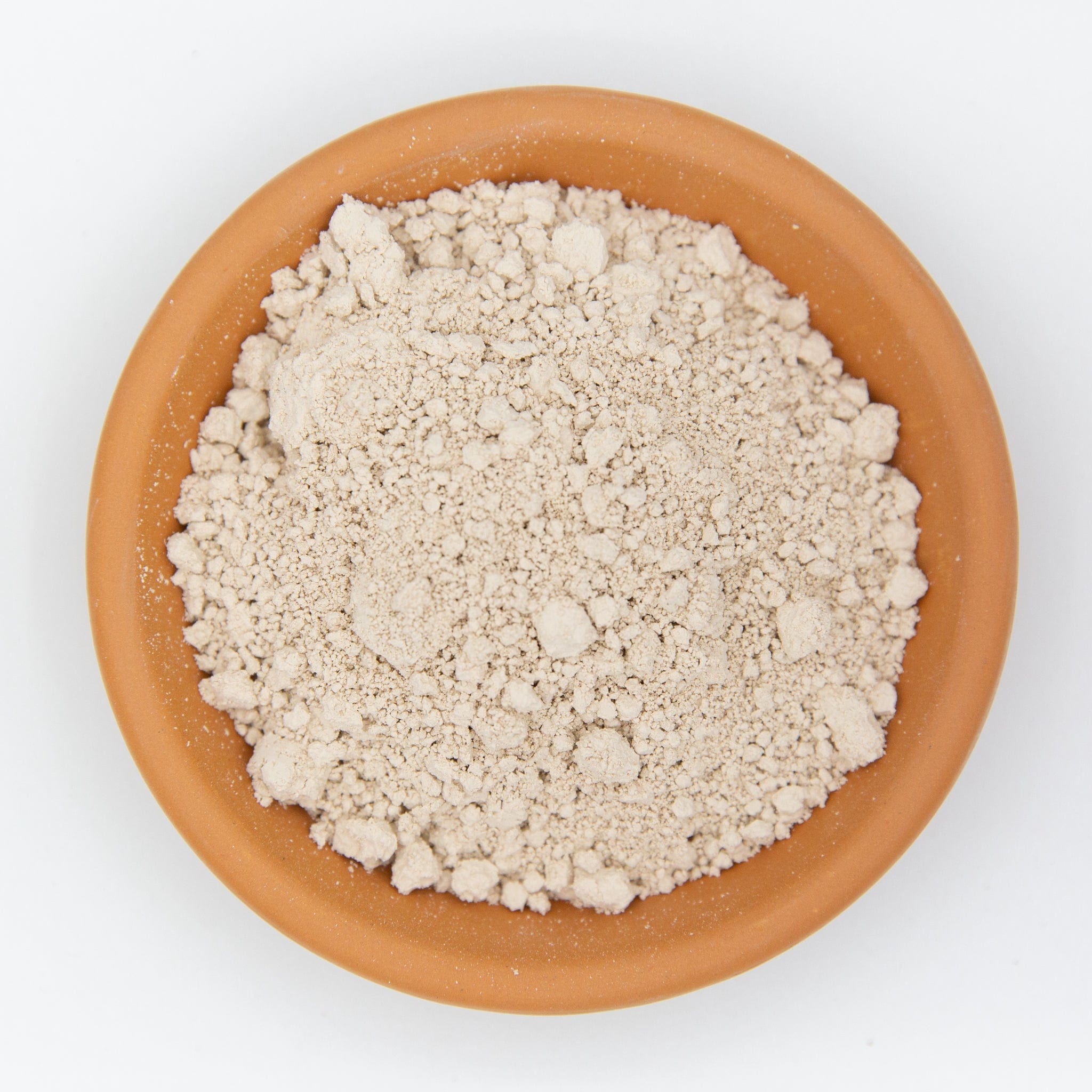
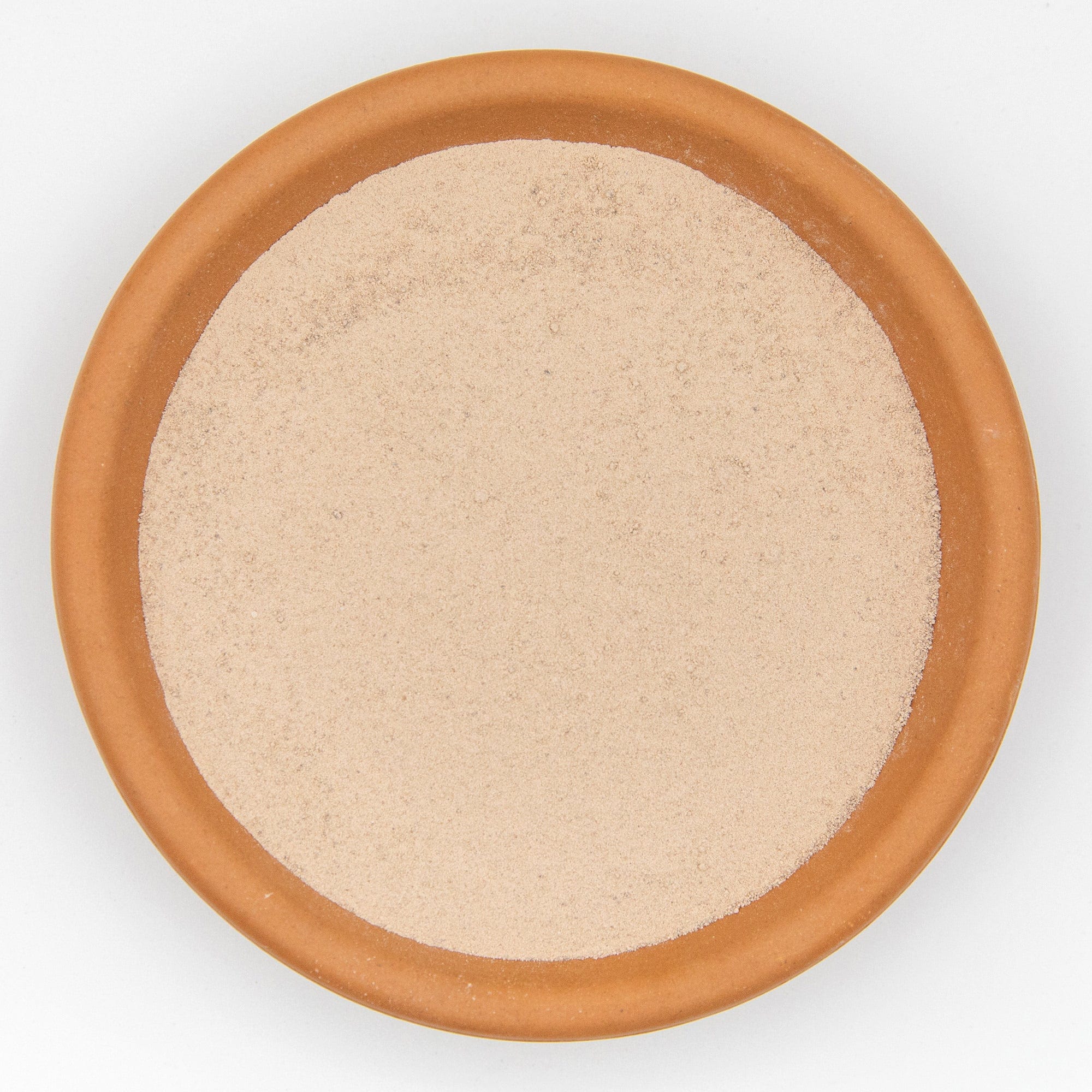
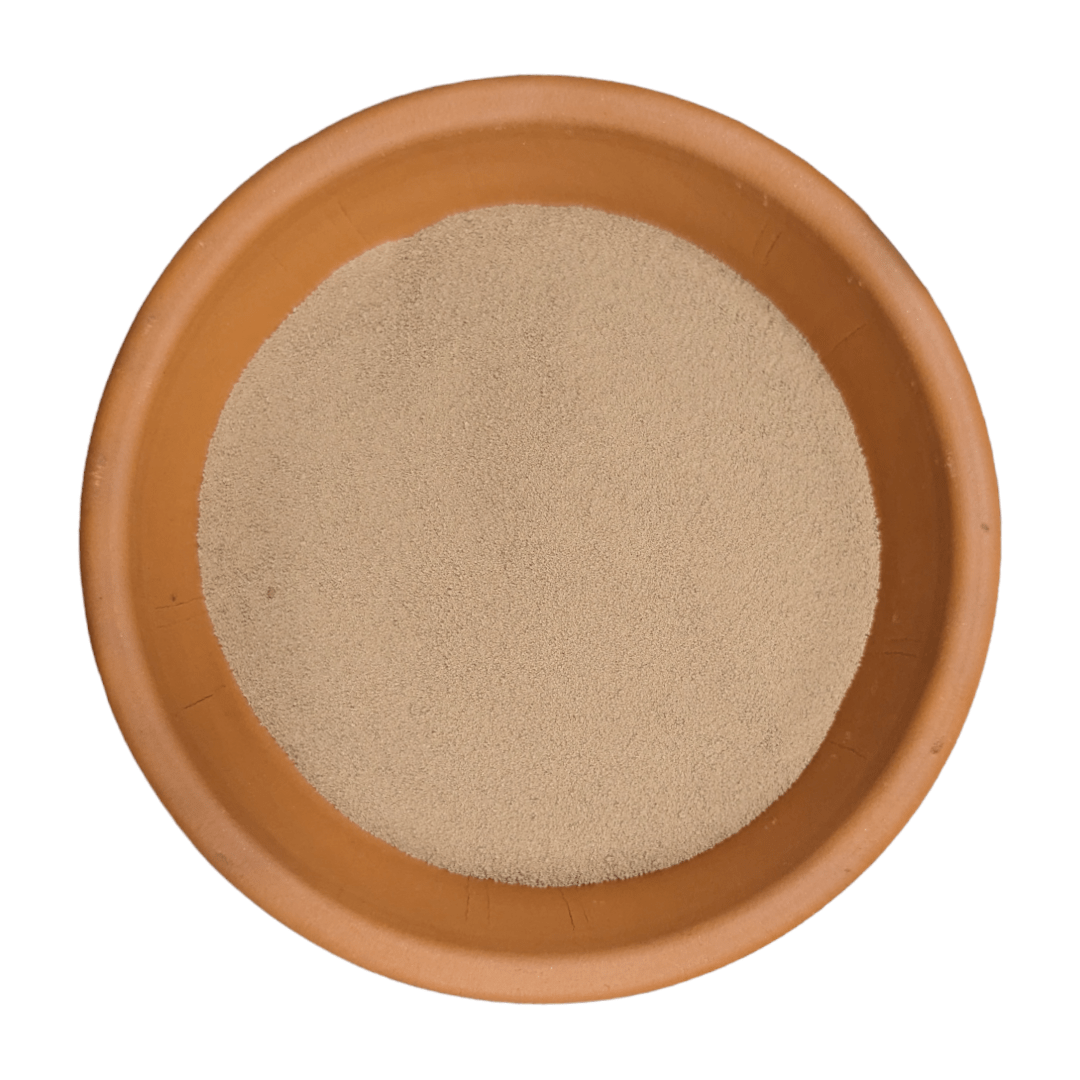
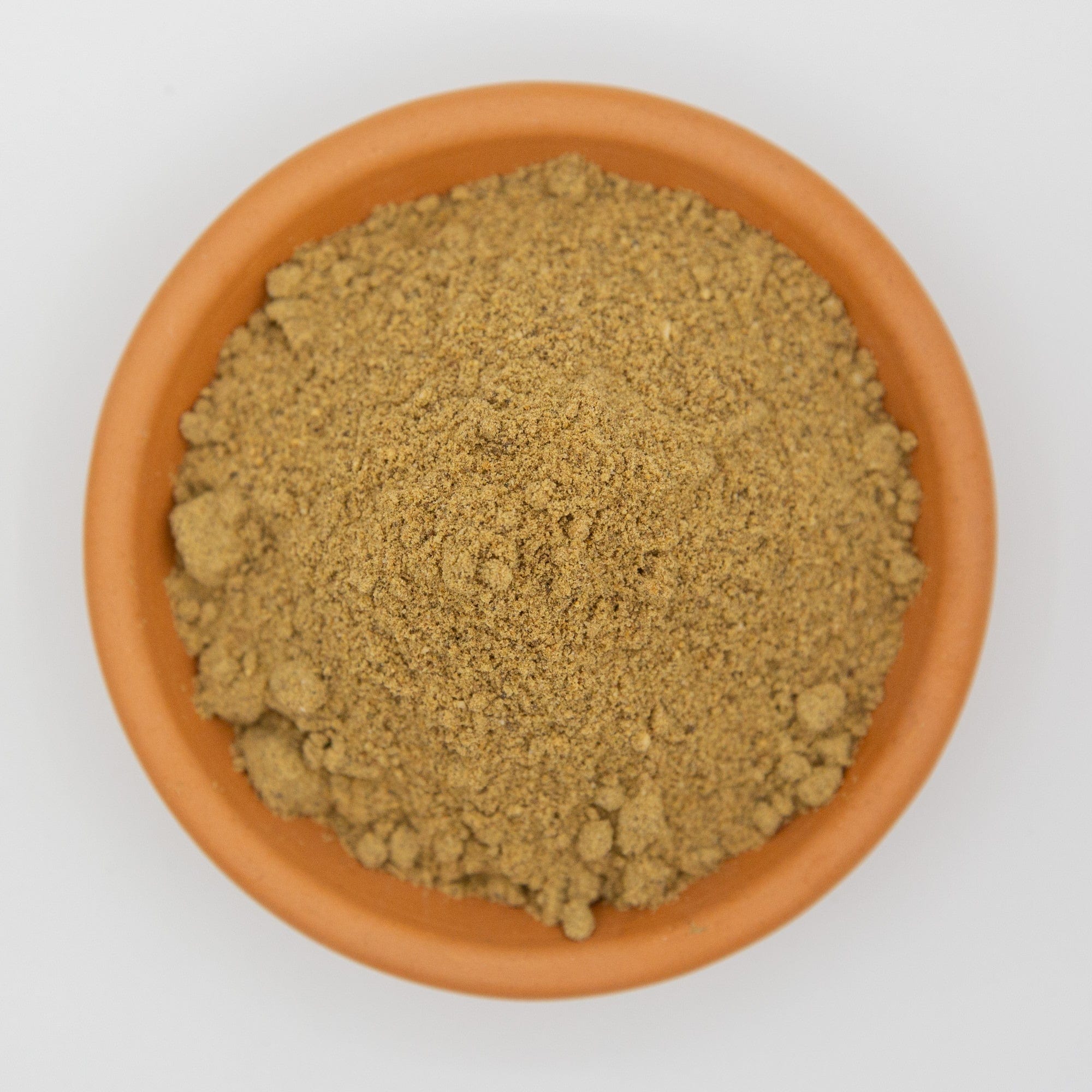
Insect frass is an excellent organic dry amendment for indoor gardening as it contains high levels of chitin, a natural polymer that stimulates plant growth. It is also a slow-release source of nutrients and contains beneficial microorganisms that improve the quality of the growing medium.
To use insect frass with coco coir and synthetic nutrients, mix 1 tablespoon per 5 liters of coco coir premixed into the media.
2. Guano
Guano is another popular organic dry amendment that is high in calcium and phosphorus. It is a natural fertilizer that has been used for centuries to promote plant growth. Guano is also a source of beneficial microorganisms that break down organic matter and improve soil quality.
To use guano with coco coir and synthetic nutrients, mix 1/8 cup of guano to 30 liters of coco coir.
3. Kelp Meal
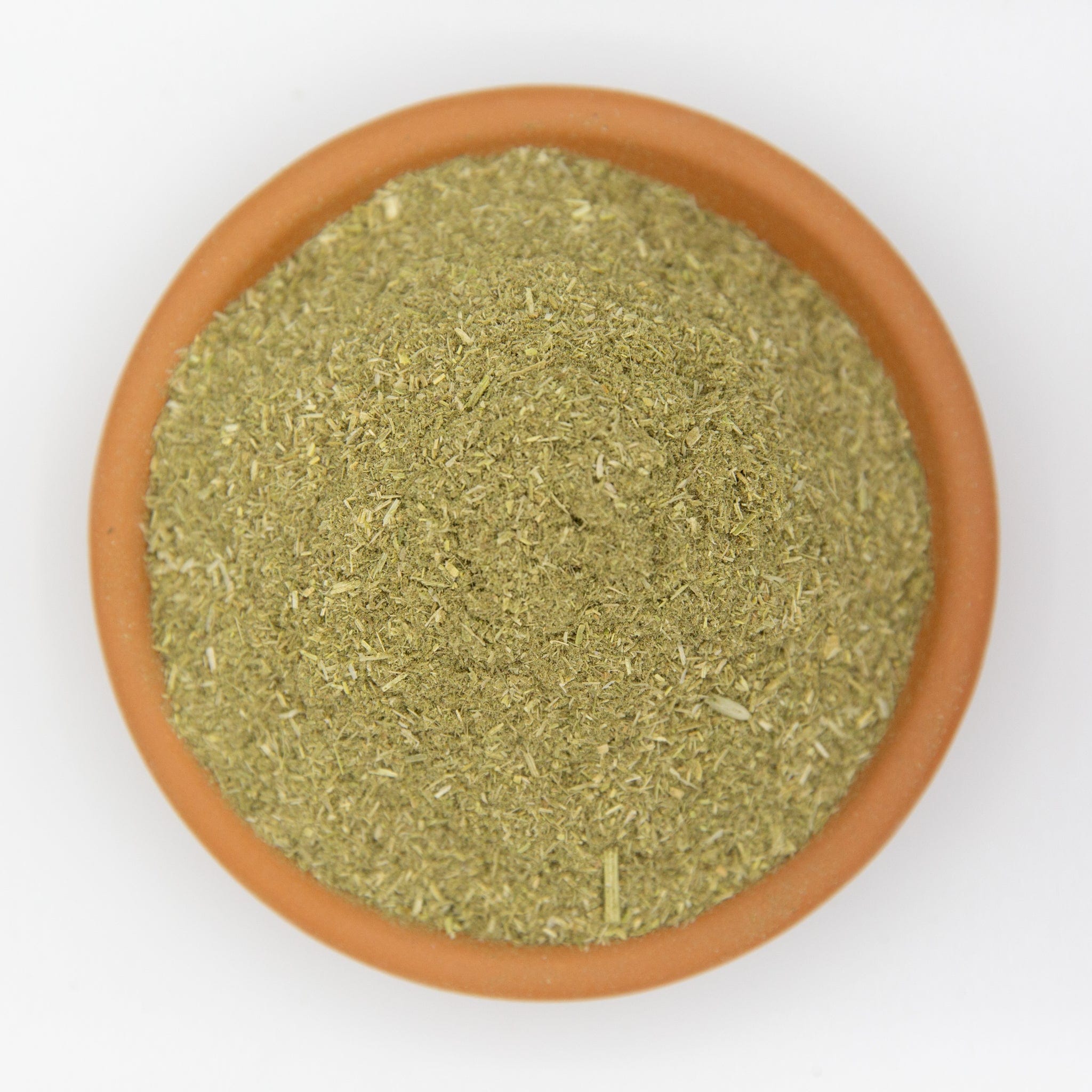
Kelp meal is a dry, granular product made from dried and ground kelp seaweed. It is an excellent organic dry amendment that contains a range of essential plant nutrients, including nitrogen, phosphorus, and potassium. Kelp meal is also a great source of plant growth hormones that promote healthy root growth and strong, sturdy plants.
To use kelp meal with coco coir and synthetic nutrients, mix ¼ cup of kelp meal to 30 liters of coco coir.
4. Zeolite
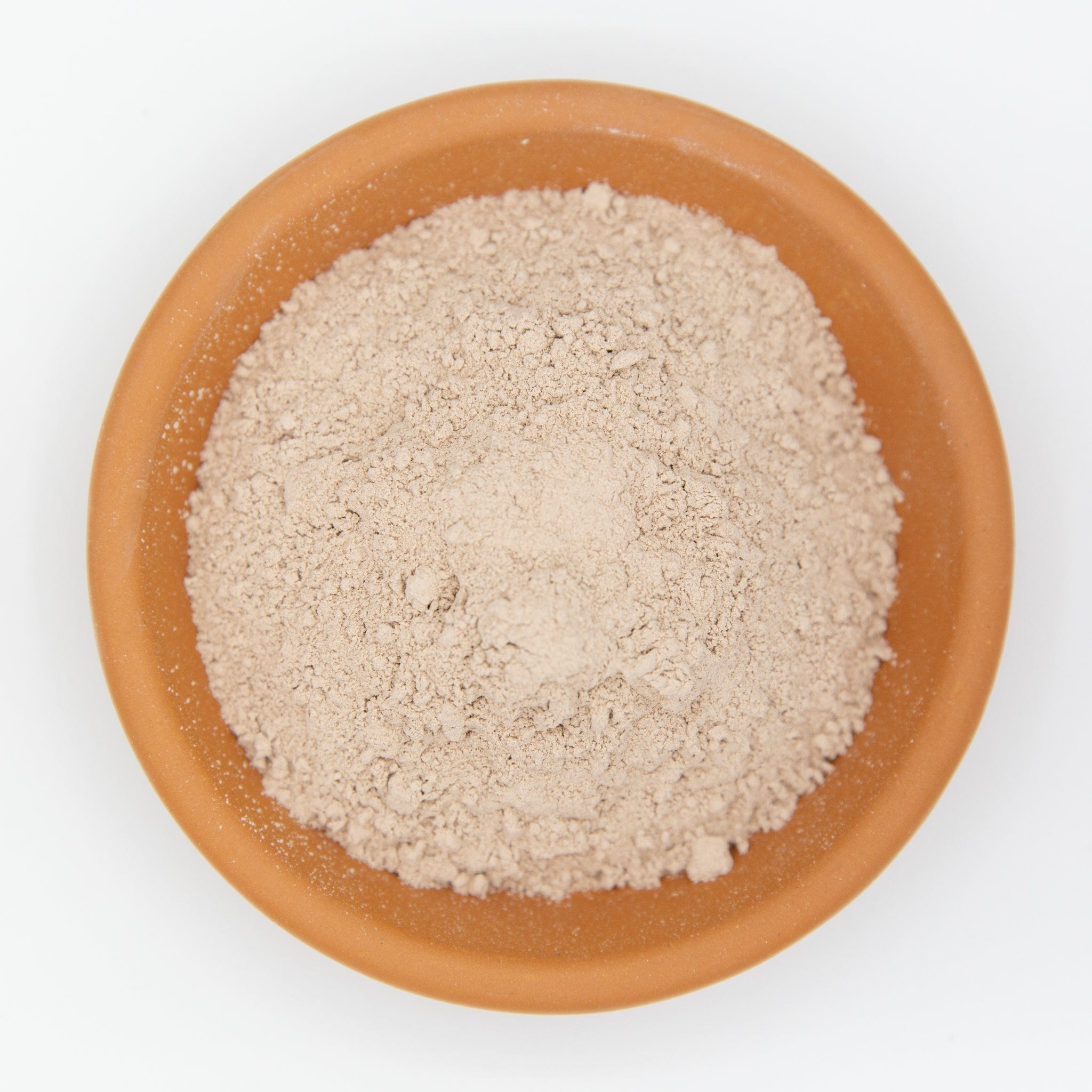
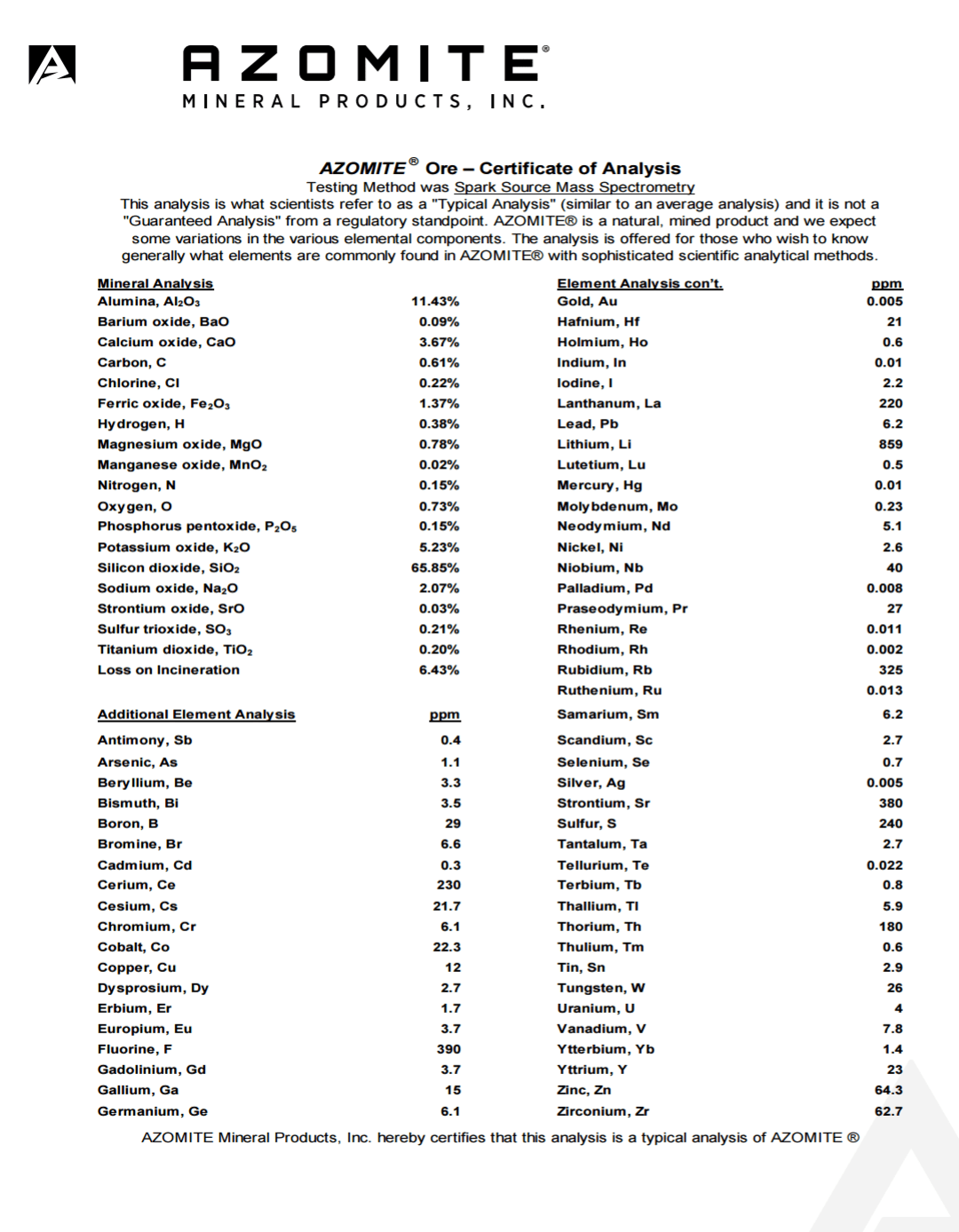
Zeolite is a naturally occurring mineral that is high in silicon, calcium, and potassium. It is an excellent organic dry amendment that helps to improve soil structure and nutrient retention. Zeolite also helps to prevent nutrients from leaching out of the soil.
To use zeolite with coco coir and synthetic nutrients, mix 5-10% of the overall pot size (3 to 5 liters per 30 liters of coco coir). Click here to view all the Volcanic Rock Soil Aeration options we offer
5. Mycorrhizae
Mycorrhizae are a group of fungi that form a symbiotic relationship with plant roots. They help to increase nutrient uptake, improve soil structure, and protect plants from disease. Mycorrhizae also increase the amount of organic matter in the growing medium, promote healthy root growth, and nutrient uptake.
To use mycorrhizae with coco coir and synthetic nutrients, mix 1 part mycorrhizae to 4 parts coco coir. Apply the mixture to your plants and water as needed.
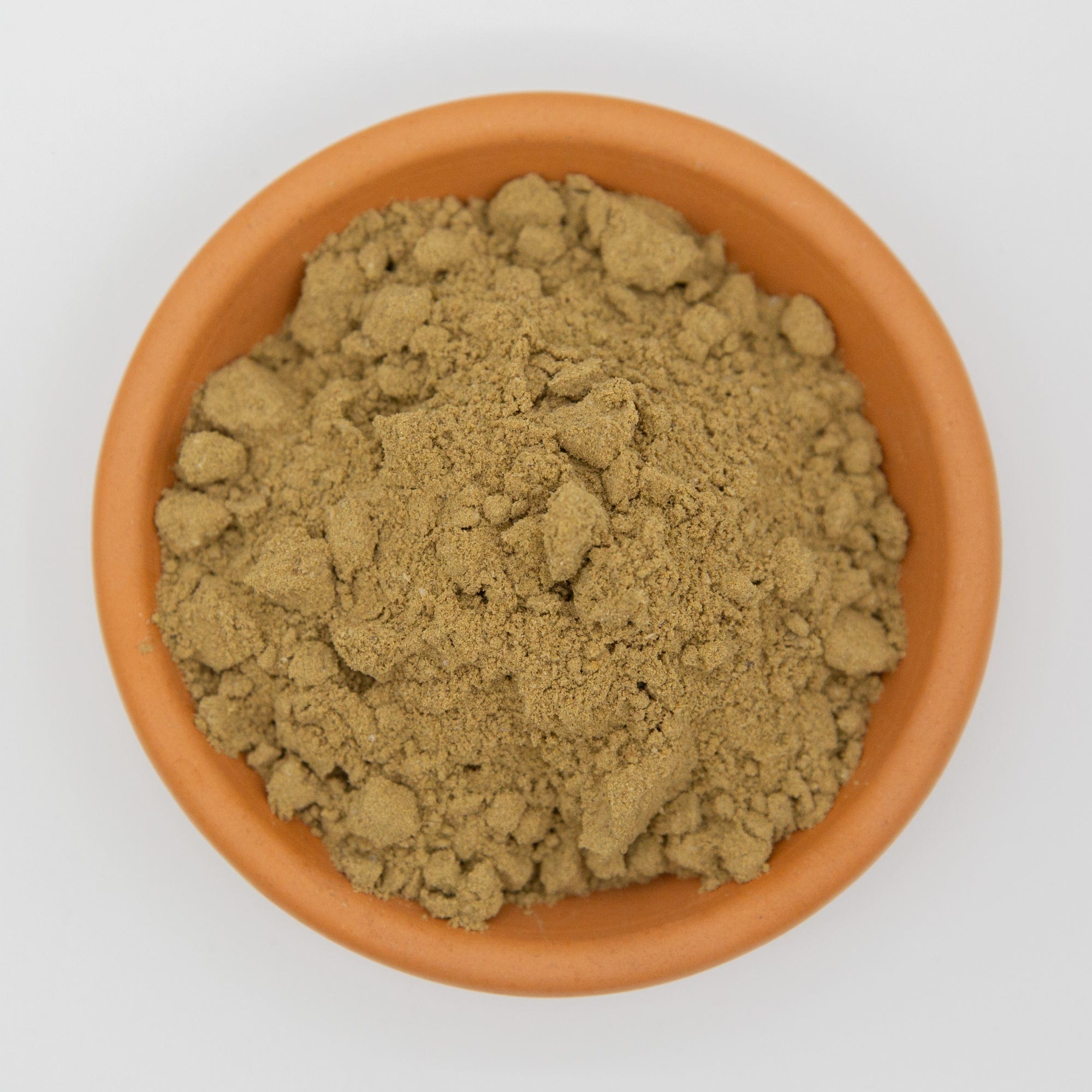
Worm castings are packed with billions of beneficial microbes per gram! These microbes go to work super fast and populate the coco coir helping out compete detrimental organisms such as root rot from over watering.
Using as little as 5% will elicit a noticeable result in your garden, although 10% is more commonly used in organic coco coir systems.

Why Microbial Life Matters When Using Dry Amendments in Coco
Dry amendments don’t feed plants directly — they feed the soil biology first. In coco, this distinction is especially important.
Unlike compost-rich soils, coco coir contains very little microbial life on its own. Without beneficial microbes, fungi, and organic matter, dry amendments break down slowly or inconsistently, leading to nutrient deficiencies even when plenty of inputs are present.
This is why many successful growers incorporate materials like worm castings, compost, or microbial inoculants when using dry amendments in coco. These inputs help establish a living root zone capable of mineralising nutrients as the plant needs them.
Without this biological support, coco amended with dry inputs can feel unpredictable. With it, the system becomes far more stable and forgiving.
Pre-Amending Coco and Allowing It to Rest
When using dry amendments in coco, pre-amending the medium and allowing it to rest can make a significant difference.
Mixing dry amendments into coco and planting immediately often leads to uneven nutrient availability. Allowing the medium to sit slightly moist for one to two weeks gives microbial populations time to establish and begin breaking down nutrients into usable forms.
This rest period is especially important for young plants. Freshly amended coco can be too strong for seedlings, leading to slow growth or stress. A lighter mix or partially amended medium is often a better choice for early stages, with additional amendments applied later as the plant matures.
Taking the time to prepare coco properly creates a far smoother transition from seedling to vigorous vegetative growth.
Calcium, Magnesium and Coco’s Cation Exchange Capacity (CEC)
Coco coir has a naturally high cation exchange capacity (CEC), which affects how it holds and releases nutrients — particularly calcium and magnesium.
Unbuffered or poorly buffered coco tends to bind calcium and magnesium tightly, making them unavailable to plants. This is why calcium and magnesium deficiencies are one of the most common issues growers encounter when using coco, especially with organic dry amendments.
Quality coco is typically pre-buffered with calcium, but this doesn’t eliminate the need to consider ongoing Ca and Mg availability. Many dry amendment blends include calcium sources, and materials like gypsum or dolomite lime are often used to help maintain balance over time.
Understanding this interaction is critical. When calcium and magnesium are managed properly, coco becomes far more predictable and responsive, even in organic systems.
Container Choice and Root Zone Oxygenation
Root health is heavily influenced by oxygen availability, and this is especially true in coco-based systems.
Breathable containers such as fabric pots allow excess moisture to evaporate and encourage air exchange throughout the root zone. This helps prevent compaction and supports microbial activity, both of which are critical when relying on dry amendments.
Plastic pots can still work, but they require more attention to watering frequency and volume to avoid waterlogging. Regardless of container type, maintaining a balance between moisture and airflow is essential for consistent nutrient uptake.
Healthy roots and active biology go hand in hand — container choice plays a major role in supporting both.
Matching Your Irrigation Style to Dry Amendments in Coco
The way you water coco has a major impact on how well dry amendments perform.
Hand watering allows for close observation and adjustment, but requires consistency. Drip irrigation can work well once the system is dialled in, though over-watering can slow oxygen exchange if not managed carefully.
Self-watering and wicking systems maintain constant moisture, which can support microbial activity, but they also reduce dry-back. This makes oxygenation and container choice even more important.
There’s no single “best” irrigation method — success comes from aligning watering style with container type, amendment rate, and environmental conditions.
FAQ
How often should dry amendments be added to coco coir?
The frequency of dry amendments application depends on the specific needs of your plants and the growing conditions. Generally, it is recommended to add dry amendments every few months or as needed.
Are dry amendments expensive?
Dry amendments can be an affordable option for growers, especially when compared to synthetic fertilizers. They are a long-term investment in the health of your plants and soil.
How long do dry amendments take to show results?
The timeframe depends on the amendment, plant stage and conditions in the root zone. Dry amendments generally rely on processes within the growing medium before nutrients become fully available, so growers should not expect every amendment to behave like an immediately available liquid feed.
Is Coco With Dry Amendments the Right Choice for You?
Using dry amendments in coco offers a unique balance between control and biological growing, but it isn’t the easiest path for every grower.
Coco provides excellent structure, drainage, and consistency, but it demands attention to buffering, biology, and watering practices. Soil-based systems are often more forgiving, while traditional coco feeding offers faster correction when issues arise.
Growers who succeed with dry amendments in coco are typically those who enjoy understanding how the root zone functions and are willing to manage the system thoughtfully.
When approached with the right expectations, it can be a highly effective and rewarding way to grow.
Next Reads for Getting More from Dry Amendments in Coco
Running dry amendments in coco? These guides will help you choose better inputs, understand your media and build a healthier, more productive root zone.
- Beginner’s Guide to Using Organic Dry Amendments in Gardening for Healthier Plants
- Coco Coir vs Peat Moss Australia
- How to Choose the Right NPK Fertiliser Australia
- The Science Behind an Explosive Rootzone: How Optimum Root Health Leads to Explosive Plant Growth
About the Author