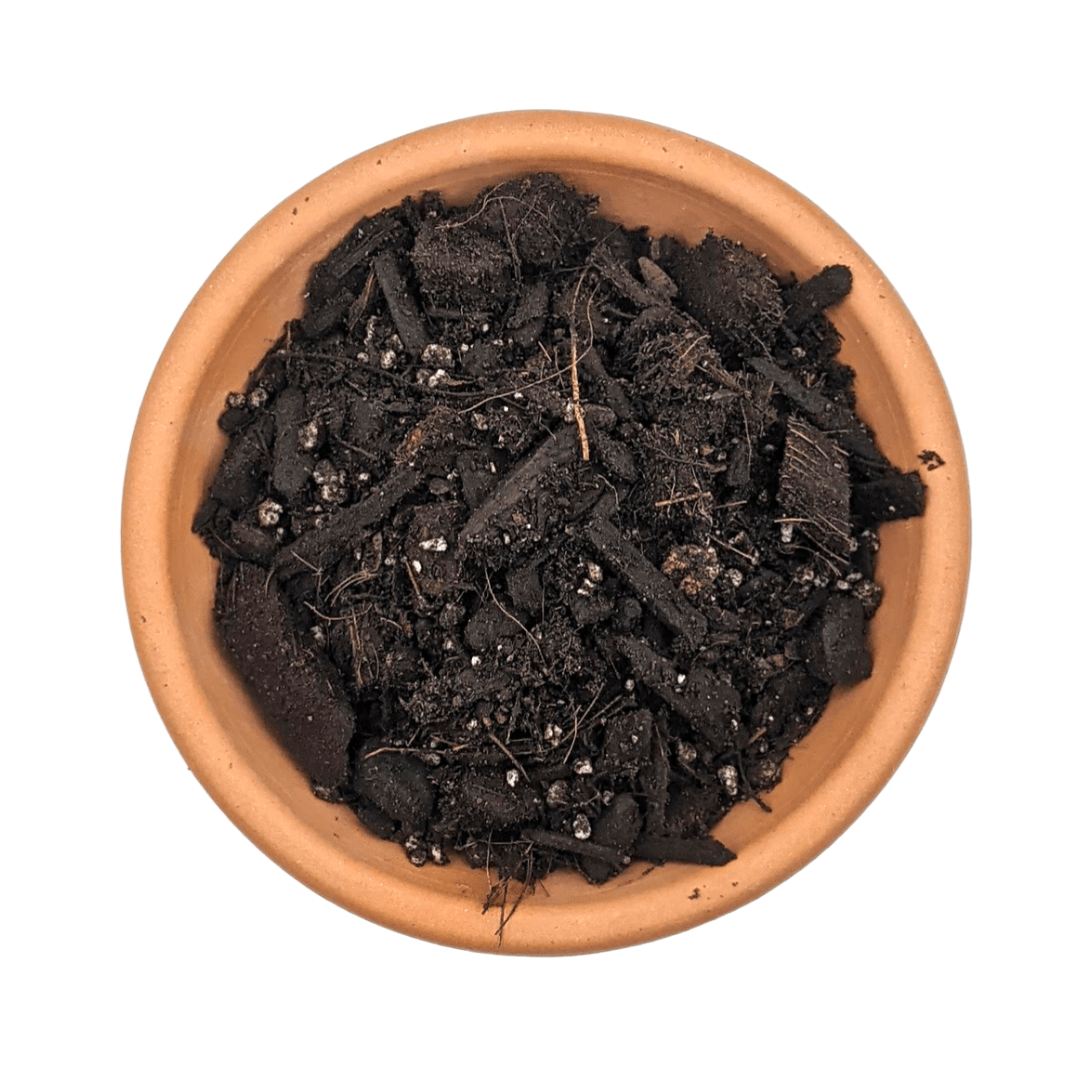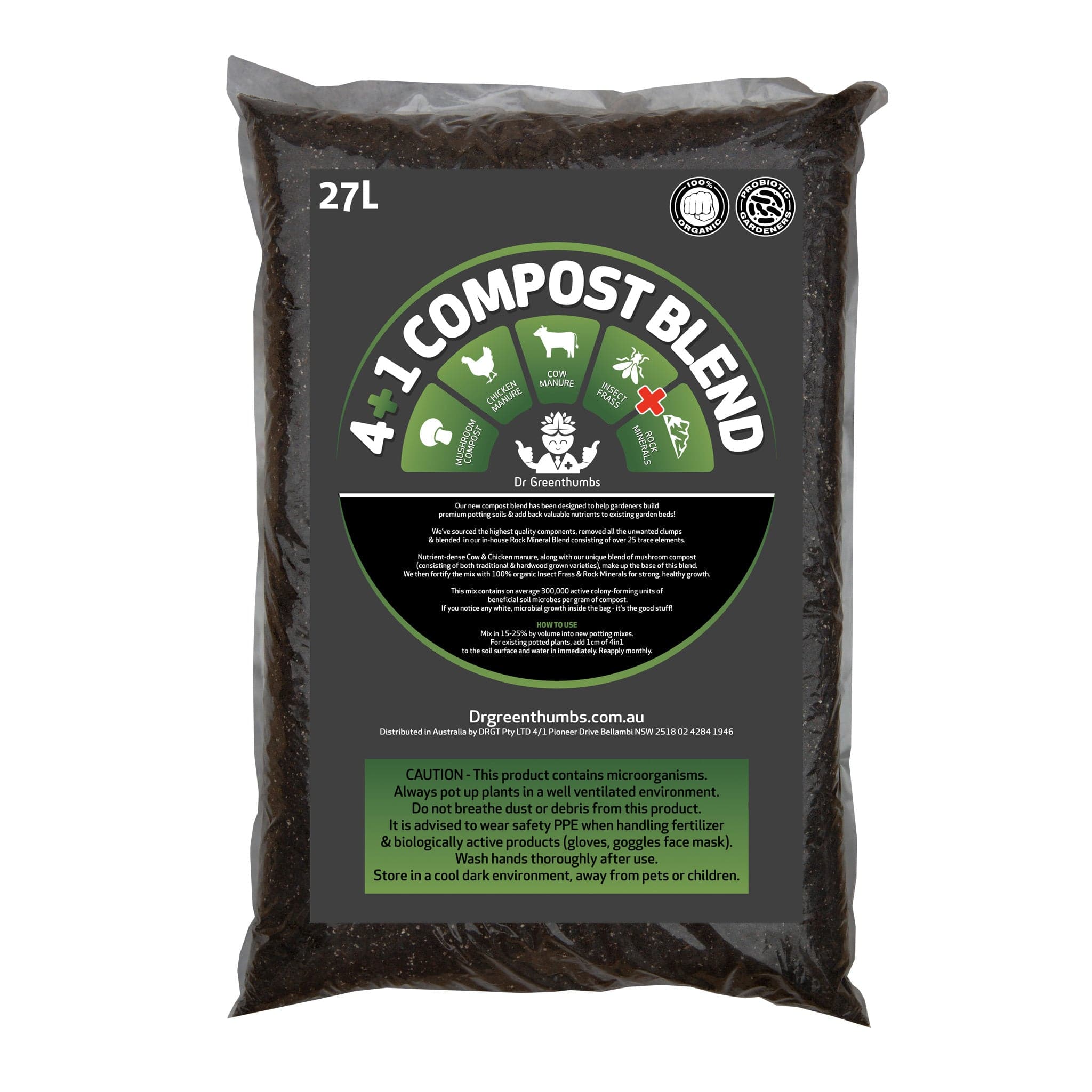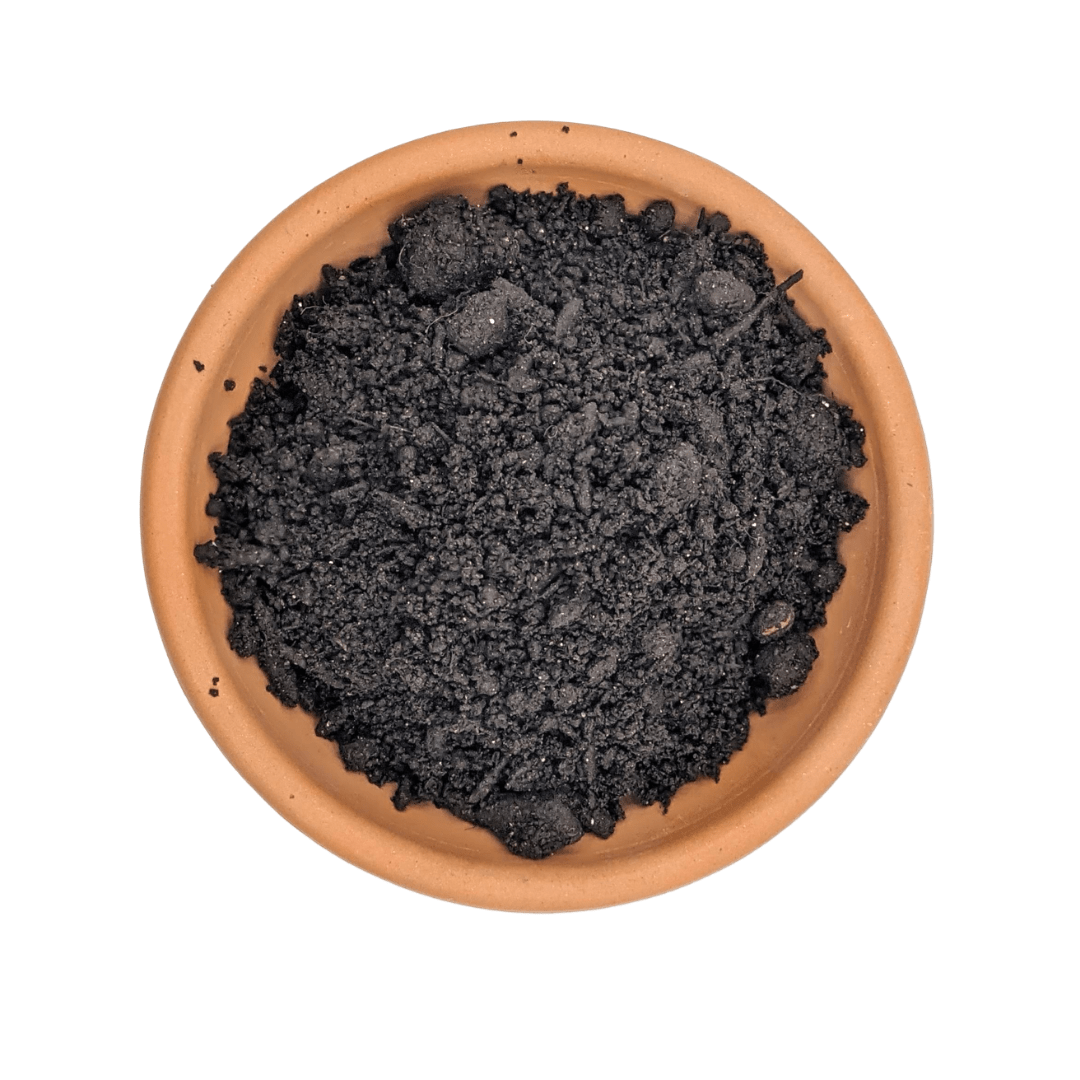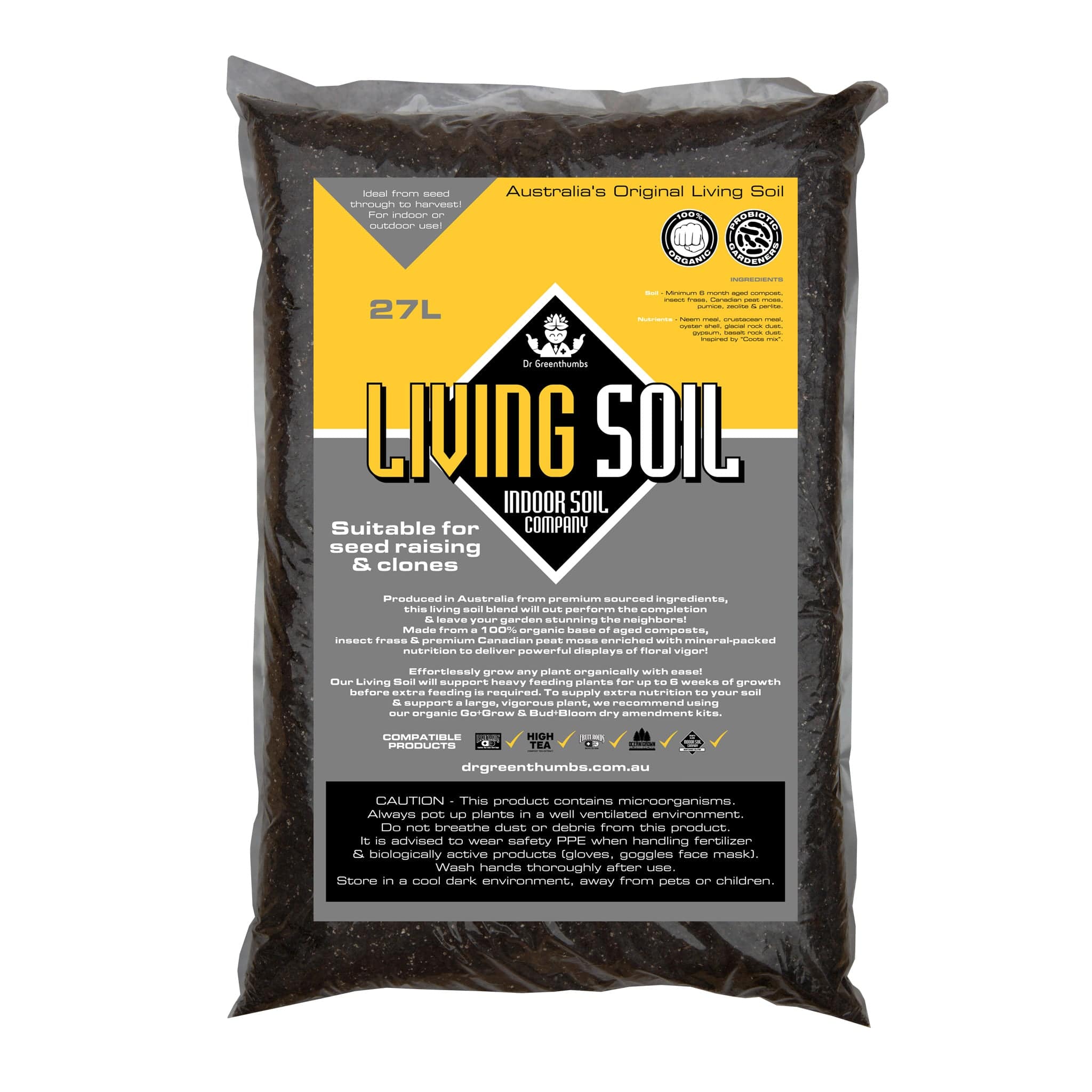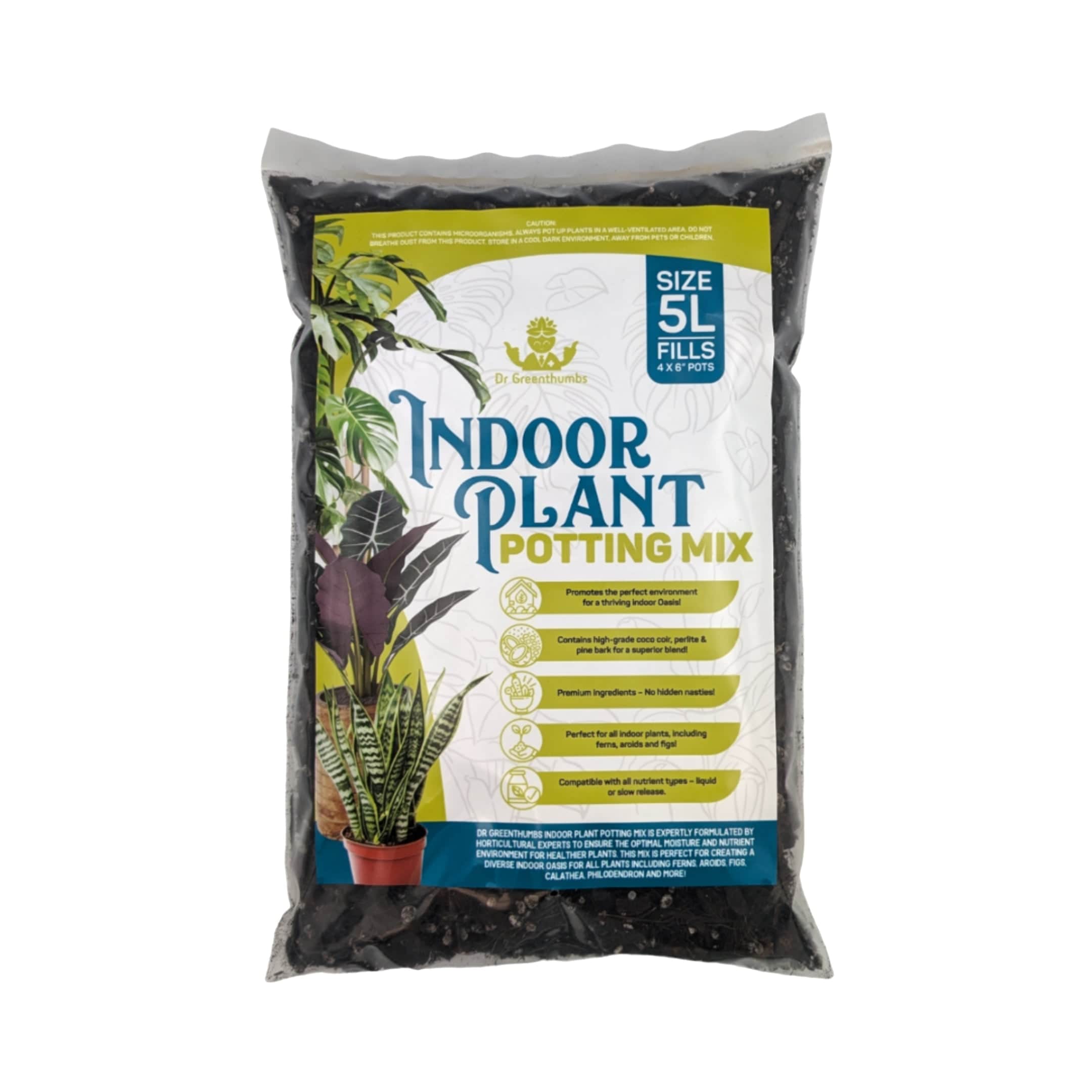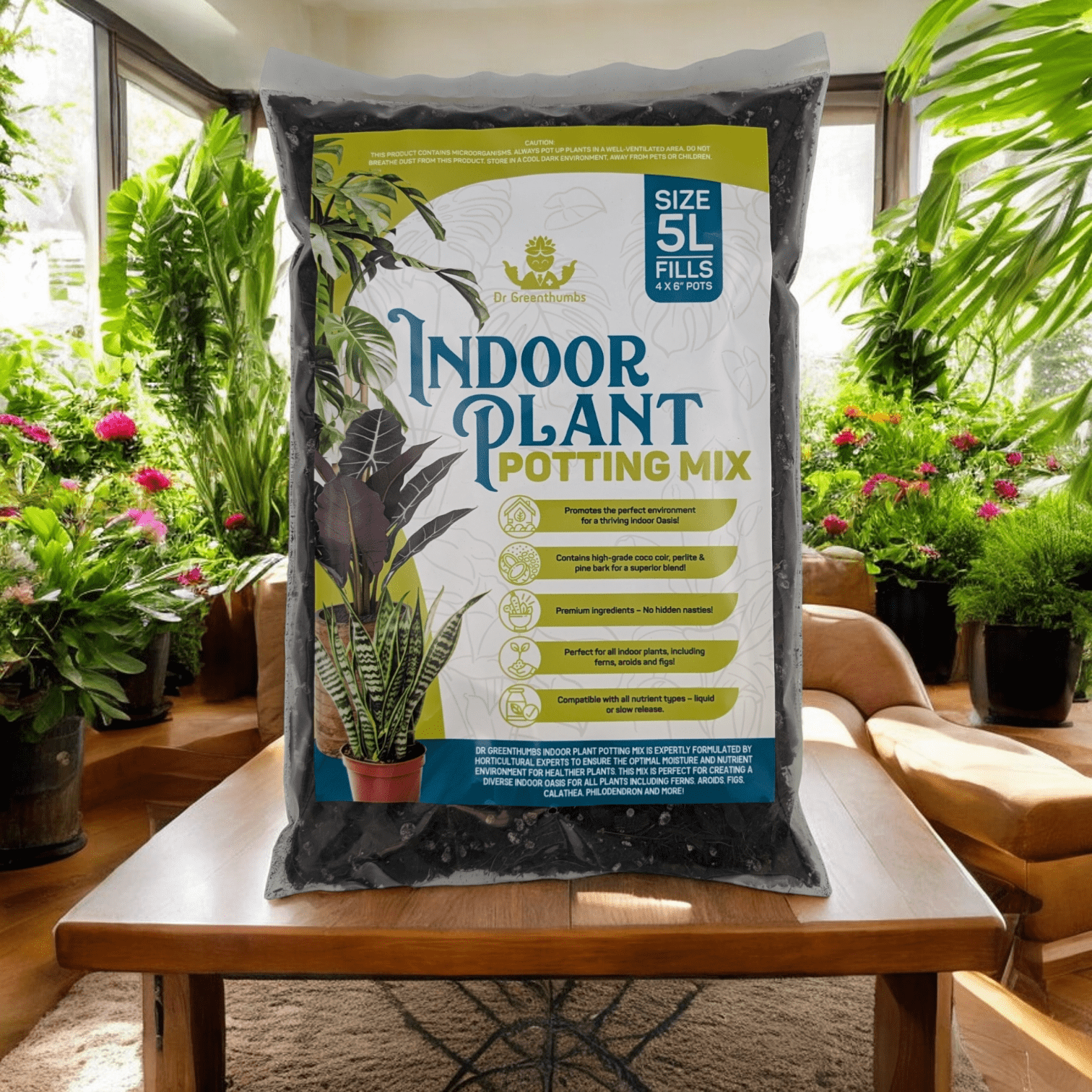

Aroids need a potting mix that balances drainage, airflow, moisture retention and organic matter. Dense or poorly draining mixes can leave their roots short of oxygen and increase the risk of root problems.
This guide explains why aroids need a specialised potting mix, which ingredients to use, how to choose a recipe for your growing conditions, how to mix and maintain it, and how to troubleshoot common soil problems.
10 Essential Aroid Potting Soil Tips at a Glance
- Prioritise airflow around the roots. Aroid mixes should stay loose and breathable rather than dense and compacted.
- Use a chunky structure. Bark and other coarse ingredients help create the air spaces aroid roots need.
- Balance drainage with moisture retention. The mix should drain freely without drying out immediately.
- Choose your recipe for your conditions. Climate, humidity, watering habits and plant size affect which mix works best.
- Use perlite or pumice for extra drainage and aeration.
- Measure ingredients rather than guessing. Consistent proportions make the mix easier to manage.
- Check pH when needed. The guide below covers the preferred range and adjustment considerations.
- Water according to the mix, not a fixed calendar. Check moisture before watering again.
- Watch for changes in drainage. A mix that stays wet or becomes compacted may need adjusting or replacing.
- Refresh or repot when the mix breaks down. Root condition, drainage and soil structure are more useful signals than relying only on a fixed timetable.
Table of Contents
- Why Aroids Need a Special Potting Mix
- Understanding Aroid Potting Mix Ingredients
- Aroid Potting Mix Recipes
-
How to Prepare and Mix Aroid Potting Soil
-
Maintaining and Troubleshooting Aroid Potting Soil
- Adjusting Your Mix for Different Aroids
- Storing Bulk Aroid Potting Mix
-
Optional Root and Nutrient Support
- FAQs about Aroid Potting Soil
-
Next Reads for Building a Better Aroid Mix
If you want the quickest, no-guesswork picks, check these out:


Why Aroids Need a Special Potting Mix
Aroids aren’t typical houseplants — and their roots tell the story.
In nature, most aroids don’t grow in dense soil at all. They cling to tree trunks, leaf litter, and loose forest debris where air, moisture, and organic matter exist in perfect balance. Their roots are designed to breathe just as much as they drink.
That’s why standard potting mix often causes problems. It stays wet for too long, compacts over time, and starves roots of oxygen — a fast track to rot.
A good aroid mix works because it:
-
Drains freely, so roots never sit in stagnant water
-
Holds just enough moisture, without becoming soggy
-
Allows airflow, keeping roots healthy and active
-
Breaks down slowly, feeding plants without suffocating them
Once you understand this, building the right mix becomes far less mysterious — and much easier to get right long-term.
Understanding Aroid Potting Mix Ingredients
Creating the ideal potting mix for Aroids involves a blend of specific ingredients, each contributing unique benefits and properties to the soil. Here, we delve into the key components and explore how they work together to create an environment where Aroids can thrive.
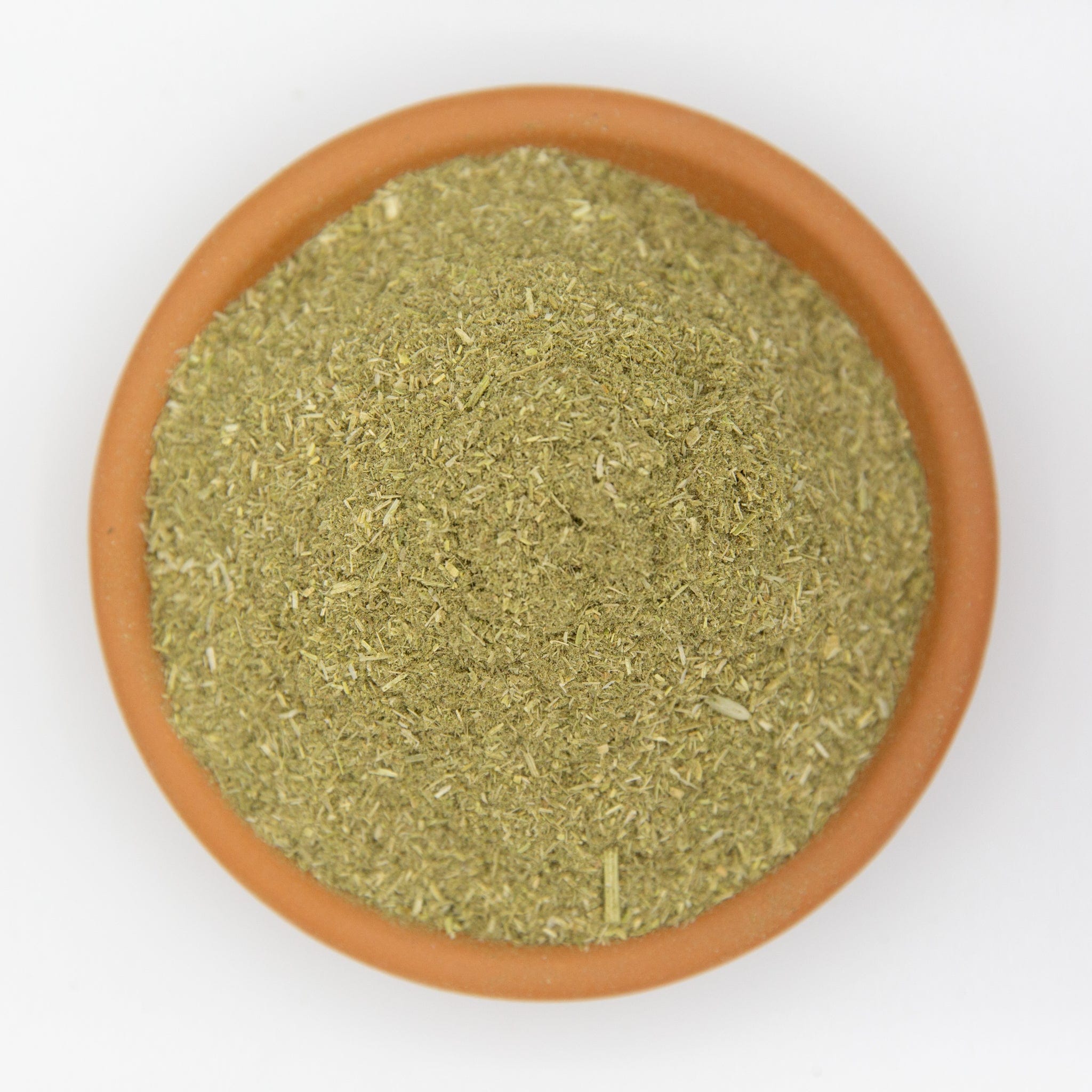
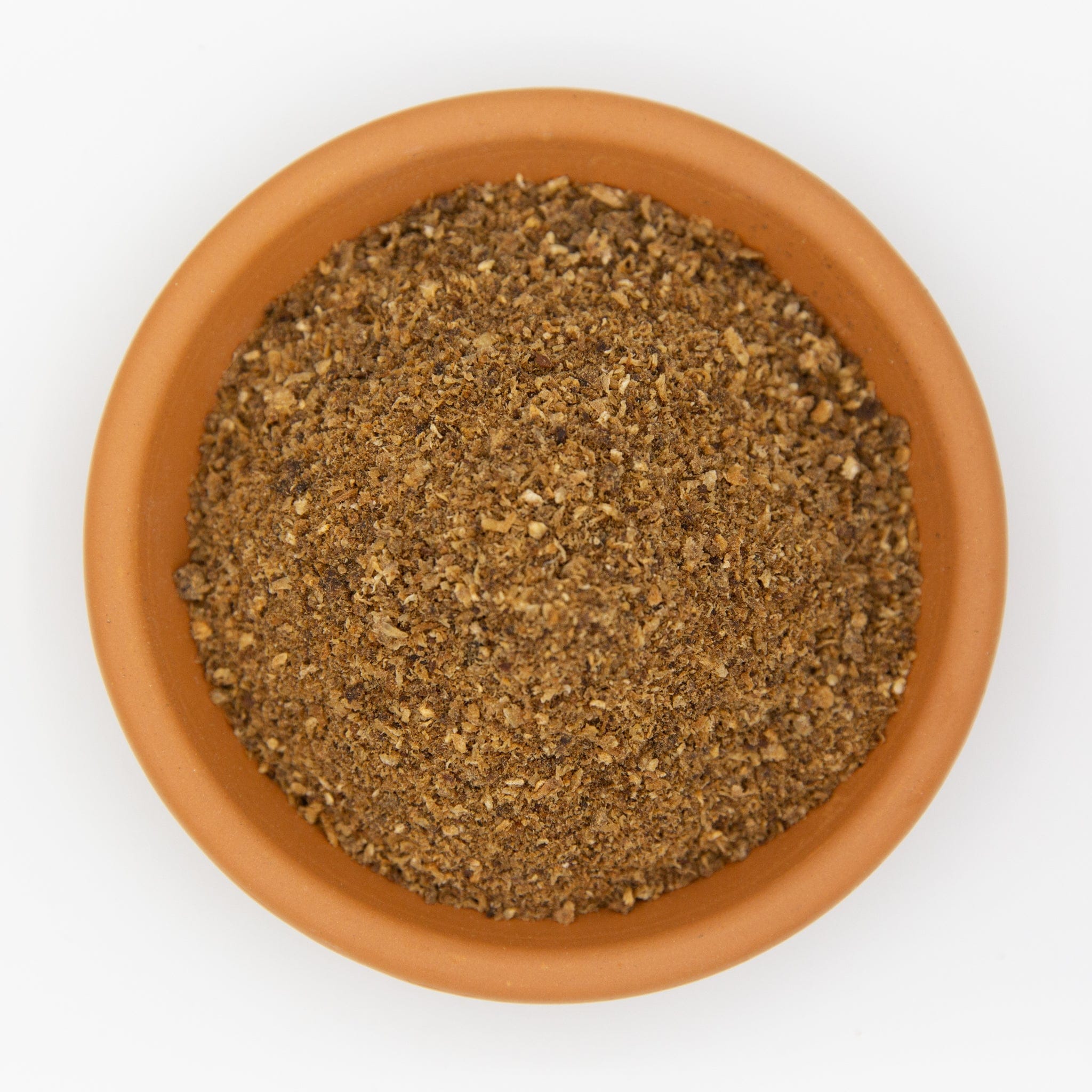
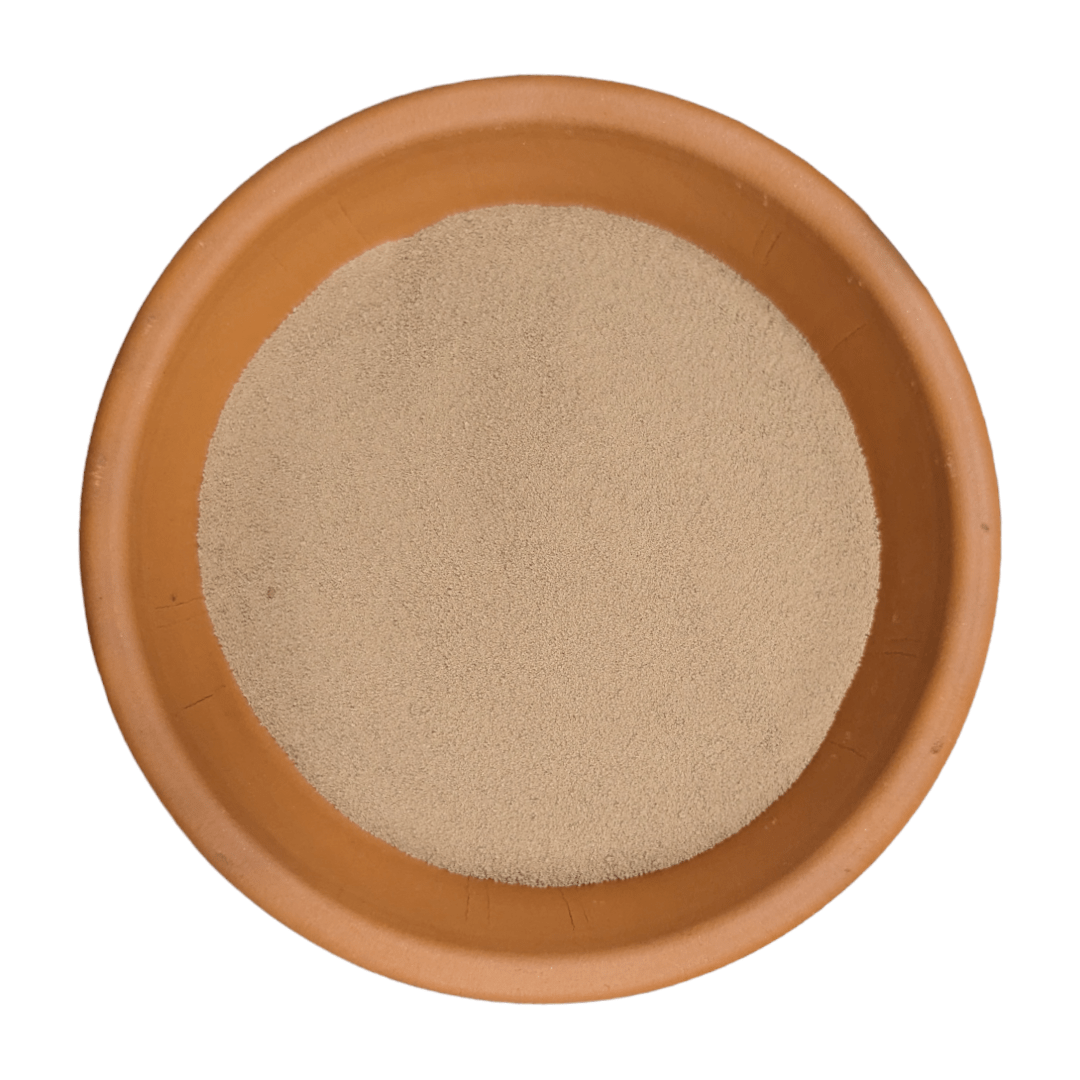
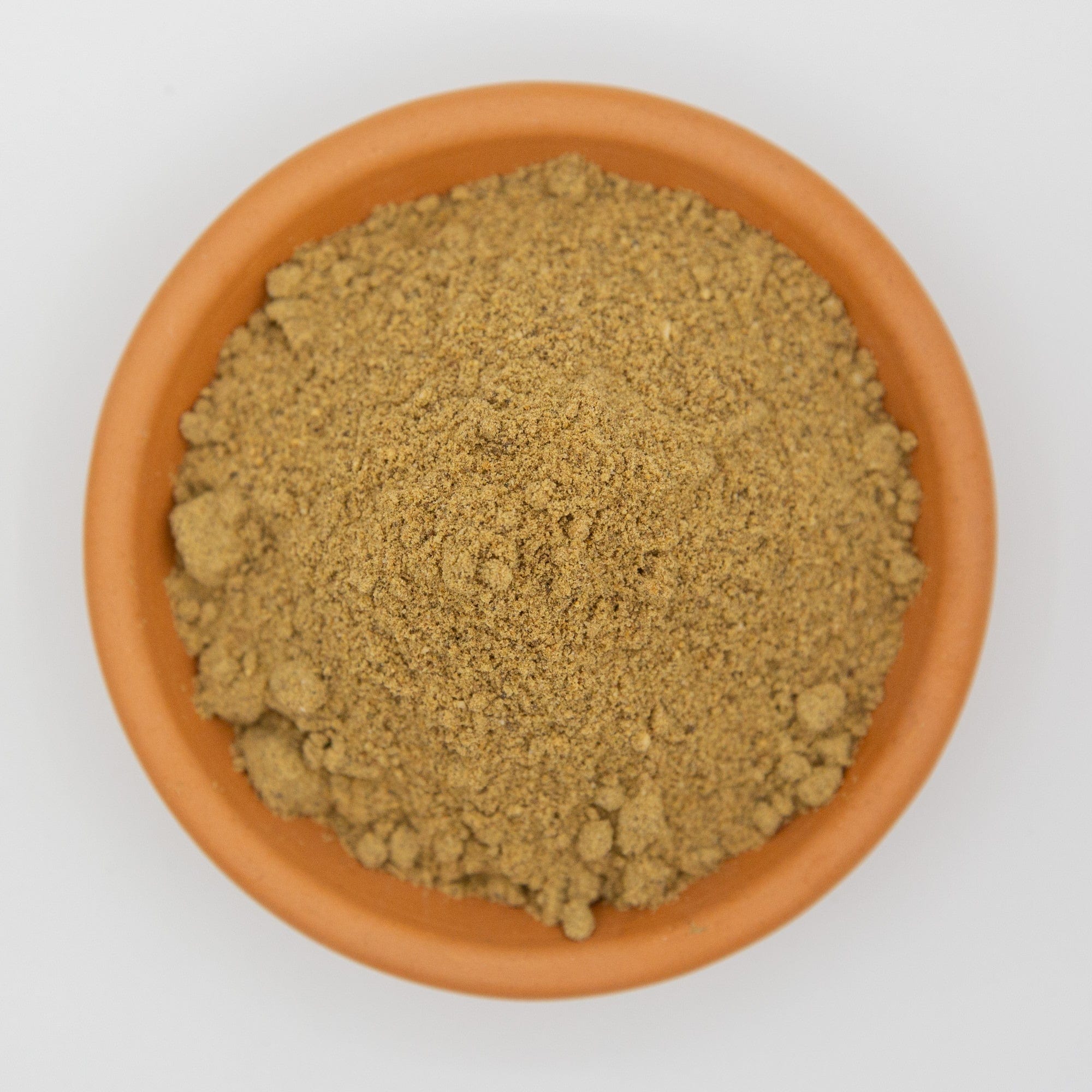
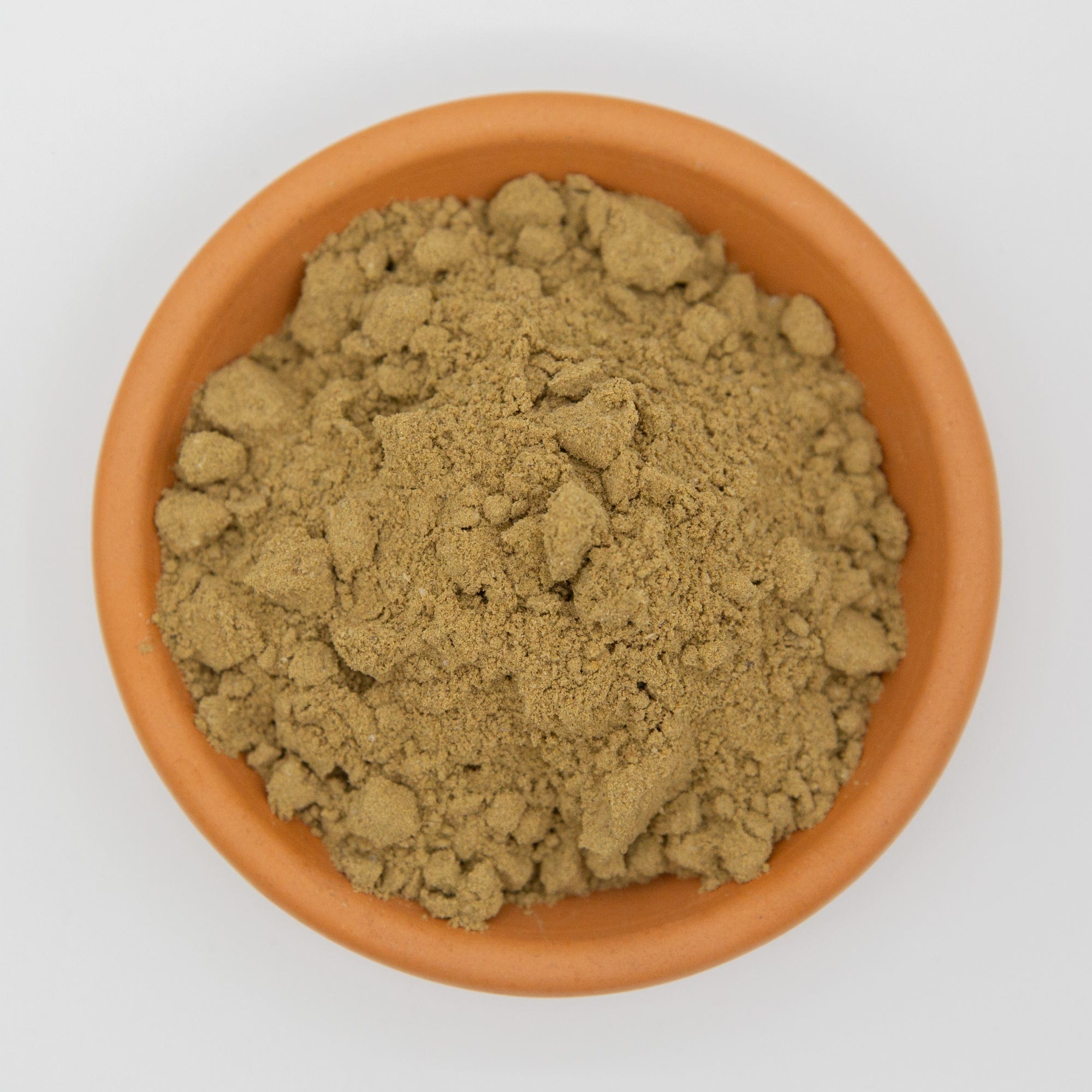
Coco Coir Chips
Benefits and Properties: Coco Coir Chips are an exceptional alternative to traditional peat moss. Derived from the outer husk of coconuts, these chips are known for their excellent drainage capabilities and aeration properties. They help prevent waterlogging by allowing excess moisture to drain away quickly while still retaining enough moisture to keep the roots hydrated. Additionally, coco coir chips are pH-neutral, ensuring that they do not alter the soil's acidity, which is crucial for maintaining the health of Aroids.
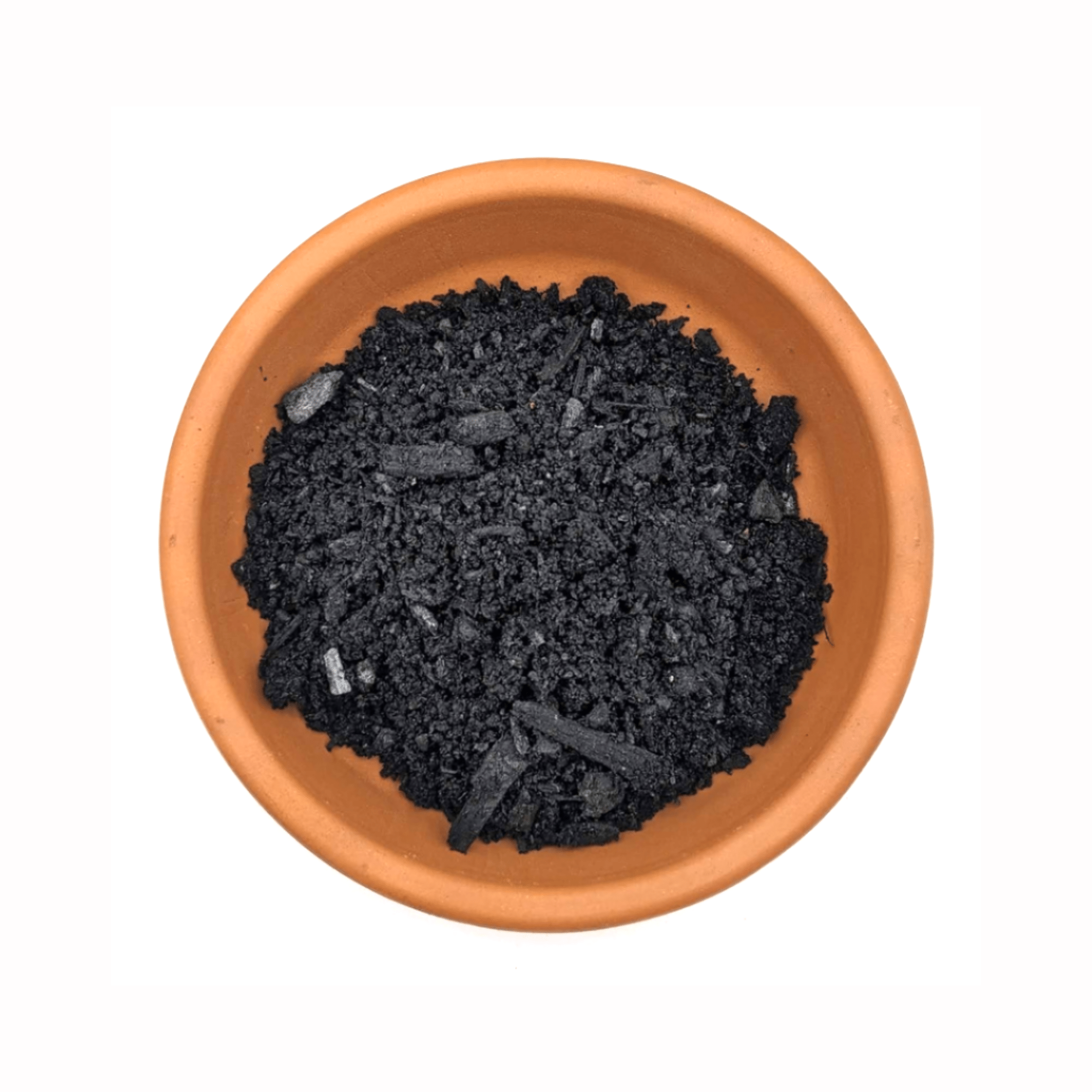
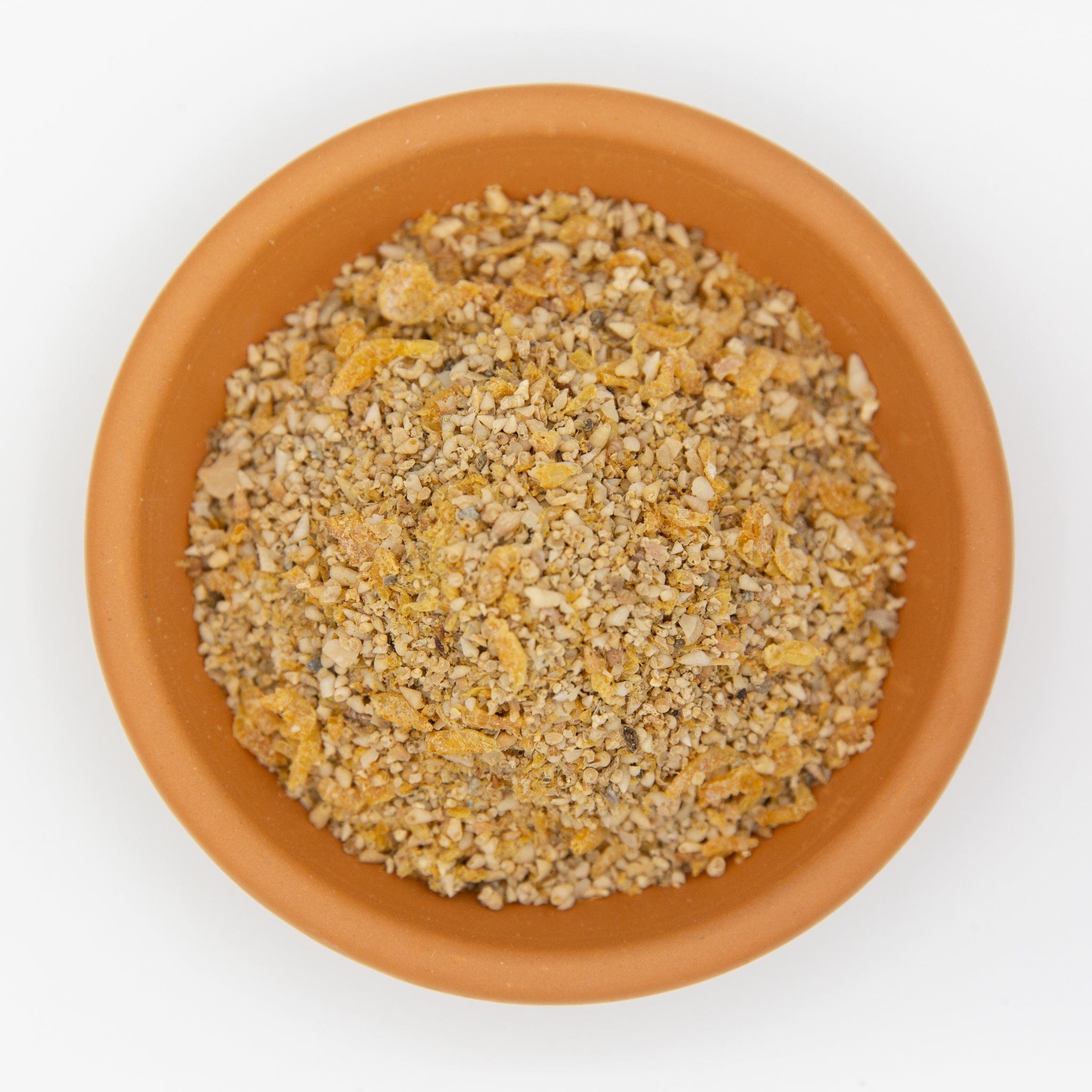
Orchid Pine Bark
Advantages for Aroids: Orchid Pine Bark, often referred to as Orchiata, is a premium bark used in potting mixes for Aroids. It is specially processed to have a stable pH and excellent drainage properties. Its structure helps to create air pockets within the soil, providing roots with the necessary oxygen. Furthermore, it's capable of holding onto nutrients and releasing them slowly over time, ensuring that Aroids have a consistent supply of what they need to grow.
Perlite
Improving Drainage and Aeration: Perlite is a form of volcanic glass that has been heated and expanded to create lightweight, airy granules. It's an essential ingredient in Aroid potting mixes as it enhances soil drainage and prevents compaction. This ensures that the roots are not sitting in water, thereby reducing the risk of root rot. Perlite also aids in aeration, allowing roots to breathe and grow more efficiently.
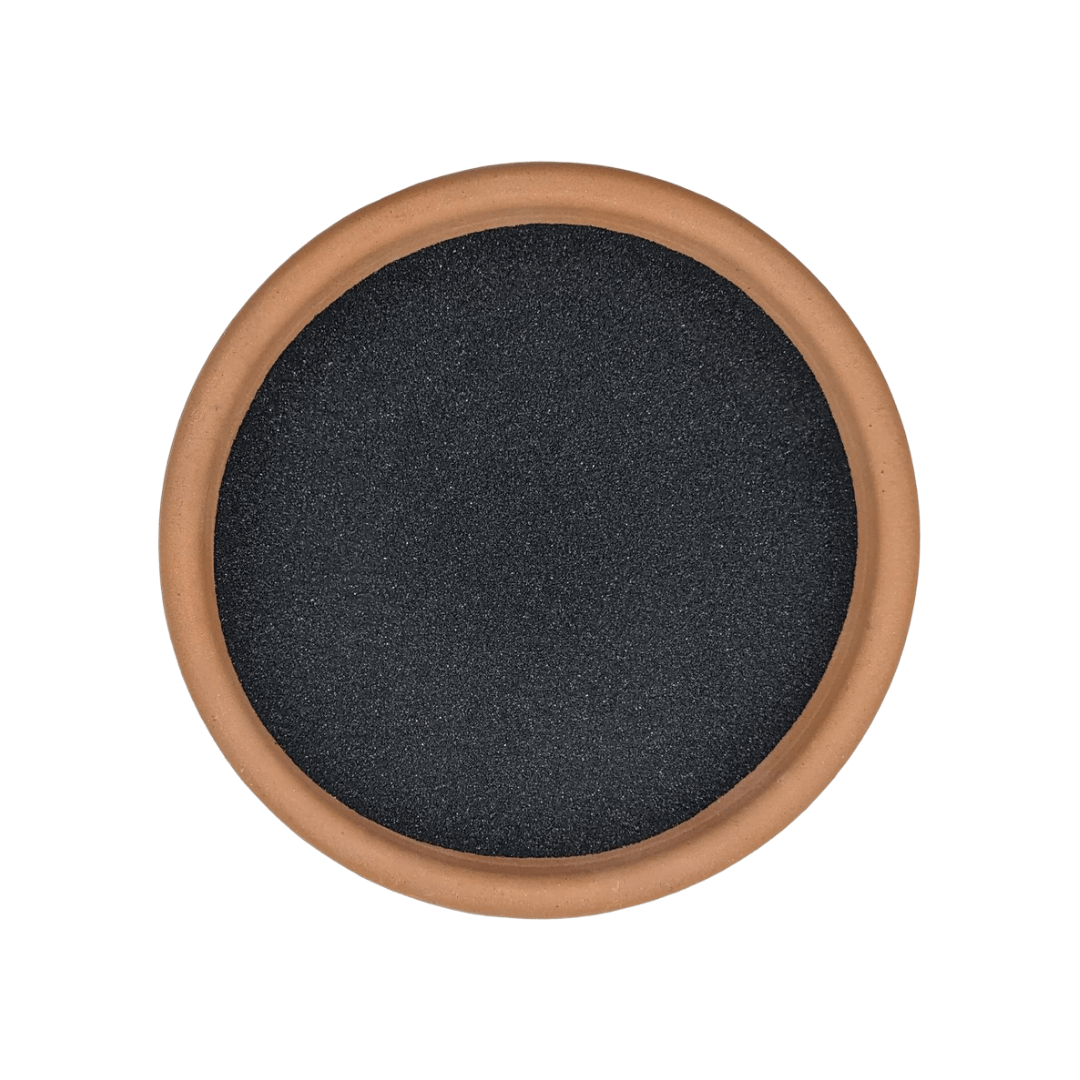
Pumice
Its Role in Aroid Potting Soil: Pumice, a type of volcanic rock, is prized for its porosity and lightweight nature. In Aroid potting soil, pumice plays a crucial role in improving drainage and aeration. Its porous structure holds onto essential nutrients and moisture, releasing them slowly to the plant roots. This gradual release ensures a balanced supply of resources for the Aroids.
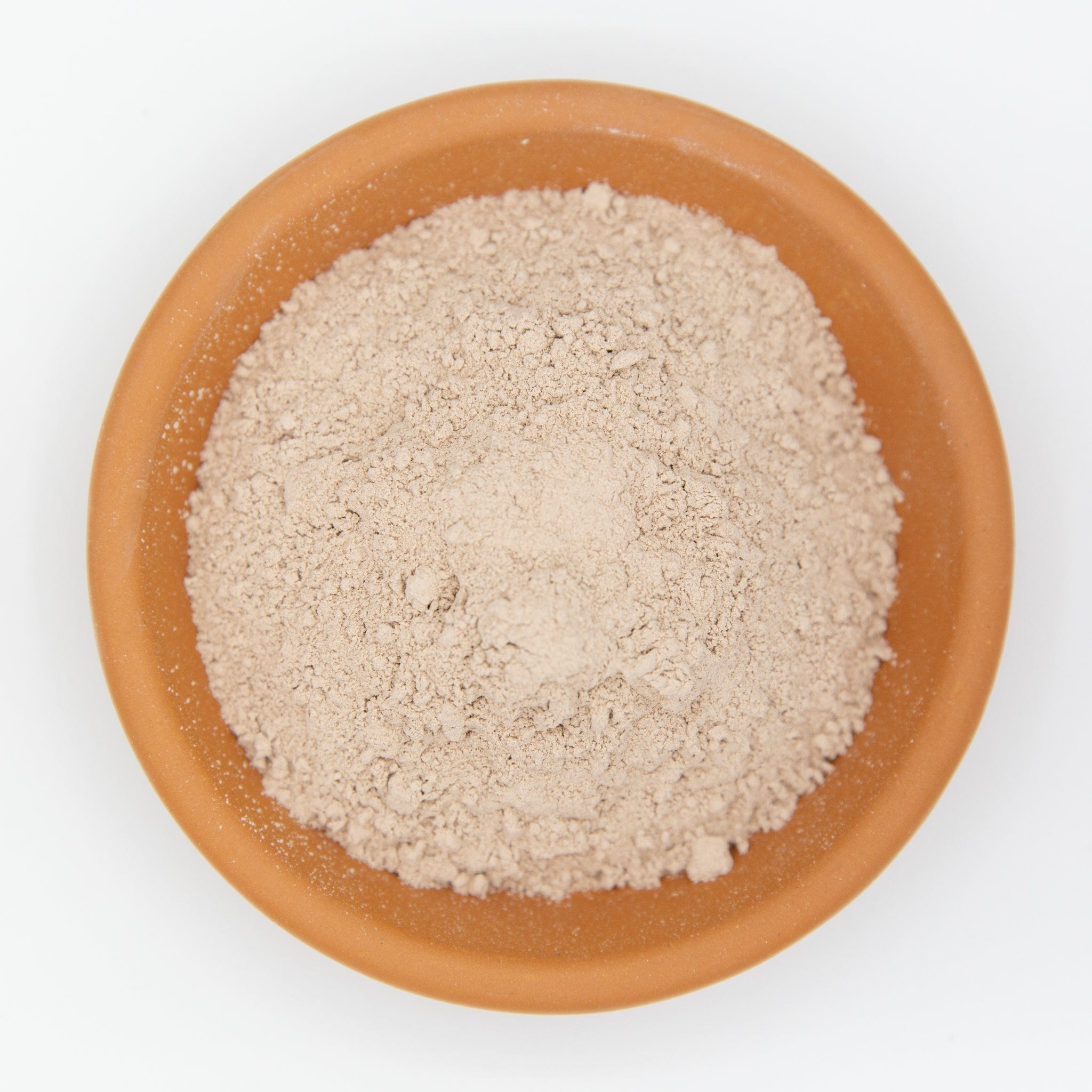
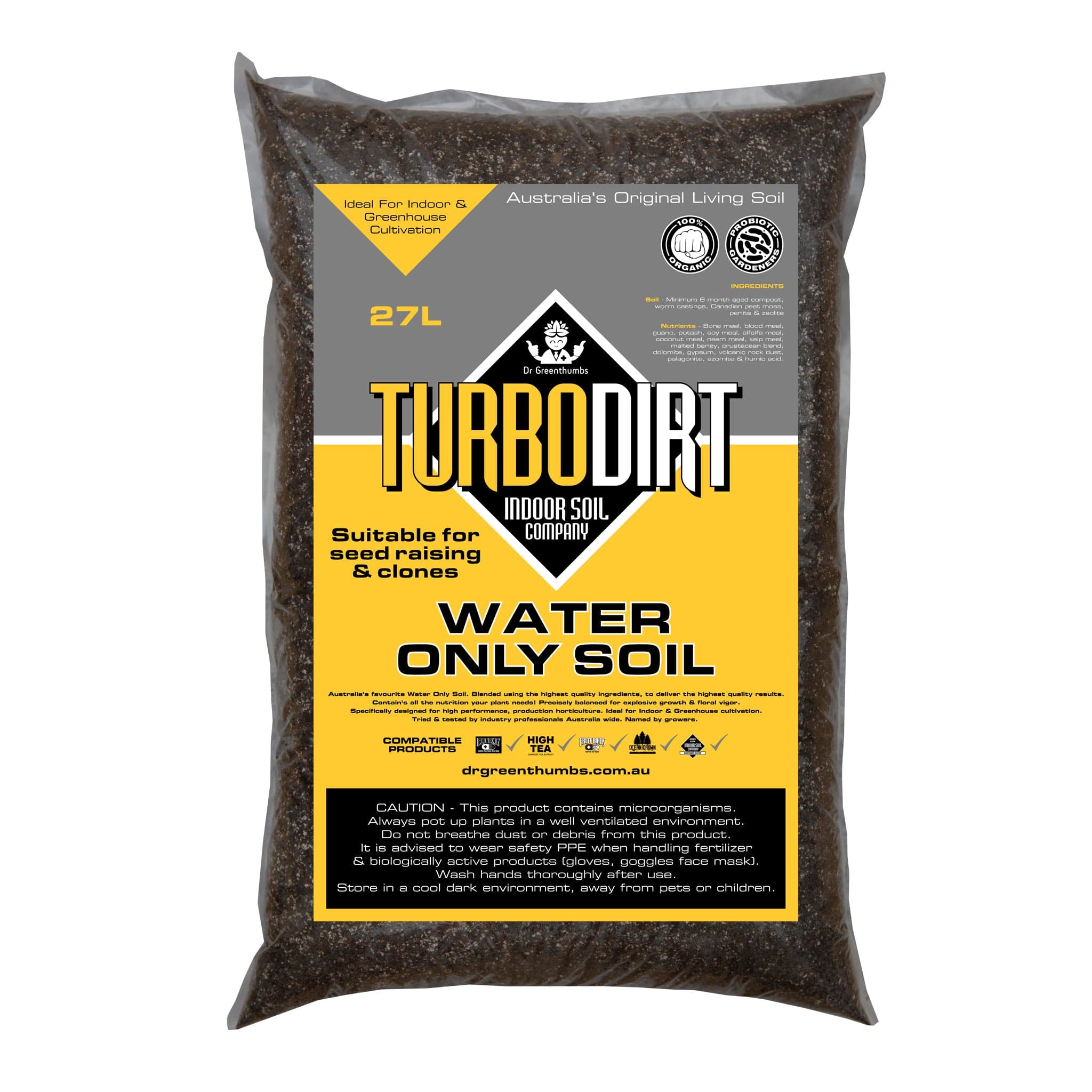
Organic Potting Soil
Why it Matters: The inclusion of Organic Potting Soil is vital in the mix. A high-quality organic potting soil provides a rich source of organic matter and nutrients, which are fundamental for the healthy growth of Aroids. It acts as the base of your potting mix, to which the other ingredients are added. Organic potting soil ensures that the plants receive a steady supply of organic nutrients, fostering robust root and foliage development.
By combining these key ingredients, you create a well-balanced, nutrient-rich, and structurally sound medium that caters perfectly to the needs of Aroids. Each component plays a specific role, and together, they form the foundation for healthy, vibrant, and thriving Aroid plants.
Aroid Potting Mix Recipes
There’s no single “perfect” aroid mix — the best recipe depends on your climate, watering habits, and plant size. Here are a few proven options you can adjust with confidence.
Balanced All-Round Aroid Mix
-
40% chunky orchid bark
-
30% coco coir or premium peat-free mix
-
20% perlite or pumice
-
10% worm castings
Great for most indoor aroids and easy to maintain.
Extra Chunky (For Over-Waterers or Humid Homes)
-
50% orchid bark
-
30% perlite or pumice
-
20% coco chips or coarse coir
Fast draining and ideal for larger pots or high-humidity environments.
Simple Beginner Mix
-
1 part orchid bark
-
1 part perlite
-
1 part quality potting mix
Quick, forgiving, and far better than straight potting soil alone.
These mixes aren’t rigid rules — they’re starting points. Learning how your plants respond is what really dials things in.
How to Prepare and Mix Aroid Potting Soil
Once you have chosen one of the recipes above, use the following process to combine it evenly. Do not switch to a different set of ingredient ratios during this step.
Step-by-Step Guide Mixing Method
- Gather your ingredients and equipment. Use the ingredients listed in your chosen recipe, along with a large mixing container and a suitable measuring tool.
- Measure the ingredients. Follow the proportions in the recipe you selected rather than estimating quantities by eye.
- Combine the coarse ingredients first. Mix bark, perlite, pumice or other chunky components so they are distributed evenly.
- Add the finer or moisture-retentive ingredients. Add the coco coir, potting mix or worm castings specified in your selected recipe.
- Mix thoroughly. Turn the mixture until the coarse and fine ingredients are spread consistently throughout.
- Check the finished texture. The mix should feel loose and well-aerated while still containing enough moisture-retentive material for the recipe you selected.
pH Balance in Aroid Potting Soil
- Aroids generally prefer a slightly acidic to neutral pH, usually between 5.5 and 6.5. Use a pH meter to test your potting mix.
- Adjusting pH: If the pH is too high (alkaline), consider adding a more acidic component like pine bark or peat moss. Conversely, if the pH is too low (acidic), small amounts of lime can help neutralize it.
Common Mixing Mistakes to Avoid
- Using Improper Ratios: Avoid the temptation to guess the quantities of each component. Imbalanced ratios can lead to poor drainage, inadequate aeration, or nutrient deficiencies.
- Ignoring pH Levels: Overlooking the pH balance of your soil can lead to nutrient lock-up, where plants cannot access the nutrients they need, despite their presence in the soil.
- Neglecting Quality: Using low-quality ingredients can introduce pests, diseases, or unwanted chemicals into your potting mix. Always opt for high-quality, clean, and reputable sources for your soil components.
- Over-Compacting the Soil: While mixing, be careful not to compact the soil too much. Aroids need loose soil for proper root growth and water drainage.
By following these guidelines, you can create a potting mix that provides the perfect foundation for your Aroids to flourish. Remember, the right start with the right soil can make all the difference in the health and beauty of your plants.
Maintaining and Troubleshooting Aroid Potting Soil
Routine Soil Maintenance
- Check moisture before watering. Feel the top layer of the mix before watering again. If it is still moist, wait longer.
- Water thoroughly when needed. Water until excess moisture drains from the pot, then avoid leaving the plant sitting in collected water.
- Watch how the mix changes over time. Slower drainage, compaction or unusually rapid drying can indicate that the mix needs adjusting or refreshing.
Common Aroid Soil Problems and How to Fix Them
Even a good aroid mix can develop problems over time. Use the symptoms below to work out whether the issue is drainage, aeration, moisture balance, pests or an ageing mix.
Soil stays wet for days
- The mix may contain too much fine material.
- Add more bark or pumice where appropriate.
- Check that the pot's drainage holes are clear.
Leaves are yellowing or dropping
- Check the root zone before assuming the plant needs more fertiliser.
- Poor drainage or low root-zone oxygen can contribute to yellowing.
- If roots are black and mushy, remove damaged roots and repot into fresh, well-draining mix.
Soil becomes compacted
- Compaction reduces airflow around the roots.
- If the mix has become dense, gently loosen the surface where practical.
- Repot into fresh mix if the compaction is severe or drainage has deteriorated significantly.
Soil dries too quickly
- The mix may be too chunky for your conditions.
- Add a little more coco coir or organic matter when adjusting or rebuilding the mix.
Small bugs appear around the soil or plant
- Inspect the plant and growing medium for a pest problem.
- Treat the specific pest appropriately rather than changing the whole potting mix without identifying the cause.
Roots look healthy but growth stalls
- The mix may be depleted.
- Refresh the growing medium, top up appropriate nutrition, or repot if the mix has broken down.
Refreshing Aroid Soil and Repotting
Nutrient top-ups: Potting mixes can become depleted over time. Use an appropriate Aroid fertiliser according to its directions rather than increasing the dose simply because growth has slowed.
Refreshing the mix: If the upper layer has broken down or become fine and compacted, replace some of the old material with fresh potting mix as needed.
Repotting: Do not rely on one rigid calendar interval. Repot when the plant has outgrown its container, roots are becoming crowded, drainage has slowed noticeably, or the potting mix has broken down and no longer performs properly.
Adjusting Your Mix for Different Aroids
Not all aroids behave the same below the surface.
Monsteras & Philodendrons
Prefer a chunky, airy mix that dries slightly between waterings.
Anthuriums
Appreciate extra airflow — increase bark and perlite, reduce fine particles.
Alocasias
Like consistent moisture but still need drainage. Slightly more coco coir works well.
These are subtle tweaks, not complete overhauls — small changes make a big difference.
Storing Bulk Aroid Potting Mix
If you mix in bulk, storage matters.
-
Keep unused mix dry and breathable
-
Avoid sealed plastic in humid areas
-
Stir before use to re-balance components
-
Lightly pre-moisten before potting (not soaking wet)
A fresh, well-prepared mix performs better from day one.
Optional Root and Nutrient Support
Once the potting mix itself is working properly, root-support and nutrient products can be used as part of the broader Aroid care routine. The products below complement the growing medium rather than replacing good drainage, aeration and soil structure.
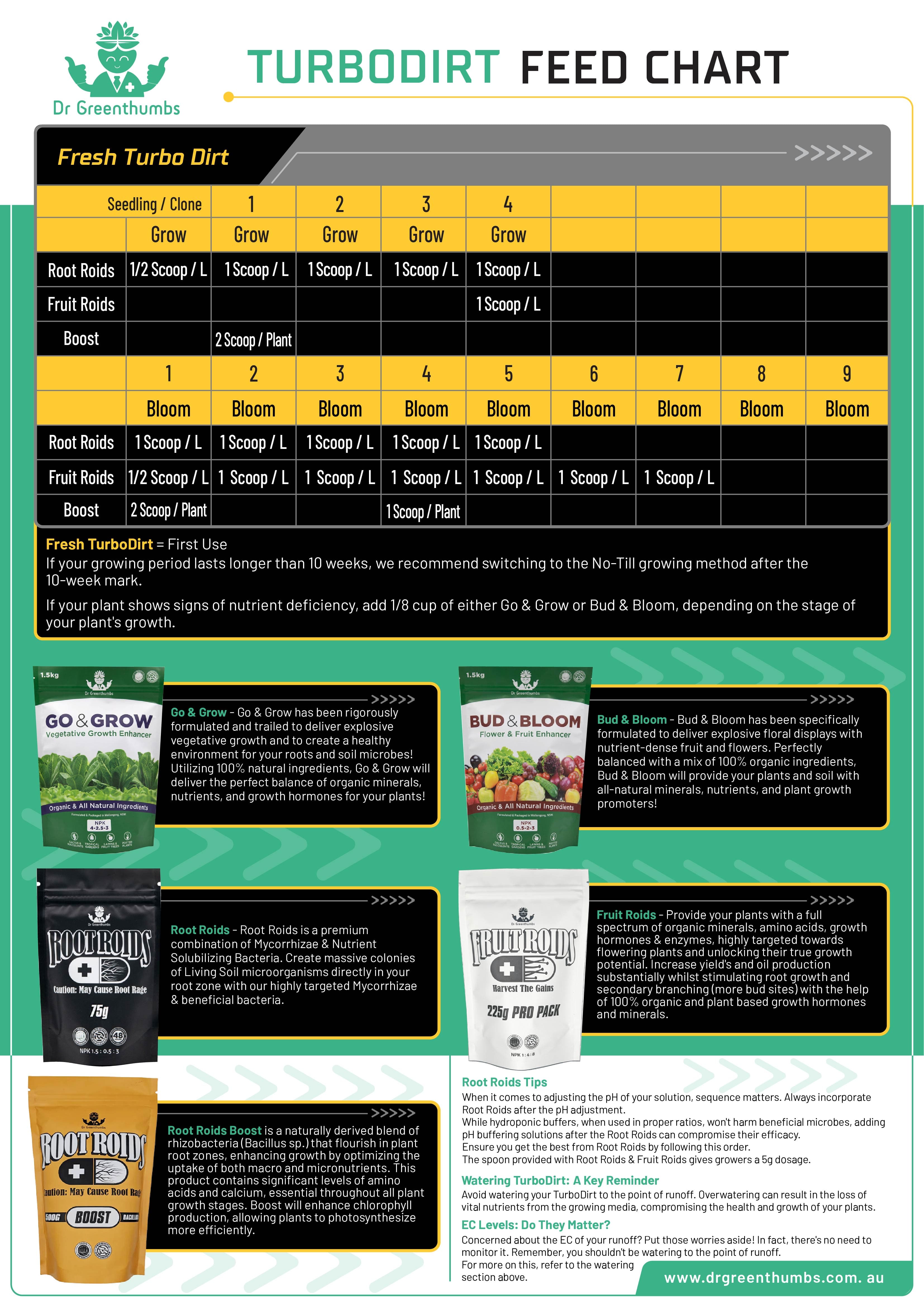
Dr. Greenthumbs Root Roids
Dr. Greenthumbs Root Roids is a root-support product containing ingredients including humic acid and seaweed extract. It is designed to support root development and can be used alongside a well-structured Aroid potting mix as part of the plant's broader care routine.
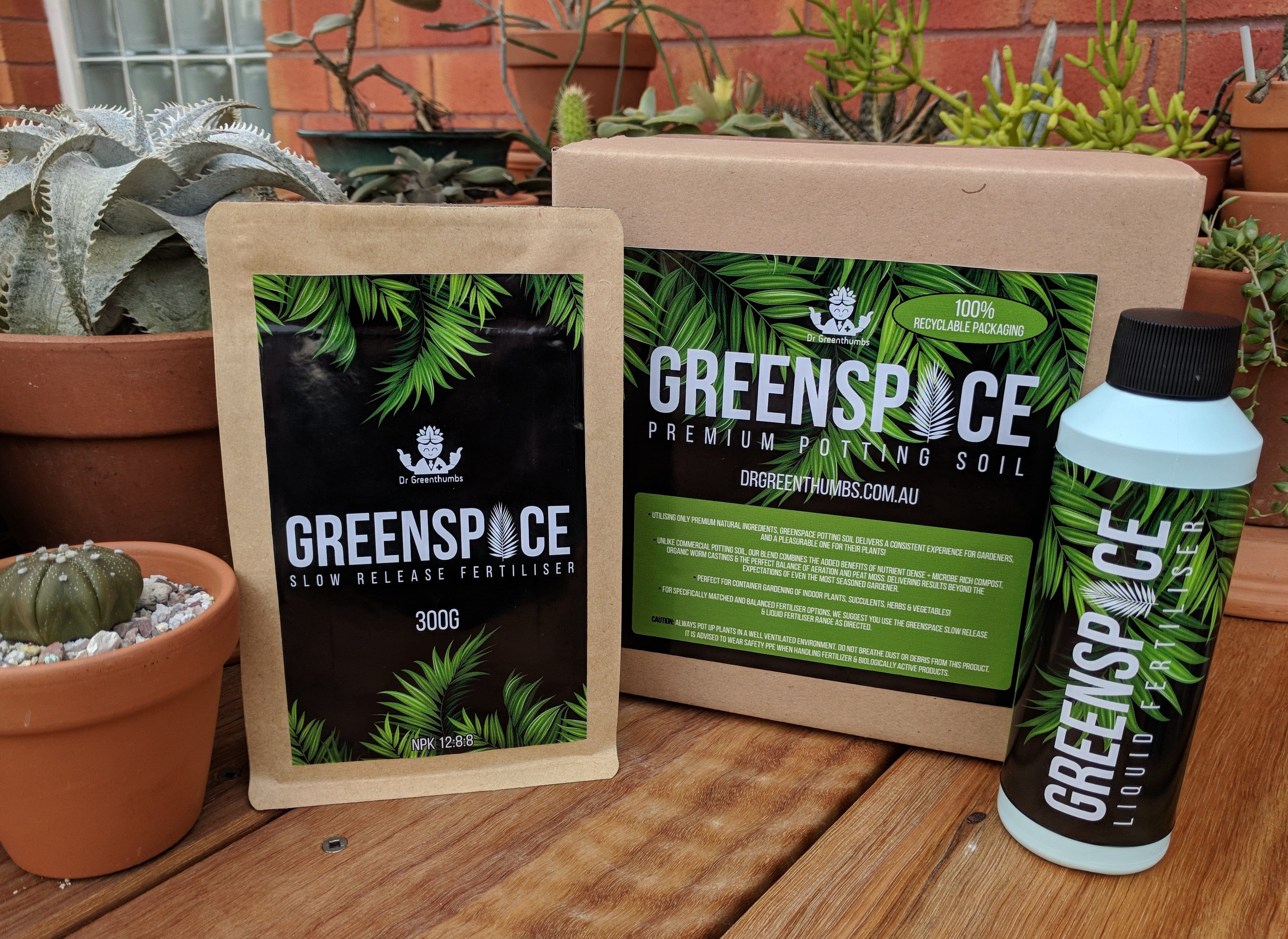
GreenSpace Liquid Fertilizer
GreenSpace Liquid Fertilizer is a balanced liquid plant food containing nitrogen, phosphorus and potassium. It can be used as an aroid plant food in free-draining potting mixes, following the product directions.
These products support aspects of Aroid care, but they do not compensate for a potting mix that is too dense, poorly drained or badly compacted. Get the growing medium right first, then use root and nutrient products according to their directions.
FAQs about Aroid Potting Soil
What makes a potting soil mix ideal for Aroids?
A good Aroid mix balances drainage, airflow and moisture retention while providing enough organic matter to support healthy roots. The detailed ingredient and recipe sections above show how to achieve that balance.
Can I use regular garden soil for Aroids?
It’s best avoided in containers. Garden soil can be too dense for Aroid roots and may drain poorly compared with a purpose-built potting mix.
Can I use regular potting mix for aroids?
Regular commercial potting mix can be used as one component, but on its own it may be too fine or moisture-retentive for many Aroids. Adding chunkier materials such as bark and perlite can improve airflow and drainage.
How often should I water Aroids in this potting mix?
Check the mix rather than watering on a fixed schedule. Water when the upper layer has dried appropriately for the plant and growing conditions, then allow excess water to drain freely.
When Should I Repot My Aroid?
Repot based on the condition of the plant, roots and potting mix rather than relying on one fixed timetable. Useful signs include crowded roots, a plant that has outgrown its container, noticeably slower drainage, or a mix that has broken down and become too dense.
Can I Reuse Old Aroid Potting Mix?
Reuse it only when the previous plant and roots were healthy and there is no obvious pest or disease problem. Remove old roots and debris, then refresh the structure with suitable fresh ingredients such as bark and perlite before reuse.
What is the role of perlite in the Aroid potting mix?
Perlite creates additional air space and drainage in the mix. See the Perlite ingredient section above for the full explanation.
How do I know if my Aroid potting soil is too compacted?
Slow drainage, water sitting on the surface, and a mix that has become noticeably dense are common warning signs. See Common Aroid Soil Problems and How to Fix Them above for corrective steps.
Why is pH balance important in Aroid potting soil?
pH affects nutrient availability in the root zone. See pH Balance in Aroid Potting Soil above for the preferred range and adjustment guidance.
Do aroids need fertiliser in chunky mixes?
Yes — freer-draining mixes wash nutrients faster, so gentle, regular feeding helps.
Next Reads for Building a Better Aroid Mix
Want a chunkier mix, healthier roots and easier repotting? These guides will help you fine-tune your aroid setup from ingredients to aftercare.
- Creating the Perfect Aroid Potting Soil: A Comprehensive Guide for Healthy and Thriving Plants
- DIY Monstera Soil Mix + Repotting Checklist
- Anthurium Potting Mix Recipe Australia
- Indoor Plant Care Aussie Guide
About the Author