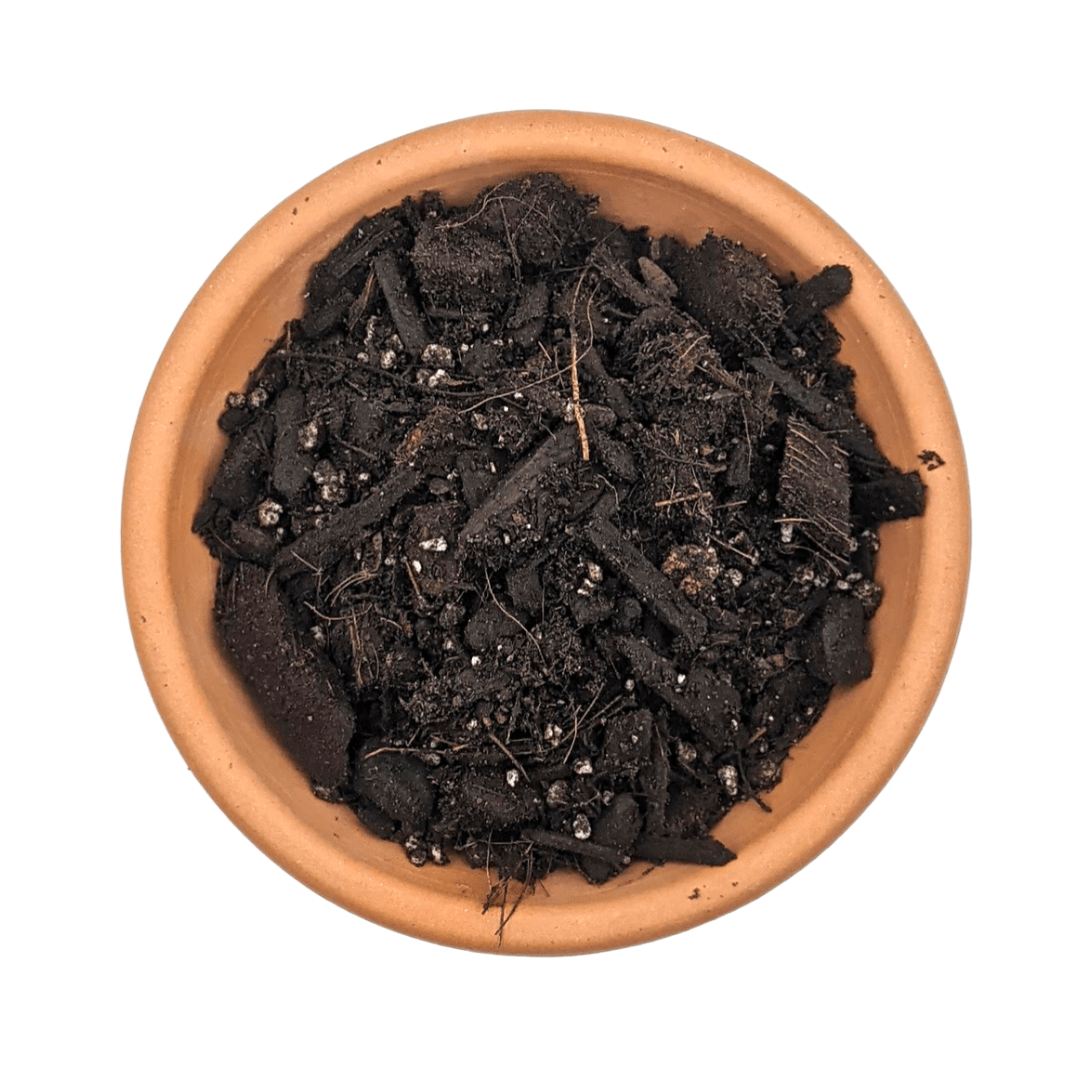

Grow stronger, healthier Anthuriums with a chunky, well-draining mix that mimics their natural environment.
To create the perfect Anthurium Potting Soil follow this simple mix ratio
4 parts bark : 2 parts perlite : 2 parts coco chips : 1 part pumice, pH 5.5–6.5
Table of Contents
- What Anthurium Soil Actually Needs
- Quick Recipe Card
- Why Anthuriums Need a Chunky Mix
- Ingredient Deep-Dive
- Step-by-Step Mixing Guide
- How to Calculate Soil Volume for Anthurium Pots
- Garden Bed Soil Calculator vs Potting Mix Calculator
- How Much Potting Mix Do I Need for an Anthurium Repot?
- How Many Bags of Potting Mix in a Cubic Metre?
- Potting Mix Calculator Australia: Avoid These Common Mistakes
- Optional Add-Ins & Peat-Free Notes
- Climate Tweaks
- Choosing the Right Pot for Anthuriums
- A Quick Note on Light, Humidity & Watering
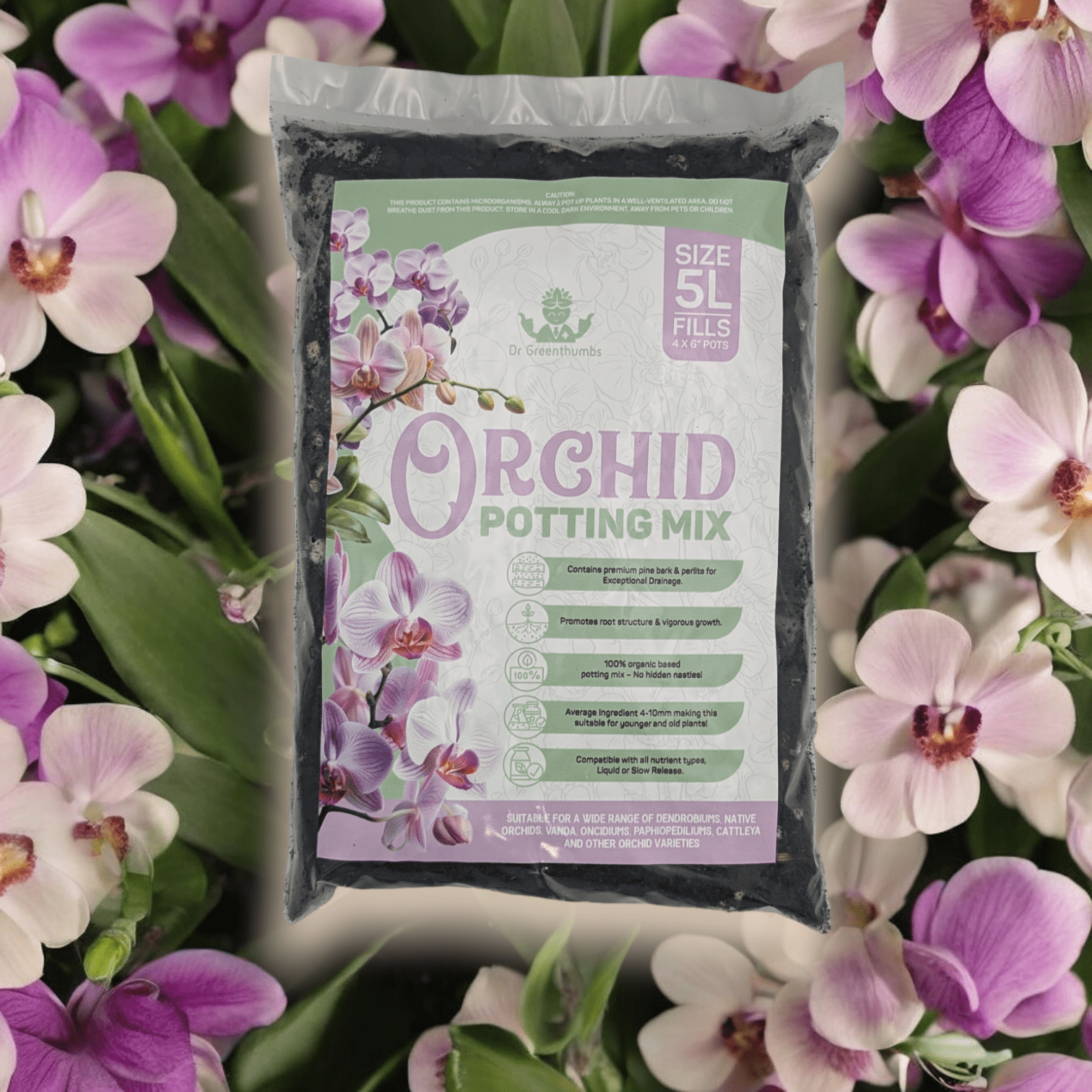
- Can You Use Orchid Mix for Anthurium?
- What You’ll Need
- Troubleshooting & FAQs
- Wrap-Up & Next Steps
- Next Reads for Building a Better Anthurium Mix and Stronger Roots
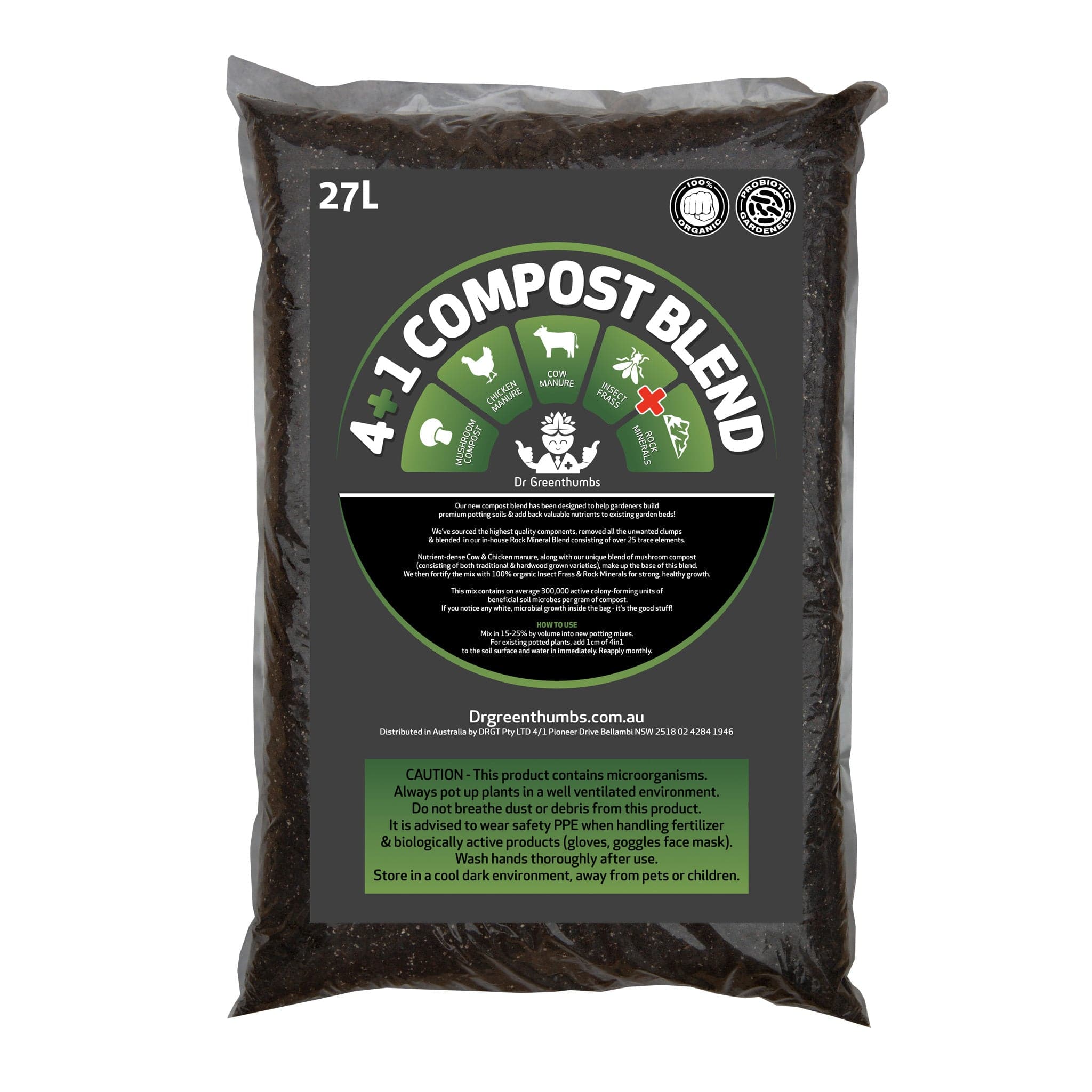
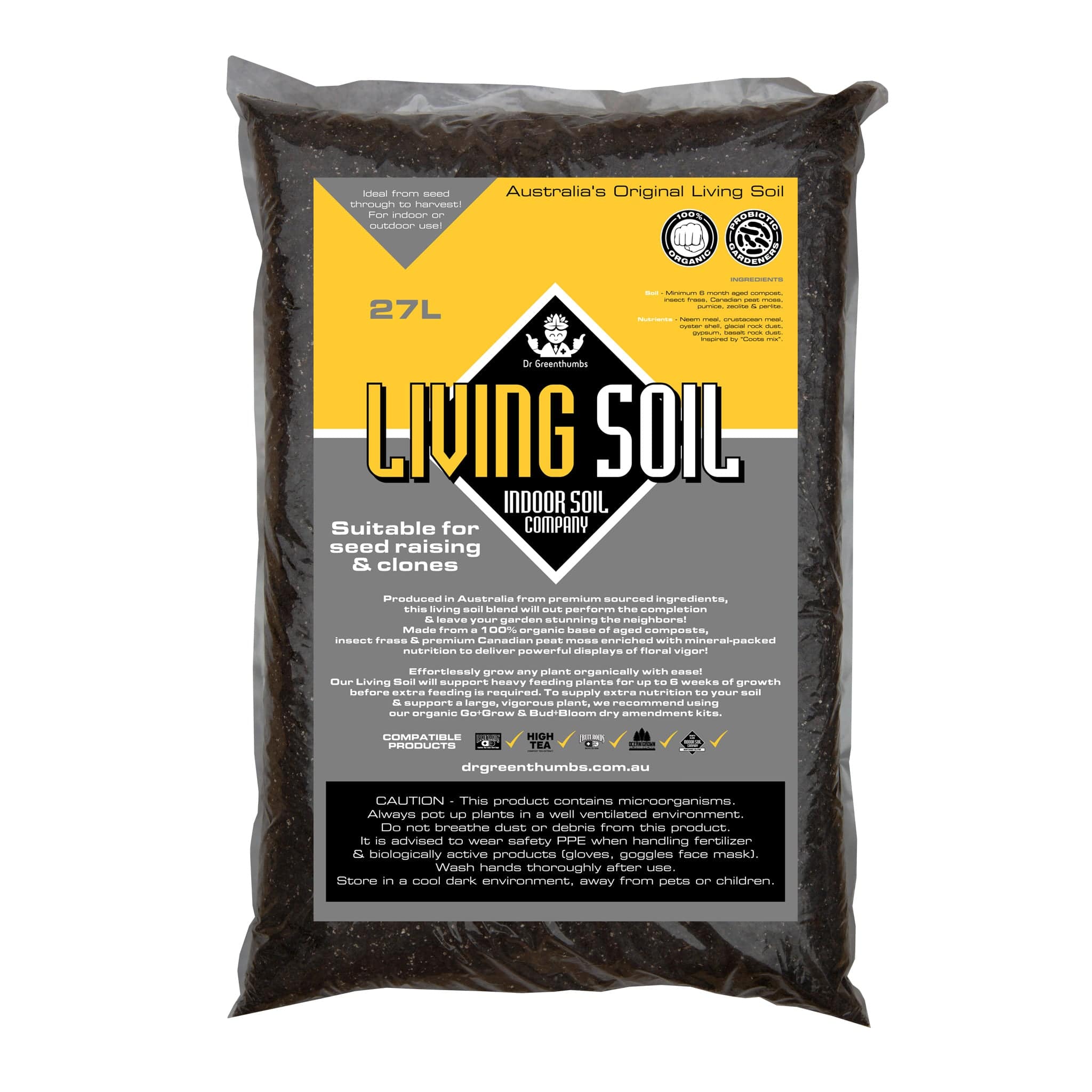
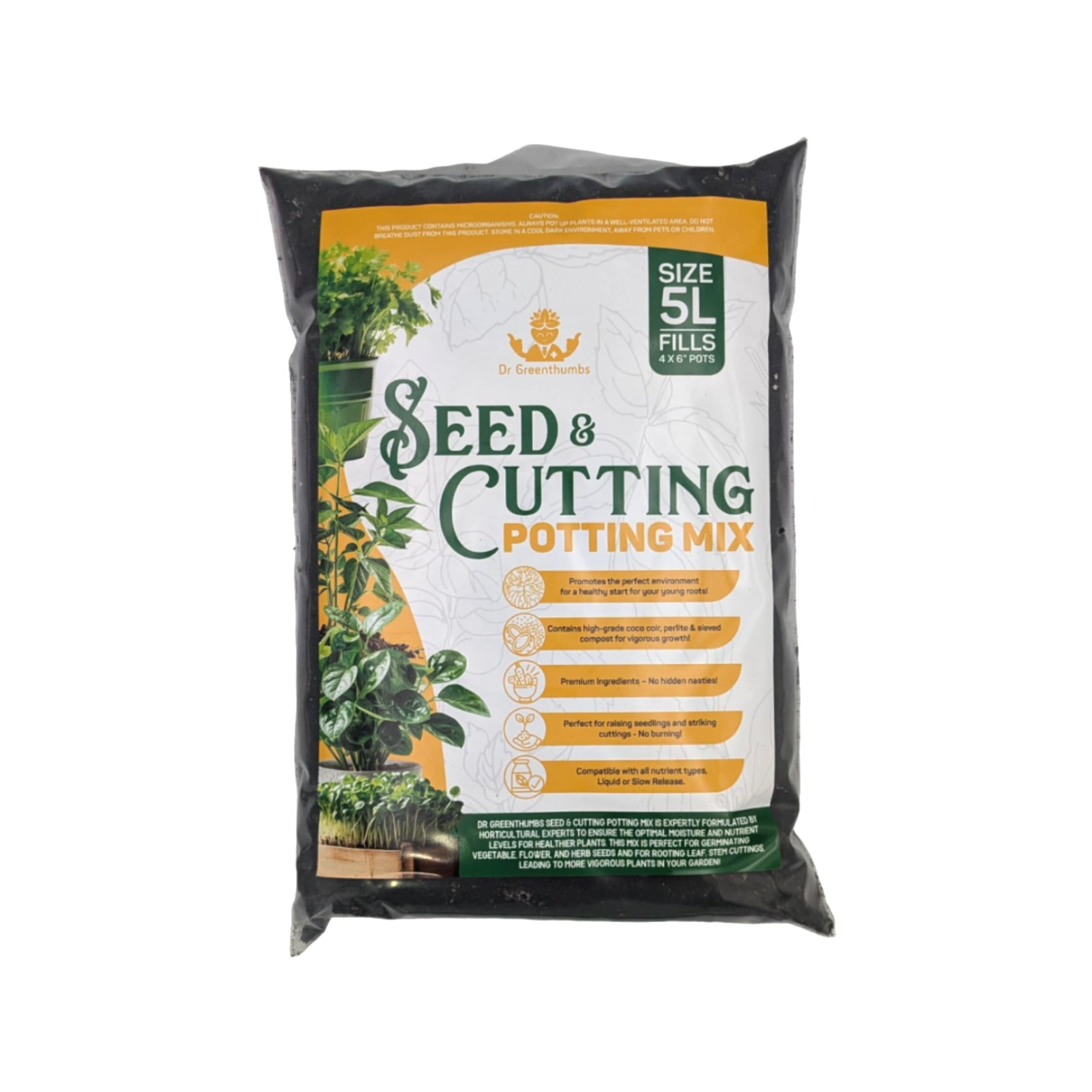
If you want the fastest way to get this mix right, these are the exact components used in the recipe:


What Anthurium Soil Actually Needs
Before we get into specific ingredients, it helps to understand what an anthurium is looking for in a potting mix.
Anthuriums are tropical plants that naturally grow with their roots surrounded by air, loose organic matter, and fast-draining debris — not compacted soil. That’s why the right mix matters so much.
A good anthurium potting mix should:
- Drain freely, so water never pools around the roots
- Hold light moisture, without staying soggy
- Allow airflow through the root zone
- Sit in a slightly acidic pH range (around 5.5–6.5)
If the mix is too dense or stays wet for too long, roots can suffocate and rot. Too dry or sandy, and the plant struggles to stay hydrated.
Everything in the recipe below is designed to strike that balance between moisture, drainage, and airflow.
Quick Recipe Card
|
Ingredient |
Volume |
Buy it |
|---|---|---|
|
Orchiata Pine Bark 9-12 mm |
4 L |
|
|
Jumbo Perlite |
2 L |
|
|
Coco Coir Chips 12-18 mm |
2 L |
|
|
Pumice 4-20 mm |
1 L |
|
|
Root biology boost |
1 tbsp |
Yield: Fills a 200 mm nursery pot.
pH Window: 5.5 – 6.5 (ideal for nutrient uptake).
Short on time? Grab the Aroid Soil Builder Kit—pre-measured bags of everything above.
Why Anthuriums Need a Chunky Mix
Anthuriums are epiphytes; in the wild their roots sprawl through moss and leaf litter on rainforest trees, not dense garden soil. Replicating that airy, fast-draining environment at home keeps oxygen flowing, blocks root-rot pathogens and prevents the yellow-leaf syndrome that strikes when mixes stay wet for days. Chunky particles also buffer Aussie temperature swings—bark insulates in winter, while perlite and pumice stop “wet-feet” during sticky summers.
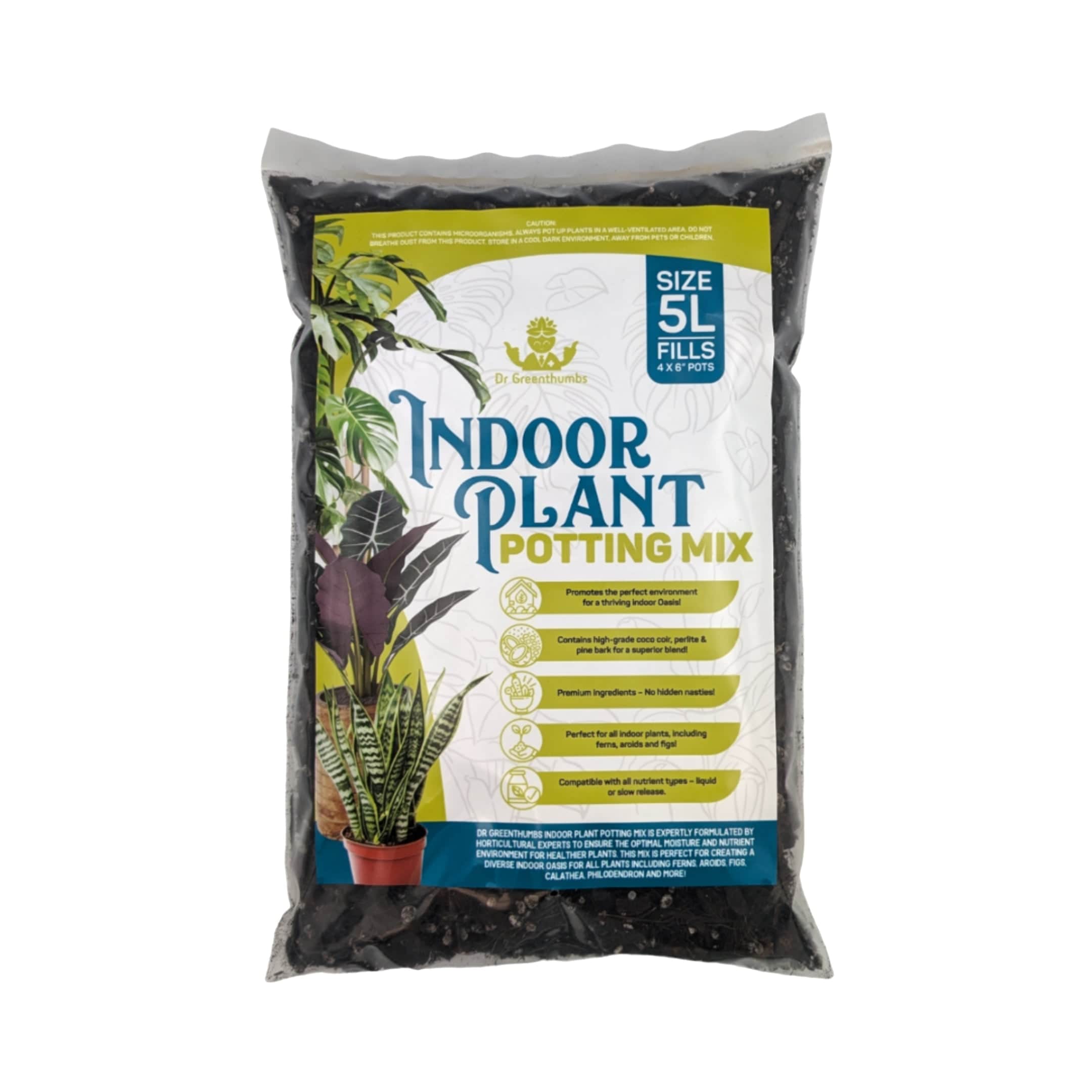
If you’re repotting mixed collections of aroids, ferns and foliage plants, the Indoor Potting Mix in Australia guide explains how to choose a universal indoor medium that still keeps airflow high enough for Anthuriums.
Ingredient Deep-Dive
Orchiata Pine Bark
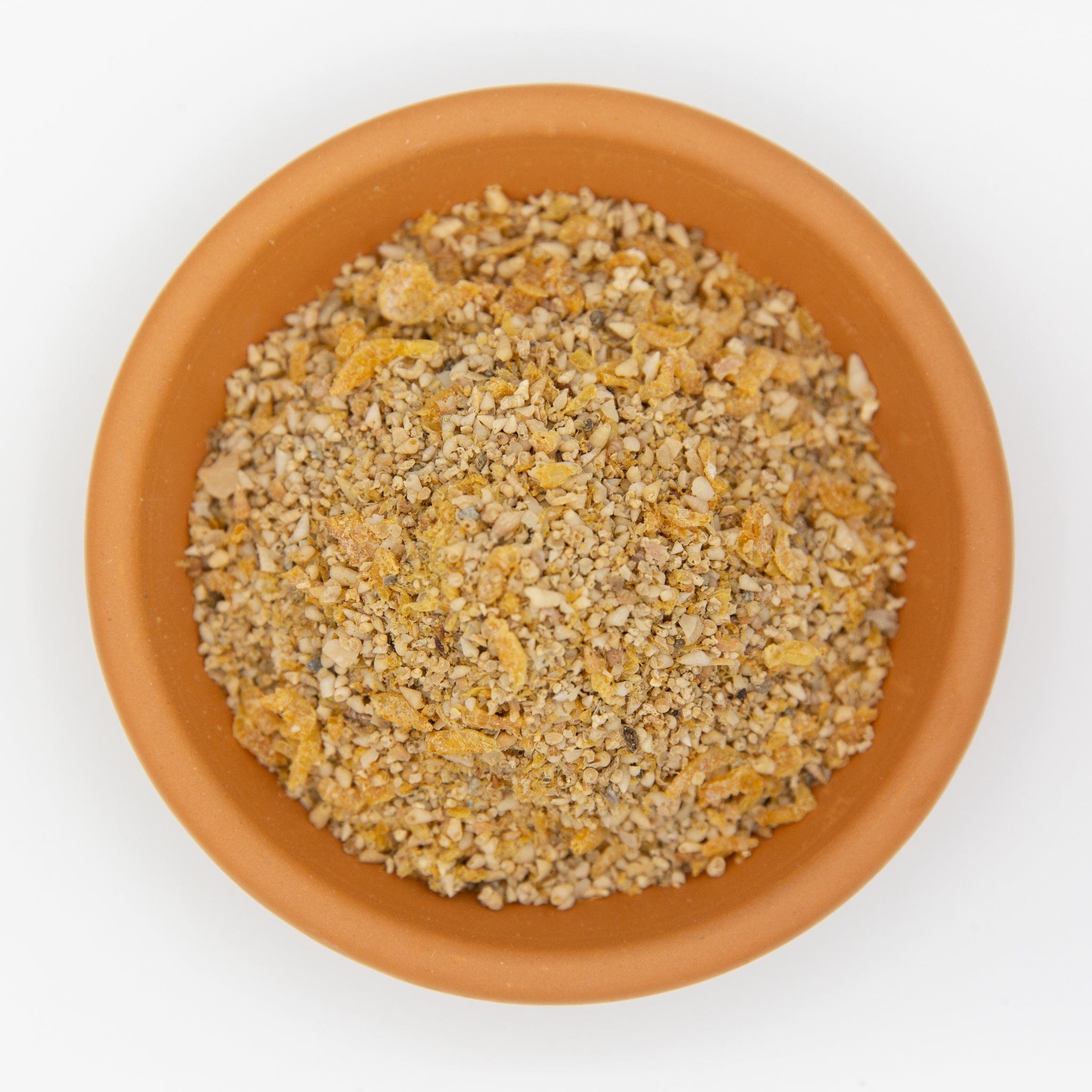
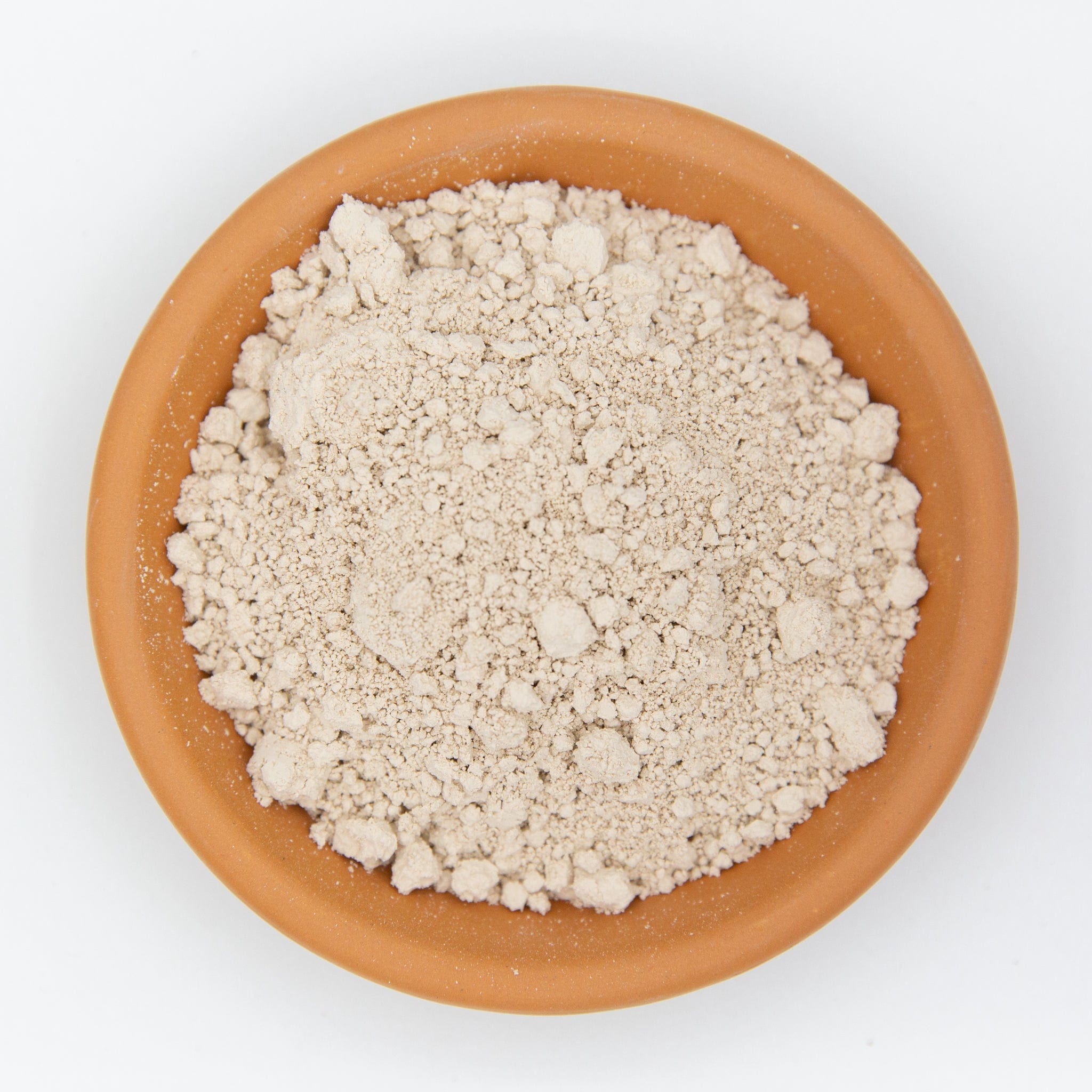
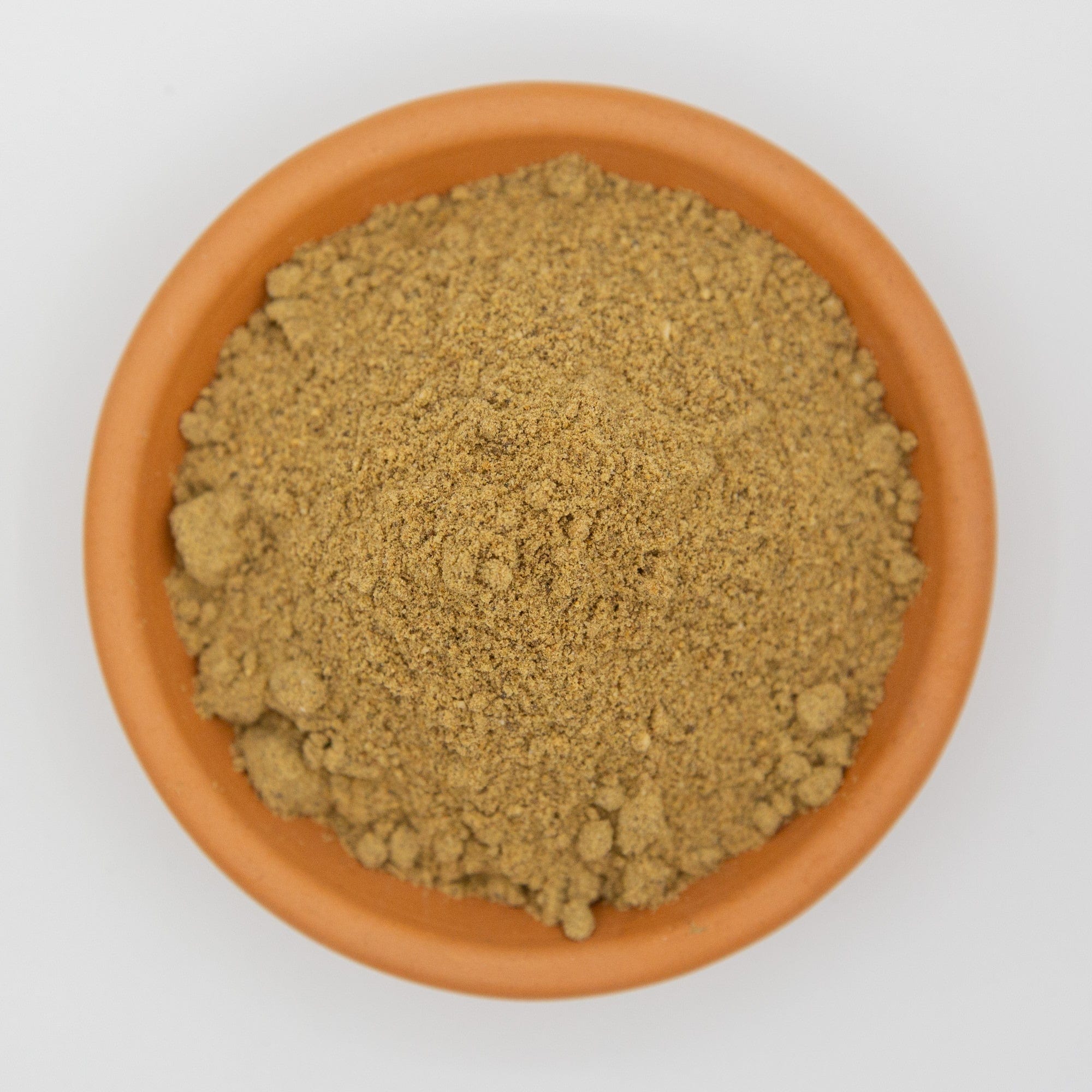
Chunks of aged NZ pine bark form the scaffold of the mix. They lock in air pockets, supply slow-release lignin that beneficial fungi love, and resist compaction for years. If your tap water swings alkaline, bark’s slight acidity nudges pH back to the sweet spot.
Shop it: Orchiata 9-12 mm
Jumbo Perlite
Perlite is popped volcanic glass—think mini styrofoam but inert. At 4–6 mm it creates drainage channels that flush out excess ferts and salts, slashing the risk of tip burn.
Shop it: Jumbo Perlite
Coco Coir Chips
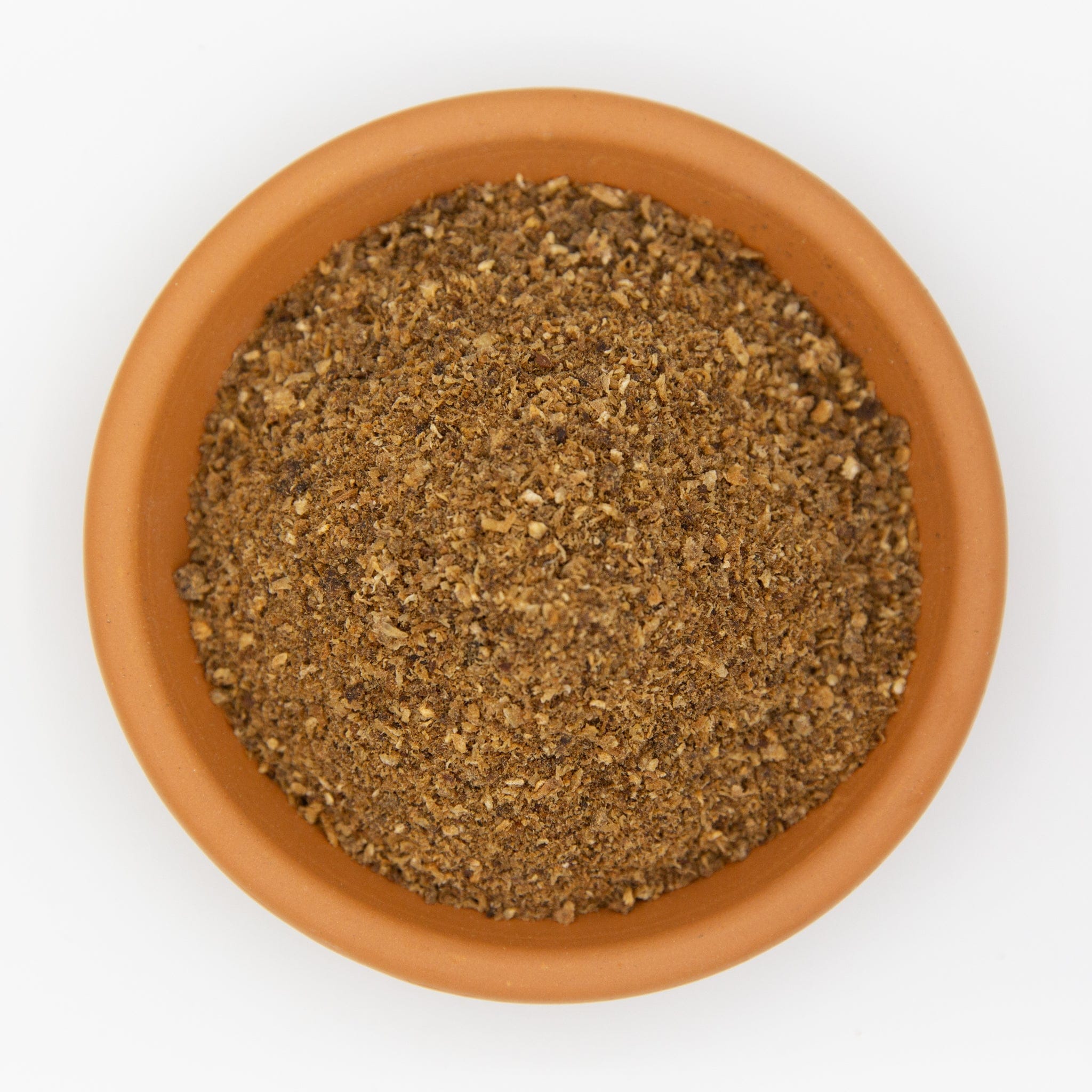
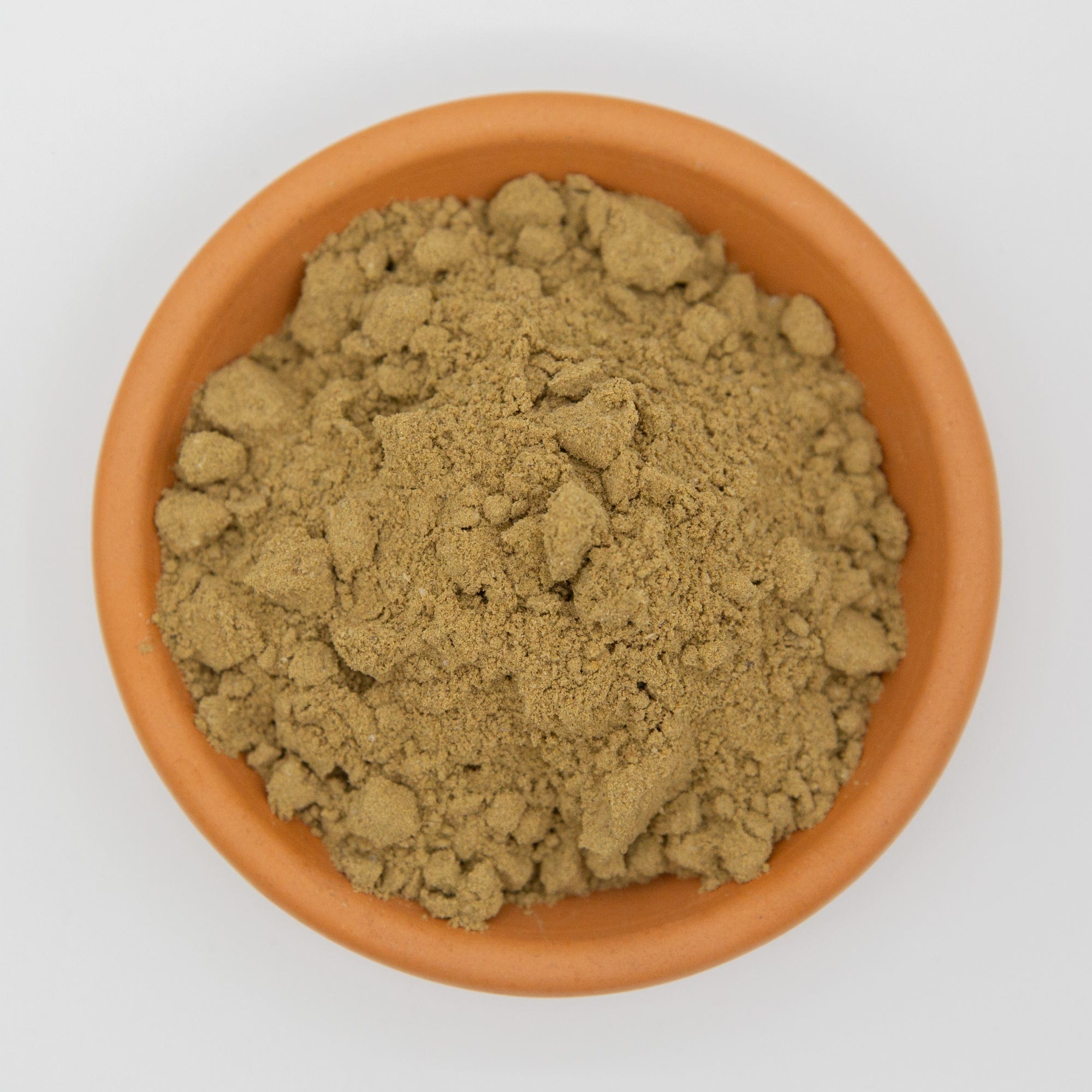
Unlike fine coir peat, chunky chips hold just enough moisture for 3–4 days between waterings while still breathing. Washed & buffered chips are calcium-happy—no nasty Na/K ion dump.
Shop it: Coco Coir Chips 12-18 mm
Pumice
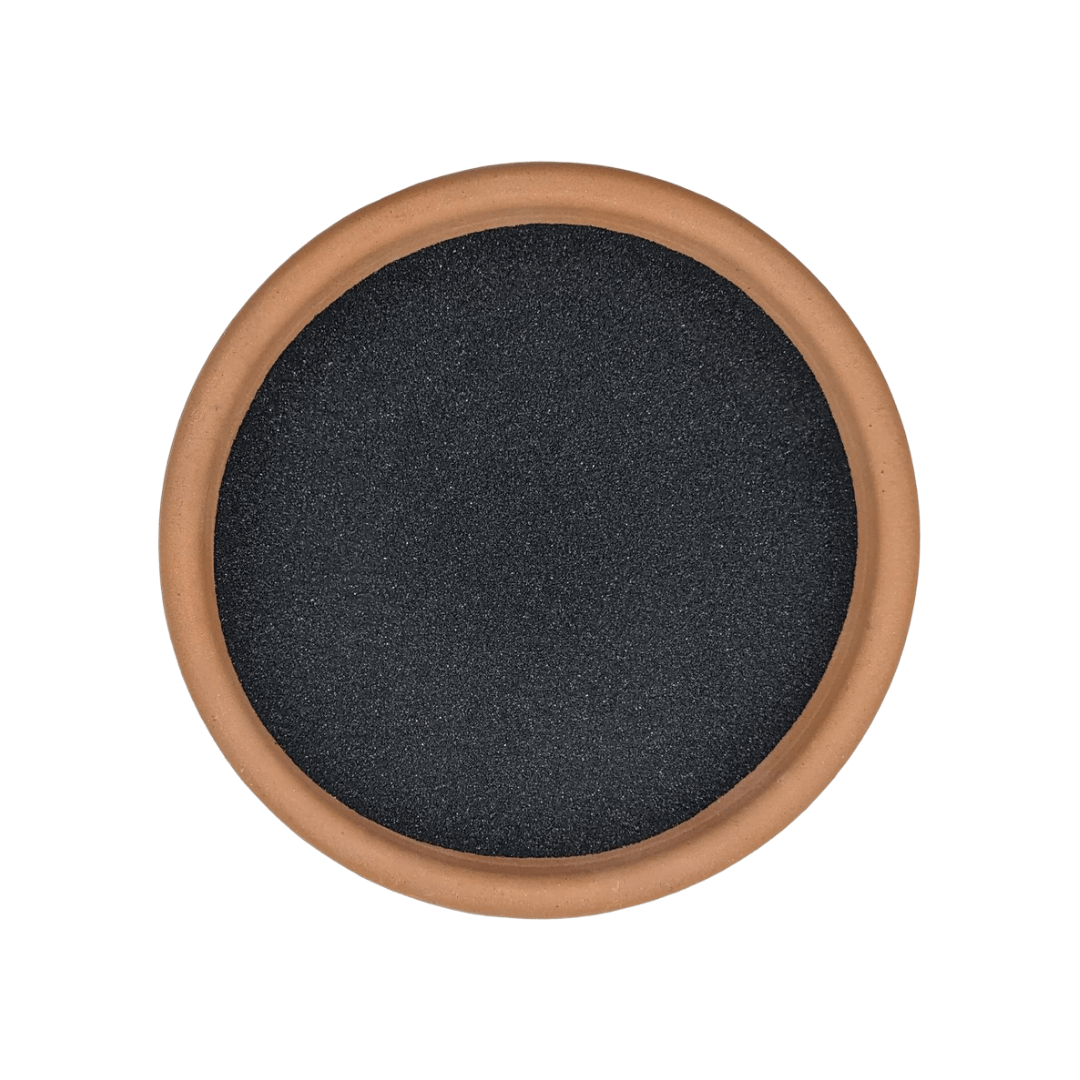
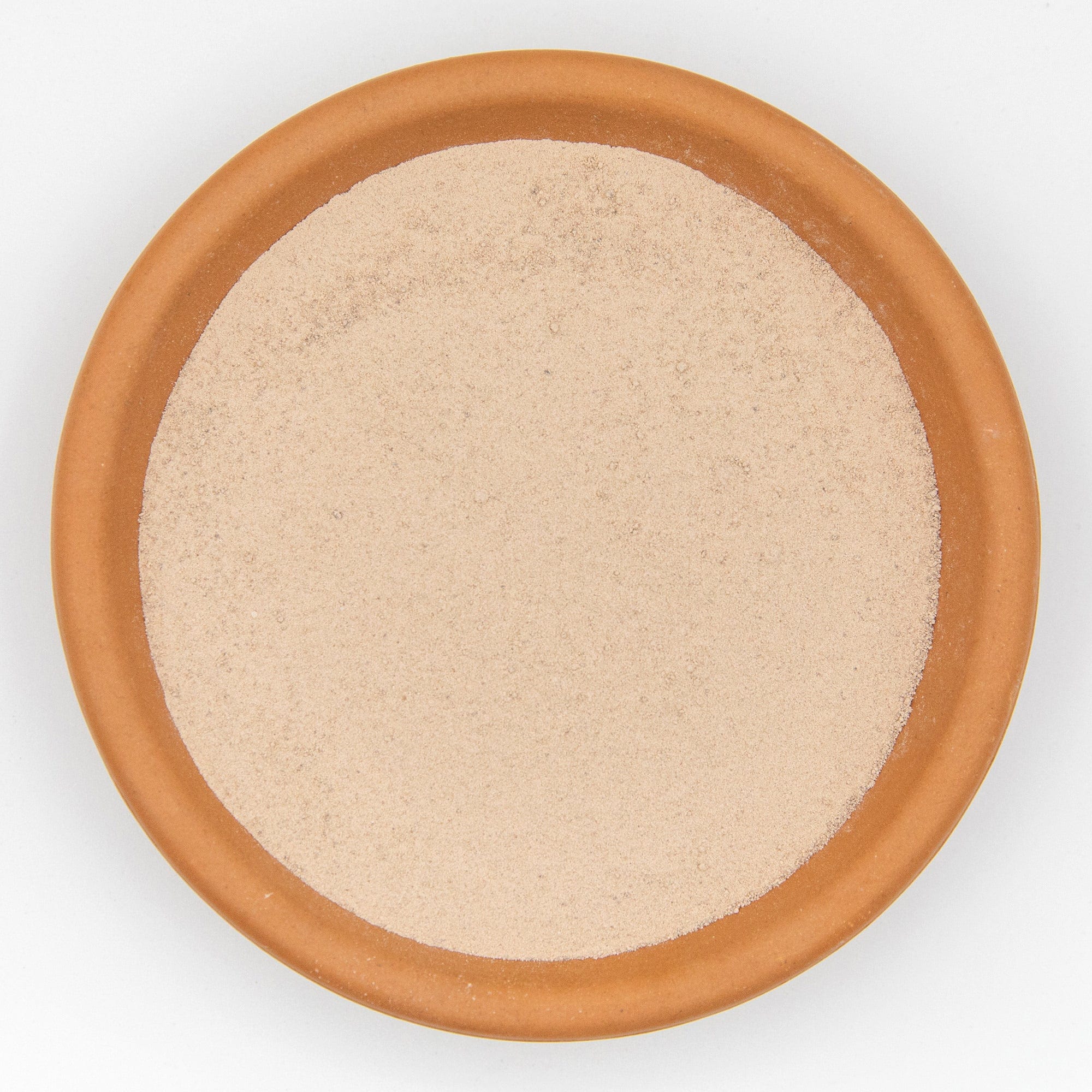
Lightweight lava rock loaded with silica. Pumice raises CEC (nutrient-holding ability) and adds heft so mix doesn’t float in self-watering pots.
Shop it: Pumice 4-20 mm
Root Roids (Biological Inoculant)
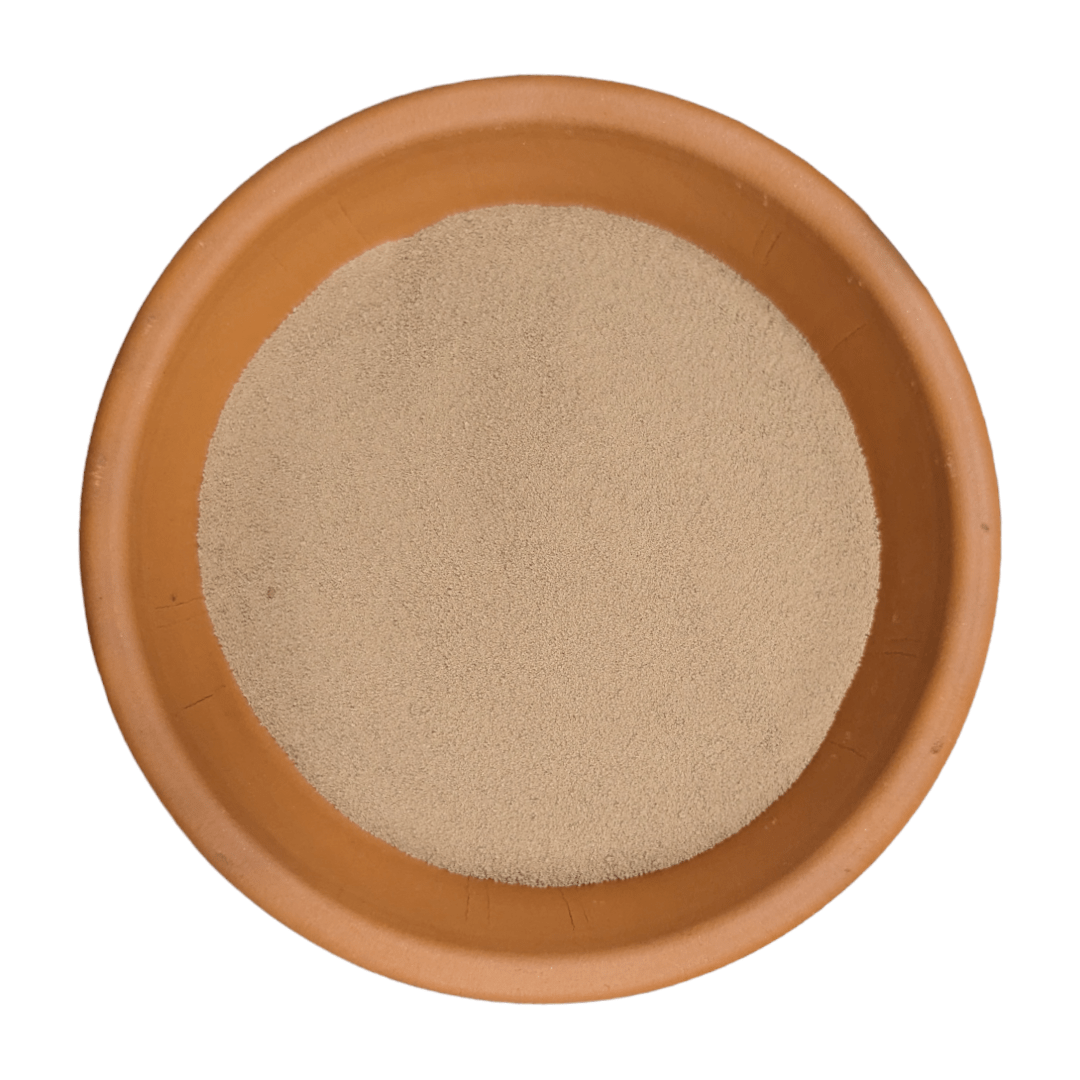
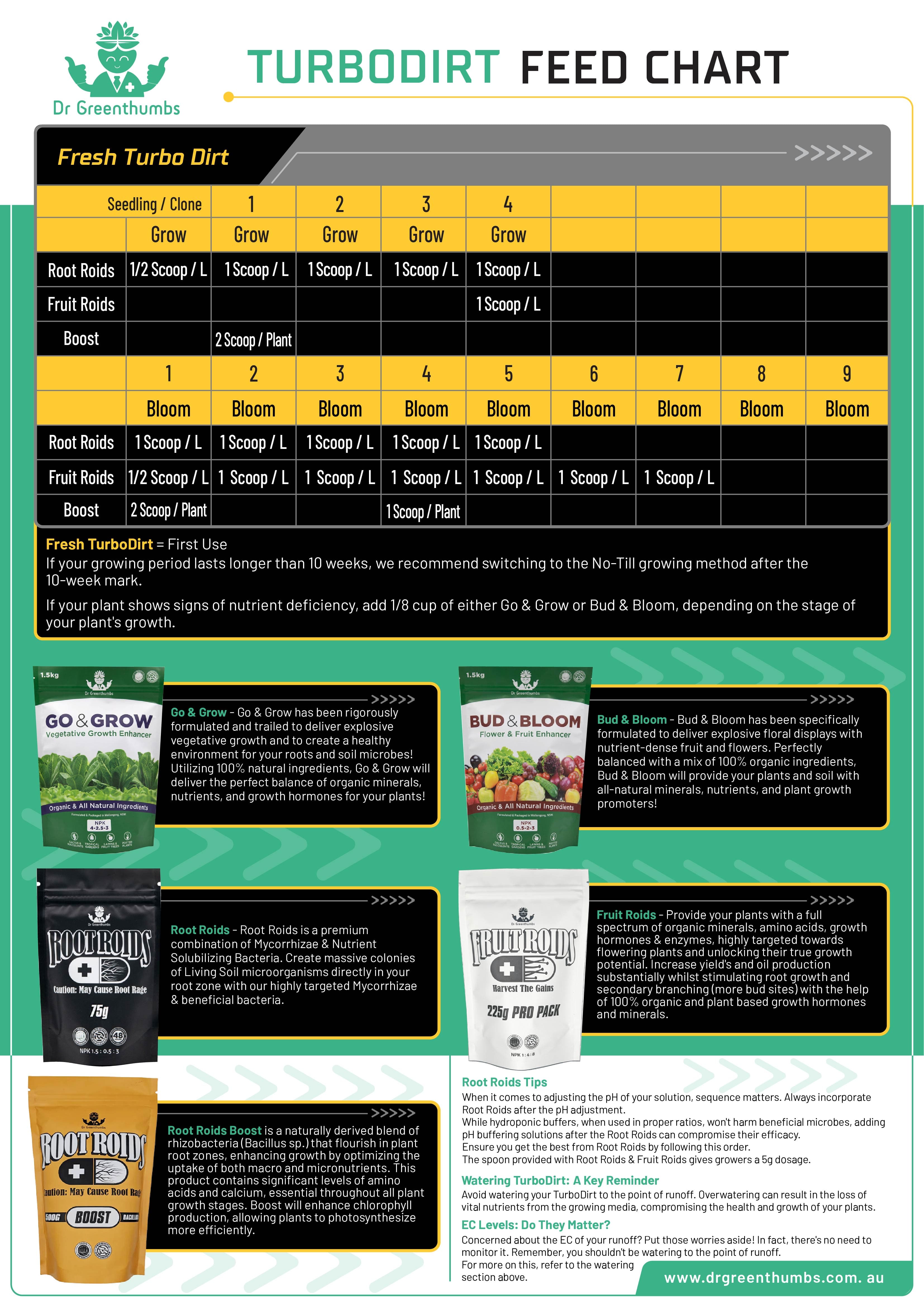
A dusting of Root Roids coats particles with mycorrhizae and beneficial bacillus—think probiotic yoghurt for roots. Faster growth, thicker aerial roots, reduced transplant shock.
Shop it: Root Roids
Step-by-Step Mixing Guide
- Measure parts – A 1 L yoghurt tub works a treat; four tubs of bark, two of perlite, two of coco, one of pumice.
- Pre-moisten – Lightly mist each component so dust stays down.
- Combine – Tip into a 20 L flexi-tub and toss with gloved hands.
- Inoculate – Sprinkle Root Roids over the pile and mix for another 30 seconds.
- pH check – Slurry test: one cup mix + one cup rainwater, aim 5.5–6.5.
- Pot up – Gently tease old soil from roots, back-fill with fresh mix, tap pot to settle; don’t compress.
- First water-in – Use room-temp rainwater or filtered tap, 10% run-off.
Tip: Want zero fuss? Switch to our ready-made Chunky Potting Soil—same recipe, drum-tight QC.
How to Calculate Soil Volume for Anthurium Pots
If you’re making your own Anthurium mix, don’t guess the amount. Guessing is how you end up with half a bucket left over, or worse, not enough mix once the plant is already out of its pot.
A soil volume calculator or pot volume calculator gives you a strong starting point, but you still need to allow for pot shape, root ball size and mix settling.
For a round pot, use this formula:
Volume = 3.14 × radius × radius × depth
Use centimetres, then divide the answer by 1,000 to get litres.
Example:
Pot width: 20 cm
Pot depth: 18 cm
Radius: 10 cm
3.14 × 10 × 10 × 18 = 5,652 cm³
5,652 ÷ 1,000 = about 5.6 L
For a square or rectangular planter, use:
Length × width × depth ÷ 1,000 = litres
Tapered decorative pots are trickier because the top is wider than the base. If your pot is tapered, use a calculator that accepts top diameter, bottom diameter and depth. If you don’t have one, treat the result as an estimate and mix a little extra.
Remember: the calculator gives you empty pot volume. It does not know how much root ball you are keeping.
Use this guide:
- Light repot with root ball mostly intact: make about 40–60% of the pot volume.
- Standard repot with some old mix removed: make about 60–80% of the pot volume.
- Full reset after root rot or bad soil: make 100% of the pot volume.
- Potting multiple divisions: make the full amount plus extra.
To scale the 4-2-2-1 Anthurium recipe, add the recipe parts together:
4 parts bark
2 parts perlite
2 parts coco chips
1 part pumice
That gives you 9 total parts.
Once you know your target litres, divide that number by 9. That gives you one part.
Example for a 9 L batch:
1 part = 1 L
bark = 4 L
perlite = 2 L
coco chips = 2 L
pumice = 1 L
Example for an 18 L batch:
1 part = 2 L
bark = 8 L
perlite = 4 L
coco chips = 4 L
pumice = 2 L
Example for a 4.5 L batch:
1 part = 0.5 L
bark = 2 L
perlite = 1 L
coco chips = 1 L
pumice = 0.5 L
Don’t overthink the decimals. Aroid mix is forgiving as long as the structure stays chunky, airy and lightly moisture-retentive. Use the same cup, scoop or container for each part and keep the ratio consistent.
A safe rule is to mix 10–15% extra. Chunky mixes settle a little after watering, and it’s better to have a small top-up ready than to stretch the mix thin.
When mixing for Anthuriums:
- hydrate coco chips before final measuring if they are compressed
- pre-moisten dusty ingredients so they blend evenly
- don’t crush the mix to “fit more in”
- water in after potting
- top up after the first settle
- keep spare mix for a week or two
The calculator gets you close. The first water-in tells you the final level.
Garden Bed Soil Calculator vs Potting Mix Calculator
A garden bed soil calculator is built for big rectangular spaces. That works for raised beds, planter boxes and veggie patches, but it’s not usually the right tool for single Anthurium pots.
Garden beds are often measured in cubic metres. Indoor pots are easier to calculate in litres.
Use this simple conversion:
- 1 cubic metre = 1,000 L
- 0.1 cubic metre = 100 L
- 0.01 cubic metre = 10 L
For a rectangular planter, the formula is simple:
Length × width × depth ÷ 1,000 = litres
Example:
60 × 25 × 20 = 30,000 cm³
30,000 ÷ 1,000 = 30 L
That is useful if you are planting several aroids together in a trough, but for single Anthuriums, a pot volume calculator in litres is usually easier.
If you’re asking “how much garden soil do I need?” for an Anthurium, the answer is usually: none.
Garden soil, dirt, topsoil and fill belong in garden beds, not indoor Anthurium pots. They can compact badly in containers, block airflow and hold water around the roots for too long.
Use garden soil or dirt calculations for:
- raised beds
- in-ground garden beds
- large outdoor planters
- turf or topsoil jobs
- veggie beds
Use potting mix calculations for:
- nursery pots
- indoor pots
- cover-pot setups with inner pots
- anthuriums
- aroids
- orchids and other chunky-rooted plants
The maths is similar. The material is not.
For indoor aroids, calculate litres of potting mix, not dirt. The goal is not to fill the pot with the cheapest material. The goal is to build a root zone that stays airy after watering.
How Much Potting Mix Do I Need for an Anthurium Repot?
How much potting mix you need depends on the pot size and how much old mix you remove.
For a quick repot, you may only need enough to fill around the sides and top. For a rescue repot after soggy soil, pests or root rot, you’ll need closer to a full pot’s worth because more of the old media should come off.
A practical guide:
- 140 mm pot: usually 1–2 L fresh mix for a standard repot
- 170 mm pot: usually 2–4 L fresh mix
- 200 mm pot: usually 4–6 L fresh mix
- 250 mm pot: usually 7–10 L fresh mix
These are working estimates, not lab numbers. Tall pots, tapered pots and chunky root balls change the amount.
If you want the no-maths option, use the Dr Greenthumbs Free Soil Volume Calculator to get the pot volume first, then scale the anthurium recipe from there.
How Many Bags of Potting Mix in a Cubic Metre?
There are 1,000 litres in a cubic metre, so the bag count depends on bag size.
For example:
- 5 L bags: 200 bags per cubic metre
- 10 L bags: 100 bags per cubic metre
- 25 L bags: 40 bags per cubic metre
- 50 L bags: 20 bags per cubic metre
For anthuriums, you probably won’t need anywhere near a cubic metre unless you’re mixing for a nursery bench or a serious indoor collection.
This question matters more for bulk soil, raised beds and large planters. For indoor plants, litres are the better unit. A 5 L or 10 L batch is far easier to measure, mix and store without the ingredients going stale or dusty.
If you do mix in bulk, store the dry ingredients separately where possible. Pre-mixed chunky media can dry unevenly, collect dust in the fine parts, or become harder to re-wet if it sits too long.
Potting Mix Calculator Australia: Avoid These Common Mistakes
A potting mix calculator Australia-wide is handy, but it still needs common sense.
The calculator does the maths. It does not know whether your pot has a false bottom, a thick decorative lip, a large root ball, a raised drainage insert or a weird taper. Measure the internal space, not just the outside of the pot.
Common mistakes:
- measuring the outside diameter instead of the inside
- using total pot height instead of fill depth
- forgetting the root ball takes up space
- filling right to the rim with no watering gap
- not allowing for mix settling after the first water-in
- using garden soil instead of potting mix
- assuming every 200 mm pot holds the same volume
Leave a small gap at the top so water doesn’t run straight over the edge. With chunky anthurium mix, water needs a moment to move through the bark and chips.
Measure properly once and you’ll save money, waste less mix and avoid repotting drama.
Optional Add-Ins & Peat-Free Notes
Many growers now prefer peat-free or low-peat mixes, which are more sustainable and still work extremely well for anthuriums.
Your base recipe already supports this approach. If you’d like to fine-tune it further, these optional additions can help:
-
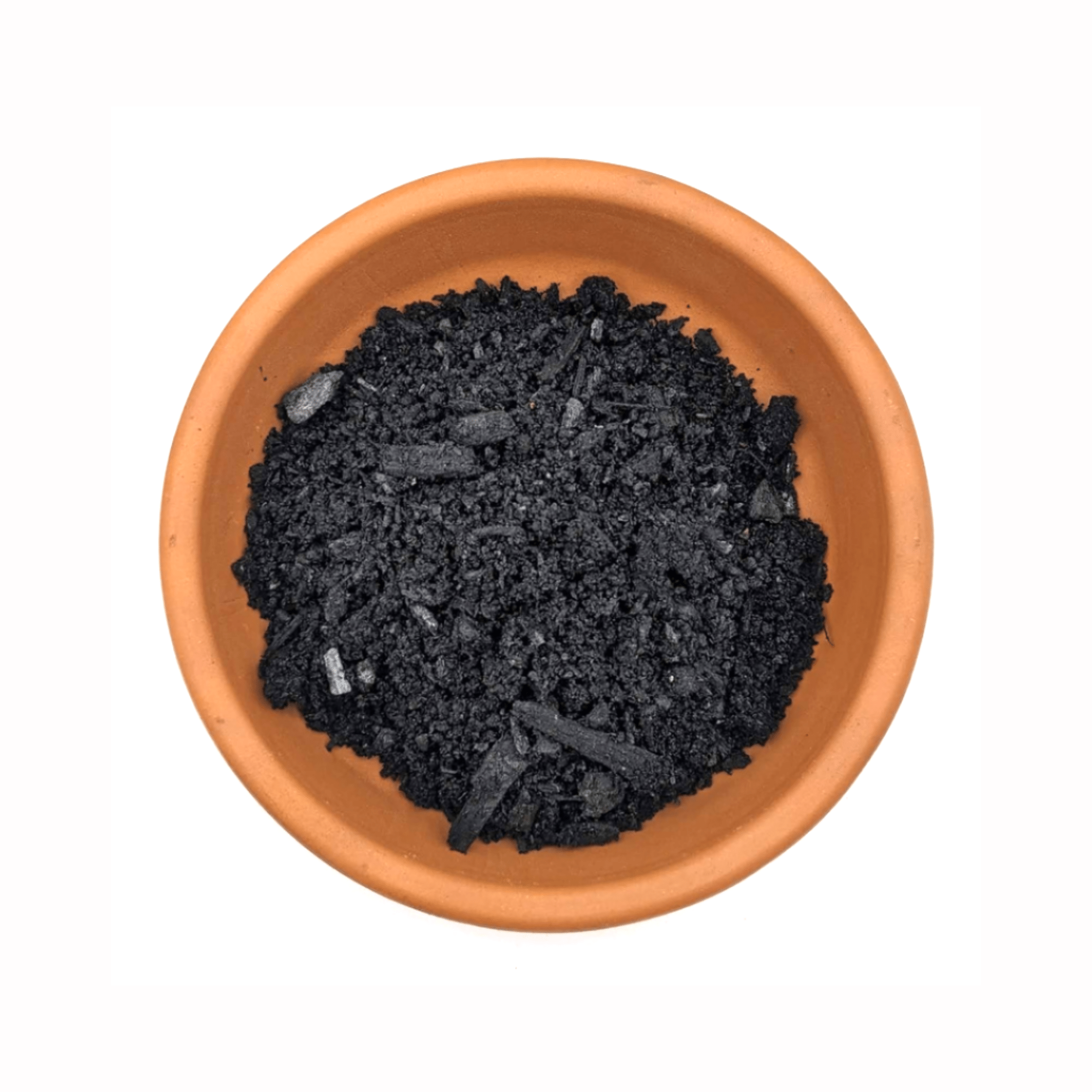
Horticultural charcoal or biochar
Helps absorb impurities and improves airflow -
Worm castings (small amount only)
Adds gentle nutrients without overfeeding -
Lava rock
A durable alternative to pumice for long-term structure
These are optional upgrades, not requirements. The core mix works well on its own — these simply refine drainage, longevity, or nutrient balance.
Climate Tweaks
|
Condition |
Symptom |
Tweak |
|---|---|---|
|
Dry inland summers (<40% RH) |
Mix dries in 24 h |
Replace 1 part perlite with coco chips for extra moisture. |
|
High humidity tropics (>70% RH) |
Algae on soil top |
Swap ½ part coco for extra perlite or pumice. |
|
Cold southern winters (<10°C nights) |
Roots stall |
Top-dress with 1 cm coco peat or move plants 30 cm off cold floors. |
Choosing the Right Pot for Anthuriums
The best potting mix can still fail if the pot isn’t suitable.
Here’s what works best for anthuriums:
- Drainage holes are essential — no exceptions
- Slightly snug pots are better than oversized ones
- Terracotta or breathable pots help prevent excess moisture buildup
Anthuriums don’t like sitting in wet soil, so avoid decorative pots without drainage unless you’re using an inner nursery pot.
When repotting, only go up one pot size at a time. Oversized pots hold extra moisture that roots can’t use, increasing the risk of rot.
A Quick Note on Light, Humidity & Watering
Potting mix is only part of the picture.
For best results, anthuriums prefer:
- Bright, indirect light (no harsh direct sun)
- Moderate to high humidity, especially indoors
- Watering only when the top few centimetres of mix feels dry
If your home is very dry or cool, the mix may stay wet longer. In warmer, brighter conditions, it will dry faster. Always adjust watering based on how the mix behaves, not a fixed schedule.
Can You Use Orchid Mix for Anthurium?
Yes — and many people already do.
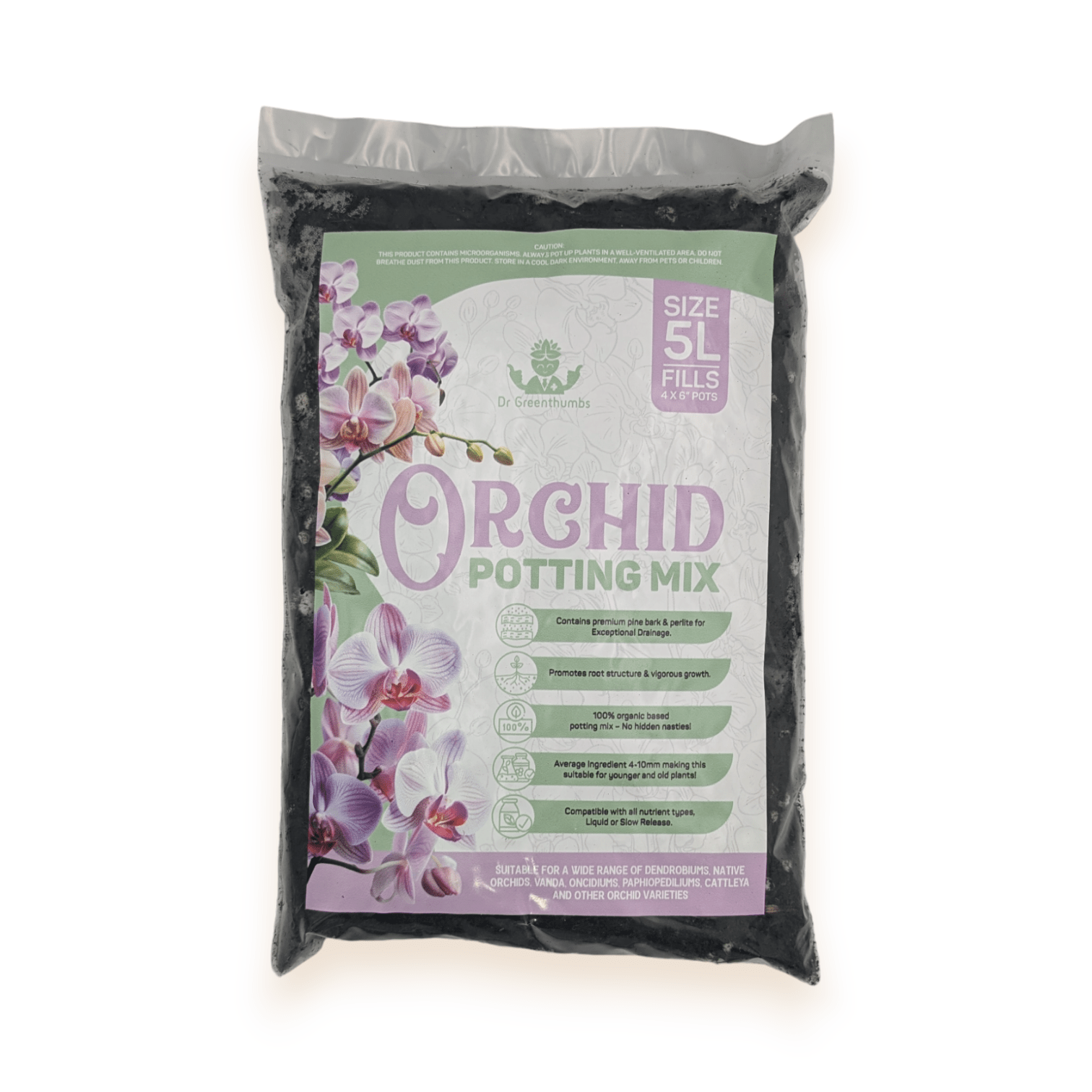
Anthuriums and orchids share similar root preferences, which is why orchid bark often appears in anthurium mixes. If you already have an orchid mix on hand, it can form a solid base.
Simple shortcut option:
- 2 parts orchid bark mix
- 1 part high-quality indoor potting mix
- 1 part perlite or pumice
This creates a lighter, more open mix than standard potting soil alone.
Just keep in mind that many orchid mixes are very coarse and dry quickly. Adding some organic matter helps the mix hold enough moisture for anthuriums without sacrificing drainage.
What You’ll Need
- Measuring container or bucket
- Gloves
- Your chosen pot with drainage holes
- Potting mix ingredients
- Optional: pH test strips or meter
Troubleshooting & FAQs
Yellowing leaves → mix may be staying too wet, or the pot may be too large.
Wilting despite watering → roots may be lacking oxygen.
Slow growth → mix may be compacted, or light may be too low.
Root rot smell → drainage, airflow or watering may be the issue.
In most cases, improving airflow, drainage and watering rhythm solves the problem.
My mix goes green on top — is that bad?
Usually, it is just algae. Skim it off, improve airflow and water a touch less.
Can I reuse the old mix?
Only reuse old mix if the plant was healthy and the mix still has structure. Refresh it with new bark, pumice or perlite. If root disease was the reason for repotting, discard badly affected mix instead of trying to save it.
Safe for self-watering pots?
Yes, but add an extra half-part pumice to keep the mix open and help prevent wicks from clogging.
Fertiliser schedule?
Liquid feed during active growth, but avoid overfeeding. Slow-release granules can work too, but avoid peat-heavy pellets that clog airflow.
Wrap-Up & Next Steps
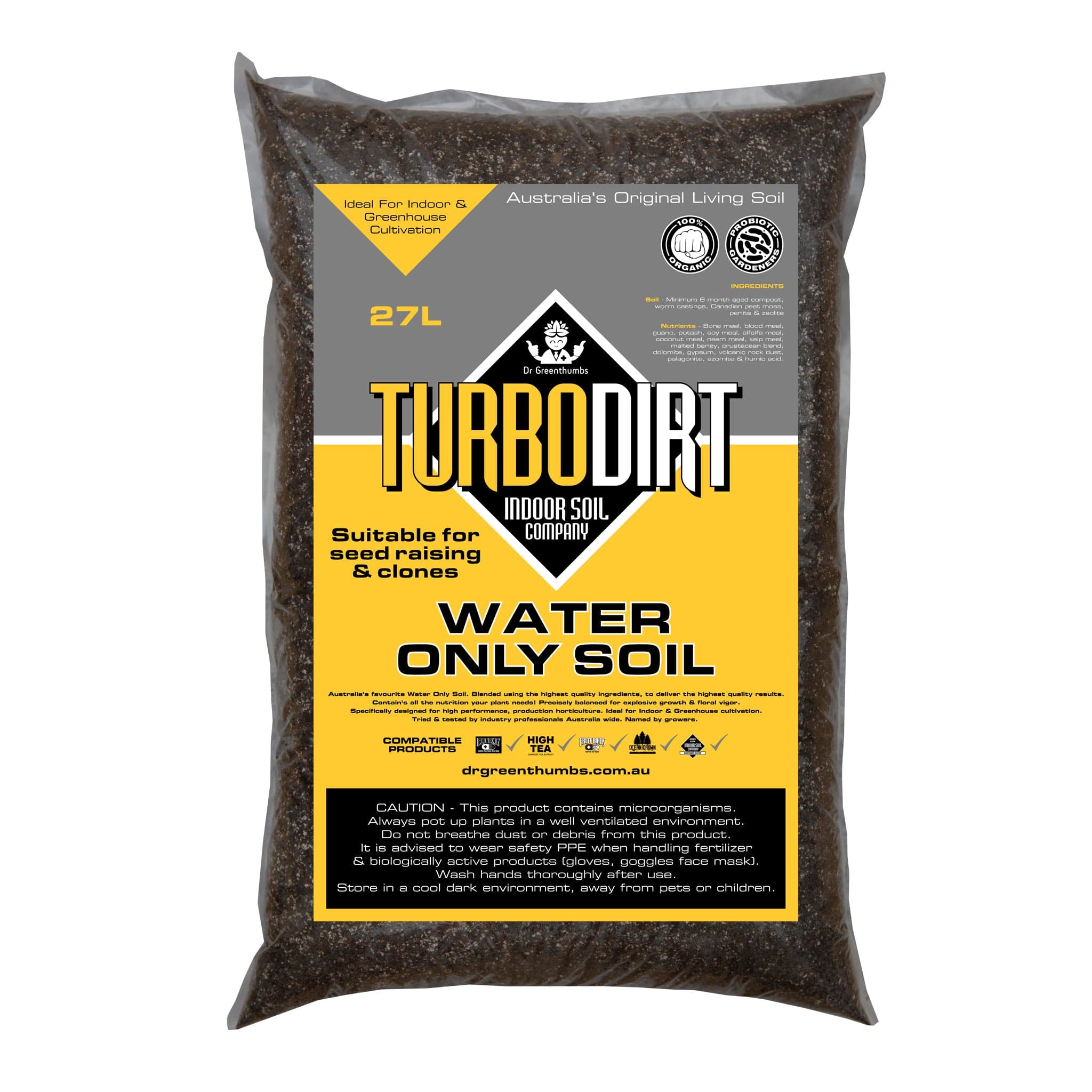
Aussie Anthuriums thrive when you mimic their rainforest perch: airy, slightly acidic and never waterlogged. Follow the 4-2-2-1 recipe, dial it to your climate, and inoculate with Root Roids for turbo-charged root growth. If time’s tight, the Aroid Soil Builder Kit or Chunky Potting Soil gets you mixing (or planting) in under five minutes.
Happy growing, mate—may your flamingo flowers stay glossy and your roots pristine!
Next Reads for Building a Better Anthurium Mix and Stronger Roots
Got your Anthurium mix sorted? These guides will help you fine-tune watering, feeding and indoor root-zone care so your plant stays healthier and keeps growing strongly.
- Indoor Potting Mix Australia
- Mastering Watering: Moisture Meter Hack
- Indoor Plant Fertiliser Guide Australia
- Indoor Plant Care Aussie Guide
About the Author