
If you want an indoor plant that looks lush, grows fast, and forgives the odd mistake, the spider plant is hard to beat. Botanically, the spider plant is Chlorophytum comosum, a clump-forming perennial native to southern Africa, named for the baby plantlets that hang from its arching stems.
Spider plants are popular for a reason. They are easy-going, quick to fill out, and famous for sending out baby plantlets that make propagation dead simple. They suit hanging baskets, shelves, plant stands, and bright corners in Aussie homes without demanding constant fuss.
That said, “easy” does not mean indestructible.
Most struggling spider plants come down to a few common issues: soggy potting mix, too much harsh sun, poor drainage, old compacted soil, random feeding, or mineral build-up that causes those classic brown tips.
The good news is that spider plants bounce back well once you fix the basics.
This guide covers exactly how to care for a spider plant in Australia, including the best light, how often to water, what soil works best, how to encourage babies, and what to do about brown tips, yellow leaves, and root rot.
Table of Contents
- Spider Plant Care at a Glance
- Why Spider Plants Are So Popular Indoors
- The Best Light for a Spider Plant
- How Often to Water a Spider Plant
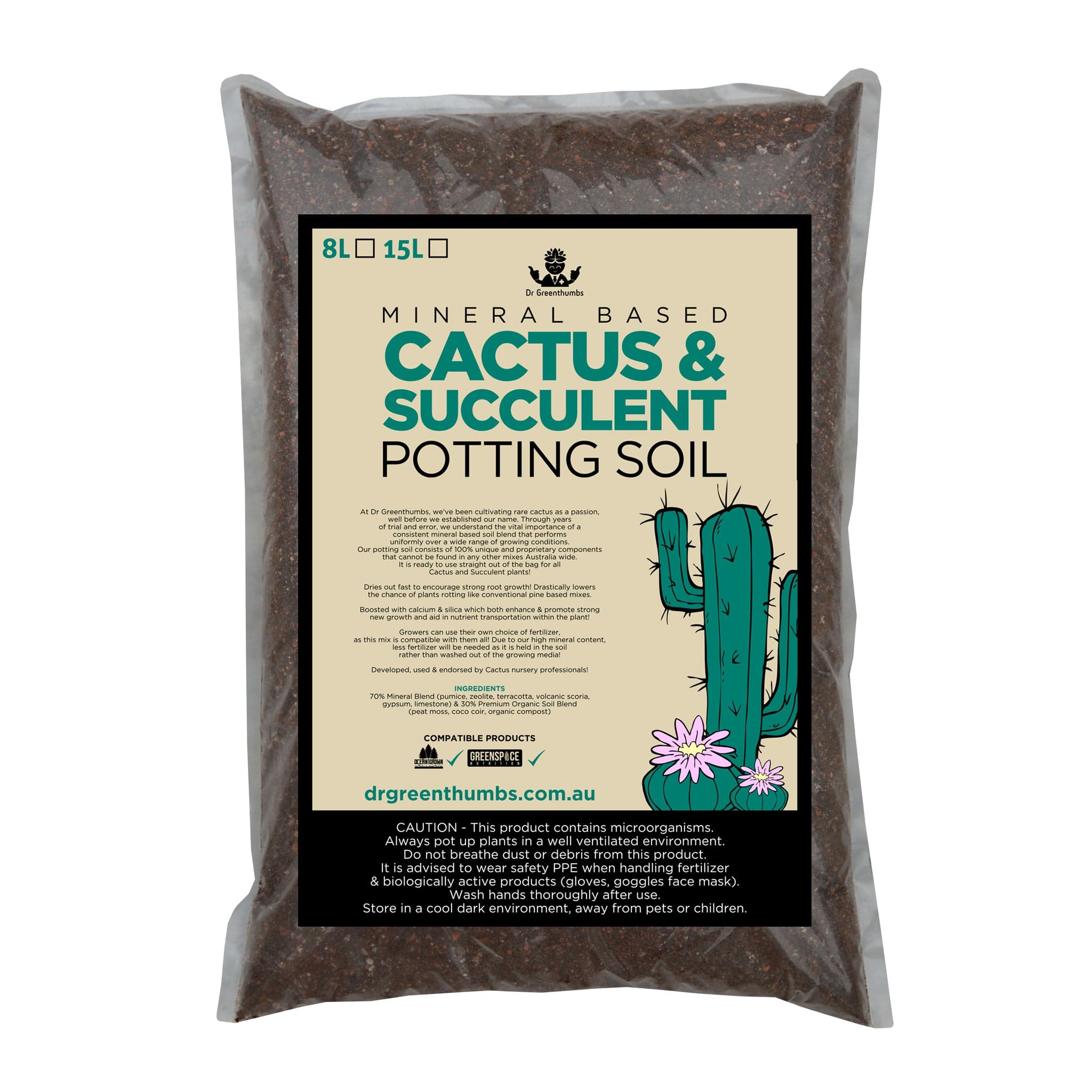
- The Best Potting Mix for Spider Plants
- Do Spider Plants Like Being Root-Bound?
- How to Repot a Spider Plant
- The Best Fertiliser for Spider Plants
- Why Spider Plants Get Brown Tips
- How to Reduce Brown Tips
- How to Get More Spider Plant Babies
- How to Propagate a Spider Plant
- Common Spider Plant Problems and How to Fix Them
- Spider Plant Pests
- Is Spider Plant Safe for Pets?
- Spider Plant Care in Australian Homes
- Spider Plant Care FAQs
- Final Word: What a Spider Plant Actually Wants
- Next Reads for Keeping Your Spider Plant Healthier and Easier to Manage
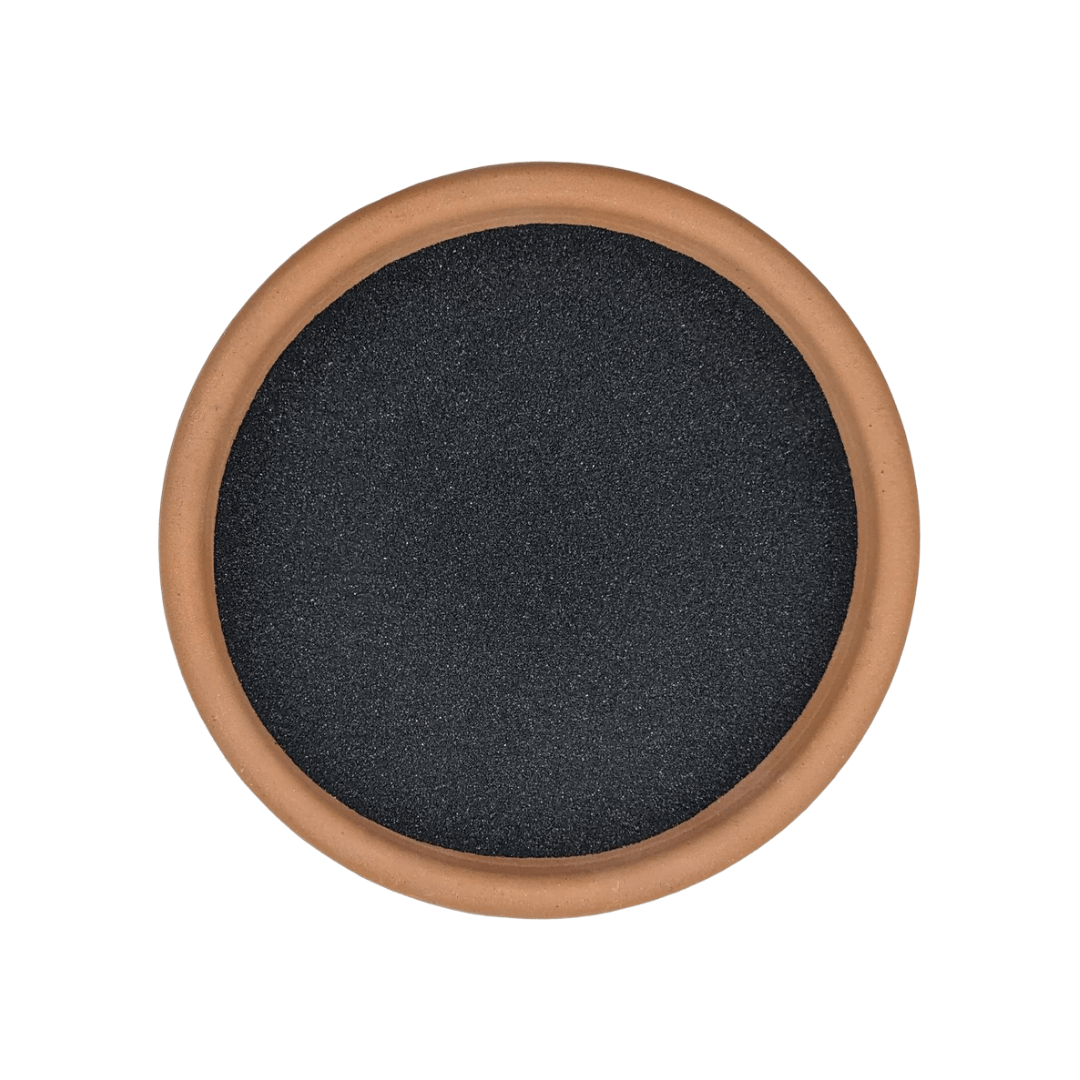
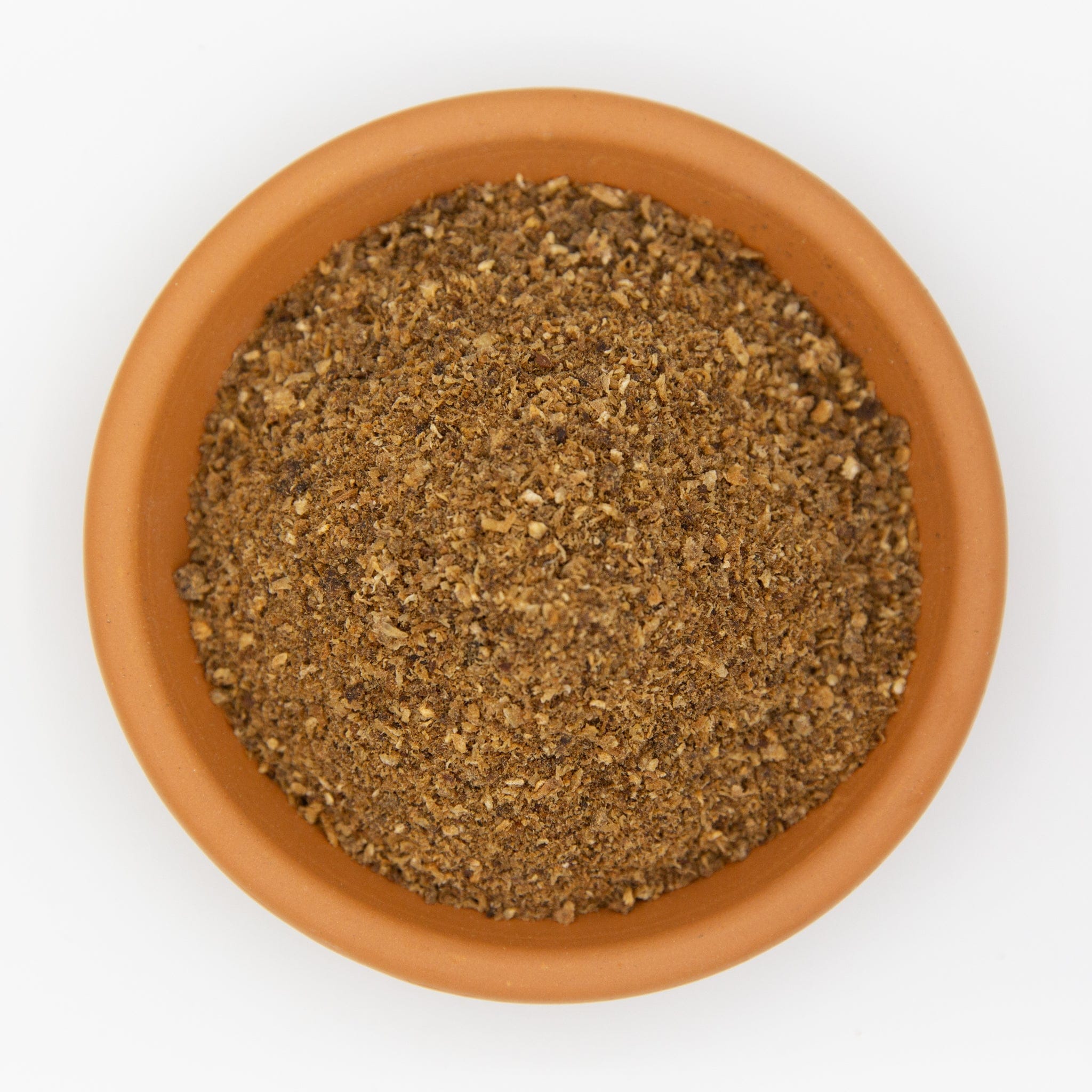
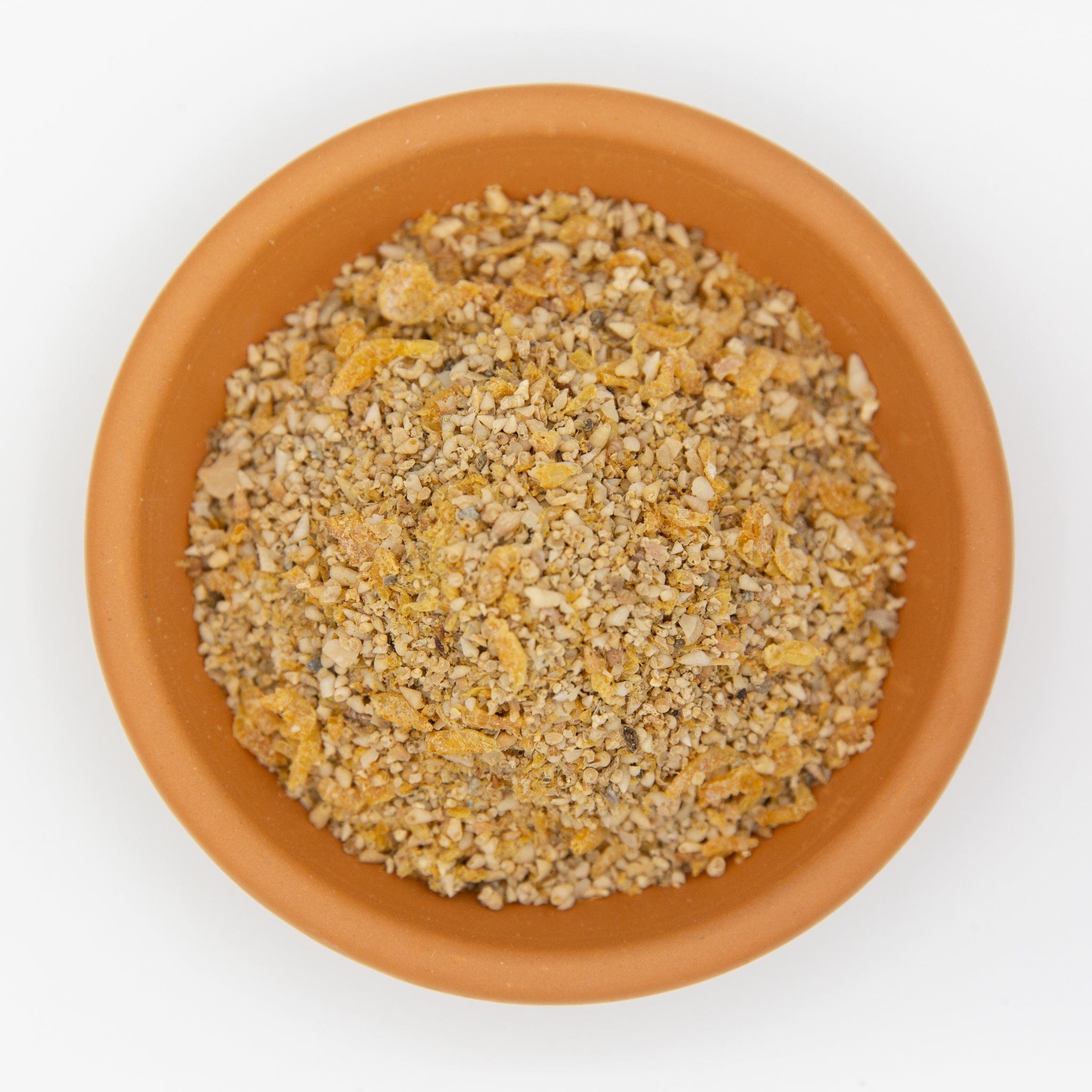
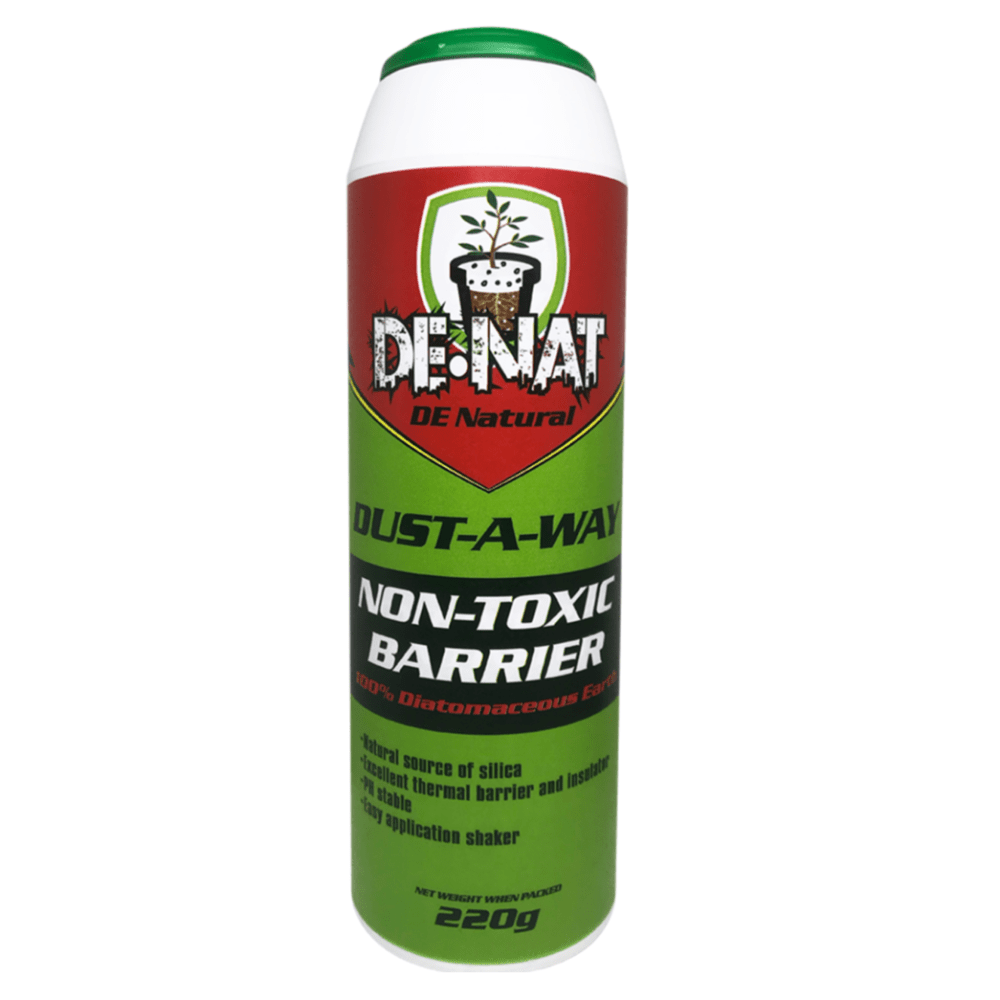
If you want the simplest setup, these cover the jobs that cause the most confusion: drainage, steady feeding and root recovery:


Spider Plant Care at a Glance
If you only remember a few things, make it these:
- Light: Bright, indirect light or filtered light is best.
- Water: Water well, then let the top part of the mix dry before watering again.
- Soil: Use a free-draining indoor potting mix that holds some moisture without staying wet.
- Feeding: Feed during active growth, but do not overdo it.
- Repotting: Spider plants do not mind being a little snug, but badly root-bound plants still need fresh mix and more room.
- Propagation: The babies are easy to root and pot up.
- Common issues: Brown tips, root rot, pale growth, limp leaves, and no baby plantlets.
If your current potting mix feels heavy, muddy or wet for too long, the potting mix section below explains what to change. Feeding is covered in the fertiliser section.
Why Spider Plants Are So Popular Indoors
Spider plants are one of those rare indoor plants that tick a lot of boxes at once.
They are:
- beginner-friendly
- fast growing
- easy to propagate
- adaptable to a range of indoor spots
- great in hanging baskets
- pet-friendly in most households
- forgiving if you miss a watering now and then
They also have chunky, water-storing roots, which is one reason they cope better with occasional dryness than constantly wet soil.
In other words, they are perfect for people who want a plant that looks good without acting precious.
The Best Light for a Spider Plant
Spider plants do best in bright, indirect light or filtered light.
They can handle medium light quite well, which is part of their charm, but they generally grow faster and look fuller when they get a bright position without harsh direct sun blasting the leaves.
Good spots for a spider plant
- near an east-facing window
- in a bright room with filtered light
- on a covered verandah with bright shade
- a little back from a hot west-facing window
Signs your spider plant needs more light
- slower growth during spring and summer
- pale leaves
- fewer babies or no plantlets at all
- lankier growth
- dull-looking variegation
Signs it is getting too much harsh sun
- bleached patches
- crisp or scorched leaf sections
- faster drying than expected
- stressed, limp foliage on hot afternoons
In many Aussie homes, the trick is not just “give it light”, but “give it the right kind of light”. Bright filtered light is usually the sweet spot.
How Often to Water a Spider Plant
Spider plants are far more likely to suffer from overwatering than from missing the odd drink.
The best rule is simple: check the potting mix before you water.
Water thoroughly, then allow the top section of the mix to dry before watering again. Do not leave the pot sitting in a saucer full of runoff.
In general
- Spring and summer: water more often as growth speeds up
- Autumn and winter: water less often, especially in cooler or lower-light rooms
How often that actually means depends on your pot size, light levels, temperature, airflow, and potting mix. A bright, warm room in Brisbane behaves very differently from a cool indoor corner in Melbourne during winter.
Signs of overwatering
- yellowing leaves
- soft growth near the base
- limp foliage even though the soil feels wet
- potting mix that stays soggy for days
- a stale or sour smell from the pot
Signs of underwatering
- very dry potting mix pulling away from the edges
- curled or limp leaves
- browning tips getting worse with dry spells
- the plant looking dull and thirsty
Spider plants can handle slight dryness because of their fleshy roots. What they hate is a swamp.
The Best Potting Mix for Spider Plants
Spider plants want a mix that drains well, but still holds enough moisture to keep the roots evenly hydrated.
That means you are aiming for a potting mix that:
- does not compact into sludge
- does not stay wet forever
- still holds enough moisture between waterings
- leaves oxygen around the roots
This matters more than most people realise. A poor potting mix turns basic care into hard work. A better mix makes everything easier.
If your spider plant sits in an old, dense mix, every watering becomes risky. That is when you start seeing yellow leaves, root issues, or weak growth.
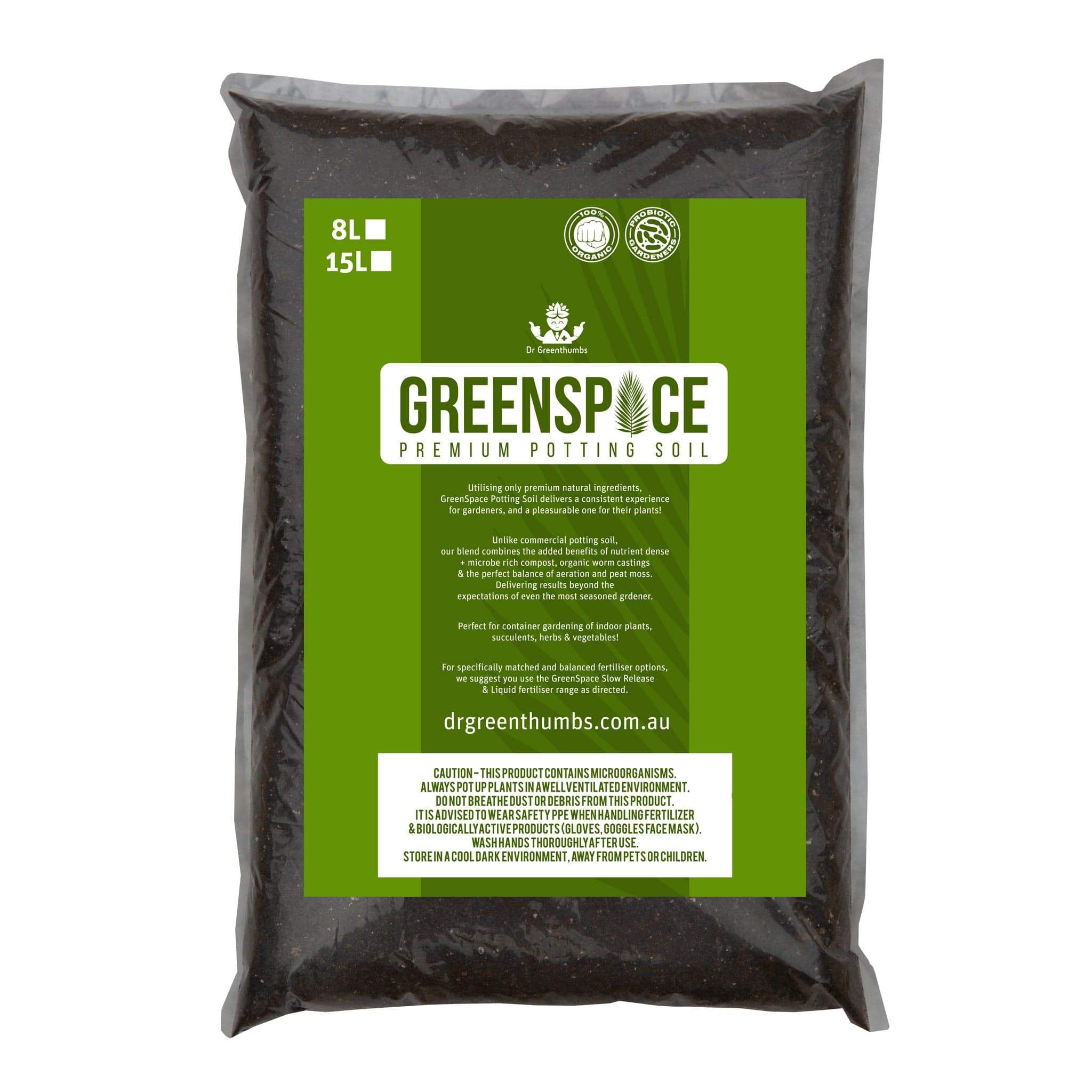
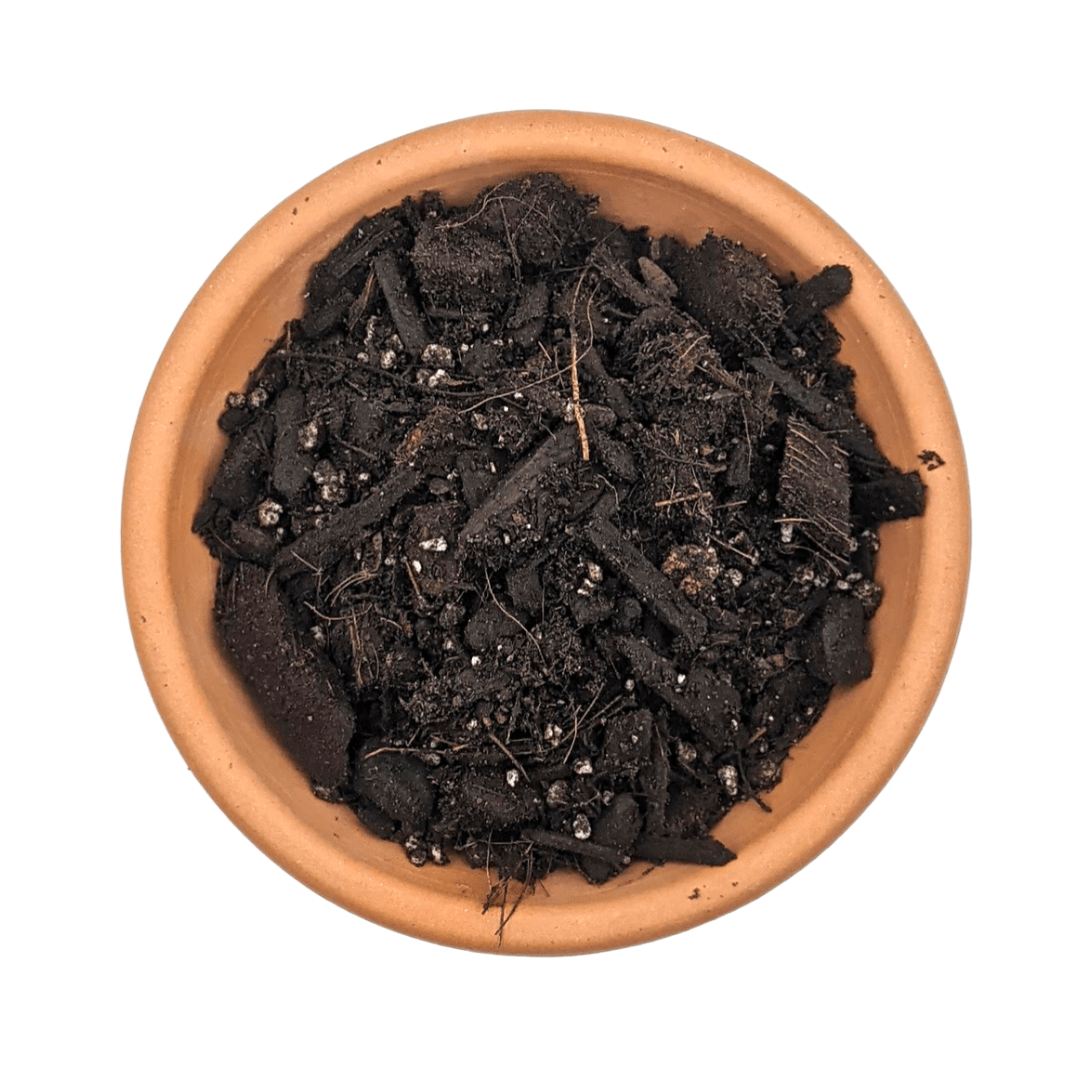
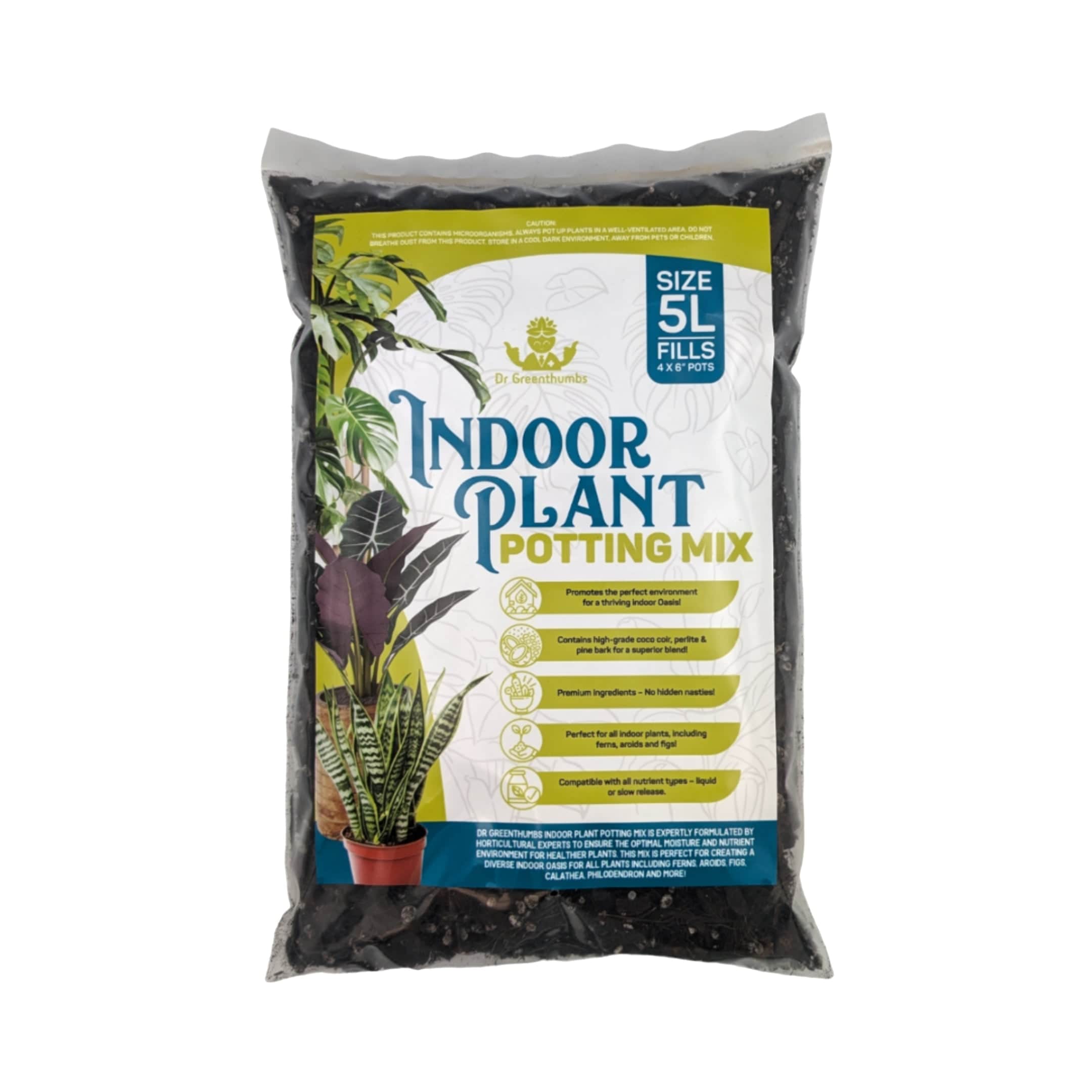
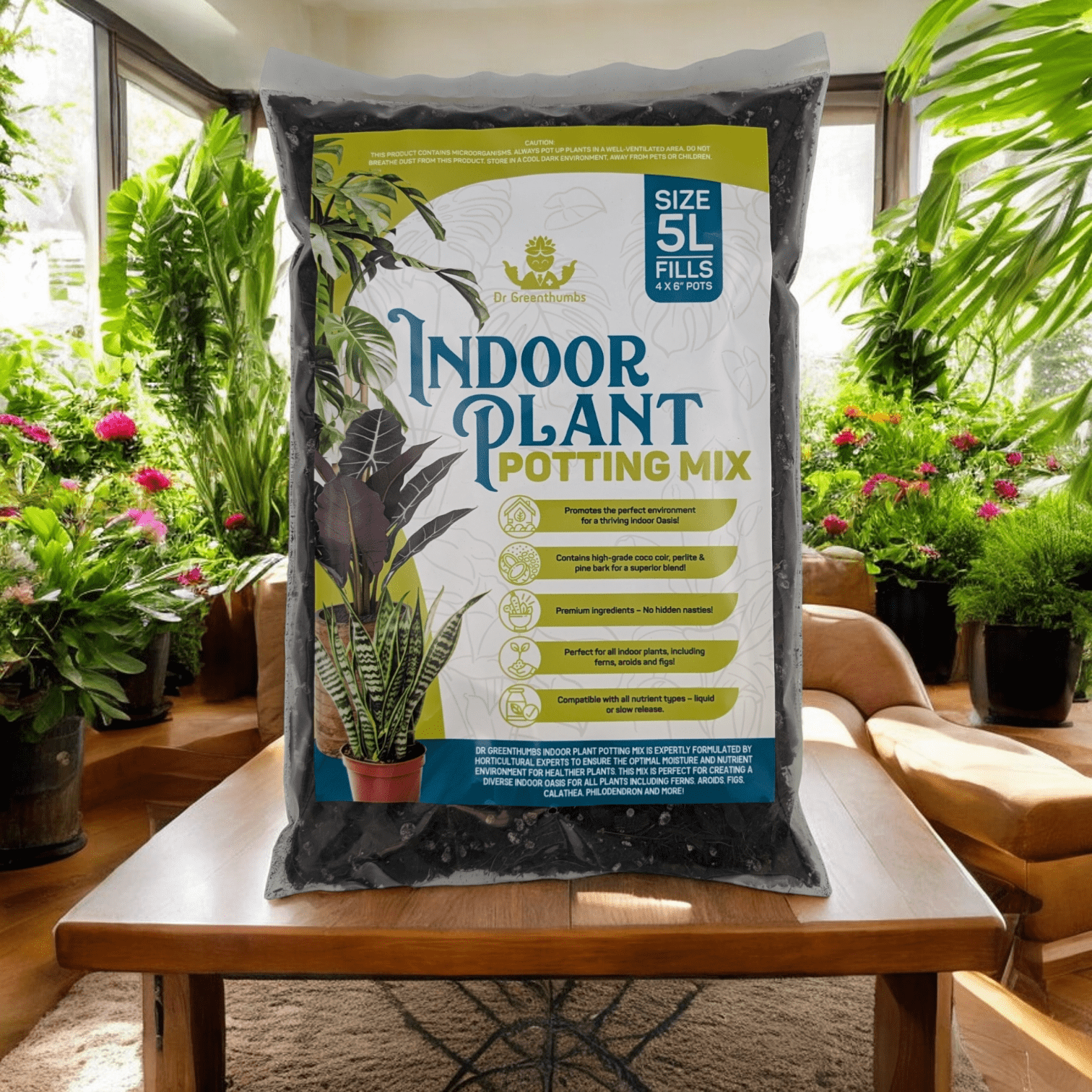
A good indoor option is Dr Greenthumbs Indoor Plant Potting Mix, which is built around coco coir, perlite, and pine bark to improve airflow, drainage, and moisture balance.
Do Spider Plants Like Being Root-Bound?
A little bit, yes.
Spider plants often grow happily when they are slightly snug in the pot, which is one reason they throw out babies so enthusiastically. But “slightly snug” is very different from “severely root-bound and exhausted”.
Signs your spider plant needs repotting
- roots circling heavily through the pot
- roots coming out of drainage holes
- water running straight through too quickly
- the plant drying out much faster than usual
- stunted growth despite good light
- the mix becoming tired, compacted, or hard to re-wet
The best time to repot is usually early spring, when the plant is gearing up for active growth.
How to Repot a Spider Plant
- Choose a pot just one size up.
- Gently loosen the roots if they are tightly circling.
- Remove any obviously rotten or mushy roots.
- Repot into fresh, free-draining mix.
- Water in thoroughly and let excess drain away.
- Keep it in bright, indirect light while it settles in.
If the root zone is tired or stressed, Root Roids can be used as optional root support after repotting.
The Best Fertiliser for Spider Plants
Spider plants are not especially hungry, but they do respond well to a sensible feeding routine during active growth.
If you want fuller foliage, stronger colour, and more energetic growth through the warmer months, regular feeding helps. The key is consistency, not hammering the plant with too much fertiliser.
Feed during spring and summer, then ease off in cooler months when growth slows down.
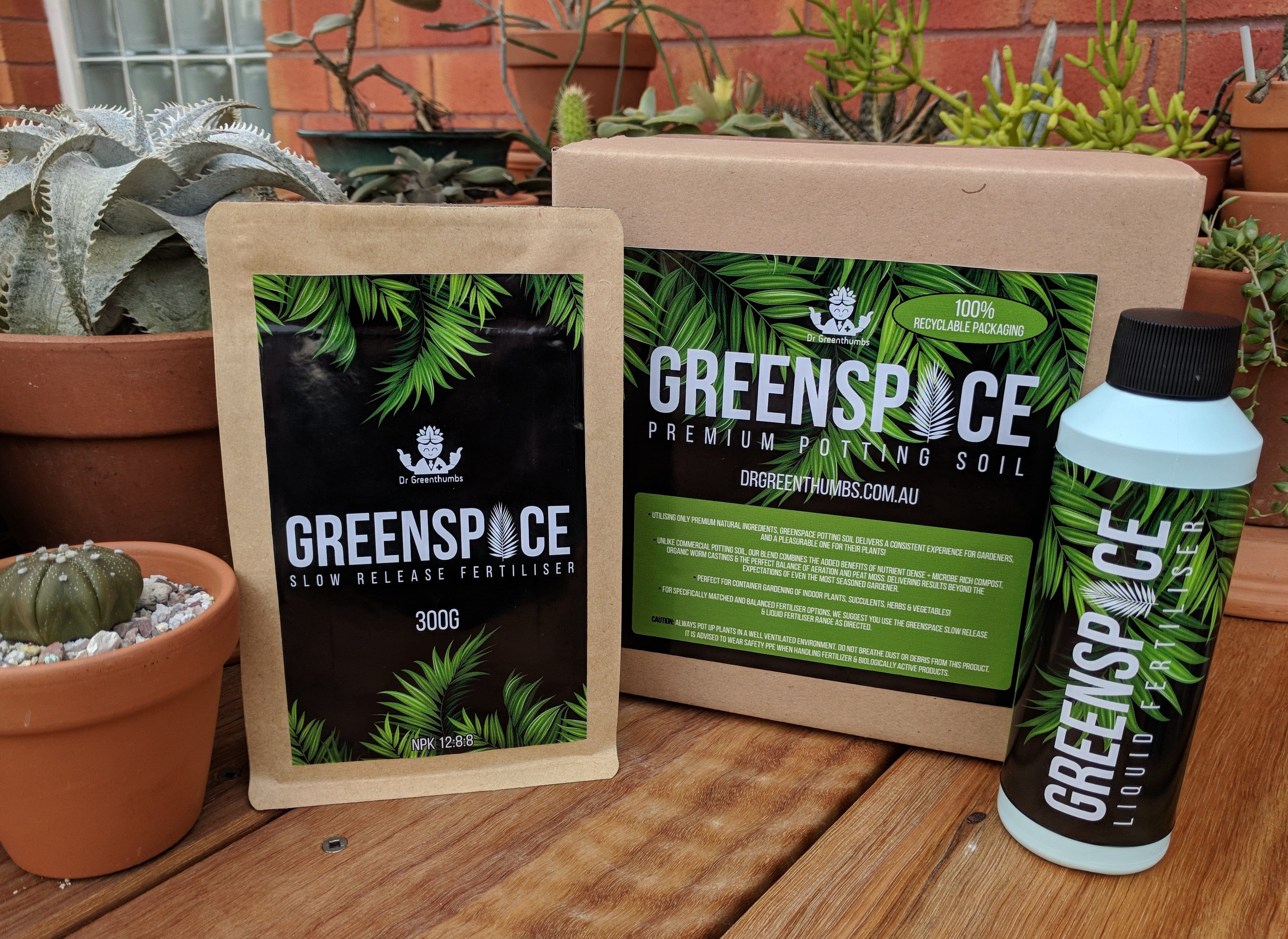
A foliage-focused liquid feed is often the easiest option for indoor plants because you can adjust the strength and timing as the seasons change. GreenSpace Liquid Fertilizer is a practical fit for indoor leafy plants and is designed around natural inputs for steady foliage growth.
A quick heads-up though: overfeeding can sometimes make spider plant problems worse, especially if salts build up in the pot or brown tips are already an issue. More feed is not always the answer.
Why Spider Plants Get Brown Tips
This is one of the most searched spider plant questions for a reason.
Brown tips are common, and they usually do not mean the whole plant is doomed. They are often caused by one or more of the following:
- mineral build-up from tap water
- inconsistent watering
- very dry air
- overfeeding
- old compacted potting mix
- root stress
- too much direct sun
How to Reduce Brown Tips
- let tap water sit before use if your water is heavily treated
- avoid blasting the plant with harsh afternoon sun
- keep watering more consistent
- flush the pot occasionally to reduce build-up
- cut back on fertiliser if you have been overdoing it
- repot into fresh mix if the current soil is old and crusty
If the leaves are dusty as well, regular foliage care can help the plant photosynthesise properly and look fresher.
How to Get More Spider Plant Babies
If your spider plant is healthy and mature, the babies usually come in time.
Spider plants are more likely to produce plantlets when they have:
- enough bright light
- a healthy, established root system
- regular feeding during the growing season
- a stable environment
- a little maturity on their side
A very young spider plant will not usually rush into making babies. It needs to size up first.
Plants that sit in dark corners, soggy soil, or tired mix often stay alive but do not perform. If your spider plant never seems to throw runners, look at the basics first: light, roots, feeding, and potting mix.
How to Propagate a Spider Plant
This is one of the easiest indoor plants to multiply.
Once your plant sends out baby plantlets, you can either root them while still attached to the mother plant or remove them and root them separately.
The easiest way to propagate spider plants
- Wait until the baby has formed a small crown and some starter roots.
- Place it onto moist potting mix in a small pot, or root it in water.
- Keep it in bright, indirect light.
- Keep the medium lightly moist while roots establish.
- Pot it up properly once the roots are active.
When potting up fresh babies, use a light, free-draining indoor mix. Root Roids can be used as optional support once roots are forming.
Common Spider Plant Problems and How to Fix Them
Yellow leaves
Usually linked to overwatering, poor drainage, or tired potting mix.
What to do:
- let the mix dry a bit more between waterings
- check the pot has drainage holes
- repot if the mix is dense or sour
- move the plant into better light
Limp spider plant
This can happen from either soggy roots or very dry roots, so check the mix before doing anything else.
What to do:
- if wet, hold off watering and improve drainage
- if bone dry, water thoroughly and let excess drain
- check whether the plant is badly root-bound
Pale or weak growth
Usually a light or feeding issue.
What to do:
- move the plant to a brighter position
- feed lightly during active growth
- refresh the mix if it is exhausted
No babies
Usually means the plant needs more maturity, more light, or more stable care.
What to do:
- improve light
- keep feeding steady through spring and summer
- avoid constant repotting or stress
- be patient with younger plants
Root rot
This is usually caused by constantly wet soil and poor airflow around the roots.
What to do:
- remove the plant from the pot
- trim off rotten roots
- repot into fresh, airy mix
- use a pot with drainage
- water more carefully going forward
Spider Plant Pests
Spider plants are fairly tough, but they can still attract the usual indoor troublemakers:
- spider mites
- mealybugs
- scale
- aphids on fresh growth
Check under leaves, around the base, and where foliage is dense. If pests are caught early, they are much easier to deal with.
For an oil-based option, Neem + Karanj Oil is available through Dr Greenthumbs. Always follow the label, patch test first, and avoid spraying in heat or direct sun.
Is Spider Plant Safe for Pets?
Spider plants are generally considered one of the more pet-friendly indoor plants, which is another big reason they are so popular in family homes.
That said, any plant can still cause an upset stomach if a pet chews enough of it, so it is still smart to keep curious pets from turning it into a snack bar.
Spider Plant Care in Australian Homes
A lot of generic plant advice skips the local bit, but Aussie homes can be rough on indoor plants in ways people underestimate. Growing spider plants indoors is easiest at normal household temperatures, but keep them above about 7°C and away from cold draughts.
Summer
- Hot glass can scorch leaves fast.
- Potting mix dries more quickly near bright windows.
- Air conditioning can make the room drier than expected.
Autumn
- Growth begins to slow.
- Feeding can be reduced.
- Watering usually needs to ease back a little.
Winter
- Spider plants often need less water.
- Growth slows in cooler southern homes.
- Cold drafts and heaters can both stress the foliage.
Spring
- Best time for repotting and restarting a steady feeding routine.
- Great time to divide crowded plants or pot up babies.
- Fresh mix and stronger light can really kick growth along.
If you want a broader indoor setup guide for local conditions, our Indoor Plant Care Aussie Guide is a handy next read.
Spider Plant Care FAQs
How often should I water a spider plant indoors?
Water when the top section of the potting mix has dried out. In warmer, brighter conditions that will be more often than in winter or lower light.
Does a spider plant need direct sun?
Not much. Bright indirect or filtered light is best. Harsh afternoon sun can burn the leaves.
Why do spider plants get brown tips?
Usually because of mineral build-up, inconsistent watering, dry air, too much fertiliser, or too much direct sun.
Do spider plants like being root-bound?
They do not mind being a little snug, but very crowded roots and tired old mix still need attention.
What is the best soil for a spider plant?
A free-draining indoor potting mix that balances moisture, airflow and drainage works best. Avoid dense mixes that stay wet for days.
How do I get more spider plant babies?
Give the plant bright filtered light, steady feeding during the growing season, and enough time to mature. Healthy, settled plants are more likely to produce runners and plantlets.
Can I use neem oil on spider plants?
Yes, with care. Follow the label, patch test first, and avoid applying in heat or direct sun.
Final Word: What a Spider Plant Actually Wants
Spider plants are easy, but they still grow best when the basics are steady.
If yours is looking rough, do not assume it needs more water. Check the light, check the roots, check the potting mix, and make sure the plant is not sitting wet for days.
For the core setup, focus on a free-draining indoor mix, sensible feeding during active growth, optional root support when repotting or potting up babies, and careful pest control if mites, mealybugs, scale or aphids appear.
Get those fundamentals right and a spider plant rewards you with lush arching foliage, easy propagation and that effortless indoor-jungle look everyone is chasing.
Next Reads for Keeping Your Spider Plant Healthier and Easier to Manage
Want fewer brown tips and stronger growth? These guides will help you fine-tune watering, feeding, light and potting mix so your spider plant keeps thriving indoors.
- Mastering Watering: Moisture Meter Hack
- Indoor Plant Fertiliser Guide Australia
- Grow Lights Positioning Guide
- Indoor Potting Mix Australia
About the Author