
Found a black, soot-like coating spreading across your lemon tree, citrus, ornamentals or other garden plants?
You’re probably looking at sooty mould.
It looks nasty, but here's the important thing to know straight away:
The black mould usually isn't the real problem.
Sooty mould grows on the sticky honeydew left behind by sap-sucking pests such as aphids, scale, mealybugs and whiteflies. Wipe the black stuff away without dealing with those pests and there's a good chance it'll simply come back.
So the best sooty mould treatment isn't just about cleaning the leaves.
You need to:
- identify what's producing the honeydew;
- control the pest;
- remove the remaining mould; and
- keep an eye out for another outbreak.
Once you understand that chain, sooty mould becomes much easier to sort out.
Table of Contents
- What Is Sooty Mould?
- What Causes Sooty Mould on Plants?
- Ants Can Be a Big Clue
- How to Identify Black Sooty Mould
- Does Sooty Mould Harm Plants?
- Sooty Mould Treatment: How to Get Rid of It
- Sooty Mould on Citrus Trees
- What Is the Best Treatment for Sooty Mould?
- Can You Use a Homemade Spray for Sooty Mould?
- Can I Just Wash Sooty Mould Off?
- How to Prevent Sooty Mould Coming Back
- Common Sooty Mould Treatment Mistakes
- Sooty Mould FAQs
- The Simple Way to Remember Sooty Mould
- Pest-Control Options
- Next Reads for Tackling the Pests Behind Sooty Mould
If you’ve already found sap-sucking pests, these are two treatment options worth checking before you clean the mould:


What Is Sooty Mould?
Sooty mould is a dark fungal growth that develops on sticky honeydew found on plant surfaces.
It can appear black, dark grey or charcoal-coloured and often looks like someone has rubbed soot across the leaves.
Unlike many fungal diseases, sooty mould generally grows on the sugary material sitting on the surface of the plant rather than attacking healthy plant tissue directly.
That's why treating it like an ordinary fungal infection can be frustrating.
The fungus is often just taking advantage of another problem that's already happening.
The real chain usually looks like this:
Sap-sucking insects → sticky honeydew → black sooty mould
Break that chain and you've got a much better chance of keeping the mould away.
What Causes Sooty Mould on Plants?
The biggest cause of sooty mould is an infestation of honeydew-producing sap-sucking insects.
These little pests tap into the plant and feed on its sap. As they feed, they produce a sugary liquid called honeydew.
That honeydew lands on leaves, stems and sometimes fruit below.
It feels sticky.
Then fungi colonise that sugary coating and you end up with the familiar black mess we call sooty mould.
Common pests behind sooty mould
Check carefully for:
- Aphids
- Scale insects
- Mealybugs
- Whiteflies
- Psyllids
- Leafhoppers
- Other sap-sucking insects
And don't just look at the obvious black leaves.
Check:
- underneath the leaves;
- soft new growth;
- leaf joints;
- branch junctions;
- stems and twigs; and
- the inside of dense foliage.
Aphids and whiteflies can be easy enough to spot when they're active.
Scale can be sneakier. Depending on the species, it can look more like a small brown, white or waxy bump stuck to the plant than an insect wandering around.
Mealybugs often hide in sheltered joints and crevices.
Tip: If you're only inspecting the top of the plant, you're probably missing half the story.
Ants Can Be a Big Clue
Got ants constantly marching up and down the affected plant?
Pay attention.
Ants are attracted to the sweet honeydew produced by sap-sucking pests and are often found around aphid, scale and mealybug populations.
That doesn't mean ants created the sooty mould themselves.
It means they can be a useful sign that you've got a honeydew source nearby.
If you have:
black leaves + sticky foliage + ants
…have a very close look for sap-sucking insects.
Controlling ant activity can also be useful as part of a broader pest-management plan. If ants have become a problem around your pots, trees or garden beds, see our guide on how to get rid of ants in the garden.
How to Identify Black Sooty Mould
Black sooty mould has a few useful tell-tale signs.
Look for:
- black or charcoal-coloured material across leaves or stems;
- foliage that looks dirty or smoke-stained;
- a coating sitting mainly on the leaf surface;
- sticky leaves from honeydew;
- aphids, scale, mealybugs or whiteflies nearby;
- ants travelling over the plant; and
- blackening that's often heaviest below an active pest infestation.
You may also find that some of the dark coating can be rubbed or wiped away.
Is it definitely sooty mould?
Not every black spot on a plant is sooty mould.
If you're seeing blackened tissue that appears sunken, rotten, dead or physically damaged rather than a surface coating, there may be another issue involved.
The strongest clue for sooty mould is the combination of:
surface-level black growth + sticky honeydew + sap-sucking insects.
If you can find all three, you've probably found your culprit.
Does Sooty Mould Harm Plants?
A small amount of sooty mould isn't normally an instant death sentence.
But don't completely ignore it either.
A thick coating across the leaves can block light from reaching the leaf surface, reducing the plant's ability to photosynthesise efficiently.
More importantly, heavy sooty mould can tell you that you've got a decent population of sap-sucking insects feeding away in the background.
So instead of thinking:
“How do I kill this fungus?”
it's more useful to ask:
“What's producing all this honeydew?”
Answer that question first.
Sooty Mould Treatment: How to Get Rid of It
Here's the simple five-step approach we recommend.
Step 1: Find the Pest Causing the Honeydew
Before reaching for any spray, inspect the plant properly.
Check:
- under the leaves;
- around new growth;
- along stems;
- branch junctions;
- curled leaves; and
- protected areas inside the canopy
You are looking for aphids, scale, mealybugs, whiteflies or another sap-sucking pest.
This matters because the right treatment depends on what you've actually got.
Don't spray blindly.
Identify first, treat second.
Step 2: Control the Sap-Sucking Pest
Once you've identified the culprit, choose a pest-control method that's appropriate for the pest and plant you're treating.
For active sap-sucking pest pressure, PureCrop1 Plant Protectant is one option in the Dr Greenthumbs range. It's used as an insecticide, fungicide and plant protectant and is suited to common sap-sucking pests including aphids and whiteflies.
Another option is Pyrethrum Concentrate, a concentrate designed for targeted contact pest control where the product label confirms suitability for your plant and target pest.
For pyrethrum to do its job as a contact treatment, good coverage matters.
Don't just give the top of the plant a quick mist and call it done.
Get into the areas where pests are actually hiding—particularly the undersides of leaves.
Always read and follow the product label before use, including approved plants, target pests, dilution rates, application directions and any withholding or safety instructions.
Avoid spraying in hot sun or when plants are already stressed, and be mindful of beneficial insects and pollinators.
Step 3: Deal With Ant Activity Where Necessary
If ants are heavily active around the affected plants, consider dealing with them as part of your overall approach.
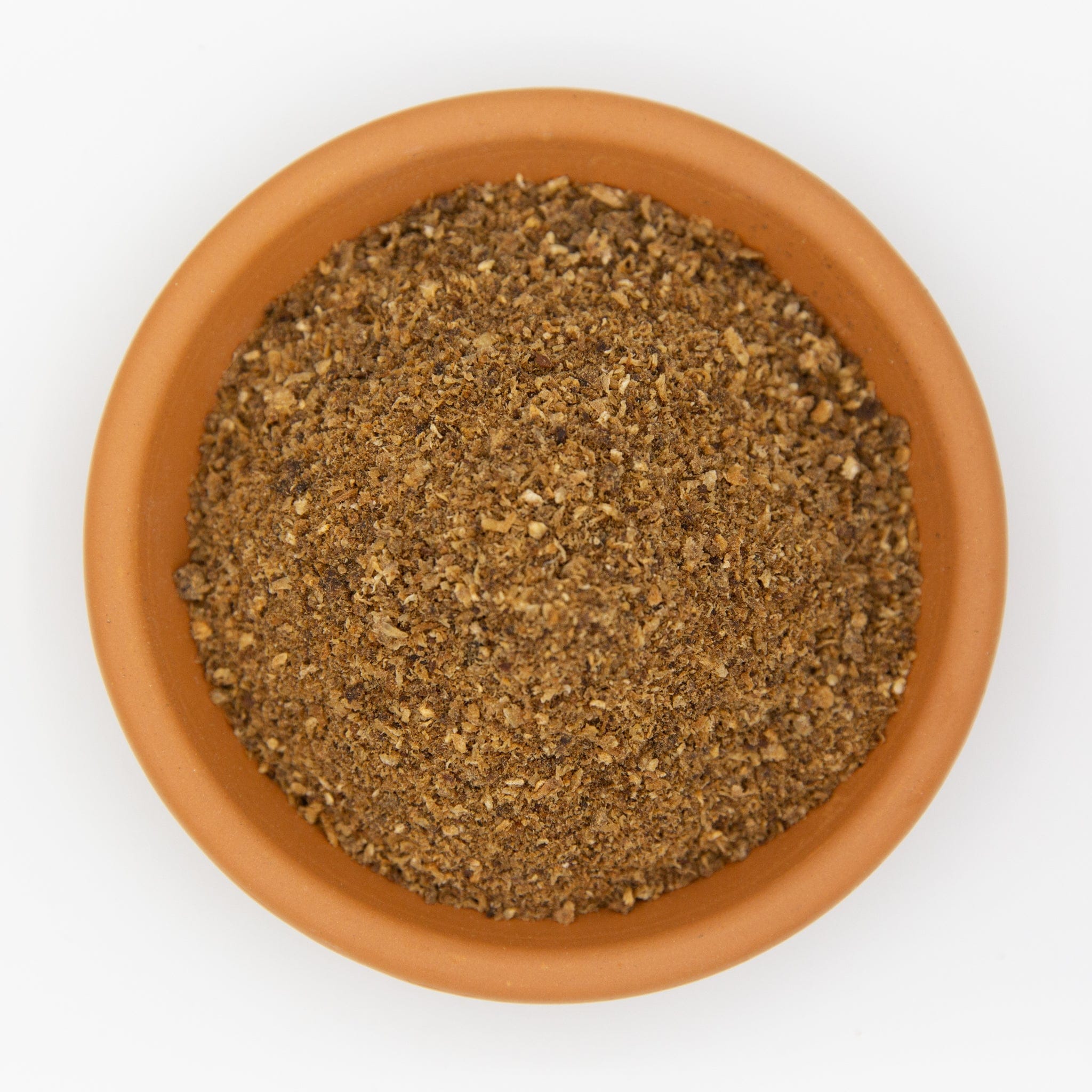
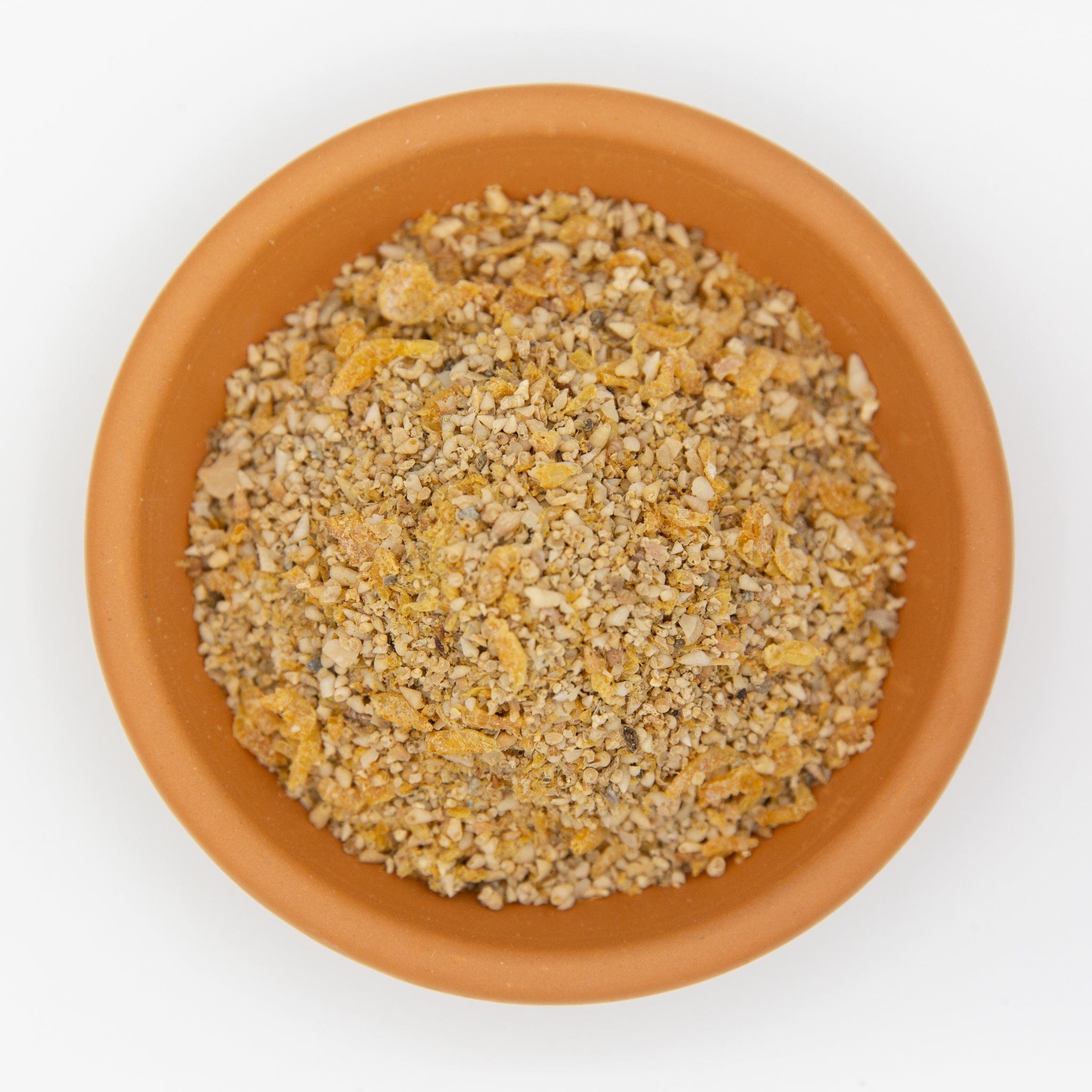
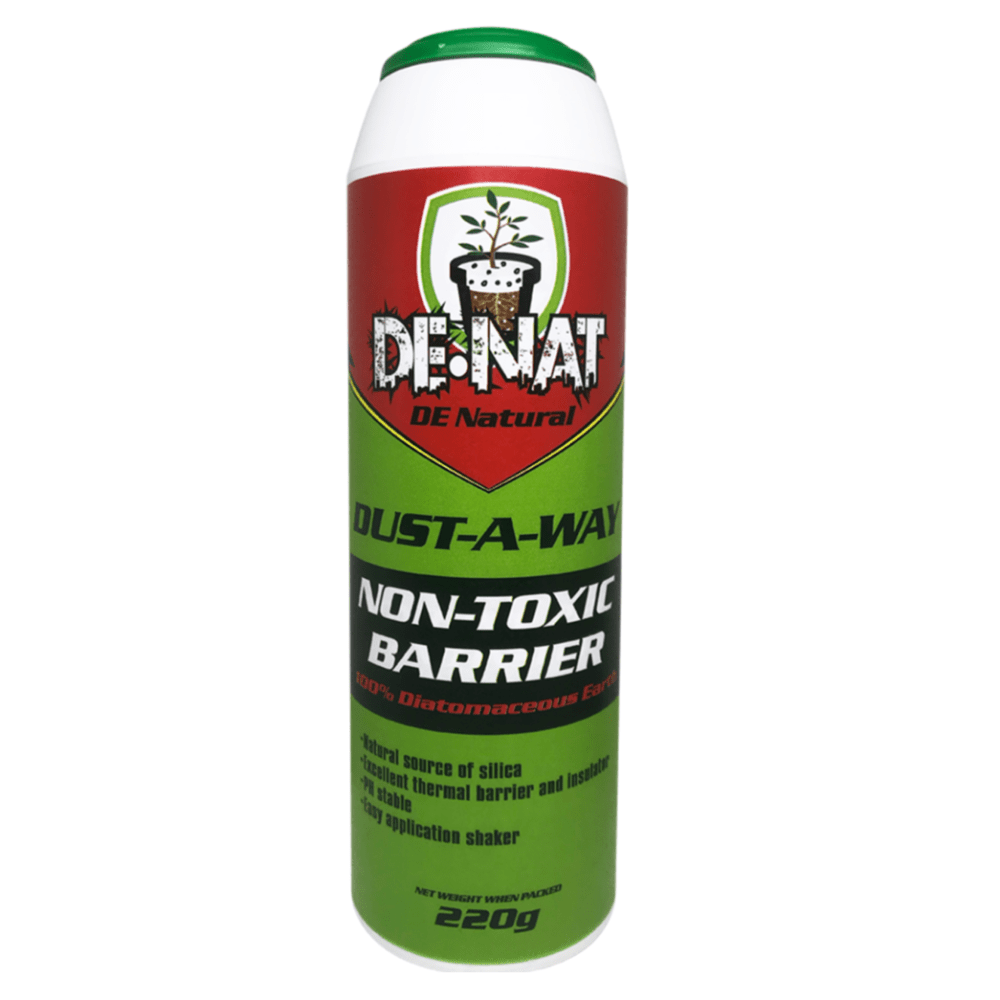
Our Micronised Diatomaceous Earth can be used around garden areas and ant pathways as a physical pest-management tool.
Diatomaceous earth works differently to an insecticide. It acts physically and needs to be dry to be effective.
It can also be useful against pests including aphids and mealybugs as part of an integrated pest-management approach.
Apply it carefully, avoid creating airborne dust, keep it away from open flowers and follow the directions provided with the product.
For a complete ant-control strategy, read our guide to getting rid of ants in the garden.
Step 4: Clean the Sooty Mould Off the Leaves
Once you've brought the pest population under control, you can turn your attention to the black coating itself.
For smaller plants and accessible foliage, start simple.
A soft damp cloth can often remove a surprising amount of sooty mould.
You can also gently rinse affected foliage with water.
Avoid attacking leaves with aggressive scrubbing. The aim is to clean the leaf, not damage the protective surface.
And don't stress if every last black mark doesn't disappear immediately.
Once the insects are controlled and fresh honeydew stops arriving, weather, watering and normal plant growth can gradually improve the appearance of affected foliage.
The important part is stopping new mould from developing.
Step 5: Watch the Fresh Growth
New growth is your scoreboard.
Over the next couple of weeks, check for:
- fresh sticky deposits;
- returning ants;
- new aphid colonies;
- whiteflies underneath leaves;
- mealybugs hiding in joints;
- fresh scale insects; and
- new patches of black mould
If clean new growth stays clean, that's a good sign you've broken the cycle.
If it quickly becomes sticky again, there's probably still an active honeydew-producing pest somewhere on the plant.
Go hunting again.
Sooty Mould on Citrus Trees
Sooty mould on citrus is particularly common in Australian gardens.
Lemon trees, lime trees, orange trees and mandarins can all attract sap-sucking pests capable of producing honeydew.
If your citrus leaves have suddenly turned black, don't assume the tree itself is rotting or infected throughout.
Start by looking closely for pests.
Common culprits on citrus
Check for:
- scale insects;
- aphids;
- mealybugs;
- whiteflies; and
- other sap suckers
Look closely along stems and twigs as well as underneath the leaves.
Scale insects deserve extra attention because they can blend into branches surprisingly well.
How to treat sooty mould on a lemon tree
Follow the same basic order:
1. Identify the pest.
Look underneath leaves and along the stems.
2. Treat the pest appropriately.
Choose a product or method suited to the pest and follow its label.
3. Make sure you've got good coverage.
Pests hidden underneath the foliage won't care how beautifully you've sprayed the tops of the leaves.
4. Stop the honeydew.
Once the pest population is controlled, the sugary food source supporting the mould should decline.
5. Clean heavily coated leaves if needed.
Gently rinse or wipe accessible leaves rather than scrubbing them aggressively.
6. Monitor new growth.
Fresh leaves should tell you whether the treatment has worked.
Also remember that a citrus tree can have more than one problem at the same time.
If your plant is yellowing, dropping leaves, sitting in constantly soggy soil or generally struggling, check watering, drainage and nutrition separately instead of blaming every symptom on the sooty mould.
What Is the Best Treatment for Sooty Mould?
The best treatment depends on the pest causing the honeydew.
That's the bit worth remembering.
Sooty mould is the symptom you can see.
The sap-sucking pest is usually the mechanism keeping it alive.
So rather than immediately reaching for a fungicide simply because you can see fungus, inspect the plant and target the cause.
Depending on what you find, your pest-management options may include:
- physically washing small aphid populations off with water;
- removing isolated heavily infested material;
- targeted pest treatments;
- PureCrop1 for suitable sap-sucking pest problems;
- Pyrethrum Concentrate where its label confirms use;
- Micronised Diatomaceous Earth as part of a suitable dry physical pest-control strategy; and
- ongoing monitoring rather than relying on one treatment and walking away
Think integrated pest management, not magic bottle.
Can You Use a Homemade Spray for Sooty Mould?
Search for a homemade spray for sooty mould and you'll find all sorts of recipes involving soaps, oils, vinegar and bicarbonate.
Our suggestion?
Start by deciding what you're actually trying to achieve.
If you're trying to clean the black coating
Plain water and gentle physical cleaning may be enough once the pest problem has been controlled.
There's no need to turn the backyard into a chemistry experiment just to wash surface grime from a handful of leaves.
If you're trying to stop the mould coming back
Cleaning isn't enough.
You need to control the pest producing the honeydew.
That's the real job.
Be cautious with homemade sprays. Household ingredients aren't automatically harmless to plants just because they're sitting in the kitchen cupboard.
Concentration, plant species, temperature and sunlight can all influence whether a homemade mixture causes leaf damage.
If you do trial something new, always test a small section first.
Can I Just Wash Sooty Mould Off?
Yep—you often can.
But that's only half the job.
If the aphids, scale, mealybugs or whiteflies are still happily feeding above the cleaned leaves, they'll keep producing honeydew.
Then the mould has everything it needs to come back.
A wash gives you cleaner leaves.
Pest control gives you a longer-term solution.
Do both in the right order.
How to Prevent Sooty Mould Coming Back
Prevention is mainly about catching sap-sucking pests early.
Check new growth regularly
Soft new shoots are prime real estate for plenty of sap-sucking insects.
Give your plants a quick inspection whenever you're wandering around the garden.
It takes a few seconds.
Flip the leaves over
Don't just admire the top.
Aphids, whiteflies, mites, mealybugs and other pests often congregate where they're harder to see.
Watch ant traffic
An unusual number of ants climbing a plant can be an early warning that honeydew is around.
Investigate rather than ignoring them.
Keep plants growing well
Proper watering, suitable nutrition, adequate light, airflow and appropriate growing conditions help plants handle stress.
That doesn't make them pest-proof, but a healthy plant is generally better equipped to recover from an outbreak.
Don't overdo nitrogen
Lots of soft, lush new growth isn't always an advantage.
Overfeeding plants—particularly with nitrogen—can create plenty of tender material attractive to certain sucking pests.
Steady growth beats forcing the plant unnecessarily.
Act while the infestation is small
Twenty aphids are a much easier afternoon job than thousands of aphids, sticky honeydew, ants and black foliage three weeks later.
Early intervention is your friend.
Common Sooty Mould Treatment Mistakes
Mistake 1: Treating only the fungus
This is the big one.
If you don't stop the honeydew supply, you've left the door open for sooty mould to return.
Mistake 2: Spraying only the top of the leaves
Flip them over.
Check stems.
Check branch joints.
Get your treatment where the pests actually live.
Mistake 3: Assuming black leaves automatically mean sooty mould
Confirm you're dealing with a surface coating and look for honeydew and insects.
Mistake 4: Going nuclear on the pruning
There's no need to chop half the plant off simply because the leaves look dirty.
Remove genuinely dead or badly damaged material where appropriate, but don't create another stress problem trying to fix the first one.
Mistake 5: Expecting one spray to solve everything
Eggs, hidden insects and newly emerging pests can keep an infestation ticking along.
Monitor after treatment and repeat only where appropriate and according to the product label.
Mistake 6: Forgetting the ants
Ant activity won't always be the main problem, but heavy ant traffic alongside honeydew-producing pests deserves attention.
Sooty Mould FAQs
What causes sooty mould?
Sooty mould usually grows on honeydew produced by sap-sucking insects such as aphids, scale, mealybugs and whiteflies.
What kills sooty mould?
The most important step is controlling the pest producing the honeydew. Once its food source is gone, remaining surface mould can be gently cleaned from the foliage or allowed to weather away over time.
What is the best sooty mould treatment?
Identify the sap-sucking pest first and choose a suitable treatment for that pest. Cleaning the black mould without addressing the honeydew source usually only provides a temporary cosmetic improvement.
What causes black sooty mould on citrus?
Black sooty mould on citrus is commonly associated with honeydew-producing pests such as scale, aphids, mealybugs and whiteflies.
How do I get rid of sooty mould on a lemon tree?
Inspect the lemon tree for sap-sucking pests, treat the identified pest appropriately, then gently remove remaining mould from accessible leaves and monitor fresh growth.
Can I wipe sooty mould off?
Yes. Because sooty mould generally grows on the leaf surface, it can often be gently wiped or rinsed away. Just make sure you control the pest producing honeydew as well.
Will sooty mould go away on its own?
Once the honeydew source has stopped, old mould may gradually weather away. Heavily coated leaves can be gently cleaned to speed things up.
Is sooty mould harmful to plants?
Light coverage may mostly be cosmetic, but heavy growth can reduce the light reaching leaves. The underlying pest infestation can also weaken the plant.
Why does my sooty mould keep coming back?
If the mould keeps returning, there's a good chance honeydew-producing pests are still active. Check underneath leaves, along stems and around new growth for aphids, scale, mealybugs or whiteflies.
Are ants causing the sooty mould?
Not directly. Ants are attracted to the honeydew produced by sap-sucking insects, so lots of ant activity can be a useful clue that aphids, scale or similar pests are present.
Does diatomaceous earth help with sooty mould?
Diatomaceous earth isn't primarily there to clean the black mould itself. Micronised Diatomaceous Earth can instead form part of a pest-management strategy for suitable insects and ant activity. It needs to be dry to work effectively.
Can I use pyrethrum for pests causing sooty mould?
Pyrethrum Concentrate can be used for targeted contact pest control where its label lists the relevant pest and plant. Always check and follow the current label before application.
The Simple Way to Remember Sooty Mould
When you see black sooty mould, don't just attack the black stuff.
Follow the sticky trail:
Sooty mould → honeydew → sap-sucking pest.
Find the pest.
Control it properly.
Clean the remaining mould.
Then keep an eye on the new growth.
That's the difference between temporarily making the leaves look better and actually tackling the reason the sooty mould showed up in the first place.
Pest-Control Options
Depending on the pest you've identified, you can explore:
PureCrop1 Plant Protectant — a versatile plant protectant suited to common sap-sucking pests including aphids and whiteflies.
Pyrethrum Concentrate — a concentrated contact pest-control option to use where the label confirms suitability.
Pyrethrum Insect Dust — a dry pyrethrum option listed for garden pests including aphids and ants.
Micronised Diatomaceous Earth — a physical pest-management option useful against pests including aphids, mealybugs and ants when used correctly and kept dry.
And if ants are running rings around your garden, read our full guide on how to get rid of ants in the garden.
Next Reads for Tackling the Pests Behind Sooty Mould
Still seeing sticky leaves, ants or fresh black growth? These guides will help you identify the sap-sucking pest and break the honeydew cycle properly.
- How to Control Aphids in Australia
- Scale Insect Control in Australian Gardens
- How to Get Rid of Mealybugs in Australia
- How to Get Rid of Ants in the Garden
About the Author