
Seeing ants marching through the garden isn't automatically bad news.
A few ants moving through mulch, compost, garden beds or around pots can be completely normal. In many cases, they're just foraging, moving organic matter or hunting other small insects.
But ants repeatedly travelling up and down the same plant are worth investigating.
Why?
Because the ants may not be interested in the plant itself.
They may be feeding on the sticky honeydew produced by sap-sucking pests such as aphids, scale insects, mealybugs and whitefly.
Once ants find a reliable honeydew supply, they can start protecting those pests from predators, making the infestation harder to control.
That's why learning how to get rid of ants in the garden isn't just about killing the ants you can see.
The better approach is to work out:
- Why the ants are there
- Whether another pest is attracting them
- Whether the ants are actually causing harm
- What needs to be treated first
Let's break it down.
Table of Contents
- Quick Answer: Are Ants on Plants Good or Bad?
- Why Are Ants All Over My Plants?
- Ants and Aphids: Why Do Ants Protect Them?
- Ants and Scale Insects
- Ants and Mealybugs
- Ants and Whitefly
- The 30-Second Ant Diagnosis
- How to Get Rid of Ants in the Garden
- Why Killing the Ants You Can See Often Doesn't Work
- How to Get Rid of Ants in a Veggie Garden
- Ants in Garden Beds and Raised Beds
- Ants in Pots and Container Plants
- Why Are There Ants on My Citrus Tree?
- Common Mistakes When Treating Garden Ants
- Fire Ant Warning
- Frequently Asked Questions
- The Bottom Line
- Next Reads for Breaking the Ant-and-Sap-Sucker Cycle
Want the quick treatment options? First identify what’s attracting the ants, then choose the treatment that fits:


Quick Answer: Are Ants on Plants Good or Bad?
Ants on plants can be either harmless or a sign of another pest problem.
If you've only spotted a few ants and the plant looks healthy, there's usually no reason to panic.
If there is a constant trail of ants climbing stems, gathering around soft new growth or moving across leaf undersides, inspect the plant closely.
Look for:
- Aphids clustered around soft shoots
- Scale insects attached to stems or leaf veins
- White, cottony mealybugs in leaf joints
- Whiteflies beneath leaves
- Sticky leaves or stems
- Black sooty mould
- Curling or distorted new growth
- Yellowing leaves
- Weak or stunted growth
If you find one of those sap-sucking pests, the ants may simply be showing you where the real infestation is hiding.
Why Are Ants All Over My Plants?
One of the most common reasons ants appear on otherwise healthy plants is honeydew.
Honeydew is a sticky, sugary waste produced by sap-feeding insects.
The most common garden pests responsible include:
These pests feed on plant fluids and excrete excess sugars as honeydew.
To ants, that's a valuable food source.
So when you see a steady line of ants moving along a stem, they may be travelling between their nest and a colony of honeydew-producing insects.
A Simple Way to Understand It
The relationship often looks like this:
Plant → sap-sucking pest → honeydew → ants
But the cycle can go further.
Once ants discover that food source, they may start protecting the pests producing it.
That creates a second cycle:
Pests produce honeydew → ants feed on it → ants protect pests → pest population survives more easily → more honeydew is produced
This is why simply killing visible ants often doesn't solve the problem.
Ants and Aphids: Why Do Ants Protect Them?
The relationship between ants and aphids is one of the most important things to understand if you're dealing with either pest.
Aphids gather on soft growth and feed on plant fluids.
As they feed, they produce honeydew.
Ants collect that honeydew as food.
In return, ants can protect aphid colonies from predators that would normally help control them.
These predators include:
- Ladybirds
- Lacewing larvae
- Hoverfly larvae
- Parasitic wasps
- Other beneficial predatory insects
If ants are actively defending aphids, those natural predators may have a much harder time reaching the colony.
That can allow aphid numbers to build.
So if you've sprayed aphids several times and they keep returning, don't just look at the aphids.
Look for ants as well.
If they are still travelling up the plant and tending the colony, you need to tackle both sides of the problem.
For a full aphid treatment plan, see our guide to how to control aphids in Australia.
How to Stop Ants Protecting Aphids
Use a combined approach: reduce the aphid population, block ants from reaching the colony where practical and remove alternative access created by branches, fences, stakes or nearby plants.
Avoid blanket spraying because ladybirds, lacewings, hoverfly larvae and parasitic wasps can help control exposed aphids once ants are no longer defending them.
Reinspect soft new growth regularly and follow any returning ant trail to find colonies that were missed. The complete garden-wide process is covered in the treatment steps below.
Ants and Scale Insects
On citrus, ornamentals and woody plants, inspect stems, leaf veins and sheltered branch joints for scale insects.
Signs to look for include:
- Brown or grey bumps fixed to stems or leaves
- White or waxy patches
- Sticky foliage
- Black sooty mould
- Weak or yellowing leaves
- Heavy ant traffic along branches
Soft scale can produce enough honeydew to support steady ant activity. If the bumps remain fixed when the plant is disturbed, use our guide to scale insect control in Australian gardens to confirm the pest and choose the next step.
Ants and Mealybugs
Mealybugs are easiest to distinguish by their white, fluffy or cottony covering. Ants may disappear into the sheltered areas where these pests hide, including:
- Leaf joints
- Branch forks
- Under leaves
- Around fruit
- Inside tight crevices
- Near pot rims
Check these areas carefully rather than inspecting only exposed leaves. If cottony colonies are present, use our guide to getting rid of mealybugs in Australia for identification and treatment.
Ants and Whitefly
Whiteflies usually gather beneath leaves, so they can be missed during a quick inspection. Gently disturb the foliage and watch for small white adults flying up from the plant.
Other signs include:
- White insects beneath leaves
- Sticky leaves
- Yellowing foliage
- Black sooty mould
- Heavy activity around soft growth
If the insects lift off in a small cloud when disturbed, our whitefly control guide for Australia explains the next steps.
The 30-Second Ant Diagnosis
Before reaching for a treatment, spend half a minute working out what the ants are actually doing.
Ants mostly moving across the soil?
Look for:
- Nest entrances
- Loose or excavated soil
- Activity under mulch
- Ants entering drainage holes
- Ants living under pots
- Activity around garden edging
You may simply have an ant colony living nearby.
Ants repeatedly climbing a plant?
Inspect:
- New shoots
- Leaf undersides
- Branch forks
- Flower stems
- Leaf nodes
- Citrus stems
- Areas where leaves join stems
Look closely for aphids, scale, mealybugs and whiteflies.
Sticky leaves?
Honeydew-producing insects are likely somewhere on the plant.
Follow the ant trail.
It can often lead you straight to the problem.
Black coating on leaves?
That may be sooty mould growing on honeydew.
The black coating is usually a symptom, not the original cause.
Find the pest producing the honeydew first.
Ants keep returning after you kill visible workers?
There's probably still a nest, food source or access route nearby.
Killing a handful of workers won't remove the reason ants are visiting the plant.
How to Get Rid of Ants in the Garden
The best treatment depends on what you've found.
Instead of treating every ant you see, work through the problem in this order.
Step 1: Decide Whether You Actually Need to Control Them
Not every ant in the garden needs to be removed. The aim of good pest management is not to sterilise the garden; it is to keep damaging pest pressure at manageable levels.
Leave the ants alone and continue monitoring when:
- Plant growth is healthy
- No honeydew-producing pests are present
- Ant numbers are low
- They are simply travelling through mulch, compost or bare soil
- They are not entering the house or creating a safety issue
- They are not disturbing roots or seedlings
- They are not protecting a pest infestation
Control becomes more useful when ants are:
- Protecting aphids, scale, mealybugs or whiteflies
- Constantly invading pots
- Establishing nuisance nests
- Interfering with pest-control efforts
- Disturbing roots or seedlings
- Creating a biting or stinging problem
- Moving heavily through frequently used areas
Step 2: Treat the Host Pest First
This is the step many gardeners miss.
If ants are visiting your plant because aphids, scale, mealybugs or whiteflies are producing honeydew, removing that food source can make the plant much less attractive.
Depending on the pest and plant, first-line control may include:
- Pruning badly infested growth
- Washing exposed pests off
- Wiping small colonies away
- Improving airflow
- Reducing excessively soft growth
- Applying a suitable labelled treatment
- Rechecking the plant regularly
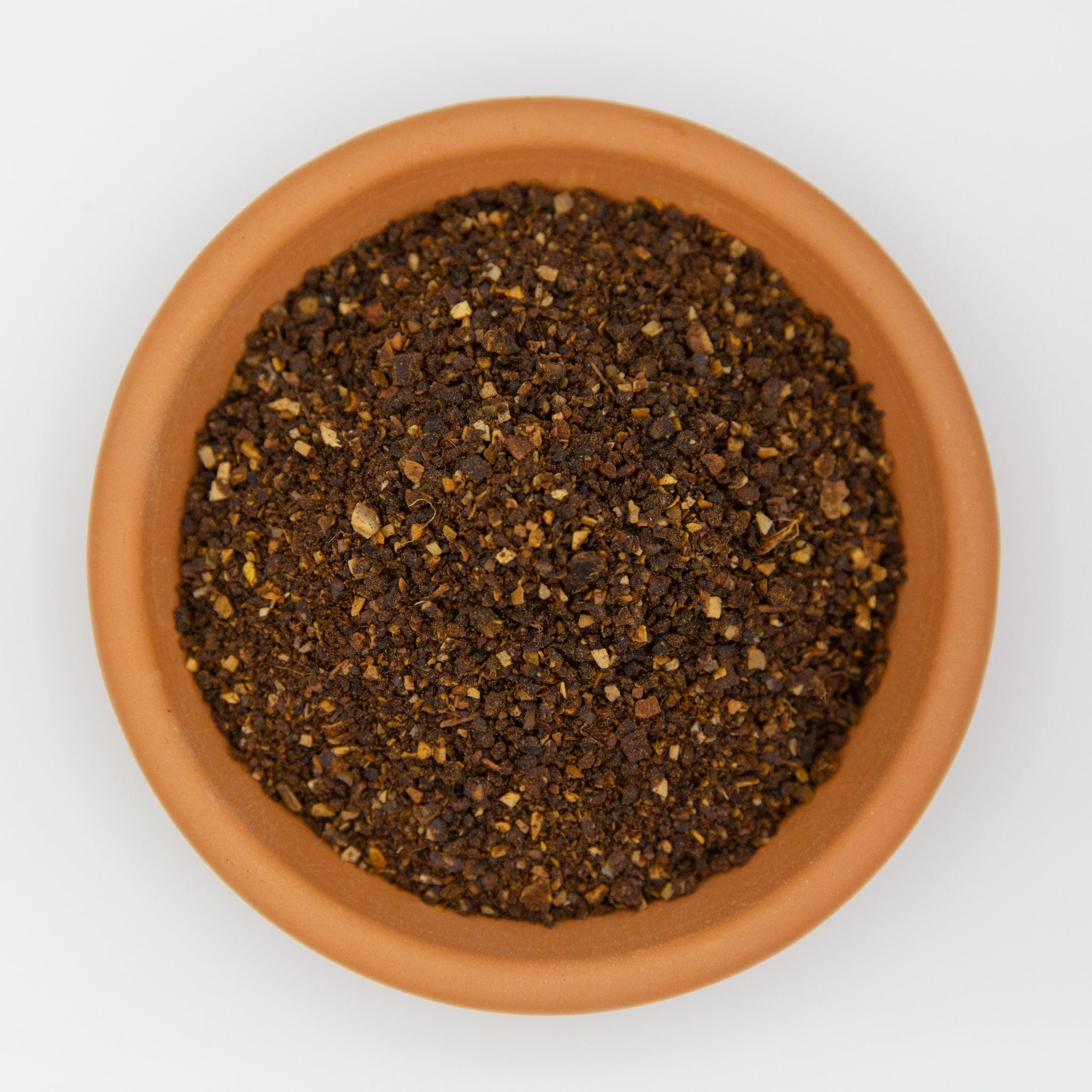
For sap-sucking pests such as aphids, mealybugs and whiteflies, Neem + Karanj Oil can form part of a broader pest-management program where the product directions allow.
Good coverage matters.
Always follow the product directions, test sensitive plants first and avoid applying oils to stressed plants, hot foliage or open flowers being visited by pollinators.
Step 3: Stop Ants Climbing the Plant
If ants are protecting aphids or scale on a tree, preventing them from reaching the canopy can make a big difference.
Physical exclusion is particularly useful on:
- Citrus
- Fruit trees
- Ornamentals
- Standard-form plants
- Other woody plants with a defined trunk
The basic idea is simple:
Create a barrier between the ground and the pest colony.
Before using any sticky barrier around a tree, make sure it is intended for horticultural use.
Avoid applying adhesives directly to bark unless the product specifically allows it.
Also look for alternate routes.
Ants are very good at finding another way up.
Check whether branches or foliage touch:
- Fences
- Walls
- Stakes
- Trellises
- Irrigation lines
- Other plants
- Nearby structures
A single touching branch can become an ant highway and bypass your barrier entirely.
Step 4: Target Ant Trails and Nesting Areas Where Appropriate
If ants are travelling around pots, benches, paving or other dry surfaces, targeted treatment may help reduce activity.
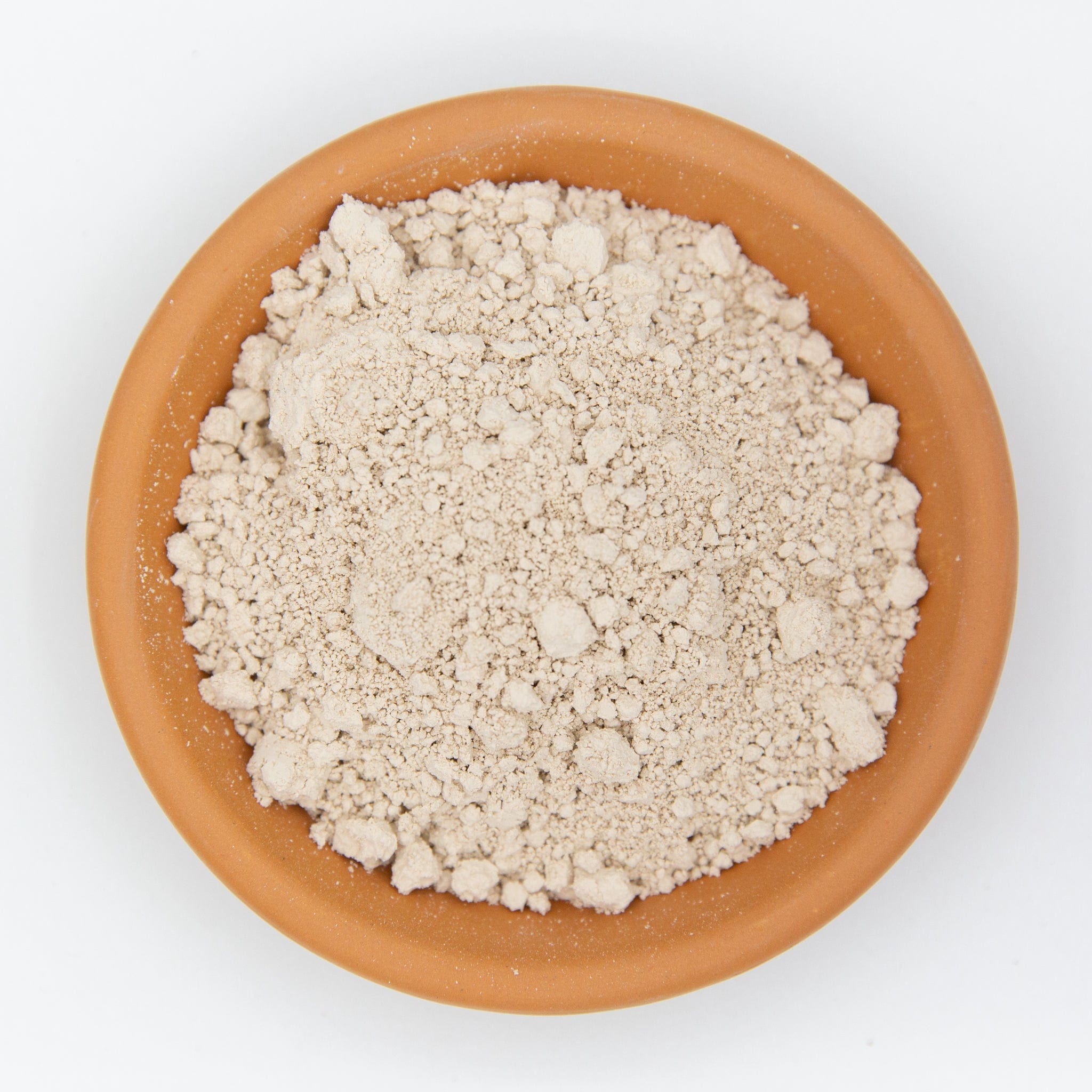
Our Diatomaceous Earth is a micronised mineral powder that can be used as part of a broader garden pest-control routine.
For ants, it is most useful for targeted dry applications around areas such as:
- Ant trails
- Pot feet
- Dry surface routes
- Threshold areas
- Selected growing areas
It works best while dry.
Rain and irrigation can reduce its effectiveness.
Use a light application rather than large piles.
Avoid creating airborne dust.
Also avoid unnecessary application around flowers or areas where beneficial insects are actively foraging.
Importantly, the Dr Greenthumbs Diatomaceous Earth sold on our site is not certified as food grade.
Do not treat it like a food product or casually apply it to harvested produce.
Use it according to the product directions and for its intended garden applications.
Step 5: Use Contact Insecticides Only Where They Fit the Job
Sometimes ant pressure or the associated pest infestation warrants a contact insecticide.
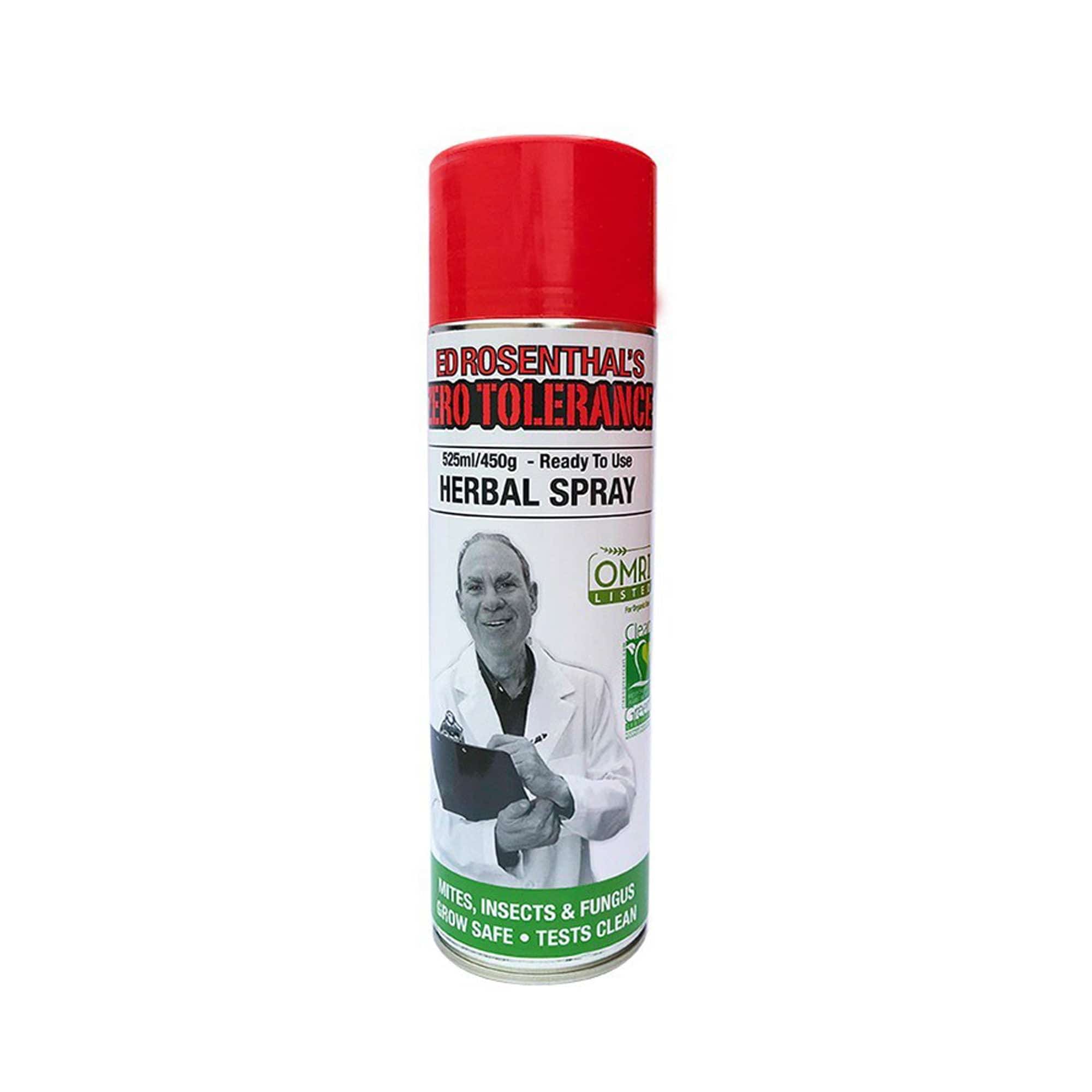
Pyrethrum Concentrate is a mix-as-needed contact insecticide option for targeted pest management where the label confirms the pest and plant are suitable.
Contact insecticides need to physically contact the target insect.
That means good application is more important than simply spraying large volumes around the garden.
Always follow the label, including:
- Correct dilution
- Approved target pests
- Approved plants
- Application directions
- Withholding requirements
- Safety precautions
Apply in cooler conditions rather than hot midday sun.
Avoid spraying beneficial insects and open flowers wherever possible.
For gardeners who prefer a dry formulation, Pyrethrum Insect Dust is another option to consider where the product directions match the situation.
Again, don't assume that because a product is botanical or naturally derived it should be applied everywhere.
Targeted use is better than blanket treatment.
Why Killing the Ants You Can See Often Doesn't Work
The ants travelling across soil or climbing a plant are worker ants. They are only the visible part of a colony that may remain protected inside a nest.
A contact treatment can kill workers it reaches without removing the queen, the nest or the reason other workers are being sent to the plant. If honeydew, another food source or an open access route remains, activity can resume.
Treat visible workers as evidence, not the whole problem. Follow the trail, identify the food source and use the five-step process above to decide whether the host pest, access route, trail or nesting area needs attention.
How to Get Rid of Ants in a Veggie Garden
In a veggie garden, control is warranted when ants disturb newly planted seedlings, protect sap-sucking pests on the crop, create a biting or stinging hazard or move heavily through harvesting areas.
If established vegetables are healthy and the ants are simply nesting or crossing the soil, monitor the activity before applying a treatment. Use the 30-second diagnosis above to determine whether the ants are nesting in the bed or repeatedly climbing a crop.
Inspect tender shoots and leaf undersides for aphids or whitefly. If aphids are present, use the aphid control guide. If small white insects fly up when the foliage is disturbed, use the whitefly control guide.
When treatment is necessary, protect the edible crop first: deal with the honeydew-producing pest, avoid unnecessary whole-bed applications and follow the crop and harvest directions on every product label.
Be More Careful With Products Around Edible Crops
“Natural” does not automatically mean “use anywhere”.
For any pesticide, oil, dust or insect-control product used around vegetables, check:
- Whether the crop is listed
- Application directions
- Required dilution
- Withholding periods
- Harvest restrictions
- Pollinator precautions
Never assume a product belongs directly on edible leaves or fruit just because it can be used elsewhere in the garden.
Ants in Garden Beds and Raised Beds
Garden beds can provide warm soil, protected edges, timber joins and dry pockets beneath mulch where ants can establish a nest.
Watch the activity before treating. Ants crossing the bed may only be foraging, while repeated movement into one hole, loose excavated soil or activity concentrated beneath an edge can indicate a nest.
Intervention is more useful when excavation is undermining seedlings, roots or irrigation, when the colony creates a biting or stinging risk, or when workers repeatedly climb nearby plants to protect sap-sucking pests.
If the plants remain healthy and activity is minor, continue monitoring. If ants are climbing plants, use the 30-second diagnosis above and then follow the relevant treatment step rather than treating the entire bed automatically.
Ants in Pots and Container Plants
Pots can be attractive nesting sites because they provide shelter, warmth and relatively stable conditions.
Common signs include:
- Ants coming from drainage holes
- Loose potting mix around the base
- Constant traffic between pot and bench
- Ants appearing after watering
- Activity under saucers
- Ants sheltering beneath the pot
First determine whether the ants are actually nesting in the pot or simply passing through it.
Lift the pot carefully and inspect:
- Drainage holes
- Pot feet
- Saucers
- The bench underneath
- Nearby cracks
- Adjacent pots
If honeydew-producing pests are also present on the plant, treat those at the same time.
Otherwise, you may clear the ants from the pot while leaving their food supply untouched above.
Why Are There Ants on My Citrus Tree?
Citrus often attracts heavy ant traffic when aphids colonise tender flush, soft scale settles on stems and leaves or mealybugs hide around sheltered joins.
Follow the trail and inspect:
- Fresh, curled or distorted shoots for aphids
- Stems and leaf veins for fixed scale insects
- Branch joins and sheltered crevices for cottony mealybugs
- Leaves and fruit for sticky honeydew or black sooty mould
Use the matching guide to confirm and control aphids, scale insects or mealybugs. Then stop ants reaching the canopy where practical and remove alternative access from touching branches, fences, stakes or irrigation lines.
What About Sooty Mould?
Black sooty mould grows on honeydew left on leaves and stems. Control the aphids, scale, mealybugs or whiteflies producing the honeydew before focusing on the black coating; otherwise fresh deposits will continue.
Once pest pressure falls and the sticky residue stops building, gently clean affected foliage where practical and monitor new growth. The mould is a symptom of the honeydew problem, not a separate reason to blanket-spray the tree.
Common Mistakes When Treating Garden Ants
Avoid these common mistakes:
- Assuming every ant is harmful: Low-level activity around healthy plants may not require treatment.
- Treating ants without inspecting the plant: Aphids, scale, mealybugs or whiteflies may be the real reason ants are present.
- Treating aphids without limiting ant access: Protective ants can make it harder for beneficial insects to reach the colony.
- Blanket-spraying the garden: Broad treatment can affect beneficial insects without removing the food source or nest.
- Ignoring alternative climbing routes: A trunk barrier will not help if branches touch a fence, stake or nearby plant.
- Expecting one treatment to finish the job: Continue checking ant trails and fresh plant growth for renewed activity.
- Assuming “natural” means harmless: Neem, pyrethrum and diatomaceous earth must still be used according to their product directions.
Fire Ant Warning
Suspected fire ants should not be treated like ordinary garden ants.
Do not rely on the general DIY advice in this article if you think you may have found fire ants.
Fire ants are an invasive pest subject to specific Australian biosecurity requirements.
If the ants or nest look suspicious, avoid casually disturbing, digging into or treating the nest with home remedies.
Keep children and pets clear of the area and follow the official fire-ant reporting instructions for your location.
This is one situation where correct identification matters more than trying a quick garden fix.
Frequently Asked Questions
Are ants bad for plants?
Not necessarily.
Many ants can live in gardens without noticeably harming plants.
They become more concerning when they disturb roots, create nuisance nests or protect sap-sucking pests such as aphids and scale.
Why are ants crawling on my plants?
They're often looking for food.
If ants repeatedly climb the same plant, check for aphids, scale, mealybugs and whiteflies producing honeydew.
Do ants eat aphids?
Ants are often more interested in the honeydew aphids produce than in eating the aphids themselves.
They may protect aphid colonies because the colony provides a valuable food source.
Why do ants farm aphids?
Aphids produce sugary honeydew that ants use as food. In return, ants may defend the colony from ladybirds, lacewing larvae, hoverfly larvae and other natural predators, allowing aphid numbers to build.
Do not focus only on killing visible ants. Reduce the aphid population and stop ants reaching the colony where practical.
Why do aphids keep coming back?
Repeat infestations may be caused by missed insects, fresh hatchings, new soft growth or ants continuing to protect the colony.
Why are ants on my citrus tree?
Check for aphids, scale and mealybugs.
These pests produce honeydew that can attract heavy ant activity.
Do ants damage vegetable gardens?
Sometimes, but ant presence alone doesn't mean vegetables are being harmed.
Check for root disturbance, seedling damage or sap-sucking pests first.
How do I get rid of ants in a vegetable garden?
Start by identifying why they're there.
If they're feeding on honeydew, control the aphids, scale, mealybugs or whiteflies first.
Only use pest-control products that are suitable for the crop and situation.
Why are ants in my potted plant?
They may be nesting in the potting mix, travelling through drainage holes or visiting honeydew-producing pests on the foliage.
Inspect both the soil and the plant.
Does diatomaceous earth kill ants?
Diatomaceous earth can be used as a dry physical pest-control tool around suitable ant trails and surfaces.
It needs to stay dry and should be applied carefully to avoid unnecessary airborne dust.
Can I use pyrethrum on ants?
Pyrethrum is a contact insecticide and may be suitable where the specific product label allows it.
Always follow the label for target pests, plants, dilution and safety.
Is neem oil good for ants?
Neem is usually more useful here for treating some of the sap-sucking pests attracting the ants.
If aphids, whiteflies or mealybugs are producing honeydew, reducing those pests can remove the ants' food source.
Are ants attracted to scale insects?
Yes.
Honeydew-producing scale insects can attract ants.
Heavy ant traffic on citrus or ornamentals is a good reason to inspect stems and leaves for scale.
Are ants attracted to mealybugs?
Yes.
Mealybugs produce honeydew, and ants may protect colonies while feeding on it.
Are ants attracted to whiteflies?
They can be.
Whiteflies produce honeydew, so ant activity can occur around heavily infested plants.
Should I remove every ant nest from my garden?
No.
Many colonies cause little trouble.
Control is most useful when ants are causing a specific problem.
The Bottom Line
If you've got ants on plants, don't start with the ants.
Start by asking why they're there.
A steady trail of ants moving up a plant is often an early-warning sign of something else:
Aphids feeding on tender shoots.
Scale attached to stems.
Mealybugs hiding in leaf joints.
Whiteflies producing honeydew beneath the foliage.
Treat the real pest.
Break the ants' access where necessary.
Protect your beneficial insects.
Keep checking the plant.
That's how you turn ant control from a game of whack-a-mole into a proper garden pest-management plan.
Next Reads for Breaking the Ant-and-Sap-Sucker Cycle
Seeing ants on your plants usually means there’s more going on. These guides will help you identify the honeydew-producing pest and choose the right next step.
- How to Control Aphids in Australia
- Scale Insect Control in Australian Gardens
- How to Get Rid of Mealybugs in Australia
- Whitefly Control in Australia
About the Author