
Walked outside in the morning to find a perfectly healthy seedling lying on the soil like somebody took a tiny pair of secateurs to it?
There’s a good chance you’ve met a cutworm.
Cutworms are night-feeding caterpillars that hide in or around the soil during the day and come out after dark to feed. Young seedlings are particularly vulnerable because larger cutworms can chew straight through soft stems at or just above ground level.
That classic “healthy yesterday, chopped down this morning” pattern is one of the biggest clues.
The good news? Once you know where cutworms hide and how they behave, they’re much easier to deal with.
This guide covers:
- what cutworms are
- how to identify a cutworm caterpillar
- what a cutworm moth looks like
- how to recognise cutworm damage
- where cutworms hide during the day
- how to find them at night
- how to get rid of cutworms
- how to protect new seedlings
- how to prevent them coming back
If your plants are being chewed rather than cut off at soil level, have a look at our complete caterpillar pest-control guide for Australian gardens as well.
Table of Contents:
- Quick Answer: What Is a Cutworm?
- How to Tell If Cutworms Are Killing Your Seedlings
- How to Find a Cutworm in Your Garden
- What Does a Cutworm Caterpillar Look Like?
- What Does a Cutworm Moth Look Like?
- The Cutworm Life Cycle
- When Are Cutworms a Problem in Australia?
- What Plants Do Cutworms Eat?
- How to Get Rid of Cutworms
- How to Protect Seedlings From Cutworms
- Cutworm vs Other Garden Pests
- Why Do Cutworms Curl Into a C?
- Where Do Cutworms Hide During the Day?
- Do Cutworms Bite Humans?
- Do Cutworms Turn Into Moths?
- Can a Plant Recover From Cutworm Damage?
- Common Cutworm Control Mistakes
- The Fastest Cutworm Action Plan
- Frequently Asked Questions About Cutworms
- The Bottom Line
- Next Reads for Protecting Seedlings from Chewing Pests
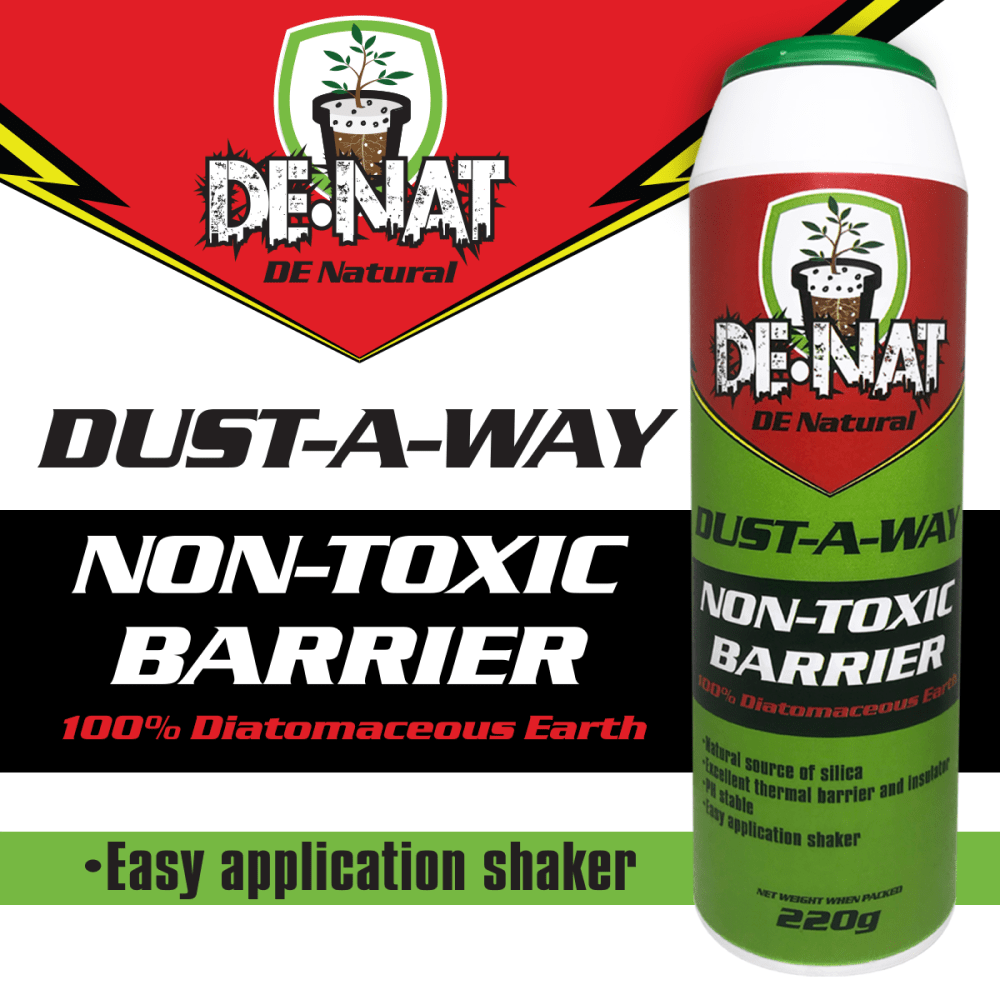
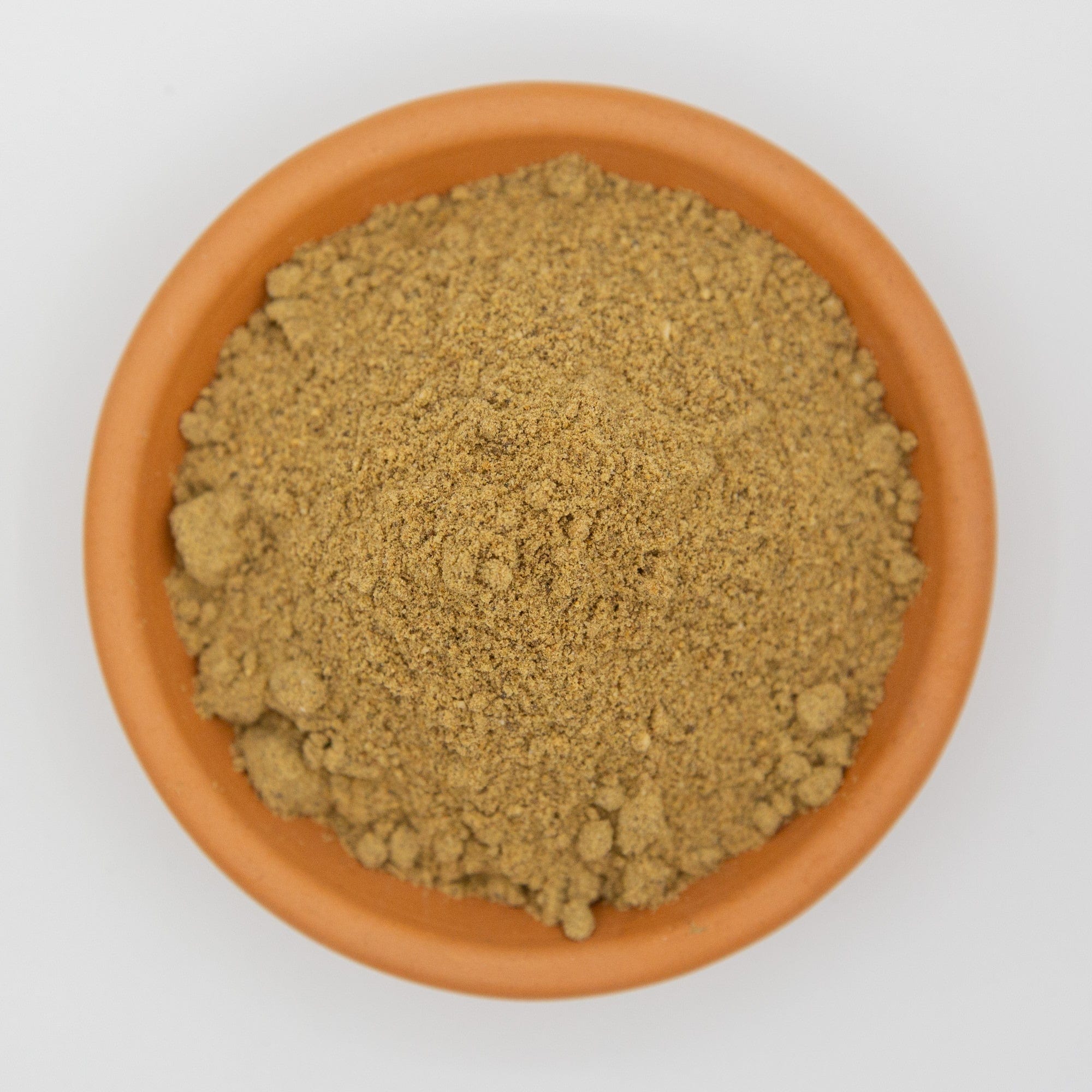
If you want a dry mineral product on hand as part of a broader pest-management routine, this is the relevant option:

Quick Answer: What Is a Cutworm?
A cutworm is the caterpillar, or larval stage, of certain moths.
Despite the name, there isn’t just one single species of cutworm.
Several moth species produce caterpillars that behave in a similar way: they spend much of the day concealed around the soil surface and become active after dark.
Cutworms can feed on leaves, stems and young plants, but they’re best known for attacking seedlings close to ground level.
A typical cutworm is:
- smooth-bodied
- chunky compared with many leaf-feeding caterpillars
- grey, brown, greenish or almost black depending on species and age
- often found hiding in the top layer of soil
- active mainly at night
One of the easiest identification tricks is to gently disturb it.
Many cutworm caterpillars will curl tightly into a C-shape when touched.
How to Tell If Cutworms Are Killing Your Seedlings
Cutworm damage is fairly distinctive once you know what to look for.
Check for this combination:
- seedlings suddenly collapsing overnight
- stems cut or heavily chewed close to soil level
- the top of the seedling lying beside the remaining stem
- fresh damage with little obvious activity during the day
- neighbouring seedlings disappearing one after another
- a thick caterpillar hiding in loose soil nearby
The biggest giveaway is the location of the damage.
Cutworms Usually Attack Near Ground Level
Leaf-feeding caterpillars generally leave holes, skeletonised foliage or chewed edges higher on the plant.
Cutworms often attack where the stem meets the soil.
A small seedling may be completely severed.
On a slightly thicker plant, you may instead find:
- deep chewing around one side of the stem
- damaged lower leaves
- a weakened plant falling over
- feeding at the crown or soil surface
Not every missing seedling is a cutworm, though.
Slugs, snails, slaters and other night-feeding pests can also damage young plants.
That’s why the next step matters.
How to Find a Cutworm in Your Garden
If you think cutworms are responsible, don’t immediately reach for a spray.
Find the pest first.
Cutworms are surprisingly easy to miss during daylight because they tend to shelter around the soil.
Try This After Finding a Freshly Cut Seedling
Start at the damaged plant.
Gently scratch through the loose soil around the base of the seedling, checking a few centimetres out from the stem.
Look:
- underneath loose soil
- around the root zone
- under mulch
- underneath small pieces of bark or garden debris
- around the edges of beds
- beside nearby seedlings
You’re looking for a plump caterpillar that may curl into a C when disturbed.
Check Again After Dark
Night-time is often the easiest time to catch cutworms in action.
Grab a torch and check vulnerable plants after the sun has gone down.
Pay particular attention to:
- newly planted seedlings
- lettuce and leafy greens
- young brassicas
- herbs
- vegetable transplants
- freshly planted garden beds
If you find the caterpillar feeding at soil level, you’ve got a much stronger diagnosis.
And once you know what you’re dealing with, control becomes a lot easier.
What Does a Cutworm Caterpillar Look Like?
There’s no single cutworm colour.
Depending on the species and stage of growth, a cutworm caterpillar may be:
- grey
- brown
- dull green
- olive
- reddish-brown
- nearly black
Some have spots, faint stripes or other markings.
Colour alone therefore isn’t the best way to identify them.
Instead, look at the combination of:
Body shape + behaviour + location + plant damage.
The caterpillar is usually relatively thick-bodied and smooth-looking rather than hairy.
Then ask:
- Was it found on or close to the soil?
- Has a nearby seedling been cut off?
- Was the damage fresh overnight?
- Does the caterpillar curl into a C when disturbed?
The more of those boxes you tick, the more suspicious it becomes.
What Does a Cutworm Moth Look Like?
Cutworms eventually pupate and develop into adult moths.
The exact appearance varies between species, but adult cutworm moths are generally much less dramatic than the damage their caterpillars cause.
Many are:
- brown, grey or mottled
- nocturnal
- active around gardens after dark
- attracted to lights
It’s important to understand that the cutworm moth is not the stage chopping through your seedlings.
The caterpillar is the damaging stage.
Adult moth activity can still be useful as an early warning because moths lay the eggs that produce the next generation of caterpillars.
If moth activity suddenly increases, keep a closer eye on vulnerable seedlings over the following period.
The Cutworm Life Cycle
Understanding the lifecycle makes prevention much easier.
The basic cycle is:
Egg → caterpillar → pupa → adult moth → egg
The moth lays eggs on or near suitable vegetation.
Those eggs hatch into small caterpillars.
As the caterpillars grow, they pass through several stages and become capable of causing increasingly obvious damage.
Eventually they pupate before emerging as adult moths and continuing the cycle.
From a gardener’s perspective, the important lesson is simple:
Don’t focus only on the moth. The caterpillar stage is where the plant damage happens.
And don’t assume that killing one large caterpillar means the problem is finished.
There may be:
- smaller larvae you haven’t spotted yet
- pupae around the soil
- eggs waiting to hatch
- adult moths continuing to lay eggs
That’s why cutworm management works best as a small IPM — Integrated Pest Management — system, rather than one heroic spray.
When Are Cutworms a Problem in Australia?
Cutworm activity depends on species, climate and local conditions, so there isn’t one Australia-wide date when they suddenly appear.
As a practical rule, stay particularly alert when:
- conditions are mild to warm
- moth activity is noticeable
- weeds or groundcover have recently been cleared
- you’re preparing an old or previously weedy garden bed
- young seedlings have just gone into the ground
- fresh damage is appearing overnight
The key is to watch the garden rather than the calendar.
Your most vulnerable period is often when you've just planted soft, tender seedlings.
A mature tomato might shrug off a bit of chewing.
A brand-new lettuce seedling can disappear in one night.
What Plants Do Cutworms Eat?
Cutworms can attack a wide range of plants.
The highest-risk plants are generally young seedlings and fresh transplants with tender stems.
In backyard gardens that can include:
- lettuce
- spinach
- kale
- cabbage
- broccoli
- cauliflower
- tomatoes
- capsicums
- beans
- herbs
- young ornamentals
- other vegetable seedlings
They’re opportunistic feeders.
That means the useful question isn’t always:
“Do cutworms eat this particular plant?”
It’s:
“Is this plant young, tender and easy to reach from the soil?”
If yes, it deserves a quick night-time check when cutworms are active.
How to Get Rid of Cutworms
If you’re wondering how to get rid of cutworms, start with the lowest-impact method that matches the size of your problem.
There’s no need to carpet-bomb the entire garden because one caterpillar ate one seedling.
Start targeted.
1. Find and Remove the Cutworm
For a small garden or minor outbreak, this is often the quickest solution.
If you wake up to one freshly severed seedling:
- inspect the damaged stem
- gently search the surrounding soil
- check under nearby mulch and debris
- return with a torch after dark if necessary
- remove any cutworms you find
Do the same around neighbouring seedlings.
A few minutes of detective work can save you from treating an entire bed unnecessarily.
2. Protect Seedlings With Cutworm Collars
Physical barriers are one of the simplest ways to protect valuable seedlings.
A cutworm collar creates a barrier around the lower stem so the caterpillar cannot easily reach it.
You can make collars from suitable garden-safe materials and position them around new seedlings.
The collar should protect the vulnerable lower section of the stem and sit securely enough that the caterpillar cannot simply crawl underneath it.
This approach is particularly handy when:
- you've already found cutworms in the bed
- you're planting expensive seedlings
- you only have a small number of plants
- you want to avoid unnecessary spraying
It’s boring.
It’s simple.
And simple garden fixes are often the best ones.
3. Clean Up Their Hiding Places
Cutworms benefit from sheltered areas close to the soil.
Keep the immediate growing zone tidy by removing unnecessary:
- weeds
- dead vegetation
- heavy plant debris
- old crop remains
That doesn’t mean turning your garden into bare dirt.
Mulch and organic matter are still incredibly valuable.
The aim is simply to avoid giving a known pest unlimited shelter right beside vulnerable seedlings.
If you're converting a heavily weeded patch into a vegetable bed, inspect it carefully before planting your best seedlings straight in.
4. Lightly Cultivate and Inspect the Soil Before Planting
Preparing a new bed gives you an opportunity to expose hiding larvae and pupae before seedlings arrive.
As you prepare the surface:
- inspect the topsoil
- break apart obvious hiding places
- look underneath weeds and debris
- remove cutworms you find
Birds and other predators may also take exposed caterpillars.
This is far easier than trying to save seedlings after half the bed has already disappeared.
5. Use Diatomaceous Earth as Part of a Targeted Barrier Strategy
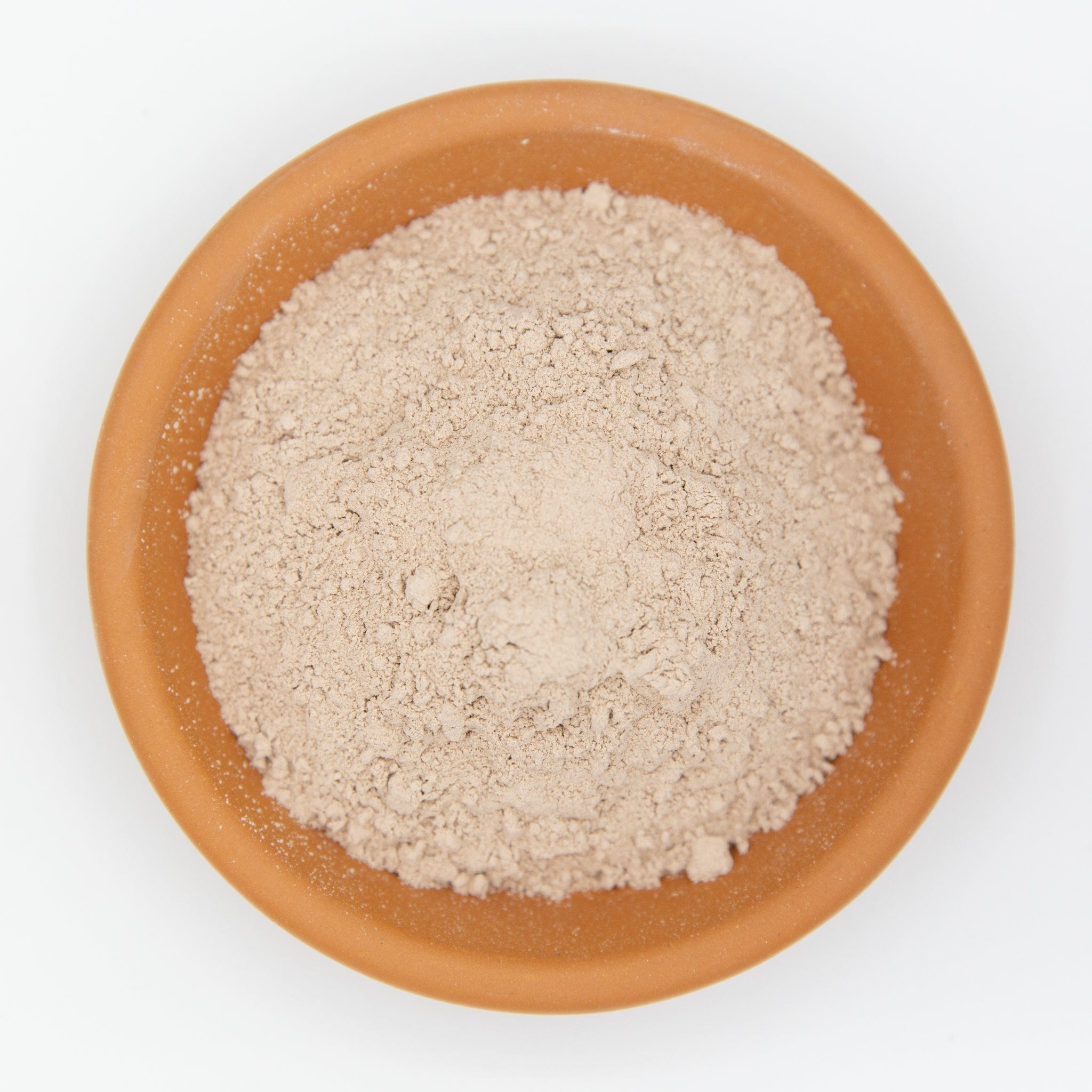
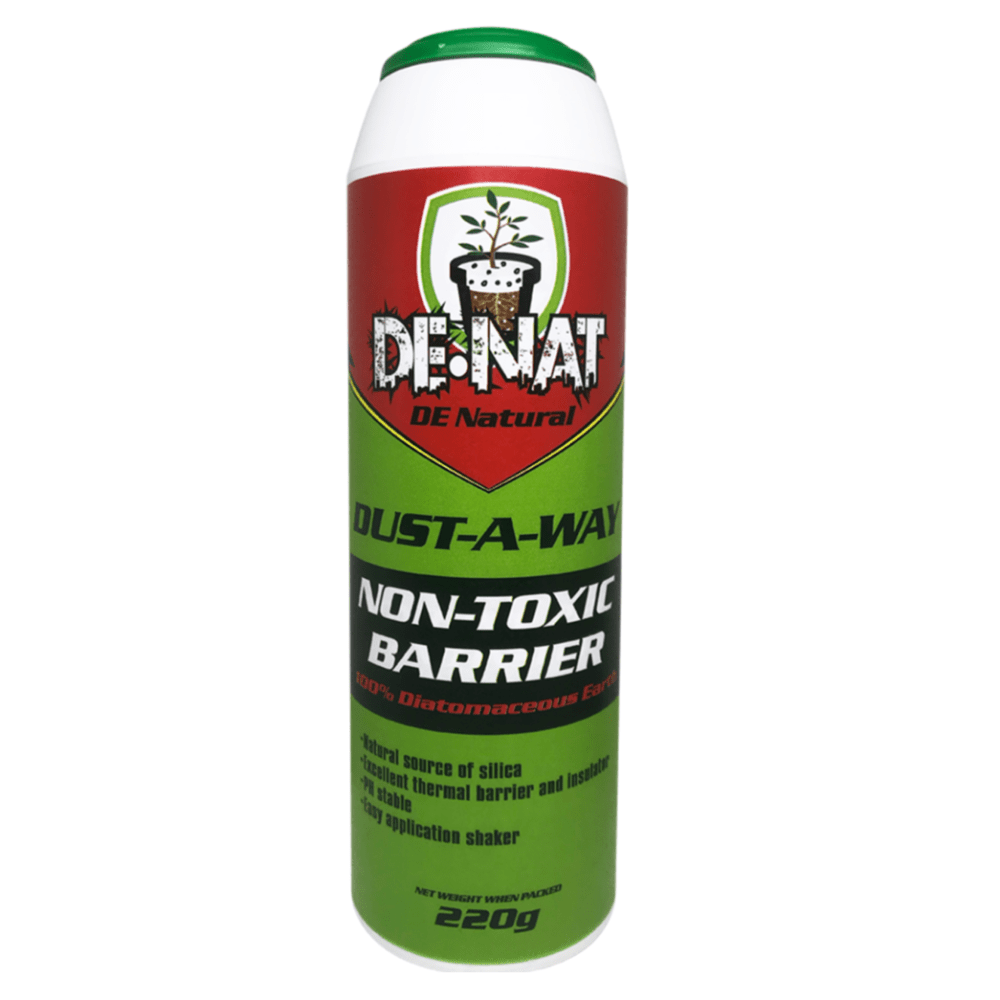
For gardeners building a broader low-tox pest-management routine, Dr Greenthumbs Micronised Diatomaceous Earth can be used as a fine, dry mineral powder around targeted garden areas.
Diatomaceous Earth works physically rather than as a conventional poison. Its fine particles affect susceptible crawling pests after contact when the material is dry.
For cutworm-prone areas, think of it as one possible part of a layered approach rather than a substitute for finding and removing the caterpillars.
Apply carefully around targeted areas rather than covering everything in sight.
A few important points:
- it needs to remain dry to do its job
- watering, heavy dew or rain can reduce effectiveness
- use a light application rather than huge piles
- avoid breathing airborne dust during application
- keep it away from open flowers and non-target beneficial insects
- always follow product directions
See Dr Greenthumbs Diatomaceous Earth here.
6. Encourage Natural Predators
Cutworms aren't living in isolation.
They’re part of the food chain.
Birds, predatory insects and other garden wildlife can help keep caterpillar numbers under pressure.
A garden with healthy predator populations can often tolerate small pest outbreaks far better than one where every insect gets sprayed the moment it appears.
This is another reason to avoid unnecessary broad-spectrum treatments.
Kill everything and you may remove the insects helping you for free.
7. Escalate Only When the Damage Justifies It
A large vegetable patch losing multiple seedlings every night is different from finding a single cutworm in one pot.
For substantial or persistent outbreaks, consider an appropriate caterpillar-control strategy suitable for the plants you’re growing.
The important bit is correct identification first.
Cutworms are caterpillars, but their ground-level, nocturnal behaviour means the best management approach can differ from leaf-feeding caterpillars sitting openly on broccoli leaves.
If you’re dealing with a broader caterpillar problem as well, read our Caterpillar Pest Control Australia guide for a deeper look at caterpillar identification, prevention and treatment.
Always read and follow the label of any garden-control product you use, particularly on edible crops.
How to Protect Seedlings From Cutworms
Prevention is much easier than replacing half a tray of seedlings.
If cutworms are common in your area, use this routine when planting.
Before planting
Inspect newly prepared beds for:
- caterpillars
- pupae
- heavy weed growth
- old crop debris
- recent unexplained chewing
At planting
Protect particularly valuable seedlings with physical collars where practical.
During the first week
Check them daily.
If a plant disappears overnight, investigate immediately rather than waiting for a second and third seedling to go.
After dark
Do one torch inspection.
Five minutes at night can reveal more than twenty minutes staring at an empty garden bed during the day.
Cutworm vs Other Garden Pests
Not every chewed seedling is a cutworm.
Use the damage pattern to narrow things down.
|
Pest |
Typical Clue |
|---|---|
|
Cutworm |
Seedling severed or badly chewed close to soil level, usually overnight |
|
Leaf-feeding caterpillar |
Holes, missing leaf edges, frass or stripped foliage higher on plant |
|
Slug or snail |
Irregular chewing, slime may be present, active in damp conditions |
|
Slater |
Often found around moist organic matter; damage may affect soft seedlings |
|
Curl grub |
Mostly root-zone problems rather than a cleanly severed seedling stem |
|
Armyworm |
Caterpillar damage can be widespread, sometimes with multiple larvae feeding across plants or turf |
These aren't absolute rules.
They’re clues.
The best diagnosis comes from combining the damage pattern with actually finding the animal responsible.
Why Do Cutworms Curl Into a C?
That curled position is a defensive response seen in many cutworm caterpillars.
When disturbed, the caterpillar contracts and curls its body.
For gardeners, it’s a handy identification clue because a plump caterpillar found beside a freshly severed seedling that immediately curls into a tight C deserves serious suspicion.
Just remember:
C-shape alone does not prove it’s a cutworm.
Use all the evidence together.
Where Do Cutworms Hide During the Day?
This is one of the most useful things to know.
Many cutworms spend daylight hours sheltered:
- just underneath the soil surface
- under mulch
- under plant debris
- near the base of damaged plants
- beneath weeds or other cover
So if you stare at the leaves at midday, you may see absolutely nothing.
That leads plenty of gardeners to think the pest has moved on.
Then another seedling disappears the following night.
Search the soil and check after dark instead.
Do Cutworms Bite Humans?
Cutworms are garden pests, not people hunters.
Their concern to gardeners is their ability to damage plants, particularly seedlings.
As with any garden insect, avoid unnecessary handling and wash your hands after gardening.
Do Cutworms Turn Into Moths?
Yes.
A cutworm caterpillar eventually develops into a pupa and then an adult moth.
That adult moth can go on to reproduce and begin another generation.
This is why spotting moth activity can be useful even though the moth itself isn't the stage cutting through your seedlings.
Can a Plant Recover From Cutworm Damage?
It depends on how badly the plant has been damaged.
If a tiny seedling has been completely severed below its growing point, replacement may be the easiest option.
Larger plants can sometimes recover from partial lower-stem or foliage damage if enough healthy tissue remains.
If the plant is still standing:
- inspect the stem
- remove the pest
- keep the plant appropriately watered
- avoid piling extra stress on it
- monitor new growth
Don’t drown or massively fertilise a damaged plant in an attempt to “fix” it overnight.
Give it a chance to recover.
Common Cutworm Control Mistakes
Treating Without Finding the Pest
A missing seedling does not automatically equal cutworm.
Confirm the diagnosis where possible.
Only Looking During the Day
You may never see the culprit.
Get the torch out.
Ignoring the Soil
This is the big one.
For cutworms, your investigation should start around ground level rather than only underneath leaves.
Waiting Until Several Seedlings Are Gone
One chopped seedling is your warning.
Investigate before the next night's feeding session.
Assuming More Product Means Better Control
Whether you're using a physical barrier, powder or another pest-control product, more isn't automatically better.
Targeting and correct application matter.
Forgetting About Rain and Watering
Dry barrier products such as Diatomaceous Earth depend on dry conditions.
If the area becomes wet, reassess the barrier rather than assuming it's still working exactly as before.
Treating Every Caterpillar as the Enemy
Not every caterpillar deserves instant destruction.
Australia has plenty of moths and butterflies whose larvae may visit gardens without creating meaningful crop damage.
Identify the pest and assess the damage first.
That’s proper IPM:
identify → assess → control only when needed.
The Fastest Cutworm Action Plan
Found a seedling chopped off this morning?
Do this:
- Check the stem. Look for fresh chewing around soil level.
- Scratch through nearby soil. Search around the base of the damaged plant.
- Check underneath mulch and debris.
- Go back after dark with a torch.
- Remove any cutworms you find.
- Protect neighbouring seedlings with collars if needed.
- Tidy unnecessary weeds and debris around vulnerable plants.
- Use targeted barriers or controls only where justified.
- Check the bed again tomorrow morning.
That’s usually far more effective than randomly spraying the entire backyard and hoping for the best.
Frequently Asked Questions About Cutworms
What is a cutworm?
A cutworm is the caterpillar stage of certain moths. Several species are called cutworms because their larvae commonly feed close to ground level and can sever young seedlings.
What does a cutworm look like?
Cutworm caterpillars are generally thick-bodied and relatively smooth. Their colour can range from grey and brown to greenish or nearly black. Many curl into a tight C-shape when disturbed.
How do I know if I have cutworms?
The classic sign is a healthy young seedling suddenly cut or heavily chewed at soil level overnight. Search the surrounding soil and check the garden after dark for confirmation.
Where do cutworms hide?
Cutworms commonly shelter in the upper soil, underneath mulch or garden debris and around the base of plants during the day.
When do cutworms come out?
Many cutworms are most active from dusk through the night.
What kills cutworms naturally?
Small infestations can often be controlled by finding and physically removing the caterpillars, protecting seedlings with barriers and reducing nearby shelter. Gardeners may also use targeted products as part of an integrated approach where appropriate.
Does Diatomaceous Earth work around cutworm-prone seedlings?
Diatomaceous Earth can be incorporated into a targeted dry-barrier pest-management strategy. It acts physically on susceptible crawling pests and needs to stay dry. It should be used carefully and as one part of an IPM approach rather than relying on it instead of identifying and removing cutworms.
View Dr Greenthumbs Micronised Diatomaceous Earth.
Do cutworms become moths?
Yes. Cutworm caterpillars pupate and eventually become adult moths.
What plants are most vulnerable to cutworms?
Young seedlings and fresh transplants are most vulnerable because their tender stems can be severed easily. Vegetables, herbs and ornamental seedlings can all be attacked.
Are cutworms and armyworms the same thing?
No. They are related groups of moth caterpillars and their damage can sometimes look similar, but their behaviour and feeding patterns can differ. Correct identification is worthwhile before treating a serious infestation.
The Bottom Line
Cutworms look mysterious when you only see the aftermath.
A lettuce seedling is standing proudly one afternoon.
The next morning?
Chop. Gone.
But the pest isn't magic.
Cutworms are caterpillars with predictable behaviour.
They tend to feed after dark, hide around the soil during the day and leave recognisable damage around the base of vulnerable plants.
So don't start by throwing random treatments at the garden.
Start by reading the clues:
Freshly severed seedling → inspect the soil → check after dark → find the caterpillar → protect neighbouring plants.
For a small outbreak, hand removal and physical barriers may be all you need.
For recurring pest pressure, combine monitoring, garden hygiene, physical protection and targeted controls into a proper IPM approach.
And if your problem turns out to be caterpillars feeding higher up the plant rather than cutworms around the soil, continue with our Australian caterpillar pest-control guide.
Want a dry, targeted tool to add to your pest-management kit? Take a look at Dr Greenthumbs Micronised Diatomaceous Earth.
Next Reads for Protecting Seedlings from Chewing Pests
Still losing seedlings overnight? These guides will help you compare likely culprits, protect young plants and choose a more targeted control strategy.
- Caterpillar Pest Control Australia Guide
- Earwigs Australia: How to Get Rid of Earwigs
- Garden Weevil Australia: Identification & Control
- Diatomaceous Earth Australia Guide
About the Author