
Found a bunch of earwigs hiding under a pot, tucked into your mulch or chewing through young seedlings overnight?
Before declaring war on every earwig in the backyard, there's something worth knowing:
Earwigs aren't always pests.
Australia is home to numerous species of earwig, and many spend their nights feeding on decaying plant material, fungi and other small insects. Some can actually work in your favour by eating pests.
The problems usually start when earwig numbers build up around vulnerable plants. Seedlings, flowers, soft new growth and ripening fruit can all end up on the menu.
So the goal isn't necessarily to wipe out every earwig you see.
It's to work out whether they're actually causing damage, reduce their numbers where needed, and protect the plants they're targeting.
Here's how.
Table of Contents
- What Are Earwigs?
- Earwigs in Australia: Are They All Garden Pests?
- What Do Earwigs Eat?
- What Plants Do Earwigs Eat?
- What Does Earwig Damage Look Like?
- How to Tell if Earwigs Are Eating Your Plants
- Are Earwigs Beneficial in the Garden?
- When Is Earwig Control Actually Warranted?
- How to Get Rid of Earwigs in the Garden
- Why Do I Suddenly Have So Many Earwigs?
- How to Get Rid of Earwigs Around the House
- How to Prevent Earwigs Coming Back
- Earwig FAQs
- So, Should You Get Rid of Earwigs?
- Next Reads for Smarter Garden Pest Control
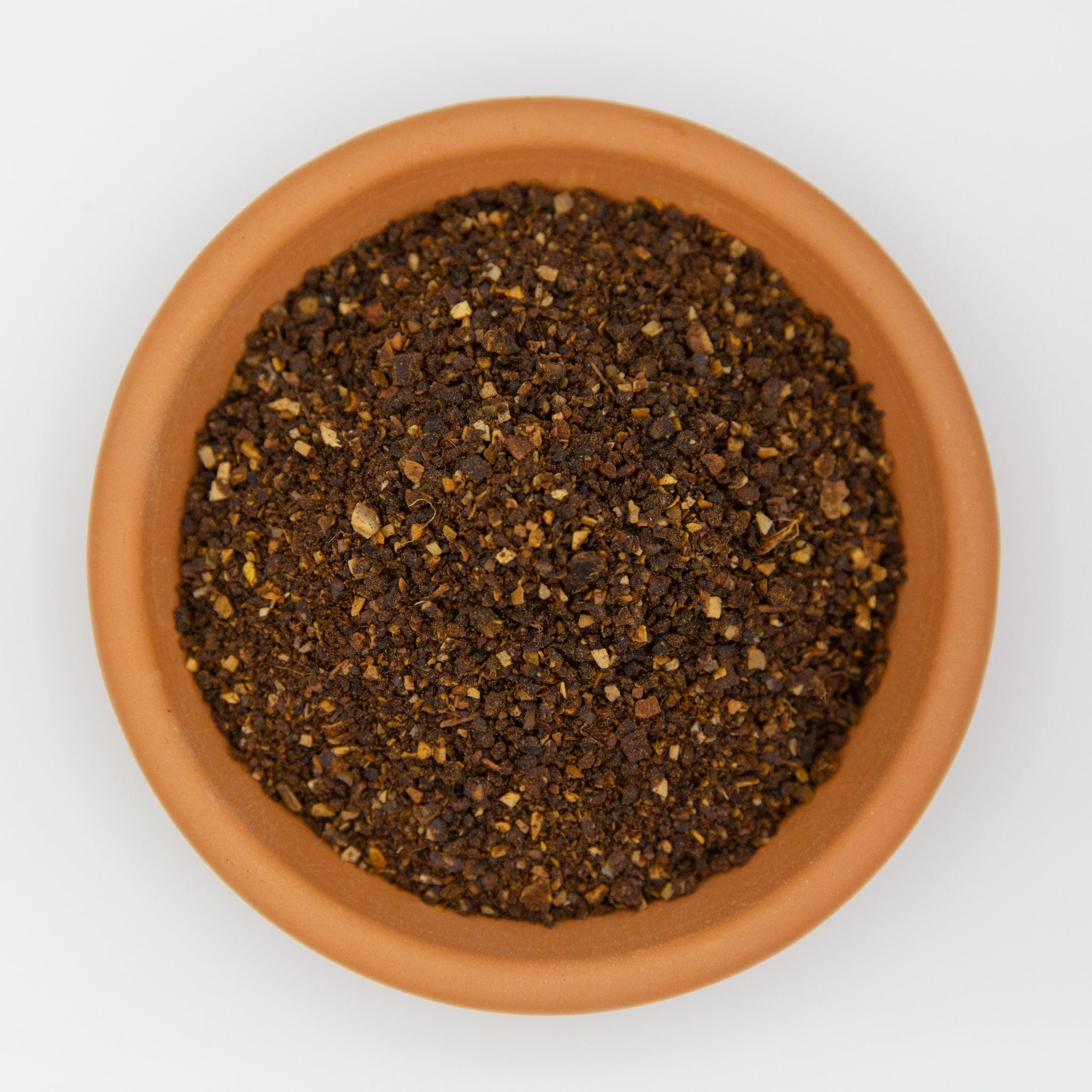
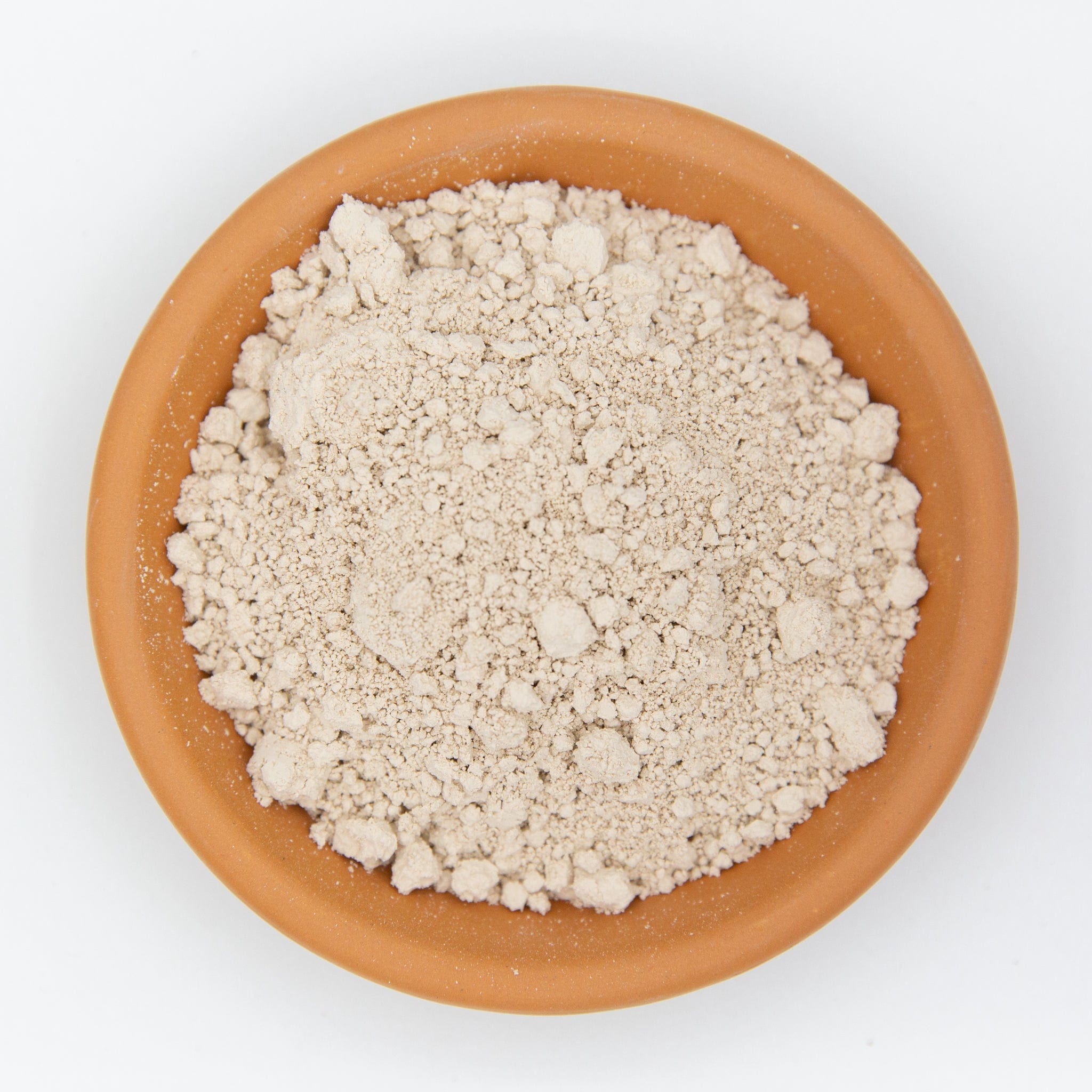
If you’ve confirmed earwig damage, these are the two treatment options referenced later in this guide:


What Are Earwigs?
Earwigs are nocturnal insects from the order Dermaptera.
Their easiest identifying feature is the pair of forceps-like pincers, called cerci, at the end of their abdomen.
Despite their slightly prehistoric appearance, earwigs aren't generally dangerous to people. Their pincers are mainly used for defence, capturing prey and interacting with other earwigs.
During the day, earwigs normally hide somewhere dark, cool and protected.
Common hiding places include:
- underneath pots and trays
- beneath mulch
- under timber and garden debris
- cracks and crevices
- underneath rocks
- inside rolled leaves
- around irrigation equipment
- amongst dense vegetation
Once darkness falls, they emerge to feed.
And that's often when the trouble begins.
Earwigs in Australia: Are They All Garden Pests?
No.
There are many different earwig species in Australia, including native species that aren't considered serious garden pests. Some act as scavengers or predators, while others may feed on living plants when conditions and food availability suit them.
The species most often associated with significant plant damage in southern Australian gardens is the European earwig (Forficula auricularia), an introduced species that has become established across large parts of southern Australia.
Large populations can damage vegetables, seedlings, flowers and fruit. However, finding an isolated earwig underneath a pot isn't enough reason to reach for an insecticide. Confirm that earwigs are causing active plant damage before deciding whether control is necessary.
What Do Earwigs Eat?
Earwigs are opportunistic omnivores.
That's why they can be confusing in the garden.
One night they may be feeding on decaying leaves or pest insects.
The next night they may be chewing your lettuce.
Their diet can include both animal and plant material, including:
- dead and decaying vegetation
- fungi
- algae
- small insects
- insect eggs and larvae
- aphids
- seedlings
- tender shoots
- leaves
- flowers
- pollen
- soft fruit
- ripening fruit
This varied diet explains why an earwig can be either a garden helper or a pest depending on what's available and how large the population becomes.
What Plants Do Earwigs Eat?
When populations get high, earwigs can attack a broad range of garden plants.
Young or soft plant tissue is usually most vulnerable.
Common targets can include:
|
Plant |
Typical earwig damage |
|---|---|
|
Lettuce |
Ragged holes through leaves |
|
Cabbage and brassicas |
Chewed seedlings and leaf edges |
|
Beans |
Damage to new shoots and leaves |
|
Peas |
Chewed foliage and tender growth |
|
Tomatoes |
Seedling damage and feeding on ripe fruit |
|
Strawberries |
Holes in ripening fruit |
|
Corn |
Feeding around silks or kernels |
|
Dahlias |
Damaged petals and flowers |
|
Roses |
Chewed petals and soft growth |
|
Fruit trees |
Feeding on soft or damaged fruit |
Seedlings need particular attention because even limited feeding can remove most of their foliage.
What Does Earwig Damage Look Like?
Earwig feeding can be mistaken for damage from slugs, snails or caterpillars.
Look for:
- irregular or ragged holes in leaves
- chewed leaf margins
- damaged growing tips
- shredded seedlings
- damaged flower petals
- feeding marks on soft fruit
- holes in ripening fruit
- damage that seems to appear overnight
One useful clue is what's missing.
Slugs and snails often leave a visible slime trail.
Earwigs don't.
Earwig vs slug vs caterpillar damage
|
Sign |
Earwigs |
Slugs and snails |
Caterpillars |
|---|---|---|---|
|
Often active at night |
Yes |
Yes |
Sometimes |
|
Ragged leaf damage |
Yes |
Yes |
Yes |
|
Slime trail |
No |
Yes |
No |
|
Hide under pots or debris |
Very common |
Common |
Less common |
|
Rear pincers visible |
Yes |
No |
No |
|
Droppings or frass around plant |
Less obvious |
No |
Often |
If you're unsure, don't guess.
Catch the culprit first.
How to Tell if Earwigs Are Eating Your Plants
One of the easiest pest-control tricks costs practically nothing:
Go outside after dark with a torch.
Check the plants showing fresh damage, particularly:
- seedlings
- lettuce
- brassicas
- strawberries
- dahlias
- roses
- fruit close to ripening
Look underneath the leaves and around the base of the plants.
You can also create a simple daytime shelter trap.
Roll up a strip of corrugated cardboard or newspaper and place it near the affected plants in the evening.
Earwigs like tight, dark daytime shelters.
Check the roll the following morning.
If it's full of earwigs and fresh damage is appearing nearby, you've got much stronger evidence than simply finding the occasional earwig elsewhere in the garden.
Are Earwigs Beneficial in the Garden?
Sometimes, absolutely.
Earwigs can behave as predators and scavengers as well as plant feeders. Some consume aphids, insect eggs, mites and small larvae, while others help break down dead insects and decomposing plant material.
Those roles can be useful when the earwigs aren't causing meaningful plant damage. Removing them simply because they are present may also remove insects that were feeding on other pests or helping recycle organic matter.
A healthy garden doesn't need to be insect-free. Earwig control should be based on confirmed damage, not appearance alone.
When Is Earwig Control Actually Warranted?
The right response depends on what the earwigs are doing and how much damage the affected plants can tolerate.
Monitor rather than control when:
- you're only seeing small numbers
- seedlings, flowers and fruit are untouched
- earwigs are mainly present in compost or decomposing material
- there is no clear link between the earwigs and fresh plant damage
Control is warranted when:
- seedlings are disappearing or being severely chewed overnight
- new transplants are repeatedly damaged
- flowers are being destroyed before opening
- large numbers of earwigs are hiding around vulnerable plants
- strawberries or other ripening fruit are being significantly damaged
- confirmed damage continues despite trapping and habitat changes
Established plants with a handful of cosmetic holes may not need treatment. This damage-based approach is more selective than treating every earwig you find.
How to Get Rid of Earwigs in the Garden
If you've confirmed earwigs are causing the damage, start with the lowest-impact controls first.
You can always escalate if the problem continues.
1. Trap Them Overnight
Earwig traps are surprisingly effective because they take advantage of the insect's natural behaviour.
You're not trying to lure earwigs from three suburbs away.
You're simply giving the ones already feeding around your plants an irresistible place to hide.
Rolled cardboard trap
Roll up corrugated cardboard and secure it loosely.
Place several rolls around damaged plants in the evening.
Check them the next morning.
Shake trapped earwigs into a bucket of soapy water if removal is warranted.
Repeat for several nights.
Upside-down pot trap
Loosely fill a small garden pot with:
- crumpled newspaper
- straw
- cardboard
Turn it upside down near affected plants, leaving enough access for insects to crawl underneath.
Check it each morning.
Oil trap
A shallow container containing a small amount of vegetable oil can also trap earwigs.
Position it at soil level near the damaged plants where pets and wildlife won't interfere with it.
Check it daily.
Whatever trapping method you use, consistency matters more than doing it once.
Removing adults every morning for a week can substantially reduce pressure around a small vegetable bed.
2. Remove Excess Daytime Hiding Places
Earwigs need somewhere protected to spend the day.
Around badly affected plants, reduce unnecessary shelter such as:
- piles of timber
- old boards
- overturned trays
- excessive garden debris
- piles of empty pots
- dense weeds
- fallen fruit
- rotting plant matter
This doesn't mean stripping every bit of mulch from your garden.
Mulch is far too useful for that.
Instead, tidy obvious pest refuges immediately around vulnerable seedlings and fruiting plants during an outbreak.
3. Protect Seedlings First
If earwigs are present, seedlings are where a relatively small population can cause disproportionate damage.
A mature tomato plant can lose a leaf.
A newly transplanted lettuce seedling might lose the lot.
During periods of high earwig pressure:
- inspect transplants daily
- remove damaged or fallen plant material
- keep propagation areas tidy
- use traps around seedling beds
- avoid leaving trays and pots sitting directly beside vulnerable plants
- physically protect very young plants where practical
Getting plants through their first couple of weeks can sometimes solve most of the problem without needing broader treatment.
4. Use Diatomaceous Earth in Dry Areas
For crawling garden pests, Diatomaceous Earth can form part of a physical pest-management strategy.
Unlike conventional insecticides, diatomaceous earth doesn't work by poisoning an insect.
The fine mineral particles interfere physically with the protective outer surface of insects that contact the dry material, causing moisture loss.
That distinction matters.
The big limitation: it needs to be dry
Diatomaceous earth works best as a dry barrier.
Rain, irrigation and heavy moisture reduce its usefulness until the material dries or is reapplied.
Use a light application rather than piling it on.
Potential placement areas include dry surfaces and pest travel zones around pots or garden infrastructure where the product directions permit.
Avoid creating airborne dust, avoid open flowers and follow the instructions on the product packaging.
Because earwigs also include beneficial predatory species, avoid blanket-dusting an entire garden simply because you've found one.
Target the trouble spot, not the whole backyard.
5. Escalate to Targeted Pyrethrum Only When Needed
If trapping, monitoring and habitat management aren't bringing a damaging infestation under control, a contact treatment may be the next step.
Pyrethrum Concentrate is designed to be diluted and used as a targeted contact insecticide where the product label confirms the pest and plant are suitable for treatment.
There's an important phrase there:
Read the label first.
Don't assume any pesticide can be applied to every insect or every plant.
If the label confirms your intended use:
- mix only what you need
- use the stated dilution rate
- target the affected area
- apply in the cooler part of the day
- avoid open flowers
- keep treatment away from beneficial insects wherever possible
- follow all withholding and safety instructions
- monitor before automatically applying again
There's also Pyrethrum Insect Dust for situations where a dust formulation is appropriate and label directions permit its use.
Again, targeted application is the key.
Pyrethrum is broad-spectrum. It doesn't know which insect you consider a pest and which one you consider a friend.
That's why it belongs later in the process, after you've confirmed the damage and tried selective controls.
How to Kill Damaging Earwigs Without Blanket-Spraying
If you're searching specifically for how to kill earwigs, focus on confirmed hotspots rather than spraying every square metre of garden. Use traps first, then consider a targeted treatment only if damage continues and the product label confirms the intended pest, plant and application.
Treating one affected seedling bed, strawberry patch or group of pots is more selective than blanket-spraying the entire garden. It reduces damaging earwigs where they matter while limiting unnecessary harm to predatory and decomposer insects elsewhere.
Why Do I Suddenly Have So Many Earwigs?
Earwig populations can seem to appear overnight, but the garden has usually become especially favourable to them.
The main drivers are moisture, protected daytime shelter and available food. Heavy garden debris, dense vegetation, fallen fruit, irrigated beds and favourable seasonal conditions can all support increased activity, especially where vulnerable young plants are nearby.
This doesn't mean normal mulching or watering is a mistake. It means an irrigated garden can provide the humidity, food and protection earwigs need, allowing an existing population to become much more noticeable.
How to Get Rid of Earwigs Around the House
Earwigs occasionally wander indoors, particularly when conditions outside change.
They're more of a nuisance than a serious household threat.
If you repeatedly find them indoors:
- check gaps around doors
- repair damaged screens
- seal obvious cracks and entry points
- remove damp debris against exterior walls
- move stacks of pots, timber and cardboard away from entrances
- check moisture problems
- reduce dense vegetation directly against the building
Vacuuming up occasional indoor earwigs is usually simpler than applying pesticide.
If large numbers keep appearing, work out where they're getting in rather than treating each insect individually.
How to Prevent Earwigs Coming Back
Long-term prevention is about detecting population increases early and stopping excessive shelter or food from building up around vulnerable plants.
Keep monitoring
Leave a few cardboard traps around historically troublesome beds and check them regularly. This can reveal an increase before significant plant damage occurs.
Remove fallen fruit promptly
Collect damaged and fallen fruit before it builds up beneath plants and provides an ongoing food source.
Keep propagation areas tidy
Keep seedling benches and propagation zones free from unused pots, trays and damp debris that can become daytime shelter.
Check container areas regularly
Move containers occasionally, inspect underneath them and avoid allowing empty pots, boards or other sheltered clutter to accumulate beside seedlings and fruiting plants.
Earwig FAQs
Are earwigs dangerous?
Earwigs aren't considered a serious danger to people. They may use their rear pincers defensively if handled, but they don't chase or deliberately attack gardeners.
Do earwigs crawl into people's ears?
No. Earwigs don't deliberately seek out human ears. The idea is an old myth, not normal earwig behaviour.
Do earwigs bite?
Earwigs aren't normally considered biting pests of people. If handled, an earwig may defensively pinch with the forceps at the rear of its body.
Are earwigs good for the garden?
They can be. Some earwigs prey on small pests or help break down decomposing material, but they become a problem when confirmed feeding damages seedlings, flowers, leaves or fruit.
What do earwigs eat?
Earwigs are omnivores. Depending on the species and available food, they may eat decomposing vegetation, fungi, small insects, insect eggs, aphids, tender plant growth, flowers and fruit.
Do earwigs eat seedlings?
Yes. Damaging populations can severely chew young seedlings and transplants, which have very little foliage to spare.
Do earwigs eat tomatoes?
Earwigs may feed on tomato seedlings and can investigate ripe or damaged fruit.
If tomatoes are being damaged, inspect them after dark before deciding earwigs are responsible.
Do earwigs eat strawberries?
They can feed on soft, ripe strawberries, particularly where earwig numbers are high.
Use trapping and good garden hygiene around fruiting plants to determine whether they're responsible.
Where do earwigs hide during the day?
Earwigs usually hide in dark, protected spaces beneath pots, mulch, boards, rocks, trays and garden debris.
What attracts earwigs?
Moisture, protected daytime shelter and available food are the main attractions. Irrigated beds, dense vegetation, garden debris and fallen fruit can all support increased earwig activity.
Does diatomaceous earth work when wet?
Diatomaceous earth isn't effective while wet because it relies on dry physical contact. After rain or irrigation, allow it to dry fully and reapply according to the product directions if the barrier has been disturbed or washed away.
Should I spray every earwig I see?
No. An isolated earwig isn't evidence of a pest problem, especially in Australia where not every species is a destructive garden pest. Confirm active plant damage before considering treatment.
So, Should You Get Rid of Earwigs?
Only when confirmed earwig activity is causing damage your plants can't reasonably tolerate.
Use the control ladder in order: monitor → trap → reduce shelter → protect vulnerable plants → use targeted treatments only where genuinely needed.
If another line of defence is necessary, explore our Diatomaceous Earth, Pyrethrum Concentrate and Pyrethrum Insect Dust options. Always follow the product label for the intended pest, plant and application.
Next Reads for Smarter Garden Pest Control
Not sure whether earwigs are the only culprits? These guides will help you compare common garden pests, choose lower-impact controls and time treatments more effectively.
- Pest Control IPM Stack: Top 10 Organic Solutions
- Diatomaceous Earth Australia Guide
- Which Pest When? Australia
- Organic Snail Bait Australia Guide
About the Author