
Fungus gnats can quietly destroy your plants from the roots up—especially in Australia’s warm, humid growing conditions.
In this guide, you’ll learn exactly how to identify them, break their life cycle, and eliminate them fast using proven methods that actually work.
Table of Contents
- Why Fungus Gnats Love Aussie Grow Spaces
- Quick ID Checklist
- Gnats vs Fungus Gnats: Don’t Treat the Wrong Problem
- Understanding the Fungus Gnat Lifecycle — What You’re Really Seeing
- Prevention First — Stop Gnats Before They Start
- Soil & Repotting — When It Matters and When It Doesn’t
- Four Ways to Control Fungus Gnats — Pick What Fits Your Situation
- How to Get Rid of Fungus Gnats Without Nuking Your Soil Biology
- Gnat Spray for Plants: When It Helps and When It Doesn’t
- Fungus Gnat Pressure Is Worse in Seedling Trays and Propagation Tubs
- Fungus Gnats in Hydroponics and Coco: What Changes?
- Fungus Gnats Keep Coming Back? Check These Hidden Sources
- How to Get Rid of Fungus Gnats Over the First 30 Days
- Stage-by-Stage Knock-Out Plan
- Check, Confirm, Repeat — Monitoring & Diagnosis
- Low-Impact DIY & Biological Tools That Actually Work
- FAQs
- Final Take-away
- Next Reads for Stopping Fungus Gnats and Preventing the Next Outbreak
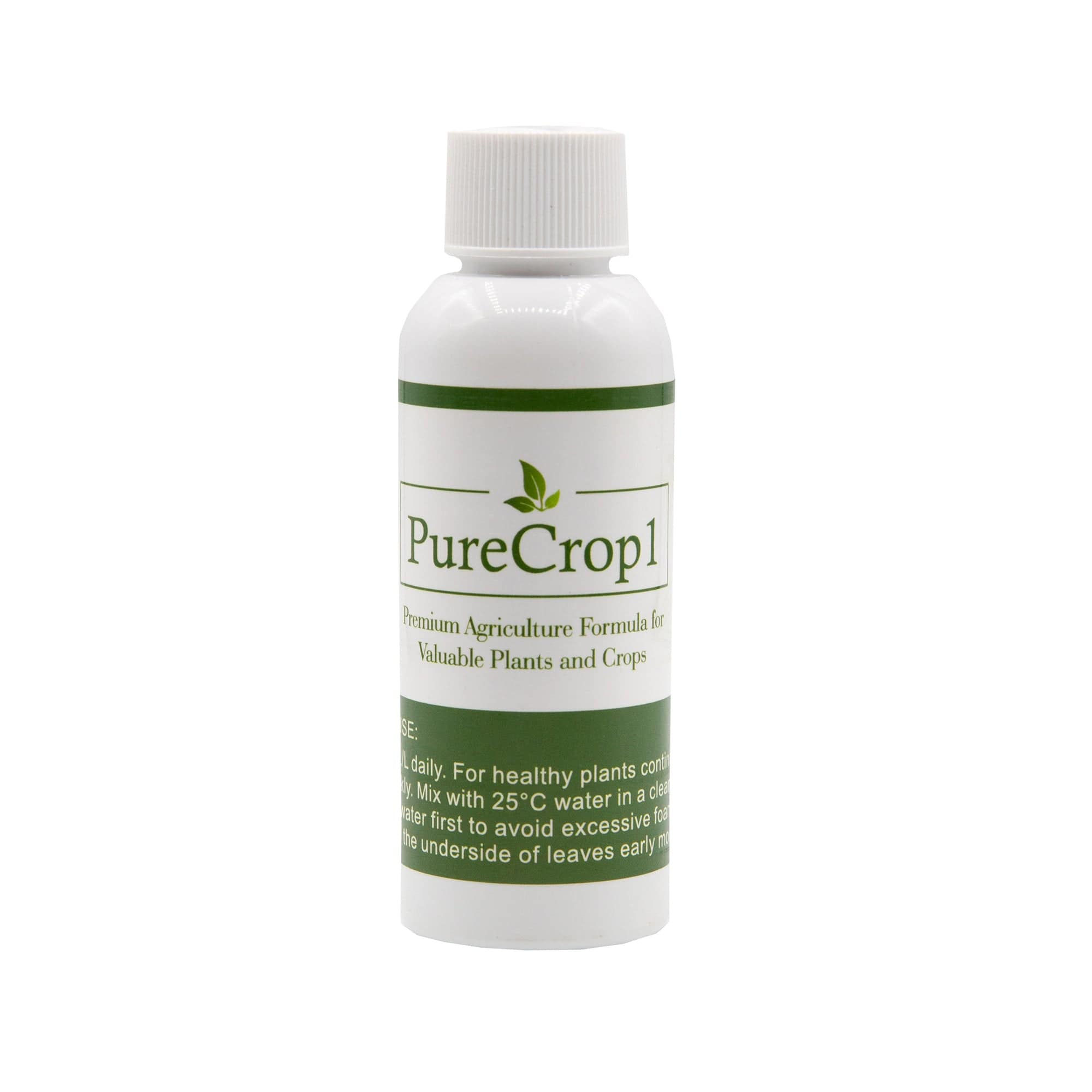
If you need to get rid of fungus gnats fast, these tools target the problem at every stage:


Why Fungus Gnats Love Aussie Grow Spaces
Ever lifted a seedling tray and been greeted by a cloud of tiny black “flies”? Those are most likely fungus gnats (Sciaridae and Bradysia spp.). Warm temps, high humidity and rich organic media—in other words, an Australian spring glasshouse—are paradise for them. Left unchecked, their larvae chew roots, stunt growth and invite disease.
Quick ID Checklist
- Adults: 2–4 mm, mosquito-like, weak flyers that hover around pot rims.
- Larvae: Clear, worm-like with a shiny black head; wriggle through the top 3 cm of media.
- Tell-tale signs: Sudden wilting despite moist soil, yellowing lower leaves, and a greasy sheen of frass on the media surface.
- Paper-Towel Trap: Lay a damp paper towel overnight—if larvae crawl onto it by morning, you’ve got gnats.
Fungus Gnats vs “Gnats”: Don’t Treat the Wrong Problem
Not every tiny flying pest around the house is a fungus gnat. “Gnats” gets used for fruit flies, drain flies, midges and the little black flies hovering around potting mix.
If they’re hovering around indoor plants, walking across the potting mix, and popping up when you water, you’re probably dealing with fungus gnats. If they’re hanging around fruit bowls, bins, drains or the kitchen sink, that’s a different job
Use this quick check:
|
Where you see them |
Most likely pest |
What to do first |
|---|---|---|
|
Around potting mix |
Fungus gnats |
Treat the soil surface and larvae |
|
Around fruit or compost scraps |
Fruit flies |
Remove food source and clean the area |
|
Around sinks or drains |
Drain flies |
Clean drains and biofilm |
|
Around wet seedling trays |
Fungus gnats |
Reduce moisture and target larvae |
|
Around saucers and stale runoff |
Fungus gnats or shore flies |
Empty saucers and dry the area |
This matters because vinegar traps might catch a few adult gnats, but they will not fix a fungus gnat problem living in the root zone. Fungus gnat control is mostly about the potting mix. Kitchen gnat control is mostly about sanitation.
Start by finding where the adults are landing. Fungus gnats usually stay close to the plant and move weakly around the soil surface. Tap the side of the pot and watch the soil surface. If little black flies lift off from the pot, you’re dealing with a plant-based problem.
Understanding the Fungus Gnat Lifecycle — What You’re Really Seeing
To beat fungus gnats properly, you need to know what stage you’re dealing with. Not all parts of the life cycle cause the same damage.
Fungus gnats go through four main stages in and around your potting mix:
Eggs: Tiny, translucent and laid just beneath the moist surface of soil or media.
Larvae: The real troublemakers. These clear, worm-like grubs with shiny black heads feed on fungi, algae and tender roots. This is the stage that weakens plants.
Pupae: A resting stage close to the surface before adults emerge.
Adults: Mosquito-like flies that do not damage plants directly but can lay hundreds of eggs if left unchecked.
In warm, damp Aussie conditions, the whole cycle from egg to flying adult can be as short as 2–4 weeks. Larvae may feed for around 7–10 days before pupating. That means a small problem can spiral quickly.
The key takeaway: adult traps reduce the flying population, but larval control breaks the cycle.

Prevention First — Stop Gnats Before They Start
The best fungus gnat control is not chasing adult flies around the room. It is making your growing area less attractive for breeding.
Fungus gnats thrive where media stays wet, humid air lingers, and organic matter breaks down on the surface. Shift the conditions and you make the outbreak much harder to maintain.
Start with these prevention steps:
- Let the top layer dry: Allow the upper 2 cm of soil or media to dry between waterings where the plant allows it. Fungus gnats need a consistently damp surface to lay eggs.
- Improve airflow: A small fan, open window or better spacing around pots and trays helps surfaces dry faster.
- Bottom-water where practical: This keeps moisture lower in the pot and makes the surface less attractive for egg laying.
- Use better media: Choose well-draining, sterile or pasteurised potting media where possible. Avoid cheap, soggy mixes that stay wet for days.
- Quarantine new plants: Keep new arrivals isolated for a few weeks so hidden eggs or larvae do not spread through the collection.
- Remove surface debris: Clear dead leaves, fallen petals, algae and old mulch from the top of pots and trays.
- Add a surface barrier if pressure is high: A coarse mineral barrier can make the surface harder for adults to access and less inviting for larvae.
A prevention mindset means you are not just reacting. You are actively making the space harder for fungus gnats to breed in.
Soil & Repotting — When It Matters and When It Doesn’t
Repotting can help with fungus gnats, but it should not be your first move for every plant. Sometimes it removes larvae and bad media. Other times it spreads the problem, stresses the plant and gives you a bigger mess.
Try treating in place first when:
- The plant is otherwise healthy
- The mix drains reasonably well
- The infestation is mild to moderate
- The problem is mostly adults hovering around the surface
- You can improve watering, airflow and surface conditions
Before repotting, try this:
- Remove dead leaves, dropped petals and old organic matter from the soil surface.
- Empty saucers so the pot is not sitting in runoff.
- Let the top layer dry more than usual without wilting the plant.
- Add sticky traps close to the soil line.
- Apply a suitable surface barrier or larval treatment.
- Bottom-water temporarily if the plant allows it, so the surface stays drier.
- Recheck after a week and repeat as needed.
Repotting is worth considering when:
- The mix is sour, compacted or waterlogged
- The plant keeps struggling despite watering adjustments
- You can see larvae in the media
- The potting mix is clearly too rich, heavy or slow-drying for the plant
- Gnats persist after proper treatment
If you repot, gently remove as much old media as practical, let roots air in shade briefly if they are too wet, and use a fresh, freer-draining mix. Avoid overly rich or retentive mixes for plants prone to gnats. Good airflow around roots is just as important as nutrients.
Four Ways to Control Fungus Gnats — Pick What Fits Your Situation
Breaking fungus gnat cycles means combining approaches. Think in categories:
-
Cultural controls
Adjust watering so the surface dries between drinks. Improve airflow and reduce humidity where possible. -
Physical barriers
Top-dress media with coarse sand, gravel, diatomite or another suitable barrier. Barriers make it harder for adults to lay eggs and harder for larvae to move through the surface. -
Biological options
Beneficial nematodes and Bti-based larval controls target larvae underground without relying on harsh broad-spectrum drenches. These are useful for organic gardens, food crops and living soil systems. -
Adult trapping and knock-downs
Sticky traps catch adults before they lay more eggs. Electronic UV traps can help in indoor spaces. Sprays may knock down adults, but they should not be the whole strategy.
Grouping controls like this gives you a plan, not just a random list of tips.
How to Get Rid of Fungus Gnats Without Nuking Your Soil Biology
If you are growing in living soil, organic potting mix or anything microbe-rich, do not go straight for the harshest drench in the cupboard. You can target larvae without wiping out the whole soil food web.
The safer approach is to use low-impact controls first: dry the top layer where the plant allows it, trap adults, add a surface barrier, and use a biological larval control when pressure is heavy.
Avoid relying on repeated harsh drenches unless the situation genuinely calls for it. One treatment rarely covers every egg, larva and adult already in the cycle, so consistency matters more than aggression.
The aim is to keep pressure on the lifecycle long enough to stop new adults emerging, while protecting as much useful soil biology as possible.
Gnat Spray for Plants: When It Helps and When It Doesn’t
A gnat spray for plants can help with the flying adults, but it won’t magically fix a pot full of larvae.
That’s the bit most people miss. Fungus gnats spend the damaging part of their life in the growing medium. So if your spray only hits the air or the leaves, it might make the room feel better for a day while the next batch is already developing under the surface.
Use sprays carefully:
- Spray only if the product label allows use on indoor plants.
- Avoid spraying open flowers, edible leaves or stressed plants unless the label says it’s safe.
- Keep sprays away from pets, kids and aquariums.
- Test on a small section first if the plant has soft or sensitive foliage.
- Don’t spray under strong light or heat.
- Don’t rely on spray alone if gnats are coming from the soil.
Sprays are best treated as a knockdown tool, not the whole strategy. They can reduce the adult population while traps, barriers, dry-back and larval controls do the more important work.
If the potting mix stays wet, the gnats come back. That’s not the spray failing. That’s the breeding site still open for business.
Fungus Gnat Pressure Is Worse in Seedling Trays and Propagation Tubs
A single fungus gnat around a big, established monstera is annoying. The same pest in a seedling tray is a different problem.
Seedlings, cuttings and fresh clones have tiny root systems. They don’t have much spare root mass to lose, so larval feeding can show up fast as weak stems, yellowing, damping-off, stalled growth or plants that just never kick on properly.
Propagation areas are also perfect gnat breeding zones:
- consistently moist media
- humidity domes
- warm mats
- algae on plugs or tray surfaces
- dense plant spacing
- low airflow
The fix is not to dry seedlings to the point of stress. It’s to manage the surface.
Remove humidity domes once roots are active. Bottom-water where possible. Let plugs breathe between waterings. Wipe algae off tray edges. Keep sticky traps at tray height, not up on a shelf where they miss the adults. If you’re using coco plugs, peat pellets or propagation cubes, don’t leave them sitting in runoff.
For high-risk propagation areas, treat fungus gnats like prevention work, not emergency work. Once larvae are chewing on young roots, you’re already behind.
Fungus Gnats in Hydroponics and Coco: What Changes?
Fungus gnats are not just a “soil plant” problem. They can show up in coco, rockwool, propagation cubes, flood trays, organic reservoirs and any damp media with algae or decaying organic matter.
The difference is the breeding site. In soil, they’re usually in the top few centimetres of potting mix. In hydro or coco, check:
- wet coco surfaces
- exposed rockwool cubes
- algae on tray floors
- drain channels
- saucers with old runoff
- fabric pots that stay wet around the base
- propagation plugs sitting too damp
In coco, don’t let the top stay soggy just because the plant is on a frequent fertigation schedule. You may need better airflow, smaller but more targeted watering, cleaner runoff management or a dry surface barrier that suits your setup.
In hydro systems, sanitation matters. Dead roots, algae and stale nutrient solution give gnats somewhere to feed and breed. Clean trays, cover exposed media where practical, remove plant debris and don’t let runoff sit around like a gnat nursery.
The goal is the same as soil: remove the breeding zone, hit the larvae, and stop adults laying the next batch.
Fungus Gnats Keep Coming Back? Check These Hidden Sources
If you have treated the obvious pot and fungus gnats still keep appearing, do not assume the product failed. More often, there is another breeding site nearby.
Stop treating one plant for a moment and audit the whole growing area.
Check:
- New plants still sitting in nursery mix
- Decorative cachepots with water sitting at the bottom
- Saucers full of old runoff
- Bags of damp or open potting mix
- Propagation trays, boxes or humidity domes
- Seedling trays
- Moss poles kept constantly wet
- Terrariums and mini greenhouses
- Self-watering pots with stale reservoirs
- Compost buckets, worm farms or indoor scraps bins
- Floor drains in grow rooms, laundries or nearby wet areas
- Waterlogged outdoor pots near a doorway or window
Also check plants you barely water. A big pot can look dry on top while staying wet deep down, especially in winter or low light. That can keep a fungus gnat population ticking over.
Do a proper reset. Dry what should be dry, empty what should be empty, isolate the worst plants, and put sticky traps in different zones to see where adults show up first.
If one trap keeps filling faster than the others, that is your hotspot. Treat that area harder instead of blanketing every plant in the house.
How to Get Rid of Fungus Gnats Over the First 30 Days
One treatment can knock them back, but a proper 30-day plan is what stops the rebound.
Day 1: Reset the area
Remove dead leaves, algae, old mulch and anything sitting wet on top of the media. Empty saucers and clean the bench, tray or shelf. Add traps close to the soil surface so you can start catching adults straight away.
Day 2–7: Hit the larvae when the plant needs water
When the pot is ready for watering, apply your larval treatment through the top of the media. Don’t water again just because you still see a few adults. The adults you see today may have already emerged before treatment started.
Day 7–14: Watch the trap count
Sticky traps should start showing fewer adults. If trap numbers are still climbing, check for another breeding source nearby: a wet propagation tray, a forgotten saucer, an open bag of potting mix, or another plant sitting damp.
Day 14–21: Repeat the larval treatment if needed
This second pass matters because eggs and pupae can slip through the first round. Treating again catches the next wave before they turn into more flying adults.
Day 21–30: Lock in prevention
By now, adult numbers should be clearly dropping. Keep traps in place for monitoring, maintain better airflow, avoid constantly wet topsoil, and quarantine new plants before parking them in the middle of your collection.
If gnats are still everywhere after 30 days, don’t just keep repeating the same step blindly. Something is still breeding. Find the wet source, refresh the worst media if needed, and treat the whole zone rather than chasing individual flies.
Stage-by-Stage Knock-Out Plan
1. Surface Barriers (Egg & Larval Control)
-
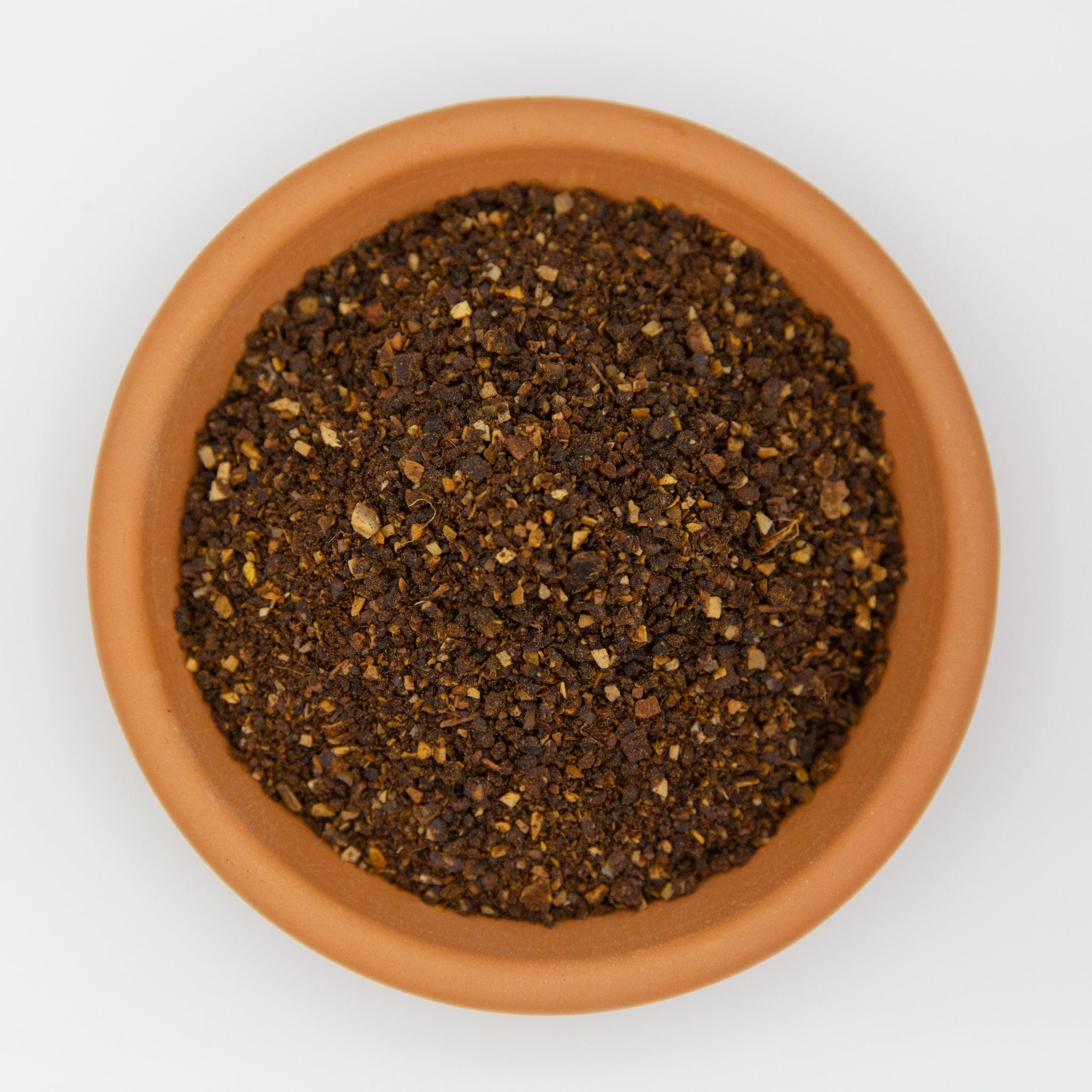
Gnat Bat Soil Barrier – A ready-to-use, food-grade diatomite blend. Spread 5 mm over the surface; it dries larvae out and blocks adult egg-laying.
-
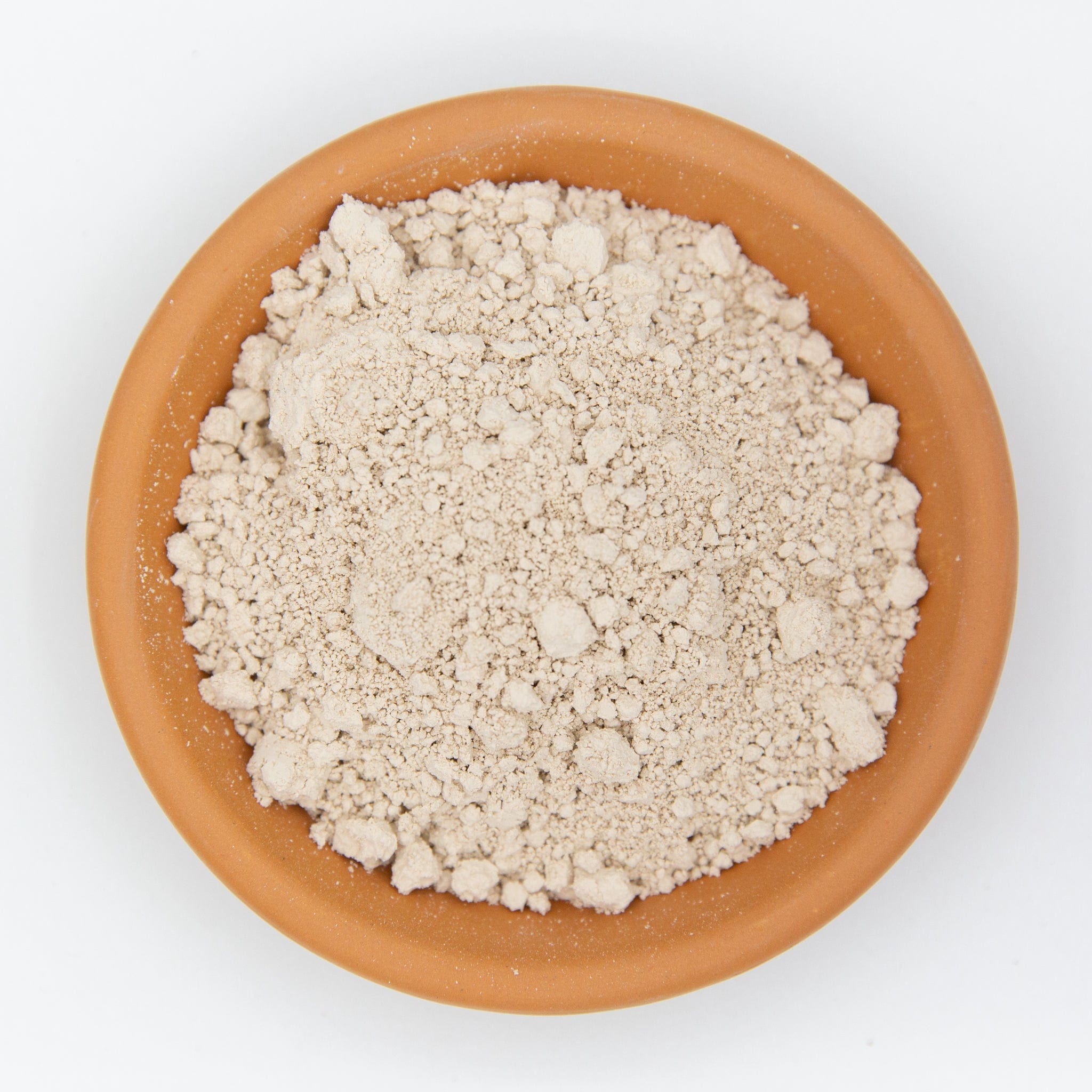
DIY option: Micronised Diatomaceous Earth dusted onto the media and saucers.
2. Organic Sprays (Larvae & Adult Suppression)
-
Neem + Karanj Oil – Mix 5 ml/L warm water with a few drops of dish soap. Drench the root zone every 5–7 days; the azadirachtin disrupts larval feeding.
-
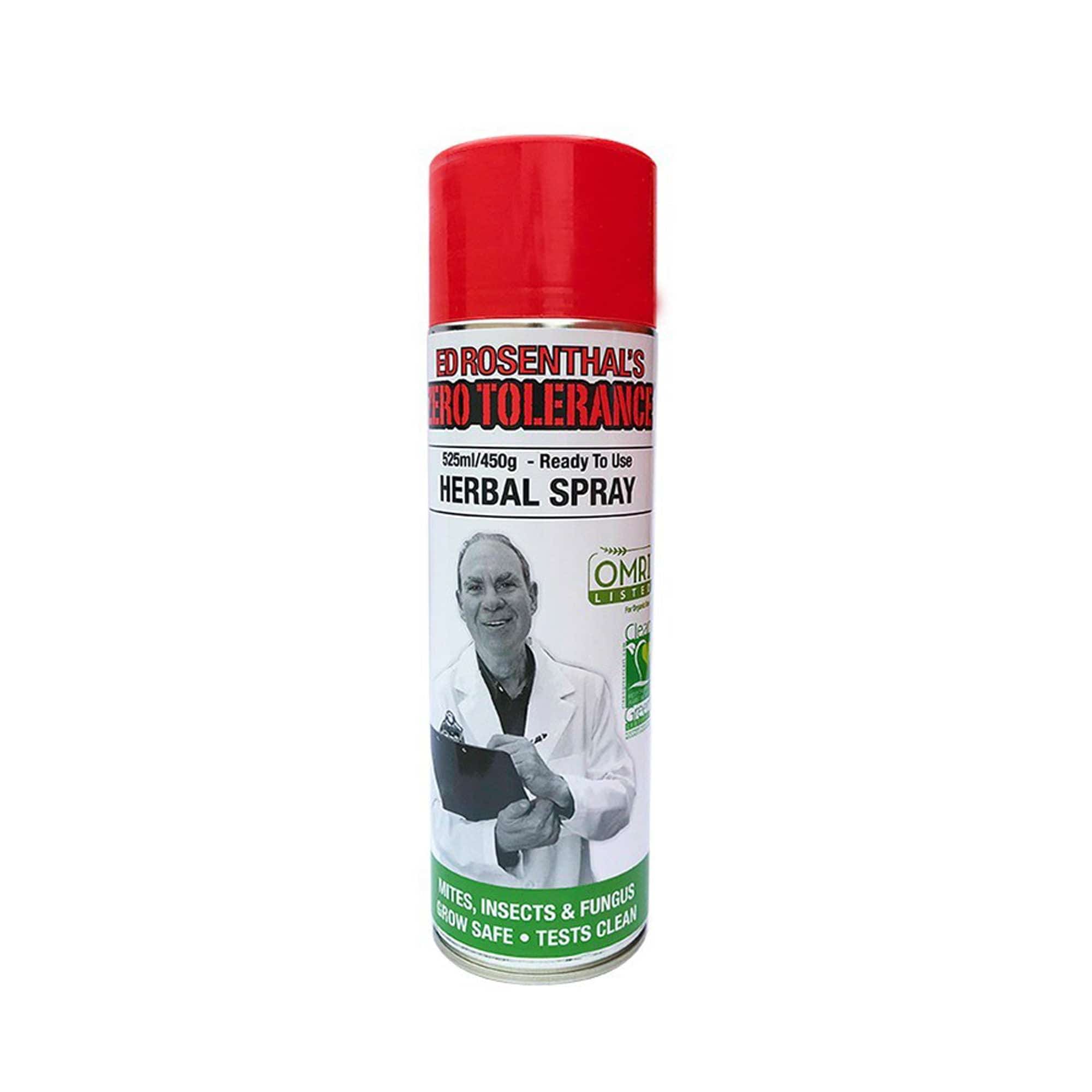
Ed Rosenthal’s Zero Tolerance – Ready-to-spray botanical oils that smother adults on contact; perfect for a quick knock-down before they lay more eggs.
3. Biological Knock-Out
-
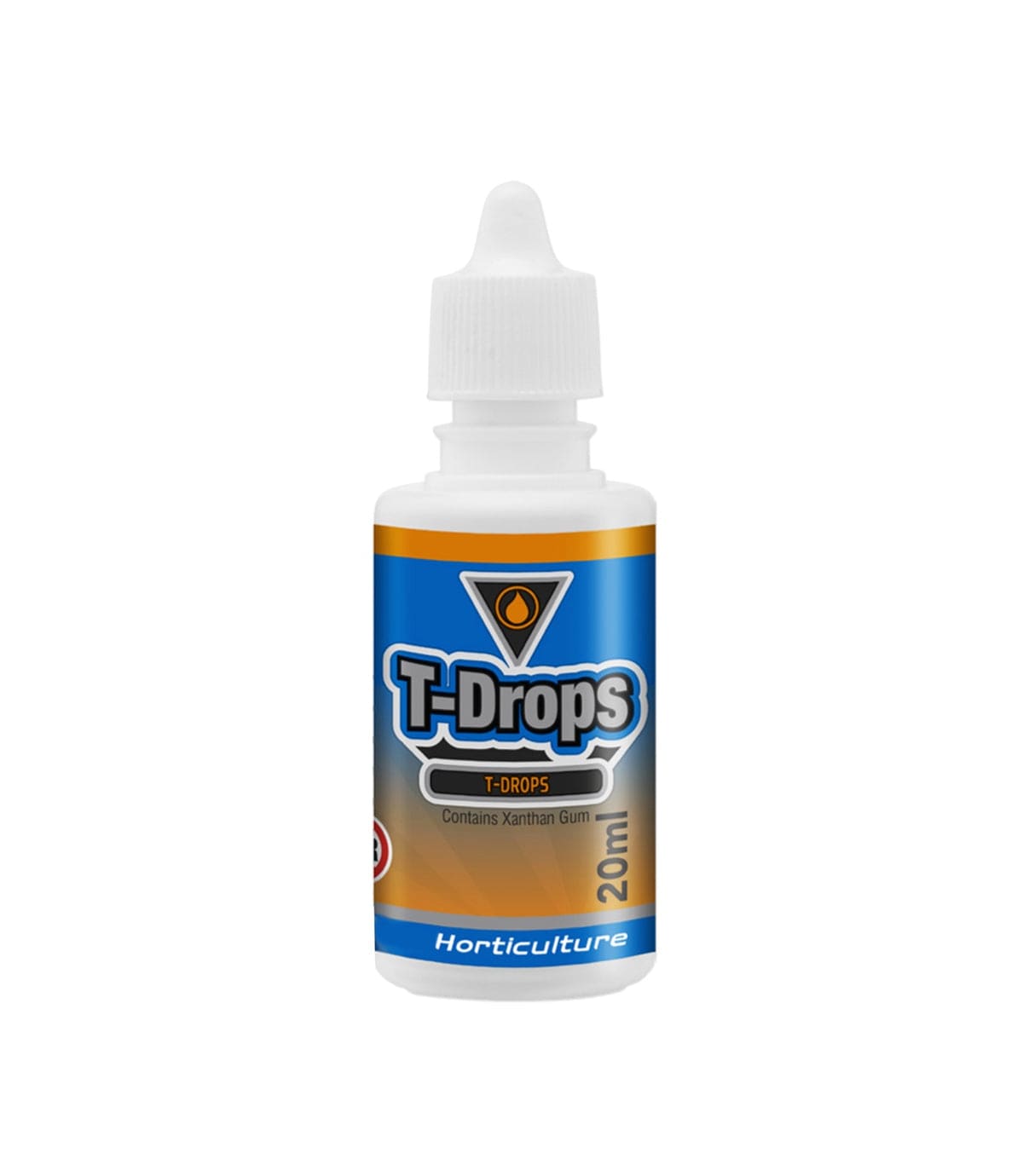
T-Drops (Tanlin/Nil-Nat) – A concentrated BT-israelensis larvicide. Add 1 drop per 2 L of nutrient solution and water in. Larvae die within 24 h.
4. Targeted Chemical Rescue (Heavy Infestations)
Use this category as a last-resort option for heavy infestations, nursery-scale outbreaks or situations where softer controls have failed. Always read the label and follow local regulations.
-
Scarid 10 – Imidacloprid-based drench for nursery-scale outbreaks. Use strictly as directed.
-
Kendon Pyrethrum Concentrate – A natural pyrethrum knock-down for adults. Use only at label rates and follow all crop, safety and withholding directions.
5. Root-Zone Sanitation
-
After larvae damage, treat roots with Root Cleaner to flush pathogens and promote new feeder roots.
6. Trapping & Monitoring
-
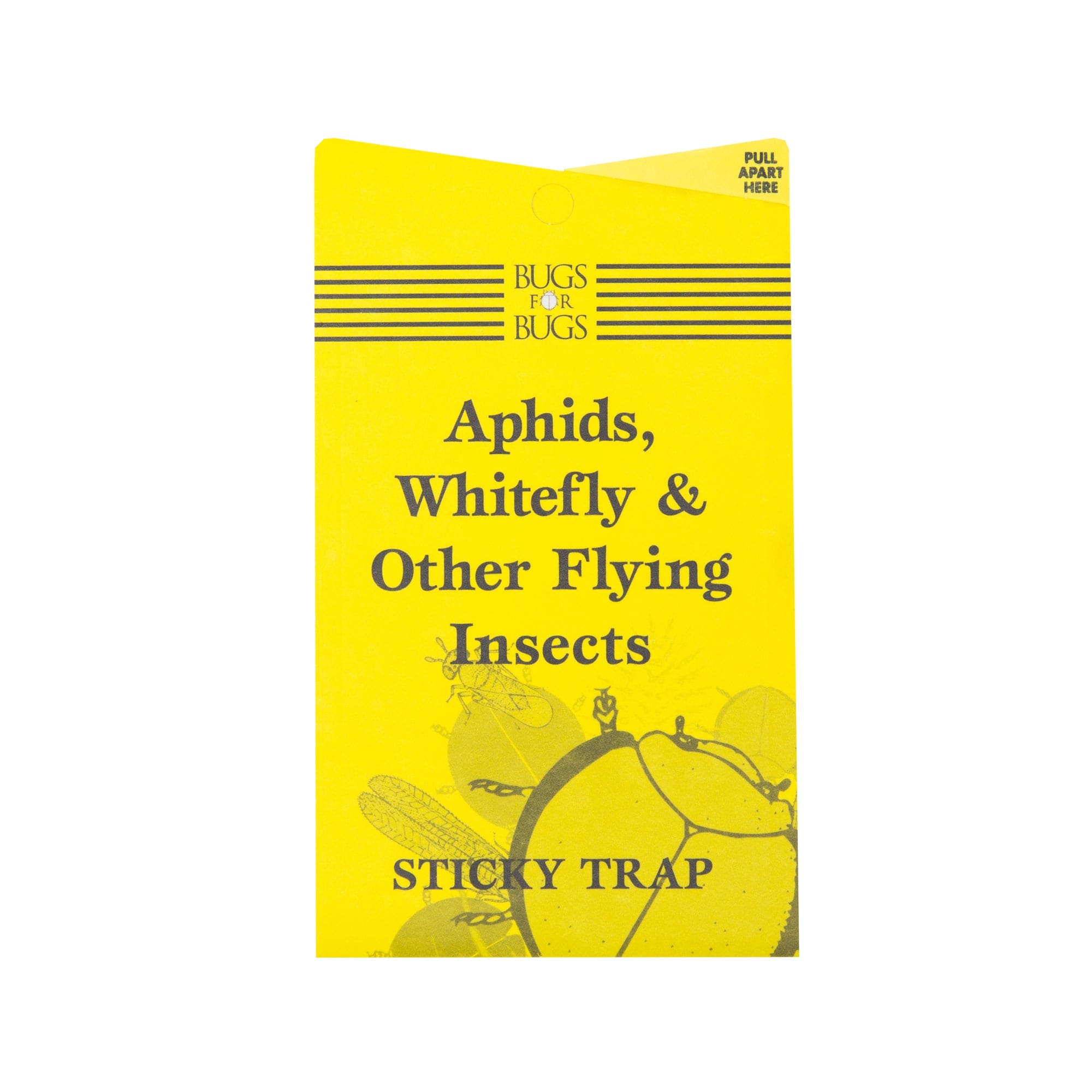
Hang yellow sticky cards, or upgrade to the reusable Electronic Gnat & Thrip Trap that lures adults with UV before they breed. Replace glue sheets weekly.
7. Combo Solution
Can’t decide? Grab our Fungus Gnat Control Combo—it bundles barrier, spray and trap at 14 % off RRP.
Check, Confirm, Repeat — Monitoring & Diagnosis
Control is only half the battle — you also need to know if it’s working.
Here’s how to tell:
- Potato or Paper-Towel Test: Lay a damp paper towel or a thin slice of potato on the soil surface overnight. Worms (larvae) will crawl up if gnats are still active.
- Sticky Trap Counts: Keep an eye on yellow sticky cards — if numbers aren’t dropping week-on-week, you may need to adjust your strategy.
- Soil Moisture Checks: If soil feels damp down deep even when the top is dry, watering habits may still be too frequent.
- Plant Health Signals: New yellow leaves, slow growth or wilting can be signs gnats are still affecting roots.
If a method isn’t reducing gnats within a couple of weeks, go back to prevention and repotting basics — persistence is key.
Low-Impact DIY & Biological Tools That Actually Work
For organic gardens, living soil and sensitive indoor spaces, lower-impact options are usually the better first move.
Useful options include:
- Sticky traps: Best for monitoring adults and reducing the flying population.
- Apple cider vinegar traps: Useful for catching some adults, but they will not solve larvae living in the potting mix.
- Diatomaceous earth or mineral barriers: Useful on the soil surface when kept dry enough to work. Wear a mask when applying dusty products.
- Beneficial nematodes: Microscopic helpers that seek out larvae in moist media.
- Bti-based larvicide: Target larval stages directly with less disruption than broad-spectrum drenches.
These options are great for organic or sensitive environments and align nicely with Dr Greenthumbs’ ethos of effective, low-impact gardening.
FAQs
How long does it take to clear a fungus gnat infestation?
With a surface barrier, larval treatment and sticky traps, many home growers see a major reduction within two weeks. A full lifecycle reset can take longer, which is why a 30-day plan works better than one-off treatment.
Are fungus gnats harmful to people?
No. They do not bite or sting people. The main risk is to plants, especially seedlings and cuttings, because larvae can damage young roots and may contribute to disease issues.
Are fungus gnats harming my plant?
Adult gnats are mostly a nuisance, but larvae can damage roots, slow growth and stress young plants. Established plants may tolerate low numbers, but seedlings and propagation trays should be treated early.
Is bottom watering enough on its own?
Bottom watering helps keep the surface drier, but it usually is not enough on its own for stubborn infestations. Combine it with traps, surface barriers or biological larval control.
Can I use vinegar or hydrogen peroxide?
Vinegar traps can catch some adults, but they will not fix larvae in the potting mix. Diluted hydrogen peroxide can kill larvae, but it may also disturb soil microbes, so use it sparingly and avoid relying on it in living soil.
Why won’t the gnats go away?
Gnats usually persist because there is still a breeding site nearby. Check wet potting mix, saucers, propagation trays, moss poles, open bags of media, compost scraps, worm farms and drains before repeating the same treatment.
Final Take-away
Fungus gnats thrive where moisture, warmth and organic matter meet. Break that triangle and use layered controls — surface management, larval treatment and adult traps — to reclaim your grow space.
Keep the Fungus Gnat Control collection bookmarked so you can respond quickly before a small outbreak turns into a full lifecycle problem.
Pro tip: Set a calendar reminder to check traps, refresh barriers and review watering every 30 days. Prevention is cheaper than rescue.
Always read the label and follow local regulations when using any pesticide or larvicide.!
Next Reads for Stopping Fungus Gnats and Preventing the Next Outbreak
Battling fungus gnats already? These guides will help you fix the conditions that attract them, choose better organic controls and build a stronger indoor pest-prevention routine.
- Mastering Watering: Moisture Meter Hack
- Indoor Potting Mix Australia
- Pest Control IPM Stack: Top 10 Organic Solutions
- Organic Pesticide Recipes Australia
About the Author