
Organic gardening isn’t just good vibes—it’s safer for bees, tastier for you and better for the soil biome that powers every harvest. Below you’ll find a battle-tested homemade organic pest control toolbox with preventive tactics, seven DIY spray recipes, and smart product picks from our own shelves so you can tackle everything from aphids to slugs without synthetic nasties.
Table of Contents
- What does “organic pesticide” mean in Australia?
- Know Your Enemy
- Extra organic options for slugs and snails
- How organic standards fit into home gardening
- Prevention Is Cheaper Than Cure
- Not every pest problem needs a spray
- Using plants and insects to do the work for you
- Seven DIY Organic Spray Recipes
- How long homemade sprays last (and when to reapply)
- Physical & Mechanical Helpers
- When You Need Backup: Pro-Grade Organics
- Safe-Handling & Storage
- What about possums and mosquitoes?
- FAQs
-
Next reads for choosing better organic pest controls
If you want the easiest way to speed up your results, here's the simplest ways:


What does “organic pesticide” mean in Australia?
In Australia, the word organic gets used a lot — and not always in the same way. When it comes to garden pest control, it helps to understand a few key terms before choosing or mixing anything.
- Natural usually means the ingredient comes from a plant, mineral or biological source. Natural doesn’t always mean safe for every plant or insect.
- Organic (home garden use) generally refers to products or recipes made from naturally derived ingredients that break down quickly and don’t leave long-term residues.
- Certified organic applies to commercial farming systems that follow strict Australian standards. Inputs must be approved, traceable and proven to break down without harming soil life.
- Registered pesticides are products approved by the APVMA for specific uses. Some registered products are allowed in organic systems, others are not.
For home gardeners, the goal with organic pesticides is simple: control the pest while protecting your soil, beneficial insects and edible crops. That’s why the recipes and products below focus on ingredients that break down quickly, target pests directly, and don’t linger in the garden longer than needed.
1. Know Your Enemy 🕵️♂️
|
Pest |
Tell-tale signs |
Best first response |
|---|---|---|
|
Aphids |
Sticky “honeydew”, curling tips |
Blast with hose, follow with chilli–garlic spray |
|
Fine webbing under leaves |
Increase humidity, spray with Green Cleaner |
|
|
Silver streaks on foliage |
Yellow sticky traps + neem oil drench |
|
|
Tiny black flies, larvae in soil |
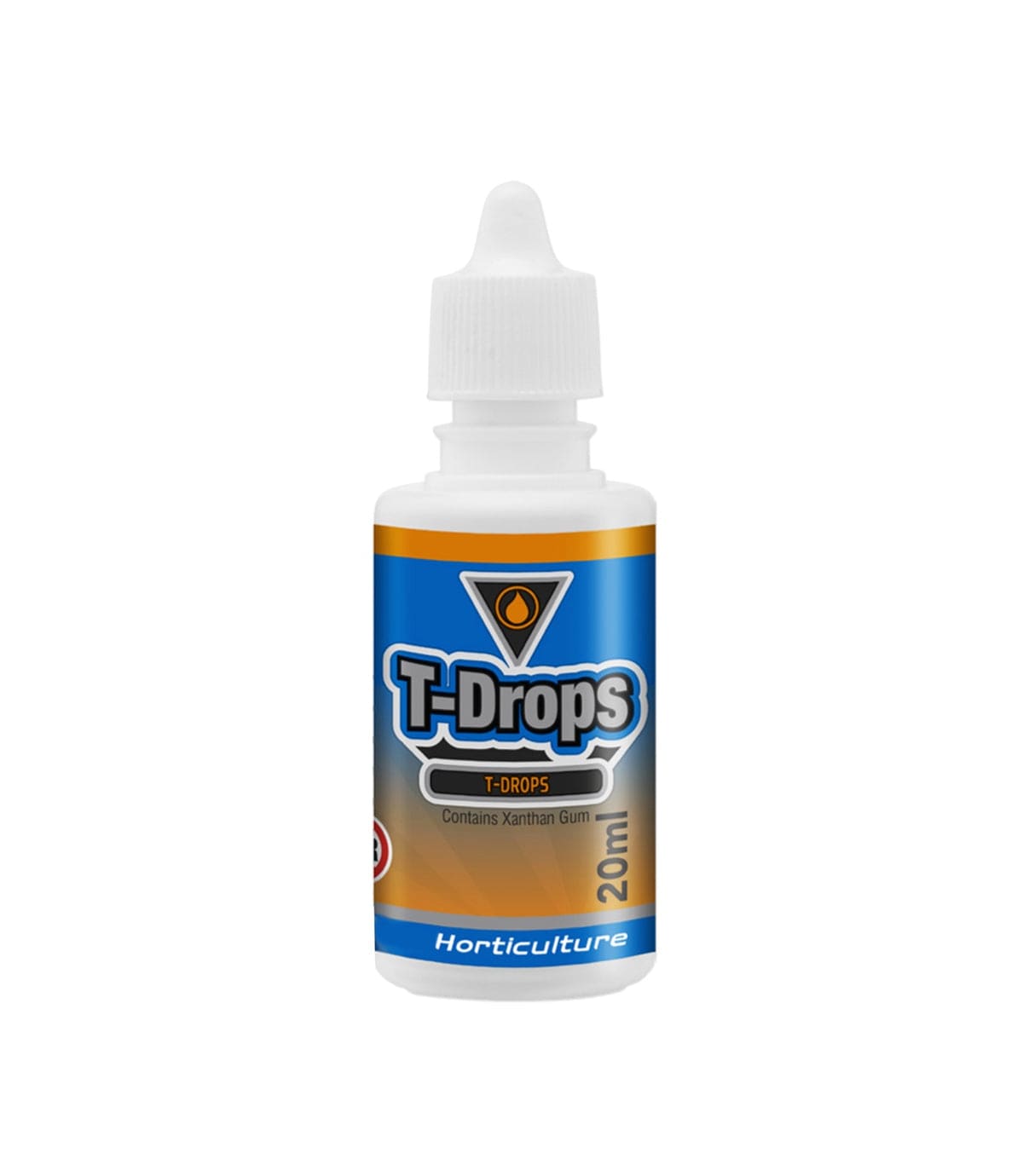
Bottom-water, add Diatomaceous Earth & use T-Drops |
|
|
Slugs & snails |
Ragged holes, slime trails |
Night hunt, set Slug Trap with beer |
|
Brown bumps on stems |
Manual scrape, wipe with Neem + Karanj oil mix |
Extra organic options for slugs and snails
Slugs and snails can be stubborn, but organic control still works when layered.
In addition to traps and diatomaceous earth, you can try:
- Iron-based snail bait (look for pet-safe formulations and use sparingly)
- Physical barriers like crushed eggshells, grit or coarse sand
- Herbs they avoid such as rosemary, sage, thyme and chives
- Night patrols — hand-picking after dark is surprisingly effective
The key is consistency. One method alone rarely works, but a few combined usually do.
How organic standards fit into home gardening
You don’t need to be certified organic to garden responsibly, but it’s helpful to know what the standards are aiming for.
Australian organic bodies like NASAA and ACO assess pest control inputs based on things like:
- how quickly the ingredient breaks down
- whether it leaves residues on food crops
- impact on soil microbes and beneficial insects
- long-term environmental effects
That’s why many organic growers rely on targeted sprays, biological controls and prevention, rather than blanket treatments. We follow the same philosophy in home gardens — start gently, escalate only if needed, and always spray with intention.
2. Prevention Is Cheaper Than Cure
-
Healthy soil = tougher plants. Feed the microbiome and keep watering consistent.
-
Quarantine new plants for a week before introducing them to your beds.
-
Rotate crops & diversify. Monocultures invite pest parties.
Not every pest problem needs a spray
Before reaching for a spray bottle, it’s worth asking what kind of control actually fits this problem? Organic pest control works best when you match the method to the pest.
Here’s a simple way to think about it:
- Barriers – copper tape, grit, netting or collars (great for slugs, snails and crawling pests)
- Baits – targeted options like iron-based snail bait (low risk to pets and wildlife when used correctly)
- Biological controls – beneficial bacteria or insects that only affect specific pests
- Sprays – soaps, oils and plant-based sprays for active infestations
- Soil health & sanitation – healthy soil grows stronger plants that resist pests naturally
Sprays work best as part of a system — not as the only line of defence.
Using plants and insects to do the work for you
One of the easiest organic pest control tools is already in your garden: other plants and beneficial insects.
Certain plants attract predators that feed on common pests:
- Dill, fennel and coriander attract ladybirds and lacewings (aphid hunters)
- Marigolds help deter nematodes and some sap-sucking insects
- Basil and mint can reduce fly and mosquito activity around plants
Encouraging beneficial insects means:
- avoiding broad-spectrum sprays
- spraying in the early morning or late afternoon
- leaving some flowering plants for food and shelter
A few chewed leaves are normal — a balanced garden doesn’t aim for perfection, just control.
3. Seven DIY Organic Spray Recipes
Pro tip: Always test any DIY organic insecticide on one leaf 24 h beforehand and avoid spraying in direct sun.
|
# |
Recipe (makes 1 L) |
What it crushes |
How to use |
|---|---|---|---|
|
1 |
Chilli–Garlic Knock-Out 2 hot chillies, 1 bulb garlic, 1 tsp dish soap, top-up water |
Aphids, caterpillars |
Blend, steep 24 h, strain, spray foliage weekly |
|
2 |
Pure Neem + Soap 5 ml Neem + Karanj Oil + 2 ml castile soap |
Shake vigorously, mist underside of leaves |
|
|
3 |
Bicarb Mildew Buster 1 tbsp baking soda, 1 tbsp coconut oil, 1 L water |
Powdery mildew |
Spray every 5 days at first sign |
|
4 |
Milk Shield 100 ml full-cream milk, 900 ml water |
Fungal spores |
Alternate with Recipe 3 |
|
5 |
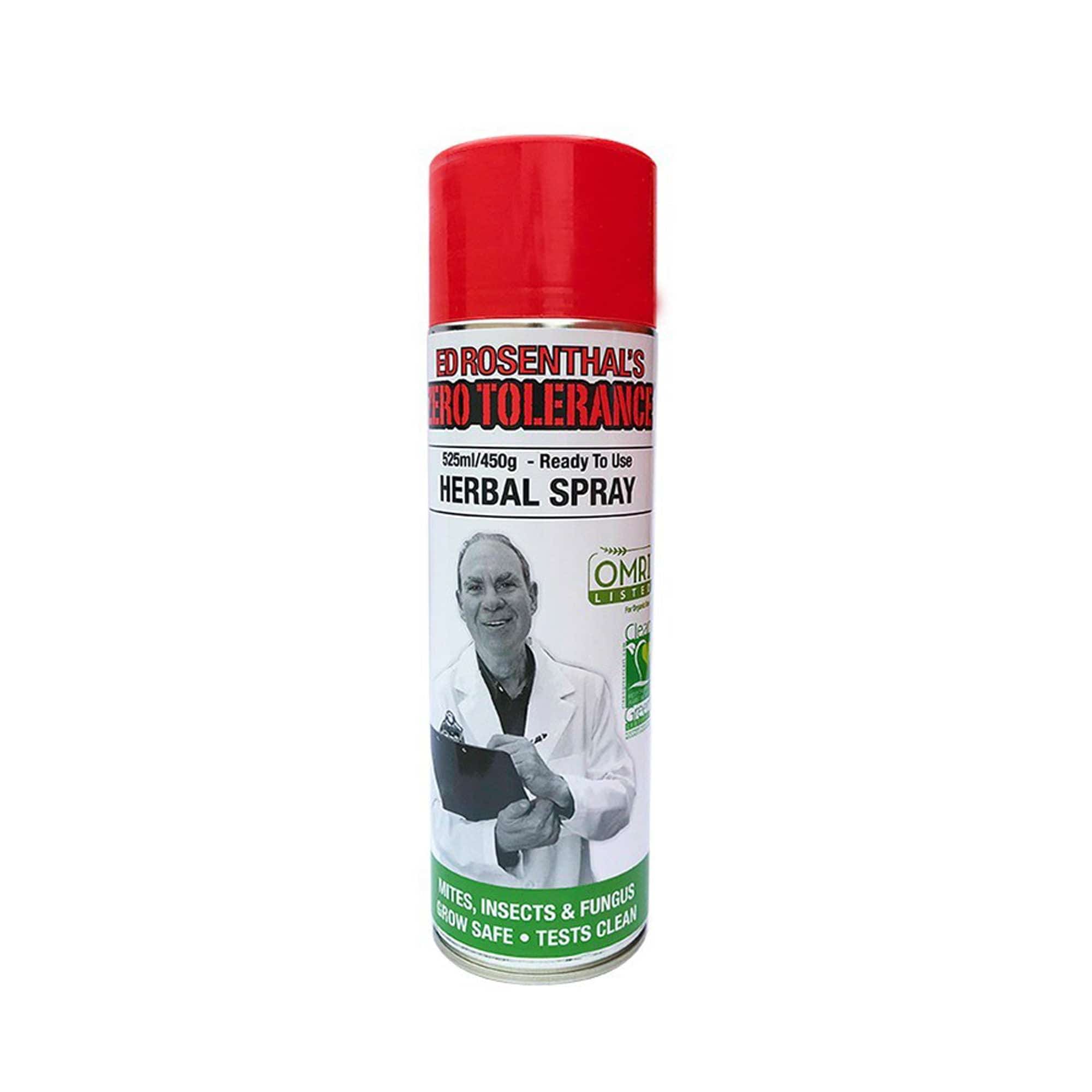
Herbal Oil Quick-Fix Ready-to-use Zero Tolerance |
All soft-bodied insects |
Spray, then re-apply after rain |
|
6 |
Aloe + Silica Foliar 5 ml aloe juice, 2 ml liquid silica, water |
General tonic, minor pests |
Weekly health booster |
|
7 |
Castile Soap Blitz 10 ml unscented soap, drop of peppermint oil, water |
Coat pests directly, rinse after 1 h |
How long homemade sprays last (and when to reapply)
Because DIY organic sprays don’t contain preservatives, they’re best made fresh. As a general guide:
-
Soap sprays: use within 24–48 hours
-
Oil-based sprays: same day is best
-
Garlic or chilli sprays: up to 1–2 weeks refrigerated
-
Milk sprays: mix fresh before each use
Reapply every 5–7 days, or after heavy rain. Always test on a small section of the plant first and avoid spraying in full sun.
4. Physical & Mechanical Helpers
-
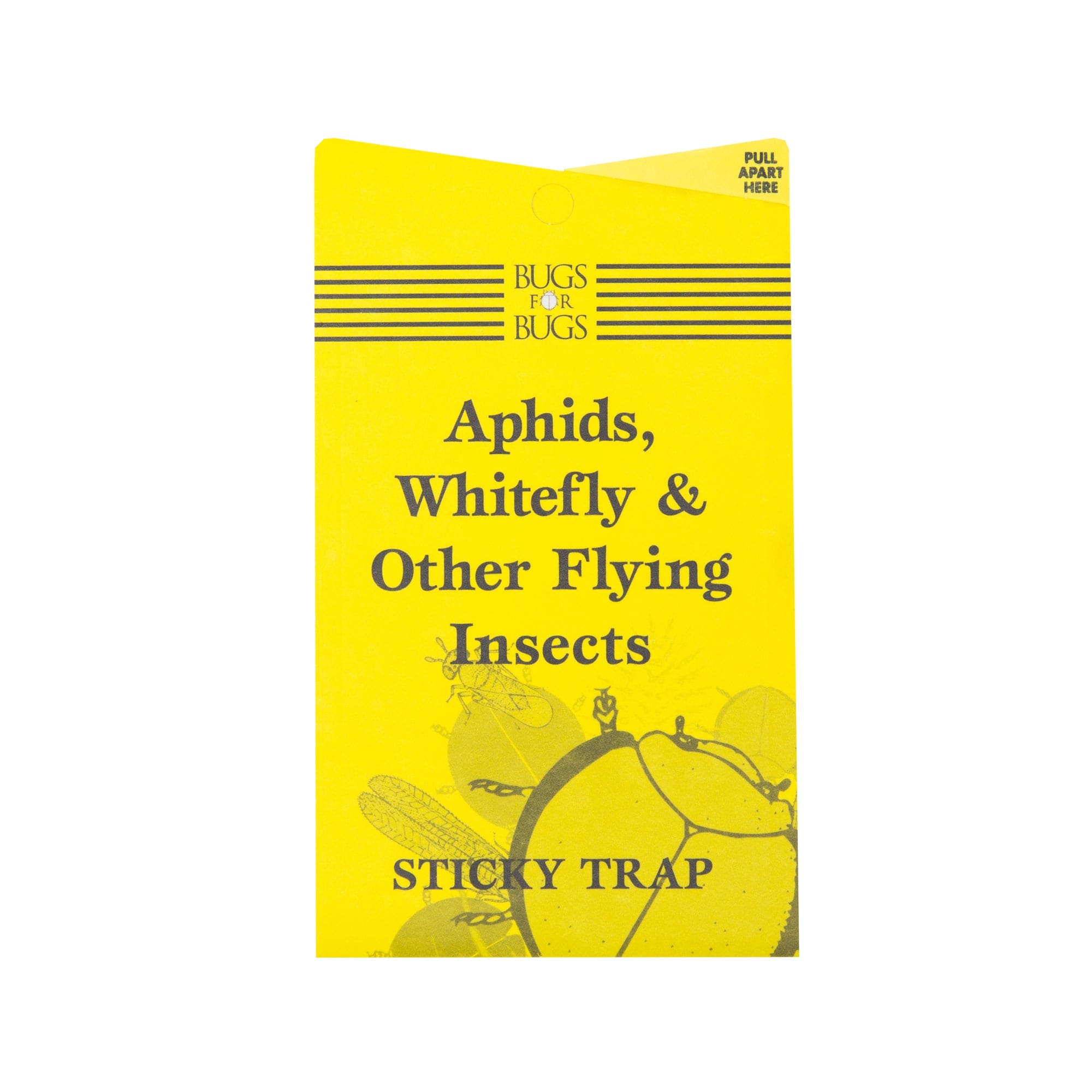
Yellow Pest Traps – lure thrips & whitefly before they colonise foliage. Grab a pack here.
-
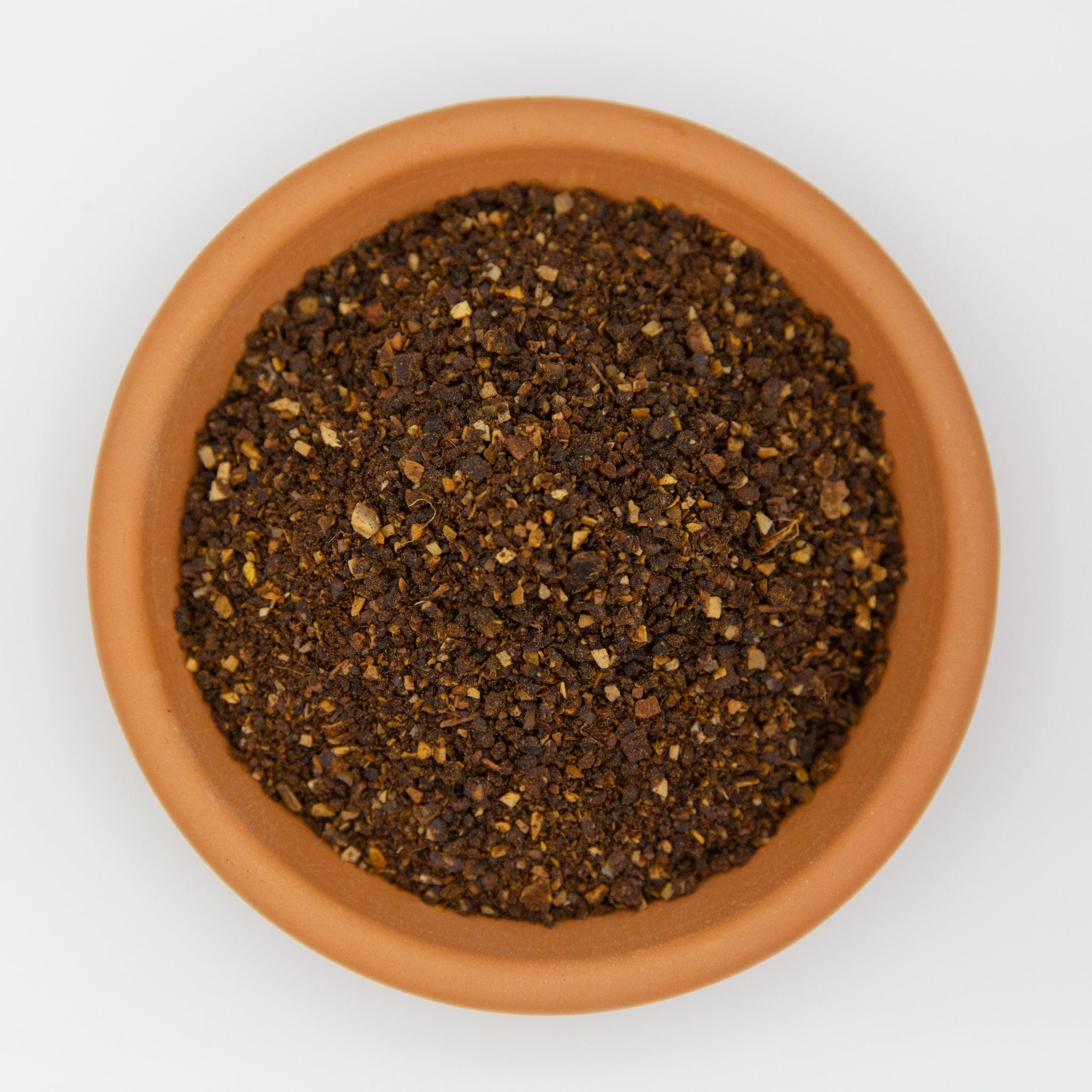
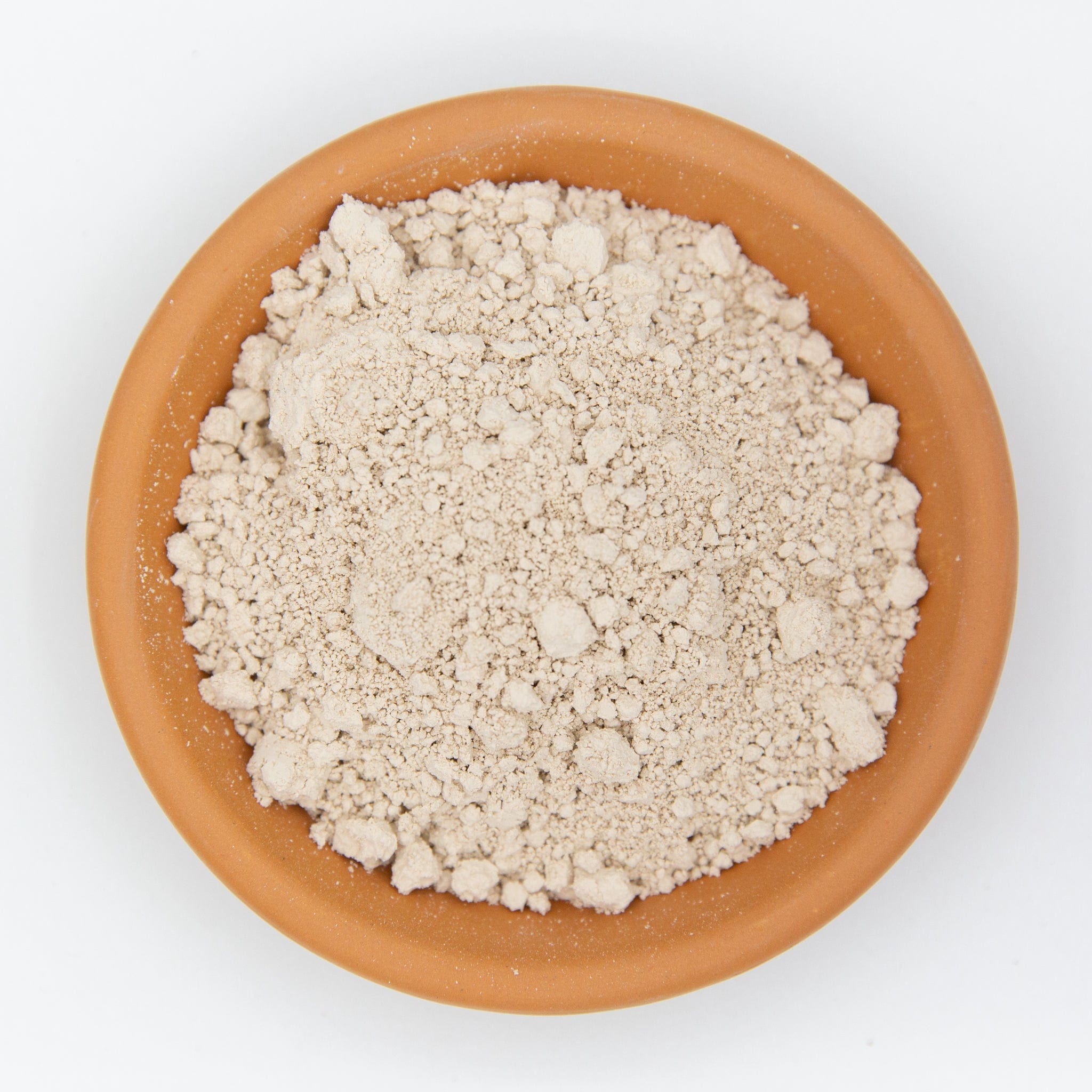
Diatomaceous Earth – sprinkle a 3 mm skirt of food-grade powder around stems to shred crawling insects’ exoskeletons. Stock up here.
-
Slug & Snail Trap – half-bury, add beer or yeast mix and collect night raiders. See details here.
5. When You Need Backup: Pro-Grade Organics
Sometimes an infestation explodes overnight. That’s when our shelf-ready solutions shine:
|
Product |
Unique mechanism |
Best use case |
|---|---|---|
|
Plant-safe essential-oil surfactants strip pests’ wax coating |
Heavy spider-mite or thrip bloom |
|
|
Bio-based leaf conditioner with anti-fungal kick |
Post-harvest clean-up or mid-grow shine |
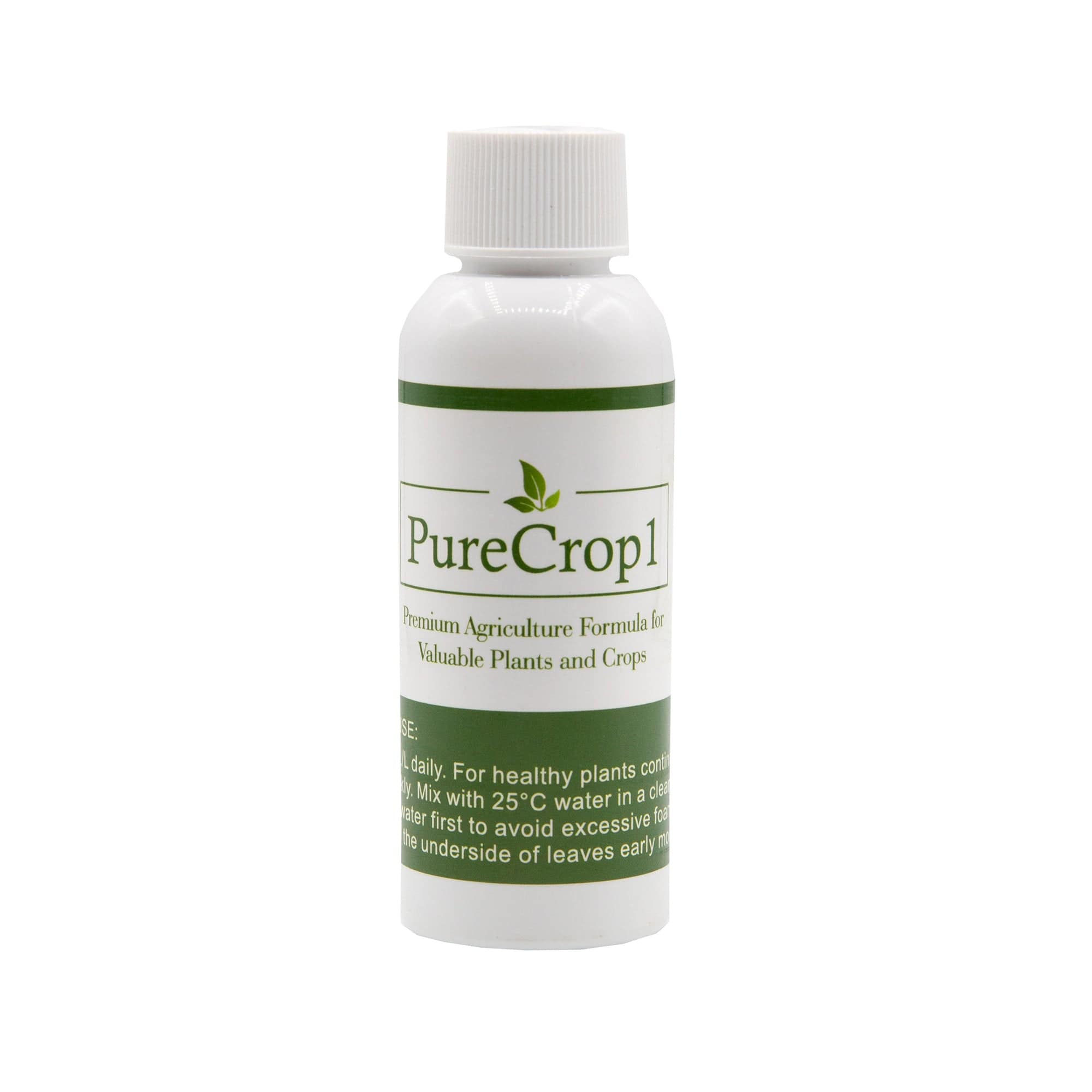
|
|
Resin extract targets gnat larvae |
Fungus-gnat outbreaks in seedling trays |
6. Safe-Handling & Storage
-
Mix just enough for one session—most DIY sprays lose potency after 24–48 h.
-
Wear gloves & eye protection; even organics can irritate skin.
-
Store concentrates like neem in a cool, dark cupboard to stop active compounds degrading.
What about possums and mosquitoes?
Not all garden pests are insects.
- Possums: Strong smells like garlic, chilli or smoked tea (such as Lapsang Souchong) can deter browsing. Netting is the most reliable long-term solution.
- Mosquitoes: Reduce standing water, encourage airflow, and plant citronella, basil or eucalyptus-scented plants around outdoor areas.
Organic pest control is about managing the whole environment — not just what’s chewing your leaves.
FAQs
Can I use vinegar as a pesticide?
Vinegar can kill weeds and soft-bodied insects, but it’s non-selective and can damage plants and soil life. Use with caution and avoid spraying edible crops.
Are soap sprays safe for all plants?
Most plants tolerate mild soap sprays, but some are sensitive. Always spot-test first and rinse plants with water the next day if needed.
What’s the best time of day to spray?
Early morning or late afternoon. This reduces leaf burn and protects pollinators.
How do I protect bees and beneficial insects?
Avoid spraying flowers, spray only affected plants, and use targeted treatments instead of blanket spraying.
Ready to go bug-free, the natural way?
Browse the full Organic Pest Control collection and arm your garden today. Questions? Hit us up via live chat—our grow-geeks are on standby!
Next reads for choosing better organic pest controls
Mixing your own organic sprays? These guides will help you build a stronger IPM routine, choose the right treatment for each pest and prevent repeat outbreaks.
- Pest Control IPM Stack: Top 10 Organic Solutions
- Cold Pressed Neem Oil vs Azadirachtin Australia
- Which Pest When Australia
- How to Control Aphids Australia
About the Author