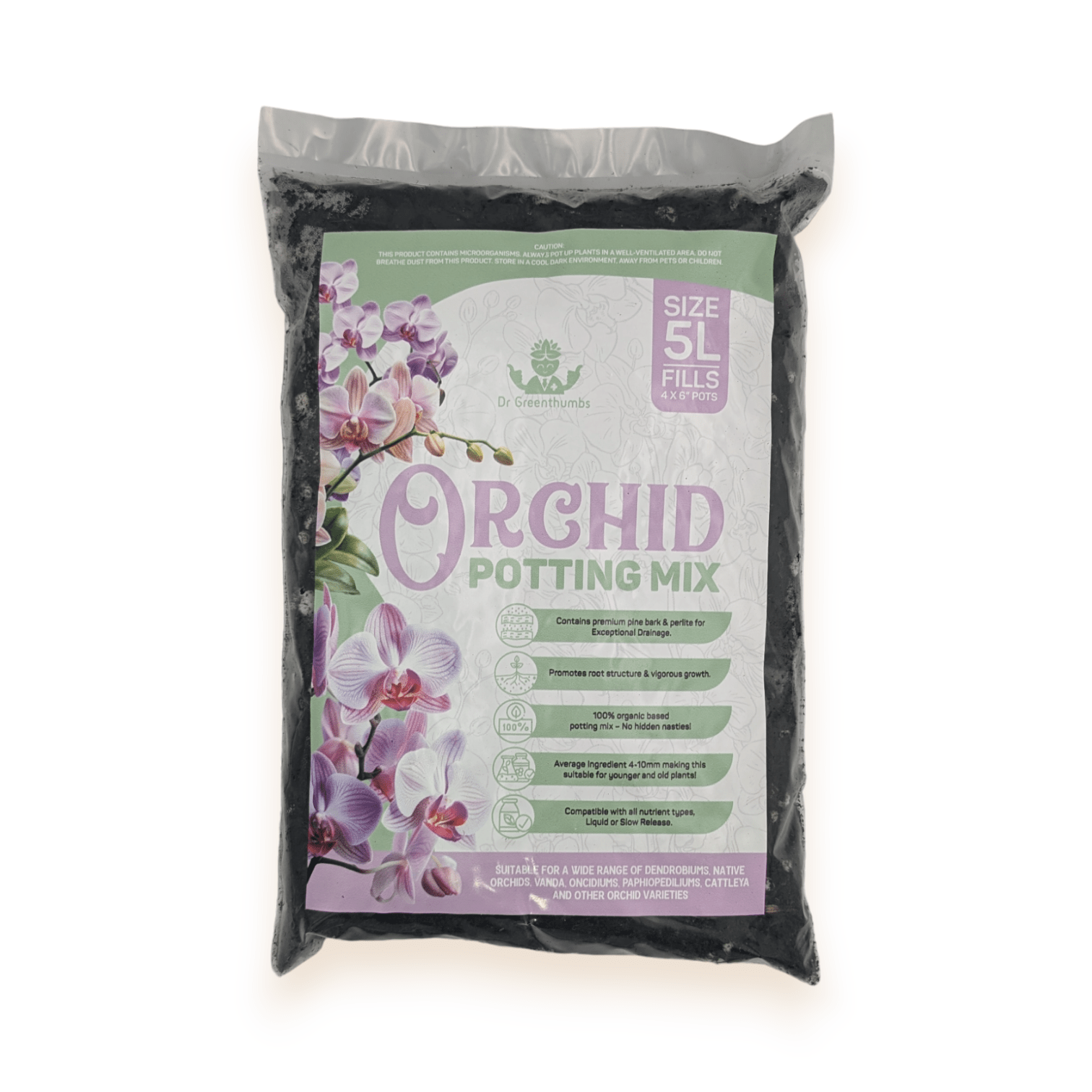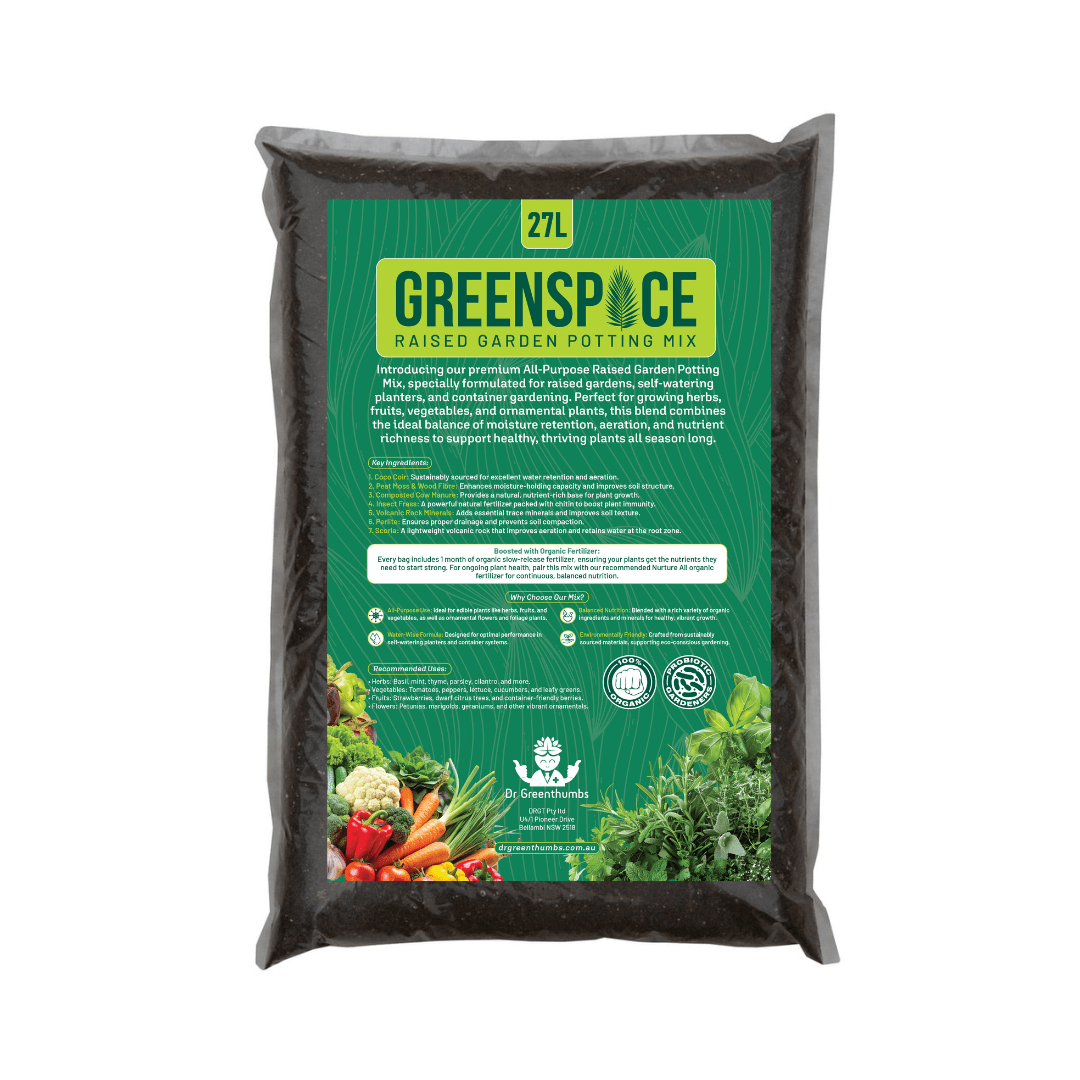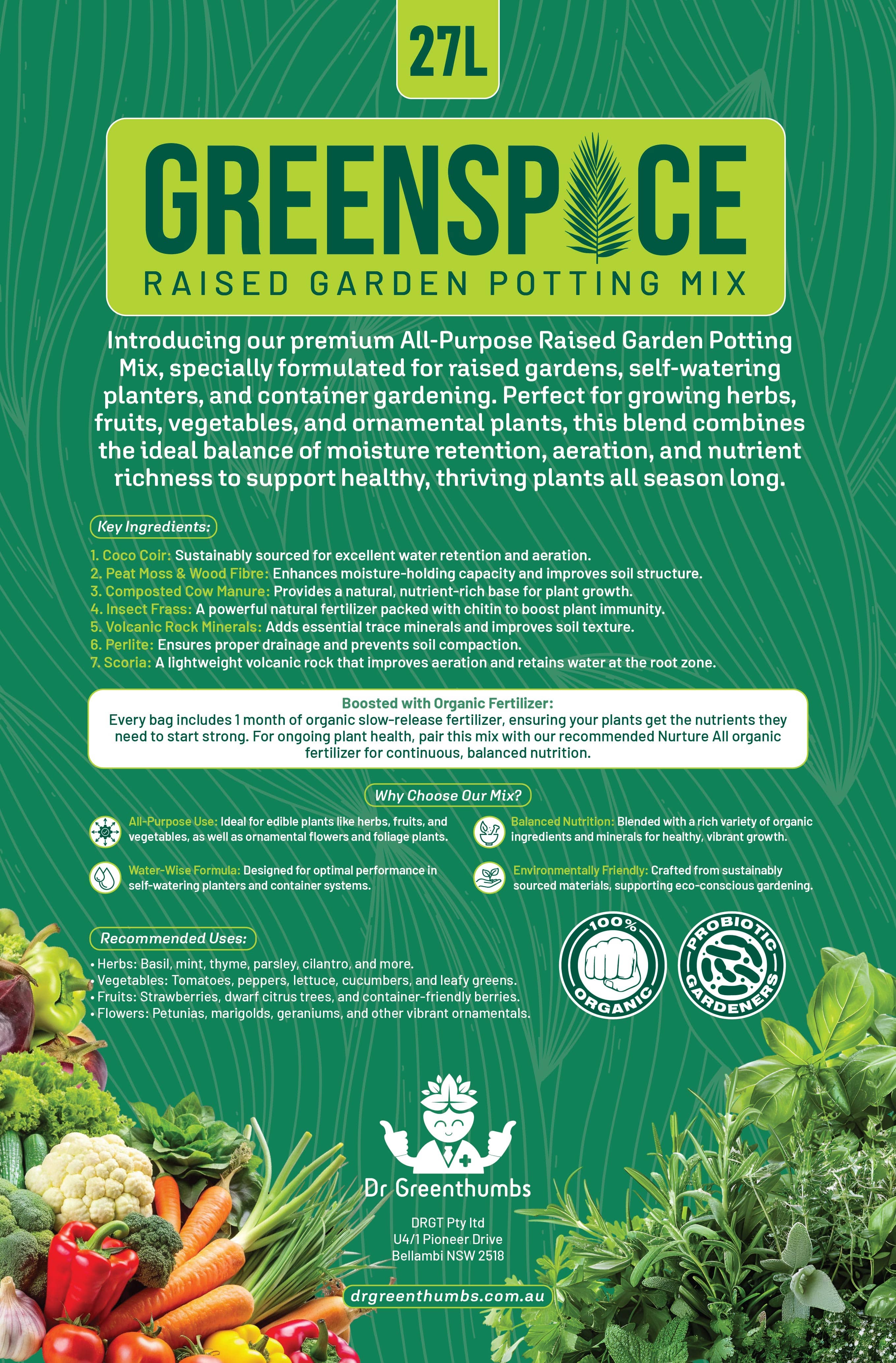

When it comes to growing plants, soil quality is crucial. Two popular soil options in gardening are super soil and living soil. Both aim to promote healthy plant growth, but there are differences between the two.
In this blog, we will explore the similarities and differences between super soil and living soil and help you determine which one is best for your garden.
Table of Contents
- What is Super Soil?
- What is Living Soil?
- How These Soils Actually Work
- No-Till, Super Soil, and Living Soil: What’s the Difference?
- Living Soil vs Super Soil: Quick Comparison
- Can You Combine Living Soil and Super Soil?
- Ingredient Safety and Sustainability Considerations
- Which One Should You Choose?
- Frequently Asked Questions
-
Next Reads for Choosing the Right Soil System
If you want the simplest way to get started without overthinking your soil setup, these options make it easy:


What is Super Soil?
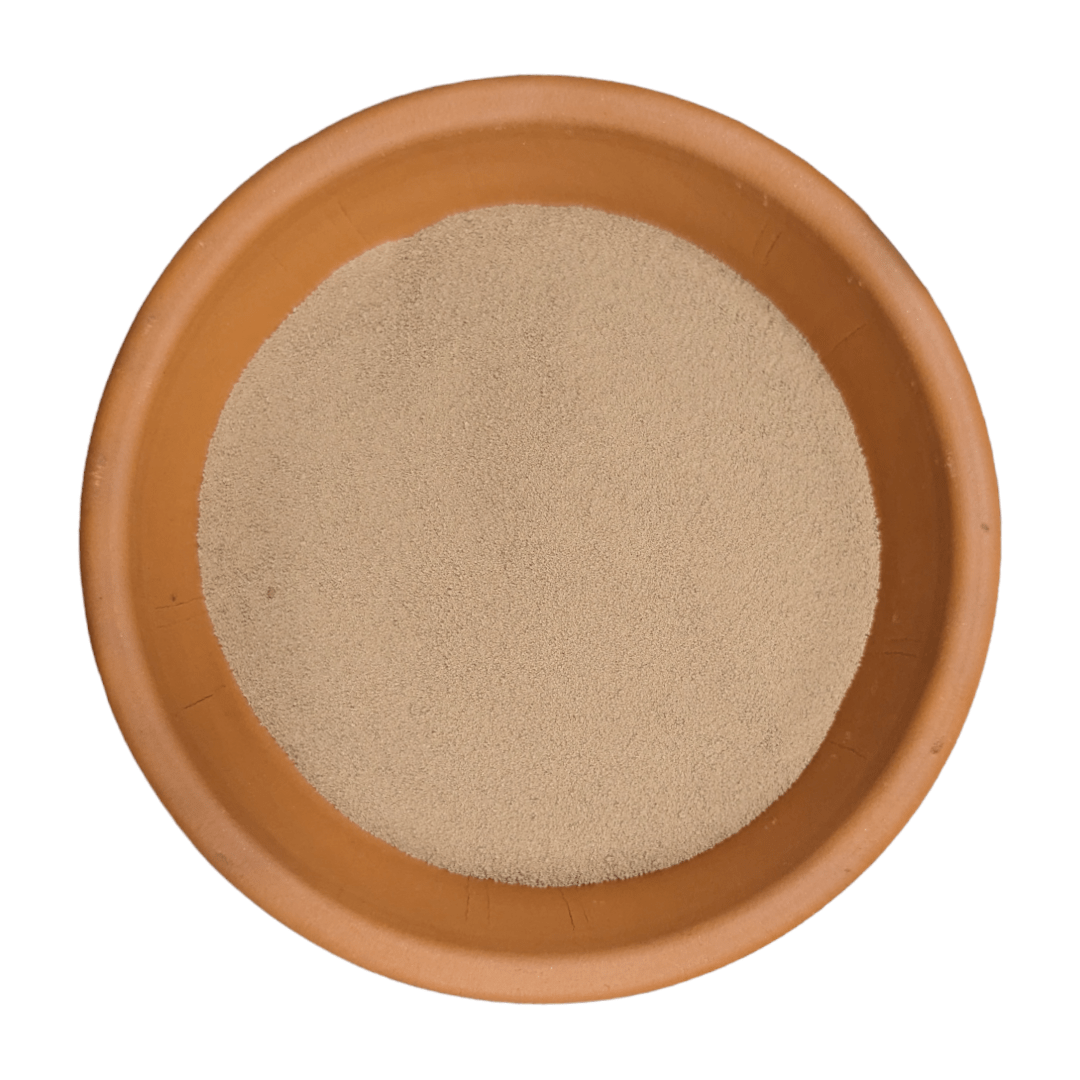
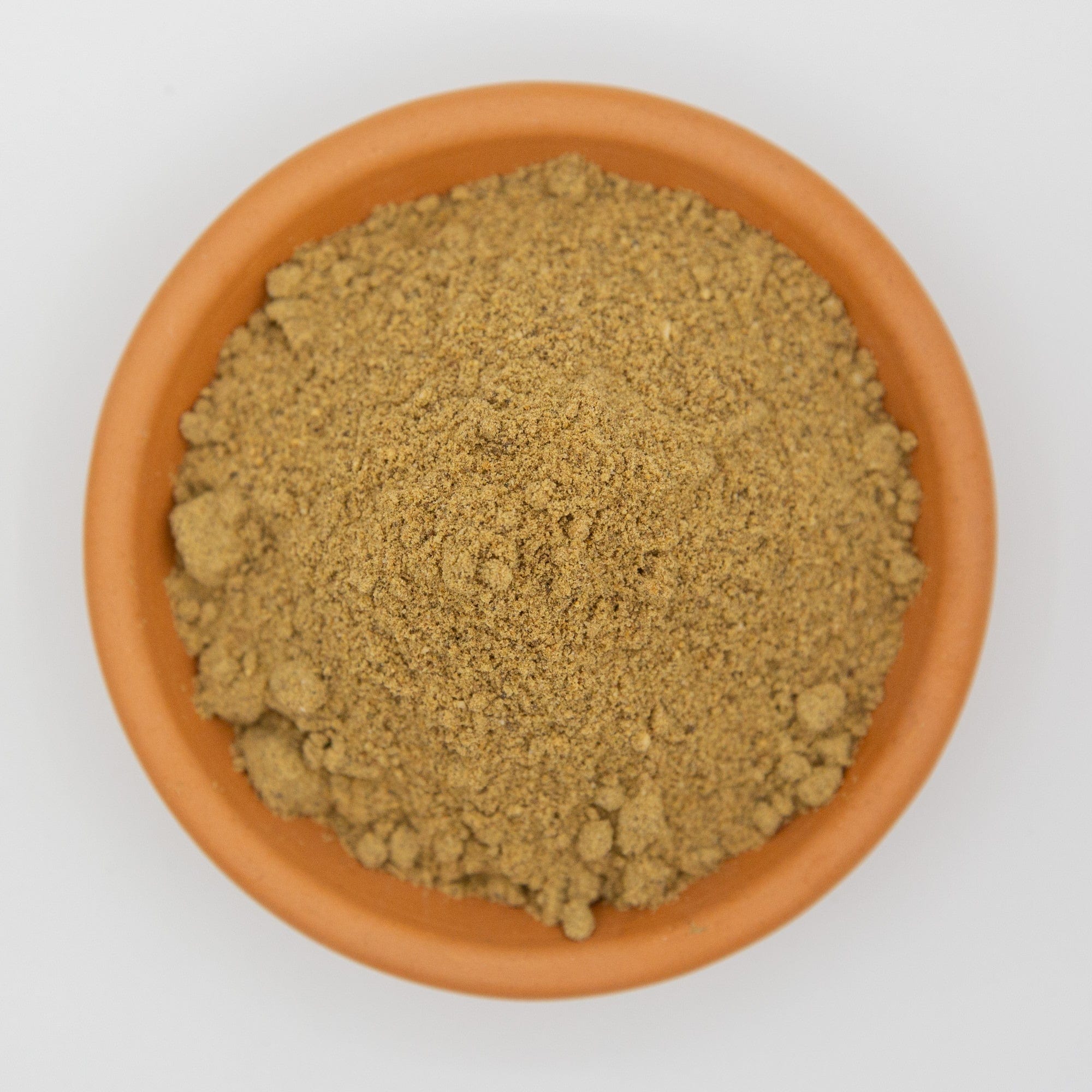
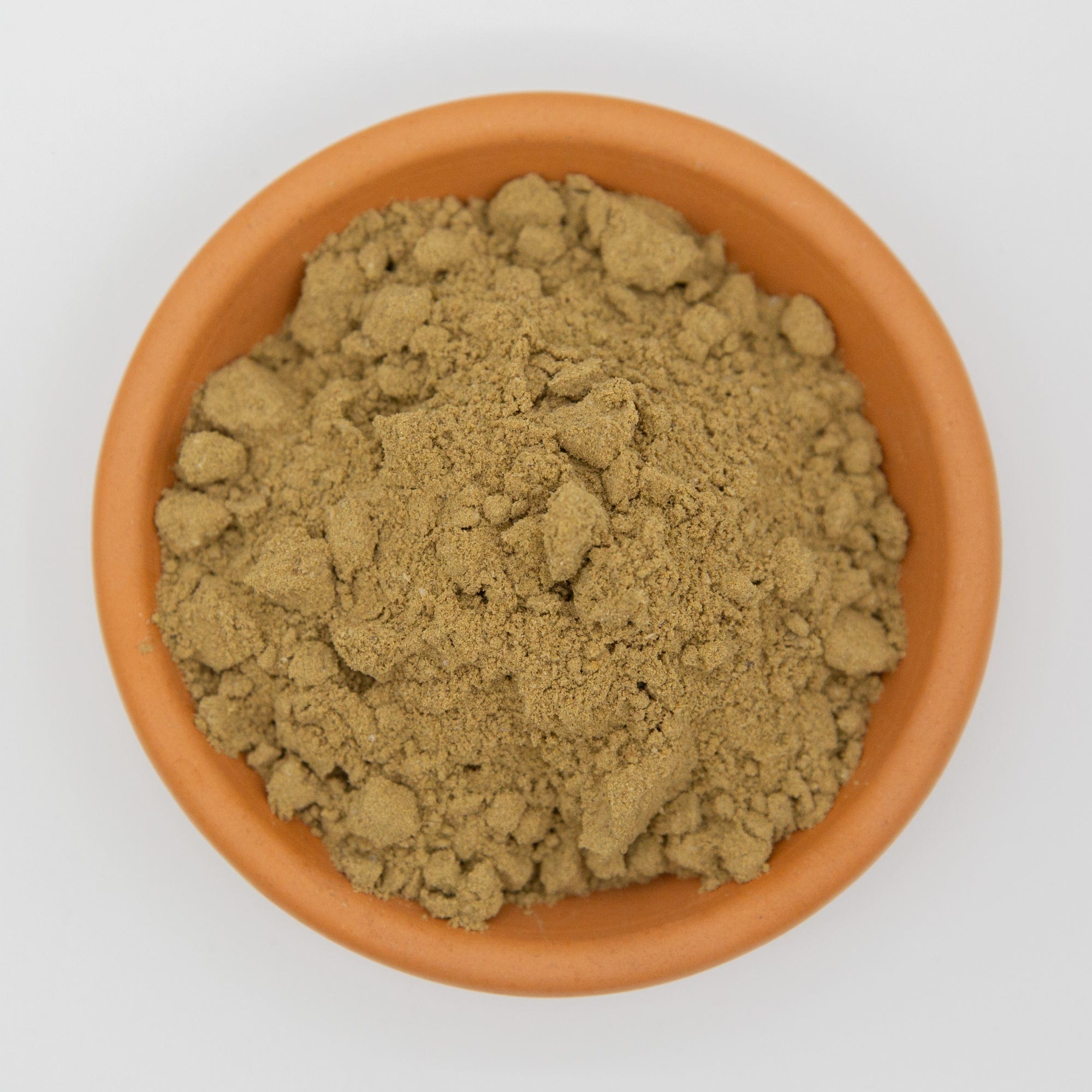
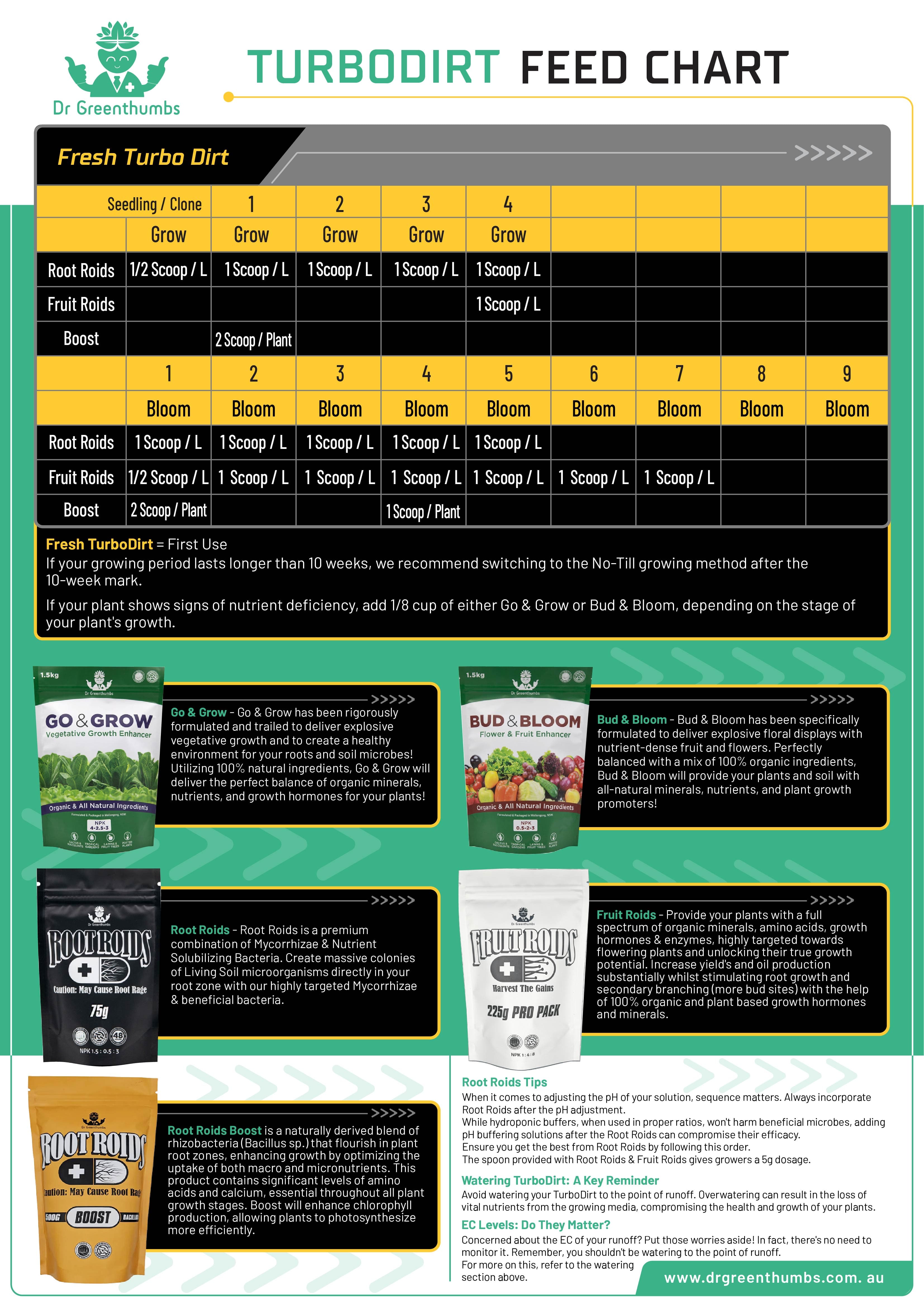
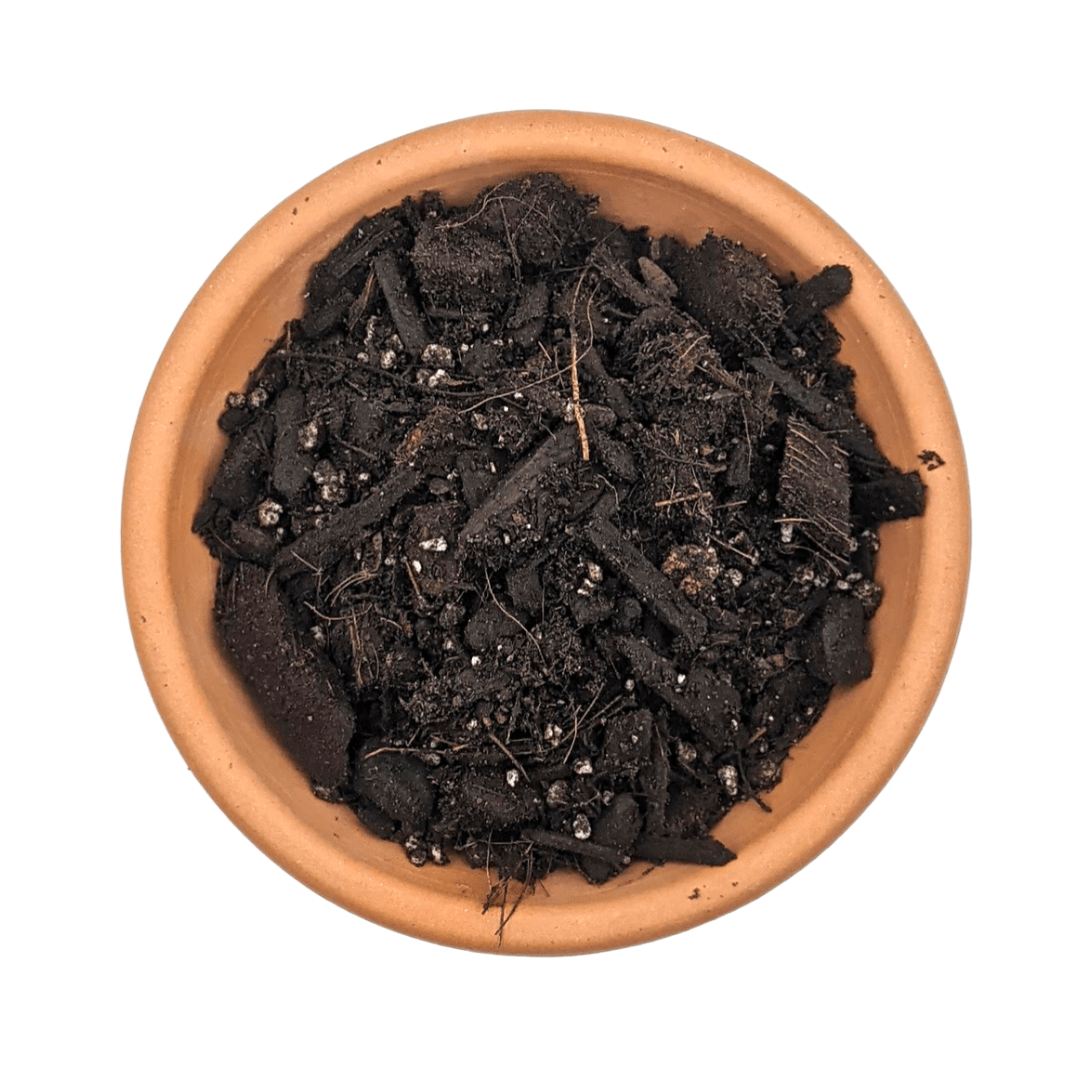
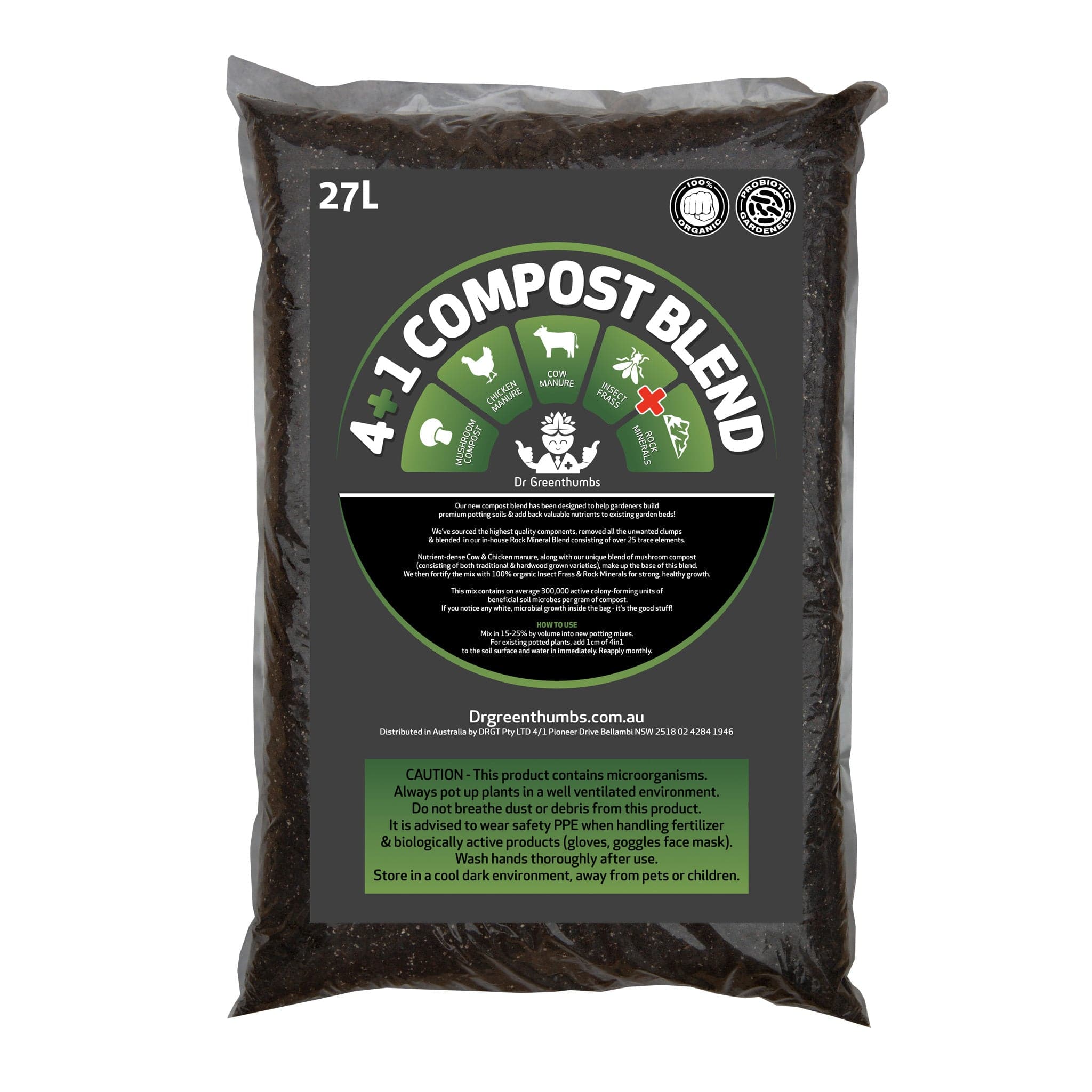
Super soil is a pre-mixed, nutrient-rich soil designed to provide much of the nutrition plants need through a grow cycle. It commonly combines compost, worm castings and other organic matter with aeration ingredients such as perlite, vermiculite or pumice.
Unlike a system that relies on regular bottled feeding, super soil is built with much of its nutrition incorporated upfront. When the mix is properly prepared, this can reduce the need for additional feeding during the crop cycle.

What Does “Cooking” Super Soil Mean?
When growers talk about “cooking” super soil, they’re not applying heat. Cooking simply means allowing the soil to rest after mixing so biological activity can stabilise.
During this period:
-
Microorganisms begin breaking down organic amendments
-
Nutrient levels even out
-
Excess salts or highly concentrated nutrients mellow
For most super soil mixes, this resting period takes 2–6 weeks, depending on how rich the soil is and the ingredients used.
Signs your super soil is ready:
-
No strong ammonia or sour smell
-
Soil feels alive and crumbly, not compacted
-
Temperature has returned to normal (freshly mixed soil can feel warm)
Skipping or rushing this step can increase the risk of nutrient burn, especially for seedlings.
Using Super Soil Safely
Super soil is powerful, which is why correct use matters—especially for young plants.
For seedlings and clones, avoid planting directly into fresh super soil. Many gardeners:
-
Start plants in a lighter mix
-
Transplant once roots are established
Another common method is layering, where super soil sits in the lower portion of the pot, with a milder soil on top. This gives roots time to develop before reaching the richer layer.
Using super soil throughout the entire container is also effective, but works best when the soil has been properly rested and the container size is large enough to buffer nutrient strength.
What is Living Soil?
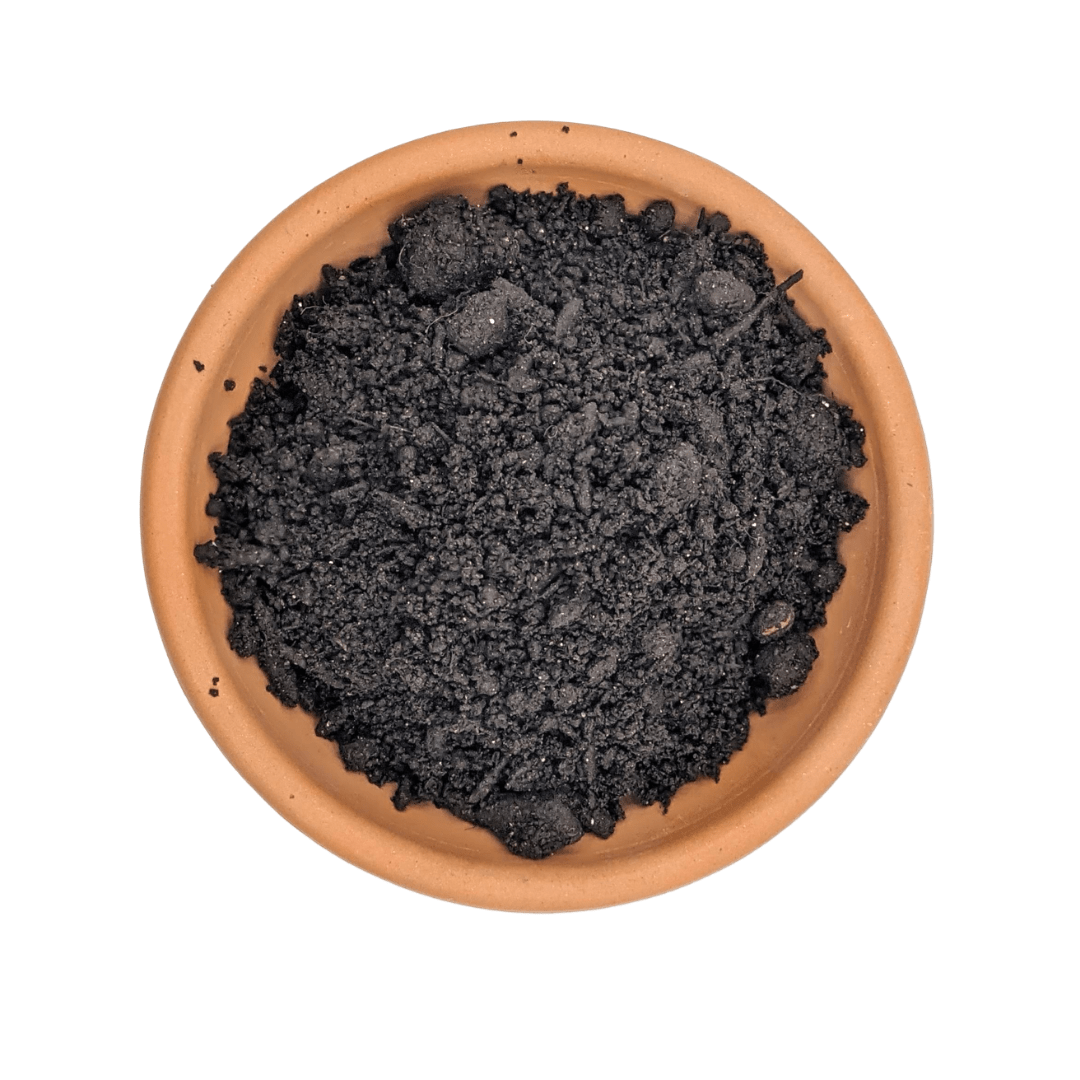
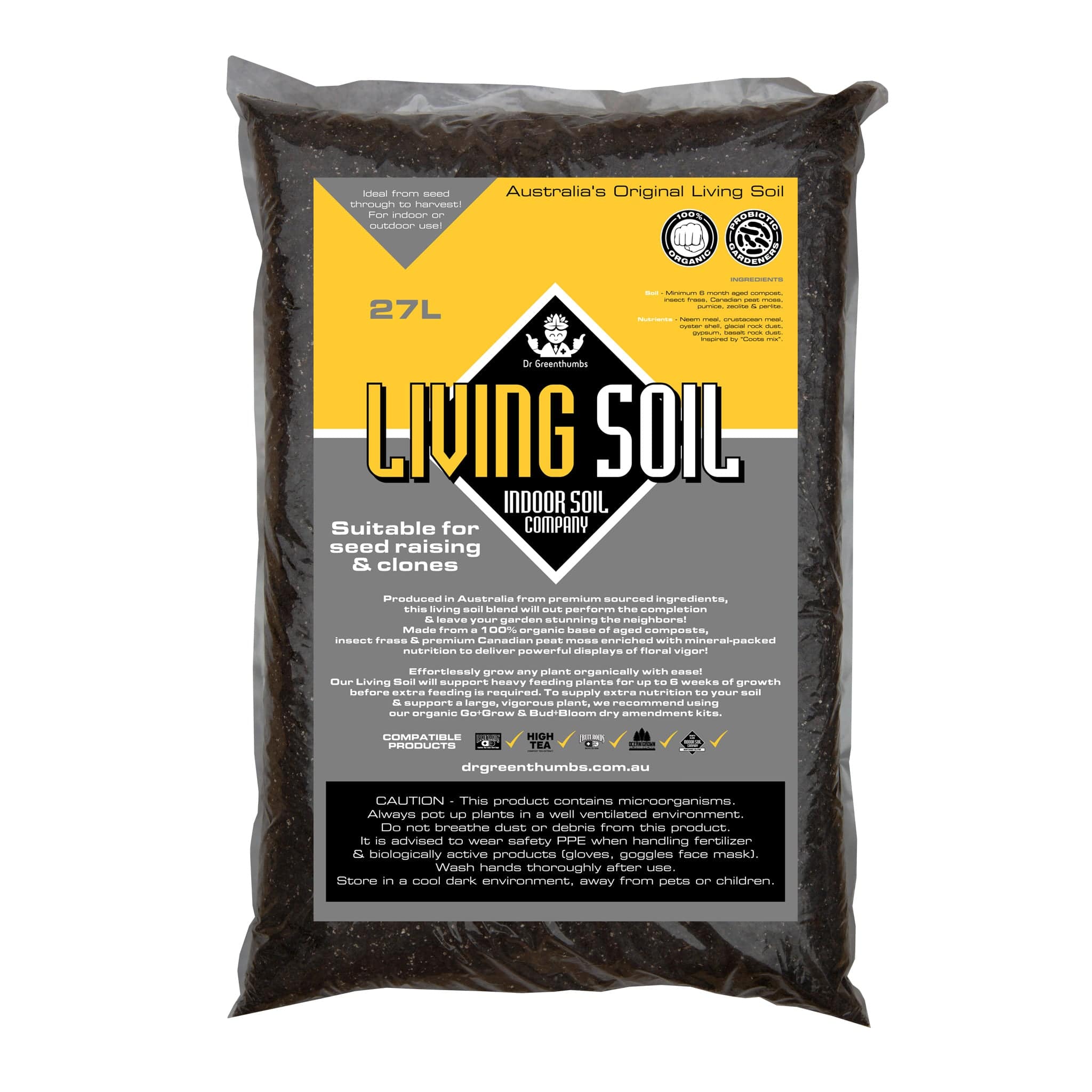
Living soil is a biologically active soil system rich in beneficial microorganisms and mycorrhizal fungi. These organisms help break down organic matter and cycle nutrients through the soil so they become available to plants.
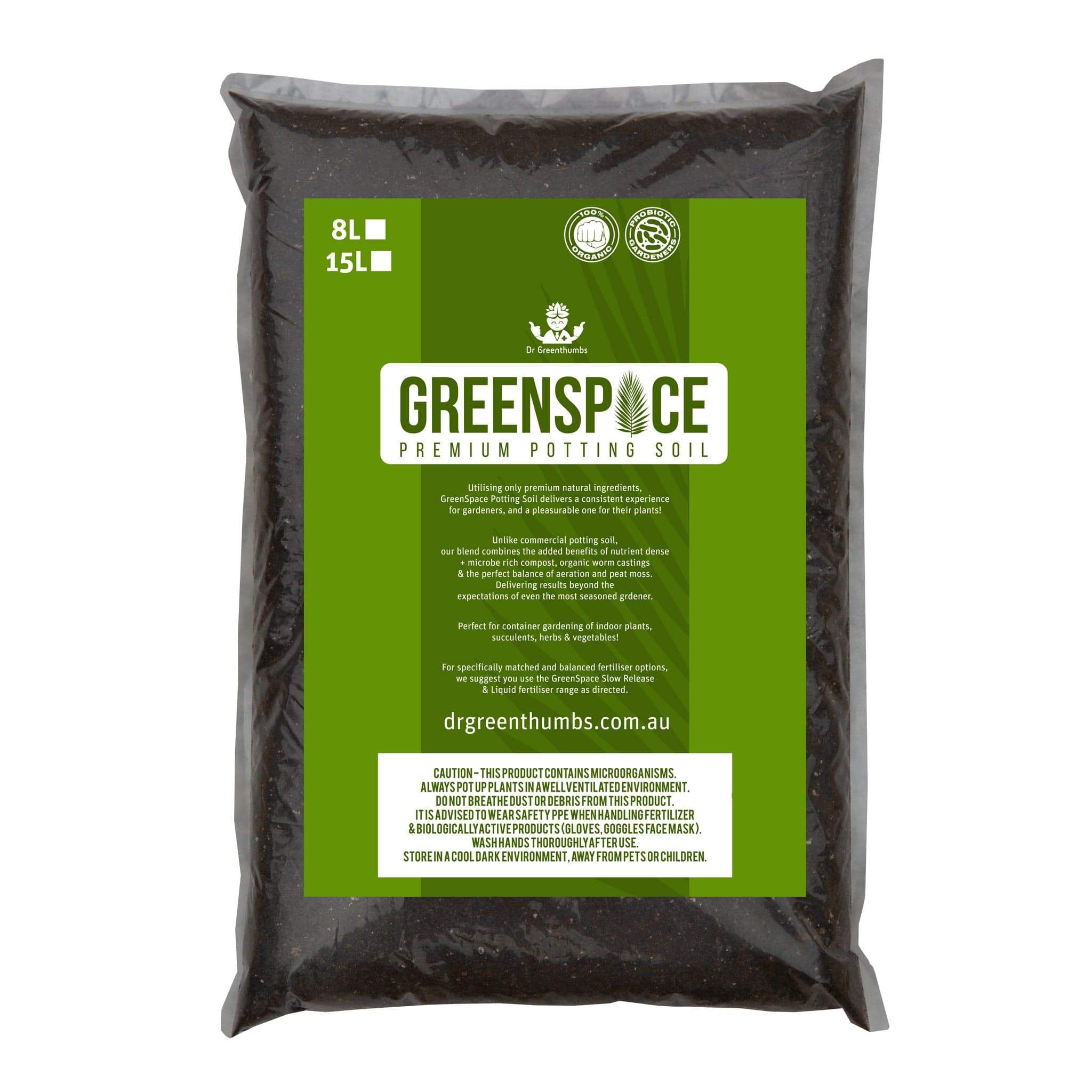
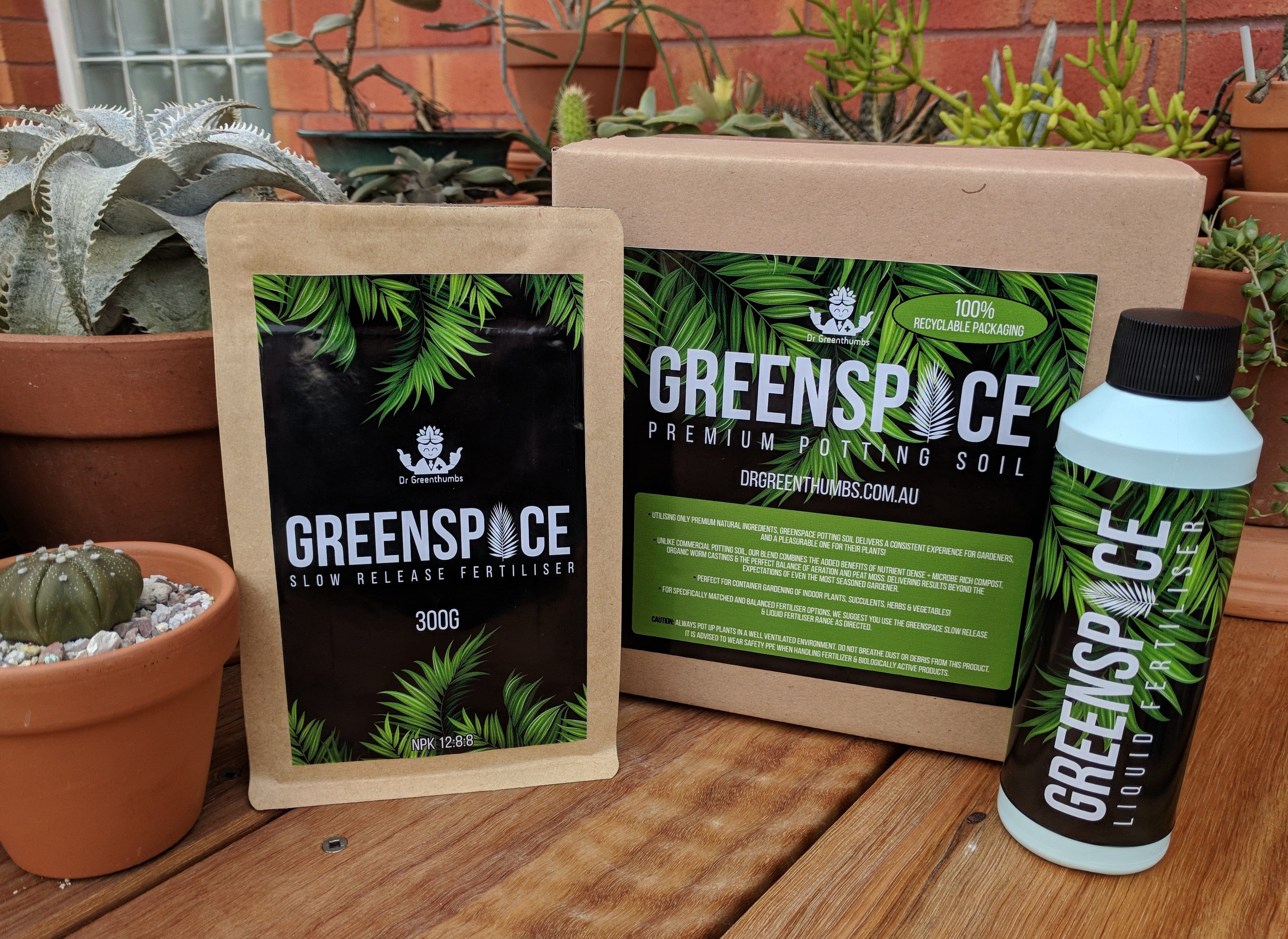
Living soil commonly includes organic materials such as compost and worm castings, together with structural ingredients such as perlite or pumice for drainage and aeration. The focus is on maintaining an active soil ecosystem rather than treating the soil as a one-use growing medium.

Maintaining Living Soil Over Time
Living soil doesn’t require bottled nutrients, but it does benefit from regular, gentle care.
Common maintenance practices include:
-
Top-dressing with compost or worm castings to replenish organic matter
-
Mulching to retain moisture and protect microbial life
-
Occasional organic amendments to replace minerals used by plants
Some gardeners also use compost teas or microbial inoculants to boost biological activity. These aren’t essential, but they can help revive soil that’s been heavily used or stressed.
The goal is consistency, not intensity—living soil thrives when it’s disturbed as little as possible.
How These Soils Actually Work
While living soil and super soil may look similar, they work in very different ways beneath the surface.
Super soil works like a fully stocked pantry. Nutrients are added upfront in the form of compost, minerals, and organic amendments. As plants grow, their roots access these nutrients directly. This is why super soil can support a full grow with little to no extra feeding—if it’s prepared correctly.
Living soil, on the other hand, functions more like a natural ecosystem. Beneficial bacteria, fungi, and other microorganisms break down organic matter and convert it into nutrients as the plant needs them. Instead of feeding the plant directly, you’re feeding the soil, and the soil feeds the plant.
This biological activity is often referred to as the soil food web, and it’s what allows living soil to improve over time rather than becoming depleted.
No-Till, Super Soil, and Living Soil: What’s the Difference?
These terms are often used interchangeably, but they mean different things.
-
Super soil is a nutrient-rich soil mix.
-
Living soil is a biologically active soil system.
-
No-till is a growing method where soil is left undisturbed between plantings.
No-till gardening is most commonly used with living soil, as it helps preserve fungal networks and microbial life. However, you can use super soil in a no-till setup if it’s managed carefully over time.

Living Soil vs Super Soil: Quick Comparison
Super soil and living soil can use many of the same physical ingredients, including compost, worm castings and aeration materials. The bigger difference is how the soil is prepared, maintained and relied upon over time.
If you’re deciding between living soil and super soil, this simple comparison can help clarify which approach best suits your garden and growing style.
|
Feature |
Super Soil |
Living Soil |
|---|---|---|
|
Nutrient source |
Pre-loaded organic amendments |
Ongoing nutrient cycling through microbes |
|
Setup time |
Requires a resting or “cook” period |
Ready to use, improves over time |
|
Maintenance |
Low during the grow |
Ongoing light maintenance |
|
Risk of burning plants |
Higher if not prepared correctly |
Very low when managed well |
|
Container sensitivity |
More sensitive in small pots |
More forgiving in larger containers |
|
Reusability |
Limited without re-amending |
Designed to be reused long-term |
|
Cost profile |
Higher upfront cost |
Lower long-term cost |
|
Best suited for |
Growers wanting a simpler, water-only cycle |
Gardeners focused on soil health and sustainability |
Both soil types can produce excellent results—the right choice depends on how involved you want to be and how you plan to grow.
Can You Combine Living Soil and Super Soil?
Yes. Many gardeners take a hybrid approach.
A common method is to start with a well-built super soil as the base, then manage it using living soil principles—top-dressing, mulching, and minimal disturbance. Over time, this allows the soil to transition from a nutrient-heavy mix into a more balanced, biologically active system.
This approach can be ideal for growers who want strong early growth without committing fully to either method from the start.
Ingredient Safety and Sustainability Considerations
As more gardeners focus on sustainability, ingredient choices matter.
Peat moss, for example, has excellent water-holding properties but raises environmental concerns due to how it’s harvested. Coconut coir is often used as an alternative, though it has its own processing footprint.
It’s also worth noting that some traditional super soil amendments are extremely concentrated. When overused, they can overwhelm young plants or upset soil balance. Following proven ratios and avoiding unnecessary additives helps keep soil productive and safe.
Which One Should You Choose?
The best choice comes down to how you want to manage the garden, not simply which soil sounds more advanced.
Super soil may suit you better if you:
- want much of the crop’s nutrition built into the mix upfront;
- prefer relatively low feeding input during the active grow;
- are comfortable preparing or resting a rich soil before planting;
- do not mind re-amending the soil before future cycles when required.
Living soil may suit you better if you:
- want to build and maintain an active soil ecosystem over time;
- are happy to top-dress, mulch and occasionally replenish organic matter or minerals;
- want to minimise disturbance and potentially reuse the same soil long term;
- are particularly interested in soil biology and ongoing soil health.
If you like elements of both approaches, the hybrid method described above is also a practical option: start with a well-prepared nutrient-rich soil and manage it over time using living-soil principles.
Frequently Asked Questions
Is bagged super soil really “living”?
Most bagged soils contain some biological life, but activity can vary. Proper watering and organic matter help revive microbes.
Can I reuse super soil next season?
Yes, but it usually needs re-amending and additional organic matter.
Why are larger containers useful for water-only soil systems?
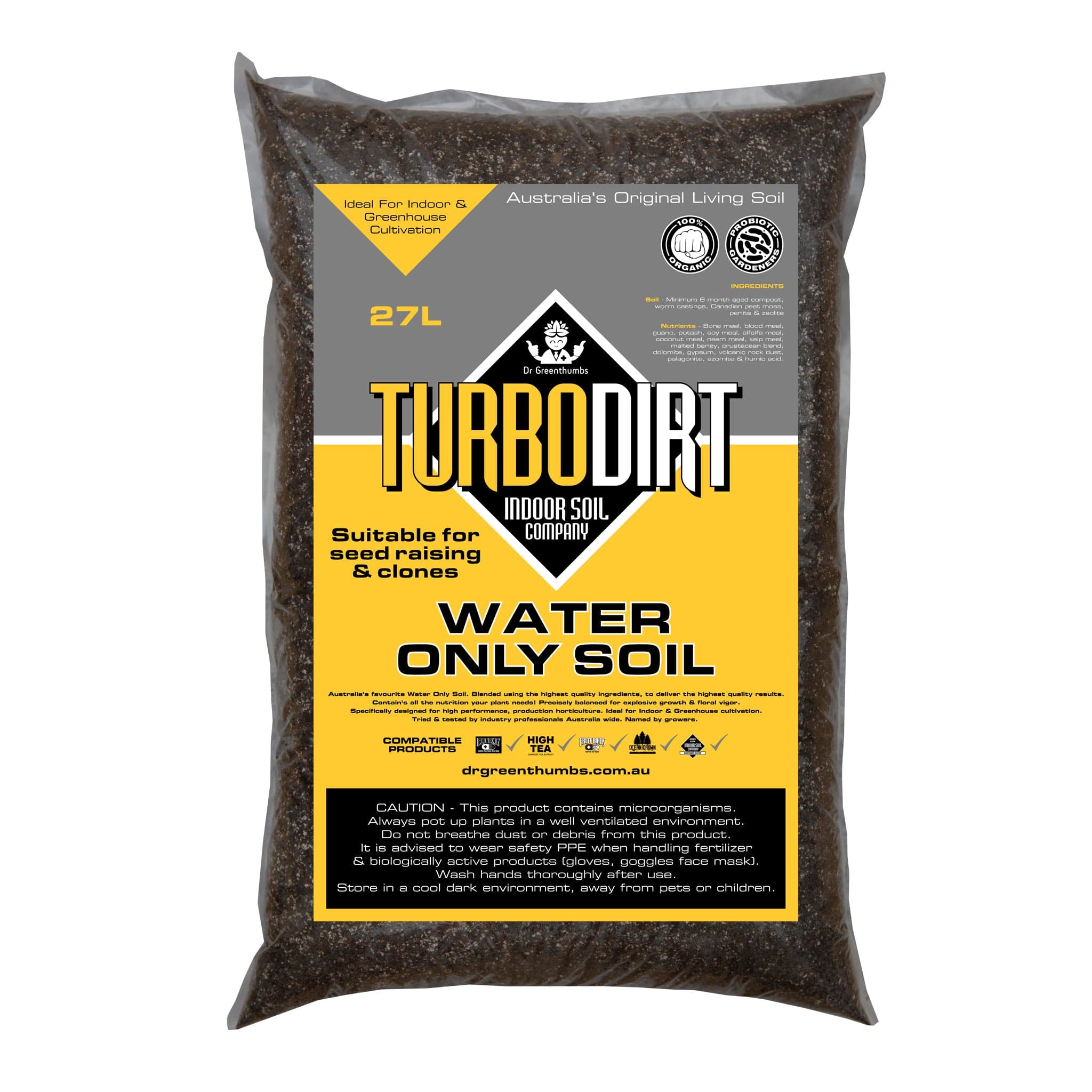
Larger containers provide more stable nutrient and moisture buffering, which is especially important for super soil setups.

Next Reads for Choosing the Right Soil System
Still weighing up super soil, living soil and other organic growing options? These guides will help you compare systems, build a better mix and choose what fits your garden best.
- How to Build Your Own Living Soil
- Best Living Soil for Organic Gardening
- Making Living Soil from Dr Greenthumbs Products
- Living Soil vs Traditional Soil: What You Need to Know About Nutrient Recycling
About the Author