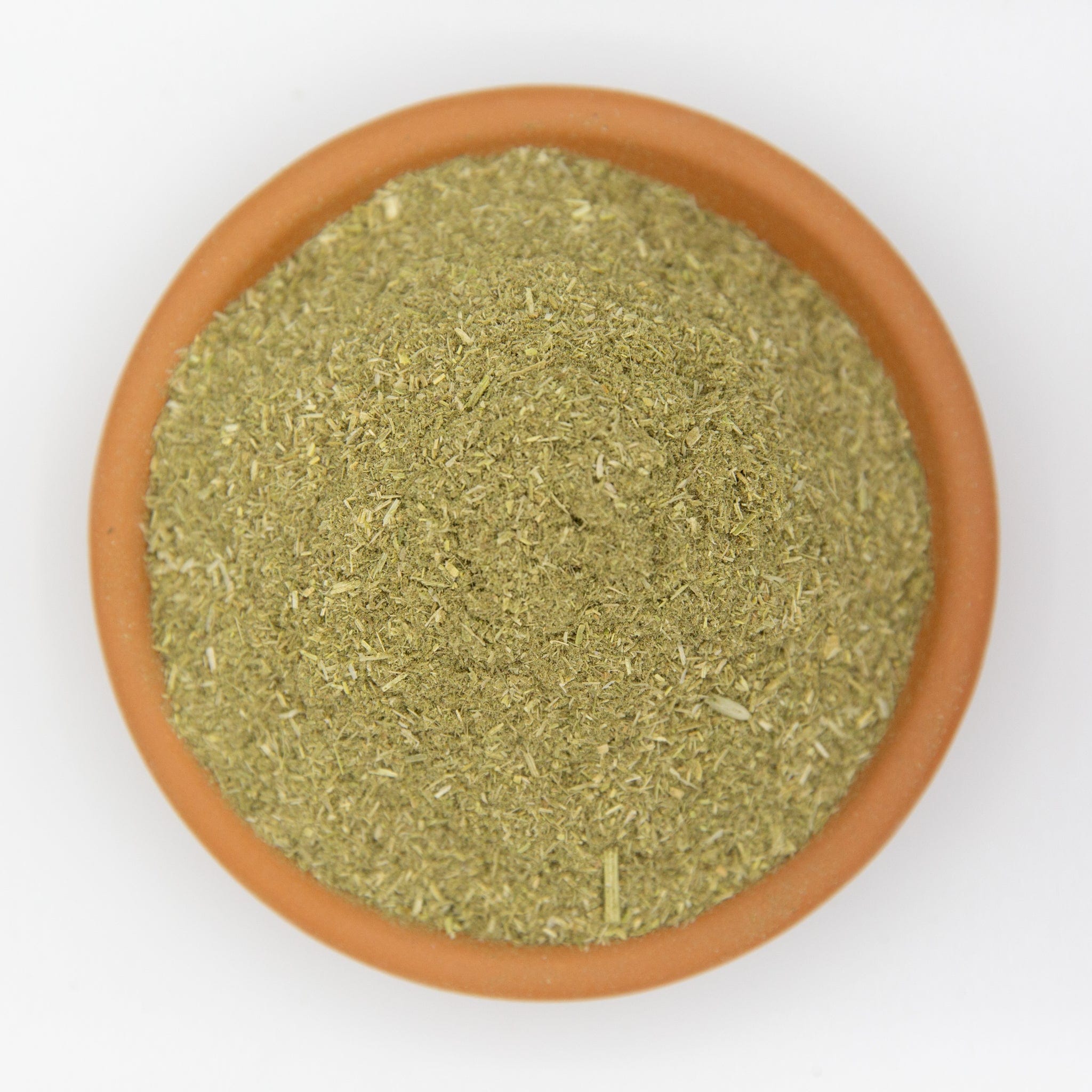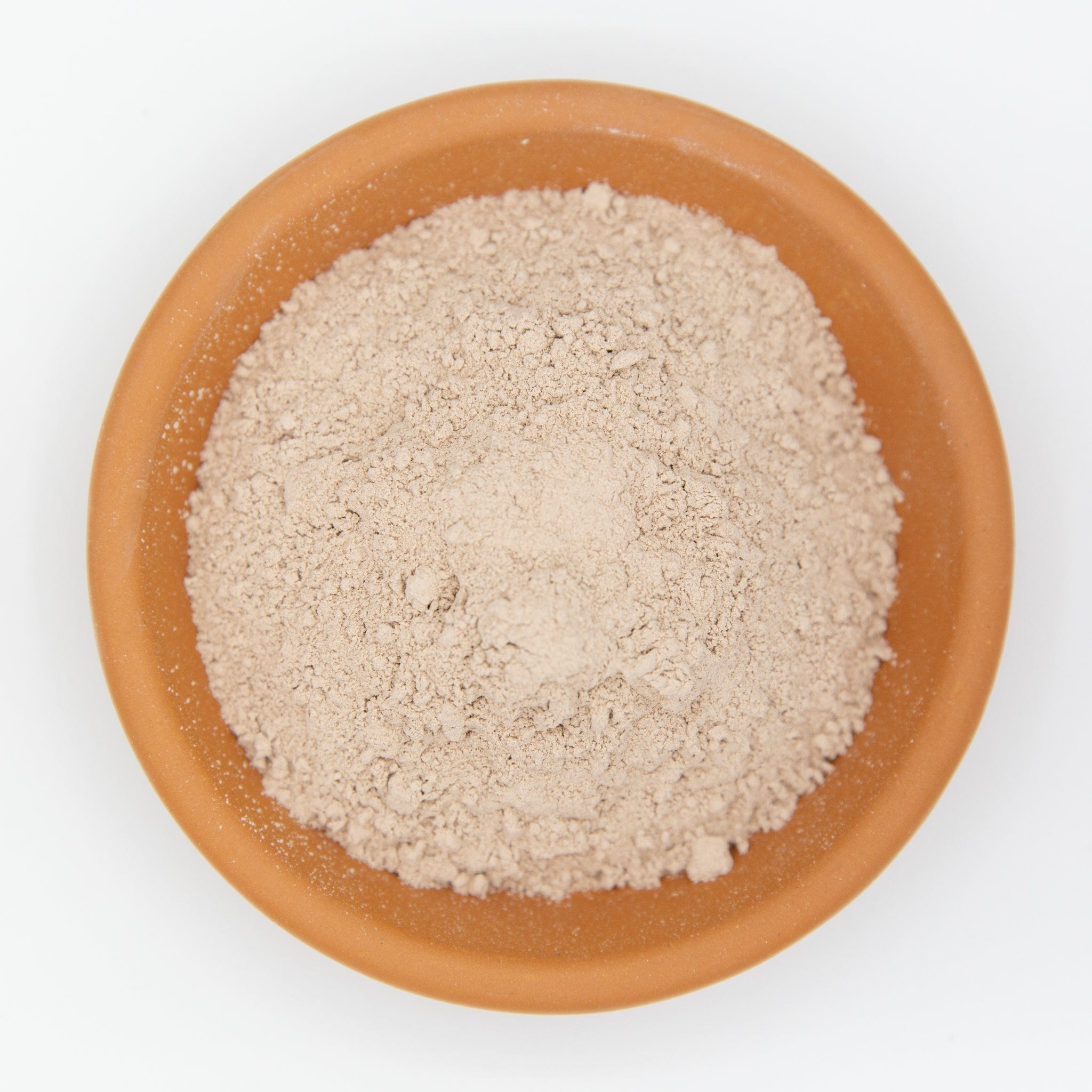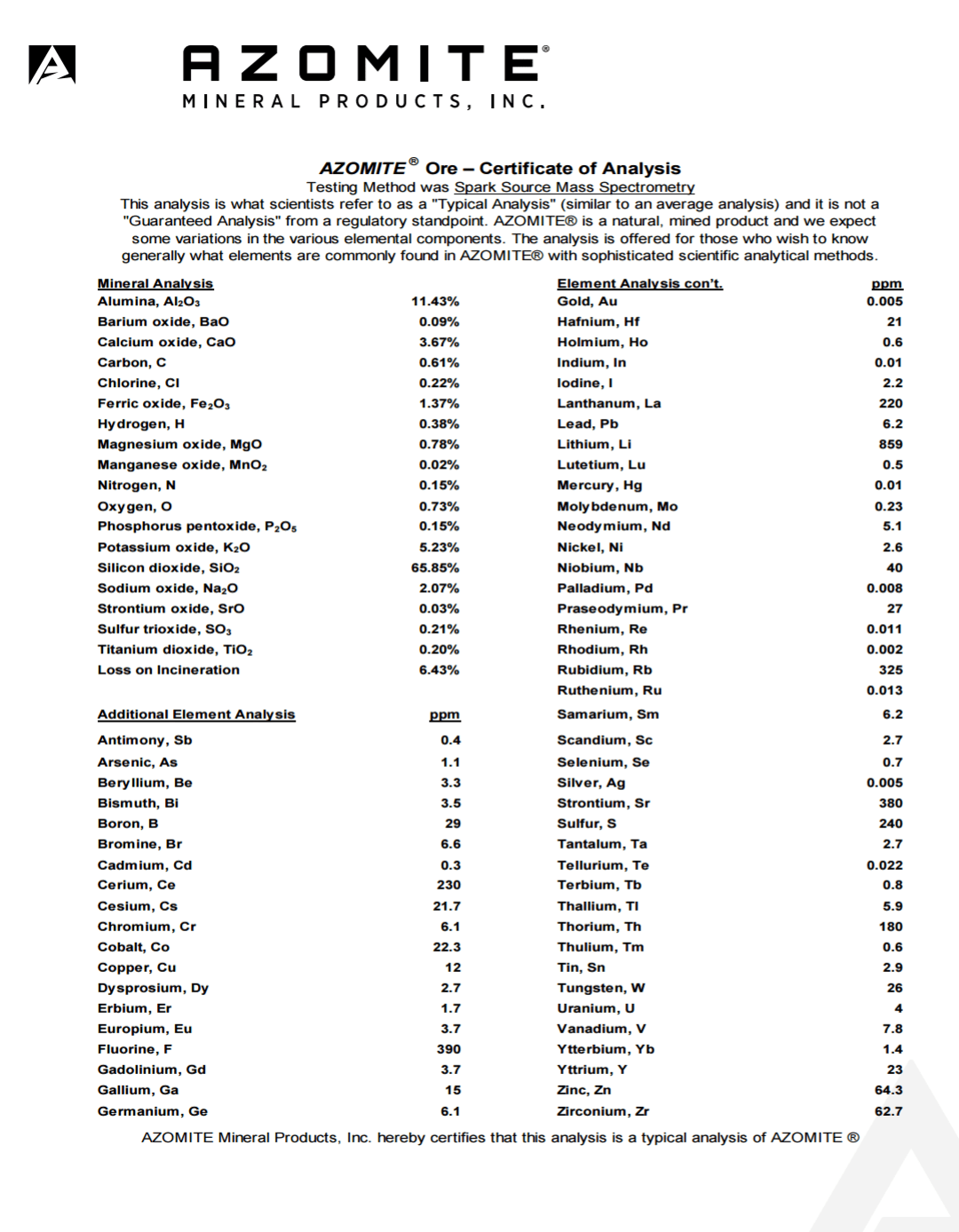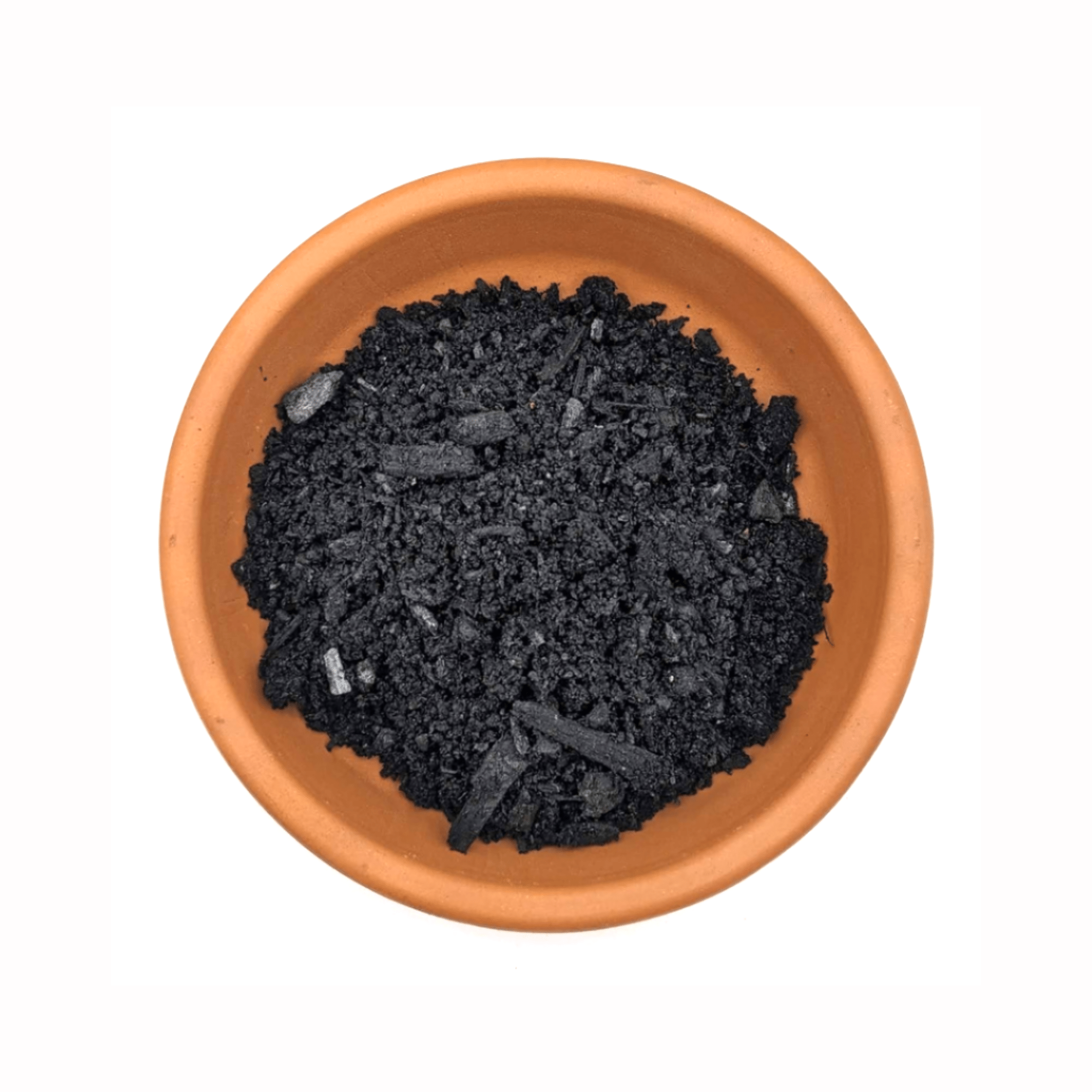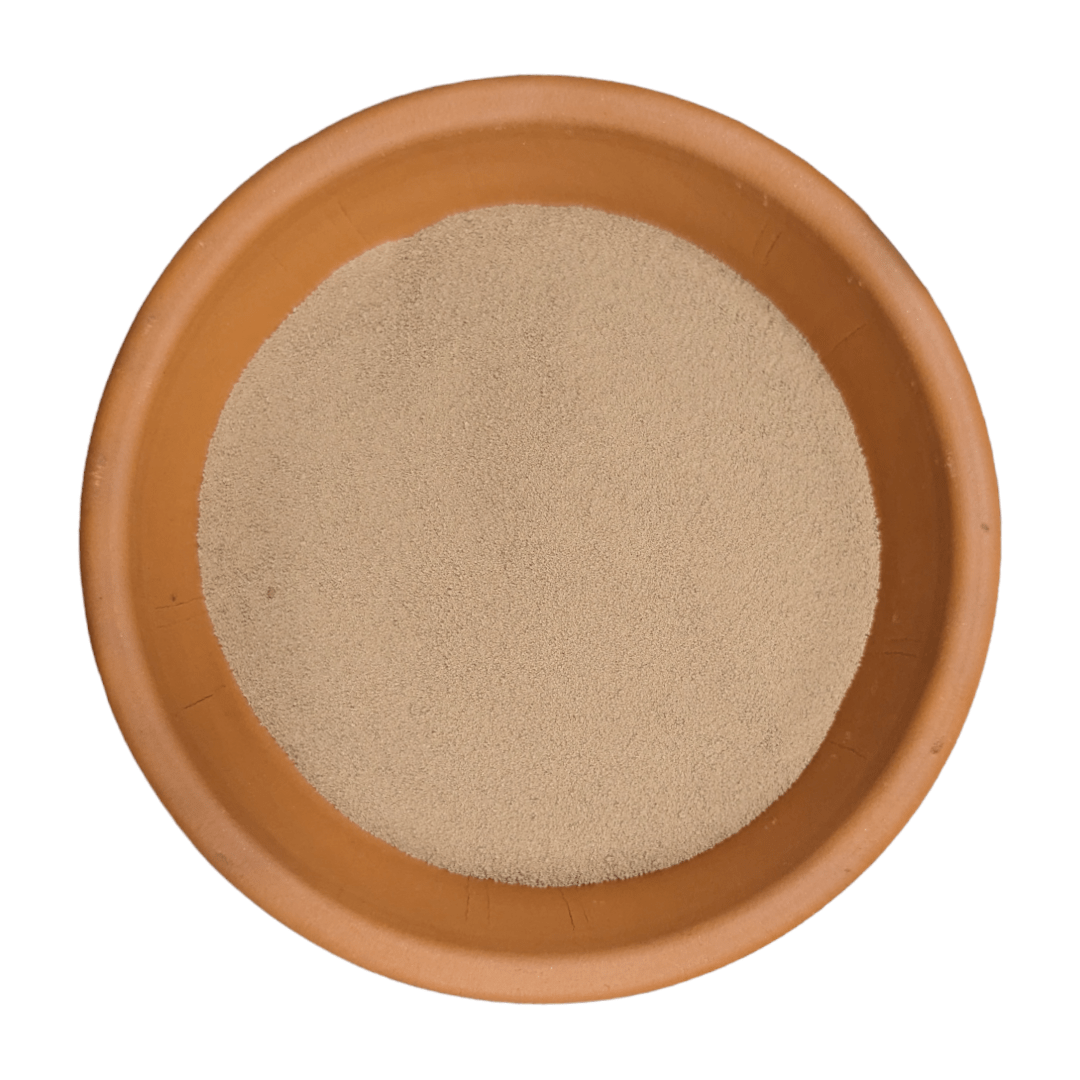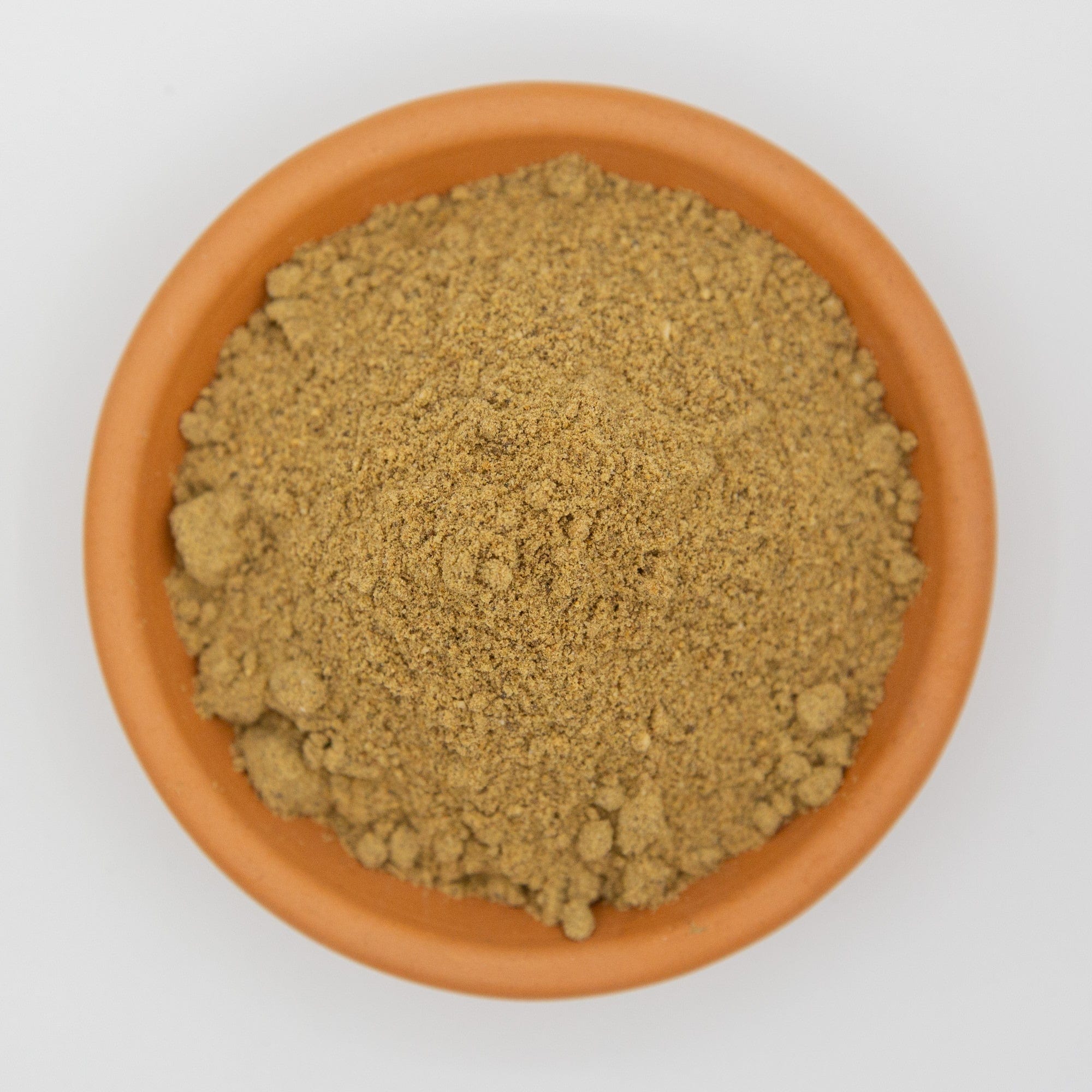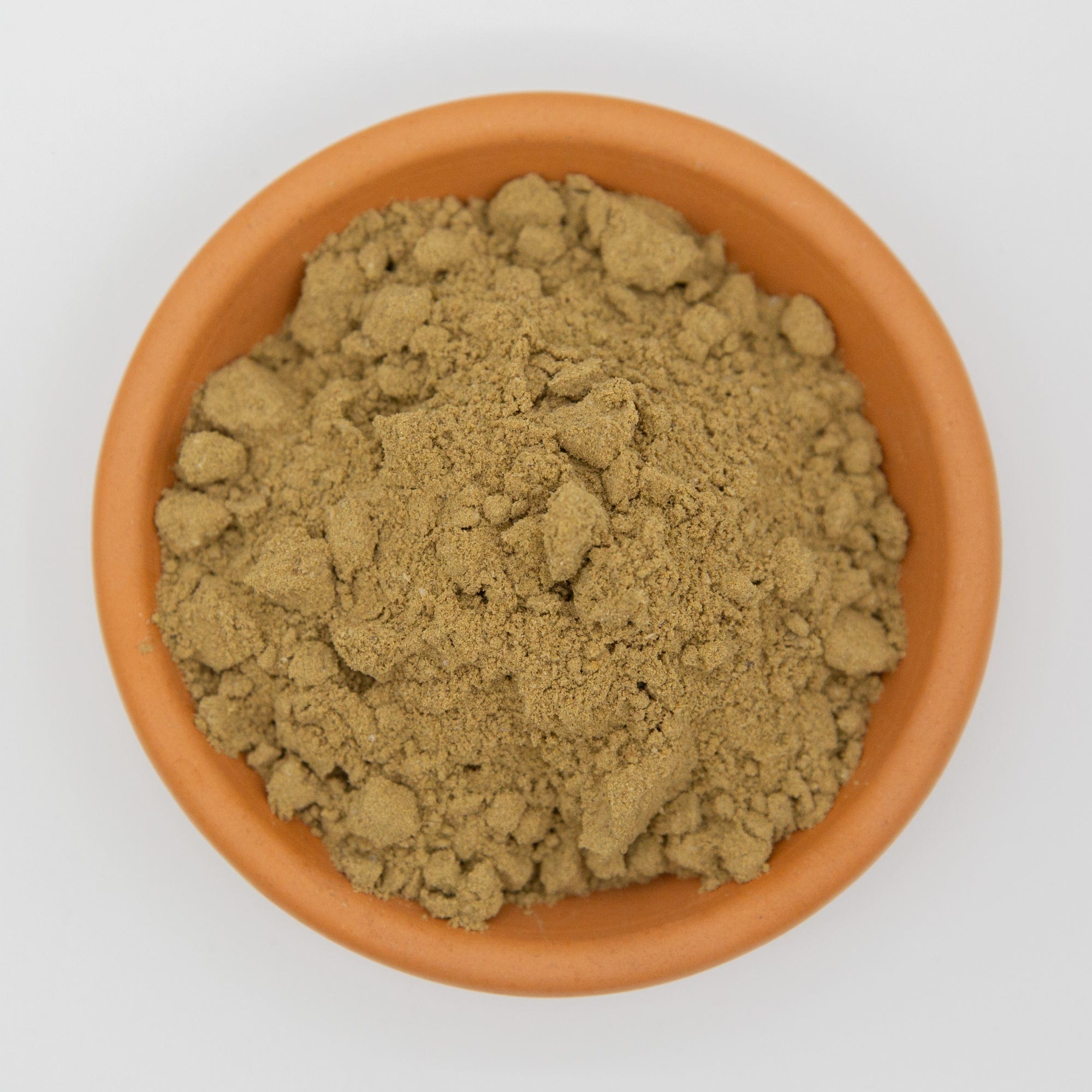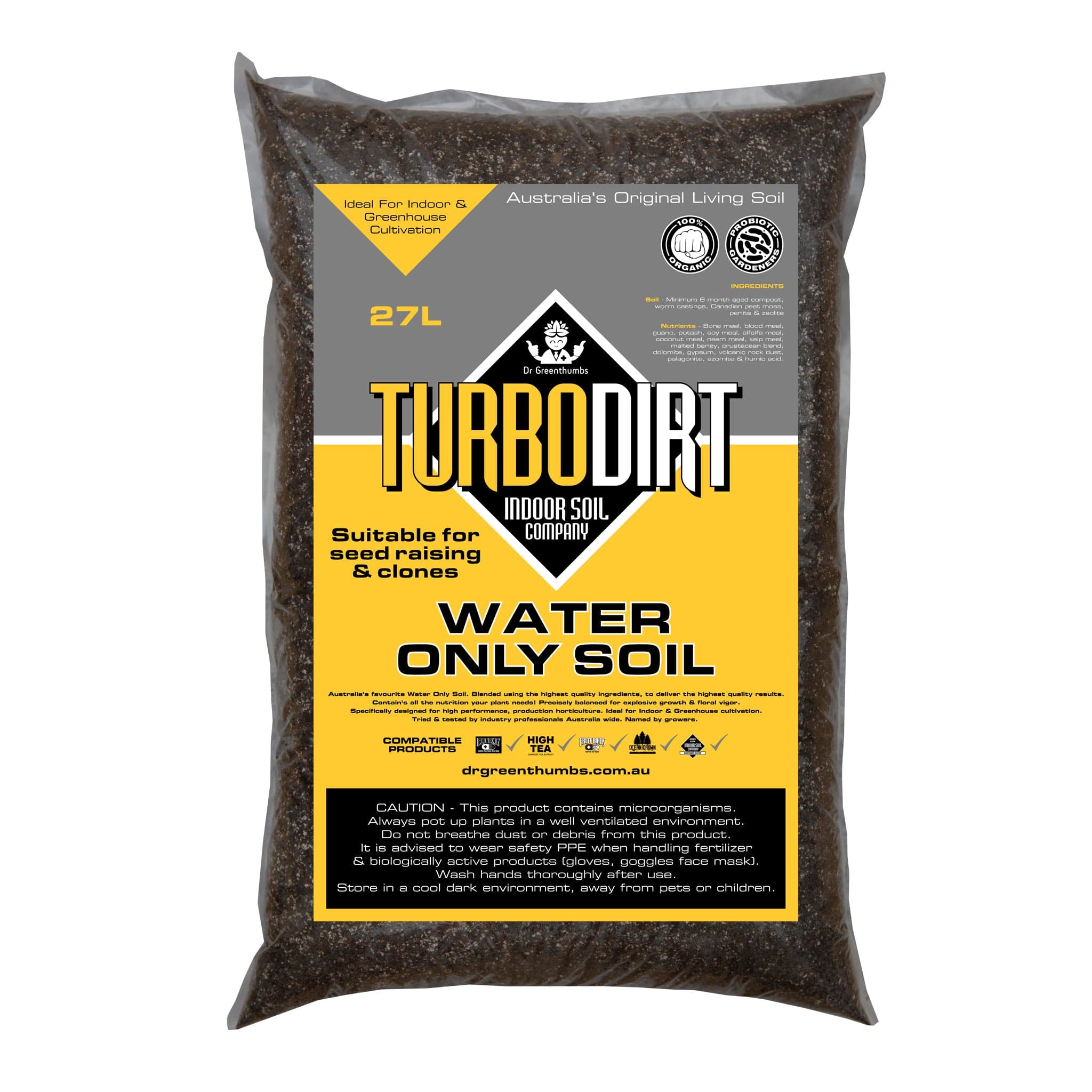

Building healthy, living soil starts with the right aeration partner. Here’s everything an Aussie grower—whether balcony-bound or broad-acre—needs to decide between pumice and perlite.
Quick Snapshot
|
Need this… |
Grab [Pumice] |
Grab [Perlite] |
|---|---|---|
|
Water still hangs around after irrigation |
✅ |
❌ |
|
Mix blows away / floats when top-dressing |
✅ |
❌ |
|
Budget-friendly & ultra-light for shipping |
❌ |
✅ |
|
Hydro or self-watering systems |
❌ |
✅ |
|
Wants extra trace minerals long-term |
✅ |
❌ |
|
Seed starting or cuttings |
⚖️ (coarse blend) |
✅ |
Table of Contents
- What Is Pumice?
- What Is Perlite?
- How Pumice and Perlite Move Water and Air in Your Mix
- Pumice vs Perlite: Choose by Particle Size, Not Just Material
- Side-by-Side Comparison
- Best Fits by Climate and Plant Type
- Which One for Your Plants — and Mix Recipes That Work
- Pumice vs Perlite for Growers Who Water Too Often
- Perlite Soil: What It Actually Means on a Bag or Recipe
- Perlite Soil Mistakes That Make Pots Worse
- Perlite Soil for Hydro, Propagation and Seed Raising
- Pumice vs Perlite in Small Pots vs Large Containers
- Perlite vs Pumice for Top-Dressing and Mulch Layers
- Perlite vs Pumice for Repotting Stressed Plants
- Pumice vs Perlite When You’re Fixing Old Potting Mix
- Pumice vs Perlite in Living Soil: What Microbes Actually Prefer
- Short and Long-Term Benefits
- Sustainability, Cost and Smart Sourcing
- Rinsing, Reusing and Keeping It Clean
- FAQ
- The Verdict
- Next Reads for Choosing Better Soil Amendments and Healthier Root Zones
If you want the easiest way to improve aeration in your soil, these are the most reliable options:


What Is Pumice?
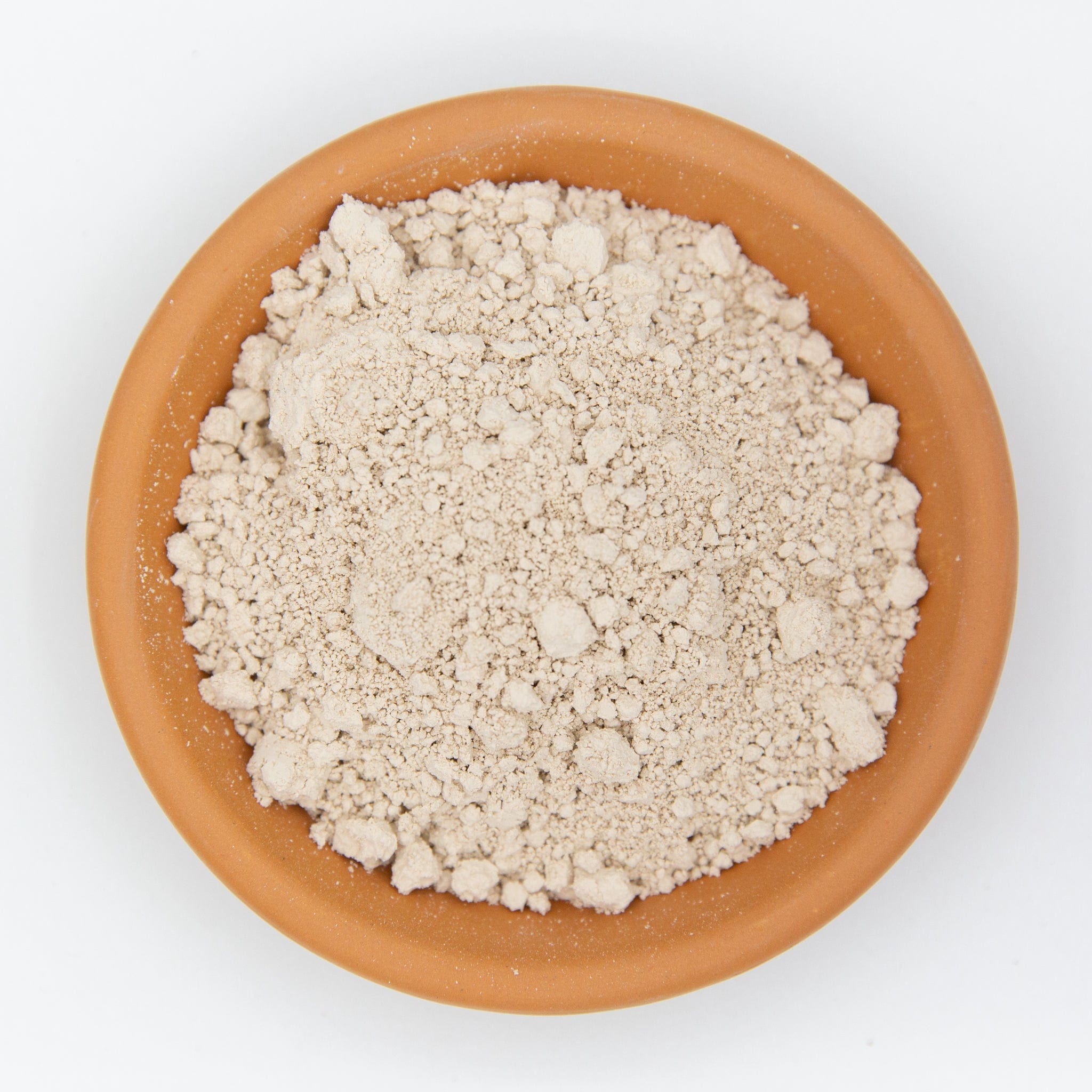
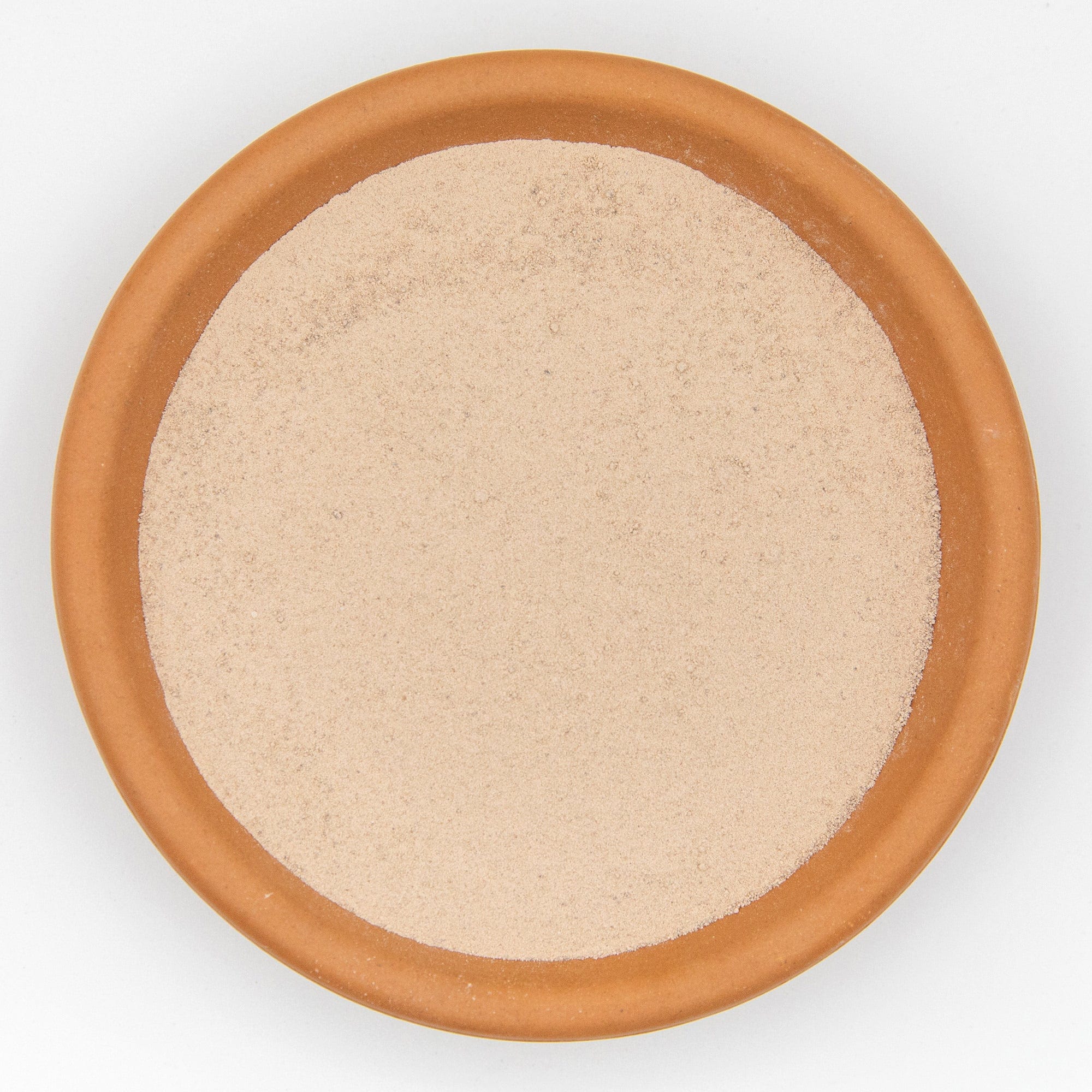
Pumice is a naturally frothy volcanic rock mined and graded in NZ. Each grain is riddled with microscopic pores that:
- Soak up excess moisture yet release it slowly—perfect for hot, dry Aussie summers.
- Sink, not float, so your mulch layer stays neat even after heavy rain.
- Carry 70 + trace minerals that micro-herds tap into over time.

What Is Perlite?
Perlite starts life as volcanic glass. We heat it until it pops like popcorn, creating feather-light, sterile granules that:
- Boost drainage fast—ideal for seedlings, hydro or tropical houseplants that hate “wet feet.”
- Keep mixes lighter for hanging baskets or rooftop gardens.
- Cost less to freight nationwide compared with denser media.

How Pumice and Perlite Move Water and Air in Your Mix
Understanding water retention and aeration at a deeper level helps you predict how these amendments will behave in action — not just in theory.
Pumice and perlite both improve soil structure, but their internal pore networks behave differently when water and air move through your mix. Pumice’s natural volcanic pores can absorb and hold a modest amount of water within the rock itself and release it slowly back into the soil. This buffering effect helps keep water available longer between watering while still avoiding soggy conditions. Perlite’s expanded particles, by contrast, drain much faster and hold most water only around the surface of the granules.
This structural difference matters when you’re aiming for consistently healthy roots — especially in systems where water regulation is crucial, like bonsai, succulents, or hydroponics. It’s also why pumice can help even-out dry-down rates and perlite can speed up oxygen delivery.
Pumice vs Perlite: Choose by Particle Size, Not Just Material
Pumice vs perlite gets talked about like it’s a simple material choice, but particle size matters just as much as the label on the bag.
Fine perlite, coarse perlite, 1–7mm pumice and chunky drainage-grade material will all behave differently. A tiny grade can hold too much water between particles and make the mix feel muddy. A chunky grade can drain beautifully but leave seedlings flopping around if the rest of the mix has no body.
The easy rule:
- Fine perlite suits seed raising and propagation where small roots need contact.
- Coarse perlite suits chunky aroid mixes, hydro-style blends and fast drainage.
- Fine-to-medium pumice suits general potting mixes and living soil.
- Chunky pumice suits succulents, cacti, bonsai and mixes that need long-term structure.
Don’t just copy a recipe without checking the grade. “30% perlite” means very different things if one grower is using powdery cheap perlite and another is using large, clean chunks.
For most living soil and potted plant work, a clean medium grade is safer than going too fine. You want air gaps, not mineral sludge.
Side-by-Side Comparison
|
Feature |
Pumice |
Perlite |
|---|---|---|
|
Weight |
Heavier; stays put in windy spots |
Ultra-light; can float to surface |
|
Water-holding |
Moderate, slow-release |
Low; drains instantly |
|
Nutrients |
70 + natural trace minerals |
Inert (adds none) |
|
Longevity |
Permanent—won’t compress |
Can crush after years but still usable |
|
pH |
Neutral-to-slightly alkaline |
Neutral |
|
Typical Uses |
Cacti, succulents, natives, raised beds |
Seedlings, hydro, tropicals, propagation |
|
Aussie Availability |
Locally mined, mid-price |
Widely stocked, budget-friendly |
Other amendments like vermiculite and coarse sand can be useful, but this guide focuses on pumice and perlite because they are the main aeration choices for most potting mixes and living soil blends.
Best Fits by Climate and Plant Type
- Arid interiors (Perth, Alice Springs): Pumice holds a sip of extra water without turning mixes soggy.
- Humid tropics (Cairns, Darwin): Perlite keeps oxygen pumping through constantly wet soil.
- Windy balconies / rooftops: Pumice’s weight stops potting media from blowing away.
- Heavy feeders (fruit trees, veg beds): Pumice’s minerals feed soil biology long term.
- Orchids & aroids: Jumbo-grade perlite creates the chunky airflow these epiphytes crave.
Which One for Your Plants — and Mix Recipes That Work
Different plants and growing conditions genuinely benefit from one amendment over the other — or from both together. Here’s how your choice plays out in practice:
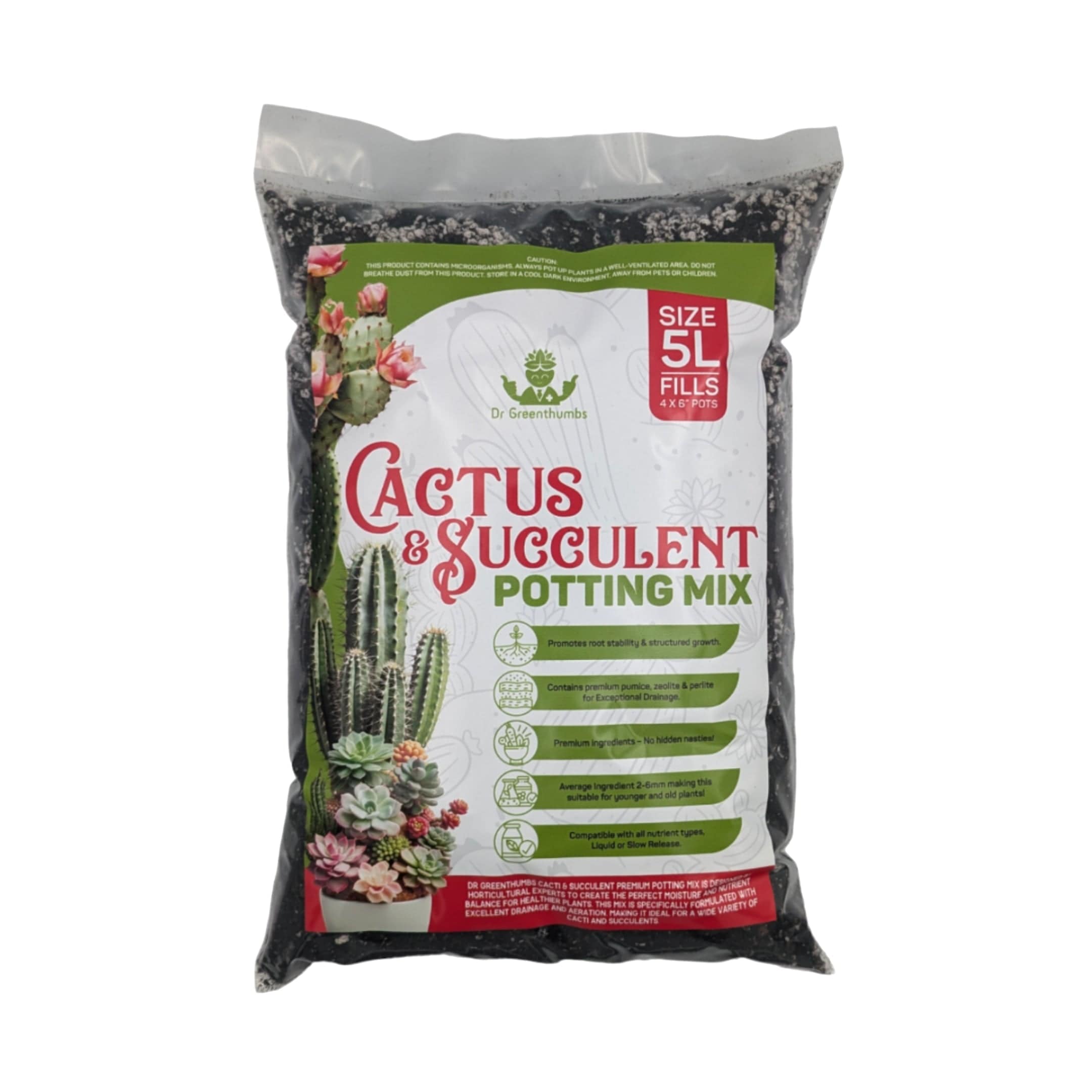
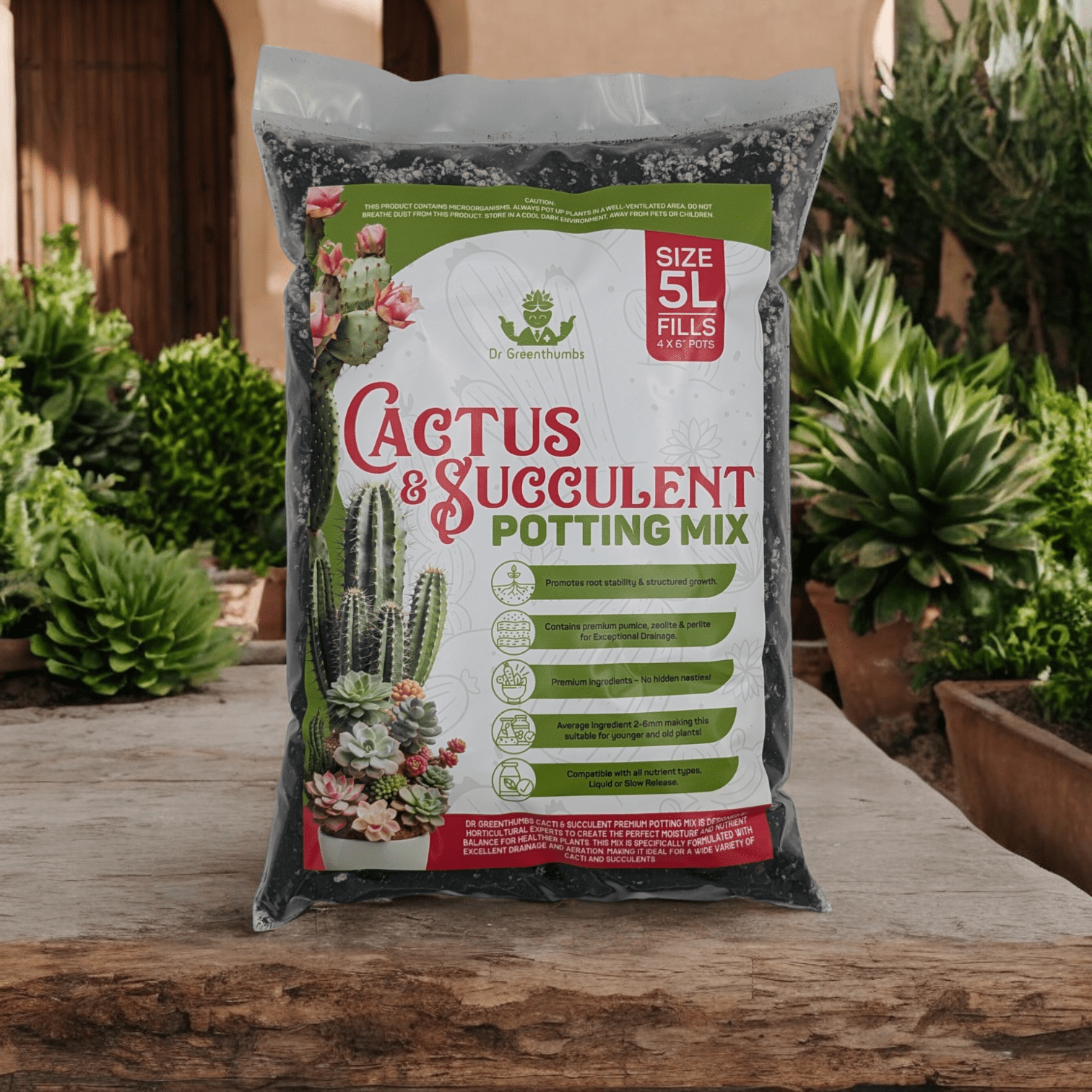
- Succulents & Cacti: These plants love fast drainage and some moisture buffer — so a mix like 40–60% pumice with quality potting soil gives structure and steady drying without droop.
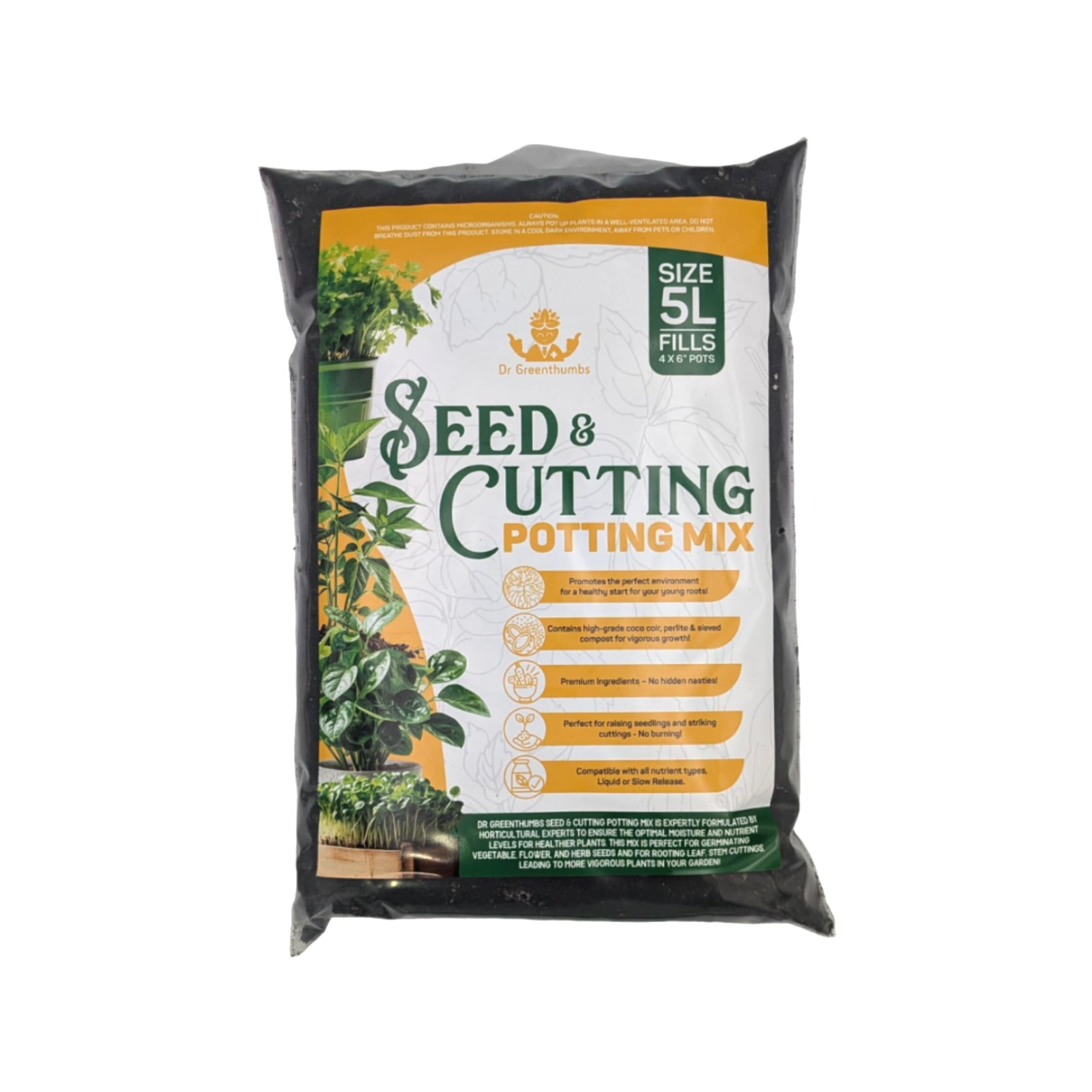
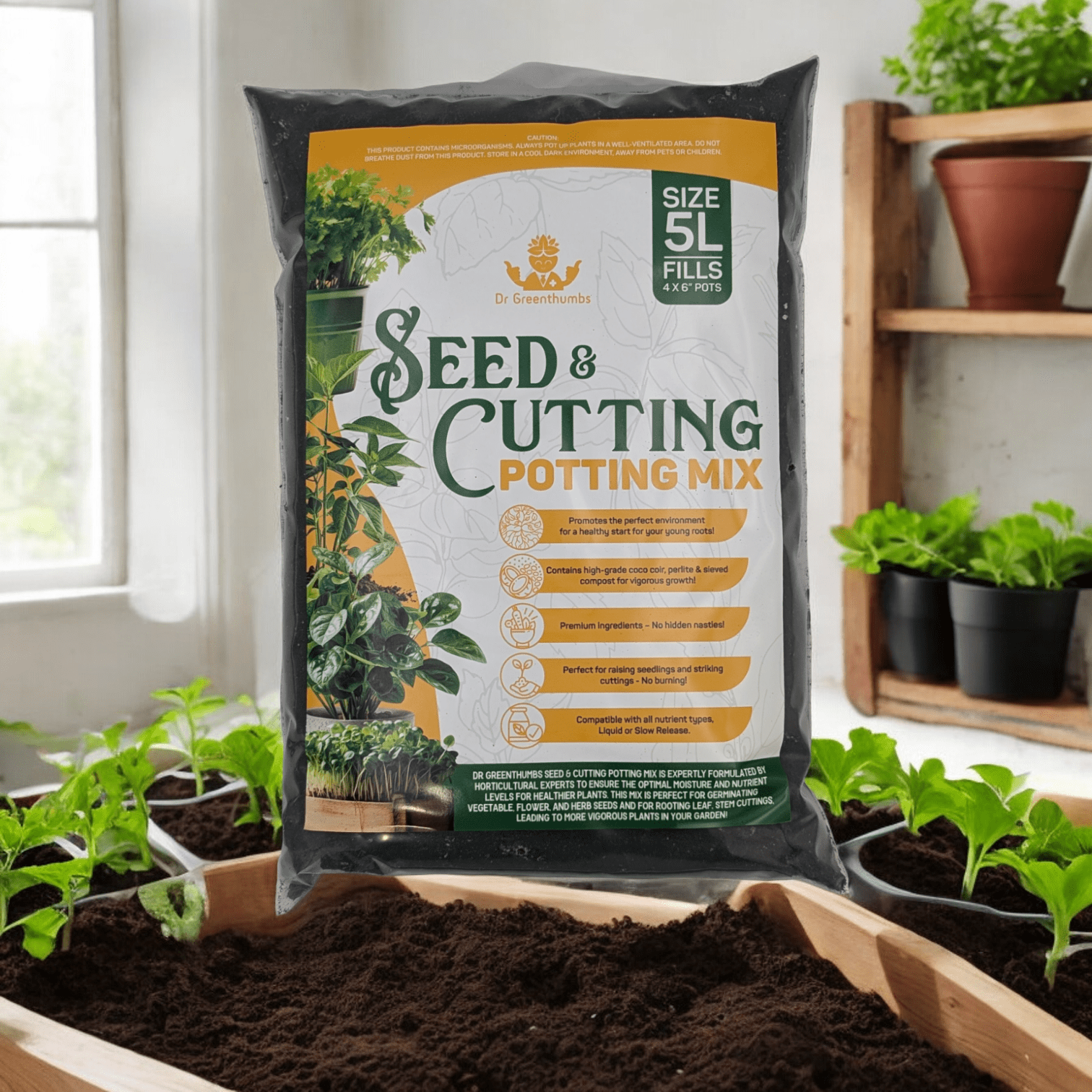
- Seedlings & Cuttings: Perlite thrives here because its airy nature speeds root emergence and reduces damping-off risk. Try 30–50% perlite with seed-raising mix.
- Tropical Houseplants / Aroids: For Monstera, Philodendron, or Calathea blends, a balance of coarse perlite, pumice, and chunky bark gives a breathable yet moisture-stable medium.
- Veggies & Raised Beds: Pumice can add weight and long-term structure to heavier soils — especially where frequent irrigation or heavy feeders are involved.
Tip: Many growers use a 50/50 pumice–perlite split for all-purpose amendment, then adjust based on water habits and plant type. The ratios above are a good starting point for most Aussie gardens.
Pumice vs Perlite for Growers Who Water Too Often
If you’re a chronic over-waterer, pumice is usually the safer pick.
Perlite creates loads of air space, but it’s so light that it can shift, float and separate over time — especially in pots that get top-watered regularly. Pumice gives you drainage and oxygen too, but with more weight and a steadier dry-down. That means the root zone stays open without the whole mix becoming too flighty.
A good rule:
- Use more pumice if your pots stay wet too long, your plants are prone to root rot, or you’re growing succulents, cacti, bonsai, natives or chunky living soil blends.
- Use more perlite if your mix is too dense, you need fast drainage, or you’re working with seedlings, propagation trays, tropicals or hydro-style systems.
- Use both if you want drainage, oxygen and a bit of moisture buffering without pushing too hard in either direction.
The trap is thinking “more drainage” always means “healthier roots”. If the mix dries out too fast, plants can stall between waterings. If it stays wet too long, roots suffocate. The goal is a clean wet-to-dry rhythm, not just the driest potting mix possible.
For over-waterers, start with Pumice 1–7mm as the backbone, then add perlite only if the mix still feels too heavy.
Perlite Soil: What It Actually Means on a Bag or Recipe
“Perlite soil” usually does not mean a soil made only from perlite. It normally means a potting mix or soilless media blend with perlite added for aeration, drainage and root oxygen.
That distinction matters. Perlite is not compost, fertiliser or living soil by itself. It gives structure. It does not feed the plant. If you fill a pot with mostly perlite and nothing else, you’ll need a hydroponic-style feeding plan because there is no real nutrient buffer there.
Perlite soil is useful when you need:
- faster drainage
- lighter pots
- more oxygen around roots
- less compaction in dense mixes
- cleaner propagation media
- better dry-back in indoor pots
But don’t use perlite as a magic fix for rubbish soil. If the base mix is cheap, wet, sour or full of fine peat sludge, a sprinkle of perlite won’t turn it into premium potting media. You may need to rebuild the whole mix with bark, compost, coco, pumice, worm castings or other structure-building ingredients.
Perlite opens the door for oxygen. The rest of the mix still has to be worth growing in.
Perlite Soil Mistakes That Make Pots Worse
Perlite soil can go sideways when growers use the wrong grade, the wrong amount, or the wrong watering habit.
The biggest mistake is adding dusty, crushed perlite to an already heavy mix and expecting it to fix drainage. Fine perlite can fill gaps instead of creating them, especially if the mix is already compacted. You end up with a lighter-looking pot that still holds too much water.
Watch out for these traps:
- using fine perlite in long-term pots that need chunky airflow
- breathing in dry perlite dust while mixing
- leaving perlite exposed on the surface where it floats and blows around
- adding perlite to garden soil and calling it container mix
- using perlite as the only amendment when the mix also needs bark or compost
- overwatering because the top looks dry while the middle is still wet
Rinse dusty perlite before use, mix it evenly, and don’t judge the whole pot by the top centimetre. Perlite can make the surface look dry while the root zone is still damp.
If your potting mix keeps collapsing, shrinking or turning hydrophobic, perlite alone is not the full answer. You need better structure across the whole blend.
Perlite Soil for Hydro, Propagation and Seed Raising
Perlite soil makes the most sense when you need clean, airy conditions around young roots. That’s why perlite keeps showing up in seed raising, cutting mixes, hydroponic media and lightweight potting blends.
For propagation, perlite helps reduce the heavy, wet conditions that rot cuttings before they root. For seed raising, it keeps the media open enough for fine roots to push through. For hydro, it can hold moisture and oxygen while nutrients come from the solution rather than the media.
Use it when:
- roots are small and need easy oxygen
- you want a clean, low-nutrient starting media
- pots need to stay lightweight
- the plant will be moved on soon
- you’re running a short-cycle or controlled system
Don’t use it blindly in every mix. Perlite is sterile and structural, so it does not bring food or biology. That’s great for propagation. It’s not enough for a mature organic plant unless the rest of the mix brings compost, castings, nutrients and microbial life.
For seed raising and propagation, perlite is a tool. For living soil, it’s just one part of the structure.
Pumice vs Perlite in Small Pots vs Large Containers
Pumice vs perlite behaves differently once pot size changes. A 100mm succulent pot and a 60L living soil container do not dry the same way, even if the recipe looks similar on paper.
In small pots, perlite can be handy because it keeps the mix light and open without adding much weight. But small pots also dry quickly, so too much coarse perlite can make watering a pain. Pumice gives better stability, especially for top-heavy succulents or plants that fall over in feather-light mixes.
In large containers, pumice usually becomes more useful. Big pots need structure that lasts. They also hold more moisture in the centre, so you want aeration that stays distributed through the profile. Pumice is less likely to migrate, float or leave weird layers after repeated watering.
As a rough guide:
- Small seedling trays: perlite wins.
- Small succulent pots: pumice or a pumice-heavy blend.
- Hanging pots: perlite if weight matters.
- Indoor feature pots: blend both for balance.
- Large living soil pots: pumice-heavy.
- Raised beds: pumice if budget allows, perlite if weight and cost matter more.
The larger and longer-term the container, the more structure matters. That’s where pumice usually pulls ahead.
Perlite vs Pumice for Top-Dressing and Mulch Layers
Perlite vs pumice is not just about what happens inside the mix. It also matters on the surface.
Perlite is a poor top-dress for most outdoor pots. It’s light, bright, messy and loves to float around. One heavy watering, one windy balcony, or one curious magpie and it’s everywhere. It can work in propagation trays or controlled indoor setups, but outside it’s usually annoying.
Pumice is much better behaved. It sinks, stays put and gives the surface a cleaner mineral layer without blowing into the neighbour’s yard. That makes it more useful around succulents, bonsai, cacti, natives and pots that get watered from above.
Use pumice on top when you want:
- less splashback
- a cleaner-looking pot
- better surface stability
- mineral mulch around succulents
- reduced crusting on exposed mixes
- less media movement after watering
Avoid thick layers of either material if water starts running off instead of soaking in. A top-dress should protect the surface, not seal it. If water beads and skates sideways, break the surface, thin the layer out, and water more slowly.
Perlite vs Pumice for Repotting Stressed Plants
When a plant is already stressed, the amendment you choose can make the recovery smoother — or make the shock worse.
For plants with weak roots, recent rot, yellowing leaves or a history of sitting too wet, pumice is often the better repotting choice. It adds structure around the root ball, keeps air moving and doesn’t float to the top every time you water. That’s handy when you’re trying to stabilise a plant, not disturb it again next week.
Perlite still has its place. It’s brilliant when you need a light, airy mix for cuttings, seedlings or plants that hate dense media. But because it’s so light, it can migrate upwards and leave heavier ingredients sitting lower in the pot. In a long-term container, that can make the mix less even over time.
As a simple rule, use more pumice for plants that may stay in the same container for years, such as cacti, succulents, bonsai, caudex plants, slow-growing natives, collector plants and long-term living soil pots. Use more perlite for short-term propagation, seedlings, hanging baskets and lightweight indoor mixes.
For a stressed plant, keep the repot simple:
- Remove loose, sour or compacted old mix.
- Trim only dead or mushy roots — don’t go hacking healthy ones.
- Rebuild the mix with 20–40% mineral aeration, depending on the plant.
- Water once to settle everything.
- Leave it alone until the top layer starts drying properly.
Don’t add every amendment you own. Repotting is already stressful. A clean, breathable mix beats a complicated one every time.
Pumice vs Perlite When You’re Fixing Old Potting Mix
Pumice vs perlite can both help old potting mix, but neither one fixes everything by itself.
Old potting mix usually fails for a few reasons: it compacts, drains badly, loses structure, becomes hydrophobic, runs out of nutrition, or ends up with too many fine particles. Aeration amendments help the structure side, but they do not replace compost, nutrients or biology.
Use perlite when the old mix is too heavy and you need a cheap, fast way to open it up for short-term use. It’s handy for refreshing annual pots, seedlings, herbs or hanging baskets where weight matters.
Use pumice when the mix is going back into long-term containers, living soil pots, succulents or anything you don’t want to rebuild again in three months.
A simple refresh method:
- Tip the old mix into a tub or wheelbarrow.
- Remove dead roots, sludge and crusty chunks.
- Re-wet hydrophobic mix slowly before amending.
- Add pumice or perlite for structure.
- Add compost or worm castings for biology.
- Add dry amendments only if the next crop actually needs them.
- Mix properly — don’t layer everything like a lasagne.
If the old mix smells sour, stays wet for ages, or is full of pest larvae, don’t just throw perlite at it and hope. Rebuild it properly or bin the worst of it.
Pumice vs Perlite in Living Soil: What Microbes Actually Prefer
In living soil, pumice has one big advantage: it gives microbes a more stable home.
The tiny pores and rough surfaces create little pockets where biology can hang around, especially once compost, worm castings and root exudates start coating the particles. Pumice doesn’t feed microbes directly like compost does, but it gives the soil structure that lets water, air and biology move without the mix collapsing.
Perlite is more about instant air space. It’s clean, sterile and fast-draining, which is great when you need oxygen quickly. But it doesn’t have the same weight or mineral complexity, and in beds or large containers it can slowly rise through the profile with watering and cultivation.
That’s why living soil growers often lean on pumice for long-term beds, no-till pots and mineral-heavy mixes. Perlite can still be useful, especially when the blend needs to be lighter or faster drying, but pumice tends to suit soil systems that are meant to run for multiple cycles.
The simple version?
Perlite opens the mix up fast. Pumice keeps it open for the long haul.
Short and Long-Term Benefits
Use this table as a timeline summary, not a second full comparison.
|
Timeframe |
Pumice |
Perlite |
|---|---|---|
|
First 6 weeks |
Reduces transplant shock with steady moisture; sinks quickly so seedlings stay upright. |
Speeds root strike and prevents damping-off in seed trays. |
|
6 months + |
Microbes colonise pores, drip-feeding minerals; structure never collapses. |
Still aerates mixes but may compact slightly in outdoor beds. |
|
3 years + |
Still in the pot—no need to top up unless lost during repotting. |
May crumble under constant tilling; top up yearly in veggie beds. |
Sustainability, Cost and Smart Sourcing
More gardeners are thinking beyond performance and looking at the cost and environmental footprint of their soil amendments.
Pumice is a natural volcanic rock, so its footprint is mostly tied to mining and transport. Locally or regionally sourced pumice can make sense where available, especially for growers who want long-term structure and fewer repeat purchases.
Perlite is expanded with heat, so there is an energy cost in production. Its advantage is that it is ultra-light, which can reduce freight fuel per litre of media when shipped long distances.
Both materials are inert and long-lasting. Both can also be rinsed and reused with care, which helps reduce waste.
The smart choice is not just “which one is greener?” It is which amendment suits your plants, your container size, your watering habits, your budget and your local supply chain.
Rinsing, Reusing and Keeping It Clean
One question we hear a lot is “Can I reuse my pumice or perlite?” The short answer? Absolutely — with a bit of care. Many growers rinse and sterilise their media to keep mixes clean and reduce disease risk.
- Rinse before use: Give both pumice and perlite a quick rinse to remove dust or fines, especially if you’re potting seedlings or sensitive plants.
- Reuse safely: After use, you can clean them with a mild sterilising method — like boiling or a light bleach soak, then rinse thoroughly and dry before re-potting.
- Storage: Keep unused media dry and sealed to prevent mould or moisture pickup.
Reusing not only saves resources but also reduces waste and helps keep your soil ecology strong and predictable — just be sure to let everything dry between uses so biology doesn’t go sideways.
FAQ
What ratio should I start with?
Start with 15–30% total mineral amendment by volume for most potting mixes. Increase pumice for succulents, cacti, living soil and long-term containers. Increase perlite for propagation, hydro, seed raising or very lightweight blends.
Can I mix pumice and perlite together?
Yes. Many growers use both to balance drainage, aeration and moisture buffering. A 50/50 pumice–perlite split can work as an all-purpose starting point, then you can adjust based on plant type and watering habits.
Will pumice or perlite change my soil pH?
Both are effectively neutral. Any small shift is usually buffered by compost, organic matter or microbes in the mix.
How do I sterilise used pumice or perlite?
Soak used media in a 1:10 bleach solution for 30 minutes, rinse well, then dry before reusing.
Which one floats more in pots?
Perlite is much more likely to float, drift or rise to the surface because it is extremely lightweight. Pumice tends to stay put.
Which one is better for living soil?
Pumice is usually better for long-term living soil because it stays distributed, adds stable pore space and supports long-term structure. Perlite can still help when the mix needs to be lighter or faster draining.
The Verdict
Choose Pumice when you want long-term structure, better surface stability, moisture buffering and a better fit for living soil, succulents, natives, bonsai, raised beds or windy balconies.
Choose Perlite when you want a lighter, cheaper amendment for seed raising, cuttings, hydro, hanging baskets or mixes that need fast drainage and quick oxygen.
If you want both benefits in one blend, use an All-In-One DIY Mineral Mix that balances pumice and perlite for aeration, drainage and water buffering.
Happy growing, legends! 🙌
Next Reads for Choosing Better Soil Amendments and Healthier Root Zones
Still weighing up pumice, perlite and other mix ingredients? These guides will help you improve drainage, build stronger root zones and choose better amendments for living soil.
- Pumice Stone for Plants Australia
- Vermiculite vs Perlite Australia Guide
- Building the Best Soil for Your Potted Plants (Recipe Included)
- The Science Behind an Explosive Rootzone: How Optimum Root Health Leads to Explosive Plant Growth