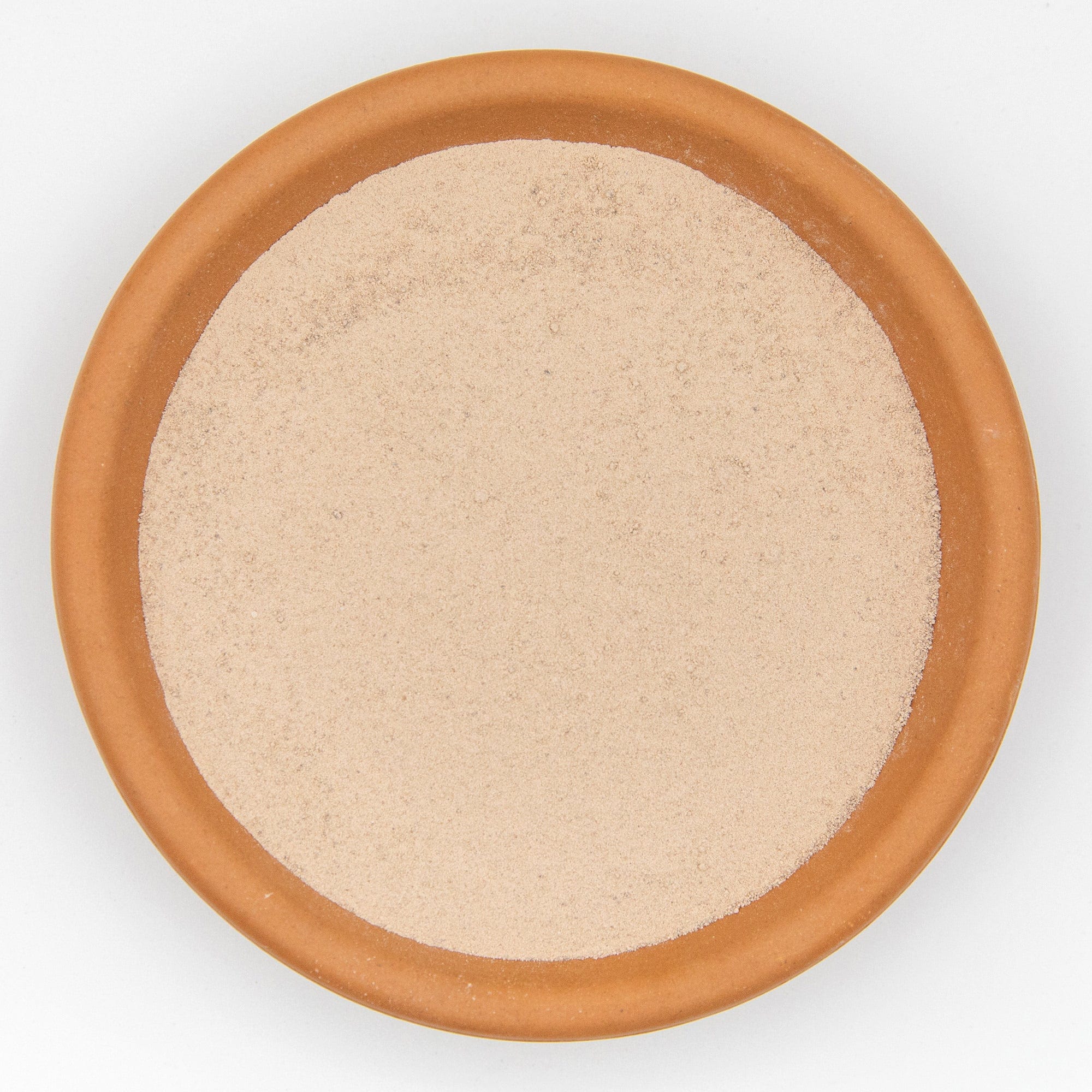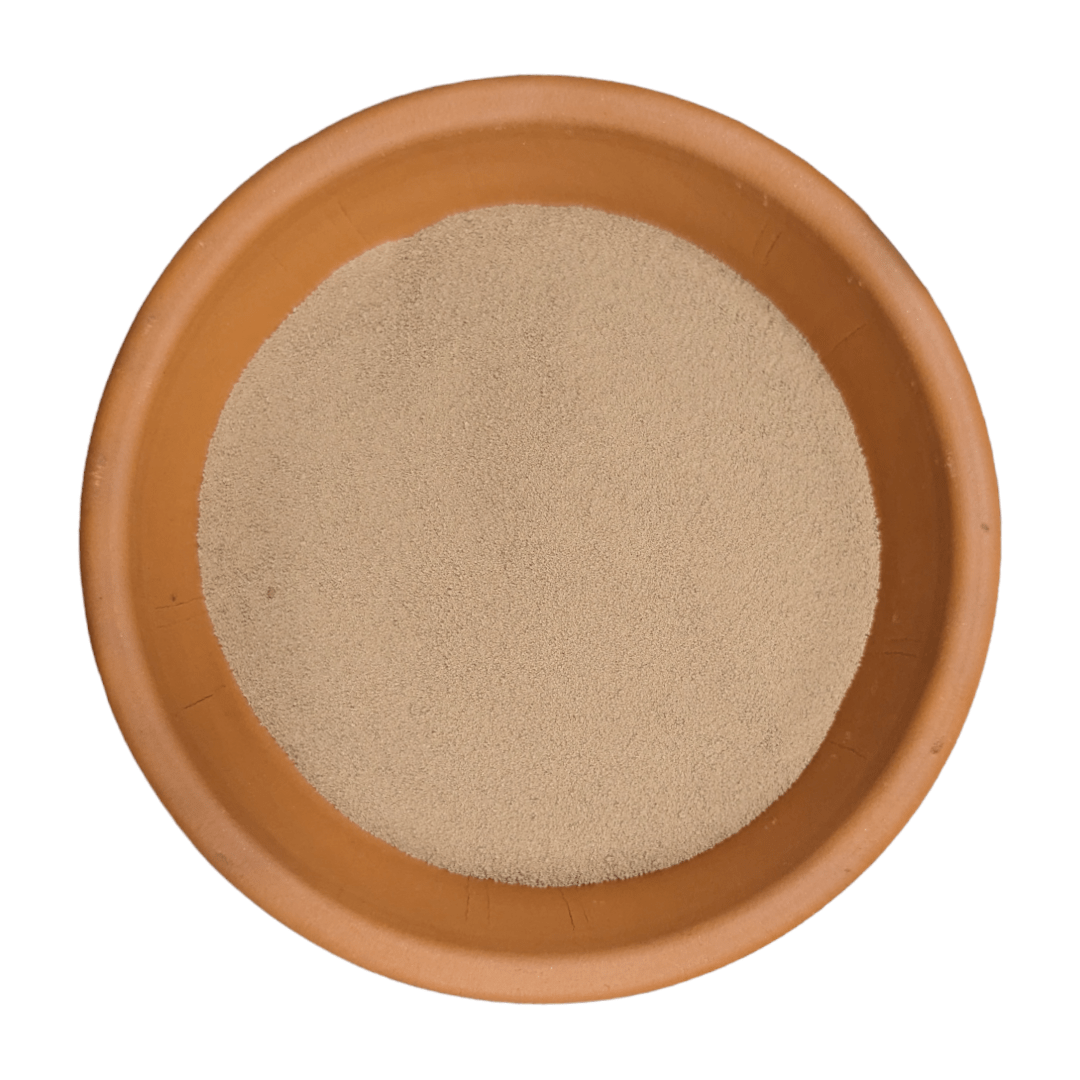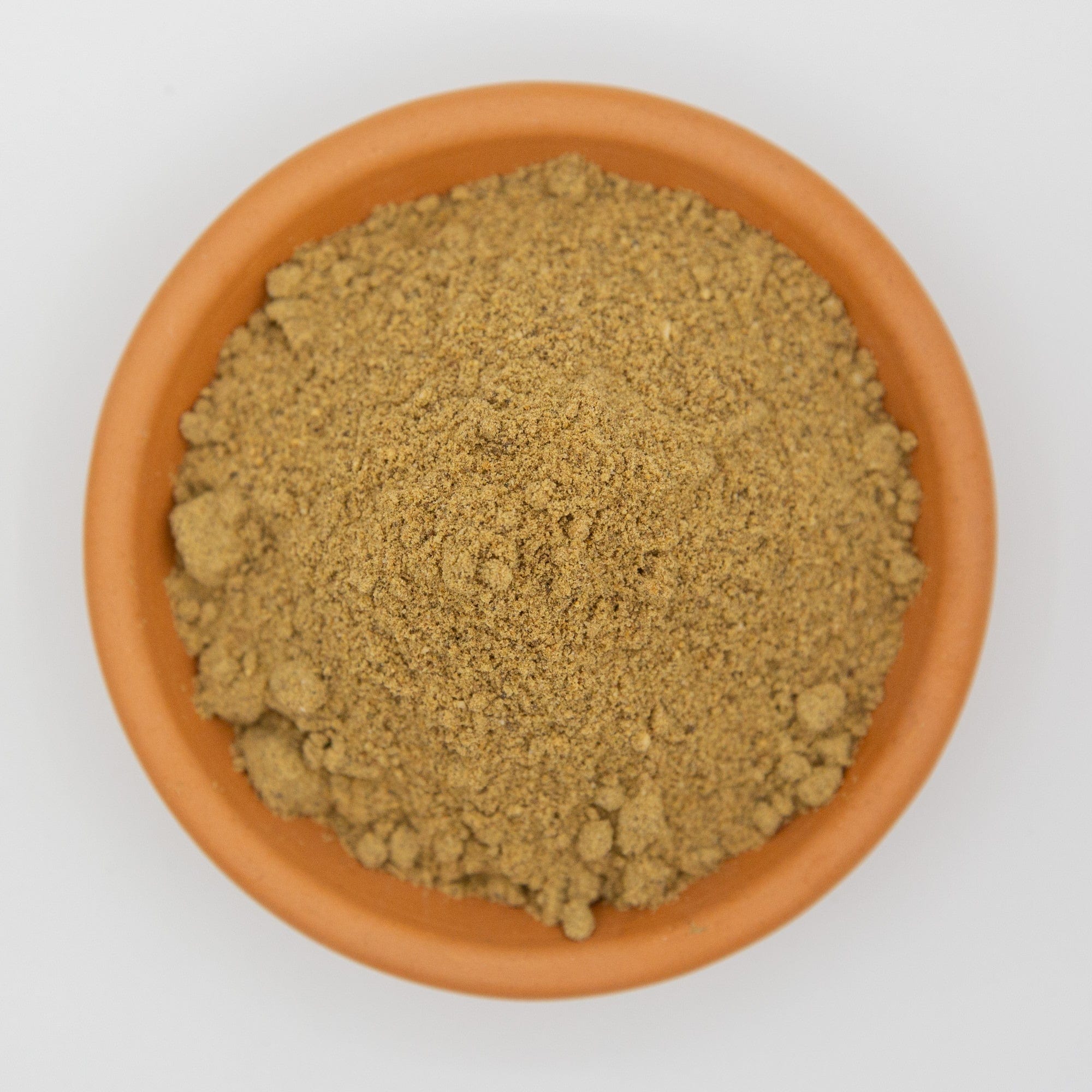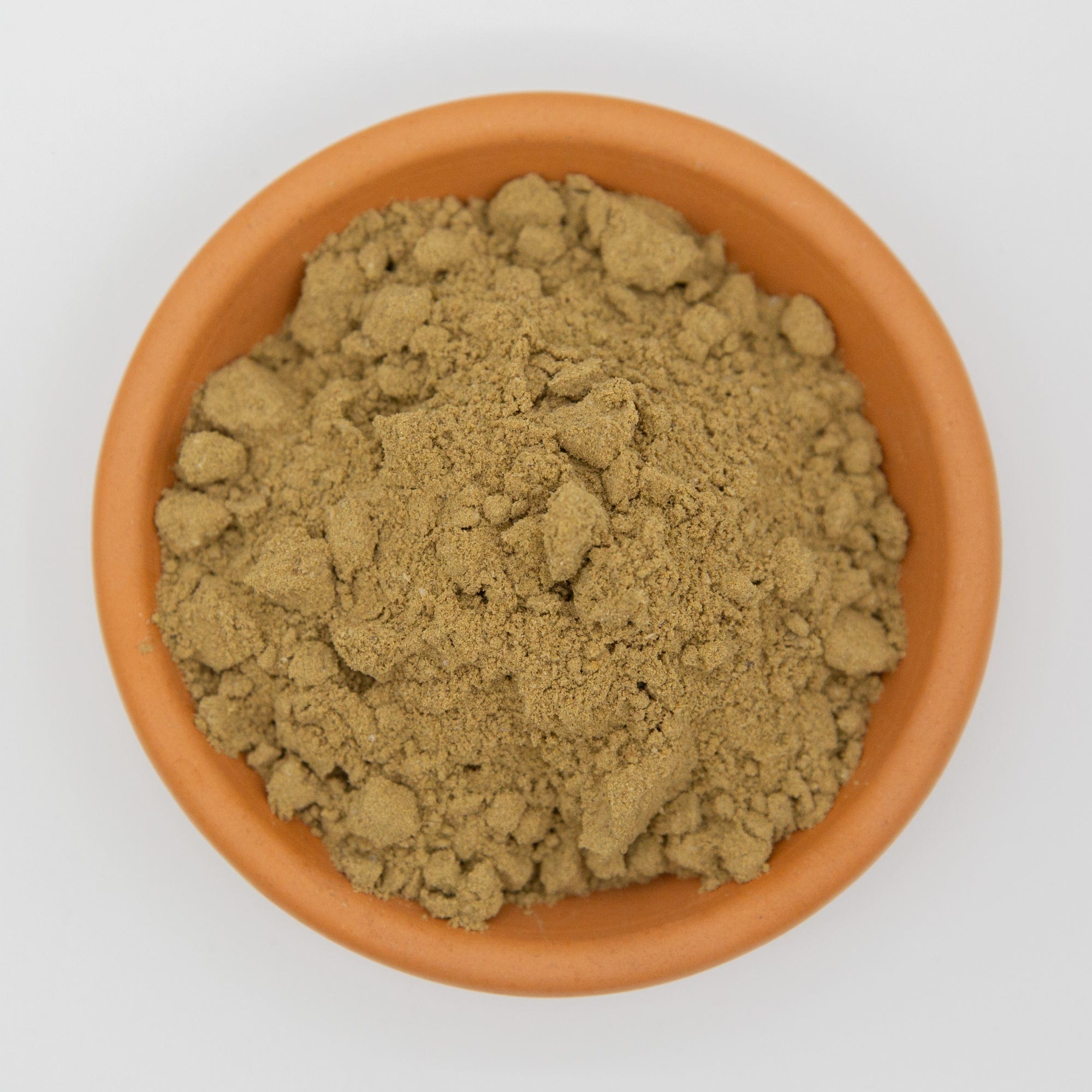

Ready to squeeze every last gram, gram-per-watt and flavour molecule out of your hydro grow? This no-fluff guide breaks down exactly which additives to use, when to use them and why they matter – so you can grow smarter, not harder.
New to hydro? First dial-in your A-and-B base nutrients and EC management with our complete base-nutrient guide – then circle back here for the “secret sauce”.
Table of Contents
- A Quick Start Guide to Hydroponic Additives
- Amino Acids
- Vitamins and Foliar Sprays in Hydroponics
- Root Boosters
- Beneficial Microbes
- Enzyme Products
- Water Hygiene and Pathogen Control
- Silica Supplements
- Cal-Mag-Fe Support
- PK 13/14 & Flower Boosters
- Pre-Harvest Flushing Agents
- Are Hydroponic Additives Safe to Use?
- Managing Nutrients Over Time
- Common Additive Problems and How to Fix Them
- Frequently Asked Questions
- Next Reads for Building a Smarter Hydro Additive Program
If you want the easiest way to boost plant health and yields, these are the most useful hydroponic additives to start with:


A Quick Start Guide to Hydroponic Additives
With so many hydroponic additives on the market, it’s easy to overspend or add products that don’t actually improve results. The truth is, most growers only need a small number of additives, and the rest are situation-dependent.
Below is a simple way to prioritise additives based on real-world results, not marketing.
High-Priority Additives When Conditions Call for Them
These are the additives that consistently deliver benefits across most systems:
-
Cal-Mag supplements – essential when using RO water, coco, LED lighting or soft Australian water.
-
Root stimulators – particularly important in early growth and after transplanting.
-
Beneficial microbes or enzymes – helps with nutrient uptake, root health and organic matter breakdown (choose one approach, not both at the same time).
Nice-to-Have Additives
Useful once your base nutrition and environment are dialled in:
-
Amino acids for stress support and nutrient transport.
-
Silica supplements to strengthen stems and improve resistance to heat and stress.
-
Flower boosters used carefully during specific flowering stages.
Situational Additives
Only needed under certain conditions:
-
Iron or micronutrient supplements when deficiencies are confirmed.
-
Flush solutions for correcting overfeeding or preparing for harvest.
-
Vitamins during transplant shock, heat stress or recovery.
If plants are healthy, vigorous and showing no deficiency symptoms, adding more products rarely improves outcomes. In many cases, less is more.
Amino Acids
Amino acids are the building blocks of proteins – the plant’s metabolic LEGO bricks. Supplying them exogenously frees up energy that would otherwise be spent converting nitrogen.
When to use: Early veg through mid-flower.
Pro tip: Add aminos before highly alkaline products (like silica) to protect delicate L-form structures.
Shop favourite: House & Garden Amino Treatment 250 ml
Vitamins and Foliar Sprays in Hydroponics
Vitamins and foliar sprays are often marketed as growth boosters, but their real value lies in stress management and targeted correction.
When Vitamins Are Useful
-
Transplant shock
-
Heat or cold stress
-
Recovery after pruning or training
They are not required for daily feeding and won’t compensate for poor nutrition or environment.
Foliar Sprays: Use With Care
Foliar feeding can help quickly correct certain deficiencies, particularly micronutrients, but:
-
Spray only during low-light periods
-
Avoid flowering plants to reduce mould risk
-
Treat foliar sprays as a short-term fix, not a feeding replacement
In most cases, correcting the root-zone environment delivers better long-term results.
Root Boosters
Healthy roots equal healthy fruits. Root boosters combine humic/fulvic acids, kelp extracts and vitamins to ignite lateral root growth and improve nutrient chelation.
When to use: Seedling/clone stage through week 3–4 of bloom.
Explore the full line-up: Root Boosters collection
Beneficial Microbes
Mycorrhizal fungi and plant-friendly bacteria act like microscopic supply lines – ferrying water, phosphorus and trace minerals straight to the root zone.
When to introduce: At transplant and again after each medium flush or major root disturbance.
Build your army here: Microbial Solutions
Enzyme Products
Dead roots and bio-slime can choke nutrient lines. Enzyme additives “digest” this debris into plant-available carbs while keeping reservoirs sweet.
Dose: 1–2 ml/L once a week or whenever you notice browning roots.
Top pick: House & Garden Multizyme 1 L
Water Hygiene and Pathogen Control
In recirculating hydroponic systems, water quality plays a major role in plant health.
Over time, warm temperatures, organic additives and light exposure can encourage pathogens such as pythium and harmful bacteria.
When Water Conditioners or Cleansers Help
-
Large recirculating systems
-
Warm grow environments
-
Systems with a history of root disease
Water conditioners help keep irrigation lines clean and reduce pathogen pressure without harming plants when used correctly.
Important: Avoid using sterilising products alongside beneficial microbes, as they work against each other.
Maintaining clean reservoirs, good aeration and stable temperatures remains the most effective prevention strategy.
Silica Supplements
Silica strengthens cell walls, helping plants resist heat, drought and chewing pests.
|
Product |
Use-rate |
Best for |
|---|---|---|
|
1 ml/L |
Budget, broad-spectrum defence |
|
|
0.3 ml/L |
Rapid uptake, premium crops |
Timing: Add first to the tank (it drifts pH upward) and stop two weeks before harvest.
Cal-Mag-Fe Support
Soft RO water, LED lighting and heavy fruit load all spike calcium and magnesium demand.
-
Go-to: Flairform CMX 1 L – balanced Ca, Mg plus a dash of iron to banish leaf chlorosis.
When: Use according to your water source, base nutrient program and plant requirements. If you see rusty leaf edges or inter-veinal yellowing, check EC, pH and root-zone conditions before automatically increasing the dose.
PK 13/14 & Flower Boosters
Late bloom is all about stacking weight and density. PK additives spike phosphorus & potassium just when the plant’s demand peaks.
Browse our range: Flower Boosters & Enhancers
Usage window: Weeks 5–7 of an 8-week flower cycle (check strain specifics).
Pre-Harvest Flushing Agents
A clean finish means sweeter produce and smoother smoke (if that’s your crop). Commercial flushes dissolve residual salts far faster than plain water.
Top choice: Crystal Clear 1 L
How: Replace nutrient solution with flush mix for the final 3–5 days before harvest.
Are Hydroponic Additives Safe to Use?
A common question among new growers is whether hydroponic additives are safe—especially when growing edible crops.
Additive safety depends on the specific product, concentration, crop and application method. Follow the product label, use products intended for your hydroponic application, and avoid exceeding recommended rates.
Problems are more likely when products are overdosed, combined incompatibly or used to compensate for an unresolved EC, pH or root-zone issue. If you are still learning base nutrition, use the A-and-B nutrient guide linked at the start of this article.
Reservoir and System Material Safety
One often-overlooked factor is the material used in hydroponic systems:
-
Use food-grade plastics for reservoirs, pipes and fittings.
- Avoid unknown or recycled plastics that may leach compounds into nutrient solutions.
For reservoir hygiene, temperature, light exposure and pathogen prevention, use the Water Hygiene & Pathogen Control section above.
Managing Nutrients Over Time
Hydroponic nutrient levels don’t stay static. As plants grow, they absorb nutrients at different rates, which changes the balance in your reservoir.
Key Best Practices
-
Monitor EC and pH regularly, not just when mixing
-
Top up with water between changes to avoid EC creep
-
Replace nutrient solution periodically rather than endlessly topping up
-
Always dissolve additives fully before adding to the system
Common Nutrient Challenges
-
Rapid EC rise → overfeeding or evaporation
-
Stable EC but poor growth → uptake issue or imbalance
-
pH drift → microbial activity or incorrect ratios
Good nutrient management reduces the need for corrective additives and leads to more consistent growth.
Common Additive Problems and How to Fix Them
While additives can improve plant performance, using too many—or using them incorrectly—can cause issues.
Nutrient Burn or EC Too High
Symptoms: Leaf tip burn, dark green foliage, slowed growth
Likely cause: Too many boosters or excessive feeding strength
What to do:
-
Stop non-essential additives
-
Flush the system with clean, pH-balanced water
-
Resume feeding at a lower EC
Cloudy Reservoirs or Bad Smells
Symptoms: Murky water, slime, unpleasant odour
Likely cause: Organic additives breaking down or microbial imbalance
What to do:
-
Clean the reservoir thoroughly
-
Choose either beneficial microbes OR enzymes, not both
-
Avoid mixing microbes with sterilising agents
Lockout Despite High EC
Symptoms: Deficiency signs even though nutrient levels are high
Likely cause: Nutrient imbalance or poor uptake
What to do:
-
Reset with a flush
-
Reintroduce nutrients gradually
- Focus on root health rather than adding more products
Frequently Asked Questions
Can I run all these additives together?
Yes – just add them one at a time to your reservoir in this order: silica → Cal-Mag-Fe → base nutrients → additives (aminos, root boosters, microbes, enzymes, PK) → pH adjust.
Do microbes replace root boosters?
They complement each other. Microbes extend the root system, while boosters stimulate new root growth.
Is flushing really necessary if I use enzyme products?
Enzymes and flushing serve different purposes. If you are correcting overfeeding or high EC, use the corrective guidance in Common Additive Problems above. If you are considering a pre-harvest flushing product, follow the product-specific guidance in Pre-Harvest Flushing Agents.
Final Thoughts
Base nutrients, EC, pH and the growing environment should always come first. Once those fundamentals are stable, use additives selectively: choose products that match a genuine system, crop-stage or deficiency need rather than trying to run every bottle at once.
A smaller, compatible additive program that you can monitor properly is generally more useful than stacking products without a clear reason for each one. Use the Quick Start and compatibility guidance above to decide what earns a place in your reservoir.
Happy growing from the Dr Greenthumbs team! 🌱
Next Reads for Building a Smarter Hydro Additive Program
Using additives in your reservoir? These guides will help you tighten up base nutrients, pH, EC and Cal-Mag so every extra input earns its place.
- A & B Nutrients Hydroponics Australia Guide
- Hydroponic pH Control Australia
- How to Balance EC in Hydroponic Reservoirs
- Ultimate Australian Cal-Mag Guide for Hydroponics
About the Author