
Growing hydroponically doesn’t have to mean relying on synthetic chemicals. With the right organic hydroponic nutrients, you can grow clean, healthy plants while maintaining strong yields.
In this guide, you’ll learn what organic nutrients are, how they work in hydroponics, and the best options available in Australia.
TL;DR
- Yes, you can run fully organic hydro – you’ll just use organic nutrients instead of a sterile salt soup.
- Budget alert: expect 15-35 % higher upfront cost on bottled certified-organic feeds, but DIY brews even things out after a few grows if you decide to go down this path.
- Growth is a touch slower in veg, yet bloom weights and flavours rival mineral salts.
- Maintenance matters: bio-filters, bigger drippers and weekly line flushes keep clogs away.
- Scroll on for costs, upkeep tips, DIY recipes, system-matching advice and organic hydro gear from Dr Greenthumbs. 🌱
Table of Contents
- What Does “Organic” Mean Once You Ditch The Soil?
- Cost Showdown – Mineral Vs Organic Vs DIY
- Pros & Cons at a Glance
- Maintenance Tweaks you’ll Need
- DIY Brews vs Bottled Blends – Choose your Adventure
- Three Stubborn Myths (Busted)
- Best Hydroponic Nutrients Australia: What Actually Matters
- Best Organic Hydroponic Nutrients: What to Look For on the Label
- Organic Hydroponic Nutrients: Match the Bottle to the System
- Quick-Start Recipe: Organic DWC Bucket
- Organic Hydroponic Nutrients Australia: Local Conditions Change the Rules
- Choosing Organic Nutrients for Leafy Greens, Herbs and Fruiting Crops
- Organic Hydroponic Nutrients Troubleshooting: When the Feed is Not the Real Problem
- Recommended Gear
- FAQ
- Final Word
- Next Reads for Running a Cleaner, Better-Balanced Organic Hydro Feed
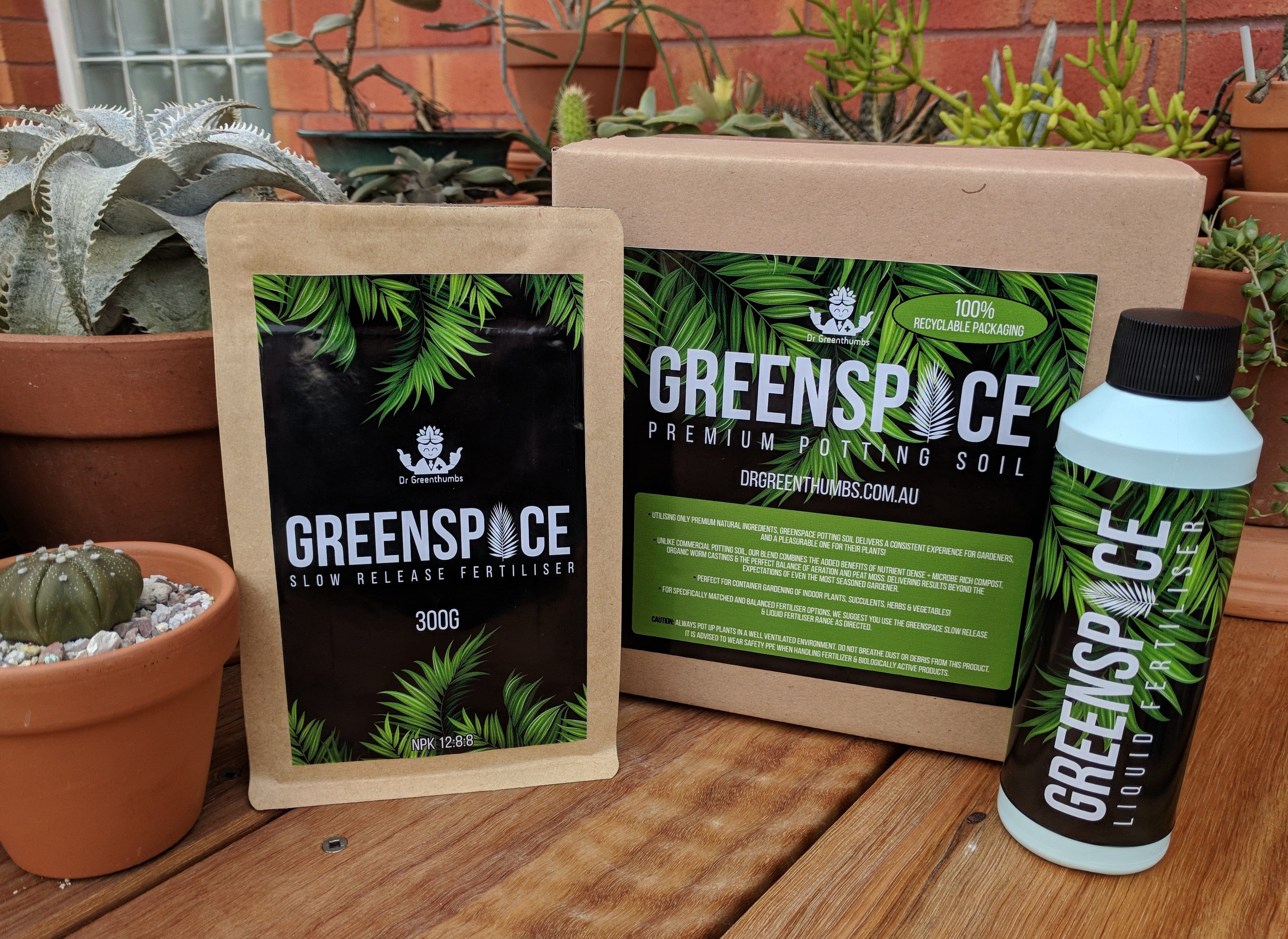
If you want the simplest way to get started with organic hydroponic nutrients, these are reliable options growers use:


What Does “Organic” Mean Once You Ditch The Soil?
In Australia, certification bodies like ACO and NASAA approve hydro inputs under “Hydroponic – Category O2”. In plain English: everything that hits your reservoir must be plant-, mineral- or microbe-derived. No synthetic urea, no heavy-metal chelates.
There is also a difference between certified organic and organic-leaning. Certified organic means the inputs and records need to meet a recognised standard. Organic-leaning usually means the grower is using natural or biologically derived inputs, but may not be certified.
That distinction matters if you plan to sell produce as organic. For home growers, the practical goal is usually simpler: use cleaner inputs, keep the reservoir biologically stable and avoid turning the system into a clogged, oxygen-starved mess.
Cost Showdown – Mineral Vs Organic Vs DIY
|
Scenario (per 100 L feed) |
Up-front spend |
What you get |
|---|---|---|
|
Two-part Hydroponic Nutrients |
$25-49 |
Fast uptake, near-zero sludge |
|
Certified-organic liquid trio – eg. Professors Nutrients Organic Grow + Organic Bloom + microbes |
$65~ |
20 % dearer, needs 200 µm filter |
|
DIY worm-tea + kelp + Root Roids™ |
$34-$48 (set-up) |
24-hour brew |
Prices in AUD, Oct 2025.
Pros & Cons at a Glance
Pros
- Higher flavour, aroma and °Brix.
- Microbes buffer pH swings and improve nutrient uptake.
- Closed-loop ethos (fewer mined salts).
- Produce can command a premium “organic hydro” price.
Cons
- Bio-film can clog emitters under 1.6 mm.
- Nutrient analysis less exact – occasional Ca/Mg tweaks.
- Bottled organics cost more and expire faster.
- Reservoir temps need to stay 18–22 °C for aerobic microbes.
Maintenance Tweaks you’ll Need
|
Task |
Mineral hydro |
Organic hydro (what changes) |
|---|---|---|
|
Full res change |
10–14 days |
7 days (higher respiration) |
|
Line flush |
Monthly with H₂O₂ |
Weekly – warm water + System Cleanse |
|
pH range |
5.8–6.2 |
5.6–6.4 (microbial buffer) |
|
EC strategy |
Static |
Bump target +0.1 mS if bio-film thickens |
Pro tip: Upgrade to 2 mm drippers or open-flow rings – they’re clog-proof and still precision-feed.
DIY Brews vs Bottled Blends – Choose your Adventure
DIY brews
Worm-cast tea, kelp, fish hydrolysate. Cheap, earth-friendly and smells like Vegemite on a humid day. Perfect for hobby NFT rails.
Bottled certified blends
Use bottled organic blends when you want more consistency, clearer dilution rates and less brewing work. They suit growers who want organic inputs without building every feed from scratch. They are usually easier to manage in coco, drip-to-waste and well-filtered recirculating systems.
Hybrid approach
Run mineral salts at half strength, then top up with organic additives such as Fulvic Tonic to boost flavour without sacrificing pace.
Three Stubborn Myths (Busted)
|
Myth |
Reality |
|---|---|
|
“Organic nutrients always clog systems.” |
Only if you undersize filters – 200 µm mesh + weekly flush keeps lines clear. |
|
“You can’t hit 1 g/W organically.” |
Yes, you can. Like anything, there are learning curves involved switching from salt to organic nutrients. |
|
“Plants can’t absorb organic molecules directly.” |
Root-zone microbes mineralise organics within hours, making nutrients plant-ready. |
Best Hydroponic Nutrients Australia: What Actually Matters
The best hydroponic nutrients in Australia are not always the loudest bottles on the shelf. They’re the ones that suit your system, your crop, your water and how much maintenance you’re willing to do.
For clean mineral hydro, most growers want fast uptake, predictable EC and low residue. For organic hydro, you’re playing a different game. You still want strong plant nutrition, but you also need to think about biology, filtration, oxygen and how much organic matter is moving through the reservoir.
Before picking a nutrient line, ask:
- Are you running DWC, NFT, drip, Autopots, coco or hand-watered hydro?
- Is the system recirculating or drain-to-waste?
- Are your drippers narrow or open-flow?
- Can you keep reservoir temps under control?
- Are you willing to flush lines weekly?
- Are you growing leafy greens, herbs, fruiting crops or heavy flowering plants?
- Do you want certified organic inputs, or just a cleaner organic-leaning grow?
If you’re brand new, simple and stable usually beats fancy. Start with a base nutrient that covers the main plant needs, then add microbes, kelp, fulvic or bloom boosters only when there’s a clear reason.
Stacking six bottles into a small reservoir because someone online said it “boosts flavour” is how you end up with sludge, pH drift and plants that look confused.
Best Organic Hydroponic Nutrients: What to Look For on the Label
This section is specifically about choosing organic hydroponic nutrients, not mineral salt nutrient lines.
The best organic hydroponic nutrients are not just “brown liquid in a bottle”.
Look for a formula that makes sense for water-based growing. It should be usable at low rates, mix evenly, avoid heavy sludge and give clear directions for hydro, coco or soilless systems.
Good signs:
- Clear hydroponic or soilless use instructions
- Low sediment or easy filtration
- Suitable for veg and bloom stages
- Compatible with microbes
- Clear dilution rates
- Sensible storage instructions
- No mystery “proprietary magic” doing all the heavy lifting
Be more cautious with:
- Thick products that separate heavily
- Products that smell rotten instead of fermented
- Anything that leaves heavy grit in the jug
- Soil-only fertilisers with no hydro directions
- Slow-release organics
- Overloaded “all-in-one” products claiming to replace every part of plant nutrition
A proper organic hydro plan still needs balance. Nitrogen pushes leafy growth. Phosphorus and potassium matter more in flowering and fruiting. Calcium, magnesium, sulfur and trace elements still count. Microbes help unlock and cycle nutrients, but they don’t remove the need for a complete feed.
Organic Hydroponic Nutrients: Match the Bottle to the System
Organic hydroponic nutrients can work well, but not every hydro system handles them the same way.
DWC can run organics, but it needs strong aeration and clean water movement. If the reservoir gets warm or oxygen drops, biology can turn ugly fast.
NFT can be trickier because thin nutrient films and narrow channels don’t love sediment or biofilm. Keep the mix clean, filtered and consistent.
Drip systems can work well, but only if the lines, filters and emitters are sized properly. Tiny drippers and thick organic feeds are a bad combo.
Coco is usually more forgiving. You still get a hydro-style feeding rhythm, but the medium gives roots more buffering than a bare-water system.
Kratky is where you need to be careful. Passive systems don’t give the same oxygen and circulation support, so heavy organic inputs can go stagnant if you push them too hard.
As a rough guide:
- Best for bottled organics: coco, hand-watered hydro, drip-to-waste
- Good with care: DWC, recirculating drip
- More advanced: NFT, small dripper systems, warm reservoirs
- Risky if overloaded: passive Kratky with heavy organic feeds
This is why the “best” organic nutrient depends on the setup. A feed that behaves beautifully in coco can be a headache in a tiny recirculating system with warm water and skinny lines.
Quick-Start Recipe: Organic DWC Bucket
- Sterilise bucket once with 3 % peroxide.
- Add 2″ air-stone (aim 6 mg/L dissolved O₂).
- Dose 1 mL/L Organic Grow.
- Stabilise pH at 5.9.
- Weekly top-up: kelp foliar + 5 % reservoir top-off.
- At flower flip, swap to Organic Bloom + 2 mL/L Rhino PK.
- Keep temps 20 °C and enjoy the terp boost.
Organic Hydroponic Nutrients Australia: Local Conditions Change the Rules
Organic hydroponic nutrients in Australia need to deal with Australian grow-room reality.
Hot sheds, garages, tents and greenhouses can push reservoir temps up quickly. Once water gets warm, oxygen drops and biology speeds up. That can mean more biofilm, more odour, more pH movement and more pressure on roots.
Tap water also varies a lot. Some growers start with soft water. Others are dealing with higher EC, bicarbonates, chlorine, chloramine or hard water minerals before they even add nutrients. That starting water changes how organic feeds behave.
In Australia, pay extra attention to:
- Reservoir temperature in summer
- Starting water EC
- Chlorine or chloramine in tap water
- Dripper and filter size
- How often the reservoir is changed
- Whether the product suits recirculating systems
- Shelf life once opened
- Storage away from heat
Don’t leave organic nutrients cooking in a hot tin shed. Don’t run thick feeds through tiny drippers and act shocked when they clog. Don’t assume a US feeding chart will behave the same in Perth tap water, Brisbane humidity or a Melbourne winter garage.
The nutrient might be fine. The conditions might be the problem.
Choosing Organic Nutrients for Leafy Greens, Herbs and Fruiting Crops
Different crops want different feeding pressure.
Leafy greens are usually the easiest entry point for organic hydro. Lettuce, basil, coriander and similar crops don’t need massive bloom boosters. They want steady nitrogen, clean water, good oxygen and a reservoir that doesn’t drift into soup.
Herbs can be a little fussier. Push too hard and you can get soft, lush growth with weaker aroma. Keep the feed balanced and don’t overdo nitrogen just because the leaves are green.
Fruiting crops need more planning. Tomatoes, chillies, cucumbers and strawberries demand more potassium, calcium and magnesium once they start flowering and setting fruit. Organic systems can do it, but they need better monitoring and stronger consistency.
Use this as a simple guide:
- Leafy greens: keep it mild, clean and oxygenated
- Herbs: steady feed, don’t over-push nitrogen
- Fruiting crops: plan for calcium, magnesium and potassium demand
- Heavy flowering plants: use a proper bloom strategy, not just random additives
Organic hydro is not a licence to ignore plant stages. If anything, you need to watch them more closely because nutrient release and uptake can be less instant than clean mineral salts.
Organic Hydroponic Nutrients Troubleshooting: When the Feed is Not the Real Problem
When plants look average, growers often blame the nutrient bottle first.
Sometimes that’s fair. Often it’s not.
Before switching brands, check the boring stuff:
- Is the reservoir too warm?
- Is there enough dissolved oxygen?
- Are the roots clean and white, or brown and slimy?
- Is the pH drifting every day?
- Is the EC rising or falling between top-ups?
- Are filters or drippers starting to block?
- Is the nutrient old or stored somewhere hot?
- Are you mixing too many products together?
Organic hydro problems often look like nutrient problems when they’re actually oxygen, heat, hygiene or plumbing problems.
If leaves are pale but roots look healthy, the crop may need more available nitrogen or a stronger base feed.
If roots are brown, slimy or smell off, don’t just increase nutrients. Fix oxygen, temperature and cleanliness first.
If pH keeps drifting hard, the reservoir biology may be unstable or the water source may be fighting you.
If drippers clog, the solution may need better filtration, wider emitters or a simpler feed program.
The blunt truth: organic hydro rewards growers who keep systems clean and consistent. If you want zero maintenance, mineral salts are easier. If you want the organic route, give the biology the conditions it needs or it’ll bite you.
Recommended Gear
- Veg base: Professors Nutrients Organic Grow – thin viscosity, clog-safe.
- Bloom base: Professors Nutrients Organic Bloom – guano-derived P & K.
- Flower enhancer: Bio Diesel Rhino PK – organic sea-mineral PK spike.
- Microbial kick-start: Root Roids™ – builds a living bio-film buffer.
- Explore the full range: Organic Hydroponic Nutrients collection.
- DIY option: Grab the Make-Your-Own Fertiliser Bundle and brew to taste.
FAQ
Will organics block my Autopot valves?
Not if you pre-filter and flush weekly. Upgrade to 2 mm valves for peace of mind.
Do I need an air pump in organic hydro?
Absolutely. Microbes chew oxygen – aim ≥ 5 mg/L dissolved O₂ 24/7.
Can I sell produce as “organic hydro”?
Potentially, but only if your inputs, process and records meet the relevant certification requirements. Check ACO or NASAA before making organic claims commercially.
Final Word
Switching from mineral salts to organic hydro is like swapping instant coffee for a slow-drip single origin – more ritual, deeper flavour, a smidge dearer, and totally worth it. Keep your biology bubbling, your filters clear and your drippers wide, and the plants (and your taste buds) will reward you.
Ready to feed your system the good stuff?
Explore the Organic Hydroponic Nutrients collection when you’re ready to build a cleaner, more biology-friendly feed program. 🌿
Next Reads for Running a Cleaner, Better-Balanced Organic Hydro Feed
Exploring organic hydro nutrients? These guides will help you balance base feeds, additives, pH and EC so your system stays productive and easier to manage.
- Hydroponic Nutrients & Additives Guide Australia 2026
- Hydroponic Additives Australia Guide
- Hydroponic pH Control Australia
- How to Balance EC in Hydroponic Reservoirs
About the Author