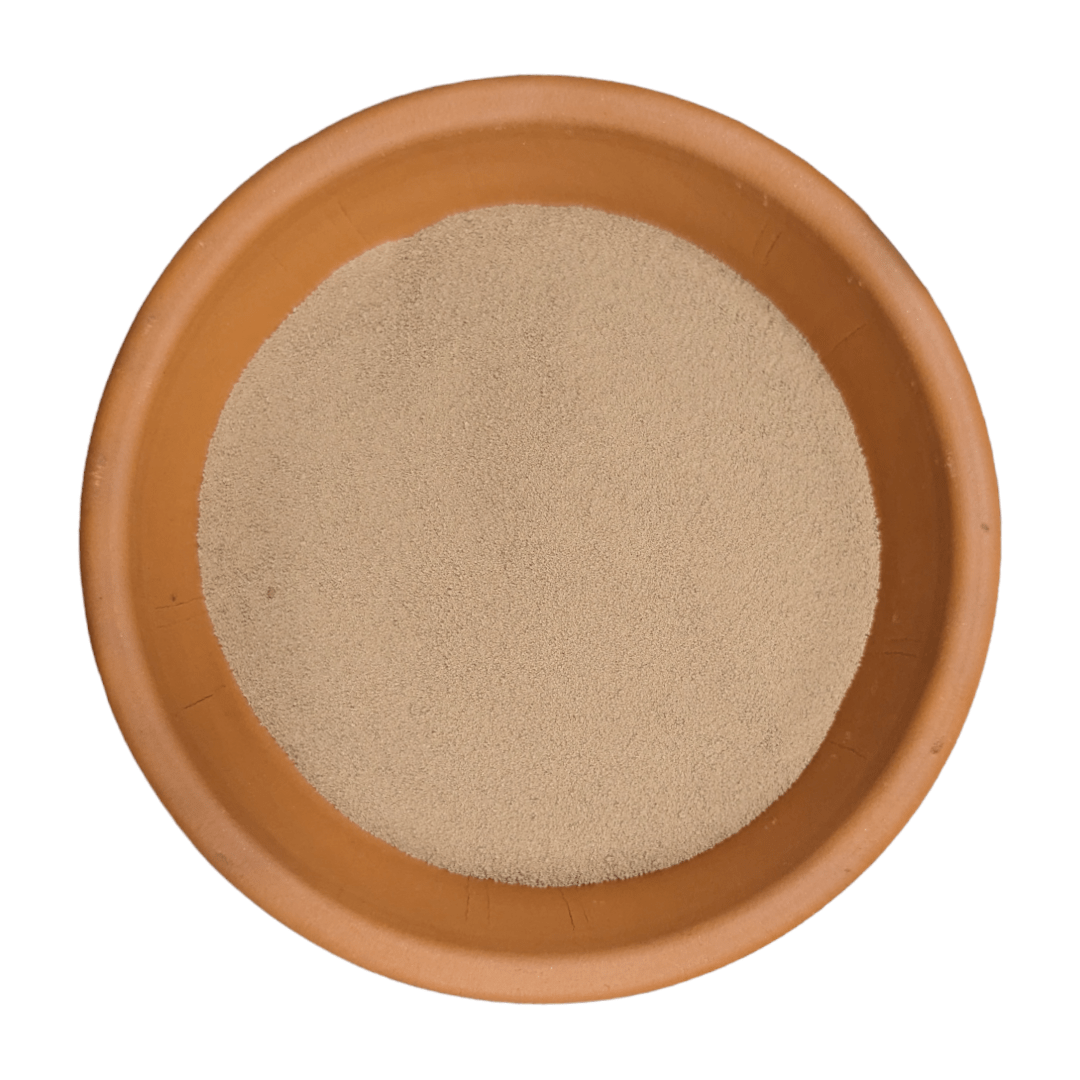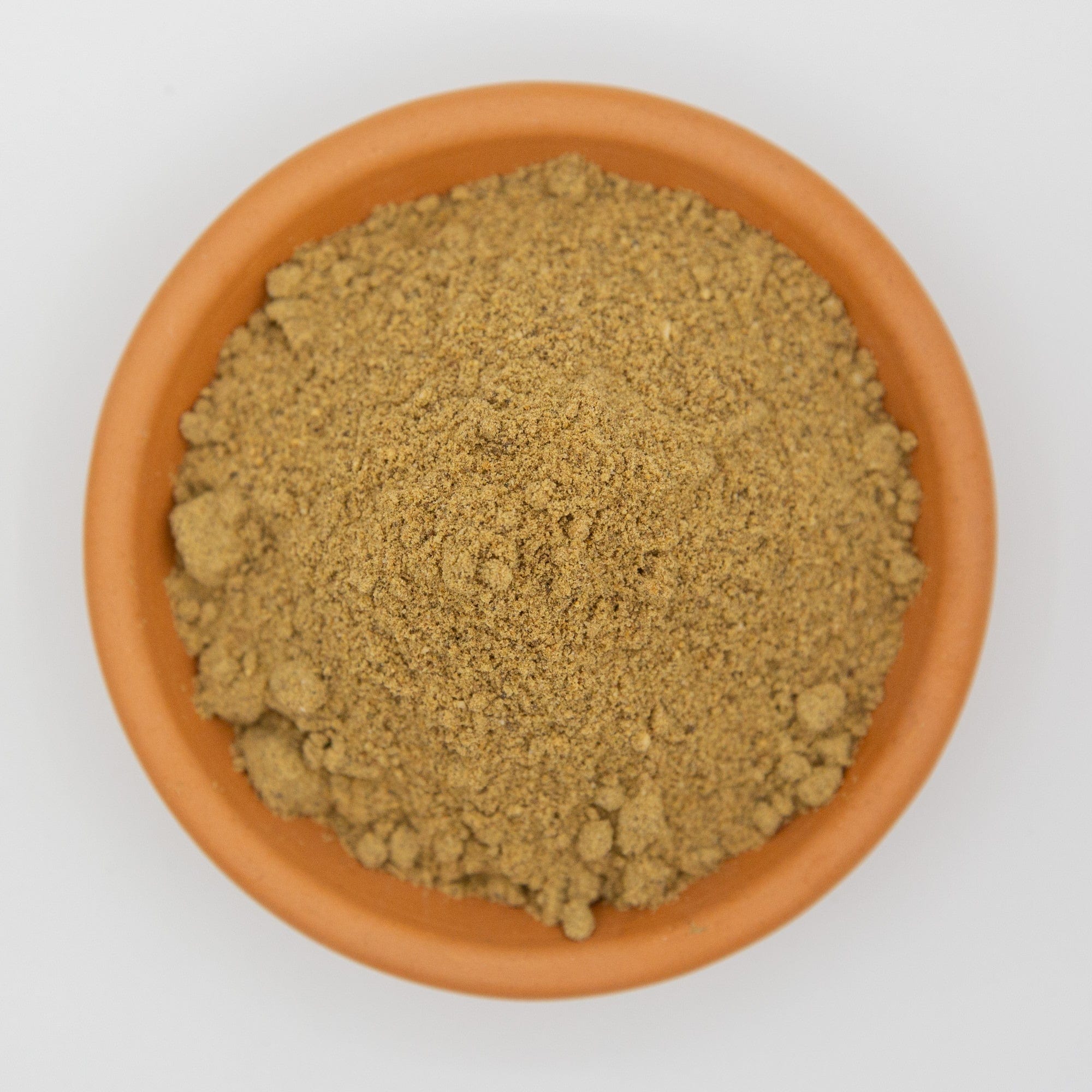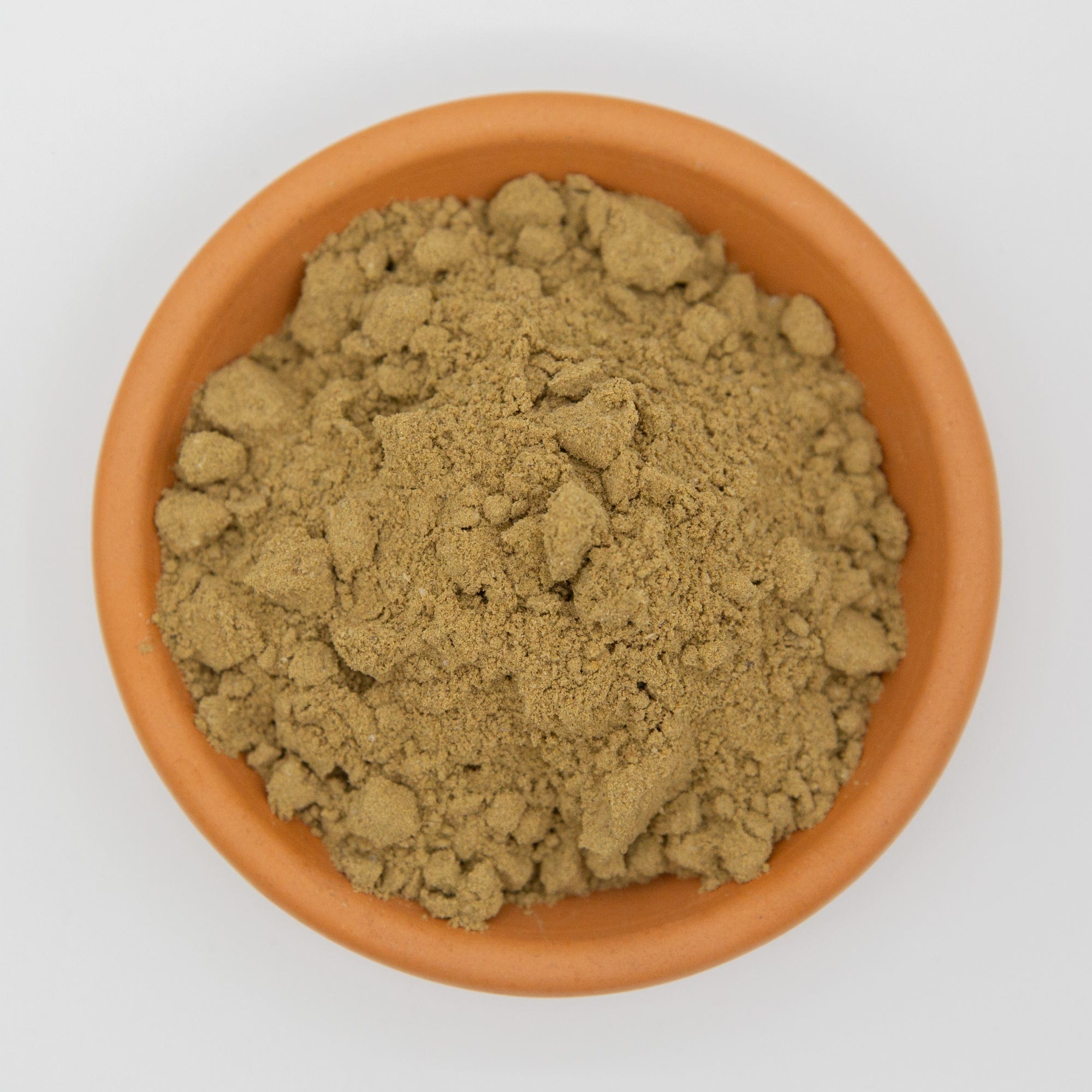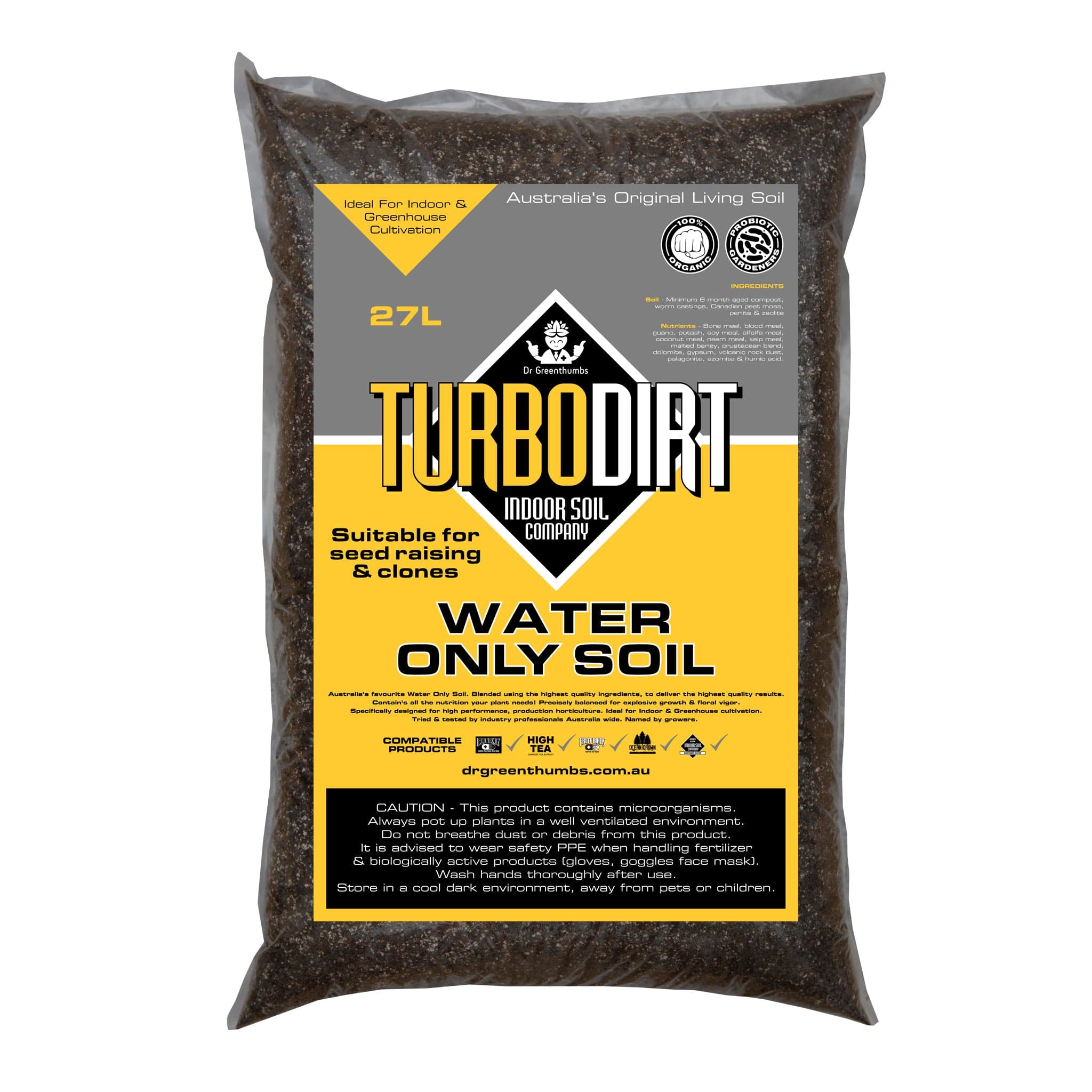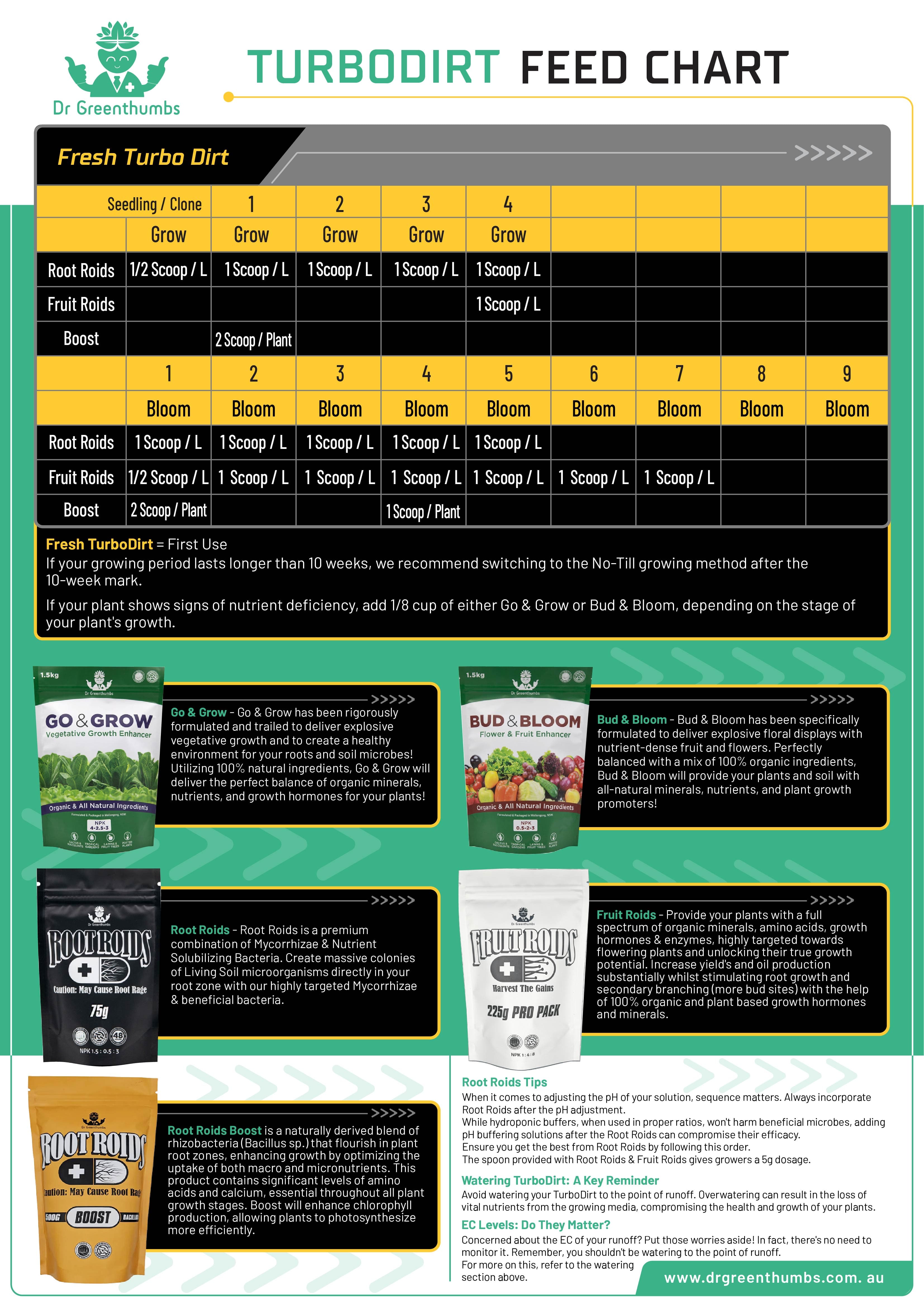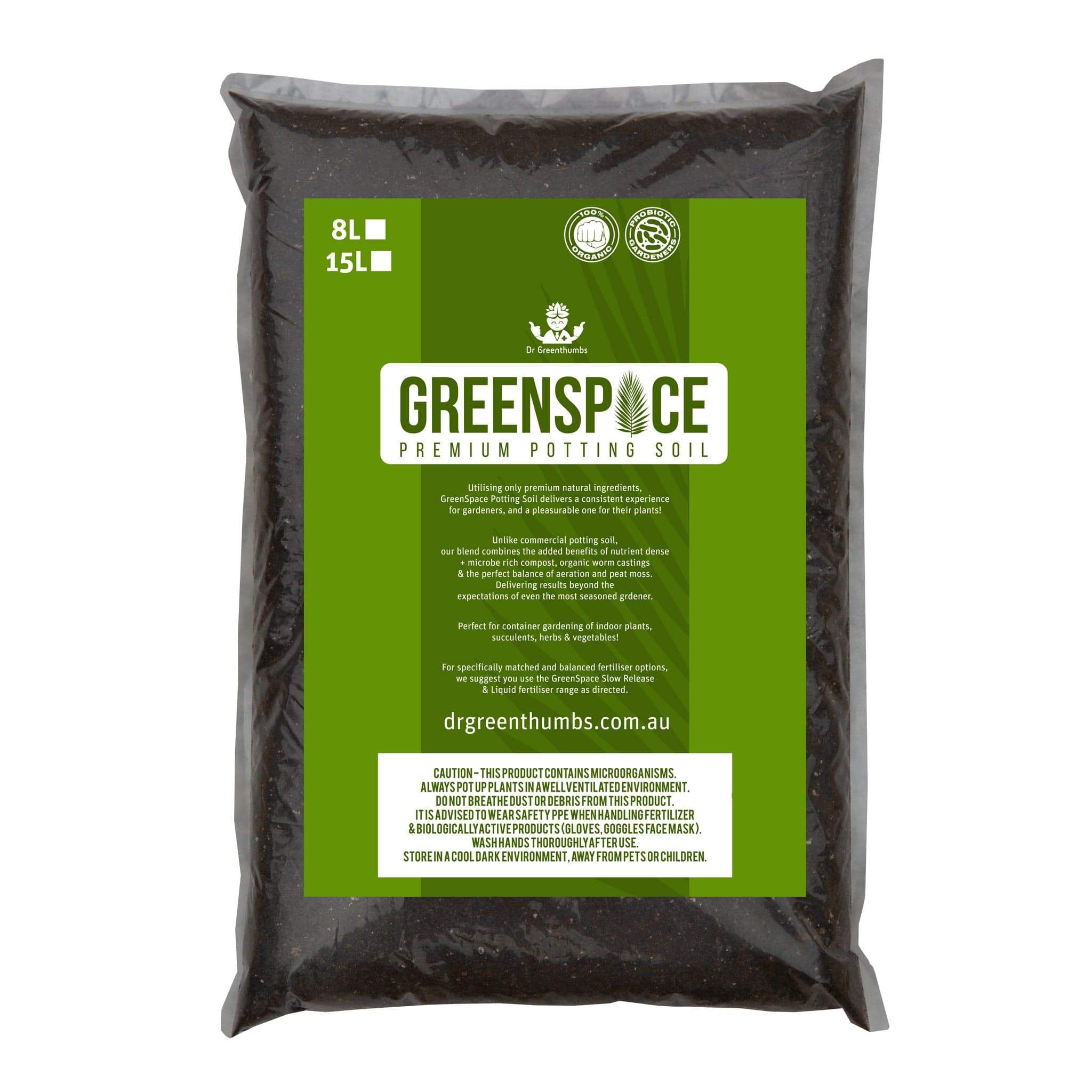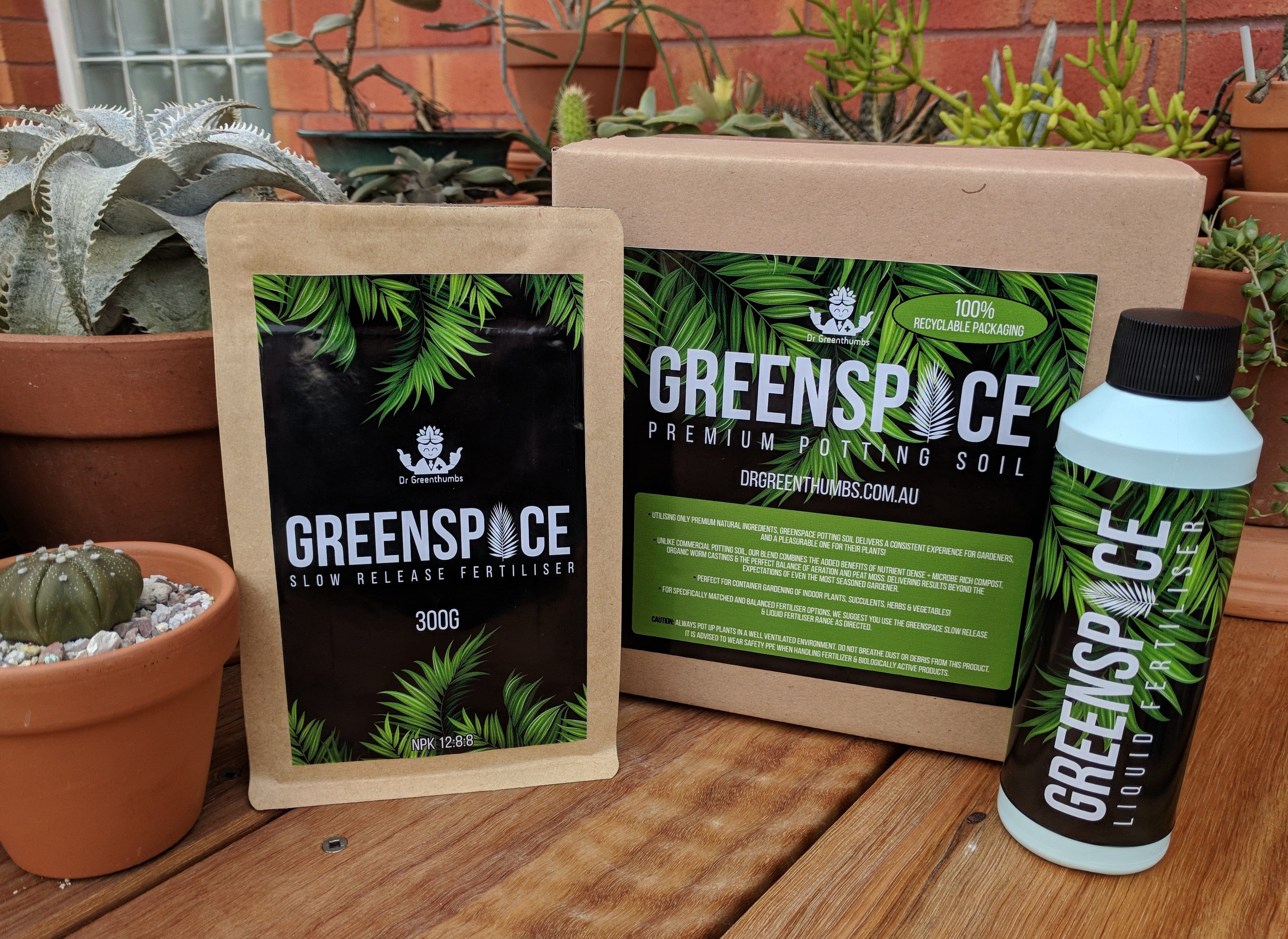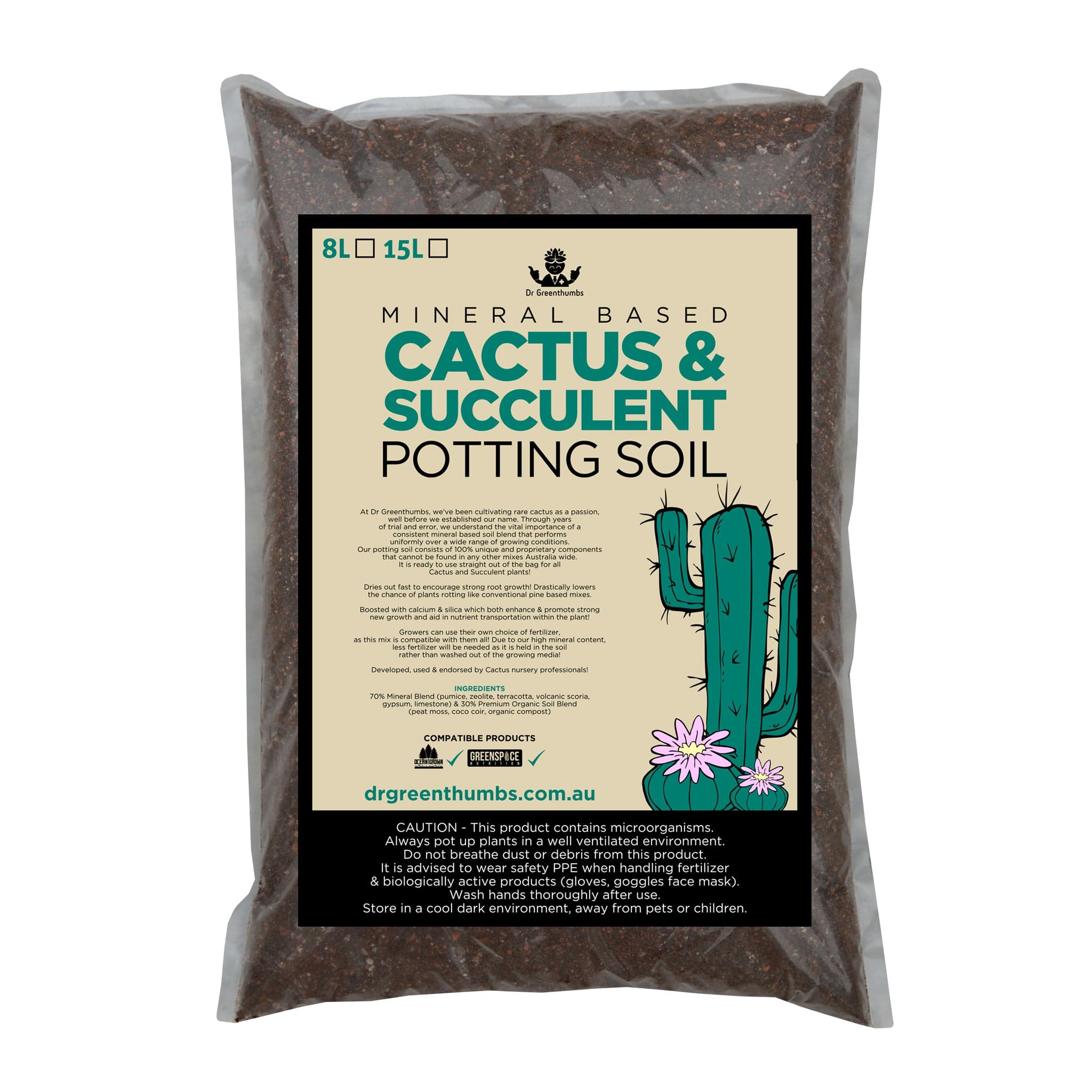

Not all fertilisers are created equal. If you want healthier soil, stronger plants, and better yields in Australian conditions, this guide breaks down the natural fertilisers that actually work — and exactly when to use them.
Quick take: Synthetic NPK can give a sugar-hit then wreck your soil biology. The five natural inputs below feed microbes, lock in carbon and power bullet-proof plants—every one of them lives in our Organic Garden Fertiliser collection.
Table of Contents
- Why Go Natural?
- How to Choose the Right Natural Fertiliser for Your Garden
- Meet the Premium Line-Up
- Liquid vs Slow-Release Natural Fertilisers
- Why Soil Testing and pH Matter
- Application Cheat-Sheet
- Natural Fertiliser Tips by Plant Type
- DIY Natural Fertilisers
- Common Rookie Mistakes to Dodge
- Cover Crops and Green Manure
- Quick Natural Fertiliser Comparison
- Sustainability Matters More Than Ever
- FAQ
- Next reads for choosing better natural fertilisers
If you want the easiest way to get great results, start here:


Why Go Natural?
-
Builds living soil that holds water and nutrients
-
Releases nutrition slowly, so nothing burns your roots
-
Adds humus for long-term carbon storage
- Safe for pets, kids and pollinators
How to Choose the Right Natural Fertiliser for Your Garden
Choosing the best natural or organic fertiliser for garden isn’t about finding a single “magic product”. It’s about matching the fertiliser to what your plants need right now and how quickly you want results.
Here are two simple ways to narrow it down.
Choose by garden goal
Different fertilisers support different stages of plant growth:
-
Leafy growth & overall vigour
Look for nitrogen-rich options like compost, worm castings, alfalfa meal or balanced organic blends.
-
Flowers, fruit & harvests
Phosphorus and potassium play a bigger role here. Compost, kelp-based products and complete organic fertilisers help support flowering and fruit set.
-
Root development & transplanting
Gentle, biology-focused inputs like worm castings and liquid seaweed help plants establish without stress.
-
Soil repair & long-term improvement
Compost, organic matter and slow-release fertilisers feed soil microbes and gradually rebuild tired soils.
Choose by speed of results
-
Faster support: liquid fertilisers, teas and seaweed extracts
These are absorbed quickly and are useful during active growth or after stress.
-
Long-term feeding: compost, granular organics and top-dressed blends
These break down slowly and build soil health over weeks and months.
Most healthy gardens benefit from a mix of both.
Meet the Premium Line-Up
1. Kelp Meal – Ocean-Powered Growth
Cold-milled kelp delivers 70 + trace minerals plus natural growth hormones (auxins, cytokinins). Mix 100 g / m² into the top 5 cm of soil and watch tomatoes jump by up to 20 % in side-by-side tests.
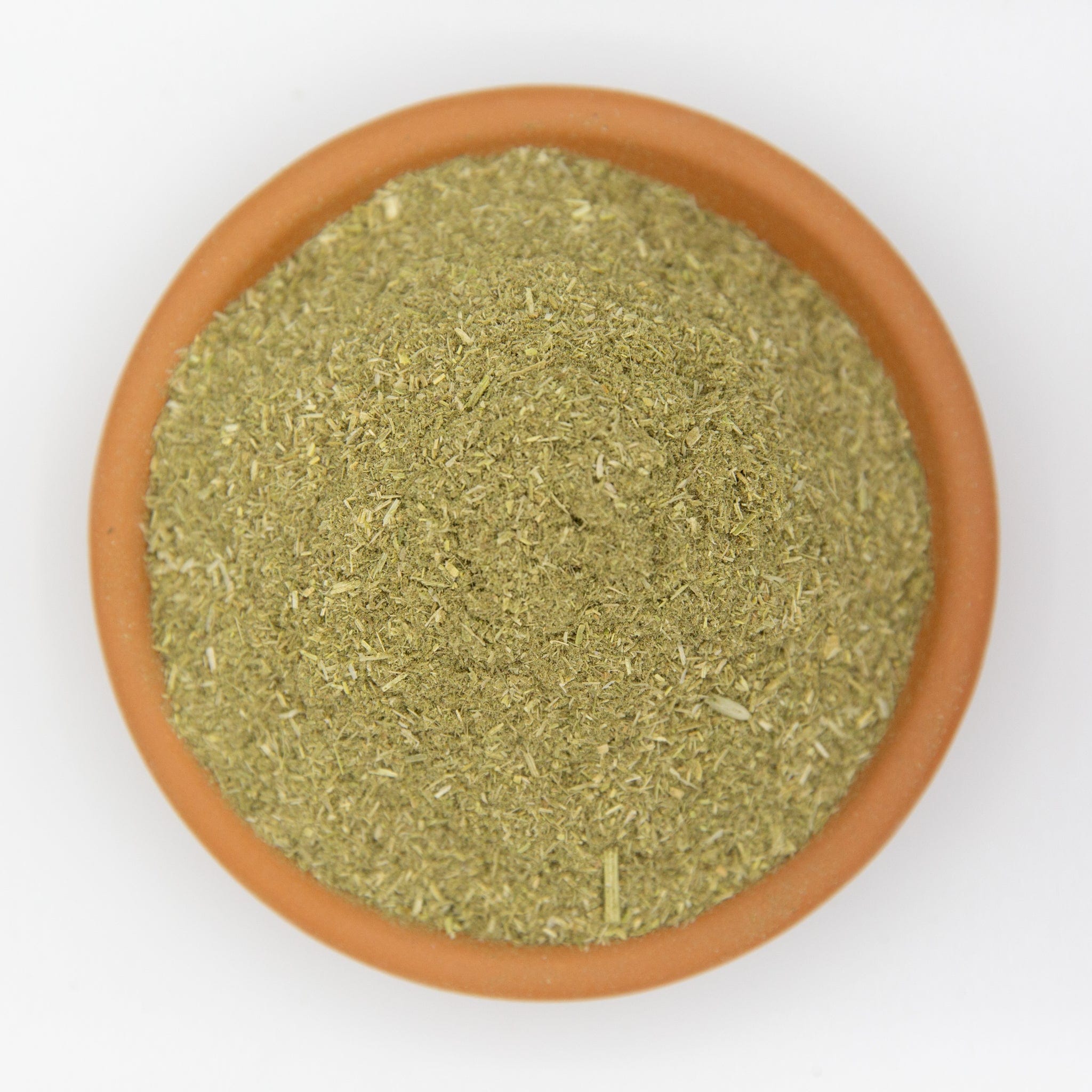
2. Alfalfa Meal – Plant-Based Nitrogen & Triacontanol
At ~3 % N, alfalfa feeds gently while the natural PGR triacontanol supercharges photosynthesis. Work ½ cup per plant or brew a 24-hour tea for a microbe-rich root drench.
3. Worm Castings – Billions of Microbial Allies
Our microbe-charged castings are pH-balanced, odour-free and screened to 10 mm. Top-dress seedlings or add a handful to every planting hole to slash transplant shock.
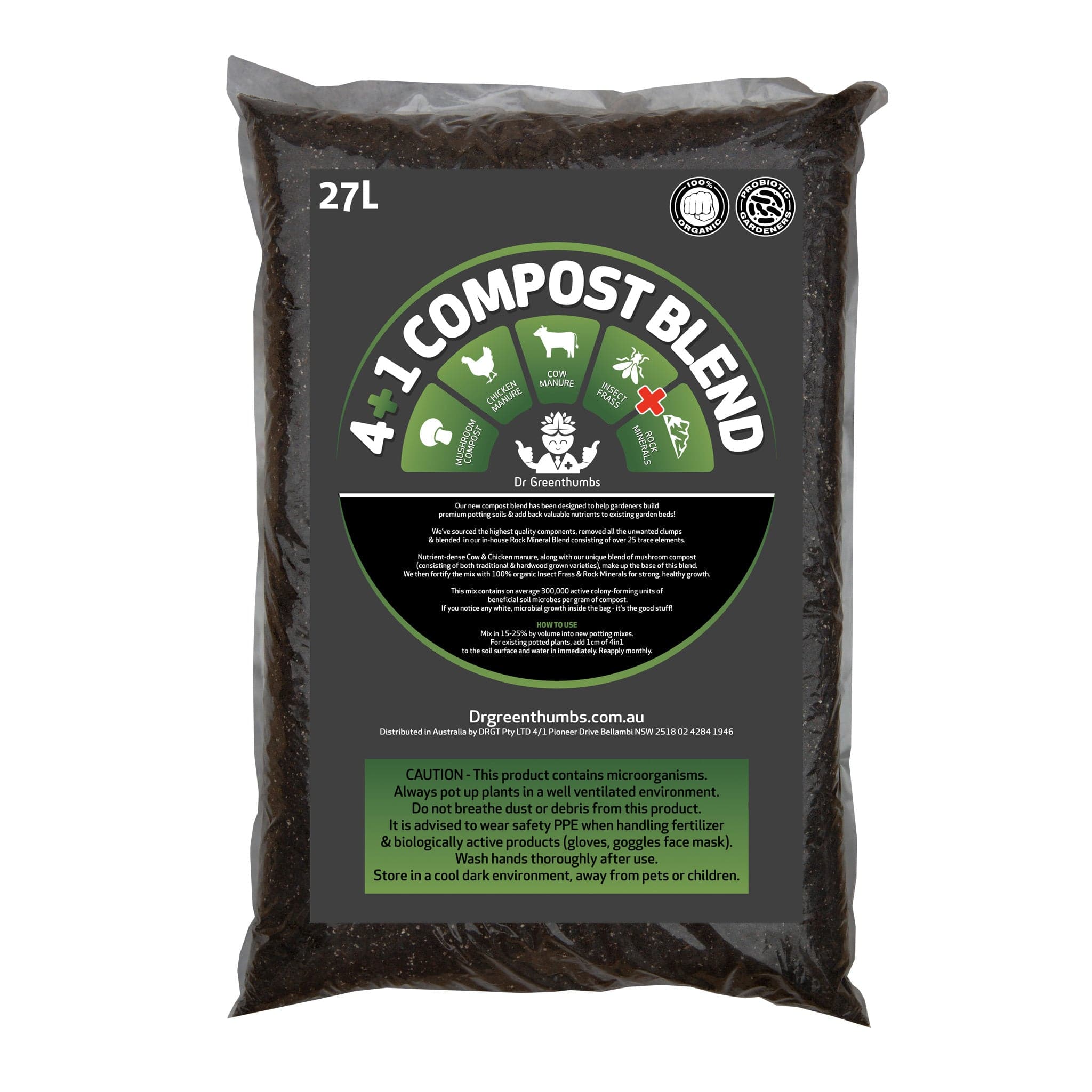
4. 4 + 1 Compost Blend – Humus on Tap
Four compost streams—cow manure, chicken manure, mushroom compost, insect frass—plus one part rock minerals. Spread a 5 cm layer before planting and you’ll see earthworms move in within a month.
5. Nurture All 4-4-4 – The One-Bag Wonder
Don’t want to juggle separate inputs? Broadcast 1 kg per 10 m² at planting, then half-rate every six weeks for a balanced 4-4-4 feed that covers every crop.
Liquid vs Slow-Release Natural Fertilisers
Natural fertilisers generally fall into two categories: liquid and slow-release. Both have their place in an organic garden.
Liquid fertilisers and teas
These include liquid seaweed, worm tea and compost teas.
-
Act quickly
-
Ideal for active growth periods
-
Useful after heat stress, pruning or transplanting
-
Often applied to soil or as a foliar spray
Tip: Apply in the early morning or late afternoon and avoid spraying before rain to reduce waste.
Slow-release fertilisers
These include compost, organic pellets and natural meals.
-
Feed plants gradually
-
Improve soil structure and microbial life
-
Less risk of overfeeding
-
Best applied as a top-dress and watered in
For most home gardens, slow-release fertilisers form the foundation, while liquids are used as a booster when needed.
Why Soil Testing and pH Matter
Healthy plants start with healthy soil — and soil pH plays a big role in how nutrients are absorbed.
-
Acidic soils can lock up calcium and magnesium
-
Alkaline soils can reduce iron and trace element availability
-
Even if nutrients are present, plants may not be able to use them
A simple soil test every few years can help you:
-
Understand nutrient levels
-
Identify pH issues
-
Avoid unnecessary fertiliser use
Most vegetables and ornamentals prefer a slightly acidic to neutral pH. Organic matter like compost can help buffer extremes over time.
Application Cheat-Sheet (Bookmark This)
|
Crop |
Best Product |
Rate |
Timing |
|---|---|---|---|
|
Leafy greens |
75 g / m² |
Fortnightly |
|
|
Fruiting veg |
Kelp Meal + Worm Casting tea |
100 g + 2 L tea / plant |
Pre-flower & fruit-set |
|
Root crops |
5 cm layer |
Bed prep |
|
|
Lawn revival |
3 kg / 100 m² |
Early spring |
If you’re managing citrus, stone fruit or apples specifically, the Best Organic Fruit-Tree Fertiliser in Australia – 2026 Gardeners’ Guide details crop-by-crop timing, rates and pH tweaks to squeeze the most out of these natural inputs.
Natural Fertiliser Tips by Plant Type
Different plants have slightly different needs. Here’s a general guide:
-
Lawns:
Slow-release organic fertilisers and compost top-dressing support steady growth without surges.
-
Fruit trees & citrus:
Balanced organic fertilisers plus compost help with flowering, fruiting and soil health.
-
Vegetables:
A good organic fertilizer for vegetables combines compost or worm castings with occasional liquid boosts during the growing season. -
Flowers:
Kelp-based products and complete organic fertilisers support blooms and resilience.
-
Herbs:
Lighter feeding is best — compost and diluted liquids are usually enough.
-
Pots & containers:
Nutrients leach faster, so smaller, more frequent applications work better.
DIY Natural Fertilisers: What Works (and What Doesn’t)
Many gardeners like making their own natural fertilisers. Some methods are helpful, others less so.
Useful DIY options
-
Compost: the foundation of organic gardening
-
Worm castings & worm tea: gentle, microbe-rich and versatile
-
Seaweed teas: support plant stress tolerance and root growth
Common myths & mistakes
-
Coffee grounds aren’t a complete fertiliser and can affect soil balance
-
Eggshells take a long time to break down and don’t quickly fix calcium issues
-
Fresh manure can burn plants and should always be composted first
-
Overfeeding organic fertilisers can still cause problems
DIY inputs work best as part of a broader soil-building approach.
Common Rookie Mistakes to Dodge
-
Over-doing chook poo – spikes salts, burns roots.
-
Broadcasting kelp meal on a windy day – rake or mulch over.
-
Buying “castings” that look like dusty potting mix – real castings are dark, moist and smell like forest soil.
Cover Crops and Green Manure: A Budget-Friendly Soil Builder
Cover crops (also called green manure) are plants grown specifically to improve soil.
They can:
-
Add organic matter
-
Improve soil structure
-
Reduce erosion
-
Feed beneficial microbes
Common options include legumes, grasses and mixed green manure blends. Once grown, they’re cut down and returned to the soil.
This approach works especially well in garden beds resting between seasons.
Quick Natural Fertiliser Comparison
|
Fertiliser Type |
Key Benefit |
Best For |
How Often |
|---|---|---|---|
|
Compost |
Soil health & structure |
All gardens |
1–2× per year |
|
Worm Castings |
Gentle nutrition |
Seedlings, pots |
Every 4–6 weeks |
|
Liquid Seaweed |
Stress support |
All plants |
Every 2–4 weeks |
|
Organic Blends |
Balanced feeding |
Veg, fruit, lawns |
As directed |
Sustainability Matters More Than Ever
Natural fertilisers don’t just feed plants — they support long-term soil health.
In 2026, gardeners are increasingly focused on:
-
Reducing nutrient runoff
-
Building soil carbon and humus
-
Supporting beneficial soil life
-
Choosing responsibly sourced inputs
Healthy soil is more resilient, requires fewer inputs over time, and supports stronger plants naturally.
FAQ
How often should I use natural fertilisers?
It depends on the product and your soil, but organic inputs are generally applied more regularly than synthetic ones.
Can I overdo organic fertilisers?
Yes. More isn’t always better. Follow guidelines and observe plant response.
Ready to Feed the Soil That Feeds You?
Browse the full Organic Garden Fertiliser range.
Order fast. Your garden—and the planet—will thank you.
Happy growing from the Dr Greenthumbs crew! 🌱
Next reads for choosing better natural fertilisers
Want to build a smarter organic feeding program? These guides will help you compare natural inputs, improve soil biology and choose the right fertiliser for the job.
- Animal-Free Fertiliser Australia
- Chemical vs Organic Fertilisers in Aussie Gardens
- Organic Gardening 101: Living Soil Aussie Guide
- How to Choose the Right NPK Fertiliser Australia
About the Author