
Choosing between organic and synthetic fertilisers can get confusing fast. Both can supply plants with nutrients, but they behave differently in soil, differ in how quickly nutrients become available, and can have very different effects depending on the product, rate and growing conditions.
This guide breaks down the practical differences between organic and synthetic fertilisers for Australian gardens, including soil testing, soluble salts, NPK, nutrient availability and long-term soil management.
We’ll also look at where organic inputs have an advantage, when a targeted soluble feed may still make sense, and how to choose a feeding approach that fits your plants and soil rather than relying on marketing claims alone.
Table of Contents
- Organic vs Natural vs Inorganic: What Those Labels Really Mean
- Potential Trade-Offs of High-Salt Synthetic Fertilisers
- Soil Testing: When, Why & What It Tells You
- Why Solubility & Salt Levels Matter in Your Garden
- NPK Numbers Tell Only Part of the Story
- Bioavailability: What Your Plants Actually Can Use
- Where Organic Fertilisers Have the Advantage
- So, Which Fertiliser is Right for Your Garden?
- Your Organic Feeding & Soil-Building Game Plan
- Common Mistakes That Sabotage Organic Success
- Optional: Organic Pest Management Alongside Your Feeding Program
- Next Reads for Switching to a Smarter Organic Feeding Approach
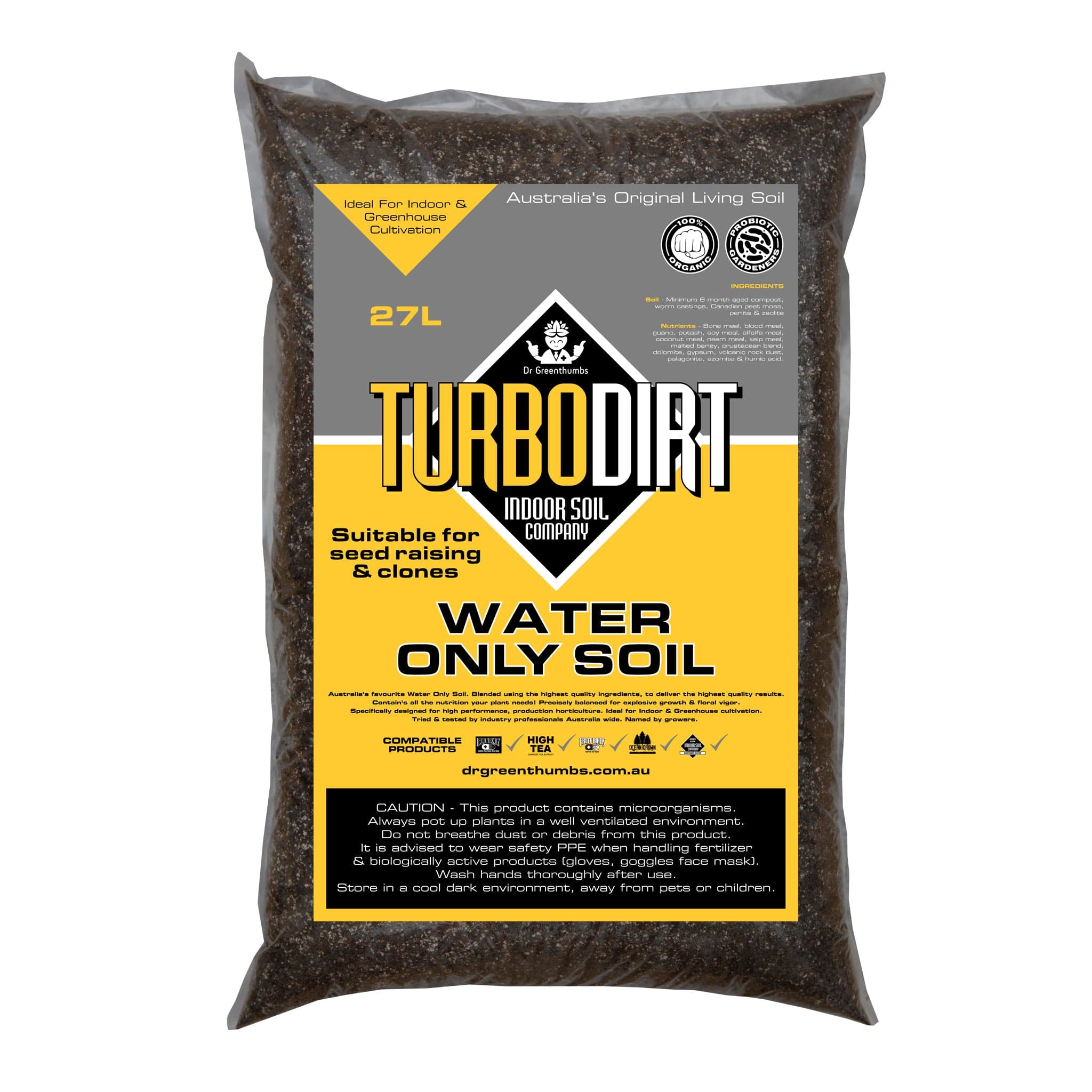
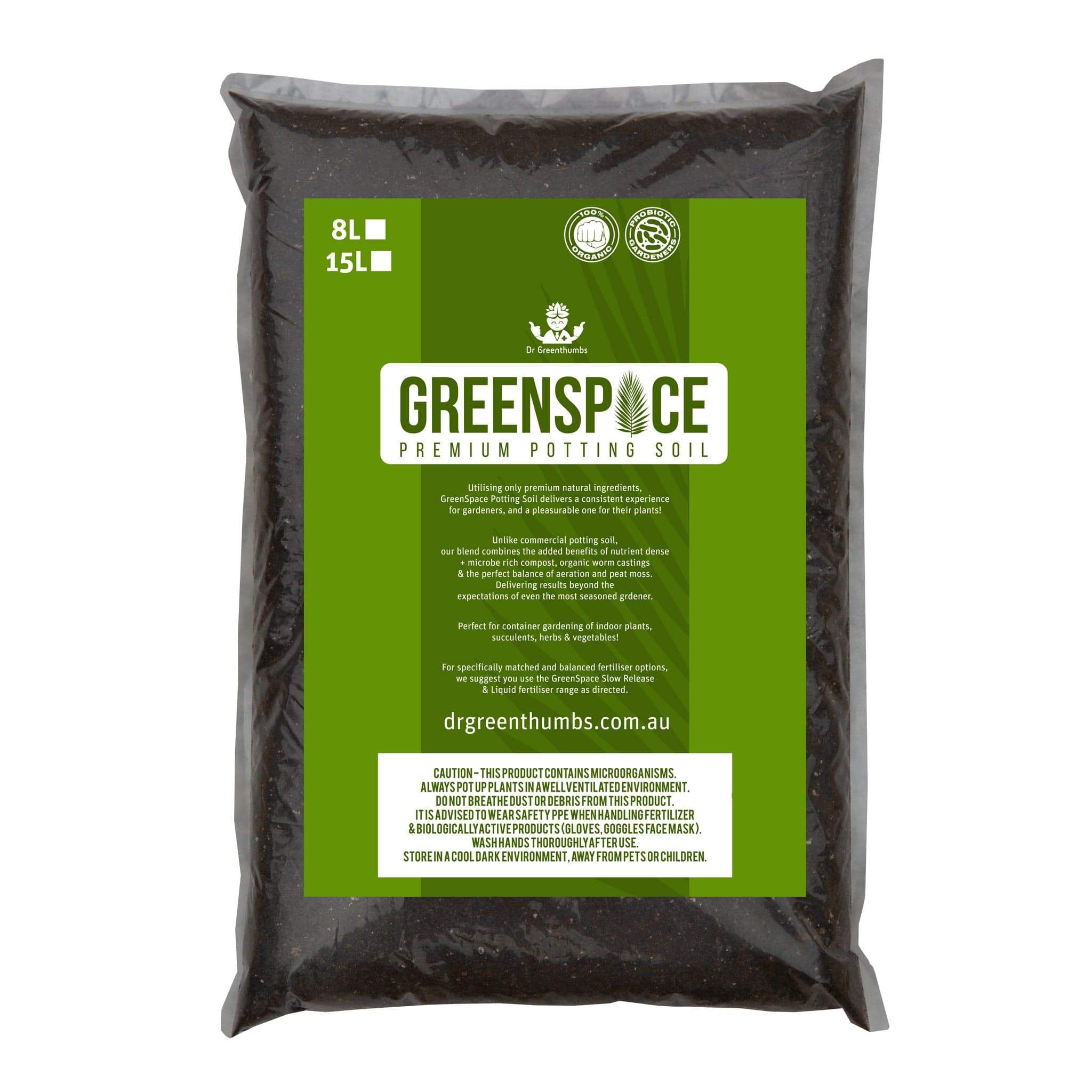
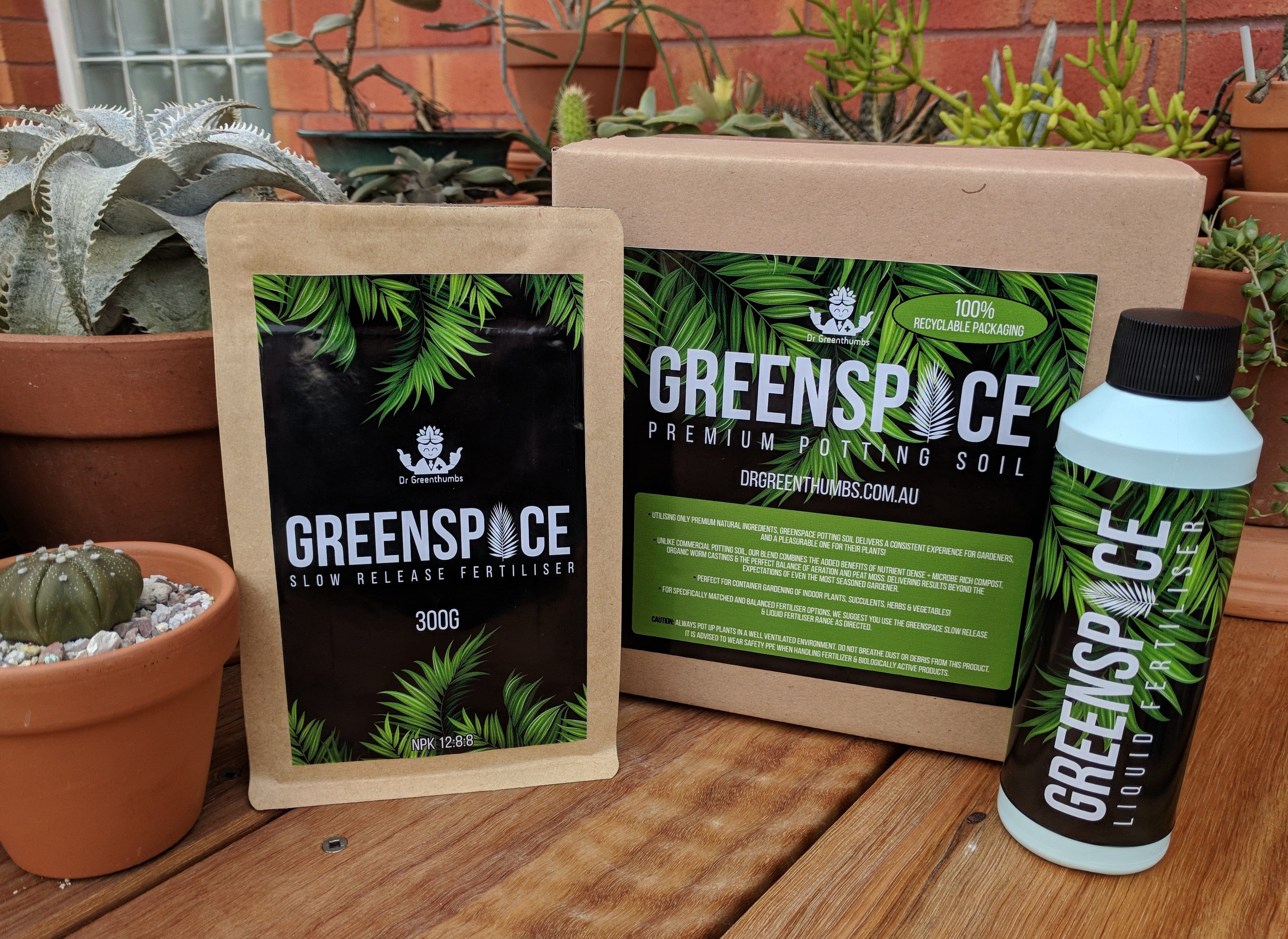
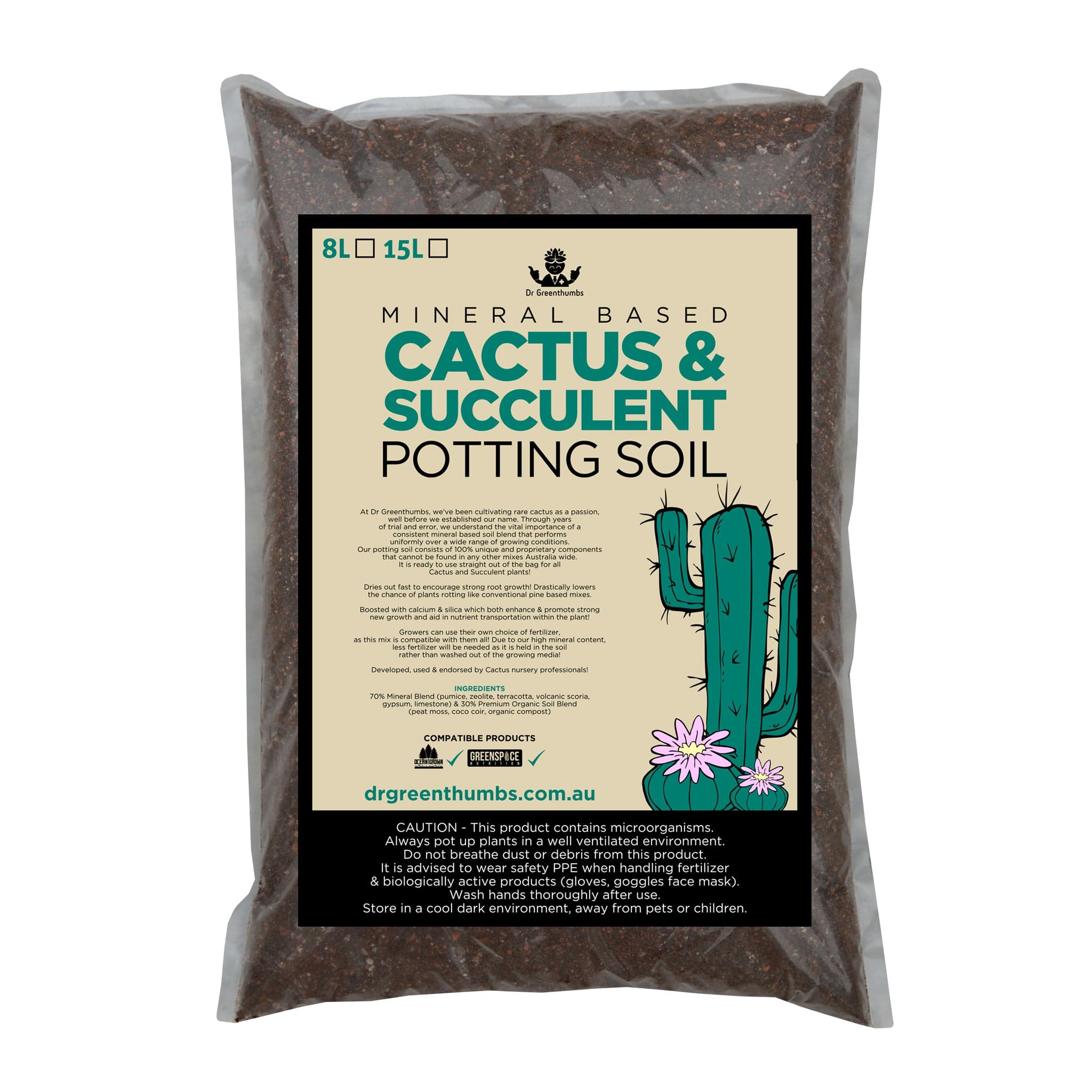
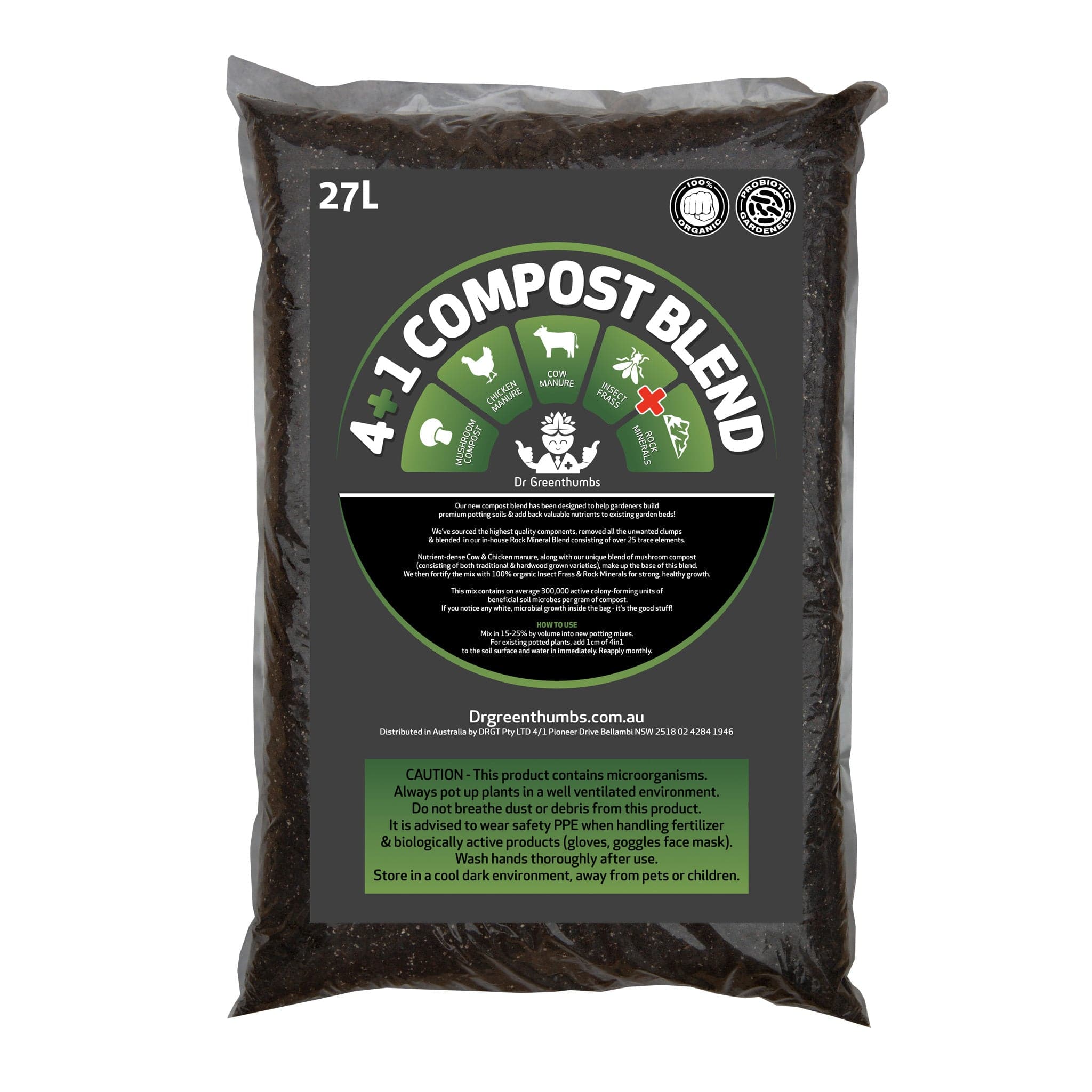
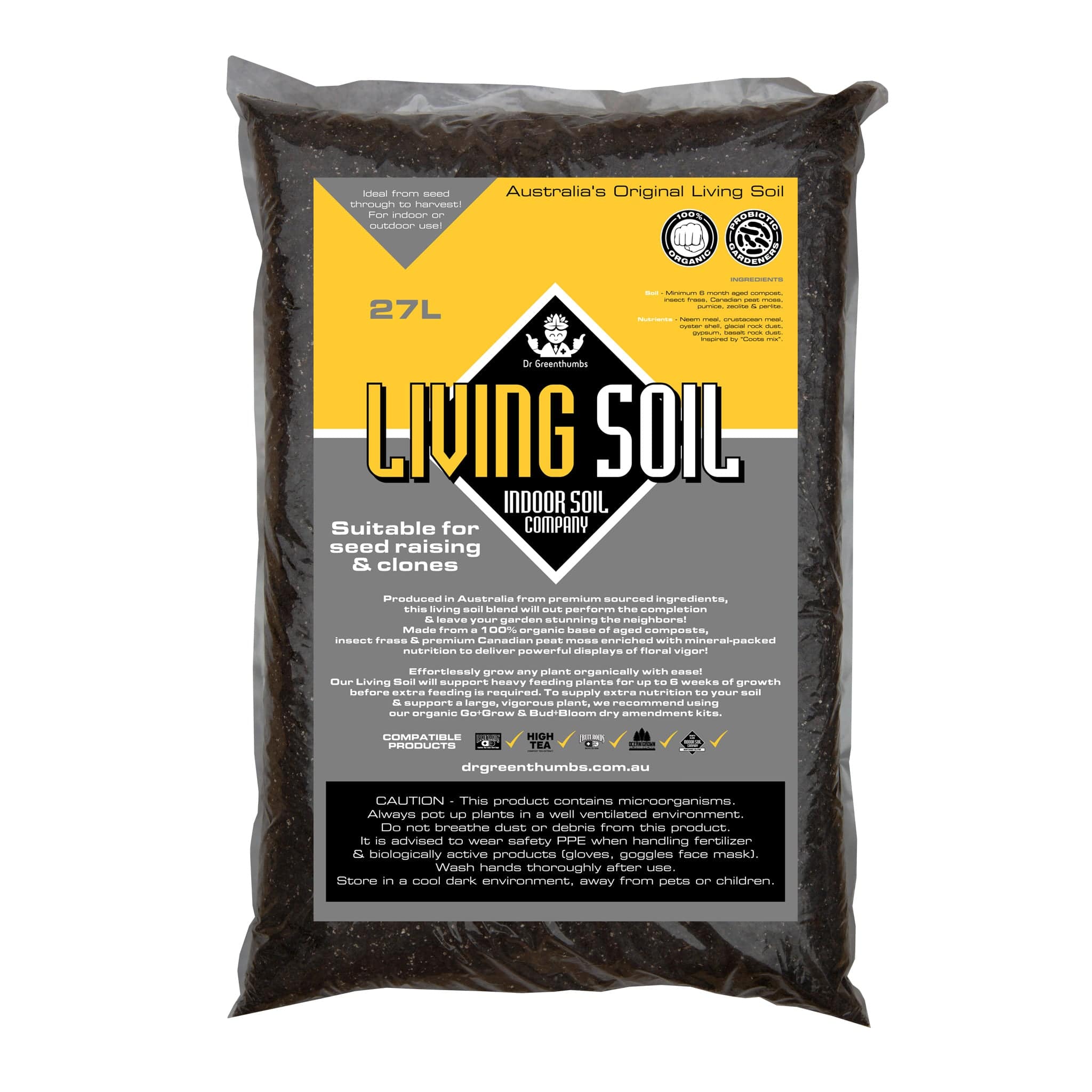
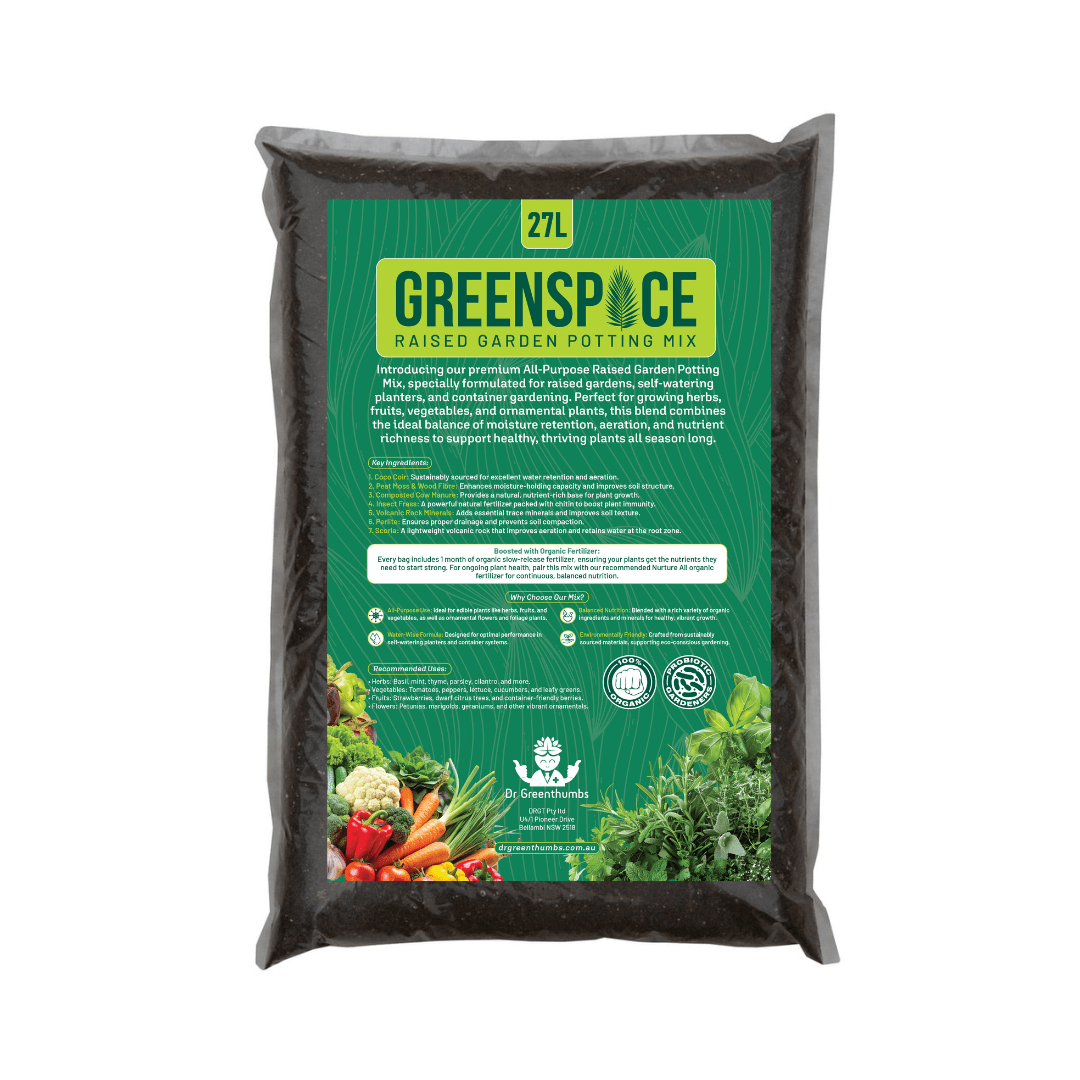
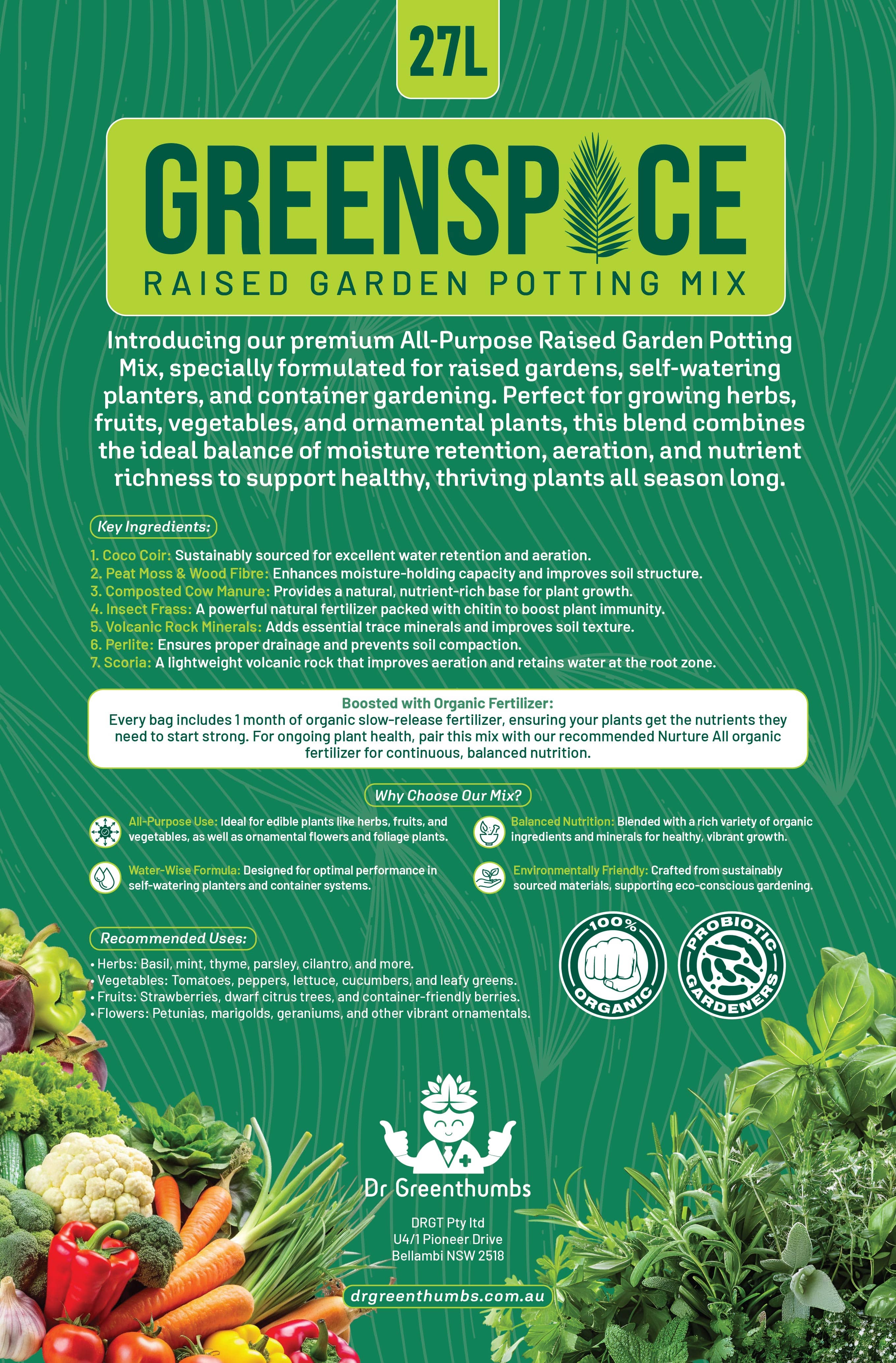
If you want the easiest way to go organic without guesswork, these are proven Aussie options:


Organic vs Natural vs Inorganic: What Those Labels Really Mean
Before we go any further, let’s clear up a few terms you’ll see on bags and garden charts so you’re not left scratching your head.
-
Organic fertilisers are made from plant or animal-derived materials — think compost, kelp, blood & bone, worm castings — that feed the soil ecosystem and plants over time.
-
Natural can mean a range of things on packaging, but not everything labelled “natural” is truly organic or beneficial to soil biology.
- Synthetic or soluble mineral fertilisers are formulated to deliver specific nutrients in readily available forms. They can act quickly, but their effect on the root zone and soil depends heavily on the product, application rate and how the soil is managed.
And here’s a useful tip: the word “organic” on a product name is not the same thing as independent organic certification. If certification matters to you, check the product credentials and ingredient panel rather than relying on the front of the bag alone.
Potential Trade-Offs of High-Salt Synthetic Fertilisers
|
Potential Issue |
What Can Happen |
What to Watch |
|---|---|---|
|
High salt concentration |
Over-application of highly soluble fertilisers can increase salt concentration around roots |
Watch for root stress, tip burn or rising soil/substrate EC |
|
Nutrient imbalance or lock-out |
Incorrect rates or unsuitable pH can leave plants showing deficiency symptoms even when nutrients are present |
Test soil or growing media before automatically adding more fertiliser |
|
Leaching and runoff |
Excess soluble nutrients can move beyond the active root zone instead of being used by the crop |
Avoid unnecessary over-application and account for soil type, rainfall and irrigation |
|
Short-term feeding without soil improvement |
A fast nutrient response does not automatically improve organic matter, structure or long-term soil biology |
Combine plant nutrition with good soil-management practices where long-term soil health is the goal |
The bottom line: Synthetic fertilisers can be useful tools, but poor product choice, excessive rates or repeated high-salt feeding can create avoidable problems. Testing and matching the fertiliser to the actual soil or plant need is more reliable than assuming more fertiliser means better growth.
But fertiliser problems often start even earlier—with soil chemistry. If you’ve never checked yours, read this first: Is Your Soil Sabotaging Your Garden? Here's Why pH Testing Is Crucial for Your Family's Health
Soil Testing: When, Why & What It Tells You
A cheap soil test can save you time, money and guesswork. When you know your soil’s pH, nutrient levels and organic matter content, you can tailor fertiliser applications instead of guessing.
- pH testing tells you if nutrients are actually available to plants
- Nutrient analysis shows what you’ve got already and what’s missing
- Soil biology screens help you understand how active your microbial life really is
Doing a test before adding amendments helps prevent issues like nutrient lock-out — where nutrients are present but plants can’t access them — and avoids wasted fertiliser and plant stress. It’s one of the smartest steps Aussie gardeners can take each season.
Why Solubility & Salt Levels Matter in Your Garden
One of the hidden differences between chemical and organic fertilisers is how quickly nutrients dissolve and how they interact with soil moisture.
Chemical fertilisers are designed to be highly soluble — they give an immediate hit of nutrients. But that can come with a cost: when salts dissolve rapidly in the root zone, young roots or seedlings can suffer salt stress or even burn. That’s the harsh, crispy edge you sometimes see on tender new leaves after a feed.
Many organic fertilisers release nutrients more gradually than highly soluble feeds. That generally makes them better suited to steady soil-building programs, although application rate still matters — organic products can also cause problems when heavily over-applied.
NPK Numbers Tell Only Part of the Story
You’ve probably seen fertilisers labelled with big numbers like 10-5-10 — that’s the famed NPK ratio (Nitrogen, Phosphorus, Potassium). Those are the core players in plant nutrition, but they’re not the whole team.
Plants also need micronutrients and trace elements like magnesium, calcium, iron and boron to carry out key functions from chlorophyll production to fruiting and flavour development. Organic fertilisers often come rich in these extras — and because they’re released through living soil processes, plants access them in balanced amounts.
In contrast, some chemical fertilisers focus tightly on NPK and miss much of the trace element story, meaning you might see strong leafy growth but weaker flower set, poor fruit quality or nutrient deficiencies later in the season.
Bioavailability: What Your Plants Actually Can Use
Not all nutrients are created equal — and it’s not just how much of something is in the bag, but how available it is to your plants.
A nutrient can be present in the soil without being readily available to the plant. Soil pH, root-zone conditions and the form of the nutrient all influence whether roots can actually take it up.
That is why the nutrient analysis on the bag is only part of the picture. Soil testing and plant response matter as much as the headline NPK number.
Where Organic Fertilisers Have the Advantage
Build soil as well as feed plants – Compost, organic matter and soil amendments can contribute to structure, biological activity and nutrient cycling alongside direct plant nutrition.
Support a lower-salt feeding approach – Many organic fertilisers deliver nutrients more gradually than highly soluble products, making them useful where long-term soil management is the priority.
Add organic matter and soil-building inputs – Compost, mulches and similar materials can improve the physical condition of the soil rather than functioning only as a short-term nutrient dose.
Work well in long-term garden programs – Veggie beds, fruit trees and established garden soils often benefit from feeding plans that combine nutrients with organic matter, mulch and biological activity.
Organic fertilisers are not automatically the right answer to every nutrient problem, but they have clear advantages when the goal is to build productive soil over time.
So, Which Fertiliser is Right for Your Garden?
Here’s a quick guide to help you decide based on what you’re growing:
Organic fertilisers are best when:
- You’re building soil health for long-term productivity
- Growing vegetables, herbs or fruit trees with food safety in mind
- You want more micronutrients & soil biology support
Chemical fertilisers might be useful when:
- You need a fast nutrient boost for a specific deficiency
- You’re hitting a growth stall mid-season
Hybrid approach? Yep — many experienced gardeners use both wisely: organic for baseline nutrition, and targeted feeds when plants show specific needs.
For example:
- Veggie patches & food gardens: Mostly organic, occasional targeted boosts
- Lawns: Slow-release organic base with occasional quick greening feeds
- Native gardens: Organic only — natives hate salt burn from some synthetics
- Pots & containers: Organic diets with careful feeding schedules
The key is reading your plants and your soil — not just the label.
Your Organic Feeding & Soil-Building Game Plan
Build Living Soil for Long-Term Success
Create a self-sustaining ecosystem that works while you sleep:
Layer & mulch – 5cm of rich compost topped with 8cm sugar-cane mulch
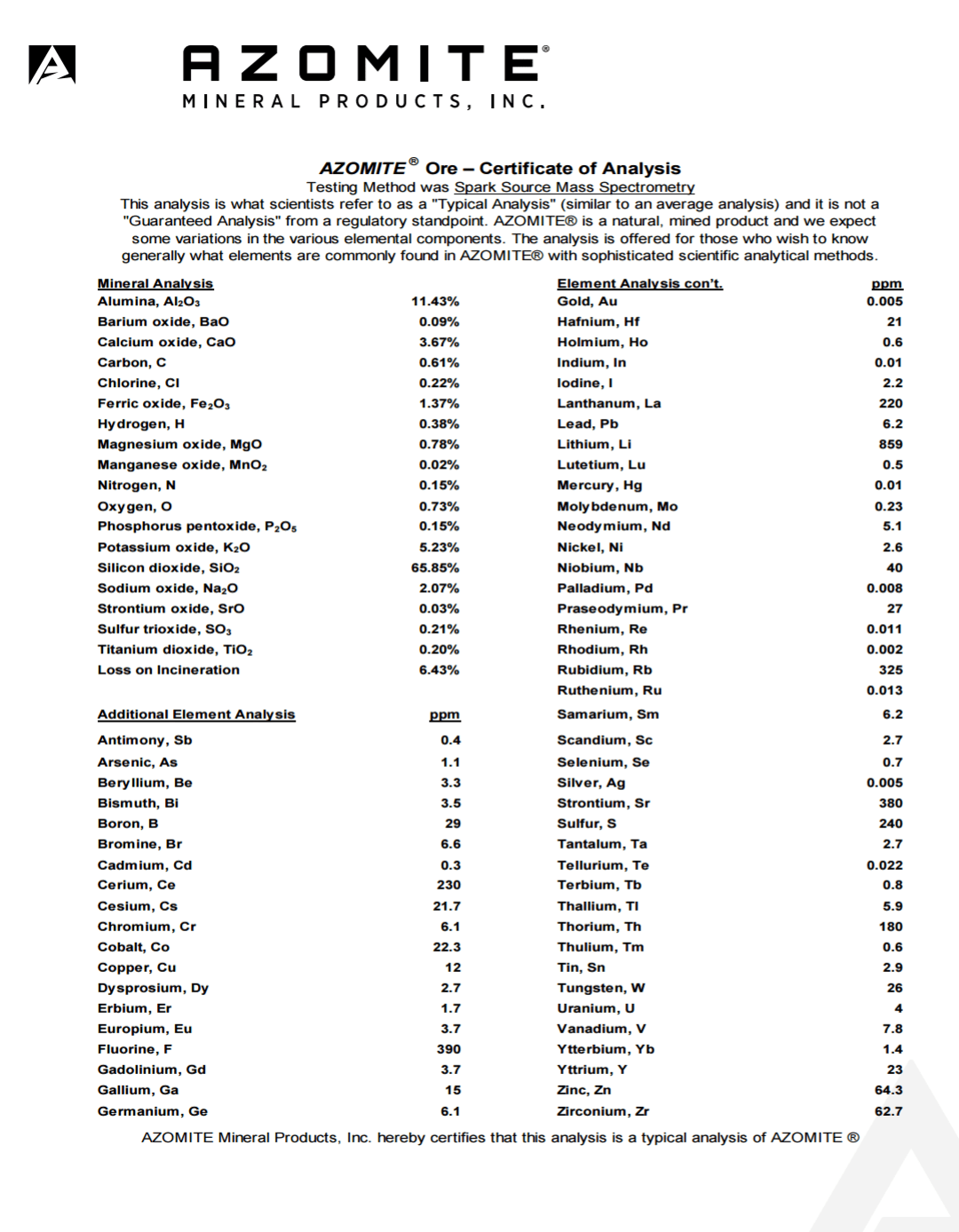
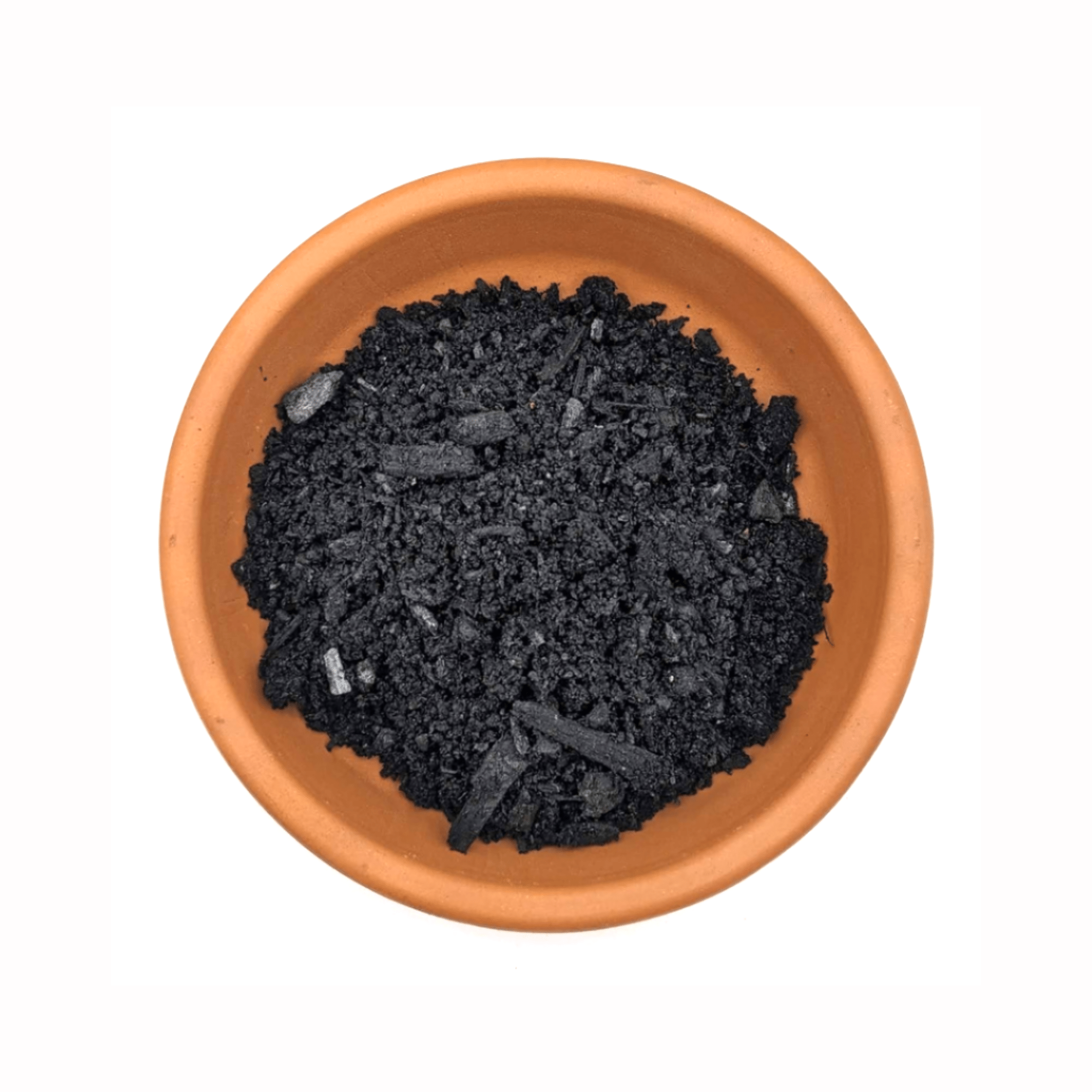
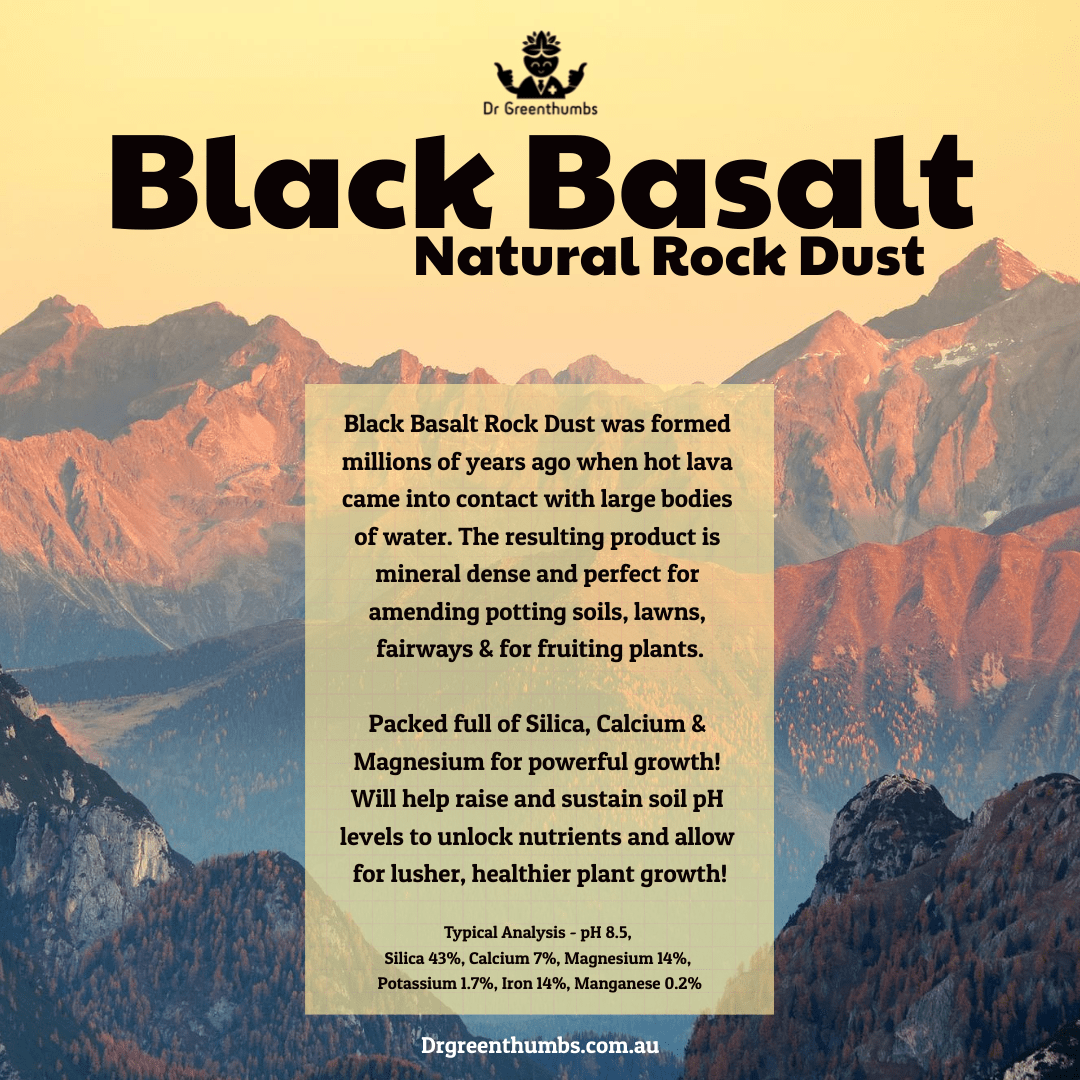
Add minerals & carbon – Rock dust for slow-release minerals plus biochar as microbe condos
Inoculate with fungi – Mycorrhizal inoculant forms nutrient highways directly to plant roots
Rotate & rest beds – Legumes fix nitrogen; green-manure crops between seasons keep soil biology thriving
The longer-term goal is to make the soil do more of the work. Keeping beds covered, using mulch, rotating crops and maintaining organic matter can reduce repeated fertiliser dependence while helping soil retain moisture and remain productive through changing Australian conditions.
Common Mistakes That Sabotage Organic Success
|
Mistake |
Quick Fix |
Why It Matters |
|---|---|---|
|
Dumping raw manure on seedlings |
Compost first or risk nitrogen burn |
Raw manure can kill young plants |
|
Thinking "organic" means weak |
Follow concentrate rates precisely |
Proper dosing delivers results |
|
Stacking fertilisers without checking what they contain |
Check rates, nutrient overlap and soil conditions before combining feeds |
Overlapping products can create unnecessary salt build-up or nutrient imbalance |
Optional: Organic Pest Management Alongside Your Feeding Program
DIY Garden Sprays
Cheap as chips, mixed in minutes, and they demolish common pests without wrecking soil life.
Garlic & Chilli Pest Punch
- Rough-chop 3 garlic cloves + 2 red chillies
- Steep in 1L hot water overnight
- Strain, add dash of eco-friendly dish soap
- Spray foliage weekly for natural pest control
Classic "White Oil" Suffocator
- Shake 1 cup vegetable oil + ¼ cup liquid soap until milky
- Dilute 2 tsp per 1L water
- Smothers scale, mites & aphids on citrus and roses
Worm-Tea Foliar Tonic
- Harvest leachate from your worm farm
- Dilute at least 10:1 with rainwater
- Foliar-feed seedlings for immune system boost
Pro tip: Always test-spray a single leaf first. If no burn after 24 hours, you're good to go.
Ready-Made Pest Management Options
Sometimes you're flat-out like a lizard drinkin' and need grab-and-go solutions that actually work.
PureCrop1 – Revolutionary plant-based nanotechnology that cleans, feeds, and protects in one application. Users report visible plant shine and pest knock-down within hours—without harming beneficial bees or earthworms.
Organic Neem Oil – Cold-pressed, Australian-certified organic input that interrupts insect life cycles naturally. Pests give up before they can damage your harvest.
Ready to Build a Smarter Feeding Program?
For most established garden beds, organic matter, mulch and soil-building fertilisers provide a strong foundation for long-term productivity. If a plant develops a specific nutrient problem, test first and use the most appropriate correction rather than automatically adding more fertiliser.
The goal is not to win an “organic versus synthetic” argument. It is to feed plants effectively while protecting the long-term condition of the soil.
Start with the soil, use fertiliser deliberately, and adjust the program based on what your plants and testing are telling you.
Browse our Pest Control & Organic Solutions
Next Reads for Switching to a Smarter Organic Feeding Approach
Thinking about leaving synthetic fertilisers behind? These guides will help you compare natural inputs, explore animal-free options and build a healthier soil-first feeding program.
- Natural Garden Fertilisers Australia Guide
- Animal-Free Fertiliser Australia
- Organic Gardening 101: Living Soil Aussie Guide
- How to Choose the Right NPK Fertiliser Australia
About the Author