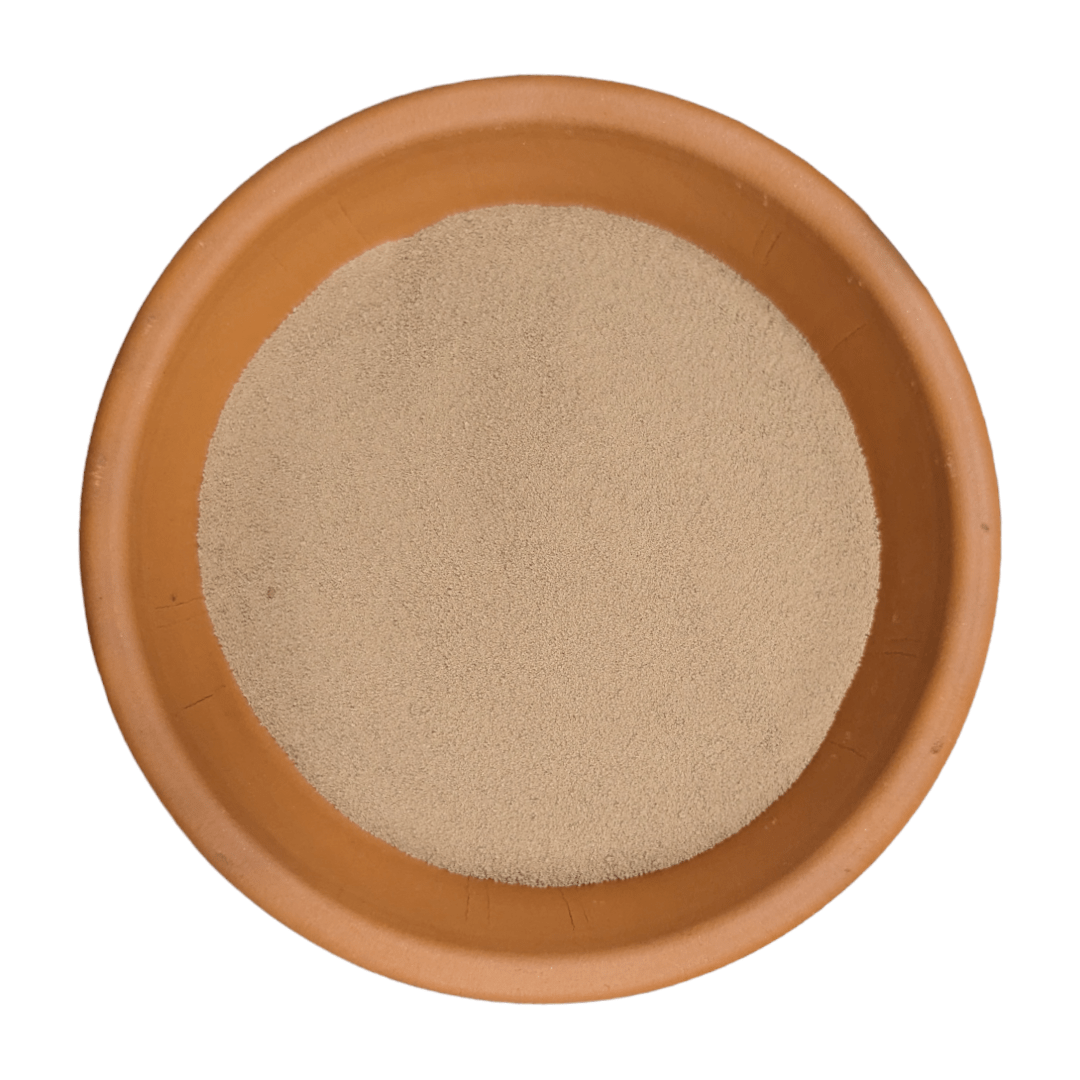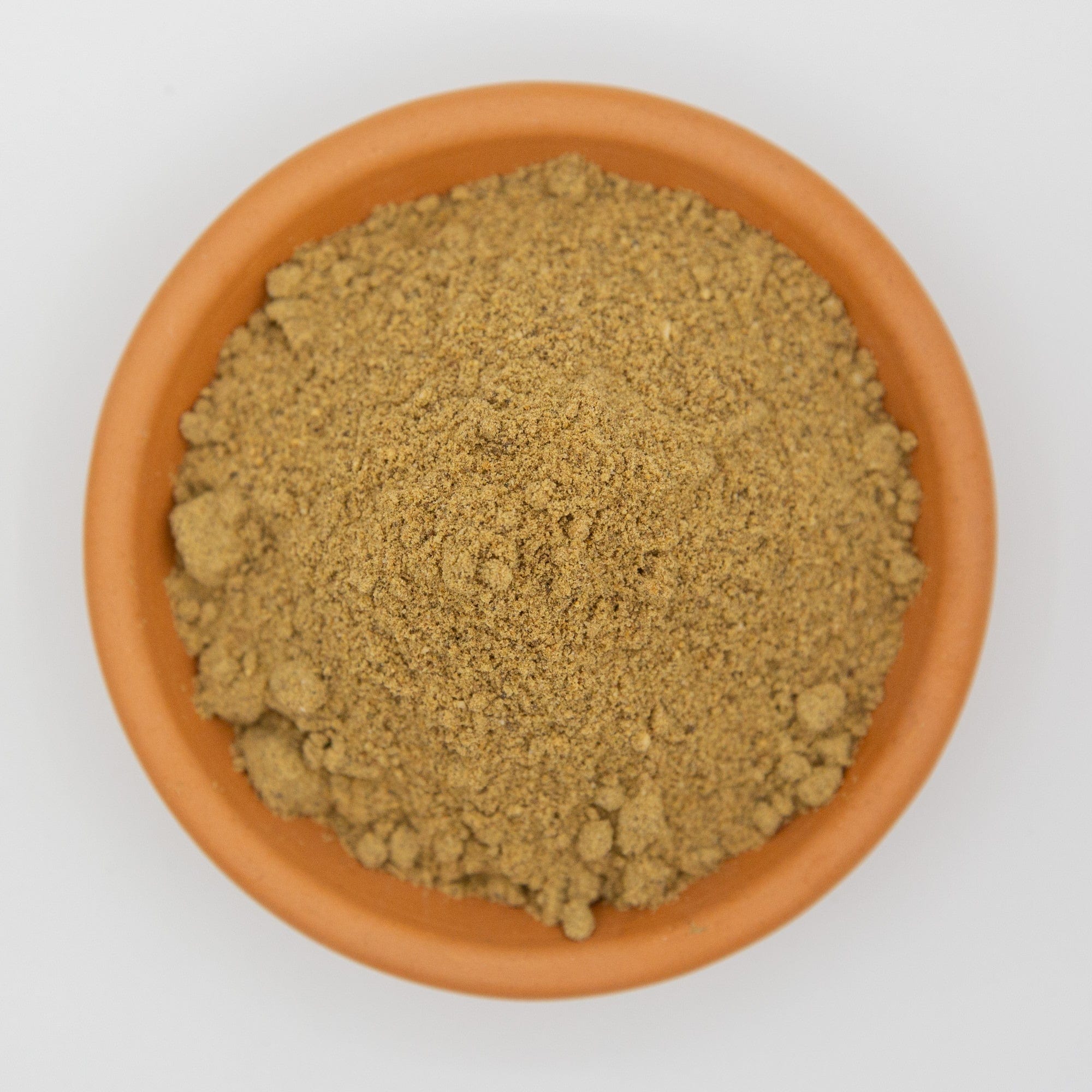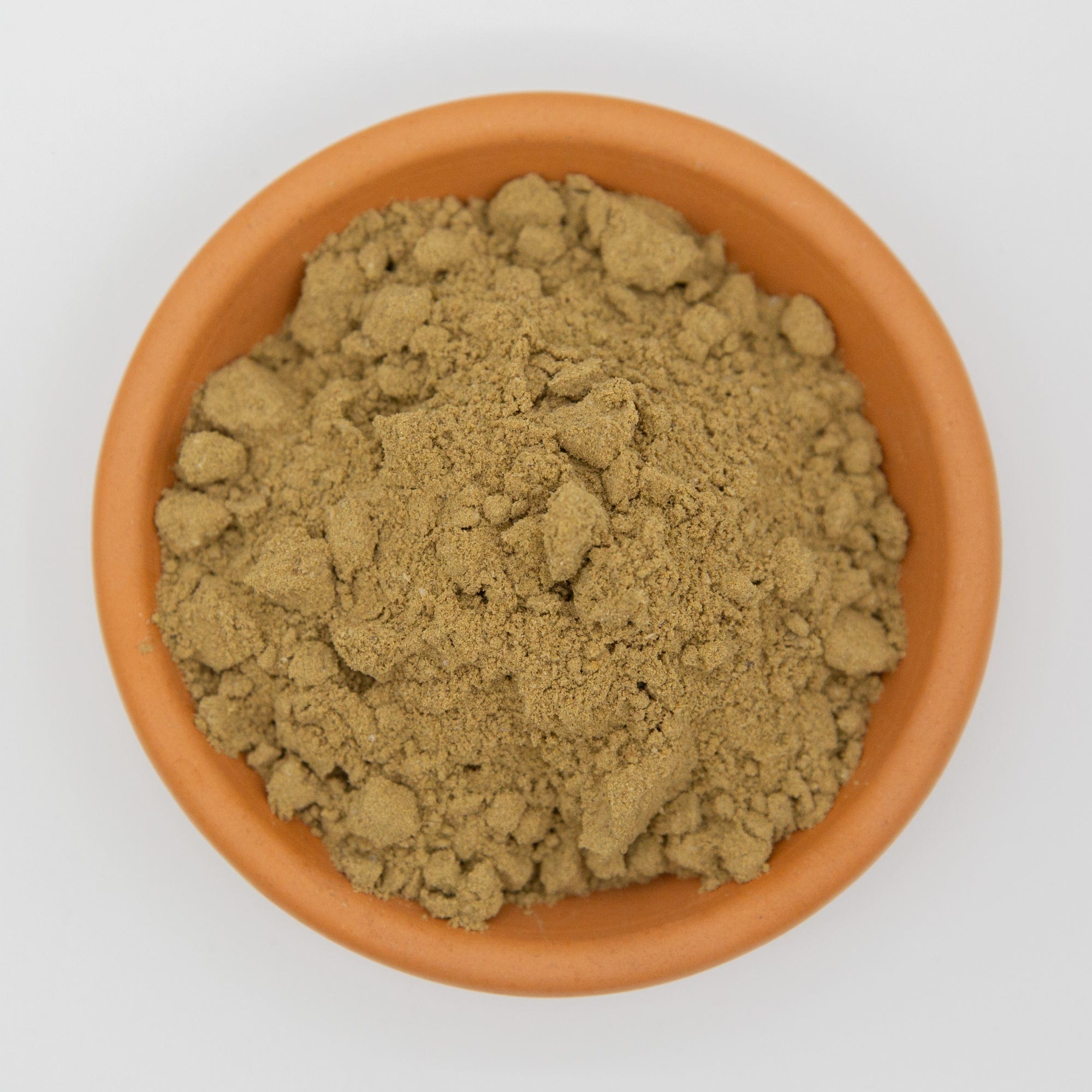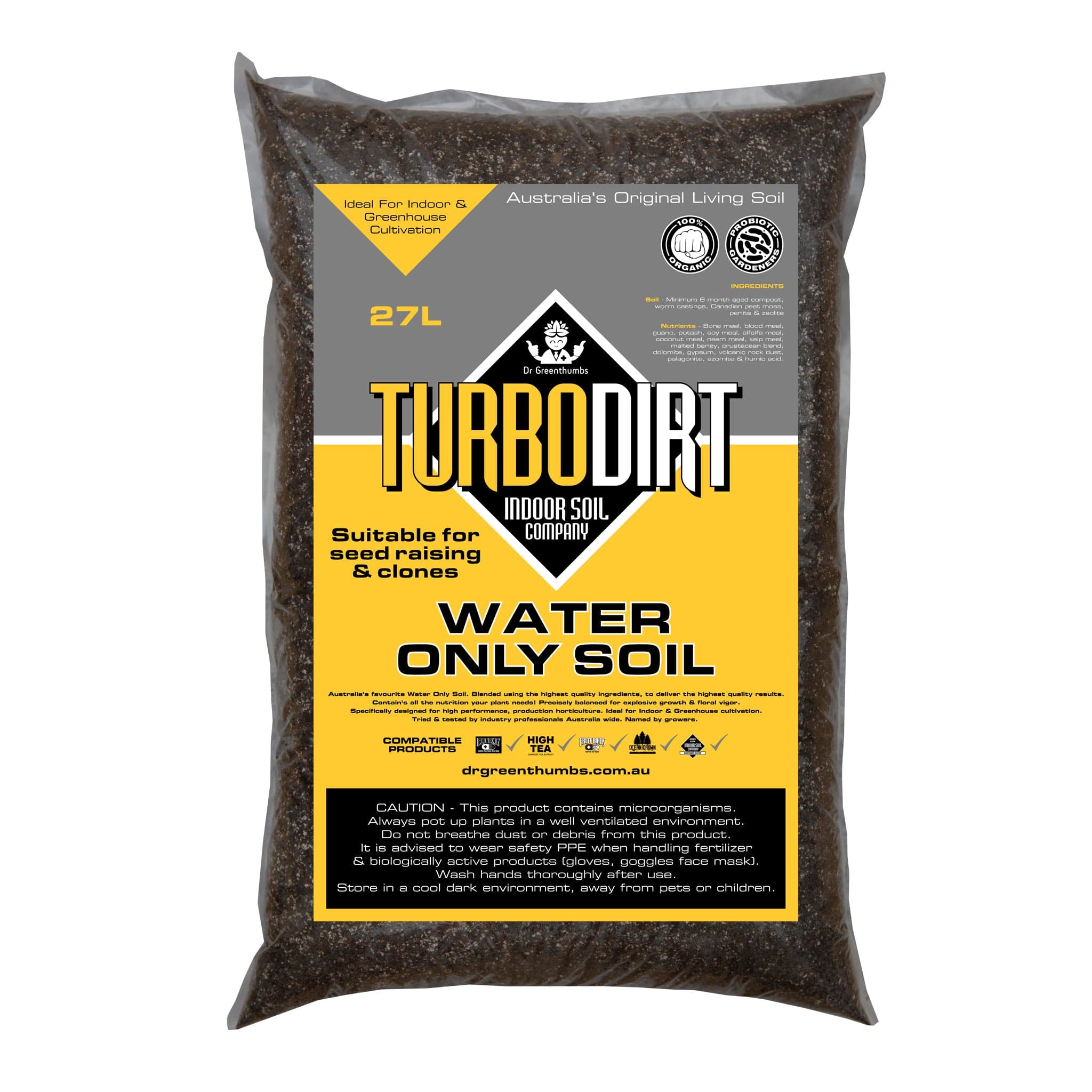

Insect frass is one of the most underrated organic soil amendments in Australia. It supports soil biology, adds gentle nutrition and helps build a more resilient living soil system.
Whether you're growing vegetables, flowers, indoor plants or fruit trees, frass can help you feed the soil around the roots instead of relying only on fast fertilisers.
Table of Contents
- What Is Frass in Plain English?
- Is Frass the Same as Insect Poop?
- Pest Frass vs Insect Frass Fertiliser
- Why Insect Frass Can Vary Between Products
- How to Tell If You’re Buying the Right Insect Frass
- Composted vs Fresh Insect Frass: What Gardeners Should Know
- What Are the Benefits of Frass Beyond Nutrients?
- Is Insect Frass Good Fertilizer for Heavy Feeders?
- Insect Frass for Root-Zone Resilience
- How to Use Insect Frass Without Wasting It
- How to Use Dr Greenthumbs Insect Frass
- Using Insect Frass for Indoor Plants
- Frass for Seedlings and Transplants
- When to Use Insect Frass During a Grow
- Frass vs Worm Castings: The Quick Low-Down
- Insect Frass Tea: When It Makes Sense
- Frass in Compost: A Small Boost That Goes a Long Way
- Using Insect Frass With Other Soil Amendments
- What Research Says About Insect Frass
- Frequently Asked Questions
- Ready to Super-Charge Your Soil?
- Next Reads for Building Stronger Living Soil
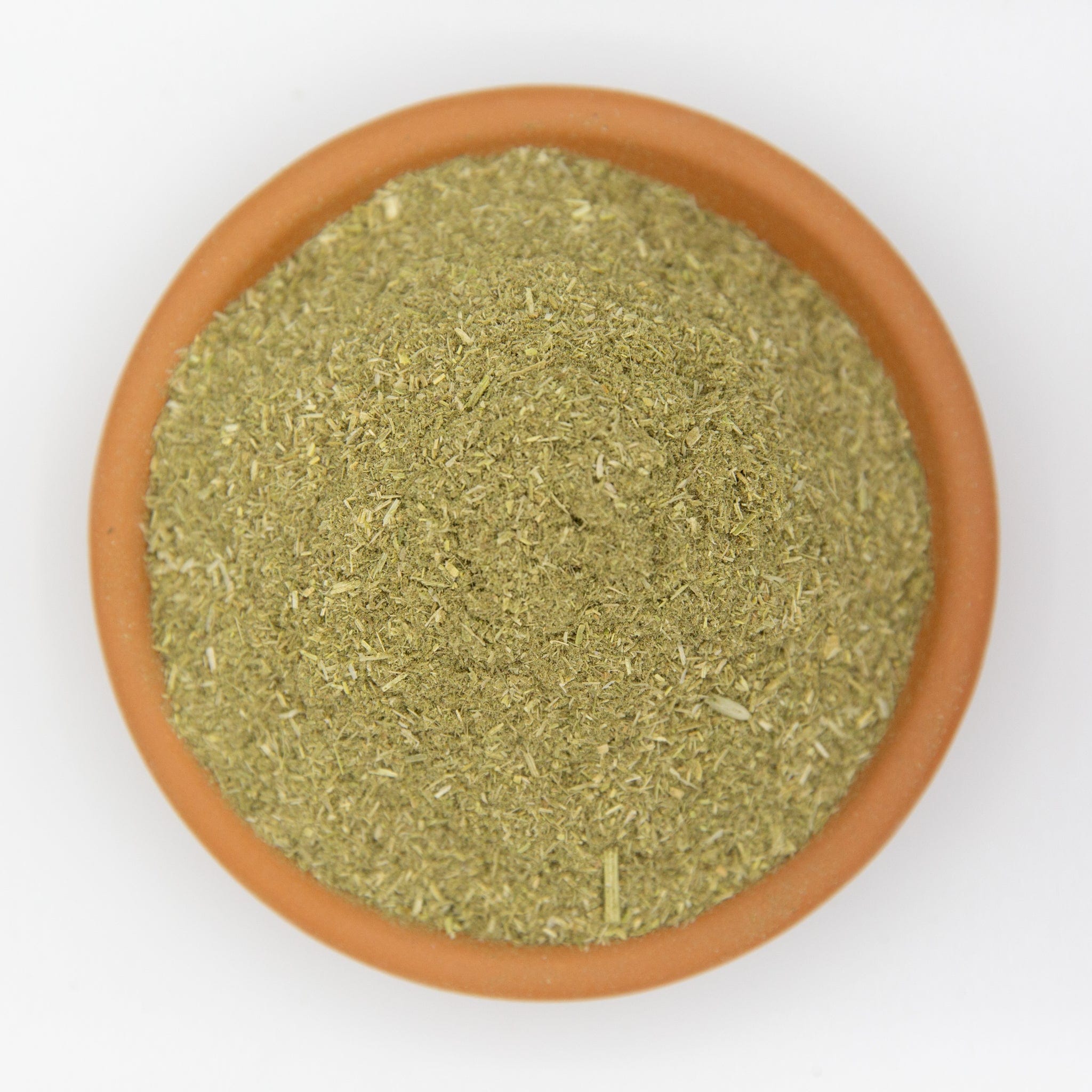
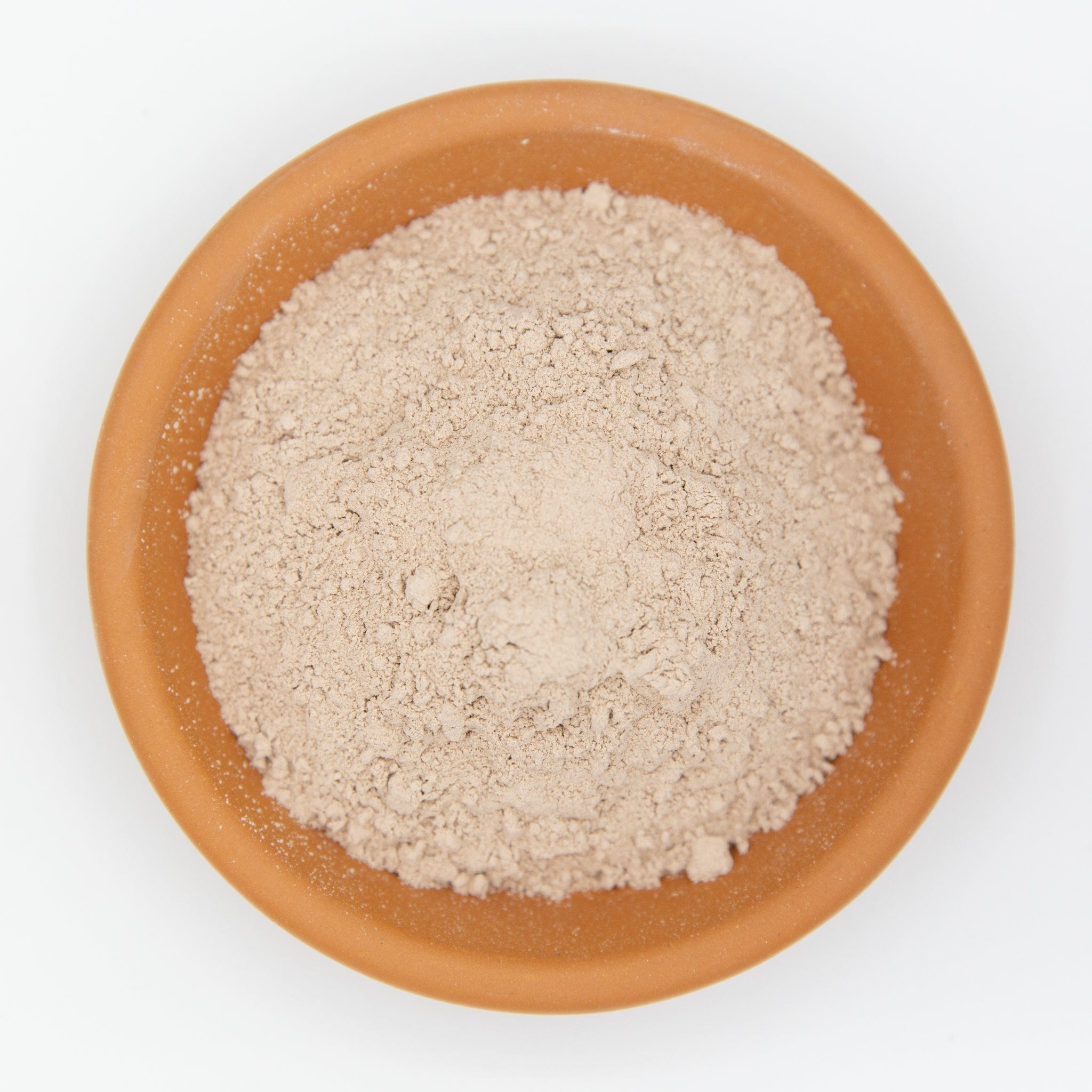
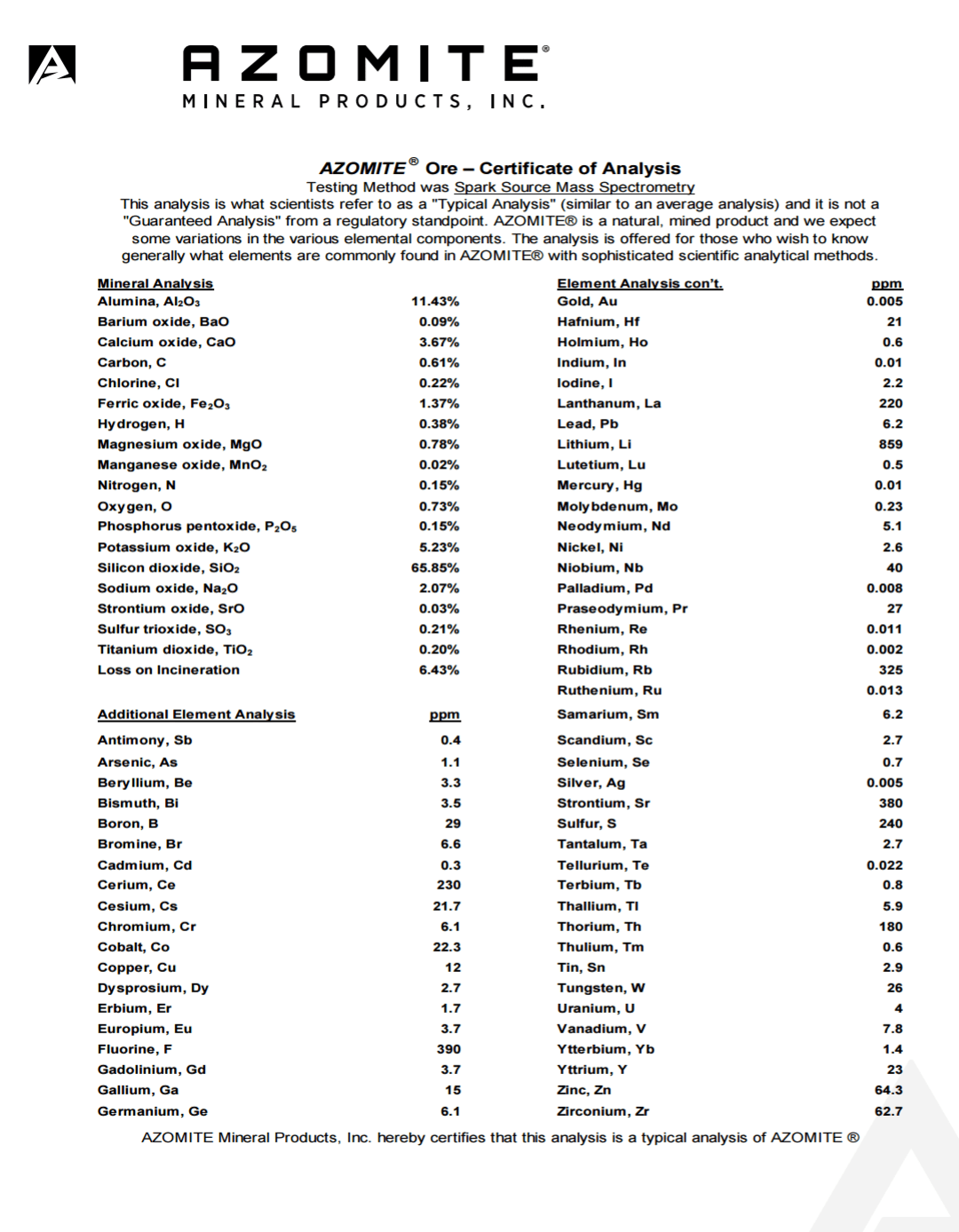
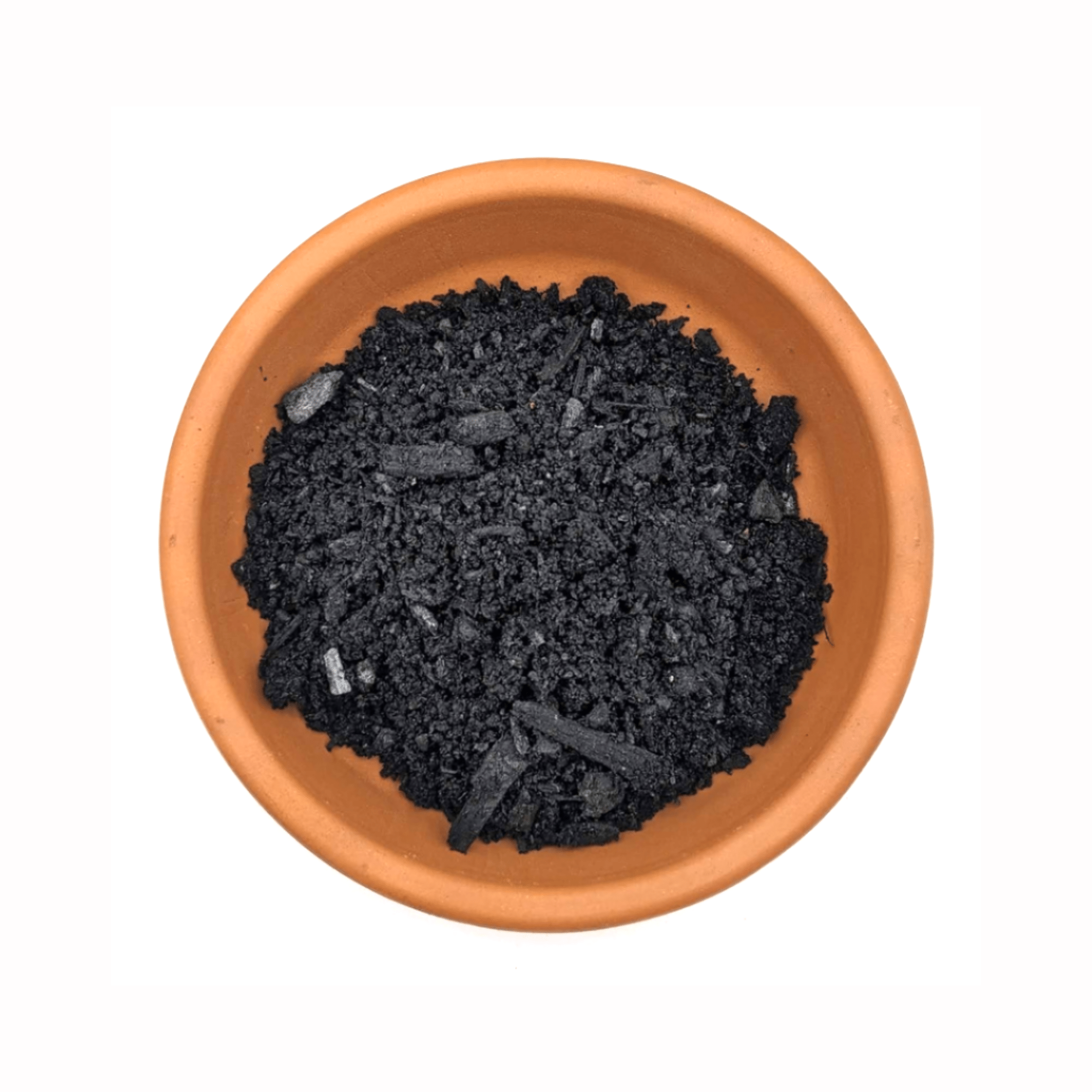
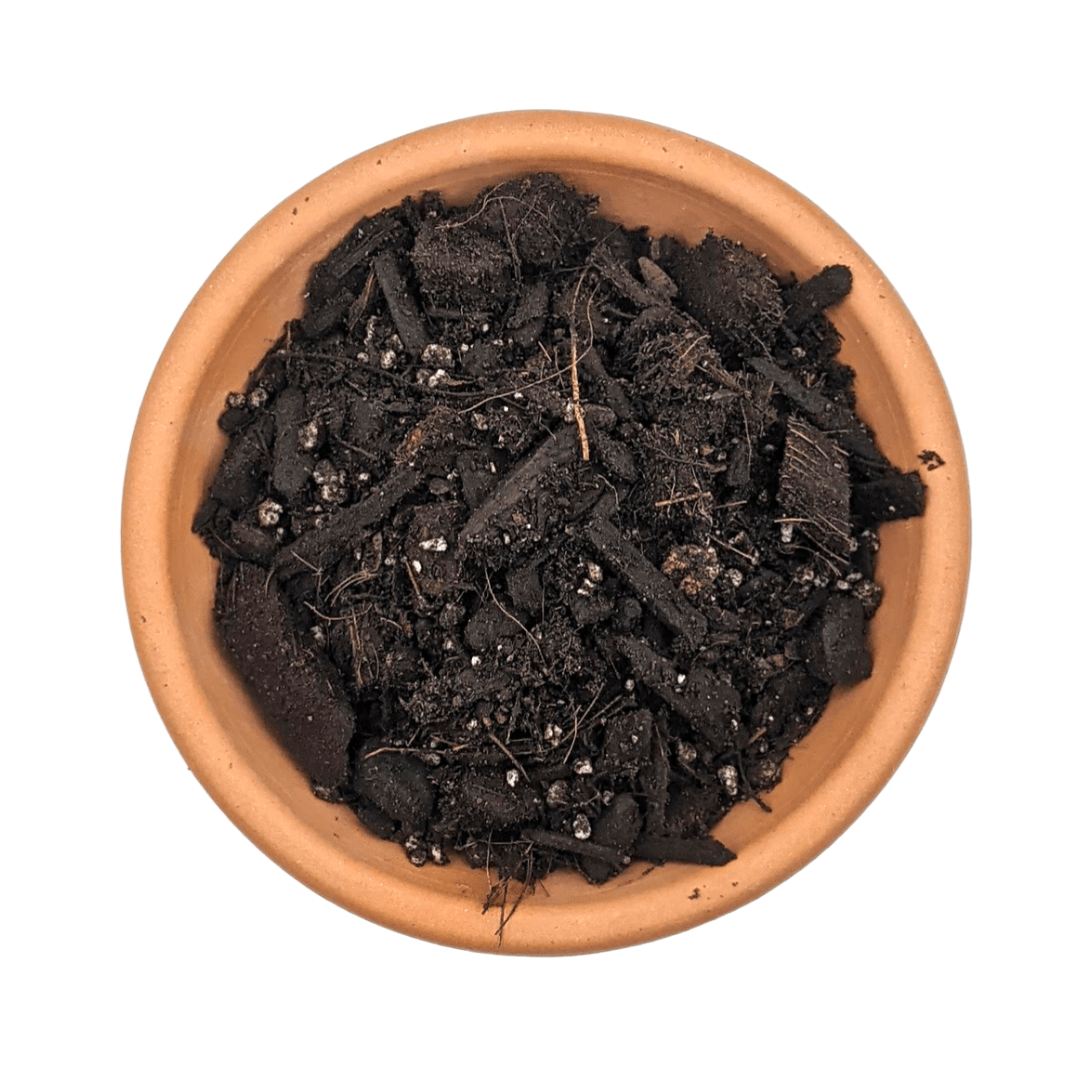
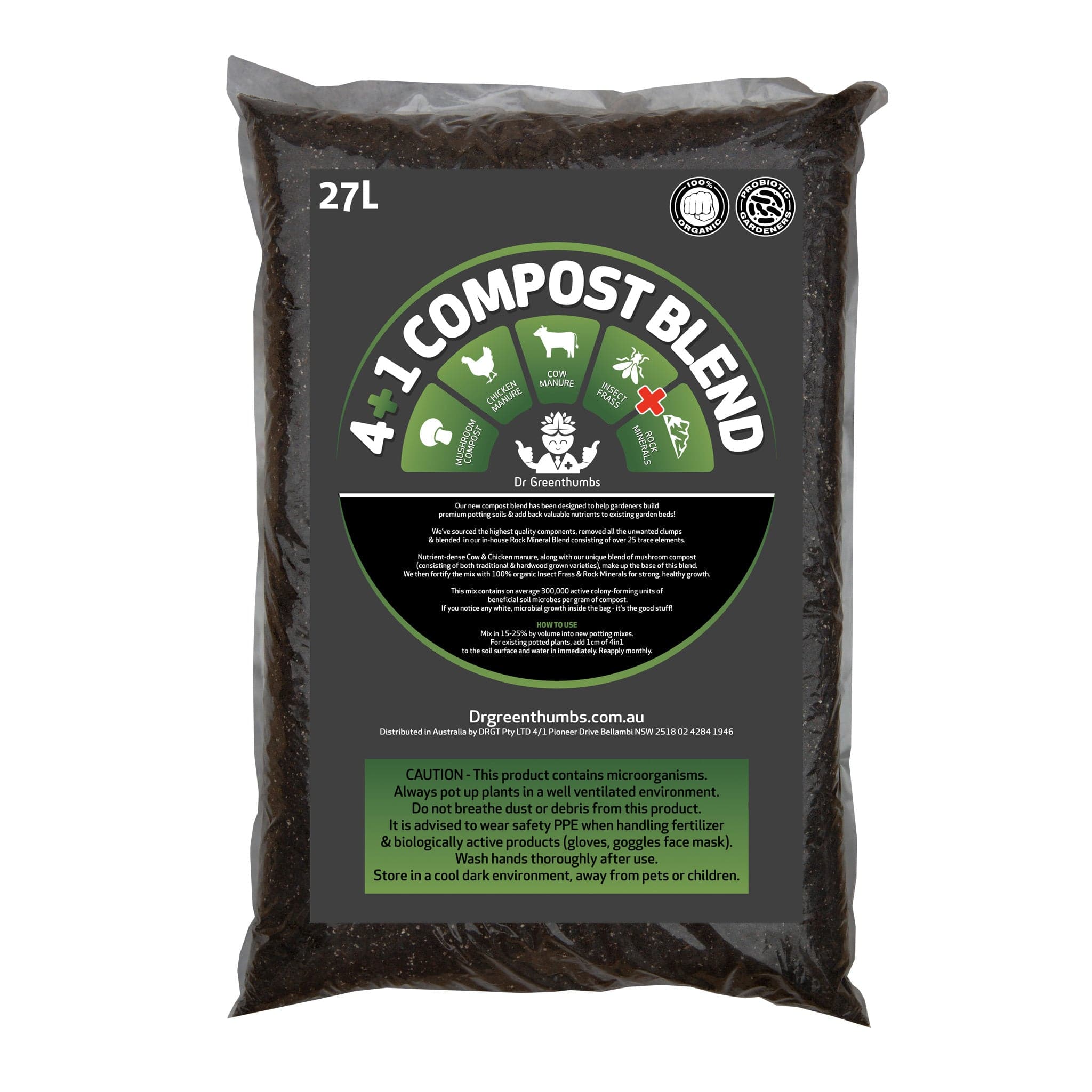
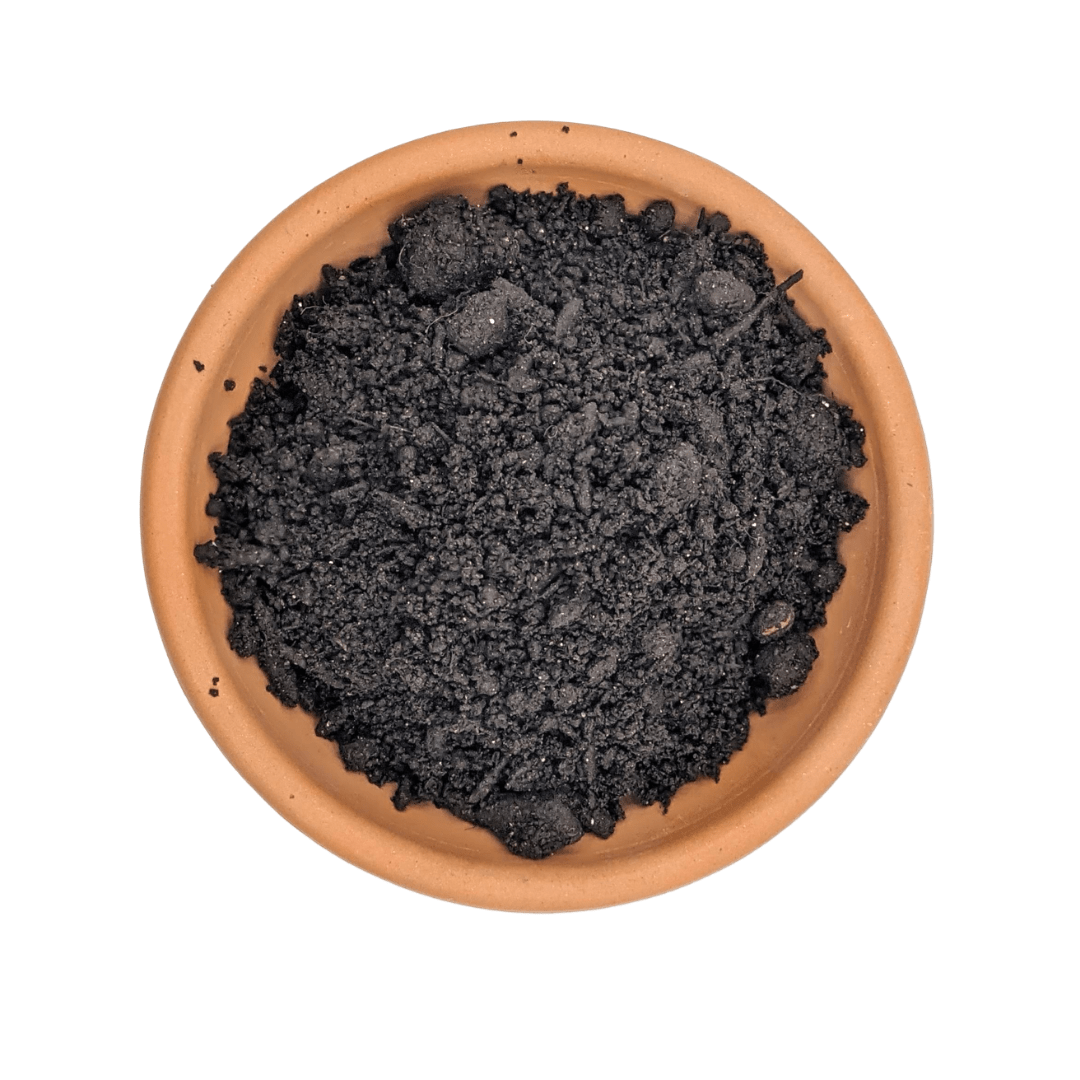
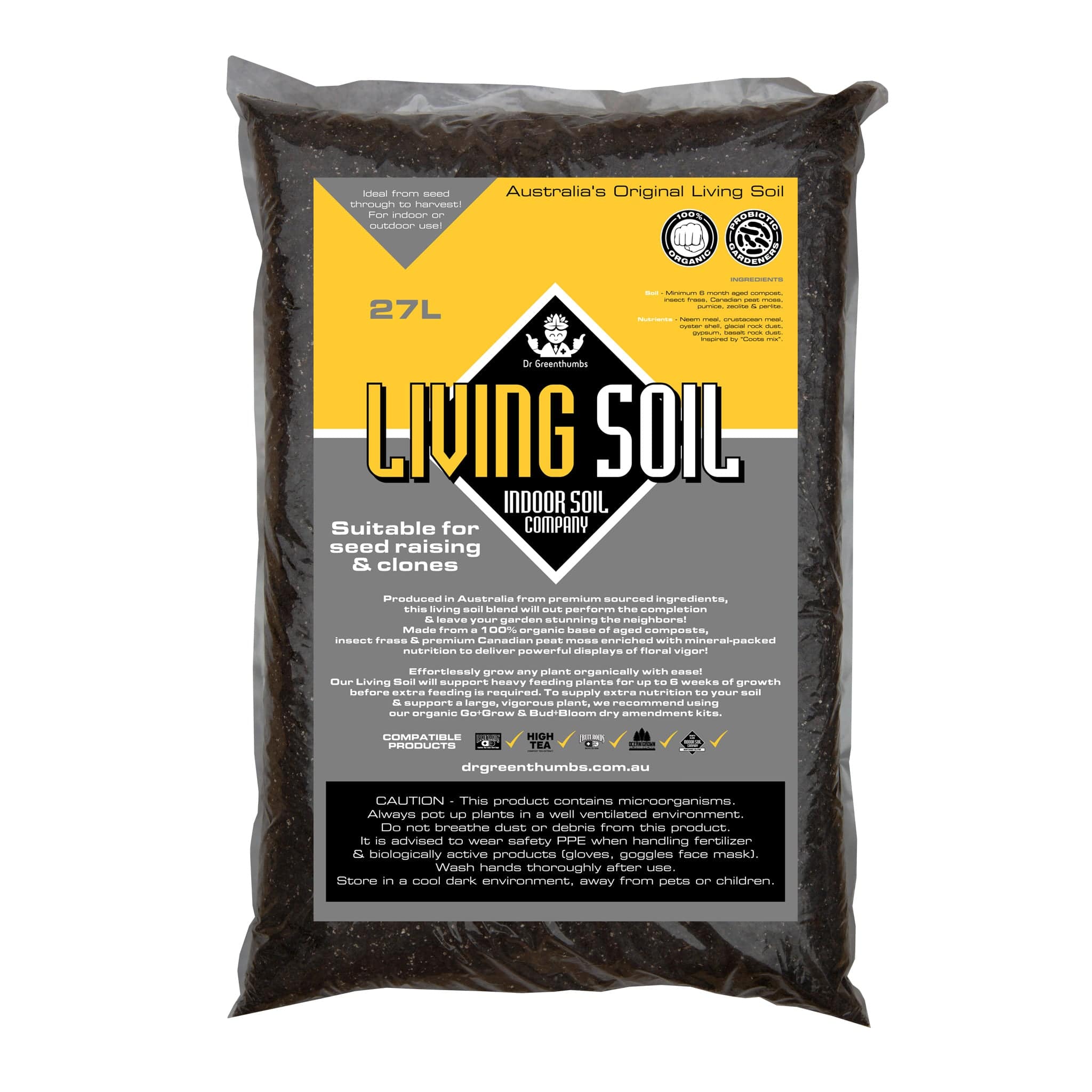
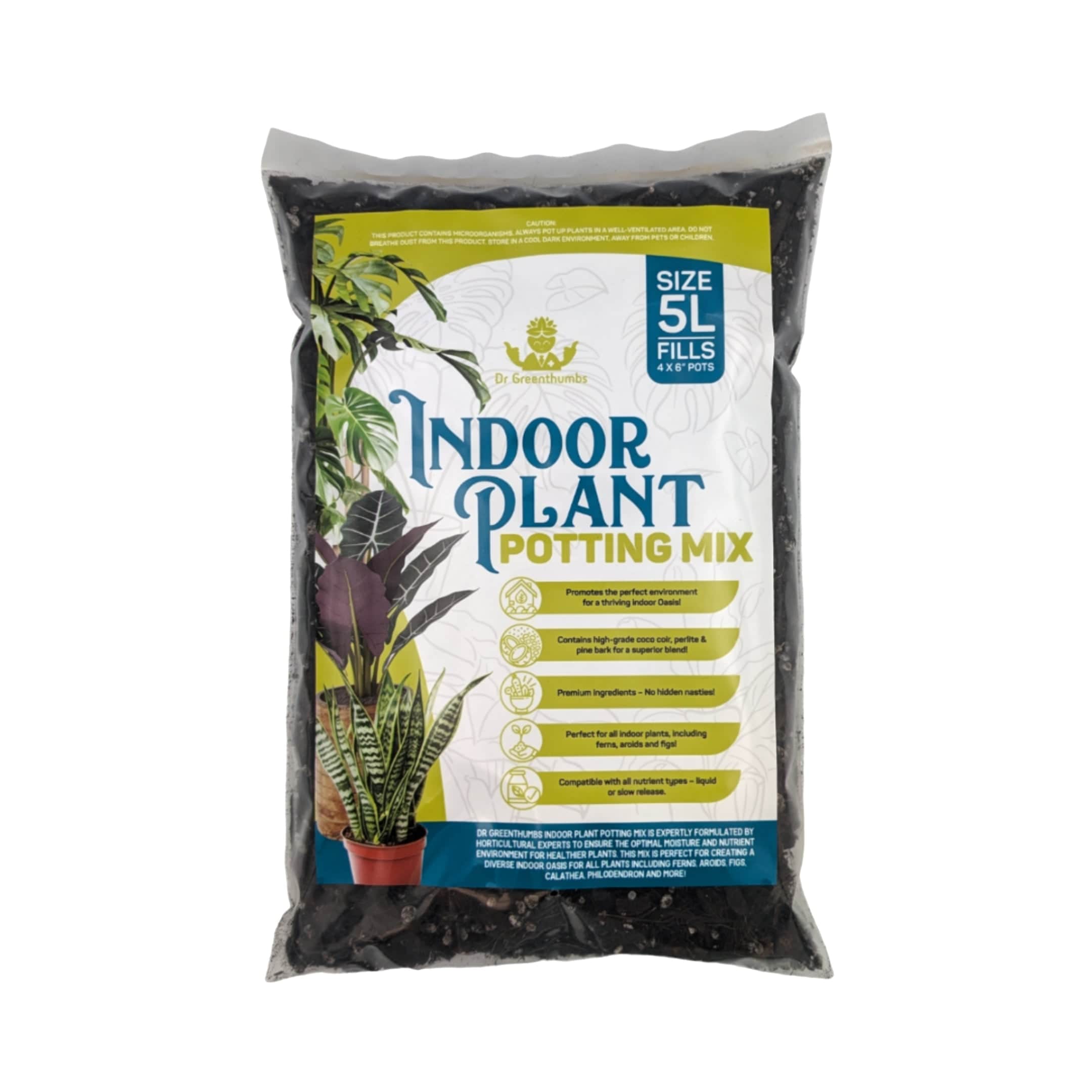
If you want the easiest way to start using frass, these are the most practical options:


What Is Frass in Plain English?
Frass is insect waste, but in gardening it’s not just “bug poo”.
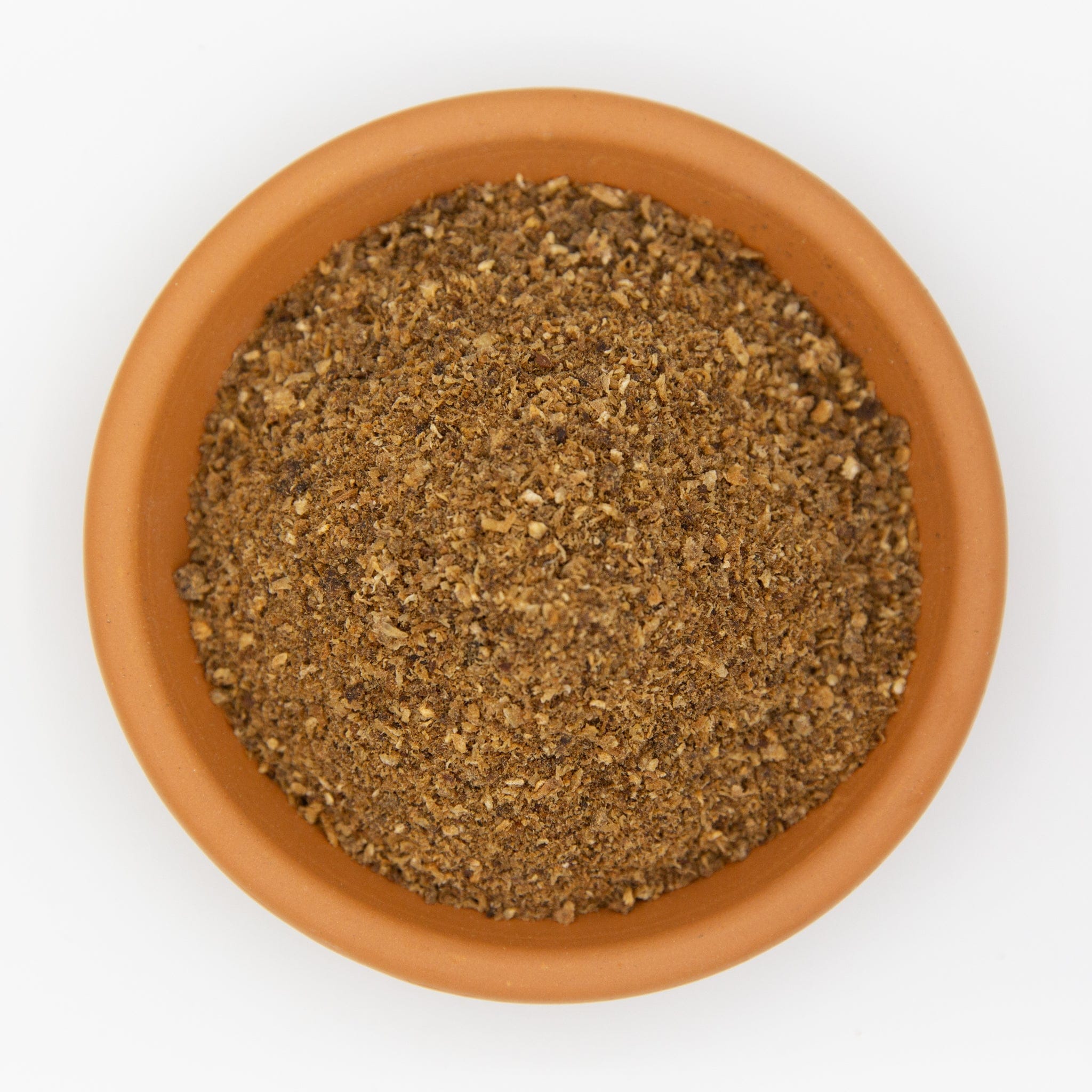
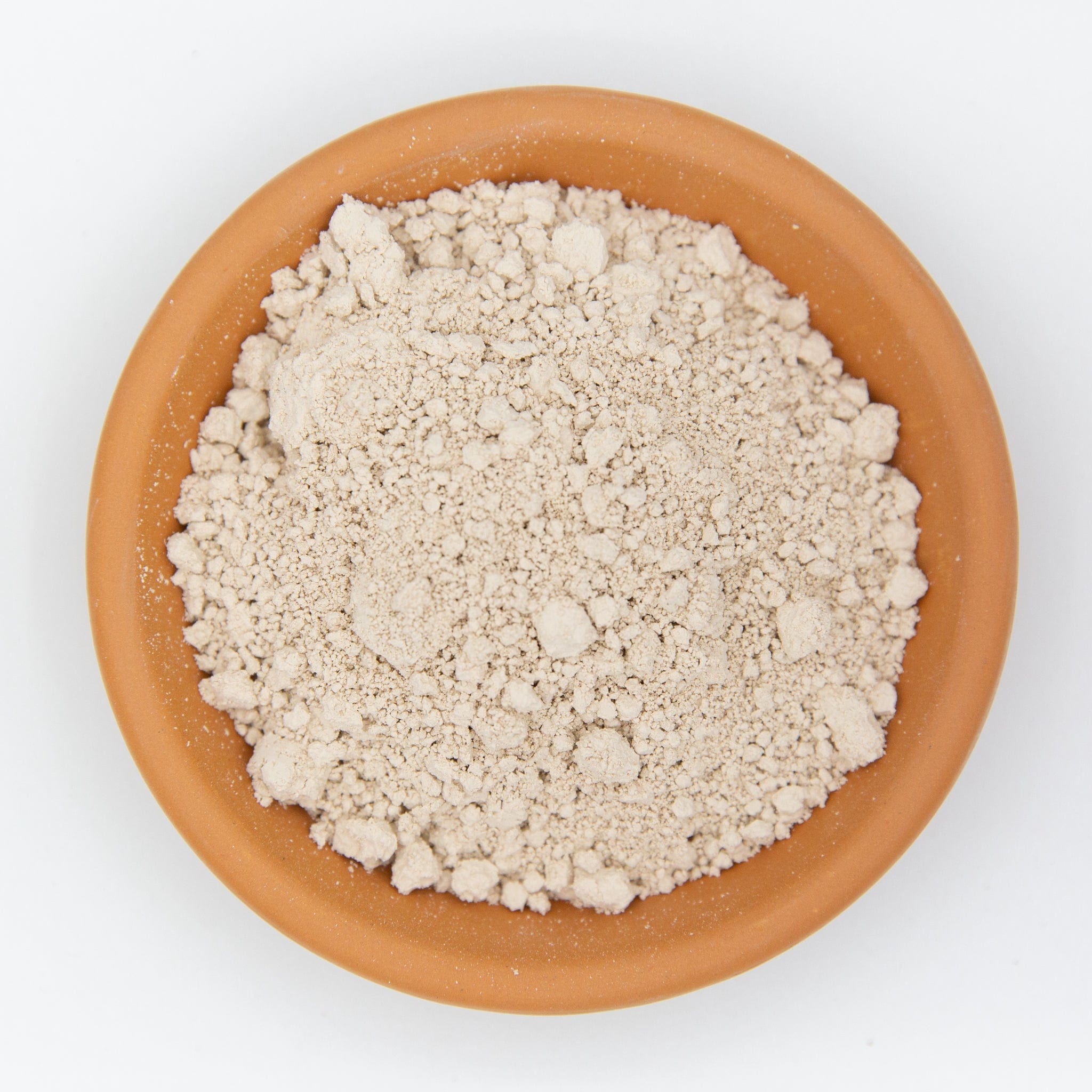
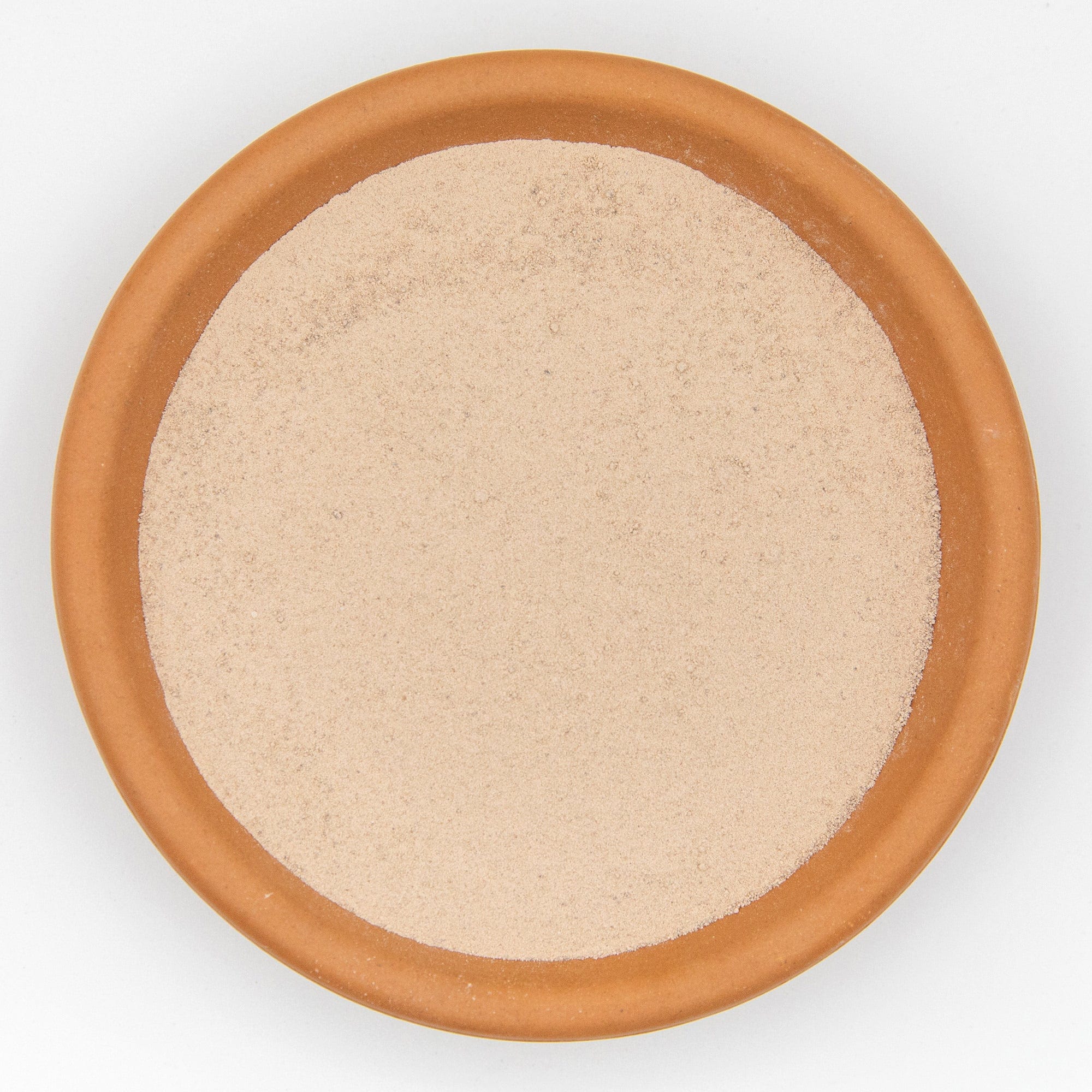
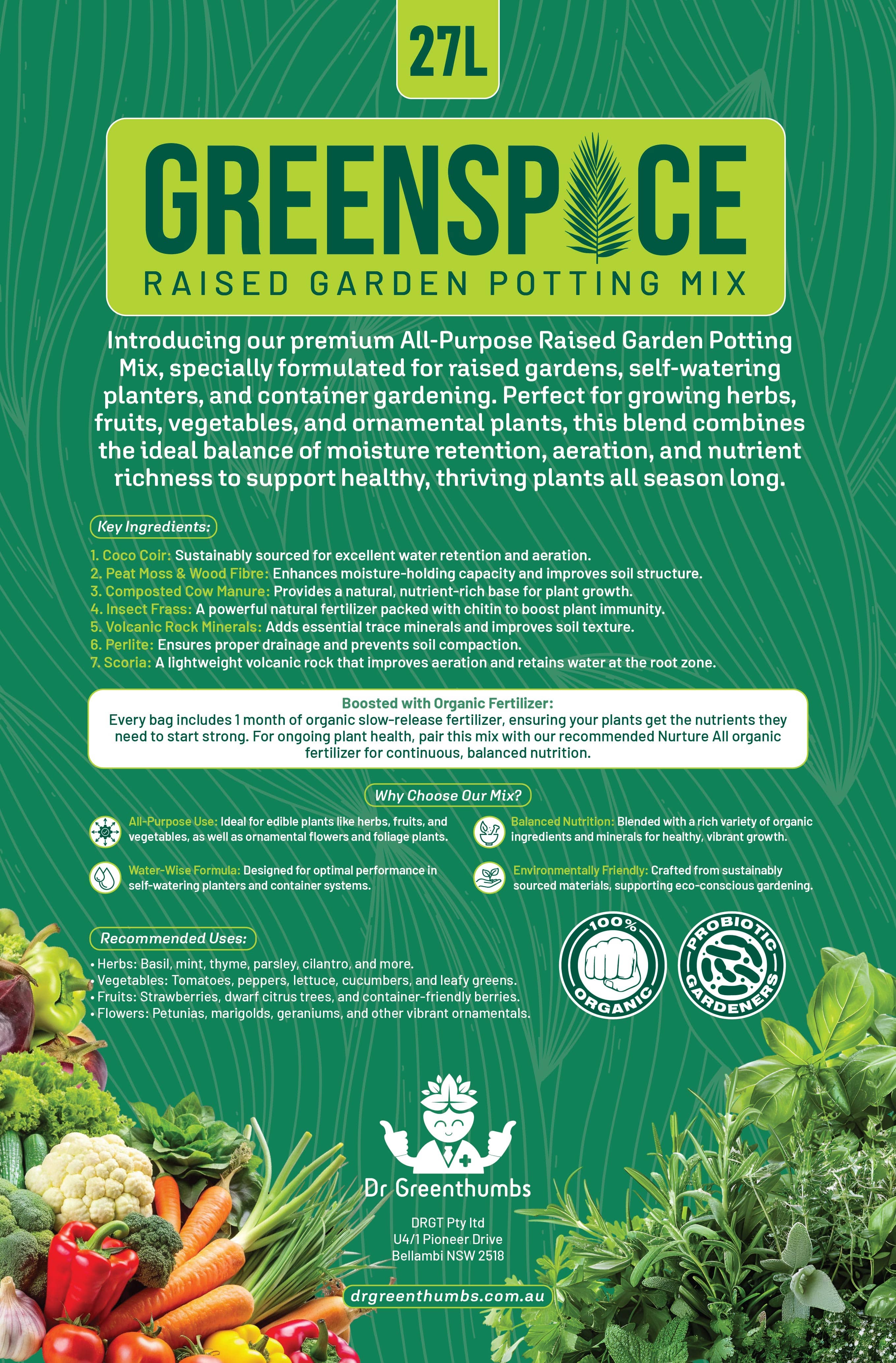
Good insect frass is a mix of insect castings, leftover feed material and tiny bits of shed exoskeleton. That shed exoskeleton is the important bit, because it contains chitin — the same kind of structural material found in insect shells.
In simple terms:
- Frass found on damaged plants usually means pests are feeding.
- Insect frass sold as fertiliser is a processed soil amendment.
- Black soldier fly frass is one of the most common types used in organic gardening.
- Composted or stabilised frass is what you want for soil use.
The easiest way to think about it? Frass is a biological soil input first and a fertiliser second. It adds nutrients, yes, but the bigger win is how it supports soil life, microbial activity and natural plant resilience when used as part of a healthy soil system over time.
That’s why it fits so well in living soil. You’re not force-feeding the plant. You’re feeding the system around the roots.
Is Frass the Same as Insect Poop?
Sort of — but that answer is too simple for gardening.
Frass is insect waste, so “insect poop” is the easy explanation. Garden-grade insect frass is usually more than droppings, though. It can also include digested organic matter, shed exoskeleton, chitin-rich insect material and small amounts of leftover feedstock.
The key point is this: do not scrape random pest droppings off a plant and call it fertiliser. Use properly processed insect frass made for soil.
Pest Frass vs Insect Frass Fertiliser
One common point of confusion is the word frass itself.
In everyday gardening, frass can mean two very different things:
- Pest frass - droppings left behind by insects like caterpillars, borers, or beetles feeding on your plants or timber
- Insect frass fertiliser - a processed soil amendment made from beneficial insects (most commonly black soldier fly larvae)
Pest frass is usually found:
- On leaves, branches, or around entry holes
- As fine sawdust, pellets, or gritty debris
- Alongside visible plant damage
In this context, frass is a warning sign, not a soil input. It tells you insects are actively feeding and action may be needed.
Insect frass fertiliser, on the other hand:
- Is collected during controlled insect farming
- Is stabilised and prepared for soil use
- Contains nutrients, beneficial microbes, and chitin
Throughout this guide, when we talk about insect frass, we’re referring specifically to processed black soldier fly frass used to support soil biology, not pest droppings found on plants.
Understanding the difference helps avoid confusion — and ensures frass is used in the right way, for the right purpose.
Why Insect Frass Can Vary Between Products
Insect frass isn’t just one single ingredient.
Depending on how it’s produced, frass can contain:
- Insect castings (digested organic matter)
- Shed exoskeleton material (a natural source of chitin)
- Small amounts of residual feed material
- Beneficial bacteria and fungi
This means the exact nutrient profile and microbial activity of frass can vary between producers.
Factors that influence this include:
- What the insects were fed
- How long the frass was aged or composted
- Whether it was blended with other organic materials
Rather than thinking of frass as a fixed fertiliser, it’s best viewed as a biological soil input - one that works by supporting soil life first, and plant growth second.
That’s also why frass performs best when used regularly in living soils, alongside compost, mulch, and organic matter.
How to Tell If You’re Buying the Right Insect Frass
The word frass gets thrown around a bit, so don’t buy based on the name alone. The right product depends on whether you’re trying to identify pest activity or feed soil biology.
If you find frass on timber, leaves, stems or around entry holes, that’s a warning sign. Something has been chewing. That sort of frass belongs in a pest diagnosis, not your fertiliser schedule.
If you’re buying frass as a garden amendment, look for insect frass that has been collected, processed and packaged for soil use. Black soldier fly frass is one of the more common types because the larvae are widely used in food-waste recycling and organic production systems.
Before buying, check:
- Is it sold as a soil amendment or fertiliser?
- Is it stabilised, composted or dried?
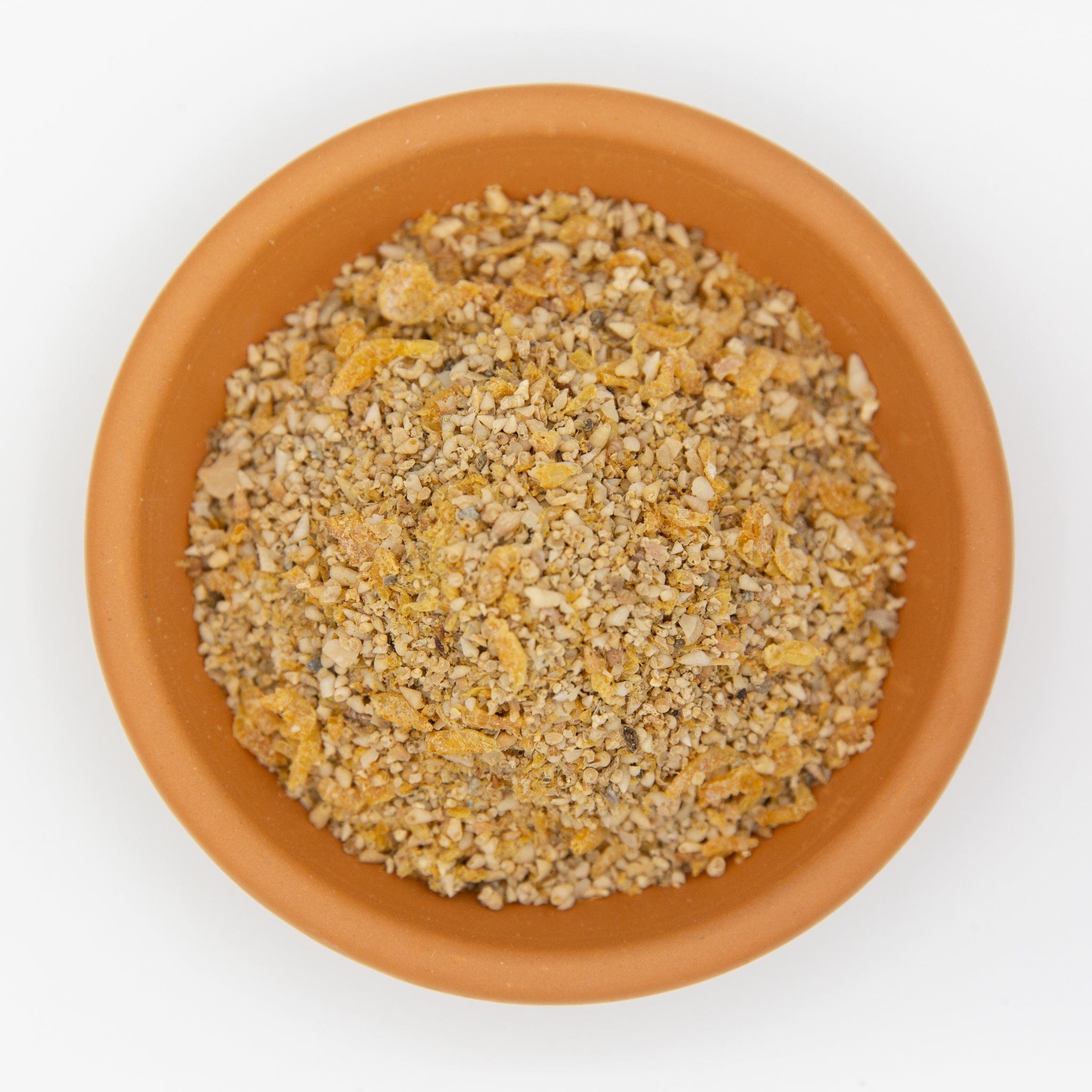
- Is it plain frass or blended with biochar, compost or minerals?
- Does it include chitin-rich insect material?
- Are the rates clear enough for pots and garden beds?
- Is the supplier actually talking about plants, not pest control or timber damage?
A decent frass product should be:
- dry or crumbly, not wet and sticky
- earthy smelling, not rotten
- clearly intended for soil use
- easy to mix through potting media or top-dress
- labelled with basic application guidance
- free from obvious rubbish, mouldy clumps or mystery fillers
For living soil, plain processed insect frass is usually the most flexible option. You can mix it into media, top-dress, add it to compost, or brew a light soil drench when needed.
Composted vs Fresh Insect Frass: What Gardeners Should Know
Not all insect frass products are exactly the same.
Fresh frass straight from insect production can be high in moisture and biological activity, which is why most frass sold for home gardening is stabilised or composted before use.
This extra processing step:
- Reduces excess moisture and odour
- Improves consistency and shelf life
- Helps ensure the product is safe and stable for soil application
When choosing an insect frass product, it’s worth checking:
- That it’s intended for soil use, not raw waste material
- How it has been processed or stabilised
- Storage guidance (dry, sealed containers are ideal)
Well-processed insect frass should smell earthy, not sour, and feel crumbly rather than wet or sticky.
At home, store frass in a cool, dry spot and keep the lid sealed to protect the beneficial microbes until you’re ready to use it.
What Are the Benefits of Frass Beyond Nutrients?
What are the benefits of frass? Nutrients are only part of the story.
The real value is that frass supports a more active soil ecosystem. It brings mild nutrition, organic matter, microbes and chitin-rich material together in one input. That makes it useful for growers trying to build living soil rather than just chase short-term greening.
The main benefits are:
- supports microbial activity
- adds gentle slow-release nutrition
- helps improve nutrient cycling
- contributes organic matter
- adds chitin-rich insect material
- supports natural plant resilience as part of a healthy soil program
- works well in compost and living soil systems
- is easy to use in small spaces and pots
The chitin angle is especially interesting. Plants and soil microbes can respond to chitin-rich materials as a biological signal, which may help prime natural defence pathways. That doesn’t mean frass is a pesticide. It means it can support a more resilient growing system when used consistently.
That’s the honest way to look at it. Frass is not magic dust. It’s a compact biological amendment that earns its keep when the rest of the soil system is also looked after.
Is Insect Frass Good Fertilizer for Heavy Feeders?
Is insect frass good fertilizer? Yes — but only if you’re honest about what kind of fertiliser it is.
Frass is not usually a heavy, fast, salt-based feed. It’s more of a mild organic fertiliser and soil conditioner rolled into one. That makes it useful for tomatoes, chillies, cucumbers, citrus, herbs and ornamentals, but it should not be expected to carry a hungry crop by itself from seedling to harvest.
For heavy feeders, frass works best alongside:
- compost for organic matter
- worm castings for gentle biology
- kelp meal for trace minerals and stress support
- dry organic amendments for stronger nutrient demand
- mulch to protect the soil surface
- sensible watering so microbes stay active
The big win is not just the nutrients in the frass. It’s the way frass helps the soil system cycle nutrients more effectively. That can make the rest of your organic program work harder.
Use frass as part of the feed stack. If a crop is fruiting hard and genuinely hungry, give it the full program. Frass helps build the engine, but it is not the whole fuel tank.
Insect Frass for Root-Zone Resilience
Insect frass is useful because it supports the zone around the roots, not just the plant above the soil. That’s where a lot of growers miss the point.
Most fertilisers are judged by how fast the plant greens up. Frass is different. It works more like a biological support input. It feeds soil microbes, adds small amounts of nutrients, contributes organic matter and brings chitin-rich material into the system. That helps create a more active root zone over time.
You’ll usually get the best results when frass is used before the plant is in trouble. Add it at pot-up, during soil recharging, or as a light maintenance top-dress while plants are actively growing. Don’t wait until the plant is yellow, stalled and half-dead, then expect frass to fix everything overnight.
It suits:
- living soil beds
- potted herbs and veggies
- fruiting crops
- indoor plants
- compost charging
- tired potting mixes
- soil that needs more biological activity
It is not a magic rescue feed. If the plant is badly deficient, root-bound, overwatered or sitting in dead compacted media, frass can help the recovery process — but it won’t replace fixing the actual problem.
How to Use Insect Frass Without Wasting It
How to use insect frass properly comes down to placement. You want it where roots and microbes can use it, not sitting in a dry pile doing nothing.
For pots, top-dress lightly, scratch it into the surface and water it through. If the pot has mulch, lift the mulch, apply the frass underneath, then put the mulch back. That keeps the amendment in the moist biological zone instead of drying out on top.
For garden beds, mix it into the top few centimetres of soil before planting or sprinkle it around established plants and water in well. Don’t bury it too deep. Most of the action is happening in the topsoil and feeder-root zone.
For compost, use a small amount through the pile rather than dumping a heap in one layer. Frass is a booster, not a replacement for greens, browns, air and moisture.
For best results:
- Apply to moist soil, not bone-dry dust.
- Keep it near the active root zone.
- Water it in after applying.
- Use small repeat applications rather than one huge hit.
- Pair it with compost, mulch or living soil so the biology has something to work with.
The main rule is simple: use frass as a steady biological input, not a panic button.
How to Use Dr Greenthumbs Insect Frass
|
Setting |
Rate |
Frequency |
|---|---|---|
|
Potted plants |
1–2 Tbsp over the surface, water in |
Every 4-6 weeks |
|
Garden beds |
50–100 g / m², mix into top 5 cm |
Each season |
|
Fruiting trees |
250–500 g around drip line |
Spring & Autumn |
|
Potting mixes / hydro media |
15–30 g per 30 L |
At pot-up |
(1 heaped Tablespoon ≈ 3-4 g)
Using Insect Frass for Indoor Plants
Insect frass works particularly well for indoor plants when used gently and consistently.
For potted plants:
- Apply a light top-dress (½–1 teaspoon for small pots, up to 1 tablespoon for large pots)
- Water in well to activate soil microbes
- Repeat every 4–6 weeks during active growth
Because frass supports microbial balance rather than forcing growth, it’s well suited to:
- Houseplants
- Herbs grown indoors
- Seedlings and young transplants
Many gardeners also find frass helpful when dealing with fungus gnats, as healthier soil biology makes conditions less favourable for larvae.
For best results indoors:
- Avoid over-application
- Ensure good drainage
- Let soil dry slightly between waterings
As with all organic inputs, less is more — frass works with your soil, not against it.
Frass for Seedlings and Transplants
Frass can be a handy little boost for seedlings and young transplants, but this is one place where more is definitely not better.
Young roots are sensitive. They don’t need a heavy feed dumped under them. They need a gentle biological nudge, good moisture, oxygen and low stress while they settle in.
For seedlings:
- Use a tiny amount mixed through the potting mix.
- Avoid piling frass directly against soft stems.
- Water in lightly after transplanting.
- Don’t combine it with a heap of other strong amendments.
- Wait until seedlings are actively growing before repeating.
For transplants, frass works best as part of the “settle-in” routine. Mix a small amount into the planting hole or top-dress lightly after planting, then water it in. The goal is to wake up biology around the root zone, not overload a young plant that’s already dealing with transplant shock.
For seedlings and transplants, the safest approach is light, consistent use rather than heavy handfuls.
When to Use Insect Frass During a Grow
When to use insect frass depends on the stage of the plant and what you’re trying to achieve.
Use it at pot-up when you want to introduce biology around new roots. Keep the dose light and mixed through the media rather than concentrated in one hot little pocket.
Use it during active growth when plants are building roots, leaves and structure. A light top-dress every few weeks works well in pots and raised beds, especially when watered in properly.
Use it before flowering and fruiting as part of a wider organic feed plan. Frass helps support the soil biology that keeps nutrients cycling, but heavy fruiting crops may still need stronger potassium, calcium or phosphorus support depending on the crop and soil.
Use it after harvest when you’re recharging tired soil. Blend it with compost, worm castings, minerals and mulch so the next crop starts in a more active root zone.
Don’t bother using it when the soil is dry as concrete, the plant is dormant, or the potting mix is waterlogged and anaerobic. Biology needs oxygen and moisture. No oxygen, no party.
Frass vs Worm Castings: The Quick Low-Down
|
Insect Frass |
Worm Castings |
|
|---|---|---|
|
Microbial density |
⭐⭐⭐⭐⭐ |
⭐⭐⭐ |
|
Chitin content |
High |
Nil |
|
Application rate |
Low (economical) |
Moderate |
|
Odour |
Neutral |
Earthy |
|
Plant-resilience support |
Chitin-rich input |
Minimal chitin |
If you want to see how worm castings perform on their own—and where frass outshines them—our Worm Castings Australia: The Complete Gardener’s Guide breaks down the biology, nutrient release and real-world results.
Insect Frass Tea: When It Makes Sense
Frass tea makes sense when you want to apply insect frass more evenly through soil, pots or garden beds without digging around the roots.
It’s not a magic potion, and it shouldn’t replace good soil structure, compost or proper feeding. But it can be useful when plants are already in place and you want a gentle biological drench.
Simple method:
- Add frass to clean, dechlorinated water.
- Stir well and let it steep for around 12–24 hours.
- Stir again before applying.
- Drench the soil around the root zone.
- Strain well if using through a watering can rose, sprayer or irrigation gear.
Use frass tea fresh. Don’t leave a bucket sitting around for days until it smells rough. If it smells sour, anaerobic or rotten, tip it on the compost and start again.
The other mistake is using frass tea as a foliar spray without straining it properly. Fine particles can clog sprayers fast. For most home gardeners, soil drenching is simpler, cleaner and less annoying.
Frass in Compost: A Small Boost That Goes a Long Way
Frass is a ripper compost booster when used properly. It adds biology, a small nutrient kick and chitin-rich material that helps diversify what’s happening inside the pile.
You don’t need much. A light handful through a small compost bin or a thin sprinkle between layers is plenty. The compost still needs the basics: greens, browns, air and moisture. Frass just helps nudge the biology along.
Use it when your compost is:
- Slow but not rotten
- Mostly finished and needs a final biological charge
- Being used to build living soil
- Heavy on dry carbon and low on biological diversity
Don’t use frass to “fix” a stinking, wet compost pile. If the bin smells like a swamp, the issue is usually too much moisture, not enough air, or too many wet greens. Add dry carbon, turn it, and sort the structure first.
Frass works best in compost that’s already heading in the right direction. It’s an accelerator, not a rescue crew.
Using Insect Frass With Other Soil Amendments
Insect frass can be used on its own, but it also works well when combined with other organic inputs.
Some gardeners choose frass blends that include:
- Biochar – for long-term carbon storage and microbial housing
- Compost or humus – to increase organic matter
- Mineral amendments – to balance trace elements
You can also create your own “stack” by:
- Applying frass first to activate microbes
- Following with compost or mulch to feed them
- Using biochar as a long-term soil structure addition
Straight frass is ideal when:
- You want a simple biological boost
- Soil biology needs rebuilding
- You’re working with living soil systems
Blended products can be useful where soil structure or carbon levels need extra support.
What Research Says About Insect Frass
Interest in insect frass as a soil input has grown significantly in recent years.
Research into insect-derived fertilisers shows frass can:
- Support microbial diversity in soil
- Contribute slow-release nutrients
- Provide chitin, which may help stimulate natural plant defence responses
Studies also highlight that outcomes depend on:
- How the frass is produced
- Application rates
- Existing soil conditions
This reinforces a key principle of organic gardening: biology first. Insect frass isn’t about quick fixes — it’s about building resilient soil systems that support long-term plant health.
Frequently Asked Questions
Is insect frass safe for edibles?
Yes, properly processed insect frass made for soil use can be used around edible crops. Follow the product directions and avoid over-applying.
Will frass attract pests?
Properly processed frass should not attract pests when used at recommended rates. Do not confuse garden-grade insect frass with pest droppings found on damaged plants.
Can I overdo insect frass?
Yes. Frass is forgiving, but more is not always better. Stick to the recommended rates, especially with seedlings, indoor plants and small pots.
Is frass the same as insect poop?
Sort of. Frass is insect waste, but garden-grade insect frass can also include shed exoskeleton, chitin-rich material, digested organic matter and microbial material.
When should I use insect frass?
Use it at pot-up, during active growth, before flowering and fruiting as part of a wider feed program, or after harvest when recharging tired soil.
Is insect frass a complete fertiliser?
No. Insect frass is best treated as a mild organic fertiliser and biological soil input. Heavy-feeding crops may still need compost, worm castings, dry amendments, calcium, potassium or phosphorus support.
What are the main benefits of frass?
Frass supports microbial activity, adds gentle nutrition, contributes organic matter, provides chitin-rich insect material and works well in living soil, compost and organic growing systems.
Ready to Super-Charge Your Soil?
If you want a simple way to add insect frass to your organic soil program, use Dr Greenthumbs Insect Frass as a light, regular biological input for pots, garden beds, fruiting crops and living soil.
Use it at the recommended rate, water it in properly and pair it with compost, mulch and good watering habits for the best results.
Next Reads for Building Stronger Living Soil
Want to get even more from insect frass? These guides will help you build soil biology, compare organic inputs and choose the right natural fertilisers.
- Worm Castings Australia Guide
- Natural Garden Fertilisers Australia Guide
- Organic Gardening 101: Living Soil Aussie Guide
- Seabird Guano Australia Guide
About the Author