

What is Orchiata Bark 9–12mm and what makes it different?
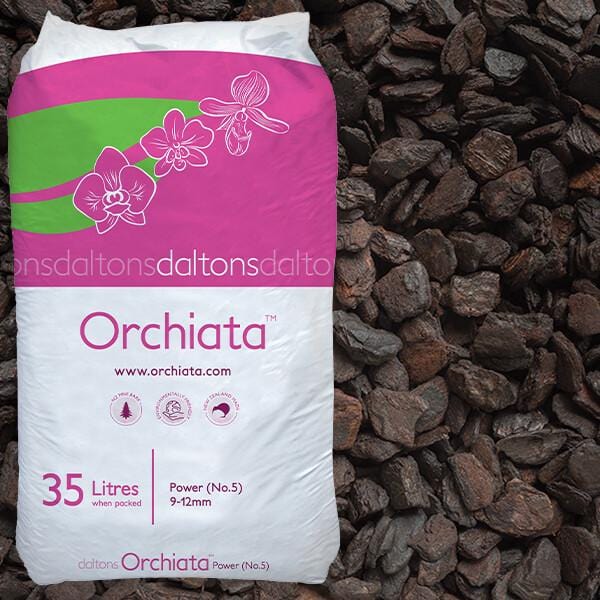
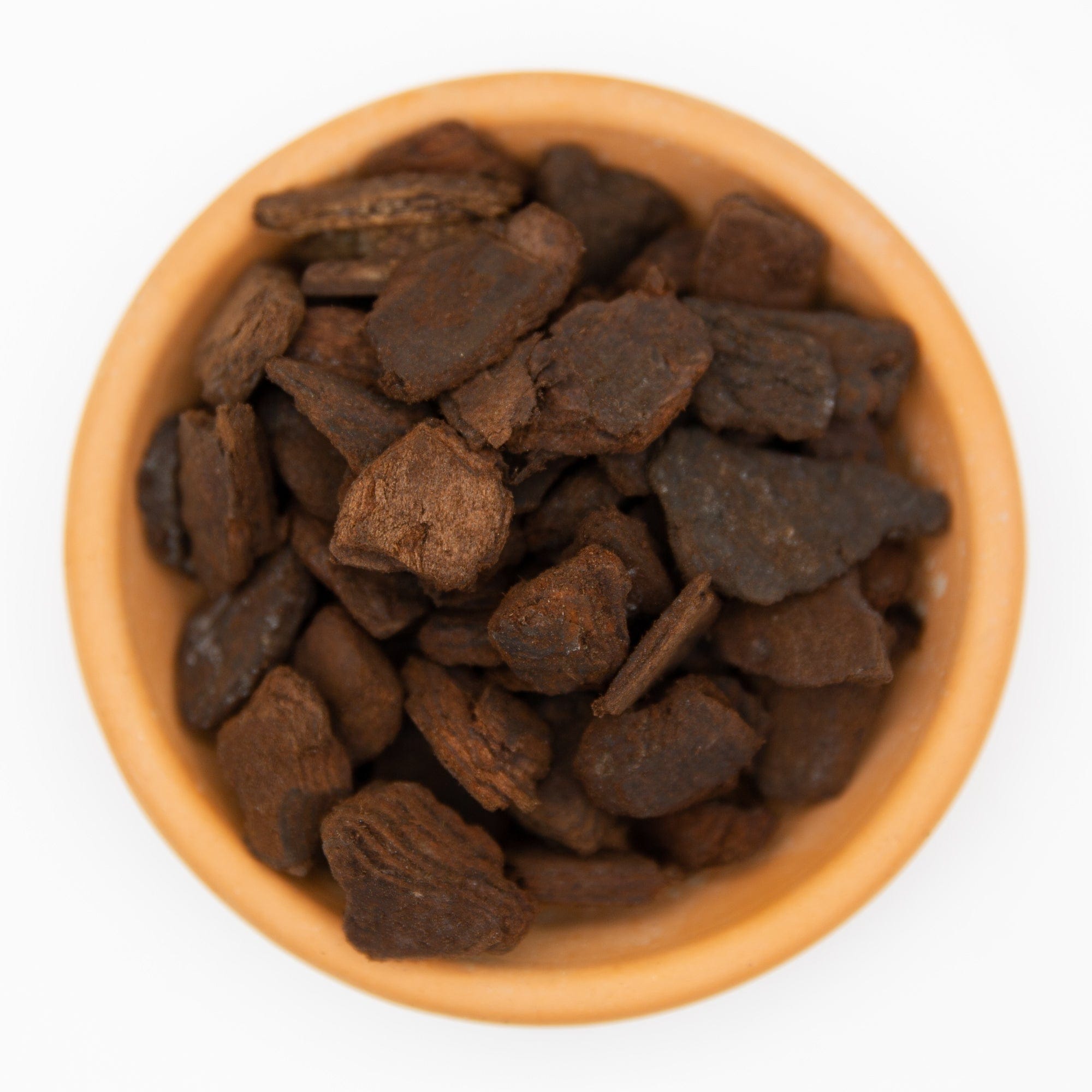
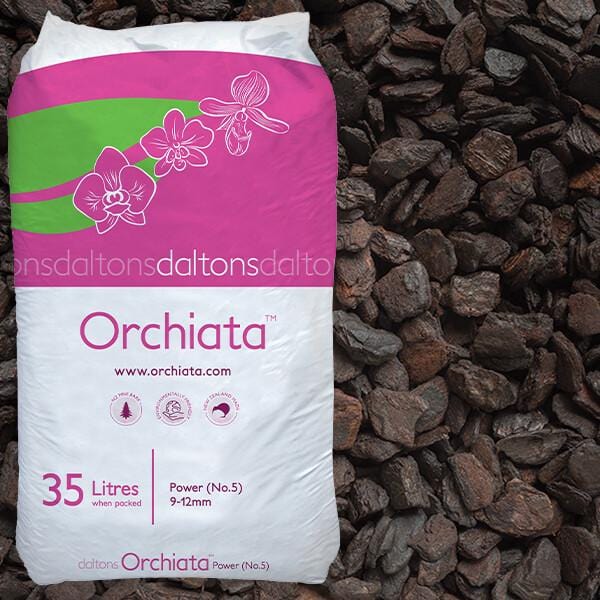
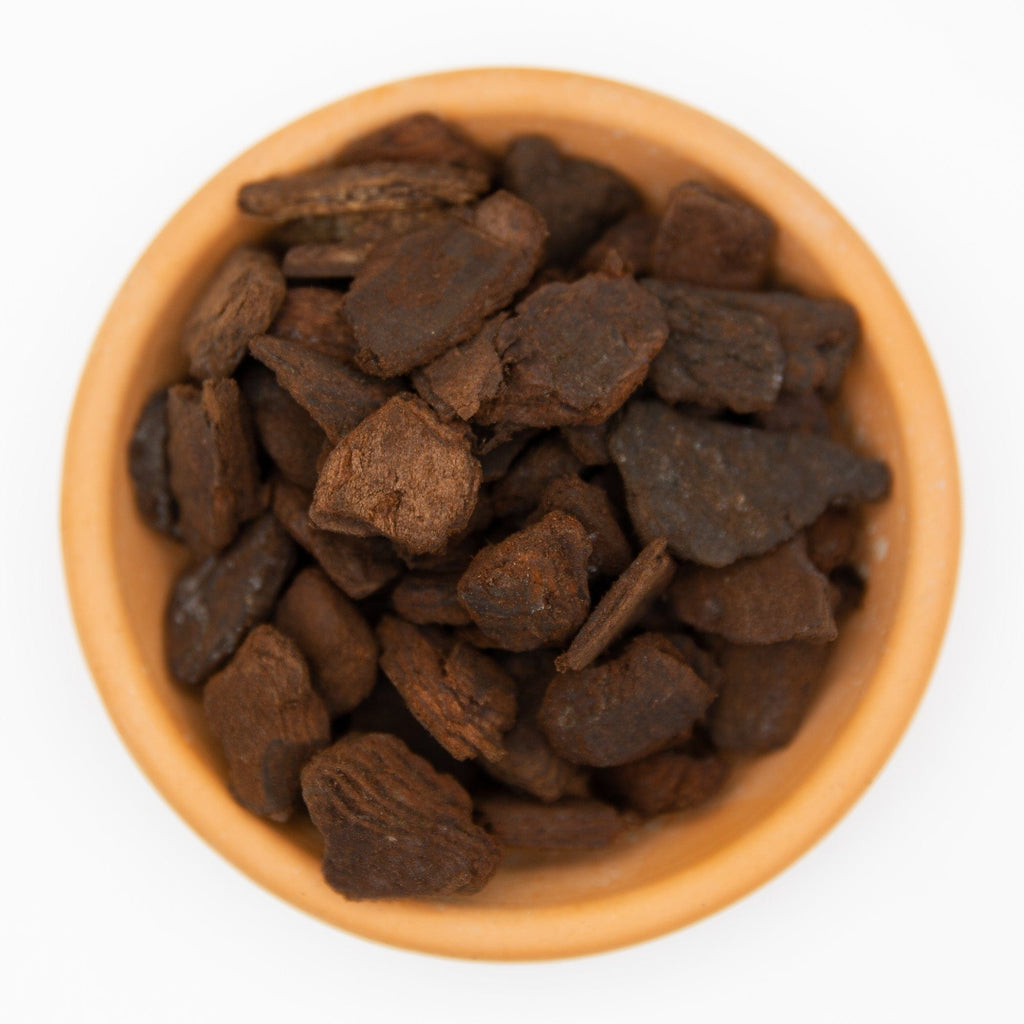
It’s premium New Zealand Pinus radiata bark graded to uniform 9–12mm chips—also known as “Power” or No.5 grade. It’s officially sourced, aged (not composted), and designed to hold structure longer than typical bark mixes while offering excellent airflow and drainage.
What plants is 9–12mm Orchiata best for?
This size suits medium-rooted orchids like Phalaenopsis, Dendrobium, Oncidium, and Paphiopedilum. It also works well as a base in chunky aroid and bromeliad mixes. For tiny seedlings or huge orchid roots, consider blending or sizing up/down.
Do I need to rinse or soak Orchiata Bark before use?
It's ready to use straight from the bag. A short soak before first use is optional and helps with initial wetting. Rinsing isn’t usually needed, and sterilising is not recommended as it can kill beneficial microbes.
How should I pot with Orchiata Bark?
Fill the pot without compressing—just tap it to settle the bark. Water thoroughly after potting. It’s normal for dry bark to shift slightly, so water gently at first and adjust your routine based on how fast it dries in your environment.
Does Orchiata Bark replace fertiliser?
No—it’s a growing medium, not a food source. Use a balanced orchid fertiliser or indoor plant feed. Orchiata contains a natural dolomite buffer to stabilise pH and add some calcium/magnesium, but ongoing feeding is still essential.
How long does Orchiata Bark last before repotting is needed?
It typically holds structure for 2–3 years or more, depending on watering, temperature, and fertiliser use. Repot if it starts breaking down, stays wet too long, or the plant becomes root-bound or unstable.
How should I store unused Orchiata Bark?
Store it sealed, dry, and out of direct sunlight. A mild bark smell is normal. Avoid damp storage to prevent unwanted fungal growth. It’s a natural product, so treat it like a pantry item—not something to leave outside.
I see white fungus on the bark—should I worry?
Usually not. Light fungal growth is normal in aged bark and often harmless. If it becomes slimy, stinky, or aggressive, it may signal poor airflow or excess moisture—adjust conditions or consider repotting if roots are affected.
Can I mix Orchiata Bark with other materials?
Yes—it blends well with sphagnum moss, perlite, pumice, charcoal, LECA, and coco-based components. Adjust the mix based on your plant’s needs and environment: more moisture-holding in dry homes, more drainage in humid ones.
Can I use Orchiata Bark in self-watering or semi-hydro pots?
You can, but caution is key. Bark holds moisture differently than inert media like LECA. If using in a reservoir setup, make sure airflow is good and avoid over-saturation to prevent root rot.
Can I use Orchiata Bark 9–12mm outdoors?
Yes, though it’s designed for pots rather than garden mulch. Outdoor exposure may cause it to break down faster. Use in baskets or well-draining pots and adjust watering to suit your climate.
What sizes does Orchiata Bark 9–12mm come in?
It’s available in 5L, 10L (repackaged by Dr Greenthumbs), and 35L (original branded bag). All contain the same genuine Orchiata—just choose based on how much you need.
I think I received the wrong product—how can I confirm?
Check the chip size (9–12mm) and the product label. Note that this is pure bark—not a premixed orchid blend. Smaller bags are repackaged but contain the same official Orchiata bark.
Is Orchiata Bark sustainably sourced?
Yes—Orchiata is made from pine bark harvested from sustainably managed New Zealand forests. It’s a renewable option that reduces repotting waste thanks to its long-lasting structure.
Is Orchiata Bark an upgrade from regular orchid bark?
Definitely. Compared to cheap bark, Orchiata offers more consistent chip sizes, lower dust, longer lifespan, and better performance for sensitive root systems. It’s a popular choice among serious orchid and aroid growers.