
TL;DR: Thrips are sap-sucking insects that distort leaves, scar fruit and can spread viruses. With rapid ID, cultural tweaks, repeat treatments and the right Dr Greenthumbs gear, you can break the cycle before the next growth phase is ruined.
Table of Contents
- What Are Thrips?
- Spotting Thrips Early
- Thrips Life Cycle and Why It Matters for Control
- Thrip Larvae: The Stage Doing Most of the Damage
- Common Thrips Species in Australia
- Thrips Damage: Old Scars vs Fresh Attack
- Thrips Damage by Plant Type
- When Thrips Bring Trouble: Understanding Viral Risks
- Unusual Thrips Damage or Sudden Outbreak?
- Prevention: Cultural & Biological
- Which Predators Do What
- How Different Spray Types Work and Why It Matters
- Best Pesticide for Thrips and Mites: Choose by Pest, Not Panic
- Thrips Treatment: Choose the Right Approach Before You Spray
- Thrips on Plants: Where to Inspect Before Damage Spreads
- Thrip Damage on Flowers, Herbs and Veggies Needs Faster Action
- Thrips Treatment in Grow Tents and Indoor Plant Rooms
- Organic Knock-Down Sprays
- Targeted Insecticides for Heavy Loads
- Thrips in Soil: What’s Actually Happening Down There?
- Step-by-Step Treatment Plan
- Why Thrips Survive Treatment and Keep Coming Back
- Quick Thrips Control Checklist
- FAQs
- The Final Word
- Next Reads for Controlling Thrips and Preventing Repeat Outbreaks
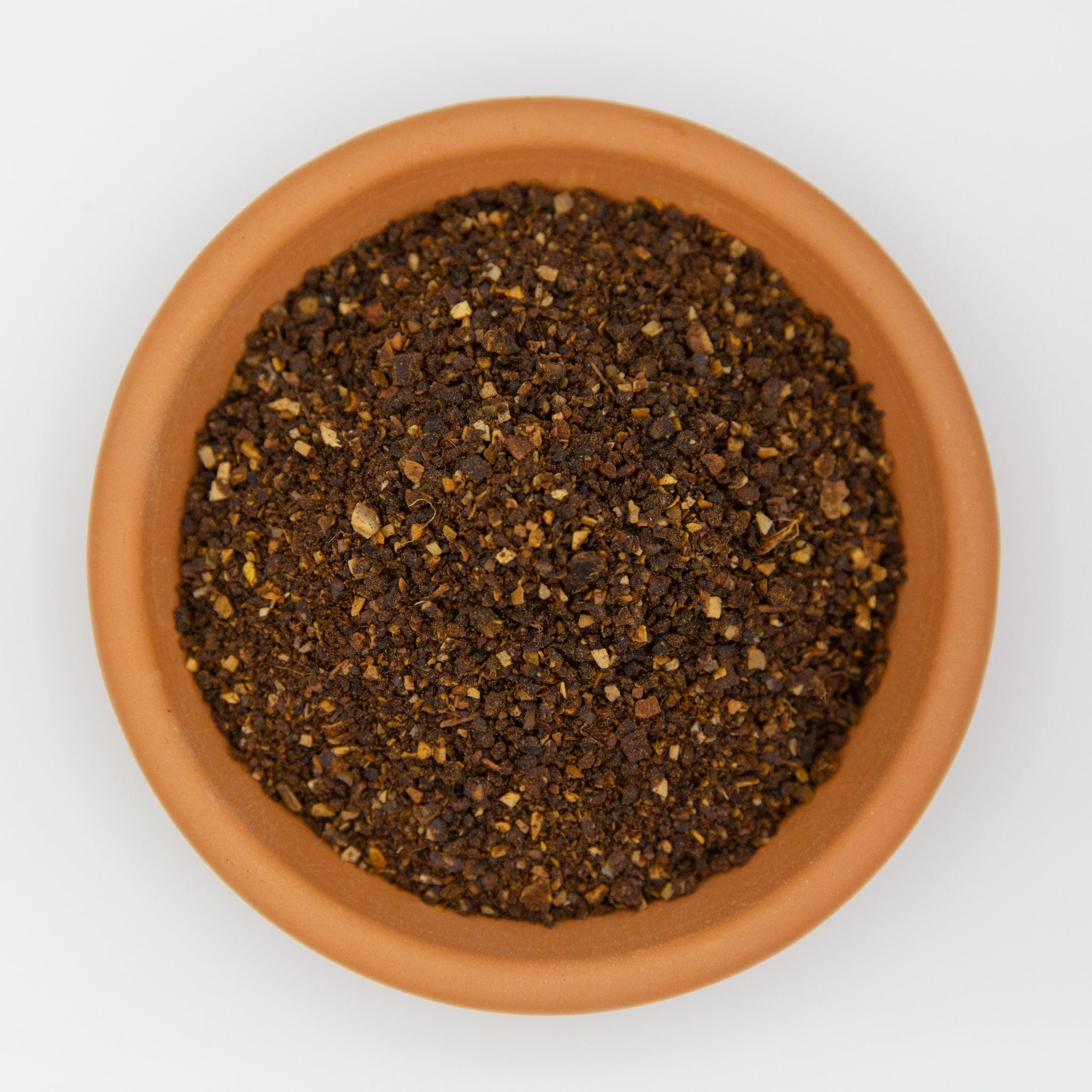
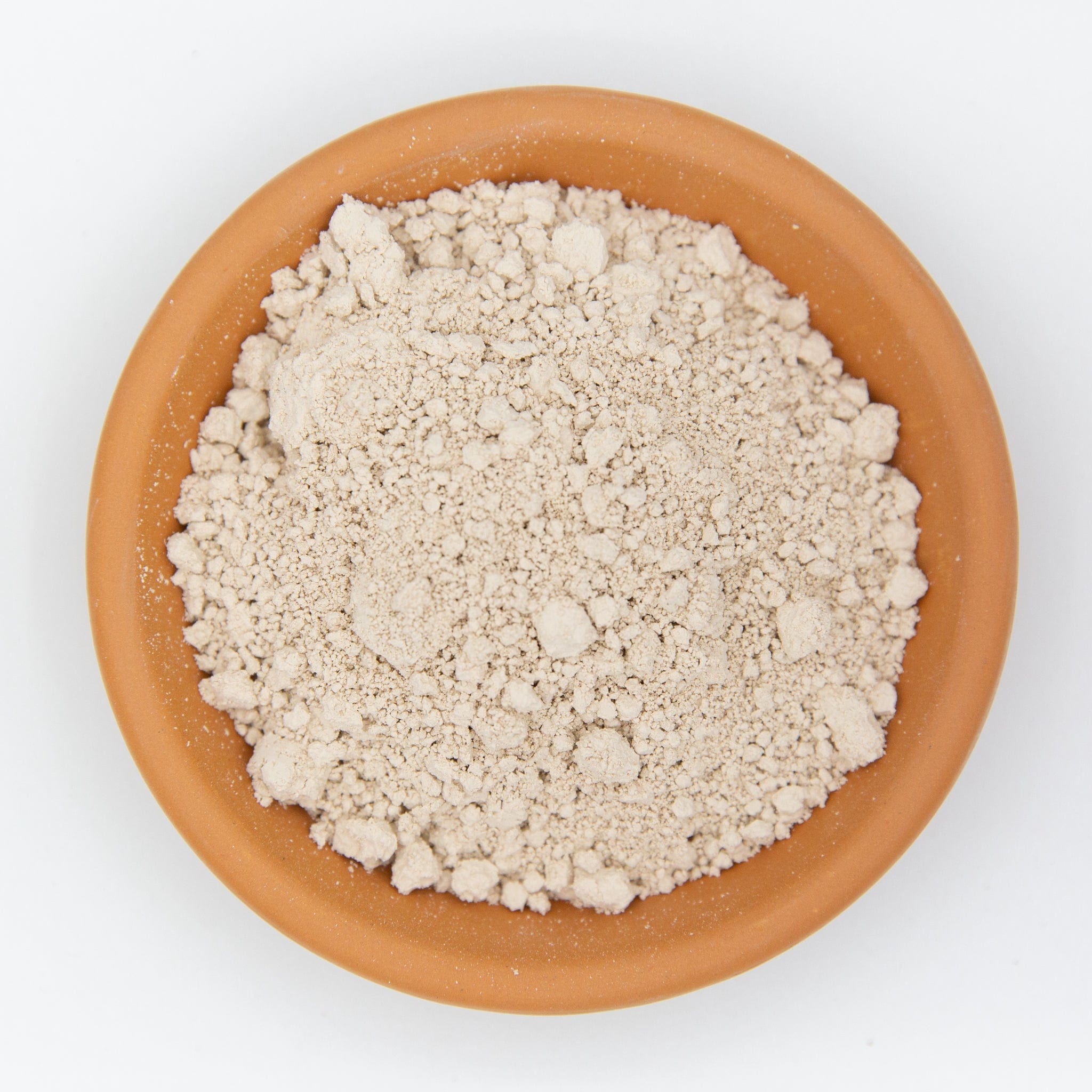
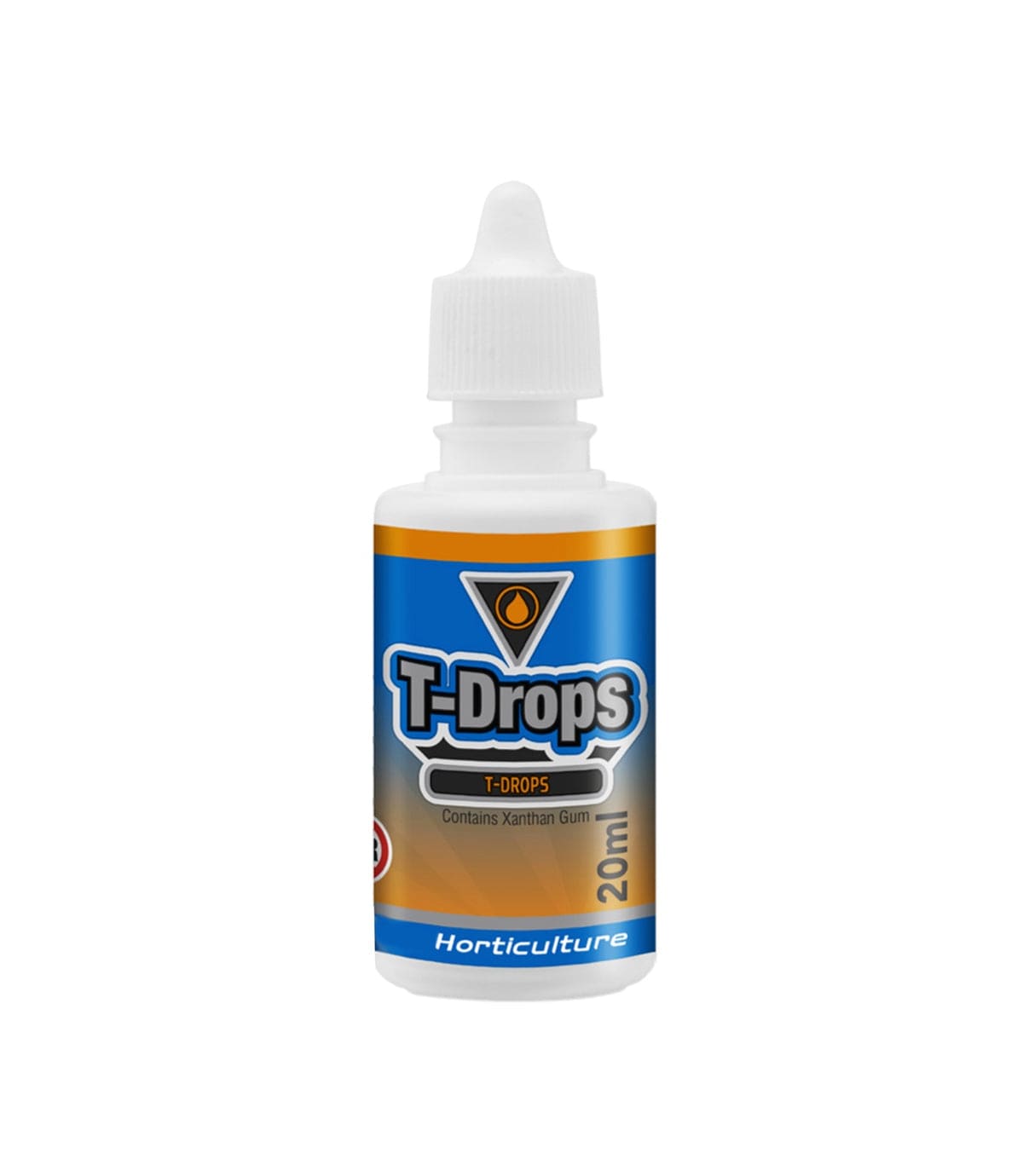
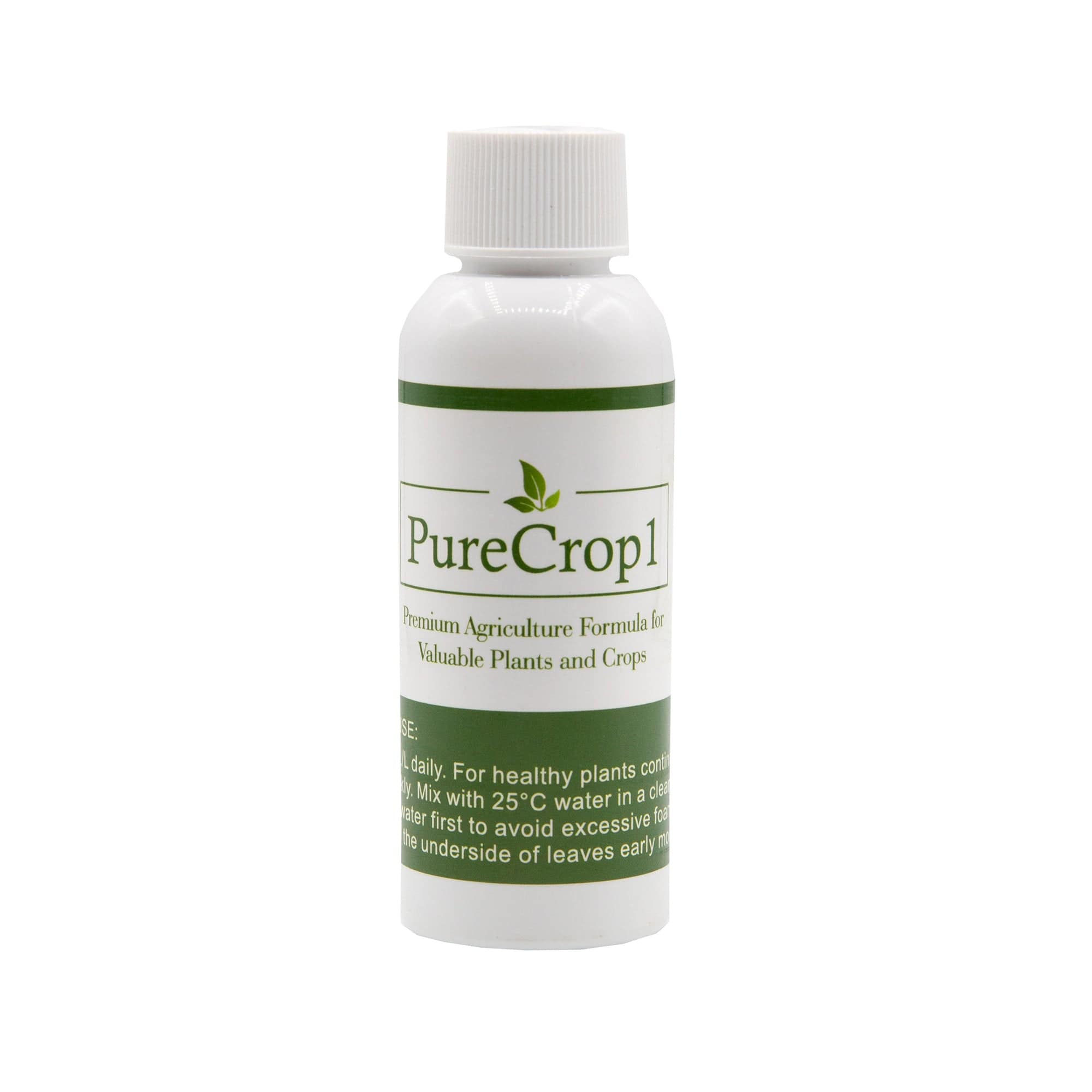
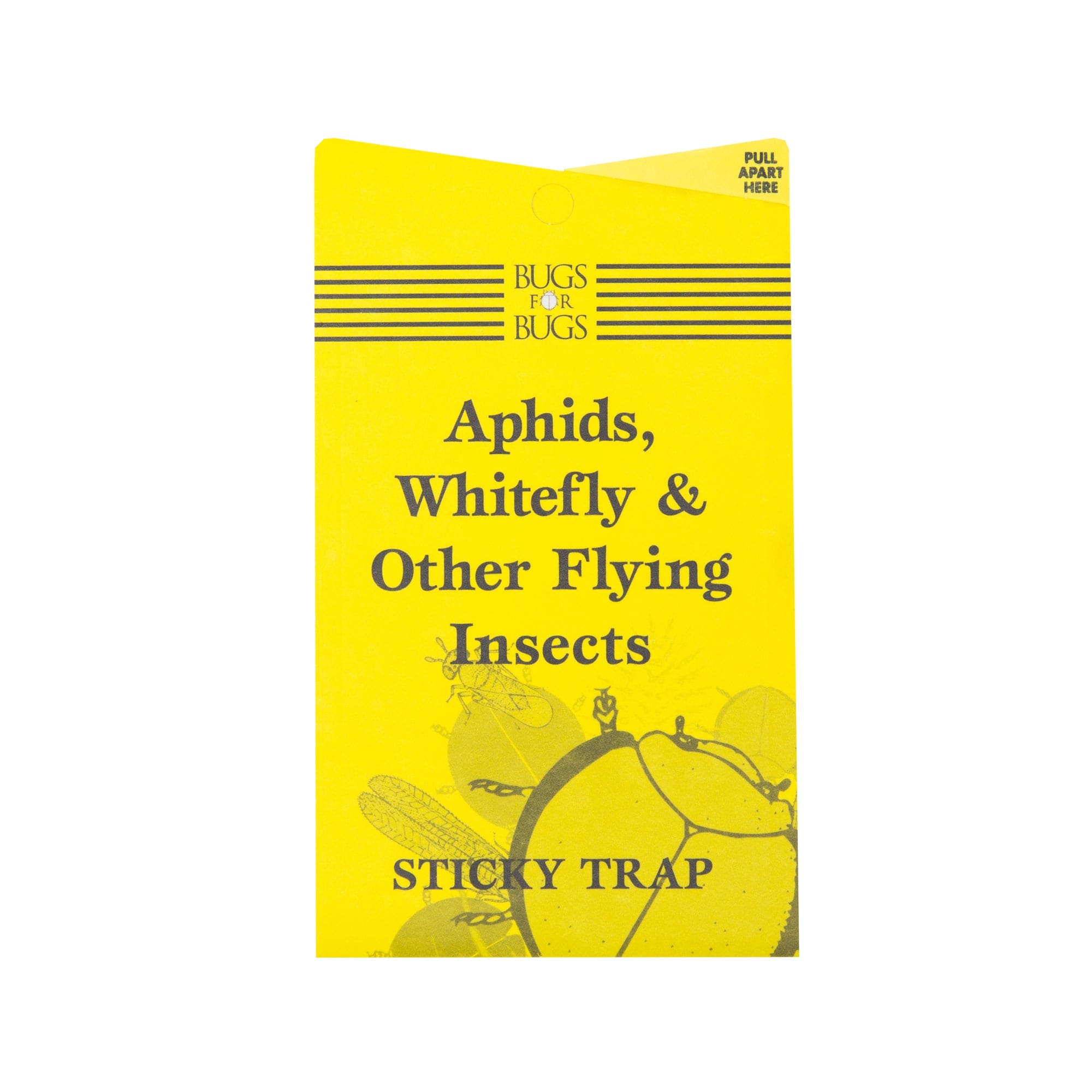
To tackle a thrips infestation head on, these are your secret weapons:


What Are Thrips?
Thrips are tiny, slender insects from the order Thysanoptera. Most are only 1–2 mm long, which makes them easy to miss until plant damage starts showing up.
They have narrow, fringed wings when fully grown and rasping-sucking mouthparts. Instead of chewing leaves, thrips scrape the surface of plant tissue and suck out the contents of the cells. This feeding style is what causes the classic silvery or bronze streaking on leaves.
Young thrips, also called nymphs or larvae, are wingless and usually pale yellow, cream or light green. Adults can be yellow, brown or almost black depending on the species.
Most growers say “thrips” because you rarely find just one. By the time you notice damage, there are usually adults, larvae and hidden eggs involved.
Common signs include:
- Silvery patches or streaks on leaves
- Fine black specks, which are thrips droppings
- Distorted or twisted new growth
- Scarring on flowers or fruit
- Tiny black, tan or yellow slivers moving quickly when disturbed
To confirm them, tap the plant over white paper. If little slivers start running around, you have your answer.
Do not treat based on damage alone. Mites, nutrient issues, spray burn and physical scuffing can all look similar at first. Find the pest before you start throwing products at the plant.
Spotting Thrips Early
Thrips are easiest to control when you catch them early. Look for signs before the plant is badly distorted or scarred.
Early warning signals include:
- Silvered or bronze leaf streaks
- Black “tar spots,” which are thrips droppings, along leaves or mid-veins
- Deformed new growth
- Damaged flower buds
- Tiny pale, tan or dark slivers moving quickly when disturbed
Use the white-paper test: shake or tap foliage over a sheet of white paper. If tiny dark or pale slivers start wriggling, thrips are likely present.
For continuous monitoring, hang blue or yellow sticky cards at canopy height and check them weekly.
Thrips Life Cycle and Why It Matters for Control
Understanding the thrips life cycle is key to getting rid of them properly. Thrips are not just sitting openly on the leaf surface waiting for one spray to solve the problem.
Egg → Larva → Prepupa → Pupa → Adult
-
Eggs are inserted directly into plant tissue. This makes them very hard to target with sprays because they are protected inside the plant.
-
Larvae, also called nymphs, feed actively on leaves, flowers and soft new growth. This is when much of the visible damage happens.
-
Prepupa & Pupae often drop into soil, mulch, leaf litter or protected cracks to develop.
-
Adults return to plants to feed and reproduce.
In warm conditions, especially around 25–30°C, the cycle can move quickly.
Outbreaks often peak from late spring to early autumn when temperatures are warm and plants are producing soft growth.
This is why one spray often looks like it worked, then the problem pops back up a week later. You may have knocked down exposed adults and larvae, but protected eggs can hatch and pupae can emerge.
A better plan is to treat in waves: remove the worst damaged growth, spray or wash thoroughly, keep sticky traps up, repeat treatment according to the label and pressure, and watch new growth instead of old damage.
The goal is not to “kill the eggs” with one magic product. The goal is to keep pressure on each new hatch before it becomes the next breeding wave.
Thrip Larvae: The Stage Doing Most of the Damage
Thrip larvae are the small, wingless stage that actively feeds on leaves, flowers and soft new growth. They are usually pale yellow, cream or light green, which makes them easy to miss unless you’re actually looking.
Adults get blamed because they’re easier to notice on traps, but larvae do plenty of the dirty work.
Check these spots first:
- new shoots and folded leaves
- flower buds and open blooms
- undersides of young leaves
- tight rosettes
- leafy herbs and soft vegetable growth
- protected spots where leaves overlap
Larvae matter because they are exposed enough to treat, but small enough to hide. If you only chase adults on sticky traps, the plant can still be getting hammered by larvae tucked in the canopy.
For indoor plants, use a torch and inspect the newest growth first. For veggies and ornamentals, check flowers and growing tips before older leaves. If you see fresh silvering, black specks and pale little slivers, you are dealing with active feeding, not old damage.
Common Thrips Species in Australia
Thrips are a diverse bunch. There are thousands of species worldwide, but a few show up most often in Australian gardens, veggie patches, greenhouses and indoor growing areas.
Use this table as a practical guide:
|
Species |
Common On |
Typical Damage |
|---|---|---|
|
Onion Thrips |
Onions, leeks, garlic and leafy veg |
Pale mottling, leaf streaking and reduced bulb quality |
|
Western Flower Thrips |
Tomatoes, capsicums, ornamentals, flowers and mixed crops |
Silvering, distorted growth, flower damage and virus spread |
|
Plague Thrips |
Blossoms, fruit trees and ornamentals |
Flower scarring and cosmetic fruit damage |
|
Tomato Thrips |
Tomatoes, capsicum and other vegetables |
Leaf distortion and possible virus transmission |
Correct identification is not always easy without magnification, but the control principles are similar across most species: inspect soft growth, monitor with traps, clean up hiding places, repeat treatment and protect beneficials where possible.
Thrips Damage: Old Scars vs Fresh Attack
Quick damage guide:
|
Plant Part |
Typical Thrips Damage |
|---|---|
|
Leaves |
Silvery streaks, distorted tips and black specks of frass |
|
Flowers |
Bud drop, streaked petals or browned petals |
|
Fruit |
Corky, bronzed patches or halo scarring |
|
New Shoots |
Stunted, twisted growth or delayed flowering |
Thrips damage doesn’t heal. Once a leaf, flower or fruit has been scarred, that mark is staying there.
That matters because growers often keep spraying old damage and think the treatment isn’t working. The better question is whether new growth is coming through clean.
Here’s how to read it:
|
Damage pattern |
What it suggests |
|---|---|
|
Old silver patches, no new specks |
Past damage, monitor closely |
|
Fresh silvering on new leaves |
Active feeding still happening |
|
Black specks near scars |
Recent thrips activity |
|
Distorted tips or buds |
Thrips feeding in soft growth |
|
Flower scarring |
Thrips were likely inside the bud |
|
Damage spreading plant to plant |
Infestation is still active |
Don’t judge success by the ugliest leaf on the plant. Judge it by the next leaf, next shoot or next flower.
For ornamentals, you can prune ugly damaged growth once the plant is stable. For edible crops, damage may be mostly cosmetic unless flowers, fruit set or young growth are being hit hard. For flowers, capsicum, tomatoes, herbs and indoor foliage plants, early action matters because thrips love the tender stuff.
If you’re unsure whether the problem is current, use traps and inspections for a week. Fresh adults on blue or yellow sticky cards plus new speckling means you’re not done yet.
Thrips Damage by Plant Type
Vegetables
- Silver streaking on leaves
- Distorted new growth
- Reduced fruit quality
- Virus transmission (especially tomatoes and capsicum)
Flowers & Ornamentals
- Browned or scarred petals
- Deformed buds that fail to open
- Colour fading or streaking
Fruit Trees
- Scarring on developing fruit
- Damaged blossoms
- Cosmetic fruit marking
Indoor Plants
- Silvery patches on leaves
- Fine black specks
- Curling or distorted new growth
Identifying damage patterns early makes control much easier.
When Thrips Bring Trouble: Understanding Viral Risks
Thrips don’t just chew leaves — some can spread plant viruses, most notably Tomato Spotted Wilt Virus (TSWV). This virus can stunt growth, discolour fruit and even reduce your crop yield if left unchecked.
How to spot it: mottled rings or blotches on fruit, bronzing of young leaves and odd wilting that doesn’t look like regular insect feeding.
What to do: If you suspect TSWV, remove and dispose of heavily infected plants according to local guidance (don’t compost them), keep weeds down (they can host both thrips and viruses), and step up monitoring around vulnerable plants like tomatoes, capsicums and ornamentals. Early action helps stop spread.
Unusual Thrips Damage or Sudden Outbreak?
If you notice:
- Severe plant collapse
- Unusual spotting patterns
- Thrips populations exploding rapidly outside normal seasonal patterns
It may be worth contacting your local state biosecurity authority or agricultural department for advice.
New pest incursions occasionally occur in Australia, and early reporting helps protect growers and home gardeners alike.
For most backyard infestations, standard integrated pest management will resolve the issue — but unusual cases deserve a closer look.
Prevention: Cultural & Biological
Prevention works best when you reduce the conditions thrips like: soft crowded growth, dusty surfaces, weeds, sheltered flowers, dry mulch and unchecked new plant arrivals.
Use these prevention steps:
- Quarantine new plants for at least 7 days and keep a sticky trap nearby.
- Prune dense canopies so airflow and light can reach the inner plant.
- Keep soil evenly moist where the crop allows it. Dry, dusty mulch and stressed plants can make thrips pressure worse.
- Remove weeds and old flowers that can shelter thrips.
- Use reflective mulch, reflective strips or foil near seedlings and veggie beds to confuse incoming adults.
- For light infestations, use a firm water jet on foliage each morning for three days to disrupt early populations.
- Monitor with blue or yellow sticky traps at canopy height.
- Consider biological controls such as Orius minute pirate bugs, Amblyseius predatory mites, Hypoaspis or Dalotia where the growing setup suits them.
In grow tents and protected areas, traps can help monitor flying stages, but they should not replace inspection, sanitation and follow-up treatment.
Which Predators Do What
Biological controls can be a real game-changer, but the right predator depends on where the thrips are in their lifecycle.
- Soil and pupal predators, such as Hypoaspis and Dalotia, hunt thrips resting and pupating in soil, mulch and growing media.
- Canopy predators, such as Orius minute pirate bugs and Amblyseius predatory mites, patrol leaves and flowers and feed on larvae and adults.
Releasing the right mix at the right time can help keep thrips pressure down without relying only on sprays. Avoid spraying randomly after releasing beneficials, or you may knock down the helpers you just introduced.
How Different Spray Types Work and Why It Matters
Not all sprays hit thrips the same way — and that’s why some treatments work better at different life stages:
- Contact sprays sit on the leaf surface and kill thrips on contact. Great for active adults but can miss eggs deep in tissue.
- Systemic sprays are taken up by the plant and move with sap, so thrips ingest them as they feed. These are useful if thrips are hiding inside buds or leaf layers.
- Translaminar products work across the leaf surface into the leaf, helping reach pests tucked out of sight without moving throughout the whole plant.
🧠 Tip: Always follow label directions and rotate modes of action. Over-relying on one type can let thrips build resistance over time.
Best Pesticide for Thrips and Mites: Choose by Pest, Not Panic
The best pesticide for thrips and mites is not always the strongest bottle on the shelf. It’s the product that matches the pest, the plant, the growing setup and the life stage you’re trying to hit.
Thrips and mites can show up together, especially on stressed indoor plants, grow-room crops and dusty outdoor gardens. But they are not the same pest.
Thrips are insects. Spider mites are mites. Some sprays cover both, some don’t, and some products are better kept for one job.
Use this as a practical filter:
|
Situation |
Better approach |
|---|---|
|
Thrips only, light pressure |
Wash, prune, sticky traps and a repeat foliar spray |
|
Spider mites only |
Underside coverage, humidity/heat management and mite-focused treatment |
|
Thrips plus mites |
Use a broad IPM-compatible spray and repeat carefully |
|
Beneficial insects in use |
Avoid harsh residual sprays unless the label and timing allow it |
|
Edible plants |
Check the label, crop approval and withholding period |
|
Grow tents |
Treat the room and canopy, not just one plant |
|
Recurring outbreaks |
Rotate approach and fix plant stress, airflow and hygiene |
The big mistake is mixing random pesticides together because you’re losing patience. That’s how you burn plants, kill beneficials and still miss eggs or hidden stages.
Thrips Treatment: Choose the Right Approach Before You Spray
Thrips treatment works best when you match the method to the plant, the pressure and where the pest is hiding. A light indoor outbreak on a monstera is not the same job as thrips hammering flowers, veggies or a grow tent.
Use this as a simple guide:
- Light pressure: a few marks, only one plant affected, no major distortion. Isolate, rinse foliage, remove damaged tips and monitor with sticky traps.
- Moderate pressure: visible adults or larvae, fresh silvering, black specks and multiple leaves affected. Clean the plant properly, spray thoroughly and keep checking new growth.
- Heavy pressure: distorted shoots, damaged flowers, multiple plants affected or fast reinfestation. Treat the whole area, remove badly affected growth and use traps to track whether numbers are actually dropping.
- Crop or flower damage: act faster. Thrips hide deep in buds and flowers, so waiting usually means more scarring and more eggs tucked into plant tissue.
The big mistake is doing one lazy top-side spray and calling it done. Thrips don’t sit neatly where you can see them. They tuck into folds, buds, leaf undersides and tight new growth. If the spray doesn’t reach them, it doesn’t count.
Thrips on Plants: Where to Inspect Before Damage Spreads
Thrips on plants can look minor at first, then suddenly the whole plant looks scratched, bronzed or twisted. That is because the worst activity often starts in the softest, newest growth.
Do not just check old leaves. Work through the plant properly:
- new shoots and unfurling leaves
- flower buds and open blooms
- undersides of leaves
- leaf veins and midribs
- tight rosettes and growing tips
- where leaves overlap
- nearby weeds, herbs or ornamentals
- pot rims, saucers and dropped plant debris
- benches, trays and grow tent corners
If you are checking indoor plants, shake the foliage over a white sheet of paper. If tiny dark or pale slivers start moving, you have found them. If you are checking outdoor plants, inspect early morning or late afternoon when the plant is less heat-stressed and pests are easier to spot.
A proper cleanup needs more than the visible leaves. Adults and larvae may be on the plant, eggs can be inside plant tissue, and some species pupate in soil, mulch, leaf litter or sheltered cracks.
Check three zones:
- The plant: leaf undersides, stems, new growth, buds and flowers.
- The pot or bed surface: dropped leaves, old petals, weeds and dusty mulch.
- The surrounding area: benches, saucers, tent corners, trays and nearby plants.
The earlier you catch them, the less dramatic the treatment needs to be.
Thrip Damage on Flowers, Herbs and Veggies Needs Faster Action
One thrip on a hardy houseplant is annoying. Thrips in flowers, herbs or veggies can become a bigger problem quickly because they target the parts you actually care about — buds, blooms, tender leaves and fruiting growth.
On flowering plants, watch for:
- streaked or browned petals
- buds that deform or fail to open
- pollen spilling or flowers ageing too fast
- tiny insects hiding inside blooms
On herbs and leafy veg, look for pale streaks, rough-looking leaves and twisted new growth. On tomatoes, capsicums and other fruiting crops, thrips can cause cosmetic scarring and may increase disease risk depending on the species involved.
The best move is to remove the worst affected flowers or shoots before spraying. It feels brutal, but it cuts down pest numbers and gives your treatment better access. Spraying over damaged flowers full of hiding spots is usually a waste of time.
For edible crops, check the product label before applying anything. Make sure it is suitable for the crop, follow the withholding period, and avoid spraying when bees are actively working flowers. Pest control is not worth creating a bigger problem in the patch.
Thrips Treatment in Grow Tents and Indoor Plant Rooms
Grow tents and indoor plant rooms can turn a small thrips problem into a proper headache. Warm temps, dense canopies, airflow pockets and constant fresh growth are exactly what thrips like.
Start with the room, not just the plant.
Check:
- intake vents and mesh screens
- sticky traps at canopy height
- saucers and runoff trays
- dense lower growth
- mother plants and cuttings
- any new plant brought in recently
- dry floor debris or old leaf matter
In tents, thrips often spread because plants are packed too tightly and the lower canopy never gets inspected. Open the canopy up. Remove weak lower growth that isn’t doing much. Keep fans moving air through the plant, not just above it.
If you’re using beneficial insects, don’t spray randomly after release or you’ll knock down the helpers too. If you’re spraying first, give the spray program time to settle before introducing predators. Mixing every possible tactic at once sounds strong, but it can backfire if one method cancels out another.
Good thrips control indoors is boring: inspect, isolate, clean, treat, monitor, repeat. Skip one of those steps and they usually come back.
Organic Knock-Down Sprays
When numbers spike, botanical and low-impact sprays can help reduce exposed larvae and adults. Always follow the label and avoid spraying when bees or beneficial insects are active.
|
Product |
How it Works |
When to Use |
|---|---|---|
|
Helps clean leaf surfaces and improve contact coverage as part of a repeat IPM program. |
Use at the first sign of active damage, following the label rate and repeat interval. |
|
|
Neem-derived compounds can disrupt feeding and development when coverage is thorough. Karanj oil adds fatty acids that support the spray program. |
Apply at dusk or in low light where the label allows, and avoid spraying when beneficial insects are active. |
Pro Tip: Use wetting agents only when compatible with the product label. Keep spray water and mixing conditions within the product’s recommended range so oils or concentrates stay properly mixed.
Targeted Insecticides for Heavy Loads
Severe infestations on ornamentals may warrant a stronger, label-approved product. Use these only where the label allows and avoid unnecessary use where beneficial insects are active.
- Broad Blue Protect RTU – A stronger option for heavy pest pressure where label directions allow. Check plant suitability, crop use and withholding periods before applying.
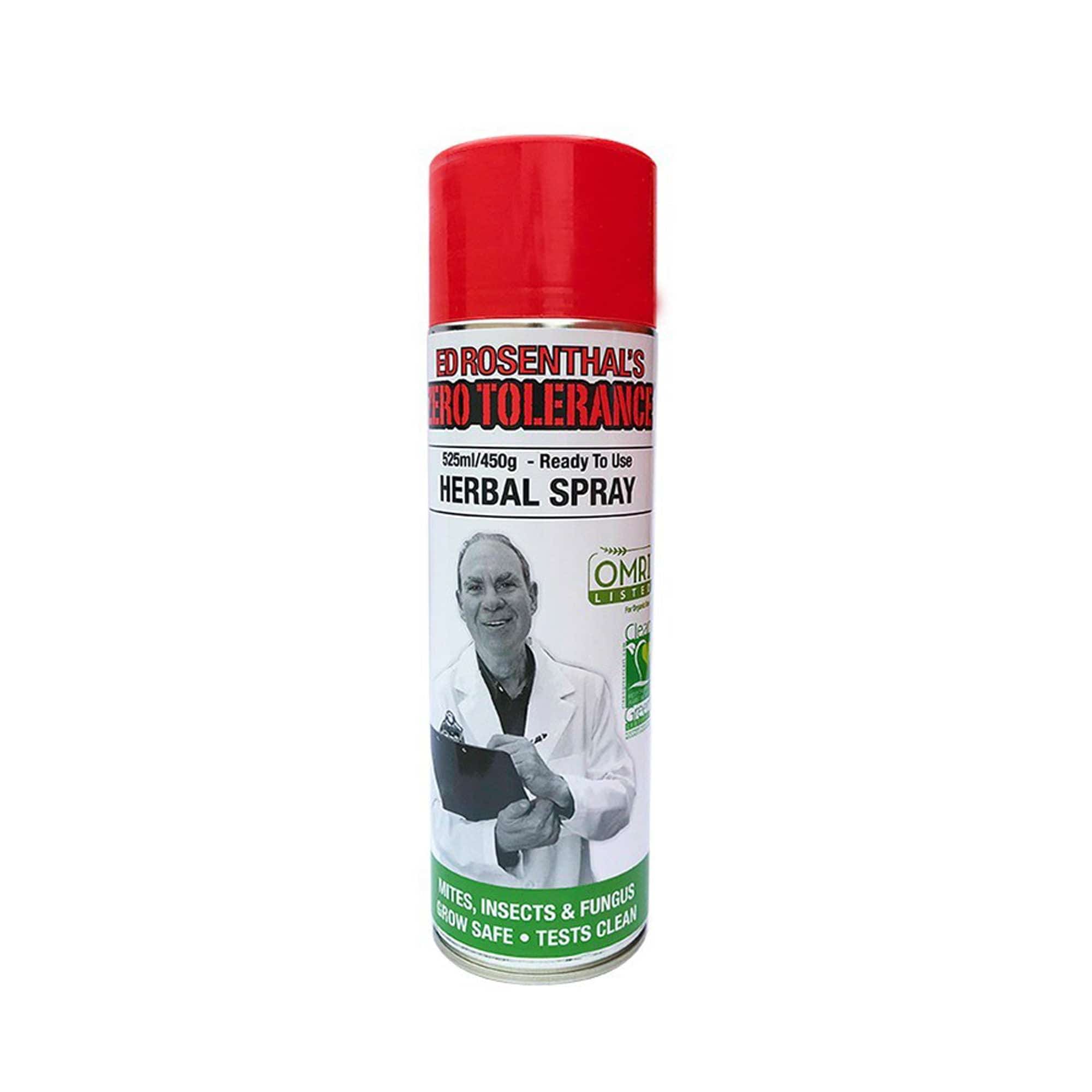
- Ed Rosenthal’s Zero Tolerance – Botanical oil-based contact option for exposed pests when thorough coverage is possible. Use according to label directions.
Always follow label rates, wear PPE and rotate modes of action carefully to reduce resistance pressure.
Thrips in Soil: What’s Actually Happening Down There?
People often ask about thrips in soil because the pests seem to vanish after spraying, then come back again.
For many thrips species, part of the lifecycle happens off the plant. The prepupal and pupal stages may drop into the potting mix, mulch, leaf litter or protected cracks around the plant. They are not feeding heavily at this point, but they can still restart the infestation once adults emerge.
That does not mean you need to drench every pot like you’re trying to sterilise it.
Start with the basics:
- remove fallen leaves and dead flowers
- clean the soil surface around infested plants
- empty debris from saucers and cache pots
- avoid dry, dusty mulch around stressed plants
- use sticky traps to catch emerging adults
- consider soil-stage predators in serious protected setups
For indoor plants, the potting mix and saucer are worth checking if thrips keep returning after repeated foliage treatments. For outdoor gardens, tidy mulch and reduce weedy hosts nearby so adults have fewer places to keep cycling.
The mistake is treating only the top of the leaves while ignoring the plant’s immediate environment. Thrips control works better when you treat the canopy and clean up the soil-level harbourage at the same time.
Step-by-Step Treatment Plan
Use this as the basic thrips workflow:
-
Isolate and inspect
Move infested plants away from clean stock where practical. Install sticky traps at canopy height and check nearby plants. -
Physically reduce the pest load
Blast foliage with water or gently wipe sturdy leaves with a microfibre cloth. Remove badly damaged flowers, shoots or leaves and bin them. -
Clean the growing area
Remove old petals, fallen leaves, weeds, dusty mulch and debris from saucers, trays, benches and pot surfaces. -
First treatment
Apply a suitable product labelled for thrips, covering leaf undersides, new growth, stems, flowers and protected areas. Follow the label exactly. -
Repeat treatment
Repeat according to the product label and pest pressure. Thrips eggs and pupae can survive the first pass, so one treatment is rarely enough. -
Deploy predators if suitable
Release beneficial predators only when spray residues and timing allow. Do not spray randomly after introducing beneficials. -
Monitor for 2–4 weeks
Change sticky cards weekly, inspect new growth, and record whether trap catches are trending down. -
Maintain prevention
Keep the canopy open, remove plant debris, monitor new plants, and check traps before the next growing phase.
Why Thrips Survive Treatment and Keep Coming Back
If thrips are still showing after treatment, the first question is not “what stronger spray can I use?” It is “what did the treatment miss?”
Common reasons thrips survive include:
- only spraying the top of the leaves
- missing flowers, buds and new growth
- leaving infested weeds or nearby plants untreated
- not cleaning dropped leaves, old petals, mulch or saucers
- ignoring soil-level pupal stages
- spraying in heat or bright light and damaging the plant
- using sticky traps as treatment instead of monitoring
- stopping once adults are harder to see
- leaving too long between follow-up treatments
- not checking whether the pest is actually thrips
Thrips often return because eggs laid inside plant tissue are not hit by sprays until they hatch. Once those young thrips emerge, they can quickly start another generation.
Sticky traps are useful, but they are not a full treatment. They catch flying adults and show you what is happening. They will not touch eggs inside leaves, larvae feeding in protected spots or pupae in soil and debris.
Do not keep hammering stressed plants with stronger and stronger sprays. If leaves are already burnt, wilted or weak, fix the basics too: airflow, watering, spacing, hygiene and light.
The goal is steady pressure from several angles, not panic spraying.
Quick Thrips Control Checklist
□ Inspect foliage weekly for silvering or specks.
□ Hang sticky traps at canopy height.
□ Remove and bin highly infested material.
□ Rotate spray types and follow treatment cadence.
□ Release predators after sprays when possible.
□ Keep mulch humid and beds tidy.
Tick off each step and you’ll limit the chance of thrips staging a comeback.
FAQs
Do thrips bite humans?
Thrips primarily feed on plants. They may occasionally land on skin and cause a mild pin-prick feeling, but they do not live on people or pets.
Can I mix neem oil with PureCrop1?
Alternate products rather than mixing them unless the labels clearly allow it. Mixing products can increase plant stress or reduce effectiveness.
Is it safe to spray edible crops for thrips?
Only use products labelled for edible crops. Always check the crop, rate, withholding period and application directions before spraying.
How long does a thrips infestation last?
Without treatment, thrips can persist for weeks or months, especially in warm weather. Early intervention and repeat treatment are critical.
What kills thrips eggs?
Thrips eggs are inserted inside plant tissue, which protects them from most sprays. The practical goal is to repeat treatments so newly hatched larvae are targeted before they become the next breeding wave.
What is the best trap colour for thrips?
Blue and yellow sticky traps are both useful. Blue traps are often attractive to thrips, while yellow traps monitor a broader range of flying pests.
Can thrips spread plant diseases?
Yes. Some species, especially Western Flower Thrips, can transmit viruses such as Tomato Spotted Wilt Virus. This is why early detection matters around tomatoes, capsicums and ornamentals.
Are thrips worse in summer?
Yes. Thrips reproduce faster in warm conditions, and populations often increase in spring and summer when temperatures rise.
The Final Word
Skip the guesswork: explore the dedicated Thrips Control Collection for sticky traps, low-impact sprays, stronger treatment options and monitoring tools suited to Australian growing conditions.
Thrips thrive when monitoring slips, soft growth gets crowded and follow-up treatments stop too early. Stay consistent with sticky cards, canopy airflow, hygiene and label-led treatments so new growth comes through clean.
Happy growing!
Next Reads for Controlling Thrips and Preventing Repeat Outbreak
Dealing with thrips already? These guides will help you choose better organic controls, strengthen your IPM routine and spot similar pest problems earlier.
- Pest Control IPM Stack: Top 10 Organic Solutions
- Cold Pressed Neem Oil vs Azadirachtin Australia
- Which Pest When Australia
- How to Control Aphids Australia
About the Author