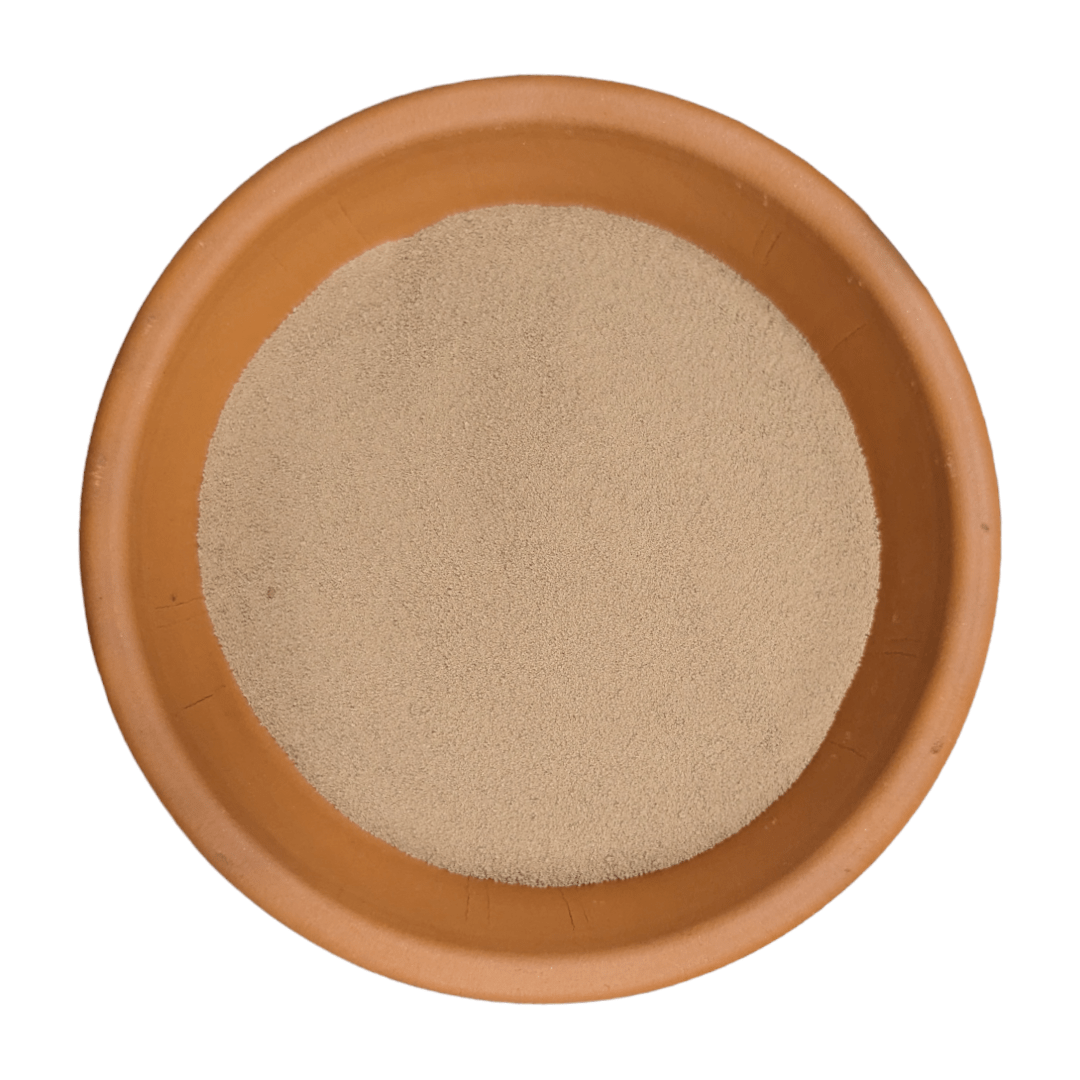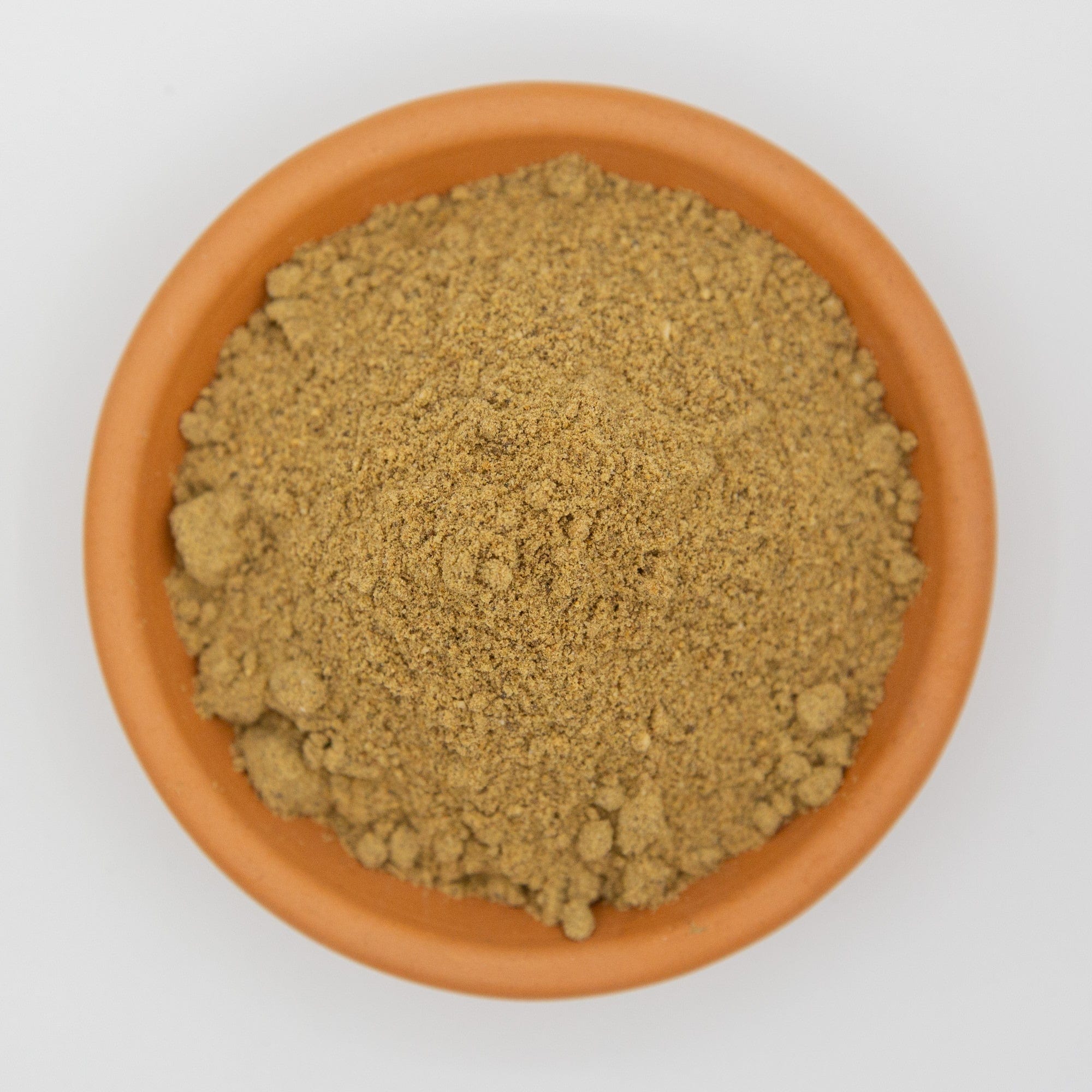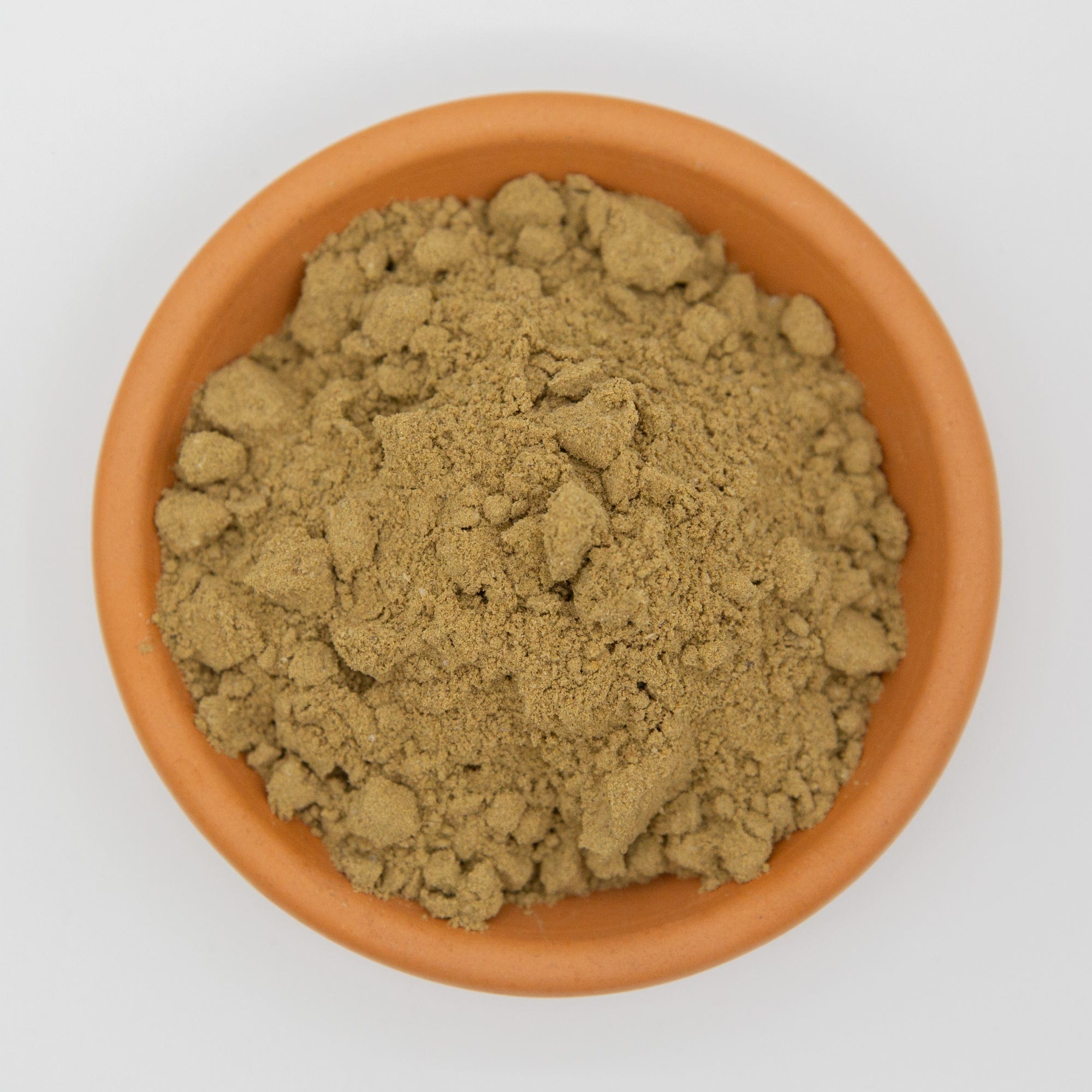

If you're trying to control pests in your garden, you've probably come across both neem oil and azadirachtin. They sound similar — because they are related — but they work very differently in practice.
In this guide, we’ll break down exactly when to use each, what makes them different, and which one is the better choice depending on your situation.
Quick take: If you want a broad, flexible pest support for common garden problems, cold-pressed neem oil with karanj is usually the better all-rounder. If you want a more targeted insect growth regulator, azadirachtin is the specific active to understand. White oil is useful too, but mainly as a simple contact spray for visible pests.
Table of Contents
- Neem 101 – What Exactly Is It?
- Cold-Pressed vs Azadirachtin Extracts
- The 3 Neem Products Gardeners Often Mix Up
- Azadirachtin: The Active Compound, Not the Whole Neem Story
- Why Cold-Pressed Neem Oil Is Usually More Versatile
- Karanj: The 10 % Synergy Boost
- White Oil vs Neem Oil: Which One Should Aussie Gardeners Use?
- Timing Matters: Pest Type and Life Stage
- What Pests and Problems Does Neem Oil Control?
- How to Use Neem + Karanj in Your Garden
- Why Repeat Applications Are Often Needed
- Safety Notes for Gardens, Pets, and Waterways
- Neem in an Integrated Pest Management (IPM) Approach
- FAQ
- Final Thoughts
- Next Reads for Building a Smarter Neem-Based Pest-Control Plan
If you want the easiest way to get the benefits of natural cold pressed neem oil, start here:


Neem 101 – What Exactly Is It?
Neem (Azadirachta indica) is a fast-growing tropical tree whose seeds contain a wide range of biologically active compounds. The best-known compound is azadirachtin, but cold-pressed neem oil also contains supporting limonoids, fatty acids and other natural compounds that can affect insect feeding, growth and egg-laying when used correctly.
Cold-Pressed vs Azadirachtin Extracts
|
Feature |
Cold-Pressed Neem Oil |
Clarified / Azadirachtin Extract |
|---|---|---|
|
Extraction method |
Mechanical pressing at < 45 °C |
Solvent-based, high-heat clarification |
|
Key actives retained |
Full azadirachtin profile plus limonoids, nimbin & salannin |
Mostly azadirachtin; many co-actives stripped |
|
Spectrum of control |
Insects and many fungal pathogens |
Primarily insects |
|
Shelf life |
18–24 months (cool, dark storage) |
12–18 months |
|
Odour |
Earthy/garlicky (sign of freshness) |
Neutral |
|
Organic status |
Meets ACO & APVMA organic inputs |
Varies—possible solvent residues |
|
Price per litre |
$$ |
$$$ |
Bottom line: The main neem oil benefits come from the wider range of natural compounds retained in cold-pressed oil, which is why it generally offers broader support than isolated azadirachtin extracts.
The 3 Neem Products Gardeners Often Mix Up
When shopping for neem-based pest control, a lot of confusion comes from the labels. These three products are often grouped together, but they work quite differently:
Cold-Pressed Neem Oil
This is made by pressing neem seeds without heat or chemicals. It contains many natural compounds (including small amounts of azadirachtin), plus fatty acids that help smother pests and support plant health. This is the most “whole-plant” form of neem.
Azadirachtin Concentrates
Azadirachtin is one specific compound taken from neem seeds and concentrated. Products labelled this way are designed to disrupt insect growth and feeding, rather than acting as a contact oil. They’re commonly used when targeting immature pest stages.
Clarified Hydrophobic Extract of Neem Oil (often called “Neem Oil Extract”)
This is neem oil with most of the azadirachtin removed. It still works as a contact insecticide and miticide, but it doesn’t interrupt insect development the way azadirachtin does.
Understanding which type you’re using helps set the right expectations — and avoids accidentally choosing the wrong tool for the problem.
Azadirachtin: The Active Compound, Not the Whole Neem Story
Azadirachtin is the best-known insect-active compound found in neem seed. It’s the bit most people talk about because it messes with how pests feed, grow, moult and reproduce.
But here’s where gardeners get caught out: azadirachtin is not the same thing as whole cold-pressed neem oil.
Think of it like this:
- Azadirachtin = one key active compound
- Cold-pressed neem oil = azadirachtin plus a wider mix of natural neem compounds and oils
- Clarified neem extract = neem oil that has had most of the azadirachtin removed
Azadirachtin is especially useful when you’re trying to interrupt pest life cycles. It doesn’t usually knock insects down on the spot. Instead, pests may stop feeding properly, fail to moult cleanly, lay fewer viable eggs, or decline over repeated applications.
That makes it handy against young, actively developing pests like larvae, nymphs, whitefly, aphids, thrips and caterpillars. It’s less impressive when you expect instant results on a heavy adult infestation.
The practical takeaway? If you want targeted insect growth disruption, azadirachtin matters. If you want broader garden use across soft-bodied pests, eggs, mites, leaf surface coverage and some fungal pressure, whole cold-pressed neem oil is usually the more flexible tool.
In simple terms, neem-based products usually affect pests over time by:
- Disrupting growth and moulting
- Reducing feeding
- Lowering reproduction
This slower action is normal. Neem and azadirachtin are better suited to steady pest-cycle pressure than instant knockdown control.
Why Cold-Pressed Neem Oil Is Usually More Versatile
- Multi-Mode Pest Pressure – Growth regulation, antifeedant effects and repellent action in one application.
- Resistance-Busting – Multiple active compounds slash the risk of pests adapting.
- Plant-Conscious and Soil-Conscious – Neem breaks down naturally under sunlight and microbial activity when used correctly.
- Australian Conditions Tested – Proven effective from steamy Darwin to frosty Tassie thanks to its wide temperature tolerance.
Karanj: The 10 % Synergy Boost
Karanj (Pongamia glabra) seed oil is naturally rich in karanjin and pongamol—potent antifungal molecules. Blending 10 % karanj into cold-pressed neem delivers:
- Enhanced fungal support – Useful for early pressure from powdery mildew, rust and sooty mould.
- Wider pest spectrum – Adds legume-specific deterrence against thrips and leaf-miners.
- Stability boost – Karanj’s antioxidant profile extends shelf life and UV resilience.
👉 Try it: Organic Neem & Karanj Oil – Dr Greenthumbs (90 % cold-pressed neem, 10 % karanj).
For gardeners wanting extra homemade options to pair with neem, The Ultimate Aussie Guide to DIY Organic Pest Control walks you through seven easy spray recipes that slot perfectly alongside neem + karanj for a full organic defence program.
White Oil vs Neem Oil: Which One Should Aussie Gardeners Use?
White oil and neem oil both work on common garden pests, but they’re not the same tool.
White oil is usually a simple horticultural oil spray. It works mainly by coating pests and blocking their breathing pores. That’s why it can be useful on scale, aphids, mealybugs and mites when you get proper contact.
Neem oil does some of that too, but cold-pressed neem brings more to the table. Along with the oil coating effect, it contains neem compounds like azadirachtin that can disrupt feeding, moulting and reproduction.
Use white oil when:
- You want a cheap contact spray for visible scale, aphids or mealybugs
- You can thoroughly coat the pest
- You’re treating hardy plants that tolerate oil sprays well
- You’re not expecting much residual activity
Use neem oil when:
- You want pest control plus life-cycle disruption
- You’re dealing with repeat pests like aphids, whitefly, thrips or spider mites
- You want a broader organic garden spray
- You also want support against early fungal issues like powdery mildew
- You’re building a proper IPM routine rather than just blasting what you can see
The big mistake is thinking either one works through magic vapour. They don’t. Coverage matters. If the spray doesn’t reach the pest, especially under leaves and into tight growing tips, results will be ordinary.
When white oil is the better choice
Neem is more versatile, but white oil still has its place.
White oil can be a decent option for simple, visible pest problems where the target is sitting right in front of you. Scale on citrus stems, aphids clustered on soft tips, or mealybugs tucked into a plant joint can all respond if you cover them properly.
It’s also useful when you want a low-cost spray and you’re not chasing the extra growth-disrupting effect of azadirachtin.
Where white oil falls short is persistence and depth. It only works where it lands. It won’t do much to hidden eggs, larvae tucked in soil, pests inside curled leaves, or insects that arrive after the spray has dried. It also won’t give you the same broader botanical profile as cold-pressed neem.
Be careful using white oil on:
- Heat-stressed plants
- Drought-stressed plants
- Soft or hairy leaves
- Tender new growth
- Plants sitting in direct hot sun
- Anything you haven’t spot-tested first
In Australian conditions, oil sprays can burn foliage fast if you apply them at the wrong time. Spray in the cool of the day, avoid heatwaves, and don’t assume “natural” means impossible to overdo.
When neem oil is the better choice
Neem oil is the better option when the pest issue is not just sitting on the surface.
If pests are breeding quickly, feeding on new growth, hiding under leaves or coming back every week, neem makes more sense than a basic white oil spray. Cold-pressed neem can help slow feeding, disrupt development and reduce the next generation instead of only coating the pests you hit today.
Neem is a stronger fit for:
- Aphids that keep returning to fresh shoots
- Whitefly breeding under leaves
- Thrips hiding in buds and new growth
- Spider mites building up in dry conditions
- Caterpillar pressure on leafy crops
- Fungus gnat larvae in moist potting mix
- Early powdery mildew pressure
That doesn’t mean neem is instant. It’s not. You still need repeat applications, full coverage and good timing. If you spray once, miss half the plant, then expect the infestation to vanish overnight, you’ll be disappointed.
Neem works best when you start early and keep pressure on the pest cycle. Spray when numbers are low, repeat as needed, and combine it with the basics: remove badly infested growth, improve airflow, avoid overwatering and keep plants healthy enough to bounce back.
Timing Matters: Pest Type and Life Stage
Neem-based products work best when applied at the right point in a pest’s life cycle.
-
Most effective on young pests
Azadirachtin is particularly effective on larvae, nymphs, and other immature stages before pests fully develop. -
Chewing insects vs sucking insects
Caterpillars and beetle larvae are often more affected than fast-moving adult insects. Sucking pests like aphids and whitefly are still impacted, but may require repeat applications.
For best results, spray early — as soon as pests appear — rather than waiting for a heavy infestation to take hold.
What Pests and Problems Does Neem Oil Control?
Neem Oil and Aphids: How it actually Stops Infestations
Aphids are one of the easiest pests to knock over with neem oil — especially when treated early. If you're dealing with an active infestation, this detailed guide on aphid control breaks down exactly how to eliminate them step-by-step.
When aphids come into contact with neem oil, two things happen:
- The oil coats their soft bodies, interfering with respiration
- Compounds like azadirachtin disrupt their ability to feed and reproduce
This is why you’ll often see populations decline over a few days rather than instantly.
To get consistent results:
- Spray directly onto colonies (especially undersides of leaves)
- Apply in the early morning or late afternoon to avoid leaf burn
- Repeat every 5–7 days until numbers drop
A common mistake is under-application — a light mist won’t cut it. You need full coverage, particularly where aphids cluster.
Neem Oil for Fungus Gnats: What Actually Works
Fungus gnats are one of the most common indoor plant pests, especially in moist potting mixes. While the adult flies are mostly harmless, their larvae live in the soil and feed on organic matter and fine roots — which can stress plants and slow growth.
Neem oil helps control fungus gnats in two key ways:
- Disrupts the larval stage in the soil, reducing population growth
- Repels adult gnats, making it harder for them to lay new eggs
Because neem doesn’t act as an instant knockdown, it works best when used consistently over time to break the lifecycle.
If you're dealing with a persistent infestation, this guide on how to get rid of fungus gnats in indoor plants walks through a complete control strategy step-by-step.
Neem Oil for Powdery Mildew: What It Does (and What It Doesn’t)
Neem oil isn’t just for insects — it also has mild fungicidal properties that can help manage powdery mildew. But it’s important to set expectations correctly.
Neem works by:
- Disrupting fungal spore development
- Creating a surface barrier that slows spread
- Slightly altering leaf surface conditions to make it less hospitable
However, it’s most effective early, not when mildew has already taken over.
Best way to use it:
- Start spraying at the first signs (white powdery patches)
- Apply every 7 days as a preventative and control measure
- Ensure full leaf coverage, including lower foliage
Where most growers go wrong is relying on neem as a “cure-all.” If the infection is advanced, you’ll need to remove heavily affected leaves and improve airflow alongside treatment.
Neem is best positioned as part of a broader IPM approach — not a standalone fix.
Powdery mildew spreads quickly in the right conditions, particularly in humid or low-airflow environments. If you're seeing early signs, this guide on powdery mildew treatment covers how to get rid of powdery mildew on plants and stop it from returning.
Neem Oil for Caterpillars: Why It Works Slower but Longer
Neem oil can be effective against caterpillars, but it doesn’t behave like a fast-acting contact insecticide.
Instead of killing instantly, neem:
- Disrupts feeding (caterpillars stop chewing within hours)
- Interferes with growth and moulting
- Reduces future generations by affecting development
This delayed mode of action is actually an advantage — it reduces plant damage without wiping out beneficial insects as aggressively.
To use neem effectively on caterpillars:
- Spray directly onto leaves where feeding damage is visible
- Reapply every 5–7 days during active infestations
- Target early-stage larvae (they’re far more susceptible)
If you’re dealing with large, established caterpillars, neem alone may not be enough. In that case, combine manual removal with treatment for better control.
Caterpillars can cause rapid damage if left untreated, especially on leafy crops. For a full breakdown of control methods, this guide on caterpillar control explains how to get rid of caterpillars naturally without harming beneficial insects.
Neem Oil for Indoor Plants: Safe Use Without Damaging Foliage
Using neem oil indoors is one of the easiest ways to manage pests like fungus gnats, spider mites, and scale — but application technique matters more in enclosed environments.
Key differences when using neem indoors:
- Lower airflow increases the risk of residue buildup
- Light conditions can make plants more sensitive to oils
- Over-application can lead to leaf spotting or stress
Best practice:
- Dilute correctly — don’t guess concentrations
- Wipe or lightly spray rather than soaking the plant
- Always test on one leaf before full application
- Keep treated plants out of direct sunlight for 24 hours
Neem also doubles as a leaf cleaner, helping remove dust while adding a light protective layer — useful for indoor growers trying to maximise photosynthesis.
The biggest mistake indoors is overdoing it. More isn’t better — consistency is.
Neem Oil for Scale Insects: Breaking through their Protective Coating
Scale insects are notoriously difficult to control because of their hard, protective shells. This is where neem oil has a real advantage.
Unlike many sprays, neem:
- Penetrates and softens the waxy coating
- Disrupts feeding underneath the shell
- Targets crawler stages (the most vulnerable phase)
To get results, timing and coverage are critical.
How to apply:
- Spray thoroughly, focusing on stems and leaf joints
- Reapply every 7–10 days to catch newly hatched crawlers
- For heavy infestations, gently wipe scale off before spraying
A common oversight is only spraying leaves — scale often hides along stems and veins, so missing these areas leads to reinfestation.
Consistency over a few cycles is what clears them out.
Scale insects can be stubborn due to their protective outer shell, which makes early intervention critical. If you're unsure where to start, this guide on scale insect treatment shows how to remove scale from plants effectively.
Neem Oil Spider Mites: Controlling Outbreaks before they explode
Spider mites reproduce fast, and by the time you notice webbing, populations are already high. Neem oil works best as an early intervention tool.
It helps by:
- Disrupting feeding and reproduction
- Coating eggs and reducing hatch rates
- Creating an environment less favourable for mite buildup
To stay ahead of spider mites:
- Spray at the first signs (stippling or tiny yellow dots)
- Focus heavily on the undersides of leaves
- Repeat every 3–5 days during outbreaks
Unlike slower pests, spider mites require tighter spray intervals due to their rapid lifecycle.
Also worth noting: dry conditions accelerate infestations. Increasing humidity alongside neem applications improves control significantly.
Spider mites can escalate quickly if left unchecked, especially in warm, dry conditions. If you’re seeing early signs like stippling or webbing, this guide on spider mite treatment explains exactly how to get rid of spider mites on plants before they spread.
Neem Oil Thrips: Targeting Hidden Feeding Behaviour
Thrips are harder to control because they don’t just sit on the surface — they hide in crevices, buds, and leaf folds.
Neem oil helps by:
- Interrupting feeding cycles
- Affecting larval development
- Reducing egg viability over time
But coverage is everything.
To improve effectiveness:
- Spray into growing tips and flower sites
- Apply in the evening when thrips are more exposed
- Repeat consistently every 5–7 days
Many growers fail with thrips because they spray too broadly and miss the hotspots. Precision matters more than volume here.
For persistent infestations, neem should be part of a rotation rather than the only control method.
If you're dealing with persistent damage, this in-depth guide on thrips control breaks down how to get rid of thrips naturally and prevent reinfestation.
How to Use Neem + Karanj in Your Garden
|
Plant Type |
Dilution (Oil : Water) |
Application Tips |
|---|---|---|
|
Veggies & herbs |
5 ml / L |
Spray in the cool of late arvo; re-apply every 7 days during pest pressure. |
|
Ornamentals & roses |
7 ml / L |
Aim for complete leaf coverage, especially undersides. |
|
Fruit trees & citrus |
10 ml / L |
Begin at bud-burst; re-apply after heavy rain. |
Pro-tip: Add a dash (1 ml / L) of mild liquid soap as an emulsifier for silky, even coverage.
Why Repeat Applications Are Often Needed
Neem compounds break down naturally in sunlight and outdoor conditions. This means they don’t leave a long-lasting residue — which is good for the environment, but it does mean reapplication is important.
Most neem-based sprays work best when reapplied every 7–10 days, or after heavy rain. Consistent coverage is what allows neem to interrupt pest life cycles rather than relying on a one-off spray.
Safety Notes for Gardens, Pets, and Waterways
Cold-pressed neem oil and azadirachtin are widely used because of their low toxicity profile when used correctly. A few practical guidelines help keep things safe:
-
Bees and beneficial insects
Neem products are generally considered low-risk once dry. Spraying in the late afternoon or evening helps avoid direct contact with pollinators. -
Fish and aquatic life
Avoid spraying near ponds, waterways, or drainage areas. Neem-based products can be harmful to aquatic organisms if they enter the water. -
General garden use
Always follow label directions, avoid over-application, and spot-test sensitive plants before full coverage.
Used thoughtfully, neem fits well into eco-conscious home gardens — without disrupting the wider environment.
Neem in an Integrated Pest Management (IPM) Approach
One advantage of cold-pressed neem oil is that it contains multiple natural compounds, not just a single active ingredient. This makes it harder for pests to develop resistance compared to products that rely on one mode of action.
A simple home-garden IPM approach looks like this:
- Monitor plants regularly for early signs of pests
- Apply neem early with thorough coverage
- Rotate control methods if pressure stays high
- Reapply as needed to interrupt life cycles
This approach keeps pest pressure low without over-reliance on harsher chemicals.
FAQ
Is neem oil safe for bees, ladybirds and pets?
Neem oil is lower risk when used correctly, but avoid spraying bees, ladybirds or other beneficial insects directly. Apply in the late afternoon or evening, let the spray dry before pets return to the area, and keep neem products away from ponds and waterways.
Is neem oil safe for humans?
Neem oil garden products are generally considered low risk to humans when they are diluted, applied and stored according to the product label. However, direct exposure can still irritate the skin or eyes, and applicators may inhale fine spray mist during use. Wear gloves, avoid breathing the spray, wash your hands after application and keep the concentrate away from children. Do not assume that a neem oil product made for garden pest control is safe to swallow or use on the body. Neem oil ingestion has been linked to serious poisoning, particularly in children, so never consume a concentrated garden product and always follow its first-aid and safety directions.
Is azadirachtin the same as neem oil?
No. Azadirachtin is just one compound found in neem seeds, while cold-pressed neem oil contains a range of natural compounds that work together for broader pest control.
Which works faster: neem oil or azadirachtin?
Neither works instantly. Azadirachtin acts gradually by disrupting pest growth, while neem oil can reduce soft-bodied pests more quickly but still works best over time.
Can I use neem oil on edible plants?
Yes, when used as directed. Neem oil is commonly used on fruit and vegetables and breaks down naturally, making it suitable for edible gardens.
How long does neem oil last after spraying?
Neem oil breaks down quickly outdoors, usually within several days. This is why repeat applications are often needed during active pest periods.
Should I alternate neem with other pest control methods?
Yes. Using neem as part of a broader pest management approach helps reduce resistance and keeps pest pressure under control long term.
Final Thoughts
For Aussie gardeners, the best choice depends on the job. Azadirachtin is the specific neem compound to understand when you want targeted insect growth disruption. White oil is useful as a simple contact spray for visible pests like scale, aphids and mealybugs. But for broader garden use across soft-bodied pests, recurring pest pressure and early fungal issues, cold-pressed neem oil fortified with 10 % karanj is usually the better all-rounder.
Ready to build a smarter organic pest-control routine?
Shop Organic Neem & Karanj Oil and keep pest pressure under control naturally. 🌱
Next Reads for Building a Smarter Neem-Based Pest-Control Plan
Choosing between neem products is a good start. These guides will help you identify pests faster, build a stronger IPM routine and choose the right organic treatment for the job.
- Pest Control IPM Stack: Top 10 Organic Solutions
- Which Pest When Australia
- Spider Mite Identification Australia Guide
- Organic Pesticide Recipes Australia
About the Author