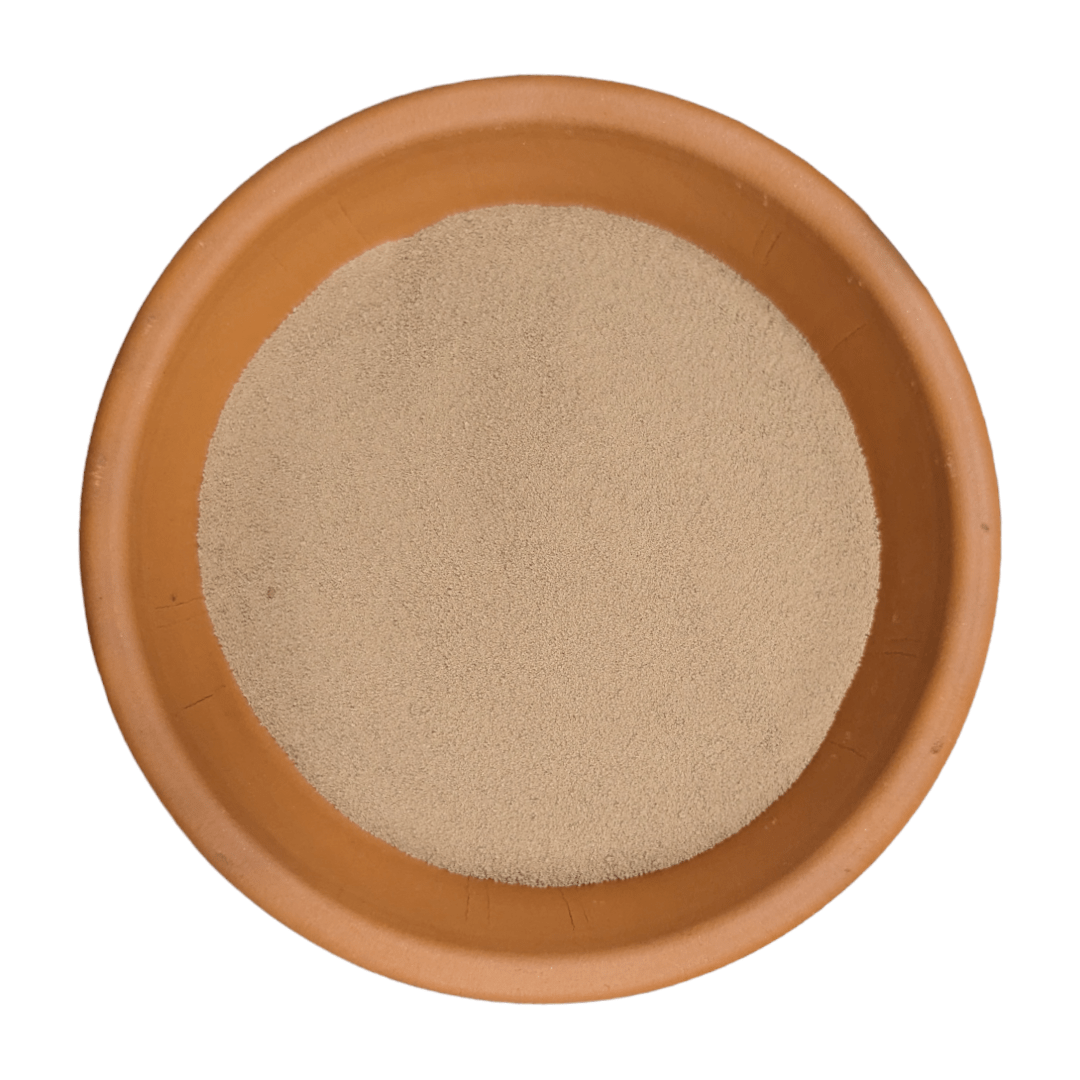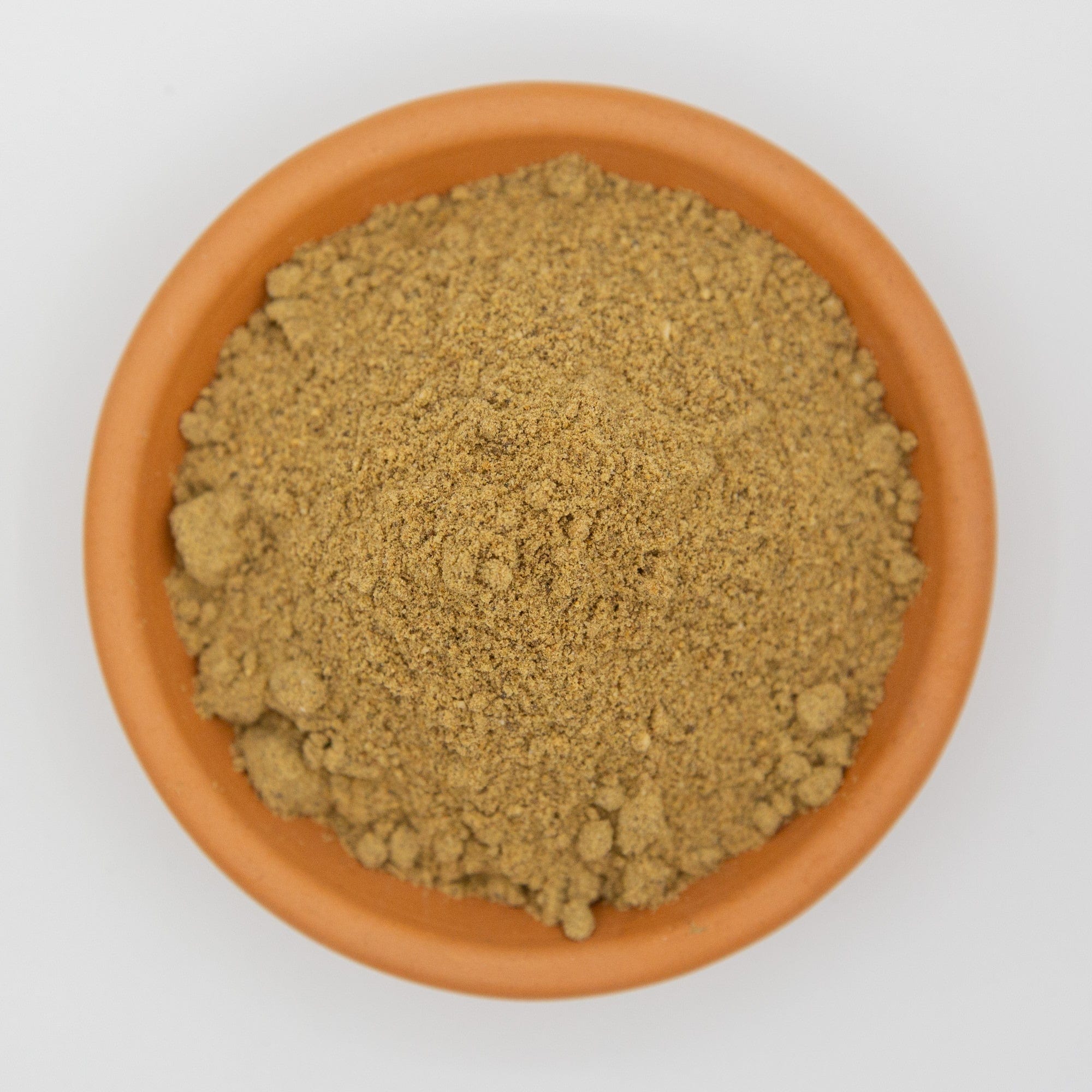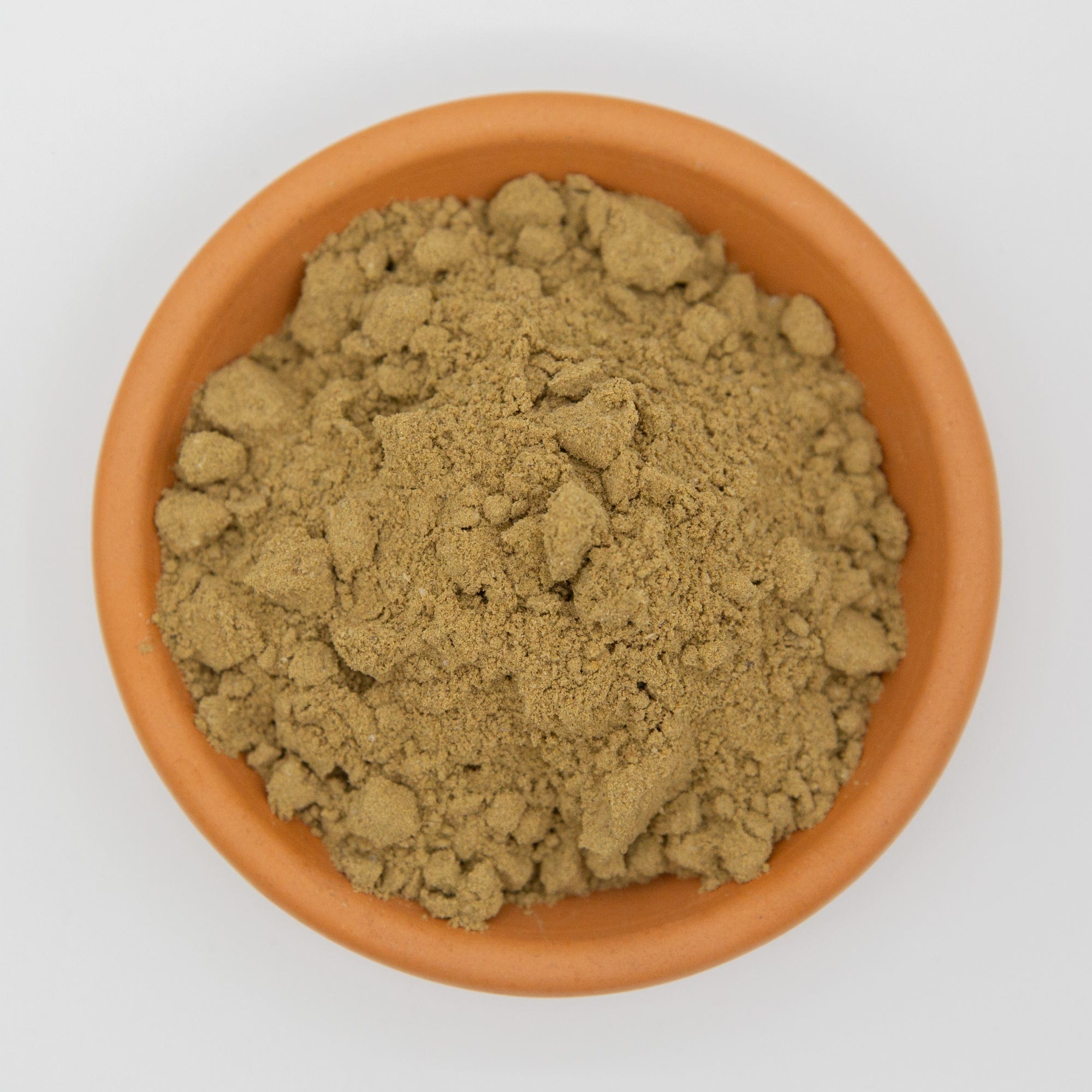

If snails and slugs are chewing your greens, don’t panic—go organic. Here’s the straight-up Aussie guide to choosing and using organic snail bait the smart way.
Quick answer: The most effective organic options in Australia are iron-based pellets, including iron chelate, iron powder and iron phosphate products. They stop snails and slugs feeding fast, often have no withholding period, are commonly rainfast, and may be suitable near waterways when used exactly as directed on the label.
Table of Contents
- What Actually Counts as “Organic” Snail Bait?
- What “Organic-Allowed” Really Means in Australia
- How to Read Snail Bait Labels & SDS Like a Pro
- Is Organic Snail Bait Safe for Pets?
- Pet Friendly Snail Bait: What “Pet Friendly” Really Means
- When to Bait: Timing = Results
- How to Apply Organic Snail Bait Without Wasting It
- Organic Snail Bait for Seedlings: Protect the Soft Stuff First
- Organic Snail Pellets After Rain: When to Reapply
- Organic Snail Pellets in Pots, Balconies and Small Gardens
- Snail Pellets vs Organic Snail Bait: What’s the Real Difference?
- Which Ingredients Really Count — and Are Organic-Allowed?
- Rainfastness, Waterways & Harvest
- Step-by-Step: Protect a New Veggie Bed
- Beyond Pellets — Simple IPM Tips That Help
- Our Recommended Organic Option
- FAQs
- Wrap-Up
- Next Reads for Building a Smarter Organic Pest-Control Plan
If you want the easiest, pet-aware option that works fast in Aussie conditions, this is the one most gardeners use:

What actually counts as “organic” snail bait?
In Australia, organic-allowed snail baits use iron as the active ingredient. You’ll see two main types:
- Iron chelate (EDTA) baits – the classic “organic-allowed” pellets designed for Aussie conditions.
- Iron powder / iron phosphate baits – also organic-allowed and widely used by home growers.
After feeding on an iron bait, snails and slugs quickly stop eating and crawl away to die—so you don’t get piles of bodies on your garden beds.
What “organic-allowed” really means in Australia
You’ll see terms like “organic-allowed” or badges from certifiers on products. In practical terms:
- Organic certifiers (e.g., ACO, OCP approval) mean a product has been reviewed and approved for use on certified organic farms and gardens.
- This doesn’t make it edible for pets, but it does mean the ingredient fits the rules of organic systems.
- Always look for the certifier’s logo or a label claim saying the product is approved for organic gardening.
Products made for organic growers are often gentler on beneficial soil life and good bugs, which is exactly the sort of thing you want in a living soil garden.
How to read snail bait labels & SDS like a pro
When you pick up a bait product, there are a few key label items worth scanning:
Label basics
- Active constituent (e.g., “Iron EDTA 60 g/kg”) — tells you the ingredient doing the work.
- Pests controlled — fine print often lists snails, slugs, sometimes slaters.
- Application rate & spacing — follow it; more is not better.
- Reapplication timing — usually after rain or when pellets are gone.
What the SDS tells you
-
Safety data sheets (SDS) give hazard info, storage, first aid and are worth a quick look if you’re applying around pets or kids.
Taking a few minutes to check the label and SDS helps you confirm the active ingredient, application rate, first-aid advice and whether the product suits your garden situation.
Is organic snail bait safe for pets?
Iron-based organic snail baits are generally safer than old-school metaldehyde or methiocarb pellets, but they are not pet treats. Dogs can still get sick if they eat a large amount.
Store bait securely, scatter it lightly, avoid piles, and keep pets away while applying pellets.
If you think a pet has eaten any snail bait, call your vet or the Animal Poisons Helpline immediately.
Animal Poisons Helpline Australia: 1300 869 738. Keep the packaging handy so you can tell them the active ingredient and product name.
Pet Friendly Snail Bait: What “Pet Friendly” Really Means
“Pet friendly snail bait” needs a reality check. Iron-based products are lower-risk than metaldehyde-style pellets when used correctly, but that does not make them edible or risk-free.
Use this rule: safer product, same common sense.
For pet-aware gardens:
- Store the pack in a sealed container or locked cupboard.
- Scatter lightly and never leave piles.
- Keep bait out of kennels, chook runs, duck areas and pet play zones.
- Apply when pets are inside, then let the area settle.
- Don’t leave loose pellets on paving where they stand out like snacks.
- Keep the packaging handy in case you ever need to call a vet.
Dogs are the main concern because they are more likely to eat a lot at once. Cats are usually fussier, but do not assume they are immune to bad decisions. Chooks and ducks can also scratch and peck through treated areas, so keep them away from fresh applications.
When to Bait: Timing = Results
Best results come when you bait as soon as snails and slugs get moving after summer dormancy—typically late summer into autumn—before egg-laying. Moist evenings and nights are prime feeding windows, so plan applications around rain or watering.
How to Apply Organic Snail Bait Without Wasting It
More snail bait does not mean better control. It usually means wasted bait, more mess, and more risk if pets or wildlife can get into it.
Snails and slugs bump into pellets while moving through damp feeding zones, so a light, even scatter works better than piles.
Use this method:
- Water the garden in the late afternoon, or apply after rain.
- Scatter pellets lightly through the problem area.
- Focus on pest travel routes, not just the plant stem.
- Use the label rate as your guide. For many iron pellet products, around 60–70 pellets per square metre is a practical home-garden benchmark. For some iron powder pellet products, around 1 teaspoon per square metre may suit smaller patches. Always follow your specific product label.
- Check the next morning for fresh chewing and missing pellets.
- Top up only where pressure is still active or pellets are gone.
- Keep pellets off edible leaves, out of pet bowls and saucers, away from pet play zones, and away from drains, ponds or runoff points unless the label allows that use.
The goal is contact, not coverage. Think light confetti across the traffic zone. You should still see soil or mulch between pellets. If you cannot, you have gone too heavy.
Organic Snail Bait for Seedlings: Protect the Soft Stuff First
Seedlings are snail and slug magnets. They’re soft, low to the ground, easy to chew through, and one bad night can wipe out a whole tray or freshly planted veggie bed.
This is where organic snail bait earns its keep. Don’t wait until half the seedlings are missing. Put protection in place as soon as young plants go out, especially after rain, irrigation or a warm humid evening.
Focus on the highest-risk crops first:
- Lettuce, rocket, silverbeet and Asian greens
- Basil, coriander and soft herbs
- Beans, peas and young brassicas
- Strawberries and low-growing fruit
- Newly planted flowers and natives with soft new growth
Scatter lightly around the planting area rather than dumping pellets right against the stem. Snails and slugs move through the bed before they reach the plant, so you want them finding bait on the way in — not after they’ve already chewed the growing tip off.
Organic Snail Pellets After Rain: When to Reapply
Rain is when snails and slugs come out swinging, but it’s also when bait management gets sloppy.
Most organic snail pellets are designed to handle damp conditions better than old-school baits, but that doesn’t mean you throw them down once and forget about them for the season. Pellets can be eaten, buried under mulch, washed into low spots or break down after repeated wet weather.
After rain, do a quick check:
- Look around seedlings, pot rims, mulch edges and shady corners.
- Check whether pellets are still visible and evenly spread.
- Top up only where pellets are gone or pest pressure is still obvious.
- Avoid making piles, even after heavy feeding.
- Reapply lightly before the next damp evening if damage continues.
The aim is steady pressure, not carpet bombing. Reapply according to the product label, especially after heavy rain or once pellets have been eaten or broken down.
If the garden keeps getting hammered after every shower, combine baiting with habitat clean-up. Lift old pots, boards, thick mulch clumps and trays where snails hide during the day. Otherwise you’re just feeding the same mob night after night.
Organic Snail Pellets in Pots, Balconies and Small Gardens
Pots and balconies need a lighter hand than big veggie beds. Snails and slugs still get in — usually under pot rims, saucers, timber shelves, dense foliage or bags of potting mix — but you’re working with a much smaller area.
Use organic snail pellets around the trouble spots, not everywhere.
Good target zones:
- Around the outside edge of pots
- Behind planter boxes
- Under benches and plant stands
- Near saucers and damp corners
- Around strawberry pots, herbs and leafy greens
- Along balcony edges after rain
Avoid putting pellets directly in saucers where they can sit in water. Also avoid leaving bait where pets can easily nose around, especially on enclosed patios or courtyards.
For small spaces, a few well-placed pellets beat a heavy scatter. Check at night with a torch and you’ll usually see the traffic routes pretty quickly. Treat those paths, clean up hiding spots, and you’ll get better control with less bait.
Snail Pellets vs Organic Snail Bait: What’s the Real Difference?
Most gardeners use “snail bait” and “snail pellets” like they mean the same thing. Fair enough — they often look similar on the shelf. But the important difference is not the shape. It is the active ingredient.
Snail pellets are the delivery format. The pellet attracts snails and slugs while they are out feeding. The risk profile comes down to what is inside the pellet.
Here’s the no-nonsense version:
Iron-based snail bait: Look for iron EDTA, iron chelate, iron powder or iron phosphate on the label. These are the better fit for organic gardens, veggie beds, living soil systems and pet-aware homes.
Metaldehyde pellets: Look for metaldehyde listed as the active constituent. These are legacy-style pellets with a much higher risk profile around pets and wildlife.
Methiocarb bait: Look for methiocarb listed as the active constituent. Avoid this for organic home gardens.
The trap is buying based on “kills snails fast” and ignoring the fine print. Cheap snail pellets can still work, but if they are metaldehyde-based, they come with a much higher concern around dogs, cats, chooks, ducks and wildlife.
If you are growing food, running a living soil bed or letting pets move through the garden, read the active ingredient first. Do not rely on colour, price or the word “bait” on the front of the pack.
Organic snail bait usually means an iron-based pellet. It is lower-risk when used correctly and better suited to veggie patches and living soil systems. But “organic” still does not mean “safe to eat,” so store it securely and scatter it lightly.
Which Ingredients Really Count — and Are Organic-Allowed?
Here’s a quick garden-friendly snapshot of the most common active ingredients you’ll see on snail bait labels — and what they mean for organic gardens and pets:
|
Active ingredient |
Organic-allowed in AU? |
What it does |
Quick caution |
|---|---|---|---|
|
Iron chelate (EDTA) |
✔️ Yes |
Stops feeding quickly, rainfast |
Still keep pets away while applying |
|
Iron powder / iron phosphate |
✔️ Yes |
Works similarly, some products list slaters too |
Good broad garden choice |
|
Metaldehyde |
❌ No |
Dehydrates snails rapidly |
Legacy poison — higher pet risk |
|
Methiocarb |
❌ No |
A stronger molluscicide |
Avoid for organic gardens, high pet risk |
This gives you the best of both worlds: clear chemical facts (like a label would have) without scaring you off organic choices. “Organic-allowed” doesn’t mean snack-safe — it means the ingredient is permitted under certified organic gardening rules.
Rainfastness, Waterways & Harvest
Many organic iron-based snail baits are promoted as rainfast, suitable near waterways and free from withholding periods when used as directed. Those claims are useful, but they still depend on the exact product label.
Rainfast means the pellets are designed to hold up better in damp conditions, not that they last forever after heavy rain. Check treated areas after rain and top up only where pellets are gone or pest pressure continues.
“Safe near waterways” does not mean you should throw bait into drains, ponds or runoff channels. It means the product may be suitable for use in nearby garden areas when the label directions are followed.
“No withholding period” means crops can usually be harvested without waiting, provided the bait has been used according to the label and kept off edible foliage.
When in doubt, follow the product label over general advice.
Step-by-Step: Protect a New Veggie Bed
Use this quick checklist when planting a new veggie bed:
- Water the bed in the late afternoon, or apply after rain.
- Scatter iron-based pellets lightly through the bed, with extra attention around seedlings, bed edges and mulch lines.
- Do not make heaps around plant stems.
- Check the next morning for fresh chewing and missing pellets.
- Top up only where pellets are gone or damage continues.
- Repeat light applications through autumn and early winter when snail and slug activity is high.
Beyond Pellets — Simple IPM Tips That Help
Organic snail bait works great — but combine it with these low-tech habits and you’ll edge pests out faster:
- Habitat tidy-up: Snails and slugs love damp hiding spots. Clear old pots, boards or dense debris.
- Water timing: Water early in the day so soil surface dries by evening — less inviting to pests at dusk.
- Barriers: Copper tape around pots or raised beds gives a small deterrent that’s easy to maintain.
- Hand picking: After rain or dusk, grab a torch and pick the little blighters by hand — especially if you’re easing into spring control.
- Encourage helpers: Frogs, lizards and birds can all help reduce snail and slug pressure, so make your garden welcoming to useful wildlife where practical.
This kind of integrated pest management keeps your garden thriving with minimal fuss.
Our Recommended Organic Option
Eradicate Eco Snail Bait Pellets (Certified Organic) — iron-based, rainfast, no withholding period, and designed for Australian conditions. Great for lawns, ornamentals, and veggie beds.
Shop Eradicate Eco 1kg & 2.5kg at Dr Greenthumbs →
FAQs
Will I see dead snails on the surface?
Usually not. Iron baits stop feeding quickly; pests crawl away to die—less mess in the beds.
How close to harvest can I use it?
Iron baits with no withholding period can be used right up to harvest when you follow the label.
How many pellets do I need?
Aim for an even light scatter—about ~70 pellets per m² for iron chelate pellets is a good rule of thumb. Avoid piles.
What season is best to start?
Start baiting as snails resume feeding after summer dormancy and before egg-laying (often late summer to autumn), then top up as needed.
Are iron baits completely safe for dogs?
They’re safer than legacy poisons but not risk-free. Store securely and keep pets away during application. If ingestion is suspected, contact your vet or the Animal Poisons Helpline immediately.
Does organic snail bait work on slaters too?
Some iron powder products list slater control on the label. If slaters are part of your problem, check the specific product label before buying. Not all iron baits make that claim.
Wrap-up
Get the timing right, spread the pellets evenly, and keep the bait dry until application. That combo beats “more pellets” every time—and keeps your patch looking schmick.
Grab Eradicate Eco Snail Bait Pellets (1kg or 2.5kg) from Dr Greenthumbs
Next Reads for Building a Smarter Organic Pest-Control Plan
Want to go beyond snail bait and tighten up your whole pest routine? These guides will help you build a more complete organic IPM strategy for Aussie gardens.
- Pest Control IPM Stack: Top 10 Organic Solutions
- Best Organic Fungicide Australia
- Diatomaceous Earth Australia
- Maximizing Garden Growth with Companion Planting: An Organic Approach to Pest Control
About the Author