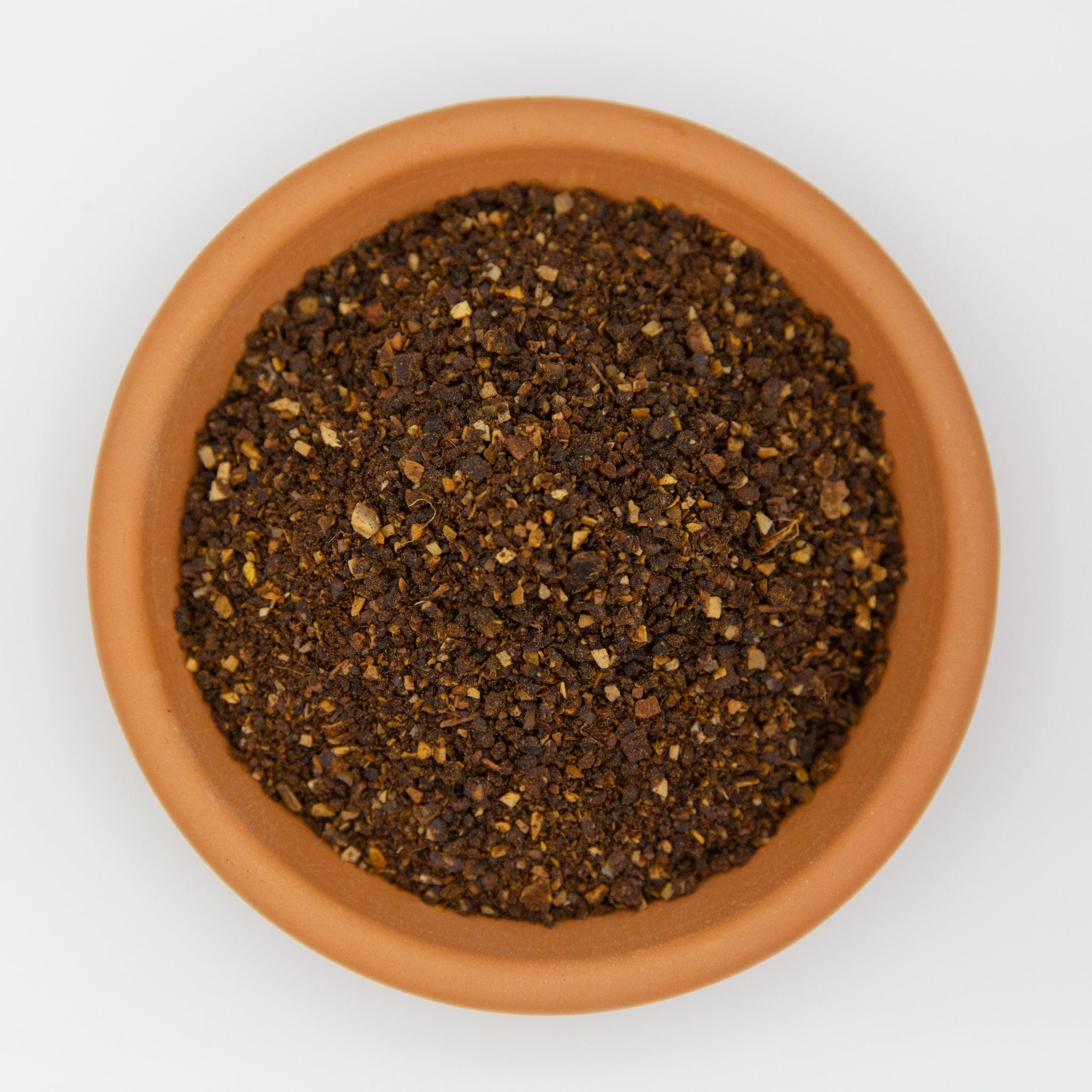

Lift a pot, pull back some mulch or shift an old bit of timber and you'll probably meet them.
Little grey critters scattering for cover.
Slaters.
Or, depending on where you grew up, woodlice, pill bugs, roleypoleys, roll-ups or butcher boys.
Seeing a heap of slater bugs in the garden can be a bit alarming, especially when you've also got seedlings mysteriously disappearing overnight. But before reaching for the pest-control gear, there's something worth knowing:
Slaters aren't automatically the bad guys.
Most of the time they're doing useful work, chewing through dead and decaying plant material and helping recycle it back into the soil.
It's when populations get too large—or when there isn't enough decaying material to keep them occupied—that tender seedlings, young stems and fruit sitting on the ground can end up on the menu.
So the aim isn't to sterilise the backyard.
It's to work out when slaters are genuinely causing damage, change the conditions helping their numbers explode, and protect the plants that actually need protecting.
Let's get into it.
Table of Contents
- What Are Slater Bugs?
- Where Do Slaters Live in the Garden?
- What Do Slaters Eat?
- Why Slater Bugs Can Destroy Seedlings
- Do Slaters Eat Strawberries and Other Fruit?
- Are Slaters Good or Bad for the Garden?
- Why Do Slater Numbers Suddenly Explode?
- How to Tell Whether Slaters Are Actually Causing the Damage
- How to Get Rid of Slaters in the Garden Without Wiping Them Out
- When Is Slater Control Actually Warranted?
- Should You Use Pest-Control Products for Slaters?
- A Simple Slater-Control Plan
- Frequently Asked Questions About Slater Bugs
- The Bottom Line: Manage Slaters, Don't Declare War on Them
- Next Reads for Managing Garden Pests Without Overdoing It
Want the quick setup? These are the useful tools for protecting seedlings and managing crawling pests while you fix the damp habitat attracting slaters:


What Are Slater Bugs?
First things first: despite being commonly called slater bugs, slaters aren't actually insects.
They're terrestrial crustaceans.
That makes them closer relatives of prawns and crabs than aphids, caterpillars or flies.
Adult slaters typically have flattened, segmented bodies with seven pairs of legs. Depending on the species, they may be grey, brown or almost charcoal coloured.
Some pill bug species can roll themselves into a tight little ball when disturbed—which is where names like “roll-up” and “roleypoley” come from.
Around Australian gardens you'll commonly hear the names:
- Slaters
- Woodlice
- Pill bugs
- Roleypoleys
- Roll-ups
- Butcher boys
Whatever you call them, they all have one particularly important requirement:
Moisture.
And that explains a lot about why they turn up where they do.
Where Do Slaters Live in the Garden?
Slaters prefer dark, cool and damp conditions where they're protected from drying out.
You'll regularly find them:
- underneath mulch
- under pots and planters
- beneath timber, rocks and pavers
- around compost heaps
- among fallen leaves
- under groundcover
- around damp garden-bed edges
- beneath trays in propagation areas
- anywhere organic material stays moist for long periods
This is why slaters in the garden often become noticeable after wet weather, frequent watering or a generous application of mulch.
Ironically, some of the best things we do for our soil can also make fantastic slater habitat.
Mulch conserves moisture.
Organic matter feeds soil life.
Compost provides decomposing material.
All good stuff.
What Do Slaters Eat?
This is where slaters get an unfair reputation.
Their normal diet is primarily dead and decaying organic material.
Think:
- decomposing leaves
- old plant material
- decaying mulch
- soft rotting vegetation
- fungi and other decomposing matter
In that role, slaters are useful decomposers.
They're helping break bulky organic matter into smaller pieces, contributing to the recycling process happening constantly in healthy garden soil.
So if you pull back a log at the back of the garden and find a handful of slaters munching through old leaves?
Leave them to it.
They're doing garden housekeeping for free.
Do Slaters Eat Living Plants?
Unfortunately, yes.
Slaters may mostly prefer decomposing material, but that doesn't mean living plants are completely safe.
When populations become high, conditions are favourable or soft plant tissue is readily available, they can feed on:
- germinating seeds
- newly emerged seedlings
- soft young stems
- tender leaves close to soil level
- plant roots
- strawberries touching the ground
- cucumbers and other low-growing fruit
- damaged or overripe fruit
This is where a useful decomposer can become a garden pest. Seedlings are particularly vulnerable because their soft growth sits close to the damp areas where slaters shelter.
Why Slater Bugs Can Destroy Seedlings
Fresh seedlings are almost perfect slater food.
They're tender, juicy and sitting right at ground level—often only centimetres away from the damp mulch the slaters are sheltering under.
You might plant healthy seedlings in the afternoon only to come back the next morning and wonder where half of them went.
Slater damage can include:
- chunks missing from leaves
- stems chewed near ground level
- young plants effectively “ringbarked”
- germinating plants disappearing altogether
- damaged growing tips
- weakened seedlings collapsing
Melons, beans, brassicas and other plants with fleshy young stems can be particularly vulnerable during establishment.
Here's the good news:
Plants become much less attractive once their stems mature and toughen.
That means you often don't need permanent protection.
You just need to get the plant safely through its vulnerable first few weeks.
Do Slaters Eat Strawberries and Other Fruit?
They certainly can.
Strawberries sitting directly against damp soil or mulch are easy targets.
The same applies to cucumbers, melons and other soft fruit that rests on the ground.
You'll often find irregular chunks eaten from the lower surface where the fruit touches the soil.
An easy solution?
Get the fruit off the ground.
Grow strawberries in containers or use supports to keep fruit clear of the soil.
Train cucumbers and suitable melons vertically.
Use straw or another setup that creates separation between ripening fruit and the areas where slaters are travelling.
Sometimes pest control doesn't need to involve killing anything.
You simply make dinner harder to reach.
Are Slaters Good or Bad for the Garden?
They're both.
That's the bit that gets missed when every garden critter is immediately labelled a pest.
In normal numbers, slaters are useful decomposers helping process organic material.
They only really become a problem when their population becomes large enough that significant feeding moves from decomposing matter onto living plants.
Their presence alone does not make them a pest. In a healthy garden, a modest slater population can continue breaking down organic matter without causing meaningful plant damage.
Why Do Slater Numbers Suddenly Explode?
Big slater populations don't appear for no reason.
The problem starts when the combination of food + moisture + shelter becomes so good that slater numbers begin booming.
They're usually telling you that your garden has become excellent slater habitat. Three things are particularly important.
1. Mulch
Mulch creates shelter from sunlight while keeping the soil underneath cool and moist.
Exactly what slaters want.
We're definitely not suggesting abandoning mulch—it's far too useful for that.
Instead, think strategically about where the mulch sits, particularly when establishing seedlings.
2. Moisture
Frequent irrigation, poor drainage, prolonged rain and constantly wet garden areas can all favour slaters.
Check whether the soil genuinely needs watering before reaching for the hose again.
If one area stays permanently soggy, investigate the underlying drainage issue as well.
3. Hiding Places
Old pots, stacks of timber, bricks, thick leaf litter, trays and garden debris can create ideal daytime refuges.
Again, the answer isn't to make your garden sterile.
It's to remove unnecessary shelter immediately around plants you're trying to protect.
How to Tell Whether Slaters Are Actually Causing the Damage
Don't convict the nearest critter without evidence.
Slugs, snails, earwigs, caterpillars and plenty of other garden pests can also chew seedlings.
Before treating anything, do a little detective work.
Check after dark
Slaters are usually much more active at night.
Head outside with a torch an hour or two after sunset and inspect vulnerable plants.
Look under nearby cover
Gently pull mulch aside or lift nearby pots.
Finding dozens of slaters immediately beside damaged seedlings makes the case stronger.
Look at where the damage occurs
Damage around the base of young fleshy stems, disappearing seedlings and chewing on fruit touching the soil can all point towards slaters.
If there are only three slaters under a log six metres away?
They're probably not your problem.
How to Get Rid of Slaters in the Garden Without Wiping Them Out
Here's the approach we recommend starting with.
Not “spray everything”.
Change the environment first.
That's usually the most sustainable way to manage slaters in the garden because you're addressing the reason they're congregating around your plants.
1. Should You Remove Mulch to Control Slaters?
Usually, no. Mulch is doing too many useful jobs to remove from the entire garden, including conserving water, suppressing weeds, protecting soil, moderating temperature and feeding soil organisms as it breaks down.
A better compromise is temporary separation. Create a clear zone around:
- newly transplanted seedlings
- freshly sown rows
- germinating plants
Slaters prefer travelling under protection, so exposed soil creates a less comfortable journey between their shelter and your plants. Once stems harden and the plants become established, gradually move the mulch back.
2. Use Seedling Collars
One of the easiest tricks for protecting seedlings is a physical collar.
Repurpose an old plastic pot or similar smooth-sided container:
- Cut the bottom out.
- Place it over the seedling.
- Push the bottom edge a couple of centimetres into the soil.
- Leave enough above ground to create a meaningful barrier.
Slaters travelling across the soil encounter the smooth wall instead of the plant.
Leave the collar in place until the seedling is well established and its stem has toughened.
Then pull it out and use it again.
No spray required.
3. Reduce Slater Hiding Places Around Problem Areas
Have a look around the affected bed.
Is there:
- old timber lying nearby?
- piles of damp leaves?
- unused pots sitting directly on soil?
- thick mulch pushed hard against every seedling?
- cardboard permanently sitting on wet ground?
- rotten plant material accumulating?
Clean up the excess.
You don't need a spotless garden.
You simply want fewer five-star slater hotels immediately beside vulnerable plants.
4. Try Simple Slater Traps
If numbers are already high, trapping can help knock the population down without blanket treatment.
Orange-skin trap
After eating an orange, place the hollow half cut-side down near affected plants overnight.
The sheltered interior gives slaters somewhere attractive to gather.
Check it the next morning and remove those hiding underneath.
Potato-peel trap
Put potato peelings into a small seedling punnet or similar container and leave it near the affected area overnight.
Again, check it first thing in the morning.
Repeat trapping over several nights rather than expecting one attempt to solve a major outbreak.
The idea is gradual population reduction.
5. Keep Fruit Off the Ground
Try:
- strawberries in raised containers
- supports underneath low fruit
- trellising cucumbers
- training suitable melons
- removing damaged or overripe fruit promptly
The harder it is for slaters to reach soft plant material, the less damage you'll see.
6. Grow Seedlings Larger Before Planting Out
If you're losing tiny transplants repeatedly, change your timing.
Grow seedlings on in pots for longer before planting them into beds with heavy slater activity.
A plant with a tougher, more established stem is considerably harder to damage than a soft baby seedling.
It's often one of the easiest solutions.
7. Review Your Watering
Remember: slaters need moisture.
That doesn't mean allowing your garden to dry out just to annoy them.
It means avoiding unnecessary moisture.
Water according to what the plant and soil actually need.
Fix areas that remain permanently waterlogged.
And where practical, water early enough that surfaces don't remain excessively wet all night.
You're not trying to create desert conditions.
You're removing one of the factors supporting excessive numbers.
8. Use Chickens Where Appropriate
Got chooks?
In a larger garden, allowing chickens into empty vegetable beds between crops can help reduce slater populations while the birds scratch through mulch and organic material looking for snacks.
Obviously, don't release the girls into a freshly planted lettuce bed unless you want the slaters to become the least of your problems.
Use chooks between crops, not on top of them.
When Is Slater Control Actually Warranted?
Once you have confirmed slaters are responsible, the next question is whether the level of damage justifies control.
Instead of asking, “How do I kill every slater?”, ask, “Are these slaters actually damaging anything?”
Control is worth considering when you're seeing real plant damage plus significant slater activity.
For example:
- seedlings repeatedly disappearing overnight
- soft stems being chewed through
- germinating crops failing because of feeding
- strawberries or other fruit being damaged at ground level
- large numbers clustering around vulnerable plants
- repeated losses despite basic barriers
Control probably isn't necessary when:
- you've simply noticed a few under logs
- they're active in your compost
- they're feeding on decaying mulch
- established plants aren't being damaged
- there's no evidence connecting them with a plant problem
One slater isn't an infestation.
And an infestation isn't necessarily a reason to sterilise the entire garden.
The aim is balance.
Should You Use Pest-Control Products for Slaters?
Habitat changes, physical barriers and trapping should be the starting point. If damage continues, assess any pest-control product according to its label and the pest it is intended to target.
Can Diatomaceous Earth Help?
Where you're managing broader crawling-pest pressure, a dry mineral barrier can be another tool in the kit.
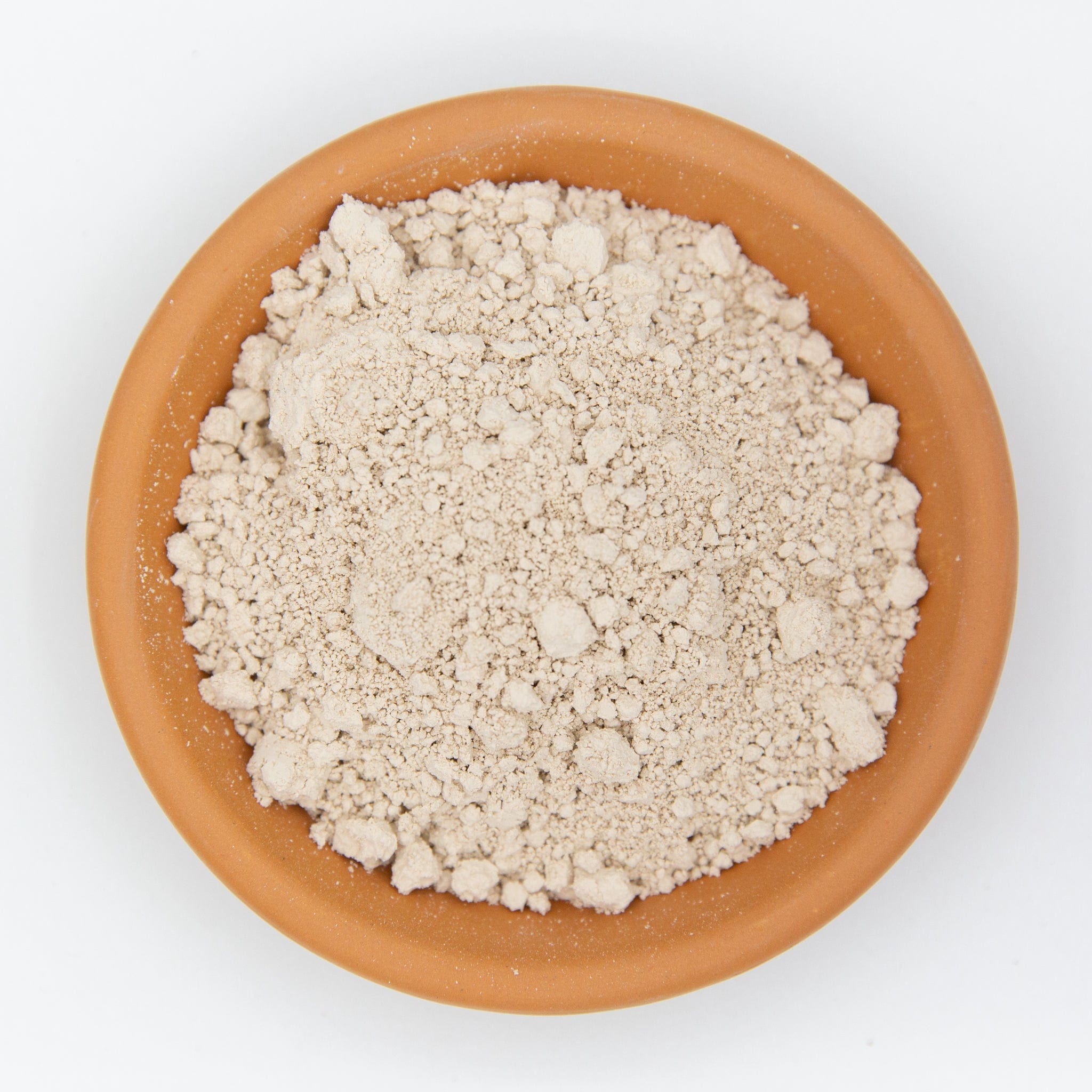
Our Micronised Diatomaceous Earth is a fine mineral-based powder designed for pest-control use around plants, pots, garden beds and growing media.
The important bit is dry.
Diatomaceous earth relies on physical contact and performs when dry, so rain, watering and heavy moisture reduce its usefulness until it dries or is reapplied.
Use a light application rather than piling it on, avoid windy conditions and take care not to inhale the fine dust.
And remember the bigger picture:
If your slater problem is being driven by permanently damp mulch and masses of shelter, powder alone doesn't fix the habitat.
Start there.
What About Pyrethrum?
This is where correct pest identification becomes important.
Slaters are crustaceans, not insects.
Our Pyrethrum Concentrate and Pyrethrum Insect Dust are pest-control products intended for labelled uses against specified insect pests.
So don't see “slater bugs” and automatically assume an insecticide is the answer.
Always check the product label for:
- the target pest
- permitted plants
- dilution or application instructions
- withholding periods where relevant
- safety requirements
Pyrethrum can also affect beneficial insects, so targeted application matters.
That's another reason we prefer identification, habitat management, barriers and trapping before escalating pest control.
Right pest. Right tool. Right time.
A Simple Slater-Control Plan
If slater bugs are damaging your seedlings, work through these steps in order:
- Confirm slaters are responsible.
- Protect vulnerable seedlings.
- Remove excess shelter around the affected plants.
- Trap heavily populated areas over several nights.
- Review watering, drainage and permanently damp zones.
- Keep soft fruit off the ground.
- Escalate only when the damage genuinely warrants it.
If using any pest-control product, identify the target correctly and follow the product label.
Frequently Asked Questions About Slater Bugs
Are slaters and woodlice the same thing?
Yes. Woodlice is another common name used for terrestrial isopods commonly called slaters in Australia. Pill bugs, roleypoleys and roll-ups are other names you may hear, although the common names can refer to slightly different species.
Are slater bugs insects?
No. Despite the phrase “slater bugs”, slaters are terrestrial crustaceans rather than insects.
What do slaters eat?
Slaters mainly eat dead and decomposing organic material. When populations are high, they may also feed on seedlings, tender stems and soft fruit close to the ground.
Are slaters good for soil?
In reasonable numbers, yes. Slaters help break down decaying plant material and support nutrient recycling in the soil.
Why are slaters eating my seedlings?
Seedlings have soft, tender tissue close to the damp areas where slaters shelter. The risk usually falls once the stems mature and toughen.
How do I stop slaters eating seedlings?
Pull mulch back temporarily, use smooth-sided seedling collars and remove nearby damp hiding places. Growing seedlings larger before planting out can also reduce losses.
How do I get rid of slaters naturally?
Start with habitat changes, barriers and trapping. Reduce excess moisture and shelter, protect seedlings with collars and use orange-skin or potato-peel traps to lower numbers around damaged plants.
Why do I suddenly have heaps of slaters in the garden?
Slater numbers can rise when moisture, food and protected hiding places occur together. Wet weather, frequent watering and thick damp mulch can all contribute.
Should I kill slaters in my compost?
Usually not. Slaters feeding on decomposing material in compost are carrying out their normal role as decomposers. Take action when they're causing significant damage to living plants rather than simply because they're present.
Do slaters bite people?
No. Garden slaters aren't interested in biting you. Their nuisance value comes from the damage large populations can sometimes cause to vulnerable plants.
The Bottom Line: Manage Slaters, Don't Declare War on Them
Slaters are usually useful decomposers, not pests that need to be eliminated on sight.
Control becomes reasonable when you have confirmed that significant numbers are damaging seedlings, tender stems or fruit. Start with habitat management and temporary plant protection, then escalate only when the damage warrants it.
The goal is not a lifeless garden. It is a balanced one where slaters stick mostly to decomposing material and vulnerable plants get the chance to establish.
Next Reads for Managing Garden Pests Without Overdoing It
Still seeing chewed seedlings or crawling pests around damp garden beds? These guides will help you narrow down the culprit and choose a more targeted control strategy.
- Diatomaceous Earth Australia Guide
- Pest Control IPM Stack: Top 10 Organic Solutions
- Which Pest When? Australia
- Potting Soil for Seedlings Australia Guide
About the Author