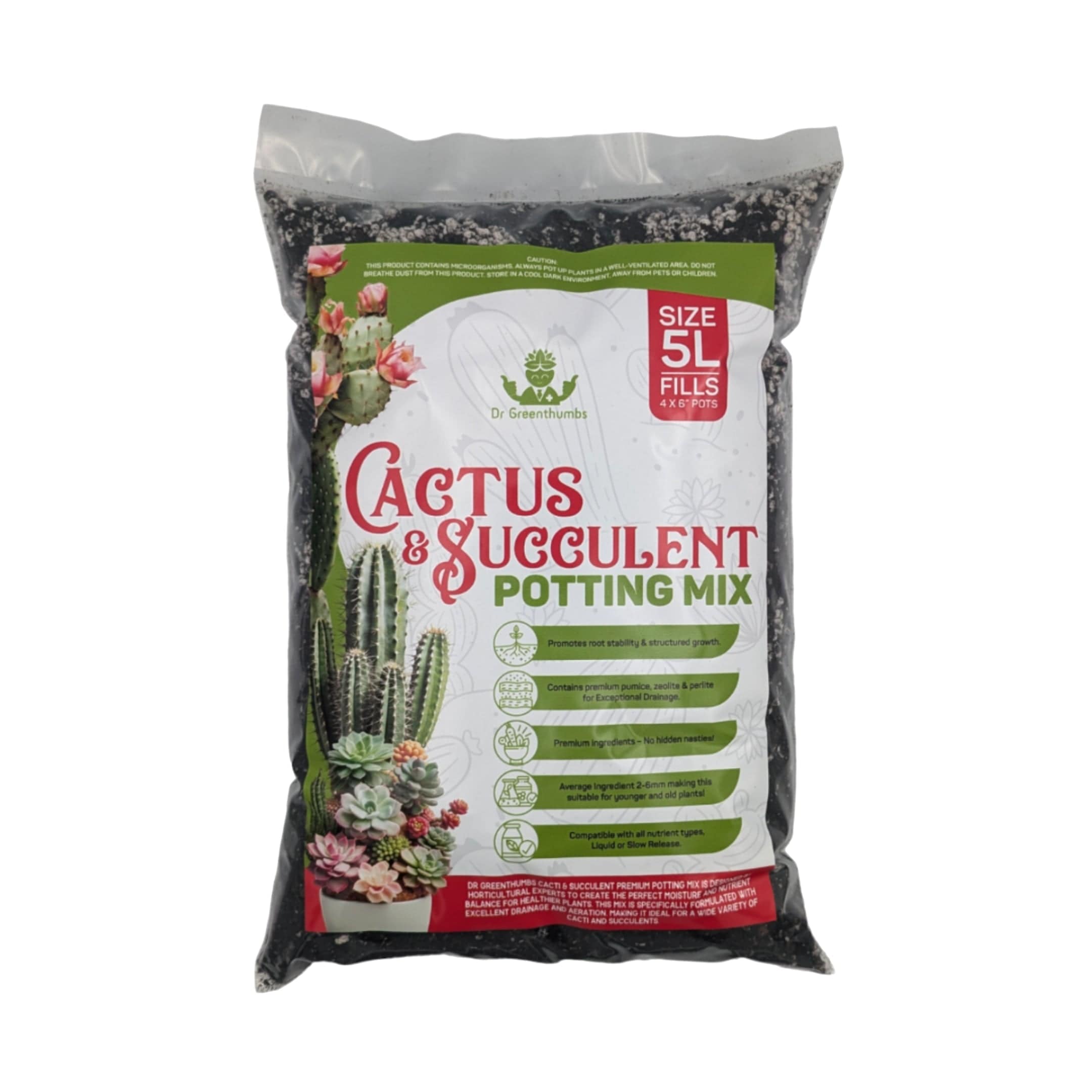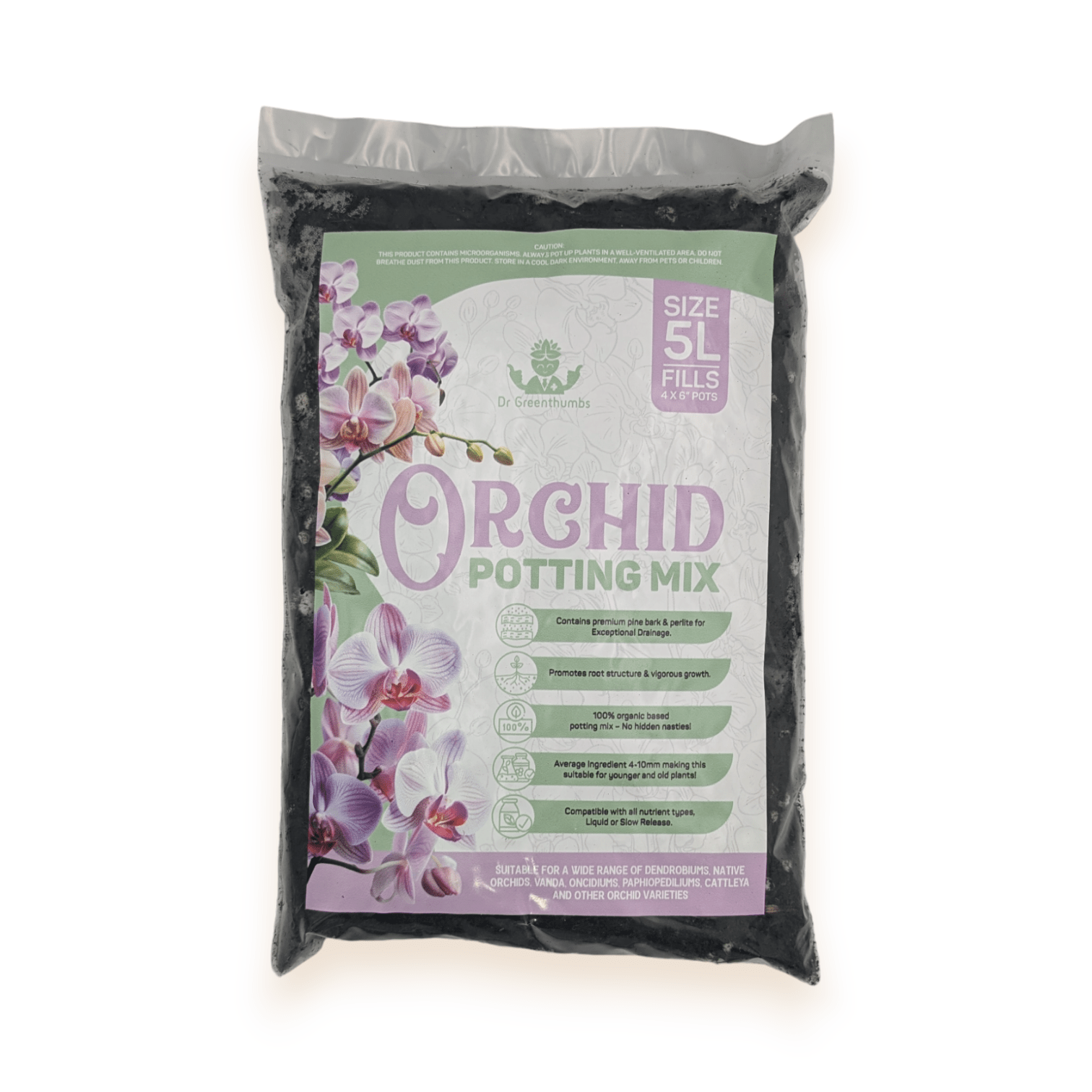

Orchid roots are fussy blokes: give them soggy peat and they’ll sulk; give them chunky, pH-balanced bark and they’ll party. That’s why professional growers the world over swear by Orchiata, a premium, long-lasting substrate milled from sustainable New Zealand Pinus radiata bark — and why we keep the full range in stock right here at Dr Greenthumbs.
Table of Contents
- What Is Orchiata Orchid Bark and Why It’s Different
- Why Quality Orchid Bark Matters
- Choosing the Right Orchiata Orchid Bark Size
- How Long Does Orchiata Orchid Bark Last?
- Best Practices for Using Orchiata Orchid Bark
- How to Prep Orchiata Bark Before Potting
- Repotting Orchids with Orchiata Bark
- Orchid Bark Mixes: When to Use Them and How to Build One
- Common Mistakes When Using Orchid Bark or Orchid Bark Mix
- Orchid Bark Quality Checklist
- Feeding, Watering and After-Care
- Orchid Bark for Chunky Indoor Plant Mixes
- Frequently Asked Questions
- Ready to Upgrade Your Mix?
- Next Reads for Better Orchid Media and Healthier Indoor Roots
If you want the quickest path to success, these are the most-used Orchiata options:


What Is Orchiata Orchid Bark and Why It’s Different
Orchiata orchid bark isn’t just standard pine bark—it’s a precision-processed substrate designed specifically for orchids. Made from aged New Zealand radiata pine, it goes through a controlled ageing process to be clean and stable, making it less prone to nasty breakdown and more conducive to healthy root conditions.
What this means in practice is consistency. Unlike cheaper bark that breaks down quickly or swings in pH, Orchiata holds its structure longer, drains reliably, and creates a stable root environment.
It also contains naturally occurring calcium and beneficial biology that support root development and reduce transplant shock. For growers, that translates to fewer repots, healthier root systems, and more predictable watering cycles.
The key advantage here isn’t just quality—it’s repeatability. Once you dial in your watering and feeding, Orchiata behaves the same way every time.
Why Quality Orchid Bark Matters
Orchid roots aren’t just picky about wet feet — they also thrive when there’s a little life around them. In nature, epiphytes like orchids form friendly associations with beneficial fungi (often called mycorrhizae) that help them access water and nutrients from the air and bark of trees. Good treated bark like Orchiata is aged and heat-processed without harsh chemicals — this keeps the structure stable and lets gentle, helpful microbes colonise the chips instead of letting nasty moulds take over. The result is a medium that feeds oxygen to roots, invites good microbes and keeps bad ones at bay, without you having to be a lab tech.
- Air-to-Fibre Porosity (AFP) around 50 % keeps roots breathing.
- Water-Holding Capacity (WHC) in the sweet spot (55–60 %) means your plants get a steady drink without wet feet.
- Heat-treated and calcium-buffered bark resists premature breakdown, so the mix stays open and breathable for longer than cheaper, fast-composting bark.
- Zero nasty resins or sap that can fry tender root tips.
Choosing the Right Orchiata Orchid Bark Size
One of the biggest mistakes growers make is using the wrong bark size for their orchid type or growing conditions.
Orchiata comes in different grades, and each serves a specific purpose:
-
Fine (3–6mm) – Best for seedlings, young orchids, or species that prefer higher moisture retention
-
Medium (6–9mm) – Ideal for most common orchids like Phalaenopsis and Oncidiums
- Coarse (9–12mm+) – Suited for larger orchids such as Cattleyas or for growers in humid environments
The logic is simple:
Smaller bark = more water retention
Larger bark = more airflow and faster drying
If your environment is dry or you tend to underwater, go slightly finer. If you’re in a humid space or prone to overwatering, step up to a coarser grade.
Getting this right has a bigger impact than most fertiliser tweaks—it directly affects root oxygen, which is where orchids either thrive or fail.
Orchiata Grades and Best Uses
Tip: Match particle size to root thickness and pot diameter. Too fine and the mix compacts; too coarse and young roots desiccate.
|
Particle size |
Ideal for |
Quick-shop link |
|---|---|---|
|
3–6 mm Precision – “Seedlings” |
Flask seedlings, mini Phals, jewel orchids |
|
|
6–9 mm Classic – “Young Plants” |
7–10 cm pots, masdevallias, oncidiums |
|
|
9–12 mm Power – “Mature Plants” |
Mature Phalaenopsis, miltonias, aroids in 12–15 cm pots |
|
|
12–18 mm – “Mature Plants” |
Cymbidiums, dendrobiums, hoyas, 15 cm+ pots |
|
|
18–25 mm Super – “Mature Plants” |
Vandaceous types, specimen plants, terrarium drainage layer |
How Long Does Orchiata Orchid Bark Last?
A major reason growers switch to Orchiata is longevity. Standard orchid bark can start breaking down within 6–12 months, especially if it is low-grade, constantly wet, or packed with fine particles. As bark breaks down, it compacts around the roots, holds too much water, and reduces airflow.
Orchiata is pre-aged and stabilised, so it usually holds its structure longer than cheaper orchid bark. In many home orchid setups, growers can often go around 2–3 years before a full bark replacement is needed, provided the mix still looks chunky, drains freely, and does not smell sour or sludgy.
Some growers may get longer from Orchiata in ideal conditions, while constantly wet pots, heavy feeding, poor airflow, or warm humid environments can shorten its useful life. The safest rule is to judge the bark by condition, not by the calendar.
Replace or refresh the bark when you notice:
- Bark chips crumbling into fine particles
- The mix staying wet much longer than usual
- Sour, compost-like, or swampy smells
- Roots declining even when watering and feeding are correct
- The pot feeling dense or airless instead of open and chunky
This protects the main benefit of Orchiata: a stable, breathable root zone that does not collapse quickly around the roots.
Best Practices for Using Orchiata Orchid Bark
To get the most out of Orchiata, use it as an airy, structured root medium rather than packing it down like soil.
The main rules are simple:
- Choose the right bark size for the orchid and pot size.
- Keep the bark loose enough for air to move through the root zone.
- Use a pot with enough drainage and airflow, such as a slotted orchid pot.
- Water according to bark condition and pot weight, not a fixed calendar.
- Refresh the bark when it starts breaking down, smelling sour, or holding too much water.
If you’re upgrading your setup, pairing Orchiata with breathable orchid pots helps maintain the airflow advantage long-term.
How to Prep Orchiata Bark Before Potting
Orchiata does not usually need heavy rinsing or sterilising before use. It is already processed to be clean and stable.
A light rinse is optional if you want to remove loose dust or fines, but do not boil it, compost it further, or treat it like raw garden mulch. Overprocessing can reduce the structure and biology that make quality orchid bark useful.
For best results before repotting:
- Shake the bag to distribute the bark pieces evenly.
- Tip the amount you need into a clean tub.
- Cover with lukewarm water.
- Optional: add a small amount of liquid kelp or B-vitamin tonic.
- Soak for 4–12 hours, or overnight if convenient.
- Strain well before potting.
The goal is to hydrate the bark evenly before use, not sterilise it or turn it soft.
Repotting Orchids with Orchiata Bark
Repotting is where bark quality matters most. The goal is to remove broken-down media, protect healthy roots, and refill the pot with a bark grade that keeps the root zone open and breathable.
- Unpot your orchid, trim dead roots and old spikes.
- Layer a few chunky pieces at the base for drainage.
- Hold the plant centrally and back-fill with your chosen grade, tapping the pot so bark settles snugly around roots.
- Water thoroughly and let excess drain. Place the plant in bright shade for a week while roots resettle.
If you’re refreshing your entire mix and comparing different aeration components, the Vermiculite vs Perlite – The Ultimate Aussie Grower’s Guide gives a clear rundown of which ingredient to combine with orchid bark for your plant’s moisture needs.
When to Repot Orchids in Bark
Don’t wait a set number of months — watch your plant:
- Phalaenopsis: repot when new roots are emerging or old bark has crumbled around them.
- Cattleya & similar cattleyoids: when new growth is about 2–3 cm tall and roots are actively pushing.
- Dendrobiums: after the last cane has finished flowering and new canes are forming.
- Oncidiums & Miltonias: as soon as you see fresh roots climbing the pot walls.
These little signals help you repot with confidence, not guesswork.
Orchid Bark Mixes: When to Use Them and How to Build One
An orchid bark mix is a blended growing medium that combines bark with other components like perlite, sphagnum moss, charcoal, pumice, or coco chips.
The goal is not just to “fill a pot.” A good bark mix adjusts moisture retention, airflow, and stability based on the orchid, the pot, and the growing environment.
Pure bark, including Orchiata, works well for many orchids. A blended bark mix becomes useful when:
- Your environment is very dry and pots dry too quickly
- Your orchid species prefers more moisture around the roots
- You want more forgiveness between watering
- You need extra drainage or airflow from ingredients like perlite or pumice
Think of it as customising the root zone instead of relying on a one-size-fits-all bag.
Orchid Bark vs Orchid Bark Mix: What’s Actually in the Bag?
This is where a lot of Aussie growers get tripped up. Orchid bark and orchid bark mix sound similar, but they’re not always the same thing.
Plain orchid bark sold under the brand Orchiata is just graded bark chips — no soil, no peat, no fertiliser, no hidden wetting agents. It’s used when you want full control over airflow, moisture and drainage.
An orchid bark mix, on the other hand, is a pre-blended medium. Depending on the brand, it may include bark plus extras like coir chips, perlite, charcoal, wetting agents or slow-release fertiliser. That can be handy for beginners, but it also means you’re locked into someone else’s recipe.
Here’s the simple way to choose:
- Use plain orchid bark when you’re building your own chunky mix for orchids, aroids, hoyas or other epiphytes.
- Use orchid bark mix when you want a ready-made option and you’re happy with the moisture level and additives in the bag.
- Avoid anything that looks like regular potting mix if your orchid needs serious airflow around the roots.
The label tells the truth. If the bag says “orchid potting mix”, check whether bark is the main ingredient or whether it’s a fine, soil-like blend with a few chips thrown in. For growers who want a clean, chunky base to customise, plain Orchiata Bark 18-25 mm is the better starting point.
Starter Orchid Bark Mix Recipes
Once you’ve picked the right Orchiata grade, knowing how to blend it for your space helps you avoid soggy roots or cactus-dry bark. These tried and tested ratios make mixing easy:
-
Indoor bench standard mix: 80 % Orchiata + 20 % perlite — great for most Phalaenopsis and compact Cymbidiums in Australian homes.
-
Extra airy (humid climates): 70 % Orchiata + 20 % perlite + 10 % pumice — perfect if you battle rot or live in coastal/temperate zones.
-
Moisture-forgiving mix (dry air): 85 % Orchiata + 10 % perlite + 5 % sphagnum tip-top dressing — gives thirsty roots a bit more time between drinks.
- Hearty roots for outdoors/shadehouses: 60 % Orchiata + 30 % chunky lava rock/pumice + 10 % perlite — ideal for larger specimens or benches with breeze.
Why add perlite or pumice? These inert bits help keep air channels open as bark slowly breaks down, so your roots always have oxygen and your mix drains like it’s meant to. (No nasties, just good Aussie-grown common sense.)
How to Adjust an Orchid Bark Mix
A well-structured orchid bark mix balances three things: air, water, and stability. Once you have a basic recipe, adjust it based on how the pot behaves after watering.
If the mix stays wet too long, increase the amount of bark, perlite, pumice, or other chunky aeration ingredients. This opens the mix and helps oxygen reach the roots.
If the mix dries too fast, add a small amount of sphagnum moss or coco chips to hold moisture for longer. Add these gradually, because too much moisture-holding material can quickly turn a good bark mix into a soggy one.
Use the orchid’s roots as your guide. Thick-rooted orchids usually tolerate chunkier, faster-draining mixes. Finer-rooted orchids often need slightly more moisture retention.
The key is observation. If your pots are drying evenly and the roots look firm, the mix is doing its job.
Common Mistakes When Using Orchid Bark or Orchid Bark Mix
Even great bark can underperform if it is used the wrong way. Most problems come down to poor airflow, too much retained moisture, or using the wrong bark size for the plant and climate.
Avoid these common mistakes:
Using bark that is too fine
Tiny chips and dust can pack together, starving roots of oxygen and increasing the risk of rot.
Using bark that is too coarse for young or fine roots
Large chunks can dry too quickly if the roots are small, young, or not yet established.
Adding too much moss or coco
Moisture-holding ingredients are useful in small amounts, but too much can make the mix stay wet for too long.
Using poor-quality or composted bark
Cheap bark can break down quickly, collapse around the roots, and undo the benefits of a chunky orchid mix.
Ignoring your climate
A mix that works in humid Queensland may not behave the same way in a dry indoor setup or a cooler southern climate.
Watering on autopilot
Different bark sizes and mixes dry at different speeds. Always check the pot before watering instead of following a fixed calendar.
Using anything that looks like regular soil
If the mix looks fine, heavy, and soil-like, it is probably not suitable for orchids that need serious airflow around the roots.
The fix is simple: treat the mix as a system. Bark size, pot type, climate, watering habits, and root thickness all work together.
Orchid Bark Quality Checklist
Before you buy a bag, give it the sniff and feel test — here’s what to look (and listen) for:
- Smell: Fresh and earthy, not sharp resin or sour compost.
- Dust/fines level: Minimal dust means fewer wet-slime issues and less compaction.
- Chip size consistency: Evenly sized chips mix and drain better than mismatched ones.
- pH balanced/treated: A stable pH in the sweet spot keeps nutrients accessible.
- Longevity: Aged (not composted) bark lasts longer, meaning less repotting stress for you.
This quick check saves time and prevents ending up with media that’s heavy, claggy or disappointing.
Feeding, Watering and After-Care
Orchiata’s neutral pH means you control nutrition. Pair it with a suitable orchid fertiliser or liquid feed program, then adjust based on the plant’s growth stage and season.
After repotting, keep the orchid in bright shade for about a week while the roots resettle. Avoid heavy feeding immediately after disturbing the roots.
Watering Clues Based on Bark Size and Climate
Your watering rhythm changes with bark grade, pot type, and the Aussie climate you’re growing in.
Small chip mixes, 3–9 mm: These hold moisture more evenly around smaller roots. Check them often in warm indoor conditions, but do not assume they need water just because the surface looks dry.
Medium-to-chunky mixes, 9–18 mm: These are good all-rounders for many orchids in temperate or coastal conditions. Let the pot become lighter before watering again.
Extra chunky mixes, 18 mm+: These drain quickly and suit plants that like strong airflow, sunny patios, or breezy shadehouses. Water thoroughly, then allow a proper dry-back period.
In humid climates, such as Brisbane or Sydney summer conditions, wait until the top bark feels dry and the pot feels light. In drier southern states or winter indoors, watering intervals may stretch out. Always check the pot before watering — it is a better signal than a calendar.
Orchid Bark for Chunky Indoor Plant Mixes
This is a secondary use case, but it is worth covering because many growers use orchid bark as a chunky amendment for aroids, hoyas, and other indoor plants.
Orchid bark isn’t just for orchids. It’s also one of the easiest ways to open up a dense indoor plant mix, especially for plants that hate sitting in wet, airless soil.
The trick is knowing which plants actually benefit from it. Aroids like monstera, philodendron, anthurium and pothos usually appreciate a chunkier mix because their roots like oxygen as much as moisture. Hoyas and some bromeliads can also do well with bark added in.
But don’t chuck orchid bark into every pot just because TikTok said “chunky mix” is the answer to everything. Some plants prefer a more even, moisture-holding medium. If you go too chunky with plants that have finer roots, the mix can dry unevenly and make watering harder, not easier.
A good starting point for many indoor aroids is:
- 60% premium indoor potting mix
- 20% orchid bark
- 20% perlite or pumice
For thicker-rooted epiphytes, you can push the bark higher. For finer-rooted plants, keep it lower and let perlite do more of the drainage work.
The goal isn’t to make the mix as chunky as possible. The goal is to stop the lower half of the pot staying wet for days while still giving the roots enough moisture to keep growing.
Frequently Asked Questions
How often should I replace Orchiata?
Most growers should judge Orchiata by condition rather than a fixed date. Replace or refresh it when the bark starts crumbling, staying wet too long, smelling sour, or compacting around the roots. In many home setups, this may be around 2–3 years, but climate, watering, feeding, and pot type all affect timing.
Do I need to add charcoal or perlite?
Not always. Orchiata can be used on its own, but perlite, pumice, charcoal, sphagnum, or coco chips can help fine-tune airflow and moisture retention depending on the orchid, pot, and climate.
Can I use Orchiata for non-orchids?
Yes. Orchiata can be used in chunky mixes for aroids, hoyas, bromeliads, and other plants that benefit from extra airflow around the roots. Use it as part of a balanced mix rather than adding it blindly to every indoor plant pot.
And if your mix needs extra long-term loft that won’t break down like bark, The Aussie Grower’s Guide to Pumice Stone for Plants (2025) shows how growers blend pumice with bark for maximum oxygenation.
Can I reuse orchid bark?
Yes — if it still has structure and isn’t sludgy or sour. Shake out old media, trim rotten bits, and blend 20–30 % fresh bark to breathe new life into the mix.
Do I need to sterilise orchid pine bark?
Not usually. Quality orchid bark is processed to be clean and stable. Boiling, baking, or sterilising can reduce the structure and beneficial biology that make good bark useful.
Is orchid pine bark safe around pets?
Orchiata and similar bark media are plant-grade pine bark with no toxic additives, so they’re generally safe around curious pets. Always keep bags sealed and sweep stray bits to avoid mess or chewing.
Does Orchiata need rinsing?
Not usually. A light rinse is optional if you want to remove loose dust or fines, but Orchiata does not need heavy washing, boiling, or sterilising before use. Soaking before potting is mainly about hydrating the bark evenly.
Ready to Upgrade Your Mix?
Explore the full Orchiata collection and get fast dispatch from our NSW warehouse plus free shipping on orders over $250. Your orchids (and aroids) will thank you with fatter roots and bigger blooms.
Happy growing!
Next Reads for Better Orchid Media and Healthier Indoor Roots
Got your orchid bark sorted? These guides will help you fine-tune potting mix choice, watering and feeding so your indoor plants stay healthier for longer.
- Indoor Potting Mix Australia
- How to Fix Poor Potting Soil
- Indoor Plant Fertiliser Guide Australia
- Mastering Watering: Moisture Meter Hack
About the Author