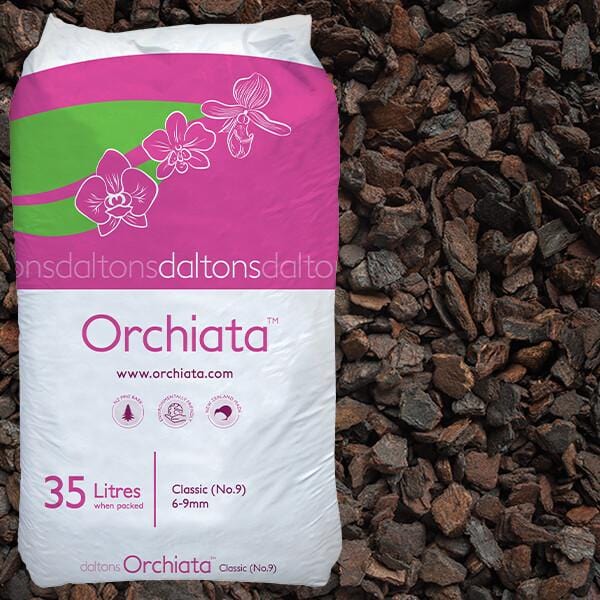
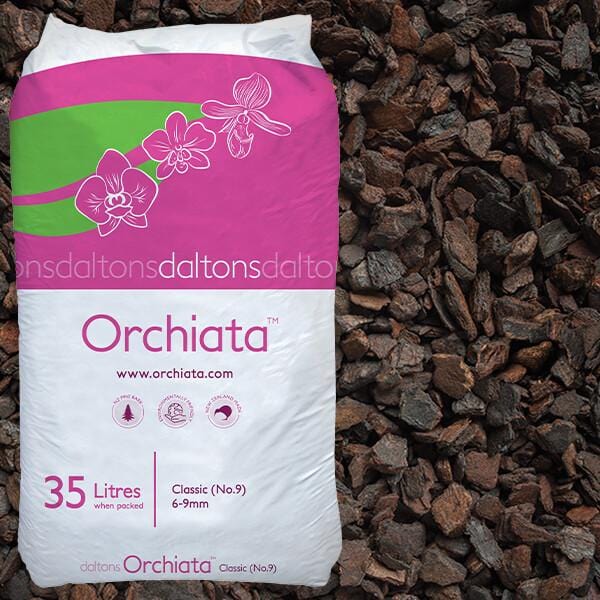
What is Orchiata Bark 6–9mm and how is it different from regular orchid bark?
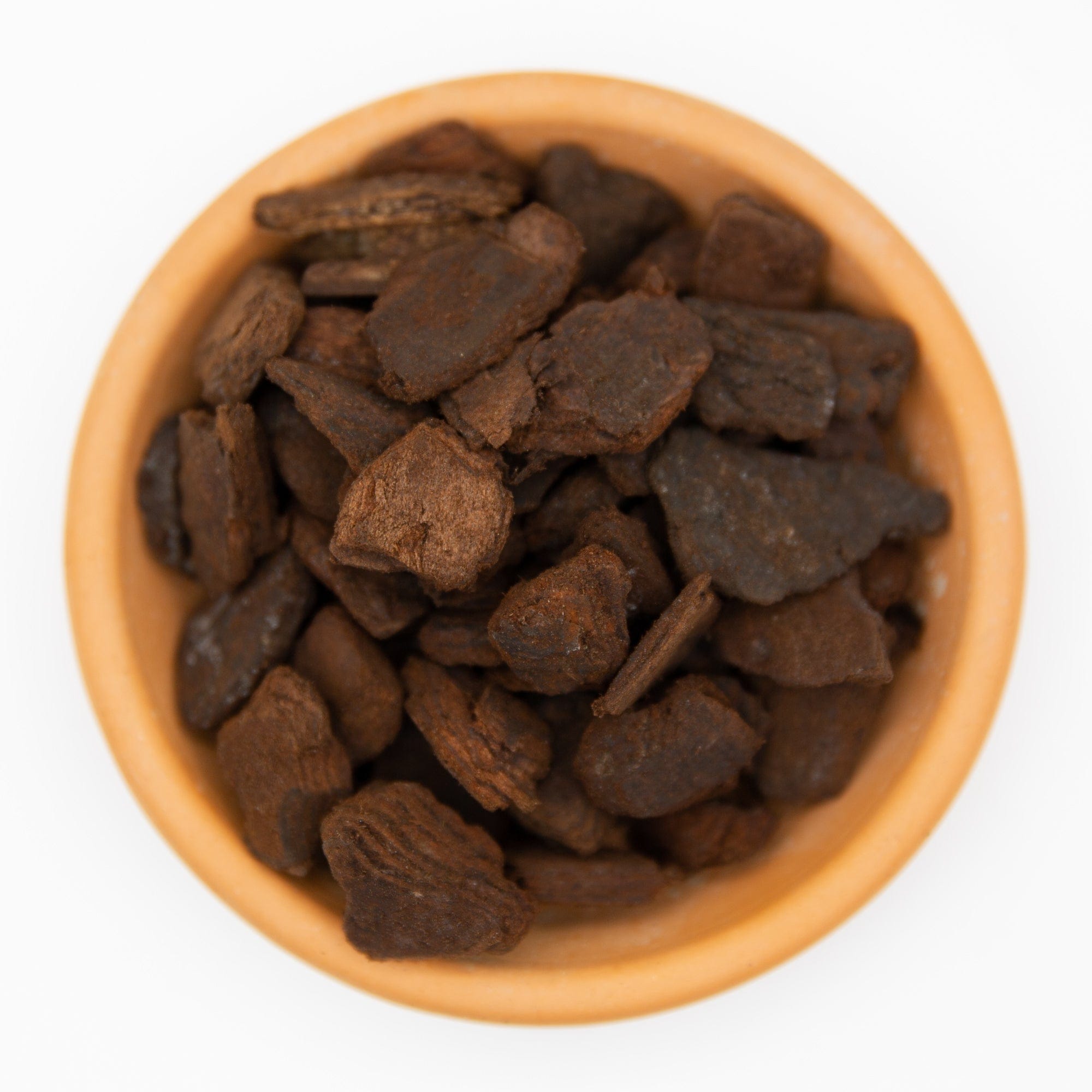
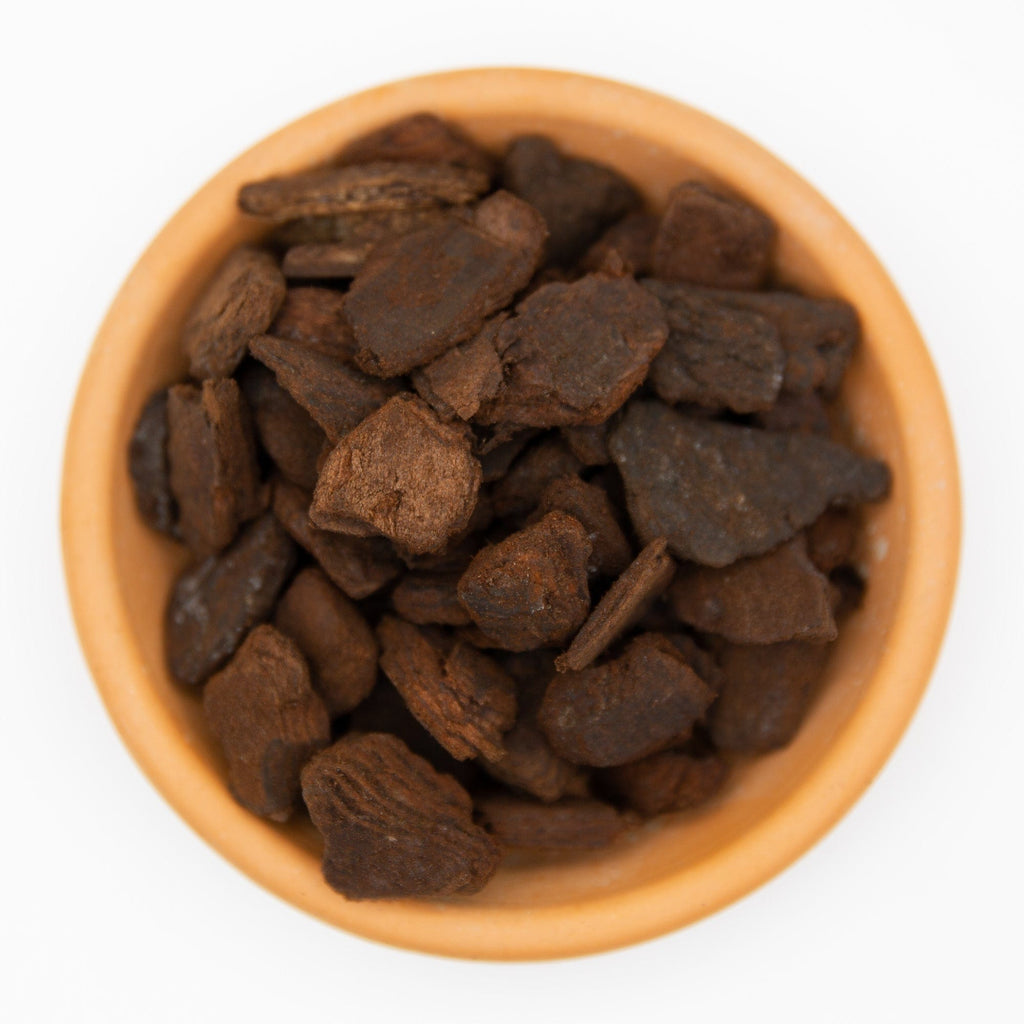
It’s a premium New Zealand pine bark (Pinus radiata), aged—not composted—for long-lasting structure. The 6–9mm size offers excellent drainage, consistent chip size, and better aeration than generic orchid bark, making it ideal for orchids and aroids that prefer a wet-dry cycle.
Which plants is Orchiata Bark 6–9mm best for?
It suits young to mid-size orchids (like Phalaenopsis, Oncidiums, and Paphs), aroids (Monstera, Philodendron), bromeliads, and Hoyas. It’s also popular for “second potting” orchids as roots thicken. For very fine roots or seedlings, consider mixing with finer materials.
Do I need to rinse or soak Orchiata before use?
No prep is required—it’s ready straight from the bag. Soaking can help reduce floating and speed up water absorption early on, but it’s optional. Avoid sterilising unless reusing from a diseased plant.
How do I water and fertilise when using Orchiata Bark?
Water thoroughly and let it drain fully. Wait until the bark is nearly dry before watering again. Use a diluted fertiliser more frequently, and flush occasionally to prevent salt build-up. Orchiata doesn’t hold nutrients like soil, so feeding is essential.
How long does Orchiata Bark last before repotting is needed?
It generally lasts 2–3 years or more. Repot when chips start to break down, compact, or stay wet too long. If the mix feels heavy, roots are declining, or drying time changes drastically, it’s time to refresh.
What kind of pot works best with Orchiata Bark?
Use orchid pots with side holes, slotted containers, baskets, or mesh pots for maximum airflow. Clear pots help you monitor root health and drying time. Ensure the plant is stable and not loose after potting.
Can I mix Orchiata Bark with other components?
Yes—common mixes include sphagnum moss, perlite, pumice, charcoal, or coco chips depending on your plant's needs. Aroids often get a chunkier mix, while orchids may benefit from moss if your home is very dry.
Does Orchiata Bark work in both dry and humid environments?
Yes, but tweak your setup. In dry homes, add some moss or water more often. In humid rooms, use slotted pots and reduce watering to prevent excess moisture. The goal is consistent airflow and drying between waterings.
Can I use Orchiata Bark in semi-hydro or mounted orchid setups?
It’s not ideal for true semi-hydro (use inert media like LECA). For mounted orchids, you can tuck a bit of Orchiata behind roots to retain some moisture, but keep airflow high and avoid smothering.
Is Orchiata Bark organic and sustainably sourced?
It’s a natural bark product made from New Zealand pine, typically from managed forestry. While not “certified organic,” it’s widely considered clean and eco-conscious, especially given its long lifespan and low waste.
What bag sizes are available, and how much will I need?
Available in 5L, 10L, and 35L bags. Small bags suit a few pots; 35L offers better value for collections. Exact coverage depends on pot sizes—tiny orchid pots use little, while chunky aroid mixes use more per plant.
How should I store unused Orchiata Bark?
Keep the bag sealed and dry. A slightly moist feel is normal, but if it smells sour or feels soggy, let it air out. Use a lidded tub or clip-seal bag to prevent drying out or contamination.
Is Orchiata Bark safe to use around pets?
Yes—it’s non-toxic, but still a natural bark. Don’t let pets chew or eat it. If you have curious pets, place pots out of reach or consider a top dressing they won’t find interesting.
What should beginners watch out for when using Orchiata?
The most common mistake is watering too often. Bark should dry slightly between waterings. Also, don’t overpack the mix—roots need air. Pick a snug pot to prevent wobbling and promote stable root growth.
How do I stop bark from floating or shifting during watering?
Pre-soak before use, water gently, and pack the bark evenly around roots. For loose orchids, secure with a stake or clip until new roots anchor the plant. Avoid blasting water directly onto loose bark chips.