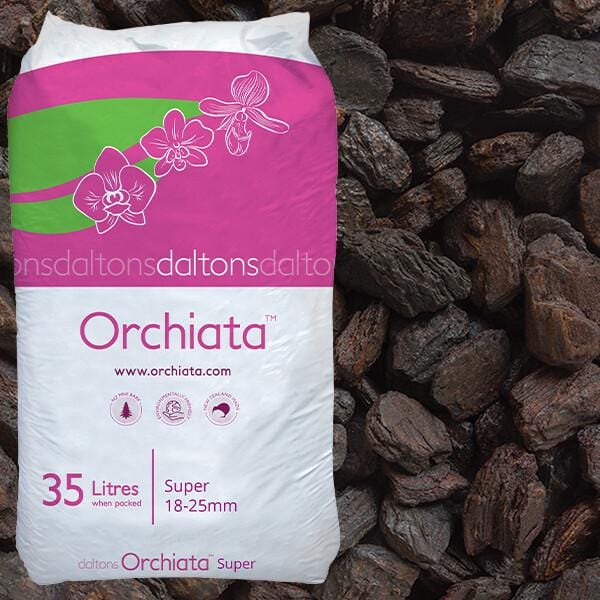
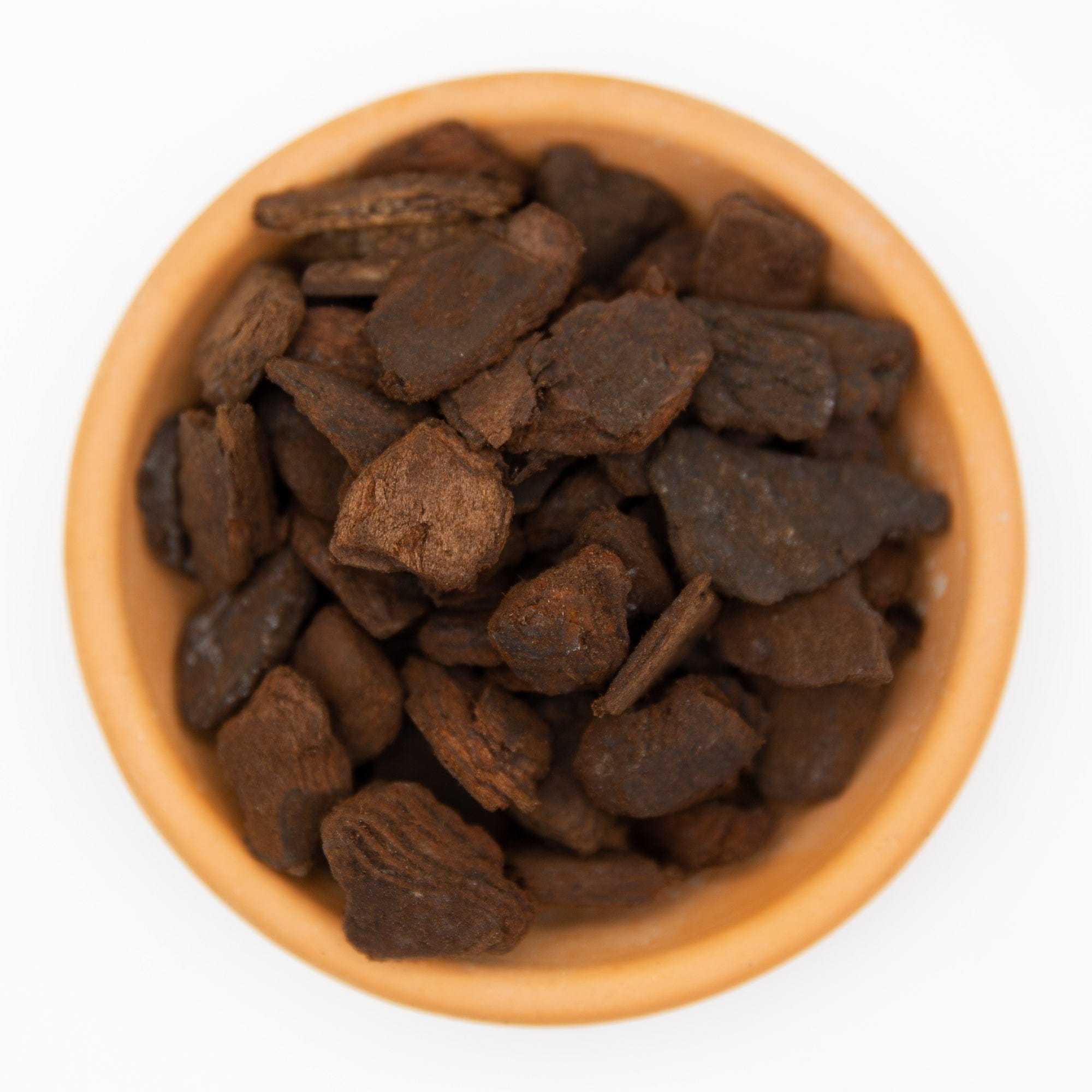
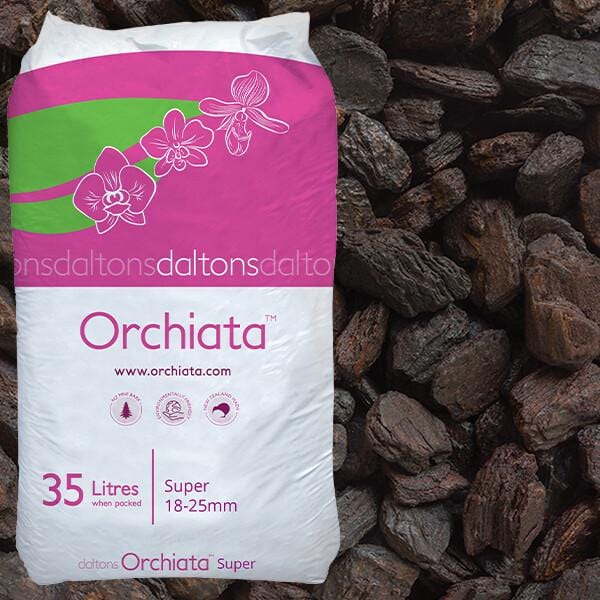
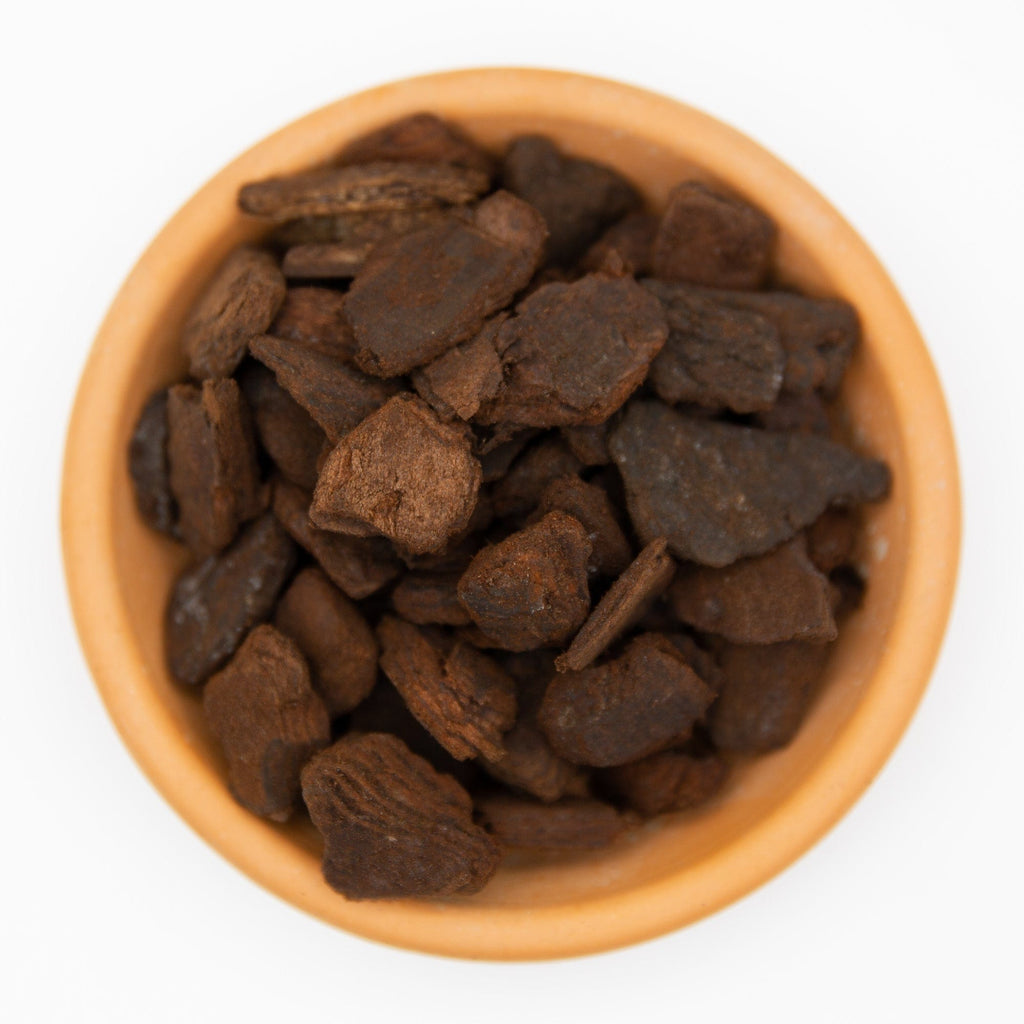
What is Orchiata Bark 18–25 mm and how is it different?
It’s premium aged pine bark from New Zealand, officially graded as Orchiata and sourced via authorised distributors. This extra-chunky 18–25 mm grade is aged (not composted), so it stays stable, drains fast, and resists breaking down compared to cheaper bark.
Which plants is Orchiata Bark 18–25 mm best for?
It’s ideal for mature orchids with thick roots—like Cymbidiums and large Phalaenopsis—as well as bromeliads and aroids needing fast drainage and lots of air. It’s usually too coarse for seedlings or fine-rooted orchids without blending it down.
Can I use Orchiata Bark 18–25 mm by itself or should I mix it?
Many growers use it straight, especially for orchids. But you can also blend it with perlite, sphagnum, coco chips, or charcoal to tweak drainage and moisture based on your environment and plant type.
Do I need to rinse or soak Orchiata Bark 18–25 mm before use?
It’s ready to use out of the bag. Some growers prefer a quick soak to improve first-time wetting or reduce floating. Rinsing is optional and mostly for dust-sensitive setups or peace of mind.
Does Orchiata Bark 18–25 mm dry out quickly?
Yes—it’s designed to dry faster than typical potting mix, which helps prevent root rot. If your setup runs very dry or you travel often, blend in moisture-holding components or use less-ventilated pots to slow dry-out.
Why is Orchiata Bark 18–25 mm good for root health?
It promotes excellent airflow and a healthy wet/dry cycle. Its chunky texture prevents waterlogging, reduces rot risk, and provides structure that roots can grip for added plant stability.
How long does Orchiata Bark 18–25 mm last, and can I reuse it?
It typically lasts 2–3+ years, depending on how you water and fertilise. You can reuse it if it’s still solid and clean—just rinse and optionally sanitise. If it’s breaking down, toss it and repot fresh.
Does Orchiata Bark 18–25 mm contain nutrients or affect pH?
It doesn’t contain fertiliser, so you’ll need to feed your plants. It’s pH-balanced (5.5–6.5) and has low salt (EC), so it’s safe for roots and won’t tie up nitrogen like raw bark can.
Will Orchiata Bark 18–25 mm grow mold or attract gnats?
White fungal growth is common and usually harmless. Mold can occur if airflow is low or it stays too wet. Fungus gnats can appear in constantly damp pots—avoid overwatering and let the top layer dry between watering.
What pots work best with Orchiata Bark 18–25 mm?
Slotted orchid pots, baskets, or net pots maximise airflow and work well if you water frequently. If drying is too fast, use plastic nursery pots or reduce ventilation. Tap to settle bark and prevent shifting or floating.
What sizes are available and how much bark do I need?
It comes in 5L, 10L (repacked), and 35L (original) bags. Estimate based on pot size and air space—chunky bark fills volume fast. If unsure, grab extra to avoid running short mid-repot.
Why is Orchiata Bark 18–25 mm more expensive than basic orchid bark?
You’re paying for premium consistency, longer lifespan, and reduced risk of rot or breakdown. It’s aged, clean, and pH-balanced—ideal for growers who want reliable performance over time.
Can I use Orchiata Bark 18–25 mm outside or in terrariums?
Yes for outdoor pots—just adjust watering for wind and heat. For terrariums or closed systems, it’s usually too airy unless used as a drainage layer. It’s overkill for mulch but works well as a top-dress in chunky mixes.
How should I store Orchiata Bark 18–25 mm after opening?
Keep it sealed and dry in a cool spot—use a lidded tub or clip the bag closed. If stored damp, it can grow mold or lose structure faster. When stored well, it stays usable for a long time.
Is Orchiata Bark 18–25 mm suitable for indoor growing under lights?
Yes—just monitor watering closely. Grow lights and heat mats can speed up drying, so adjust your watering schedule to prevent underhydration in bark-heavy mixes.