
Scale insects are some of the sneakiest pests you’ll find in the garden. They look harmless at first—tiny bumps clinging to stems and leaves—but left untreated, they can weaken your plants, attract sooty mould, and stunt growth.
This guide covers everything you need to know: how to identify scale, prevent infestations, and choose the right treatment. We’ll also show you which products give you the best results, whether you grow indoors, outdoors, or in the greenhouse.
What Are Scale Insects?
Scale insects are sap-sucking pests that latch onto stems and leaves. There are two main groups:
-
Soft scale – excrete sticky honeydew that leads to black sooty mould.
-
Armoured scale – protected by a hard shell, often harder to control.
They thrive in warm, sheltered spots and attack ornamentals, fruit trees, indoor plants, and even hardy natives.
Wax Scale (A Common Variant in Australian Gardens)
In addition to soft and armoured scale, you may also encounter wax scale.
Wax scales are usually larger and covered in a thick, waxy coating that can look:
- Pinkish, white or grey
- Slightly domed or lumpy
- Like candle wax stuck to stems
They are often found along stems rather than flat against leaves.
Like soft scale, wax scale produces honeydew, which can lead to sooty mould and increased ant activity.
Correct identification helps guide treatment timing — especially when targeting crawlers before they develop their protective coating.
Signs of a Scale Infestation
Look out for these red flags in your plants:
-
Sticky leaves or surfaces (honeydew)
-
Black sooty mould growing on leaves
-
Yellowing foliage or stunted growth
-
Clusters of tiny brown, grey, or white “bumps” along stems
Catching them early makes control much easier.
Common Scale Species You May See in Australia
Different species prefer different hosts, but a few appear regularly in Australian gardens.
Red Scale (often on citrus):
Small, circular, hard scales that attach tightly to fruit and stems.
Soft Brown Scale:
Larger, dome-shaped insects that produce significant honeydew, often leading to sooty mould and heavy ant activity.
Both types weaken plants by removing sap and reducing overall vigour.
Knowing the species isn’t always necessary for home control, but recognising the general type (soft vs armoured) improves treatment timing.
Understanding the Scale Lifecycle
Most scale insects go through multiple stages:
- Eggs (often protected beneath the female)
- Crawlers (mobile, newly hatched stage)
- Settled nymphs that develop a protective coating
- Sedentary adult females
The crawler stage is the most vulnerable to treatment.
In many Australian regions, scale can produce two or more generations during the growing season, especially in warm climates.
Eggs may overwinter on plants, leading to renewed activity in spring.
Some species can reproduce without mating, which helps explain how populations build rapidly if left unchecked.
Regular seasonal monitoring — particularly in spring and early summer — makes control far easier.
Ants & Scale Insects: The Hidden Problem Most Gardeners Miss
If you’re seeing ants running up and down your plants, chances are they’re not just passing through.
Ants actively protect scale insects because scale produce a sticky substance called honeydew that ants feed on. In return, ants chase away beneficial insects that would normally help control scale. If ants aren’t dealt with, scale infestations often keep coming back no matter how much you spray.
What to do:
- Use sticky barriers or tree bands around trunks to stop ants climbing.
- Prune away branches touching fences, walls or other plants that ants use as bridges.
- Reduce nearby ant nests if possible, especially around citrus and ornamentals.
👉 No ant control = no long-term scale control.
Understanding the Scale Insect Life Cycle (And Why Timing Matters)
Scale insects are tricky because most of their life is spent hidden under a hard or waxy shell. Adult scale don’t move much and are well protected, which makes them difficult to kill.
The most vulnerable stage is when young scale, known as “crawlers”, hatch and move around the plant looking for a feeding spot. Crawlers don’t yet have a protective shell, which is why treatments work best at this stage.
Why repeat treatments are important
- Eggs hatch in waves, not all at once
- A single spray rarely catches every crawler
- Follow-up applications are essential to break the cycle
This is why most scale treatments recommend repeating sprays 7–14 days apart, depending on the product and weather conditions.
Common Scale Insects Found in Australian Gardens
In Australia, scale insects commonly affect:
- Citrus trees (soft scale and armoured scale)
- Ornamental shrubs like camellias and gardenias
- Native plants, including eucalypts and lilly pillies
- Indoor plants such as ficus, palms and monsteras
While different species look slightly different, the control methods are largely the same.
What to Do Immediately if You Find Scale on Indoor Plants
Scale spreads easily indoors, especially between plants that sit close together. As soon as you spot scale, take action to stop it spreading.
Step-by-step containment:
- Isolate the affected plant away from other indoor plants
- Gently wipe off visible scale using a soft cloth or cotton bud
- Clean nearby surfaces, pots and drip trays where crawlers may have fallen
- Treat the plant as recommended, then re-check weekly
Keep new plants isolated for 2–3 weeks before placing them with your existing collection. Many indoor scale problems start with newly purchased plants.
How to Prevent Scale Insects
Prevention is always easier than cure. A few good habits:
-
Inspect regularly: Check the underside of leaves and stems.
-
Prune affected branches: Remove heavily infested parts before pests spread.
-
Encourage natural predators: Ladybirds and parasitic wasps love feeding on scale.
-
Keep plants healthy: Strong plants are less vulnerable—feed soil biology with Root Roids.
How Bad Is the Infestation? Choose the Right Approach
Not all scale infestations need the same level of treatment. Use this guide to decide your next step:
Light infestation
- Small numbers on stems or leaf veins
-
No visible plant stress
➡️ Wipe off manually and monitor closely
Moderate infestation
- Multiple leaves affected
-
Sticky residue or ants present
➡️ Use horticultural oil or soap sprays and repeat as directed
Heavy infestation
-
Large numbers, plant weakening, leaf drop or dieback
➡️ Prune heavily infested areas and consider stronger treatments
Early action is always easier than dealing with a severe outbreak.
Mechanical Removal: A Strong First Step
For light infestations, physical removal can significantly reduce scale numbers before spraying.
Options include:
High-pressure water spray
Use a firm stream of water in the morning to dislodge scale from stems and leaf undersides. Repeat for several days if necessary.
Manual removal
Gently scrape or wipe scale off using a soft cloth or toothbrush.
Spot treatment with alcohol
Dab individual insects with a cotton bud dipped in diluted isopropyl alcohol. Always spot test first and avoid treating in direct sunlight.
Mechanical control works best when followed by monitoring and, if needed, targeted oil or soap applications to catch emerging crawlers.
Treatment Options: Step-by-Step
1. Start with pruning and cleaning
Cut back heavily infested areas and dispose of them (don’t compost them). Wipe small infestations with a damp cloth or a cotton bud dipped in mild soap solution.
2. Organic foliar sprays
Apply horticultural oils and natural sprays to smother pests and dissolve protective coatings.
-
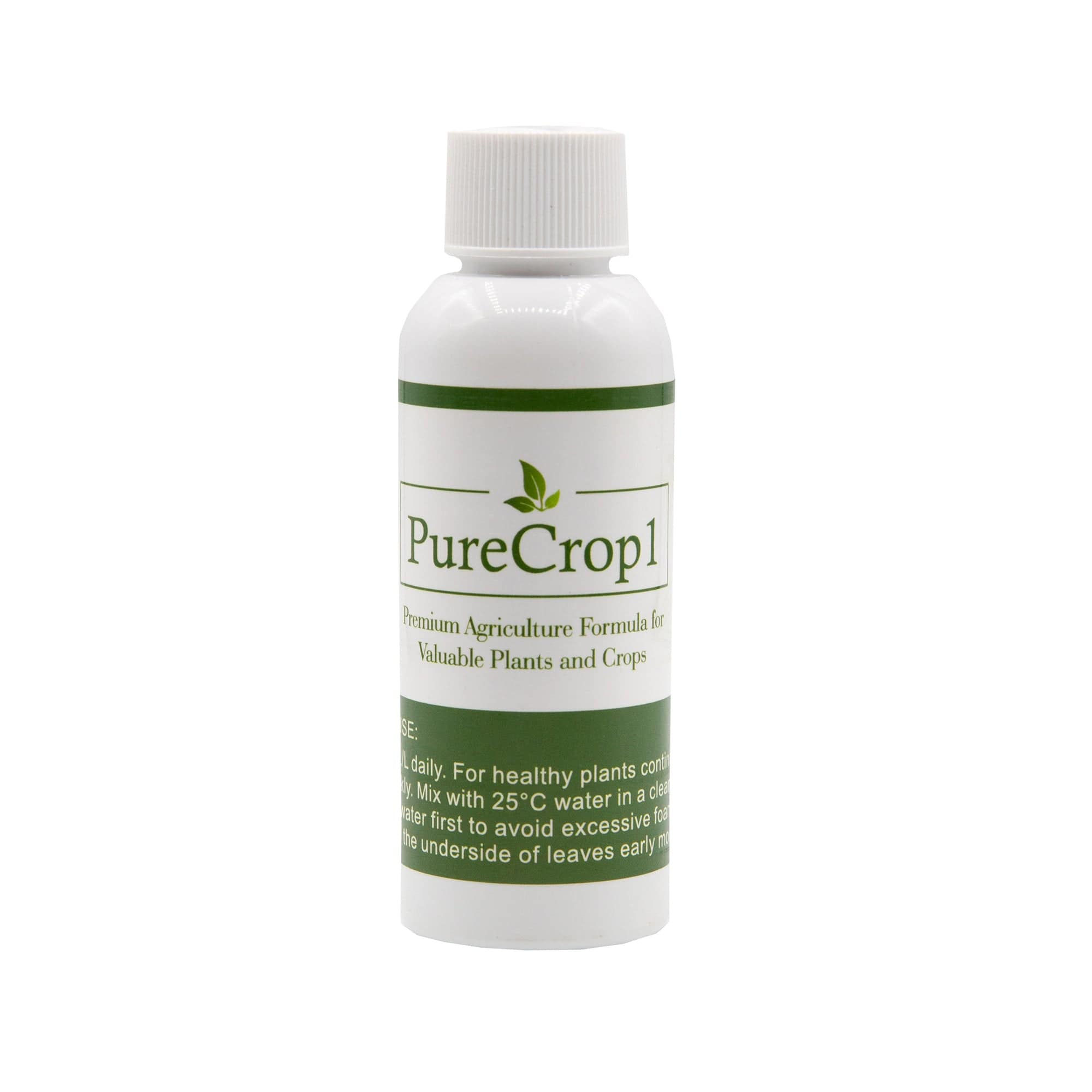
Try PureCrop1 – an all-natural, plant-based formula safe for edible crops.
-
For tougher infestations, use Neem Oil to suffocate scale insects while leaving beneficial bugs unharmed.
3. Systemic & biological solutions
For stubborn armoured scale or repeated outbreaks:
-
Kill-a-Mite (active ingredient abamectin) provides long-lasting protection inside the plant’s system.
-
Combine with microbial boosters like Tribus Original to strengthen plant resilience naturally.
4. Repeat treatments
Scale insects often hatch in waves. Spray weekly for 2–3 weeks, ensuring you coat both sides of leaves and stems.
Beneficial Insects That Naturally Control Scale
Several beneficial insects actively feed on scale in Australian gardens.
These include:
- Chilocorus ladybird beetles – particularly effective against armoured scale
- Cryptolaemus (mealybug destroyer) – feeds on soft scale and related pests
- Parasitic wasps such as Aphytis species – lay eggs inside scale insects, stopping their development
Encouraging these natural predators is one of the most sustainable long-term control strategies.
To support beneficial populations:
- Avoid broad-spectrum insecticides
- Maintain plant diversity
- Provide flowering plants for nectar resources
- Minimise unnecessary chemical applications
When natural enemies are present, scale populations often decline without aggressive intervention.
Spray Safely to Protect Beneficial Insects
Many beneficial insects, including ladybirds and parasitic wasps, help keep scale populations under control naturally.
To protect them:
- Spray early morning or late afternoon
- Avoid spraying during hot weather or full sun
- Never spray when bees are actively foraging
- Always follow label instructions carefully
Using products correctly helps control scale while keeping your garden ecosystem balanced.
Preventing Scale Insects From Coming Back
Once scale is under control, a few simple habits can stop reinfestation.
Good garden hygiene tips:
- Inspect new plants before bringing them home
- Quarantine new plants for a couple of weeks
- Clean pruning tools between plants
- Remove heavily infested plant material from the garden (don’t compost)
- Keep plants well spaced for airflow and light
Healthy, stress-free plants are far less likely to suffer repeated scale problems.
FAQs About Scale Insects
Are scale insects harmful to humans?
No, they don’t bite or sting people. The problem is the damage they do to your plants.
Can I treat scale indoors safely?
Yes—use PureCrop1, which is non-toxic and safe for indoor plant use.
How long does it take to get rid of scale?
Mild infestations clear within a couple of weeks of consistent treatment. Heavy infestations may take a season to fully control.
Preventing Scale Infestations: A Simple Hygiene Checklist
Prevention reduces the need for repeated treatment.
Adopt these basic hygiene practices:
- Inspect new plants carefully before introducing them to your garden
- Avoid moving infested plant material between areas
- Clean and disinfect pruning tools regularly
- Wash reused pots before replanting
- Manage ant activity early
Starting with clean stock and limiting spread are two of the most effective long-term control measures.
Healthy, well-maintained plants are also less susceptible to heavy infestations.
Take Back Control of Your Garden
Scale insects can be persistent, but with early action and the right products, you’ll have your plants thriving again in no time.
Explore our full Scale Insect Control collection for trusted, gardener-approved solutions that work in Aussie conditions.
👉 Start protecting your garden today—your plants will thank you.
About the Author