
If you’ve noticed a white, dusty coating spreading across your leaves… you’re not alone.
Powdery mildew is one of the most common (and frustrating) problems Aussie gardeners face. It creeps in fast, weakens your plants, and if left untreated — can take over your entire garden.
But here’s the good news:
👉 It’s one of the easiest plant diseases to control — if you use the right method early.
This guide will show you exactly:
- How to identify powdery mildew correctly
- Why most treatments fail
- The fastest way to stop it spreading
- And how to protect your plants long-term
Table of Contents
- What Does Powdery Mildew Look Like?
- Why Powdery Mildew Happens and Why It Spreads So Fast
- The Biggest Mistake Gardeners Make
- The Powdery Mildew Treatment Framework
- How to Get Rid of Mildew on Plants Without Spreading Spores
- Mildew Treatment: When to Prune and When to Spray
- What Actually Works for Powdery Mildew?
- Your 7-Day Powdery Mildew Action Plan
- Powdery Mildew: How to Tell If Treatment Is Working
- Powdery Mildew Treatment for Cucumbers, Zucchini and Pumpkins
- Powdery Mildew Treatment for Roses and Ornamentals
- Powdery Mildew Treatment on Edible Plants
- How to Get Rid of Mildew on Plants Indoors
- Powdery Mildew After Rain: What to Do Next
- How to Fix Powdery Mildew After It Keeps Coming Back
- How to Prevent Powdery Mildew Long-Term
- Mildew Treatment Mistakes That Waste Time
- Final Thoughts
- Next Reads for Stopping Mildew and Preventing Repeat Outbreaks
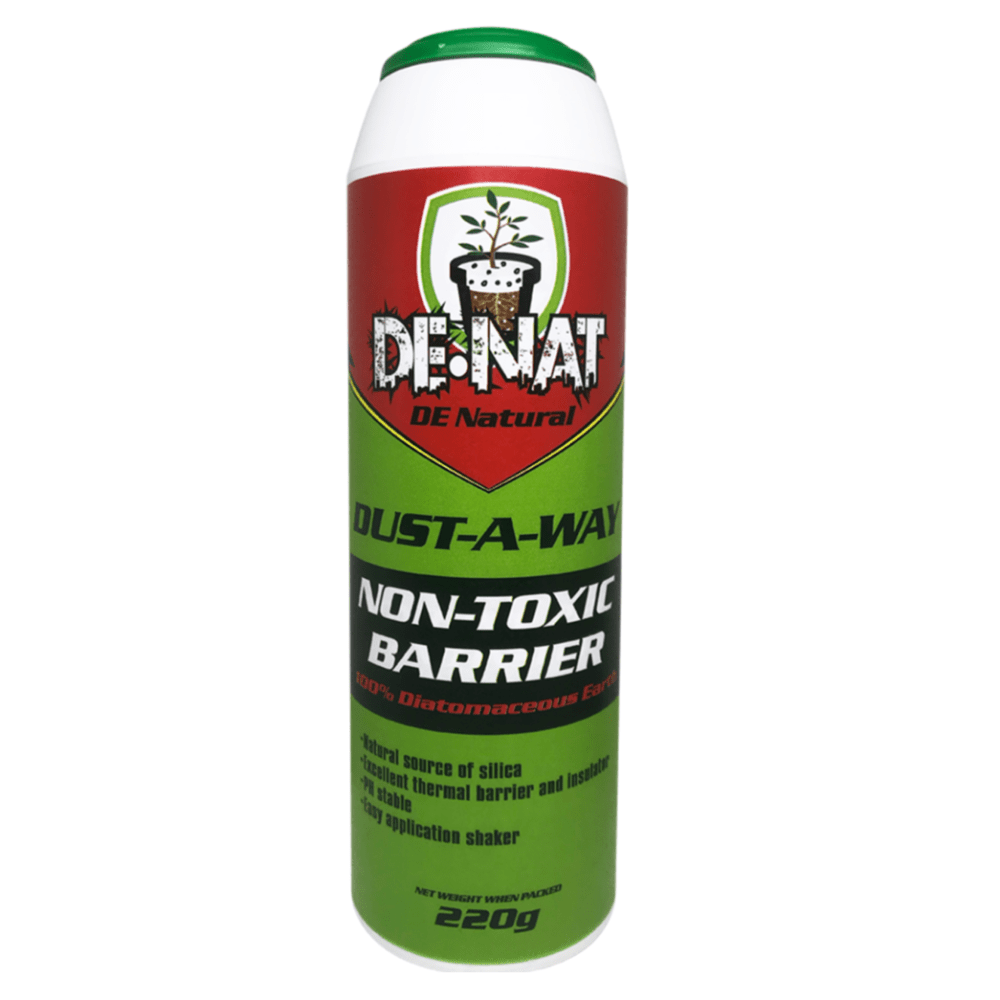
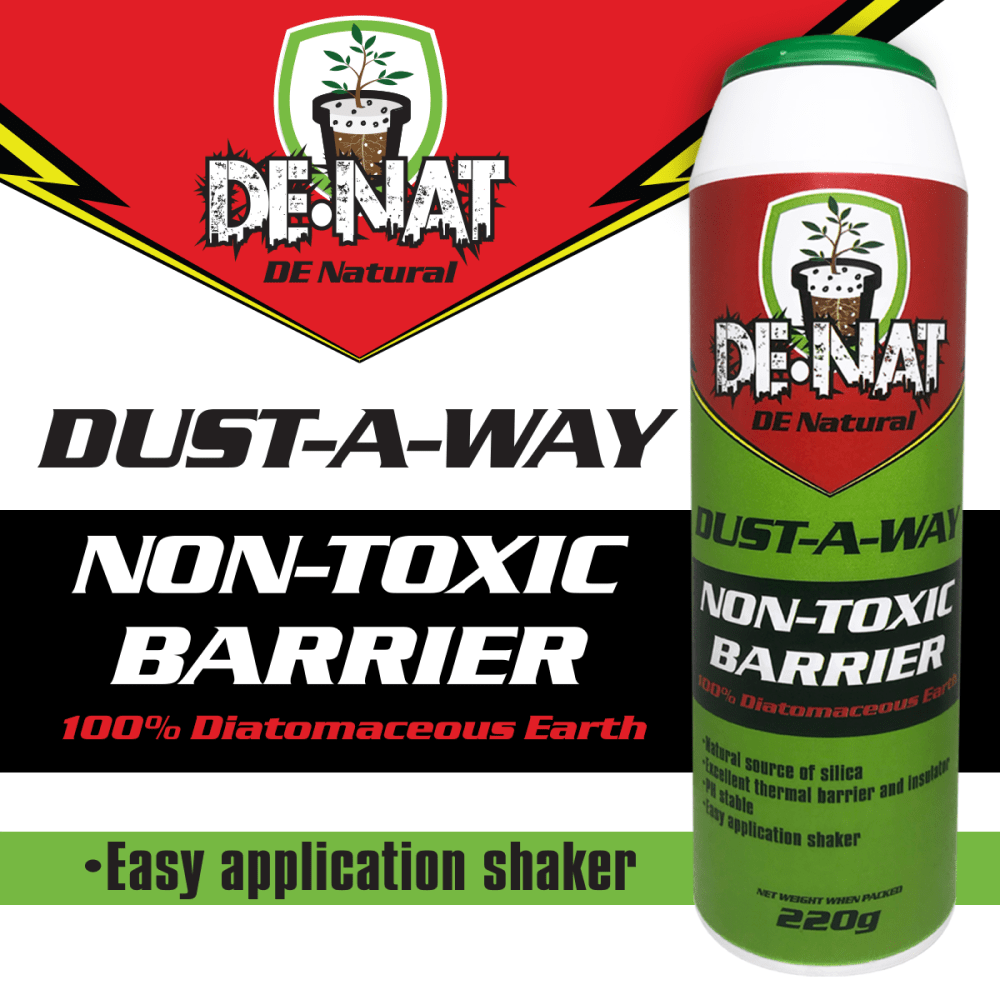
If you want the quickest way to treat powdery mildew, these tools make it much easier:


What Does Powdery Mildew Look Like?
Powdery mildew appears as:
- White or grey powder on leaves, stems, or buds
- A dusty or flour-like coating
- Leaves that start curling, yellowing, or drying out
It commonly affects:
- Cucumbers & zucchini
- Roses
- Pumpkins
- Tomatoes
- Herbs
👉 If it looks like someone sprinkled flour on your plant — that’s powdery mildew.
Why Powdery Mildew Happens and Why It Spreads So Fast
Most gardeners think mildew is caused by “too much water.”
That’s not quite right.
Powdery mildew thrives when:
- Airflow is poor
- Humidity is high (even without wet leaves)
- Plants are crowded
- Growth is soft and nutrient-heavy
Here’s the real problem:
👉 It spreads via airborne spores.
Once it appears, it can move plant-to-plant rapidly — especially in warm Australian conditions.
The Biggest Mistake Gardeners Make
Most people do one of these:
- Spray once and forget
- Try DIY remedies (milk, baking soda)
- Wait too long before acting
And the result?
👉 The mildew keeps coming back.
Why?
Because most treatments only treat the surface — not the spread cycle.
The Powdery Mildew Treatment Framework
To properly control powdery mildew, you need three things working together:
1. Remove the worst infected material
Cut off heavily affected leaves and dispose of them. Do not compost mildew-covered leaves.
2. Treat the remaining plant
Use a suitable mildew treatment that can help protect clean growth and reduce the spread cycle.
For reliable control, use a proven solution like Dr Greenthumbs Fungicides & Mildew Treatments.
3. Repeat treatment as needed
Powdery mildew usually does not disappear in one go. Follow the product label and repeat treatment until no new growth is becoming infected.
The earlier you start, the easier the job is. Powdery mildew is much harder to control once multiple plants are coated and new growth is already damaged.
How to Get Rid of Mildew on Plants Without Spreading Spores
How to get rid of mildew on plants starts before you spray. If you bump, shake, prune and drag infected leaves through the whole garden, you can spread spores before the treatment even hits the plant.
Start clean and controlled:
- Work on the worst plants last, not first.
- Remove heavily coated leaves gently.
- Bag infected material straight away.
- Don’t compost mildew-covered leaves.
- Clean secateurs before moving to another plant.
- Spray remaining growth thoroughly, especially sheltered areas.
- Wash your hands, tools and gloves afterwards.
The goal is to reduce the spore load before treatment. That gives the spray a better chance of protecting clean growth instead of trying to fight a full white coating on every leaf.
Don’t panic-prune the whole plant either. If you strip too much foliage, the plant loses energy and recovery slows down. Remove the worst leaves, open up airflow, then treat what’s left.
Mildew Treatment: When to Prune and When to Spray
Mildew treatment works best when pruning and spraying do different jobs.
Pruning removes the worst infected tissue. Spraying protects the remaining plant and helps stop new infection. If you only prune, spores can keep spreading from leaves you missed. If you only spray, the thickest infected leaves can keep acting like a mildew factory.
Use pruning when:
- leaves are heavily coated
- lower leaves are yellowing or collapsing
- growth is too dense for airflow
- infected leaves are touching healthy plants
- the plant can spare the foliage
Use spraying when:
- mildew is early or moderate
- new growth still looks clean
- the plant is too small to prune hard
- weather is still favourable for spread
- you need to protect fresh foliage
The mistake is treating every mildew case the same. A zucchini with a few old infected leaves can handle a tidy-up. A young cucumber seedling with only six leaves cannot lose half its canopy and still power on. Match the treatment to the plant, not just the disease.
What Actually Works for Powdery Mildew?
Here’s a simple breakdown of common mildew treatment options:
✅ Most Effective
- Targeted fungicides designed for mildew control
- Consistent application on the correct schedule
- Proper coverage of affected and at-risk growth
Best for: active outbreaks, repeat mildew pressure and gardeners who want a no-guesswork approach.
⚠️ Moderately Effective
- Neem oil
- Sulfur-based sprays
These can work in some situations, but they still require correct timing, coverage and repeat applications.
❌ Least Reliable
- Milk sprays
- Baking soda mixes
These may give temporary results in mild cases, but they rarely fix the conditions that allow powdery mildew to keep spreading.
Your 7-Day Powdery Mildew Action Plan
Day 1
- Remove heavily infected leaves gently.
- Bag infected material straight away.
- Do not compost mildew-covered leaves.
- Clean secateurs, gloves and hands after handling infected plants.
- Apply a suitable mildew treatment thoroughly, including sheltered areas.
Day 3–4
- Check whether new leaves are staying clean.
- Look for fresh white spots, not just old damaged leaves.
- Improve airflow if plants still look crowded.
- Reapply only if the product label allows or conditions are still favourable for spread.
Day 7
- Inspect the same plants again.
- Repeat treatment if the label recommends it or new infection is appearing.
- Remove any newly collapsed or badly coated leaves.
Continue weekly checks until no new growth is becoming infected.
Powdery Mildew: How to Tell If Treatment Is Working
Powdery mildew does not always disappear overnight, even when the treatment is working. Old white marks may stay visible on damaged leaves. What matters is whether new infection is still appearing.
Treatment is working when:
- new leaves stay clean
- white patches stop expanding
- fewer fresh spots appear after 3–7 days
- infected leaves stop spreading spores visibly
- the plant pushes healthy growth
- repeat applications hold the disease back
Treatment is not working when:
- new leaves develop fresh white patches
- the coating spreads across multiple plants
- infected leaves keep increasing every few days
- dense inner growth stays damp and crowded
- you miss repeat applications
- weather conditions still favour mildew and nothing else changes
Take a photo before treatment. Check the same leaves again in a few days. If old patches look the same but no new patches appear, that’s progress. If clean leaves are now infected, the cycle is still active.
Don’t judge success by whether old leaves become pretty again. Judge it by whether the disease has stopped moving.
Powdery Mildew Treatment for Cucumbers, Zucchini and Pumpkins
Powdery mildew treatment on cucumbers, zucchini and pumpkins needs to be realistic. These plants grow fast, have big leaves, and often get mildew late in the season when they’re already working hard.
Start by checking whether the plant is still worth saving. If an old zucchini is already tired, fruiting poorly and mostly white with mildew, you may be better off removing it and cleaning up the bed. No point spending three weeks rescuing a plant that’s already done.
If the plant is still productive:
- remove the worst lower leaves
- keep healthy upper growth where possible
- improve airflow around the crown
- avoid wetting foliage late in the day
- spray early before the white coating spreads
- repeat treatment on schedule
- keep feeding balanced, not nitrogen-heavy
Cucurbits can look shocking fast because the leaves are huge. Don’t wait until every leaf is covered. Once mildew appears on lower leaves, act quickly and protect the newer growth that is still fuelling flowers and fruit.
Powdery Mildew Treatment for Roses and Ornamentals
Powdery mildew treatment on roses and ornamentals is a bit different to treating veggies. You’re usually trying to protect new shoots, buds and flowers rather than keep a crop producing.
Roses are especially prone when air is still, nights are cool, days are warm, and new growth is soft. The first sign is often pale distortion or a dusty coating on young leaves and buds. By the time the whole bush looks powdered, you’re late.
For roses and ornamentals:
- Prune crowded growth to improve airflow.
- Remove badly infected tips if they’re distorted.
- Avoid overhead watering late in the day.
- Treat the whole plant, not just the obvious leaves.
- Repeat treatment during mildew-prone weather.
- Clean up fallen infected leaves around the base.
Don’t overfeed nitrogen trying to force new growth after mildew. Soft, lush growth is exactly what mildew loves. Feed steadily, water properly, and keep the canopy open enough that the plant can dry and breathe.
Powdery Mildew Treatment on Edible Plants
Powdery mildew treatment on edible plants needs a bit more care because you’re dealing with food crops, flowers, pollinators and harvest timing.
Before spraying anything on veggies, herbs or fruiting plants, check the label for edible use and withholding periods. Don’t assume a product is suitable just because it says “garden”. What works on ornamentals may not be the right call on basil, lettuce, cucumber, zucchini or strawberries.
For edible crops:
- remove heavily infected leaves first
- avoid spraying open flowers where bees are working
- spray early morning or late afternoon
- cover both sides of leaves where possible
- follow label rates exactly
- wash produce before eating
- respect withholding periods
- repeat treatment only as directed
If the crop is nearly finished, be ruthless. Sometimes the best treatment is pulling the infected plant, cleaning the area and stopping the disease from rolling into the next crop.
For edible crops, the safest approach is to use a treatment that is clearly suitable for food plants and to follow the label exactly.
How to Get Rid of Mildew on Plants Indoors
How to get rid of mildew on plants indoors is mostly about airflow and containment. Indoor mildew can spread quickly because plants are often grouped tightly, air movement is poor, and leaves stay still for hours.
First, isolate the affected plant. Don’t drag it past every clean plant while brushing spores everywhere. Move it carefully, remove the worst leaves, then treat it away from the main collection.
Indoors, check:
- plants packed too close together
- leaves touching walls or windows
- humidifiers running too hard
- grow lights creating warm still pockets
- fans not moving air through the canopy
- dead leaves sitting on the soil surface
- repeated misting
Misting is not a mildew treatment. In many indoor setups, it just raises humidity around the leaf surface and makes the problem worse.
Once treated, keep a small fan moving air gently around the room, not blasting one plant like a cyclone. You want air exchange, not windburn.
Powdery Mildew After Rain: What to Do Next
Powdery mildew often flares after weather swings — warm days, humid nights, rain, then still air. Even though powdery mildew doesn’t need wet leaves the same way some fungal diseases do, damp, crowded conditions around the canopy can help it spread.
After rain or humid weather:
- Inspect lower and inner leaves first.
- Remove badly infected foliage.
- Shake or brush nothing — handle infected leaves gently.
- Improve spacing if plants are crowding each other.
- Treat early if new spots are appearing.
- Avoid extra nitrogen while plants are pushing soft growth.
- Recheck within a week.
Don’t wait for the whole plant to turn white. Powdery mildew is easiest when it’s just a few spots. Once it gets established across a dense canopy, you’re playing catch-up.
Rain also washes some treatments off or shortens their useful window. If you’ve just had a wet spell, check whether your treatment needs repeating according to the label
How to Fix Powdery Mildew After It Keeps Coming Back
How to fix powdery mildew when it keeps coming back is less about finding a stronger spray and more about fixing the conditions feeding it.
Repeat outbreaks usually mean one of these is happening:
- plants are too close together
- airflow is poor
- the canopy is too dense
- old infected leaves are still hanging around
- treatments are not repeated
- plants are being overfed with nitrogen
- watering is keeping humidity high around the foliage
- susceptible varieties are being grown in the same spot every season
If mildew keeps returning, use this section as a diagnosis checklist. The full prevention plan is covered below, but the short version is this: powdery mildew usually returns when treatment is not repeated, infected material remains nearby, or the growing conditions still favour spread.
Spray alone won’t beat a setup that keeps making mildew happy. You need treatment plus airflow plus prevention. Boring, but true.
How to Prevent Powdery Mildew Long-Term
Once you’ve controlled powdery mildew, prevention is what stops the same cycle restarting.
Focus on the conditions that mildew likes:
- Improve airflow around plants.
- Space plants properly so leaves are not packed together.
- Prune dense growth before the canopy becomes humid and still.
- Water at the base instead of wetting foliage unnecessarily.
- Avoid repeated misting in indoor or protected spaces.
- Clean up fallen infected leaves.
- Avoid excessive nitrogen that pushes soft, mildew-prone growth.
- Use preventative treatments during warm, humid or high-risk periods if the label supports it.
- Choose more resistant varieties where mildew is a regular seasonal problem.
Prevention is not one task. It is a combination of spacing, airflow, hygiene, balanced feeding and early action.
Mildew Treatment Mistakes That Waste Time
Most mildew treatment failures come from sloppy execution, not because powdery mildew is impossible to control.
Common mistakes:
- spraying once and calling it done
- spraying only the top of leaves
- treating too late
- leaving badly infected leaves in place
- watering foliage at the wrong time
- using random home mixes too strong
- spraying stressed plants in hot sun
- ignoring dense, humid growth
- composting infected leaves
- expecting old damaged leaves to turn green again
The biggest one is inconsistency. Powdery mildew is a cycle. If you interrupt it once, then let it restart, you’re back where you began.
Use the earlier treatment framework as your checklist: remove the worst material, treat thoroughly, repeat as directed, and fix the conditions that allowed mildew to spread.
Final Thoughts
Powdery mildew spreads quickly, but it is manageable when you act early, remove the worst infected material, treat properly and fix the conditions that allowed it to spread.
If you want a reliable, no-guesswork solution, explore Dr Greenthumbs Fungicides & Mildew Treatments.
Next Reads for Stopping Mildew and Preventing Repeat Outbreaks
Still tightening up your disease-prevention routine? These guides will help you build a stronger organic IPM plan and deal with the conditions that let problems spread.
- Best Organic Fungicide Australia
- Pest Control IPM Stack: Top 10 Organic Solutions
- Which Pest When Australia
- Caterpillar Pest Control Australia Guide
About the Author