
Mealybugs might look like harmless bits of cotton wool, but they can suck the life—literally—out of your favourite plants. Whether you grow lush monsteras indoors or juicy citrus in the backyard, this step-by-step Aussie guide shows you how to spot, stop and stamp out mealybugs—without resorting to harsh chemicals.
Quick-Fire ID Checklist
- White, fluffy clusters along stems, leaf joints or roots
- Leaves turning yellow or distorted
- Sticky honeydew that attracts ants and encourages sooty mould
- Ant trails protecting the bugs (ants farm them for honeydew)
Tip: Use a loupe or phone macro lens—adults are only 3–5 mm long.
Table of Contents
- Common Mealybug Species in Australia
- Why Mealybugs Move In
- Mealybugs & Plant Health: More Than Just Sucking Sap
- Mealy Bugs Treatment: The 3-Zone Check Most People Miss
- Mealybug Treatment: Match the Method to the Level of Infestation
- Integrated Mealybug Management
- Mealy Bug Insecticide: Contact Spray or Systemic?
- Mealy Bug Spray: Why One Spray Usually Isn’t Enough
- Mealybug Treatment for Indoor Plants Without Trashing the Leaves
- How to Kill Mealybugs on Citrus, Ornamentals and Edible Plants
- How to Make a Safe DIY Alcohol Spray
- Ants & Mealybugs: A Sticky Situation
- Trusted Allies: Beneficial Predators
- Why Mealybug Treatments Sometimes Don’t Work
- The Missing Step: Follow-Up Timing
- Root Mealybugs: The Hidden Menace
- Mealybugs in Lawns: A Different Approach
- Season-by-Season Cheat Sheet
- Biological Soil Predators: Advanced Root-Zone Support
- FAQs
- Keep Your Plants Bug-Free, the Dr Greenthumbs Way
- Next Reads for Controlling Mealybugs and Preventing Repeat Infestations
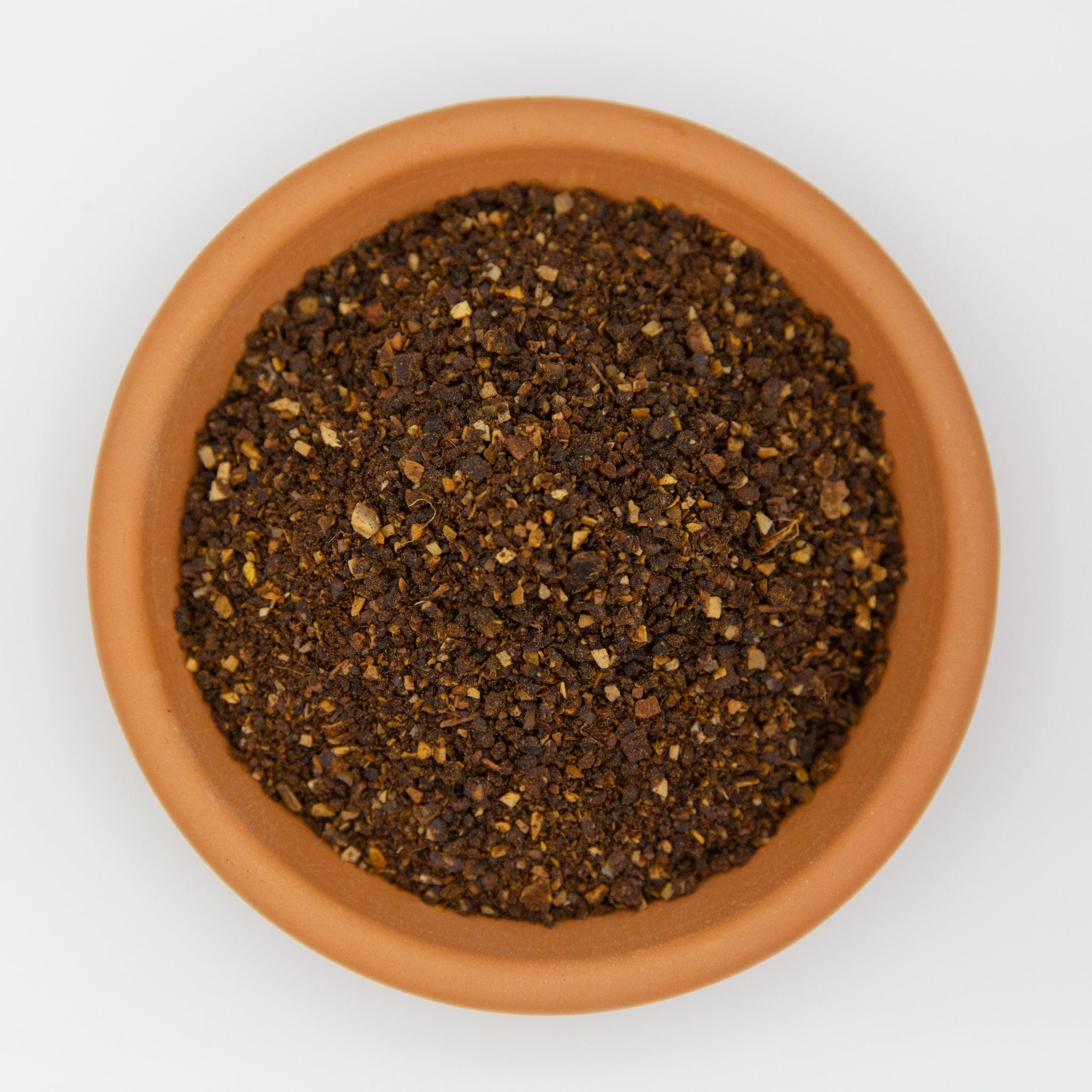
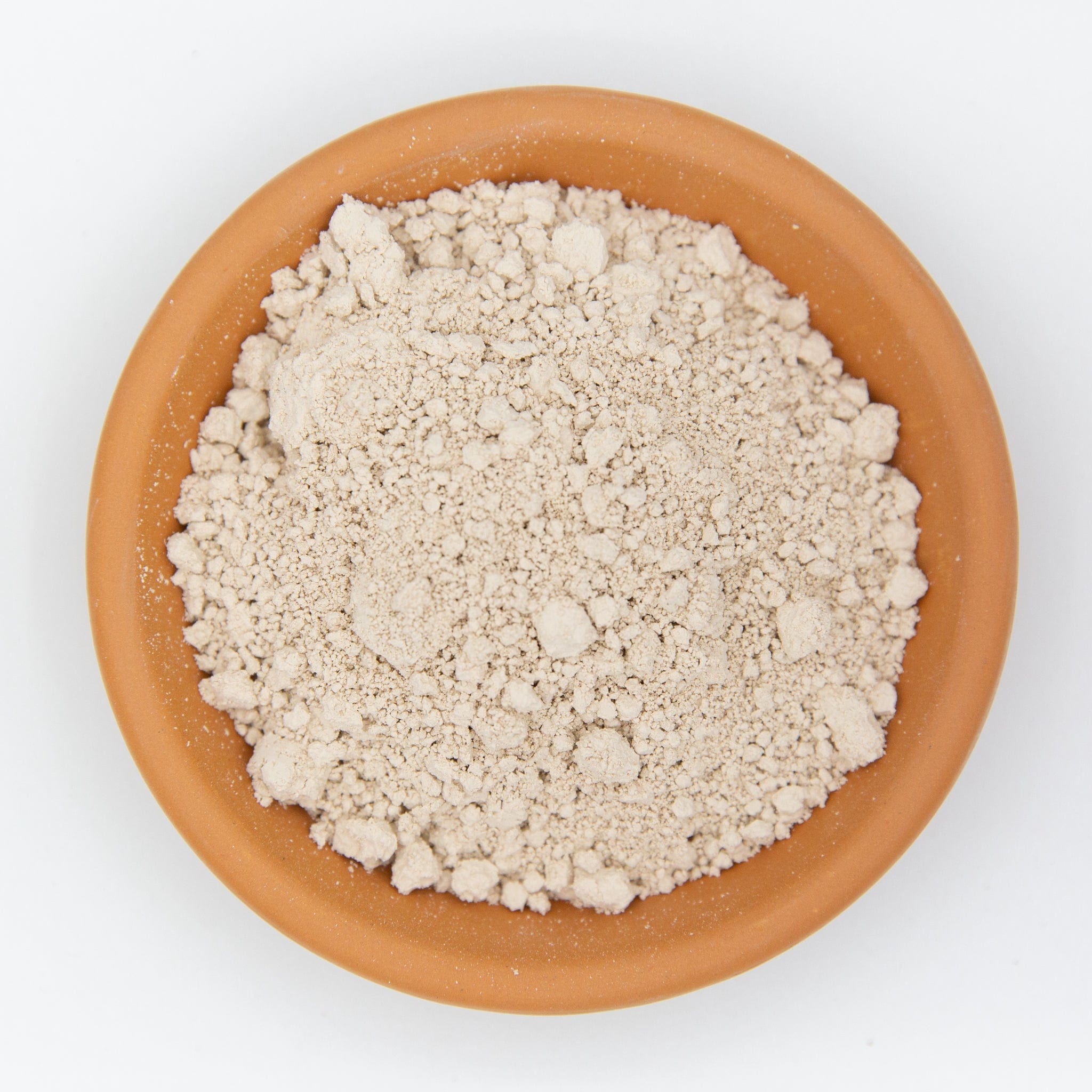
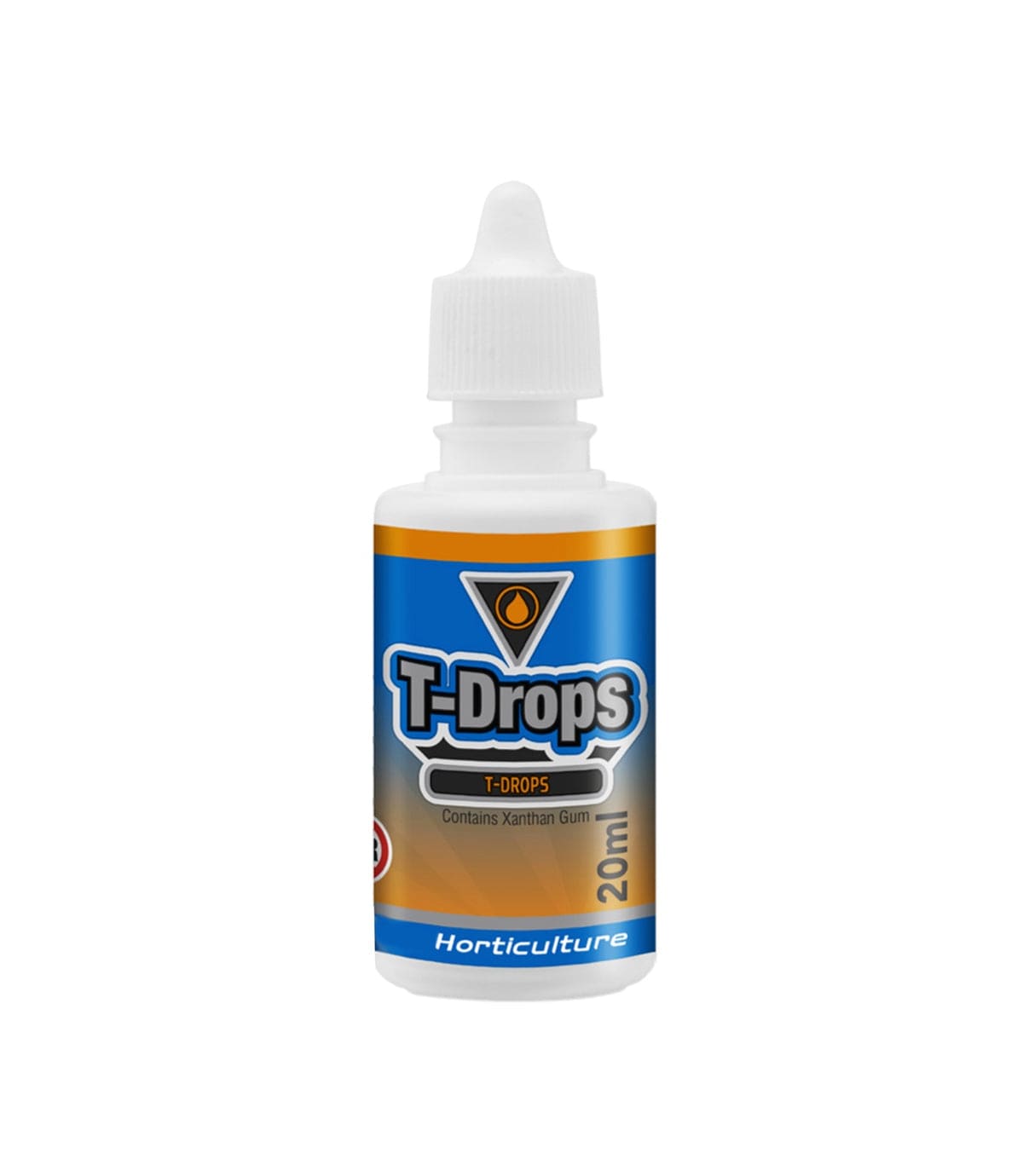
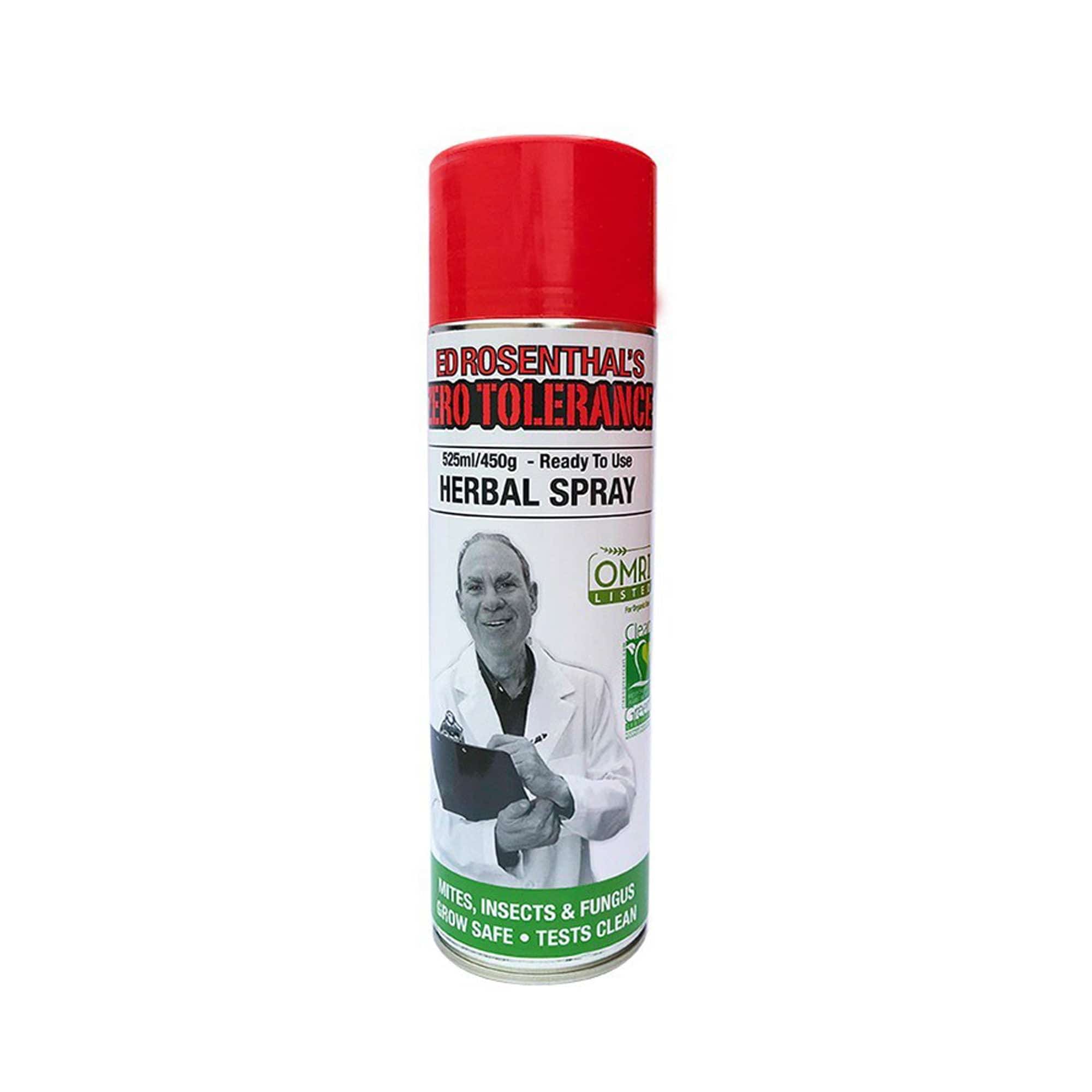
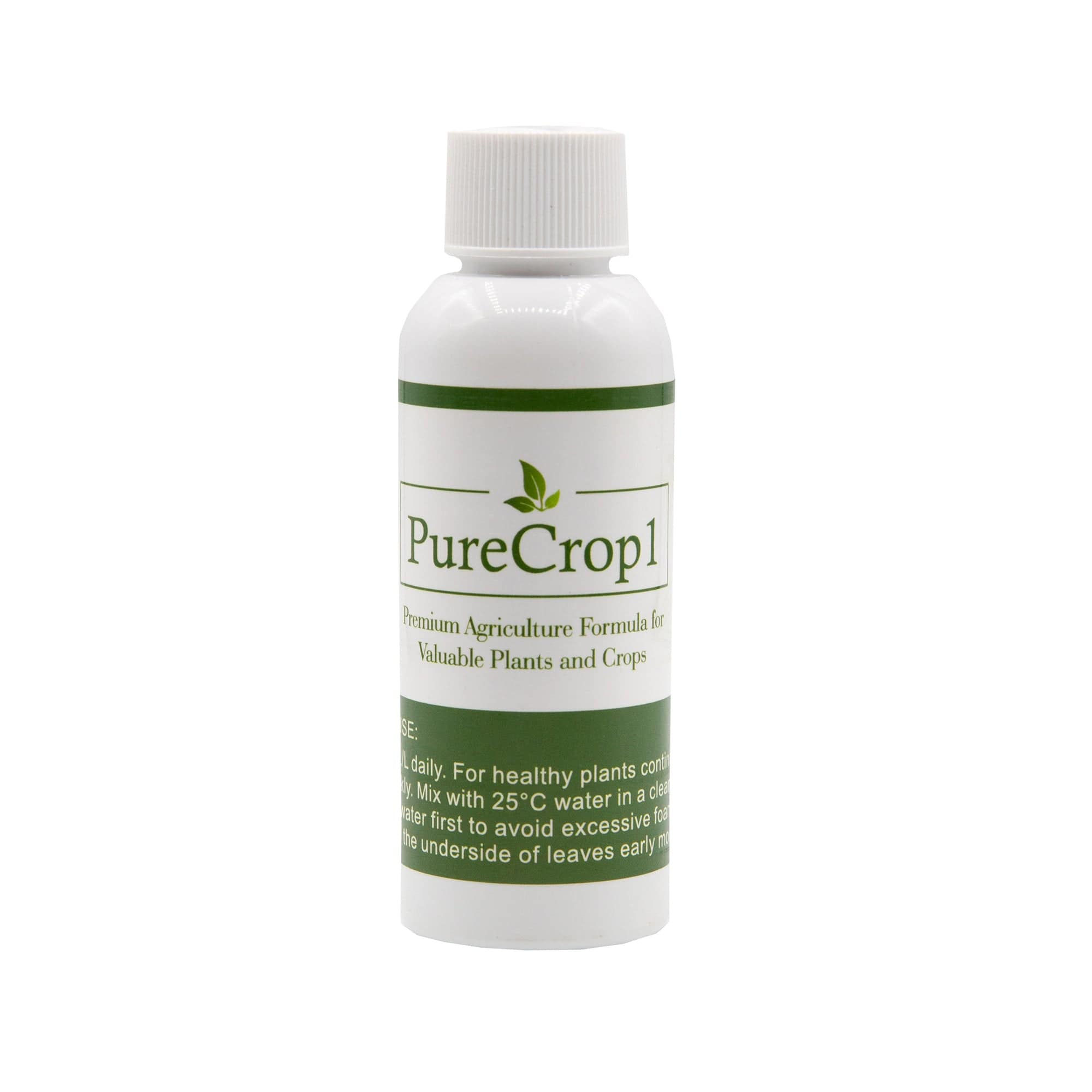
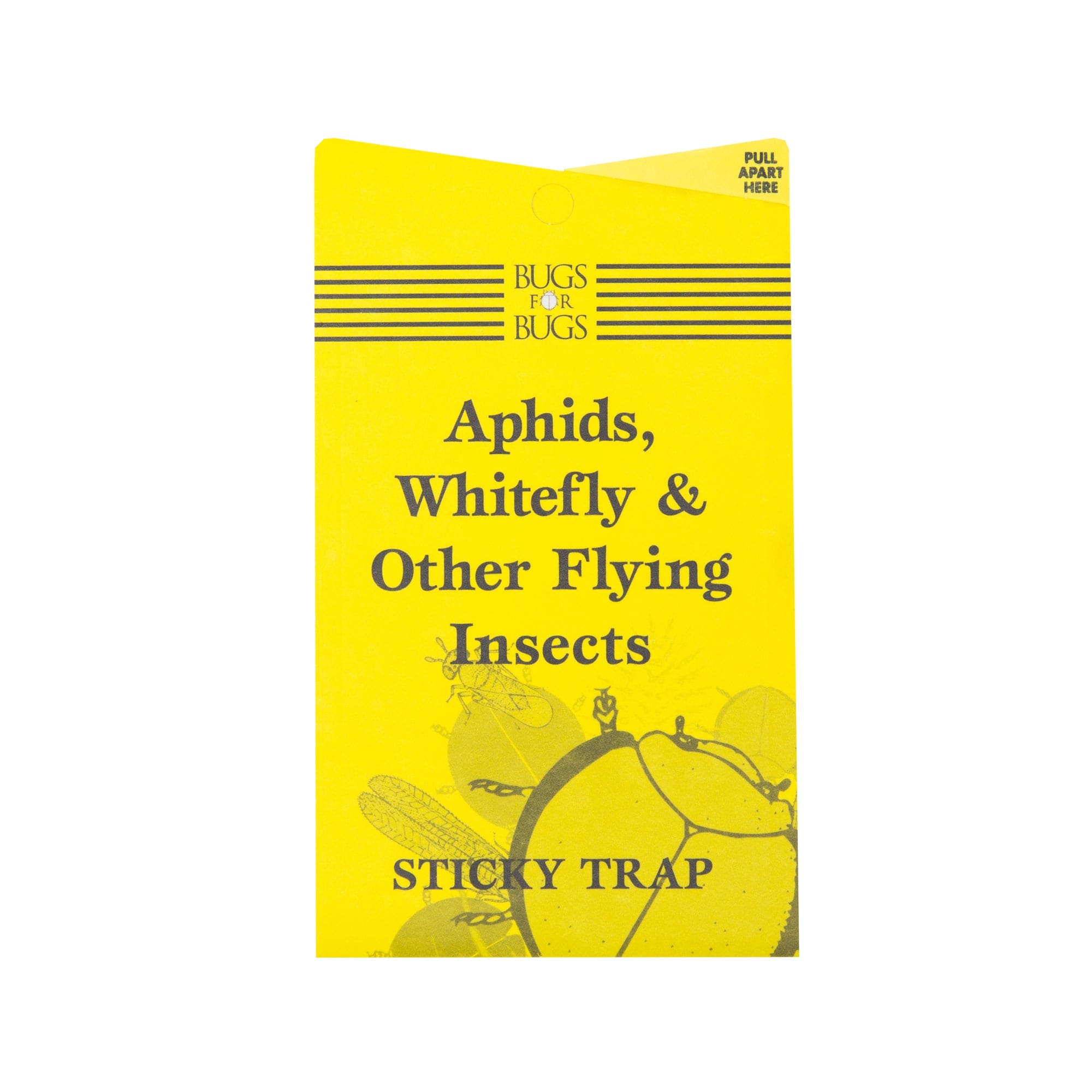
To get rid of mealybugs once and for all, these are our top products to use:


Common Mealybug Species in Australia
Several mealybug species occur across Australia, especially on citrus, ornamentals, indoor plants, vegetables and fruit trees.
The two gardeners most often hear about are long-tailed mealybug and citrus mealybug. They both share the familiar cottony look and sap-sucking habit, but their hiding spots and treatment timing can vary.
Long-tailed mealybug is often recognised by the two longer waxy filaments extending from its rear. Citrus mealybug is a common problem on citrus and other outdoor plants, especially in sheltered feeding spots.
If you are growing citrus, pay particular attention to:
- Under the fruit calyx, which is the leafy cap
- Inside fruit navels
- Stem joints and sheltered crevices
- Soft new growth
- Areas where ants are active
In many Australian regions, mealybug populations increase from late spring through autumn, roughly November to April, when conditions are warm. Regular inspections during this period can prevent small infestations from becoming established.
Early detection makes treatment significantly easier.
Why Mealybugs Move In
Mealybugs move in when conditions suit them:
- Sheltered spots – Dense foliage, pot rims, greenhouses and tight plant joints give them protection.
- Warm temps and high nitrogen – Soft new growth is prime feeding territory.
- Ant companions – Ants carry and protect mealybugs while feeding on honeydew.
Keep these factors in check and you will reduce infestation risk before it starts.
Mealybugs & Plant Health: More Than Just Sucking Sap
Mealybugs do more than weaken plants by feeding on sap. In some situations, sap-sucking pests can also contribute to the spread of plant diseases as they move between plants.
You might notice leaf distortion, delayed growth, yellowing or wilting from feeding damage and plant stress. This makes early detection and management especially important on fruiting plants, vines and valued ornamentals.
Mealy Bugs Treatment: The 3-Zone Check Most People Miss
Good mealybug treatment is not just treating the leaf where you saw white fluff. You need to check the whole plant system.
Mealybugs do not politely stay where you found them. Crawlers move. Ants move them. Pots, benches and shelves can spread them. Root mealybugs can hide below the surface while the top of the plant looks only mildly affected.
Start with a weekly inspection, especially during warm months or in dense collections. Look for honeydew, sooty mould, distorted leaves, sticky stems and tiny crawlers. Use a hand lens or phone macro if needed.
Break the inspection into three zones:
|
Zone |
Where to check |
What you’re looking for |
|---|---|---|
|
Plant canopy |
Leaf joints, undersides, new tips, stems, nodes, leaf bases, tight rosettes |
White fluff, crawlers, egg sacs, sticky honeydew, sooty mould |
|
Pot zone |
Pot rim, saucer, drainage holes, plant tags, supports, bench or shelf surface |
Hidden clusters, moving crawlers, waxy residue |
|
Root zone |
Top of mix, root ball edges, inner pot wall |
White waxy patches, cottony masses or root mealybugs |
The pot zone is the one most people skip. If you clean the leaves but leave mealybugs under the rim or around drainage holes, they can move straight back up the plant.
For a stubborn infestation, clean the bench, shelf, saucer and nearby pots too.
Crawlers can end up on shared surfaces and plant supports. This is why one bad plant can turn into a collection-wide problem if you keep moving it around while treating.
Treating properly means cleaning the whole habitat, not just spraying the bug you can see.
Mealybug Treatment: Match the Method to the Level of Infestation
Not every mealybug problem needs the same response. A couple of white specks on a single indoor plant is not the same job as a citrus tree crawling with cottony clusters.
Use the infestation level to choose your treatment:
- Light infestation: isolate the plant, dab visible bugs with alcohol, wipe stems and leaf joints, then monitor every few days.
- Moderate infestation: prune badly affected tips, spray thoroughly, clean the pot and repeat treatment weekly.
- Heavy infestation: remove the worst growth, treat the whole plant, control ants, check neighbouring plants and keep follow-ups going for several weeks.
- Severe or recurring infestation: inspect the root zone, pot rim, saucer and any nearby plants. If the plant is weak, cheap or badly overrun, disposal may be the smarter move.
That last point sounds harsh, but it’s true. Sometimes the “treatment” that saves the rest of your collection is getting rid of one badly infested plant before it becomes a nursery for crawlers.
The key is not to under-treat a serious outbreak or over-spray a tiny one. Start with the least disruptive option that fits the problem, then step up if the bugs keep showing.
Integrated Mealybug Management
Mealybug control works best when you combine several tactics instead of relying on one spray.
Use this framework:
-
Cultural and mechanical controls
Quarantine new plants, isolate infested plants, prune badly affected growth, wipe visible clusters, and clean pots, saucers and nearby surfaces. -
Contact treatments
Alcohol dabs, plant washes, horticultural oils, pyrethrum and other label-approved contact sprays can reduce visible mealybugs when coverage is thorough. They work best after you remove the obvious waxy clusters first. -
Ant control
If ants are farming the mealybugs, control the ants as part of the treatment. Otherwise, ants can protect the colony and move pests between plants. -
Beneficial predators
In greenhouses, covered areas or low-spray systems, beneficial predators such as Cryptolaemus montrouzieri can help apply ongoing pressure. -
Dormant or seasonal clean-up
For woody ornamentals and fruit trees, dormant-season clean-up sprays may help reduce overwintering pest pressure when used according to the label. -
Follow-up timing
Repeat treatments matter because eggs and hidden crawlers can survive the first pass. Do not judge success after one spray.
Mealy Bug Insecticide: Contact Spray or Systemic?
When people search for a mealy bug insecticide, they’re usually looking for the strongest thing that will end the problem fast. Understandable — mealybugs are annoying little freeloaders. But stronger isn’t always smarter.
The first choice is whether you need a contact spray or a systemic insecticide.
A contact spray only works when it touches the pest. That means coverage matters. You need to hit the stems, leaf joints, undersides, new growth, pot rims and all the awkward hiding places where mealybugs park themselves.
A systemic insecticide works differently. The plant takes it up, then sap-sucking insects ingest it while feeding. That can be useful for commercial crops or serious recurring infestations, but it’s not the first move for most home growers, especially if you’re growing edibles, keeping beneficial insects around, or trying to run a cleaner IPM setup.
Use this as a rough guide:
|
Situation |
Better option |
Why |
|---|---|---|
|
A few visible bugs on one indoor plant |
Alcohol dab + contact spray |
Low disruption and easy to repeat |
|
Mealybugs tucked into leaf joints or rosettes |
Contact spray with careful coverage |
You need to physically reach the pests |
|
Citrus or ornamentals with ants farming them |
Ant control + spray |
Ants will keep protecting the colony |
|
Recurring greenhouse outbreaks |
IPM rotation + beneficials |
Better long-term pressure control |
|
Edible plants |
Label-approved product only |
Check crop, rate and withholding period |
|
Heavy commercial infestation |
Professional advice |
Species, crop and resistance management matter |
For most home gardens, start with mechanical removal, then use a low-tox contact option and repeat it properly. Don’t jump straight to heavy chemistry just because one mealybug survived the first round.
Mealy Bug Spray: Why One Spray Usually Isn’t Enough
A mealy bug spray can work well, but one spray is rarely the whole job.
Mealybugs are protected by a waxy, cottony coating and they hide in tight crevices where spray does not easily reach. Different life stages can also be present at the same time, so a single spray often knocks back the obvious adults while smaller crawlers keep moving.
Spray works best when you clean first. Isolate the plant, remove visible clusters with a cotton bud, cloth or soft brush, then spray the hidden spots rather than just the top leaves.
Do not blast soft indoor plants with every product under the sink. More products mixed together does not mean better control. It usually means leaf burn, stress and a plant that is now fighting pests and spray damage.
Avoid spraying during heat, direct sun or drought stress. Oils, soaps and plant washes can all mark foliage if the plant is already struggling or the conditions are wrong.
The full repeat schedule belongs in the follow-up timing section below. For now, remember the boring method wins: clean, spray, wait, inspect, repeat.
Mealybug Treatment for Indoor Plants Without Trashing the Leaves
Indoor plants need a bit more care than a tough outdoor shrub. Thin leaves, variegated foliage and stressed plants can mark up quickly if you spray too strong, spray too often, or leave products sitting on the leaf in hot light.
Before treating the whole plant:
- test one small leaf first
- keep the plant out of direct sun while it dries
- avoid spraying during heat stress
- don’t soak delicate new growth
- don’t mix multiple sprays together unless the label allows it
- give the plant airflow after treatment
Alcohol dabs are great for spot-killing visible mealybugs, but don’t turn the whole plant into a chemistry experiment. Spraying alcohol-heavy mixes across soft foliage can burn leaves, especially on calatheas, ferns, orchids and tender new growth.
For indoor plants, the better rhythm is usually: wipe, dab, spray lightly, dry in shade, inspect again. Keep it boring and consistent.
Also check the plant’s general condition. Mealybugs often explode on plants already under stress from low light, overwatering, poor airflow or too much nitrogen. If the growing conditions stay poor, pests get an easier run at the plant.
How to Kill Mealybugs on Citrus, Ornamentals and Edible Plants
Outdoor mealybug control is a different game because ants, weather and beneficial insects are all involved.
On citrus and ornamentals, start by checking the sheltered zones:
- under fruit calyxes
- inside branch forks
- along soft new growth
- under leaves
- where branches touch fences, walls or other plants
- anywhere ants are travelling
Then clean up the conditions that protect the pests. Prune dense growth so sprays can reach the insects. Remove badly infested tips. Control ants before expecting predators to help. Spray in the cool of the day and cover both sides of the foliage.
For edibles, the label matters. Don’t assume a spray is suitable for food crops just because it says “natural” or “organic.” Check the crop, rate, withholding period and application limits.
Avoid blanket-spraying when bees and beneficial insects are active. Mealybugs are annoying, but wiping out every helpful predator in the garden just makes the next pest flare-up worse.
A better outdoor plan is targeted and repeatable: prune, control ants, spray thoroughly where needed, then re-check new growth. That gives you control without turning the whole garden into a dead zone.
How to Make a Safe DIY Alcohol Spray
For small infestations, a simple alcohol solution can be very effective — but it needs to be used correctly.
A safe DIY mix is:
- 1 part isopropyl alcohol (70%)
- 3 parts water
- A few drops of mild dish soap (as a surfactant)
Lightly spray directly onto visible mealybugs, ensuring full coverage of stems, leaf joints and undersides.
Important:
- Keep the plant out of direct sunlight while the solution dries.
- Rinse the plant with clean water after 10–15 minutes.
- Avoid soaking delicate foliage.
- Always spot test on one leaf first.
Alcohol works by dissolving the waxy coating that protects mealybugs — but if left on too long or used too heavily, it can dry or damage leaves.
Used carefully, it’s an excellent first-response treatment for early outbreaks.
If you’d like more natural spray formulas using common household and garden ingredients, see our step-by-step guide: Organic Pesticide Recipes Australia.
Ants & Mealybugs: A Sticky Situation
Ants farm mealybugs — they protect them from predators and help them spread. So breaking that relationship is one of the smartest steps you can take.
✔ Bait options: Low-toxin ant baits placed near trails cut off the ants’ food source.
✔ Physical barriers: Sticky bands or horticultural glue applied around plant stems interrupt ant movement and stop them shepherding mealybugs.
Trusted Allies: Beneficial Predators
We already mention the classic mealybug destroyer ladybird (Cryptolaemus montrouzieri), but there are more nature-friendly helpers worth knowing about.
- Green lacewings: Their larvae are voracious predators of young mealybugs and other soft-bodied pests — great for indoor plants or covered growing areas.
- Parasitic wasps: Tiny and targeted, species like Leptomastix dactylopii specialise in finding and parasitising mealybugs in protected spots.
💡 Tip: If you release beneficials, avoid broad-spectrum sprays for a few weeks — many knock out helpful insects along with the pests.
These predators are mainly useful for above-ground mealybugs on stems, leaves and protected plant joints. Root-zone biological options are covered later in the soil predator section.
Why Mealybug Treatments Sometimes Don’t Work
If mealybugs are still alive after treatment, do not jump straight to “the product doesn’t work.” Most failures come down to coverage, timing, hidden pests or reinfestation.
Common reasons treatments fail include:
- The spray did not contact the bugs directly
- Egg sacs were left behind
- Crawlers hatched after the first treatment
- The underside of leaves was missed
- Leaf joints, rosettes or stem joins were missed
- The pot rim, saucer, shelf or bench was not cleaned
- Nearby plants were never inspected
- Ants are still protecting and moving the colony
- The root zone has a separate infestation
- Follow-up sprays stopped too early
- New plants reintroduced the problem
Mealybugs are protected by waxy coatings, tucked-away feeding spots and a staggered lifecycle. You can knock them down, but you need to stay on them for longer than one weekend.
The best way to check progress is to inspect the same plant every few days and look for smaller, younger crawlers. If you are only finding dead adults and fewer new specks each week, you are winning. If fresh white clusters keep appearing in new spots, widen the search instead of just spraying harder.
The Missing Step: Follow-Up Timing
One of the biggest reasons mealybugs return is incomplete treatment timing.
Most contact sprays kill active adults and crawlers, but they may not kill eggs protected inside cottony sacs.
Those eggs hatch 7–14 days later.
If you only treat once, you remove the visible insects but miss the next generation.
For best results:
- Repeat contact sprays every 7 days for at least 2–3 rounds, unless the product label says otherwise.
- For heavier infestations, continue follow-ups for 10–14 days depending on temperature, plant type and product directions.
- Continue monitoring for at least 3 weeks.
The goal is to break the lifecycle, not just remove what you can see.
Consistency is what clears an infestation fully.
Root Mealybugs: The Hidden Menace
If plants wilt despite healthy-looking top growth, tip them out and inspect the root zone. Cottony masses on roots, the inner pot wall or the edge of the root ball can indicate root mealybugs.
Root mealybugs need a different approach because surface sprays will not fix pests hiding in the potting mix.
A basic response is:
- Remove the plant from the pot.
- Gently remove as much old media as practical.
- Inspect roots, the inner pot wall and drainage holes.
- Treat according to the product label if using a root-zone treatment.
- Repot into fresh, clean medium.
- Clean or replace the pot before reuse.
- Consider a suitable dry surface barrier after repotting.
- Avoid reusing infested potting mix.
Mealybugs in Lawns: A Different Approach
While mealybugs are more common on indoor plants and ornamentals, they can also appear in turf.
In lawns, infestations often present as:
- Patchy yellowing
- Reduced vigour
- Sticky residue near the base of grass
In most cases, complete eradication isn’t necessary.
Healthy turf can tolerate low populations without long-term damage.
Focus on:
- Improving soil health
- Avoiding excessive nitrogen
- Managing ant activity
- Encouraging beneficial insects
Chemical treatment is usually only required for severe infestations affecting large areas.
For lawns, the goal is population management — not elimination.
Season-by-Season Cheat Sheet
|
Season |
Risk Level |
Best Play |
|---|---|---|
|
Spring |
High—soft new growth |
Inspect weekly and treat early if signs appear. |
|
Summer |
Peak pressure |
Maintain ant control, repeat treatments as needed, and avoid spraying during heat. |
|
Autumn |
Dropping temps |
Reduce excess nitrogen and remove infested leaves before disposal. |
|
Winter |
Low (outdoor), moderate (indoor) |
Use dormant clean-up options on suitable woody plants and quarantine new houseplants. |
Biological Soil Predators: Advanced Root-Zone Support
This section is about root-zone support, not above-ground predators on leaves and stems.
For persistent root infestations, biological control can be a useful next step.
Certain soil-dwelling predatory mites, such as Hypoaspis species, feed on pest eggs and young crawlers in the growing medium.
These beneficial organisms:
- Target pests in the soil layer
- Reduce reinfestation cycles
- Work well in indoor pots and greenhouse conditions
They are most effective in moist, well-aerated potting mixes and moderate temperatures.
Biological control is not an instant fix, but as part of an integrated approach, it can help suppress ongoing root-zone pest pressure without repeated chemical intervention.
FAQs
Can I use mealybug sprays on edibles?
Only use sprays on edibles when the label specifically allows use on that crop. Always check the crop, rate, withholding period and application limits before spraying food plants.
Will diatomaceous earth harm bees?
Diatomaceous earth is lower risk when applied carefully to soil or stems, but avoid coating open flowers or areas where bees and beneficial insects are actively foraging.
How often should I re-apply treatment?
For contact treatments, repeat every 7 days for at least 2–3 rounds unless the product label gives different directions. Keep monitoring for at least 3 weeks because eggs and crawlers can appear after the first treatment.
Do I need to throw out a plant with mealybugs?
Not always. Light and moderate infestations can often be controlled. Disposal may be the smarter move when a plant is weak, cheap, badly infested or putting the rest of your collection at risk.
Why do mealybugs keep coming back?
They usually return because egg sacs, crawlers, ants, root mealybugs, nearby plants or contaminated pots and shelves were missed. Widen your inspection before simply spraying harder.
Keep Your Plants Bug-Free, the Dr Greenthumbs Way
Ready to take action? Browse the full Mealybug Treatment Collection for all the low-tox, high-impact options for inspection, contact treatment, ant control, follow-up and prevention — plus expert support from the Dr Greenthumbs horticulture crew.
Happy growing! 🌿
Next Reads for Controlling Mealybugs and Preventing Repeat Infestations
Treating mealybugs already? These guides will help you choose better organic controls, strengthen your IPM routine and spot similar sap-sucking pest problems earlier.
- Pest Control IPM Stack: Top 10 Organic Solutions
- Cold Pressed Neem Oil vs Azadirachtin Australia
- Which Pest When Australia
- How to Control Aphids Australia
About the Author