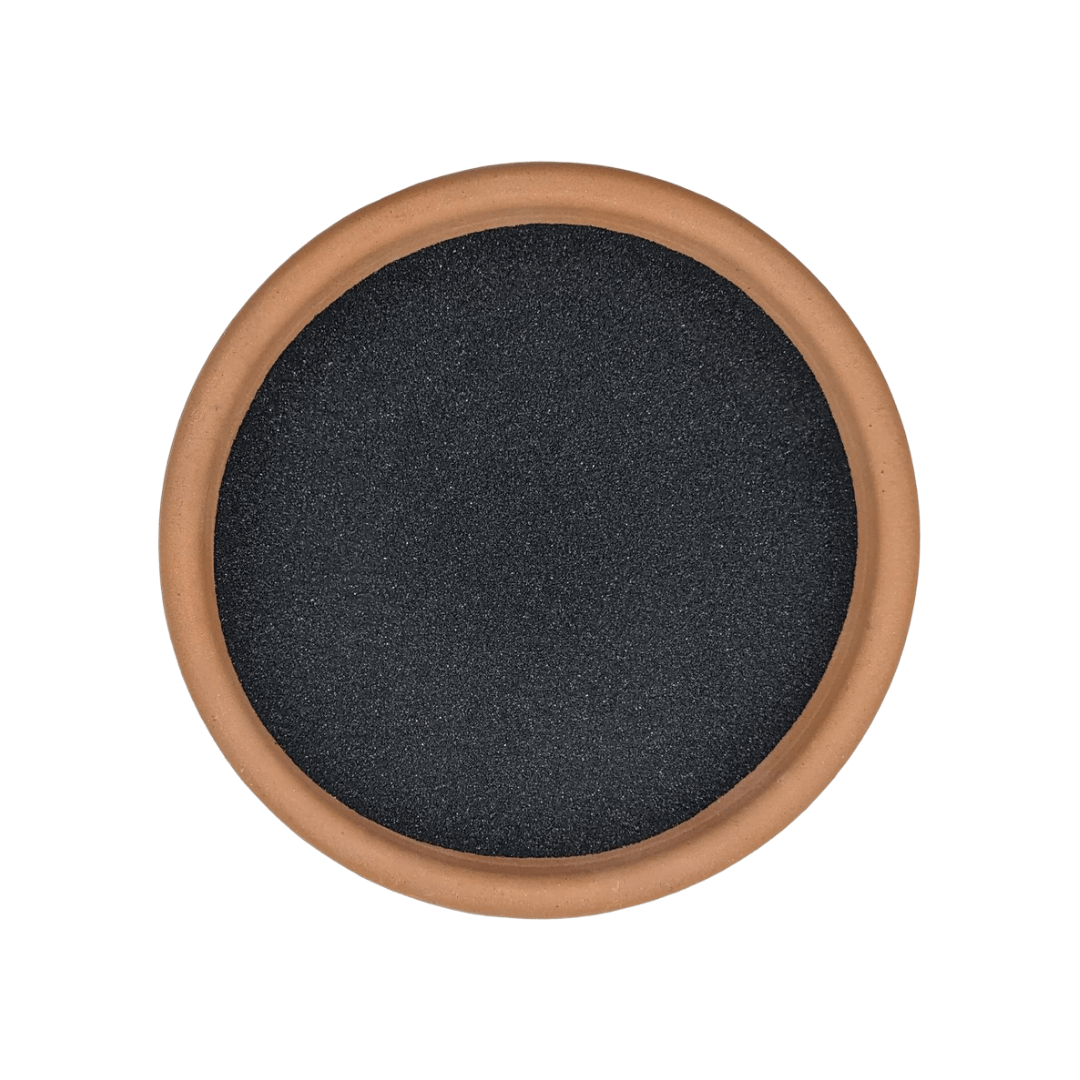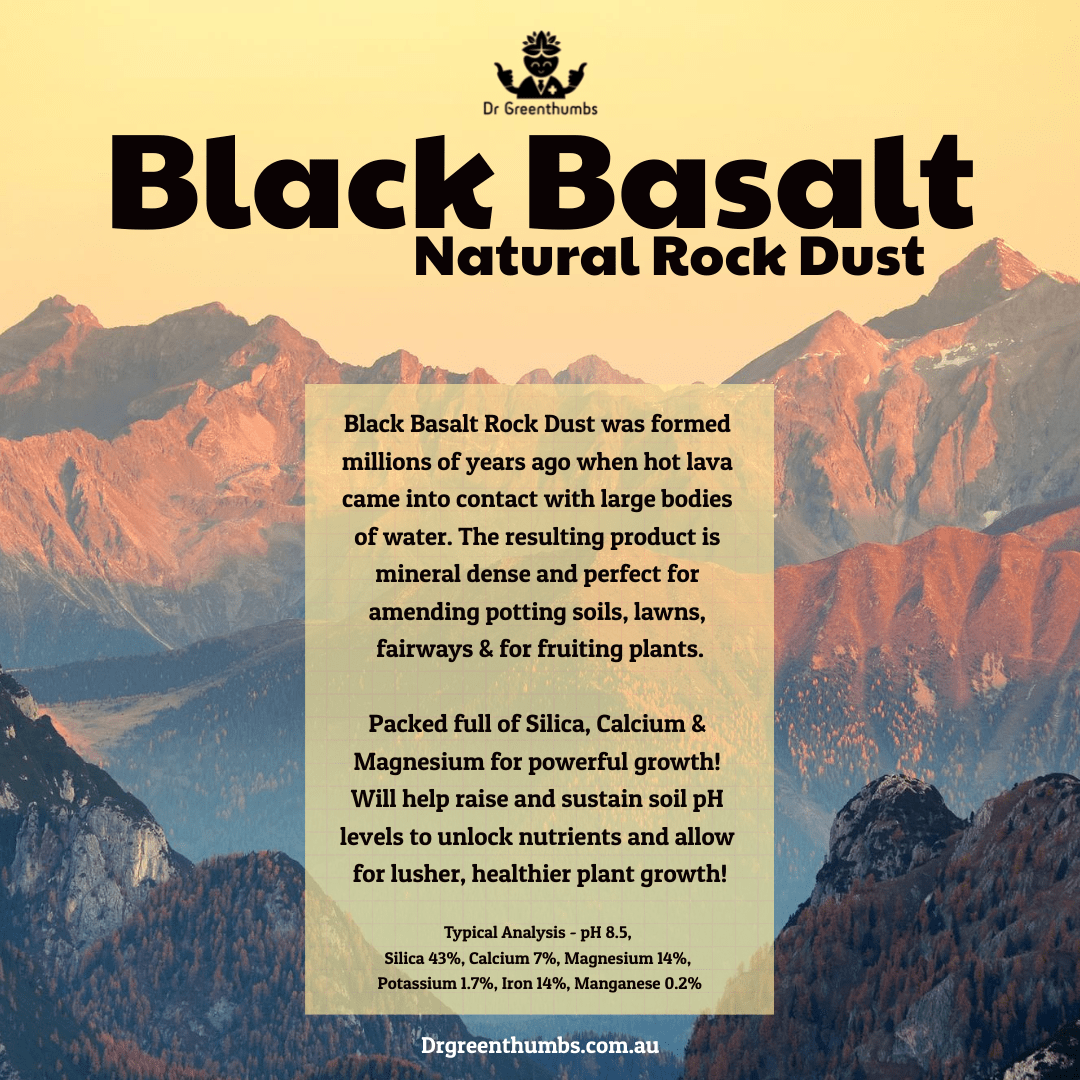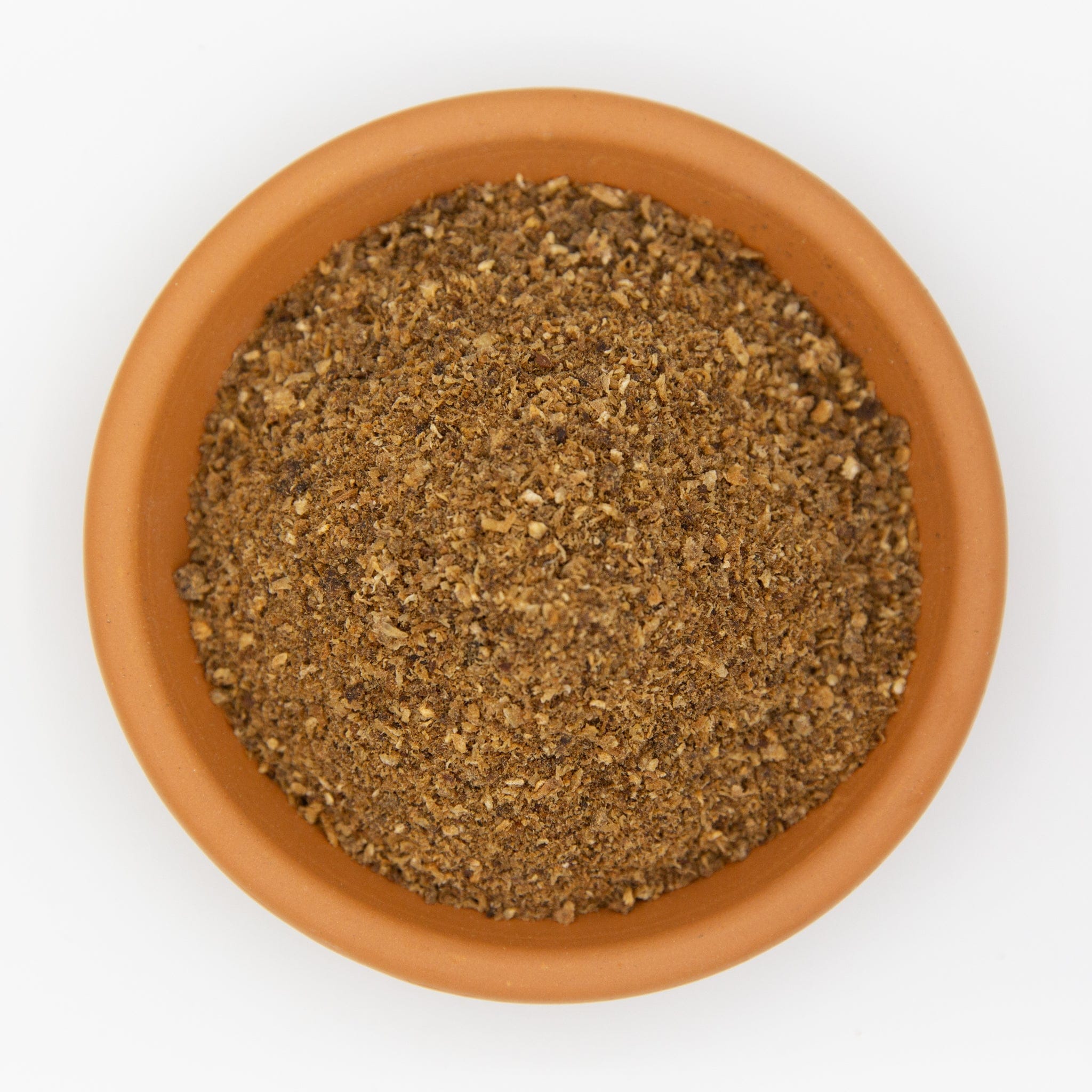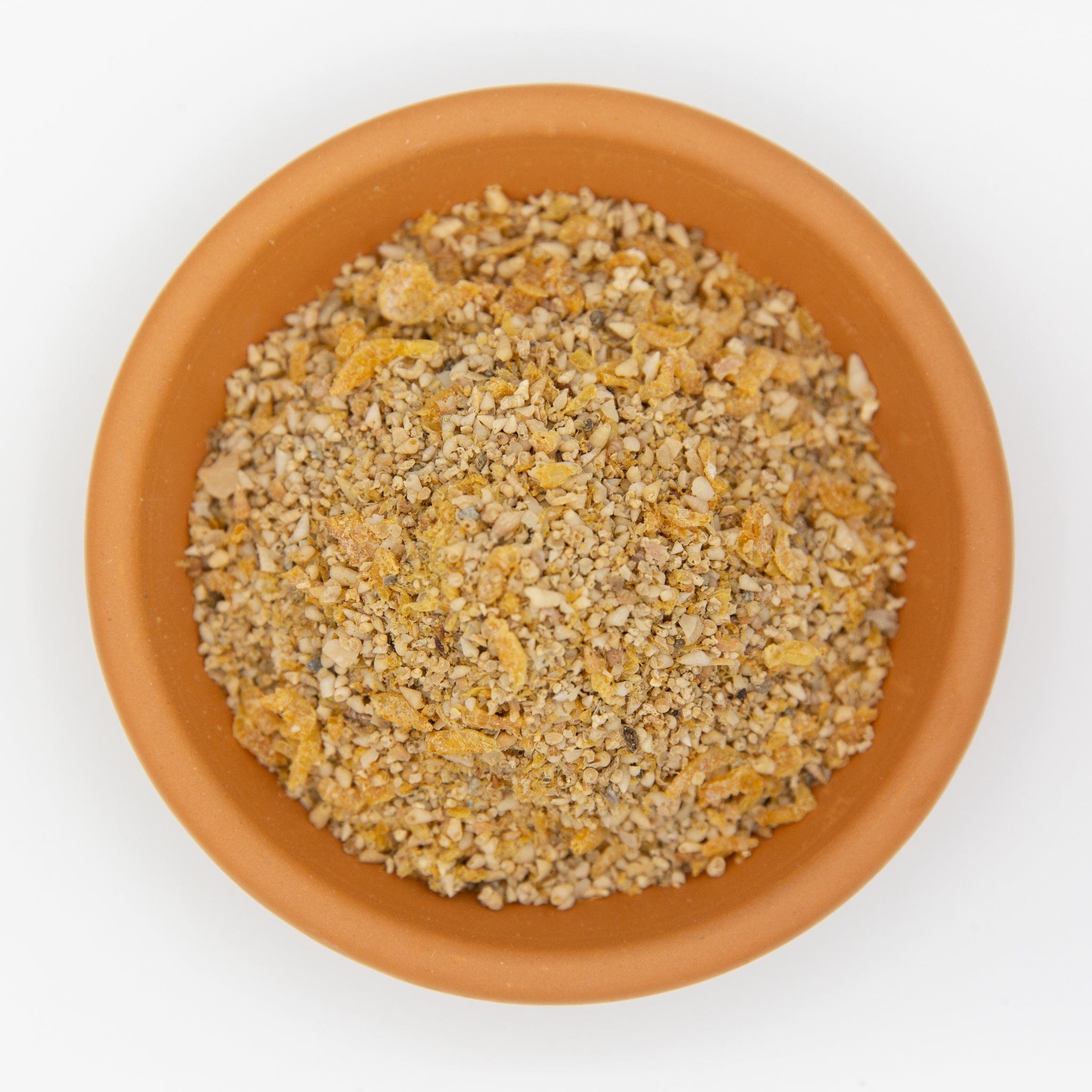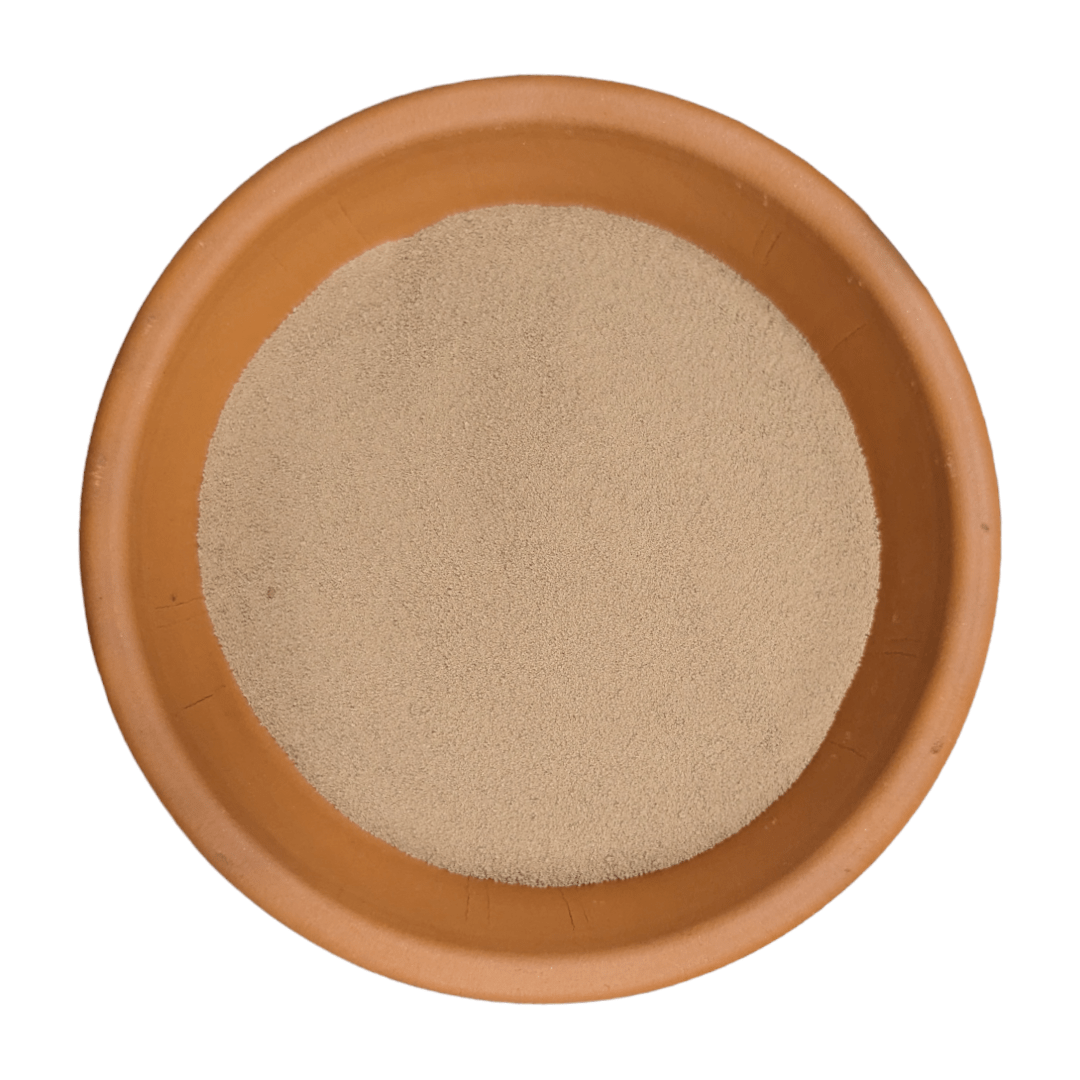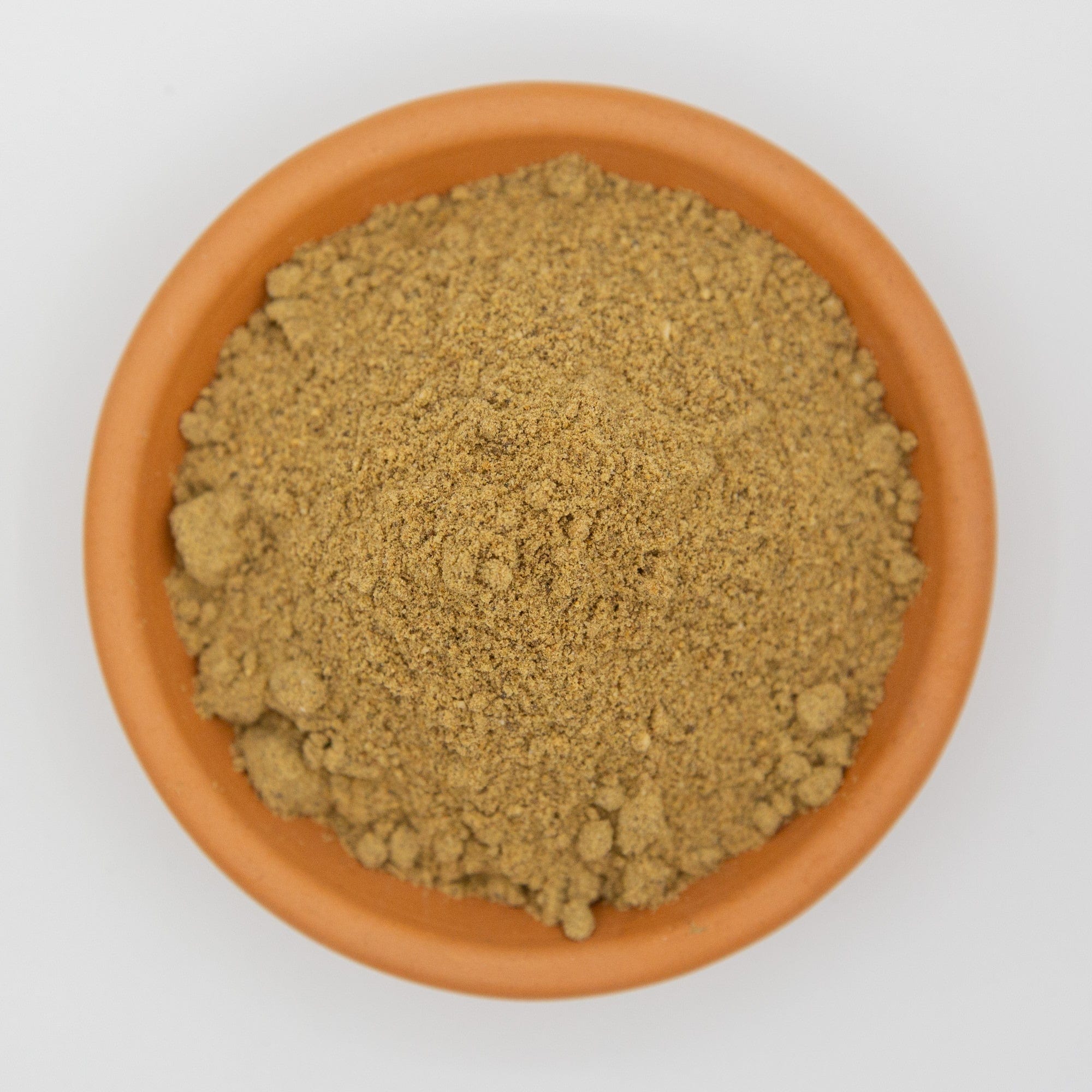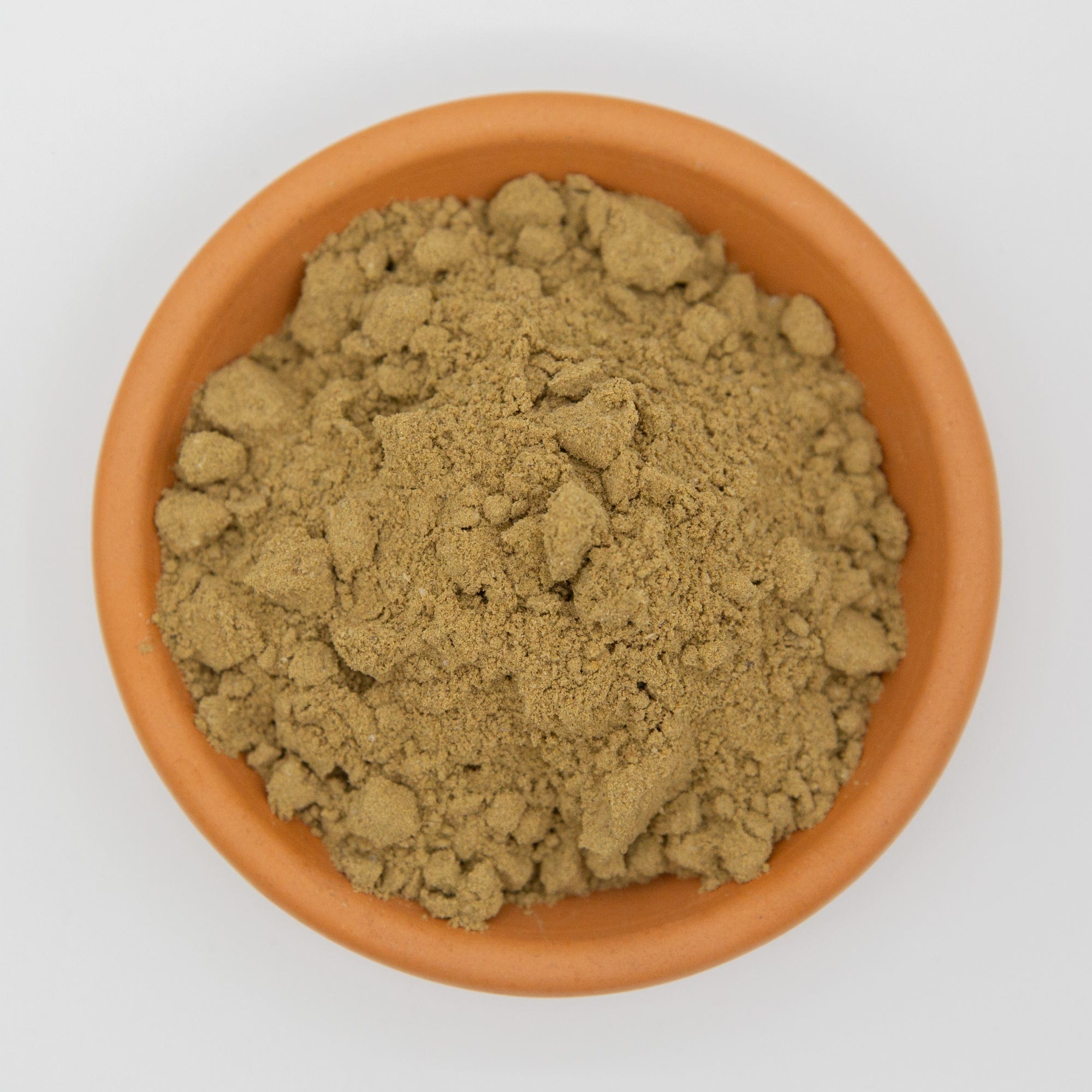

Not sure which rock dust belongs in your garden, how much to apply, or whether it actually works? This guide breaks down the main rock mineral types, the best use case for each, and simple application rates for beds, pots, trees, and lawns.
Australia’s soils are some of the oldest—and most mineral-depleted—on the planet. Finely milled rock dusts can drip-feed silica, calcium, magnesium and rare trace elements, support soil biology and, in some conditions, contribute to long-term carbon storage.
Table of Contents
- What Is Rock Dust, Really?
- Why Rock Dust Is a Game-Changer for Aussie Gardens
- Rock Dust Works Slowly — That’s the Point
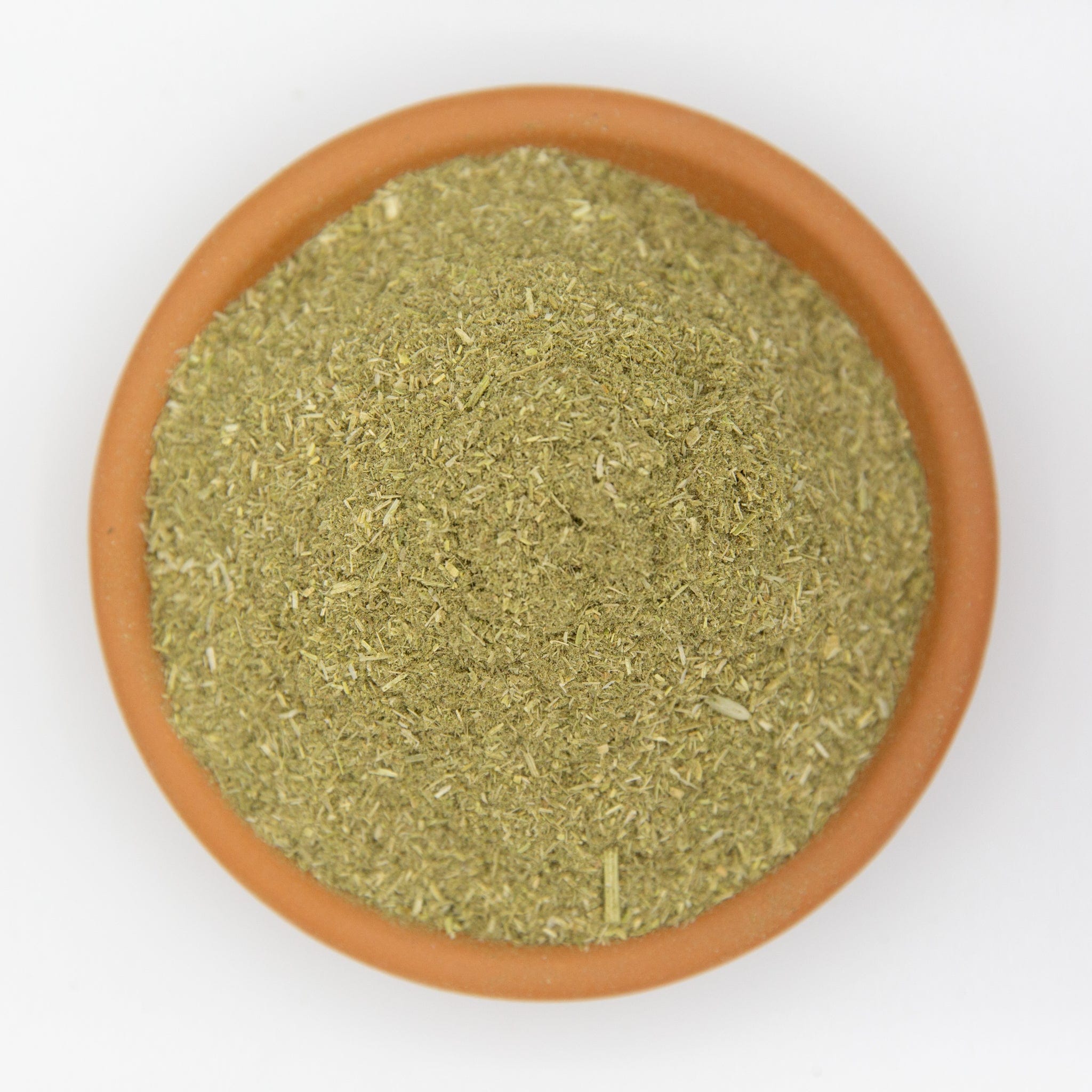
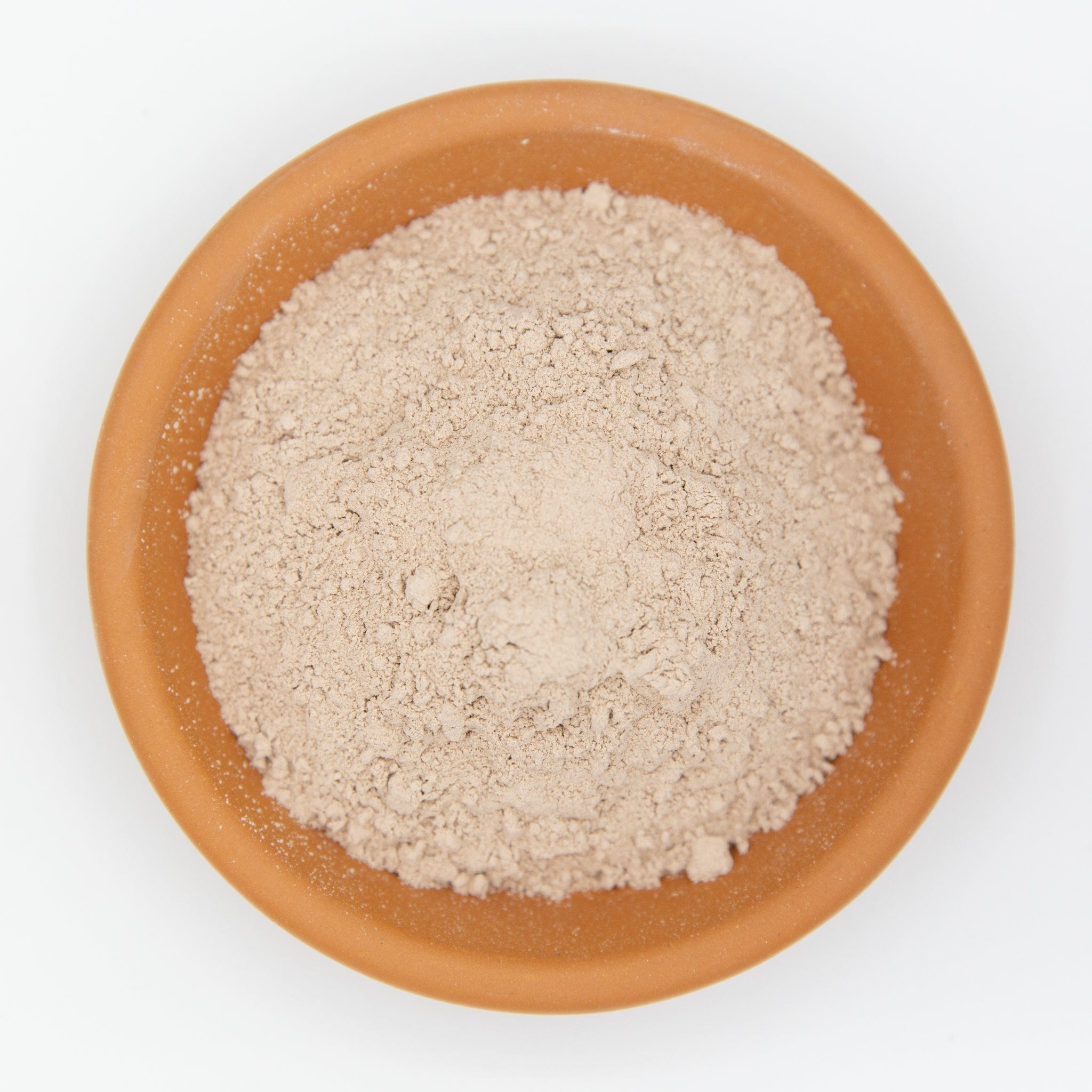
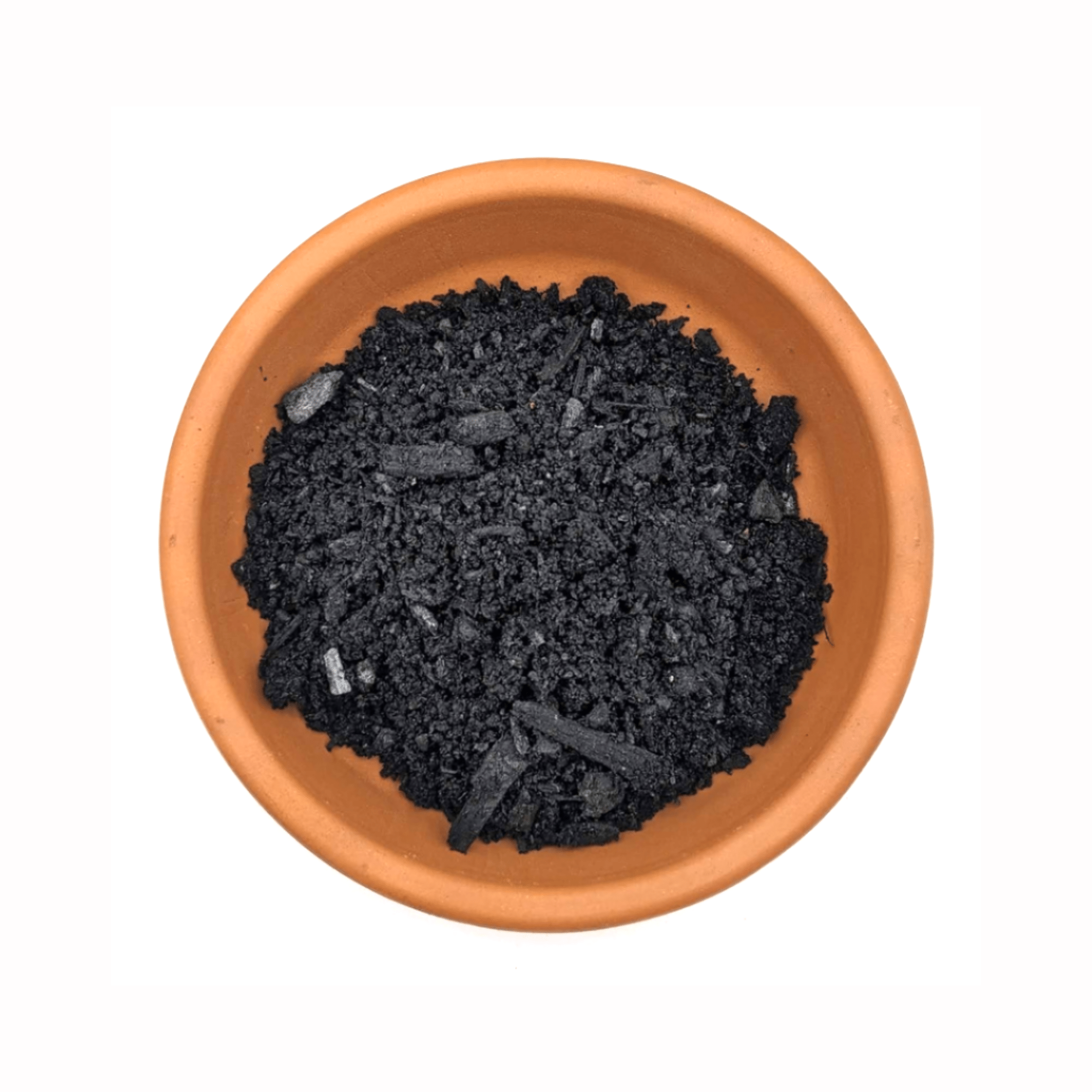
- Rock Dust Cheat-Sheet — Pick the Right One
- Application Guide: Rates for Aussie Beds, Pots, Trees and Lawns
- Rock Dust in Compost: The Best Bang-for-Buck Use
- How to Choose and Use Rock Dust Like a Pro
- Advanced Uses: Carbon Capture, Compost Teas and Foliar Sprays
- Frequently Asked Questions
- Next Reads for Building Mineral-Rich Soil and Stronger Root Health
If you want the fastest, simplest way to get results:


What Is Rock Dust, Really?
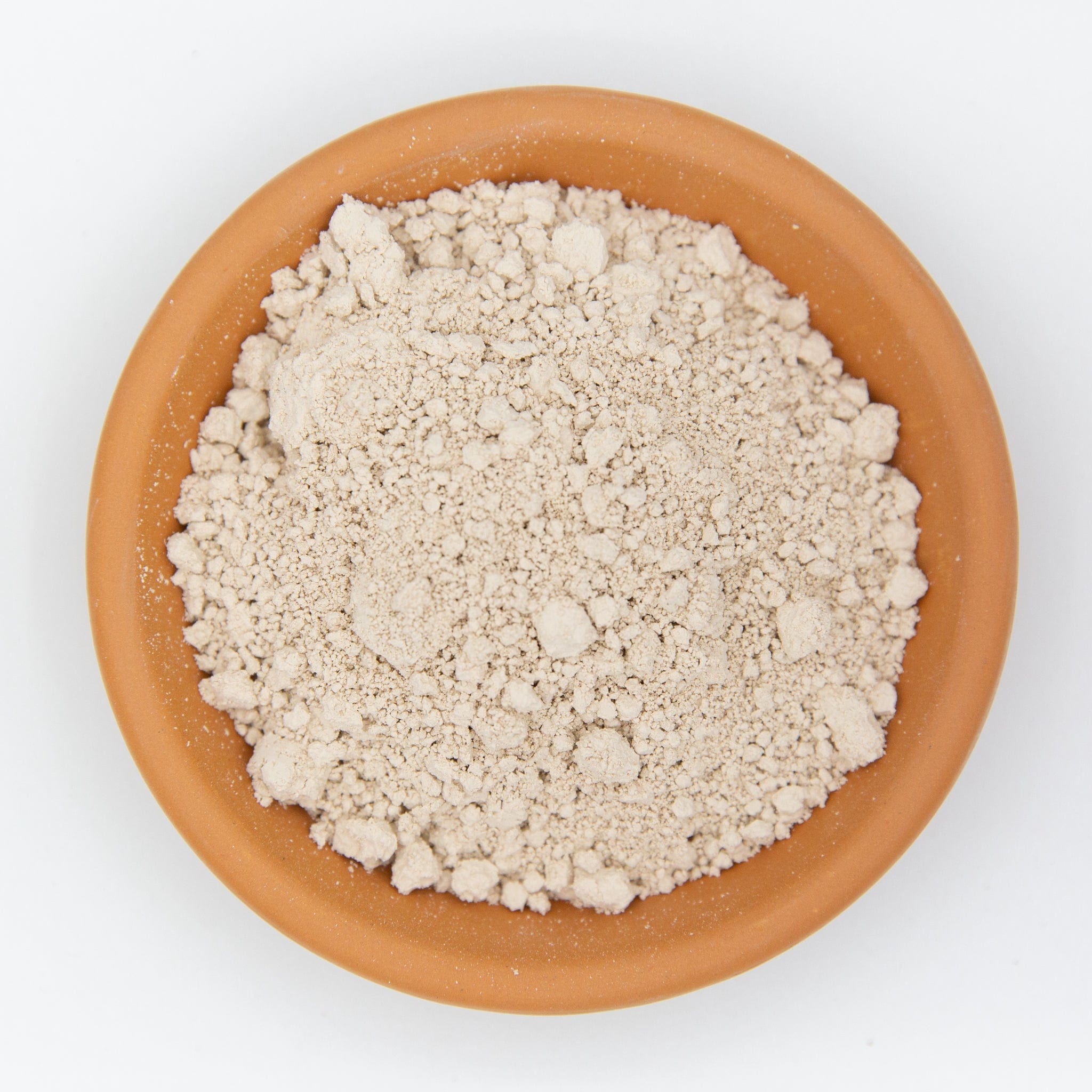
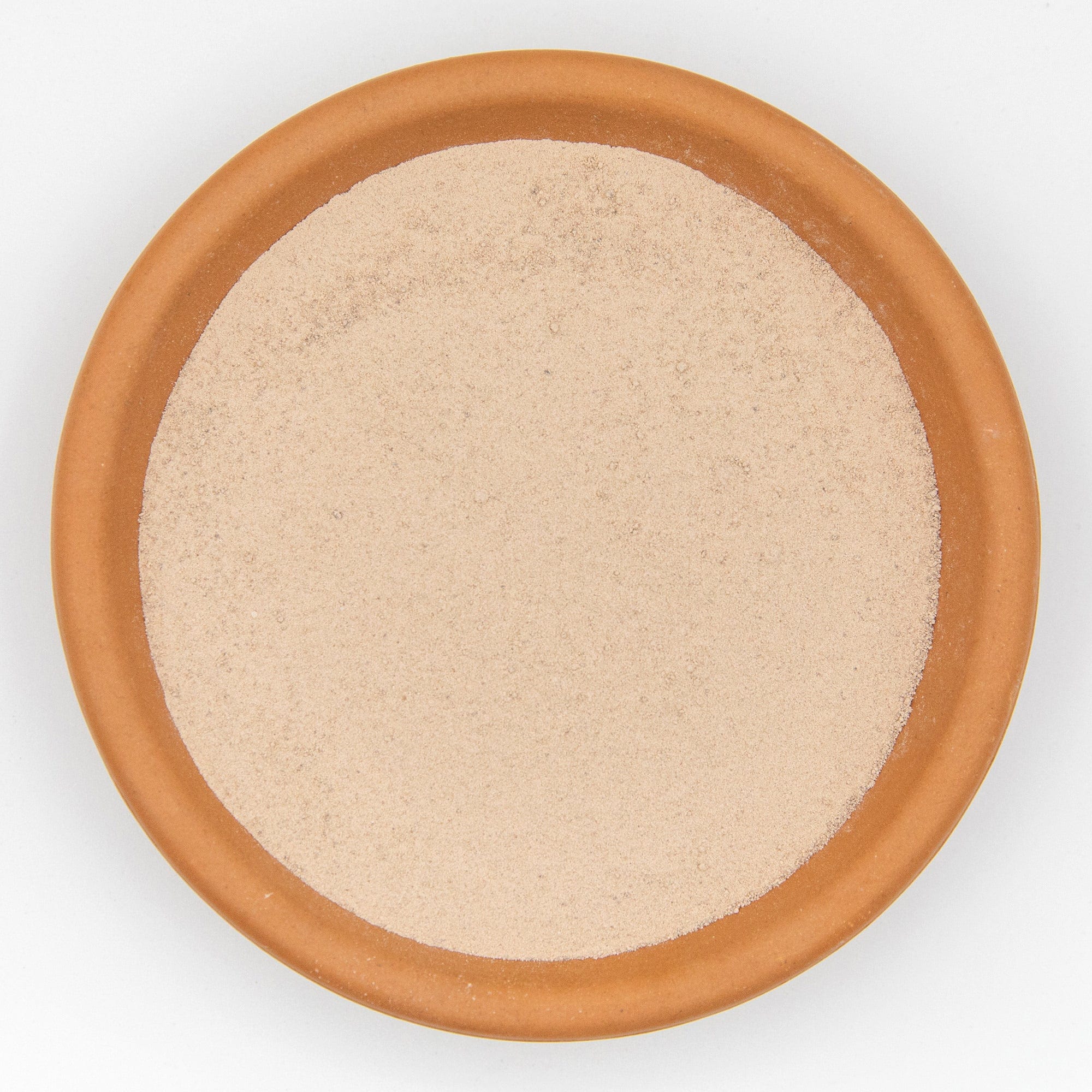
Rock dust is exactly what it sounds like: finely crushed rock ground down into a powder or flour-like mineral amendment.
The important bit is the source rock. Basalt, granite, glacial rock dust and volcanic dust all bring different mineral profiles to the table. That’s why two bags can both say “rock dust” but behave differently in the garden.
Think of it like slow-release pantry stock for your soil. It’s not a fast liquid feed. It’s not compost. It’s not a magic fix for flogged-out dirt overnight. It’s a long-game mineral input that works best when soil biology, moisture and organic matter are already doing their thing.
In practical terms, rock dust is used to:
- Add broad-spectrum trace minerals back into tired soil
- Support microbial activity in compost and living soil
- Improve mineral diversity in raised beds and no-dig systems
- Help buffer long-term fertility instead of chasing quick NPK spikes
- Build better soil structure when paired with compost, worm castings and mulch
The key phrase there is “paired with”. Rock dust on dead, dry, compacted soil won’t do much on its own. Rock dust mixed through compost-rich, biologically active soil is a different story.
Why Rock Dust Is a Game-Changer for Aussie Gardens
Rock dust can help Aussie gardens by:
- Re-mineralising tired, sandy beds over the long term
- Supporting CEC and moisture-holding when used with compost and organic matter
- Feeding soil biology, which can support stronger roots and better resilience
- Gently buffering acidic coastal sands, depending on the rock type and soil conditions
- Adding silica, calcium, magnesium, iron and trace minerals back into depleted soils
- Supporting climate-smart soil building when suitable basalt products are used in the right conditions
Rock Dust Works Slowly — That’s the Point
One of the biggest mistakes with rock dust is expecting a visible result in a week.
You probably won’t get one.
Rock dust works through weathering, microbial activity and root-zone chemistry. The minerals need to be broken down into plant-available forms, and that takes time. Finer particles work faster because there’s more surface area for microbes, moisture and weak organic acids to act on.
That’s why rock dust suits soil building more than emergency feeding.
Use it when you’re:
- Preparing a new raised bed
- Recharging tired veggie soil between crops
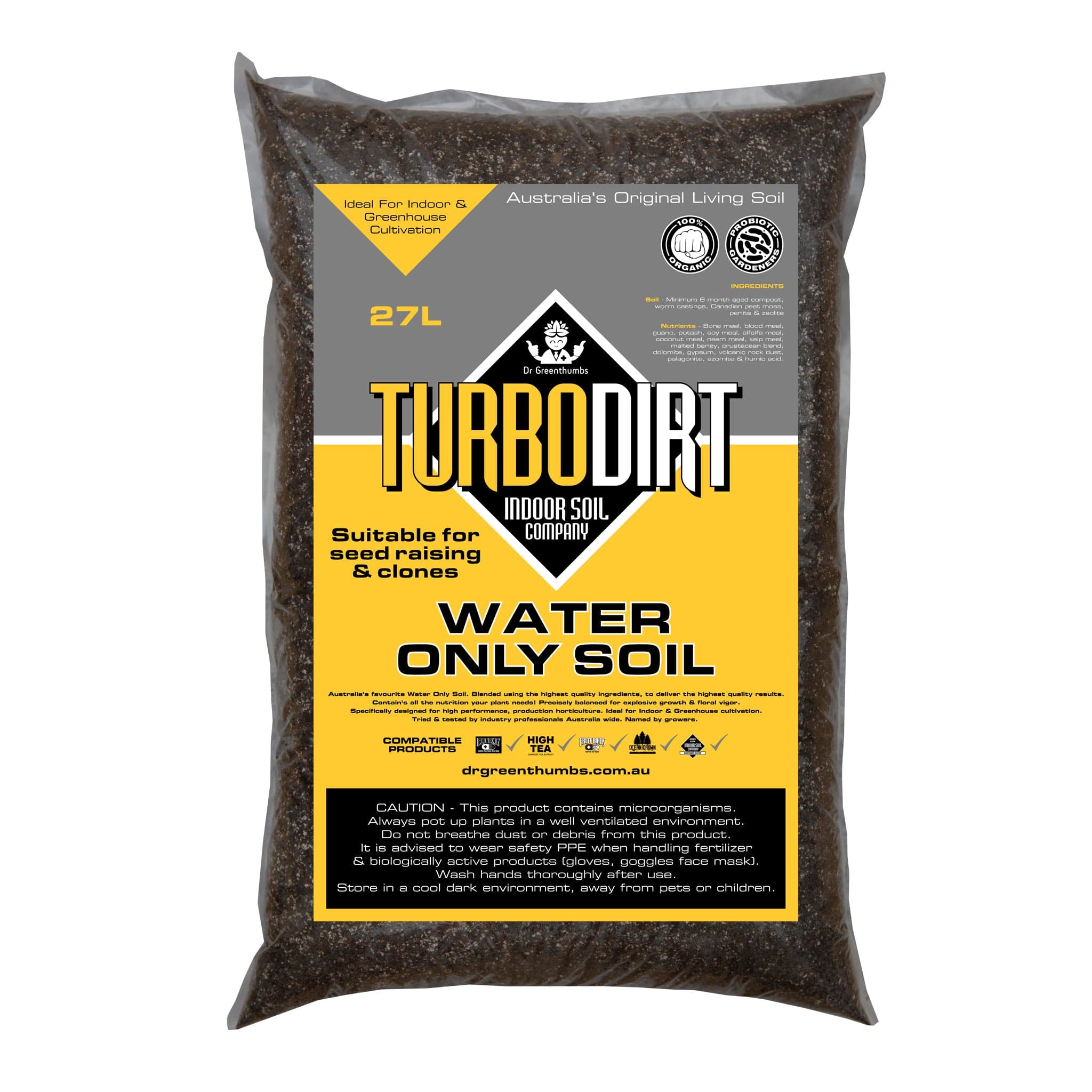
- Building a water-only living soil
- Improving compost before it goes into the garden
- Setting up fruit trees for long-term mineral access
- Refreshing old potting mix with compost and biology
Don’t use it as the main fix when a plant is already yellow, hungry or stalling hard. If the plant needs nitrogen, calcium, magnesium or potassium right now, reach for the right fertiliser first. Rock dust can sit underneath that strategy, but it shouldn’t replace it.
A good way to think about it: fertilisers feed the current crop, while rock dust helps rebuild the pantry for future crops.
For Australian growers working with sandy soils, raised beds or heavily cropped veggie patches, a steady mineral top-up makes sense. Just keep your expectations realistic. The win is usually better resilience, stronger roots and more balanced growth over a season, not a dramatic overnight transformation.
Rock Dust Cheat-Sheet – Pick the Right One
|
Rock-dust type |
Key minerals (approx.) |
Best for |
|---|---|---|
|
Si 43 %, Mg 14 %, Ca 7 %, Fe 14 % |
Carbon draw-down, leafy greens, lifting pH |
|
|
Si 22 %, Mg 3 %, Ca 5 %, K 0.8 % |
Flowering crops, sandy/acid soils |
|
|
Si 50 %, K 3 %, Ca 6 % |
All-round veg & fruit gardens |
|
|
Broad trace mix + high Fe |
Lawns, broad remineralising |
|
|
70 + trace elements incl. Se & Mo |
Micronutrient kick in potting mixes |
Want to combine mineral profiles? Bundle and save by creating your own rock dust mix HERE
Application Guide: Rates for Aussie Beds, Pots, Trees and Lawns
|
Where |
Rate |
How & when |
|---|---|---|
|
Garden beds |
250 g / m² |
Fork into top 5 cm before planting; re-apply every 2–3 years |
|
Raised / no-dig |
1 kg / m² |
when building soil, then 100 g top-dress yearly |
|
Containers & grow-bags |
1–2 Tbsp / 10 L mix |
scratch 1 tsp into surface each quarter |
|
Fruit trees |
0.5–2 kg |
spread at drip line; mulch and water deeply |
|
Lawns |
150–250 g / m² |
broadcast before rain or irrigate lightly |
Compost quick tip: sprinkle around ½ cup rock dust per 20 L of compost materials. Compost microbes help start breaking down the minerals and can also help reduce odours.
Rock Dust in Compost: The Best Bang-for-Buck Use
If you only use rock dust in one place, compost is the easiest starting point.
Compost gives rock dust the moisture, microbes and organic acids it needs to begin breaking down. Instead of sitting dry on top of the soil, the minerals get worked through a living pile where bacteria, fungi and worms can start doing the heavy lifting.
Rock dust can also help with one of the less glamorous compost jobs: odour control. A light dusting through food scraps, manure or green waste can help bind nutrients and reduce strong smells.
Simple compost method:
- Add a layer of food scraps, green waste or manure.
- Add a carbon layer like dry leaves, straw or shredded cardboard.
- Sprinkle a light dusting of rock dust over the layer.
- Repeat as the pile builds.
- Keep the pile moist, not soggy.
- Let the compost finish properly before using it around plants.
Don’t bury the pile in powder. More isn’t better. You want minerals spread through the compost, not clumps of dust sitting in one spot.
For living soil growers, this is one of the cleanest ways to use rock dust: pre-load the compost, let biology start the work, then apply the finished material back into beds, pots or no-dig systems.
How to Choose and Use Rock Dust Like a Pro
Use this checklist before choosing or applying rock dust:
Test first: A basic soil test can show whether your soil actually needs more magnesium, calcium, potassium or trace minerals before you start adding amendments.
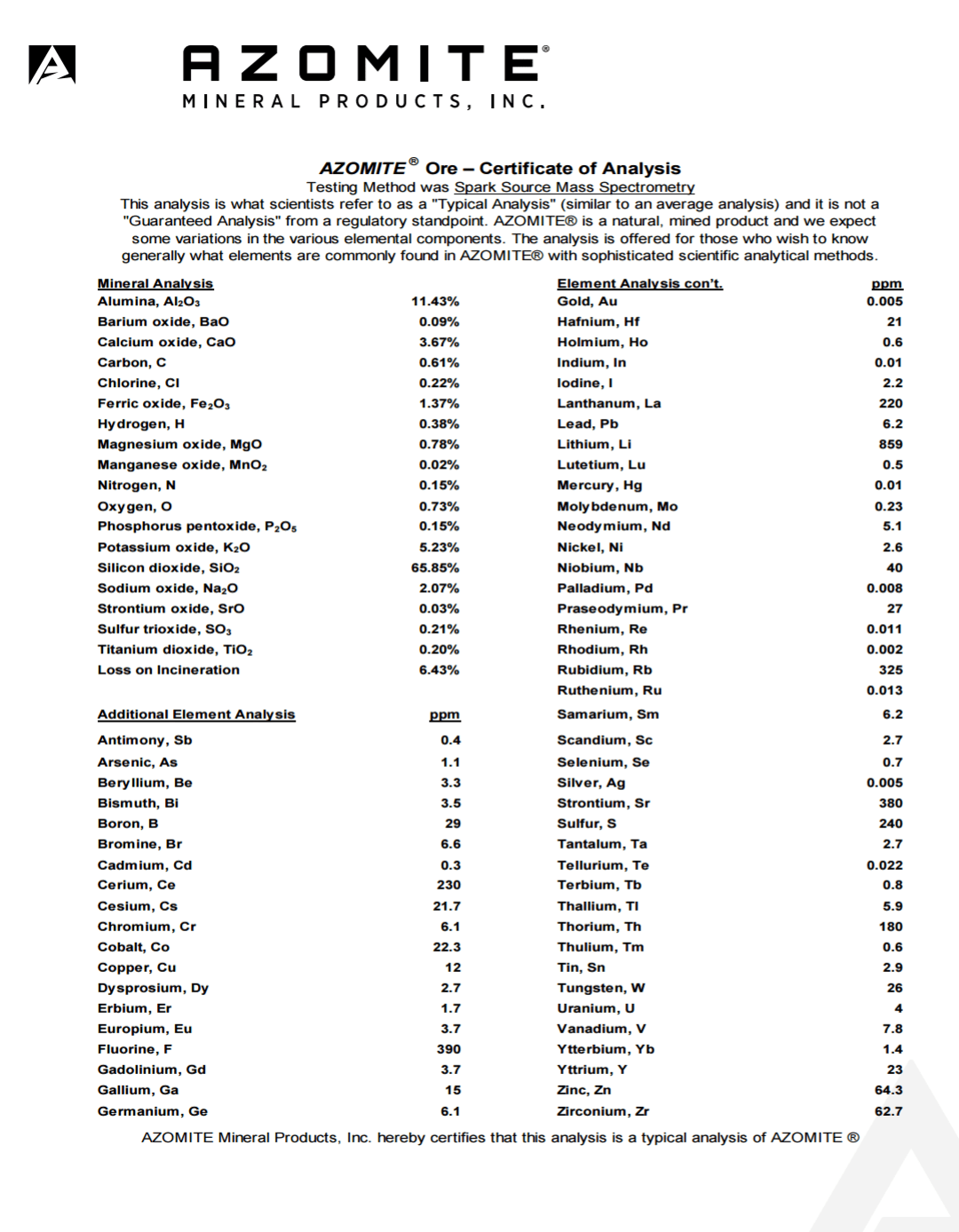
Match the rock dust to the job: Use the cheat-sheet above to match basalt, volcanic rock dust, glacial rock dust or Azomite® to your soil and crop goals.
Check particle size: Finer powders generally become available faster because they have more surface area for moisture, microbes and organic acids to work on.
Check safety testing: Use products that are tested for heavy metals and suitable for garden use.
Pair with biology: Rock dust works best with compost, worm castings, mulch, microbial inoculants and steady moisture.
Avoid mega-dosing: Rock dust will not usually burn plants like strong fertilisers can, but overdoing it can still skew mineral balance over time. Stick to the application guide and re-test soil every couple of years.
Advanced Uses: Carbon Capture, Compost Teas and Foliar Sprays
Carbon Capture Potential
Finely crushed basalt is being studied for its potential to support long-term carbon storage through enhanced rock weathering. Some trials suggest strong results under warm, rain-fed conditions, but outcomes depend on rock type, climate, soil biology and application rate.
For home gardeners, treat this as a bonus benefit rather than the main reason to use rock dust. The main practical goal is still better mineral diversity and healthier soil structure.
Compost Tea Mineral Boost
For compost teas, a small amount of volcanic rock dust can add silica and trace minerals to the brew. Use around ½ cup volcanic dust in a 20 L brew and keep the mix well-aerated.
This is an advanced use, not a replacement for the main soil application rates above.
Foliar Micronising
Advanced micro-boost: Mix 1 Tbsp micronised volcanic dust with 1 L rainwater and ¼ tsp kelp extract, then mist lightly at dawn on a calm day.
This is an advanced micro-dose technique, not the main way to use rock dust and not a replacement for a complete fertiliser when plants are actively deficient.
Frequently Asked Questions
Is rock dust a fertiliser or conditioner?
Although the term rock dust fertiliser is commonly used, it acts more like a long-term mineral amendment than a quick NPK feed. It can support nutrient diversity and soil structure, but it is not a fast NPK feed.
Will it alter soil pH?
Basalt and palagonite are mildly alkaline; glacial and Azomite are near-neutral. At the recommended rates they move pH only slightly.
How soon will I see results?
Some microbial activity can begin within weeks, but visible plant results usually take longer. Expect the biggest benefits over a full season or more, especially when rock dust is used with compost, mulch and active soil biology.
Can I over-apply?
Rock dusts won’t burn plants, yet mega-doses can skew mineral balance. Stick to the table above and re-test soil every couple of years.
Happy growing – here’s to richer, living Australian soils!
Next Reads for Building Mineral-Rich Soil and Stronger Root Health
Using rock minerals in your soil? These guides will help you build better living soil, improve long-term fertility and choose complementary amendments that support stronger growth.
- Boost Your Soil's Health and Crop Yields with Azomite
- Organic Gardening 101: Living Soil Aussie Guide
- 5 Secrets Sustainable Soil Health
- The Science Behind an Explosive Rootzone: How Optimum Root Health Leads to Explosive Plant Growth
About the Author