
Whitefly control involves identifying, monitoring and disrupting the lifecycle of sap-sucking whiteflies using traps, organic sprays and integrated pest management techniques. Whiteflies may be tiny, but the cloud they raise when you brush past an infested plant can cost you produce, plant health and weeks of frustration. With a sharp eye, the right tools and a consistent plan, you can get them under control before they race ahead.
Table of Contents
- What Are Whiteflies — and Why They Can Wreck a Crop
- Quick ID Checklist
- Common Whitefly Species in Australia
- Whitefly Life Cycle and Why Repeating Treatments Matters
- Early Detection and Monitoring Whiteflies
- If You Suspect Virus Symptoms
- Step-by-Step Control Strategy
- White Fly Control: Start With the Undersides
- Whitefly Treatment: Match the Method to the Infestation
- Whitefly Control in Veggie Patches, Greenhouses and Grow Tents
- How to Control White Fly Without Wiping Out Beneficial Insects
- Whitefly Treatment Mistakes That Keep the Infestation Alive
- Physical & Organic Control Tools You Can Use
- Integrated Pest Management — A Smarter Strategy
- Long-Term Prevention and Reinfestation Control
- When Whiteflies Are Most Active in Australia
- Frequently Asked Questions
- Ready-for-Action Checklist
- Next Reads for Controlling Whiteflies and Preventing Repeat Outbreaks
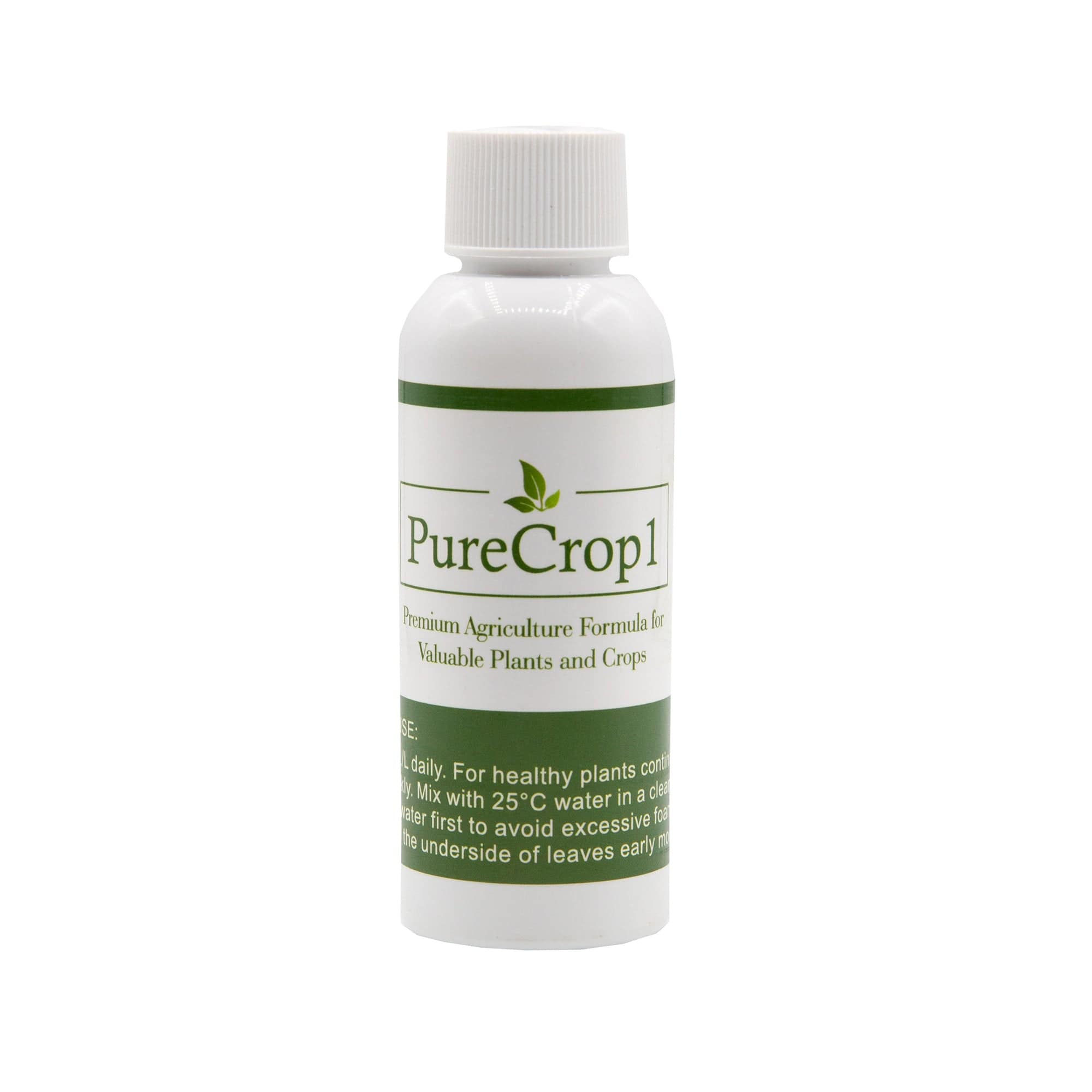
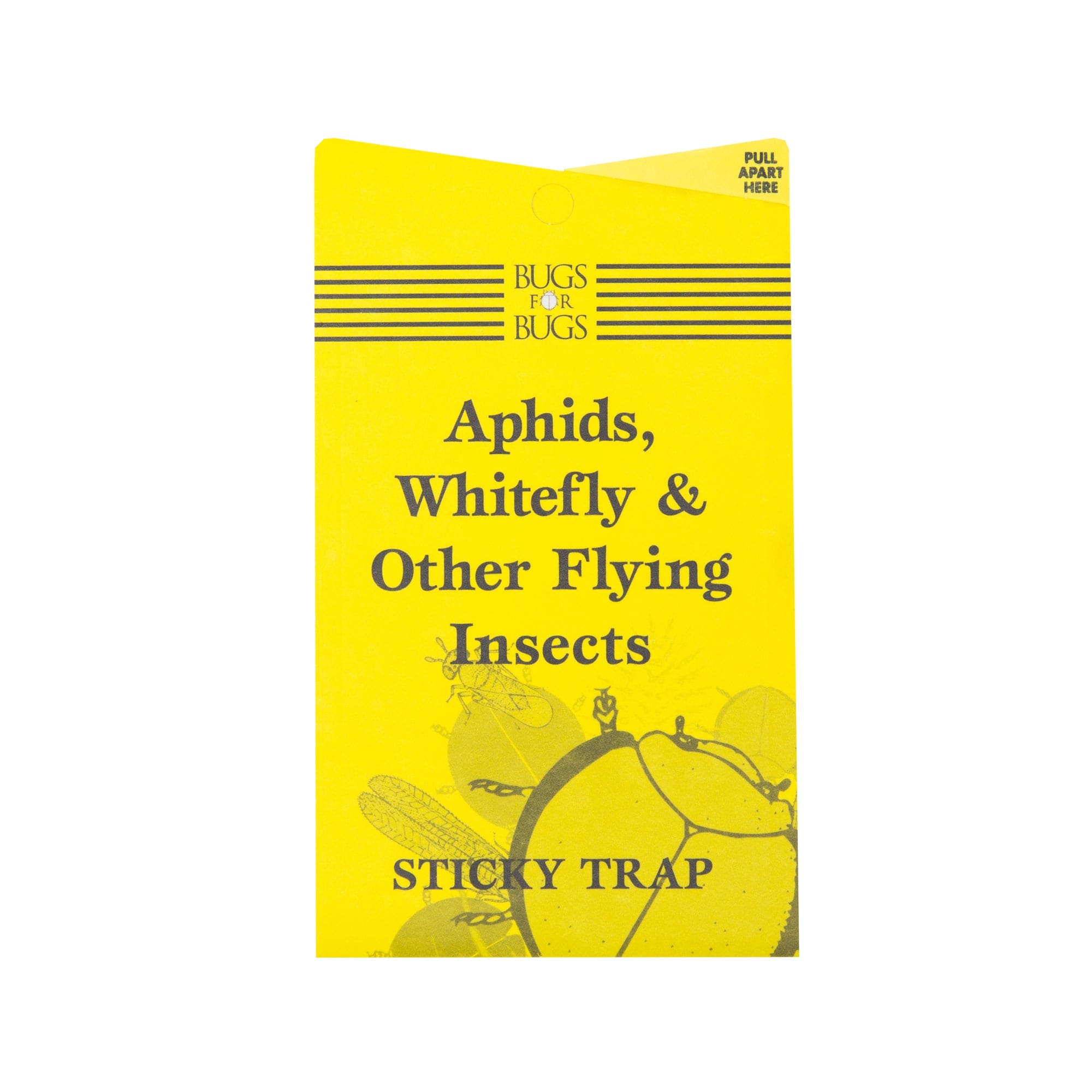
If you want the quickest way to identify and control whiteflies, these tools make it much easier:


What Are Whiteflies — and Why They Can Wreck a Crop
Whiteflies are tiny white, sap-sucking insects that usually sit on the undersides of leaves. You may see the pest written as “white fly” or “whitefly”; in the garden, they refer to the same control problem.
Adults often lift off in a little white cloud when you brush past or disturb an infested plant. That flying cloud is what most growers notice first, but it is not the whole infestation. Eggs and nymphs are usually sitting underneath the leaves, which is why a quick spray over the top of the plant rarely solves the problem.
Whiteflies feed on plant juices, weaken growth and leave behind sticky honeydew that encourages black sooty mould. Left unchecked, populations can build quickly, leading to leaf yellowing, curled tips, stunted plants, weak new growth and poor flowering or fruiting.
Whiteflies can also spread plant viruses, so even a small outbreak can become a bigger problem if you do not act early.
The key takeaway: check the underside of the leaves. If you only treat what flies up into your face, you are missing the next generation already parked under the foliage.
Quick ID Checklist
- Size: 1–2 mm, moth-like insects that fly when disturbed.
- Colour: Bright white adults; pale or translucent eggs and nymphs on leaf
-
Tell-tale signs:
- Clouds of tiny white insects when the plant is moved or shaken.
- Sticky honeydew on leaves or nearby surfaces.
- Black sooty mould growing on honeydew.
- Yellowing, mottling or weak new growth.
- Eggs and flat nymphs under the leaves.
Common Whitefly Species in Australia
While all whiteflies behave similarly, a few species are more common in Australian gardens.
Greenhouse Whitefly (Trialeurodes vaporariorum)
Frequently found on tomatoes, cucumbers and ornamentals, especially in protected or indoor environments.
Silverleaf Whitefly (Bemisia tabaci)
More common in warm, dry regions and known for developing resistance quickly. This species is also a more significant virus vector in vegetable crops.
Spiralling Whitefly
Recognisable by spiral egg patterns on leaves, often seen on ornamental and tropical plants.
Brassica Whitefly
Primarily affects cabbages and related crops.
For home gardeners, identification at species level isn’t essential.
However, understanding that some species spread viruses more aggressively or resist sprays more readily explains why early control is important.
Whitefly Life Cycle and Why Repeating Treatments Matters
Whiteflies are not just the tiny white adults you see flying up from the plant. They go through several stages, and most of the important activity happens under the leaves.
The main stages are:
Eggs: Tiny, pale and almost translucent, usually laid on leaf undersides.
Nymphs: Flat, settled young stages that cling to leaf undersides and feed on sap.
Adults: Bright white, winged insects that flutter up in a cloud when you brush past the plant.
Whiteflies thrive in warm, still conditions. Eggs can hatch quickly in warm weather, and adults can emerge fast enough for an unchecked population to build heavily in one season.
This matters because whitefly eggs and settled nymphs are protected from many quick contact sprays. One spray may reduce the adults you can see, but new nymphs can keep the cycle going underneath the leaves.
Repeat treatments matter. In active infestations, repeat according to the product label and pest pressure so you are targeting successive hatch cycles, not just the visible adults.
The goal is to interrupt the lifecycle, not just knock down the white cloud for a day.
Early Detection and Monitoring Whiteflies
Whiteflies can build from a few adults to a heavy infestation quickly, especially in warm or protected growing spaces. Early detection gives you a much easier job.
Look out for:
- Tiny white specks that rise like dust when plants are disturbed.
- Sticky residue, also called honeydew, on leaves and nearby surfaces.
- Black sooty mould growing on honeydew.
- Pale, yellowing or stunted growth.
- Adults gathering around soft new growth.
- Yellow or blue sticky traps are useful early-warning tools, but they should not be your only decision trigger.
For better monitoring:
- Position traps at canopy height, close to affected plants.
- Check and record trap counts weekly.
- Look for trends rather than reacting to a single spike.
- Inspect young leaves for adults and fresh eggs.
- Inspect older leaves for settled nymphs.
Trap catches show adult movement, but the real population often sits under leaves. Monitoring both traps and leaf undersides gives a clearer picture of infestation pressure.
If You Suspect Virus Symptoms
Whiteflies don’t just weaken plants by feeding — some species can transmit plant viruses.
If you notice:
- Leaf curling or distortion
- Unusual yellow mosaic patterns
- Stunted growth despite feeding
- Reduced fruit set
Act quickly.
Isolate affected plants if possible and prioritise controlling whitefly populations immediately.
Removing heavily infected plants may help reduce spread to neighbouring crops.
The key is speed.
The longer whiteflies remain active, the greater the chance of virus transmission.
Early intervention protects the rest of your garden.
Step-by-Step Control Strategy
Use this as the basic whitefly control workflow:
-
Confirm the pest
Check leaf undersides for adults, eggs and flat nymphs. Use a magnifier if needed. Shake the plant gently and watch for the classic white cloud of adults. -
Start monitoring
Place sticky traps at canopy height near affected plants. Use them to track adult movement and trends, not as the only treatment. -
Physically reduce numbers
Rinse or hose leaf undersides where the plant can handle it. Remove badly infested leaves and bin them. Do not compost heavily infested foliage. -
Treat the leaf undersides
Apply a suitable product labelled for whitefly. Spray from below as well as above so the treatment reaches eggs, nymphs and adults under the leaves. Follow the label exactly. -
Repeat on schedule
Whiteflies do not all sit in the same life stage at once. Repeat treatment according to the product label and pest pressure so new hatch cycles are covered. -
Clean up the growing area
Remove weeds, old crops, fallen leaves, sticky residue and plant debris that can keep the cycle going. -
Monitor recovery
Watch trap counts, leaf undersides, new growth, honeydew and sooty mould. The goal is fewer adults, fewer nymphs and cleaner new leaves.
White Fly Control: Start With the Undersides
Good white fly control is mostly about coverage and timing. Adults fly up when disturbed, but eggs and nymphs stay tucked on the underside of the leaf. If your spray only hits the top of the plant, you have mostly treated the part whiteflies are not relying on.
Use this inspection pattern:
|
Plant area |
What to check |
|---|---|
|
Leaf undersides |
Adults, eggs and flat nymphs |
|
New shoots |
Early feeding and fresh egg laying |
|
Lower leaves |
Honeydew and sooty mould |
|
Stems and growing tips |
Sticky residue and weak growth |
|
Nearby plants |
Adults spreading before damage is obvious |
Work through the plant like this:
- Disturb the canopy first. A gentle shake or tap shows how many adults are active.
- Remove the worst leaves. Do not compost heavily infested leaves. Bin them or seal them before disposal.
- Rinse or hose the underside of leaves where the plant can handle it. This knocks down adults and loose nymphs before spraying.
- Spray from below as well as above. Angle the sprayer upward so the treatment contacts the pests directly.
- Check again in a few days. New hatchlings can appear after the first treatment.
- Keep traps nearby. They show whether adult pressure is dropping or rebuilding
Crowded plants make treatment harder. If you cannot get your hand or sprayer into the canopy, whiteflies have a safe zone. Thin the plant lightly first, then treat. Better airflow also makes the plant less attractive to whiteflies.
Whitefly Treatment: Match the Method to the Infestation
The right whitefly treatment depends on how bad the problem is and where the plant is growing. A few adults on one chilli plant is not the same as a greenhouse full of tomatoes throwing white clouds every time you brush past.
Use the pressure level to guide the response:
|
Infestation level |
What to do |
|---|---|
|
Low pressure: a few adults, little visible damage |
Rinse or hose leaf undersides, inspect properly, add sticky traps, remove the worst leaves and keep checking |
|
Moderate pressure: adults plus nymphs on multiple leaves |
Prune crowded growth, spray leaf undersides properly and repeat according to the label |
|
Heavy pressure: clouds of adults, honeydew, sooty mould or several plants affected |
Treat the whole growing area, clean up fallen leaves, remove badly infested foliage and monitor traps closel |
|
Sticky honeydew or sooty mould |
Treat whitefly first, then clean residue once pest pressure drops |
|
Virus-risk crops |
Act faster on tomatoes, cucurbits and other soft, fast-growing crops because whiteflies can spread plant viruses |
|
Recurring outbreaks |
Check weeds, old crops, nearby hosts and protected growing areas |
Do not judge treatment success by whether every adult disappears on day one. Adults are only the obvious stage. The real test is whether new leaves stay clean, nymph numbers drop and trap counts trend down over the next week or two.
Start with physical reduction, then follow with sprays and repeat treatments. That gives a better result than panic-spraying once and hoping the problem disappears.
Whitefly Control in Veggie Patches, Greenhouses and Grow Tents
Whitefly control changes depending on where you are growing. The pest is the same, but the environment decides how fast the population builds.
In veggie patches, check the usual targets first: tomatoes, capsicum, chilli, eggplant, cucumber, zucchini, brassicas and herbs with soft new growth. Outdoors, natural predators can help, but hot weather, stressed plants and dense planting can let whitefly numbers run ahead quickly.
In greenhouses and grow tents, pressure can build faster because conditions are warm, protected and still. That means you need to treat the room as well as the plant.
Use this as a setup guide:
|
Growing setup |
Main risk |
Best control focus |
|---|---|---|
|
Outdoor veggie beds |
Whitefly moving between crops and weeds |
Remove old hosts and inspect new growth |
|
Greenhouses |
Fast breeding in protected conditions |
Sticky traps, airflow, repeat treatments and beneficials |
|
Grow tents |
Pests hiding under dense canopy |
Defoliate lightly, inspect undersides and clean the room |
|
Indoor plants |
Slow detection until adults appear |
Isolate plants and check neighbouring pots |
|
Seedlings |
Soft growth getting hammered early |
Monitor early and avoid overcrowding |
In enclosed spaces, check vents, doorways, sticky traps, lower leaves, plant spacing, runoff trays and any weeds or old plant material. Whiteflies can keep cycling on leftover leaves, neglected herbs, weak seedlings and plants hiding in the corner.
A good enclosed-space routine looks like this:
- inspect leaf undersides twice a week
- keep sticky traps at canopy height
- remove weak lower growth
- avoid cramming plants together
- clean benches, trays and tent corners
- quarantine new plants before they join the room
If you are using beneficial insects, be careful with sprays. Do not release predators or parasitoids and then blast the crop with a broad treatment the next day. Choose the strategy first, then keep the rest of your actions consistent with it.
How to Control White Fly Without Wiping Out Beneficial Insects
How to control white fly is not just about killing the pest. It’s also about keeping the useful insects on your side.
Ladybirds, lacewings, hoverfly larvae and tiny parasitic wasps can all help reduce whitefly pressure. The problem is that broad spraying at the wrong time can knock them out too, especially if you spray open flowers or blanket the whole garden when a targeted approach would do.
Use a smarter order:
- Prune and remove badly infested leaves first.
- Use water pressure to knock down adults and loose nymphs.
- Spray only where needed, especially leaf undersides.
- Avoid spraying open flowers.
- Spray early morning or late afternoon, not in hot midday sun.
- Leave unsprayed refuge areas if beneficial insects are active nearby.
Sticky traps also need a bit of thought. They’re useful for monitoring and reducing adults, but they can catch non-target insects too. In a greenhouse or grow tent, they make a lot of sense. In an outdoor garden full of beneficial insect activity, use them strategically rather than turning the whole patch yellow.
The goal is pressure, not scorched earth. Fewer whiteflies, healthier plants, and enough beneficials left behind to keep helping.
Whitefly Treatment Mistakes That Keep The Infestation Alive
If whiteflies keep coming back, there is usually a practical reason. Most failures come down to coverage, timing, untreated host plants or inconsistent follow-up.
Common mistakes include:
- spraying only the top of the leaves
- treating once and stopping
- ignoring eggs and nymphs under the foliage
- leaving heavily infested old leaves on the plant
- ignoring weeds around the crop
- not checking neighbouring plants
- letting the canopy stay too dense and still
- using traps as the only treatment during a heavy outbreak
- spraying in hot sun and stressing the plant
- applying product without checking the label for edible crops
- wiping out beneficial insects with harsh, random spraying
Whiteflies are fast breeders, and they do not all sit in the same life stage at the same time. One treatment can knock adults down while eggs and settled nymphs keep the cycle going.
The fix is simple, but it takes consistency. Treat the underside. Repeat treatment according to the label. Remove the worst leaves. Use traps to monitor adults. Clean up old plant material. Do not let one neglected plant keep reseeding the whole area.
If the plant is sticky with honeydew or blackened with sooty mould, clean the leaves after the main pest pressure drops. Sooty mould blocks light and slows recovery, even once whitefly numbers are down.
Judge success by the trend: fewer adults on traps, fewer nymphs under leaves, cleaner new growth and less honeydew.
Physical & Organic Control Tools You Can Use
Before reaching for harsher options, there are lower-impact tools that can help reduce whitefly pressure.
- Sticky traps: Yellow or blue sticky cards catch flying adults and help show whether pressure is rising or falling. They are monitoring tools first, not a complete treatment by themselves.
- Water blast: A firm jet from a hose can dislodge adults and loose nymphs on leaf undersides where the plant can handle it.
- Neem & botanical sprays: These may help suppress exposed stages when coverage is thorough. Use only where the label allows and avoid spraying in heat or on stressed plants.
- Horticultural soaps: Soap sprays can help contact soft-bodied pests when used correctly. Follow the label and test sensitive plants first.
- Vacuuming: For small patches, a gentle handheld vacuum can remove adults from plants. Empty the contents away from the garden.
Used together, these physical and organic steps can reduce pressure and slow population growth. Still, heavy infestations usually need repeated treatment and proper underside coverage
Integrated Pest Management — A Smarter Strategy
Think of whitefly control as more than one spray. IPM, or Integrated Pest Management, combines monitoring, prevention and treatment so you act early and avoid unnecessary broad spraying.
An IPM mindset means:
- Watch first with sticky traps and regular leaf checks.
- Start with lower-impact controls such as pruning, water pressure, soaps or labelled botanical options.
- Escalate only if pressure keeps rising.
- Protect beneficial insects where possible.
- Keep records of timings and treatments so you know what worked.
This approach helps reduce repeat outbreaks, protect useful insects and limit resistance pressure.
Long-Term Prevention and Reinfestation Control
Stopping future outbreaks is about making your garden less welcoming and removing the sources whiteflies use to return.
Use these prevention habits:
- Improve airflow by spacing plants, pruning dense growth and using fans in protected spaces where appropriate.
-
Quarantine new plants for 1–2 weeks before placing them with established plants.
Inspect seedlings carefully before planting out. - Remove broadleaf weeds near vegetable beds because they can act as host plants.
- Remove old crop residue and heavily infested plant material. Bin it rather than composting it.
- Clean greenhouse benches, trays, pots and grow tent surfaces between cycles.
- Use reflective mulch or light-coloured mulch where suitable to reduce adult landings.
- Companion plant with flowers such as marigolds, alyssum or herbs to support beneficial insects.
- Avoid excessive nitrogen. Lush, soft growth is attractive to sap-sucking pests.
- Rinse or hose foliage periodically where the plant can handle it, especially during high-risk periods.
- Keep sticky traps in place in greenhouses, grow tents and high-risk crops so you catch population rises early.
Prevention reduces repeated outbreaks and limits the need for stronger intervention later.
When Whiteflies Are Most Active in Australia
Whiteflies thrive in warm, still conditions — so outbreaks are most likely in spring and summer, especially in sheltered spots or greenhouses. In cooler southern regions, activity can slow down, while gardeners in the north might see pressure almost year-round. Early spring monitoring often gives you the edge before populations boom.
Frequently Asked Questions
Can I use neem on edibles?
Only use neem or botanical oil products on edible crops where the label allows it. Always check the crop, rate, withholding period and application directions before spraying. Rinse produce where appropriate.
How often should I replace sticky traps?
Replace sticky traps every 10–14 days, or sooner if the adhesive surface is heavily covered with insects, dust or debris.
Will diatomaceous earth harm bees?
Avoid dusting open flowers or areas where bees and beneficial insects are actively foraging. If using diatomaceous earth, apply carefully according to the product directions and avoid unnecessary airborne dust.
Should I remove badly infested plants?
Sometimes, yes. If a plant is badly weakened, heavily infested and acting as a whitefly source for the rest of the crop, removal may be the fastest way to protect nearby plants.
When is the best time of day to spray?
Early morning or late afternoon is usually best. Avoid hot midday sun, stressed plants and open flowers where beneficial insects are active. Always follow the product label.
Can I use biological controls like wasps?
Yes. Tiny parasitic wasps such as Encarsia formosa attack whitefly nymphs and can help reduce populations, especially in greenhouses or enclosed spaces. Avoid random spraying after releasing beneficials.
Which plants attract whiteflies most?
Whiteflies often build up on soft-leaf vegetables, tomatoes, beans, cucurbits, brassicas, ornamentals, herbs and young tender growth. Monitor these plants first.
Will organic controls harm beneficial insects?
Lower-impact options are generally easier to fit into IPM than harsh broad-spectrum sprays, but they can still affect beneficials if used poorly. Avoid spraying open flowers, follow the label and target only where needed.
Ready-for-Action Checklist
|
Task |
Product Link |
|---|---|
|
Monitor & confirm |
|
|
Set an early-warning system |
|
|
Lower-impact foliar treatment |
GreenSpace Reset (Conc. / RTU), where label directions allow |
|
Leaf Cleaning and wetting support |
TurboWash, where suitable for the plant and product program |
|
Knock-back for severe outbreaks |
Kendon Pyrethrum Conc. or Pyrethrum Dust, used strictly according to label directions |
|
Soil, pot-rim or surface support |
Diatomaceous Earth, applied carefully and away from open flowers |
|
Ornamental-only stronger option |
Broad Blue Protect RTU, only where label directions allow |
|
Final Check |
Inspect leaf undersides, trap counts, new growth, honeydew and sooty mould trends |
Grab the essentials from the full Whitefly Control Collection, including monitoring tools, sticky traps, foliar treatment options and support products suited to Australian growing conditions.
Happy growing, and may your leaves stay clean, healthy and whitefly-free. 🌿
This guide is intended for Australian home-garden conditions. Always follow label directions, check edible-crop suitability and wear appropriate PPE.
Next Reads for Controlling Whiteflies and Preventing Repeat Outbreaks
Dealing with whiteflies already? These guides will help you choose better organic controls, strengthen your IPM routine and spot pest problems earlier next time.
- Pest Control IPM Stack: Top 10 Organic Solutions
- Which Pest When Australia
- Cold Pressed Neem Oil vs Azadirachtin Australia
- How to Control Aphids Australia
About the Author