
Companion planting is one of the simplest ways to boost plant growth, reduce pests, and build a healthier garden—without relying on chemicals. In this guide, you’ll learn how to pair plants strategically for better yields, natural pest control, and stronger soil. Bigger harvests, fewer sprays, happier soil. Planting the right mates side-by-side lets nature handle pest patrol while your crops feed each other underground.
Table of Contents
- Thinking beyond pairings: designing a companion-friendly garden
- Quick Myth-Busters
- Trap crops and beneficial insect magnets
- Companion planting chart Australia: how to read it without overthinking it
- Companion planting chart Australia: quick pairings by crop
- Companion planting chart Australia: warm-season combos
- Companion planting chart Australia: cool-season combos
- Companion planting chart Australia: herbs and flowers worth growing first
- Aussie Climate-Zone Tweaks
- 4-Step Bed Design
- Using native plants to support companion planting
- Pests & Partner Plants (Fast Reference)
- Why companion planting sometimes fails
- FAQ
- Next reads for building a stronger natural pest-prevention plan
Thinking beyond pairings: designing a companion-friendly garden
Companion planting works best when you look at the whole garden, not just plant-to-plant combinations.
Height and layering
Tall plants like corn, sunflowers, or trellised tomatoes can provide light shade and wind protection for smaller, more delicate crops. This is especially useful in hot Australian summers.
Root depth and competition
Plants with different root depths often grow better together. Shallow-rooted lettuce can sit happily above deeper-rooted carrots or tomatoes, sharing the same bed without competing heavily for nutrients.
Airflow and sunlight
Good airflow reduces fungal issues and stress. Even “good companions” can struggle if planted too closely. Always consider how wide and dense each plant will become at full size.
Crop rotation and succession planting
Rotating plant families each season helps break pest and disease cycles. Succession planting — sowing quick crops like radishes or spinach between slower growers — keeps soil covered and productive without overcrowding.
Quick Myth-Busters
|
Claim |
Verdict |
Aussie reality check |
|---|---|---|
|
Basil stops fruit-fly on tomatoes |
❌ |
Needs a hedge of basil plus exclusion bags to make a dent. |
|
Marigolds kill nematodes |
✅* |
Works when grown as a season-long border then chopped in. |
|
Carrot + onion combo prevents pests |
✅ |
Smell masking cuts carrot-fly damage by ~40 %. |
*Verified in NSW DPI glass-house trials (2023).
Trap crops and beneficial insect magnets
Some plants don’t just grow food — they actively shape what happens in your garden.
Trap crops
Trap crops are planted to attract pests away from your main harvest. For example:
-
Nasturtiums can draw aphids away from brassicas
-
Mustard greens may attract cabbage moths
-
Marigolds can lure pests while also confusing others with scent
These plants are best grown just outside or at the edges of beds, where pests can be monitored and managed easily.
Beneficial insect magnets
Flowering plants like dill, alyssum, calendula, and yarrow attract predators such as ladybirds, lacewings, and parasitic wasps. These insects help keep pest populations in check naturally and are most effective when flowers are available across multiple seasons.
Companion planting chart Australia: how to read it without overthinking it
A companion planting chart Australia gardeners can actually use needs to do more than list “good” and “bad” neighbours. It should help you make better bed decisions without turning every planting session into a spreadsheet meltdown.
Use the chart as a starting point, then sanity-check it with four questions:
Do these plants want the same season?
Tomatoes and basil make sense because they both like warm conditions. A summer-loving crop paired with a cool-season crop might look good on paper but fail in the bed.
Do they need similar water?
Don’t put thirsty leafy greens right beside a dry-loving Mediterranean herb and expect both to be happy.
Will one shade or crowd the other?
Corn, tomatoes, sunflowers and climbing beans can help create shade or shelter, but they can also bully smaller crops if placed badly.
Are they helping with pests, soil, shade or pollination?
Good companion planting usually has a job. Scent masking, attracting predators, trapping pests, fixing nitrogen, shading soil or improving airflow — that’s what you’re looking for.
This is where a lot of companion planting advice gets messy. A chart might say two plants are mates, but if they’re crammed together in a hot bed with no airflow, the result will still be average.
Treat the chart like a map, not a law book. Start with proven combos, watch what happens in your patch, then adjust next season.
Companion planting chart Australia: quick pairings by crop
If you want the fast version, start here. These are practical companion planting combinations for common Aussie veggie gardens.
|
Main crop |
Good companions |
Keep apart |
Why it helps |
|---|---|---|---|
|
Tomato |
Basil, marigold, borage, chive |
Fennel, corn |
Scent confusion, pollinator support, fewer soft-bodied pest issues |
|
Capsicum / chilli |
Basil, parsley, onion, marigold |
Fennel |
Helps fill gaps, attracts beneficials and masks pest cues |
|
Cucumber |
Dill, nasturtium, corn, beans |
Potato, sage |
Attracts pollinators, gives light support and helps distract aphids |
|
Zucchini / pumpkin |
Nasturtium, corn, beans, calendula |
Potato |
Trap cropping, groundcover and pollinator support |
|
Broccoli / cabbage |
Dill, sage, thyme, nasturtium |
Strawberry |
Helps attract parasitic wasps and confuses cabbage moths |
|
Carrot |
Spring onion, leek, rosemary, lettuce |
Dill |
Scent masking and better use of root-zone space |
|
Lettuce |
Radish, chive, beetroot, calendula |
Crowded tall crops |
Quick crops fill gaps and shade soil lightly |
|
Beans |
Corn, cucumber, brassicas, carrot |
Onion, garlic |
Nitrogen support and vertical use of space |
|
Peas |
Carrot, turnip, radish, cucumber |
Onion, garlic |
Fixes nitrogen and suits cool-season beds |
|
Strawberry |
Borage, thyme, lettuce |
Brassicas |
Pollinator support and soil coverage |
|
Potato |
Bean family, calendula, horseradish nearby |
Tomato, pumpkin |
Reduces pest pressure and avoids shared disease problems |
|
Fruit trees |
Comfrey, nasturtium, chives, alyssum |
Grass-heavy competition |
Living mulch, pollinator support and pest confusion |
Don’t try to plant every companion in one bed. Pick one main crop, choose two or three support plants, and leave enough room for airflow. That will beat a cramped “perfect” companion chart every time.
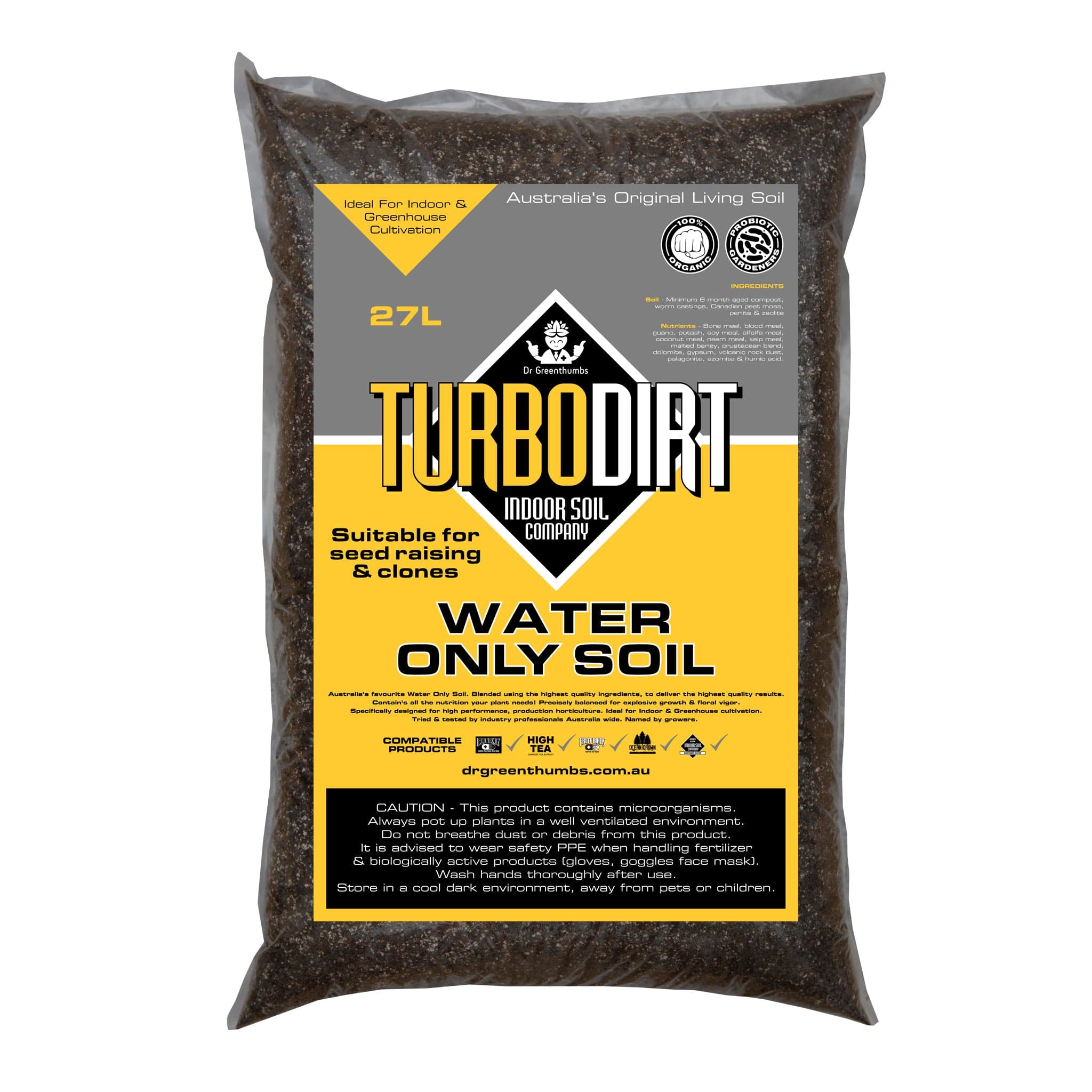
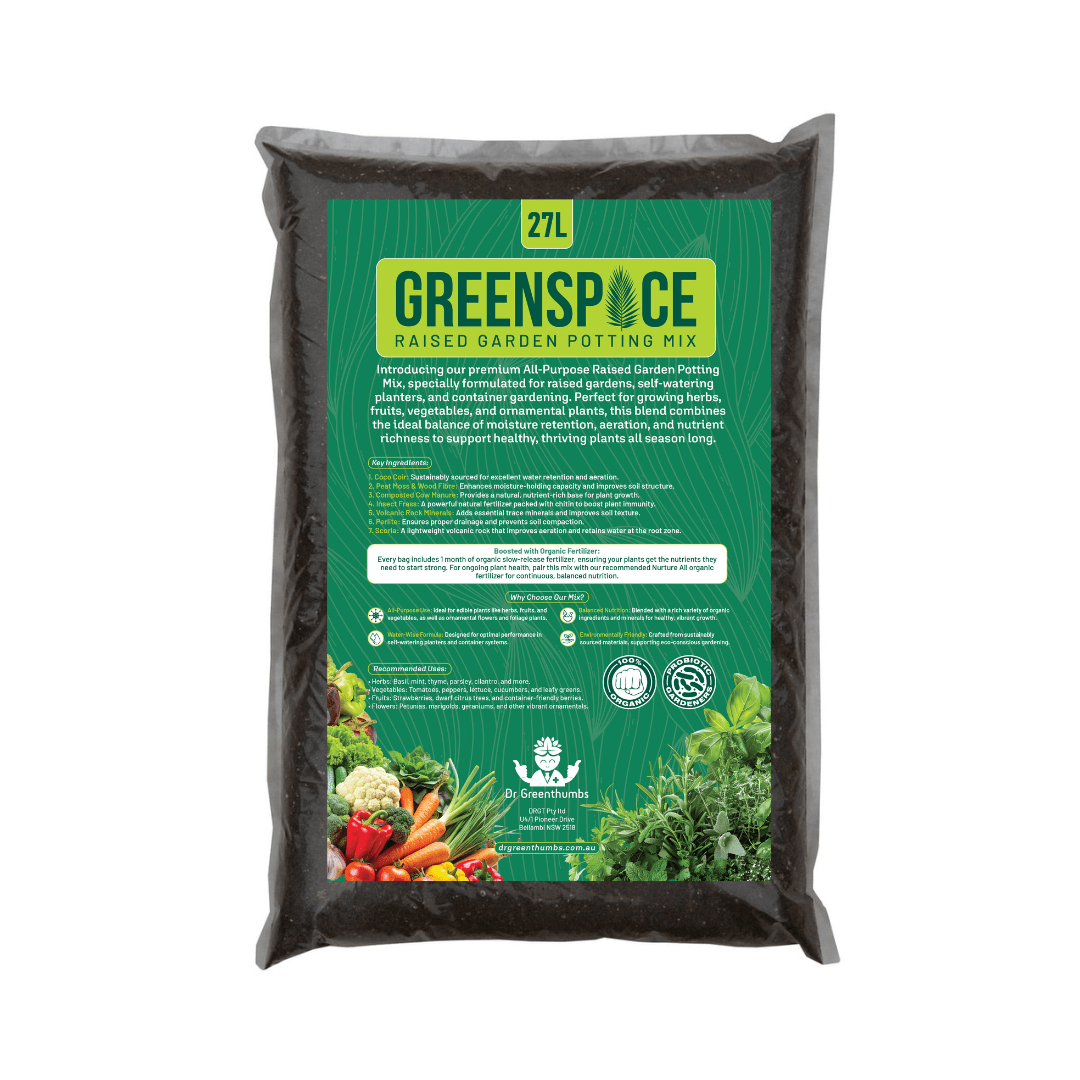
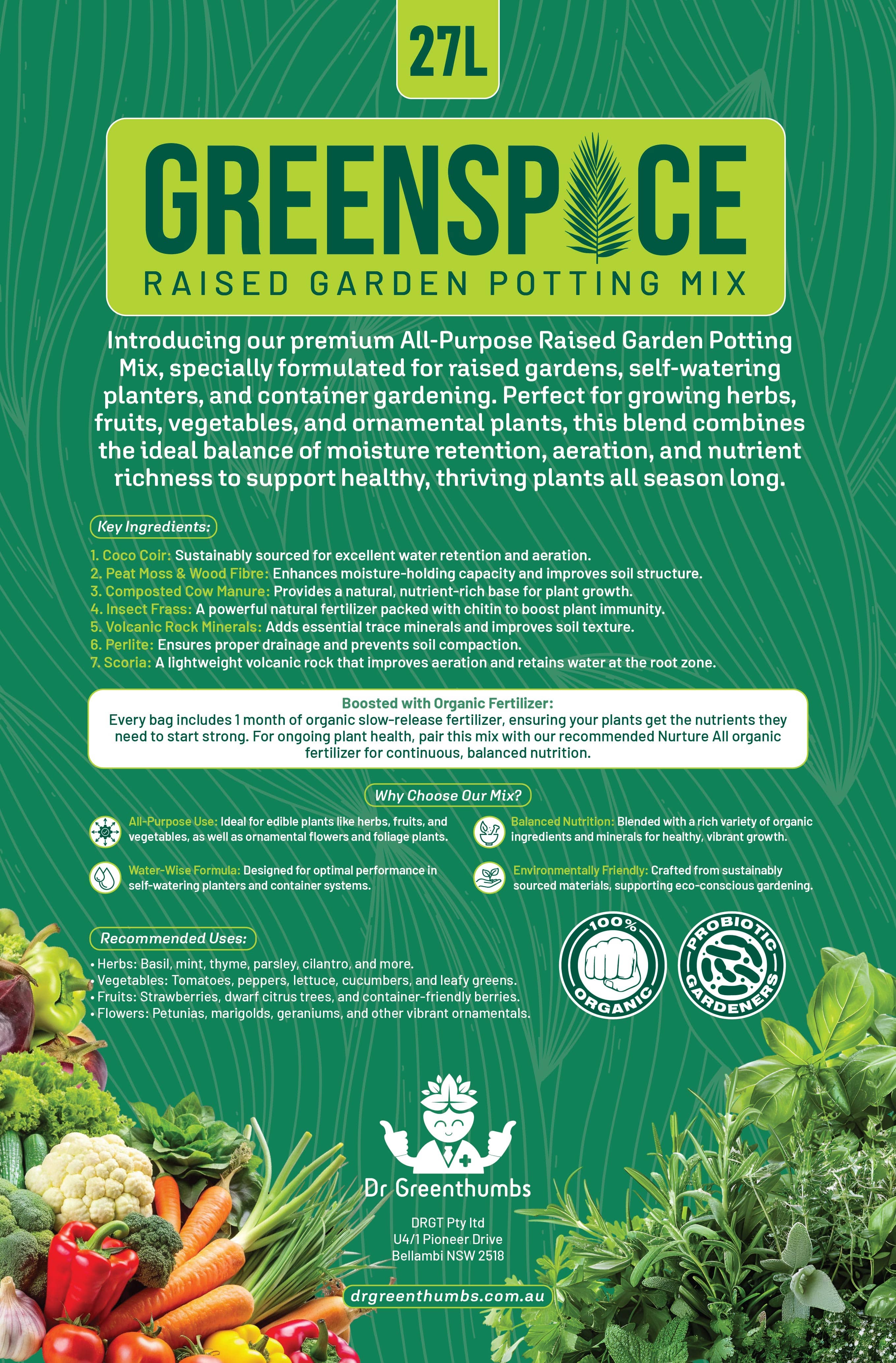
If you’re building new beds or refreshing tired soil before planting companions, working in TurboDirt Water Only Super Soil gives young plants a stronger start without turning the bed into a synthetic feed schedule.
Companion planting chart Australia: warm-season combos
Warm-season companion planting is where Aussie gardeners usually get the most value, because pests move fast once the weather heats up.
Good spring–summer combinations include:
Tomato + basil + marigold
A classic for a reason. Basil fills the lower layer, marigold adds colour and pest confusion, and tomatoes do the heavy lifting up top.
Corn + beans + pumpkin
The old Three Sisters-style setup. Corn gives height, beans climb, pumpkin shades the soil. Give it space though — this combo gets big fast.
Cucumber + dill + nasturtium
Dill supports beneficial insects, nasturtium can distract aphids, and cucumber benefits from more pollinator activity around the bed.
Capsicum + parsley + onion
Useful in smaller beds because the companions fill gaps without smothering the capsicum.
Zucchini + calendula + borage
Strong for pollinator activity. Zucchini flowers need good pollination, and this combo helps bring traffic into the patch.
The mistake is planting these too late. Beneficial flowers need to be up and blooming before pest pressure peaks. If you plant marigolds after the aphids arrive, you’re playing catch-up.
For best results, sow or transplant companion flowers at the same time as your main crop, or even a few weeks earlier if the weather allows.
Companion planting chart Australia: cool-season combos
Cool-season companion planting is less flashy than summer planting, but it can make a big difference with brassicas, leafy greens and root crops.
Good autumn–winter combinations include:
Broccoli + dill + lettuce
Dill helps bring in beneficial insects, while lettuce uses the lower space before the broccoli gets too large.
Cabbage + thyme + calendula
Thyme adds scent confusion and calendula keeps flowers around for beneficial insects in mild climates.
Carrot + spring onion + rosemary nearby
Allium scent helps mask carrots, while rosemary nearby adds aromatic confusion without needing to be crammed into the row.
Peas + radish + spinach
Peas add nitrogen, radish matures quickly, and spinach makes good use of the cooler bed.
Silverbeet + beetroot + chive
A practical spacing combo for smaller gardens, especially if you harvest leaves regularly.
Cool-season beds often fail from overcrowding more than pest pressure. Brassicas get huge, airflow drops, and suddenly you’re dealing with aphids, mildew or caterpillars in a dense mess.
Use companion plants to fill space early, then harvest or thin them as the main crop grows. Companion planting should make the bed more balanced, not turn it into a leafy traffic jam.
Companion planting chart Australia: herbs and flowers worth growing first
If you’re new to companion planting, don’t start by memorising every vegetable pairing. Start with the herbs and flowers that do the most work across the whole garden.
Good all-rounders include:
- Alyssum: excellent low-growing flower for hoverflies and tiny beneficial wasps.
- Dill: great near brassicas when allowed to flower.
- Calendula: tough, bright and useful around veggie beds.
- Marigold: handy for borders and warm-season pest confusion.
- Nasturtium: useful as a trap crop for aphids and a living groundcover.
- Borage: strong bee plant and useful around fruiting crops.
- Chives: compact, aromatic and easy to tuck around bed edges.
- Coriander: let a few plants bolt and flower for beneficial insects.
The trick is continuity. One flowering plant for two weeks won’t change much. A rolling supply of flowers across the season gives beneficial insects a reason to hang around before pests explode.
Leave a few herbs to flower instead of harvesting everything hard. It might look a bit less tidy, but it does more for the garden.
Aussie Climate-Zone Tweaks
Tropics & Sub-tropics
Darwin, Brisbane: Swap cool-season brassicas for Asian greens and snake beans.
Temperate
Syd, Melb, Perth: Late-summer sowings of marigold still flower before first frost.
Cool / Alpine
ACT, Tassie: Dwarf corn keeps the Three Sisters inside a frost-free window.
4-Step Bed Design
-
Map sunlight & wind – tall crops on the west edge.
-
Layer root depths – shallow leafies → medium root veg → deep miners.
-
Alternate scent & colour – confuses pests, attracts predators.
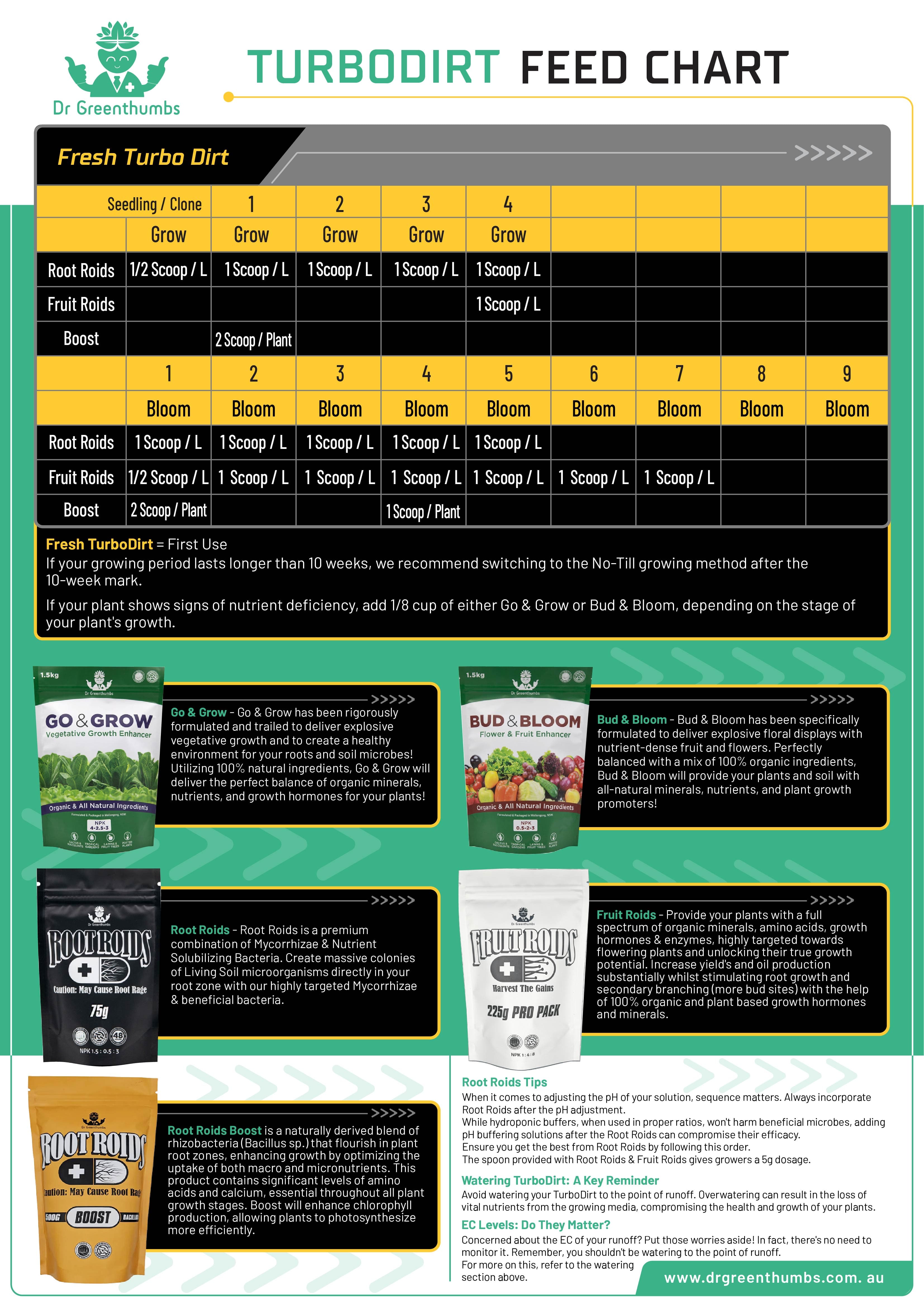
- Feed the soil first – mix in TurboDirt Water-Only Super Soil or dust on a handful of Root Roids for instant mycorrhizal allies.
Using native plants to support companion planting
Companion planting doesn’t stop at the veggie patch. Including Australian native plants nearby can significantly improve garden resilience.
Native flowering shrubs and groundcovers provide year-round nectar and habitat for beneficial insects, birds, and pollinators. This steady food supply helps keep predator populations active even when vegetable crops aren’t flowering.
Well-chosen natives can also improve wind protection, shade sensitive plants, and support healthier garden ecosystems overall.
Pests & Partner Plants (Fast Reference)
|
Pest / Disease |
Plant Allies |
Dr G Shop Tip |
|---|---|---|
|
Aphids |
Nasturtium (trap), Garlic, Mint |
Hang a Yellow Pest Trap at leaf height for early warning. |
|
Cabbage Moth |
Dill, Sage, Netting |
Sow dill every 3 wks; back-up with Neem Meal as a soil top-dress. |
|
Fruit Fly (Qld) |
Basil*, Borage, Exclusion Bags |
Mass-plant basil or use lure traps in hot spots. |
|
Nematodes |
Marigold, Mustard green-manure |
Incorporate spent marigold with Neem Meal flakes for a double hit. |
|
Powdery Mildew |
Chives, Milk spray |
Improve airflow & rotate crops yearly. |
From Our Test Beds – Real Results
“Planting zucchinis under a nasturtium umbrella let us skip two pesticide sprays and still pull 18 kg per plant.” – Scott @ Dr G HQ
Why companion planting sometimes fails
If companion planting hasn’t worked for you before, you’re not alone.
Common issues include:
-
Overcrowding: too many plants, not enough airflow
-
Incorrect ratios: one herb often isn’t enough to make a difference
-
Heavy pest pressure: established infestations may need extra control methods
-
Weather extremes: heat, humidity, or prolonged rain can overwhelm natural systems
Companion planting is most effective as part of a broader organic gardening approach that includes healthy soil, observation, and seasonal adjustment.
FAQ
Does companion planting really work in Aussie soils?
Absolutely. CSIRO trials (2024) saw a 38 % cut in cabbage moth damage with dill borders.
Can I companion-plant in pots?
Yes – choose dwarf varieties and treat your pot like a mini guild.
How close do the plants need to be?
Within 30 cm for scent masking or shared root exudates.
Will companion planting replace fertiliser?
No, but it *does* reduce inputs. Top up with Nurture All Organic Fertiliser each season.
Does companion planting actually work in Australia?
Yes — but it works best when you think of it as one tool, not a silver bullet. In Australian conditions, companion planting is most effective when combined with healthy soil, good spacing, and regular observation. It won’t eliminate pests entirely, but it can reduce pressure and improve overall garden balance.
What vegetables shouldn’t be planted together?
Some plants compete for nutrients or attract the same pests. For example, onions and garlic can struggle near beans and peas, while brassicas (like broccoli and cabbage) don’t love growing beside strawberries. Spacing, soil health, and airflow matter just as much as the pairing itself.
How far apart should companion plants be?
Companions still need room to grow. A good rule of thumb is to space plants according to their mature size, not how they look as seedlings. Crowding plants too closely can increase disease and reduce airflow, which often causes more problems than it solves.
What are trap crops and where do they go?
Trap crops are plants grown specifically to attract pests away from your main crop. They’re usually planted near but not within the main bed, so pests gather there instead. Once pests appear, the trap crop can be removed or managed before the problem spreads.
Shop the Companion Planting Collection
Need marigold seed, exclusion bags or organic pest busters?
Next reads for building a stronger natural pest-prevention plan
Using companion planting already? These guides will help you strengthen your IPM strategy, identify pest pressure earlier and back up prevention with the right organic controls.
- Pest Control IPM Stack: Top 10 Organic Solutions
- Which Pest When Australia
- Cold Pressed Neem Oil vs Azadirachtin Australia
- Organic Gardening 101: Living Soil Aussie Guide
About the Author