
Want a simple compost tea recipe that actually works—without lab gear or guesswork?
This guide walks you through the exact 24-hour method, how strong to make it, when to use it, and how to avoid the common mistakes that cause bad brews.
Table of Contents
- What is Compost Tea?
- Aerated vs Non-Aerated Compost Tea: What’s the Difference?
- Is Compost Tea Safe for Veggies & Edible Plants?
- Your 24-Hour Compost Tea Brewing Method
-
The Simple No-Pump Compost Tea Method
- How Strong Should Compost Tea Be?
- Application Methods Perfect for Aussie Conditions
-
Ideal Application Timings in Australia
- Troubleshooting Aussie Compost Tea
- What Can (and Can’t) Go Into Compost Tea
- Water Tip: Chlorine vs Chloramine
- Aussie Gardeners FAQ
- Next reads for brewing better compost tea and building living soil
If you want the easiest way to get great results, start here:


What is Compost Tea?
Think of compost tea as liquid gold—a microbe-rich brew that multiplies beneficial bacteria and fungi from compost, delivering nutrients directly to plant roots. In Australia's harsh climate, with ancient soils and extreme weather, this microbial support isn't just helpful—it's essential.
The Science (Minus the Boring Bits)
Plants and microbes have an ancient partnership:
-
Plants provide sugars, starches and complex carbohydrates.
- The diverse populations of microbes in turn deliver nutrients, hormones and enzymes that protect against pests and diseases and help plants cope with drought and extreme heat by providing water that the plant otherwise can't reach.
Aerated vs Non-Aerated Compost Tea: What’s the Difference?
Not all compost tea is made the same — and that’s okay.
Broadly speaking, there are two common approaches you’ll see gardeners use:
1. Aerated Compost Tea (ACT)
This is the method we use in this guide.
-
Brewed for 12–24 hours
- Uses continuous active aeration with an air pump
-
Encourages oxygen-loving beneficial microbes
-
Low smell when done correctly
-
Best when you want fast microbial activity and a clean, fresh brew
2. Non-Aerated (Steeped) Compost Tea
Often called “bucket tea”.
- Steeped over several days rather than brewed for 24 hours
-
No air pump required
-
Microbial activity is slower and less predictable
-
Can develop strong smells if left too long
- Suits gardeners who want a no-equipment, low-effort option
Both methods can work — the key difference is control. Aerated compost tea gives you more consistency, less odour risk, and a higher chance of brewing microbes that actually help your soil.
That’s why we focus on a 24-hour aerated brew here — it’s faster, safer, and easier to repeat successfully.
Is Compost Tea Safe for Veggies & Edible Plants?
This is a common and fair question — especially if you’re spraying anything onto food crops.
When made with finished compost and used correctly, compost tea is widely used in organic food gardens. That said, a few simple precautions are worth following:
-
Use fully composted material (no fresh manure or smelly inputs)
-
Avoid foliar spraying leafy greens right before harvest
-
Apply to soil whenever possible if you’re unsure
-
Wash harvested produce as you normally would
-
If spraying leaves, stop applications a few days before picking
The goal of compost tea is to support soil biology first. Strong soil life feeds plants through their roots — foliar spraying is optional, not essential.
Used with common sense, compost tea is a safe and effective tool for edible gardens.
Your 24-Hour Compost Tea Brewing Method
Equipment (Easily Found at Local Aussie Stores)
-
25L food-grade bucket
- 20W air pump & 6 airstones (critical for oxygen levels)
- Fine mesh bag or old stocking
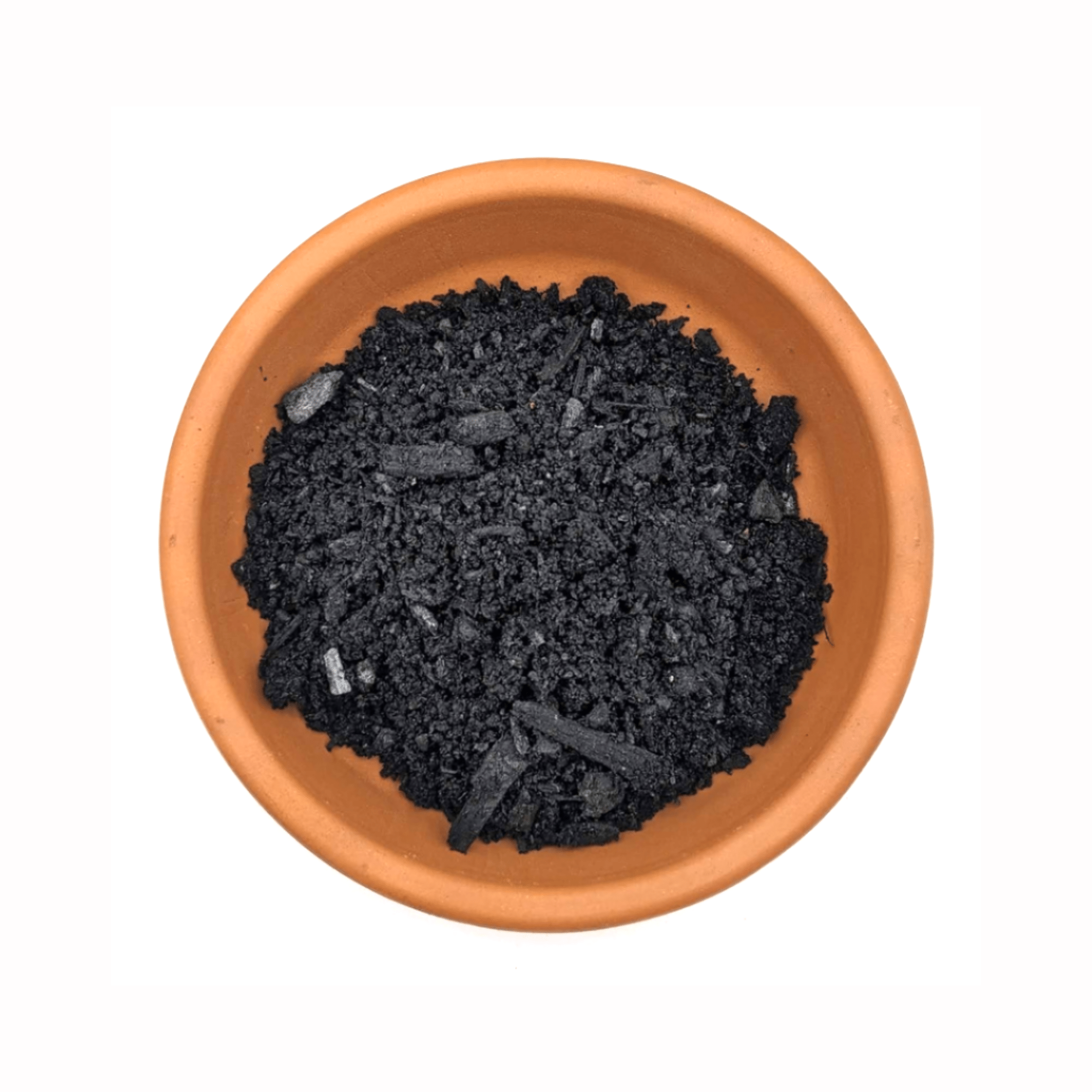
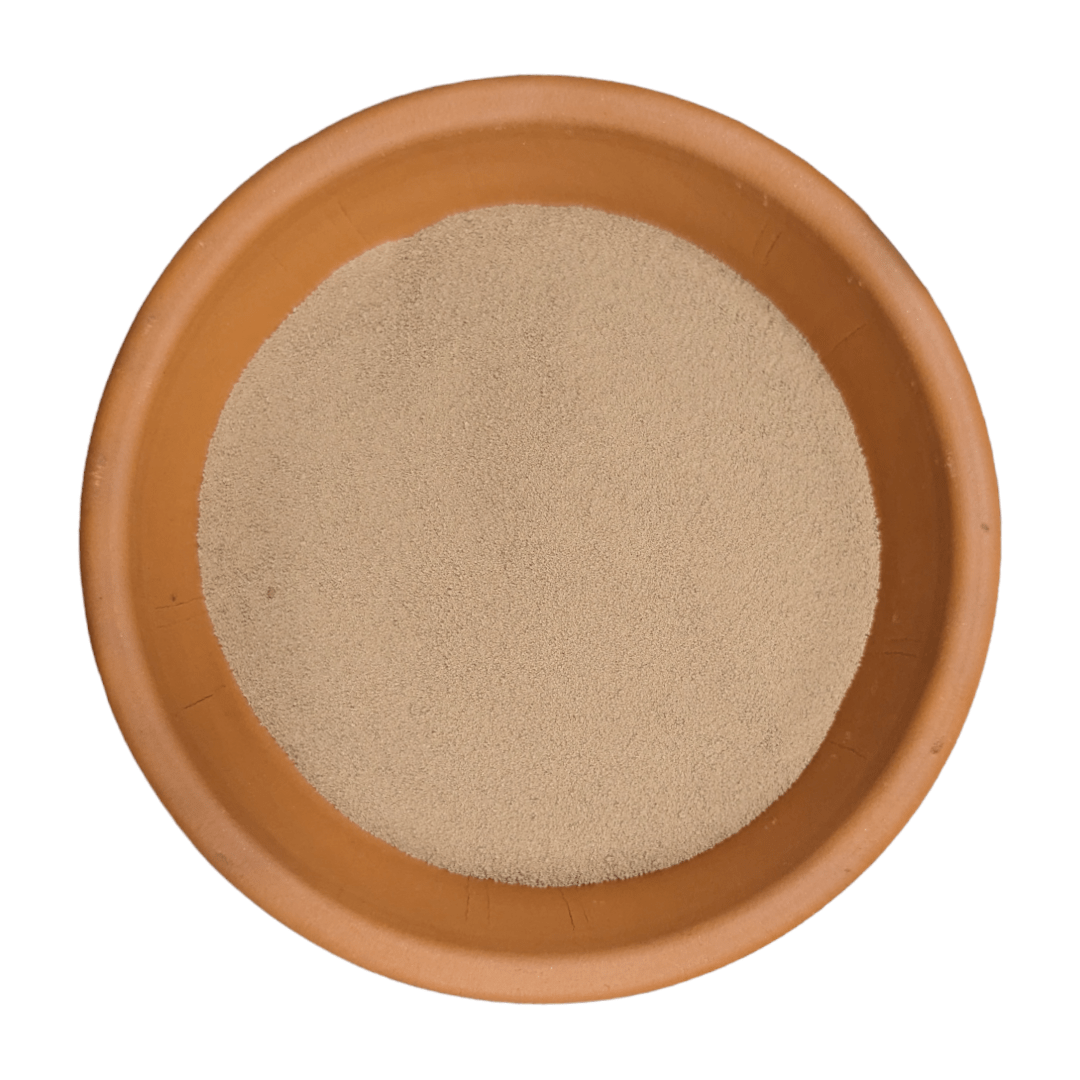
- 1 cup quality compost or worm castings
-
1 tbsp unsulphured molasses
- 50ml Fish hydrolysate
- 20L dechlorinated water — see Water Tip: Chlorine vs Chloramine below before preparing tap water.
Optional Boosters for Enhanced Results
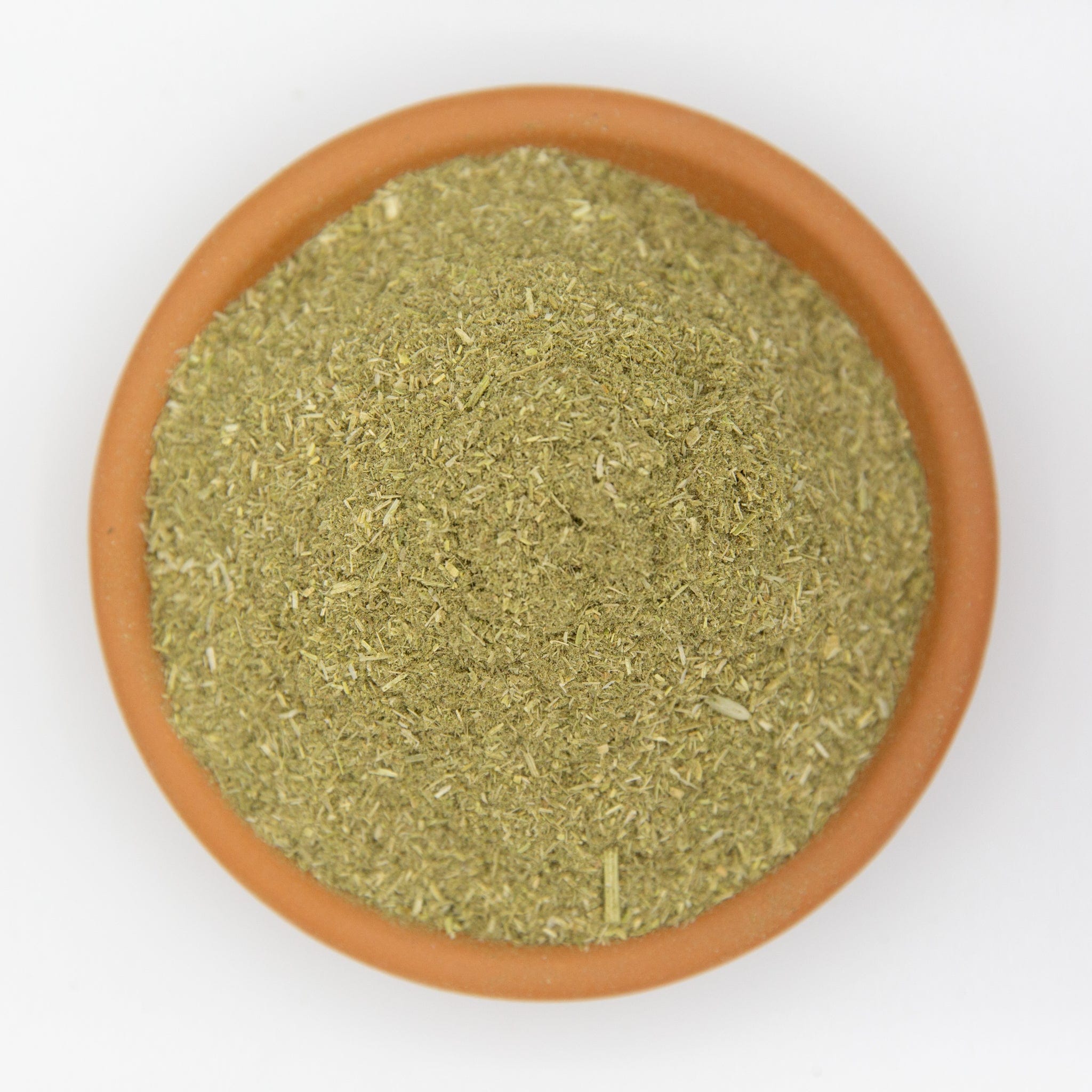
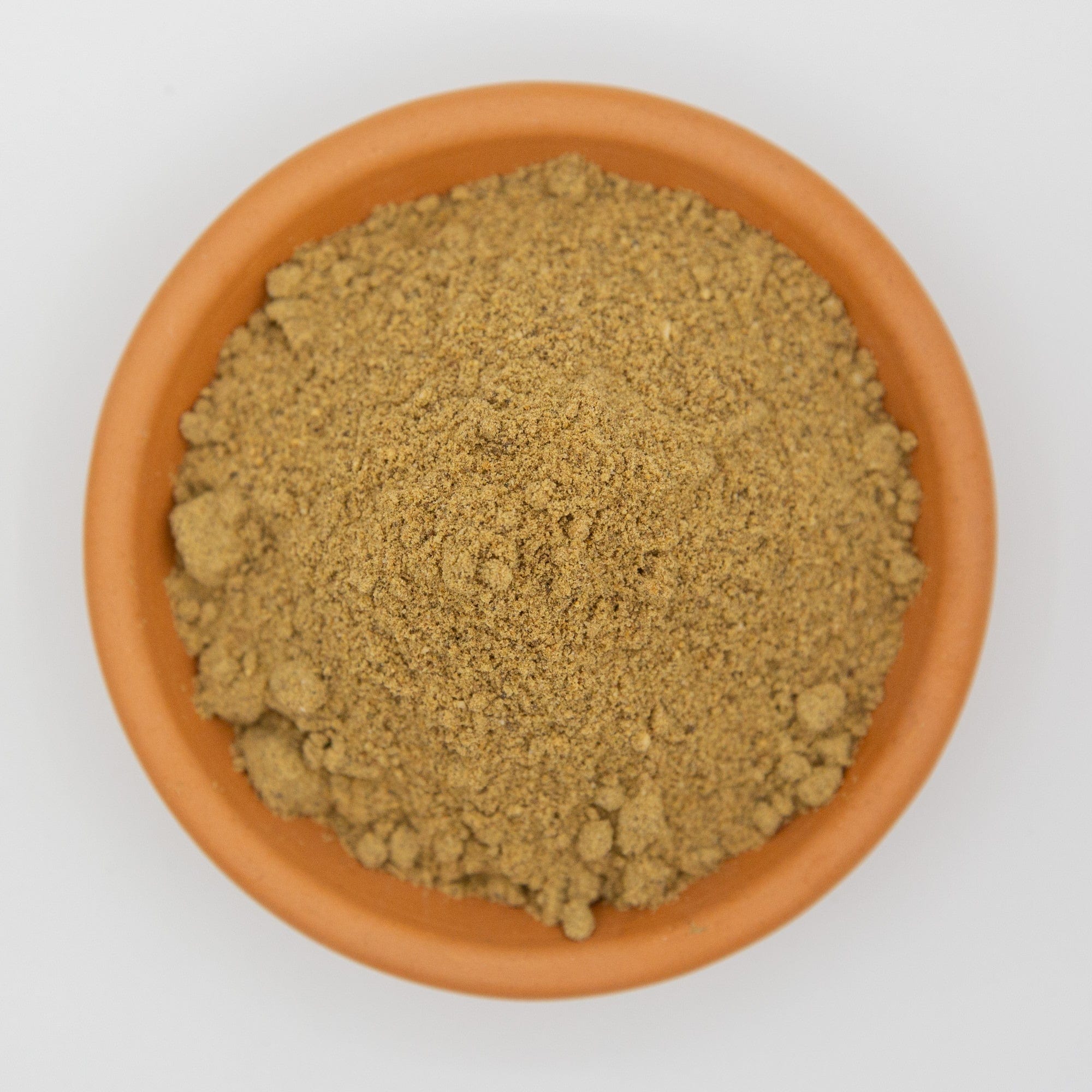
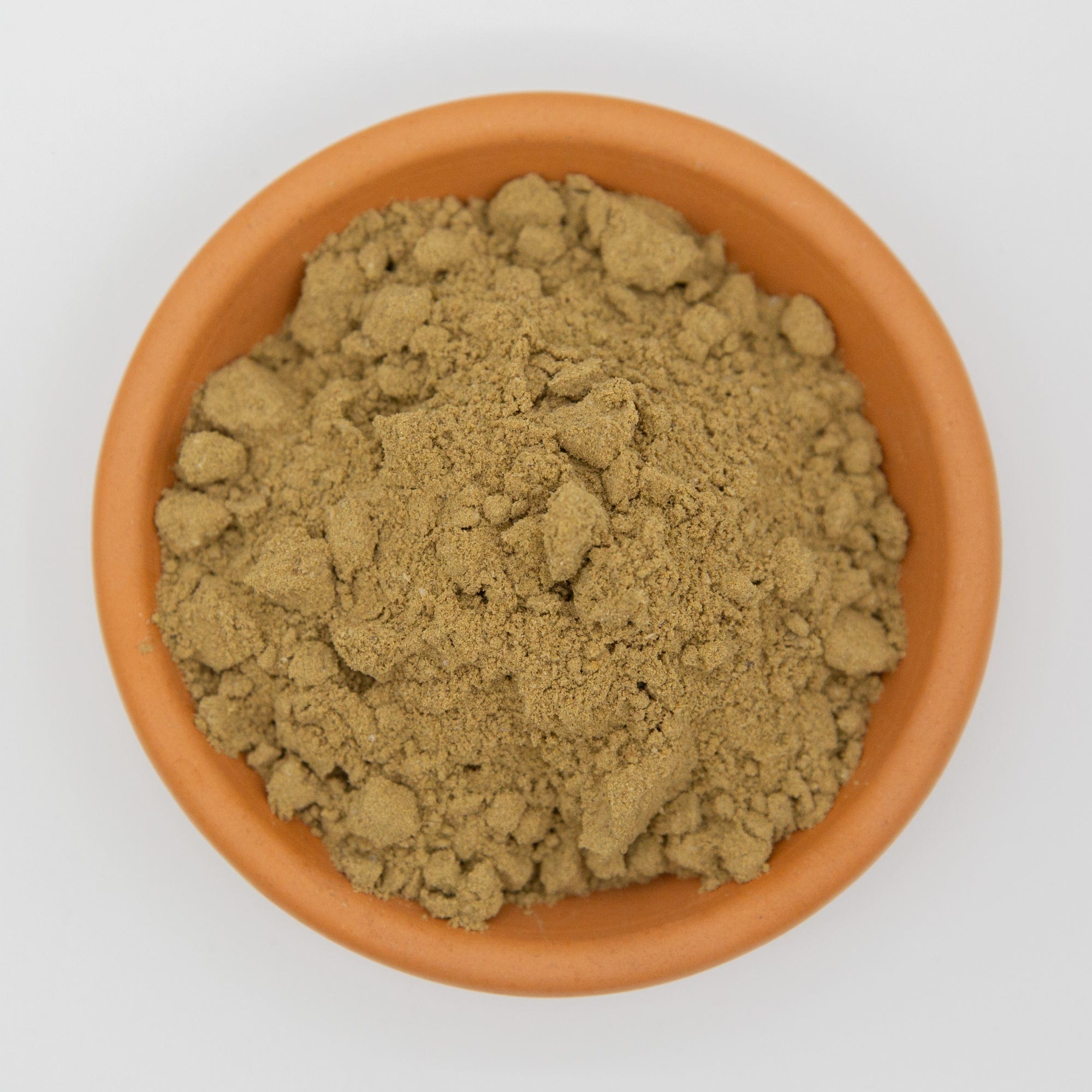
- Kelp meal
- Water-soluble guano
-
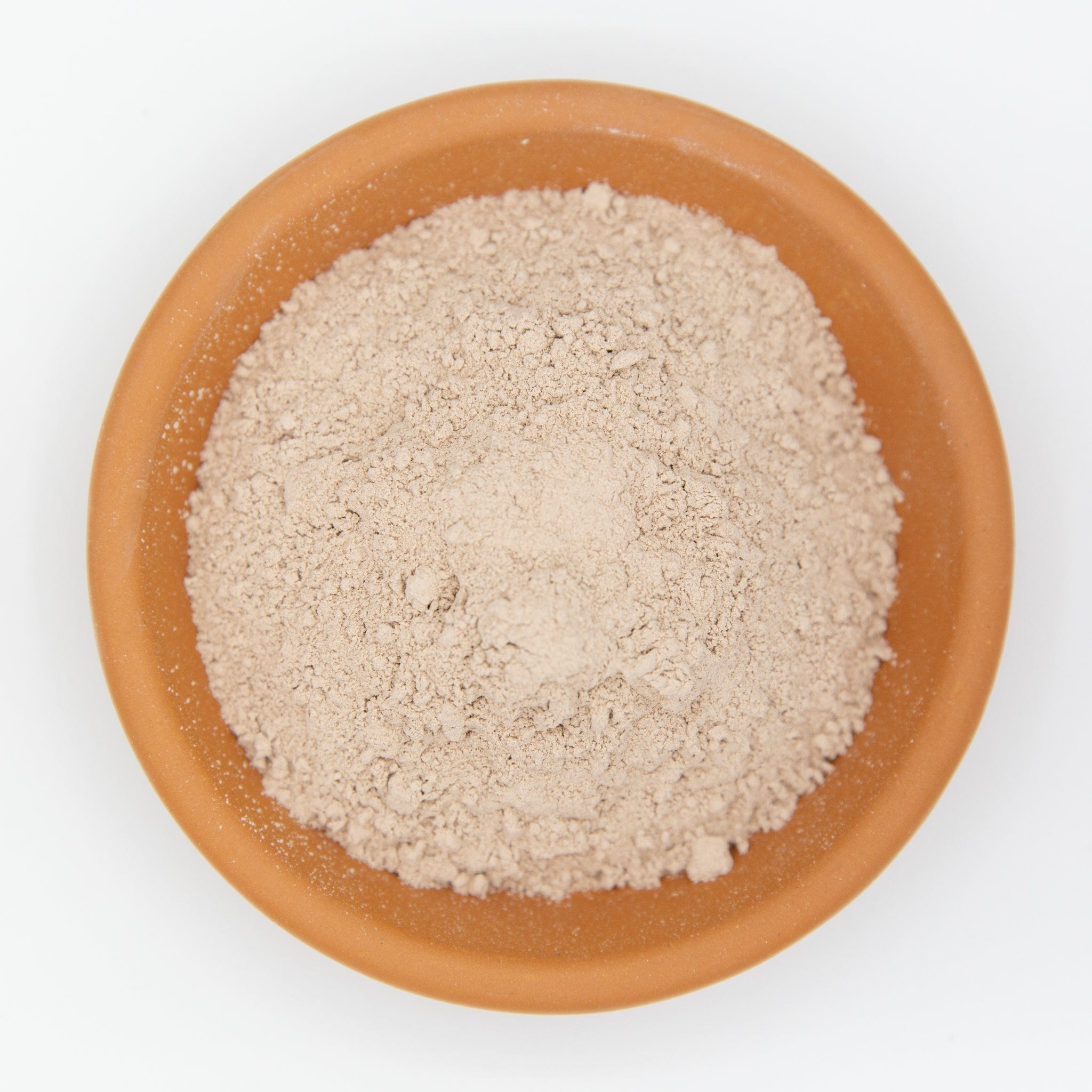
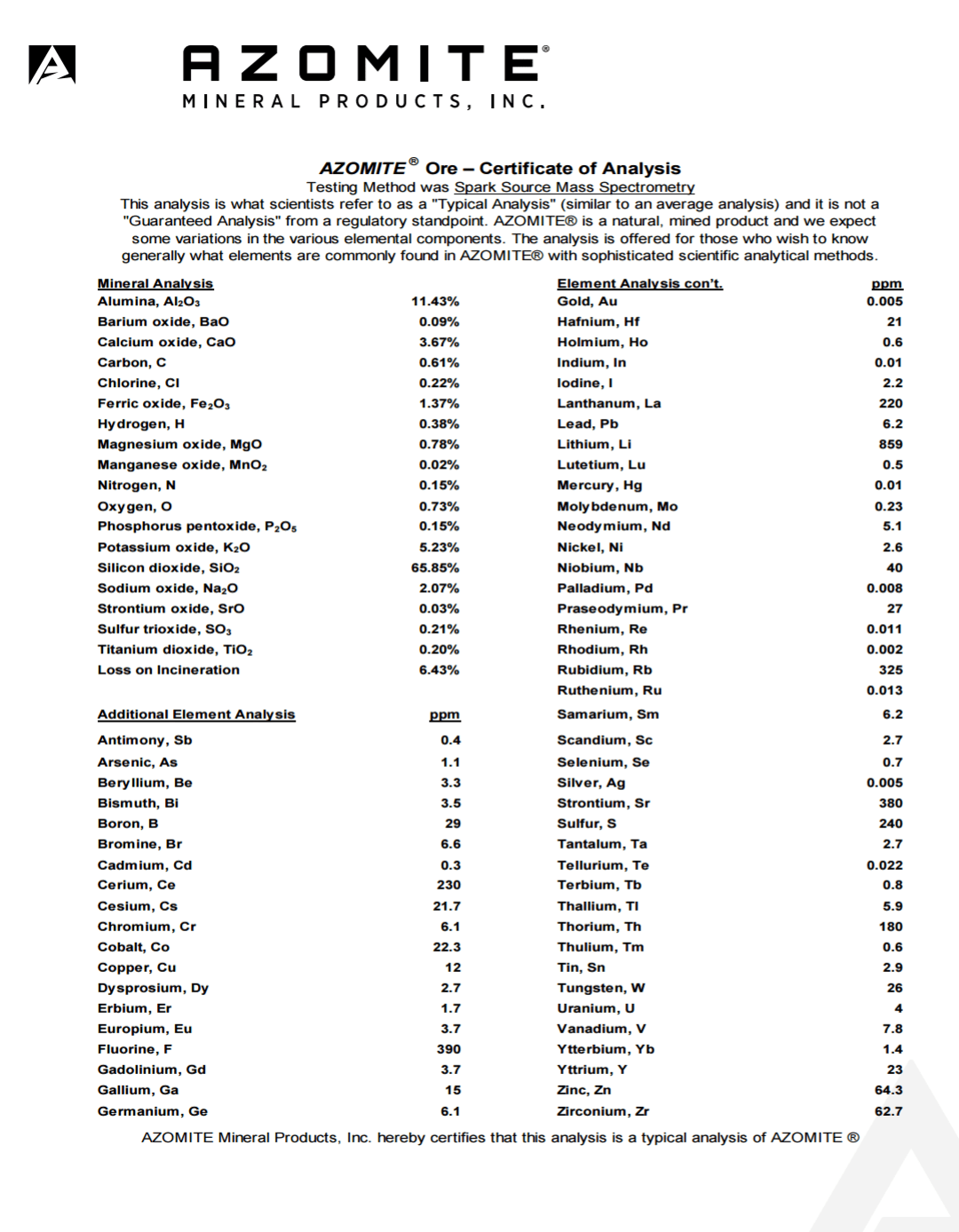
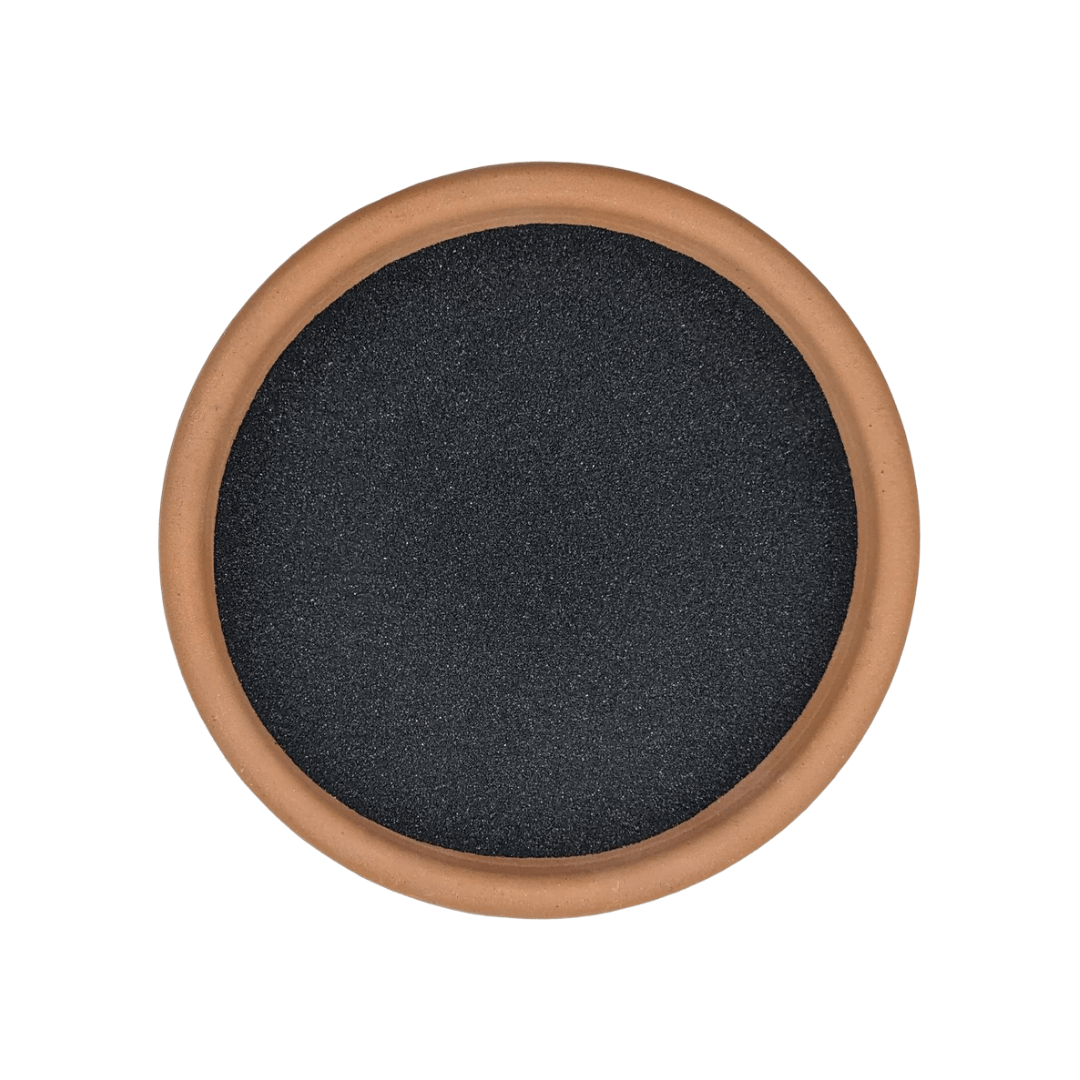
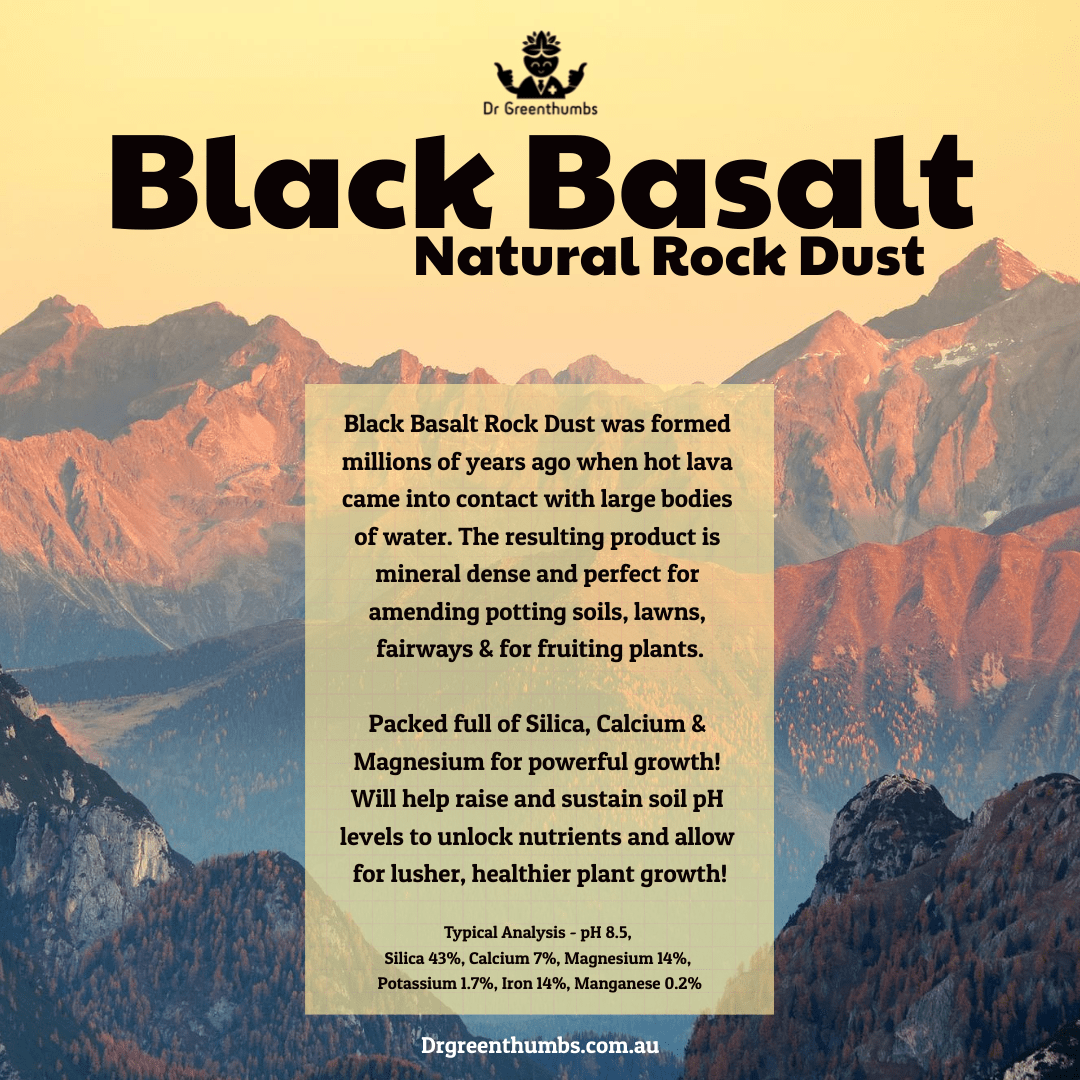
Rock dust (great for Aussie soils)
For an extra layer of plant health and pest resistance, pair your tea with this organic powerhouse: 7 Hidden Superpowers of Compost & Insect Frass for Thriving Australian Gardens
Quick-Start Brew Schedule
-
Friday 6 PM (5 mins): Fill bucket, connect pump, add compost, molasses, boosters.
-
Saturday 8 AM (1 min): Quick check for earthy smell.
-
Saturday 2 PM (2 mins): Observe for earthy smell, stir gently. In warmer weather if it's starting to smell less earthy and heading towards sweet, it's often best to use it now.
-
Saturday 6 PM: Use immediately; microbes start to decline quickly.
The Simple No-Pump Compost Tea Method
If you don’t have an air pump yet, you can still get started.
Here’s a basic compost tea anyone can make:
-
Fill a bucket with non-chlorinated water
-
Add a shovel of finished compost or worm castings
-
Stir well once or twice a day
-
Steep for 3–5 days
-
Strain and dilute before use
This method isn’t as precise as aerated tea, but it’s a great way to begin building confidence — and soil life.
Once you see the results, many gardeners naturally upgrade to aeration for faster, more reliable brews.
How Strong Should Compost Tea Be?
When it comes to compost tea, stronger isn’t better.
A good rule of thumb is this:
Your tea should look like weak black tea, not coffee.
If it smells fresh and earthy and looks lightly coloured, you’re on the right track.
General dilution guide:
-
Seedlings & young plants: 1 part tea : 10–20 parts water
-
Veggies, herbs & flowers: 1 part tea : 5–10 parts water
-
Established trees & shrubs: Can be used closer to full strength
-
Foliar spraying: Always dilute — lighter is safer
If in doubt, dilute more. Healthy microbes don’t need high concentrations to do their job.
Application Methods Perfect for Aussie Conditions
- Soil Drench: Apply around the root zone. Use the dilution guidance above and apply according to your plant type and growing conditions.
- Foliar Spray: Apply as a fine spray during suitable low-stress conditions. Always dilute foliar applications as outlined above.
- Seed Soaking: If using compost tea as a seed soak, keep the treatment separate from your normal soil-drench or foliar routine and follow the verified Dr Greenthumbs seed-soak rate.
Ideal Application Timings in Australia
- Spring: Apply during active growth using the method-specific frequency above.
- Summer: Favour early-morning foliar applications and evening soil drenches rather than the hottest part of the day.
- Autumn: Use applications to support plants heading into cooler conditions, following the normal method-specific frequency.
- Winter: Reduce unnecessary applications where plant and soil activity has slowed; adjust according to the crop and conditions.
Troubleshooting Aussie Compost Tea
-
Bad Smell: Increase aeration, reduce molasses.
- Flat Tea: Use the finished brew immediately after the brewing cycle rather than holding it for later use.
- Poor Plant Response: Check dilution and timing (avoid full sun). Consider using a soil moisture meter to ensure proper hydration.
What Can (and Can’t) Go Into Compost Tea
Great compost tea starts with smart ingredient choices.
Important: The featured 24-hour aerated recipe above uses its own defined ingredient list. Treat the suggestions below as broader compost-tea input guidance rather than automatically adding every item to the 24-hour recipe.
Good options include:
-
Finished compost or worm castings
-
Healthy garden weeds (before they set seed)
-
Soft green plant material
-
Well-aged organic matter
Avoid adding:
-
Diseased plants
-
Fresh manure
-
Weeds that have gone to seed
-
Toxic plants (especially if feeding edibles)
-
Anything you wouldn’t put into your compost pile
If you’re using weeds, think of compost tea as a controlled soak, not a dumping ground. Healthy inputs = healthy microbes.
Water Tip: Chlorine vs Chloramine
Most gardeners know chlorine can harm beneficial microbes — which is why letting water sit overnight works well in many areas.
However, some water supplies now use chloramine, which doesn’t gas off as easily.
If you’re unsure, you’ve got a few easy options:
-
Use rainwater where possible
-
Run tap water through a quality carbon filter
-
Let water sit longer with agitation
-
For small batches, a pinch of vitamin C can neutralise chloramine
Don’t stress — microbes are resilient. This step is about improving consistency, not perfection.
Aussie Gardeners FAQ
Can I make compost tea too strong?
Stronger isn’t automatically better. Use the dilution guidance above for your plant type and, if in doubt, dilute more.
Can I use compost tea on edible plants?
Yes, when it is made with suitable finished compost and used with the precautions outlined in the edible-plants section above. Avoid fresh manure, use soil applications when unsure, and avoid foliar spraying immediately before harvest.
Do I need an air pump to make compost tea?
No. The 24-hour method in this guide uses an air pump, but the no-pump method above gives you a simpler steeped alternative.
Can I use ordinary tap water?
It depends on how your local water is treated. Check the Chlorine vs Chloramine section above before preparing tap water for the brew.
Ready to Transform Your Garden Naturally?
Prefer a preblended, ready-made option? Our High Tea Compost Tea product has everything you need, minus the air pump.
Let's get brewing—your garden awaits.
Next reads for brewing better compost tea and building living soil
Got your compost tea brewing? These guides will help you choose better inputs, build stronger soil biology and get more from your organic feeding program.
- Compost Starter Australia
- Organic Gardening 101: Living Soil Aussie Guide
- Natural Garden Fertilisers Australia Guide
- Insect Frass Guide Australia
About the Author